





















The frozen radicality of Enfants Riches Déprimés’ FW26 Under a blanket of artificial snow, the FW26 fashion show transforms bodies and clothing into a living memory
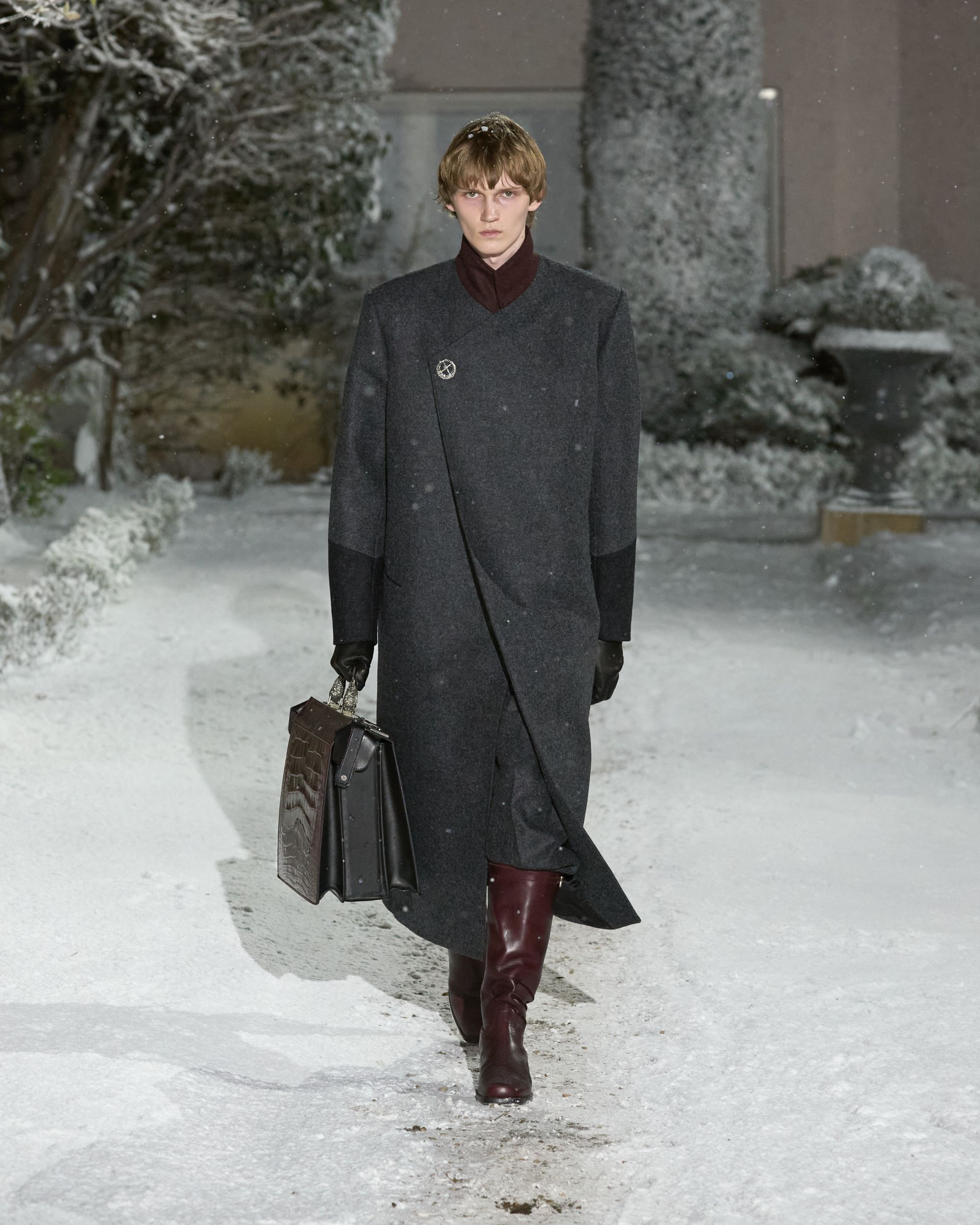
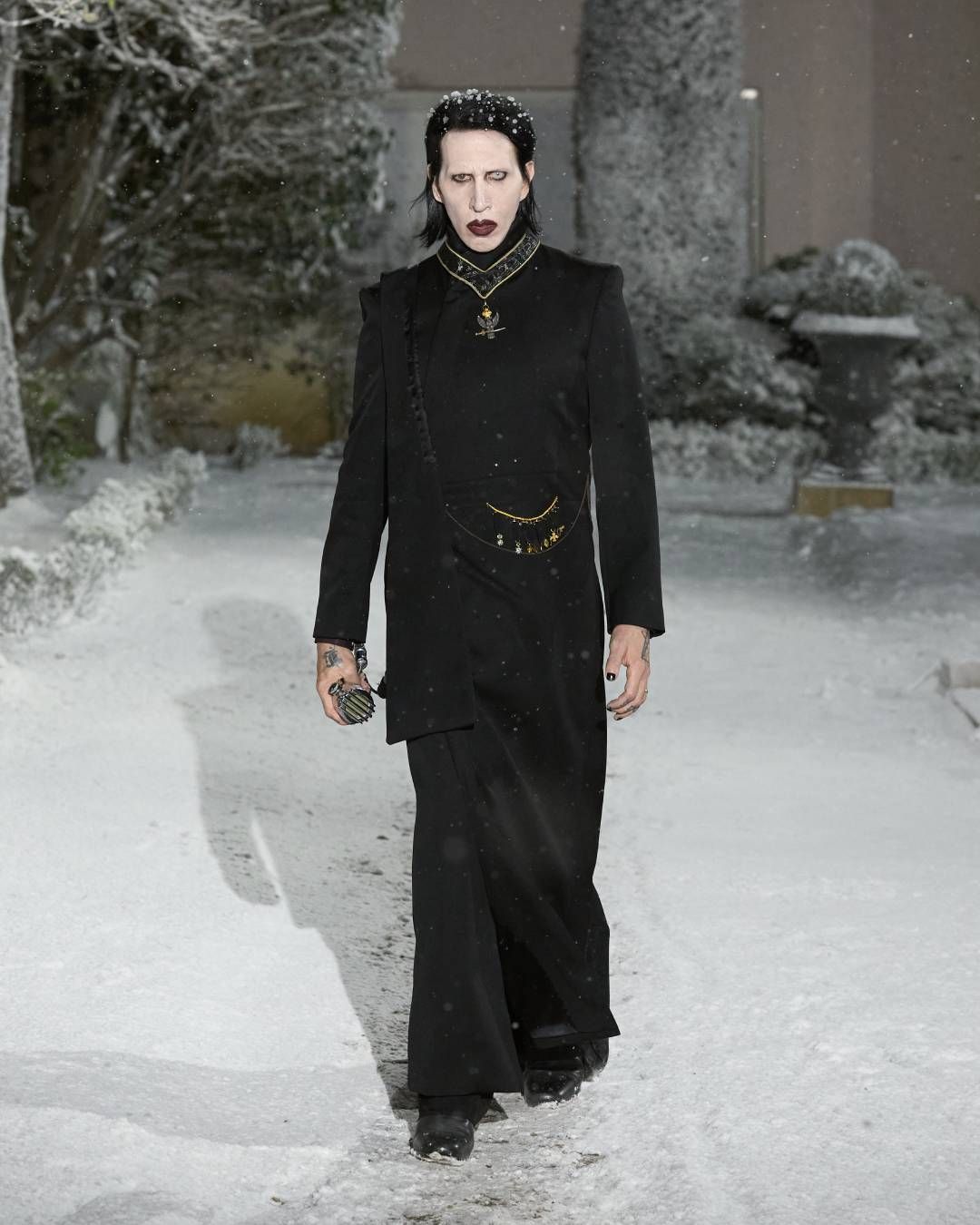
This season, Enfants Riches Déprimés, a brand that defines itself as anti, neo, and post, delivers one of the most talked-about shows of the season. The controversy is immediate: American designer Henri Alexander Levy chooses the highly polarizing Marilyn Manson-at the center of multiple sexual assault allegations-to open the runway. These serious accusations do not prevent the brand from granting him this honor. His presence extends far beyond Paris Fashion Week, sparking debates well beyond the catwalk.

The frozen radicality of Enfants Riches Déprimés’ FW26 Under a blanket of artificial snow, the FW26 fashion show transforms bodies and clothing into a living memory | Image 608422
The frozen radicality of Enfants Riches Déprimés’ FW26 Under a blanket of artificial snow, the FW26 fashion show transforms bodies and clothing into a living memory | Image 608423
The frozen radicality of Enfants Riches Déprimés’ FW26 Under a blanket of artificial snow, the FW26 fashion show transforms bodies and clothing into a living memory | Image 608421
The frozen radicality of Enfants Riches Déprimés’ FW26 Under a blanket of artificial snow, the FW26 fashion show transforms bodies and clothing into a living memory | Image 608420
The frozen radicality of Enfants Riches Déprimés’ FW26 Under a blanket of artificial snow, the FW26 fashion show transforms bodies and clothing into a living memory | Image 608419
The frozen radicality of Enfants Riches Déprimés’ FW26 Under a blanket of artificial snow, the FW26 fashion show transforms bodies and clothing into a living memory | Image 608418
The frozen radicality of Enfants Riches Déprimés’ FW26 Under a blanket of artificial snow, the FW26 fashion show transforms bodies and clothing into a living memory | Image 608417
The frozen radicality of Enfants Riches Déprimés’ FW26 Under a blanket of artificial snow, the FW26 fashion show transforms bodies and clothing into a living memory | Image 608416
The frozen radicality of Enfants Riches Déprimés’ FW26 Under a blanket of artificial snow, the FW26 fashion show transforms bodies and clothing into a living memory | Image 608415
The frozen radicality of Enfants Riches Déprimés’ FW26 Under a blanket of artificial snow, the FW26 fashion show transforms bodies and clothing into a living memory | Image 608414
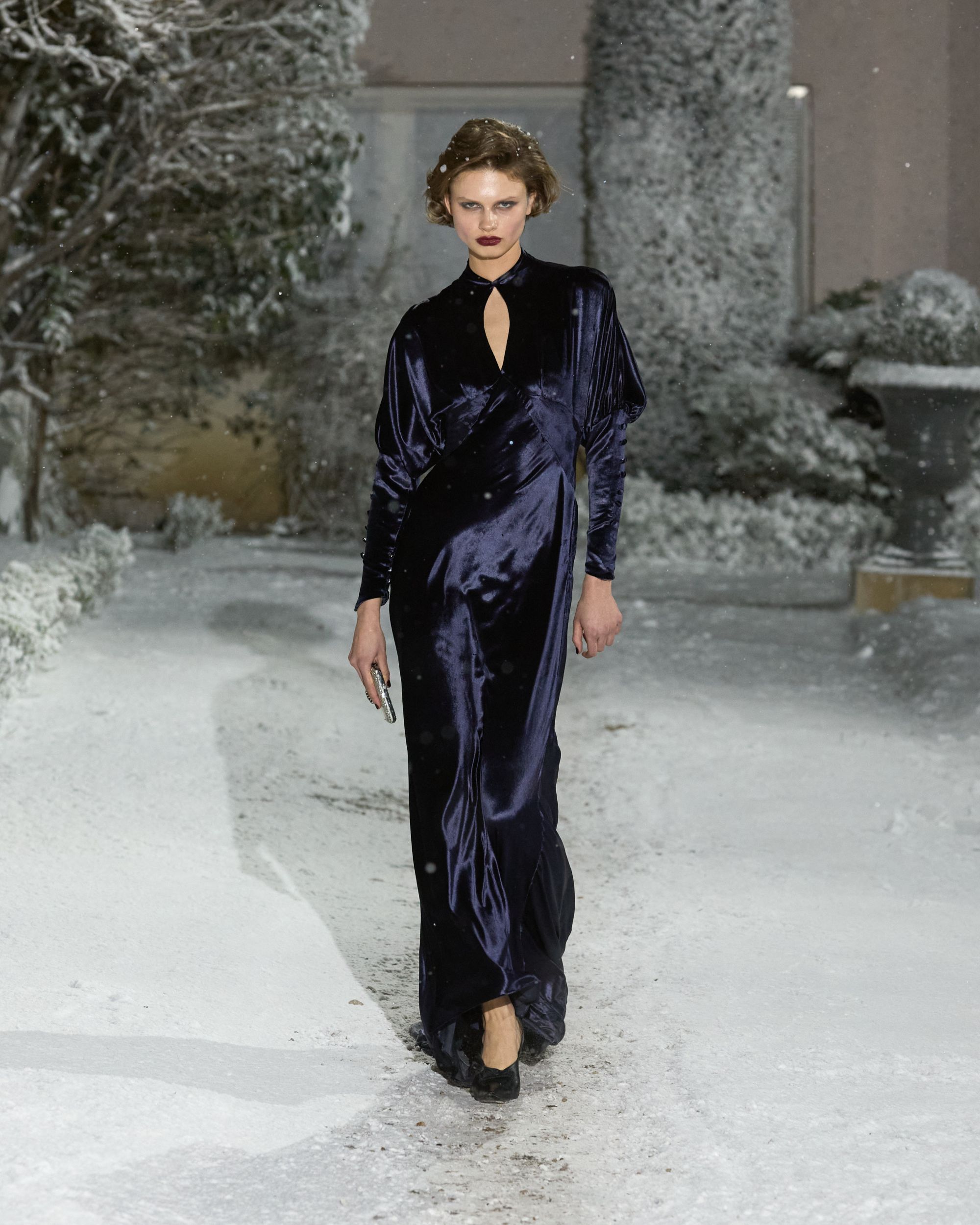
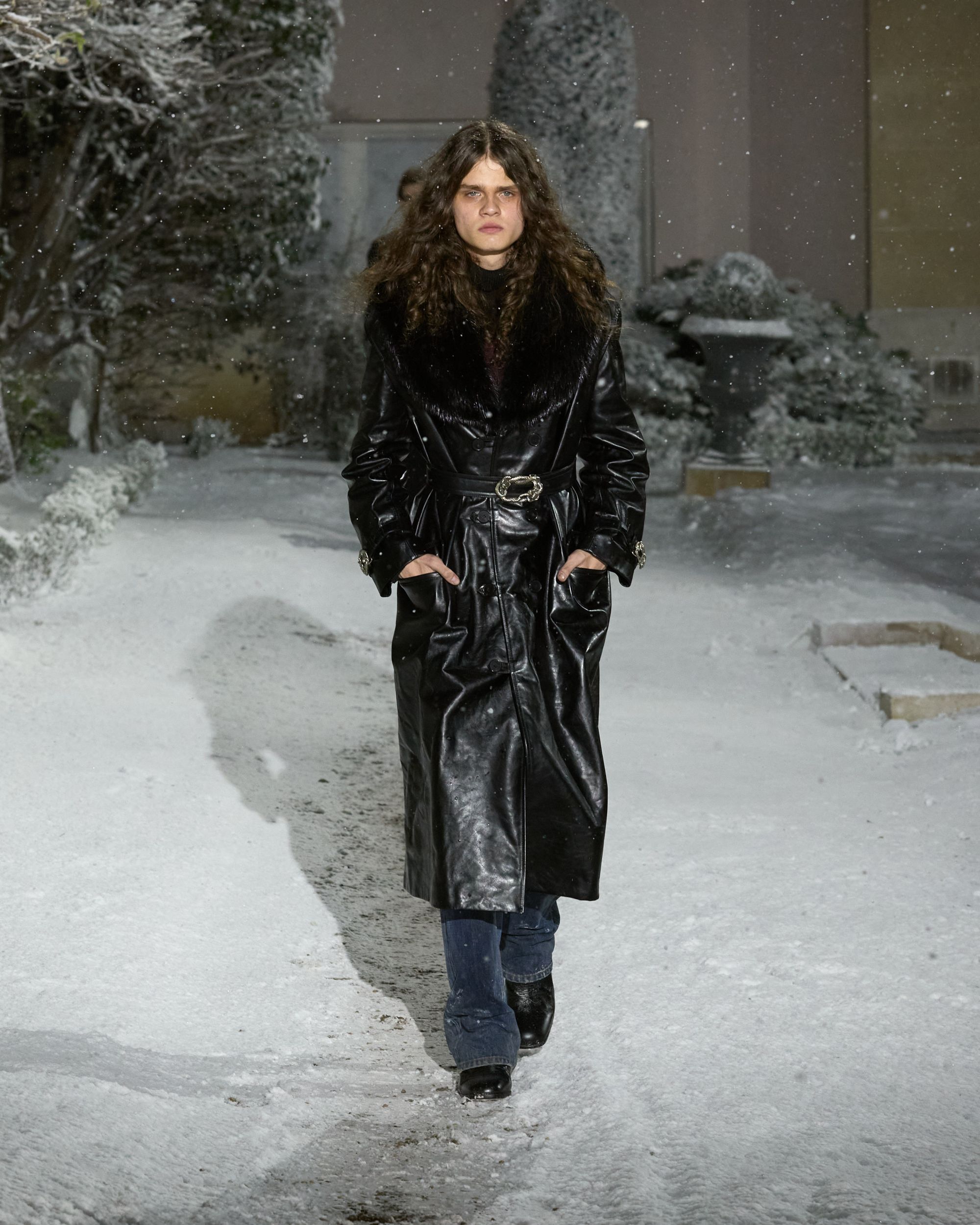
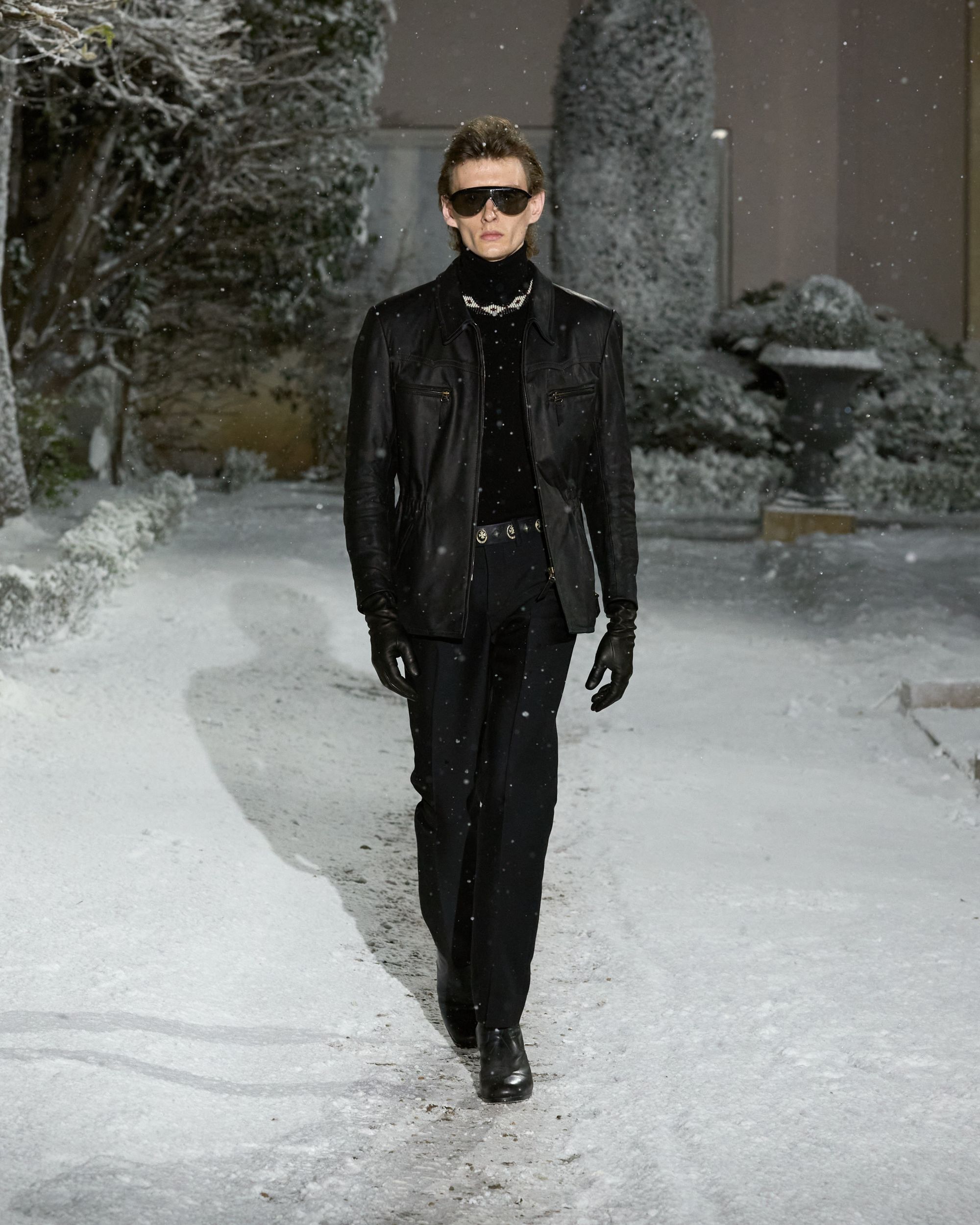
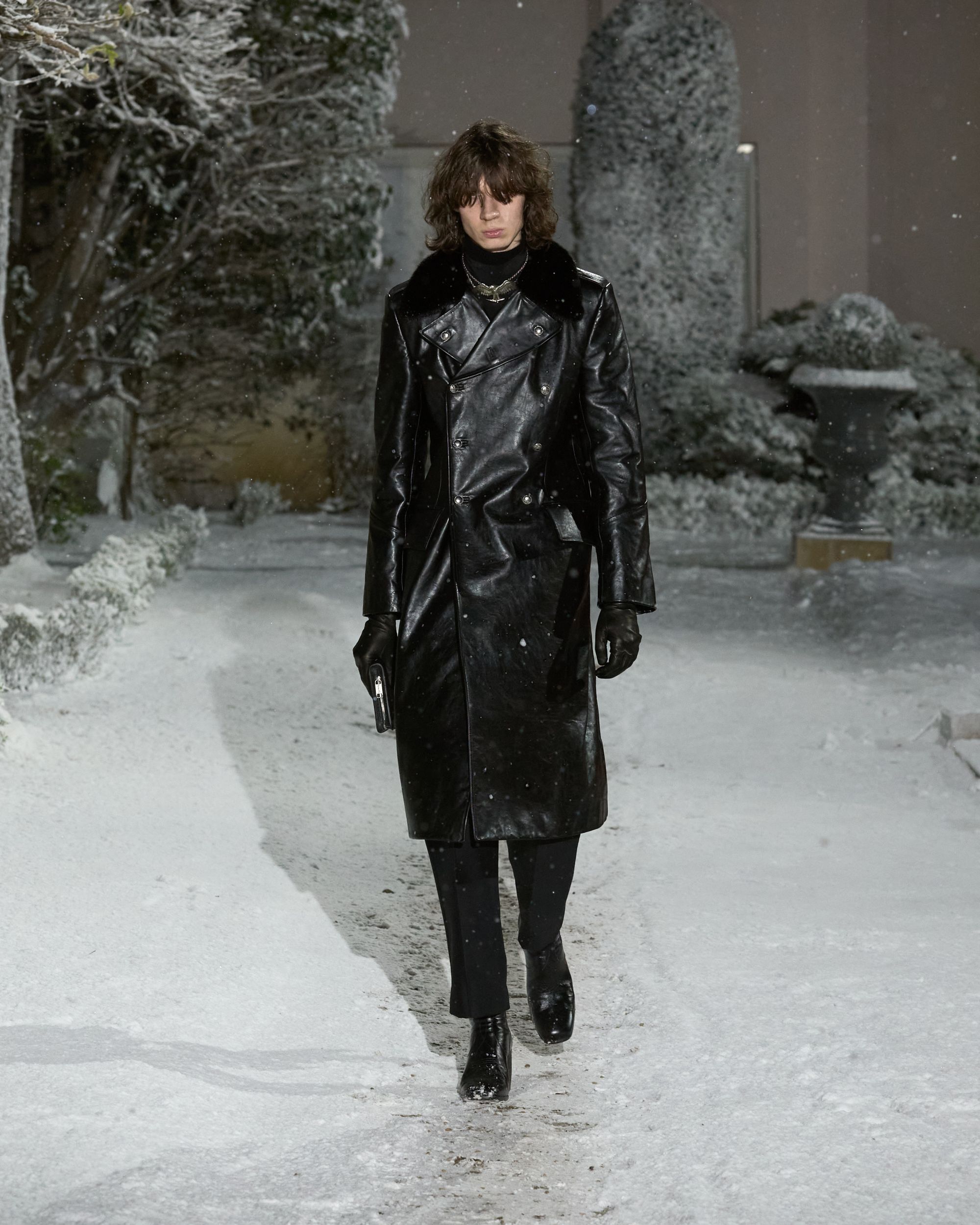
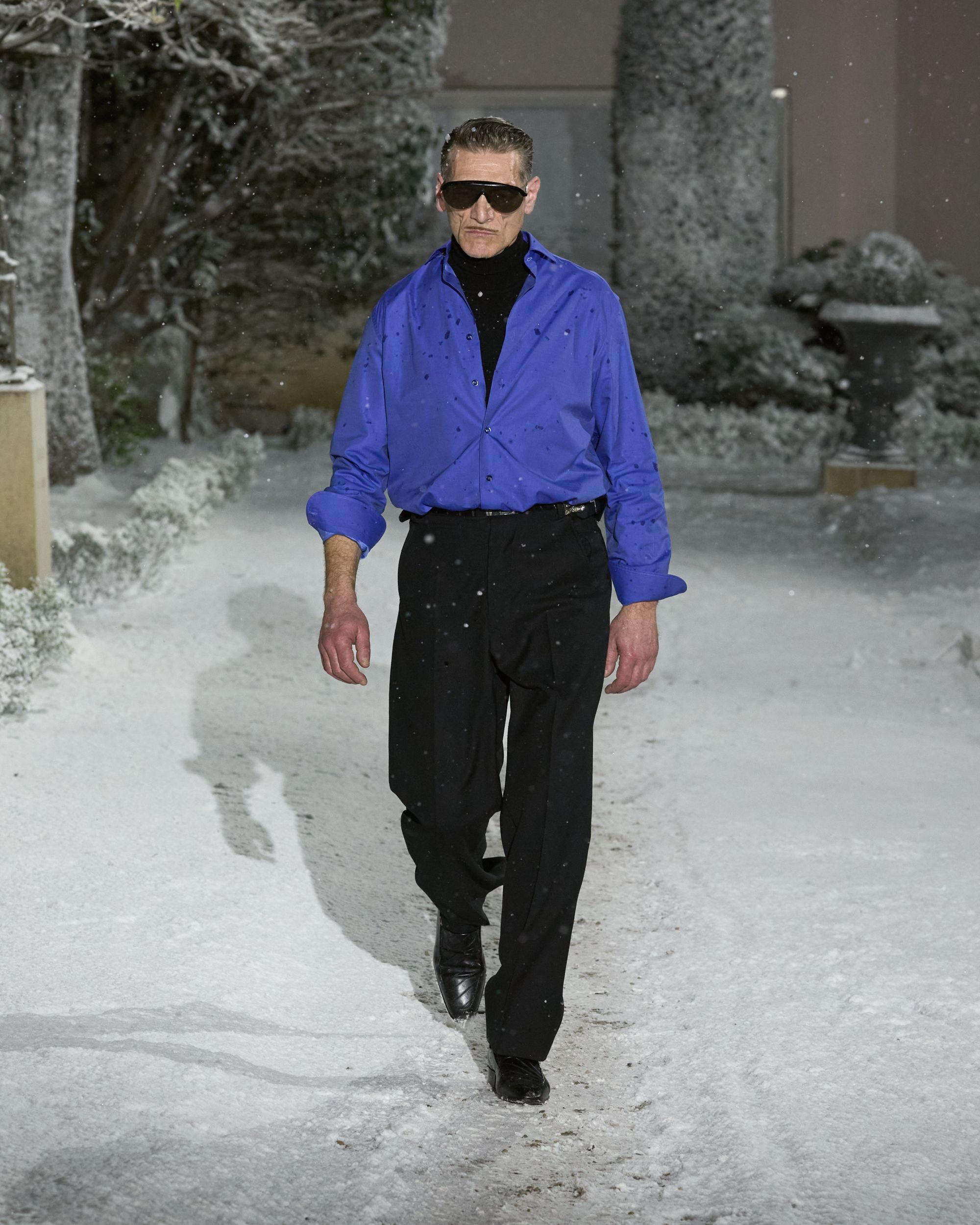
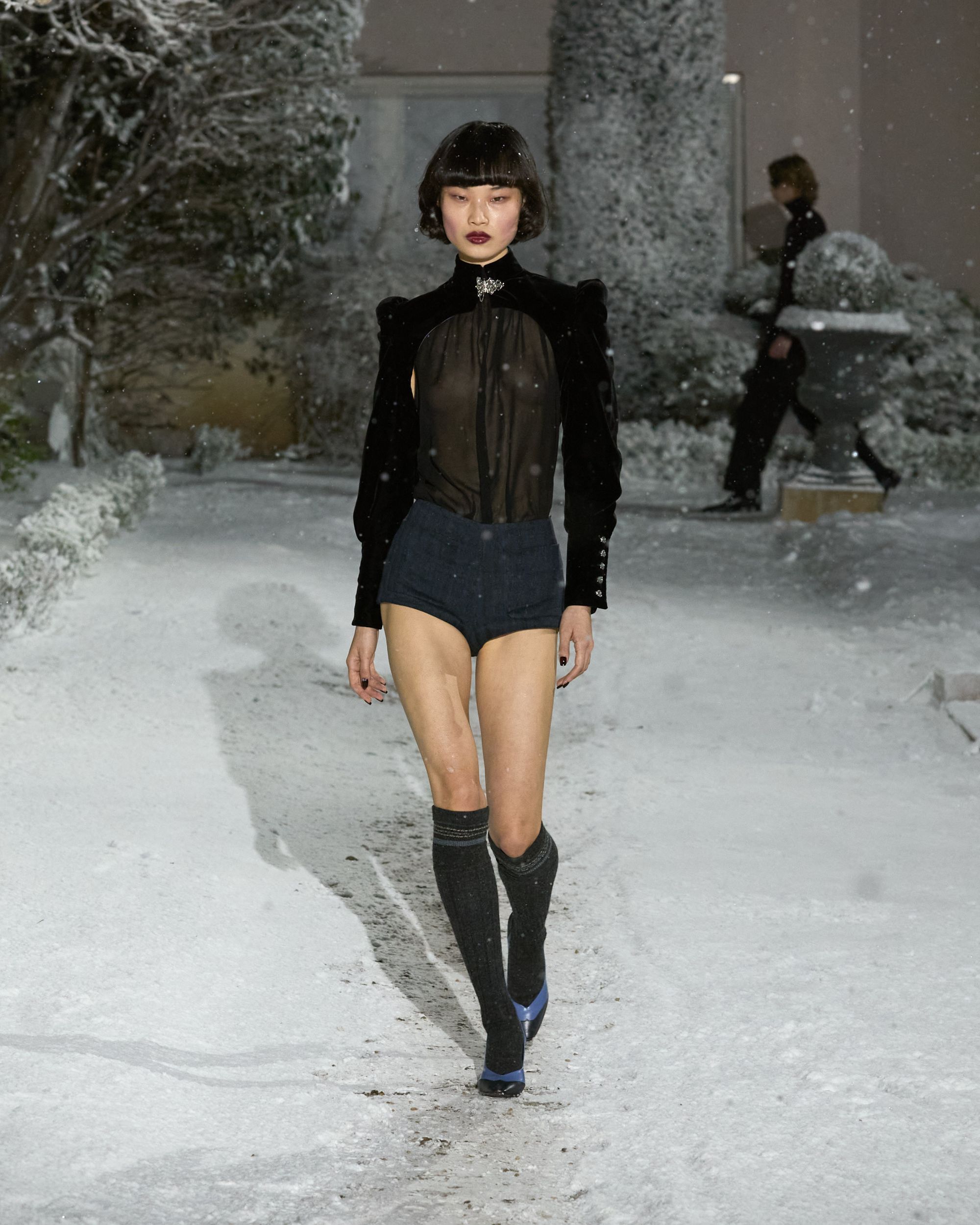
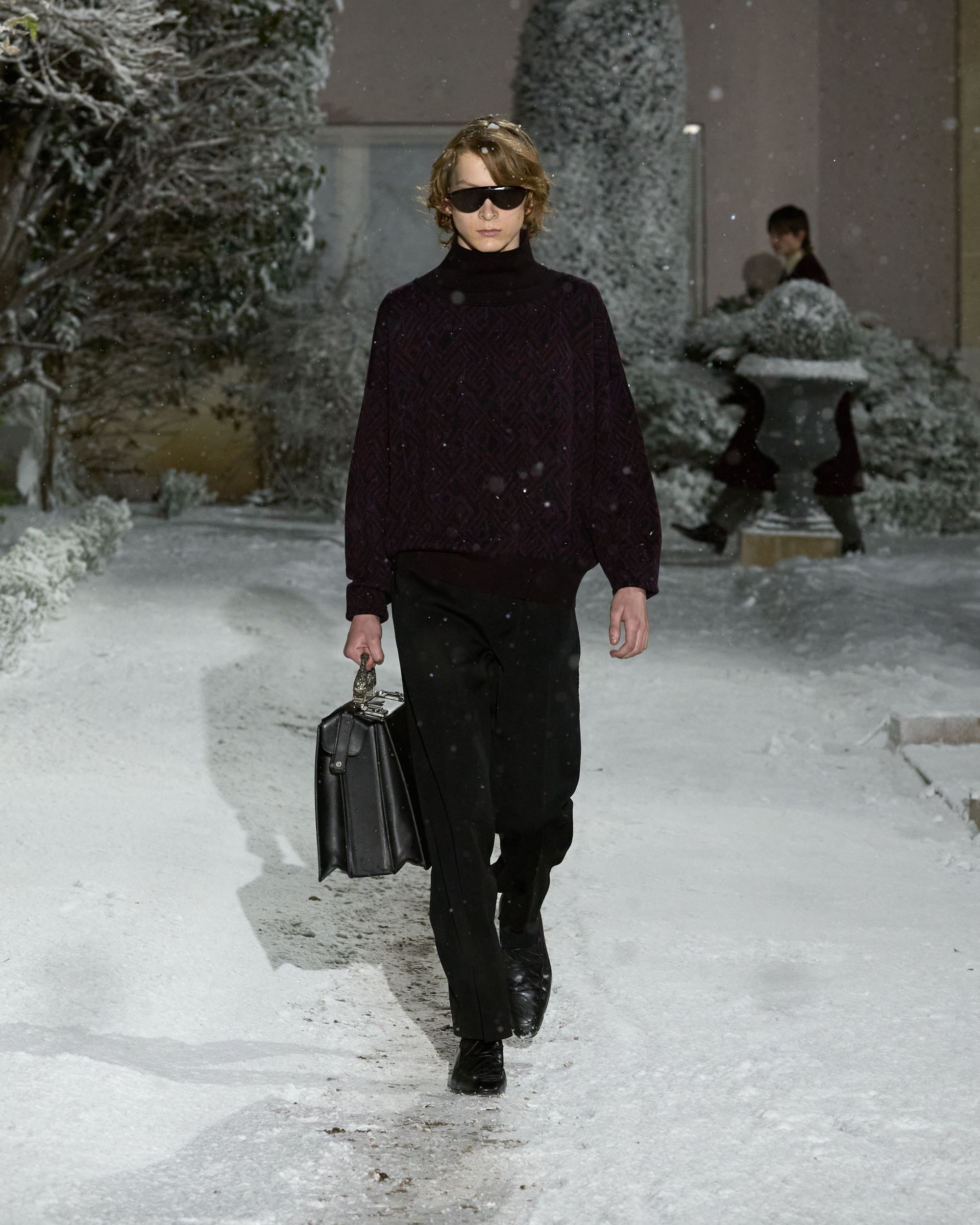
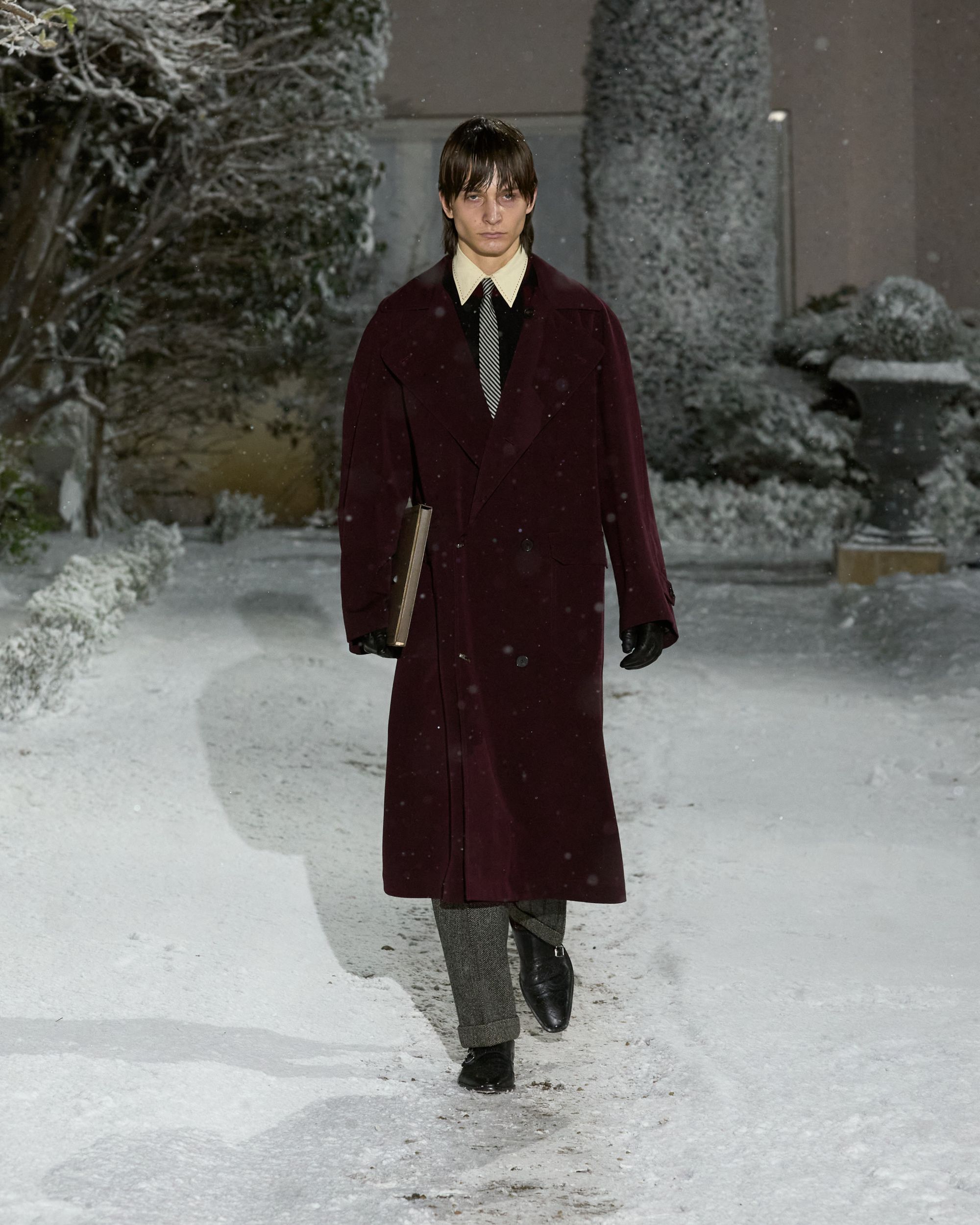
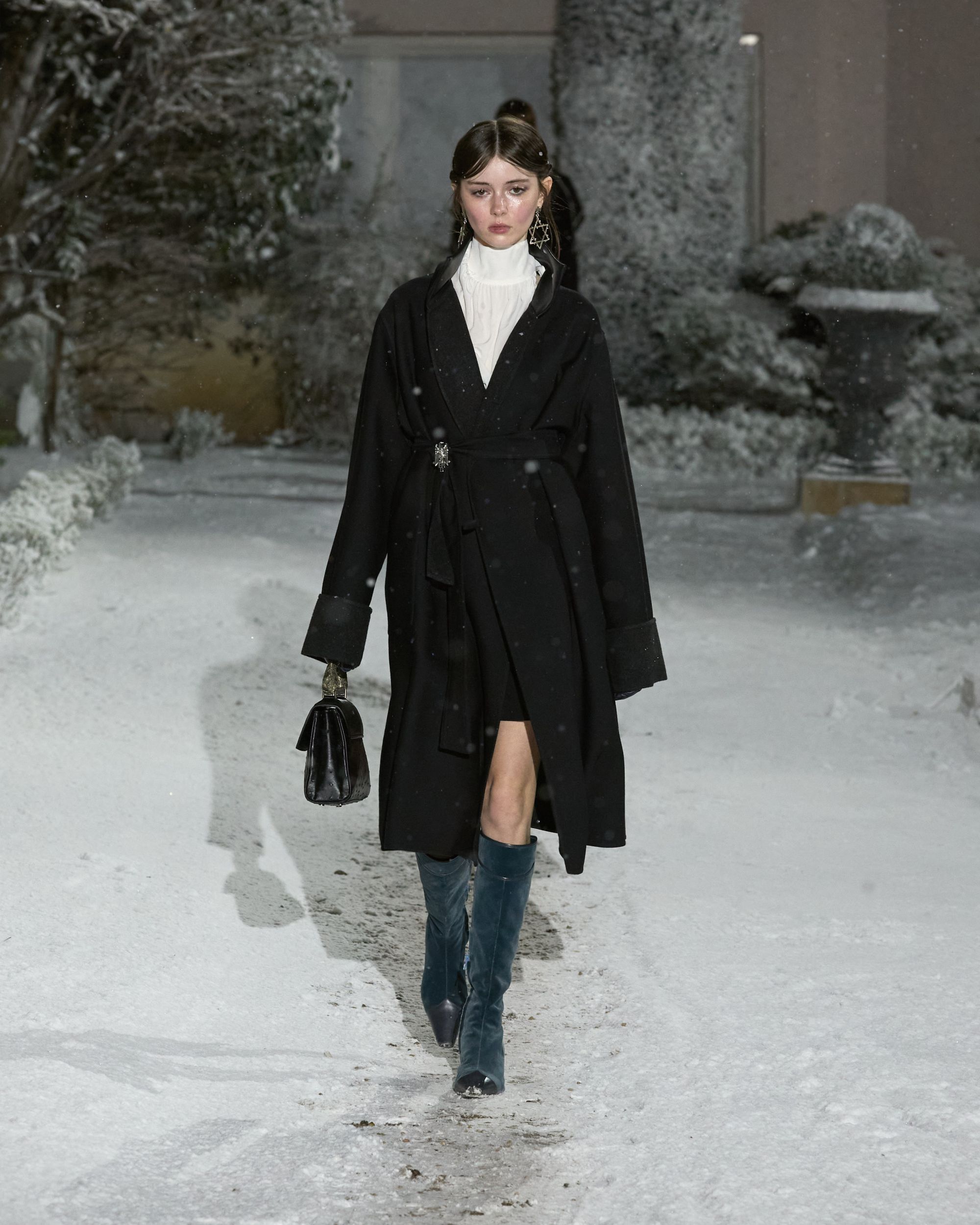
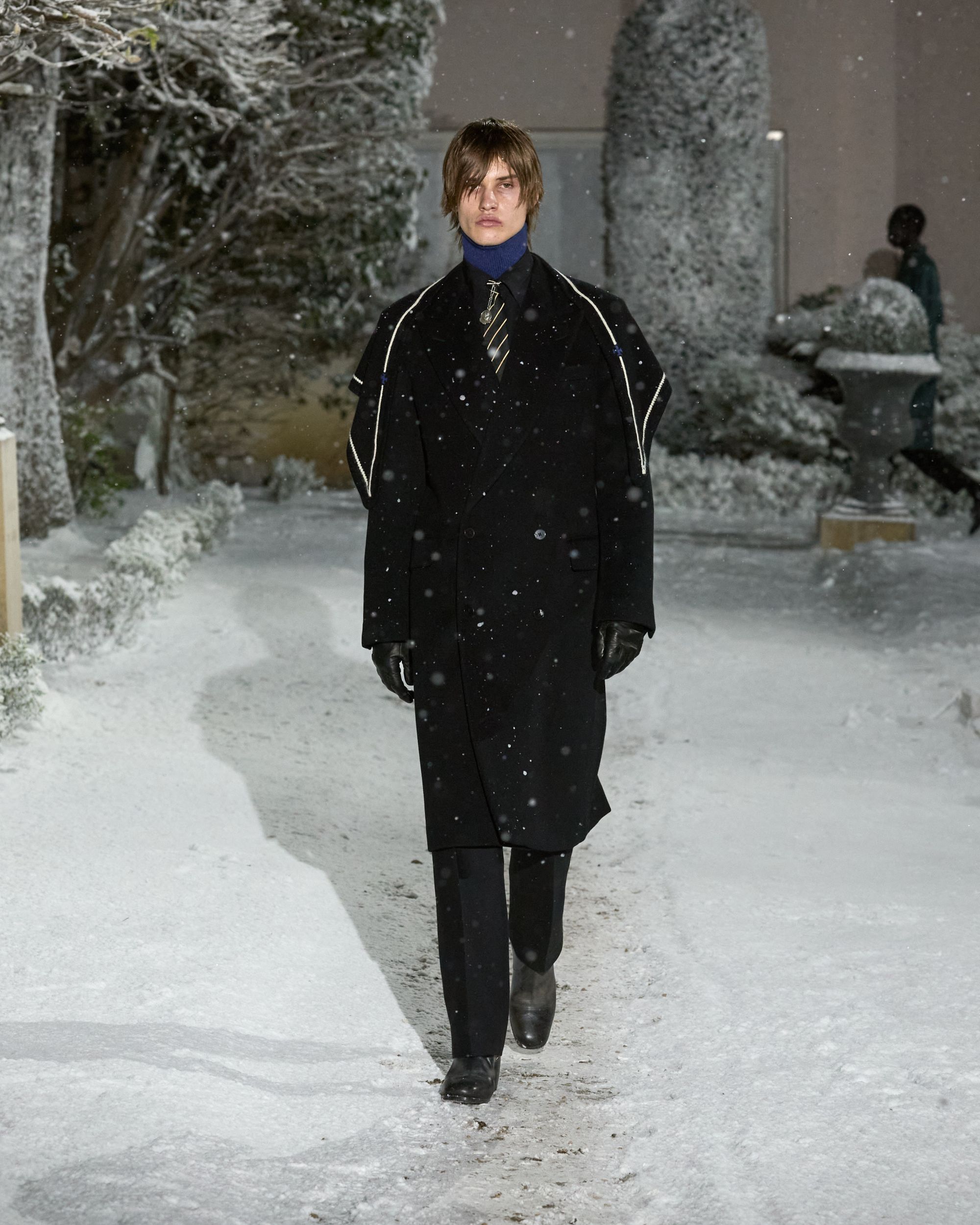
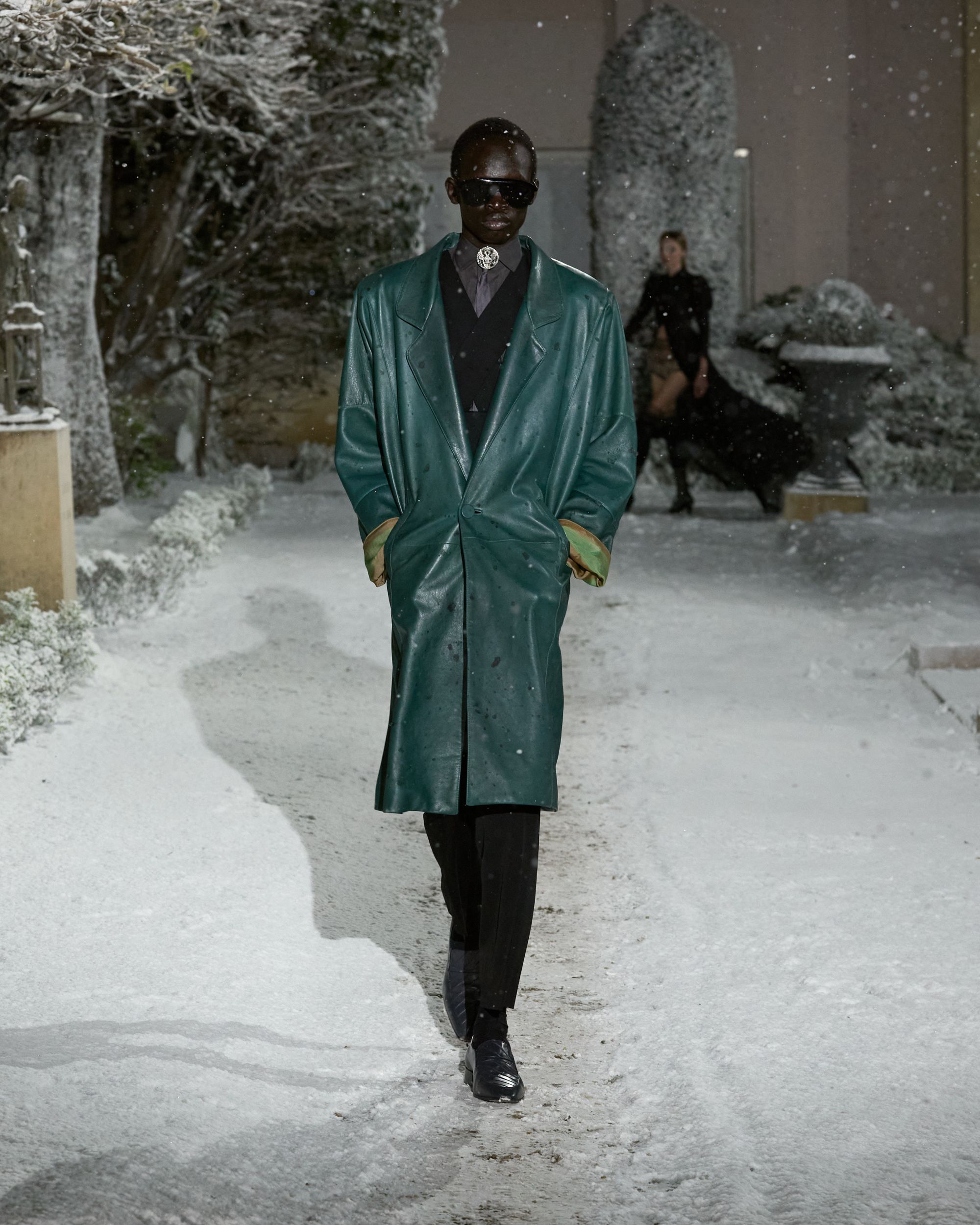
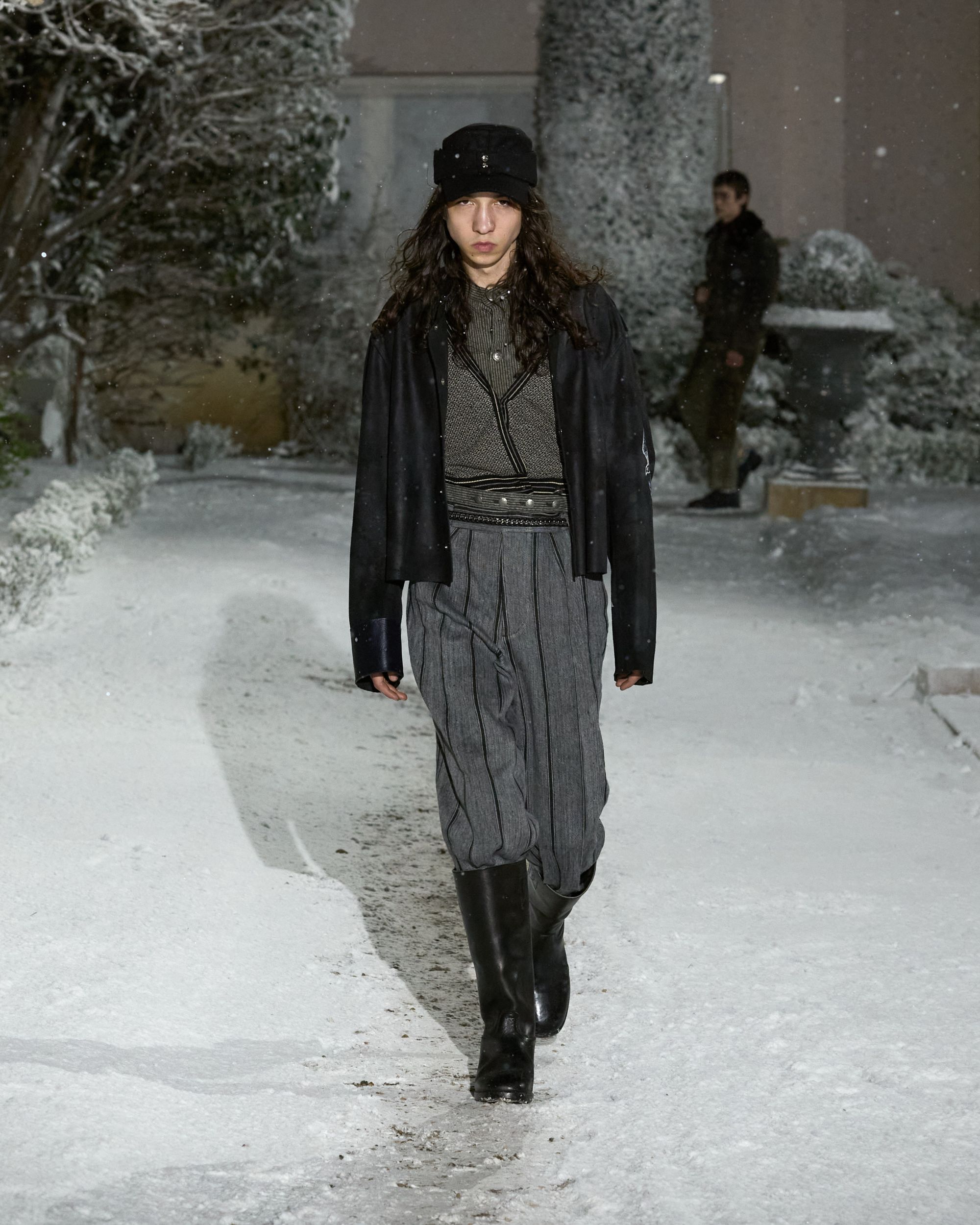
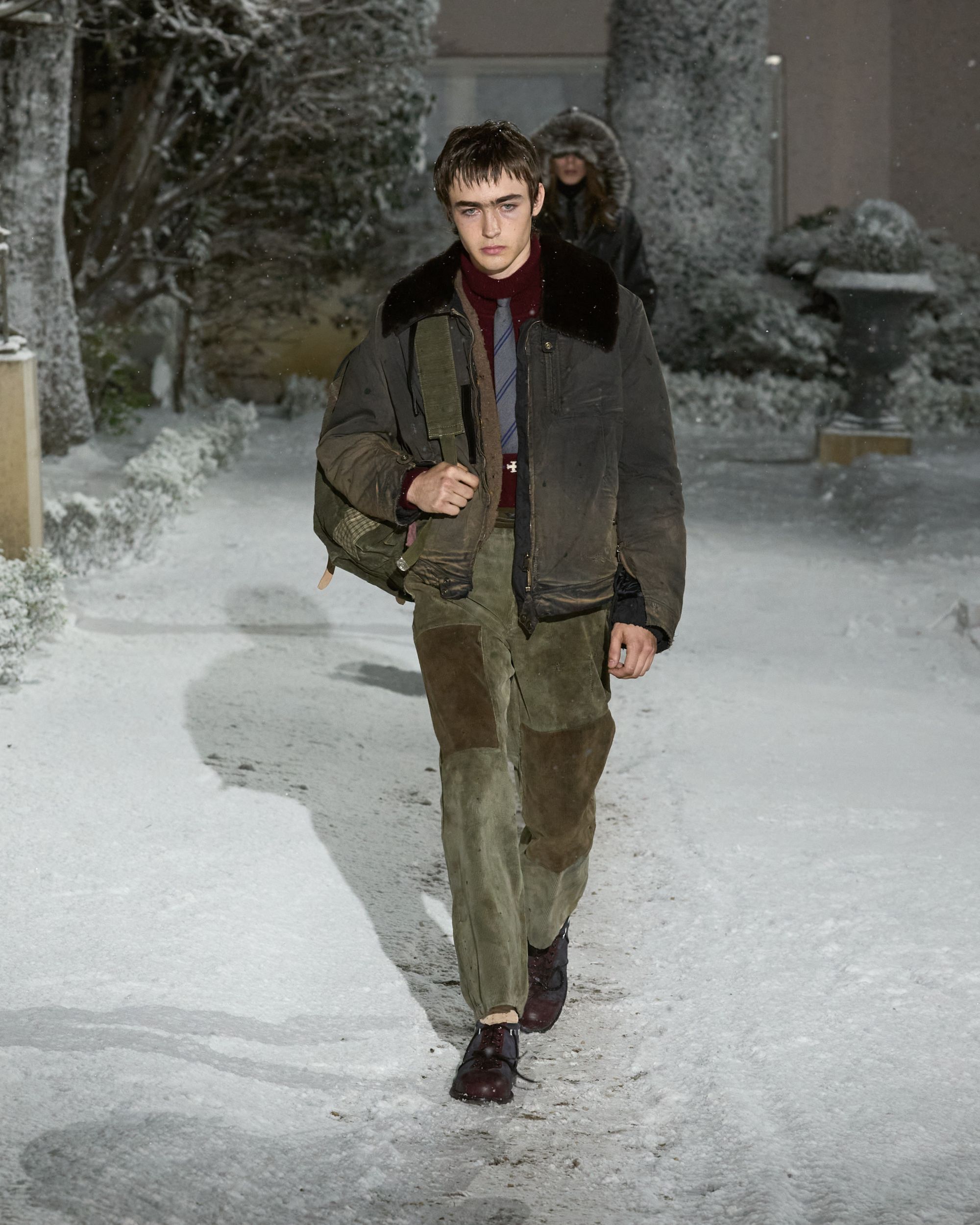
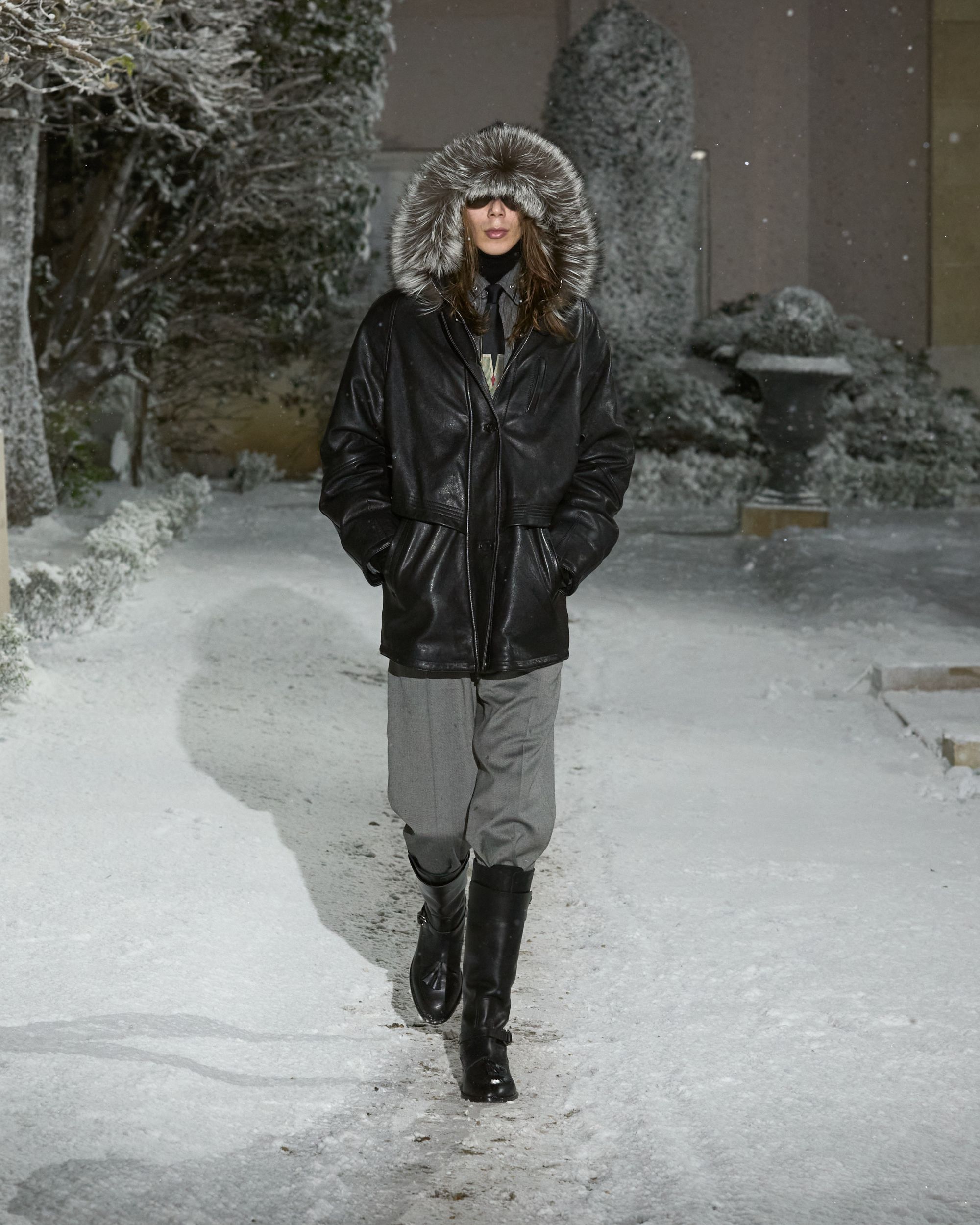
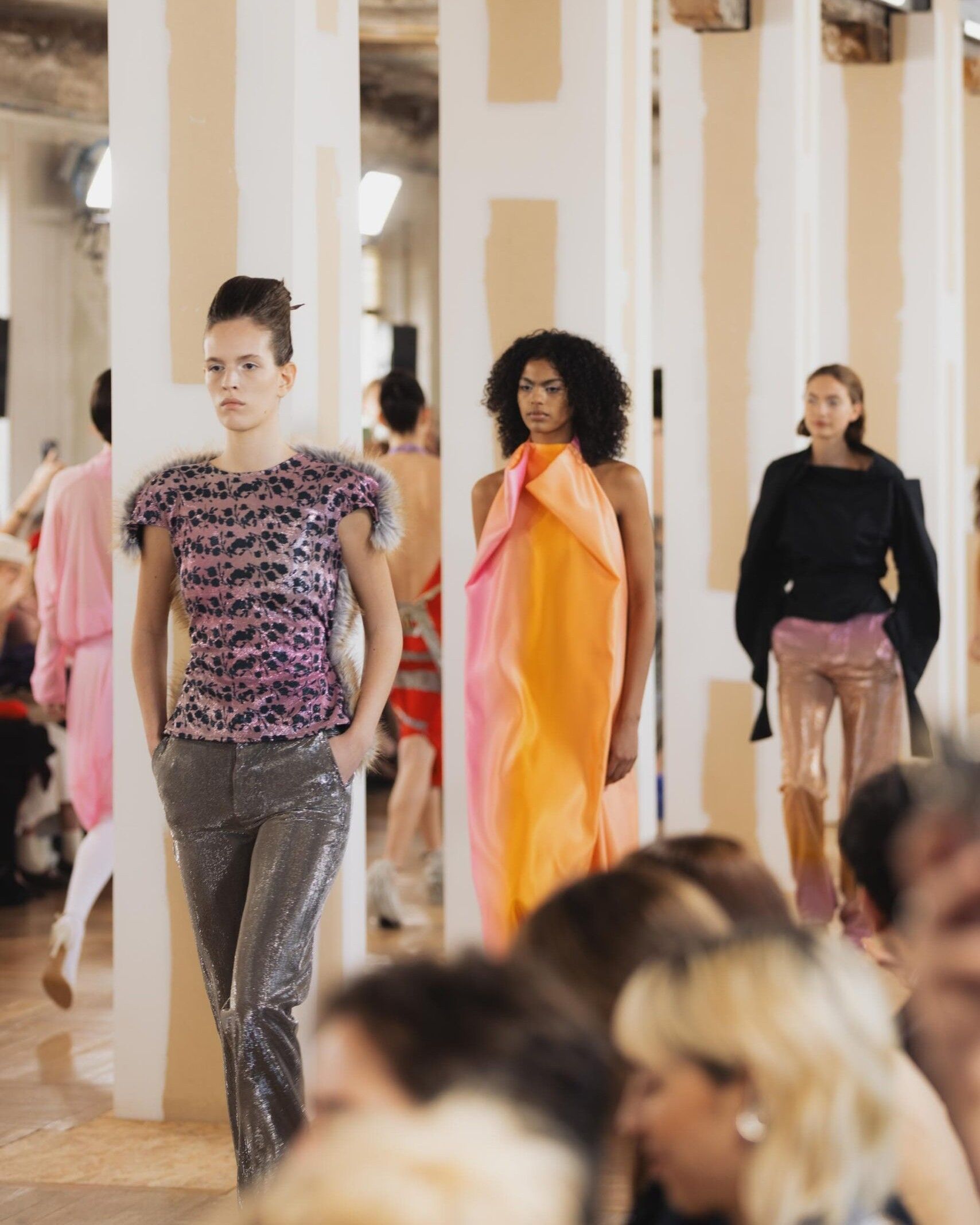
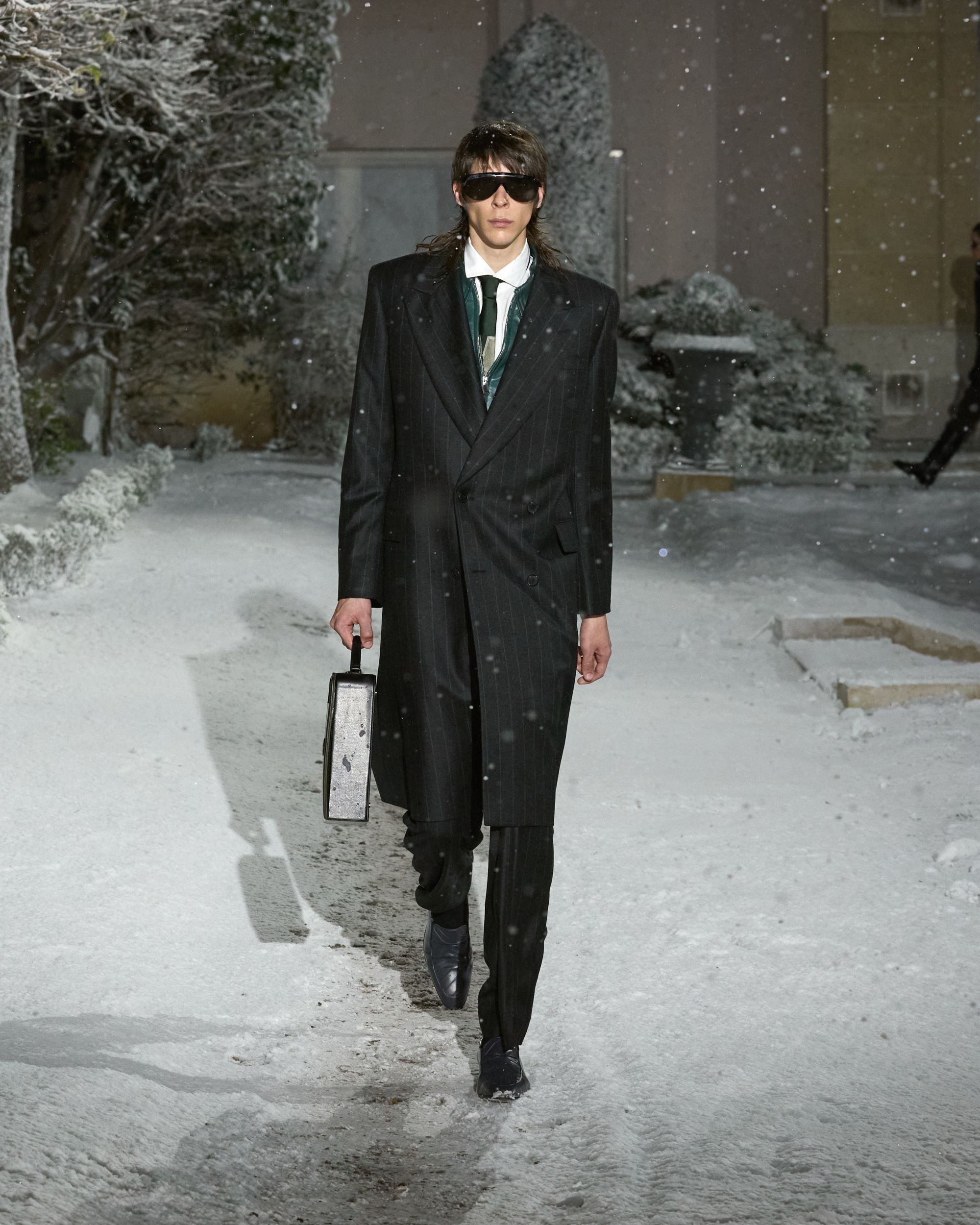
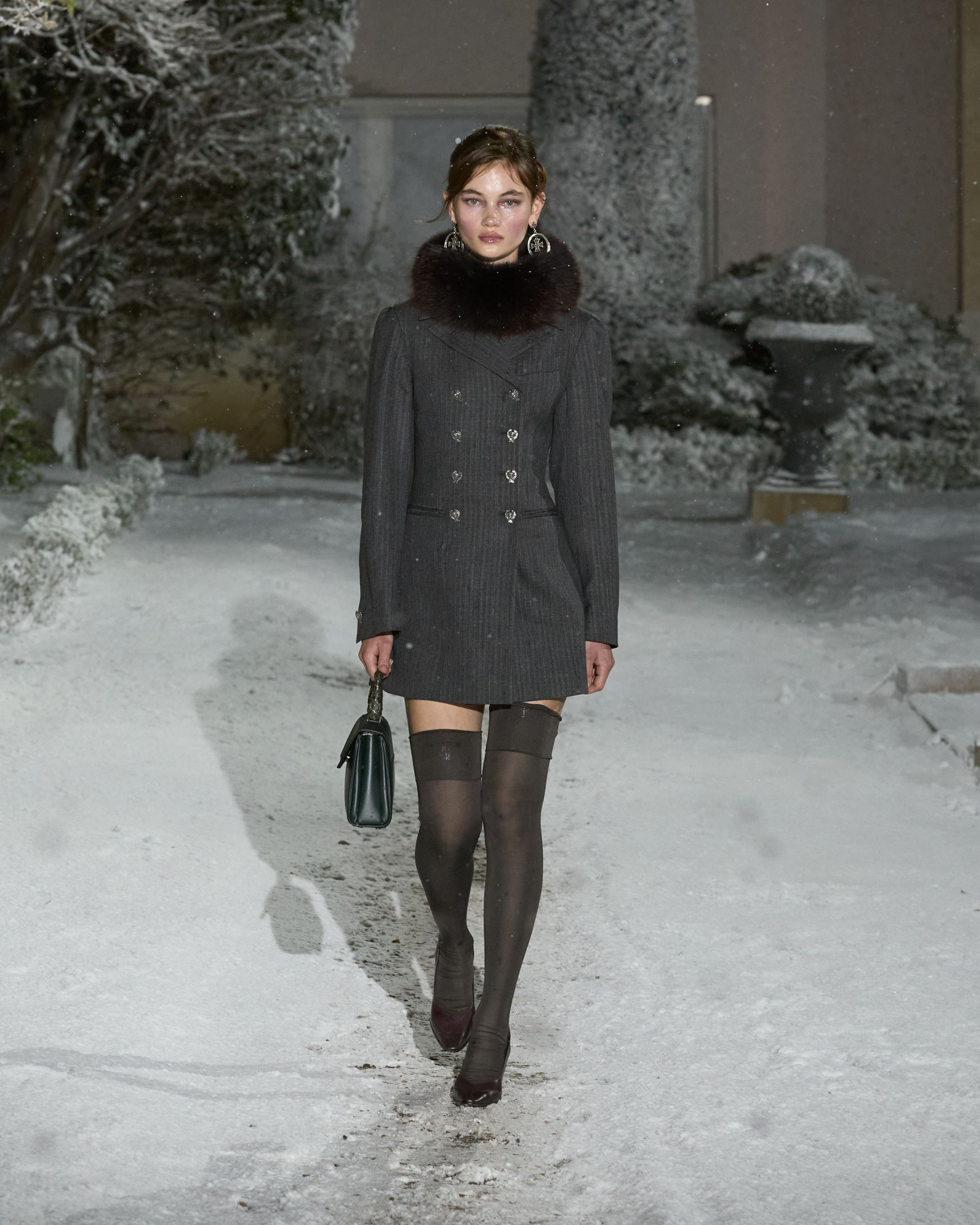
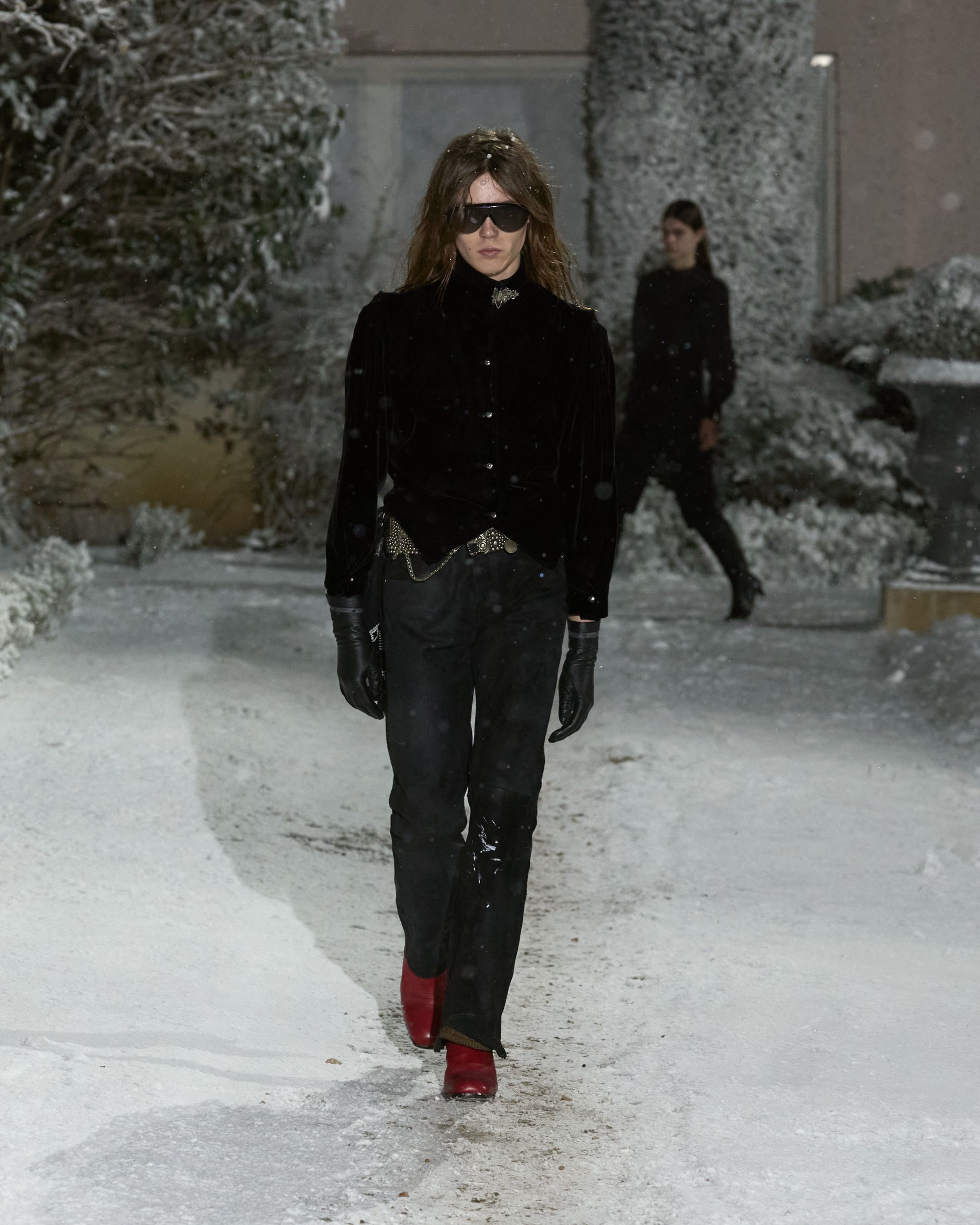
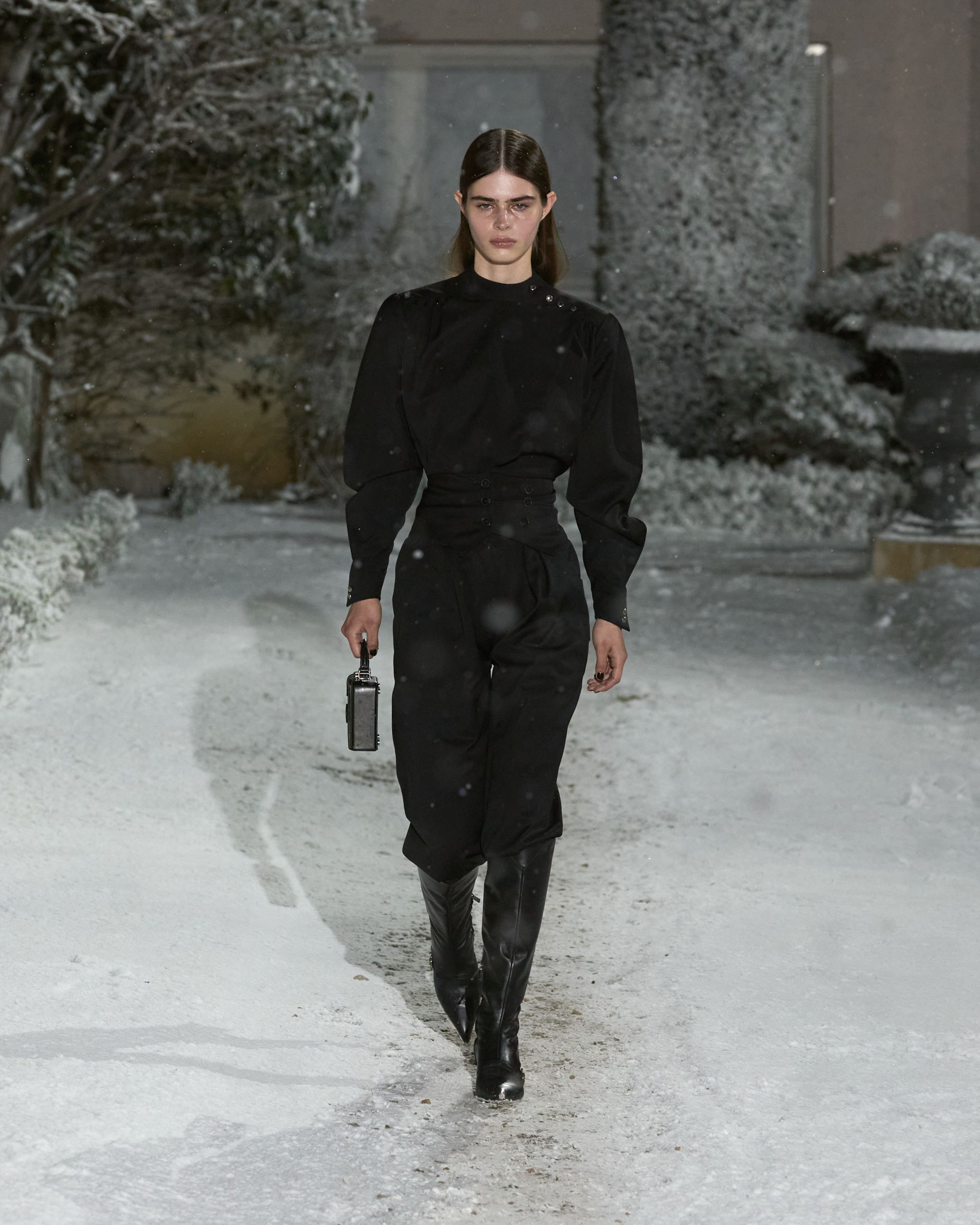
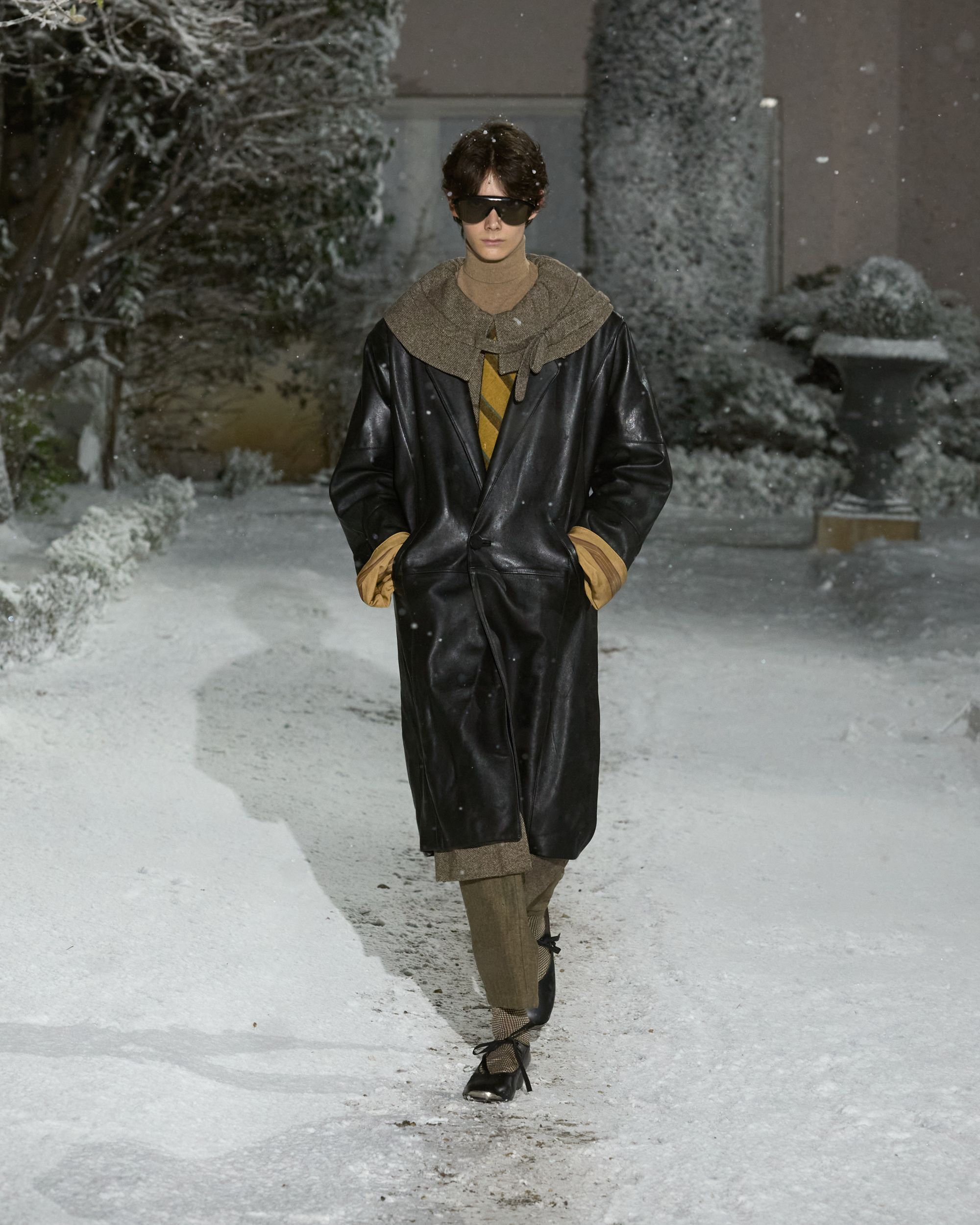
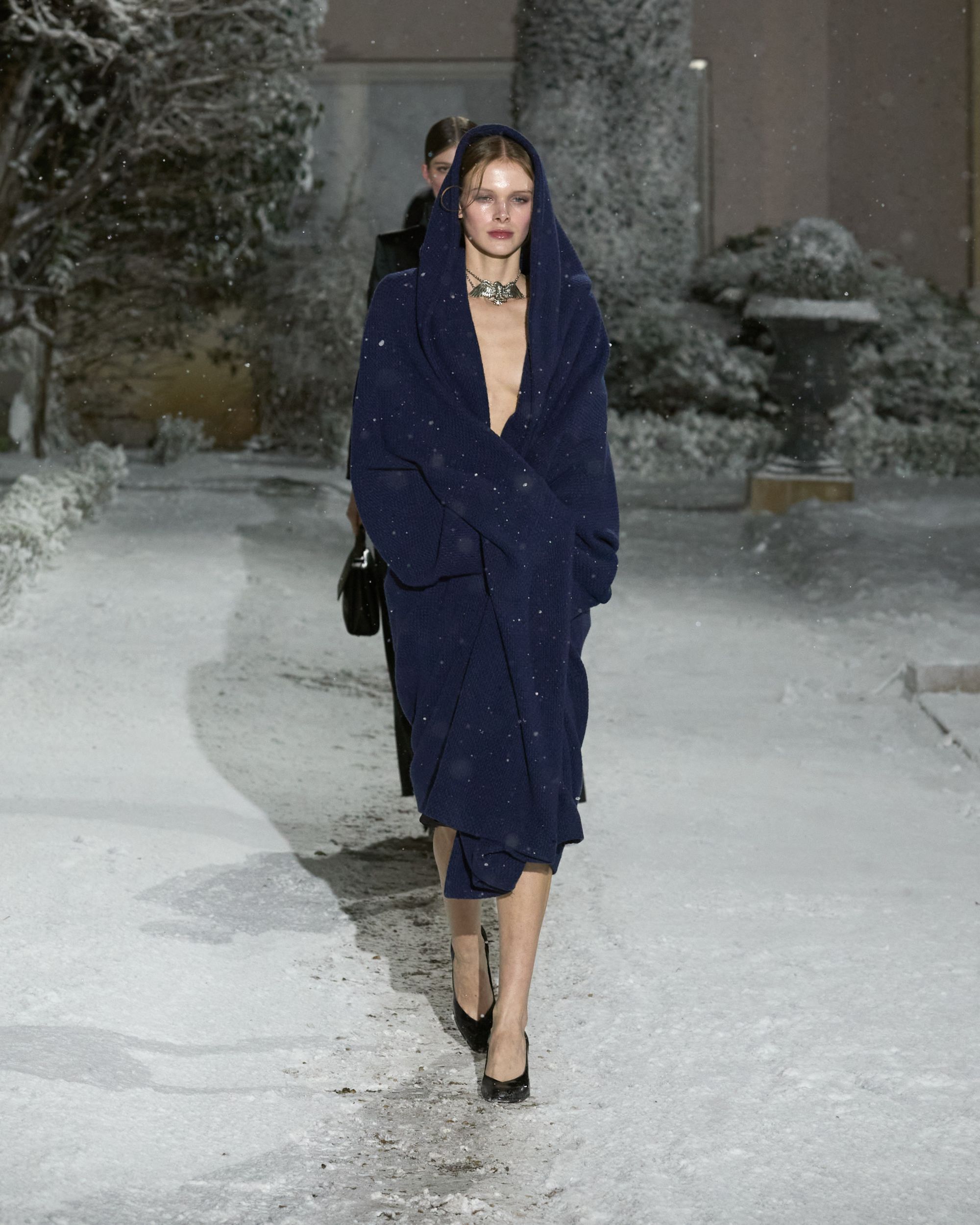
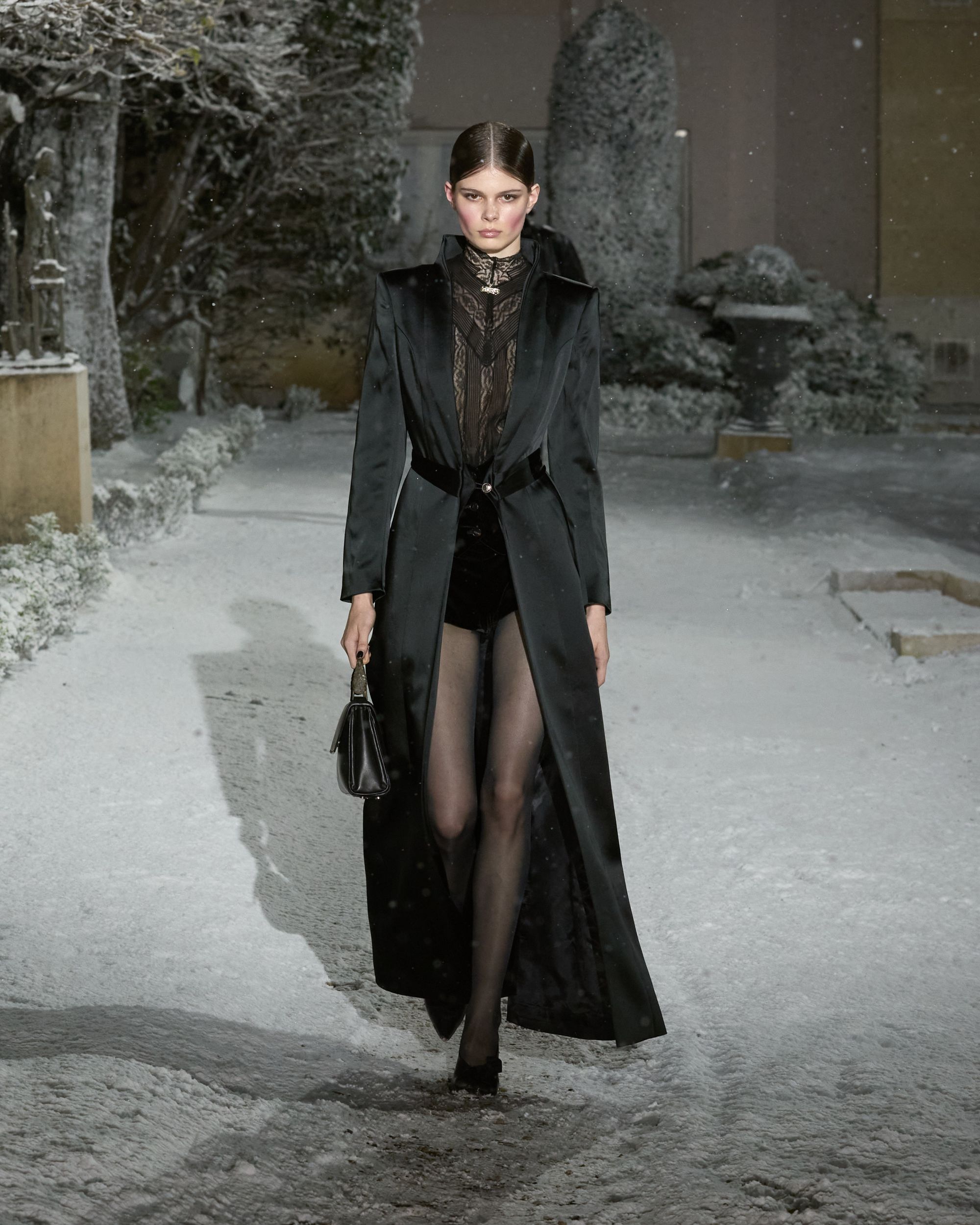
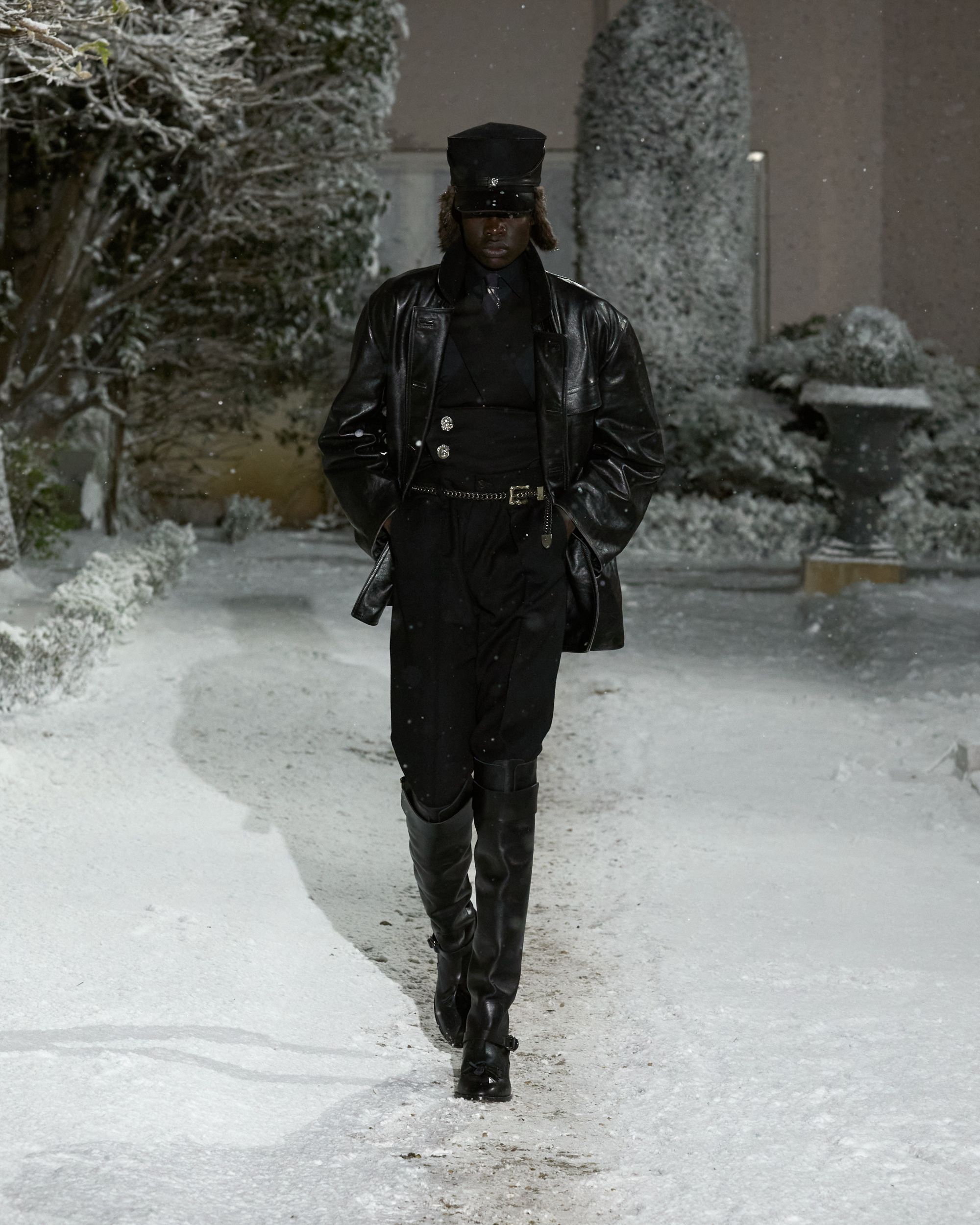
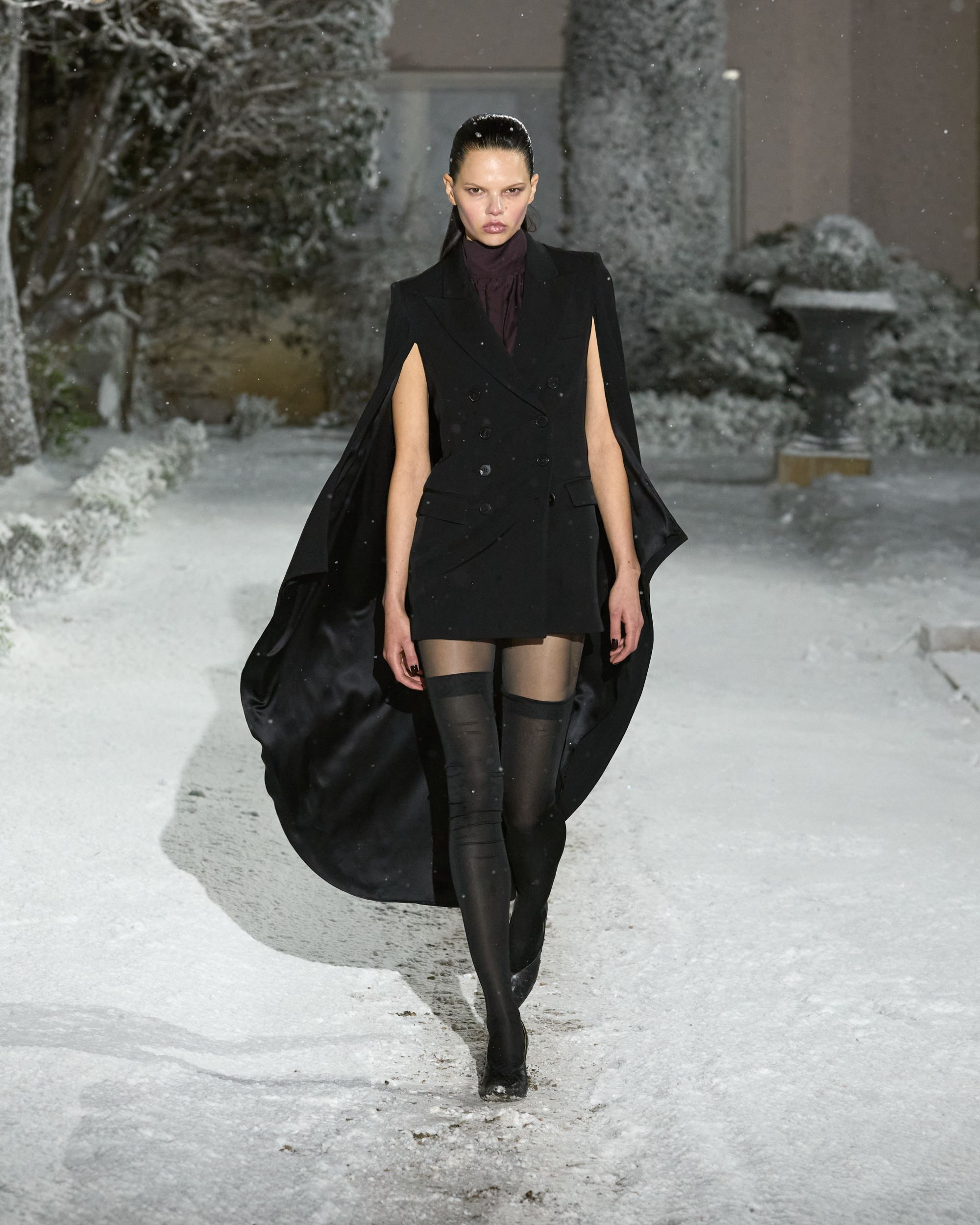
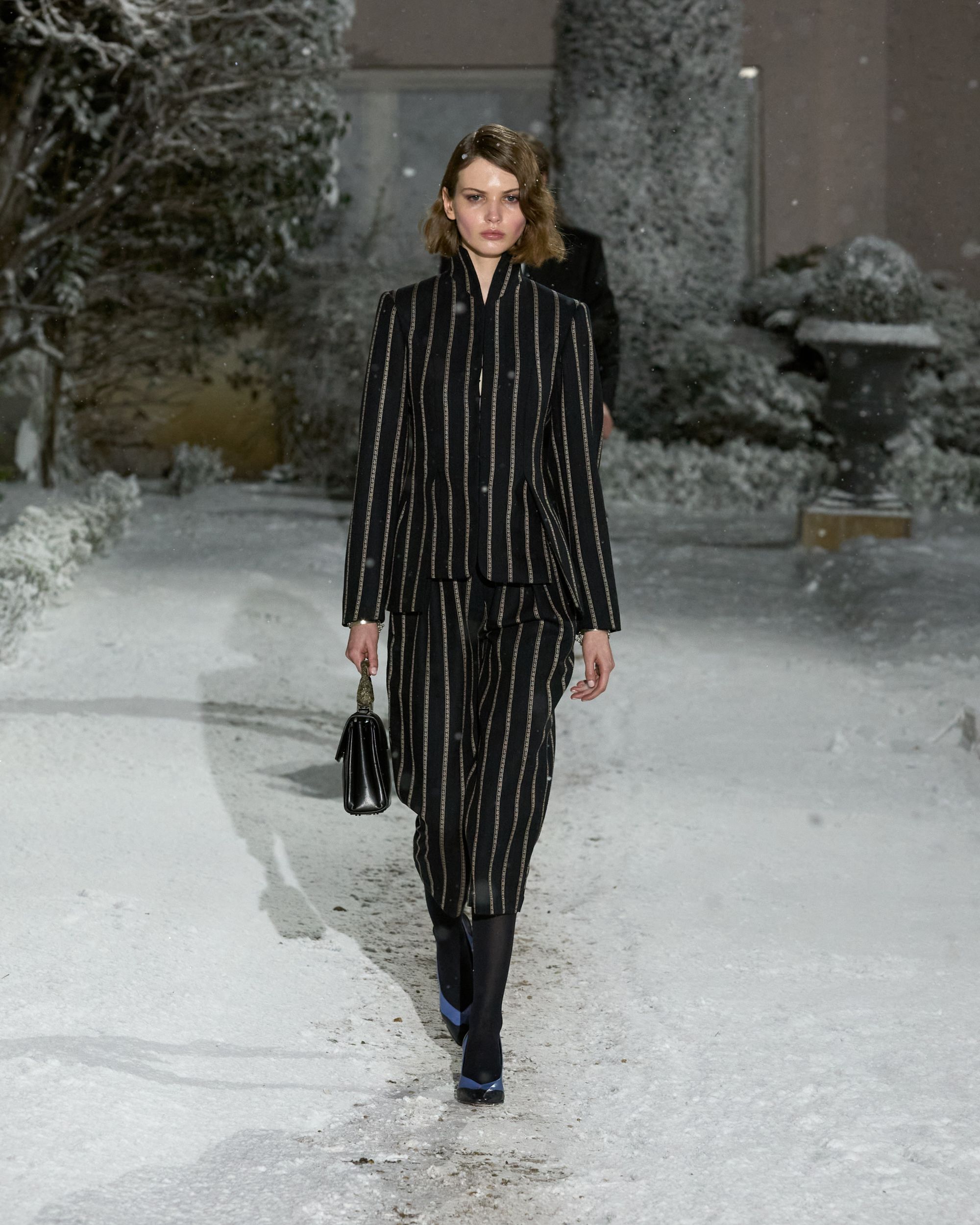
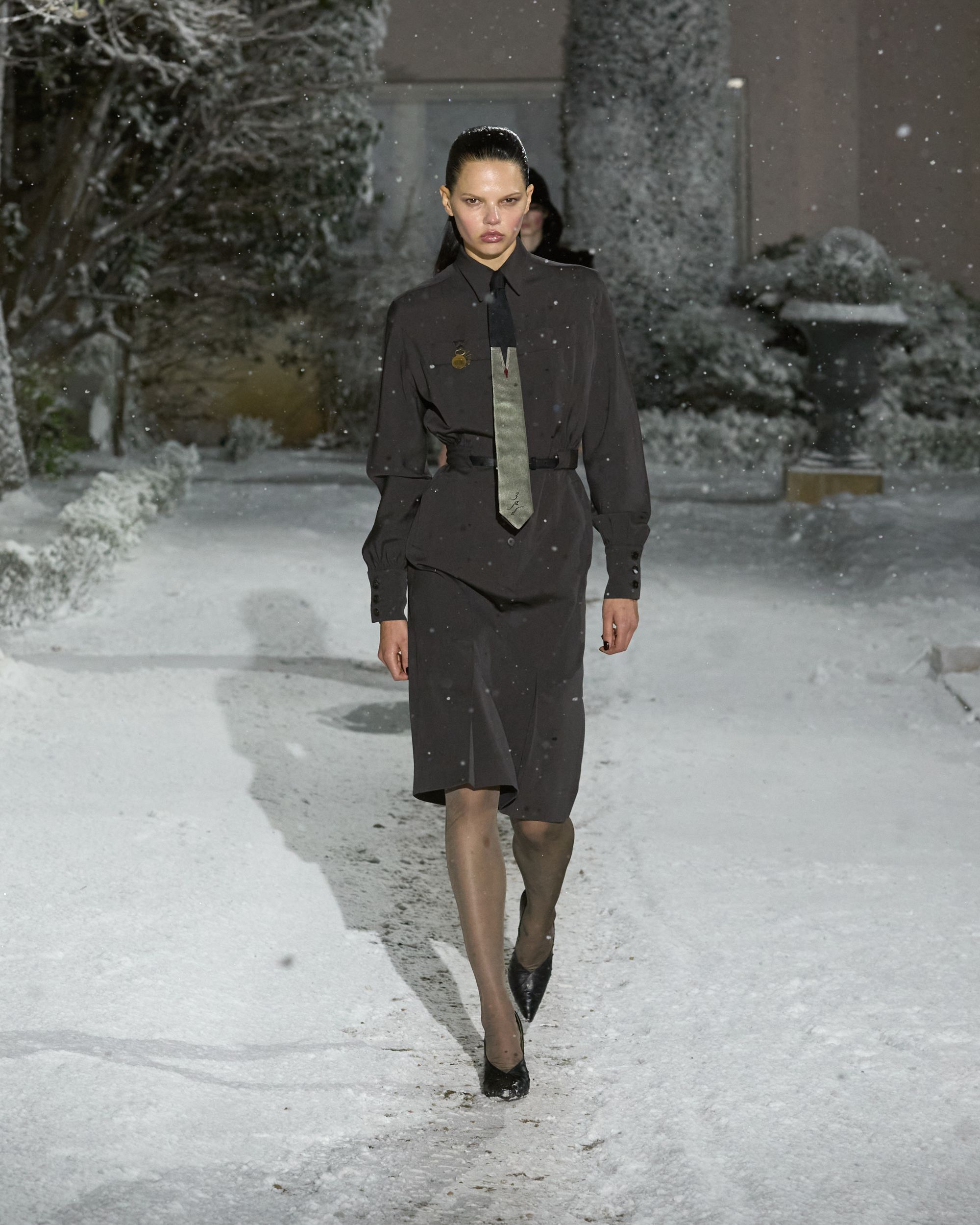
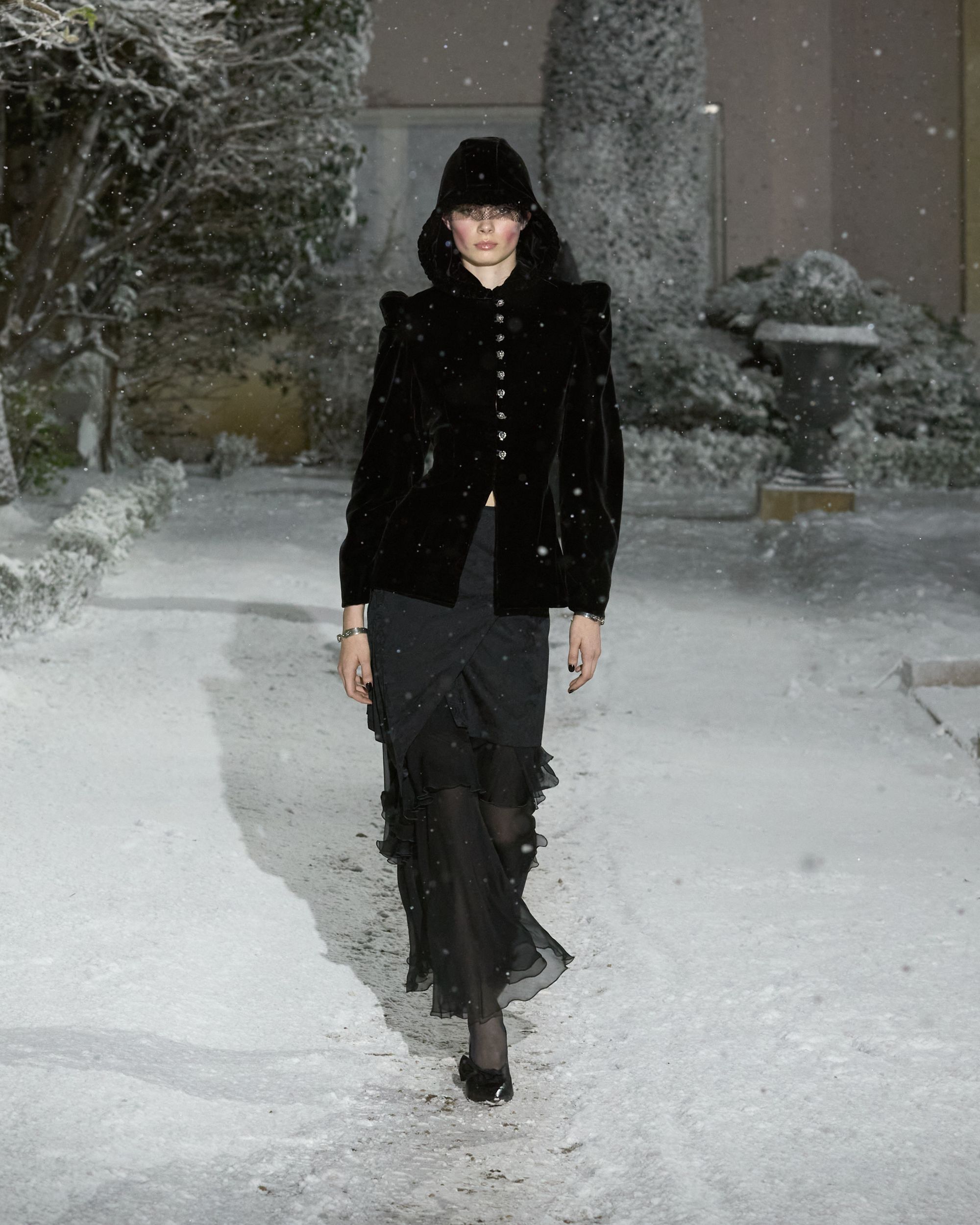
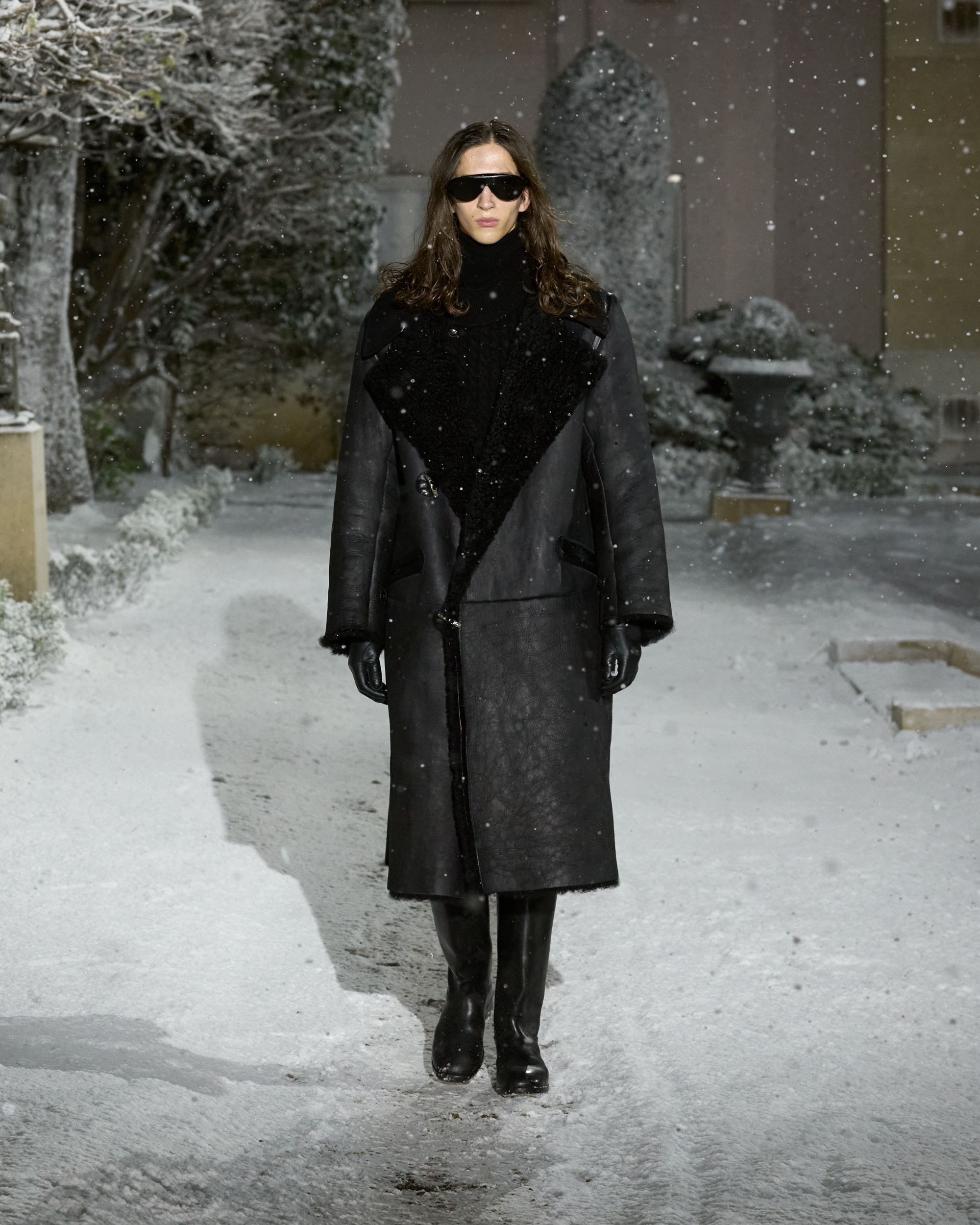
The scenography plunges the audience into an icy atmosphere. In a courtyard entirely blanketed in white, 37 silhouettes emerge under artificial snow. To capture the mood of the moment, the brand’s show notes specify: “Gunshots ring out. Order is immediately understood.” This stage direction makes the models appear differently: they do not just walk-they are summoned, forced into a ritualized procession, each movement charged with meaning.

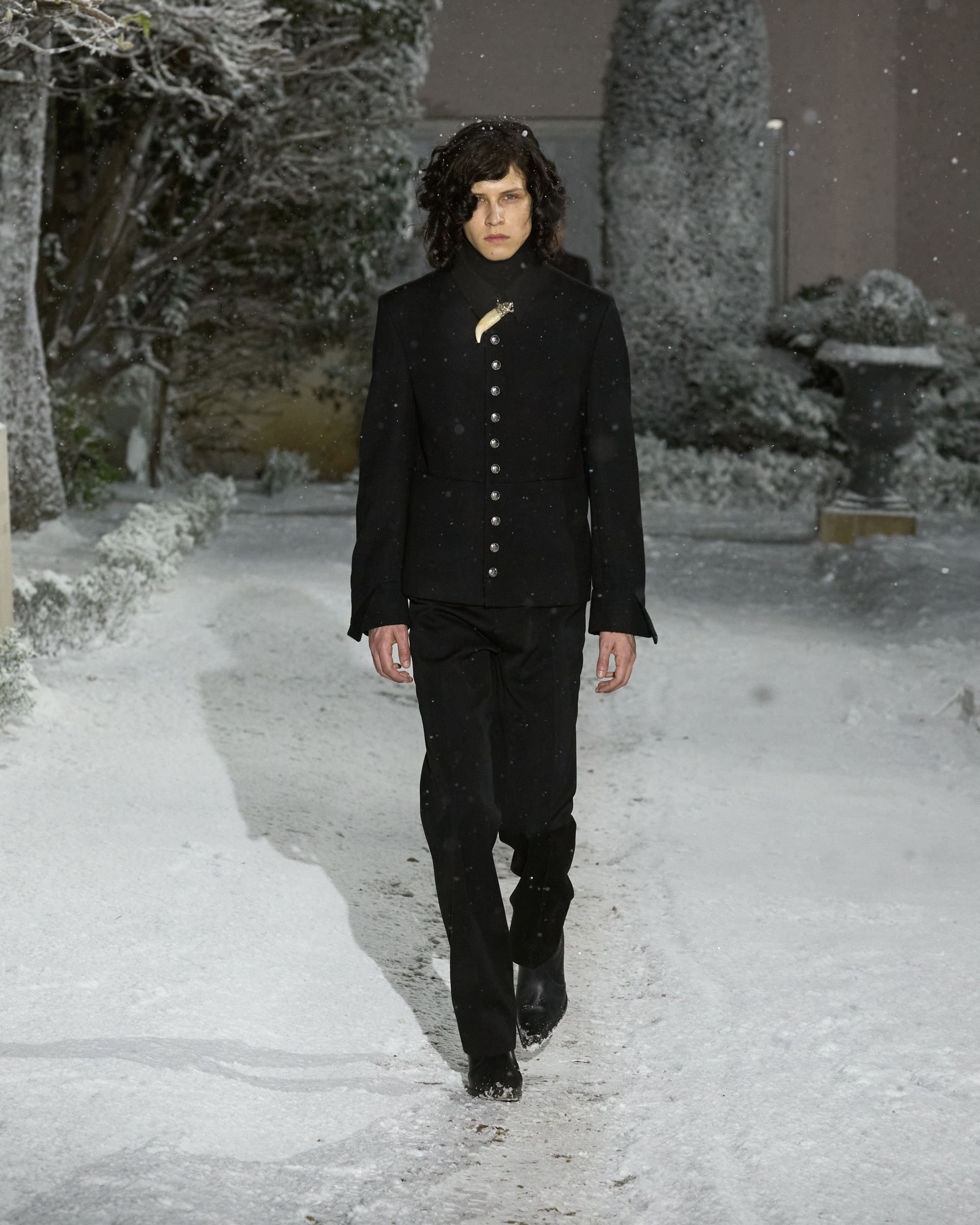
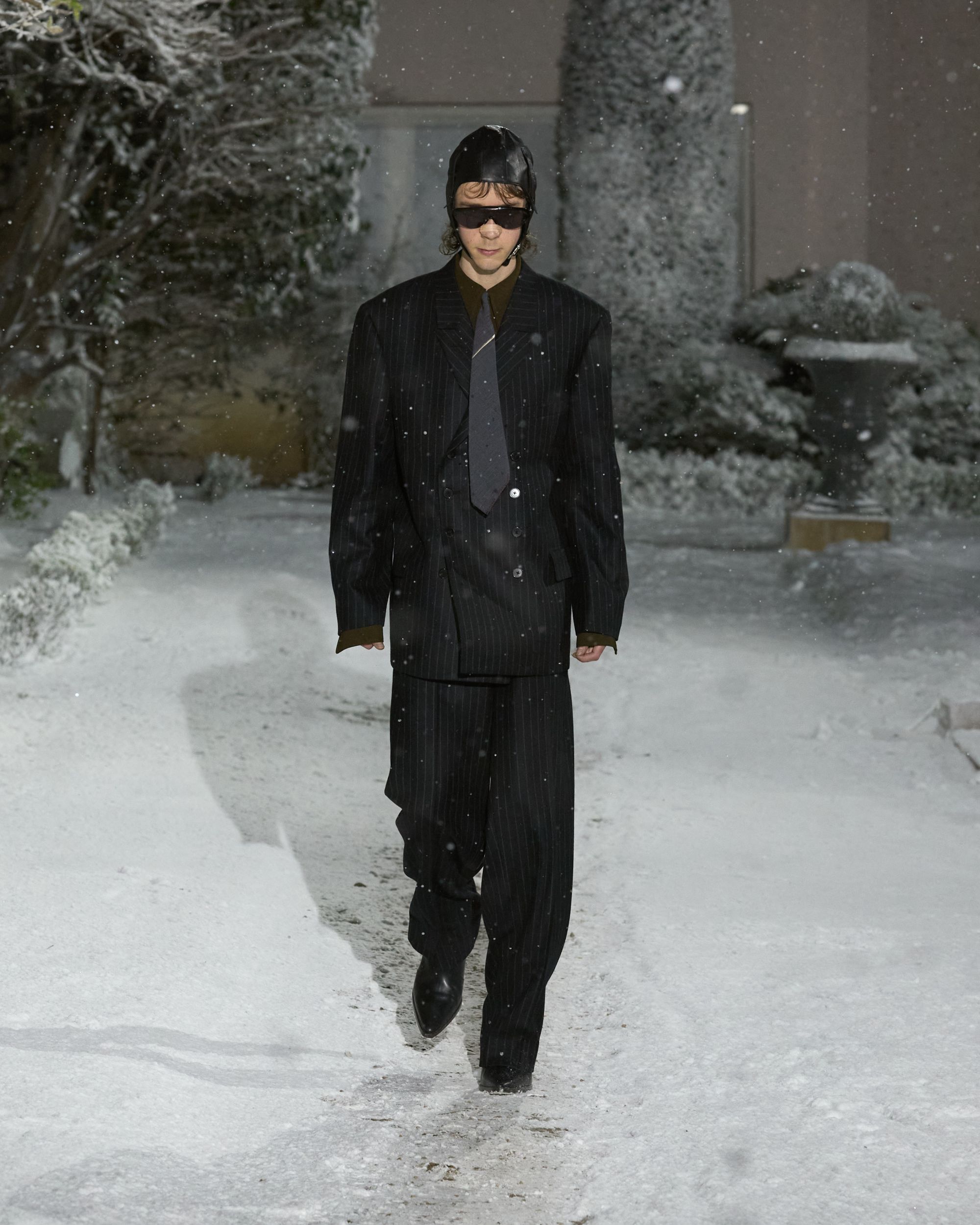
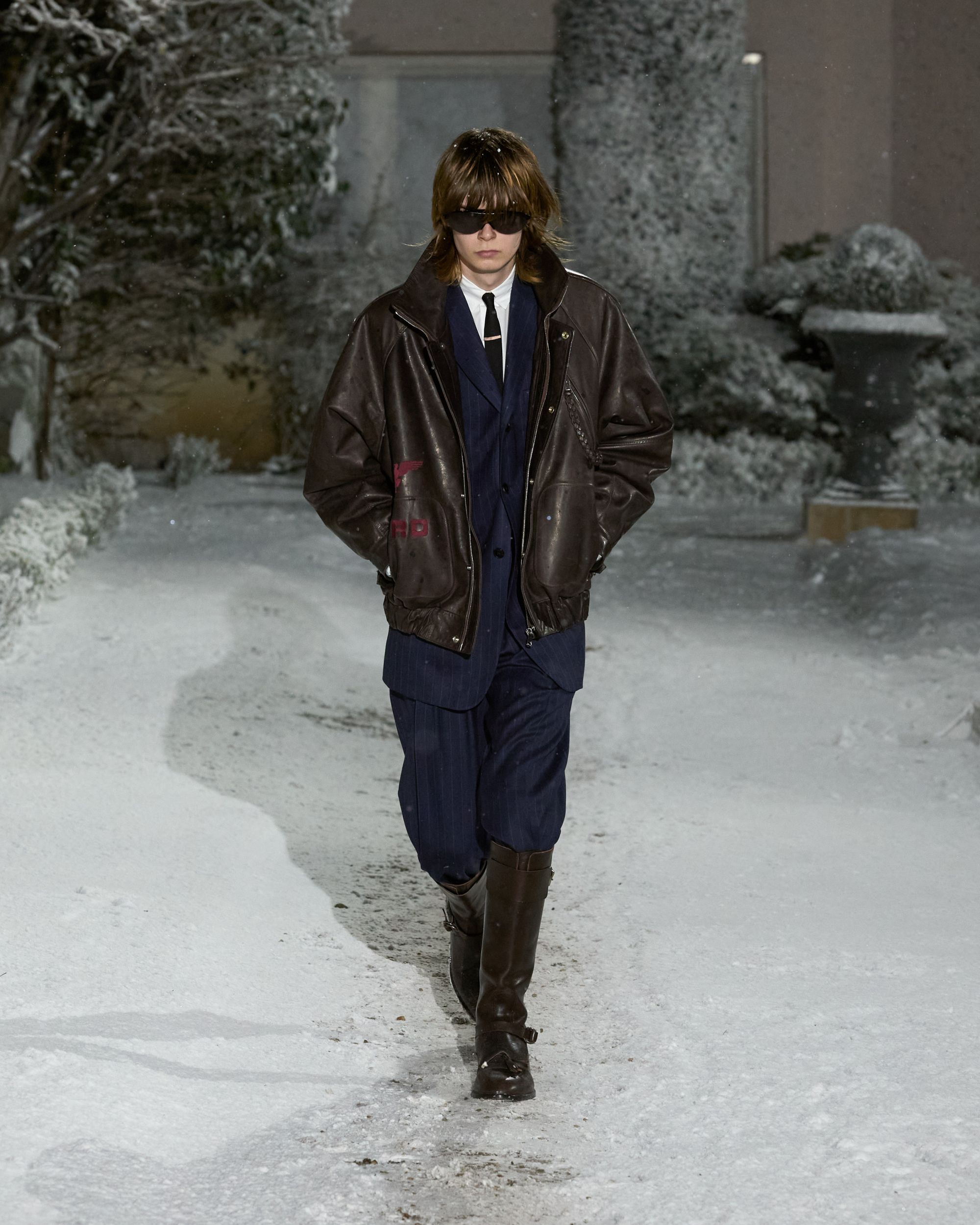
Interviewed by nss magazine, the artistic director speaks of a form of “cold sobriety,” evoking, without imitation, the darkest hours of history. Striped suits, parkas, full leather looks: a sense of discipline emanates from the Autumn-Winter 26 collection, as if lifted from a totalitarian regime where garments weigh on the body as much as they protect it. Henri Alexander Levy reorganizes history to emphasize its “physical density and visual severity.”

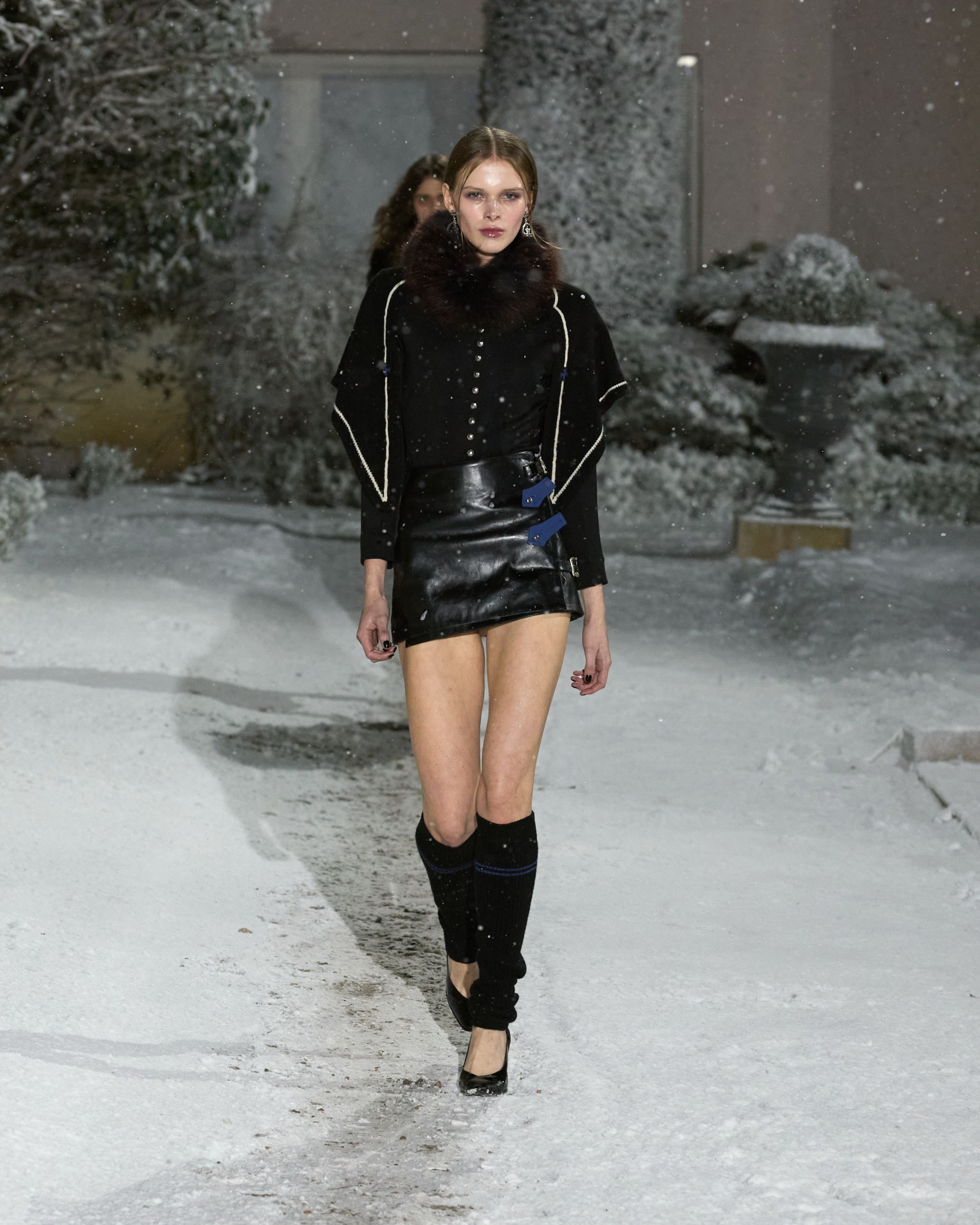
In other words, he illuminates bodies marked by grief-and by extension, the clothing itself undergoes the same treatment. Ties constrict the throat; every visual asymmetry appears meticulously calculated. Sleeve linings reveal the internal construction. To convey the historical weight of the garments, the brand hangs, buckles, straps, and buttons them with almost clerical precision.

The frozen radicality of Enfants Riches Déprimés’ FW26 Under a blanket of artificial snow, the FW26 fashion show transforms bodies and clothing into a living memory | Image 608430
The frozen radicality of Enfants Riches Déprimés’ FW26 Under a blanket of artificial snow, the FW26 fashion show transforms bodies and clothing into a living memory | Image 608432
The frozen radicality of Enfants Riches Déprimés’ FW26 Under a blanket of artificial snow, the FW26 fashion show transforms bodies and clothing into a living memory | Image 608434
The frozen radicality of Enfants Riches Déprimés’ FW26 Under a blanket of artificial snow, the FW26 fashion show transforms bodies and clothing into a living memory | Image 608439
The frozen radicality of Enfants Riches Déprimés’ FW26 Under a blanket of artificial snow, the FW26 fashion show transforms bodies and clothing into a living memory | Image 608428
The frozen radicality of Enfants Riches Déprimés’ FW26 Under a blanket of artificial snow, the FW26 fashion show transforms bodies and clothing into a living memory | Image 608437
The frozen radicality of Enfants Riches Déprimés’ FW26 Under a blanket of artificial snow, the FW26 fashion show transforms bodies and clothing into a living memory | Image 608435
The frozen radicality of Enfants Riches Déprimés’ FW26 Under a blanket of artificial snow, the FW26 fashion show transforms bodies and clothing into a living memory | Image 608441
The frozen radicality of Enfants Riches Déprimés’ FW26 Under a blanket of artificial snow, the FW26 fashion show transforms bodies and clothing into a living memory | Image 608446
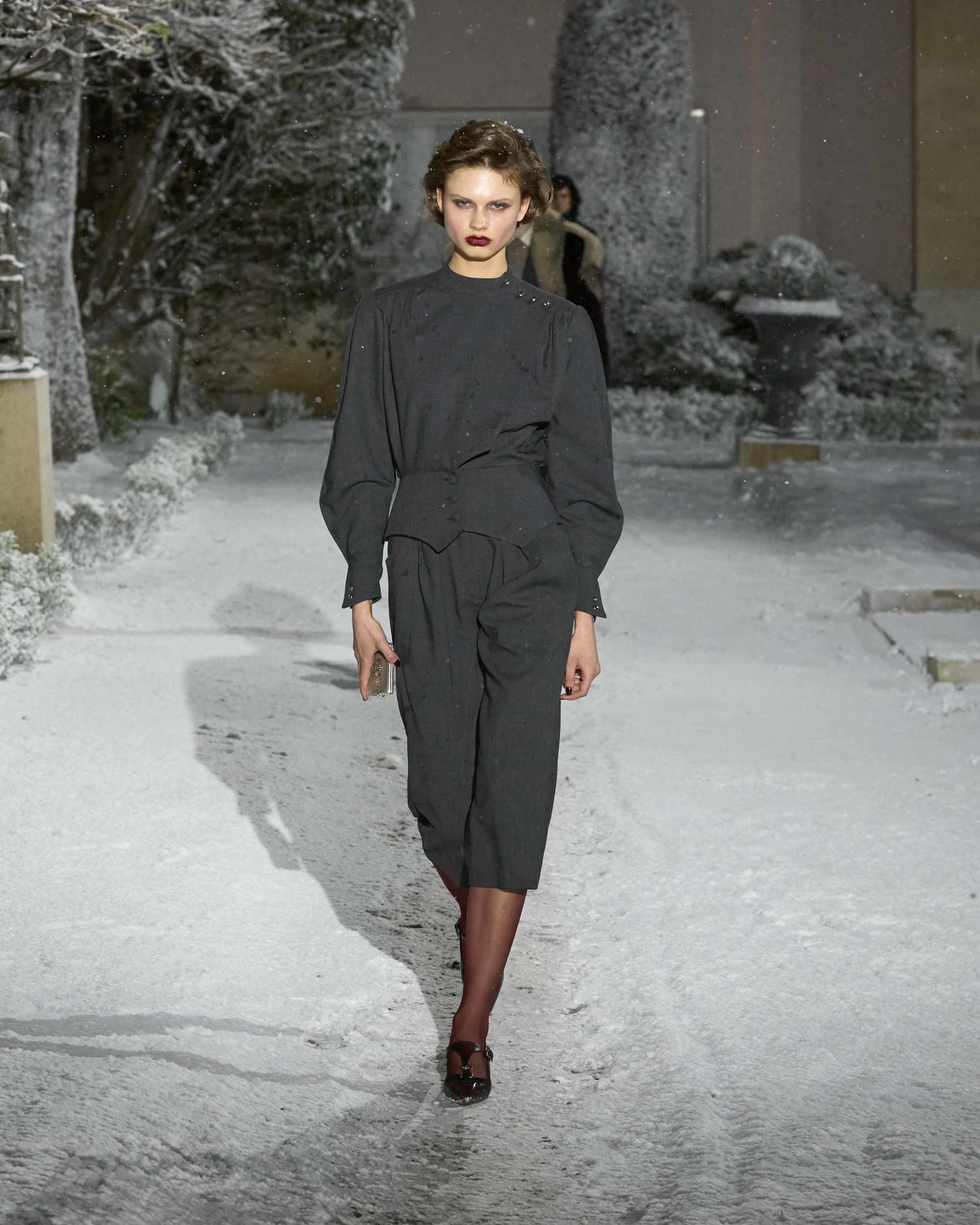
The frozen radicality of Enfants Riches Déprimés’ FW26 Under a blanket of artificial snow, the FW26 fashion show transforms bodies and clothing into a living memory | Image 608424
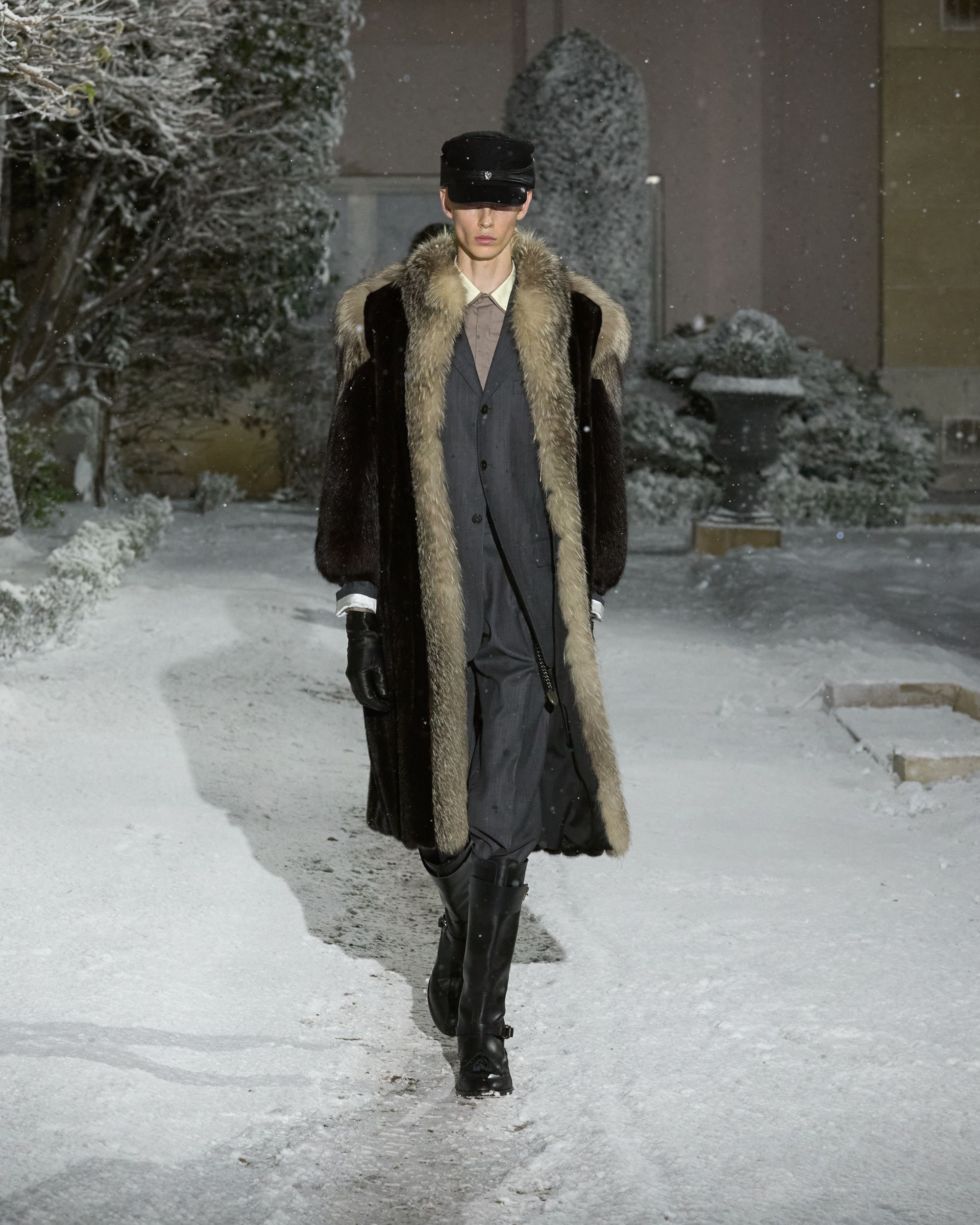
The show highlights the female body as a vector of memory and gravity: every posture and movement articulates the narrative, reminding that fashion can be more than clothing-it can be a tool to relive history. In this context, the “cold sobriety” mentioned by Levy does not seek to reenact a specific event but to capture the dramatic intensity, the emotional charge carried by the silhouettes, making the body and form the true center of gravity of the spectacle.
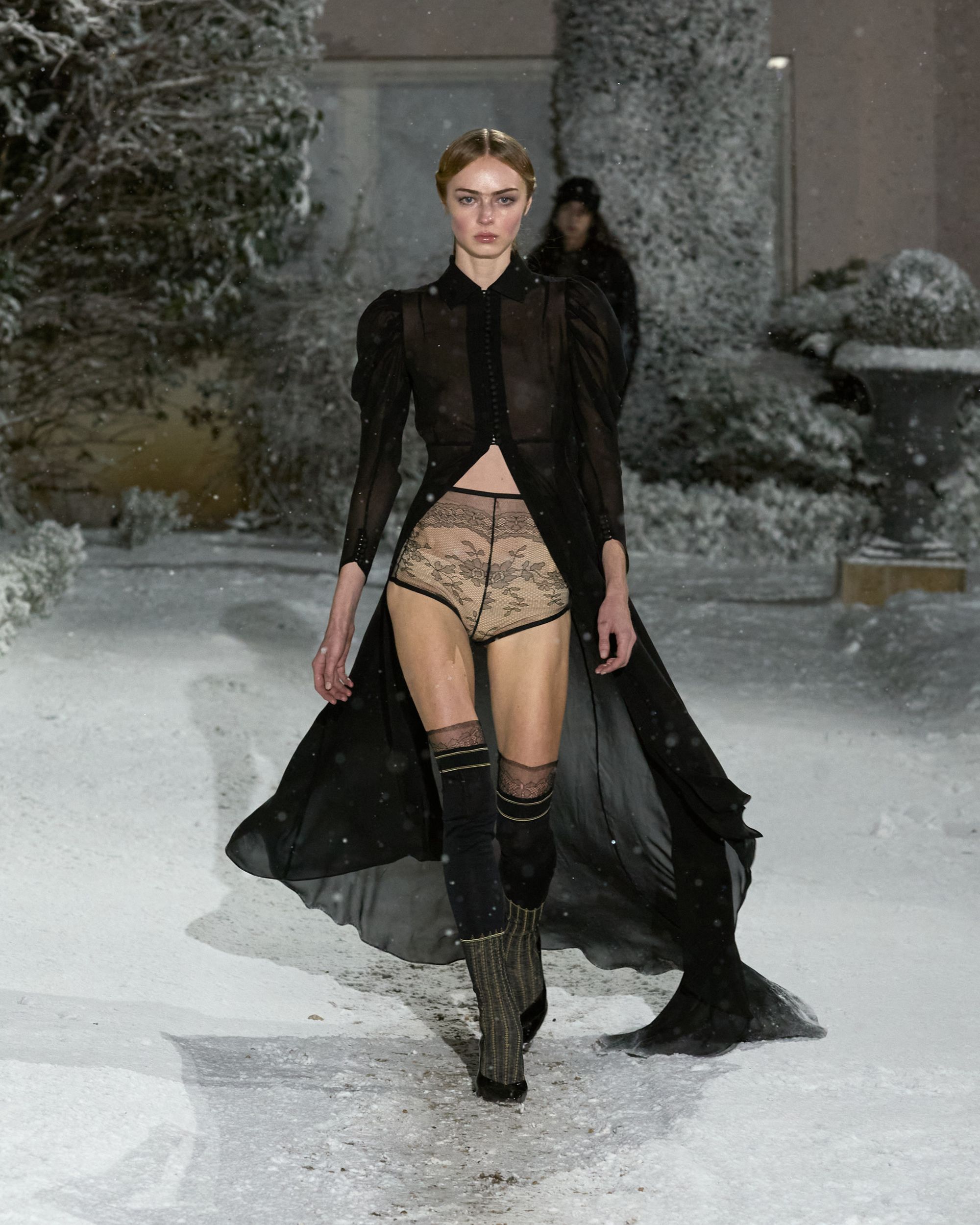
Despite the initial severity of the looks, a subtle yet persistent poetry emerges, like the snowflakes falling across the courtyard. The collection builds in layers, look after look, like a fragmented story whose coherence only reveals itself when seen as a whole. Levy summarizes this logic after the show with a simple, almost didactic phrase: “Everything comes together in the end.”

An implicit warning to the audience: to understand the intention, one must move beyond the shock of the opening provocation and embrace the entire work. Yet for many, attention stops at the scandalous opening, overlooking the subtlety and depth of a collection whose radicality extends beyond controversy, unfolding through the narrative and sculptural power of clothing.