



















The importance of fashion brands for rising film stars Tell me what brand you're wearing, and I'll tell you if you'll ever act again
- From her rise to fame to today, the style of Carolyn Bessette Kennedy has been admired across generations, never truly going out of fashion. This is precisely why Love Story, the series by Ryan Murphy about the ill-fated love story between Bessette and her husband JFK Jr., was a winning bet from the start. The distribution platform Disney+ has yet to release the final episodes, but major international media are already praising Murphy's project, attributing to it the merit of bringing the elegant ’90s back into fashion. Turtlehead headbands and pencil skirts aside, audiences are also thanking the director for casting Sarah Pidgeon and Paul Anthony Kelly, the series’ leads who were largely unknown until recently – so much so that PAK had no acting experience prior to Love Story – and who are now, instead, on everyone’s screens. From Fashion Week to the Oscars, from quick TikTok interviews to magazine covers, the two rising stars seem omnipresent. But how bright will this spark shine? The answer lies in how they dress.
The new look of Sarah Pidgeon and Paul Anthony Kelly
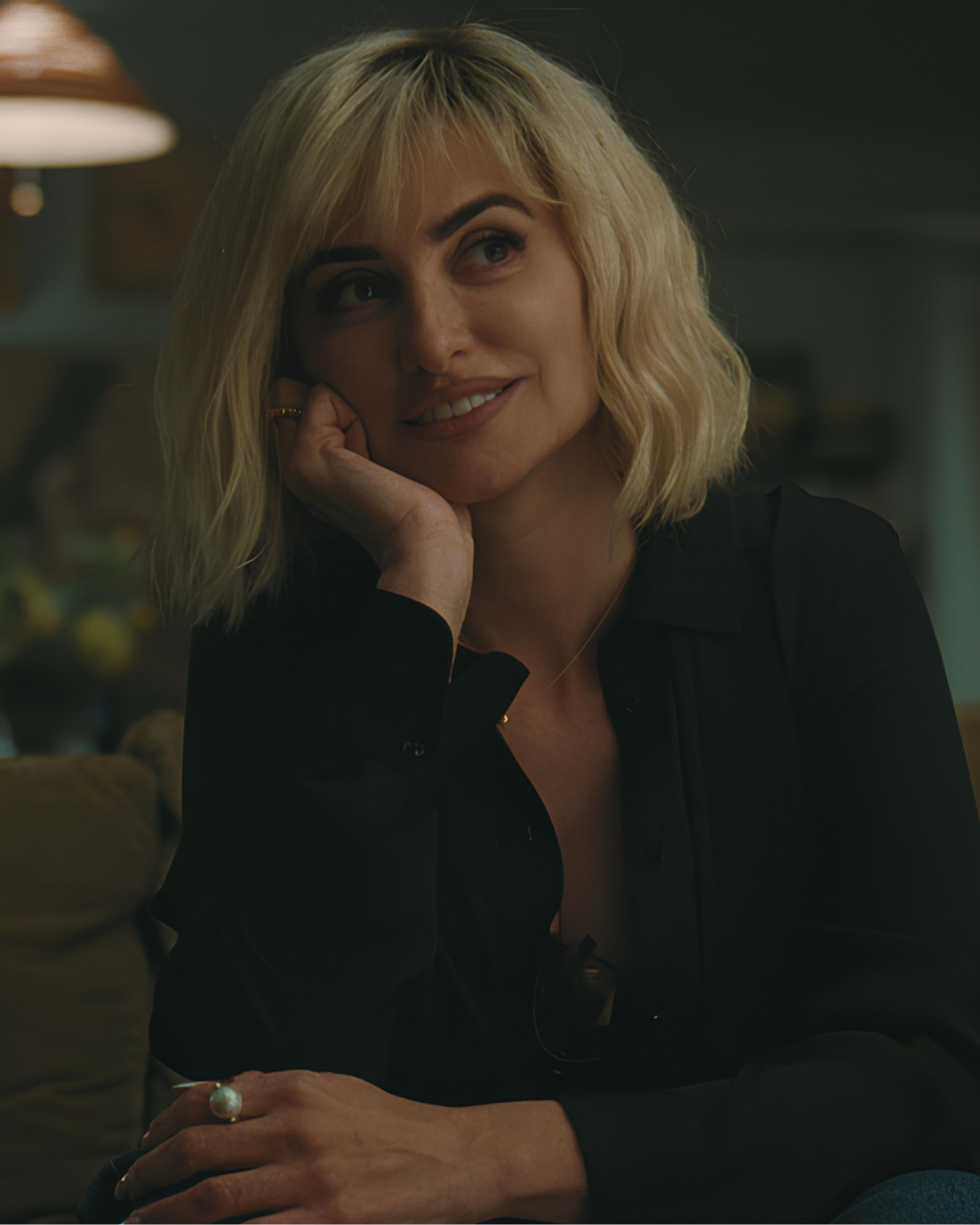
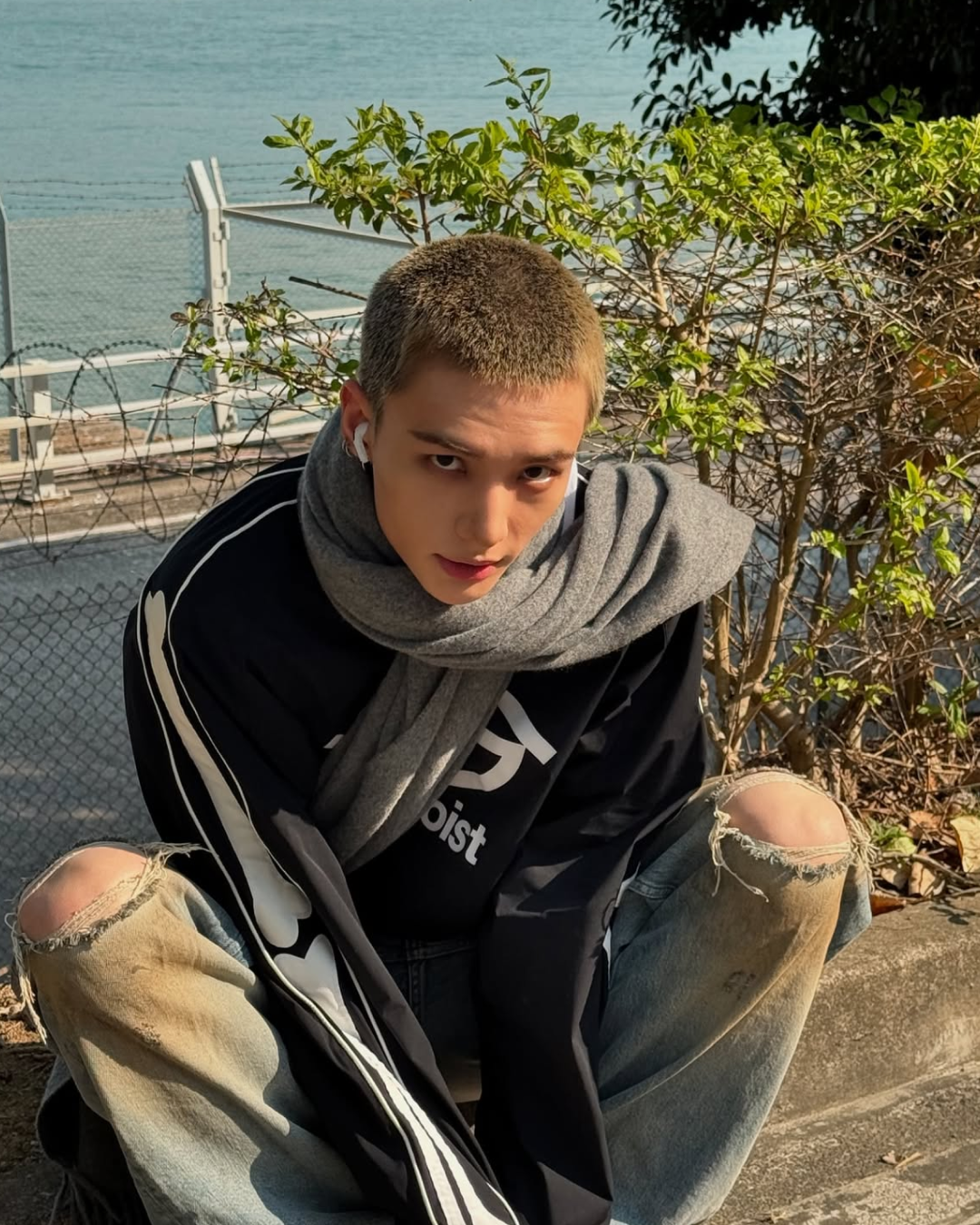
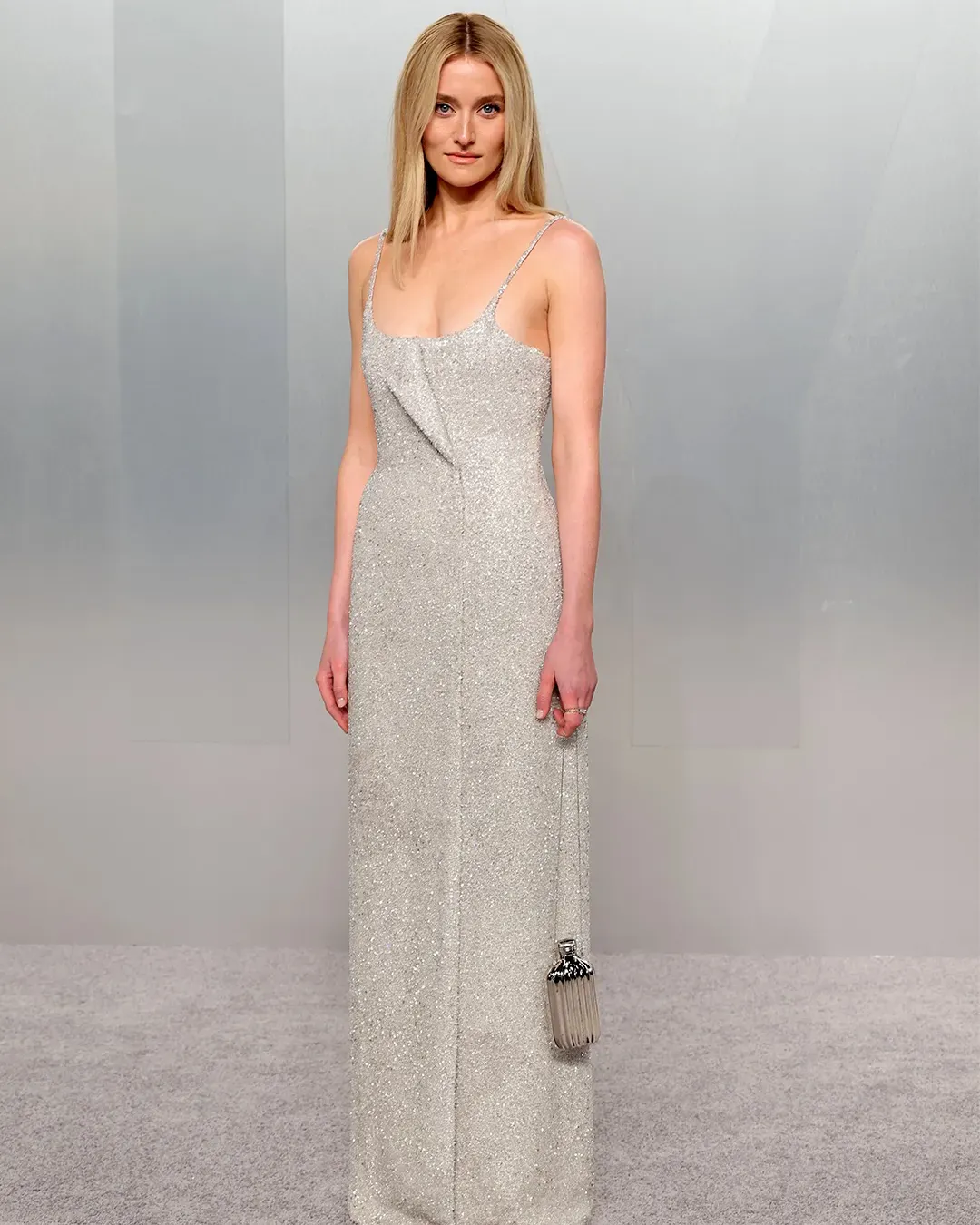
To portray the two New York icons, Pidgeon and PAK underwent a radical yet simple aesthetic transformation. She had to give up her natural color and dye her hair blonde, while he had to shave, momentarily abandon his Canadian accent, train relentlessly, and cover his tattoos. Partly for publicity and partly for recognisability, it seems both have now grown fond of the new look, a technique we’ve seen repeated time and again in contemporary cinema, from Barbie (countless times Margot Robbie appeared on the red carpet in Mattel doll-inspired outfits) to Marty Supreme. Throughout the entire marketing campaign for Love Story and up to last night’s Oscars, Pidgeon adopted a style that aligns with Bessette’s, from leopard coats to all-black ensembles, including the custom Calvin Klein she wore on Hollywood’s most coveted red carpet last night. The styling serves Murphy’s series, but simultaneously helps Pidgeon’s career go far and beyond Calvin Klein's fictional press office.
It’s all about brand-ing
@nssmagazine felling like Carolyn Bessette #jfkjr #lovestory #paulanthonykelly #dior #fw26 original sound - cceditwarrior
While media and audiences enjoy the return of the sublime ’90s elegance of Carolyn Bessette and JFK Jr., Kangol cap worn backward included, Sarah Pidgeon, Paul Anthony Kelly, and their teams now face a challenging task: to honor the actors’ connection to the icons that made them famous without cementing their roles in the public imagination. As past examples show, from Harry Potter to Friends, when an actor becomes associated with such a famous and singular role, they risk being typecast. Fashion comes into play to overcome this obstacle.
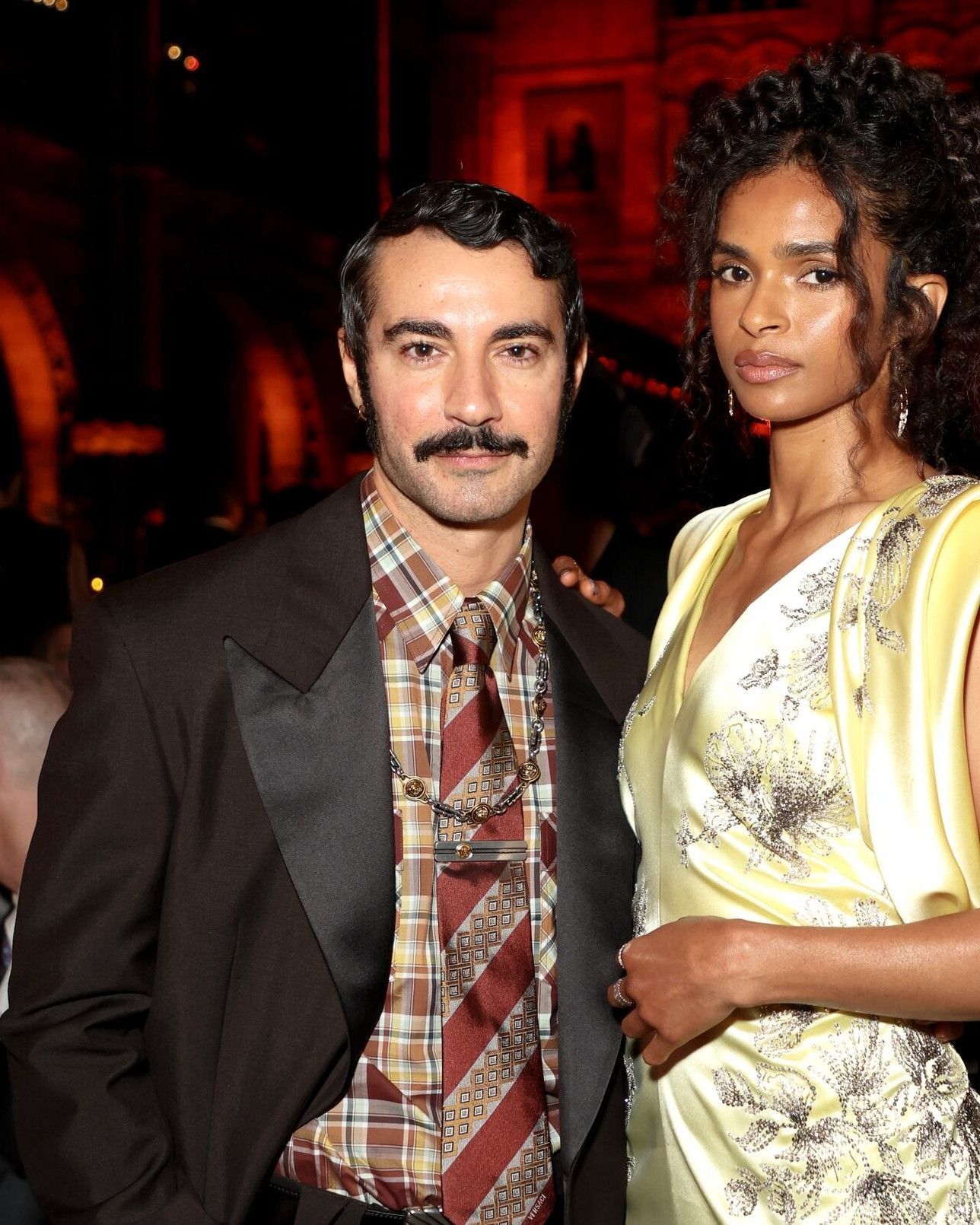
In an interview on the The Cutting Room Floor podcast, celebrity stylist Karla Welch explains the interdependent relationship that has now been established between film stars and brands. The currency of this commercial relationship, Welch explains, is the «momentum», the halo of popularity that grows around public figures and the brands they work with: “It’s a money-making machine, so you want your clients to land brand deals”, says the stylist. Through styling, specific appearances, and luxury brand collaborations - see Pidgeon in Calvin Klein at the Oscars, and her co-star in full Dior at the brand’s show - the stars not only secure multi-million-dollar contracts, but also manage to step away from the roles that made them famous, obtaining new parts. Another clear example comes from Heated Rivalry, one of the hottest series of the year: Hudson Williams, co-star of the show, after attending the Dsquared2 show at Milan Fashion Week, is now one of the new Balenciaga ambassadors.
But there's a risk
Sarah Pidgeon for Rhode Skin's Shades of Spring collection. pic.twitter.com/tvz4QpIpW3
— Sarah Pidgeon Central (@pidgeoncentral) March 9, 2026
This new dynamic established between fashion brands and cinema is fascinating, considering the effort, collective vision, and strategy that both the Maison communication teams and the agencies of these new stars must coordinate. However, the factor that ultimately determines the outcome of all this effort is not ubiquity - as the presence of Pidgeon, Kelly, and even Williams at all the season’s top events might suggest - but direction. An excessive use of partnerships and media campaigns could produce an undesirable effect on the celebrity involved, inflating their image and thus diluting the momentum that stylist Karla Welch talks about, i.e., the value of the talent in the eyes of brands and the film industry. This is a risk that Sydney Sweeney might be experiencing, who, amid viral ads, ragebait, and controversies, is losing some of the magic and status she had until recently. As for the stardom of Sarah Pidgeon, Paul Anthony Kelly, and Hudson Williams, only time (and style) will tell how brightly it will shine.
Takeaways
- Ryan Murphy’s Love Story series leverages Bessette’s elegant ’90s charm, capturing media attention even before its full release on Disney+.
- Sarah Pidgeon and Paul Anthony Kelly underwent radical aesthetic transformations (hair, tattoos, accent, physique) to embody Bessette and JFK Jr., enhancing their recognizability and media appeal.
- The style adopted by the actors serves not only the series but also helps build their careers, creating a strategic link between celebrity and luxury brand.
- The actors’ popularity grows through partnerships with brands like Calvin Klein or Dior, allowing them to move beyond their initial roles and gain new professional opportunities.
- Excessive visibility or media campaigns can overexpose a star’s image, reducing perceived value; the future success of emerging stars will depend on balancing visibility with style strategy.