






























Can we still talk about subcultures in 2026? According to some, yes, even though the evolution of the Internet and social networks has shaken things up
For some time, in academic circles and beyond, people have wondered whether – at least in the West – the various "underground" movements that have emerged in the artistic, musical, and more broadly cultural scene have exhausted their momentum over the years. However, a recent study conducted by Dazed Studio, the creative department within the eponymous British magazine, on over three thousand people aged 16 to 24 indicates that the vast majority of young people recognize the existence of at least one subculture and perceive its influence in their daily lives.
Compared to the past – particularly the period before the spread of Internet – it has become more difficult to clearly identify active underground movements in the cultural sphere. This is due to a profound transformation in the processes through which these realities take shape and spread – especially within the digital dimension. For many years, social networks imposed a rather clear and shared idea of "mainstream" among their users, where "successful" content was simply that which circulated the most – becoming at times unavoidable for users. Things changed with the experience of the pandemic, which had a significant impact on people’s relationship with the web. The rise of TikTok and the model it represents then completed the shift.
The digital dimension and the crisis of subcultures
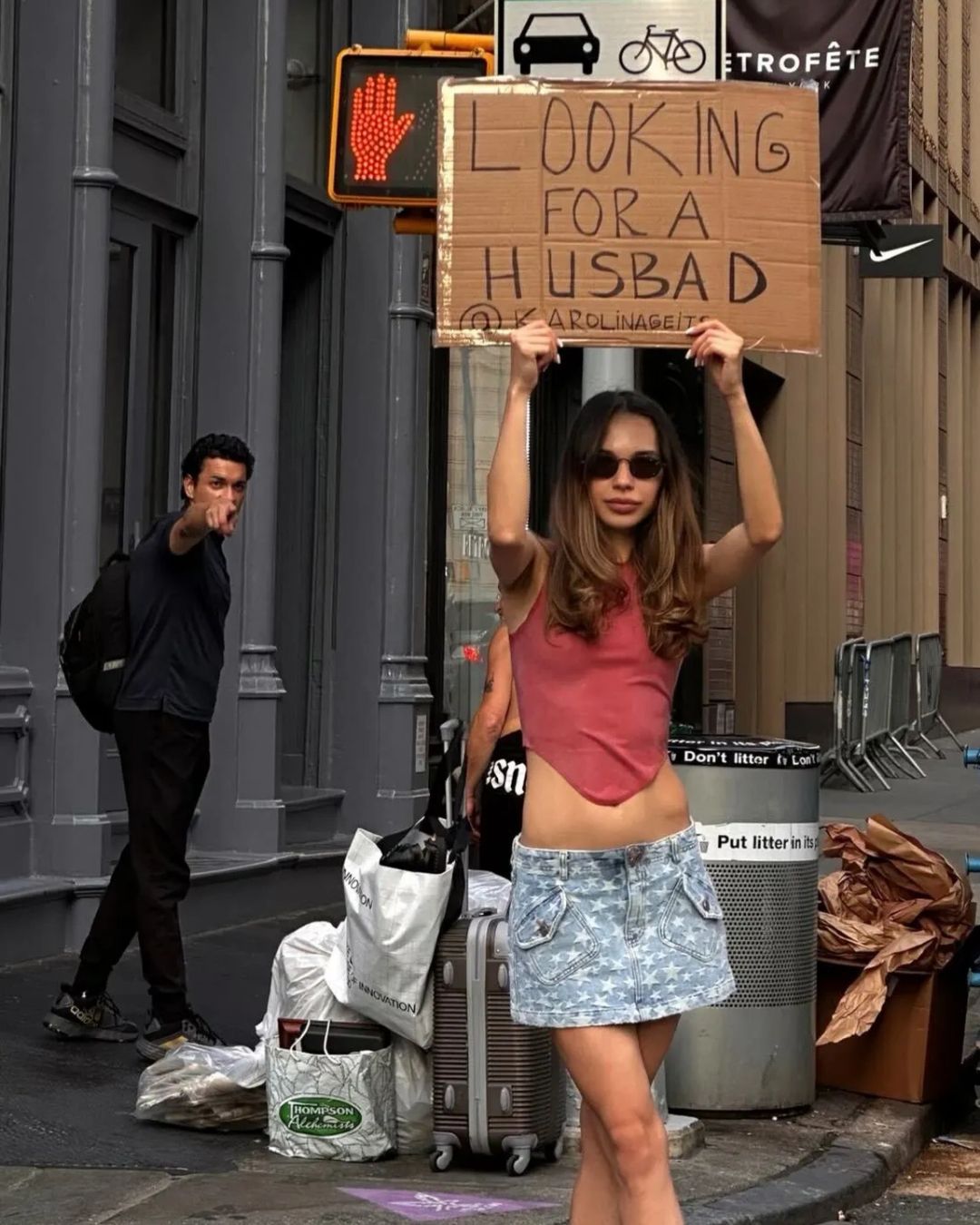
The highly powerful algorithm on which TikTok is based favors a highly selective and personalized distribution of content, ensuring that each user experiences a feed tailored to them and different from everyone else. This results in a fragmented experience, where content circulates in parallel ecosystems that are hard to overlap; beyond some phenomena of exceptional scale, it is therefore difficult on TikTok and other social networks to speak of a truly shared imaginary. As noted some years ago by The Verge, referring to emerging trends driven by the Chinese platform, «TikTok’s biggest hits are videos you probably have never seen».
Over time, moreover, the main social networks have progressively reduced access to data related to user behavior and content performance. This choice, combined with an increasingly personalized online experience, has widened the gap between the individual perception of what is "mainstream" and its real reach – today increasingly difficult to measure and interpret. This phenomenon can be attributed to multiple factors, but it is primarily explained by the growing fragmentation of the digital ecosystem and the multiplication of services through which users – particularly younger generations – build and maintain their online relationships.
do people actually care what real emo or goth or scene is like who gaf subcultures haven’t been a real thing since like 2009
— ria (@sniperrii) February 24, 2026
This does not imply that, up until the 2010s, the web experience was necessarily uniform or shared by everyone; "bubbles" and evident segmentations already existed. However, such differences were more easily identifiable, as was the distinction between "mainstream" and "underground." Individual platforms also presented relatively more stable and recognizable identities than today: Facebook reached a more adult and generalist audience, Instagram and Snapchat were associated with a younger user base, while Twitter (when it was still called that) functioned as a privileged space for users politically and culturally engaged with current affairs. Even earlier, Tumblr had gathered a significant following among young people and communities related to photography, visual design, and certain aesthetic cultures.
What we mean when we talk about subcultures today
Historically, subcultures tend to emerge when certain social groups perceive themselves as excluded, marginalized, or dissatisfied with the dominant culture. From this friction arises the search for spaces – online and offline – that are, so to speak, "alternative", within which to build forms of recognition and shared belonging. The concept of subculture formally entered academic discourse at the beginning of the twentieth century, when it began to be used to analyze behaviors, attitudes, and cultural approaches considered "deviant" from prevailing social norms. Throughout the twentieth century, many groups and cultural scenes developed in relation to the historical and cultural context of their time, constructing identities, aesthetics, and practices often in contrast with, or at least in tension with, the "mainstream."
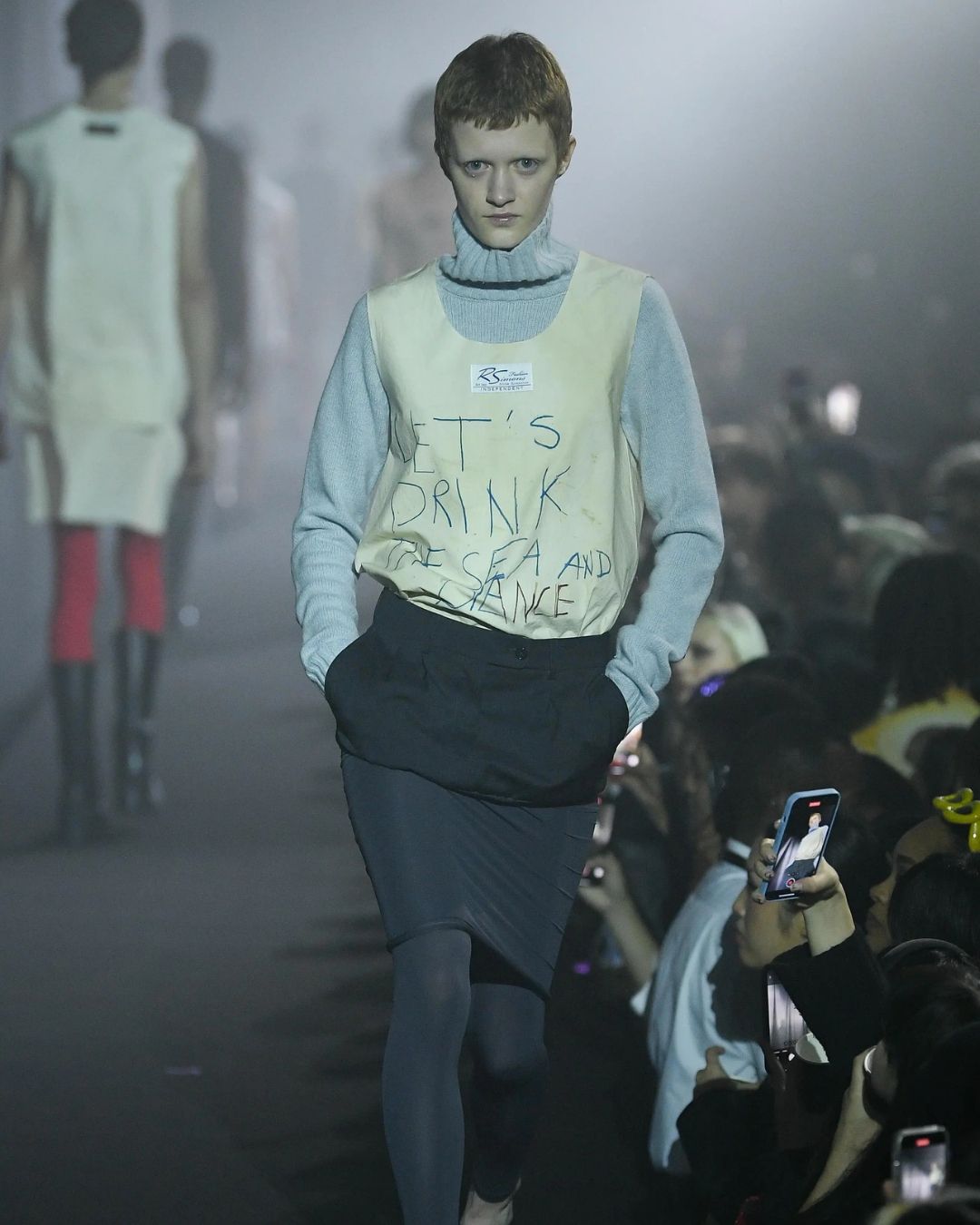
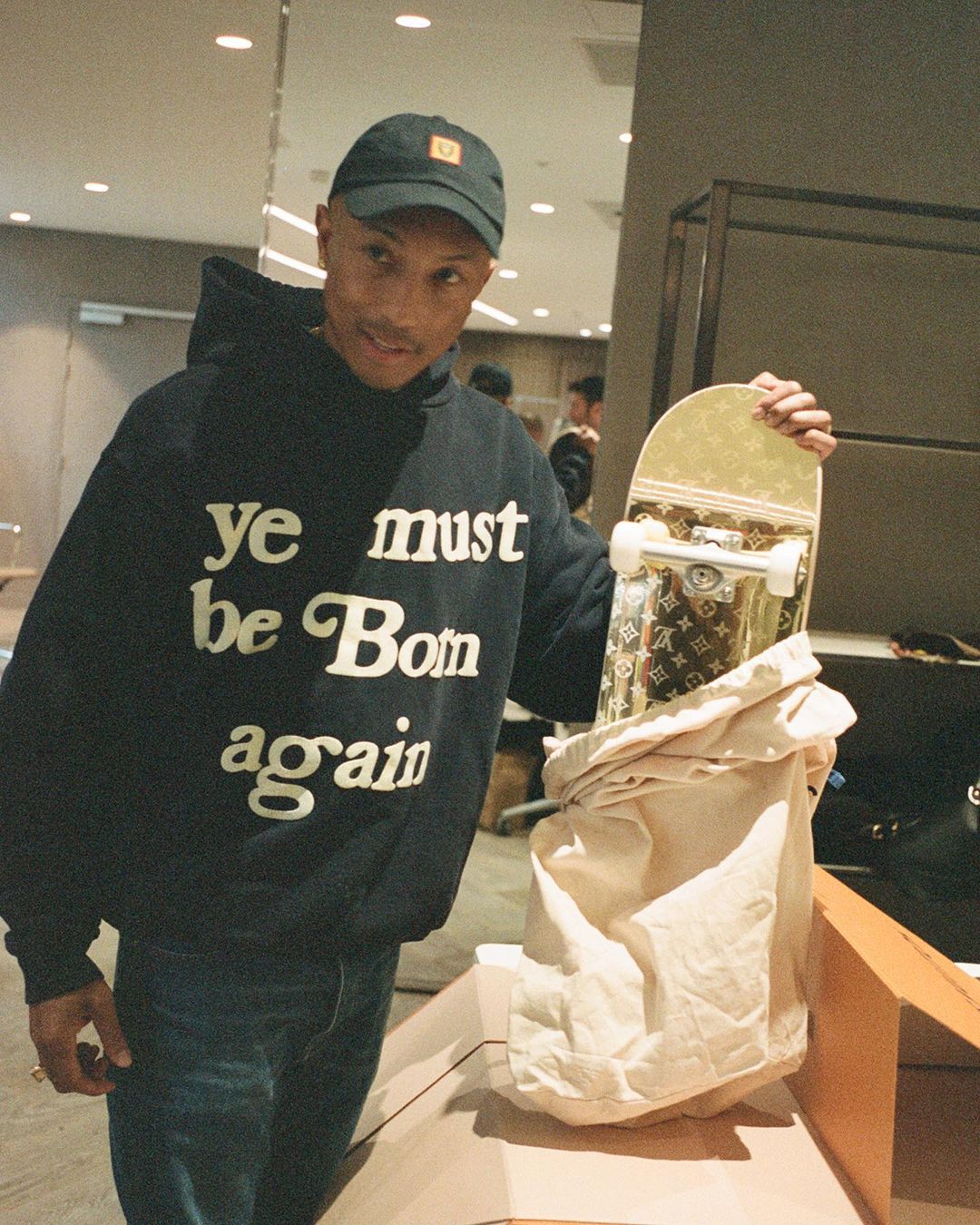
According to a critical reading, the digital has progressively emptied subcultures, reducing them to mere visual aesthetics without foundation. An opposing interpretation, however, holds that the "underground" dimension, by its nature, never fully disappears. As Dazed notes, many young people continue to consider specific subcultures as central elements of their identity, especially when these intersect with gender, sexual orientation, cultural background, or social condition.
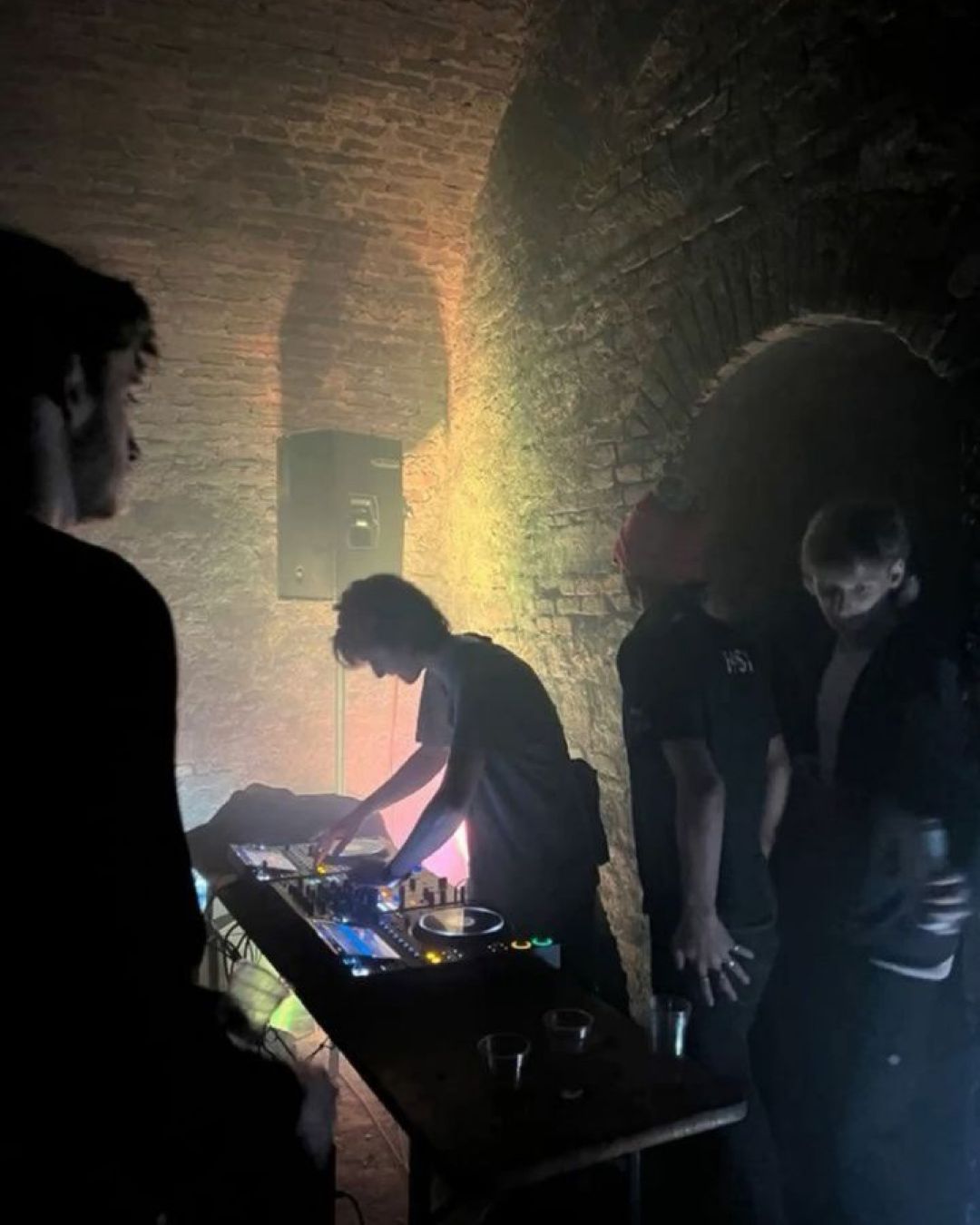
Today, even if "mainstream" and "underground" often blur, and their concepts have weakened, subcultures continue to take shape, albeit more difficult to recognize than in the past – also because the cultural context has become much more chaotic. Often these subcultures remain confined to specific "bubbles" of people, linked to certain imaginaries, particular attitudes, or a precise worldview – even online: sometimes, however, they are rather sizable niches, yet at the same time particularly closed, and precisely for this reason hardly visible and analyzable from the outside.