




















Understanding Gen Z's obsession with prosthetic make-up When surrealism reflects reality
In 2011, fresh off Born This Way, Lady Gaga used to appear publicly with prosthetic protrusions on her cheekbones, temples, and shoulders. «They come out when I’m inspired,» she told the press, who were curious about this strange look. «They’re not prosthetics, they’re my bones. They have always been inside me, but I waited for the right moment to reveal to the universe who I really am.» Aesthetic expressions like the prosthetics used by Gaga, once confined to alternative artistic spaces, now dominate every sphere of pop, also thanks to the penetrating influence of the musician herself in public culture. Whereas Gaga’s surrealist looks from Bad Romance once raised doubts (some even claimed her art promoted masochism), today prosthetics of this kind are everywhere, from concerts to Fashion Weeks, a form of expression clearly reflecting the feelings of an entire new generation of artists.
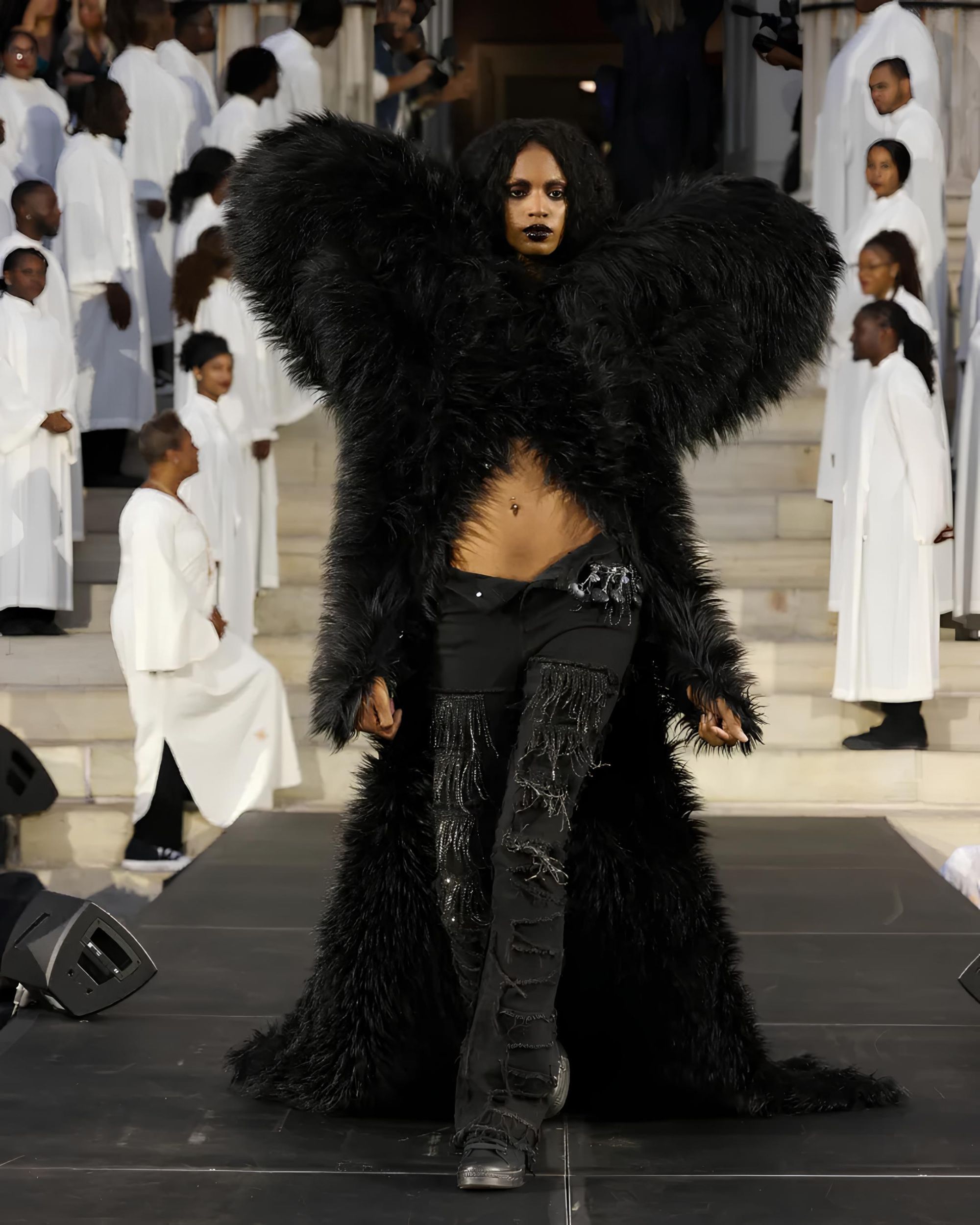
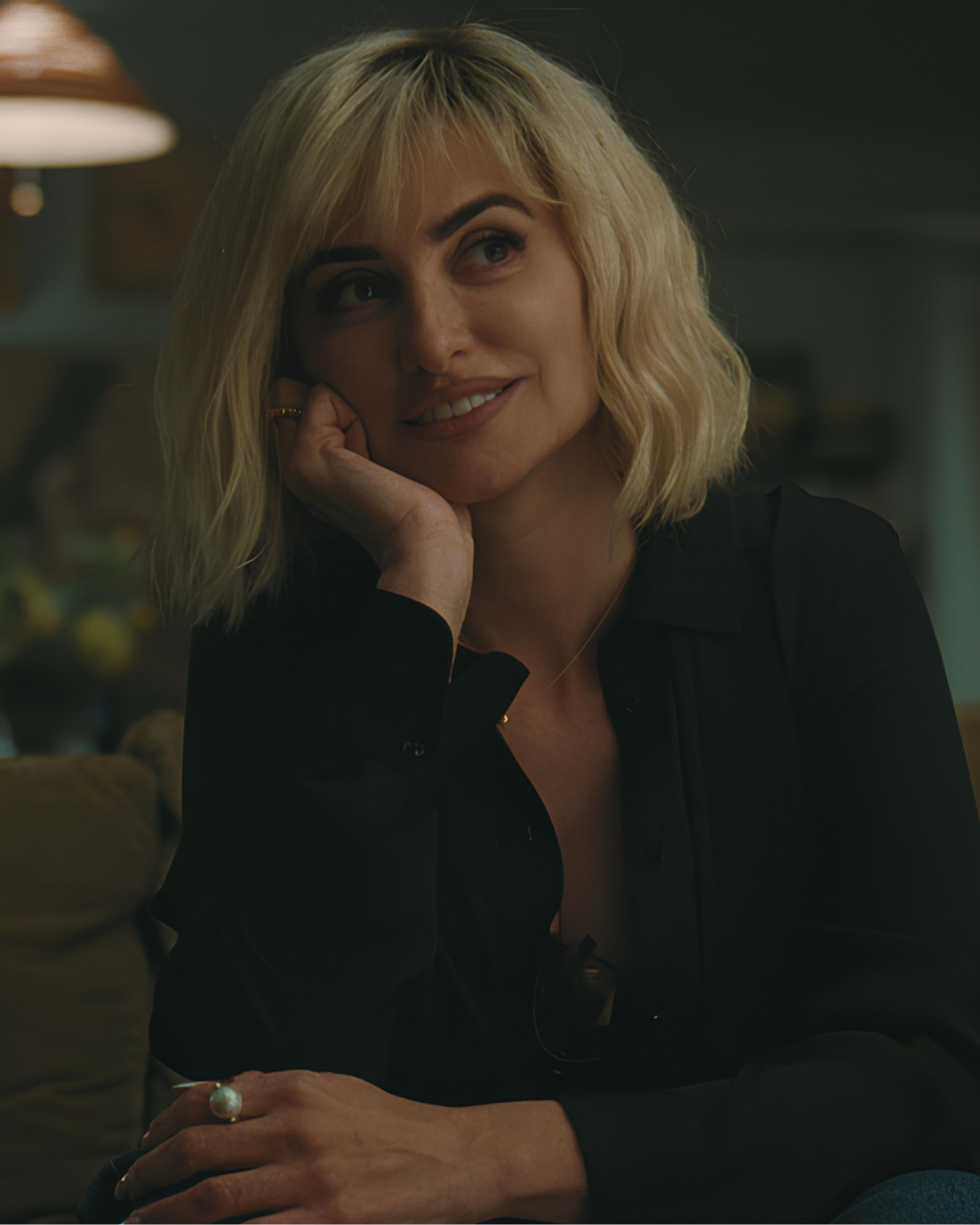
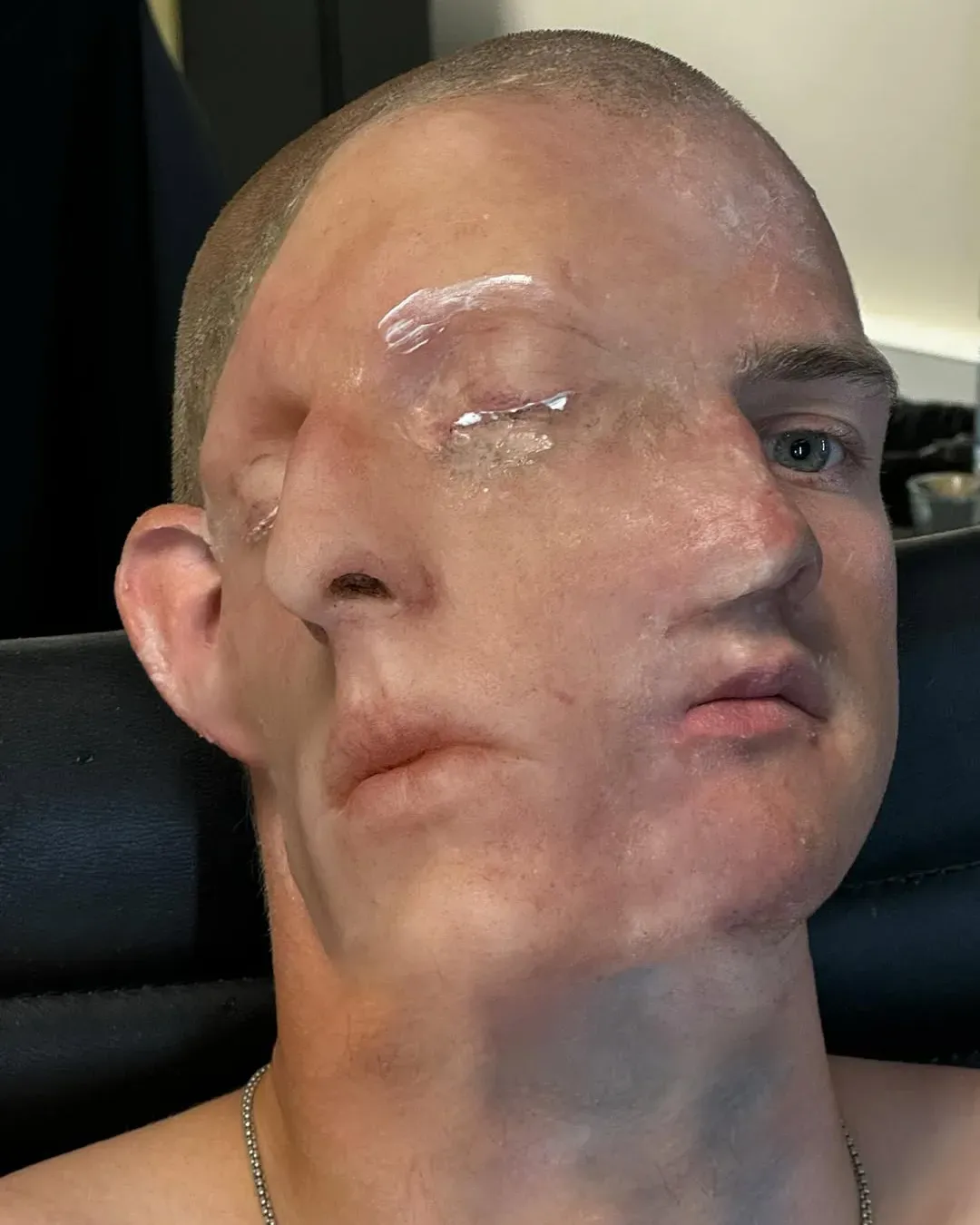
Exploring the reasons why so many artists, designers, and musicians are experimenting with prosthetics, we had a chat with a makeup artist from Milan. Whereas they once evoked unease, she explains, «prosthetics are no longer scary,» in fact, «there’s a trend to place them even where not necessary» to the point of losing the meaning of the projects. In the past two years, we are witnessing a real boom in the use of prosthetics, in the film industry as well as in music and fashion, as shown by SZA’s fly-inspired look for the launch of SOS Deluxe: Lana, the aesthetic work by FKA Twigs for Eusexua, the success of The Substance, Yorgos Lanthimos’ latest film Bugonia, Del Toro’s Frankenstein starring Jacob Elordi, or the latest Matiéres Fécales, Duran Lantink and Martine Rose shows.
@nssmagazine Watch Jacob Elordi become the Creature in Frankenstein, Guillermo del Toro’s latest movie. Have you watched it yet? @filmdreams #frankenstein #jacobelordi #sfxmakeup #makeup #movietok оригинальный звук - uwertry
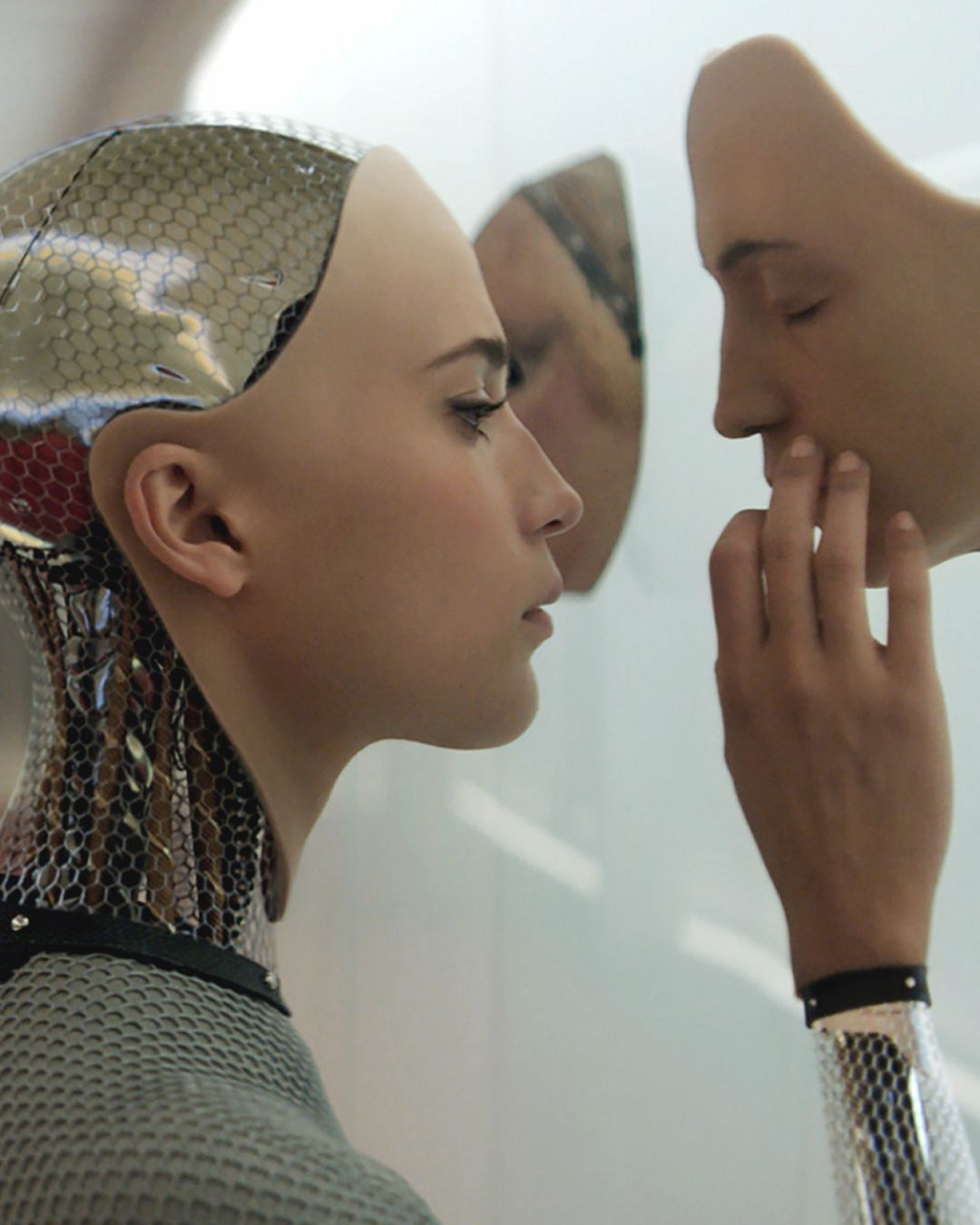
Animals, aliens, and cyborgs have taken over album covers, front rows, red carpets, and big screens, putting the spotlight more on our reality than on our fears. At the end of the last century, the use of prosthetics in works like Michael Jackson’s Thriller, E.T., Star Trek, or by artists of the caliber of Björk, Alexander McQueen, and Thierry Mugler best expressed a concern for the future, namely with the arrival of the new millennium and the terrifying Y2K bug. Today, what extreme makeup seems to convey is an ever-present unease. The anxiety we feel now is not defined by what is coming, but is a product of what we experience in every sphere of our daily life. Internally, our bodies are continuously compared to artificially modified bodies through medicine and cosmetic surgery; externally, we experience stress in the face of socio-political clashes, for which all we can do is discuss online or protest in the streets. In 1995, Gen X imagined a future with aliens; in 2025, Gen Z dreams of being able to escape the world with them.
One of the reasons behind the new generation of artists’ passion for prosthetics and surrealist looks could also be the increasingly intense obsession with self-improvement. In the article Self-care or self-erasure? by Dazed, author Heloise Darcie observes the boom of tools like the Oura Ring, smartwatches, the phenomenon of biohacking, and extreme beauty accessories as a preview of a future in which the natural body loses all value, while the artificial one, kept under control by external tools, becomes the standard. «Influencers are using social media to normalise radical procedures, creating a gateway for the average person to step into that world. Meanwhile, others are unknowingly weaving lighter forms of biohacking into their daily routines, blurring the line between casual self-care and low-grade body modification», writes Darcie.
@collinastrada Backstage with @Isamaya Ffrench #nyfw original sound - Collina Strada
Hillary Taymour, founder and creative director of the New York brand Collina Strada, has been working with prosthetics for years to explore themes of «transformation and identity». While initially, the designer recounts, the fashion industry was shocked by her collections - considered strange and therefore not commercial enough - recently her work has met with greater understanding. «Everyone’s suddenly comfortable admitting that fashion can be uncanny and still be beautiful,» she adds, «that discomfort can be a design tool, not a mistake.»
It is possible that the boom of quiet luxury, followed by the minimalism and the beige-ification of the runways, has sharpened the alternative Gen Z’s passion for surrealist makeup looks. «There’s always this creative pressure valve that pushes in the opposite direction. If the world feels surreal and chaotic and tender and apocalyptic all at once, then why pretend clothing has to be polite?» shares Taymour. «The surrealism in Collina isn’t about shock, it’s about honesty.» And Gen Z, raised in a hyperconnected society aware of what happens in every corner of the world, is extremely sensitive to the scandalous truths they witness. «Gen Z has this hyper-attunement to the world’s instability, there’s this collective nervous system that’s always buzzing,» adds the designer, «We’re already living in a time where nothing feels proportionate: emotions, information, expectations. There’s something almost therapeutic about naming the anxiety instead of trying to polish over it.»
@olympiaanley The morning routine just gets better and better #morningroutine #wellnessjourney #redlight original sound - flex
Socio-political discussions aside, the trend of prosthetics in pop culture seems to respond directly to the current needs of Gen Z, which include hiding to avoid social media criticism, controlling their own body, but also standing out from others and expressing their creativity in an era where aesthetics play an increasingly central role in our lives. «We’re living in a moment where bodies are being edited, medicated, filtered, and optimized constantly,» concludes Taymour, «People are terrified of being perceived as real. So prosthetics become this kind of ironic counterplay.» Rather than responding to the trend of biohacking, self-improvement disguised as self-care, and permanent surgery, they offer an opportunity for escape. While surrealist, they are a sign of the times we are living in.
alexander mcqueen ss99 rtw
— Jenesse (@jenesse) October 7, 2024
for his spring/summer 1999 ready-to-wear show, alexander mcqueen featured athlete and double amputee aimee mullins, who walked the runway wearing a pair of intricately carved wooden prosthetic legs. pic.twitter.com/bok6J1Wr2T
In all of this discussion, focused on a trend primarily adopted by conventionally attractive identities like SZA, the models of Duran Lantink, Matières Fécales, or even Demi Moore in The Substance and Emma Stone in Bugonia, it is important to remember who brought it into the spotlight before them. Not standard beauties, but flag-bearers of the alternative, from Lady Gaga (who was certainly initially considered a black sheep of pop) to Aimee Mullins, Paralympic athlete and McQueen muse who walked for the English designer in 1999 for the No.13 show. Mullins wore an extraordinary pair of carved wooden prosthetics, a white tiered skirt, and a leather bodysuit. «His clothes have always been very sensuous, and I mean the full gamut of that. So hard and strict and unrelenting, as life can be sometimes. And then this incredibly romantic swishing of the raffia,» the athlete commented on the look. As if to say that there is poetry, after all, in the brutality of a life lived naturally.