



























The sacredness of the image in Valentino's SS26 Haute Couture collection Alessandro Michele and his poetic protest against the speed of modern times
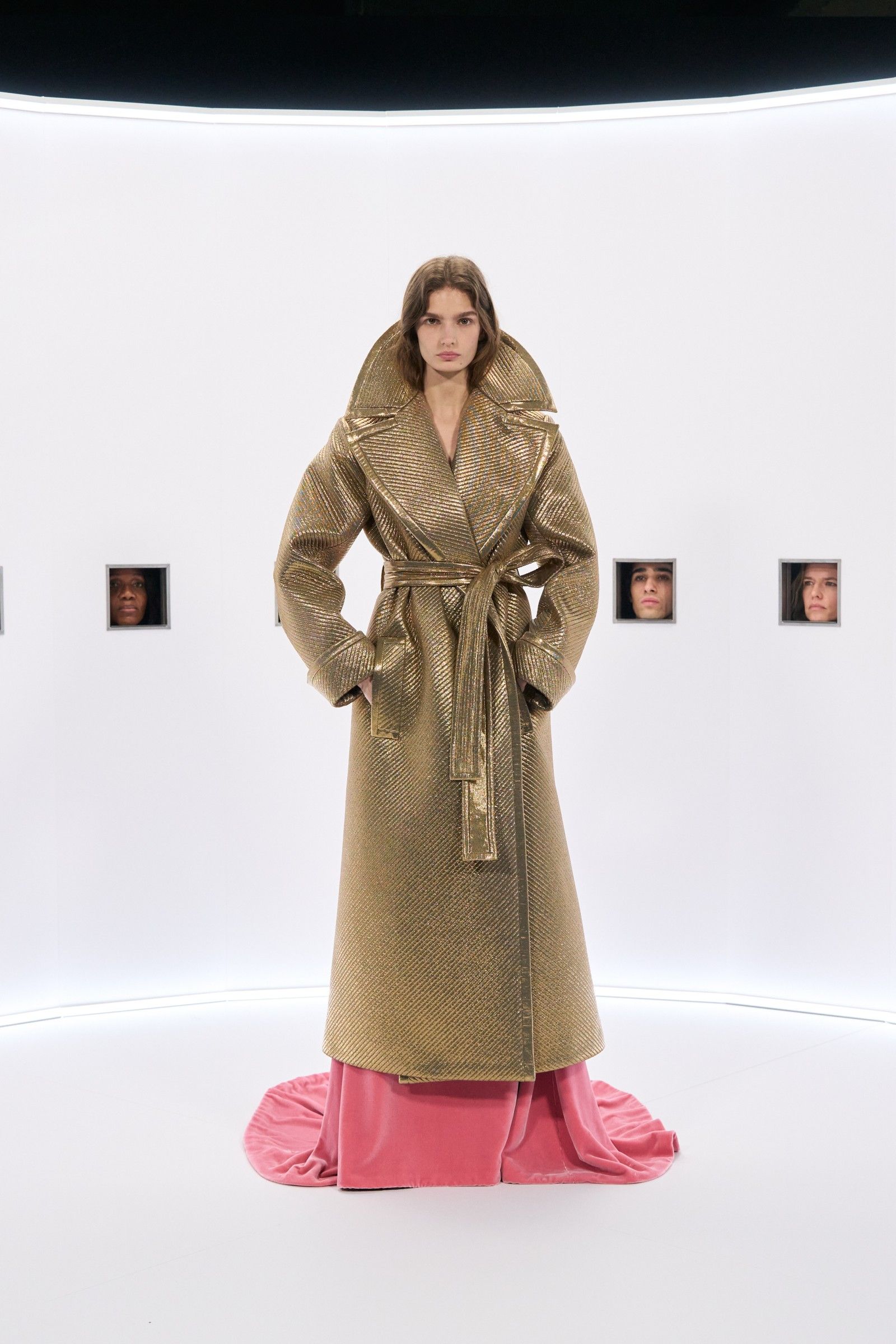
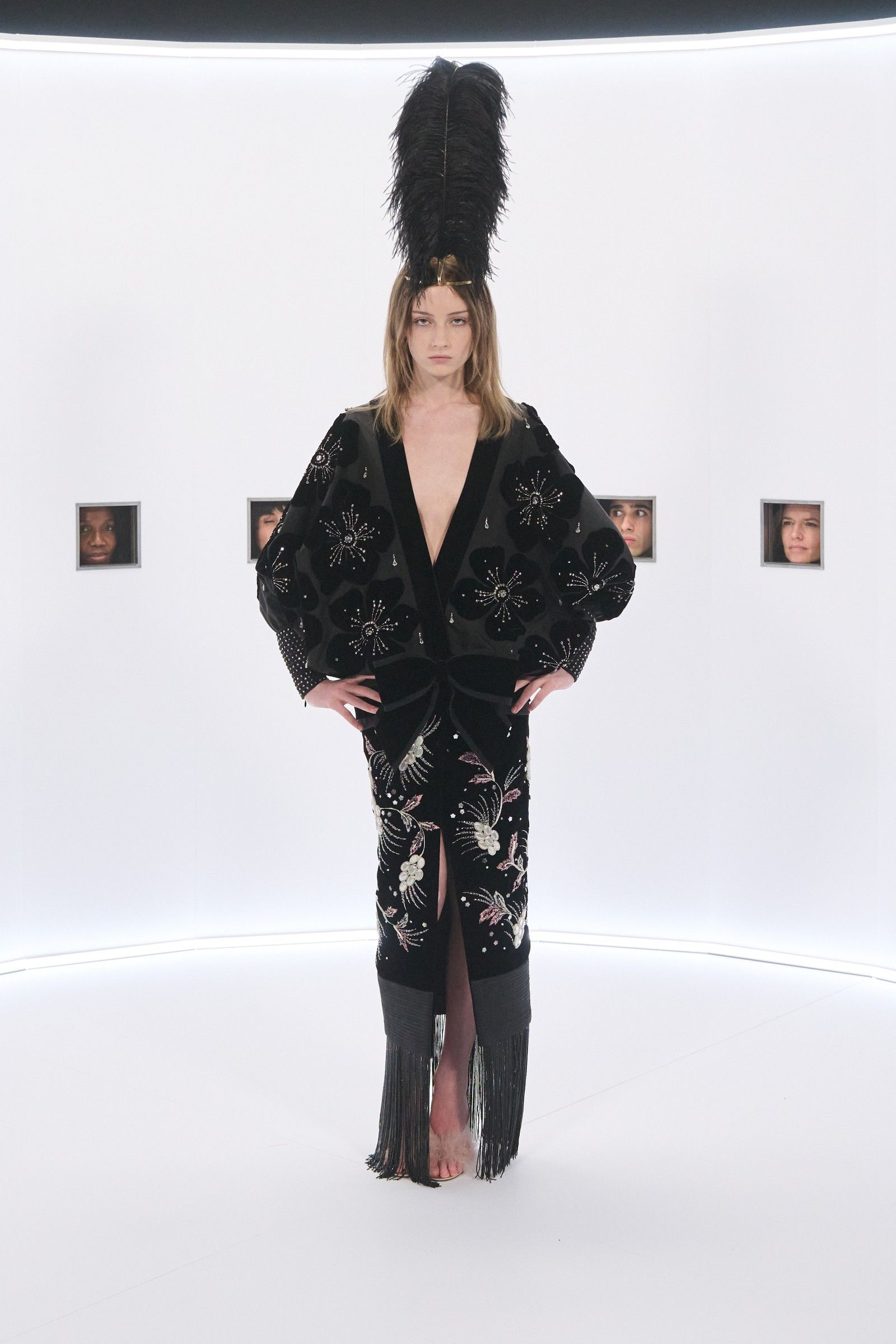
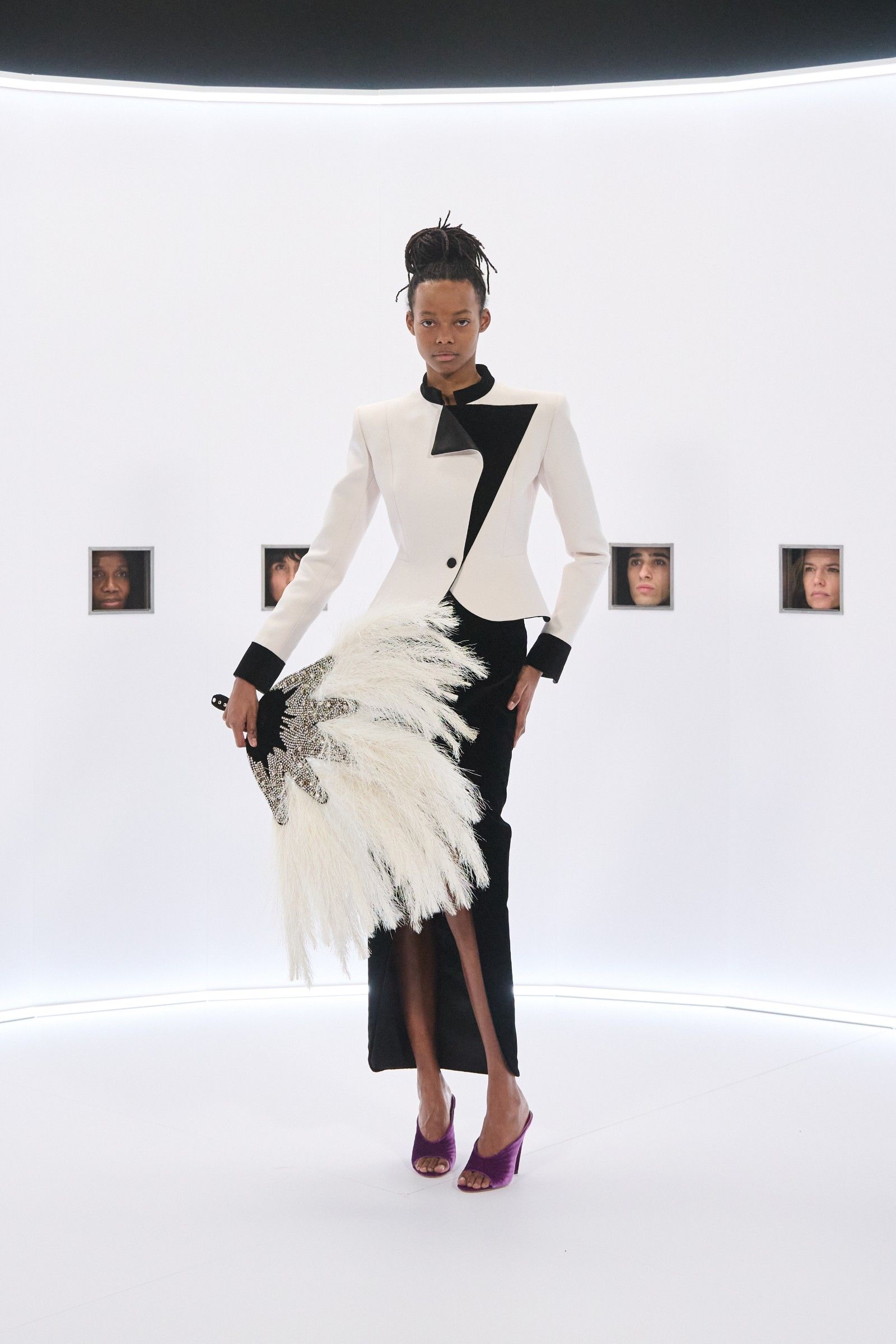
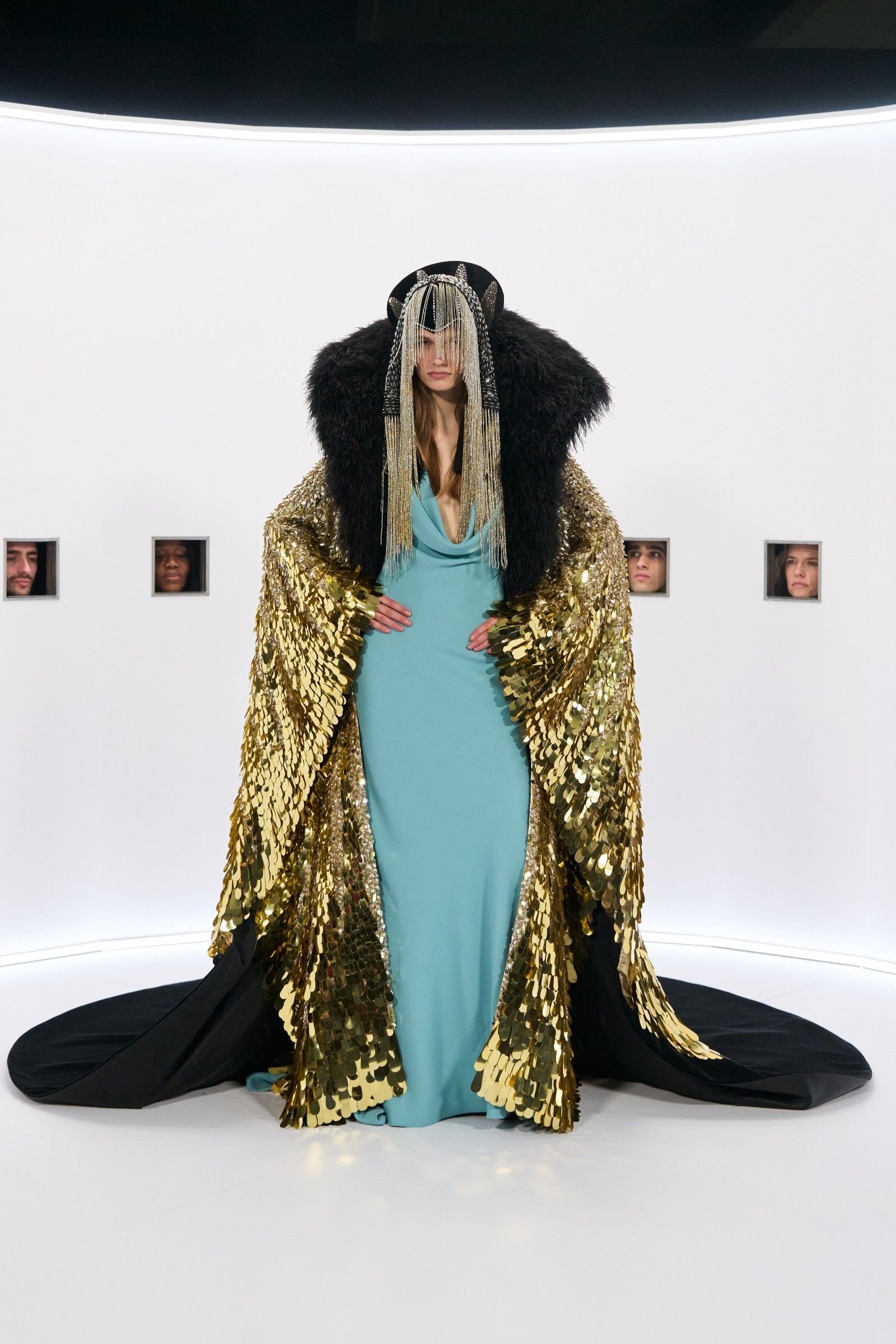
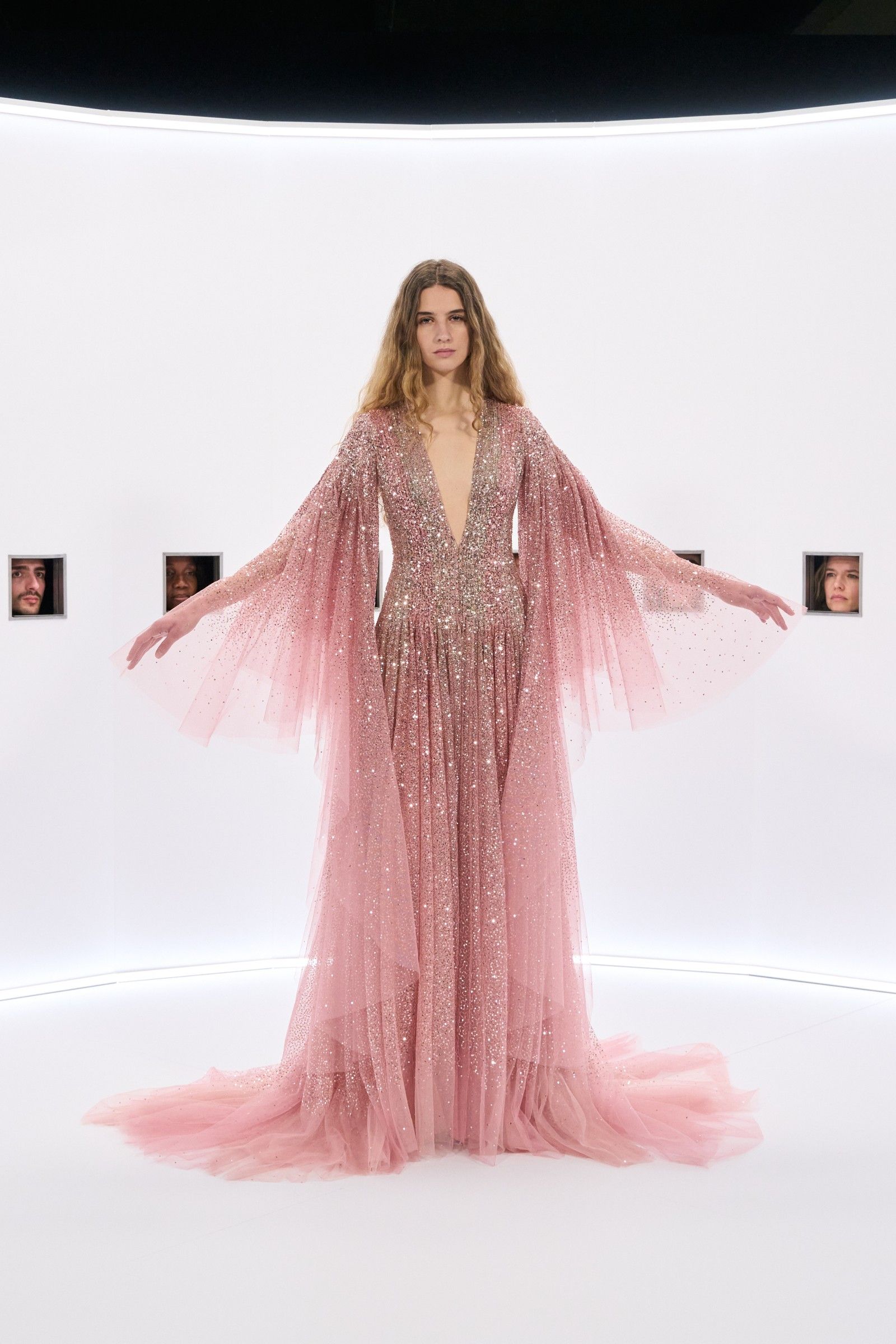
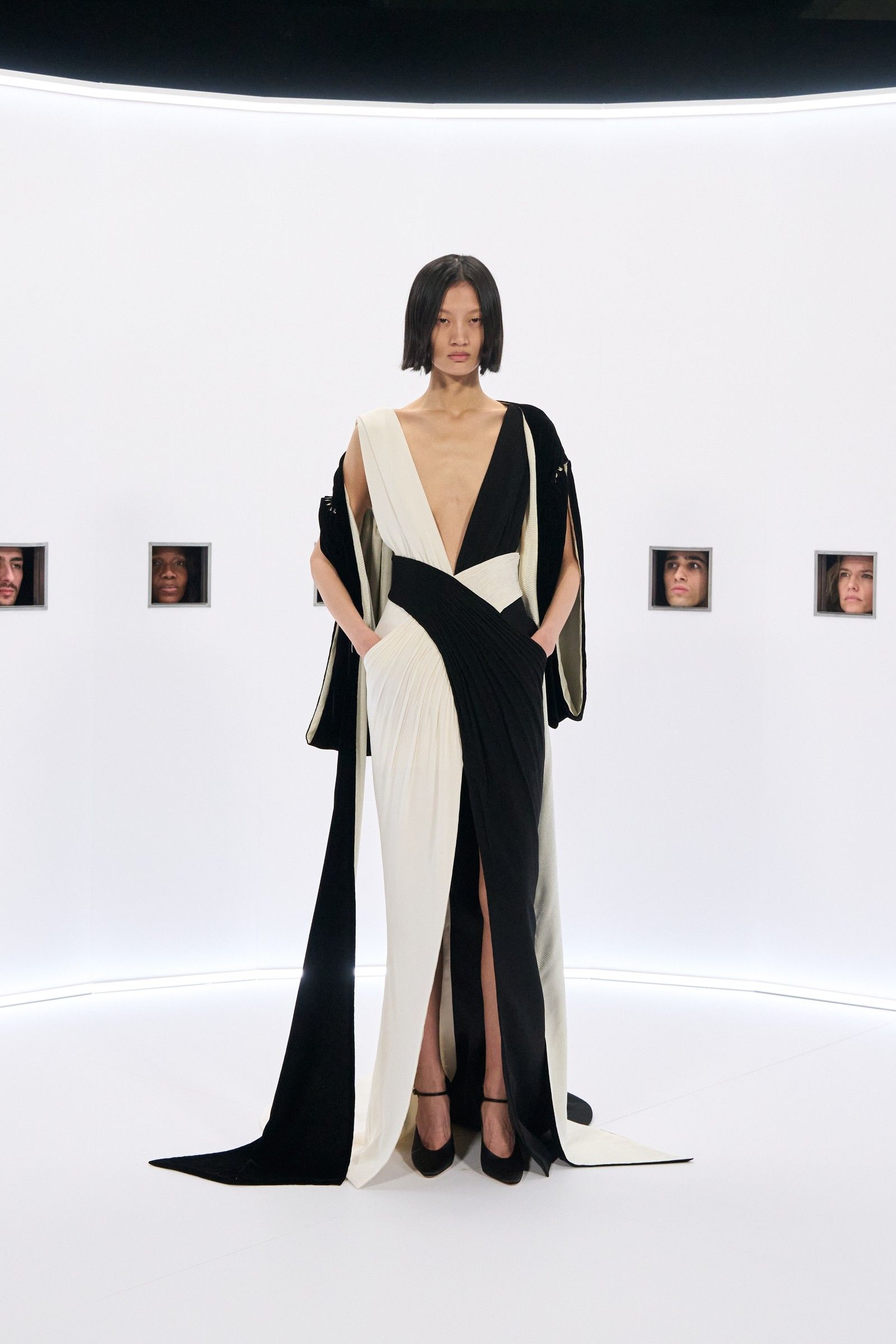
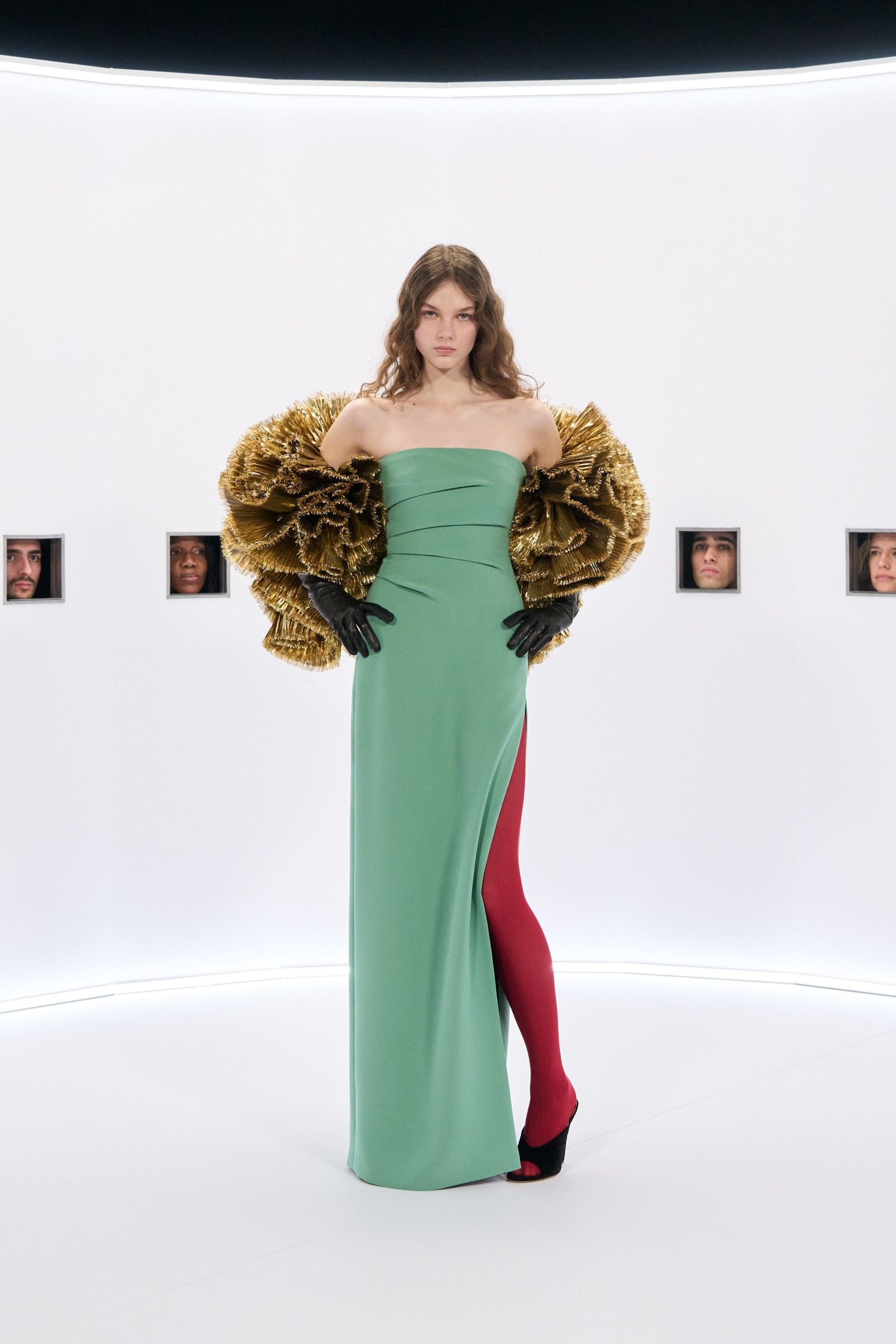
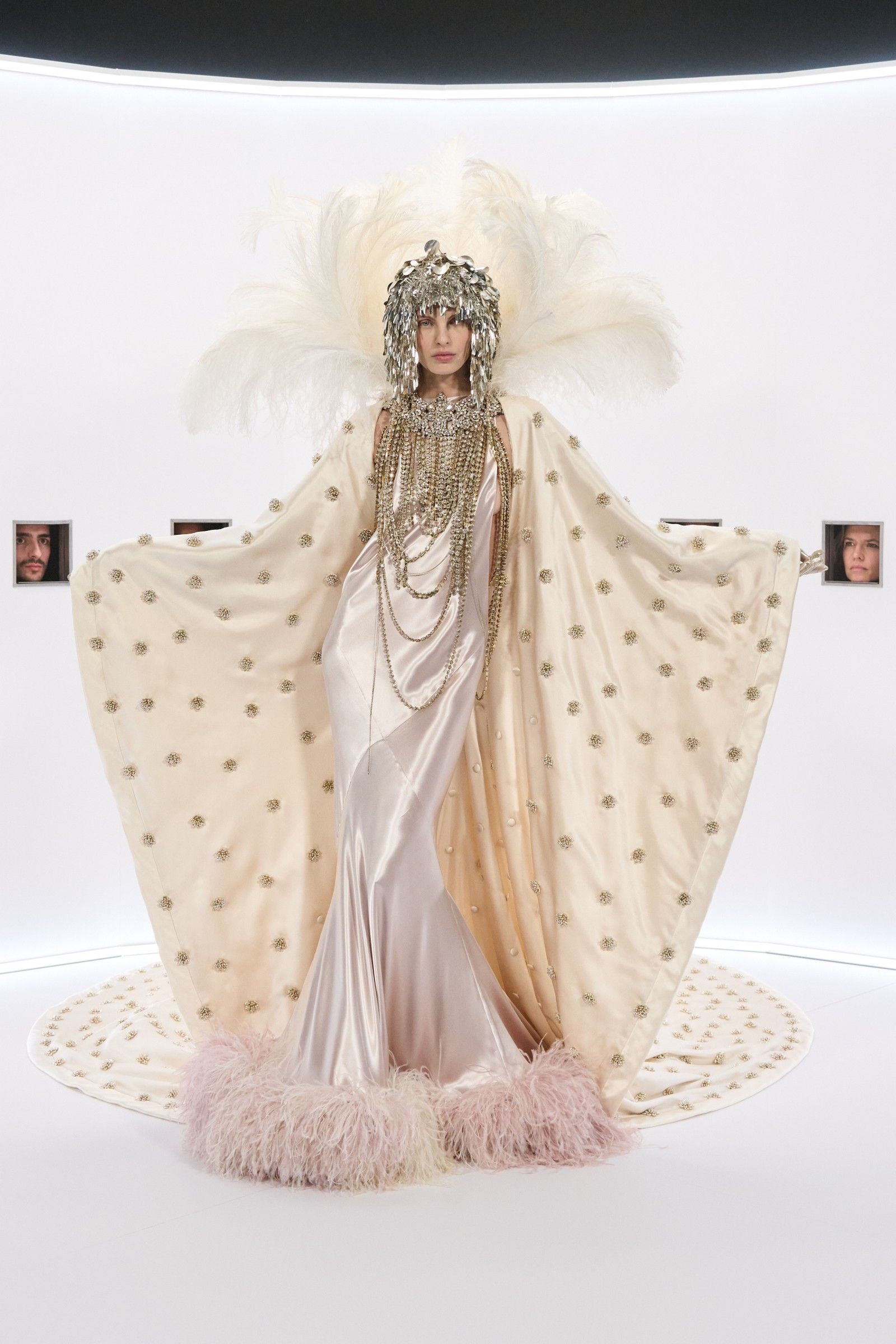
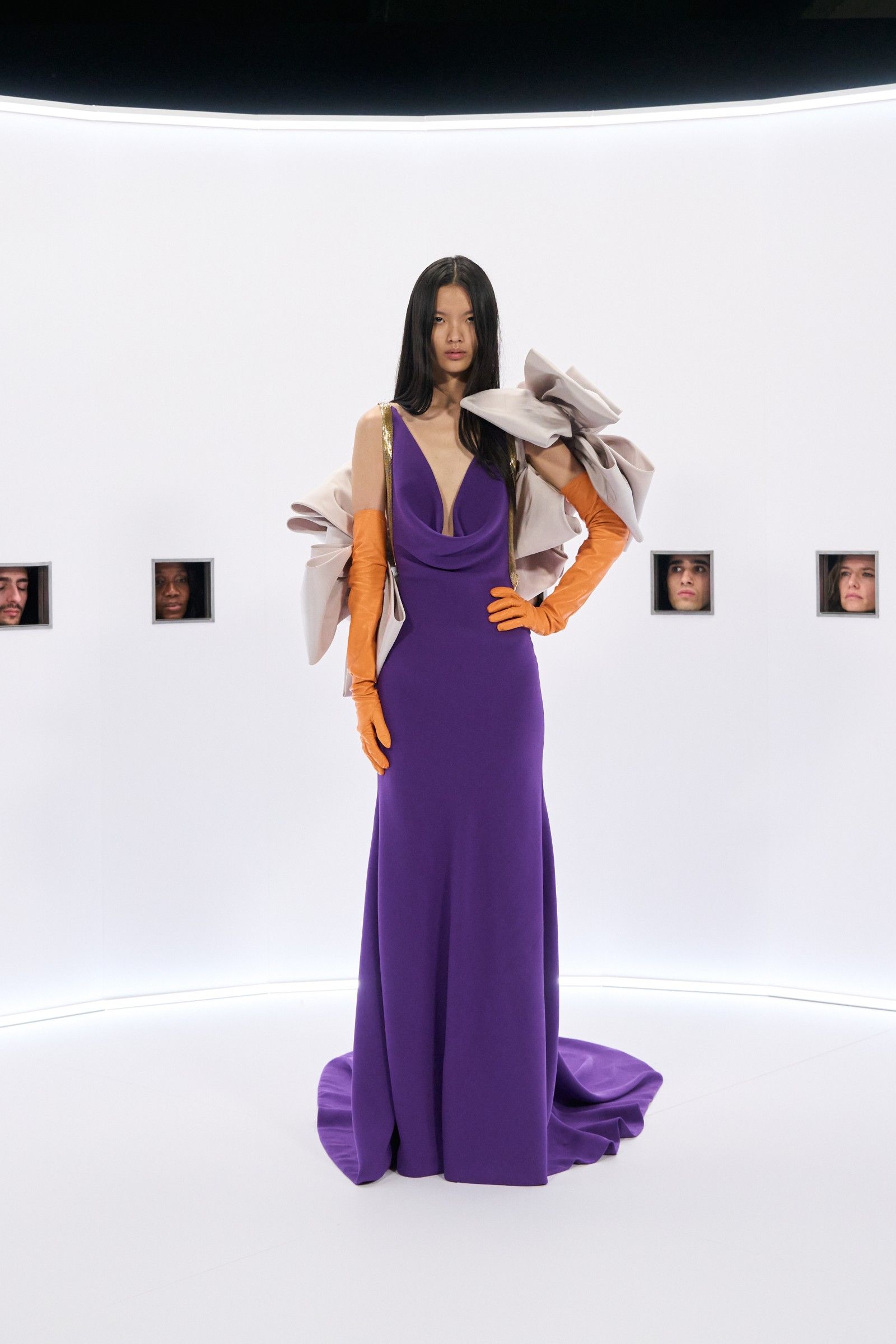
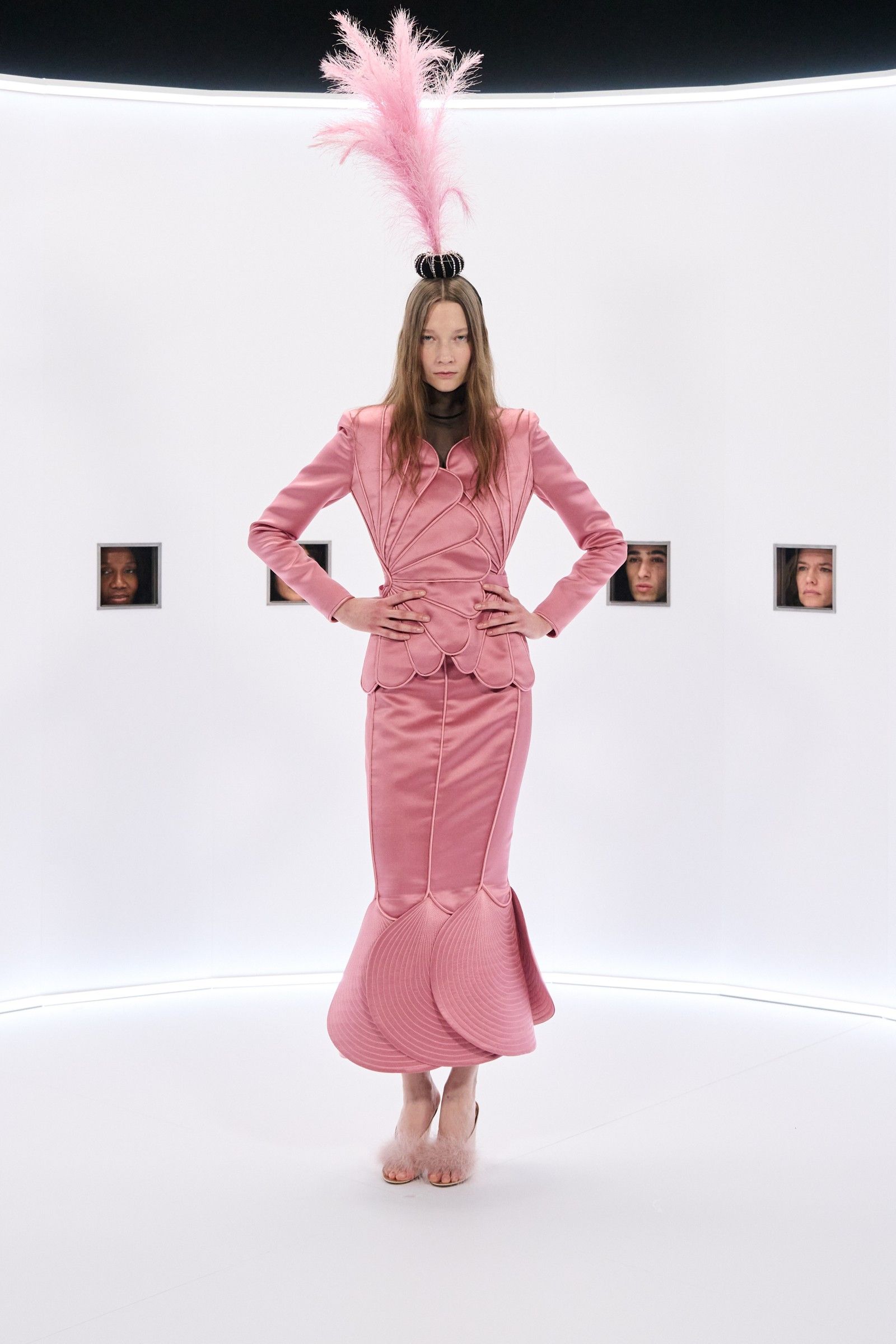
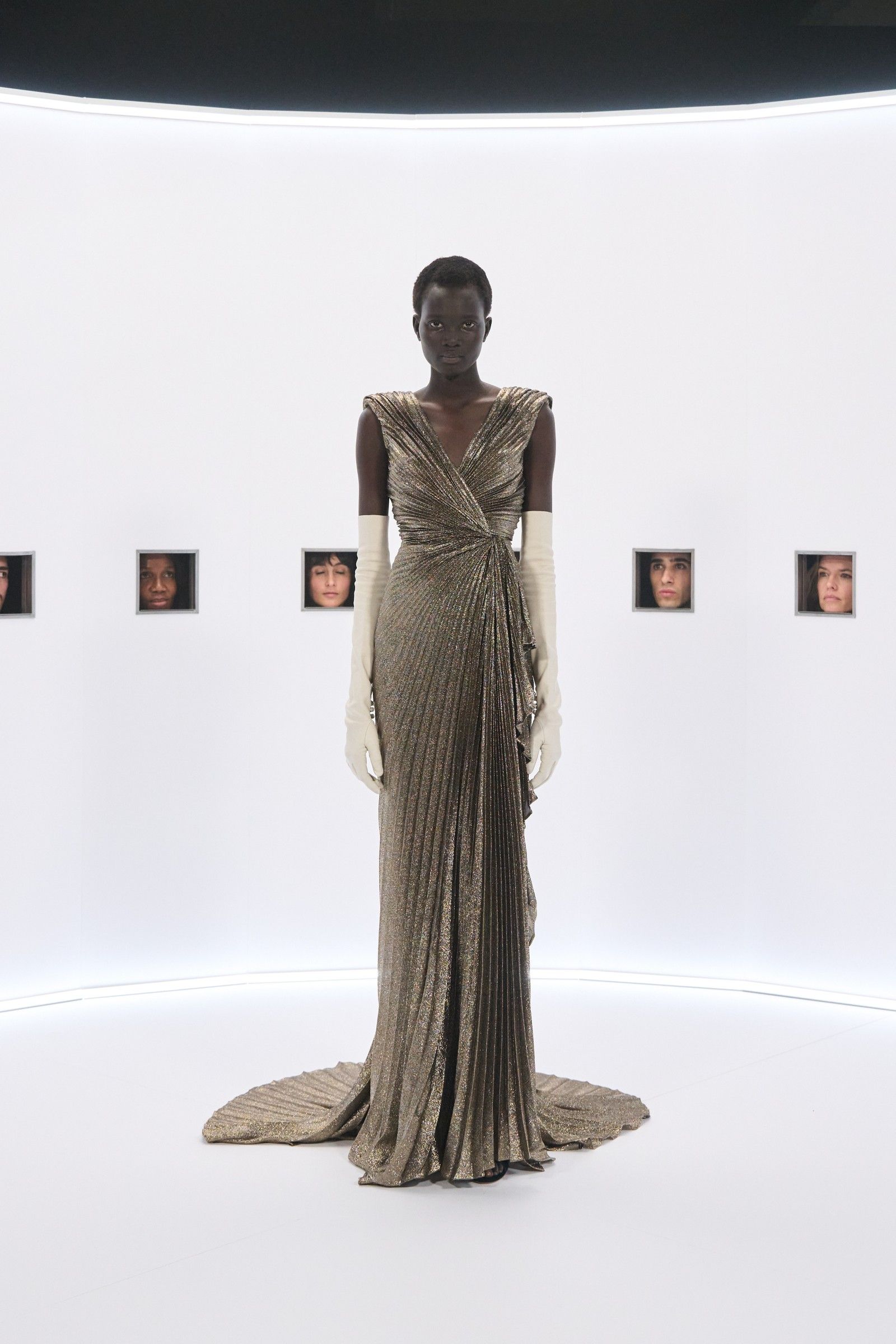
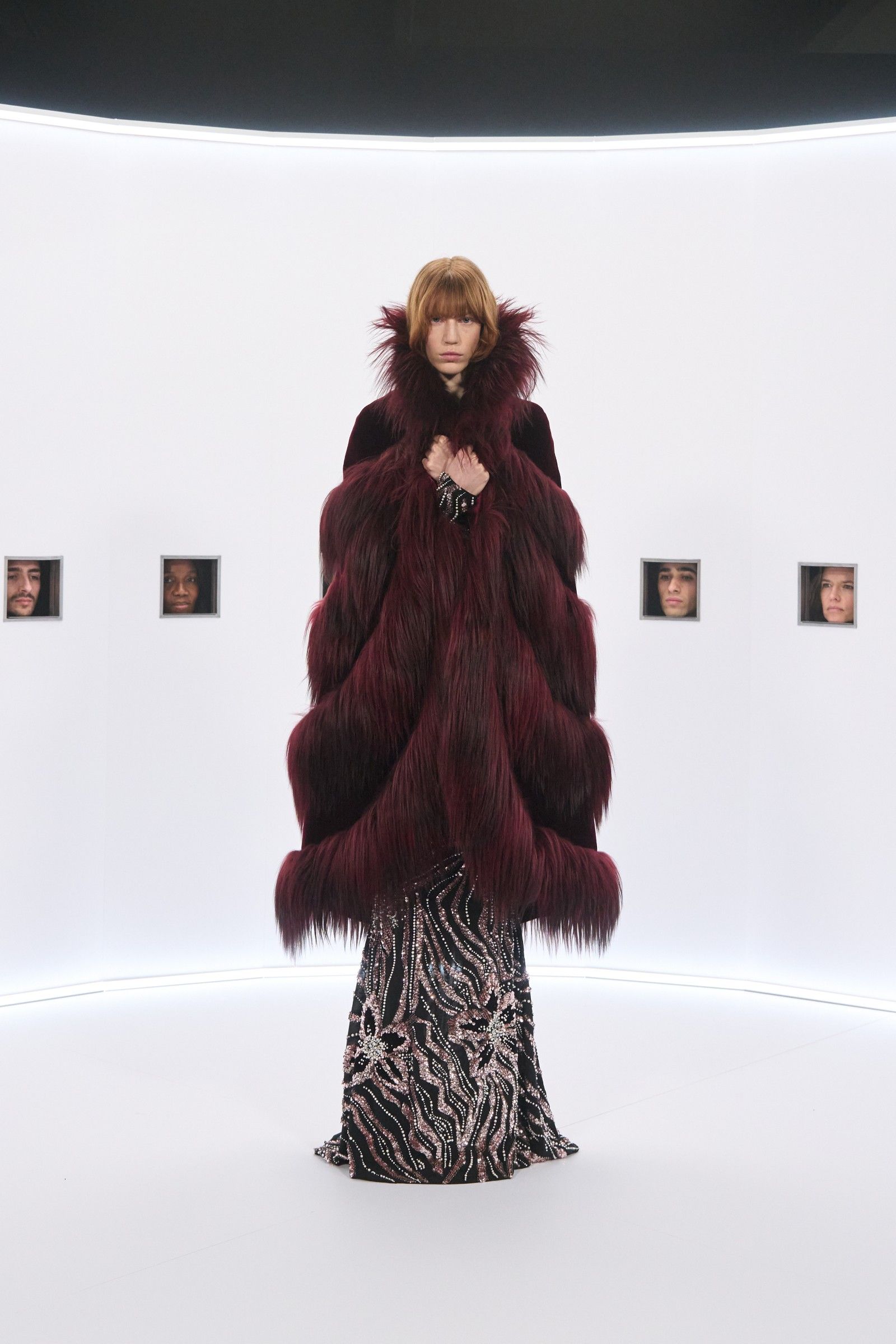
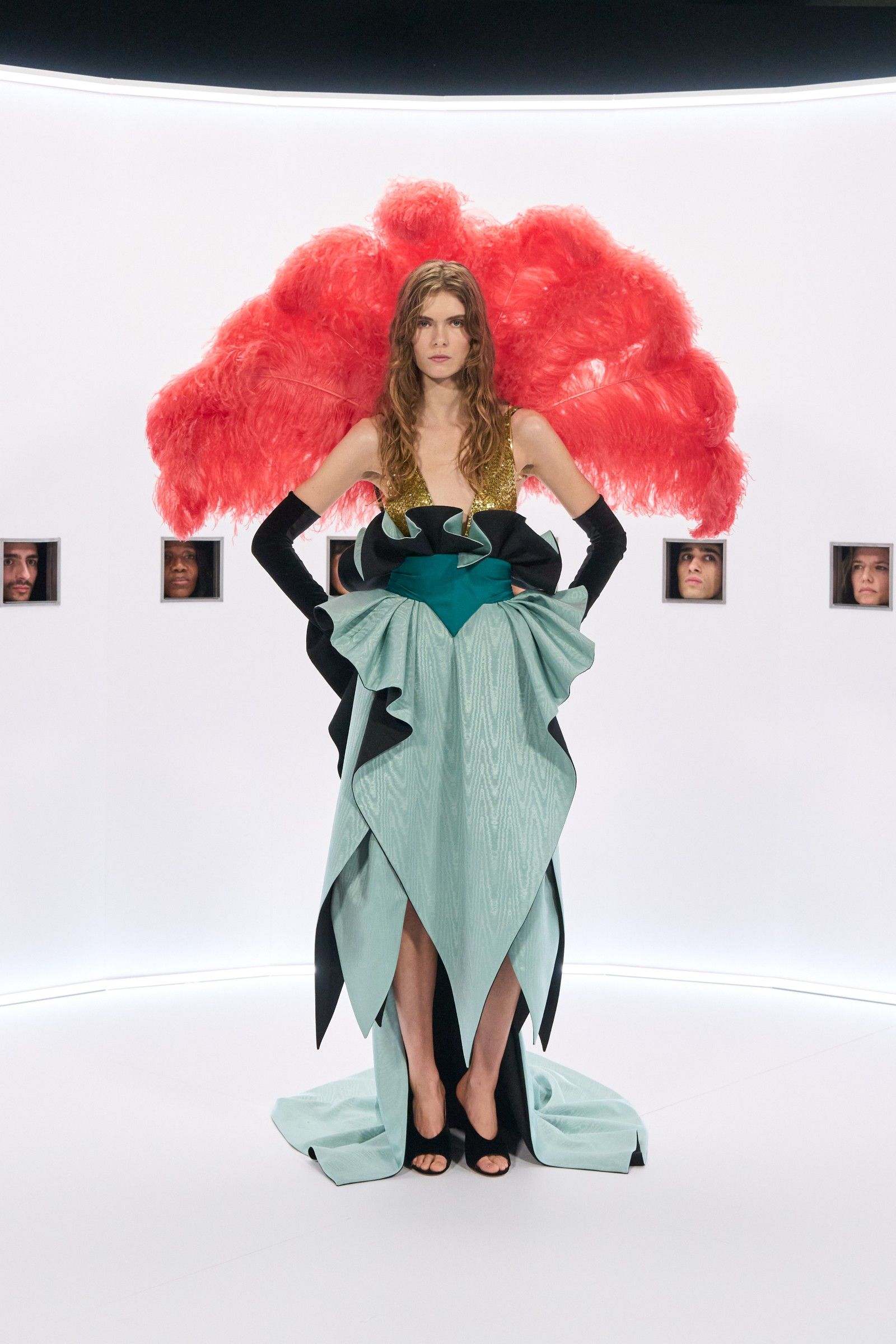
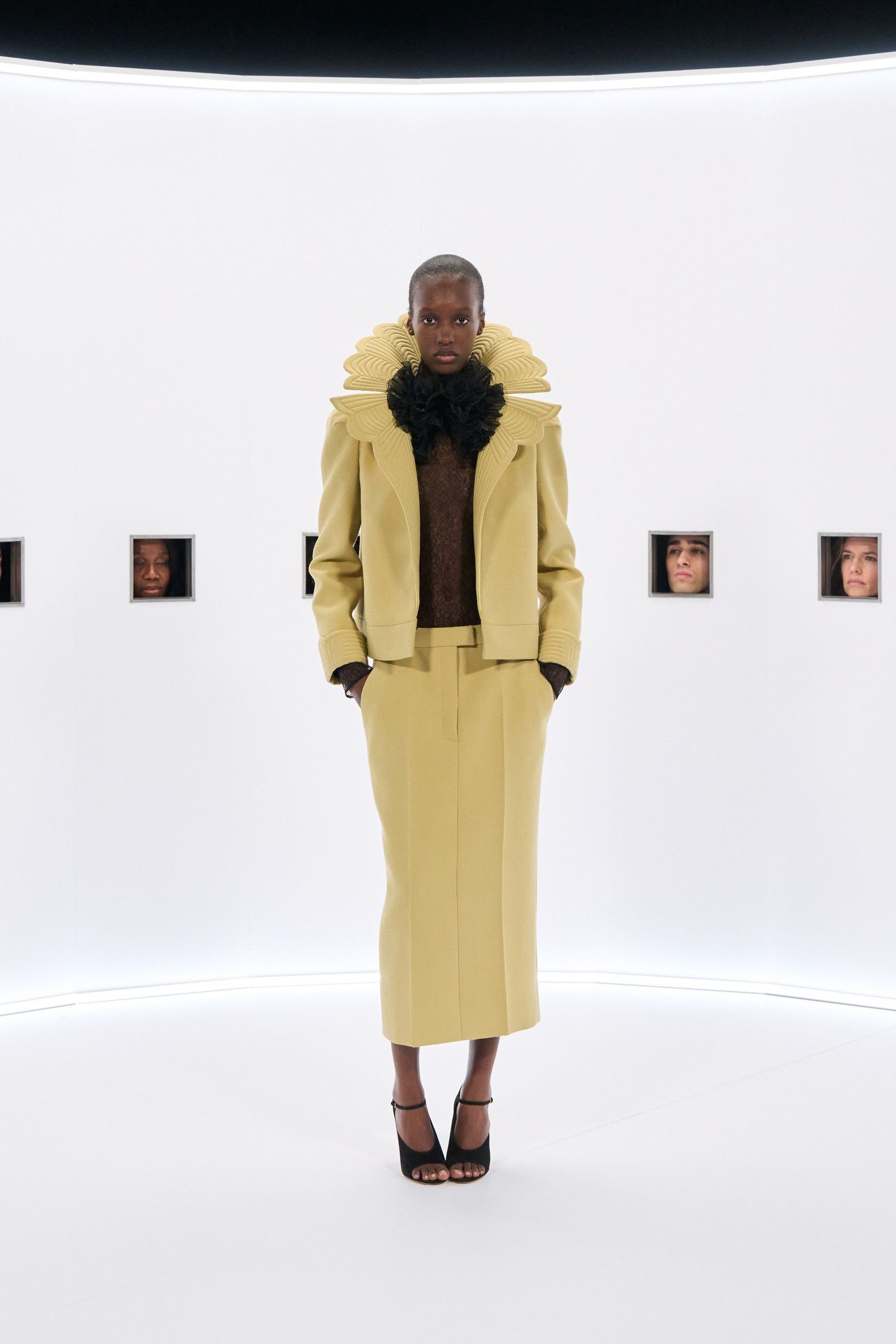
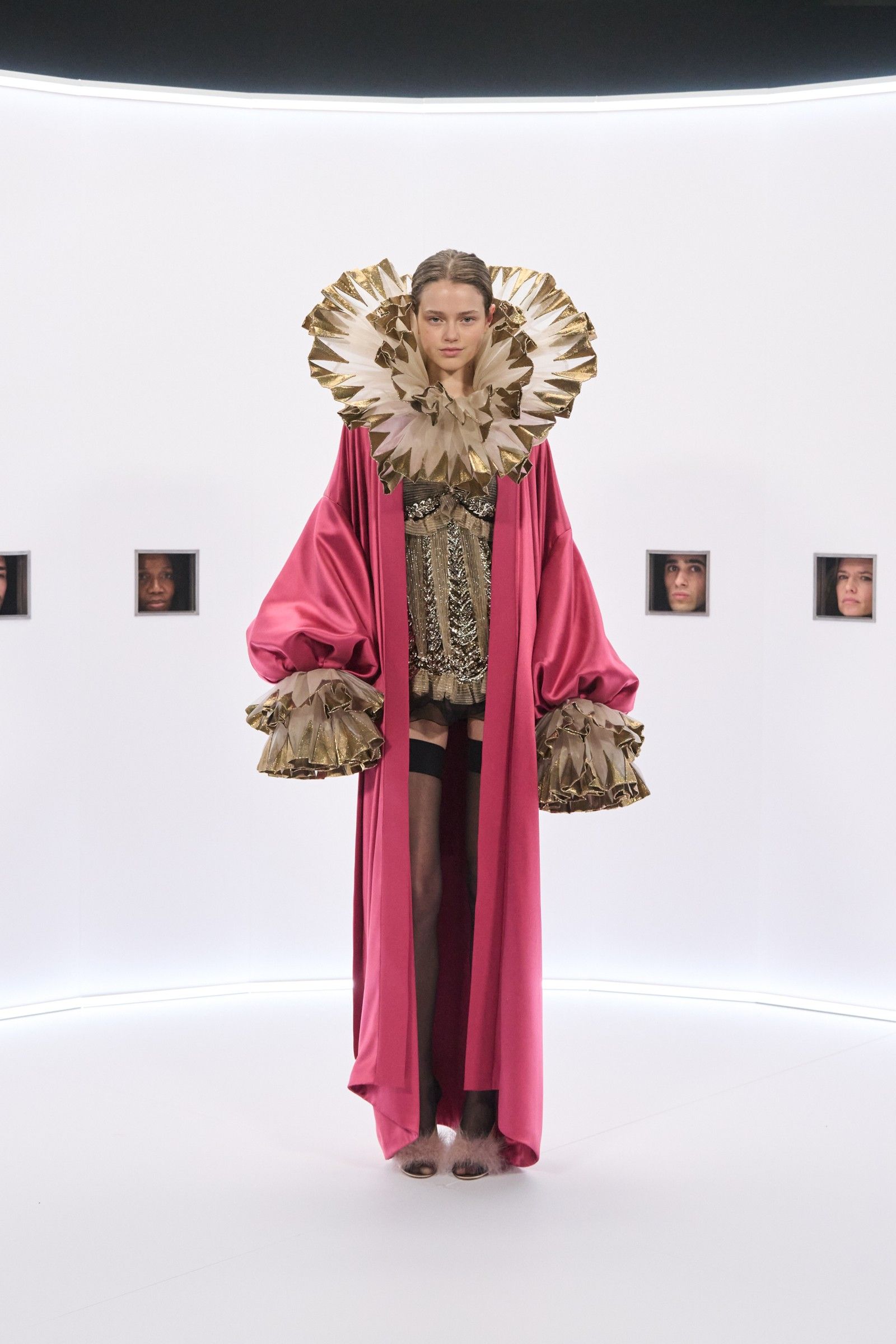
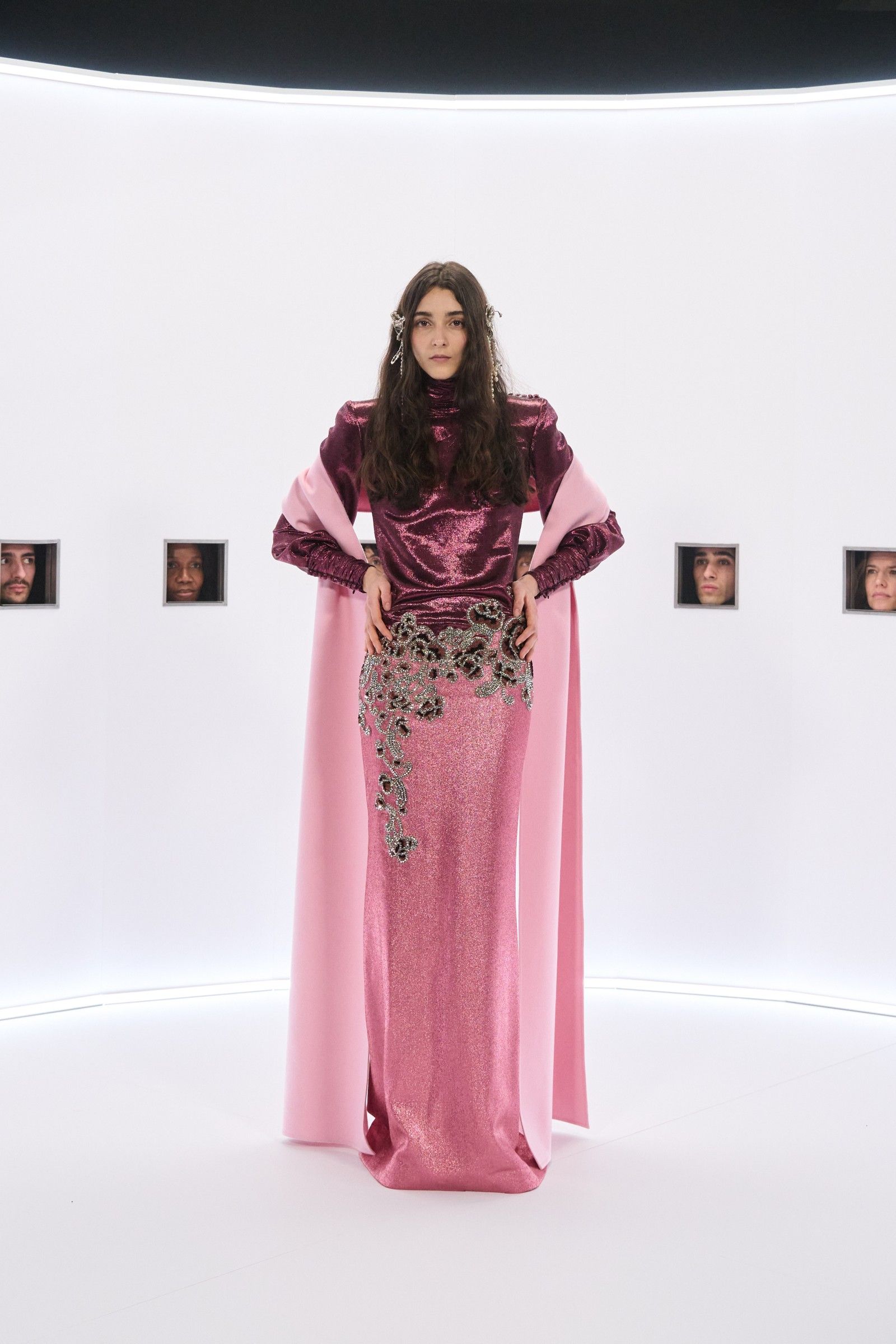
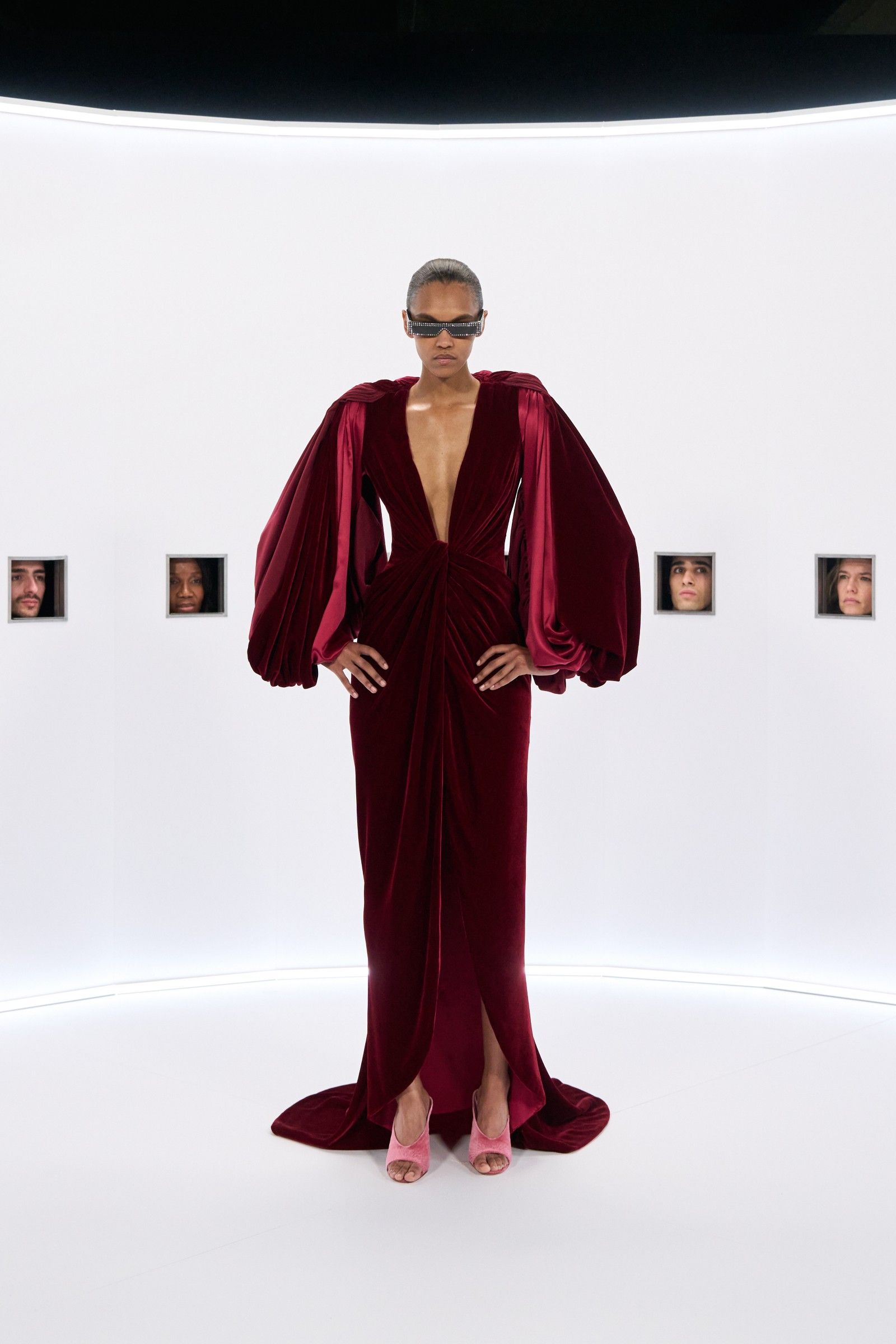
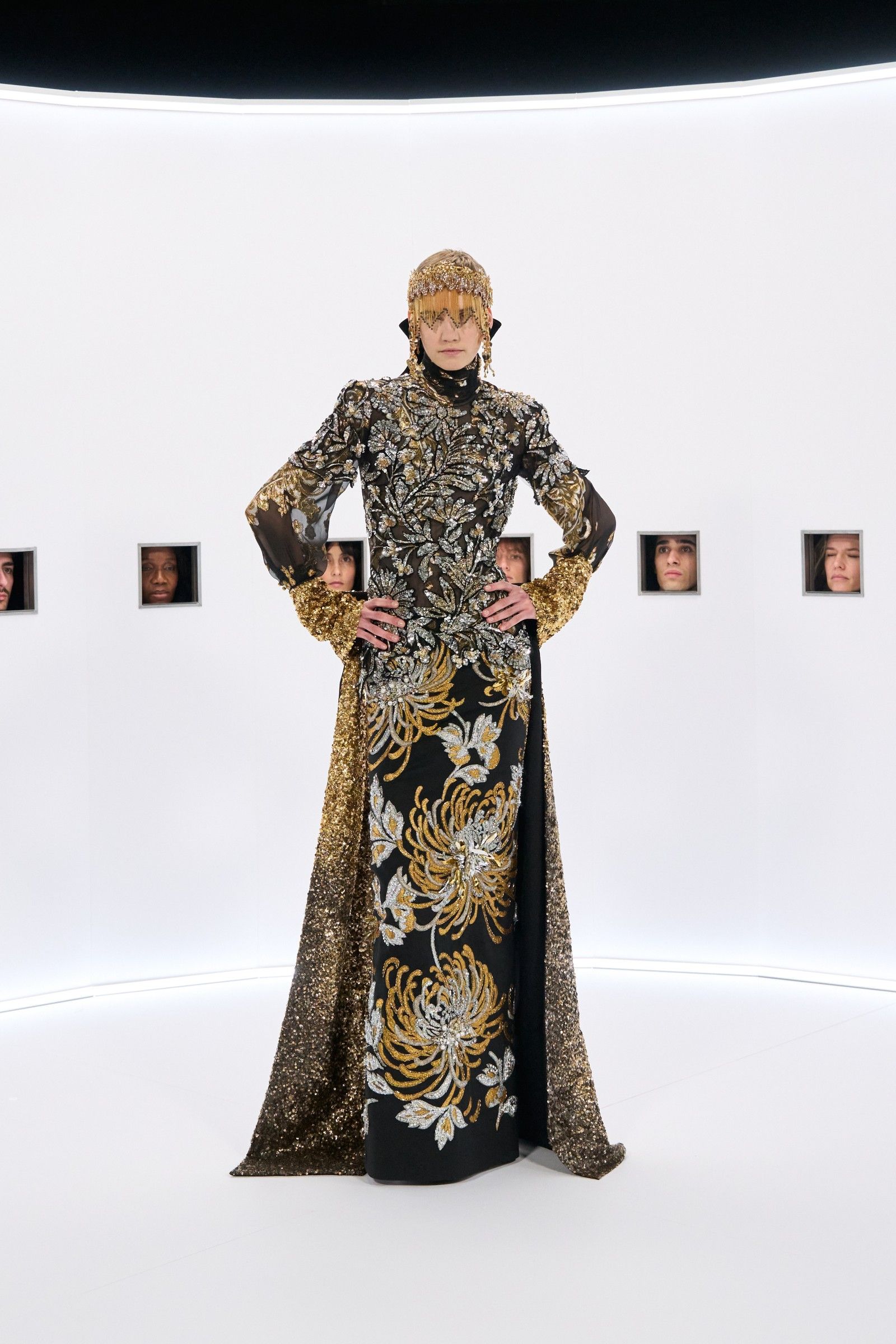
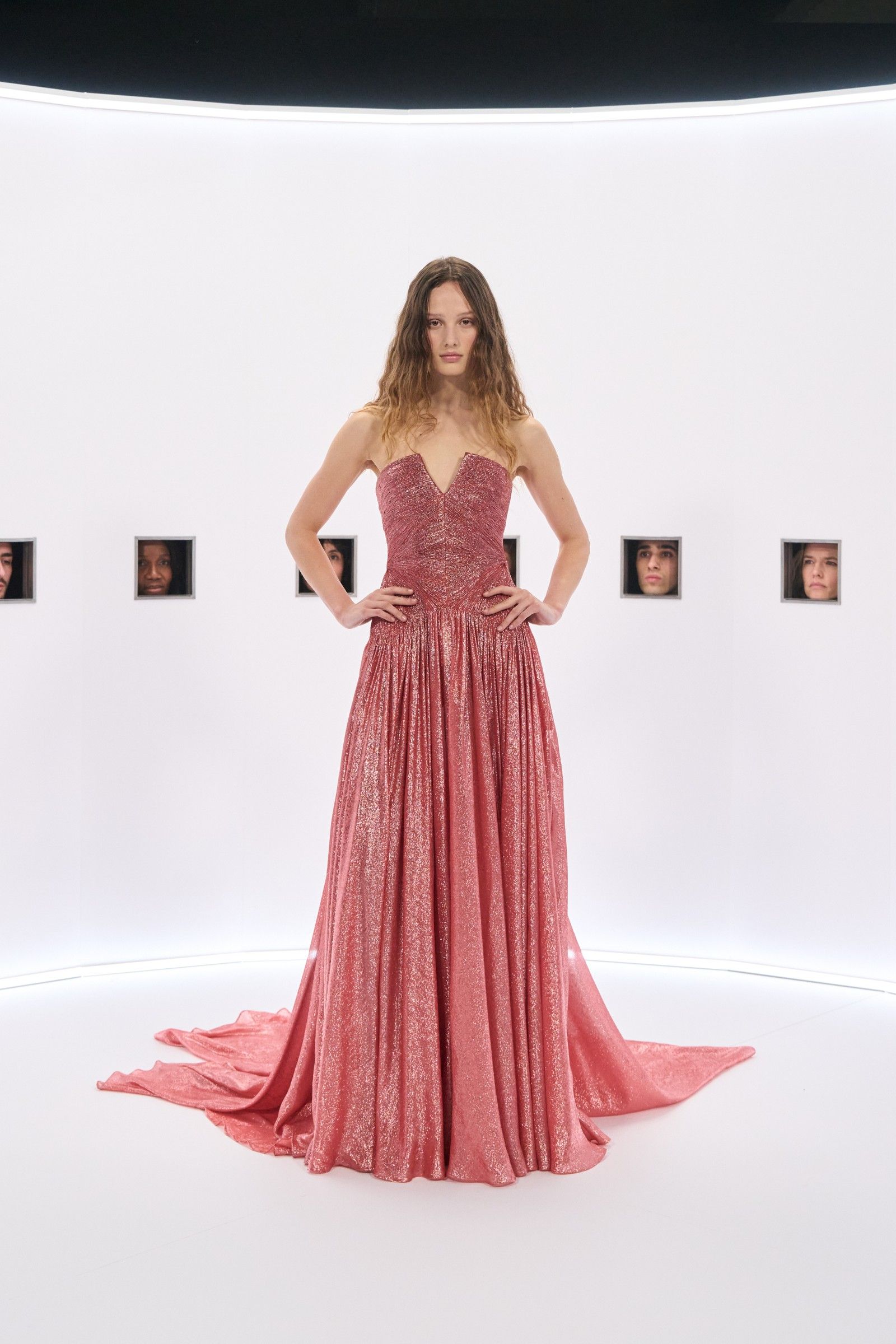
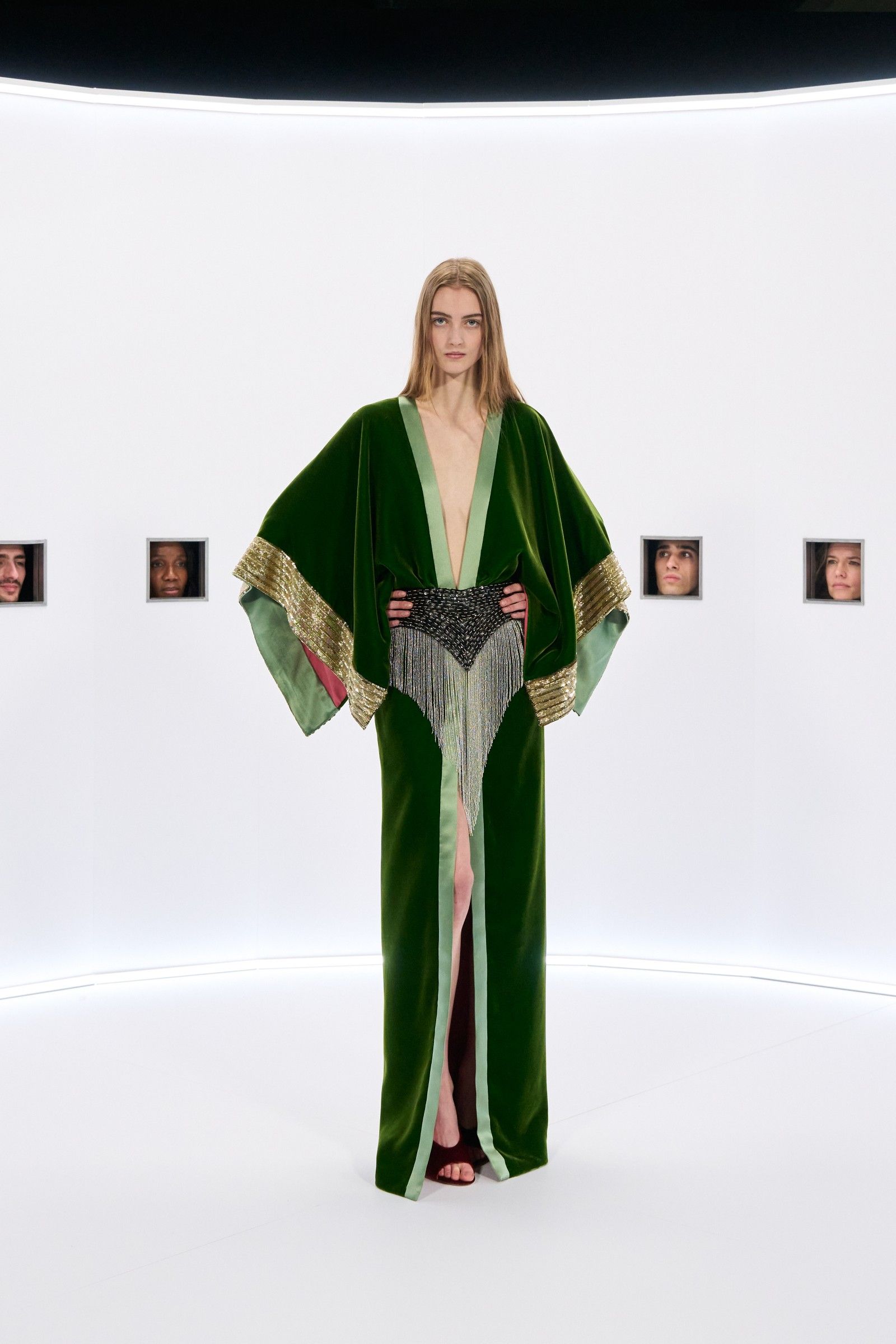
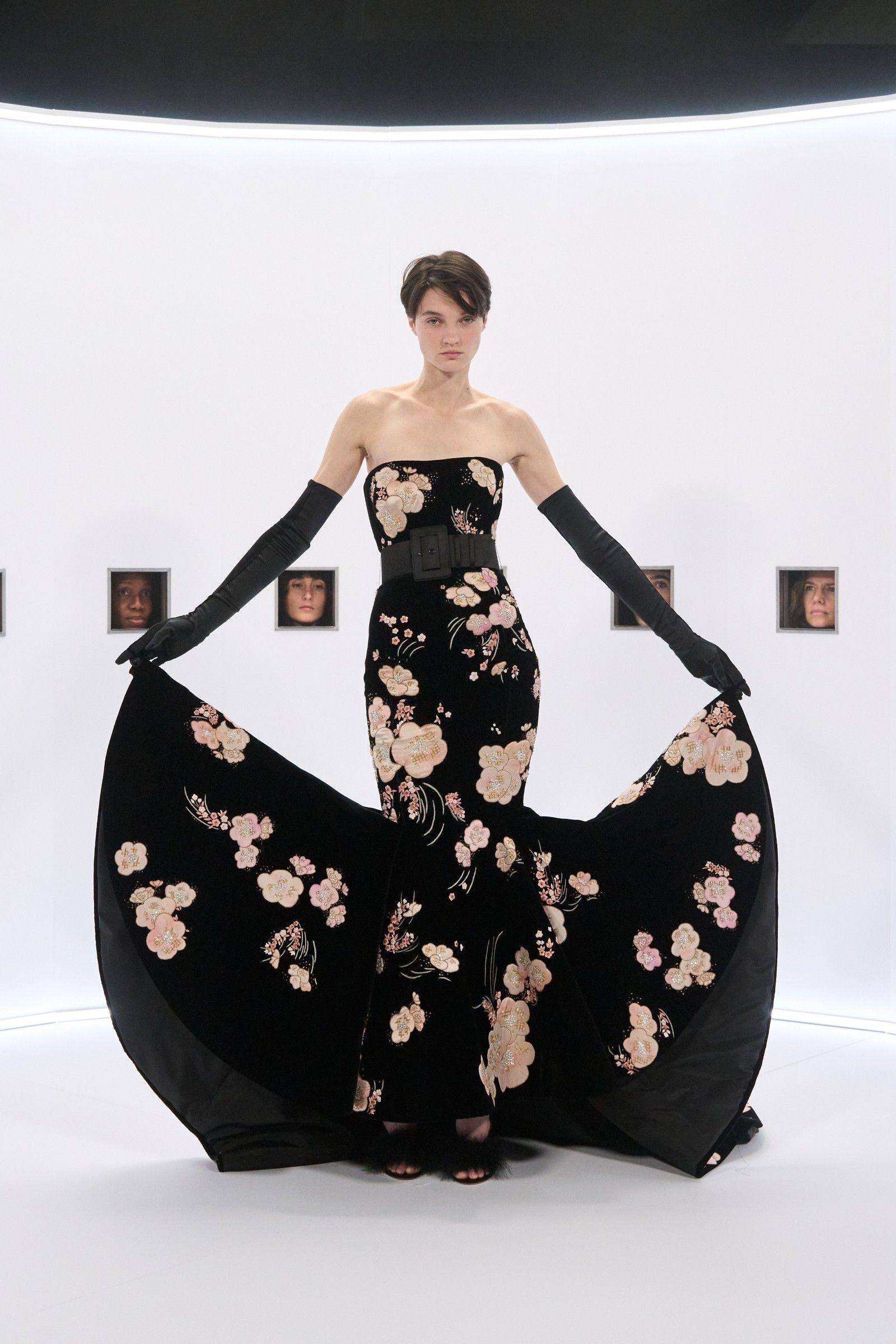
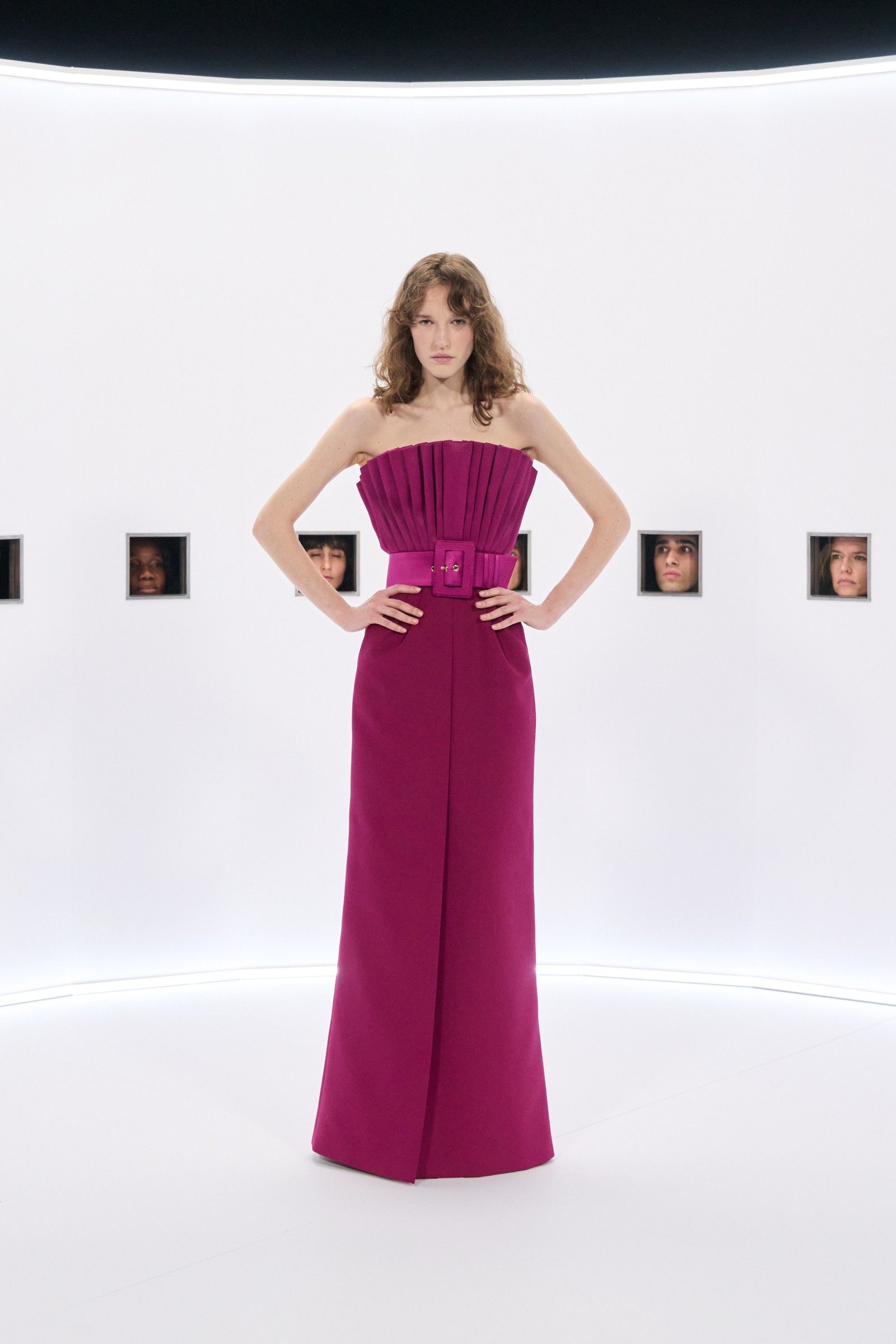
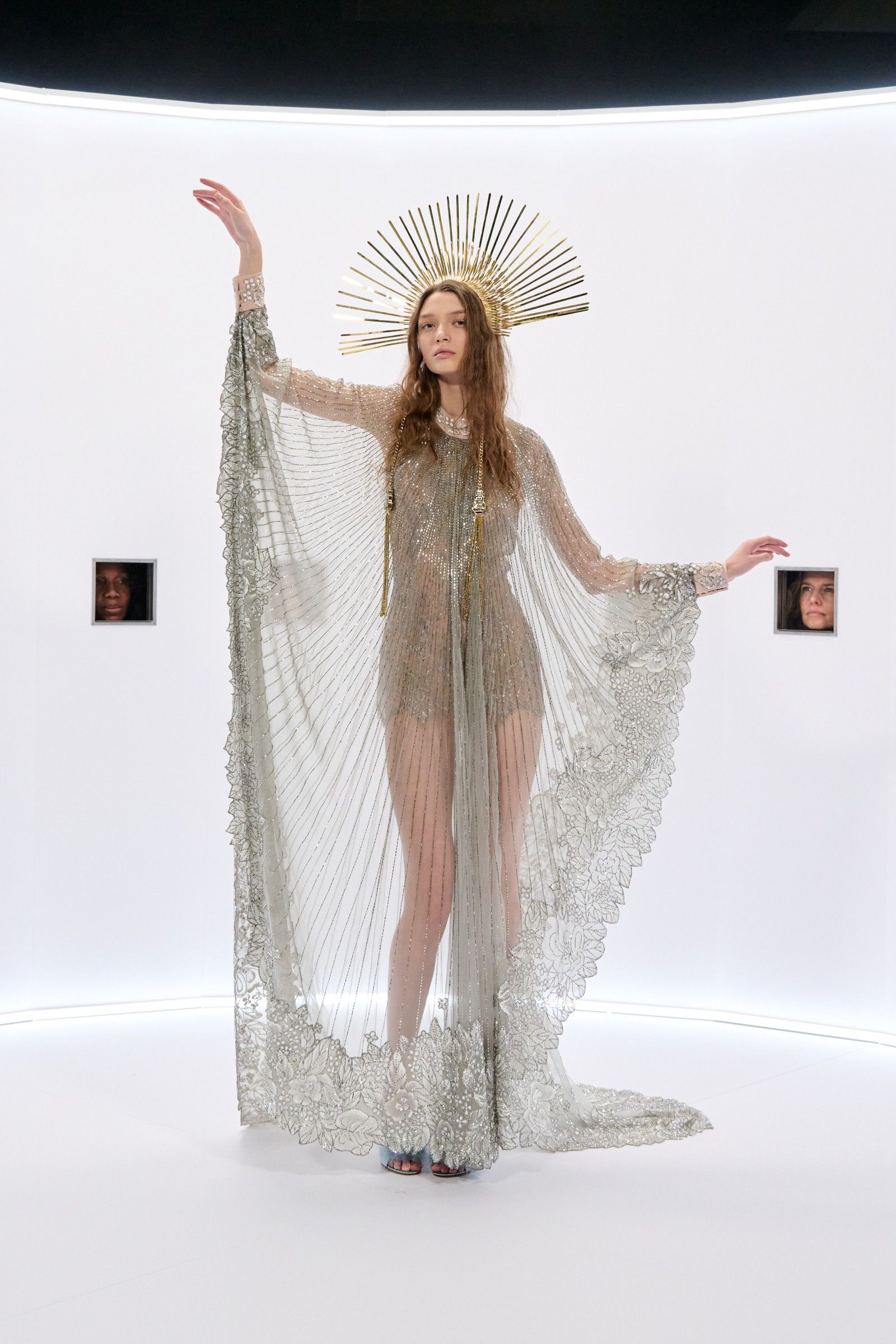
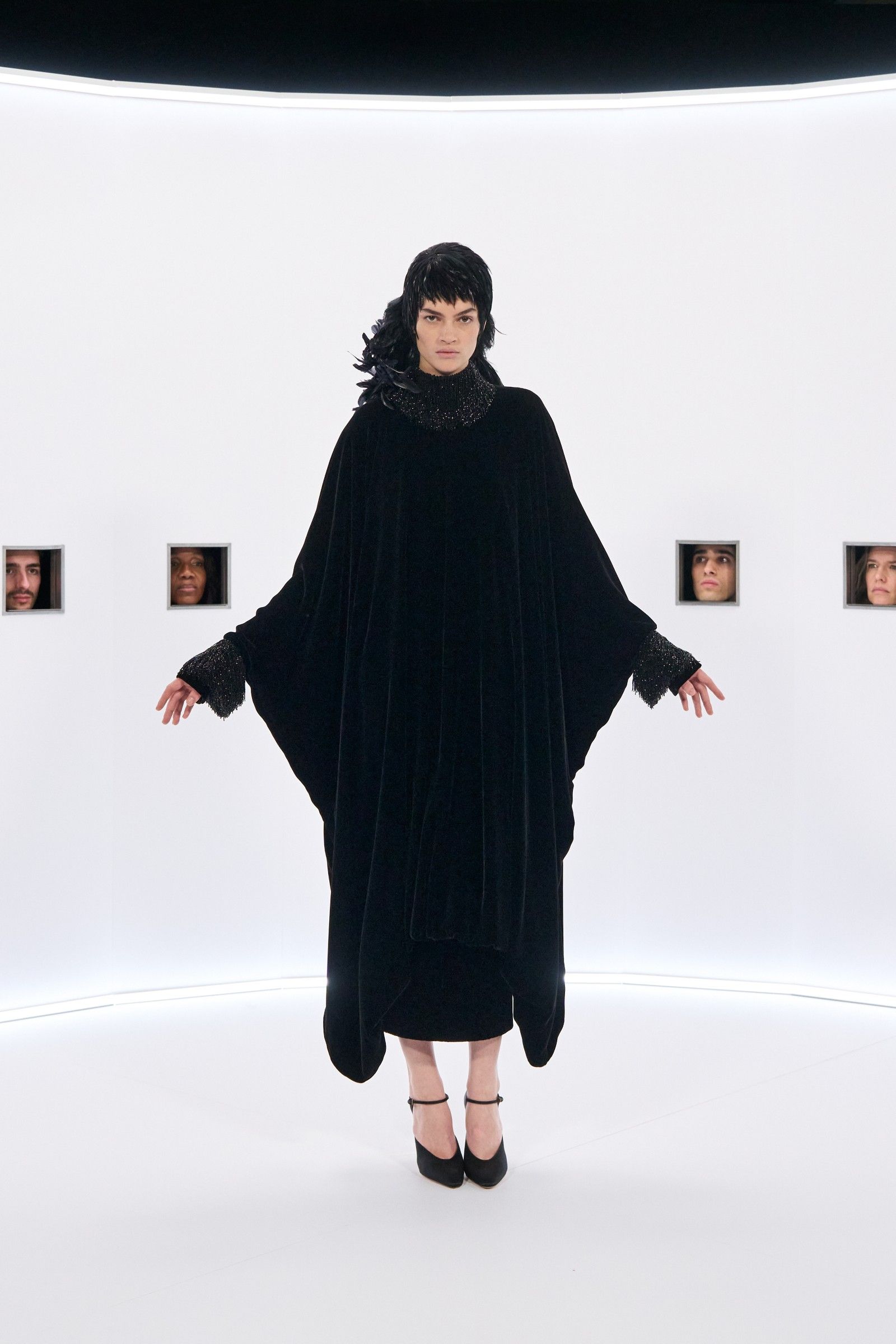
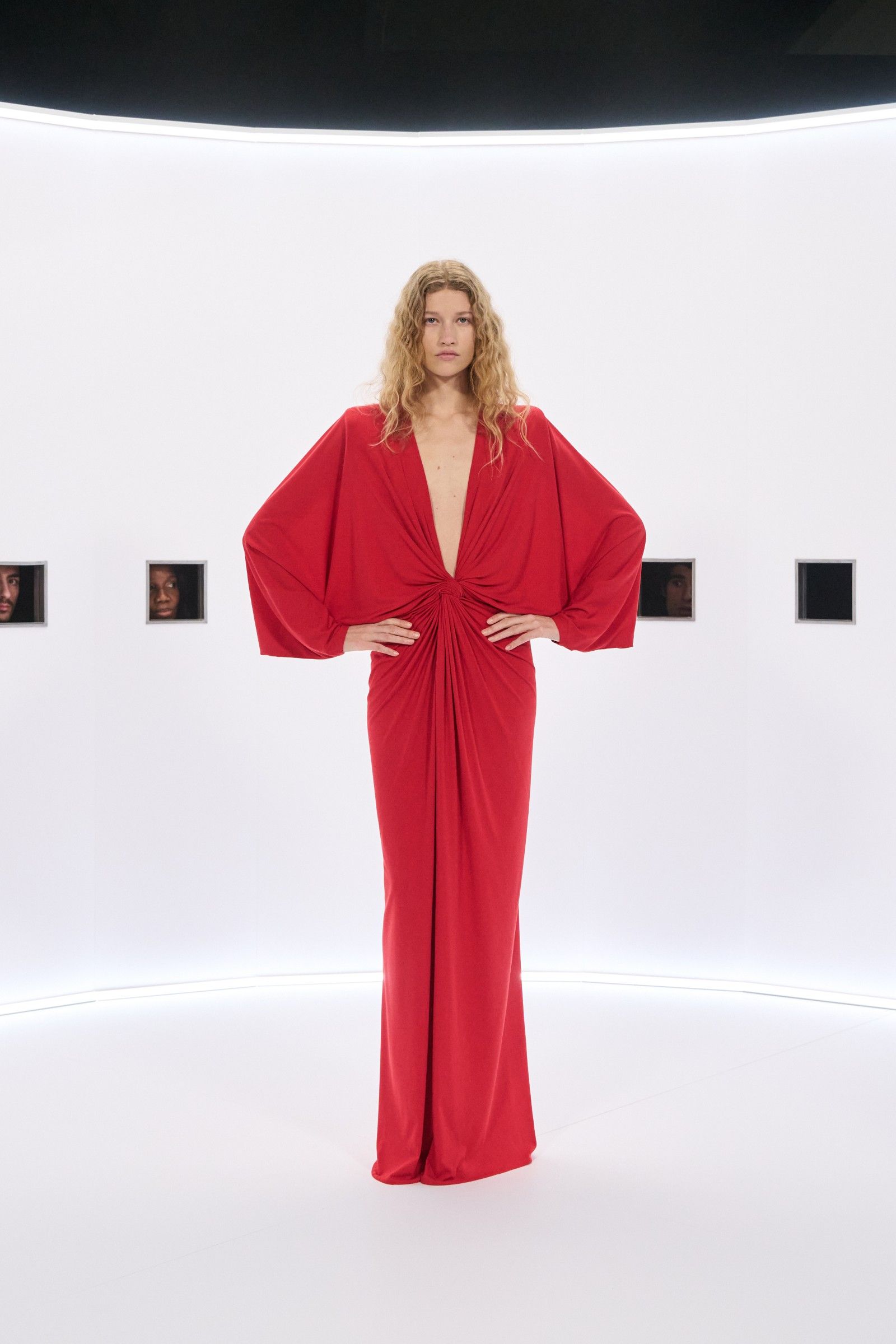
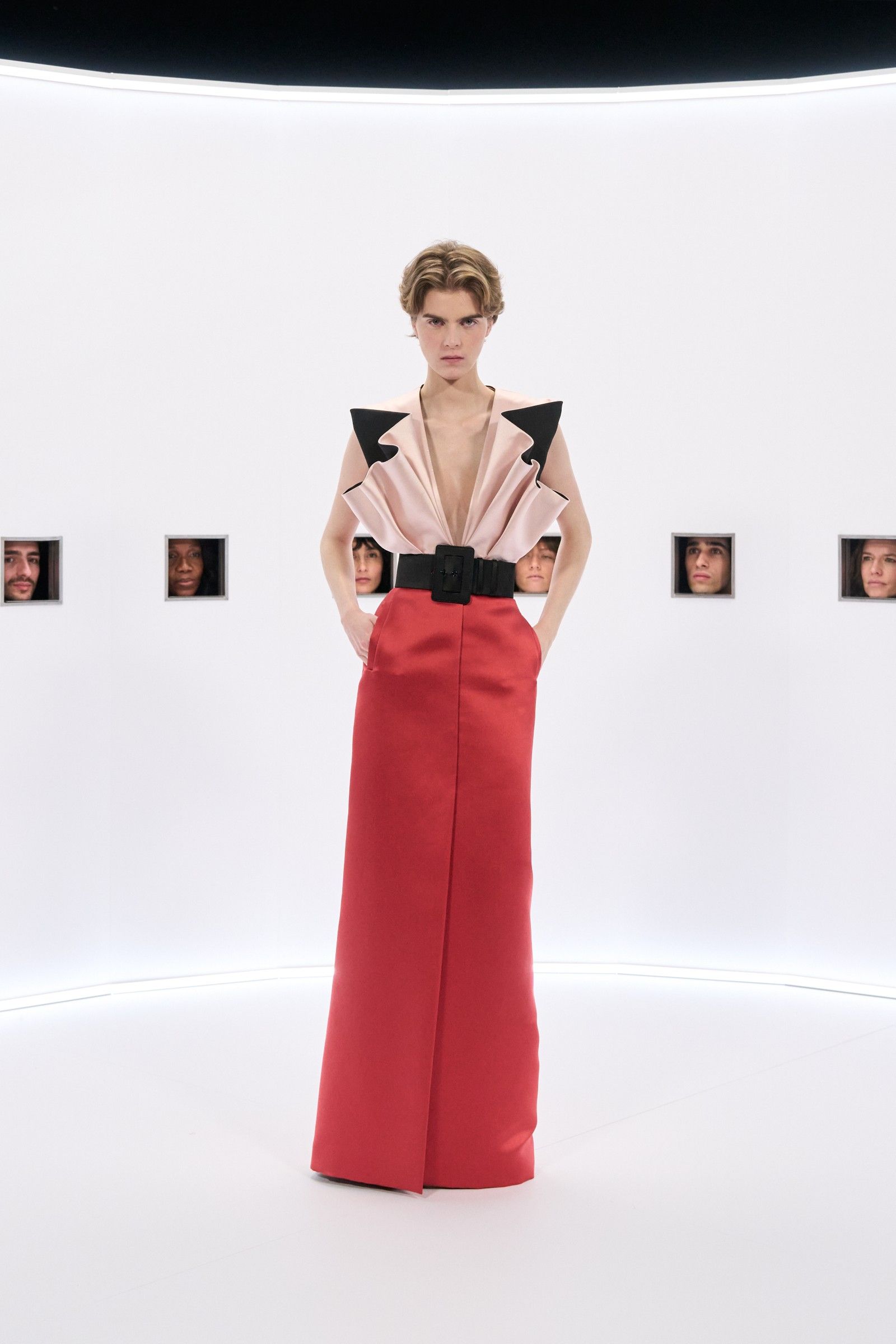
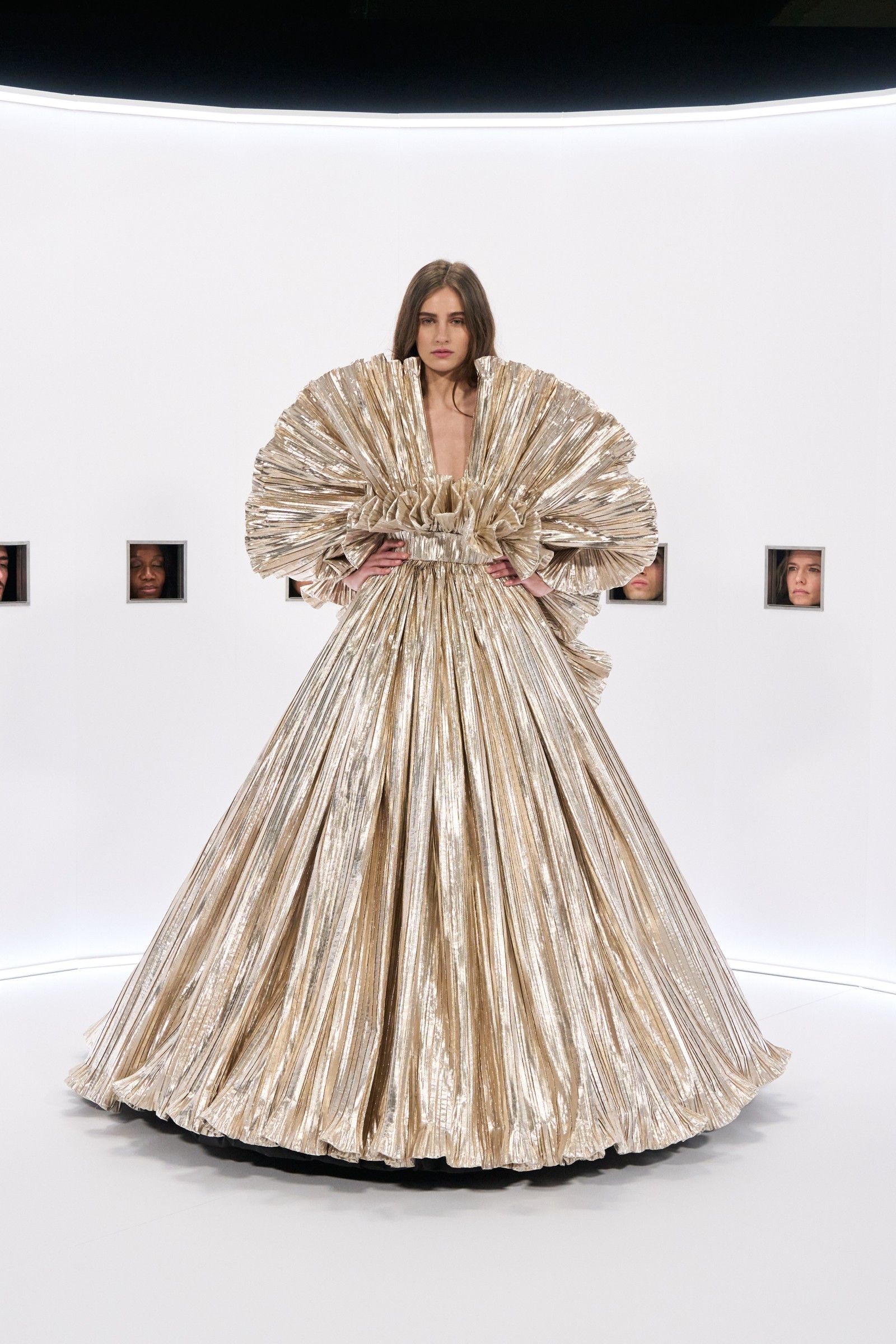
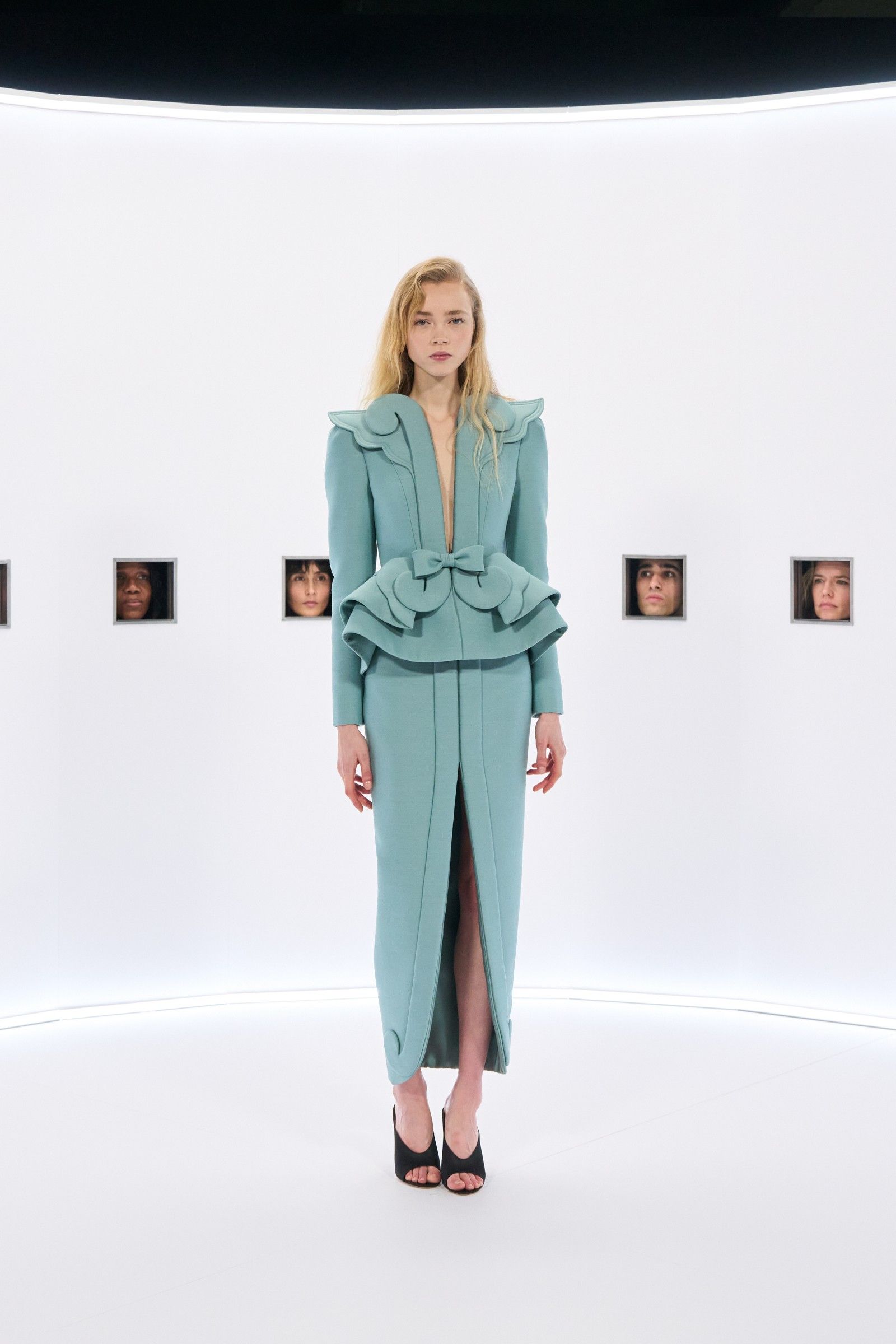
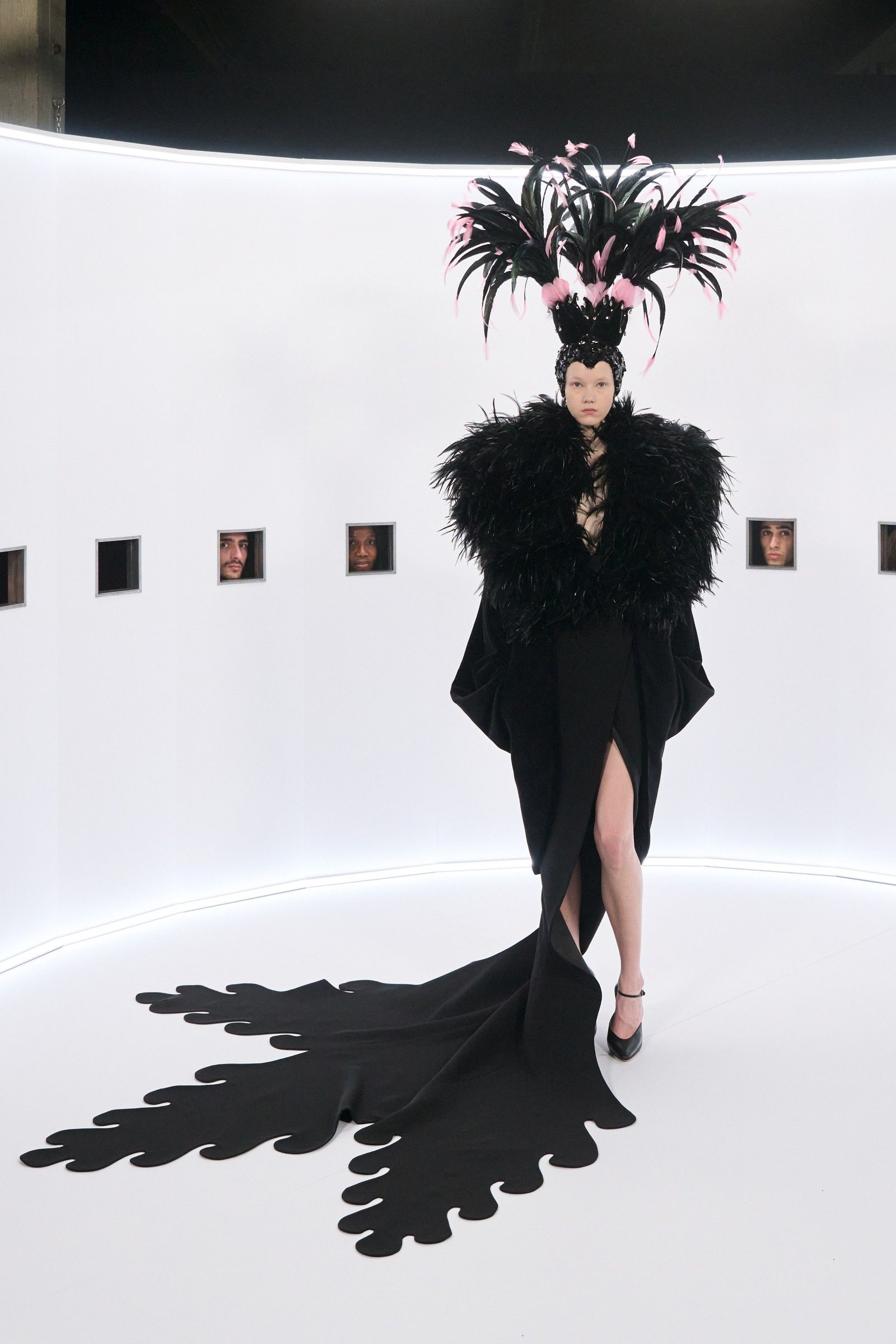
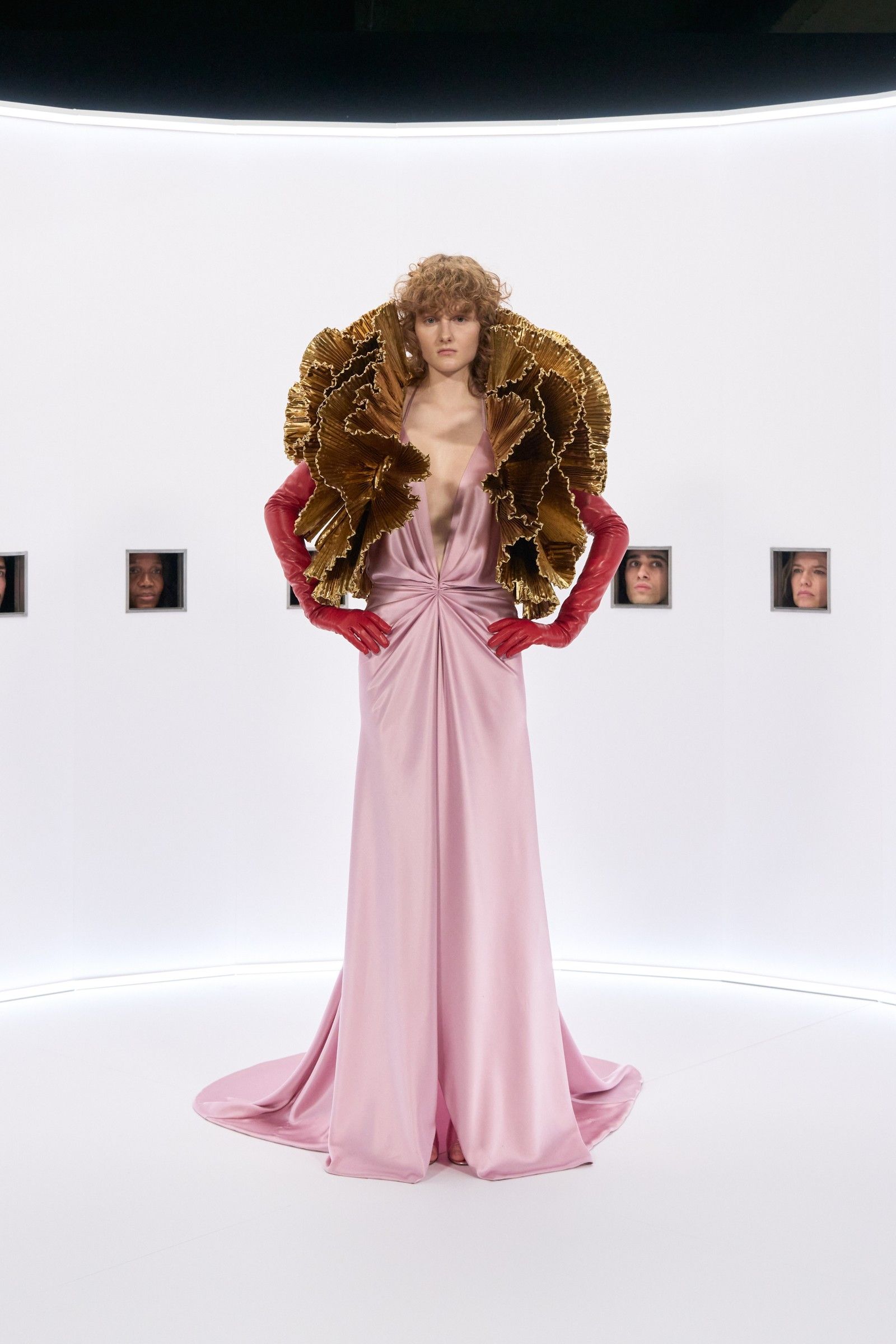
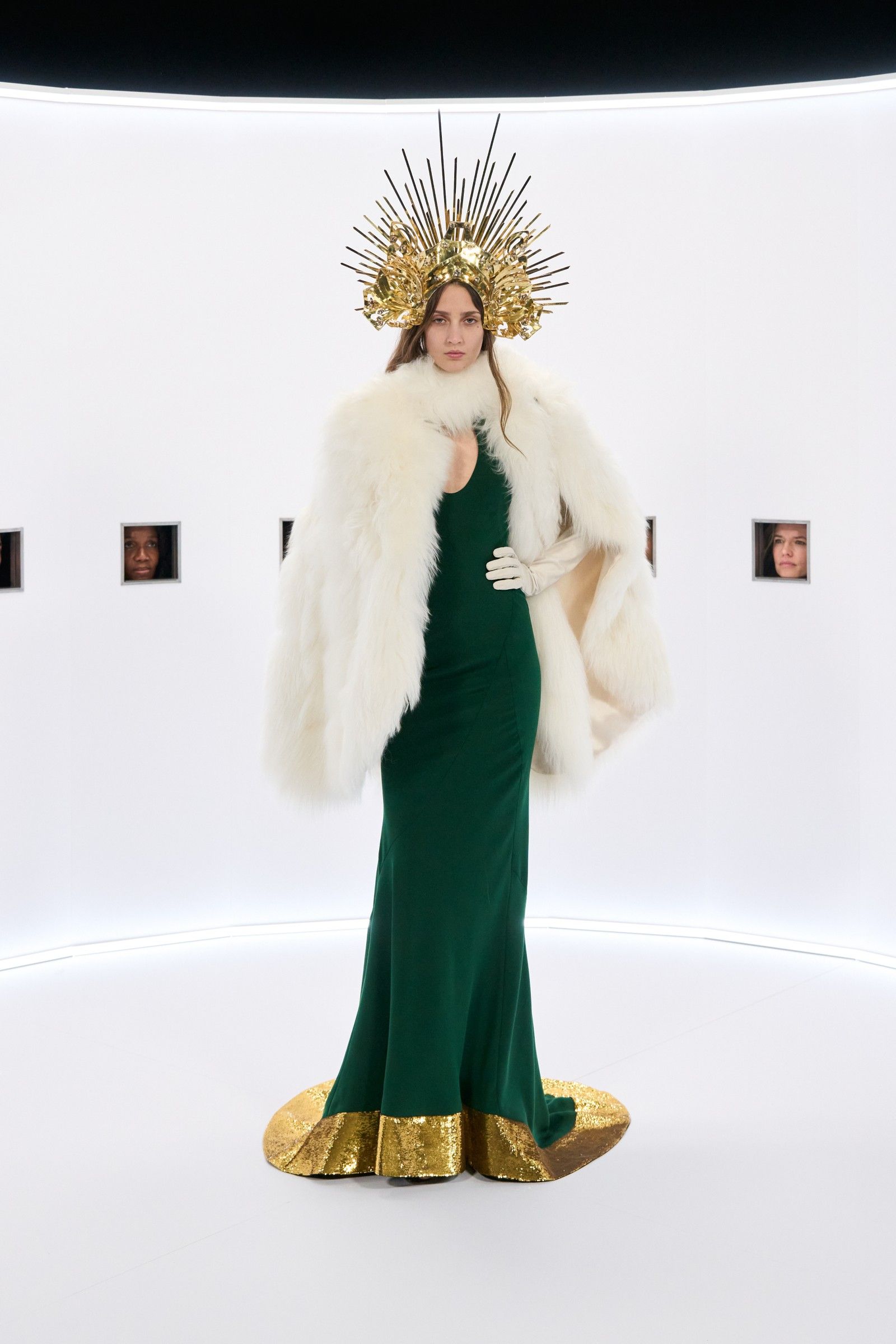
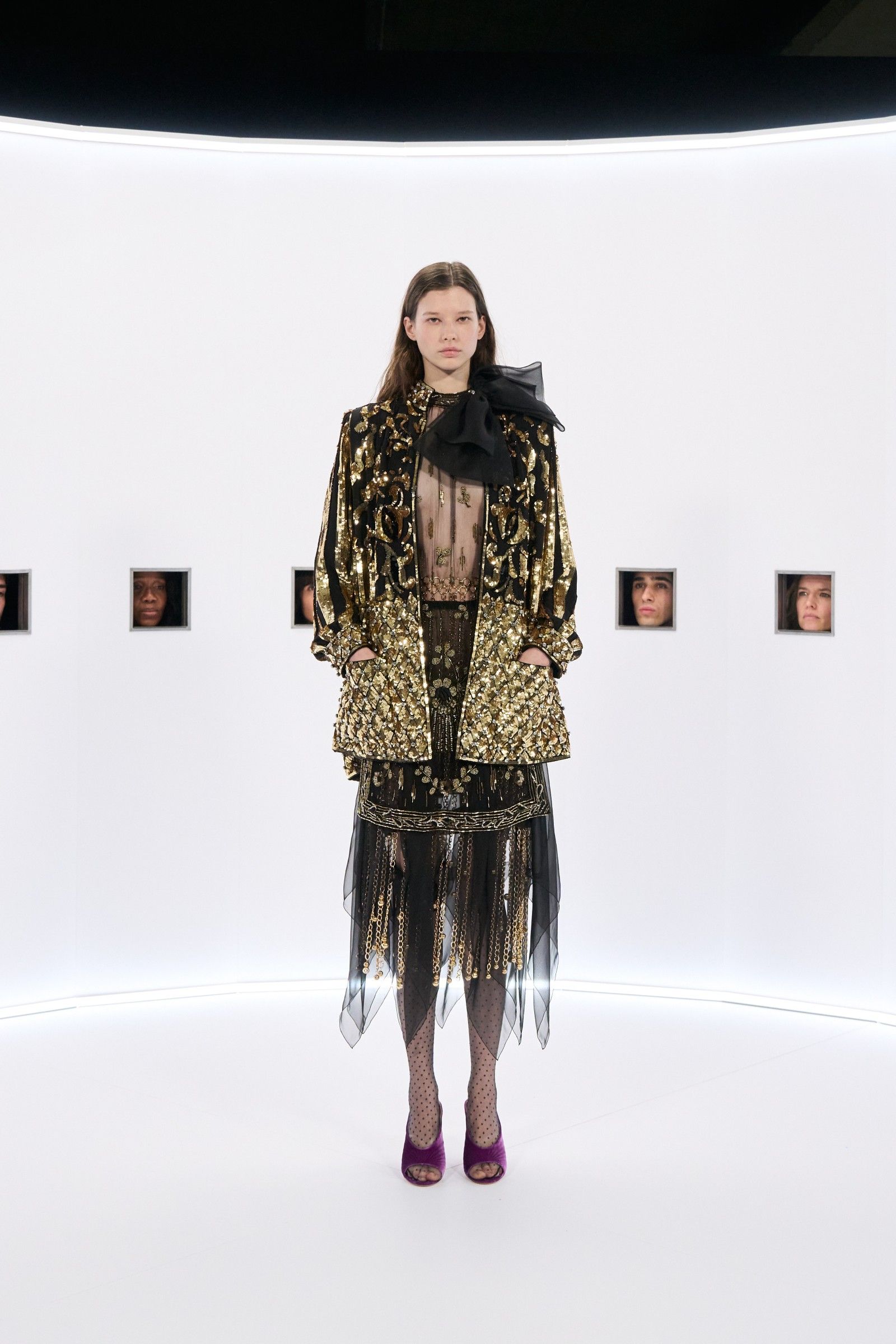
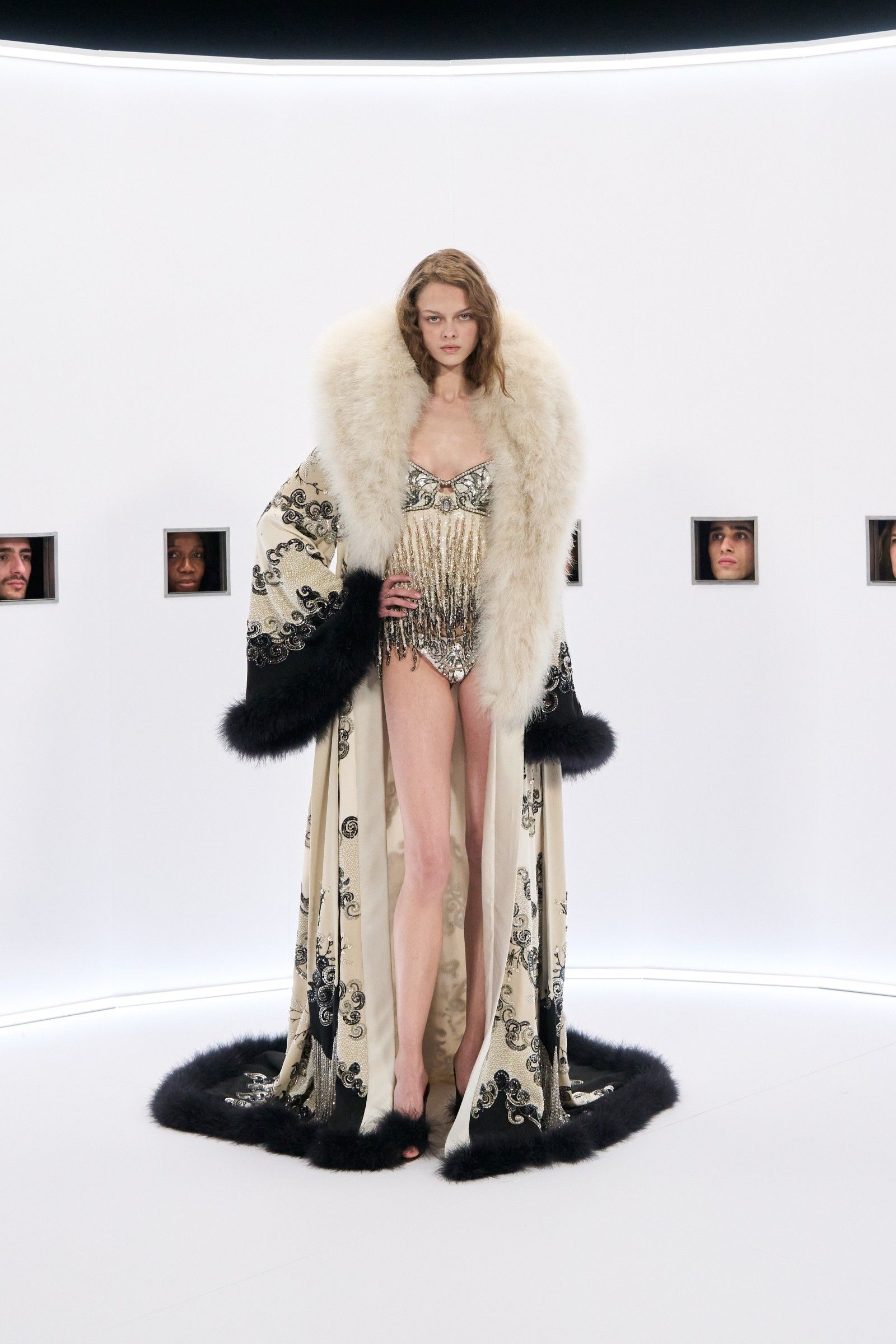
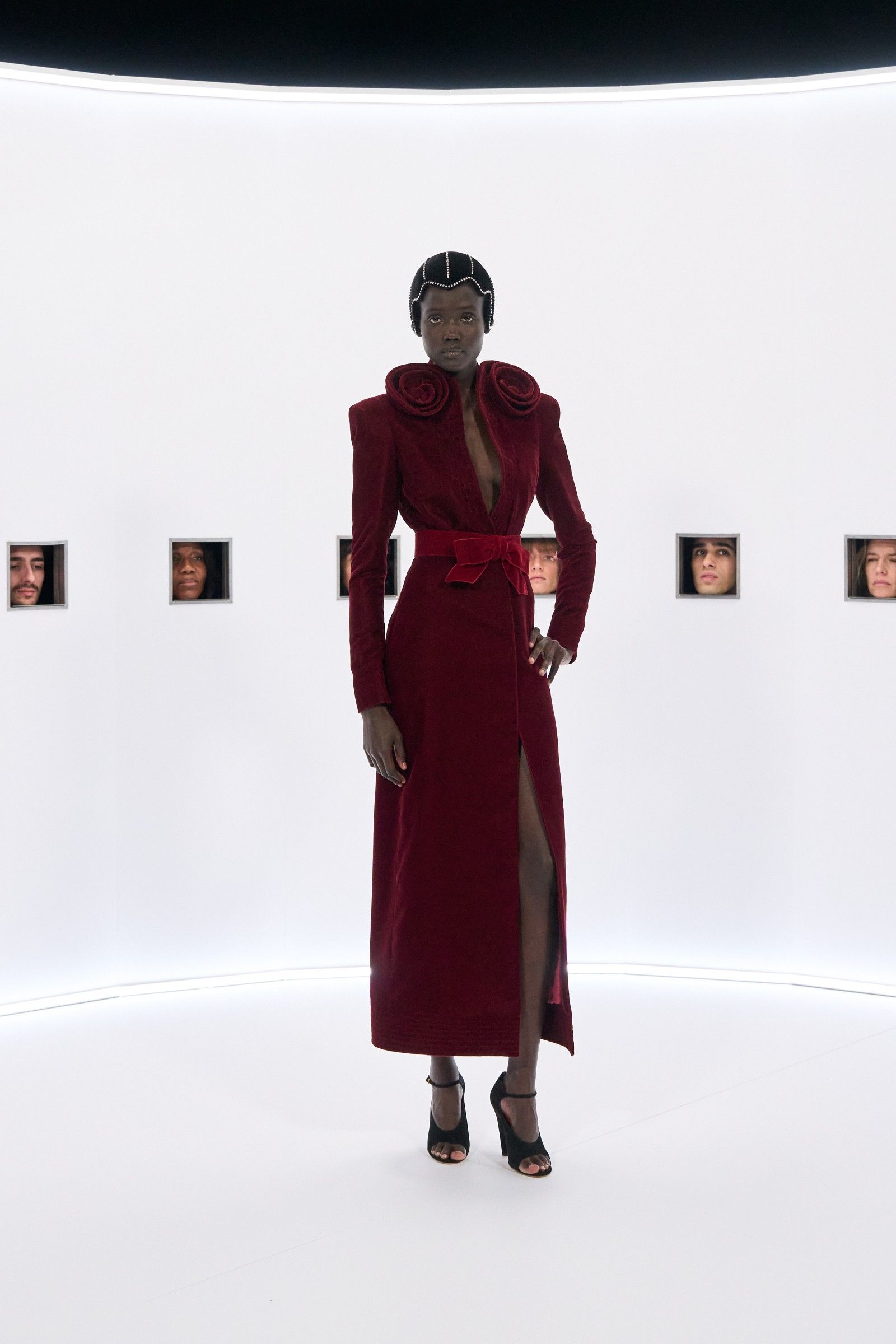
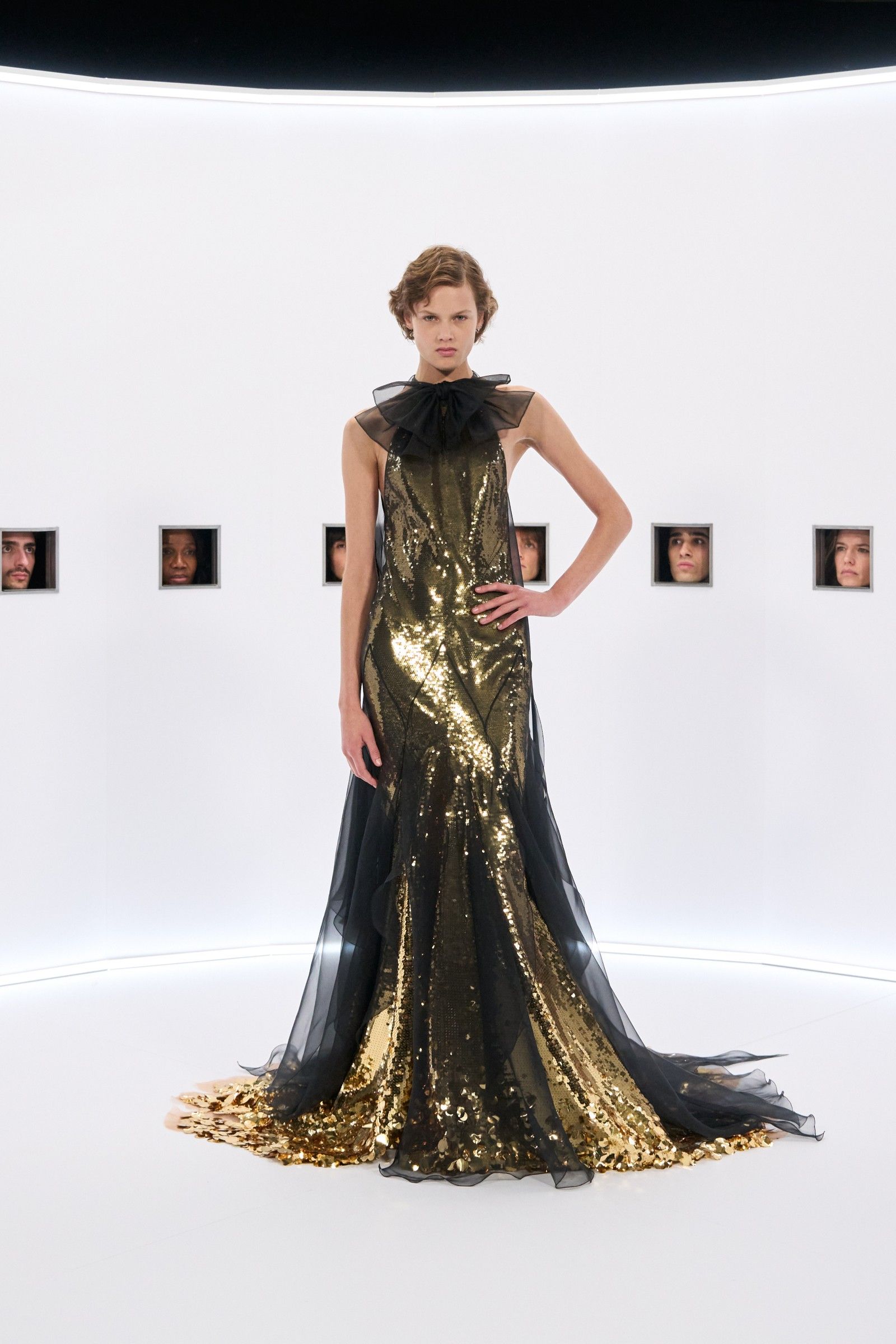
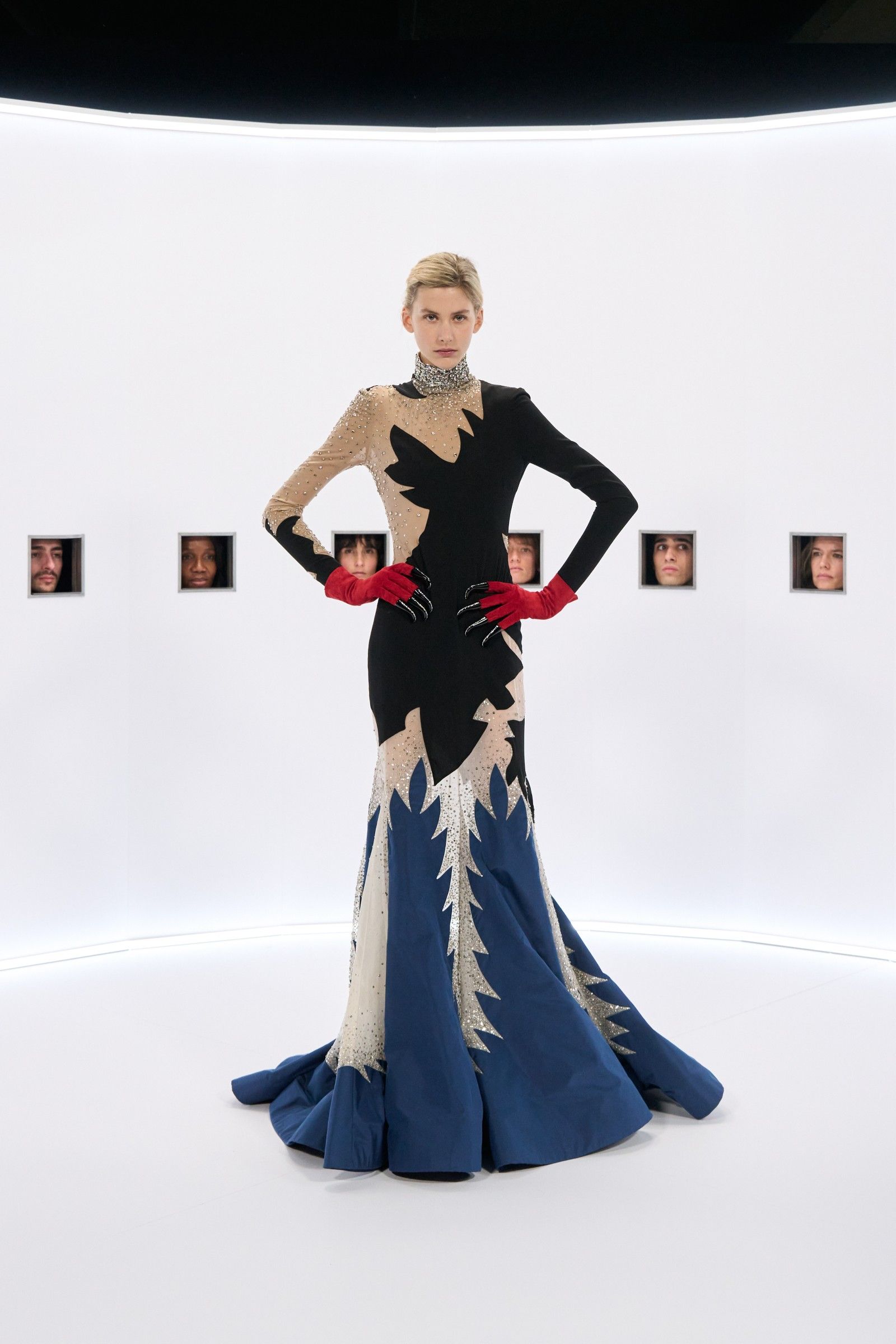
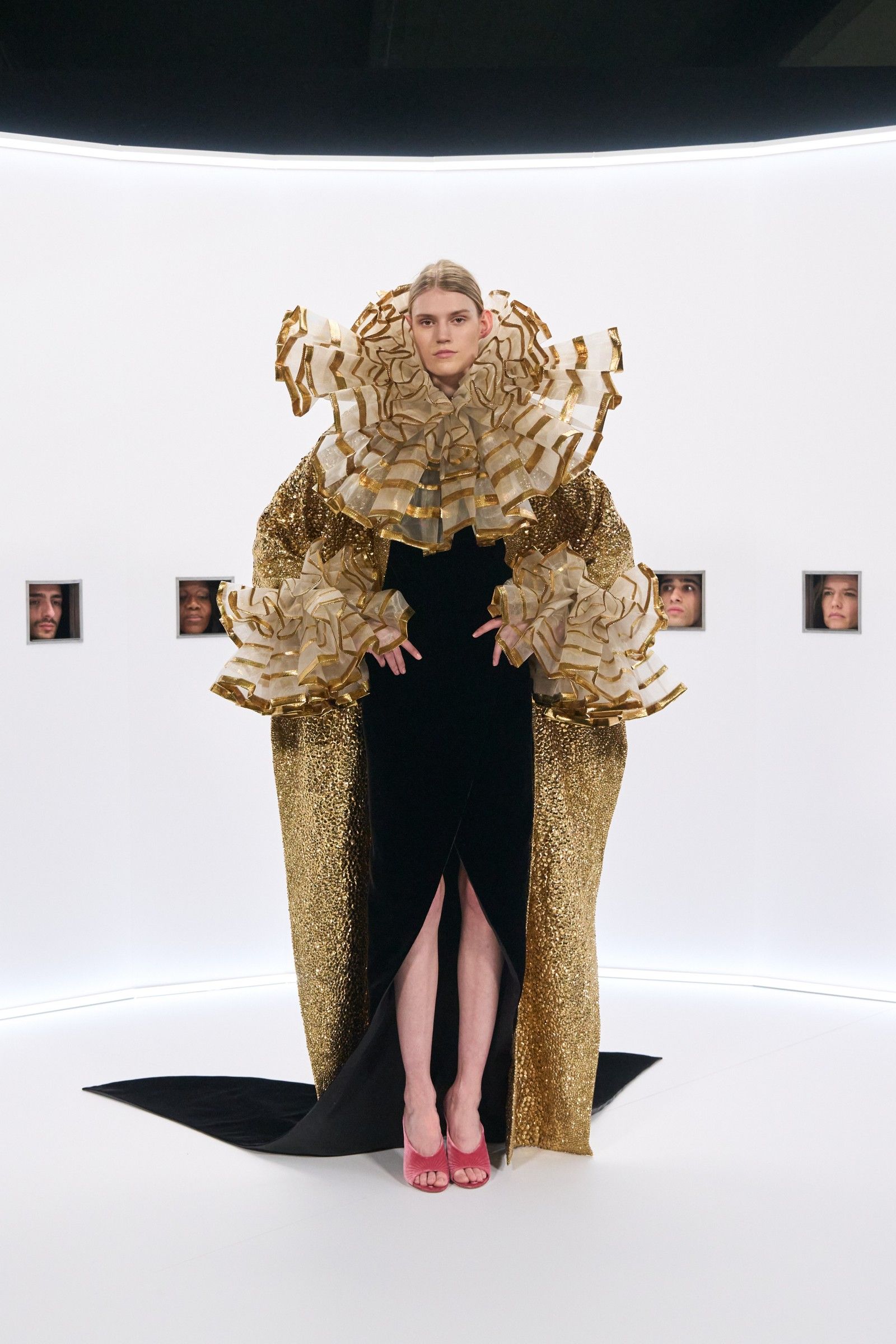
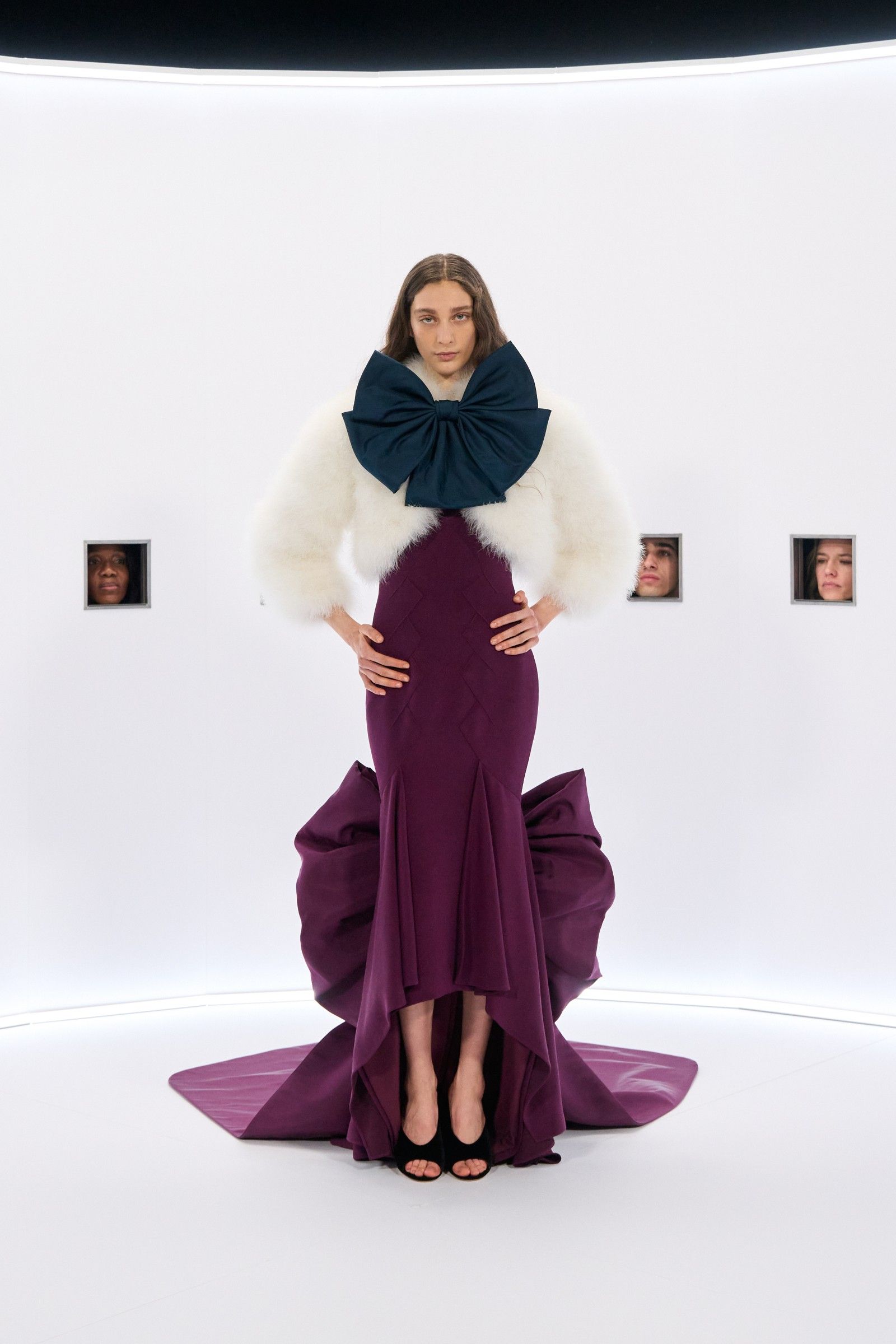
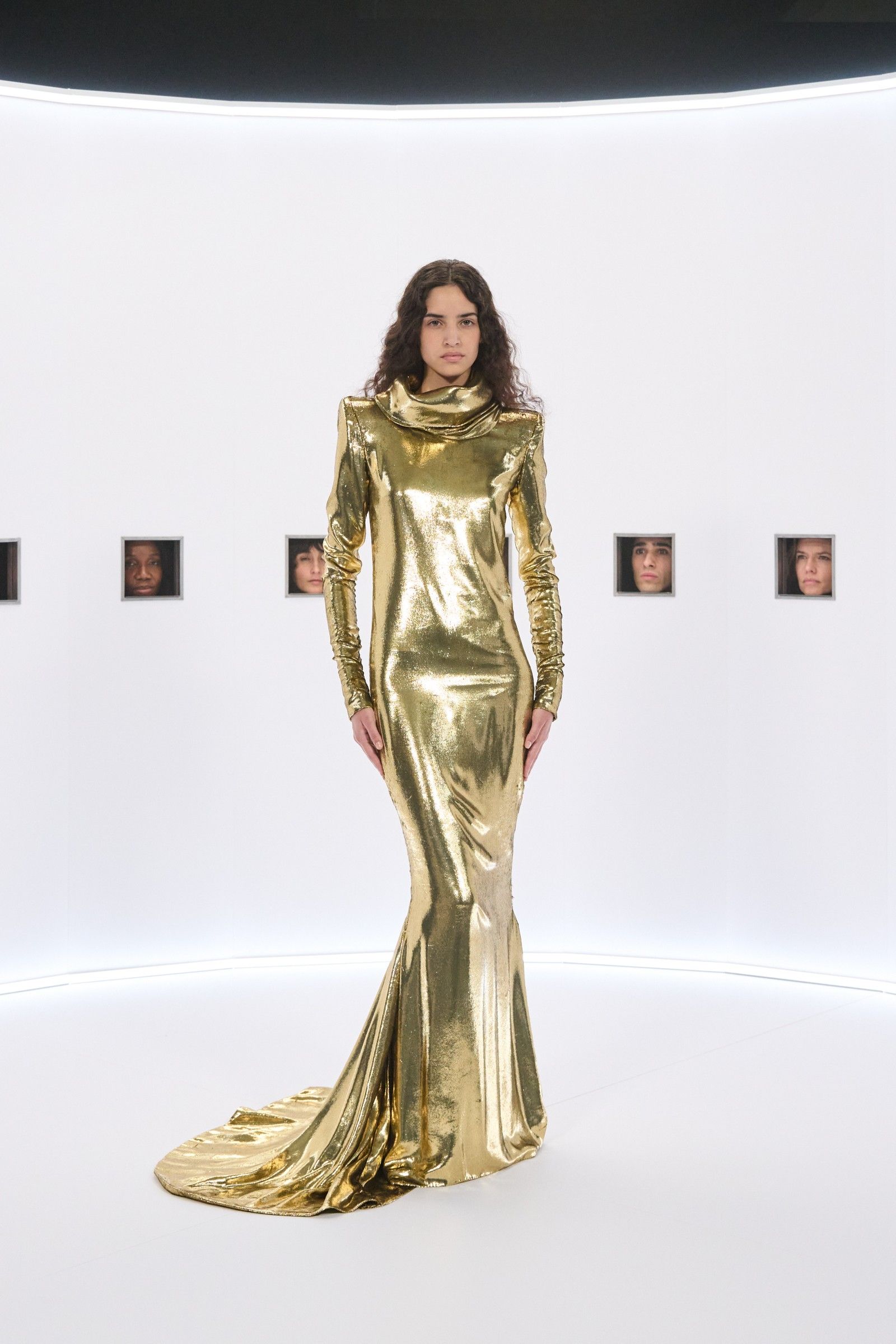
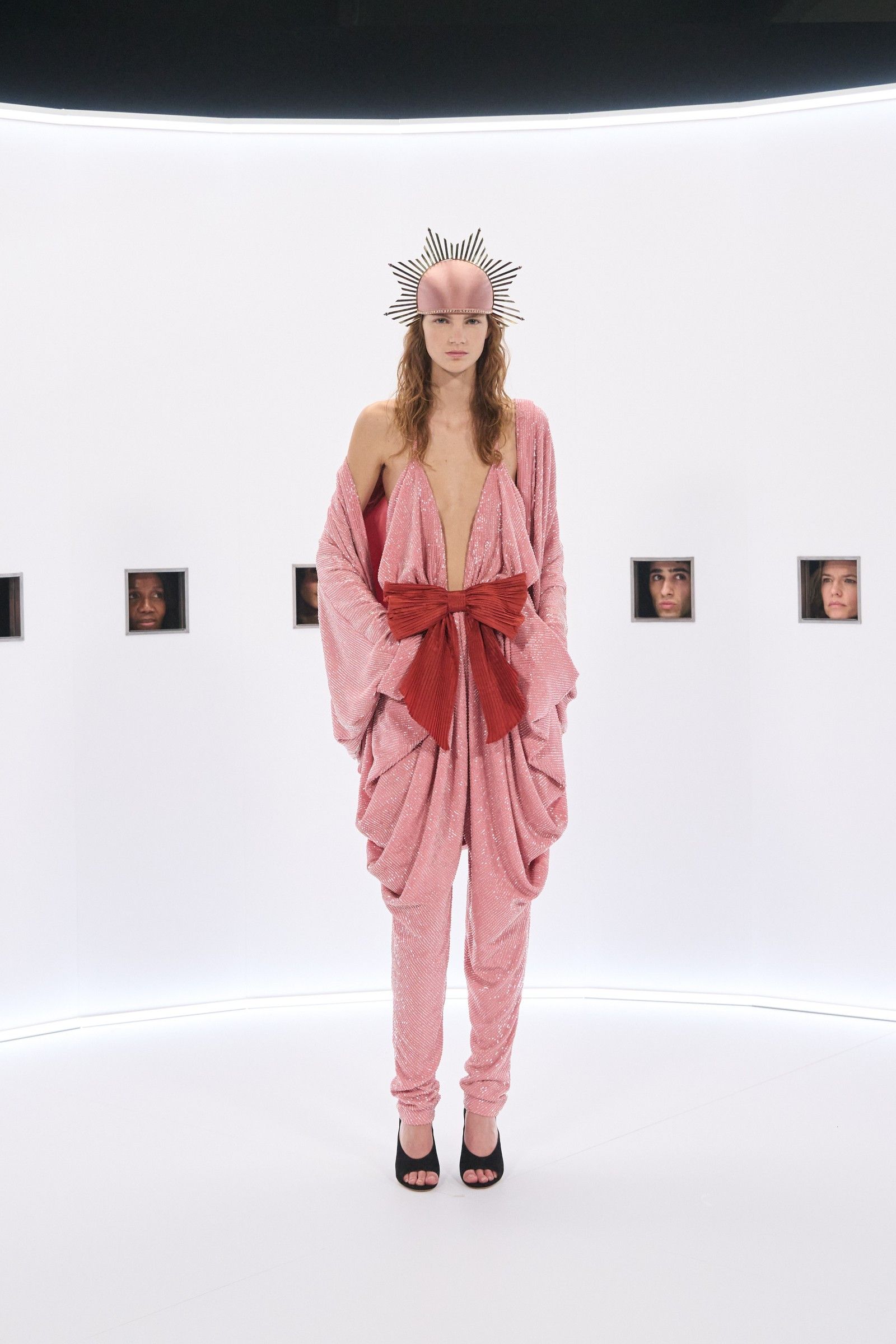
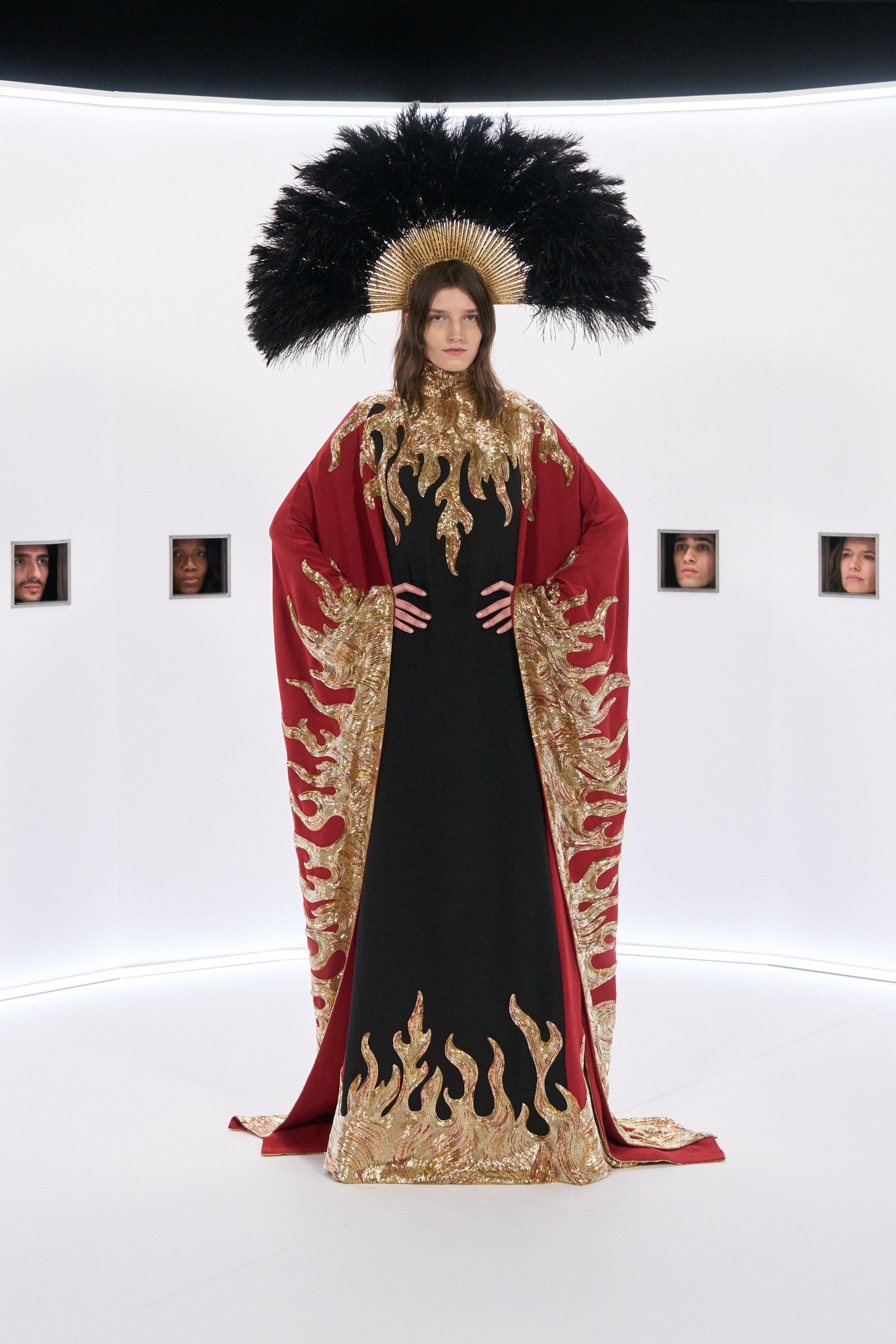
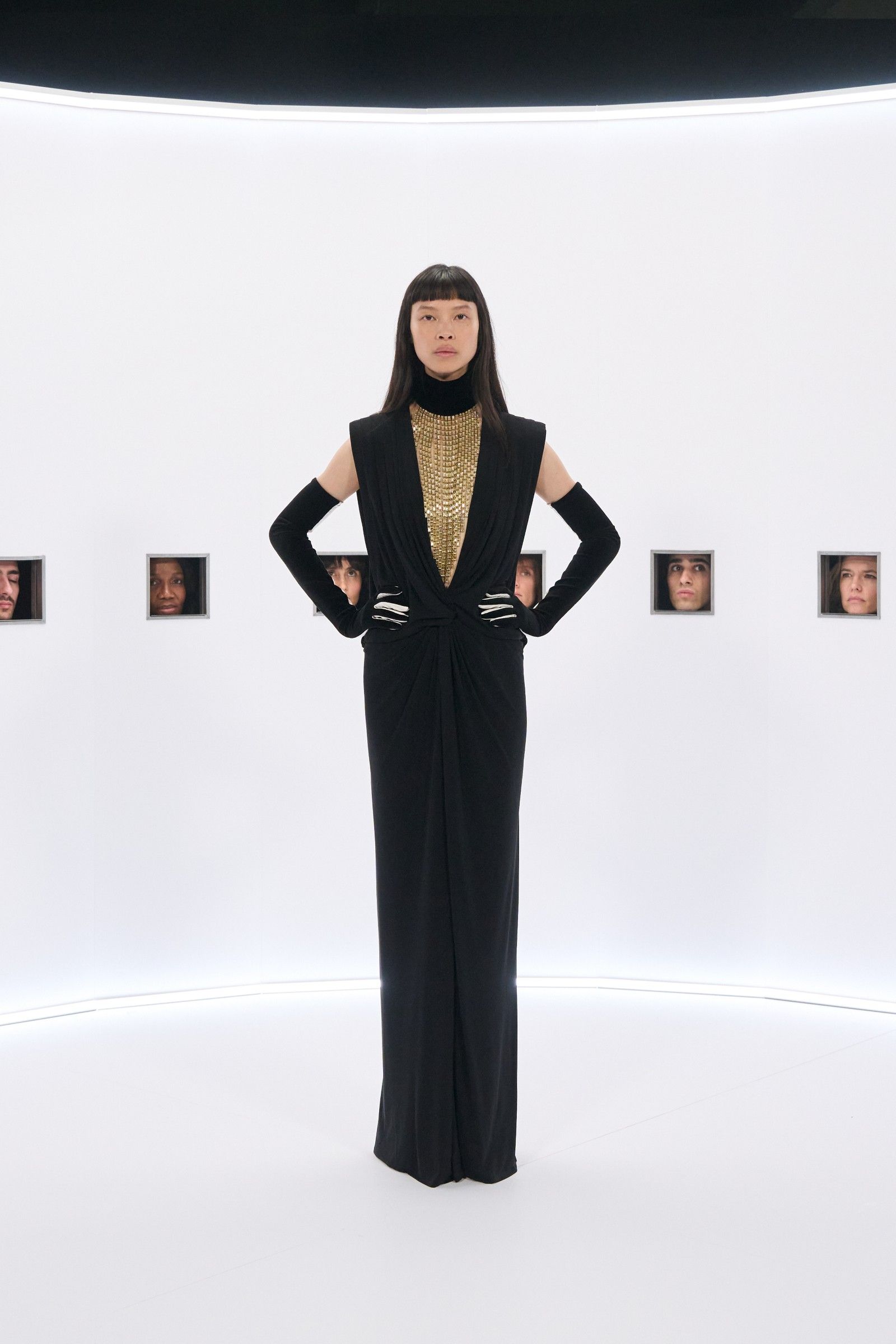
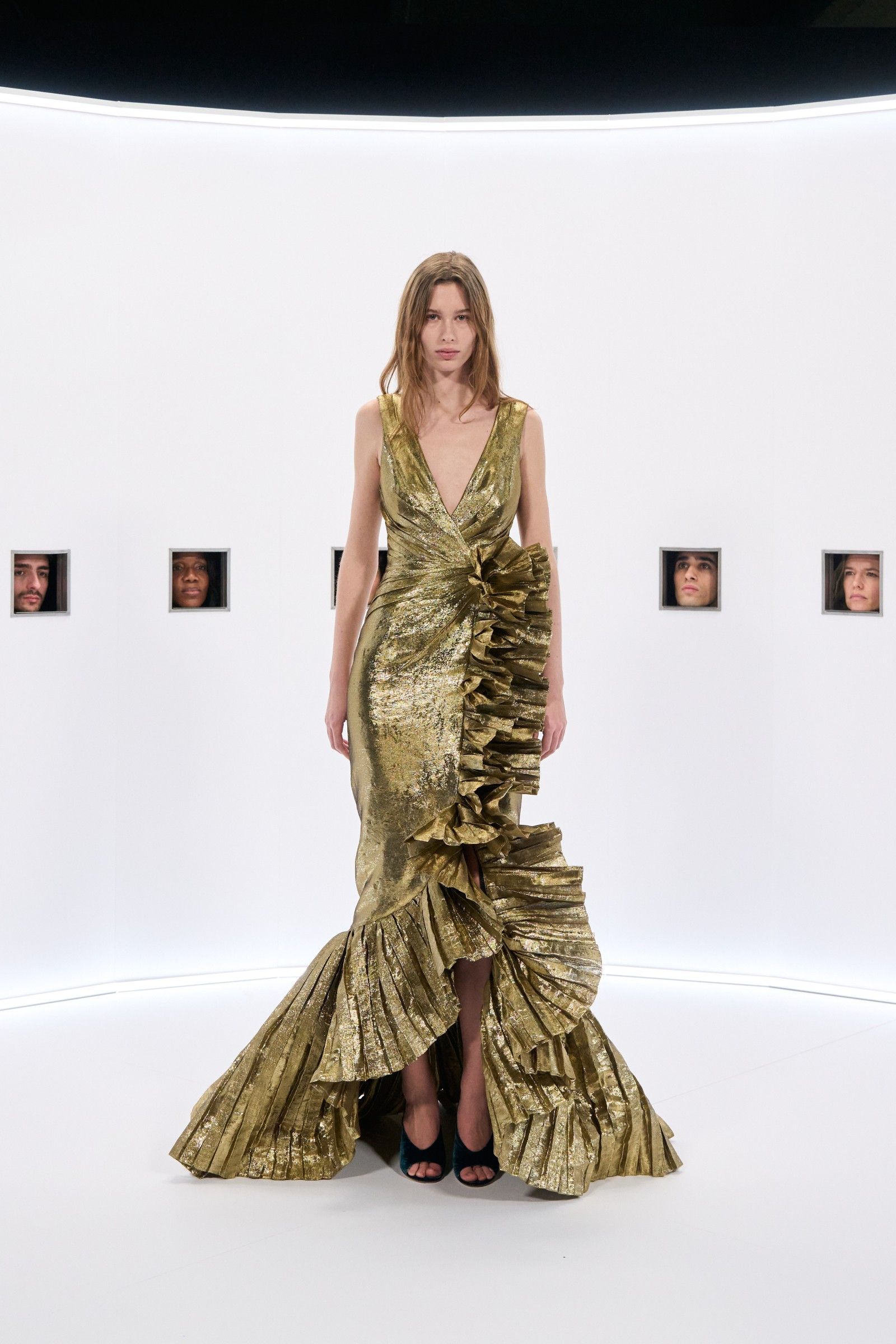
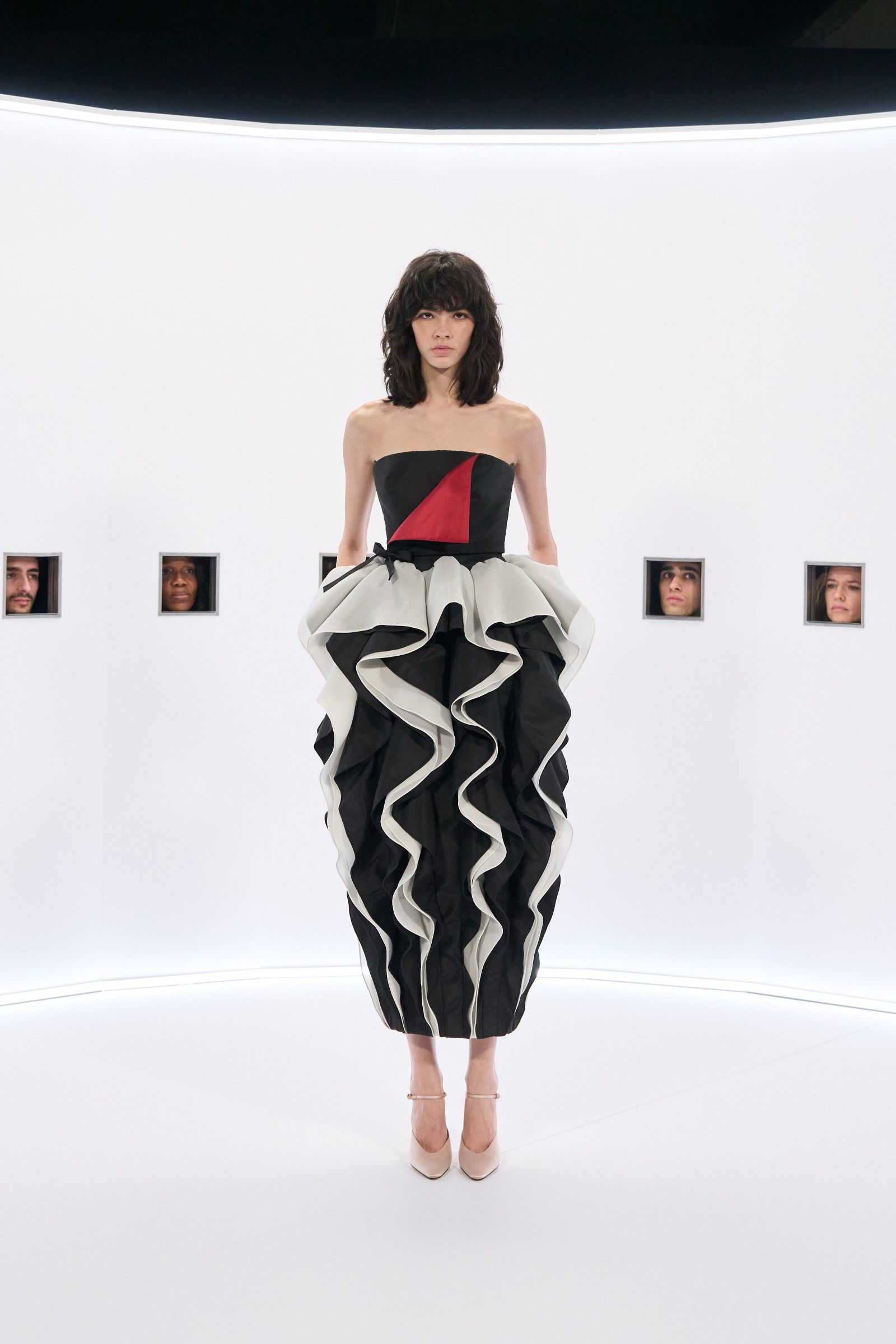
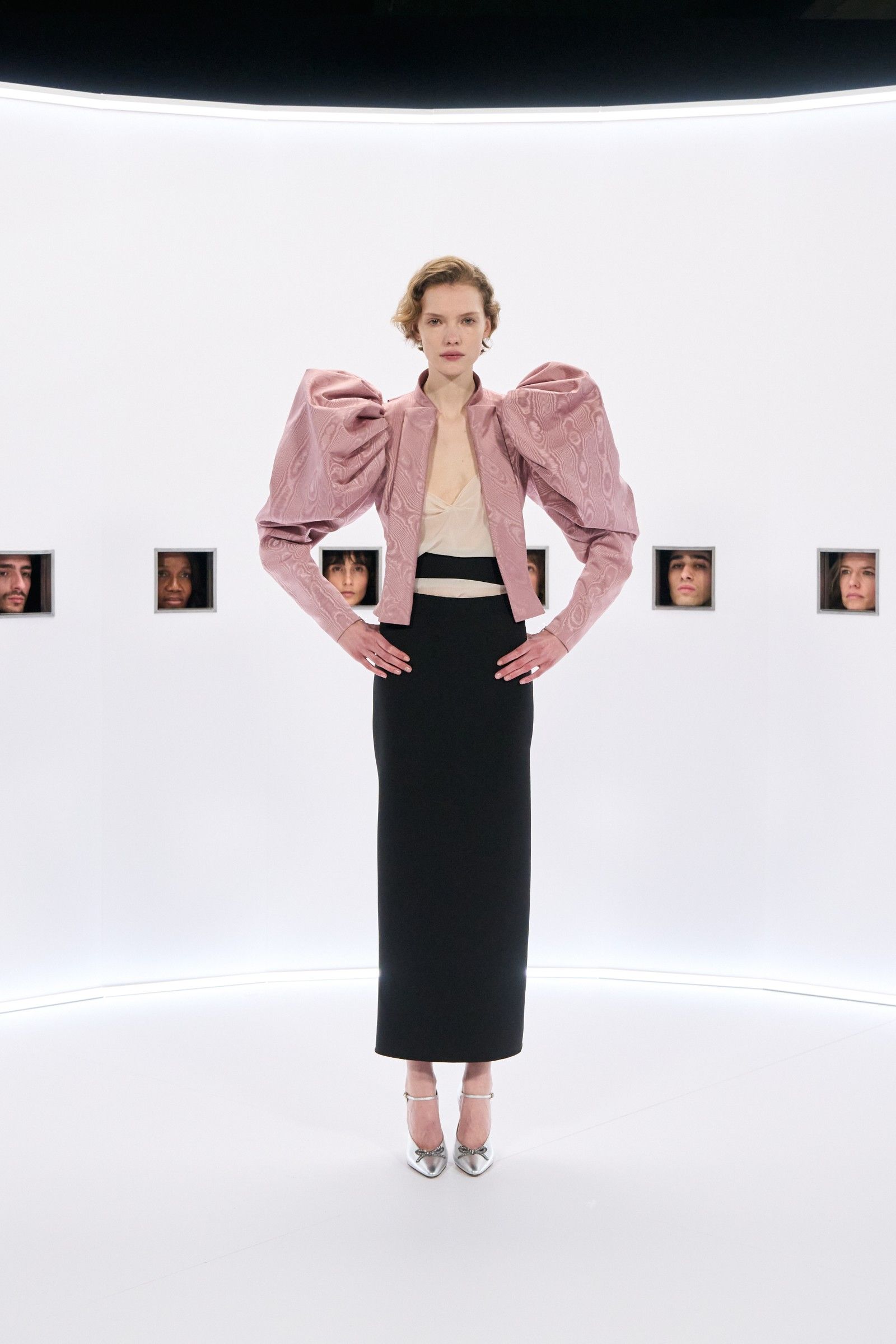
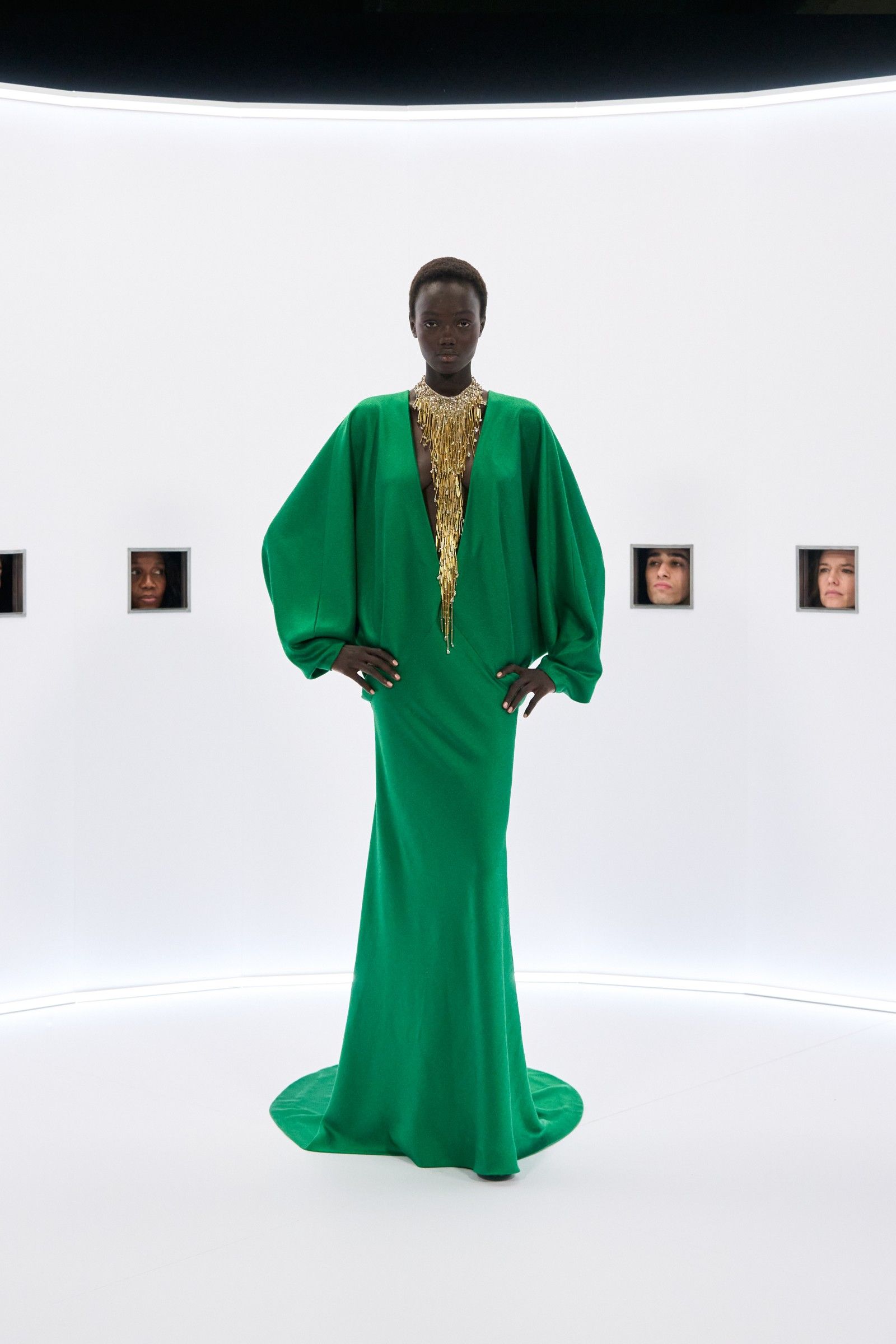
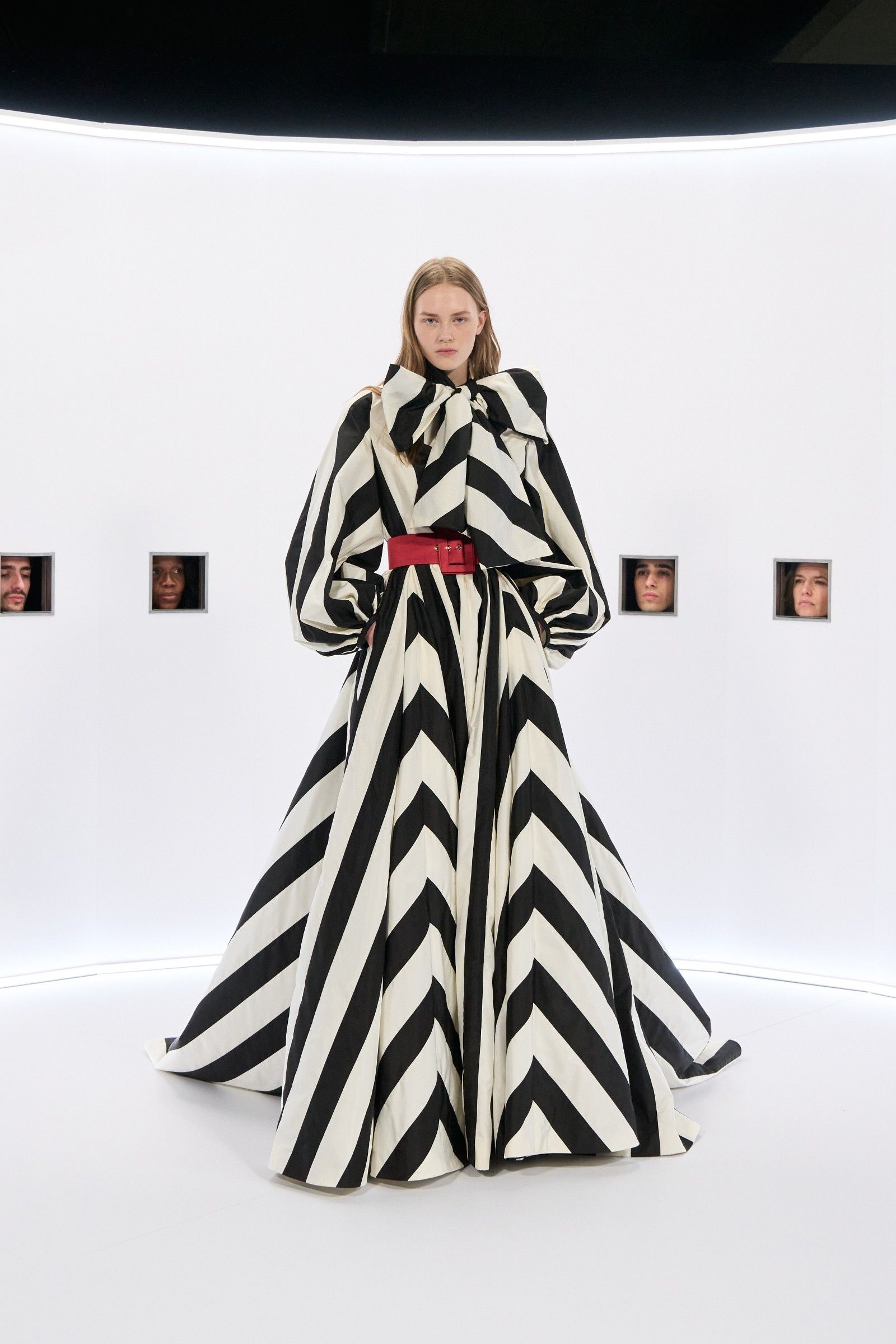
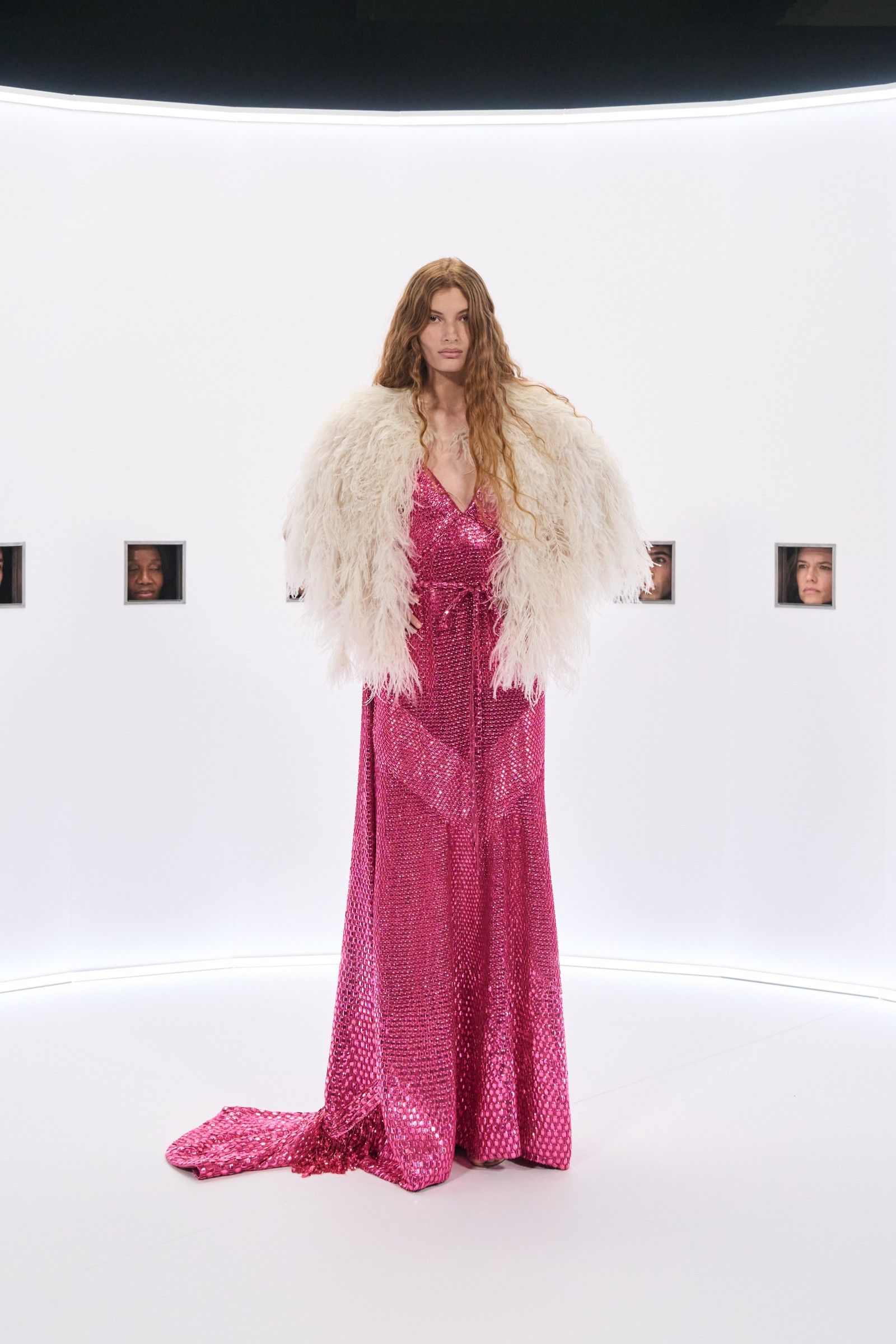
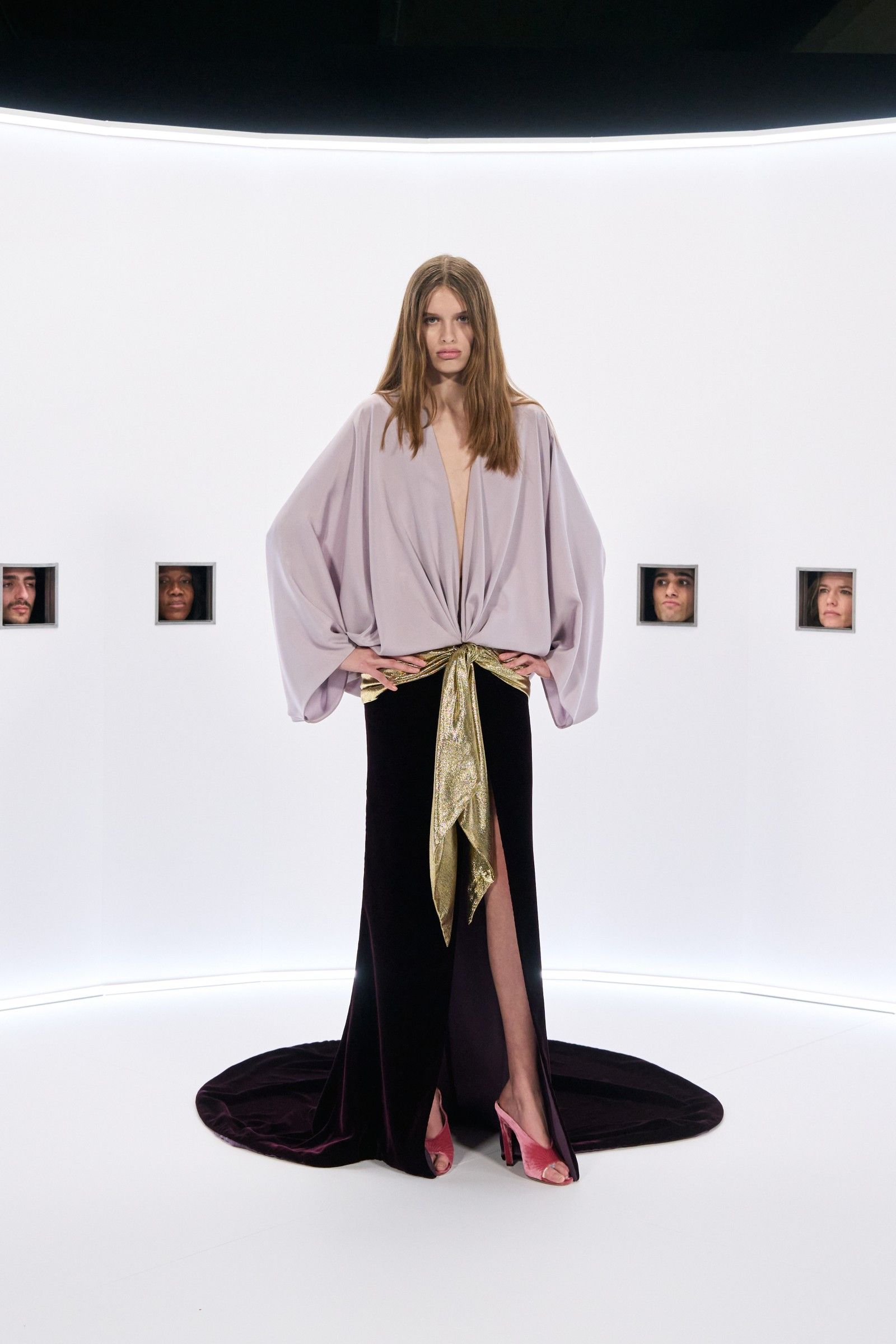
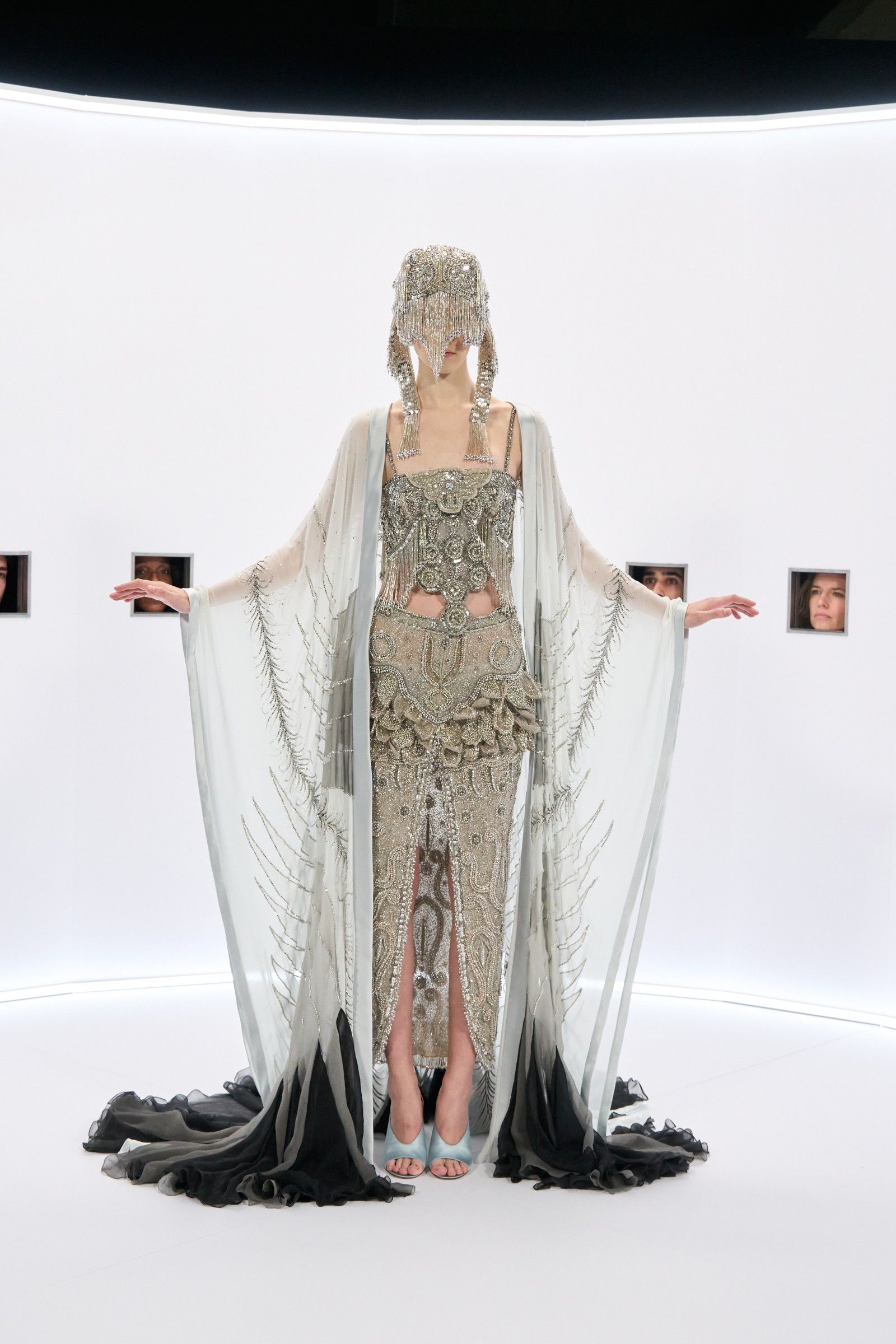
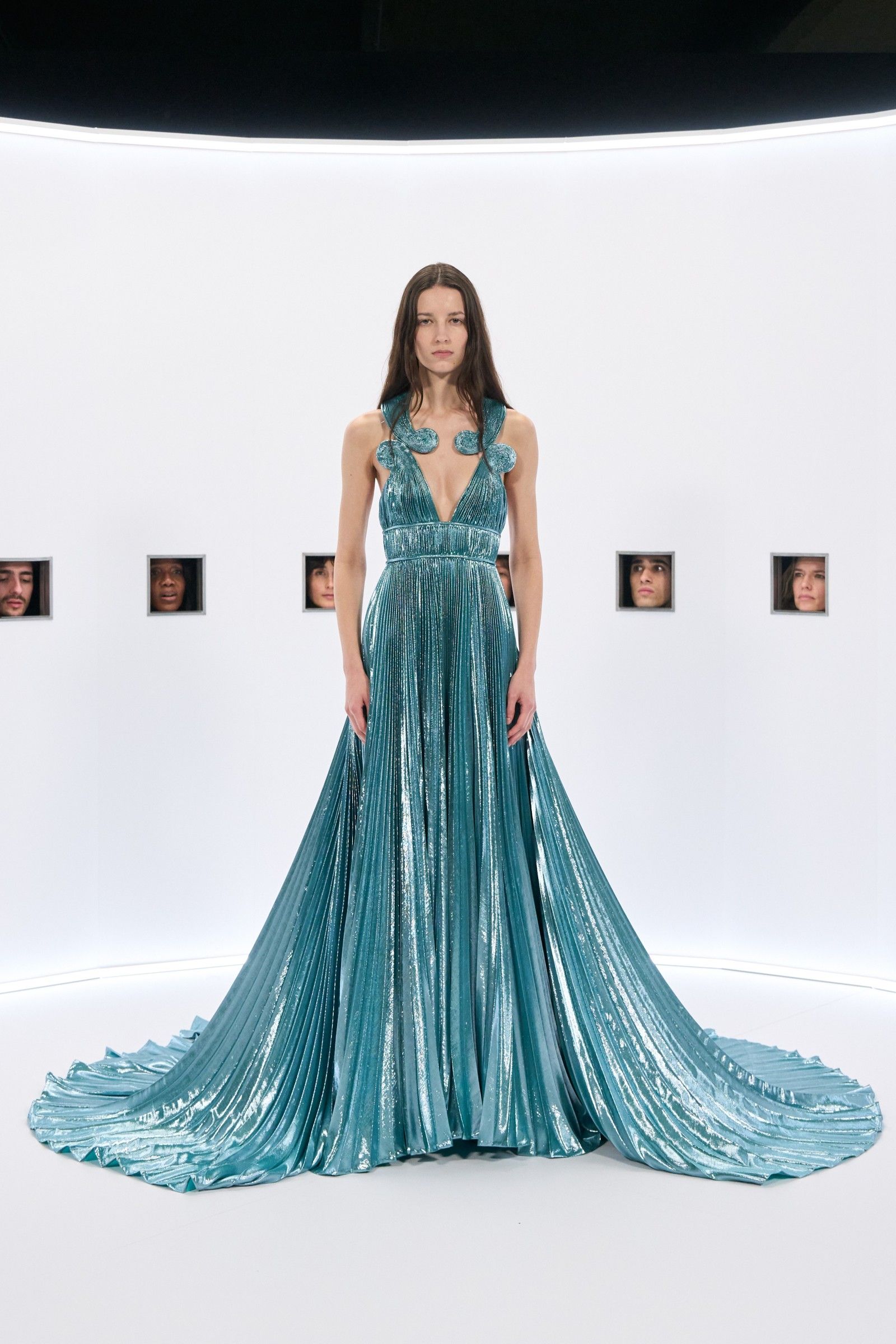
If fashion remains forever fashion, it is the way of presenting it that can speak of a philosophy. The Valentino Haute Couture SS26 show that just took place in Paris represented, in its staging modalities, the attempt to recover the sacredness of a contemplated image and its unique and ever-different relationship with each spectator. To do so, Alessandro Michele retrieved a visual device from the early 20th century cited by Walter Benjamin, a quote from whom opens the show notes of the collection.
Observing Slowly in a Fast World
The visual device in question is called Kaiserpanorama and is a form of entertainment born between the late 19th century and the early 20th century, consisting of a round cabin with several windows. By leaning out of the windows, observers could view an image that, thanks to stereoscopy, appeared rotating and in motion. Thanks to this optical device, up to twenty observers could view a single image (often of animals or exotic landscapes) that each saw frontally depending on where they were positioned. It was one of those machines that anticipated cinema by playing on visual distortion.
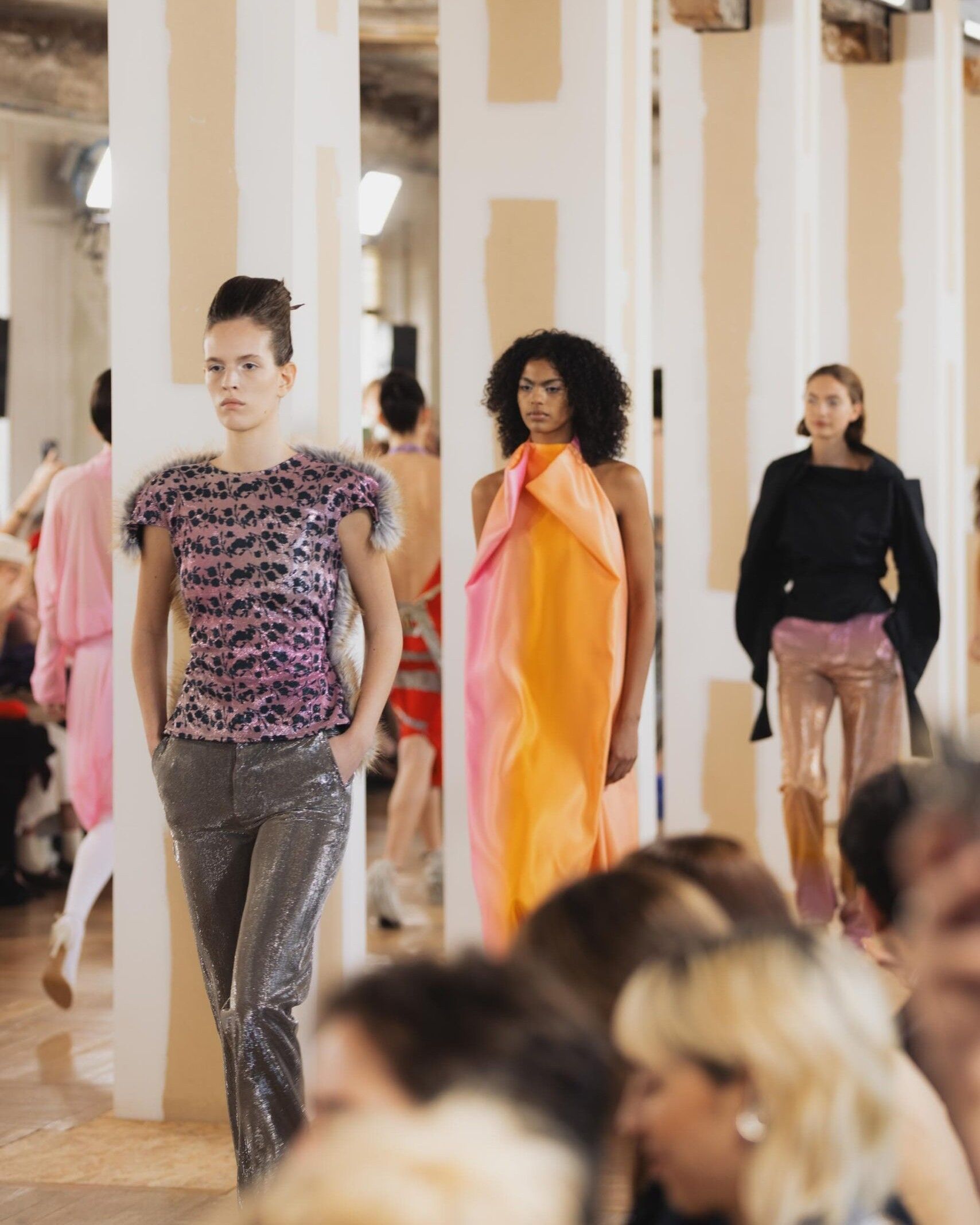
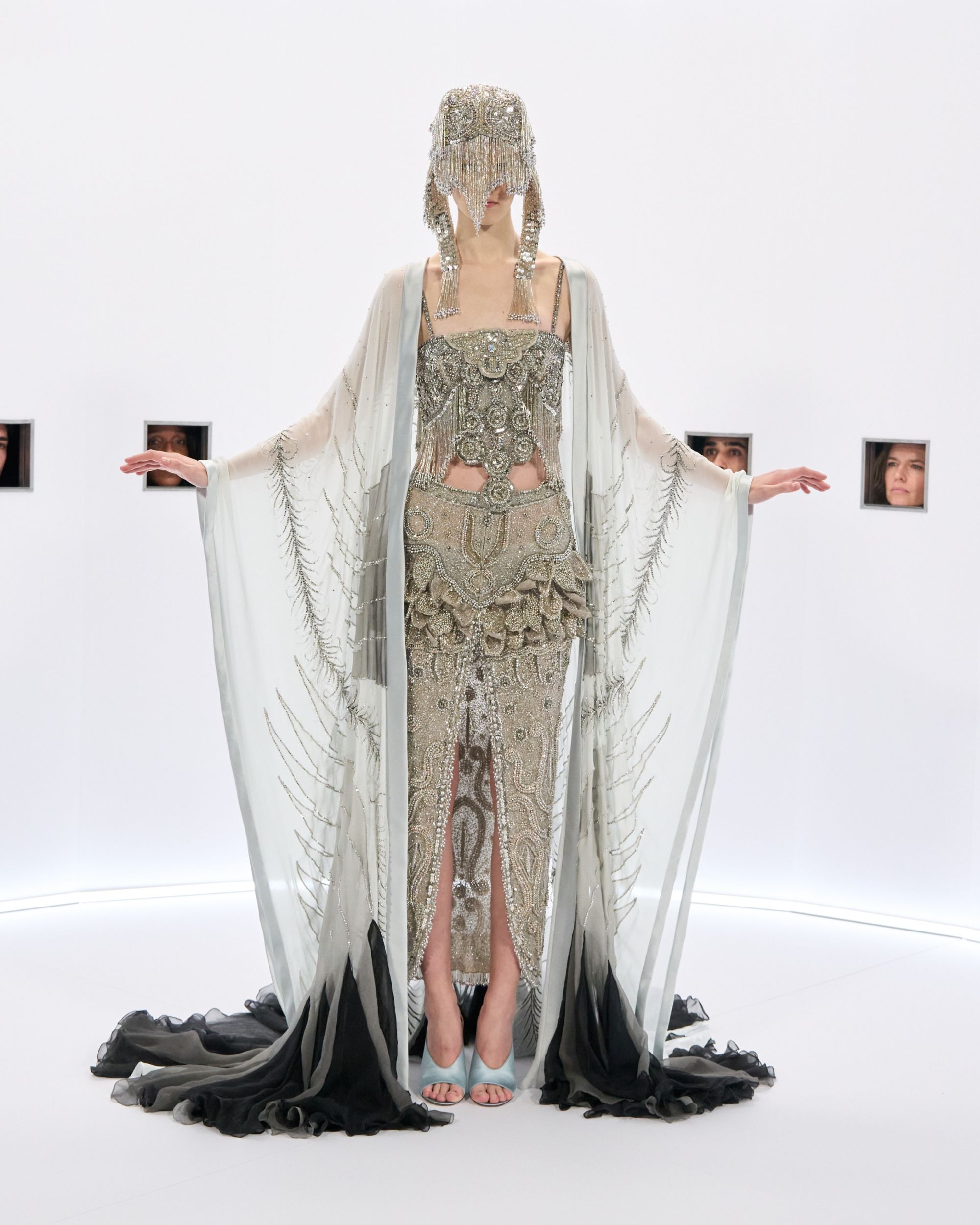
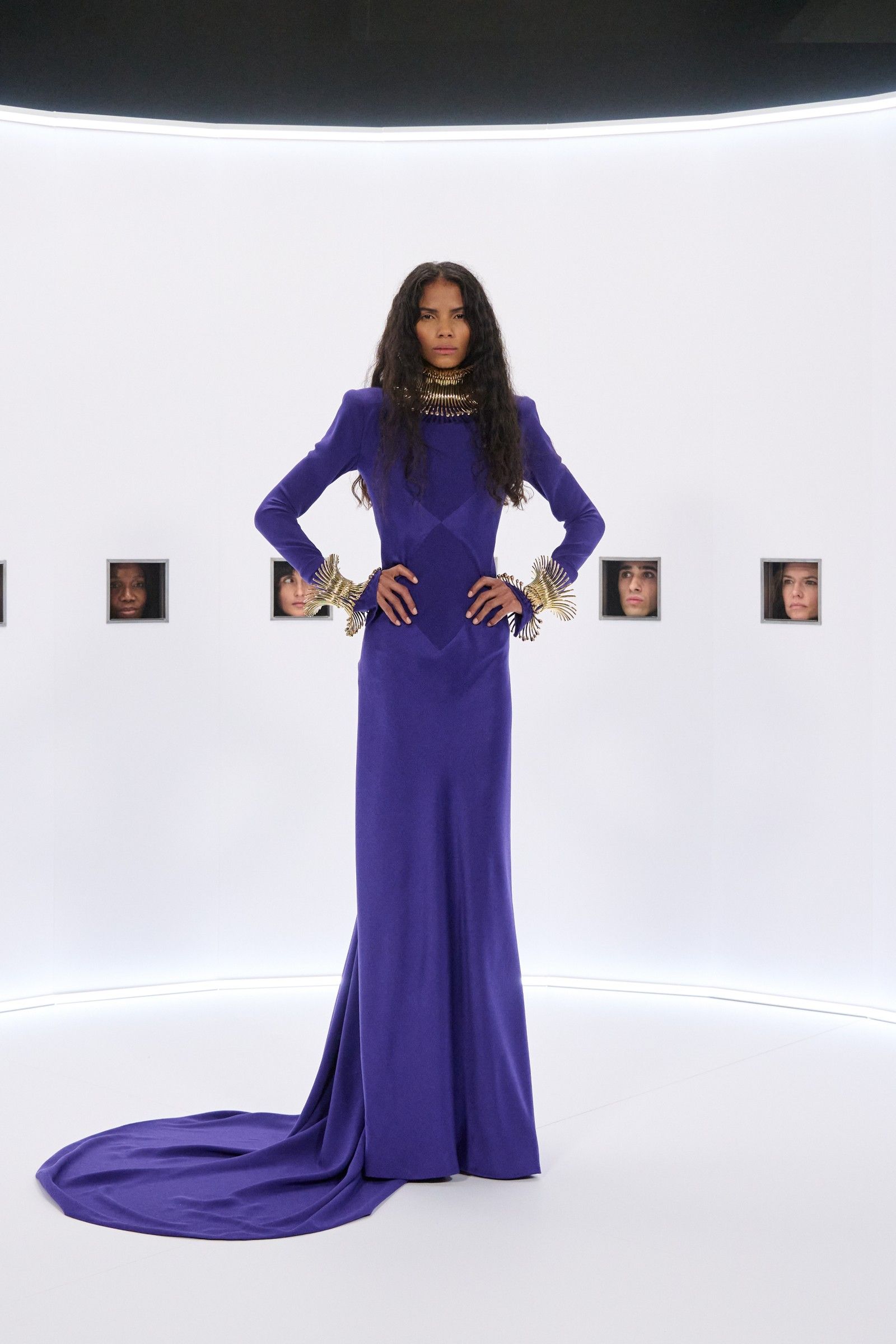
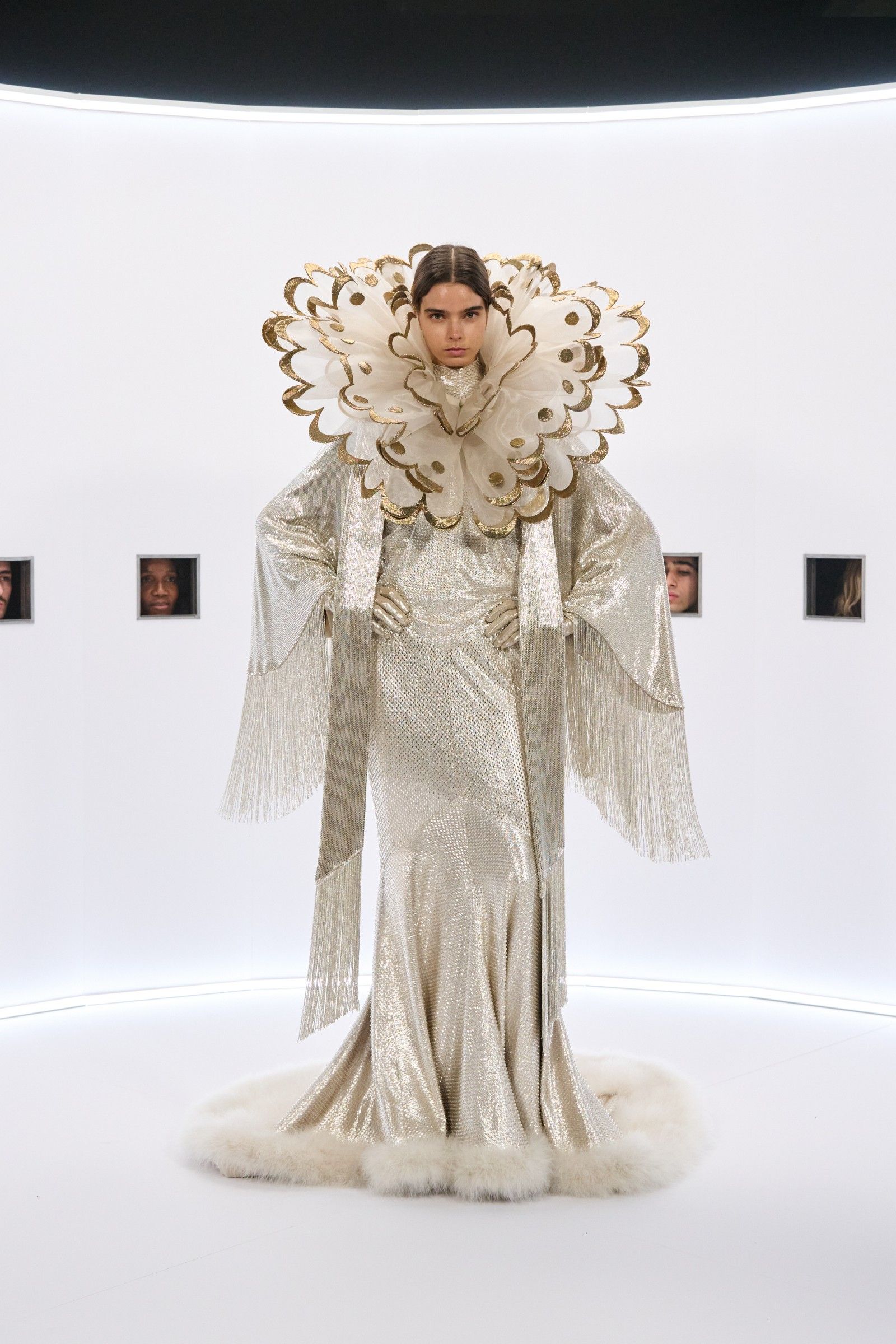
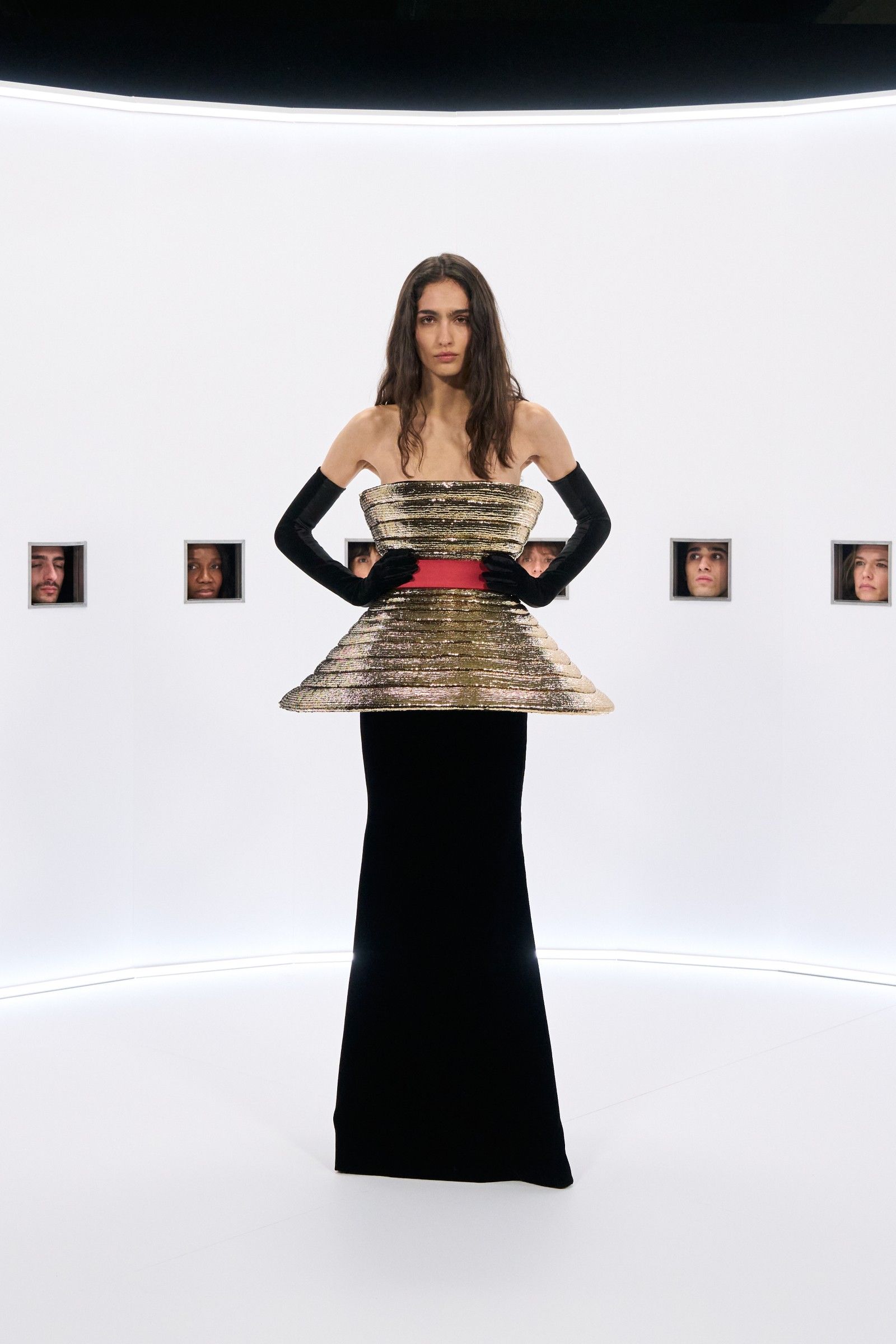
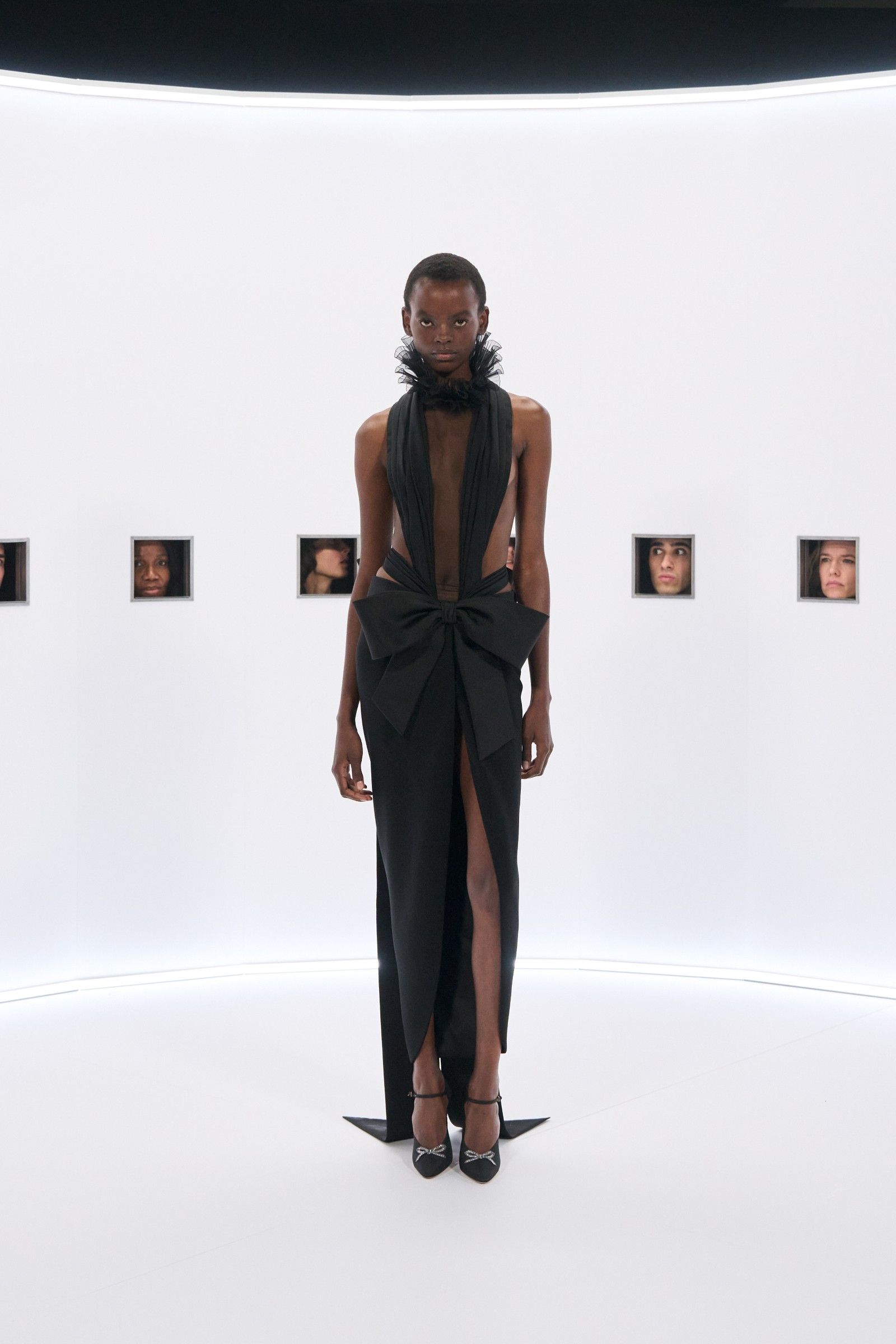
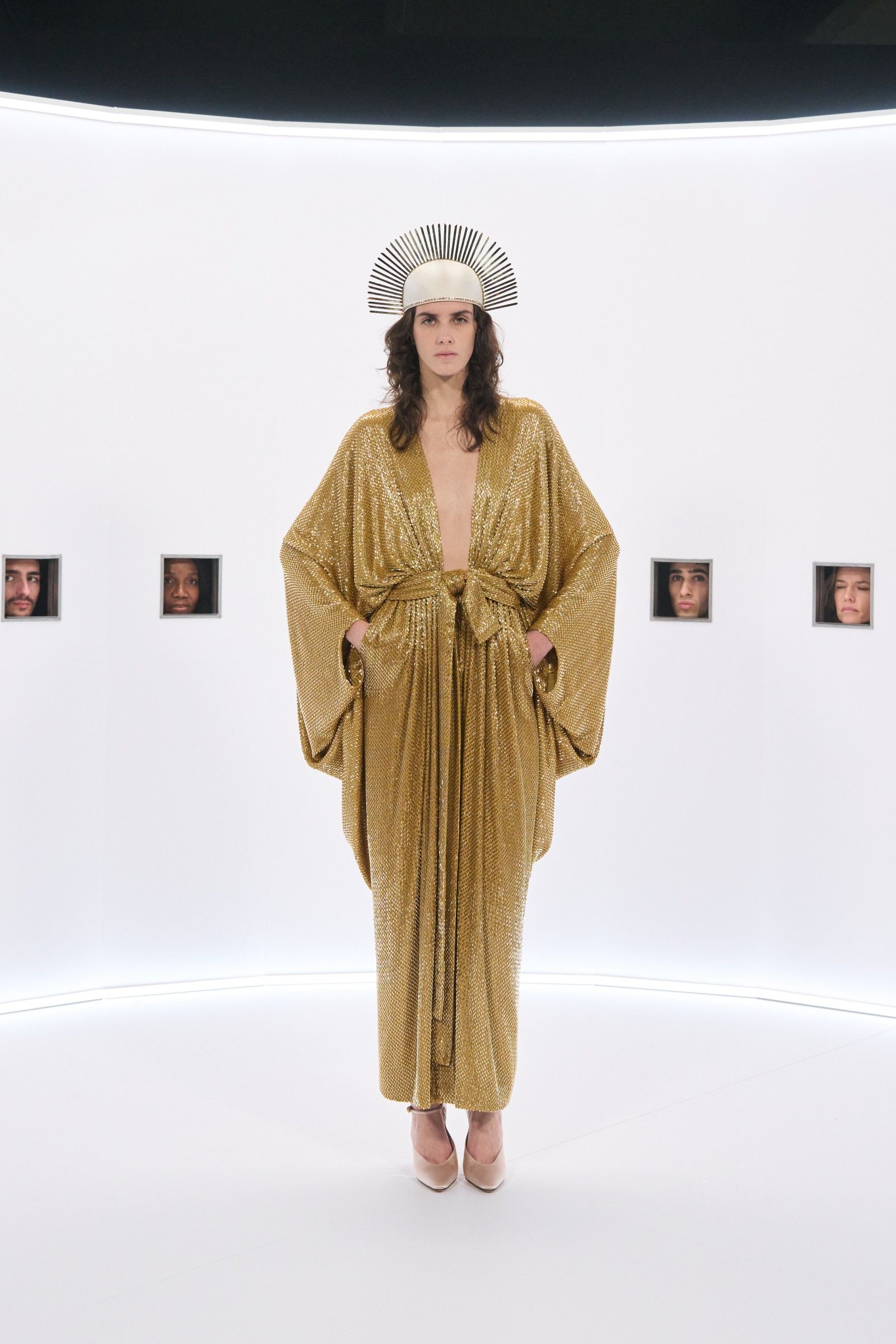
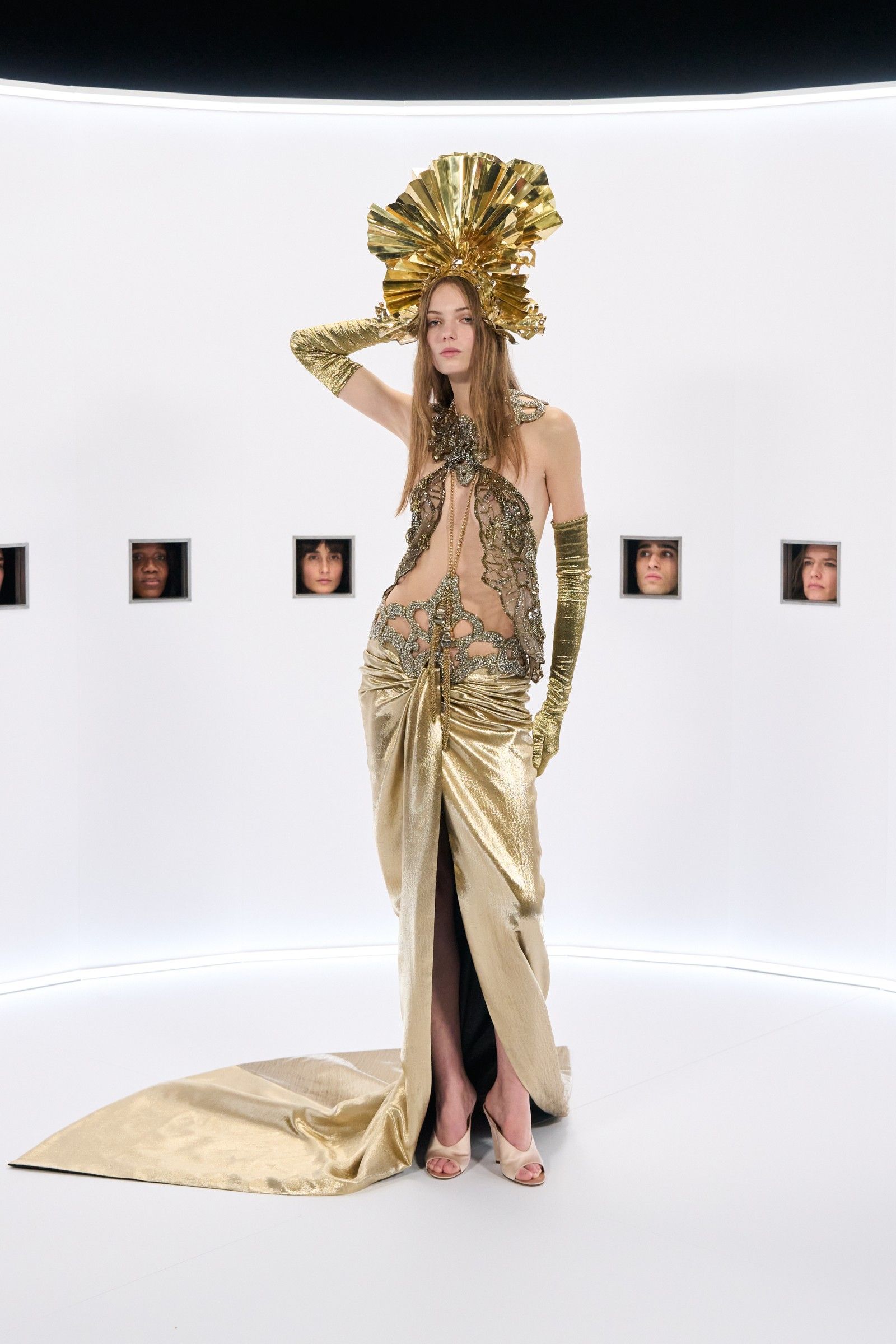
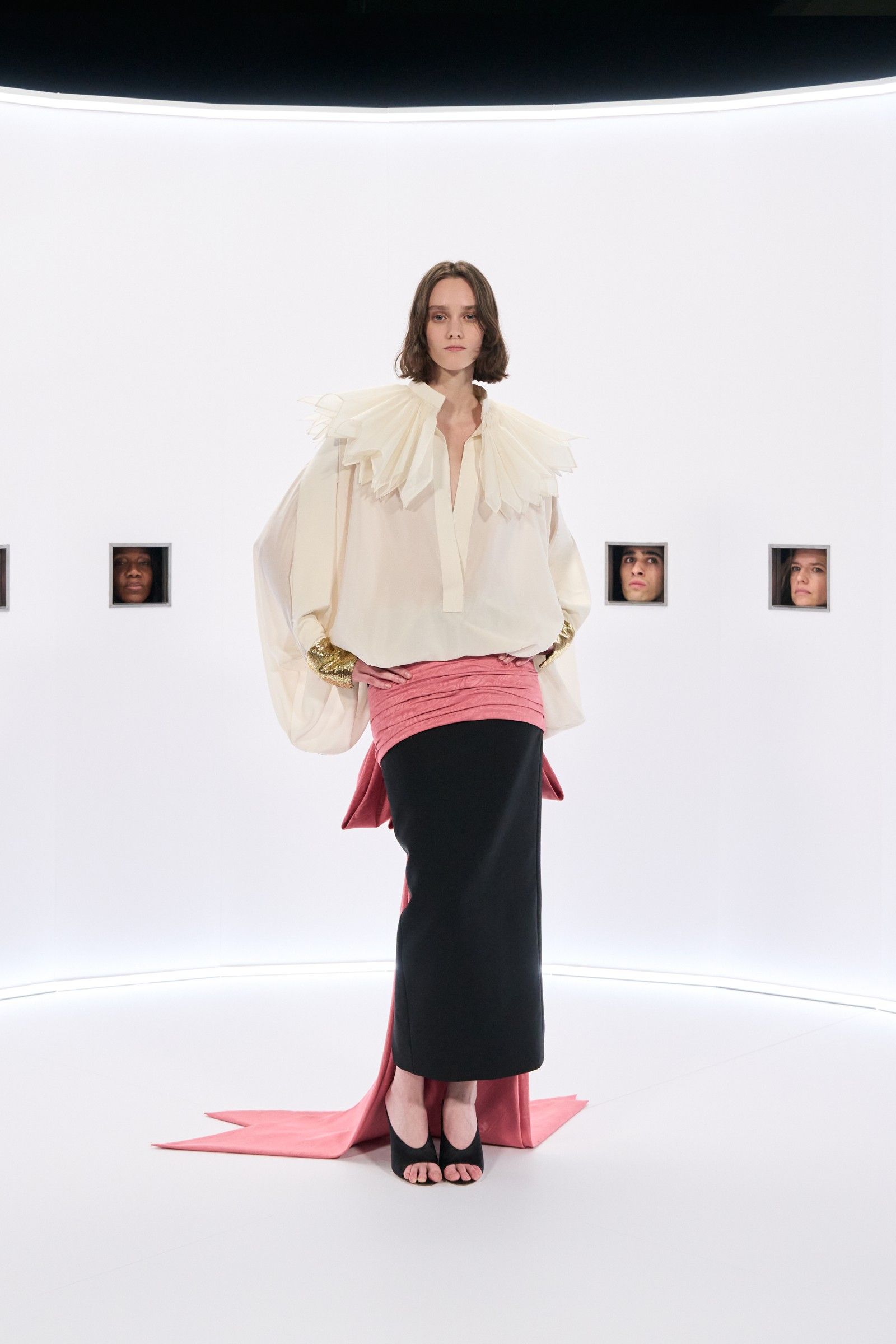
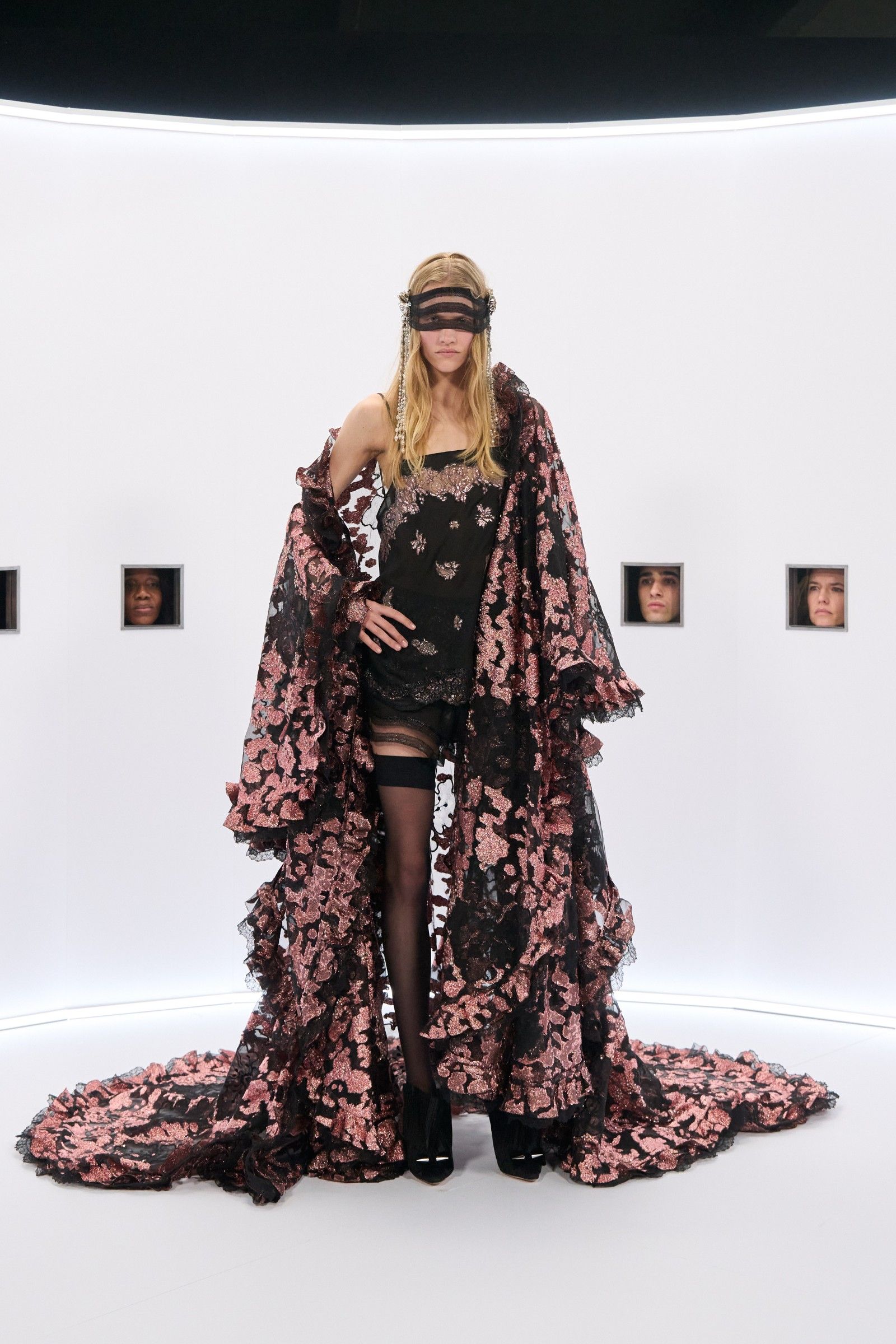
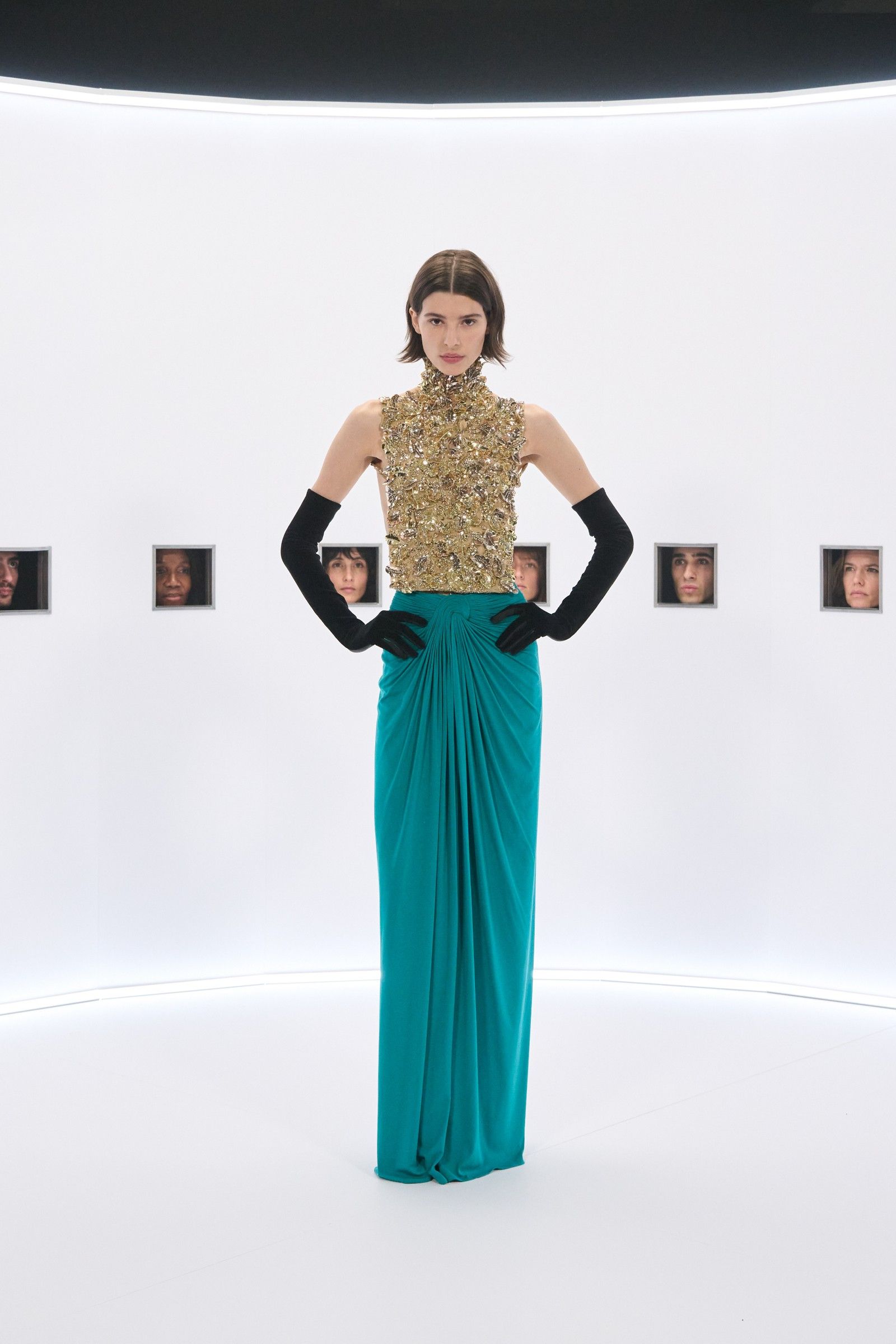
In the show, instead of the rotating image, there were the models entering and exiting the various cabins rotating on themselves and allowing the various spectators to observe each look from their own point of view. All the looks then came out together for the finale. The idea was to recover the observation mode of the Kaiserpanorama, and thus create an experience that was indeed group-based but in which the act of observing (perhaps contemplating would be the more appropriate verb) took place individually and therefore in a personal way.
The fact, however, is that the image seen in the Kaiserpanorama was not narrative, like in cinema, but static. It was observed as isolated from reality and therefore, more than involving the viewer, to quote the notes themselves, it educated the gaze, which had to focus on one subject at a time. Precisely this concentration on a single image is a sort of escape «from the simultaneity of the gaze, from media overexposure and from rapid consumption» that has become the rule of modern times.
Hollywood, Valentino and the Construction of New Myths
The point of connection between all this reasoning and the myth (itself secularly sacred) of the recently departed founder, the legendary Valentino Garavani, lies precisely in the reference to Hollywood divas. Garavani, in fact, as his own recorded voice before the show says, had begun designing clothes inspired precisely by the glamour of Hollywood divas from the 1940s and 1950s.
This reference was particularly interesting in that, beyond the message inherent in the presentation, the entire collection perfectly staged the often little-explored link between Hollywood clothing and the sacred imaginary vestments of some priestess in the manner of literary heroines like Salammbô or Salomé, Bellini’s Norma or the character of Maria in Fritz Lang’s Metropolis. All sacred, hieratic women where the garment is not just clothing but also sublimation of a higher aesthetic dimension.
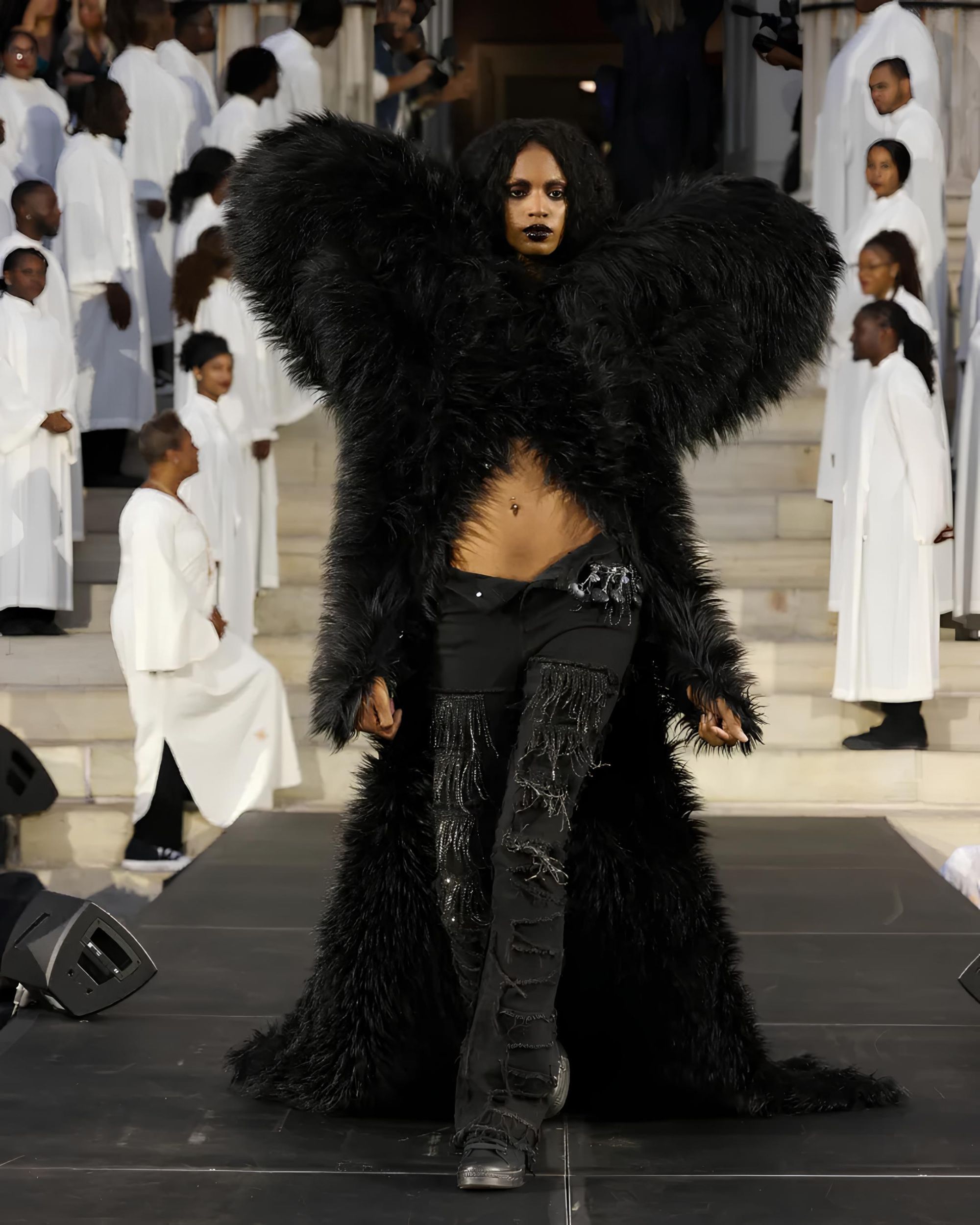
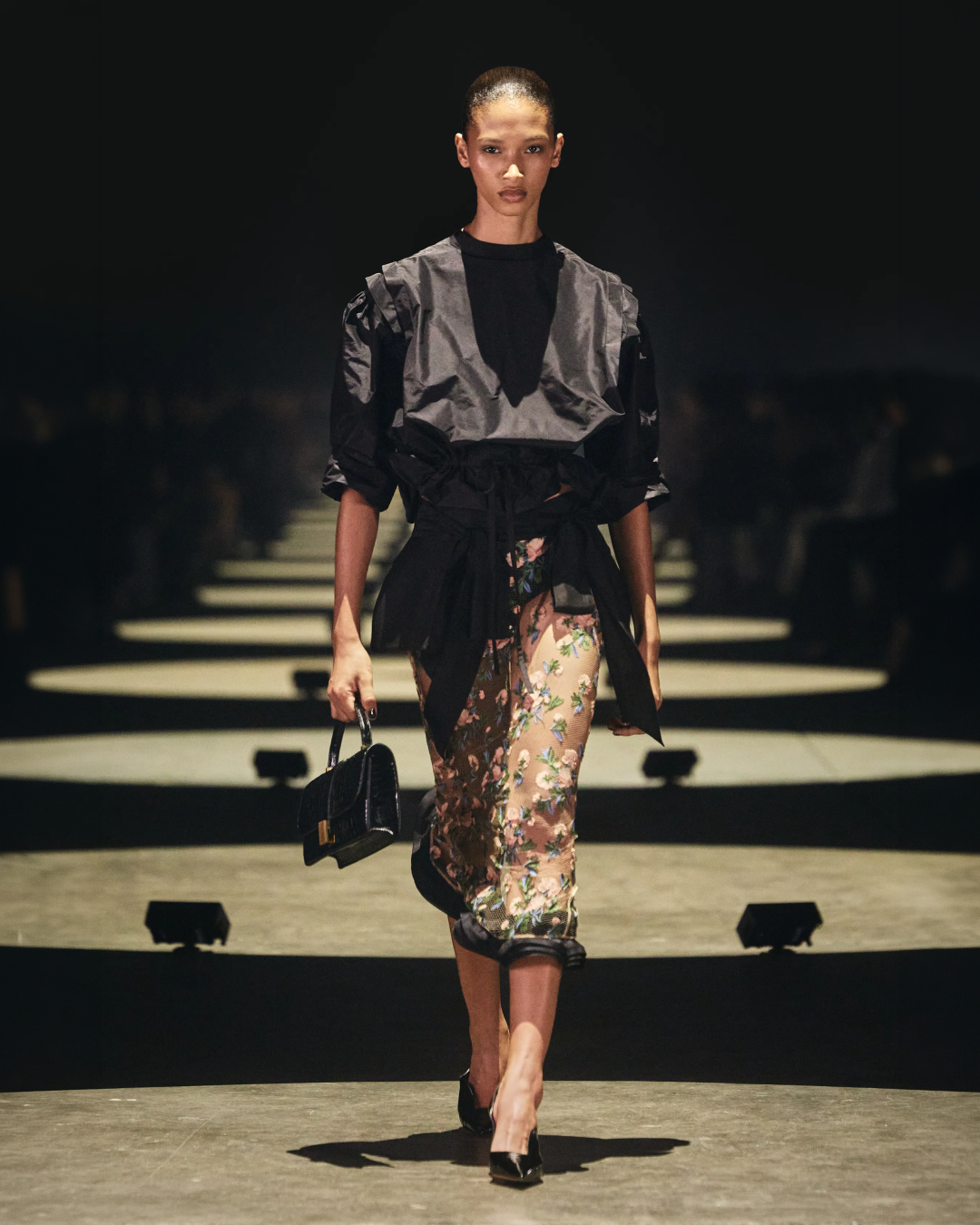
And so Michele brought to the runway sirens and priestesses, Hollywood divas and barbarian princesses. And this was undoubtedly his best collection for the brand so far, the most perfectly measured as well as the one that best balances Valentino’s “historical” romanticism with Michele’s personal tastes, which in this collection find an excellent alchemy that perhaps the endpoint of a journey that has unfolded through the last eight collections the Roman designer has signed for the brand from June 2024 to today.
Garments Worthy of Contemplation
In the Kaiserpanorama, what appears «is separated from common use, isolated, highlighted, made worthy of contemplation». And it is precisely this contemplation that must be paid to the garments on display in the collection, which explores the parallelism between the veneration aroused by Hollywood cinema and the religious experience. Just as the images of Hollywood cinema and its legendary divas, to which the public pays a «secular cult», the Haute Couture garments transcend the ordinary and the everyday and represent apparitions. Their sacredness resides as much in material magnificence as in their cultural significance.
In short, the garments are not things to be consumed quickly but true divine apparitions, which reconnect to the ritual of observing in rupture with the inattention and overstimulation of modern times. Their isolation in the optical “machine” opposes them to fast-consumption products and isolates them in a separate aesthetic dimension of «contemporary altar». In short, one must pause and observe them with an admiration that is not too far from a prayer. Contemplating beauty is a ritual and the ritual itself is a beauty in itself.