






















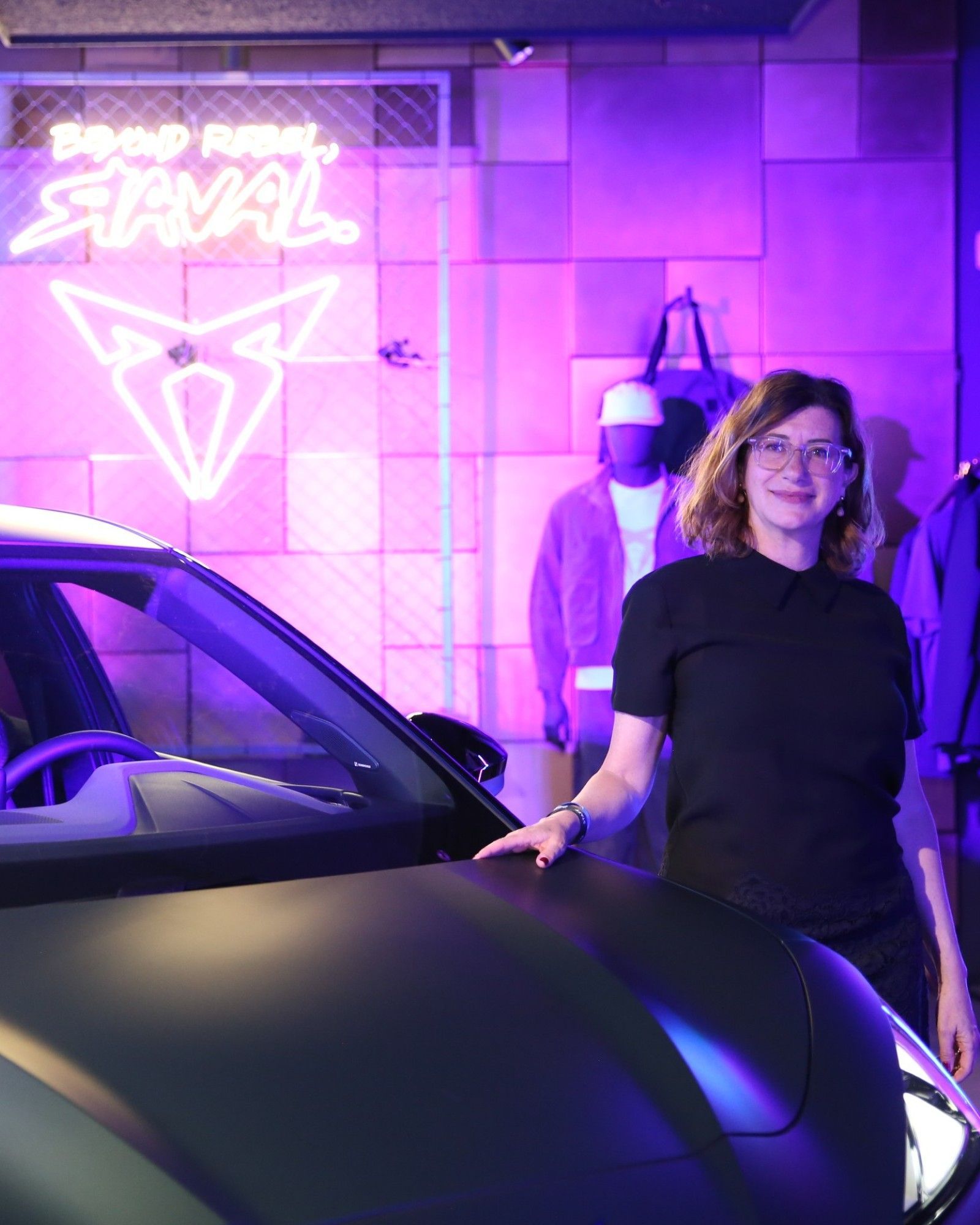
«Community is everything to us»: interview with CUPRA’s Creative Head Francesca Sangalli told us how the CUPRA Raval, the brand’s latest model, came to be
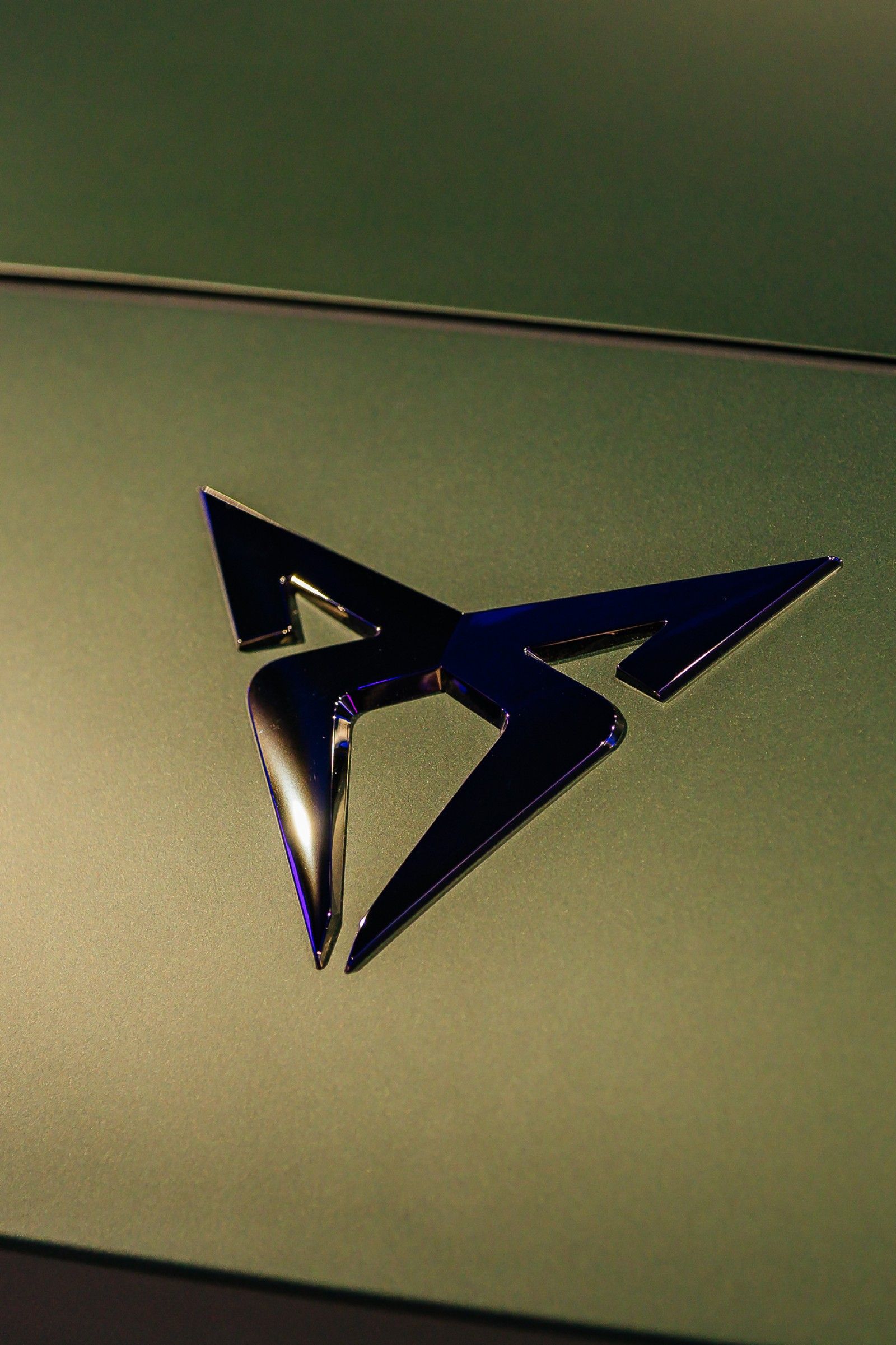
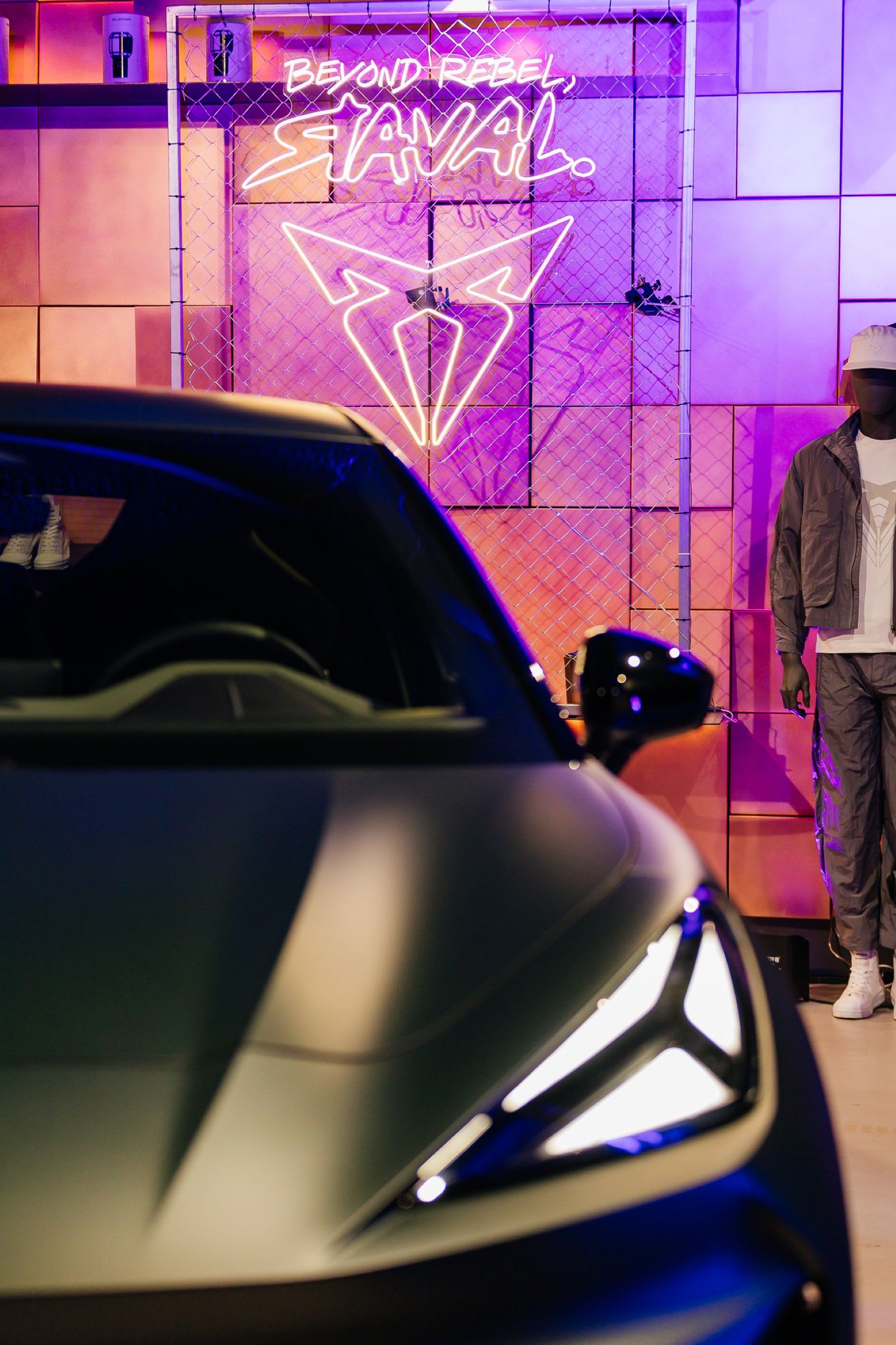
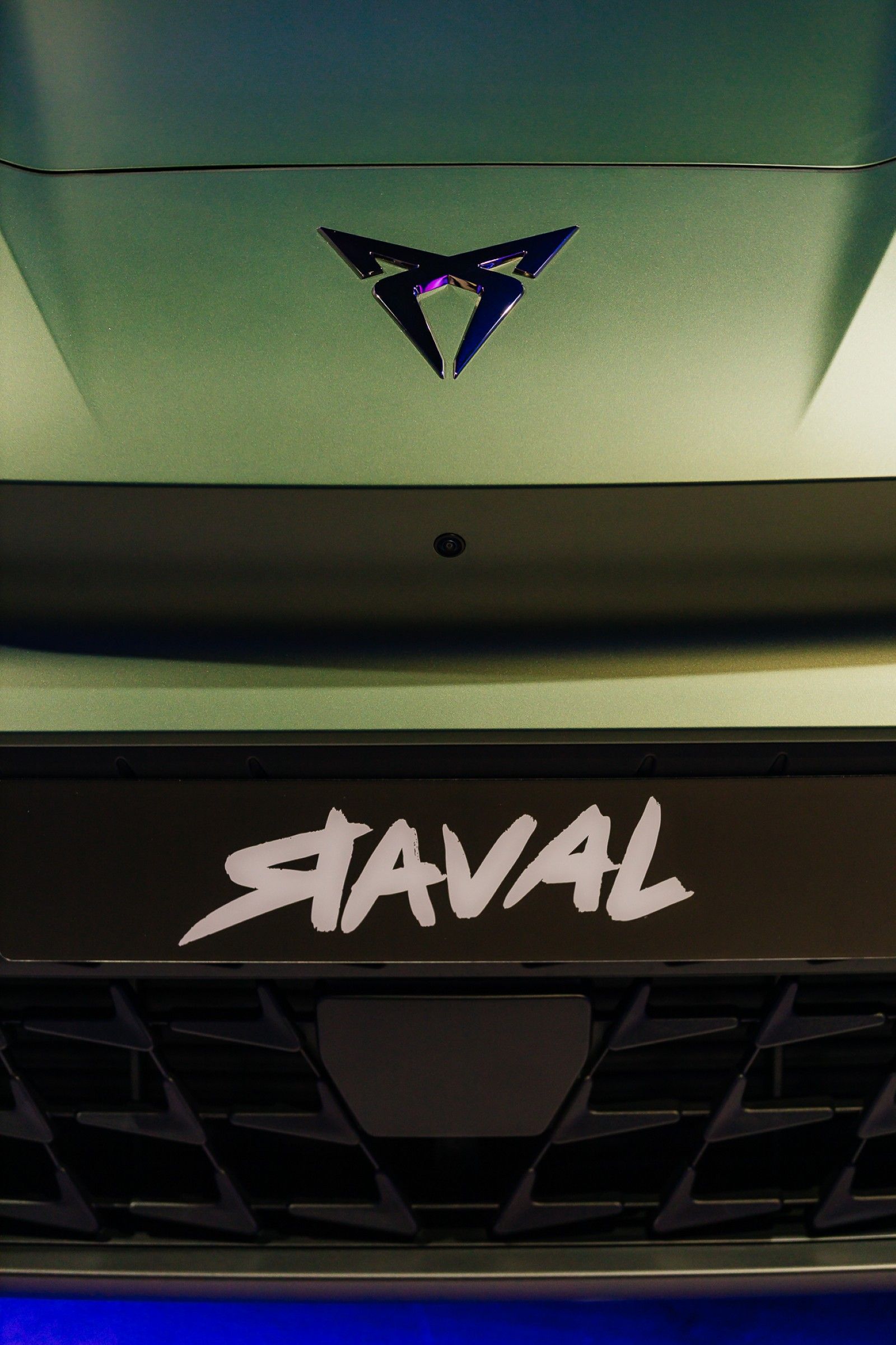
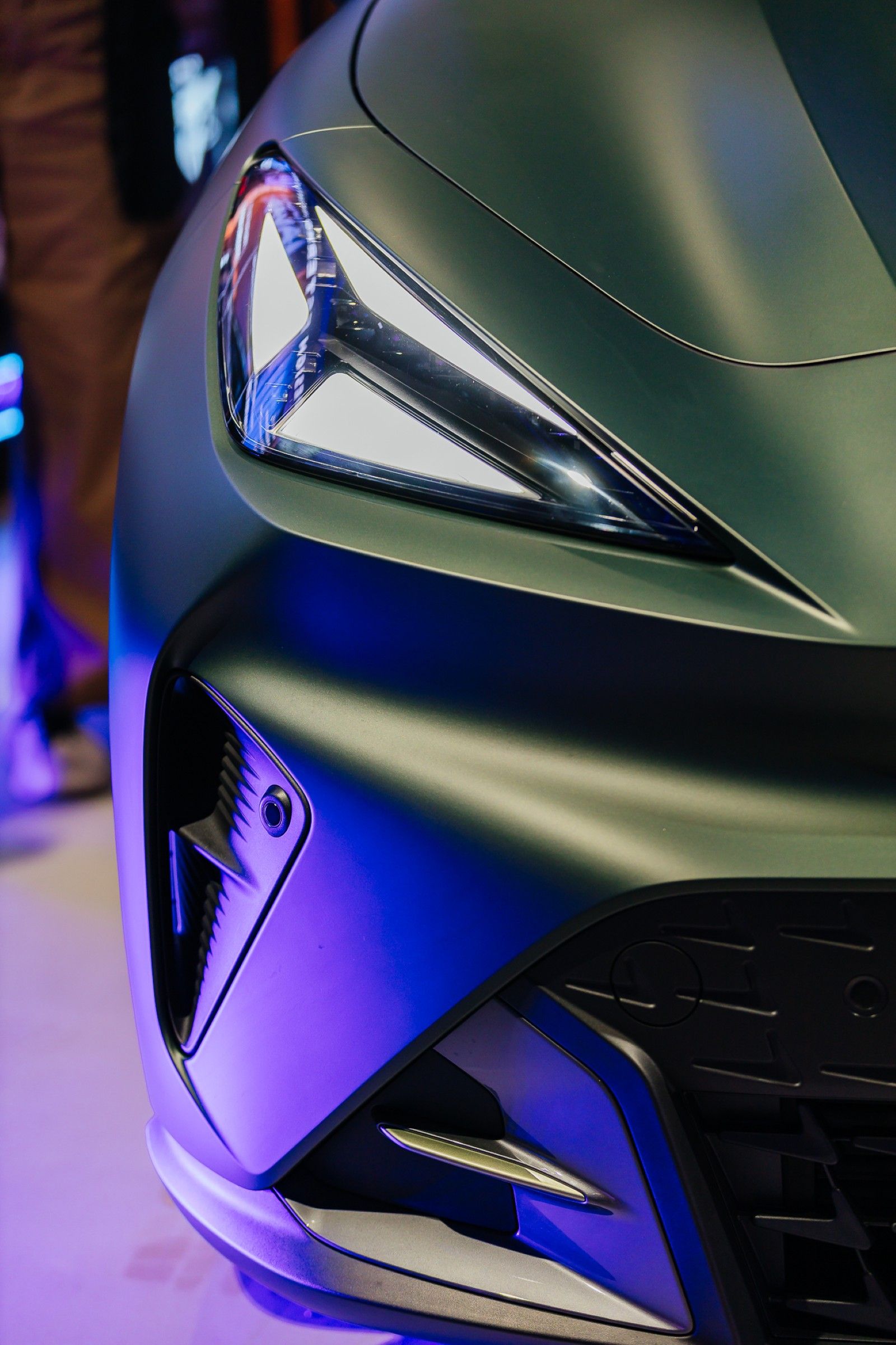
Until a few years ago, when talking about electric cars, people would think of small city vehicles that could not compete with more conventional, combustion-engine models. But today things have changed significantly, both thanks to a growing focus on sustainability and to brands like CUPRA, which have managed, in a short time, to make electric cars cool through design, material, and technological innovations.
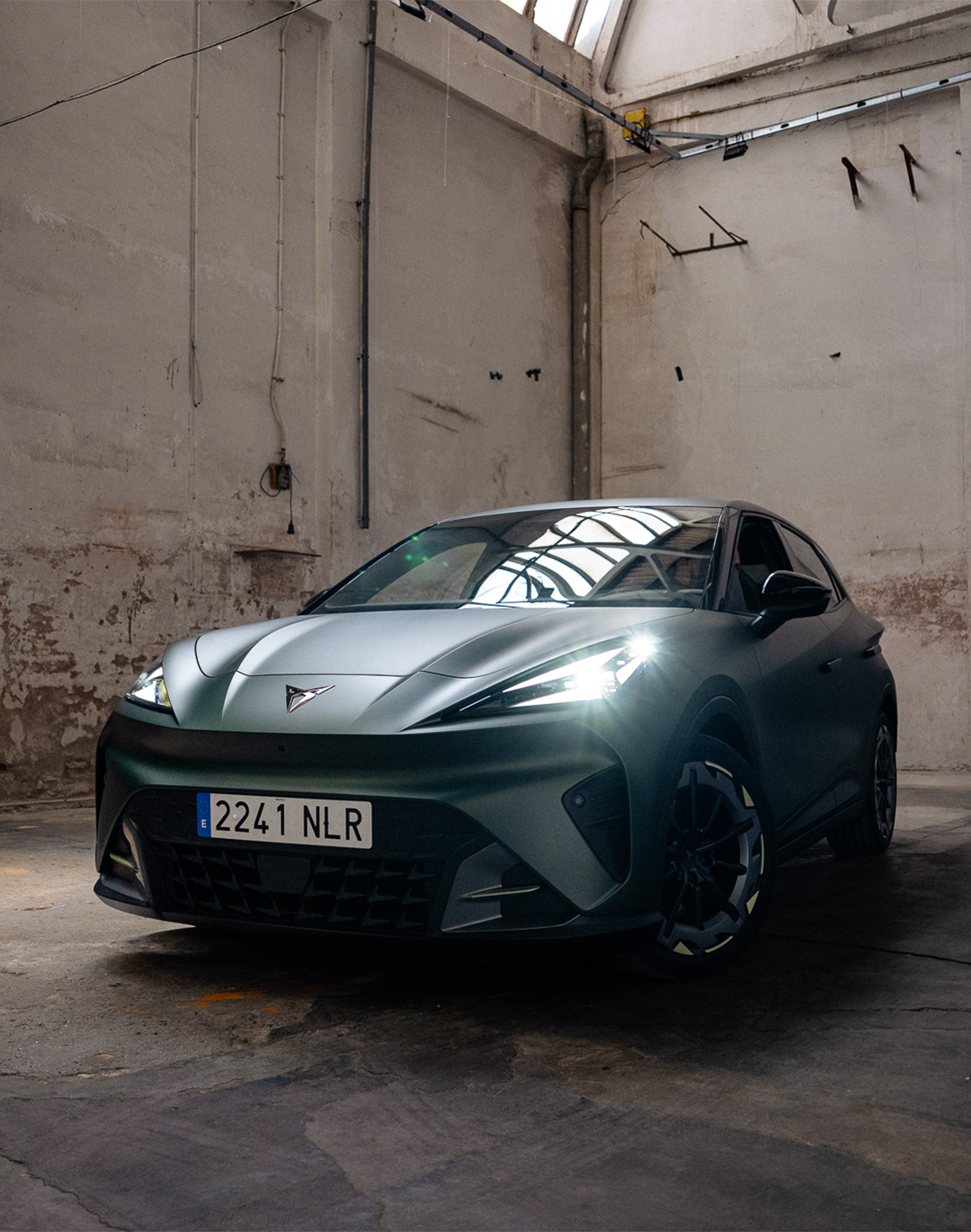
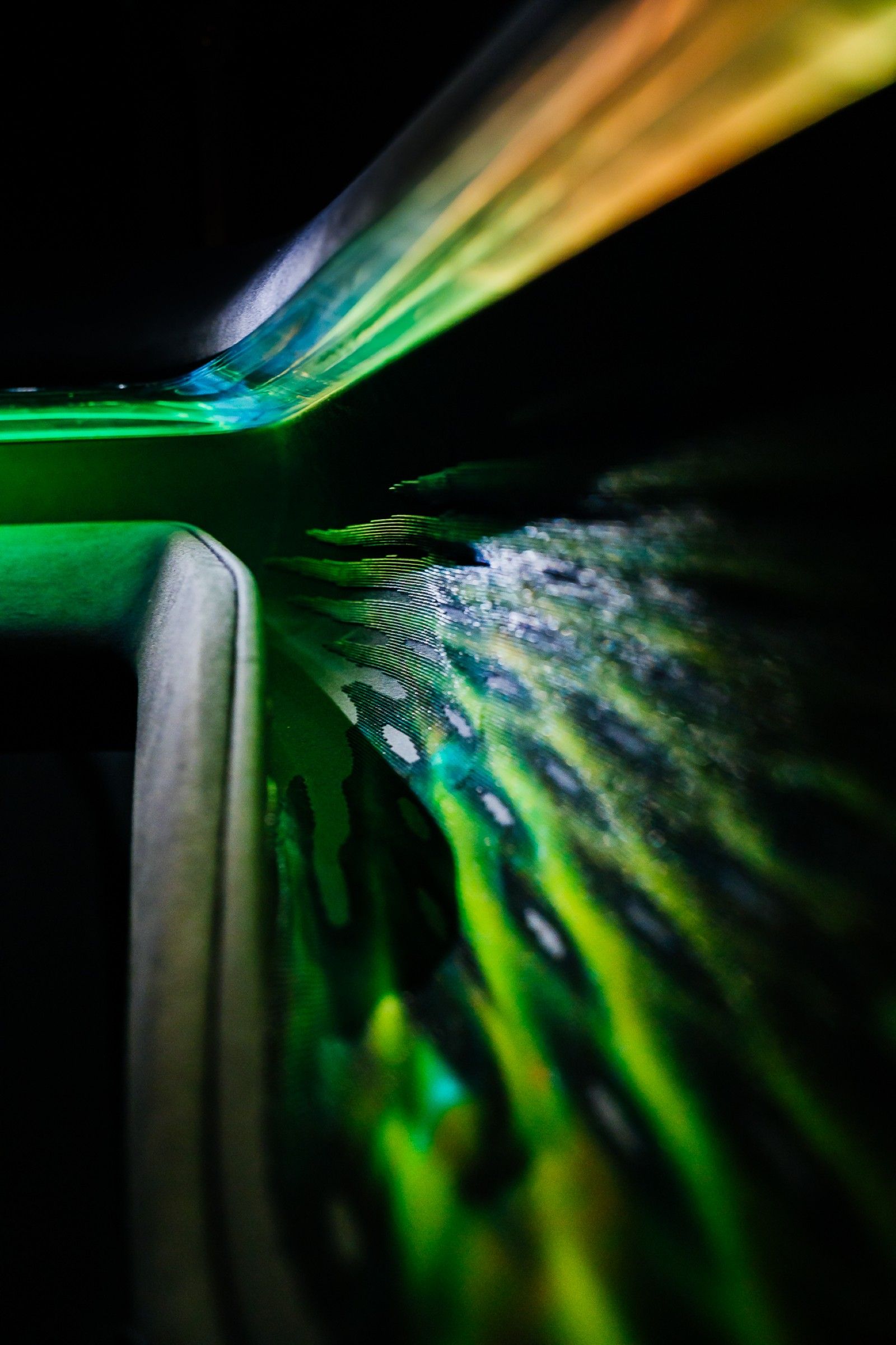
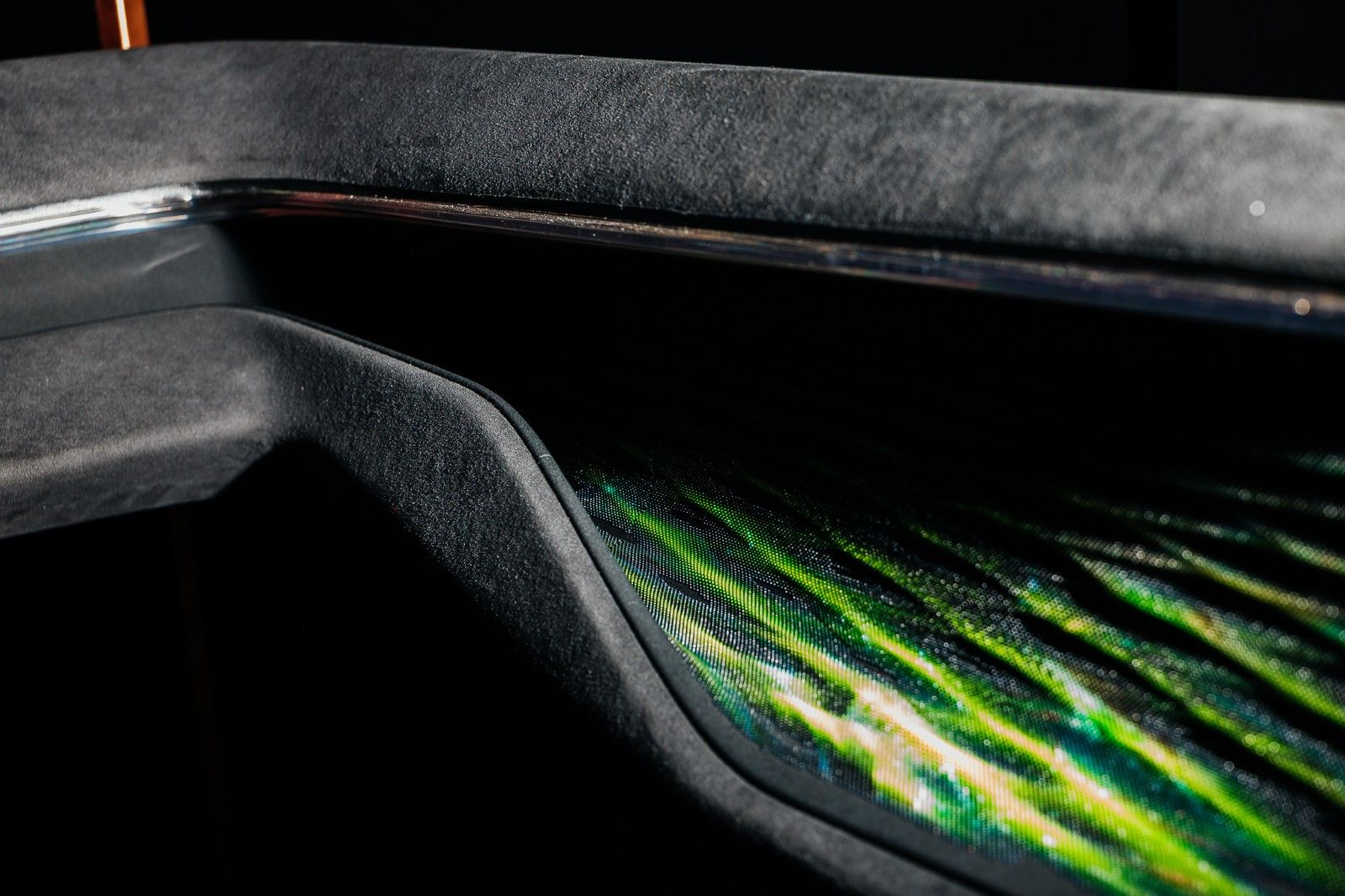
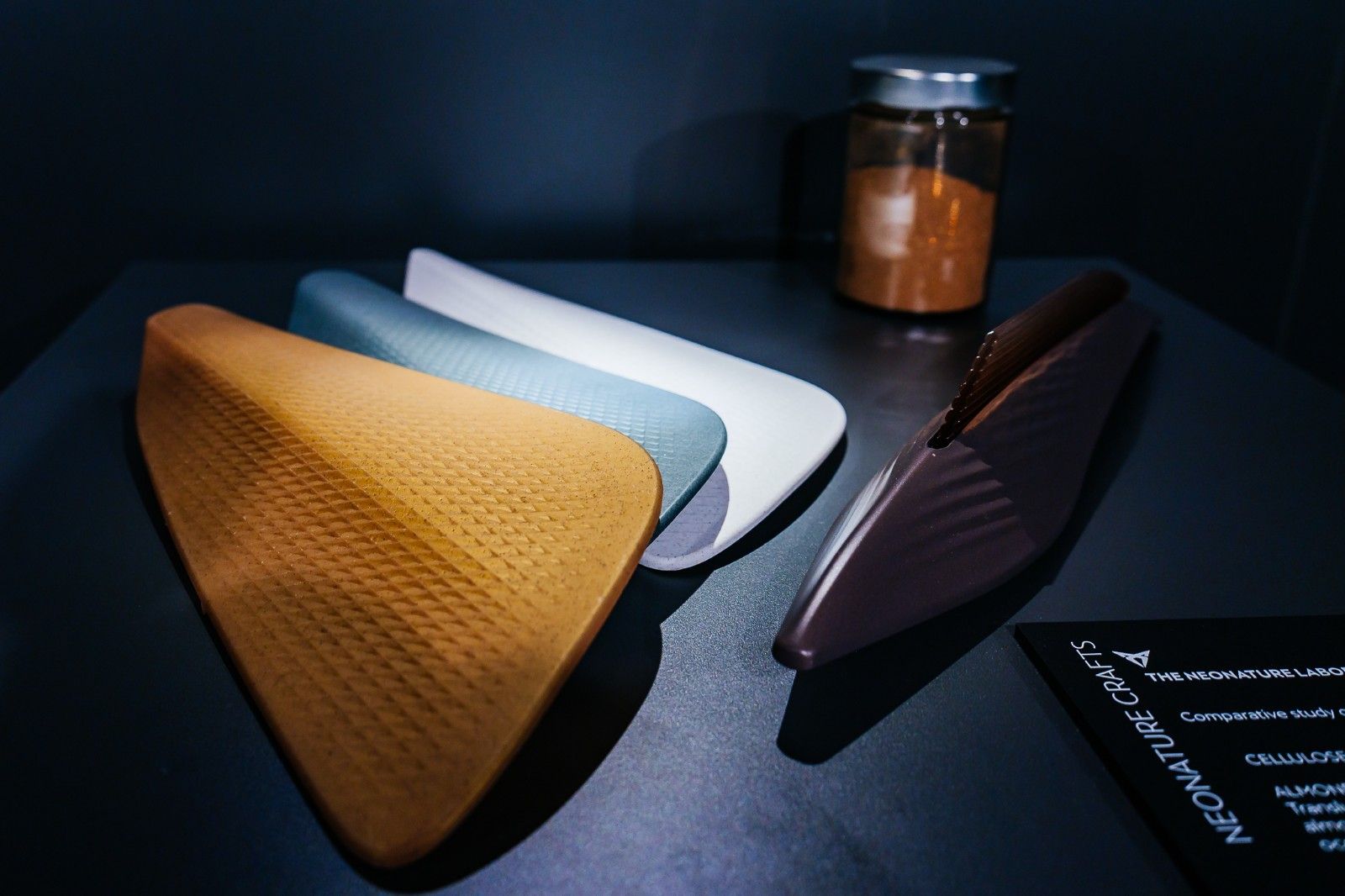
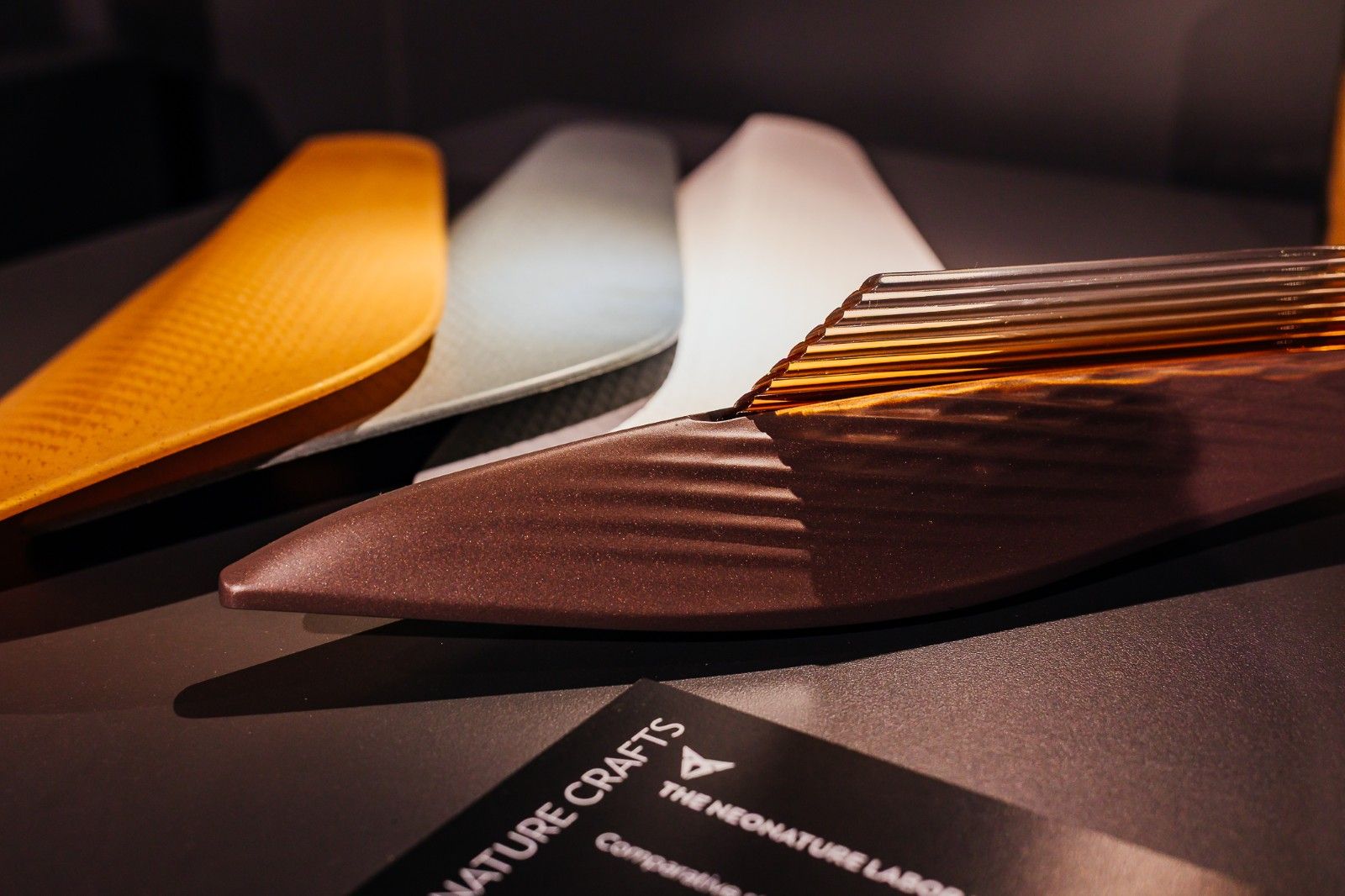
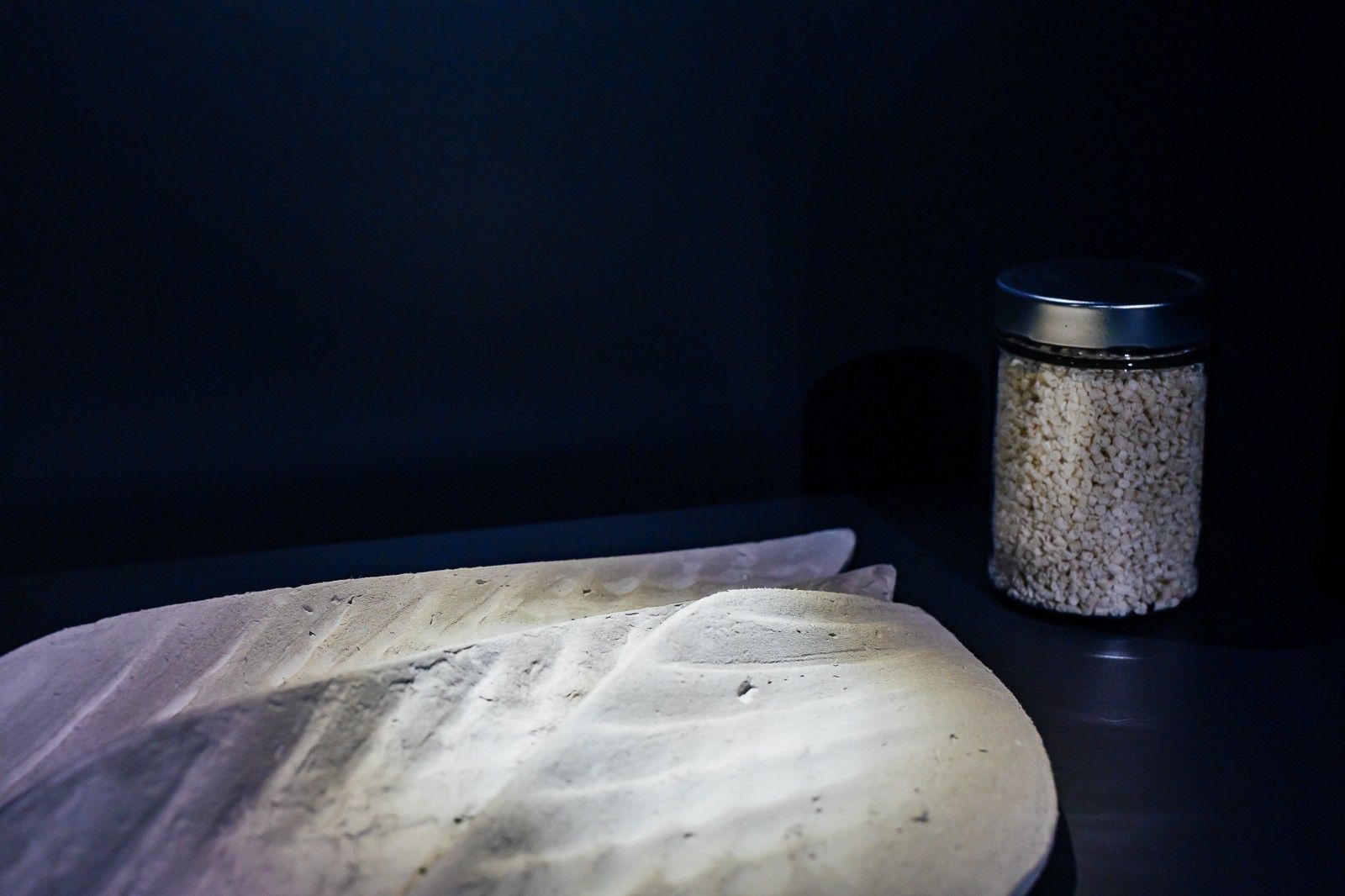
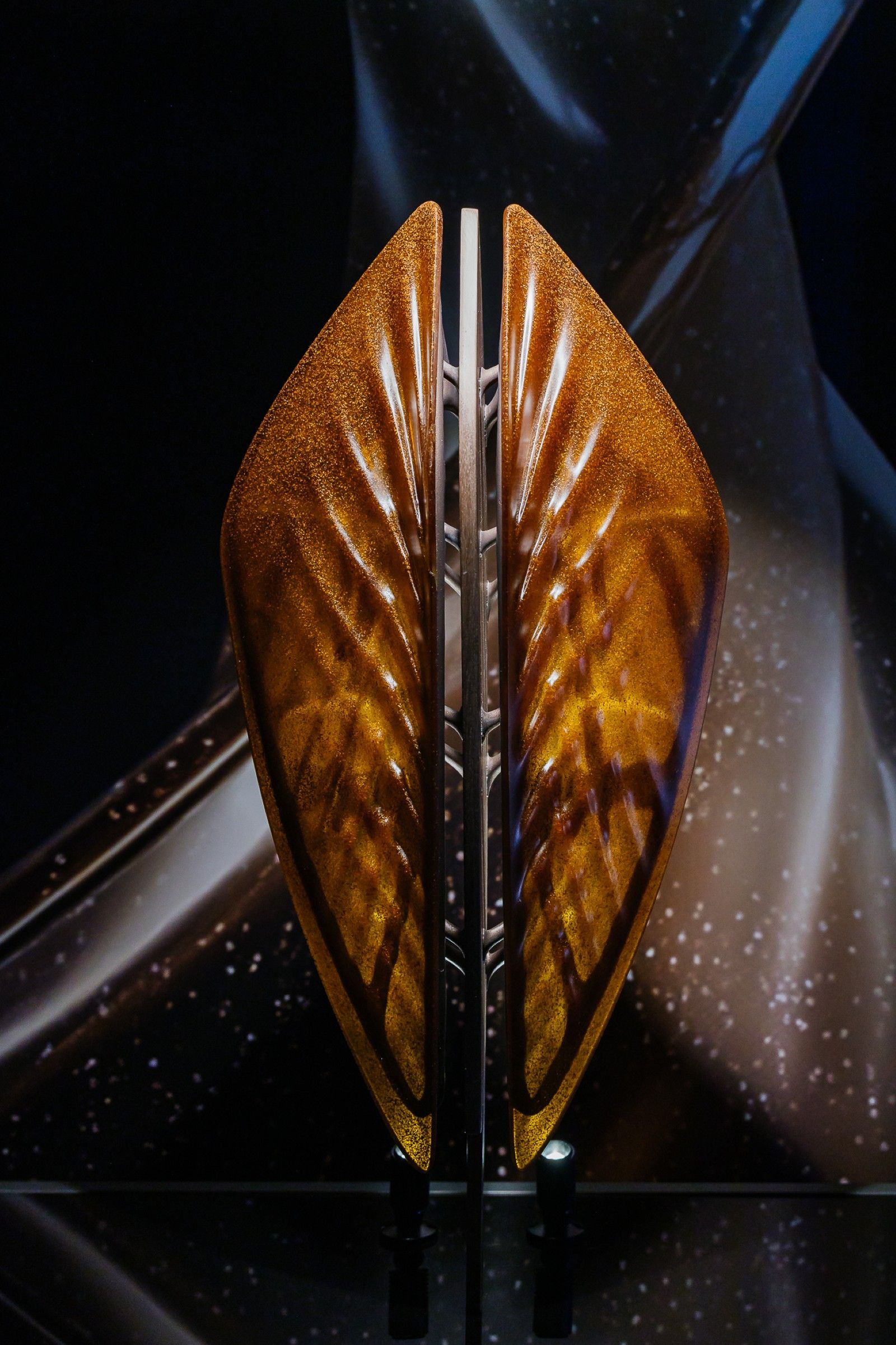
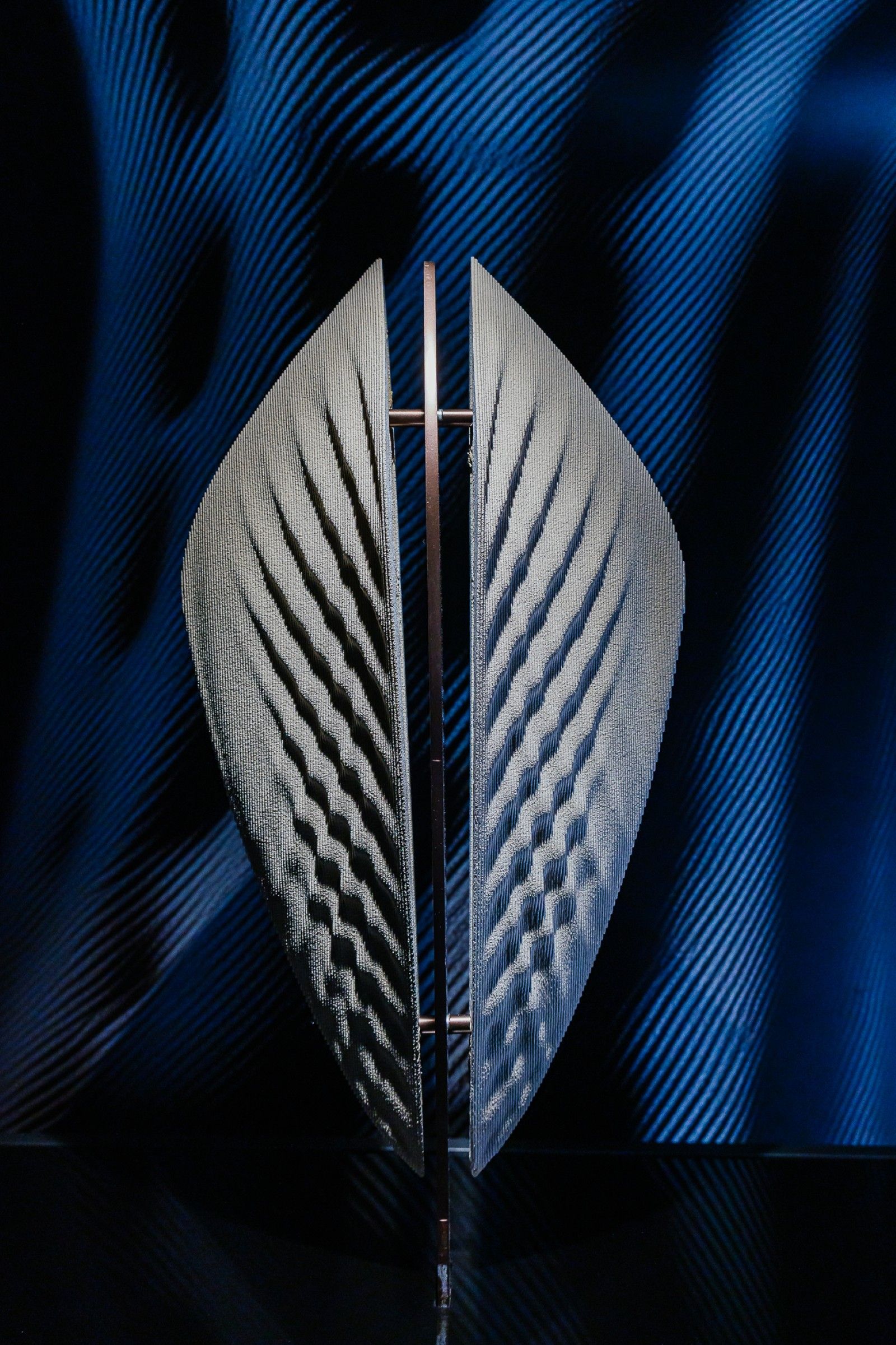
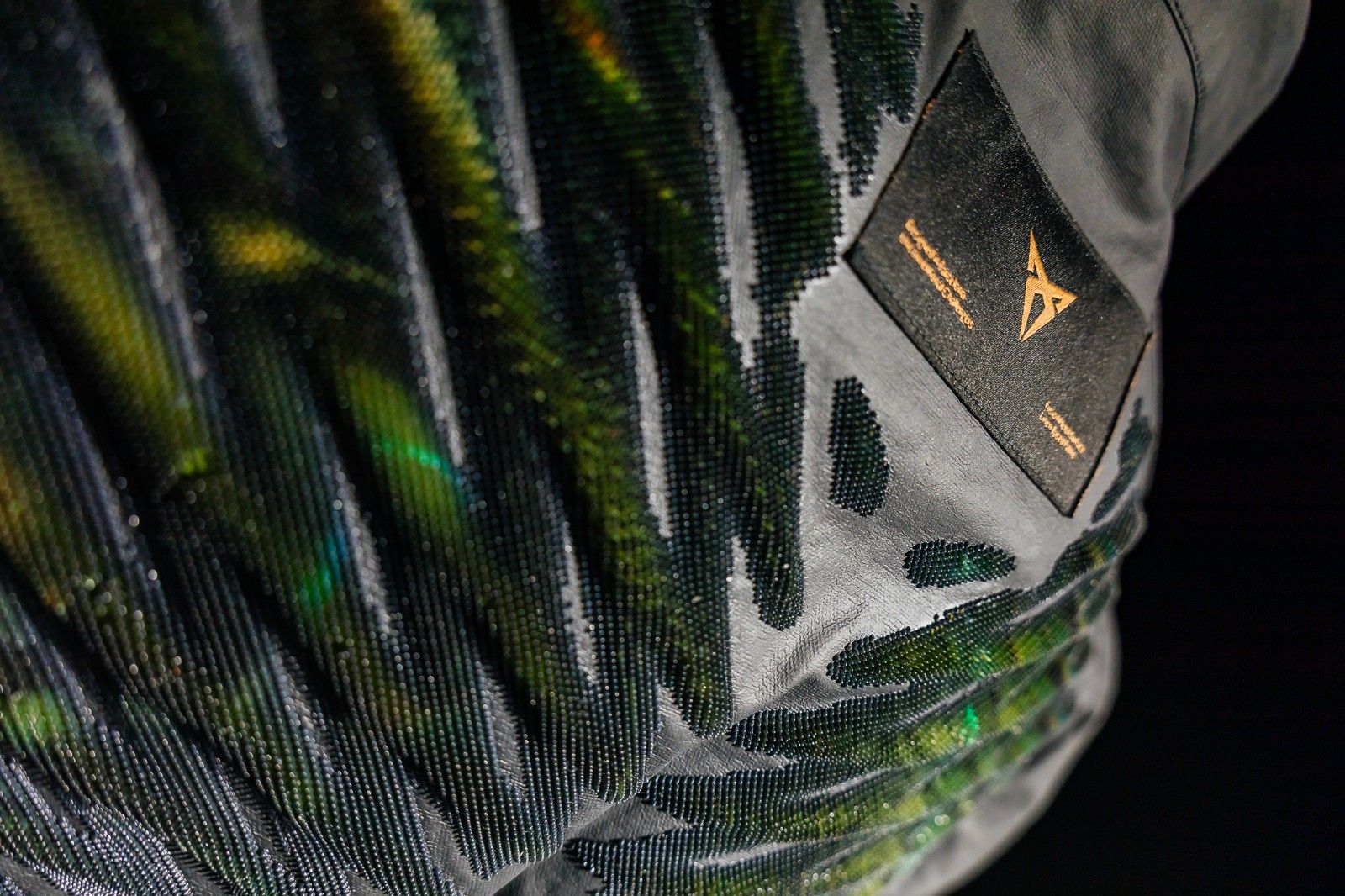
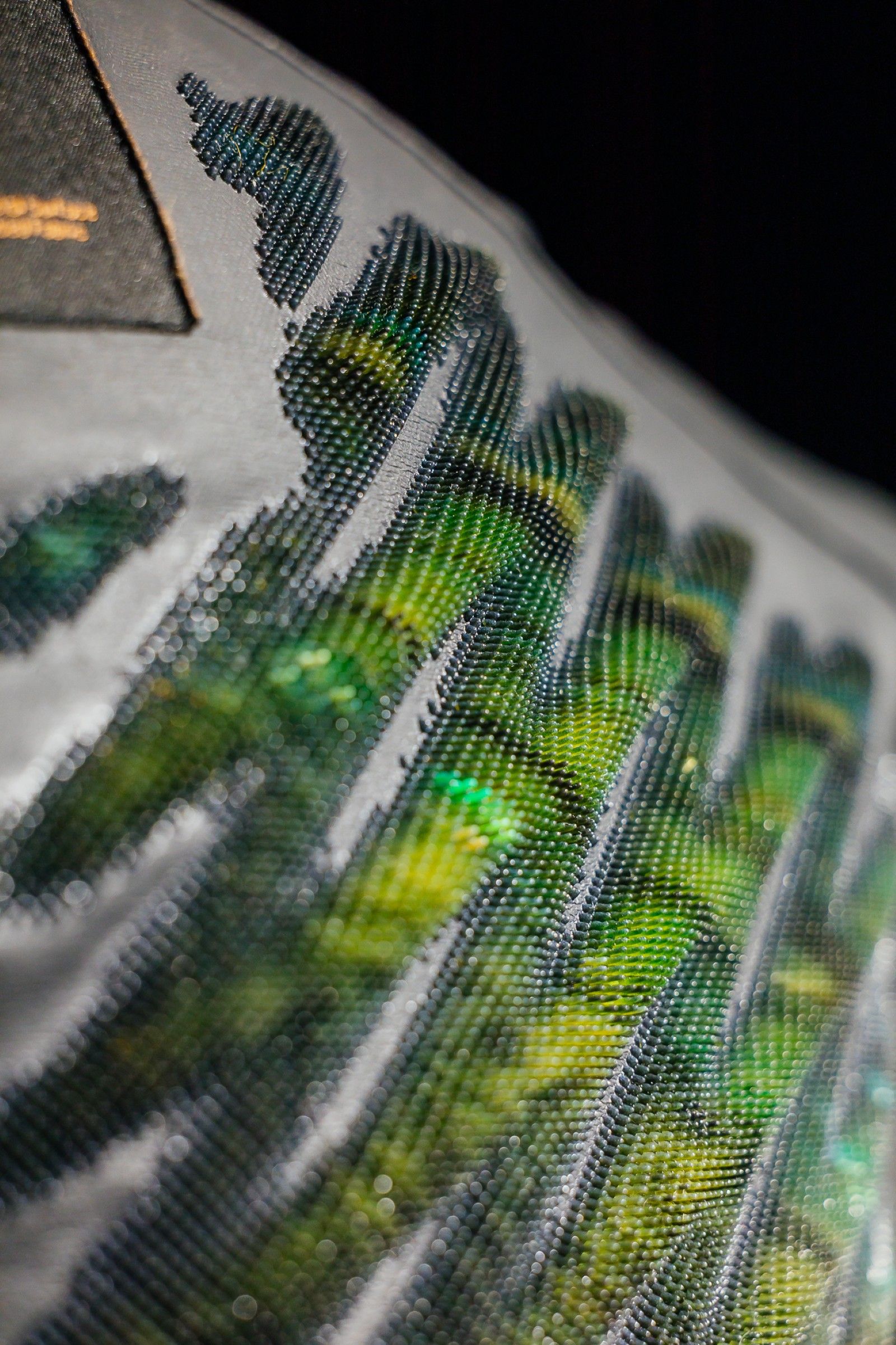
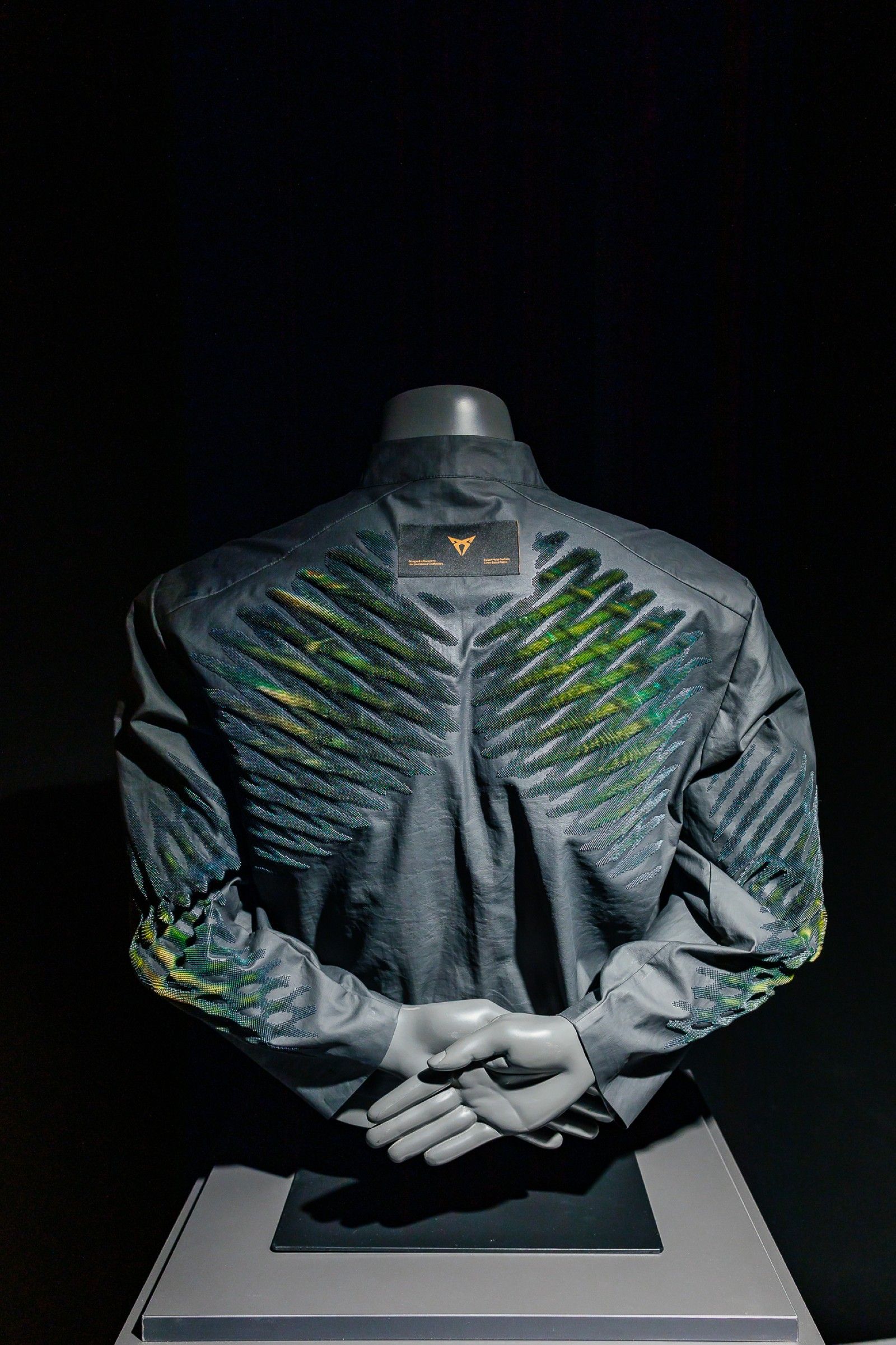
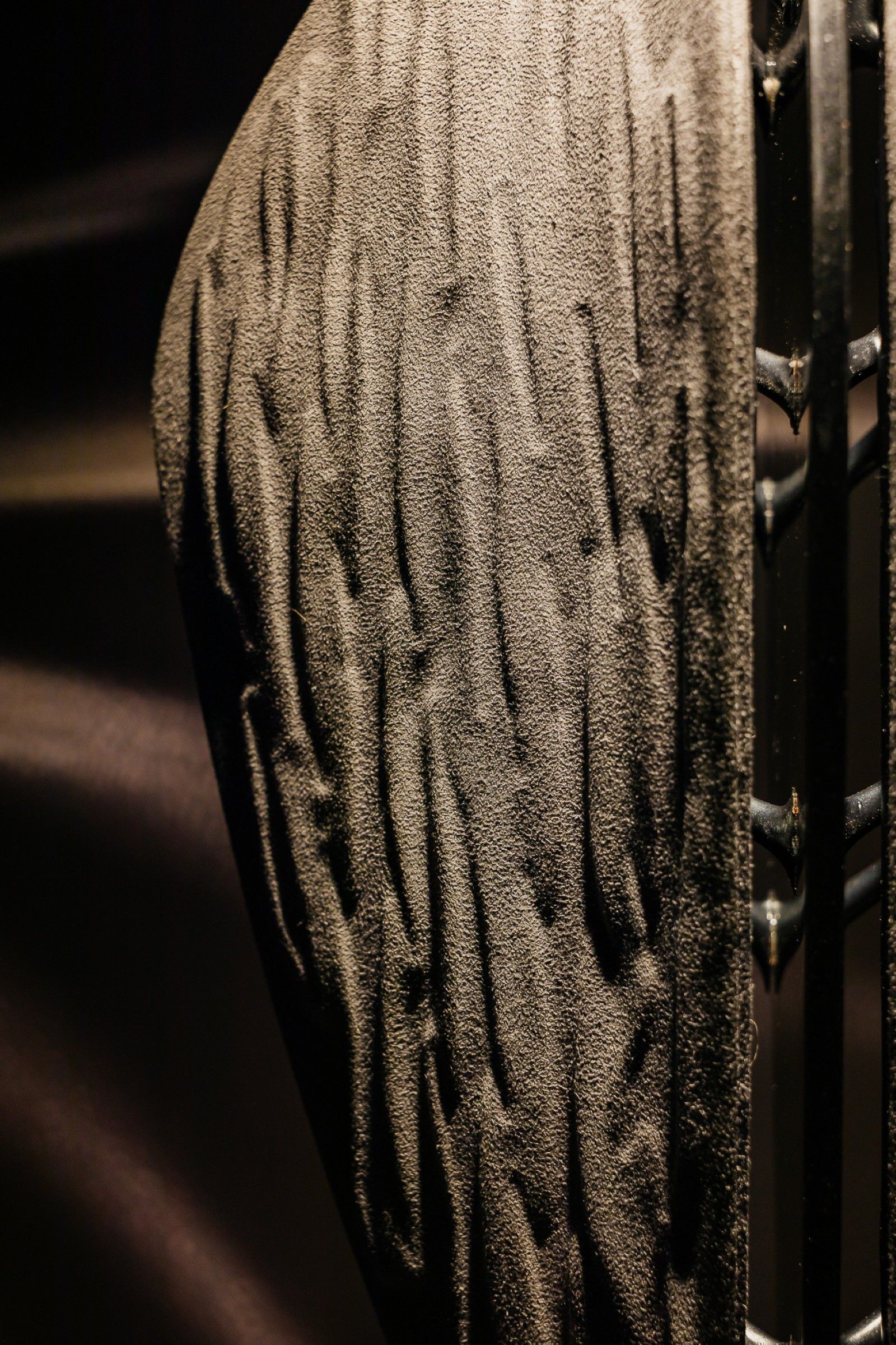
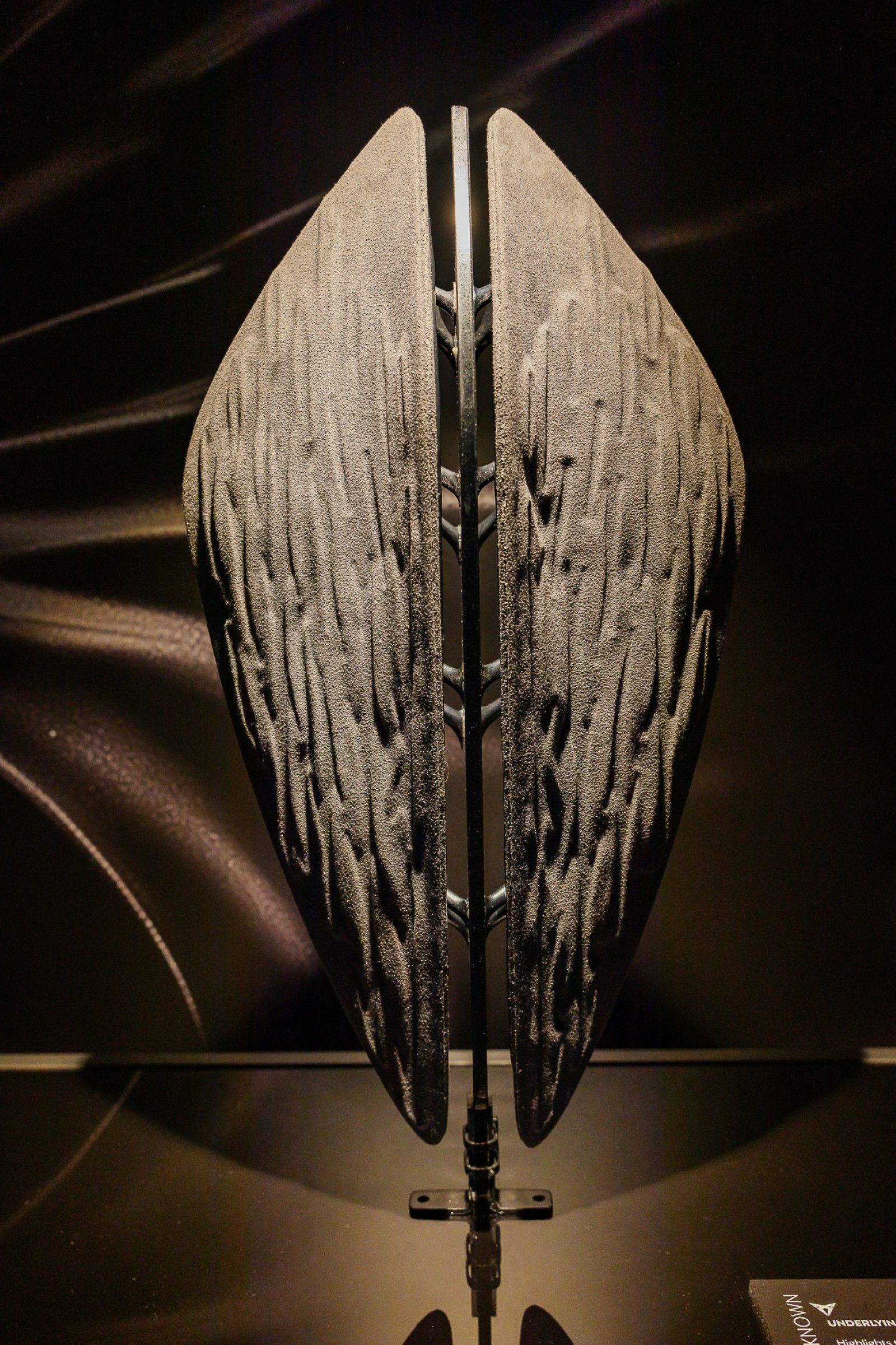
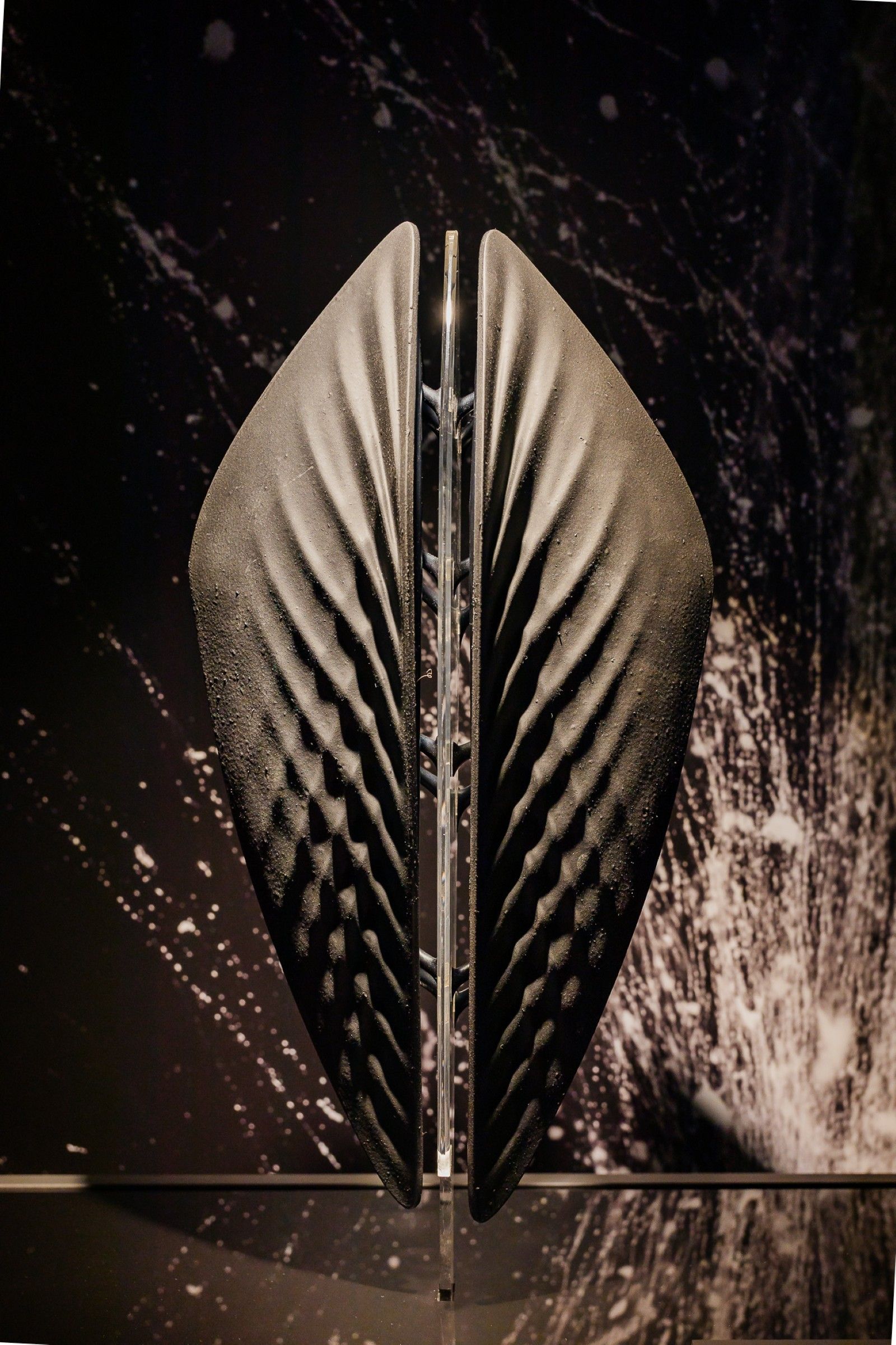
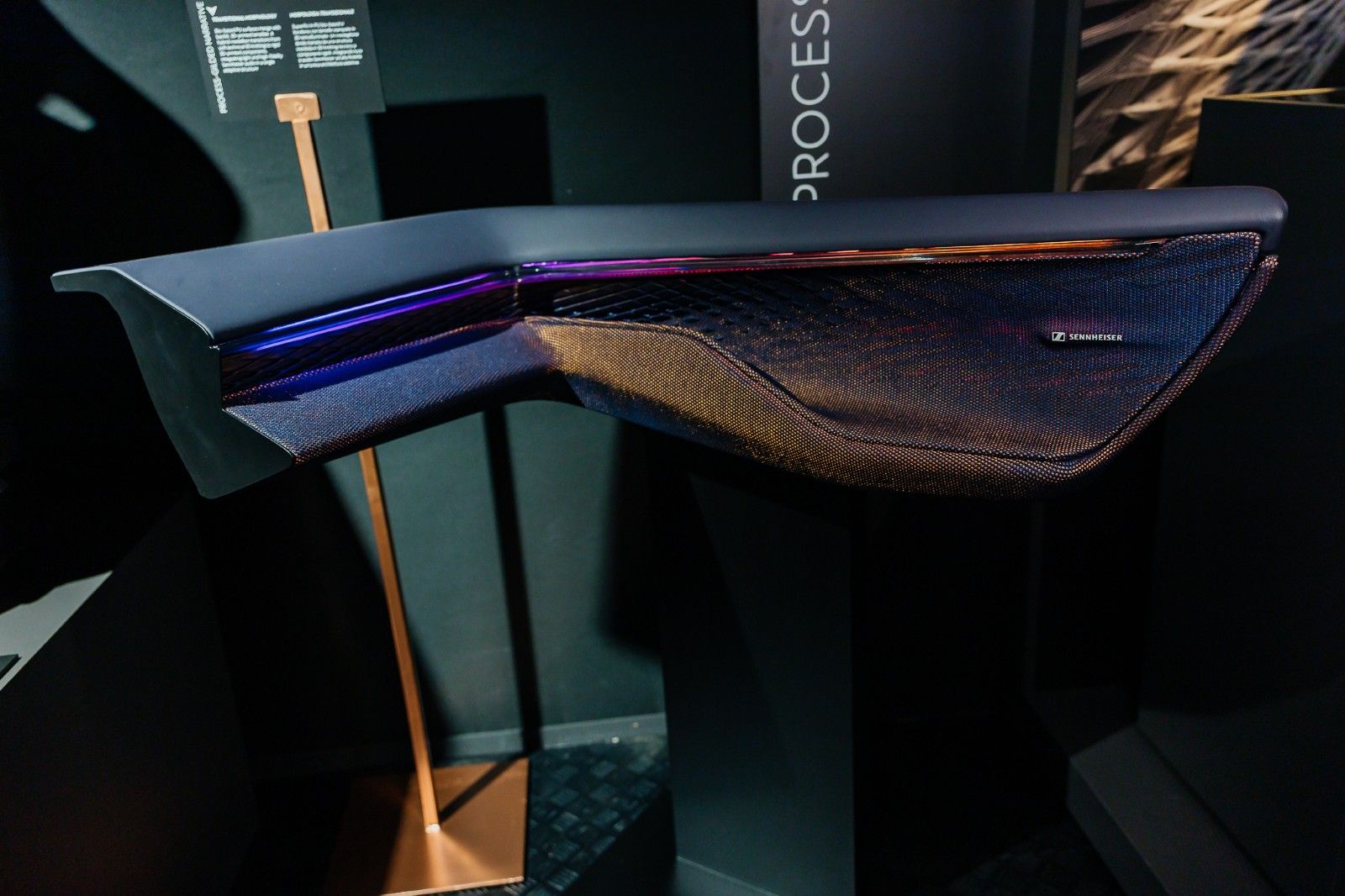
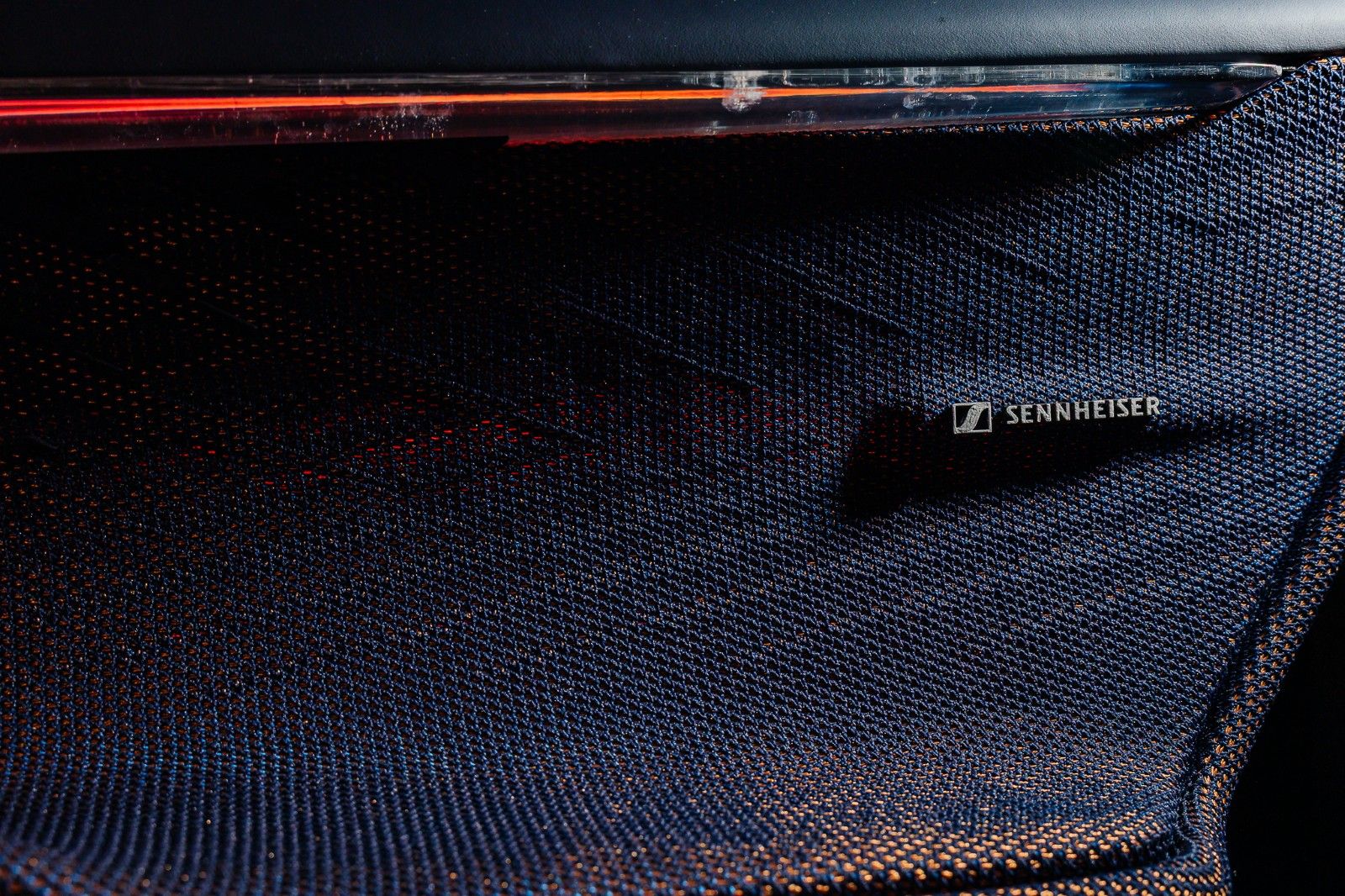
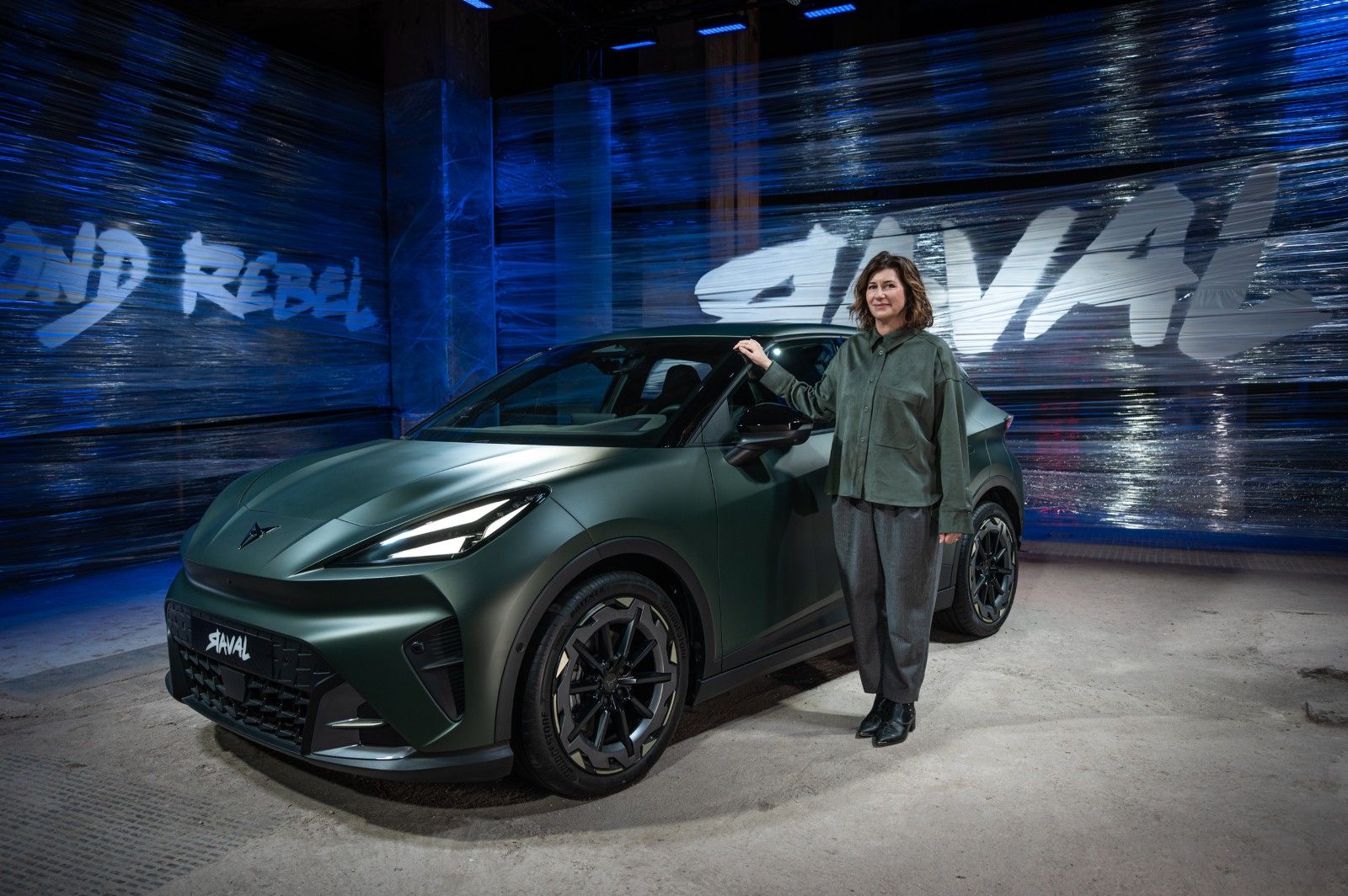
And after the launch of the new CUPRA Raval model, fully electric and presented simultaneously across several European locations with a series of surprise concerts, CUPRA decided to bring the public even deeper into its world during Fuorisalone 2026. The “Beyond the Known” project, presented during Milan Design Week at the CUPRA Garage in Piazza XXV Aprile, is not just a showcase of innovation, but a true concrete manifesto of the brand’s philosophy: an exploration of how future materials can redefine not only aesthetics, but also the very way a car is conceived and built.
To explore the topic further, we met Francesca Sangalli, a key figure in this research and a leading voice in shaping the brand’s language, to better understand the vision guiding CUPRA between material experimentation, visual identity, and contemporary culture.
What did you plan for this Design Week?
Francesca Sangalli: During Design Week we wanted to explore possible directions for the materials of the future and how these materials themselves can promote a new way of creating form. In the end, the approach changed a lot: a form in itself, without its materiality and the technology with which it was built, does not make much sense. The exhibition focuses precisely on this: creating new scenarios through new materials, new construction processes, and showing where the aesthetic language can evolve with this new approach.
Speaking of aesthetic language, in the past electric and “environment friendly” cars often had a very docile image. The car you are presenting today has a very different visual language. From an aesthetic and material perspective, what work was done and what was your vision in designing the car?
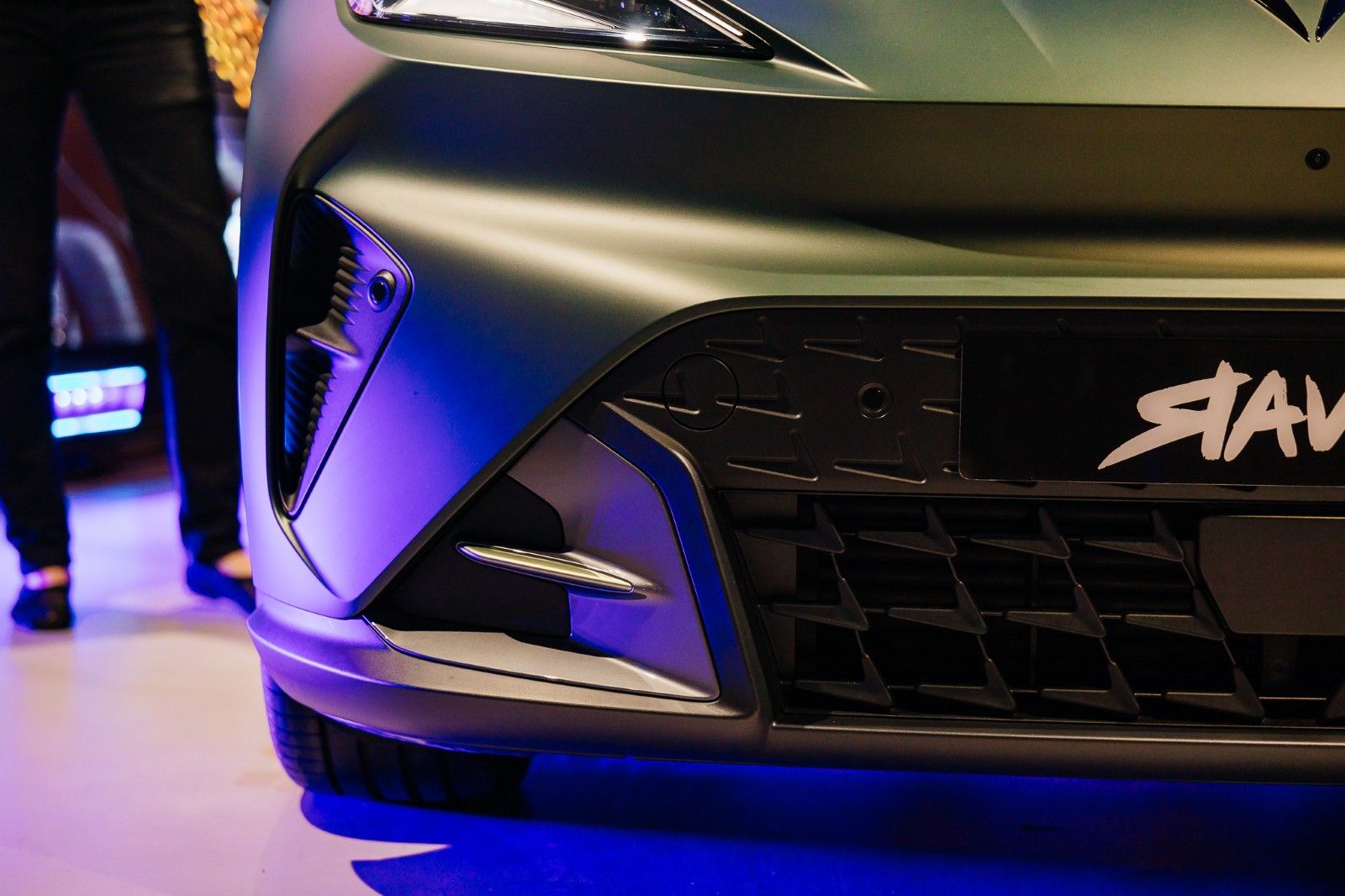
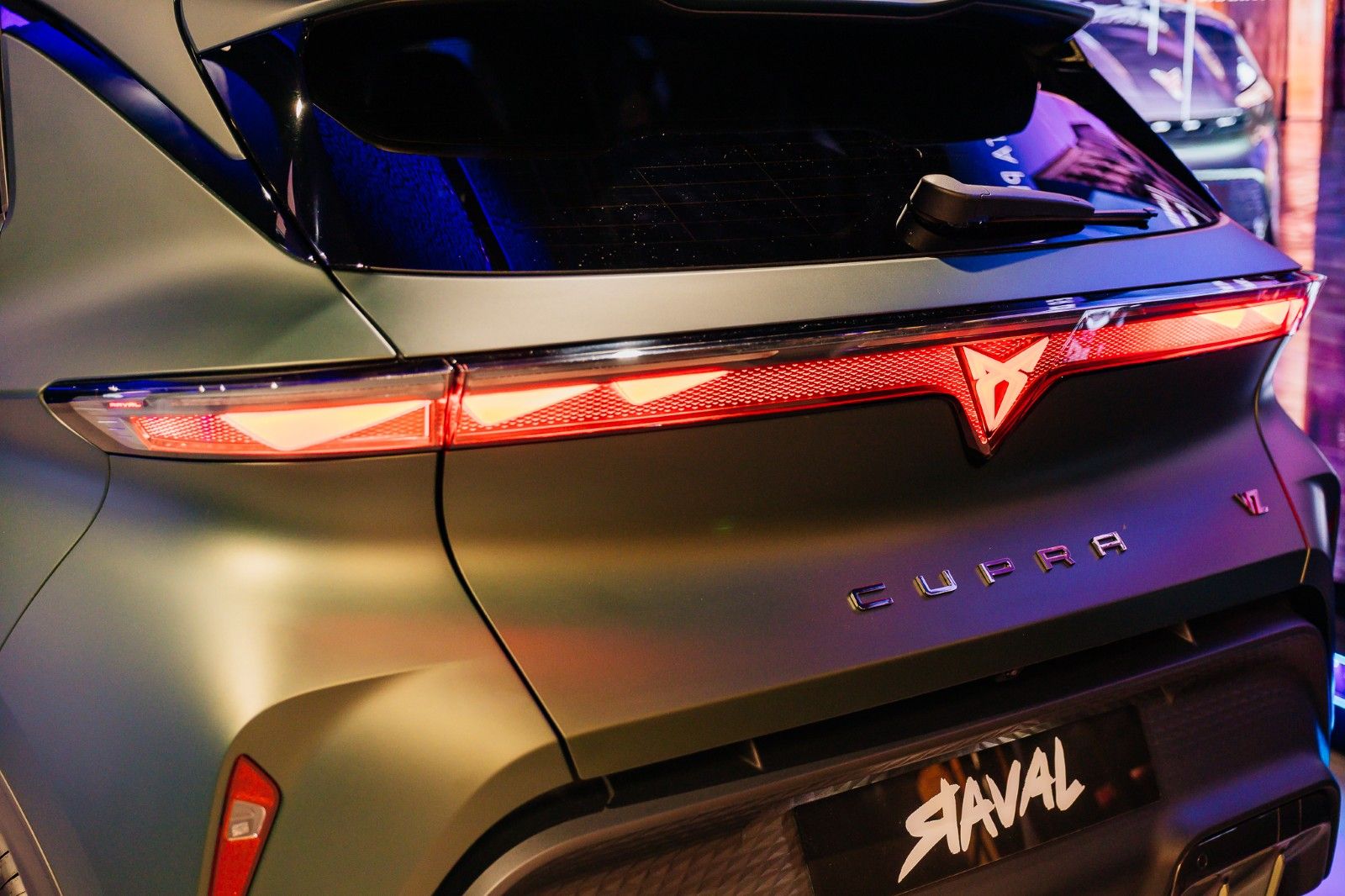
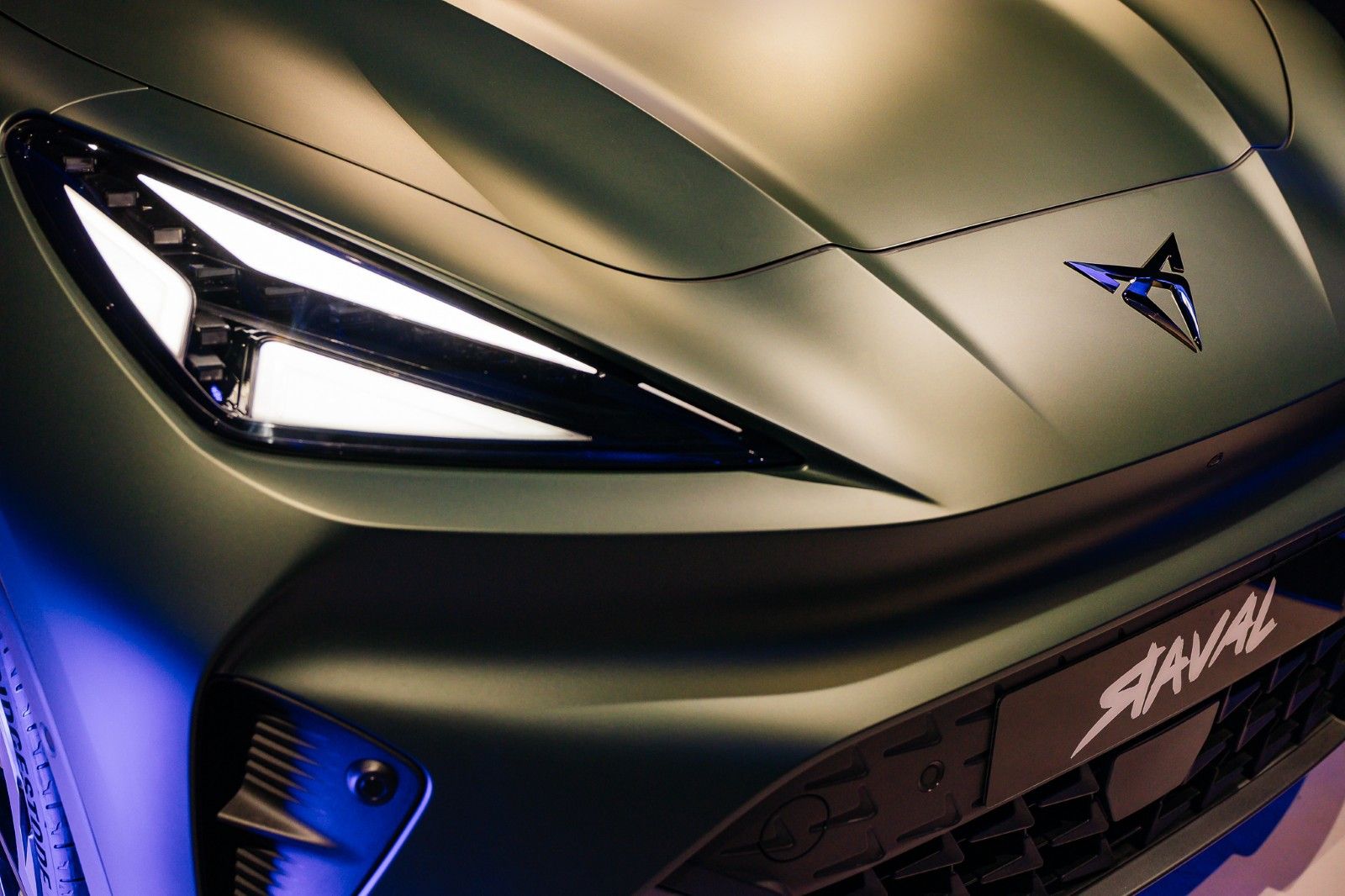
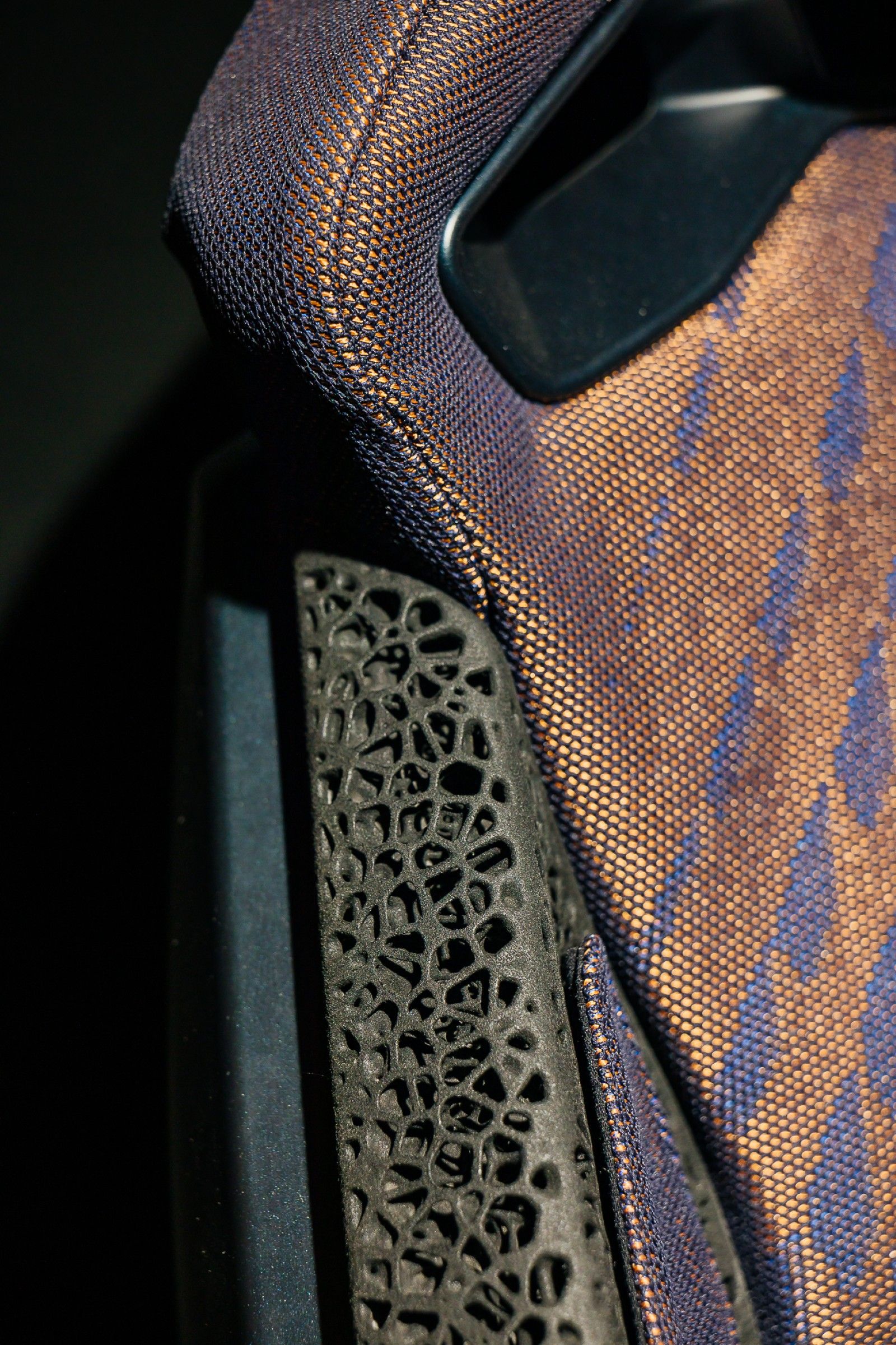
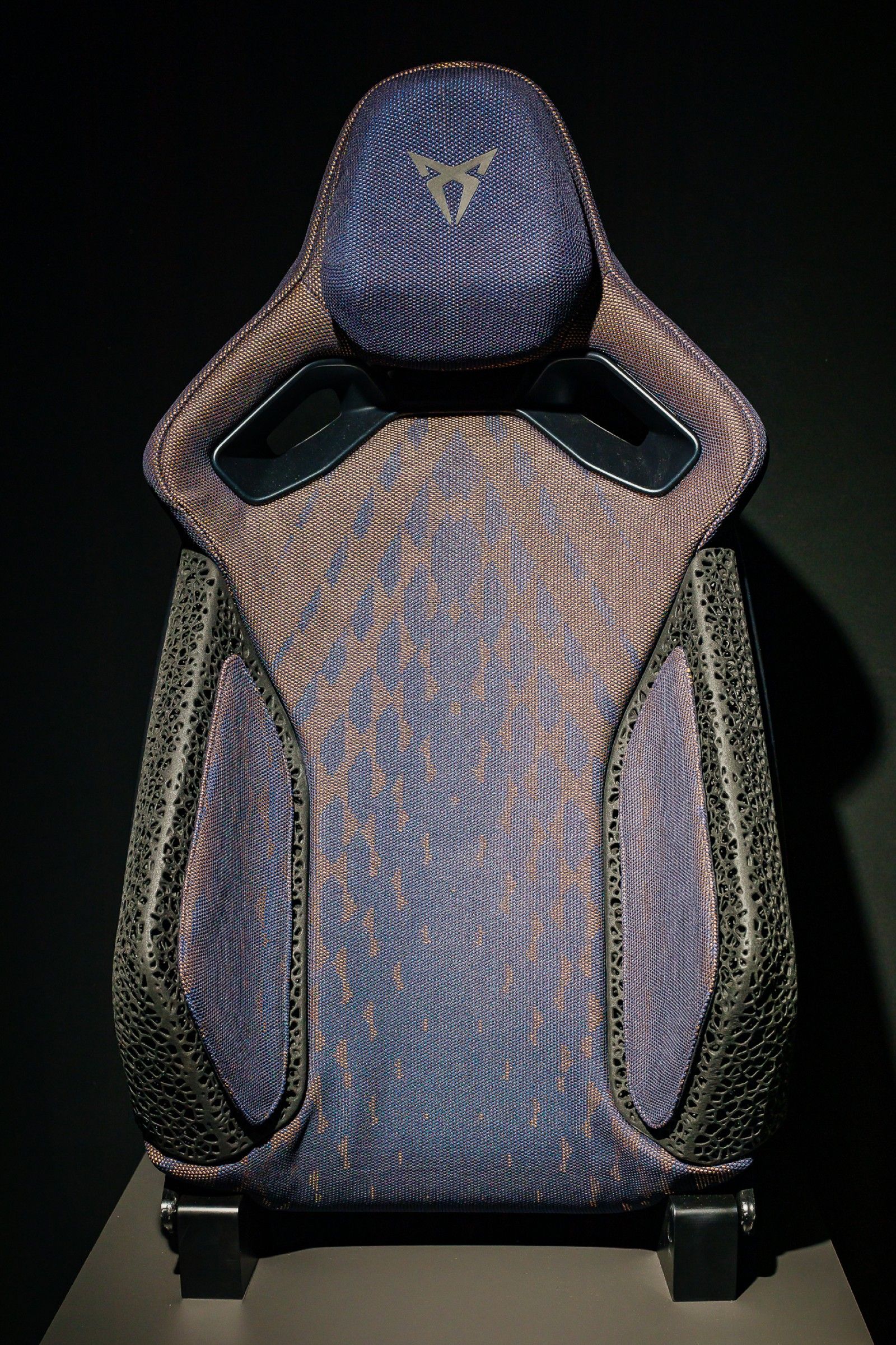
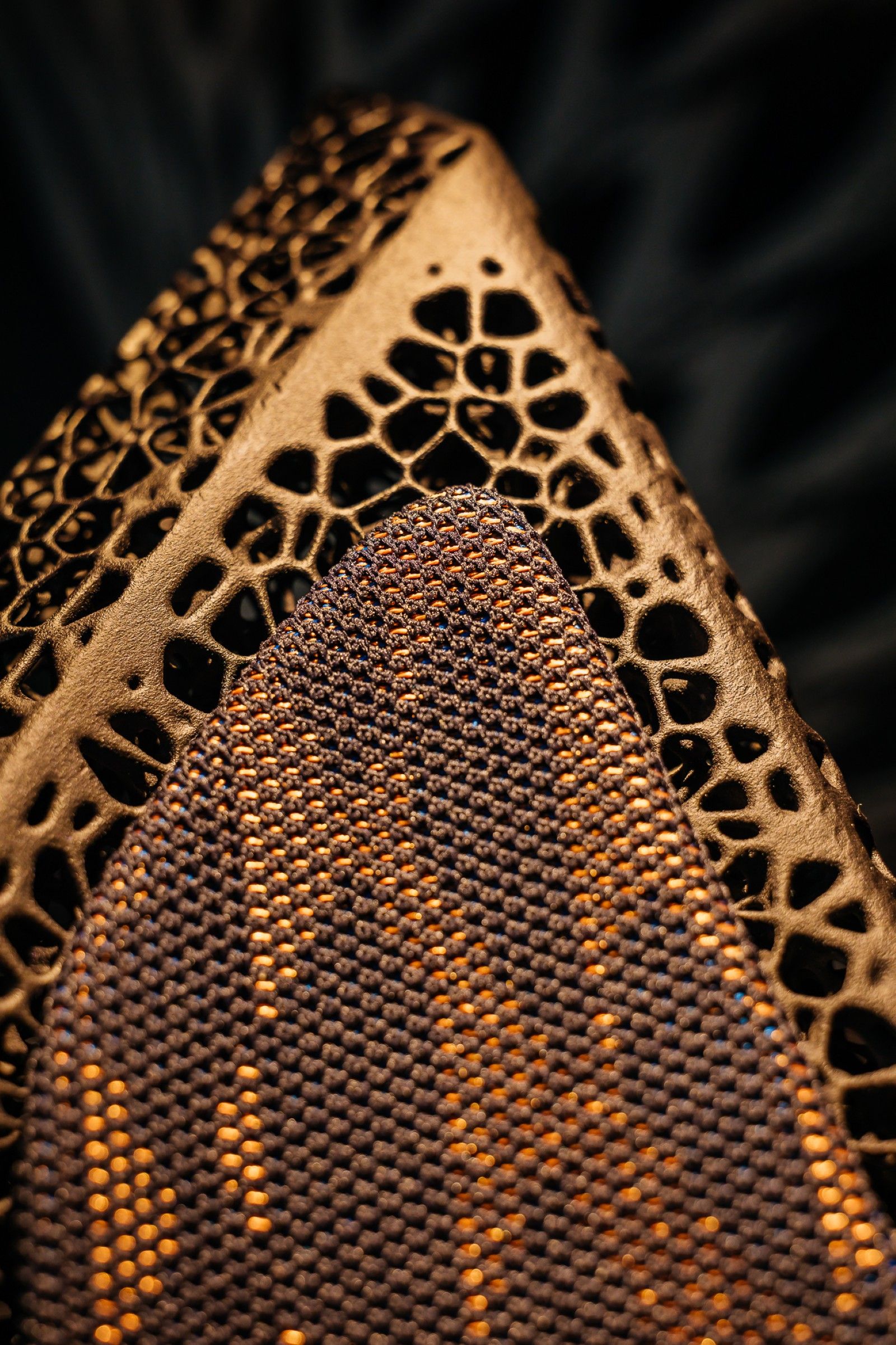
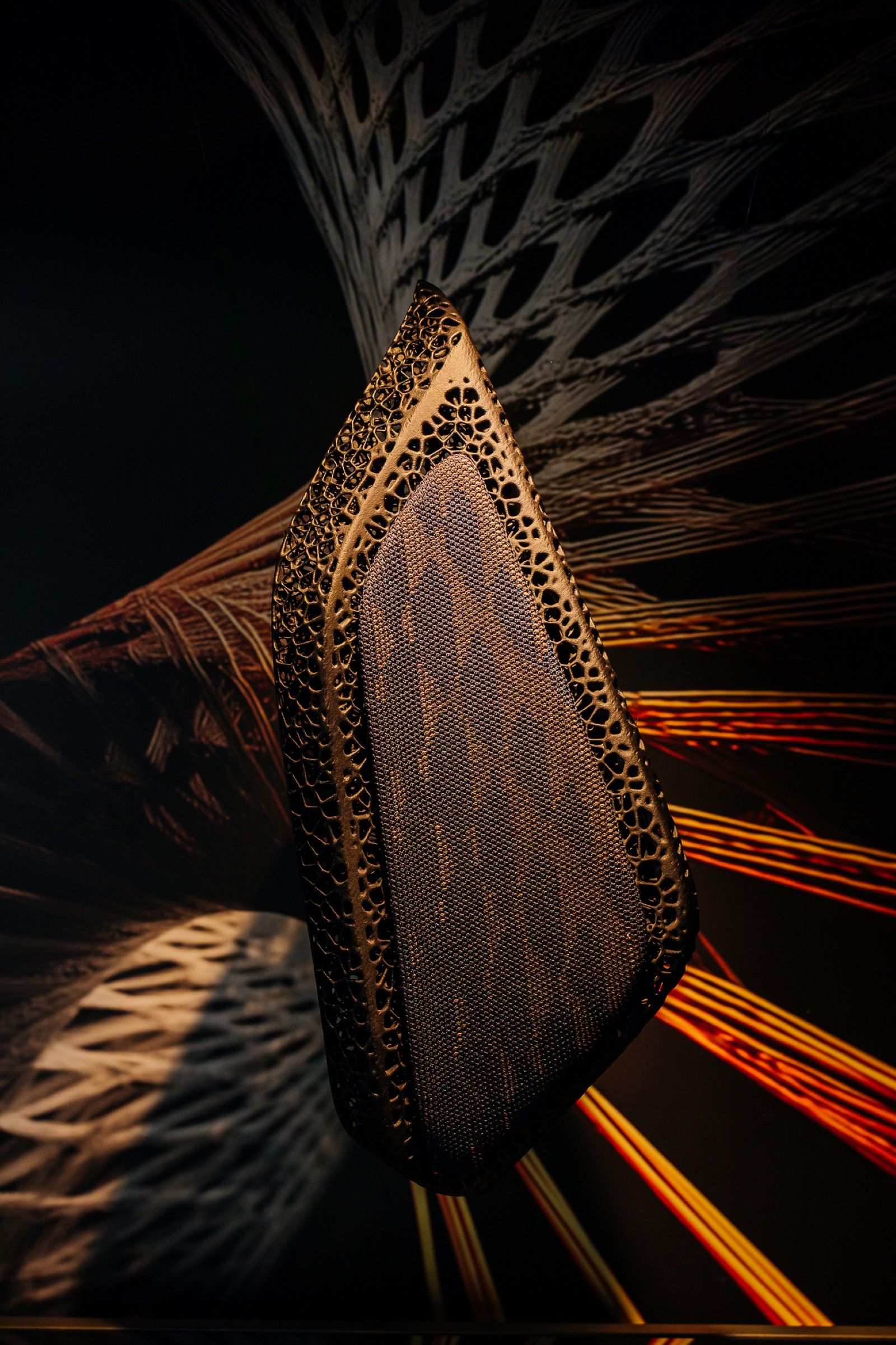
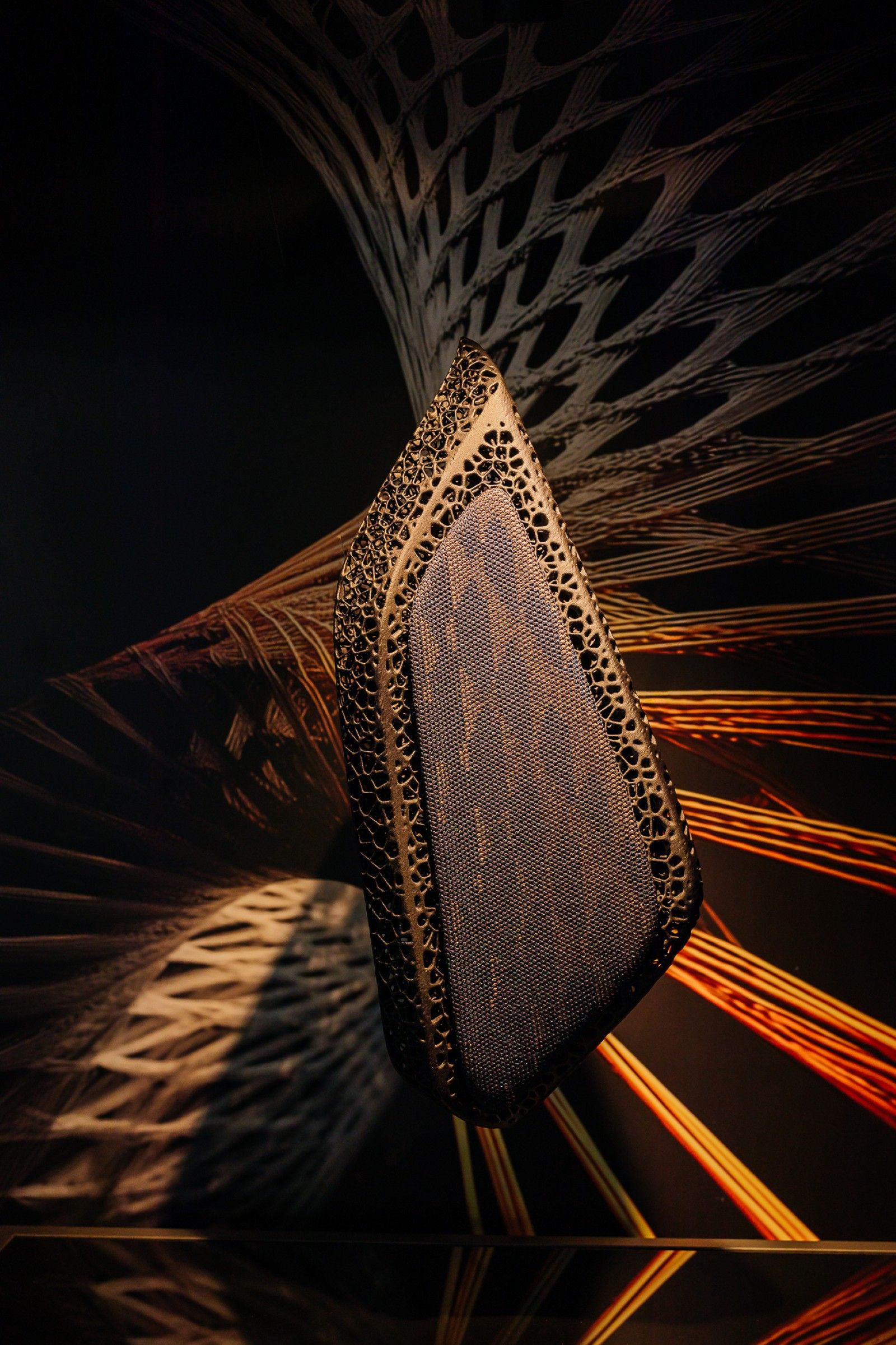
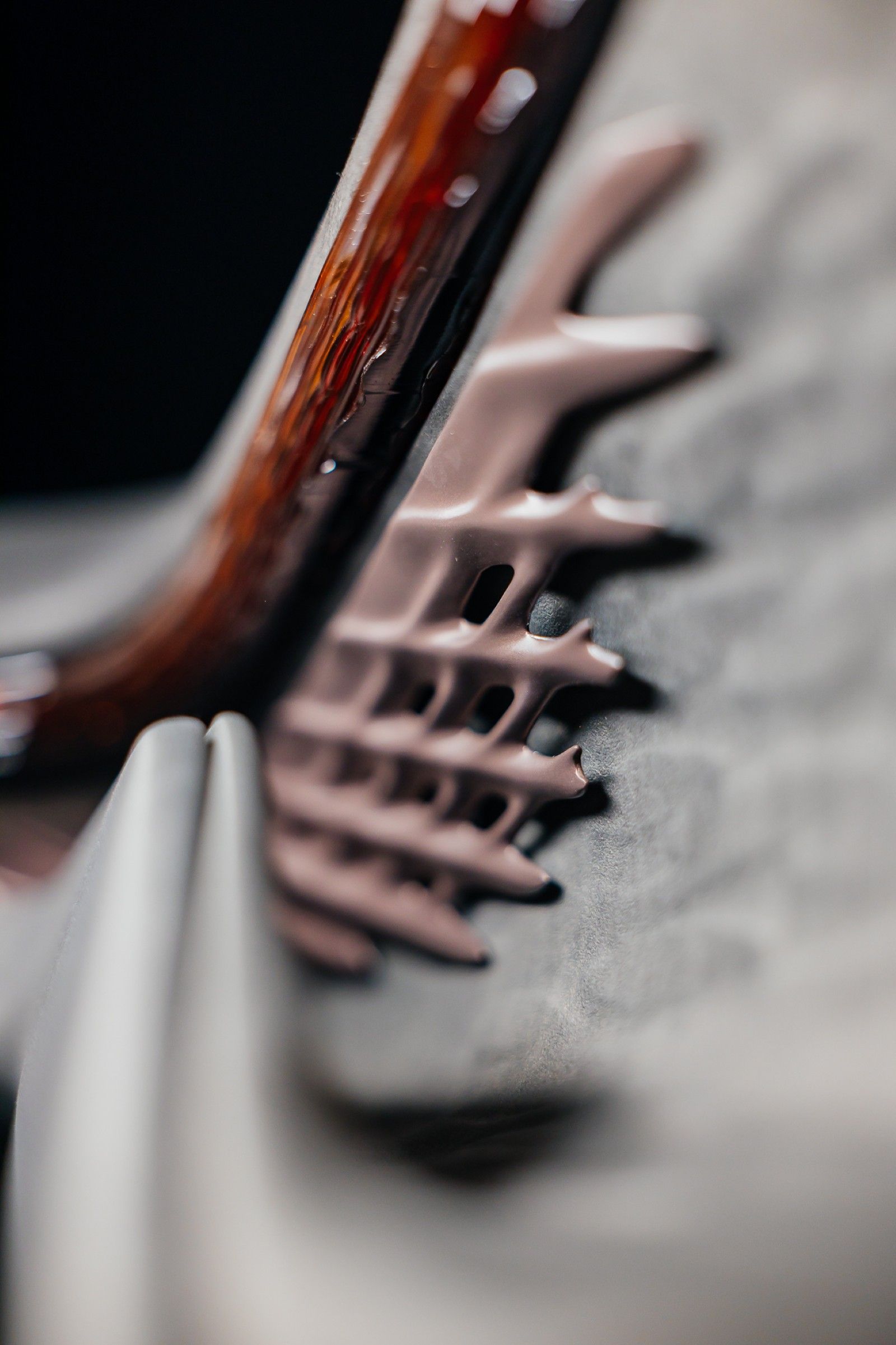
Francesca Sangalli: Definitely not docile, because that is not part of CUPRA’s DNA. CUPRA has a very assertive attitude: the car must convey this sense of assertiveness. It is a sports car, but it is not nostalgic of past cars, it creates entirely new languages. In this context, technology played an important role, starting from the lights that mimic the movement of an eye opening, but sharp, powerful, and grounded. Through the design language we want to express the car’s attitude. As for materials, the goal is to appeal to a very young audience. All the research carried out to create the content of this car was focused on Generation Z. We are talking about products immersed in the digital world, not only in terms of use but also construction: a seat entirely made using 3D knitting technology, like a shoe, or a decorative lamella made with 3D printing. It is no longer a surface you cover, but a whole piece that comes out of the machine with its intrinsic design. These new technologies make it possible to create a very cutting-edge language.
How do you approach the creation of a car and how does the creative process work for you?
Francesca Sangalli: The creative process in the automotive sector is extremely complex because the product itself is complex. One thing is doing exterior design: there is always an architectural platform you have to work on, because there are small and large cars, very sleek SUVs. On this architecture you generate the aesthetic image of the bodywork. Then there is the whole aspect of perception inside the car, how you experience the interior, the sense of materiality, the materials you propose. The designers involved have very different specializations and directions: those who design the exterior shapes, those who work on interiors, those who focus on materials. The orchestration is based on defining a general concept, a vision that everyone adheres to. It is a classic creative process: you start with a vision and then all designers work to define it.
The presentation of the latest car, with the concert and a more lifestyle-oriented setup, is less conventional in the automotive sector and aligns closely with your target. How did this drive to expand beyond the traditional automotive space into lifestyle emerge at a company level?
Francesca Sangalli: It is important because we want to position ourselves as a brand that is much more than just selling cars: we sell a lifestyle. This is achieved through a series of different touchpoints that must all be consistent with each other. The foundation of our business remains, of course, the car and car sales, but the way we communicate the car is different. Instead of the classic corporate presentation, we go into public spaces, we engage with our audience, we invite artists relevant to different markets who have audiences aligned with the brand’s values. We promote ourselves almost like influencers.
How important is the concept of community for you?
Francesca Sangalli: Community is everything to us. So much so that we coined the term “Cupra Tribe”: everyone who shares that modus pensandi and modus vivendi, that philosophy, that lifestyle. The idea of community is the foundation on which our entire approach has been built, including the “beyond cars” concept. We start from the car, because it is the core of the business, but to elevate the brand we know that today cars sell if the brand’s value makes sense, if the story it tells and its narrative have a purpose. The consistency of the brand narrative is fundamental: it must connect products, events, and points of sale, which are no longer traditional dealerships but almost concept stores. We have created an ecosystem of products that work together, including a very strong merchandising collection with well-designed items, not just the classic keychain or cap.
Can you give me some examples? What is your favorite?
Francesca Sangalli: I really love the training collection we recently launched: a collection of training apparel that is very interesting because we use technical materials that create a direct link with the same materials we use inside the car. It creates a coordinated concept of color schemes: the same colors we develop for the car are also applied to the collection.
What are other ways in which you translate the spirit of automotive design into other lifestyle categories?
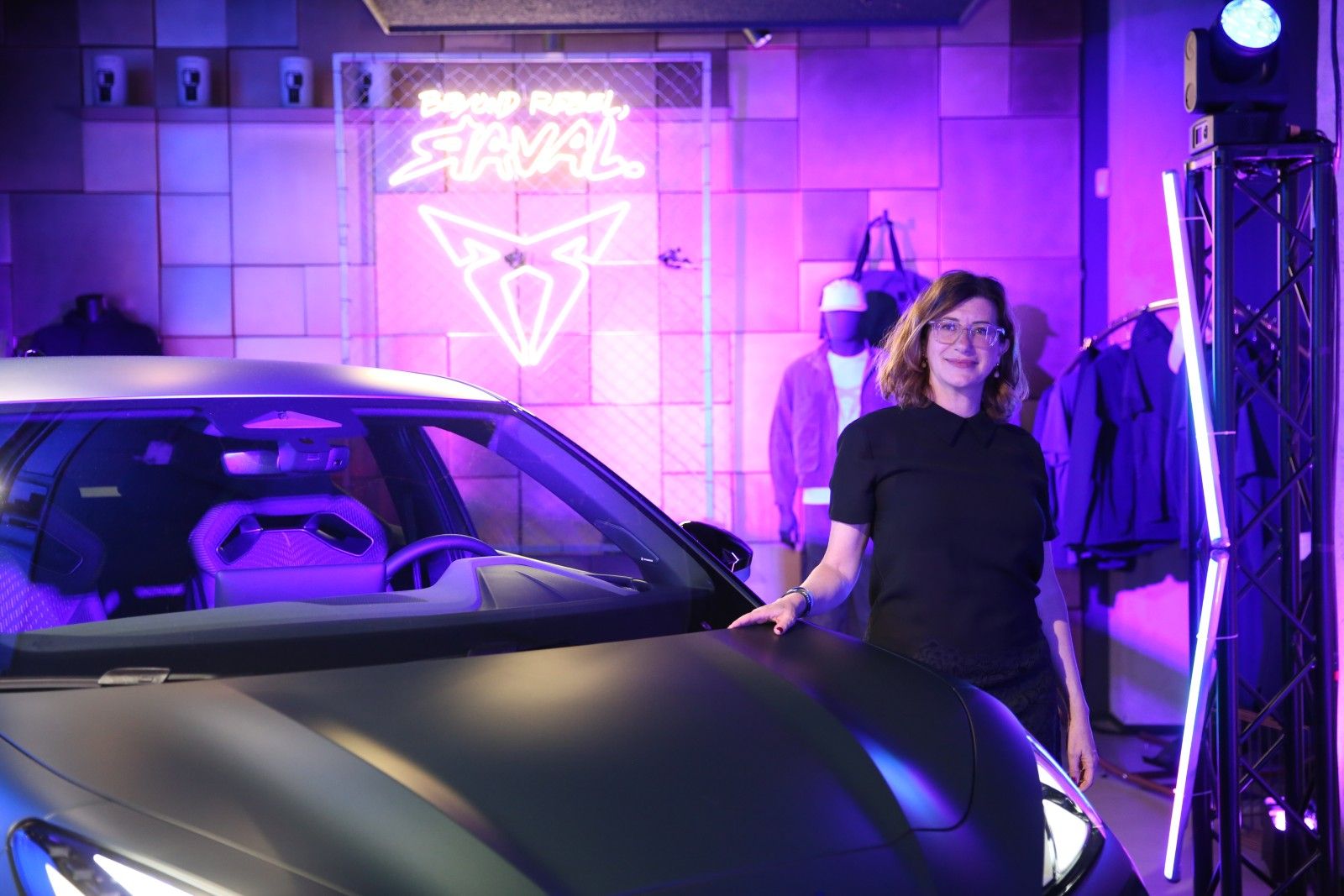
Francesca Sangalli: I can give you an example in spatial design as well, like this garage. As designers, we were involved in the logic behind building the garage: copper is an important element and we integrate it across various products. This creates recognizability. You enter the garage, you see the car, but you also find the collection: you can buy a water bottle and many other products that all work together. Consistency is key: as designers, we are involved in each of these projects to ensure everything speaks the same language.
Does this vision also extend to digital products or technological features?
Francesca Sangalli: Absolutely. There is a large department dedicated to creating these connections. Starting from the car itself: we used light (I don’t know if you saw it in the Raval) with projections on the doors. The experience inside the car combines all the digital systems of the operating system and infotainment display, on a visual level, with lighting and the driving system, enhancing the sense of adrenaline. The same applies to apps: we are conducting extensive research to build the community through apps and connect all the people who are part of it.
How important is creativity within your overall ecosystem?
Francesca Sangalli: I would say that creativity is the number one element. And it’s not just my opinion: one of the main reasons people buy a CUPRA is precisely its design, and this is widely recognized. We have conducted surveys and clinic tests, and design, understood as the overall brand experience, is the reason why people are drawn to CUPRA. As a result, the creative aspect cannot be subject to any kind of compromise.
What to read next
CUPRA returned to Primavera Sound
Music, innovation and the first appearance of CUPRA Raval at CUPRA Pulse