



































What are “forever chemicals”? And what they have to do with Lululemon
There have been very few product categories within the fashion system that have managed to grow exponentially in a very short time without risking falling into the trap of microtrends (see Labubu), and athleisure is one of them. A market that, according to Grand View Research estimates, surpassed $440 billion in the United States alone in 2025. Today, however, this momentum could be at risk following new investigations by Texas Attorney General Ken Paxton, who has accused one of the sector’s leaders, Lululemon, of containing varying levels of forever chemicals in its products. But what does that actually mean?
What are forever chemicals?
As reported by the Washington Post, the investigation concerns the possible presence of PFAS, a family of synthetic chemicals that have been used for decades to make materials water-resistant, stain-resistant, and more durable. These substances can be found almost everywhere, from non-stick cookware and food packaging to technical fabrics.
They are called “forever chemicals” because they do not easily break down, either in the environment or in the human body. Once produced, they remain and continue to circulate through water, air, and soil, inevitably entering the food chain. In other words, they behave much like microplastics.
In the case of fashion, PFAS are mainly used for surface treatments. Anything labeled waterproof, stain-resistant, or designed for high performance may have relied on them, such as the older composition of Gore-Tex. This is precisely why activewear has come under scrutiny, as leggings, technical jackets, and performance-driven garments are exactly the types of products that have built the success of brands like Lululemon.
So are Lululemon leggings actually harmful?
As highlighted by Business of Fashion, some independent research has already identified PFAS in various textile products, including children’s items. This means the issue is not limited to a single brand but represents a systemic problem affecting the entire industry. In fact, in the United Kingdom, lawmakers are currently moving toward banning the entire PFAS category, given its high concentration in thousands of school uniforms across the country.
Lululemon, for its part, has stated that it phased out these substances in 2023 and complies with global safety standards while cooperating with authorities. However, due to their synthetic nature (since athleisure does not rely on natural fibers like linen or cotton), some level of chemical compounds may always be present. PFAS have been linked in various studies to issues such as hormonal disruption, fertility challenges, and an increased risk of certain cancers. But the real question is: how much does clothing actually contribute?
According to experts cited by the Washington Post, dermal exposure – meaning exposure through wearing garments – is likely much lower compared to other sources such as contaminated water or food. Some studies show that skin absorption does occur, but it is still unclear to what extent it impacts long-term health. As also noted by BoF, there are very few studies directly linking PFAS-treated textiles to endocrine disorders or other diseases. In short, the risk is plausible, but not yet definitively proven.
The MAHA propaganda behind the investigation
BREAKING: I launched an investigation into Lululemon over the potential presence of toxic "forever chemicals" in activewear. pic.twitter.com/pAu273PHFv
— Attorney General Ken Paxton (@KenPaxtonTX) April 13, 2026
Paxton’s initiative is part of a broader wave of strongly Republican-led actions tied to the “Make America Healthy Again” agenda, promoted by Health Secretary Robert F. Kennedy Jr. In recent months, the attorney general has also launched investigations into food dyes, fluoride in toothpaste, and other everyday consumer products. This activism, according to some observers and widely discussed online, including on the r/lululemen subreddit, is being interpreted as a political strategy as much as a public health initiative.
Paxton, a Republican figure currently engaged in a heated election race, is building a very clear narrative around public health. In the middle of it all are brands, now forced to manage something potentially more dangerous than chemistry itself: perception. Just this morning, BoF reported that following the controversy and leadership changes, Lululemon’s stock price has dropped by 38% over the past 12 months, bringing its market value down to $18.8 billion.
What to read next
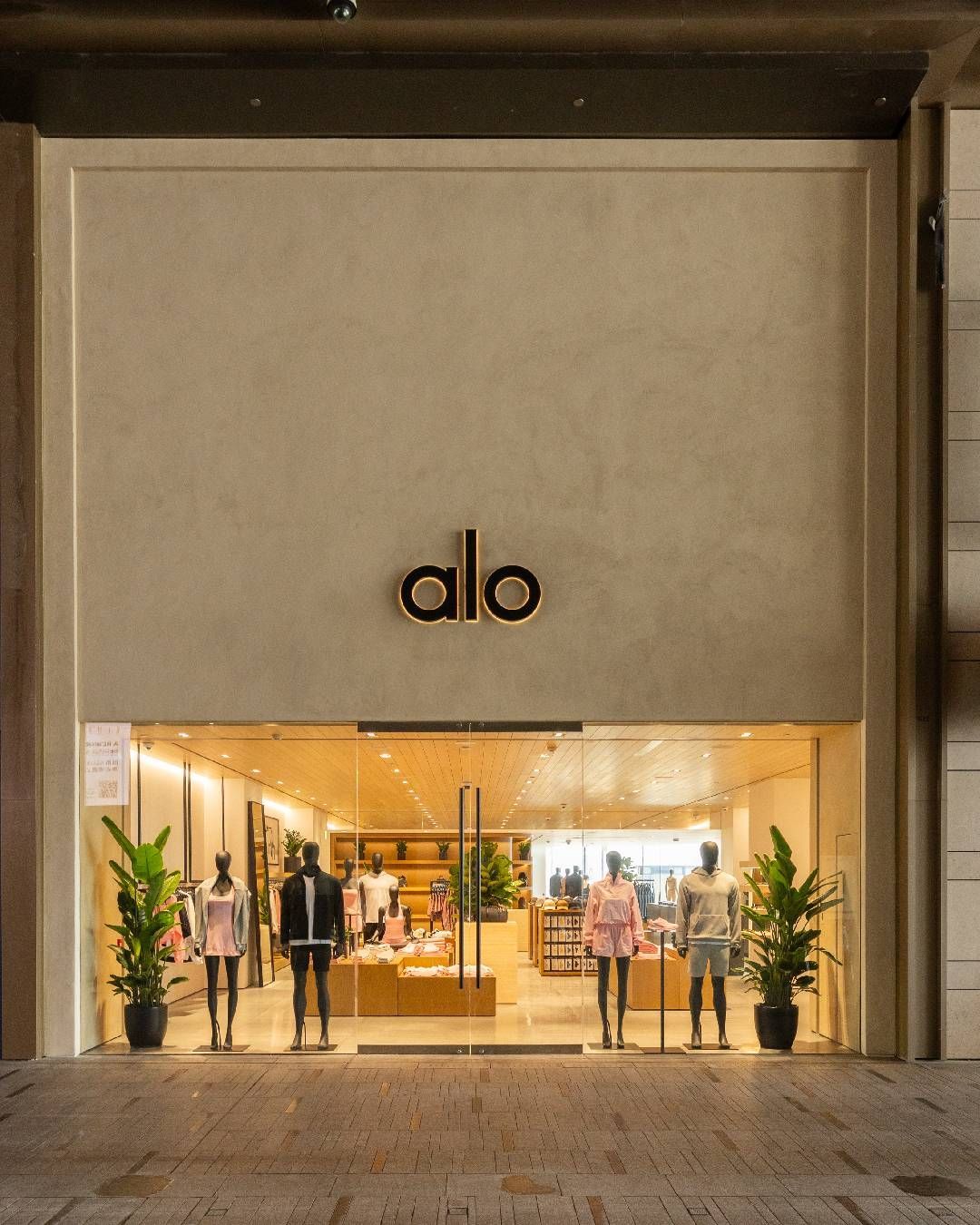
ALO accelerates global expansion with two new flagships in Hong Kong and Berlin
The wellness empire expands

Lululemon, Etam, and Michelin team up to fund the future of recycled nylon
A new funding round has raised $30 million