.gif 2000w)



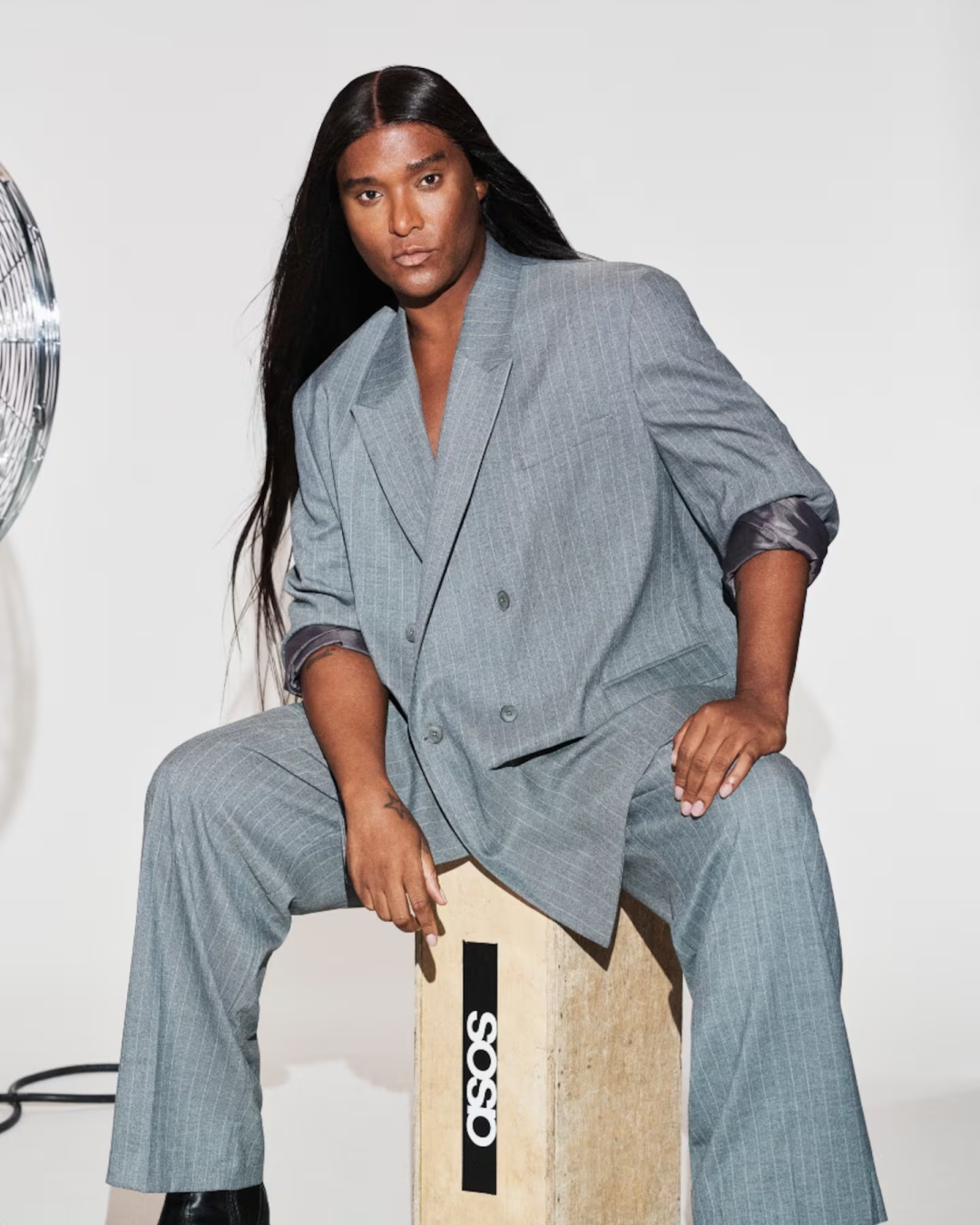

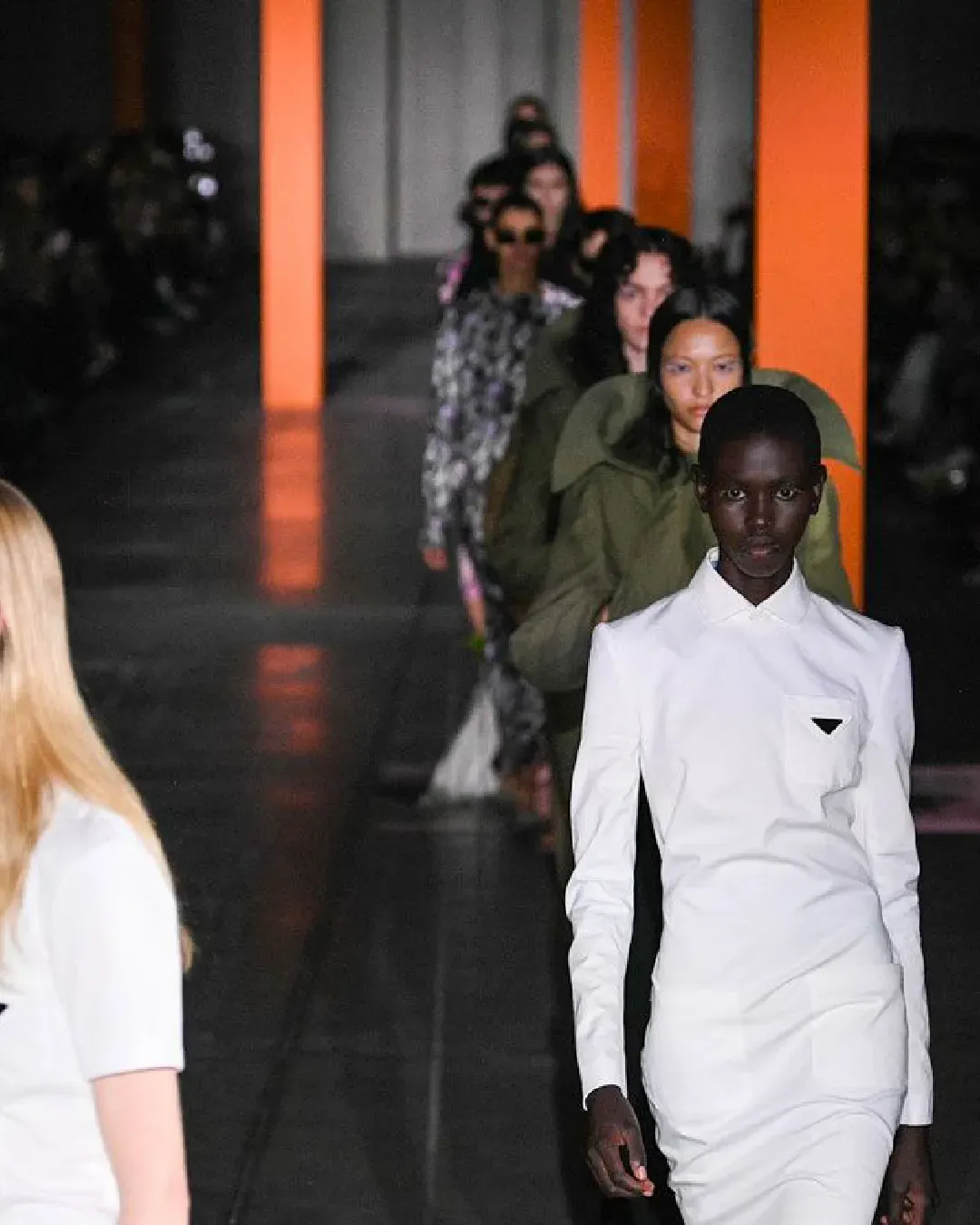
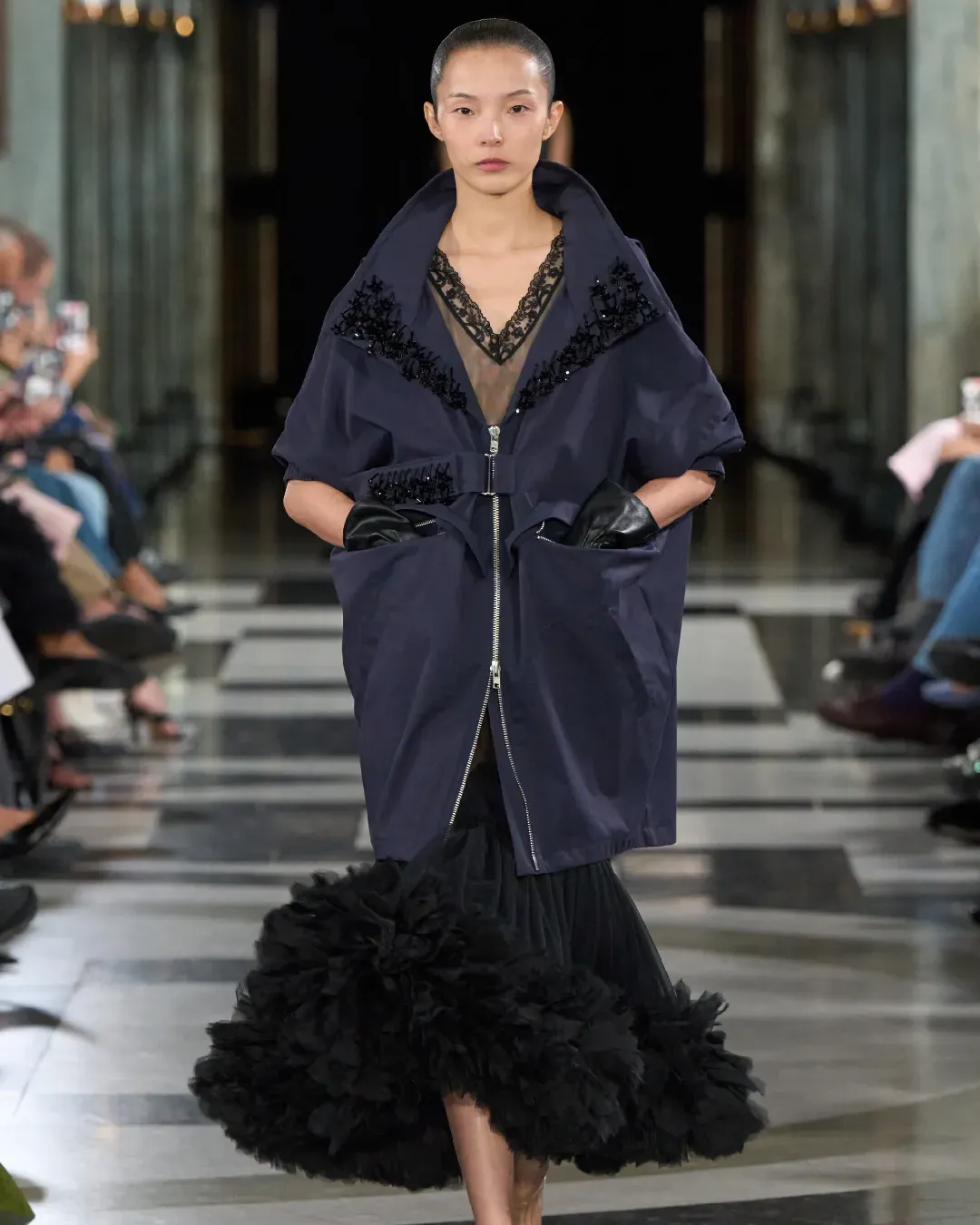





















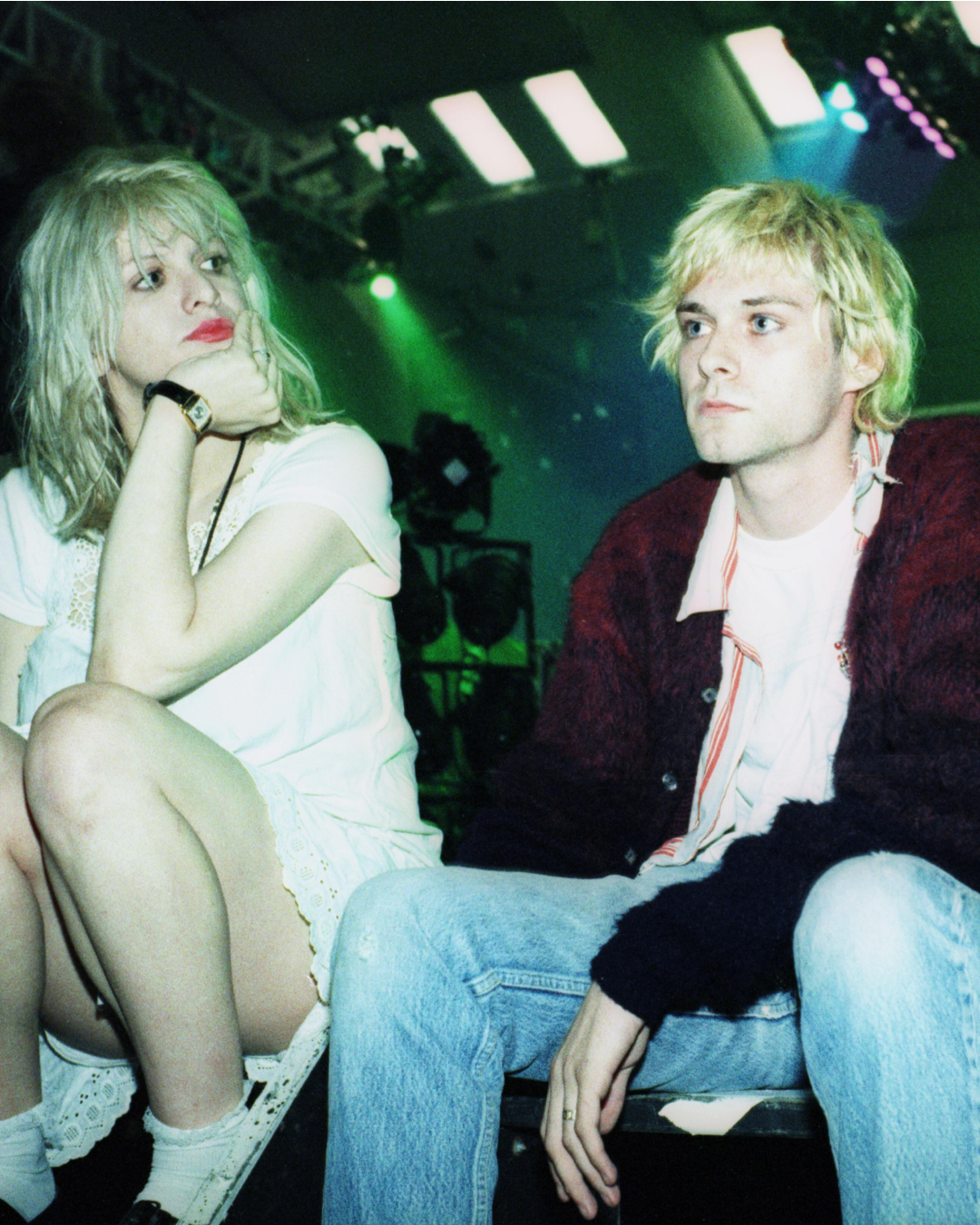
The history of Italian fashion on Vinted How an app tells the story of the country's street style geography
The decluttering is not only the possibility of putting an object back into circulation, reselling it, and reinserting it into a flow, but by analyzing the flows and origins of these garments and objects, one could even reconstruct the geography of Italian boutiques that have now disappeared, shops that directly spread avant-garde fashion in the provinces. Vinted in Italy can turn out to be much more than a buying and selling platform: it is a cartography of fashion dispersed across the territory, traced through the sellers. Navigating the not-so-stormy seas of scrolling, unique and precious pieces emerge, like in a treasure hunt. And, just like a treasure, the stories of these pieces often come from the profiles of baby boomers and Gen X.
Ho letto tanti commenti di giovanissimi che perculano i boomer per i #DuranDuran. Vi lascio questa intervista ad alcuni giovani del 1985 su #Sanremo ( alla fine ci sono pure i famigerati paninari di Milano ). P.s non erano tutti così malaccio i boomer :) pic.twitter.com/4oyzny13xn
— Barbara Collevecchio (@colvieux) February 13, 2025
Thus, a representation of Italy takes shape through the places where these garments were purchased. The boutiques become the best description of what was perhaps the last carefree period of commerce: the 1980s. What distinguished these spaces from other clothing retail outlets was already contained in the very name: simply the French word for shop. In the store, you had a direct relationship and a deep bond with those who worked there, dedicated services, and people who thought of a physical and personal made-to-measure, not based on data, VIP cards, and priority access as is common today. The division of roles was very strict: salespeople who dealt only with evening wear, others exclusively with trousers, still others with accessories. A rigor and care that we have lost in the contemporary system.
@katarina.polacikova u need to ring the doorbell to be let in #fypシ #crema #callmebyyourname #cmbyn #triftshop #vintage #italy #trifting #mermaidcore #aesthetic #fyp #vintageshop #vintageclothes #cremaitaly #timotheechalamet #italiansummer #viral #foryou original sound - lil timmy tim
Romeo Gigli, Mugler, Kenzo, Comme des Garçons, Jean Paul Gaultier: these were some of the names that inflamed the boutiques of the Italian provinces. Working backwards, one could almost reconstruct the stories by matching today’s online resellers with their city of origin, simply by analyzing the store lists in the lookbooks of these brands from the 1980s and 1990s. This method also highlights how people’s economic power was spread thanks to small industrial districts and strong family conglomerates that supported each other, fostering prosperity in areas far from the great urban centers. The main cities remained international showcases, while it was precisely the provinces that made fashion a daily and widespread phenomenon.
Latest Vinted Italy purchase,
— DB (@BirdyShirts) August 26, 2024
Anyone for a spot of golf? pic.twitter.com/EOI1TiVWeI
Chatting pleasantly with platform users, it is always interesting to ask about the origin of a garment, the place of purchase, and the year. The objects for sale become testimony to a system that was not limited to the symbolic cities of Italian fashion—Turin, Rome, Florence, and Milan (listed here in order of coronation)—but rekindle hidden worlds of collectors who accumulate and do not archive, who have dealt with the history of fashion without the need for an Instagram page called Archive. And above all, they wore them, making passersby smile. Today, the mechanism of second-hand clothing sales is realistically the most ecological choice: it extends the life of objects and revives stories and emotions. The seller’s story, especially when it comes to first-line garments, fully belongs to this sphere. A second-hand garment is a moving archive. It carries the scent of the bodies that inhabited it, the folds marked by repeated gestures, the memory of a city or a summer spent. These are invisible traces that no washing can completely erase, a sentimental geography that travels from one wardrobe to another, from a boutique of the past to an ad on Vinted. Within this work, one reads living stories that need to be passed on.
@offbrandlibrary Comme des Garçons Six Magazine - Number 2 (AW88) Issue 2 of the SIX magazine series from Comme Des Garçons. The magazine aimed to explore the sixth sense and was a unique visual extension of the brand. Less clothes are featured with more abstract photos created for this issue by guest editors with photographs by Timothy Greenfield-Sanders, Peter Lindbergh, Minsei Tominaga, and Liam Woon. #commedesgarcons #archivefashion Sade Like A Tattoo (Skep's Jungle Edit) - Skep
Leafing through an issue of the manifesto-magazine Six by Comme des Garçons, published between 1988 and 1991, one finds at the back the lists of Italian shops that distributed the brand. Some still exist—the pillars Penelope in Brescia and Sugar in Arezzo—others remain only in memory: Unique in Civitanova Marche, Driade Boutique in Carpi, Topone in Alassio. Imagining these marketplaces as widespread archives, and their owners, who were also buyers, as disseminators and curators, we can truly reflect on nomadic communities of the web who spent time in these places and are capable of giving us precious information about stories still uncharted: those of the Italian boutiques that dressed our families for decades, before SSENSE.