























The new frontier of activewear is vintage Gen Z’s latest trend is Y2K sportswear
Who would have thought that Y2K vintage would make its way into the gym as well? Creator Natalia Spotts went viral thanks to her videos captioned: “Reminding myself that I have free will and can wear vintage to the gym.” Her feed is populated with ’90s and 2000s-inspired pieces — sweatpants, graphic T-shirts and neon-colored activewear — that recall a time and place in which sportswear was cool, closer to a true styling exercise than to a mere training uniform.
If trends look to the past to rewrite the present, Dazed also takes us back to 2007, in London, when Gwyneth Paltrow and Madonna were paparazzed on their way to the gym. Between low-rise tracksuits and Ed Hardy prints, they were not only comfortable but radiated (or perhaps it would be better to say still radiate) coolness — not necessarily because of their outfit choices, but rather due to the aesthetic contrast between the two celebrities. Joining the trend today are also Bella Hadid, photographed on the streets of New York in sporty, effortless looks, or Olivia Rodrigo, who celebrated the New Year in a 2000s Blumarine, and last but not least Charli XCX, empress of the messy aesthetic, who never misses a chance to show off a vintage piece in her street style.
Gen Z’s new stylistic code
@addisonre When aqua meets pink @VSPINK #pinkpartner Aquamarine - Addison Rae
After the storm of the Brat Summer and the rise of models such as Gabbriette and Alex Consani, culture has developed an admiration for edginess and authenticity. The truth is that the new generation has grown tired of polished aesthetics and the constant pursuit of perfection, which is why content featuring vintage sportswear looks is gradually influencing the algorithm. This phenomenon is also linked to the return of analog in everyday life, as shown by trends like audio cassettes and handwritten letters, representing Gen Z’s attempt to reclaim authenticity and the value of everyday life, which in the digital era seem to vanish amid an abundance of standardized content.
For this reason, when it comes to activewear, it comes as no surprise that TikTokers sharing their Y2K-style gym outfits are increasingly multiplying. Other creators have also joined the movement, with Isabella Vrana layering bold colors and styling in defiance of modern minimalism, while Cierra O’Day, known for her passion for vintage pieces, has begun proposing gym looks made entirely of second-hand items: wide-leg sweatpants layered with T-shirts, all completed with wired headphones.
Styling exercises
In a reality where conformity plagues the fashion world — and now the activewear one as well — the status symbol of the Clean Girl has taken hold, with the Jenner sisters as its main ambassadors and Pilates elevated to the core discipline of this aesthetic. Just think of major sportswear giants like Lululemon or Alo Yoga, which, behind a sporty lifestyle, promote a life of privilege made up of matcha lattes, fabricated spirituality, and extremely expensive reformer Pilates and yoga classes.
The fact that so many brands are focusing on offering aspirational clothing in terms of lifestyle rather than practicality is central to the problem. What is called style — the identity each of us claims through styling — is neutralized by homogenization. More recently, icons of perfection and hyper-aestheticization, such as the omnipresent Hailey Bieber, have been dethroned by messier references and icons. The era of soft colors and pastel tones is over. This is evident, for instance, in the styling choices of pop stars like Addison Rae, who appears on TikTok in a bra and ’80s leggings, or more generally in celebrity paparazzi shots.
Still on the topic of activewear and well-known personalities, the involvement of sport in the fashion world is accelerating significantly, as demonstrated by the rise of athletes as ambassadors for major luxury brands. We’ve seen this with disciplines such as tennis, football, and artistic gymnastics, through figures like Jannik Sinner with Gucci, Coco Gauff with Miu Miu, Kylian Mbappé for Dior, or Lorenzo Musetti with Bottega Veneta. It’s not entirely wrong that those representing sport in fashion are individuals who truly belong to that world.
Why vintage?
@arbela.elena Anyway, this is your sign to go thrift a cute and simple workout outfit #vintagesportswear #workoutwear #exerciseathome original sound - arbela
Expensive gyms that cater to aspiring influencers and impose overpriced sets and pristine sneakers are not all that appealing to those outside the glossy fitness bubble. Especially because — recession or not — not everyone has €300 to sweat in. Interpreting activewear in a more alternative way today sounds not only more accessible, but also far more authentic. In light of these considerations, a question arises that complicates the activewear discourse: is vintage truly the solution to deflate the aura of perfection that has paradoxically formed around sportswear, or has it itself become part of contemporary performative culture?
Perhaps this has to do with the visibility gyms are receiving, becoming increasingly photographed spaces and third places where one no longer meets only acquaintances or colleagues, but new opportunities for connection — places where dressing performatively and training in vintage Jean Paul Gaultier or Dolce & Gabbana deny the outdated mindset according to which randomness governed sports outfits. According to trend forecasting and insight platform WGSN, the global second-hand apparel market is growing three times faster than the overall fashion sector, with Gen Z leading the way. Nearly 40% turn to resale for daily wear, not just rare designer pieces — a mindset that is naturally extending to gymwear as well.
The desire to think, customize, and assemble one’s own look is part of a defining Gen Z approach: claiming one’s identity, also through personal taste in clothing — as demonstrated by the growing value of the vintage market among younger generations.
What to read next
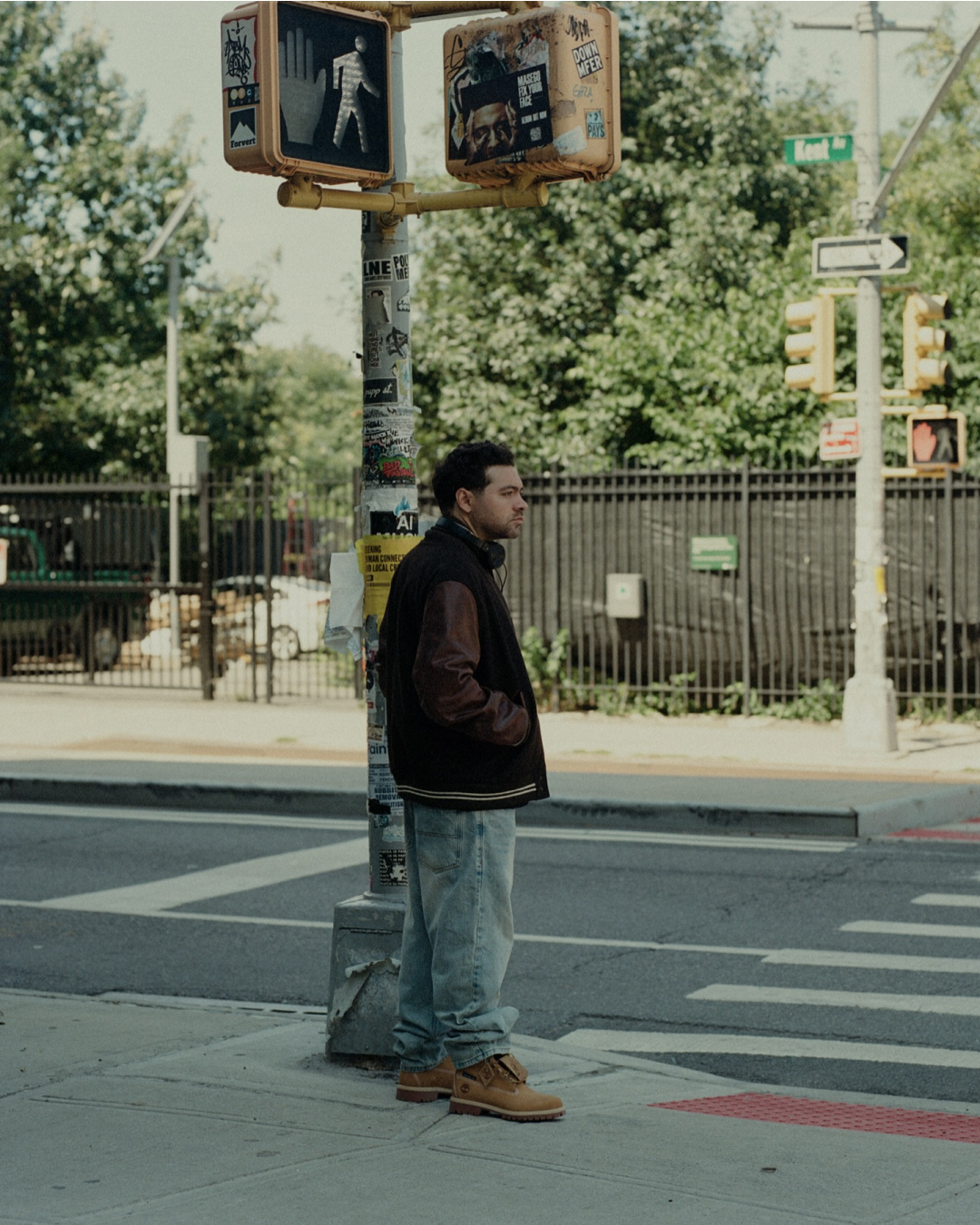
Timberland and Slam Jam Rewrite the History of the World's Most Famous Boot
From the Paninari to New York's hip-hop scene, a collaboration that celebrates the cultural legacy of the iconic Timbs

How Ploom* Flavour Garden Went, Between Ernia's Live Set and Four Immersive Worlds
Music, new talent and immersive installations: on October 15th, Superstudio Milano transformed into a great garden of creativity

5 trends that Trainspotting anticipated Back in 1996
There is much more to the film than the famous Helmut Lang tank top