

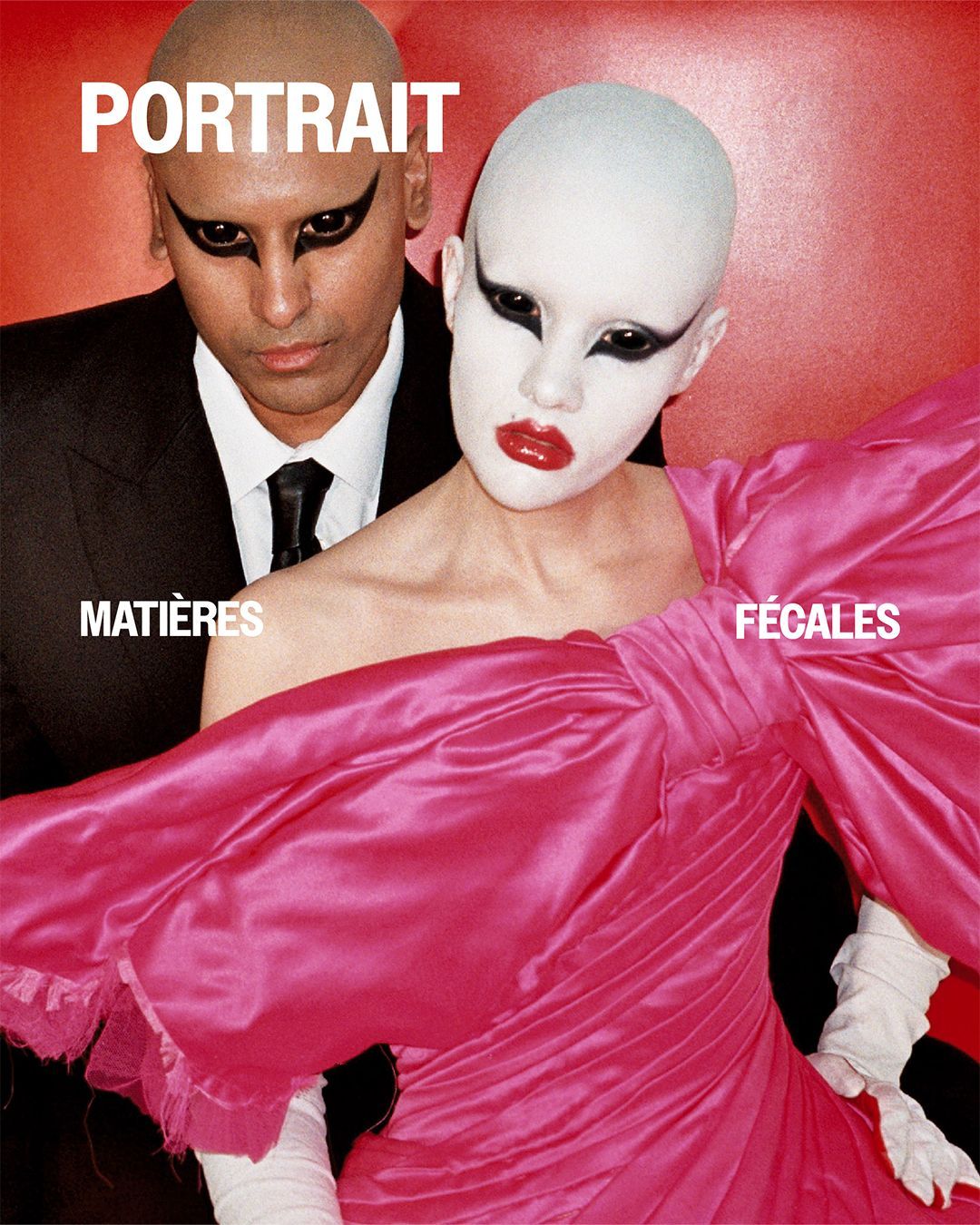
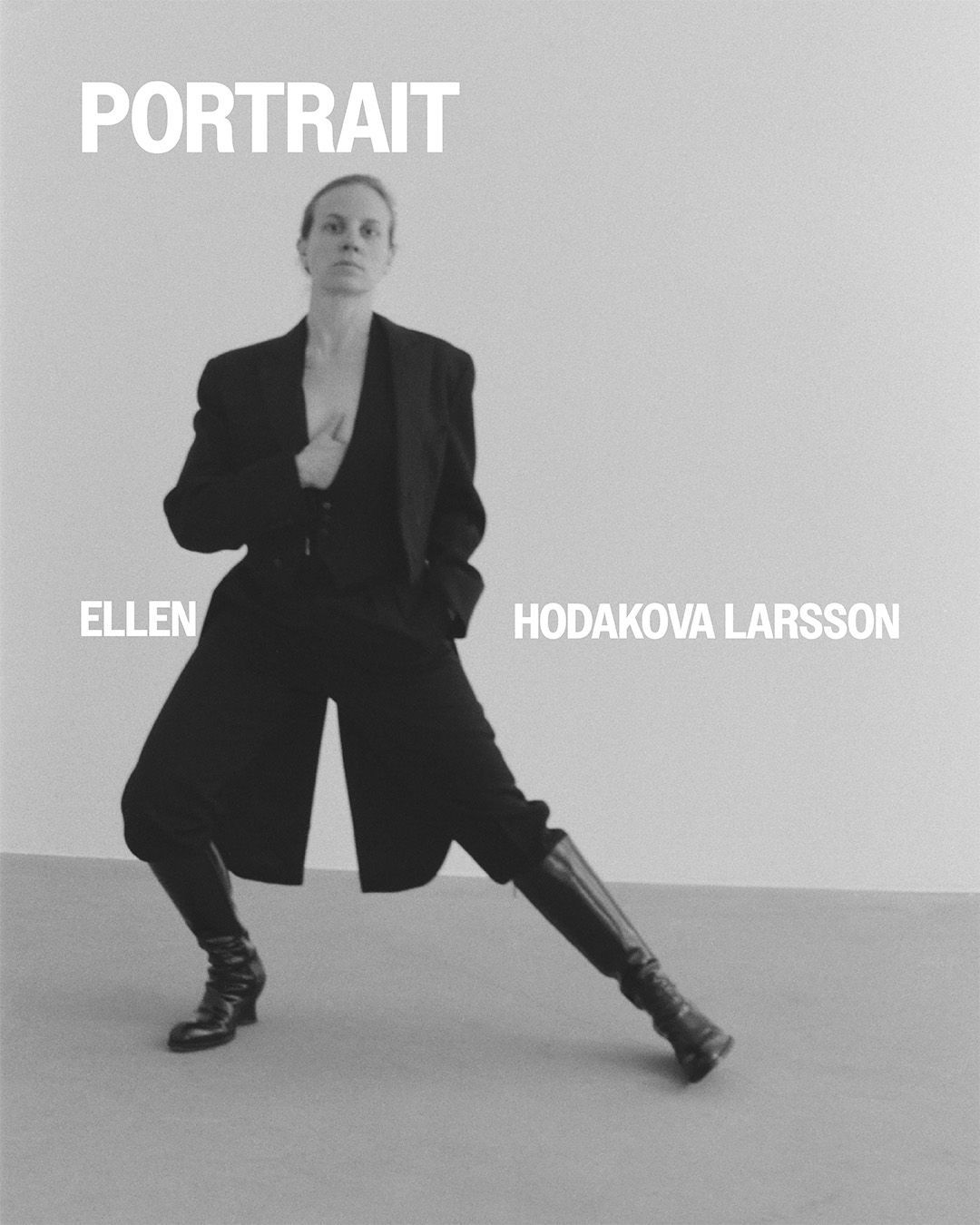
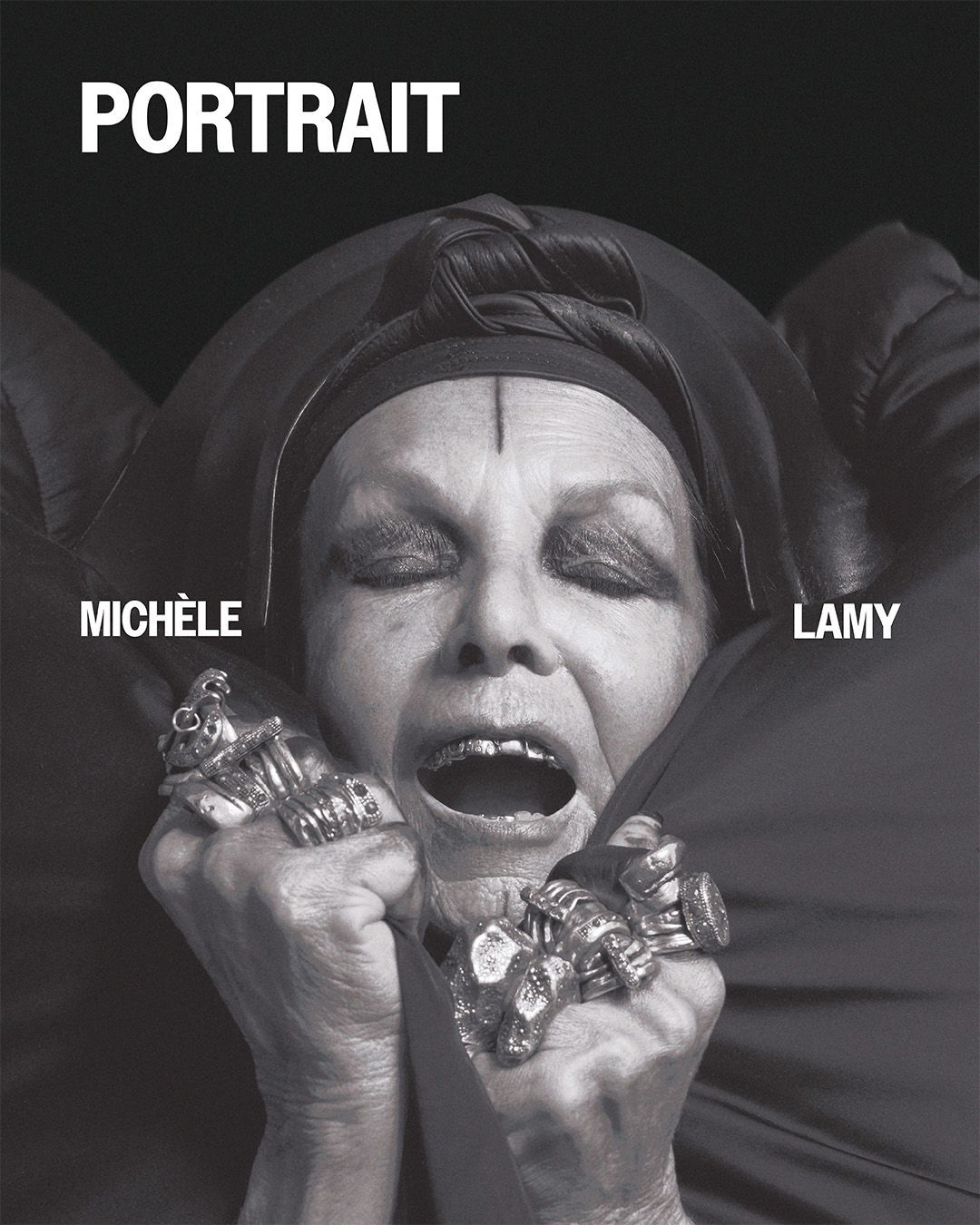
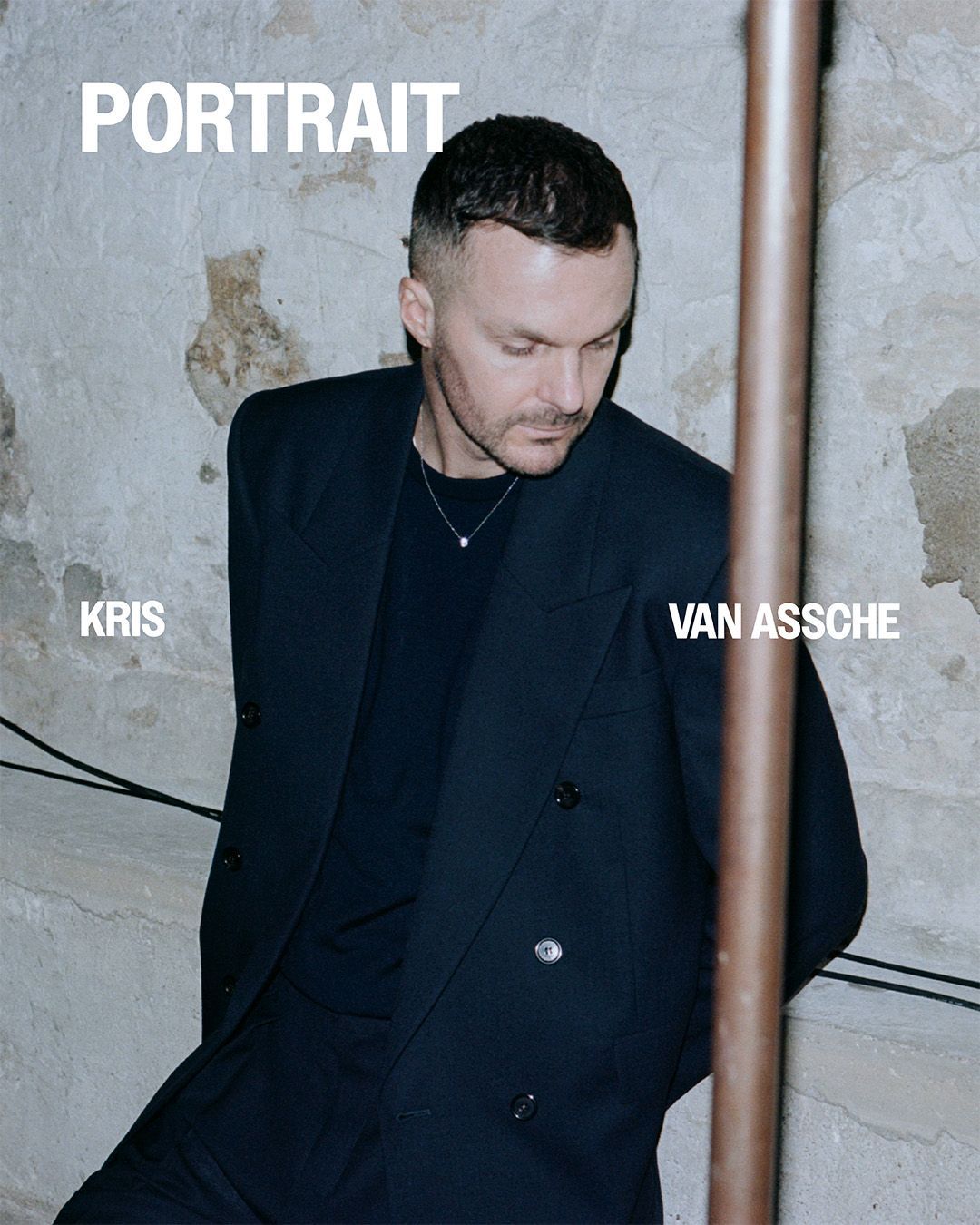
The layers of existence in Prada's FW26 collection A season in which the versatility of female identity was explored
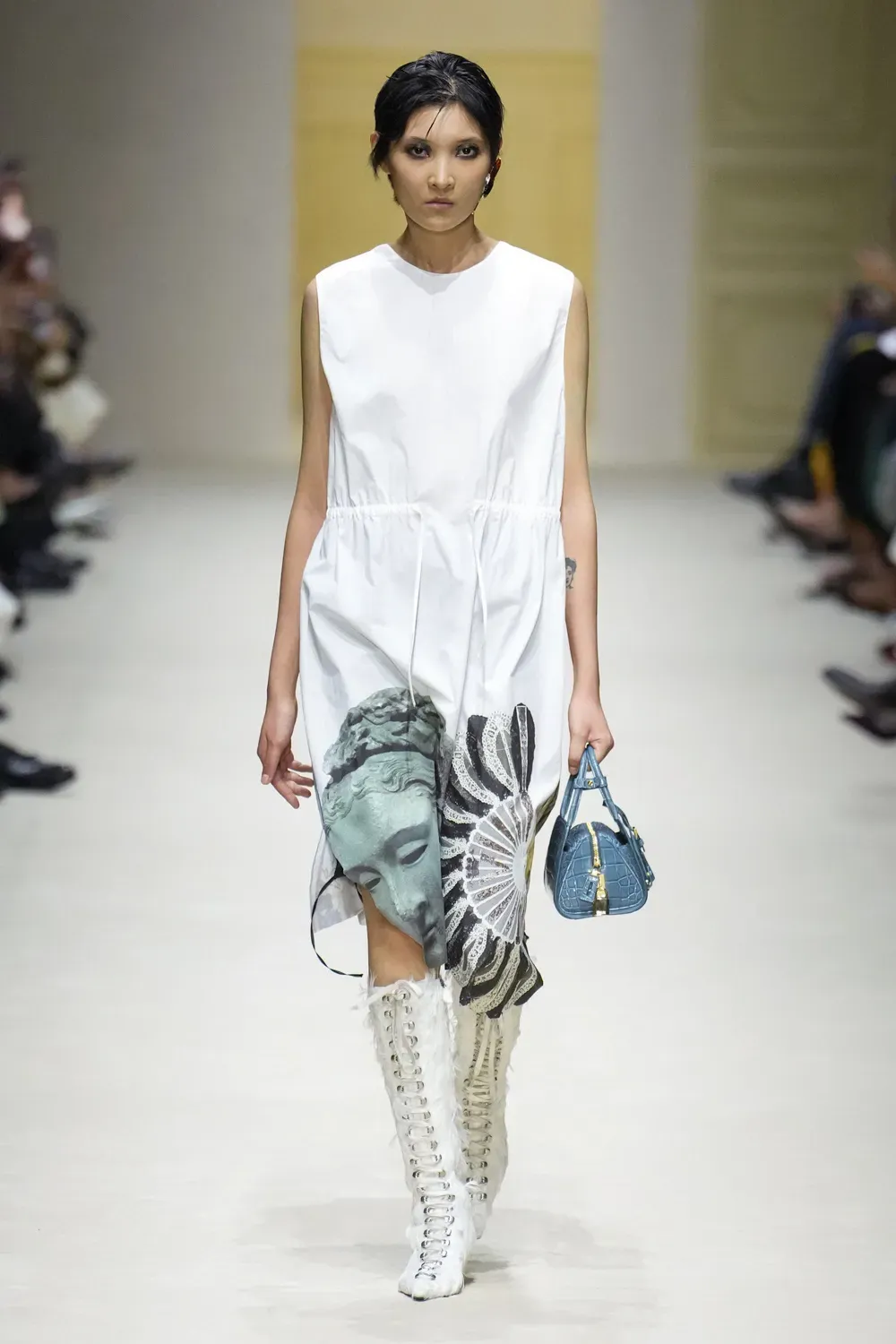
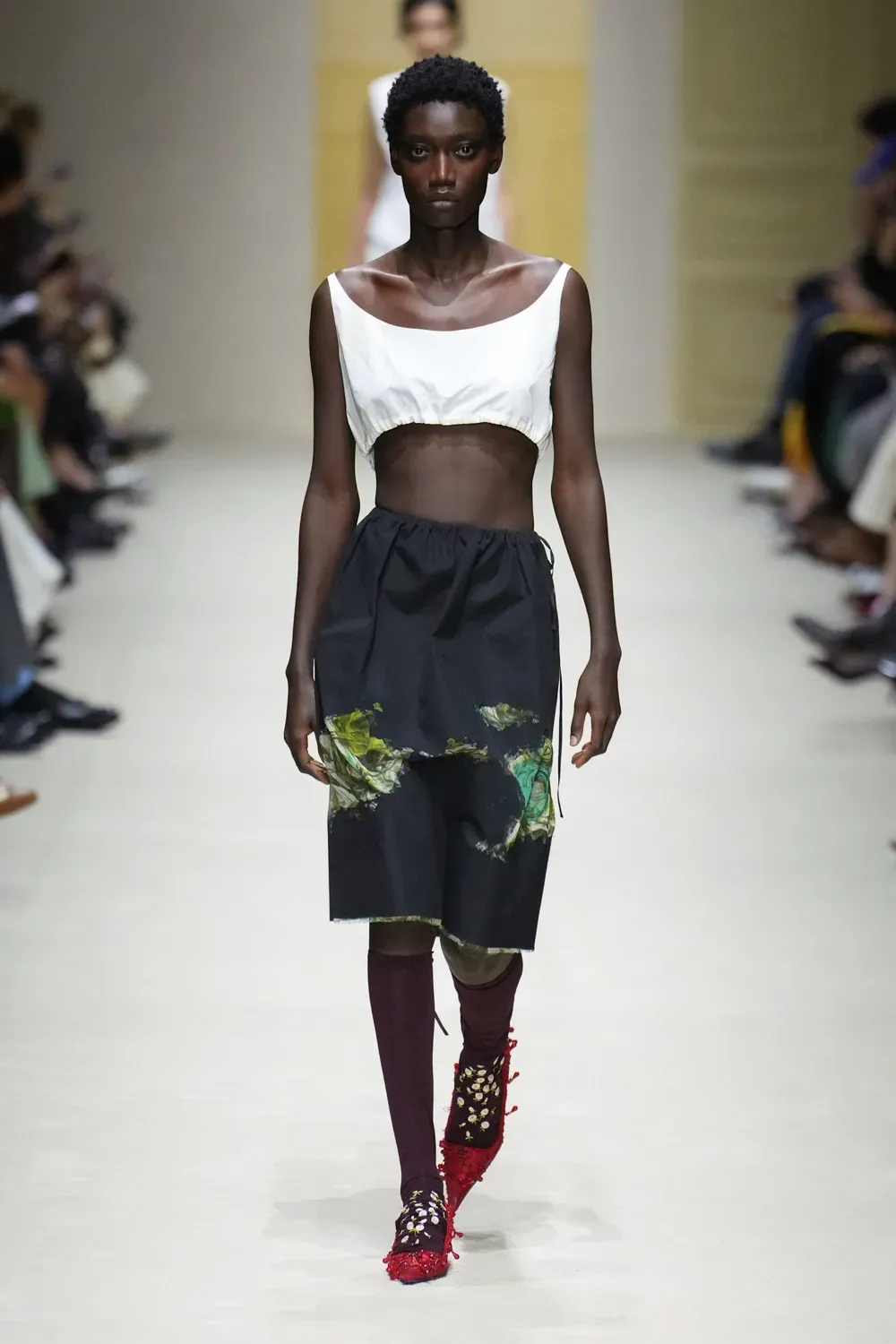
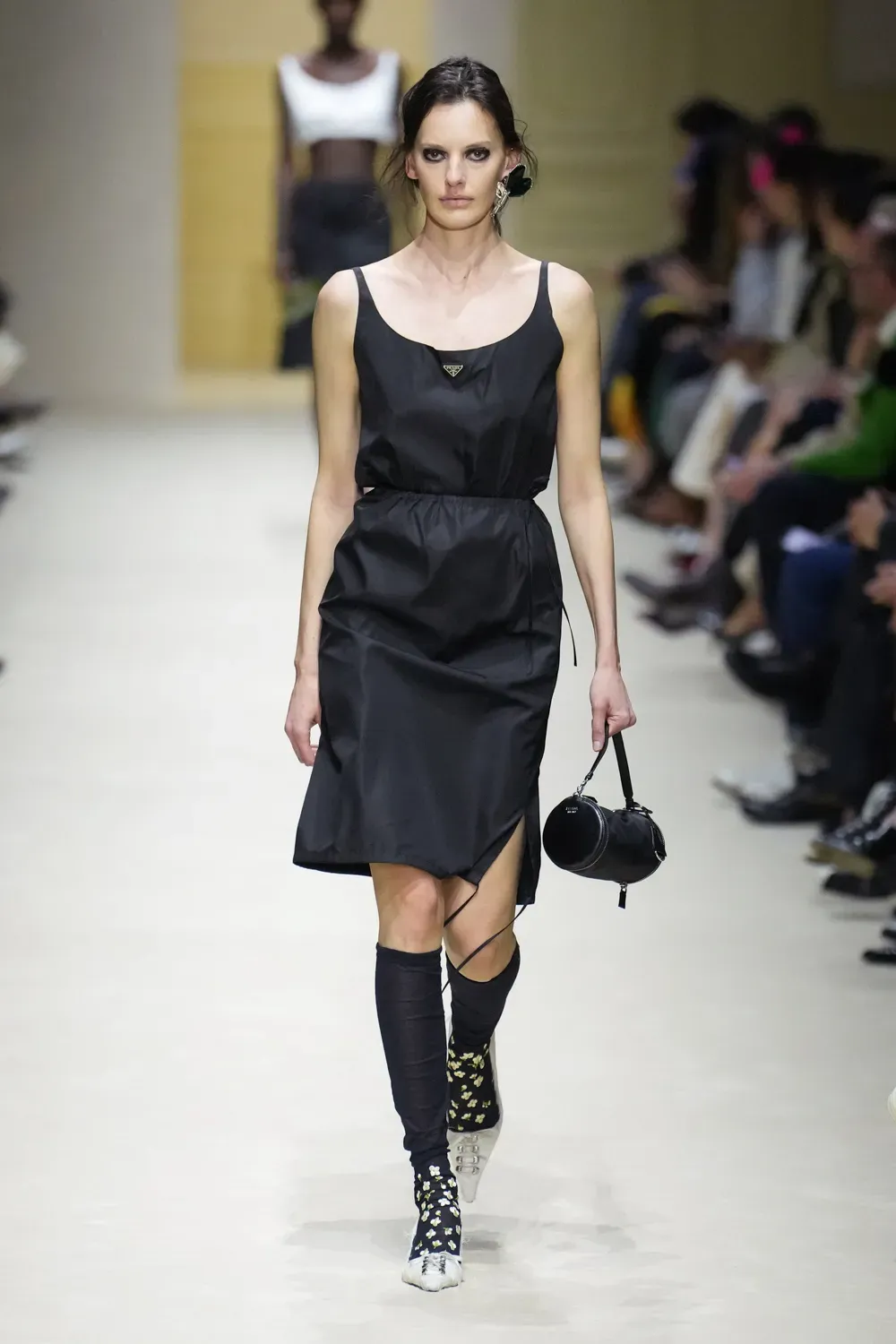
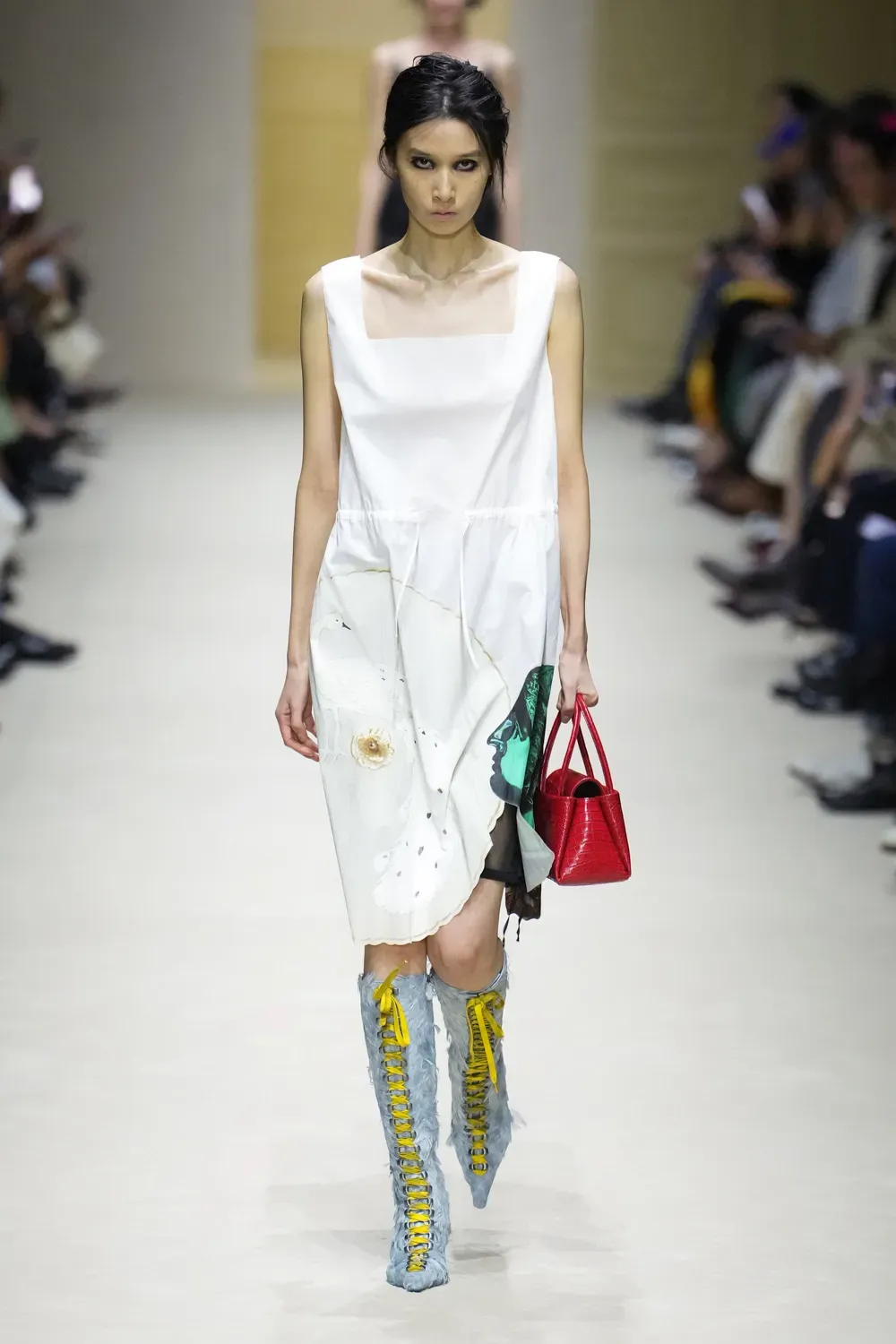
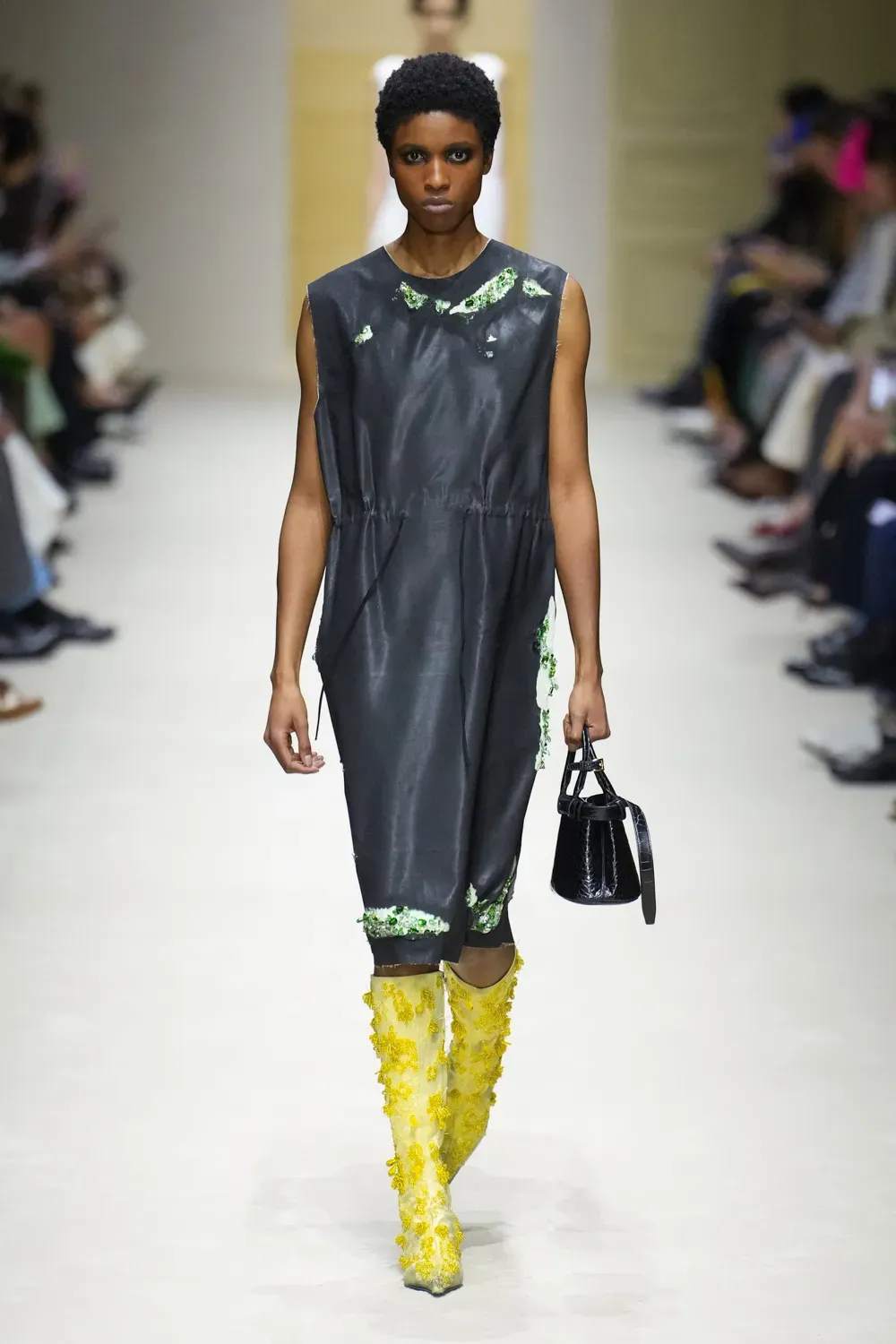
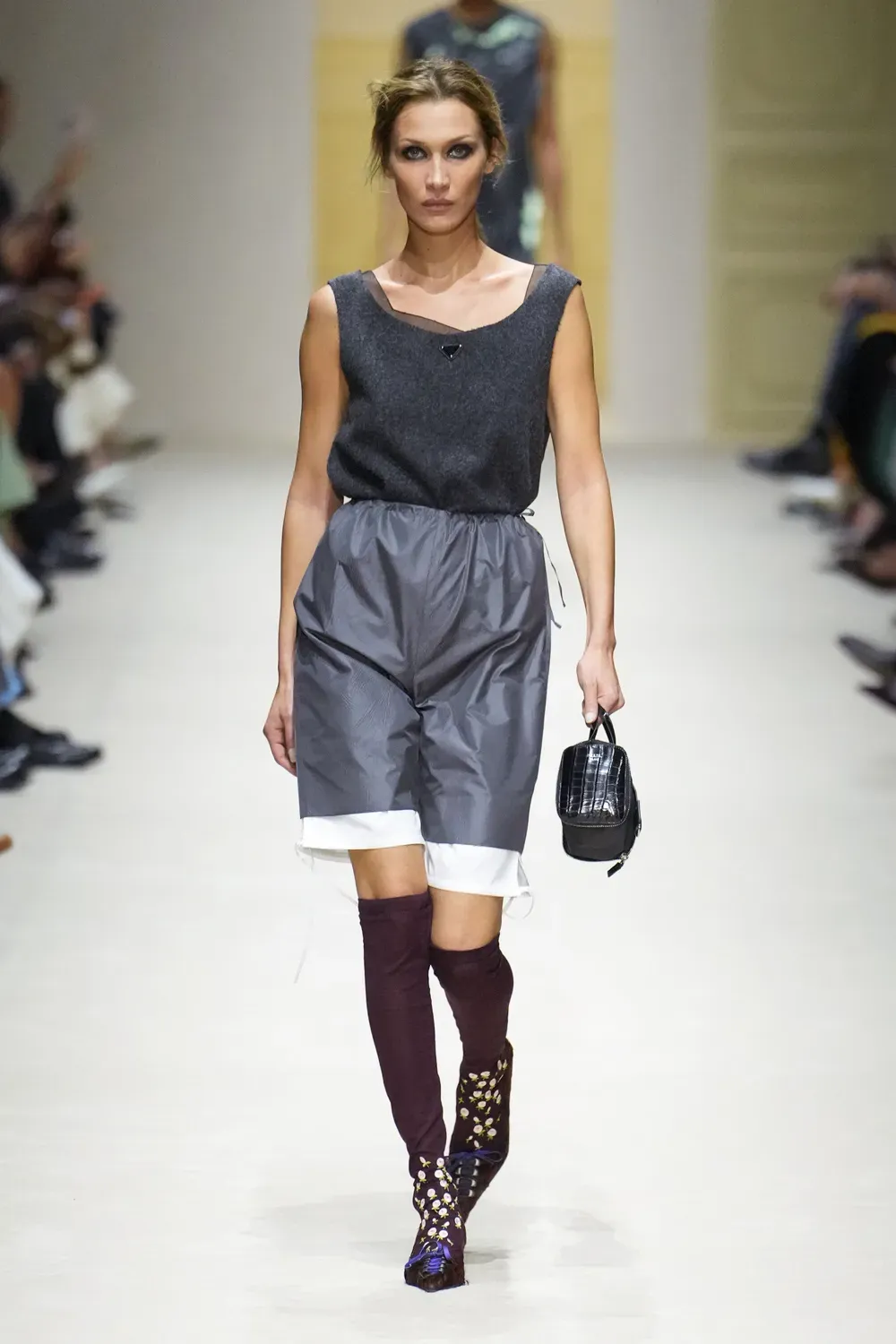
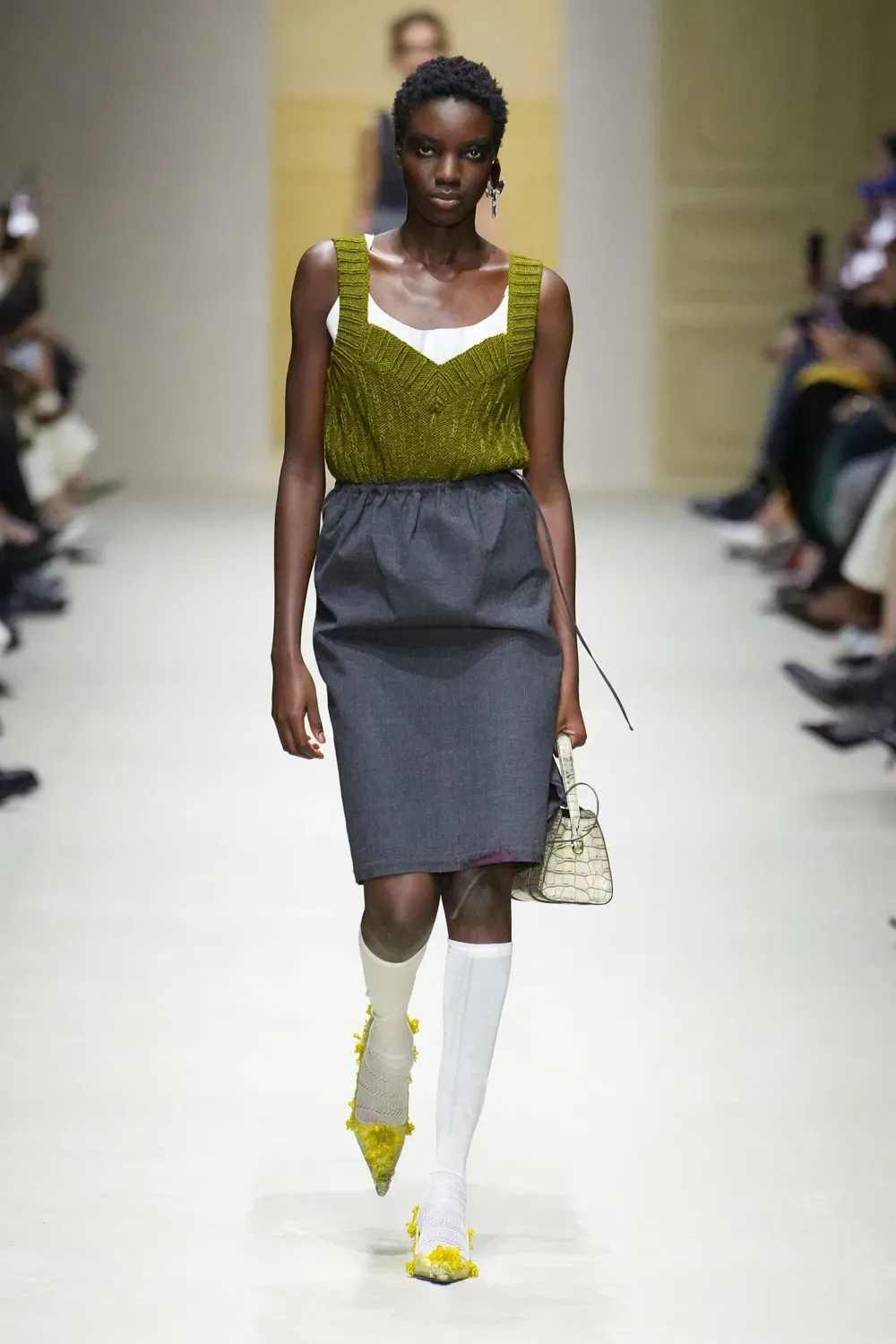
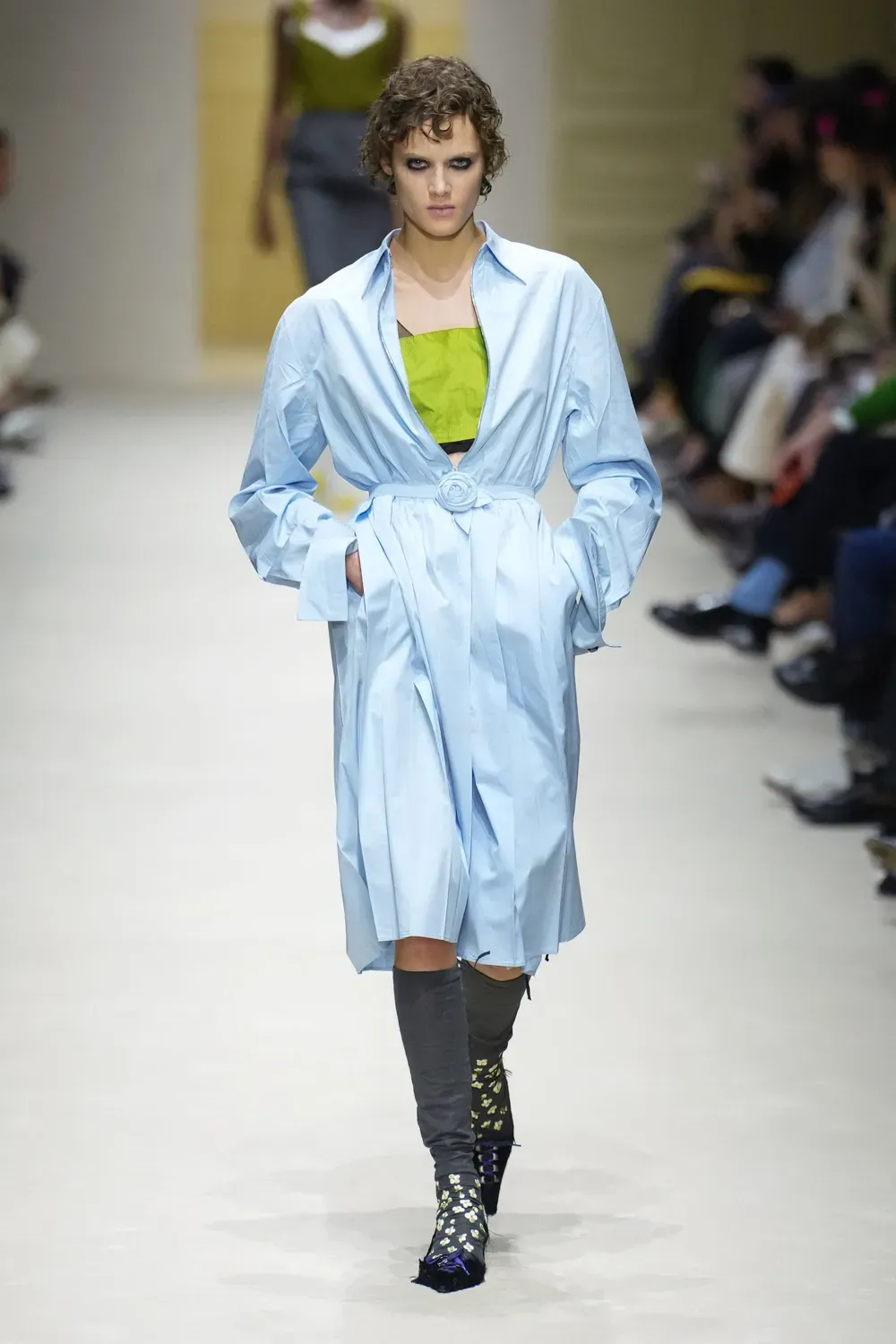
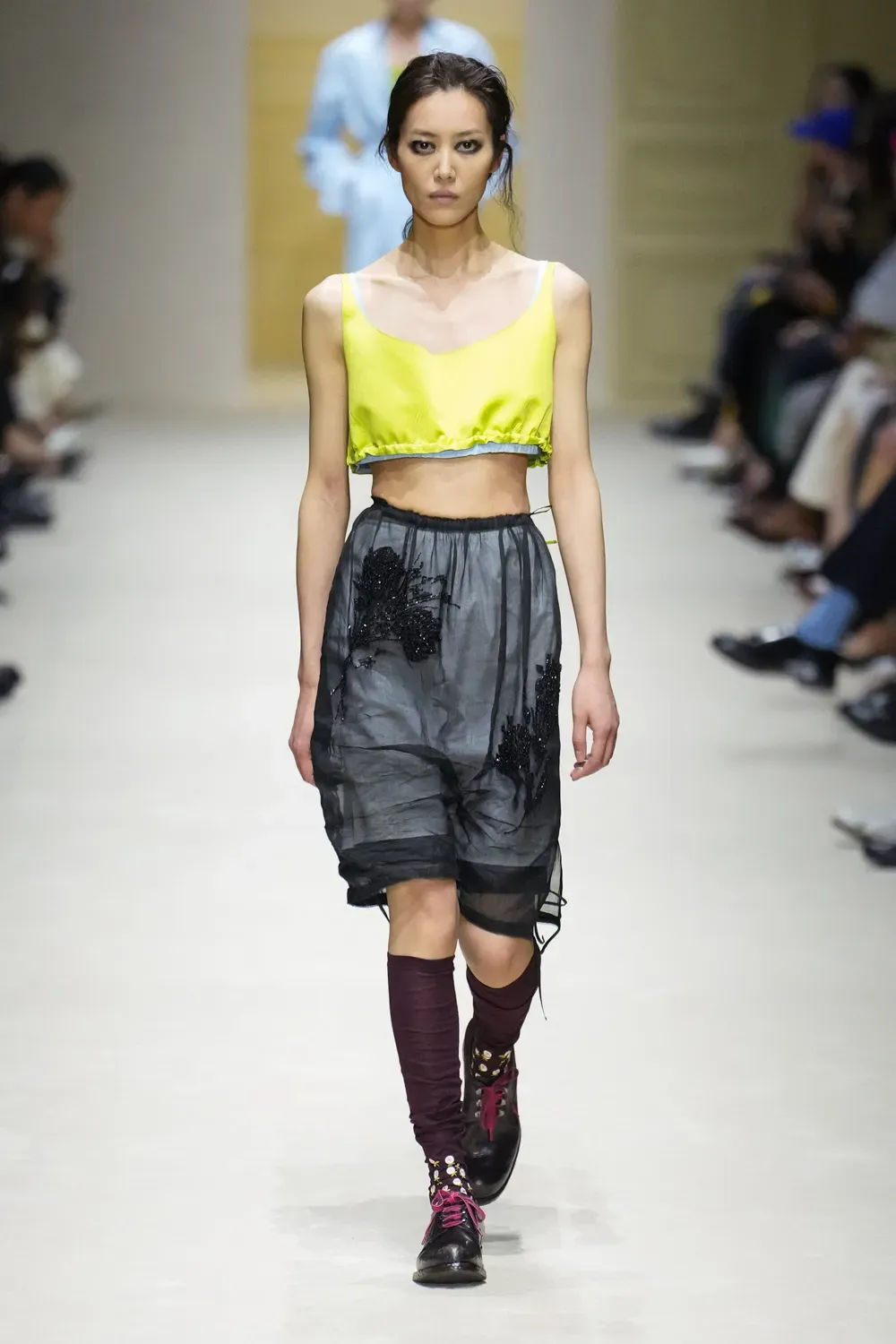
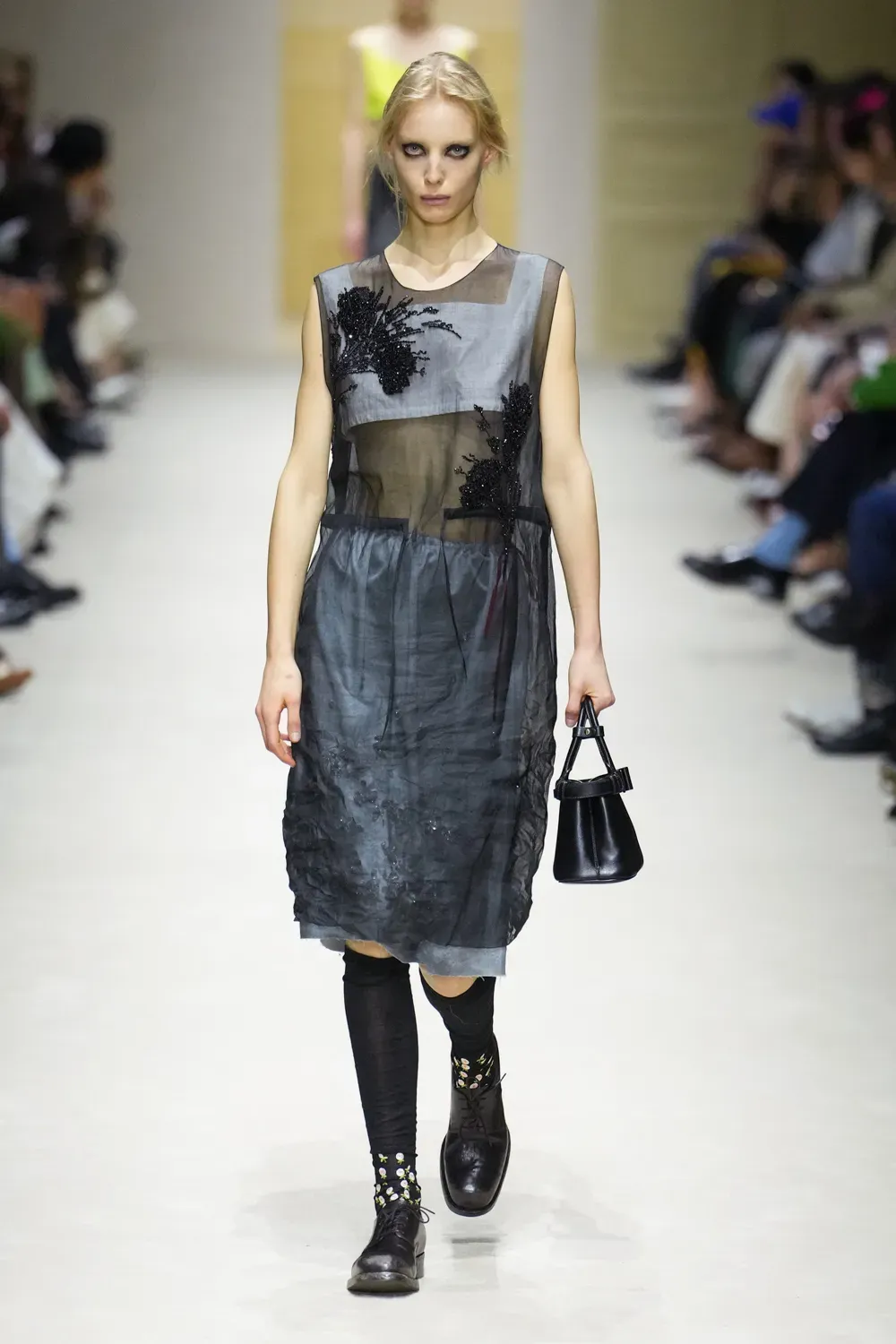
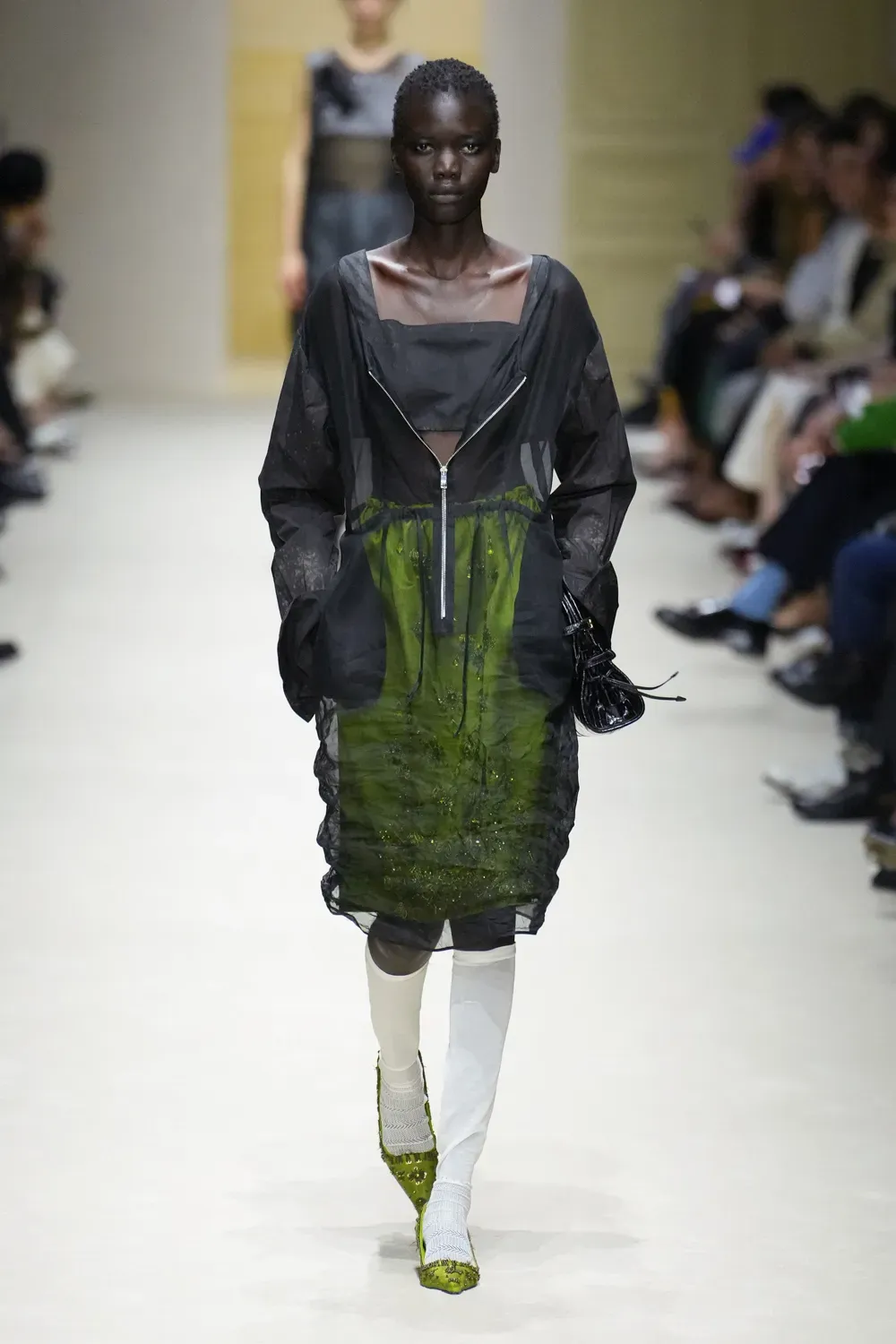
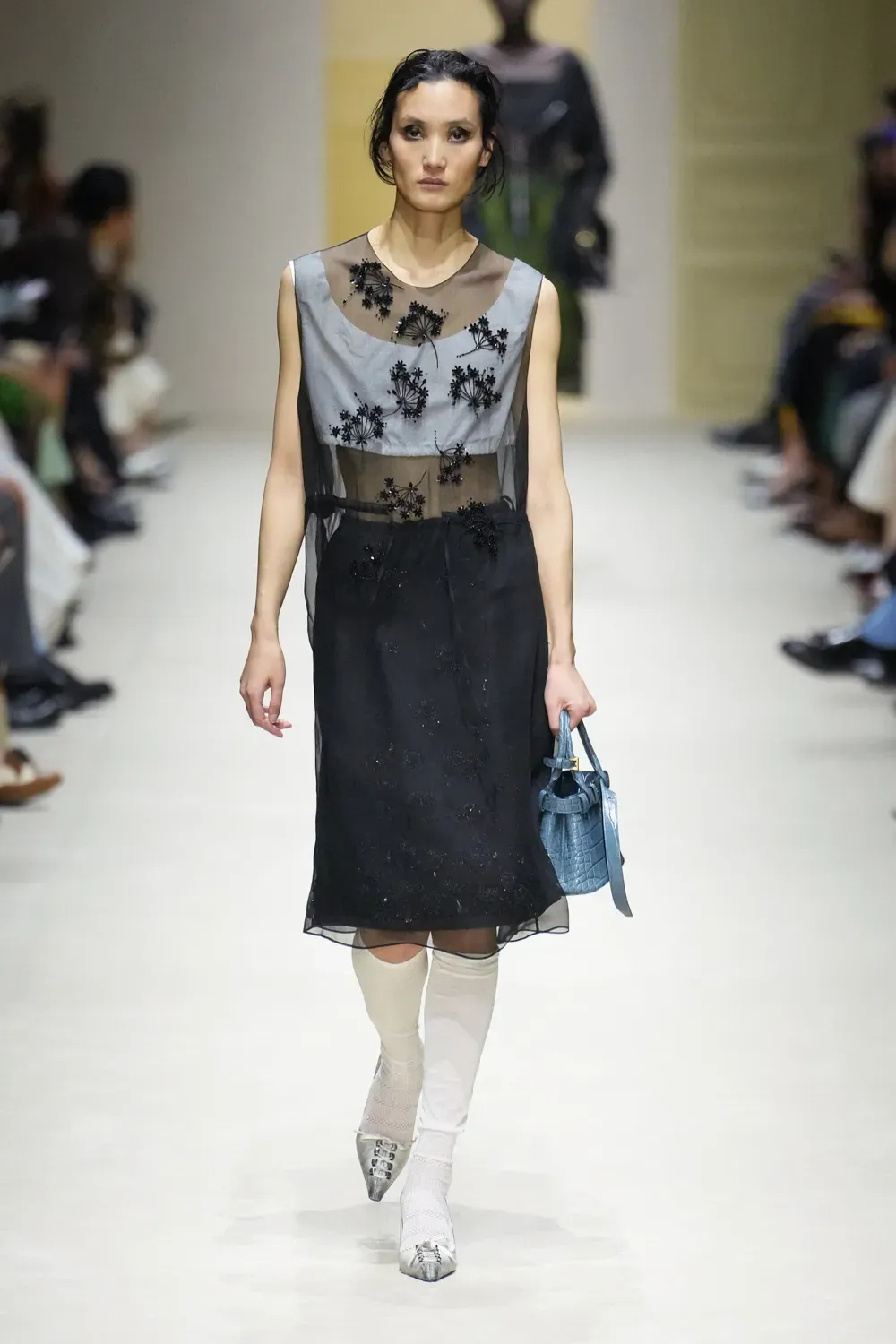
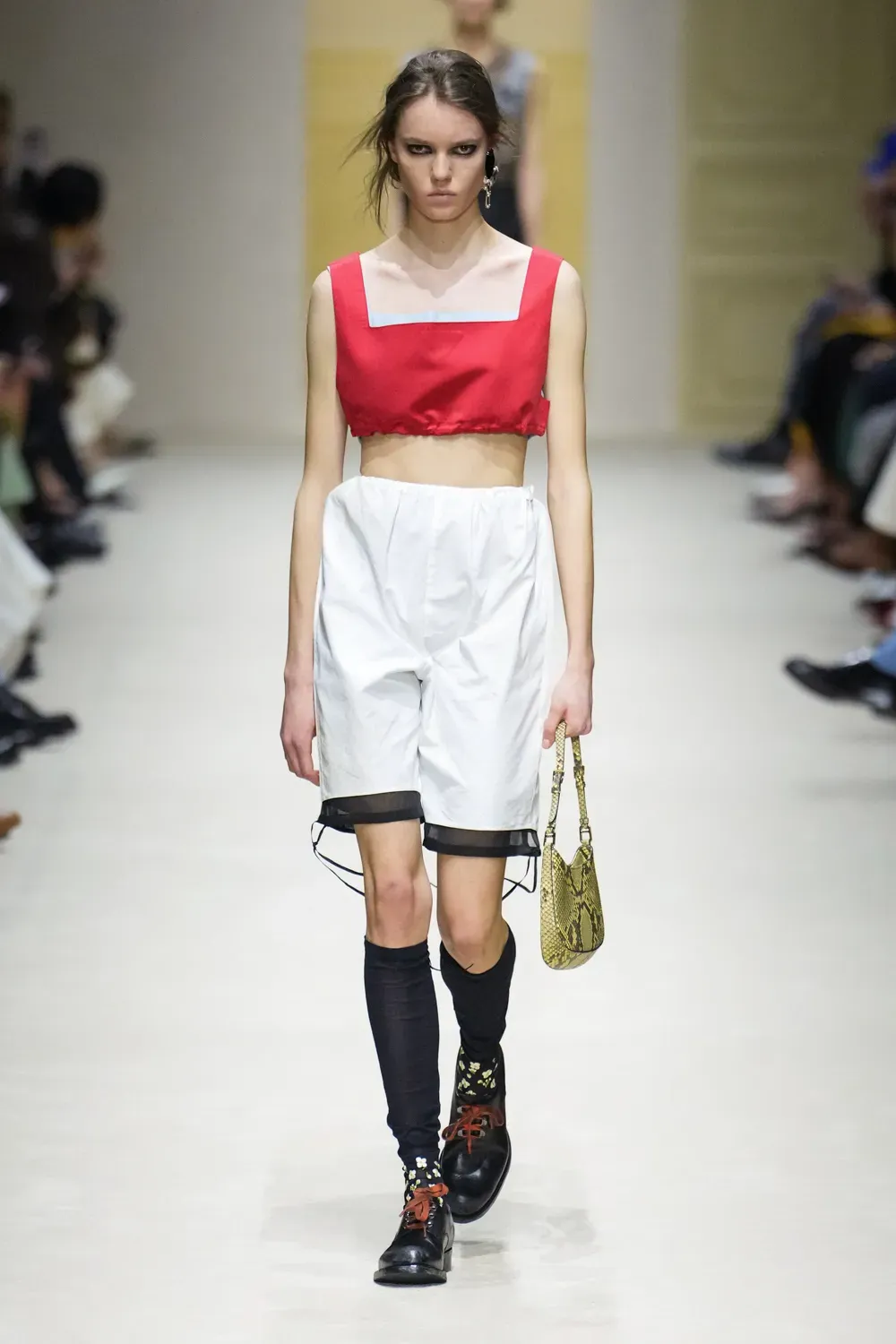
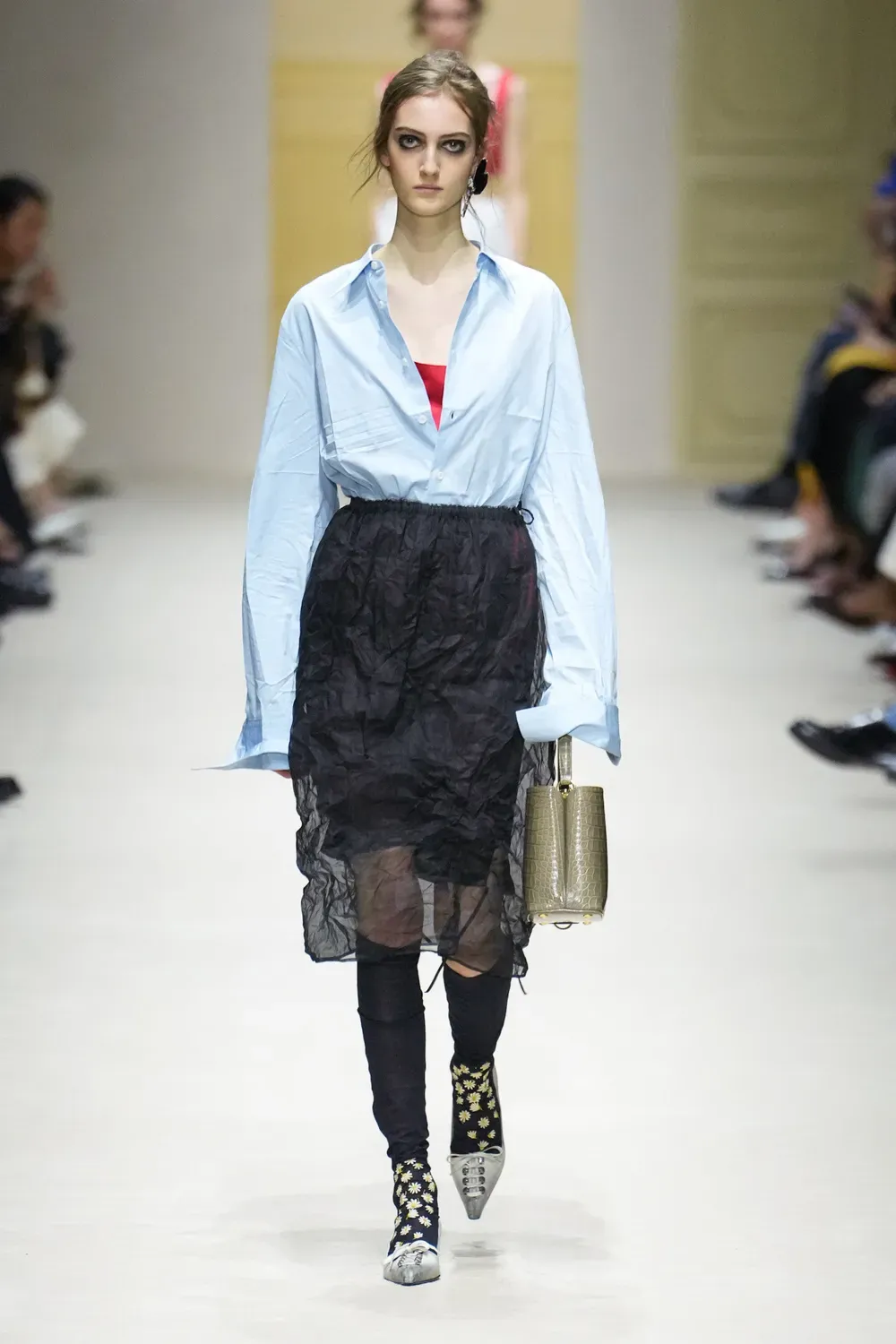
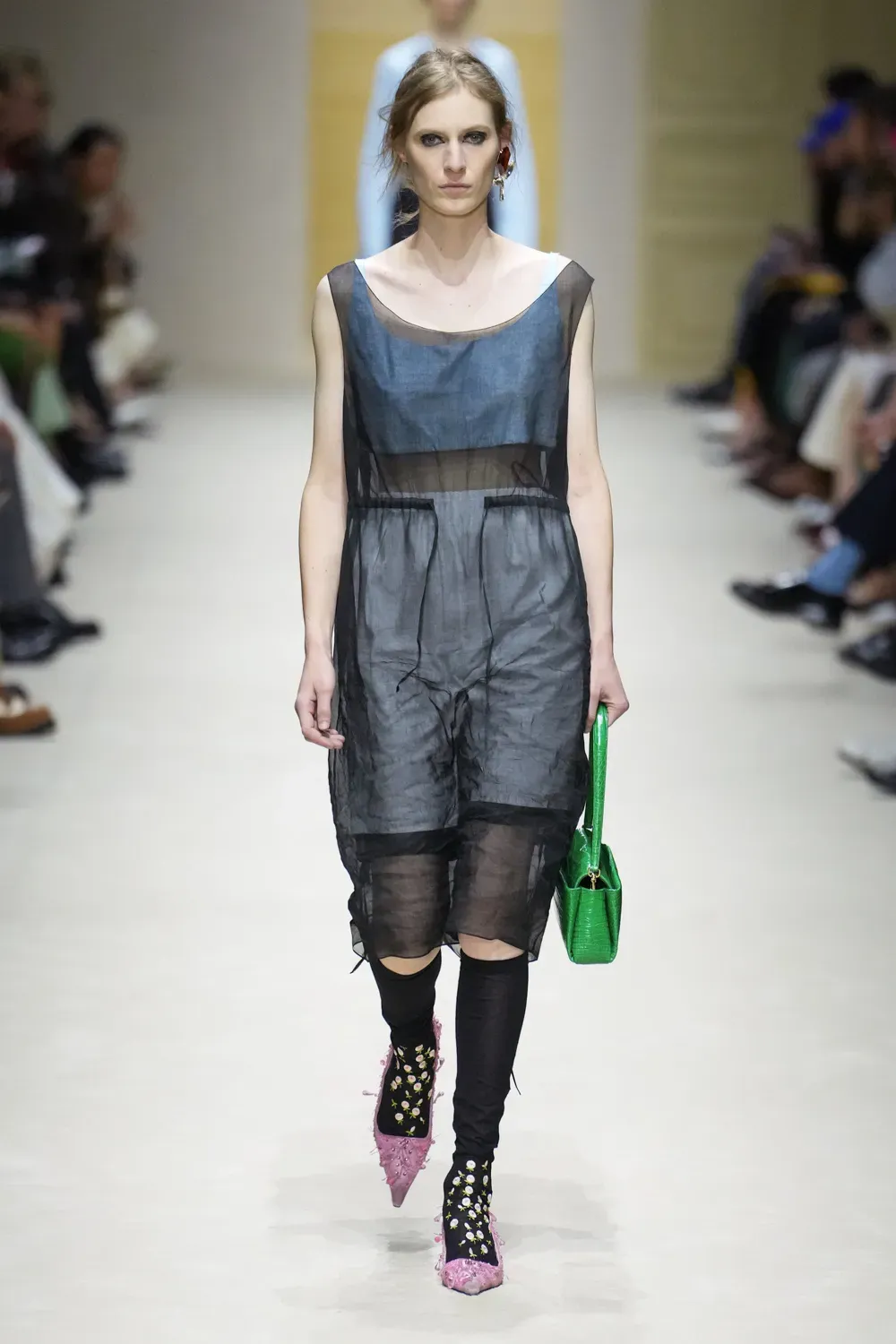
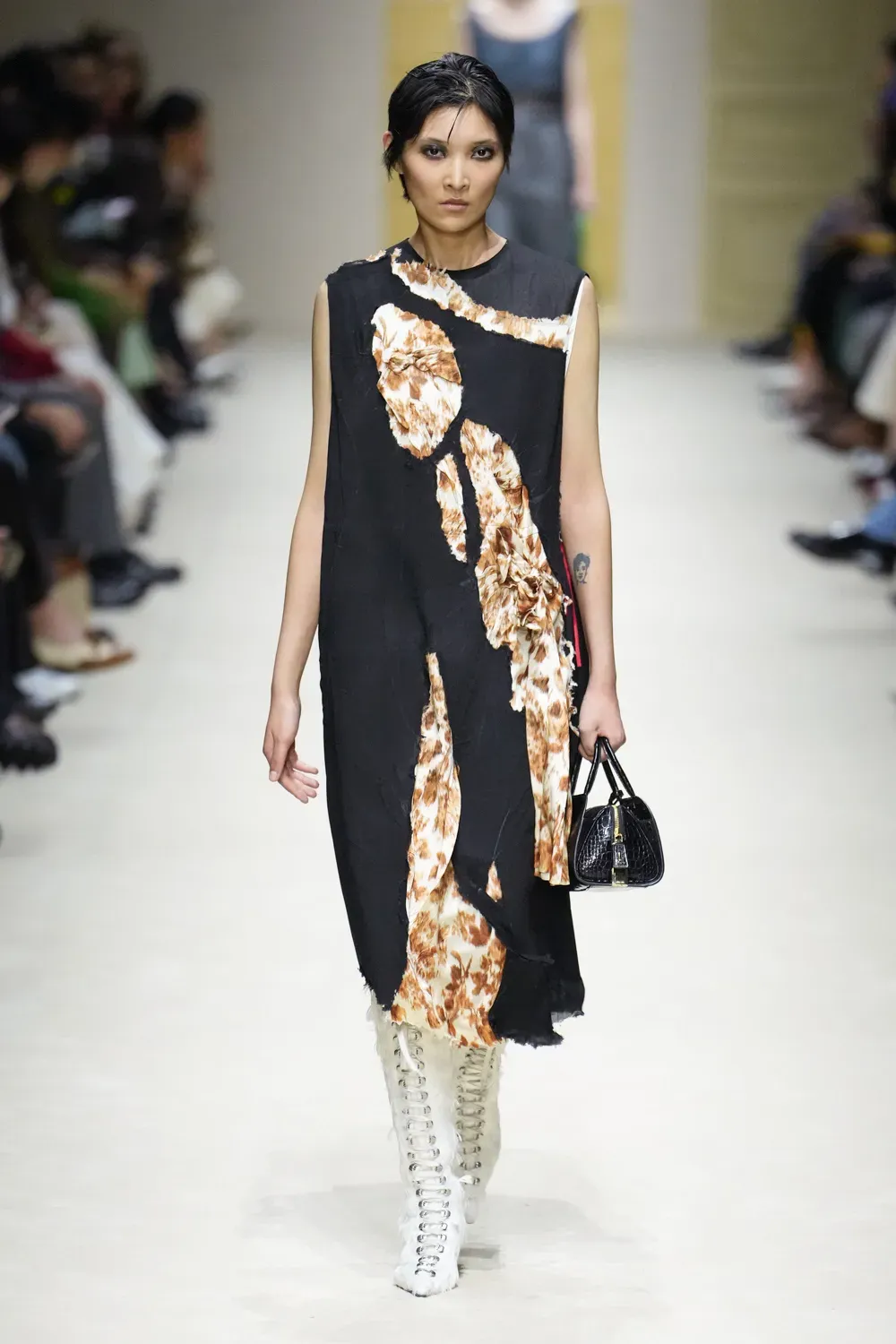
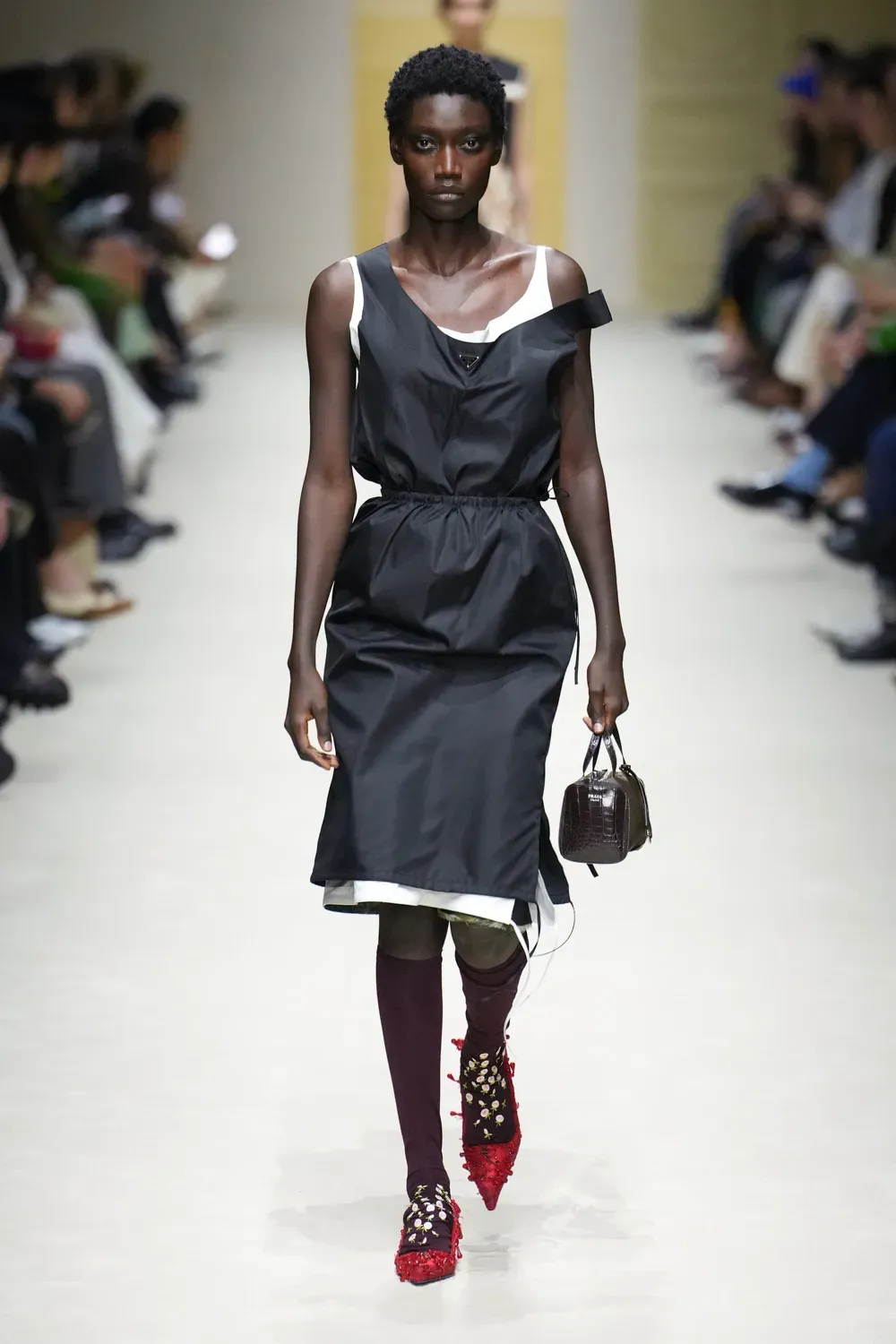
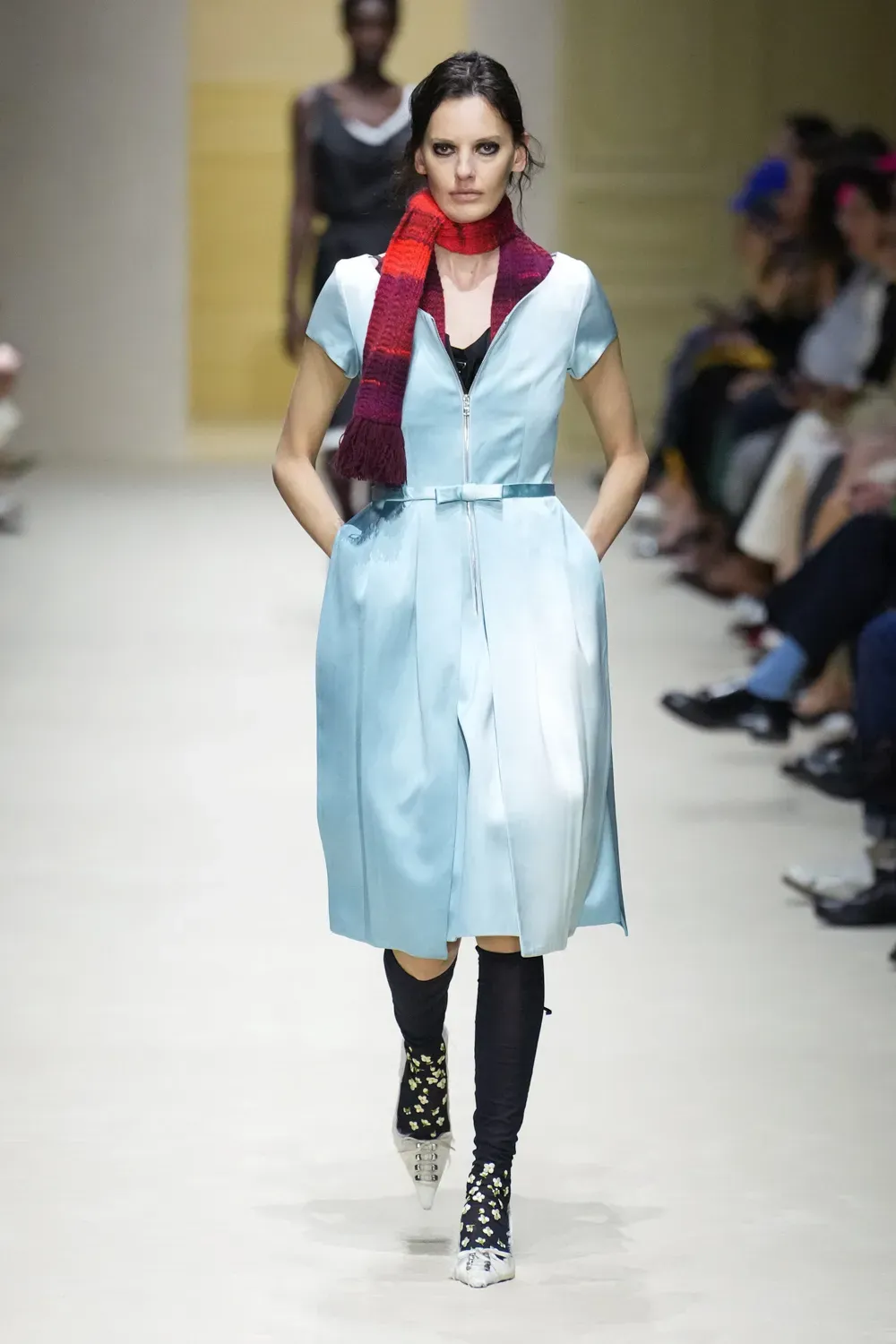
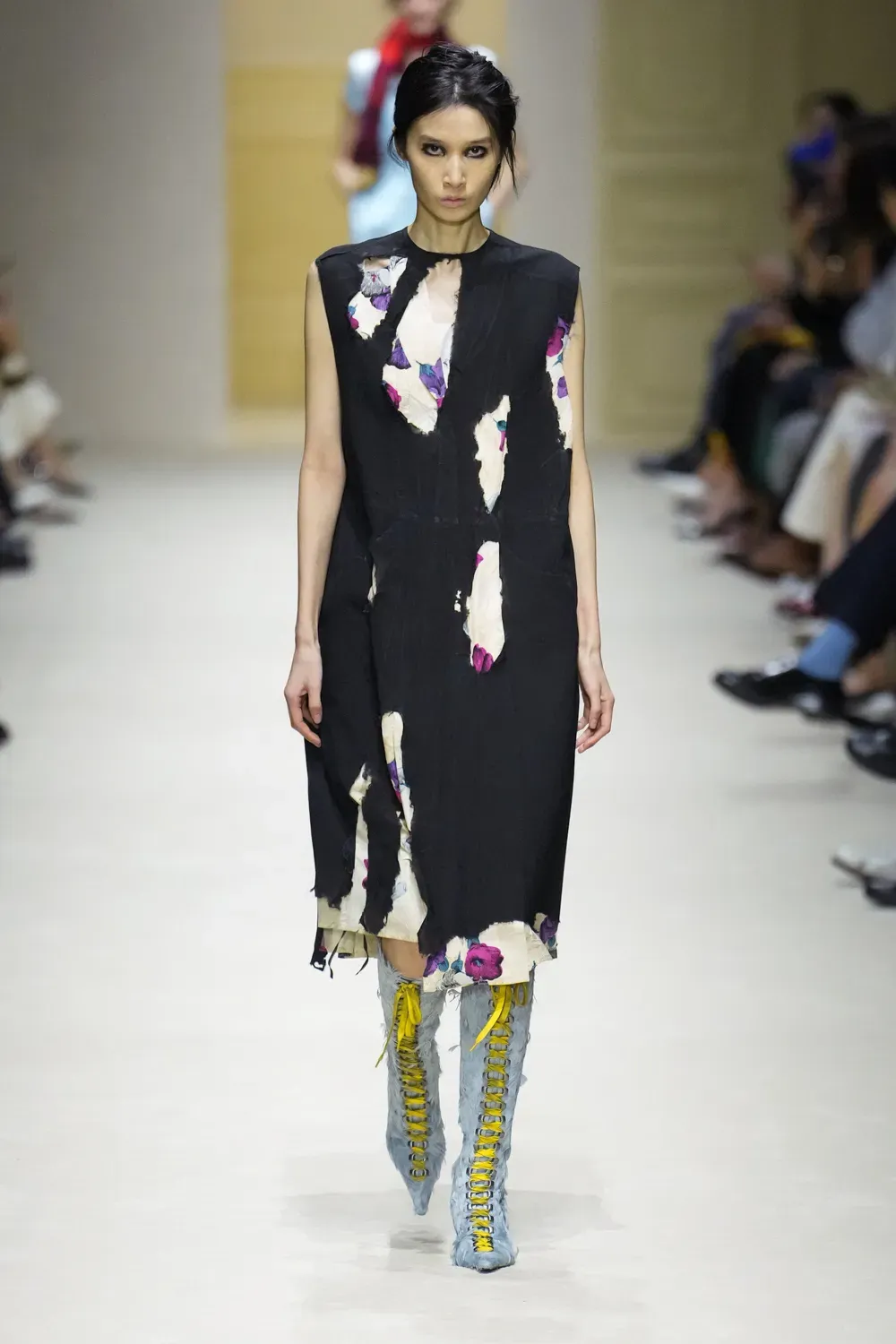
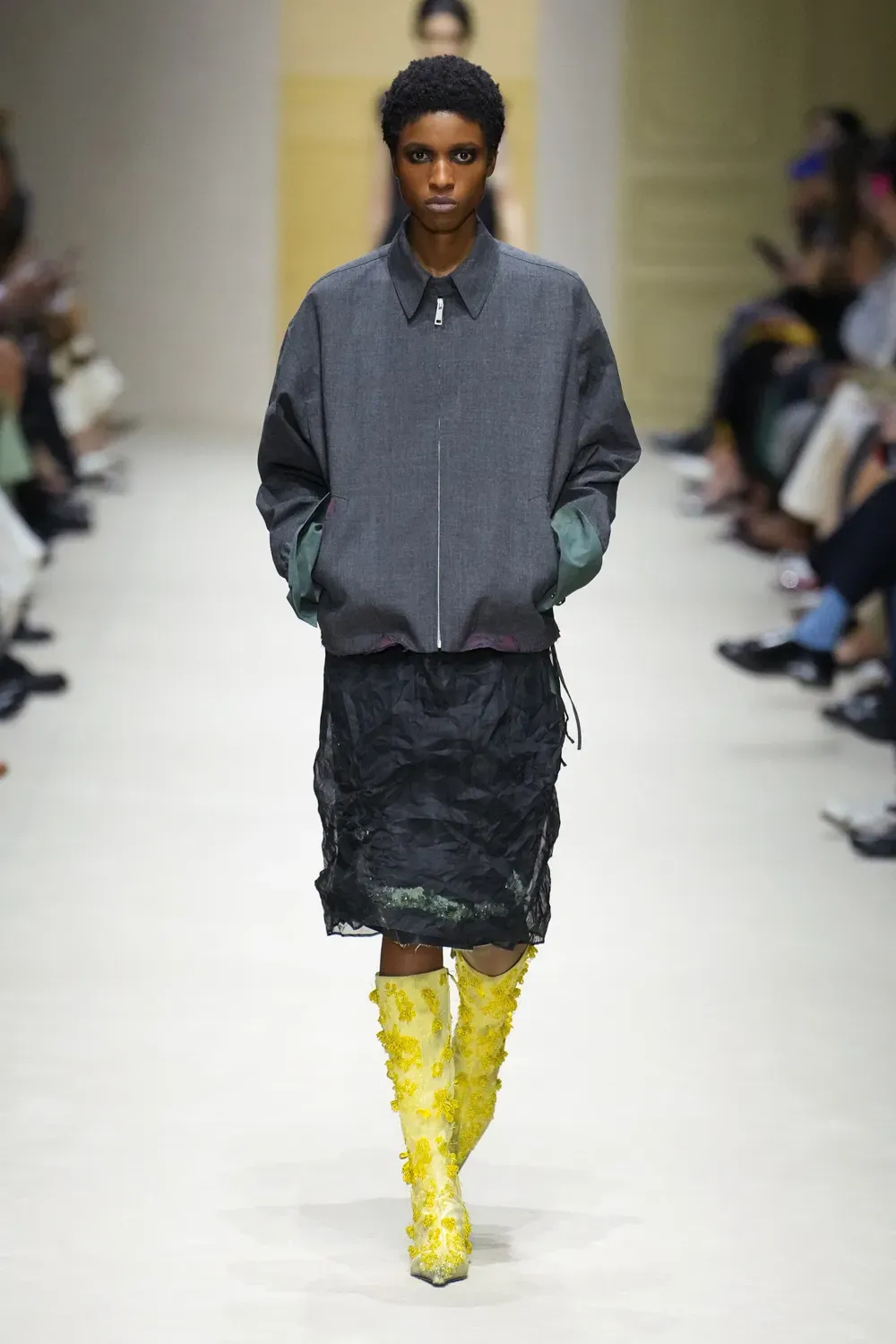
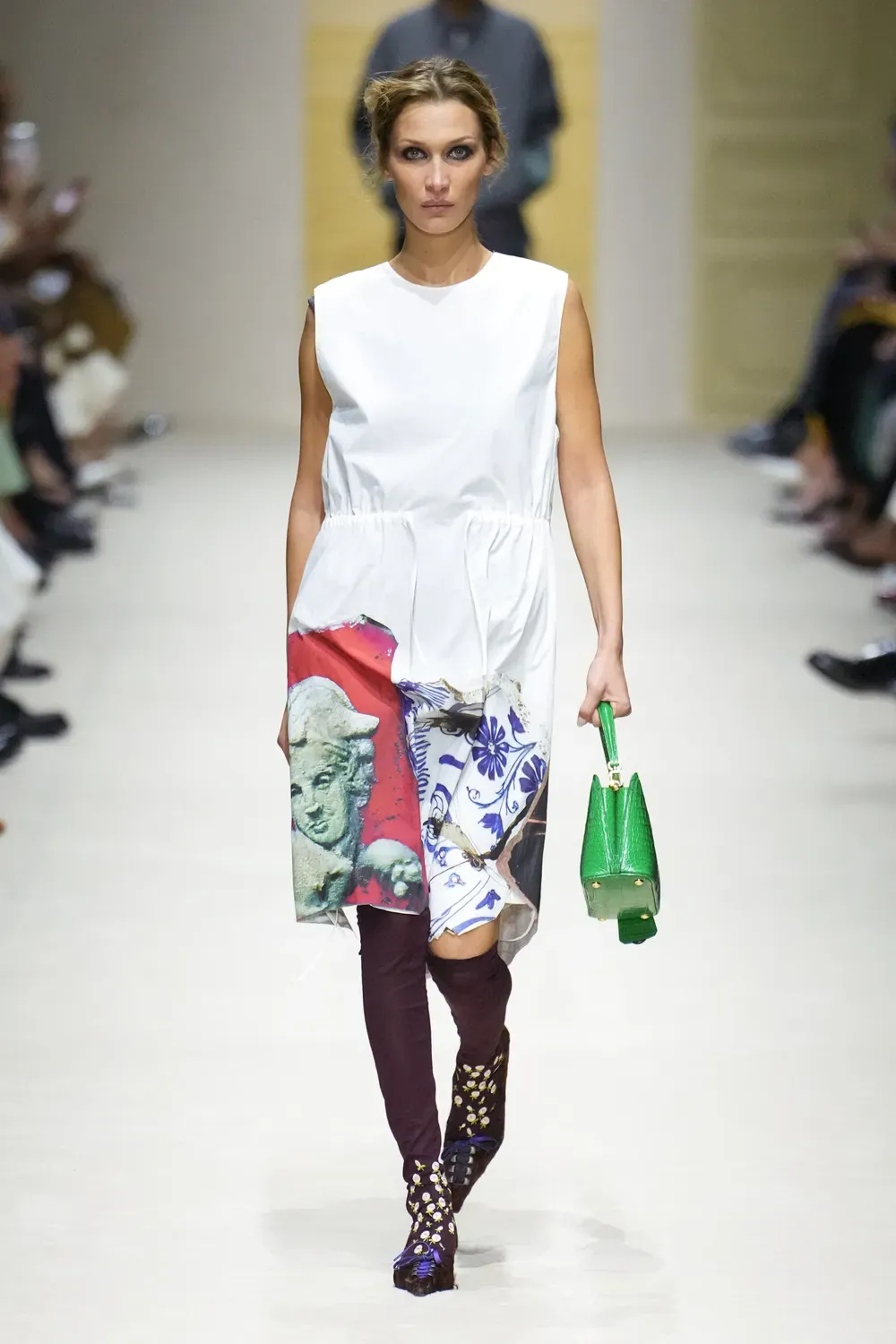
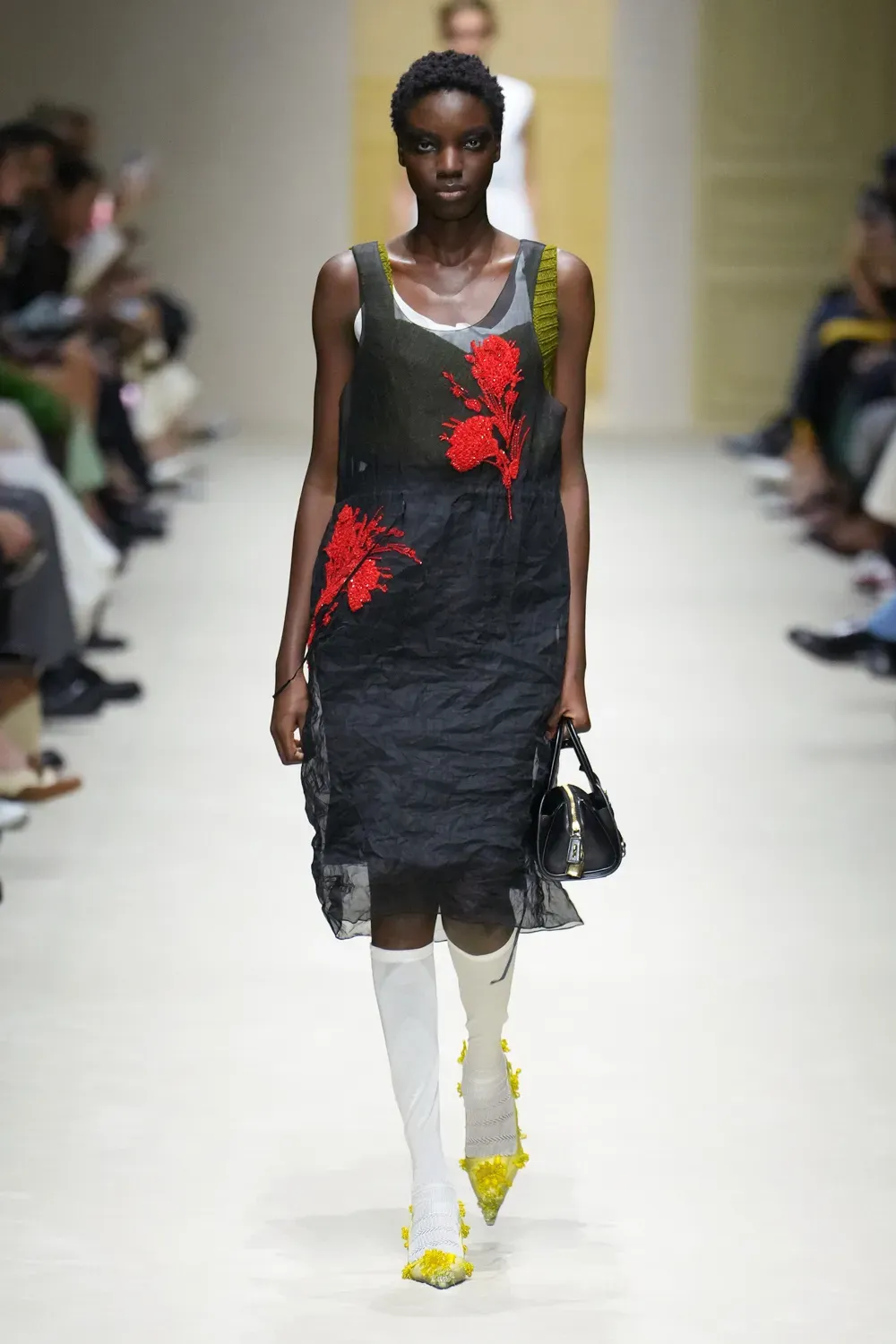
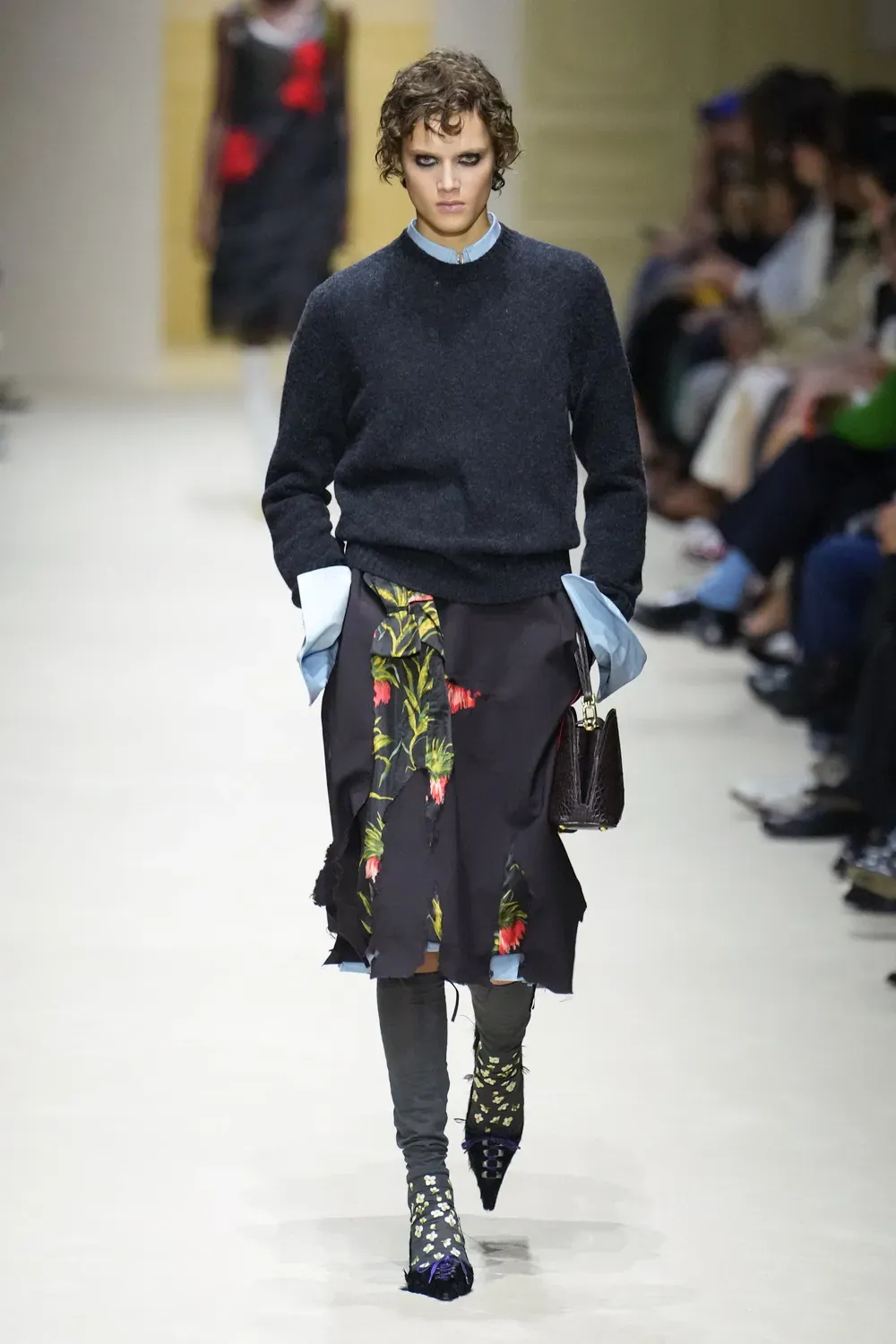
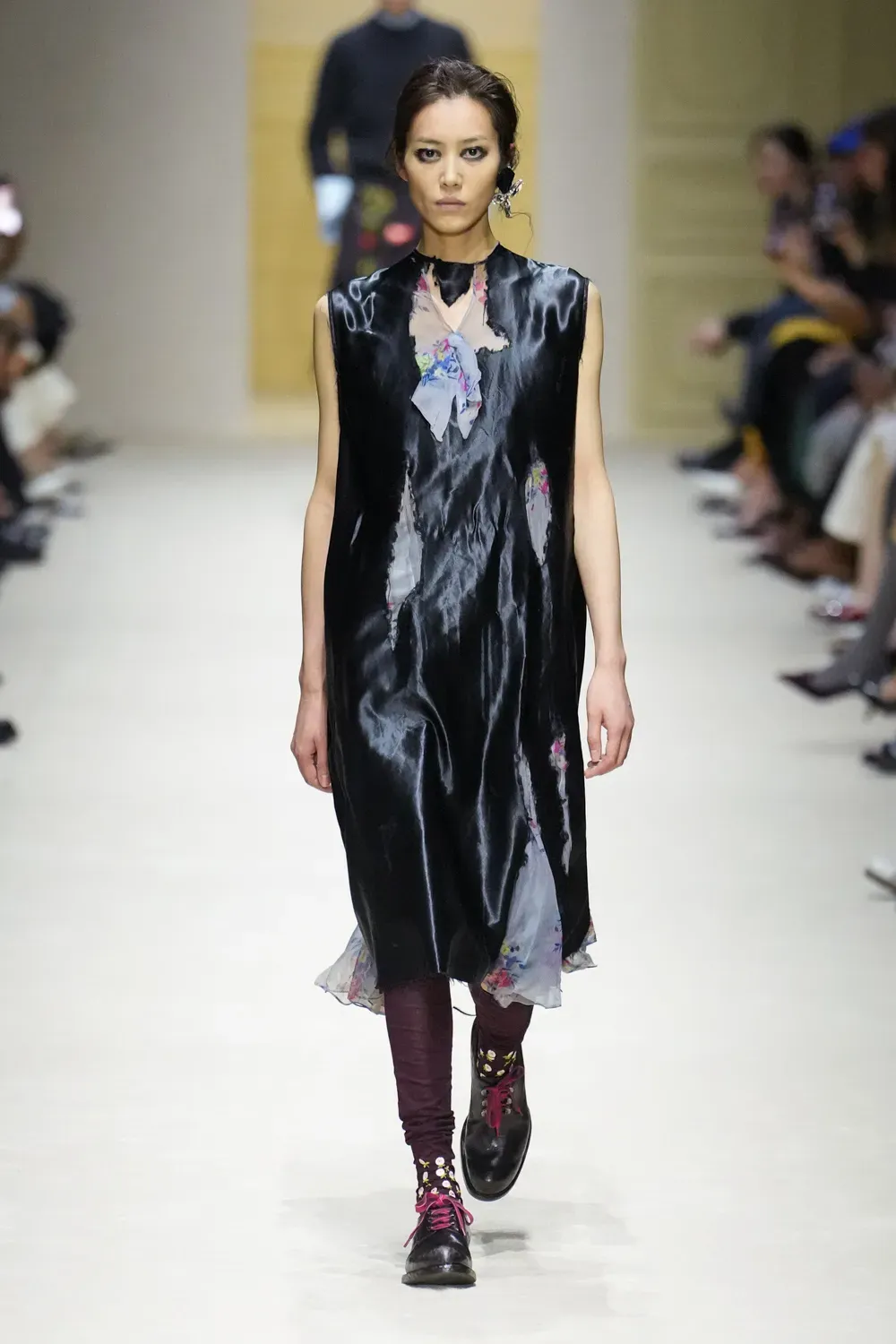
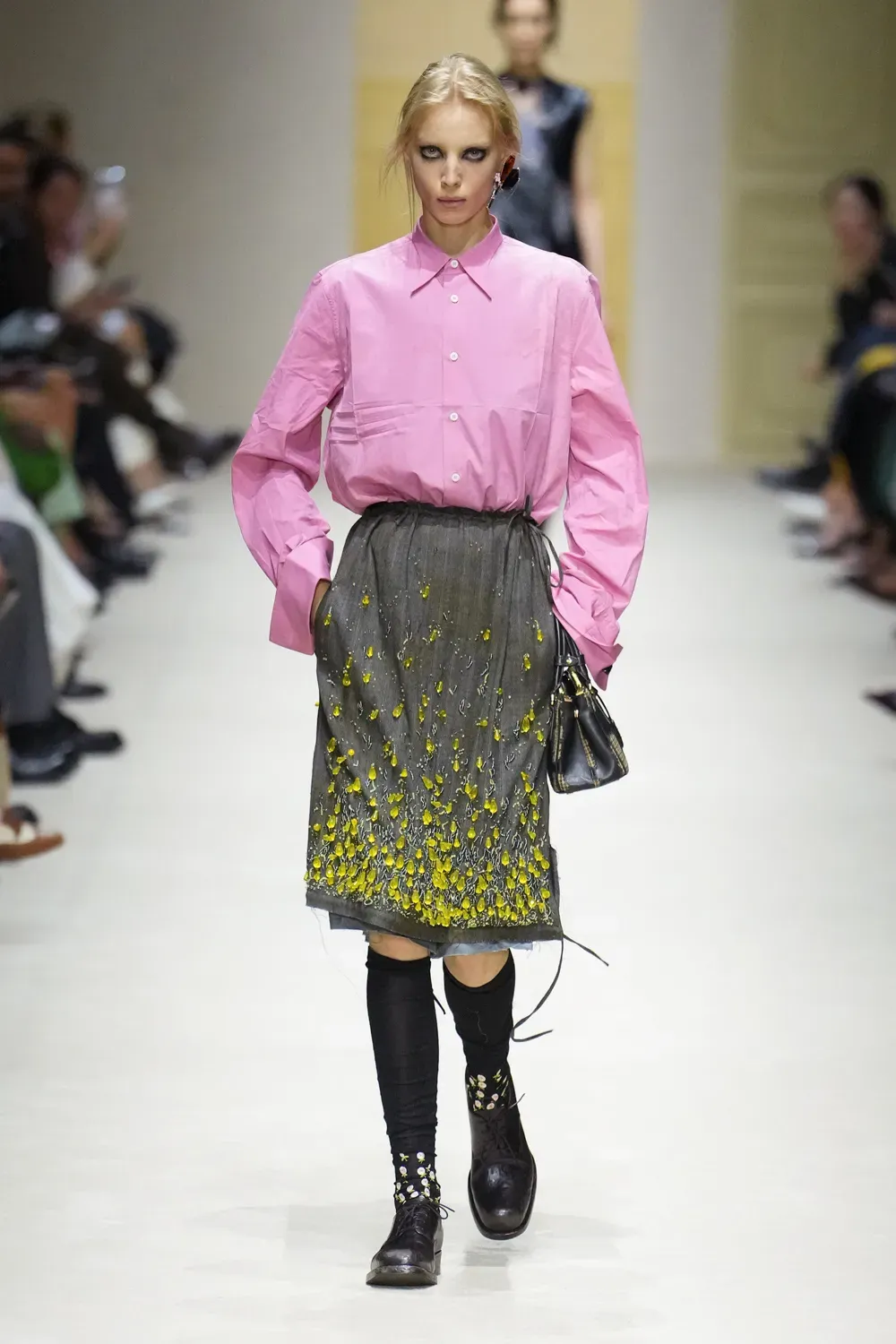
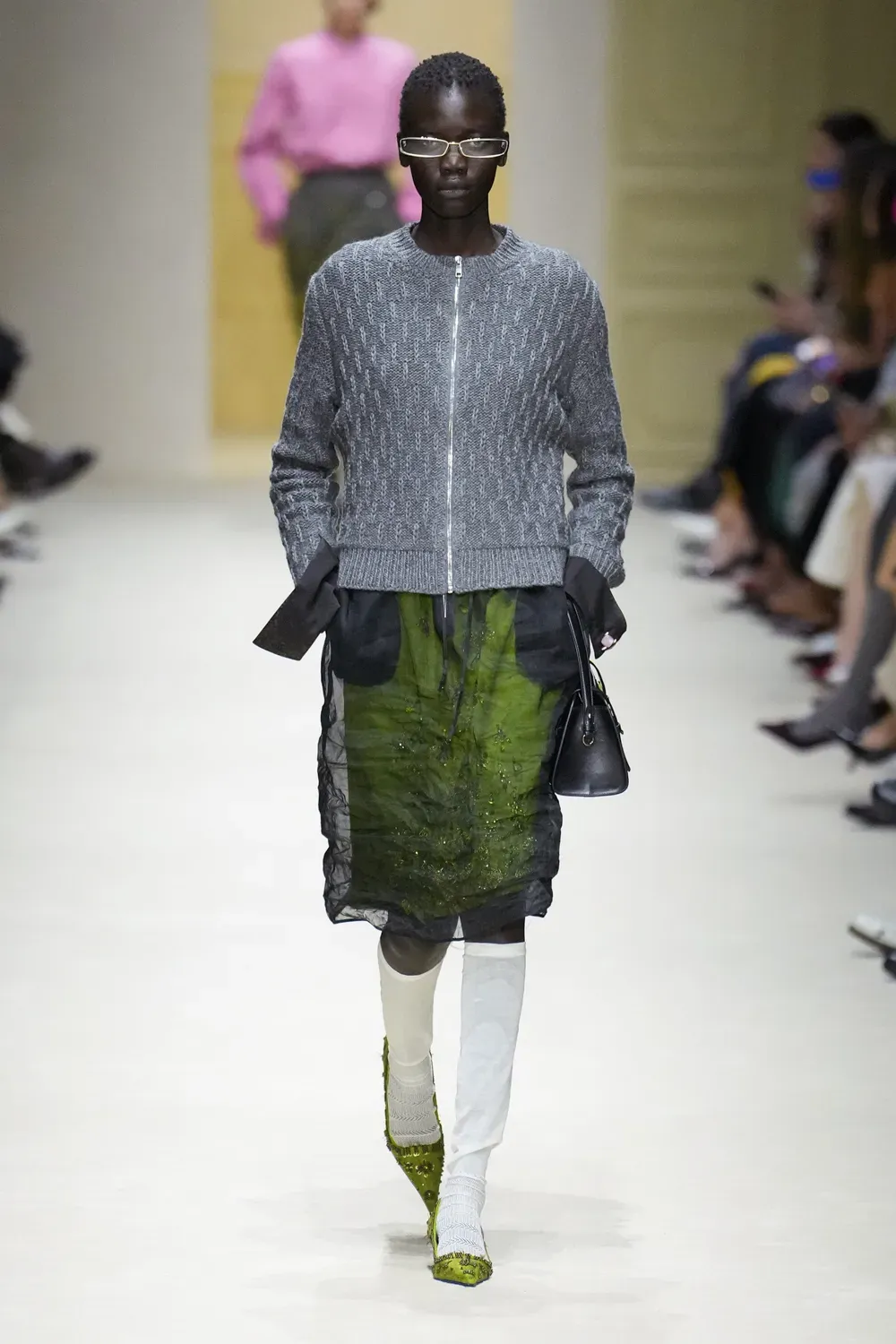
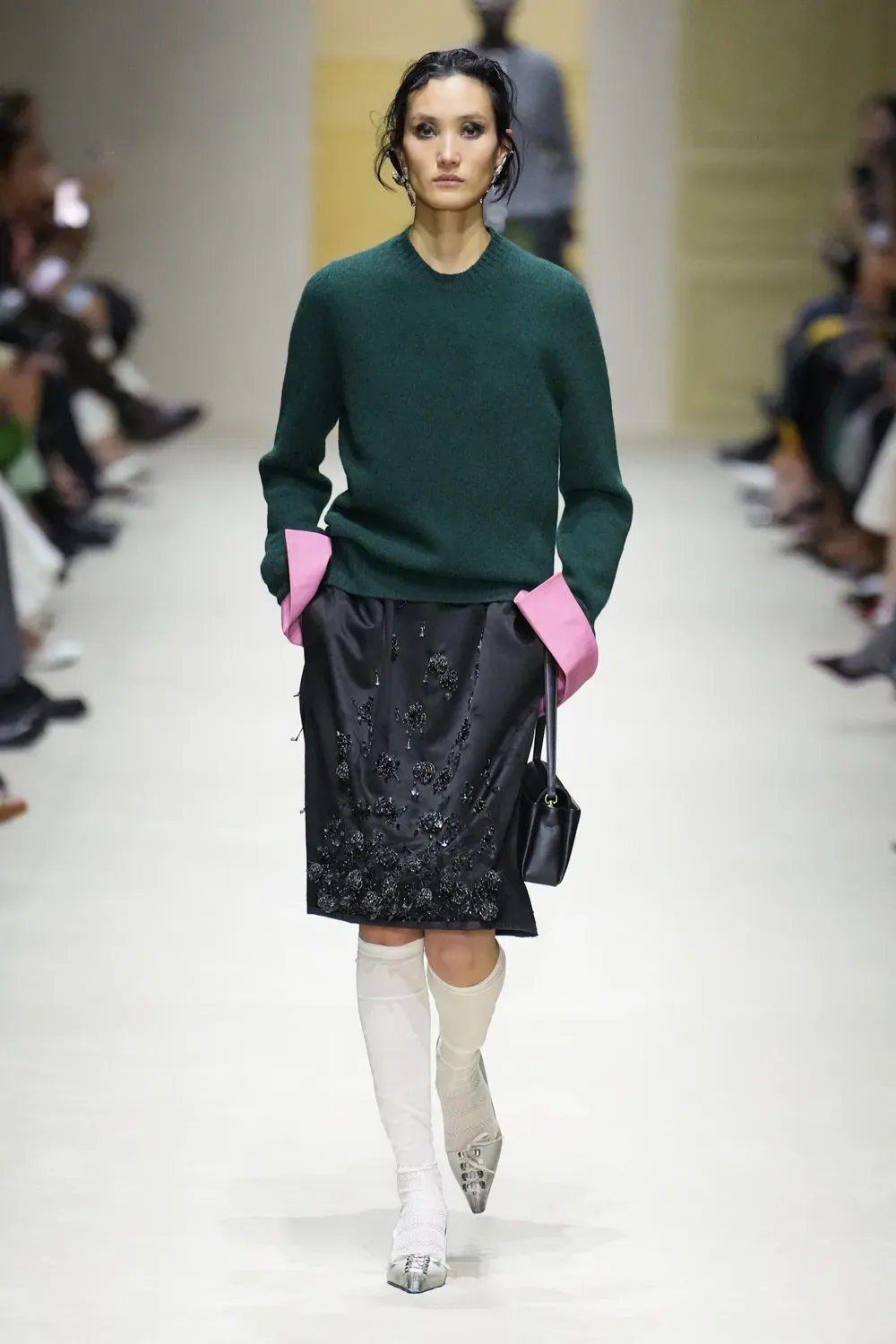
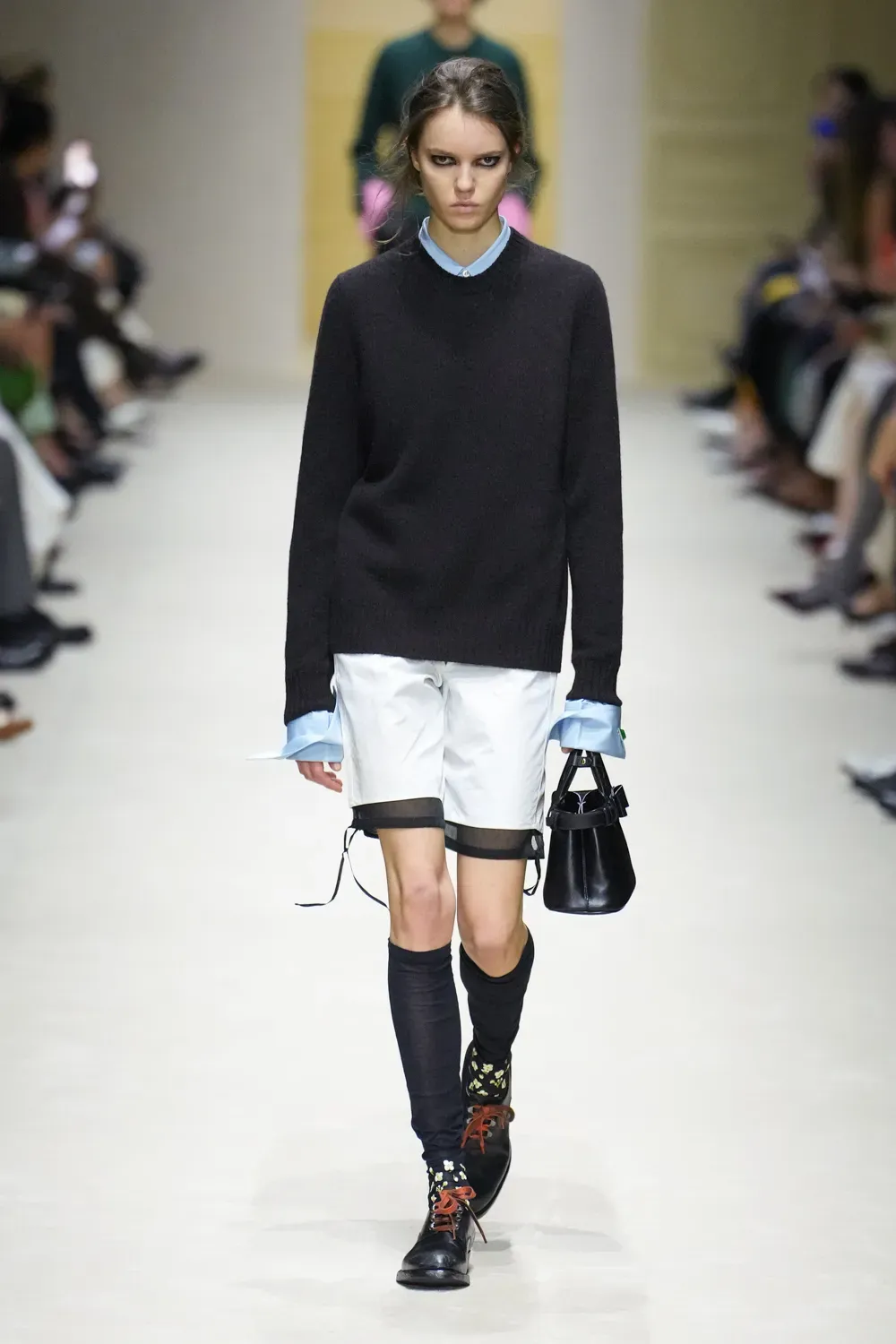
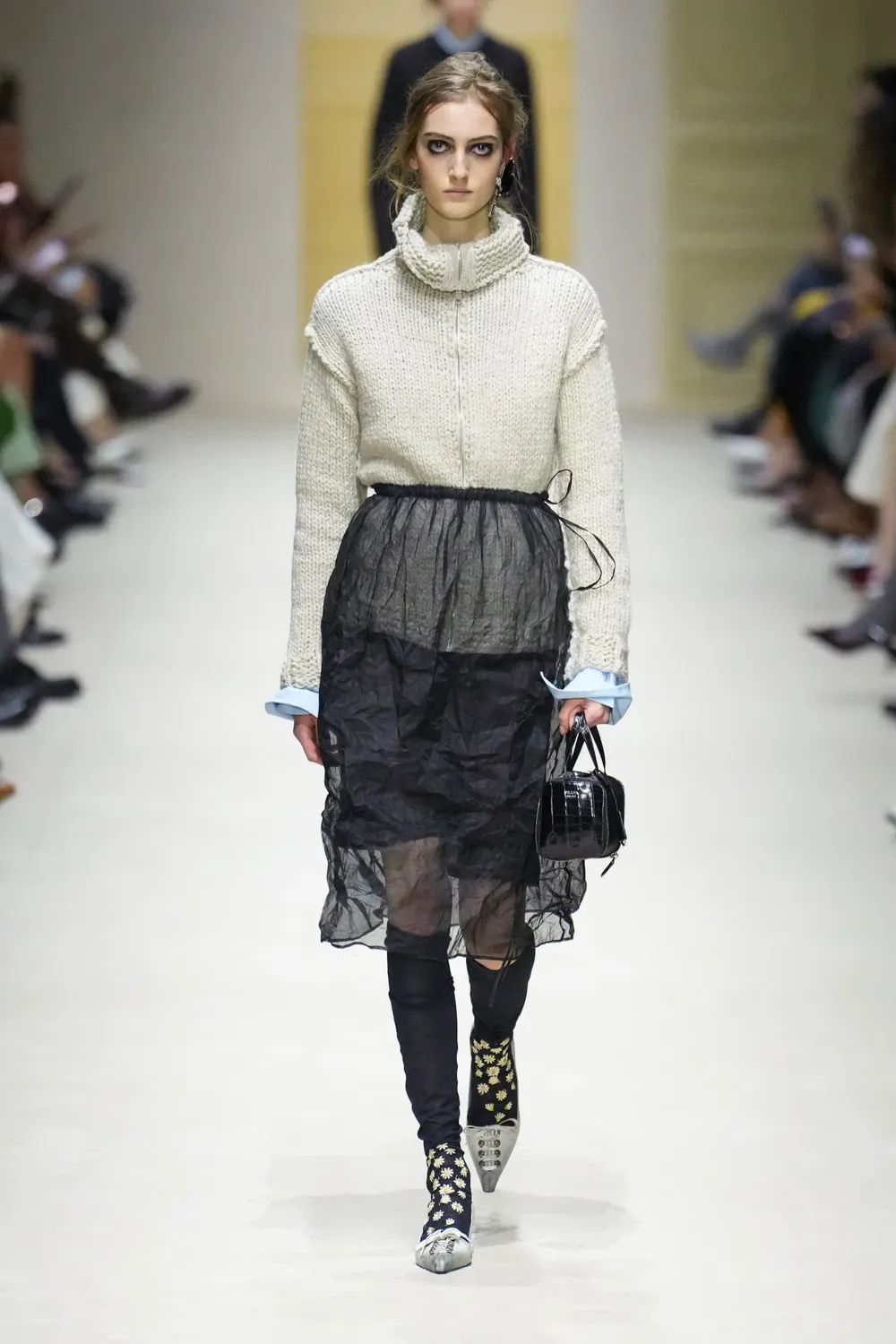
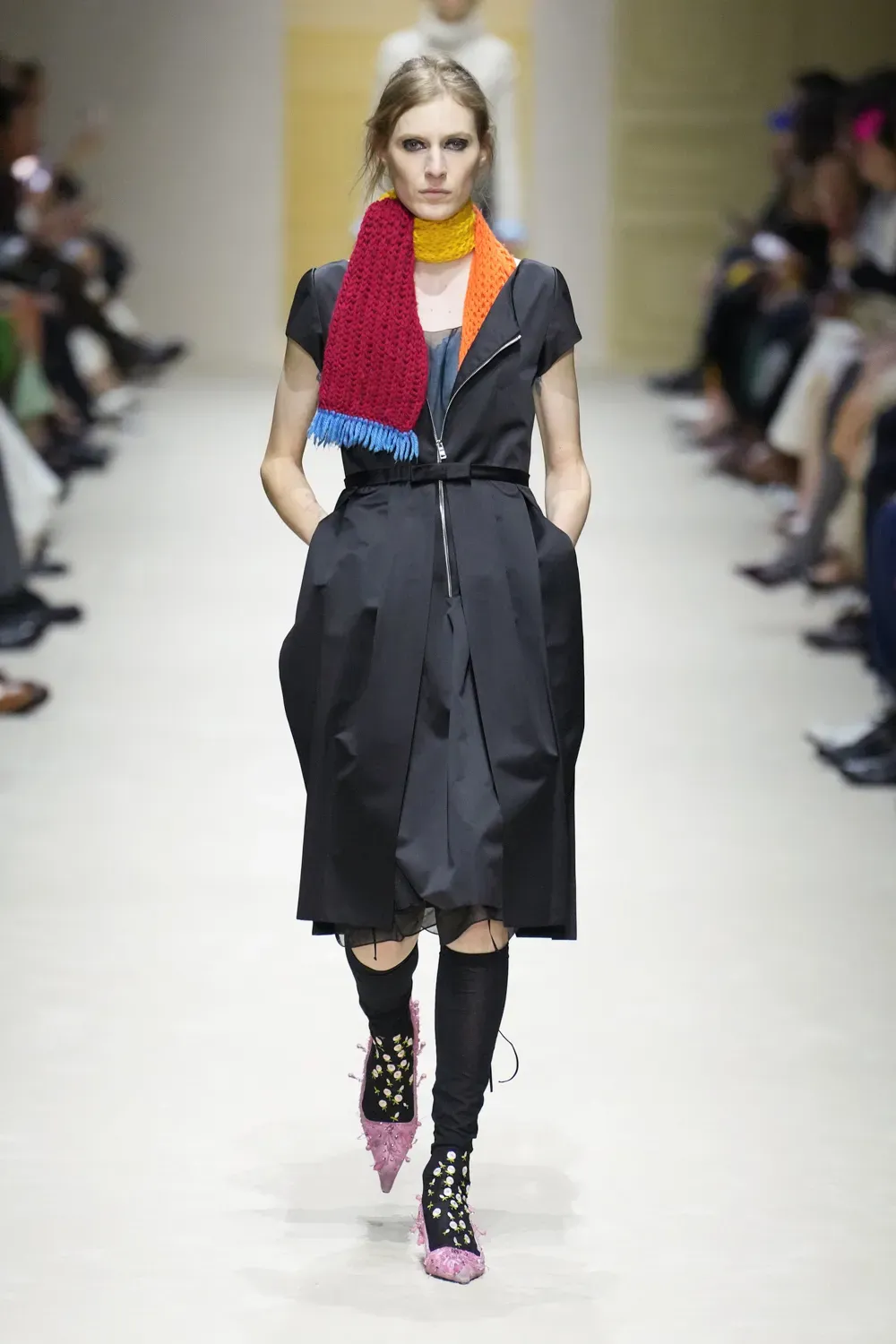
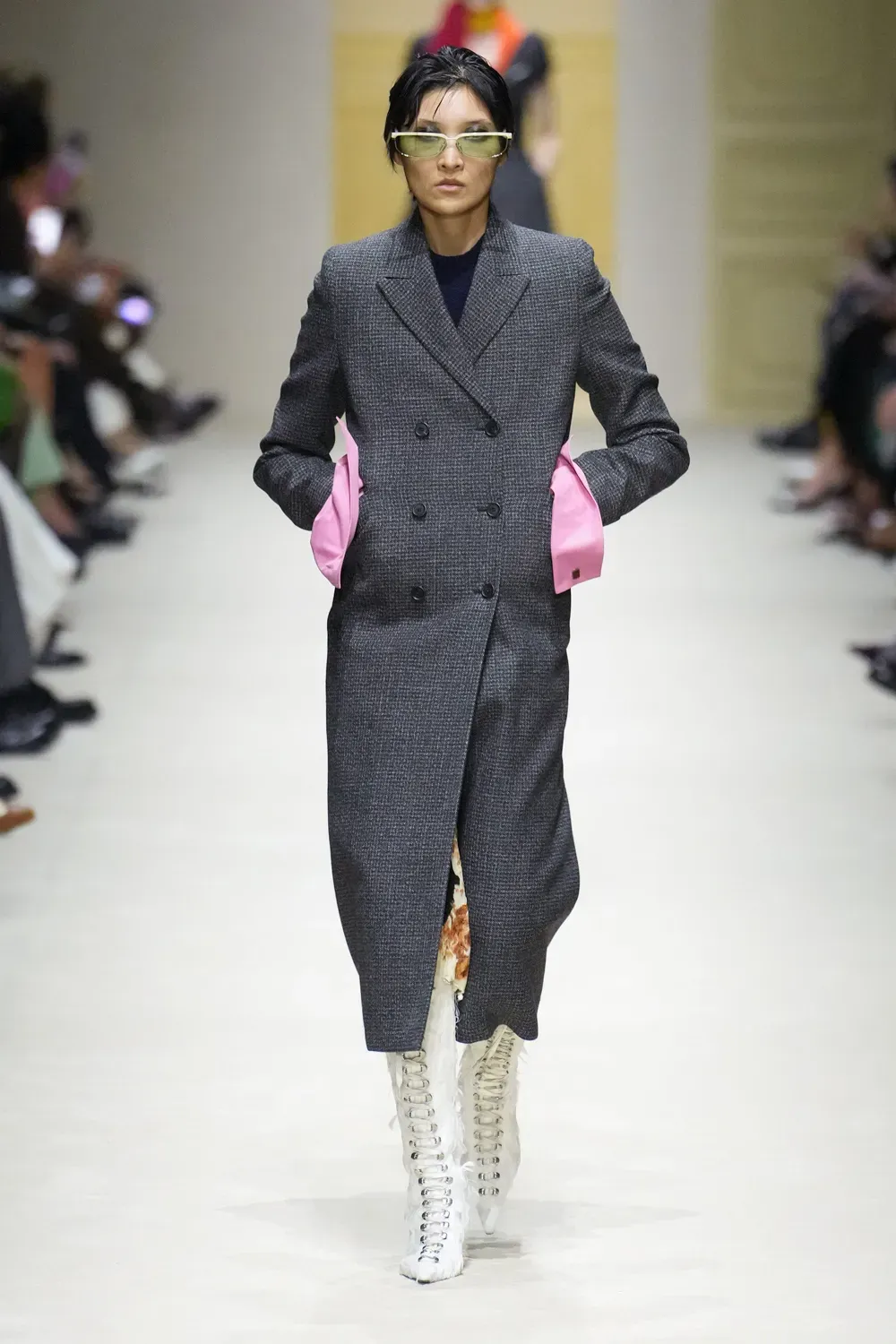
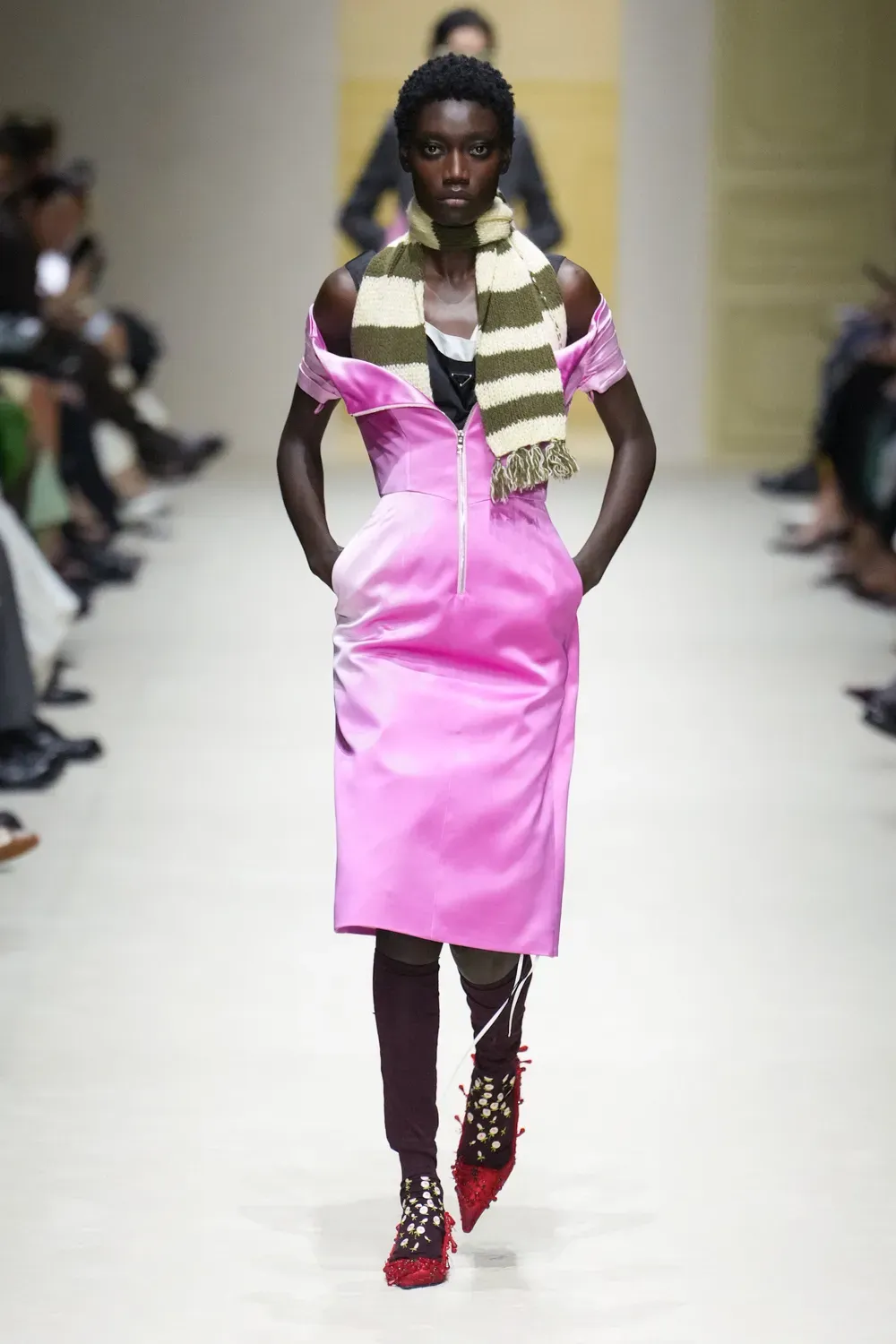
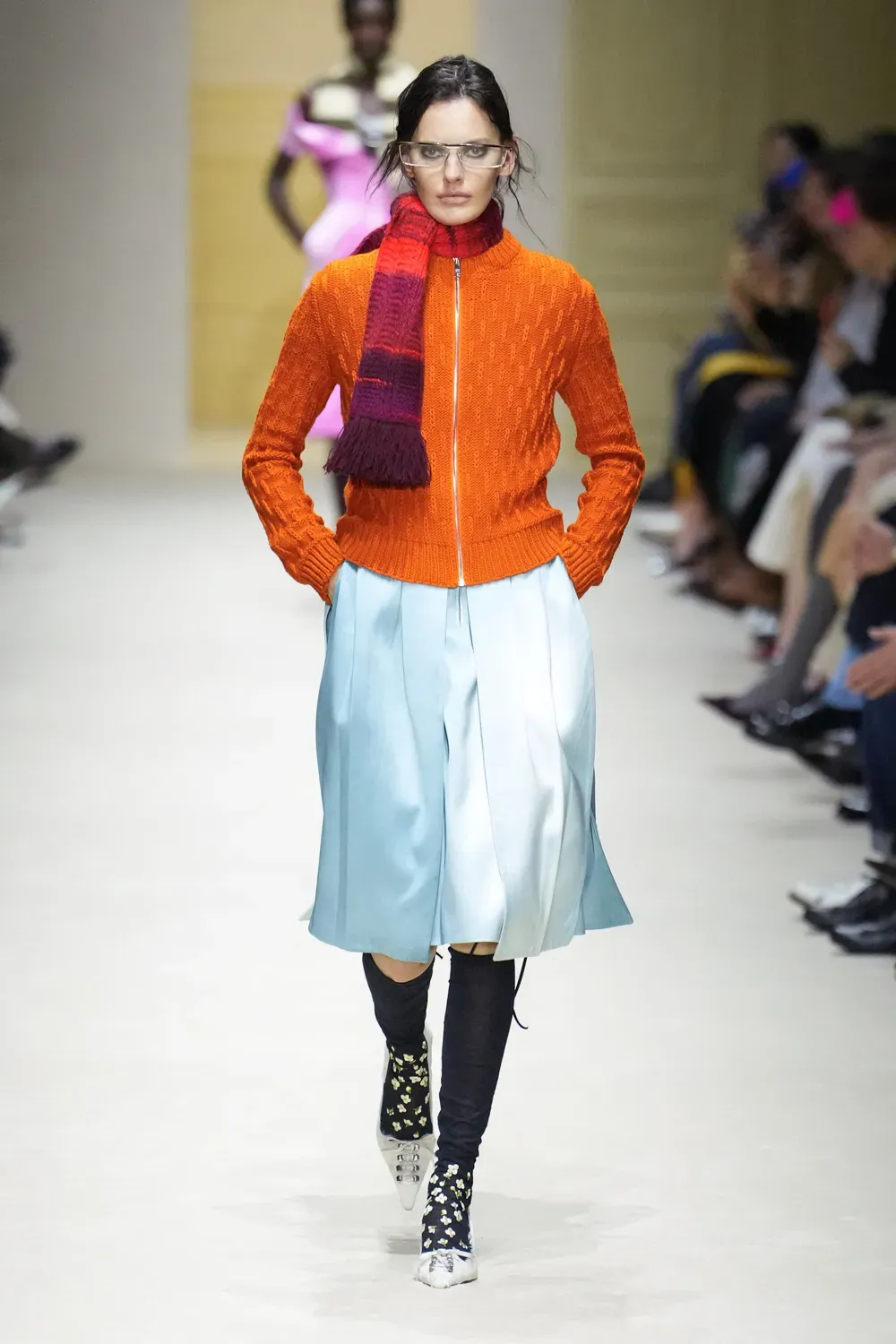
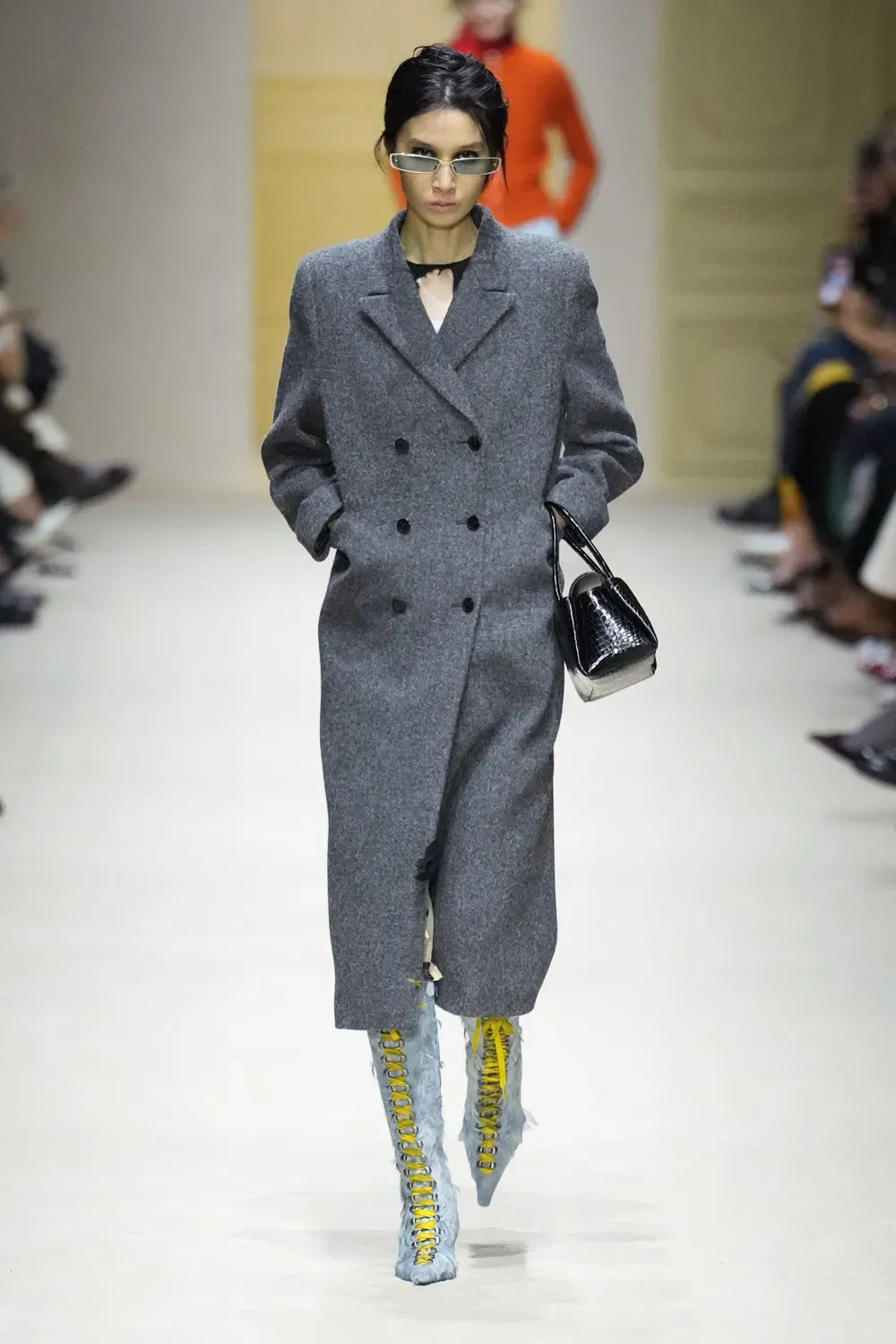
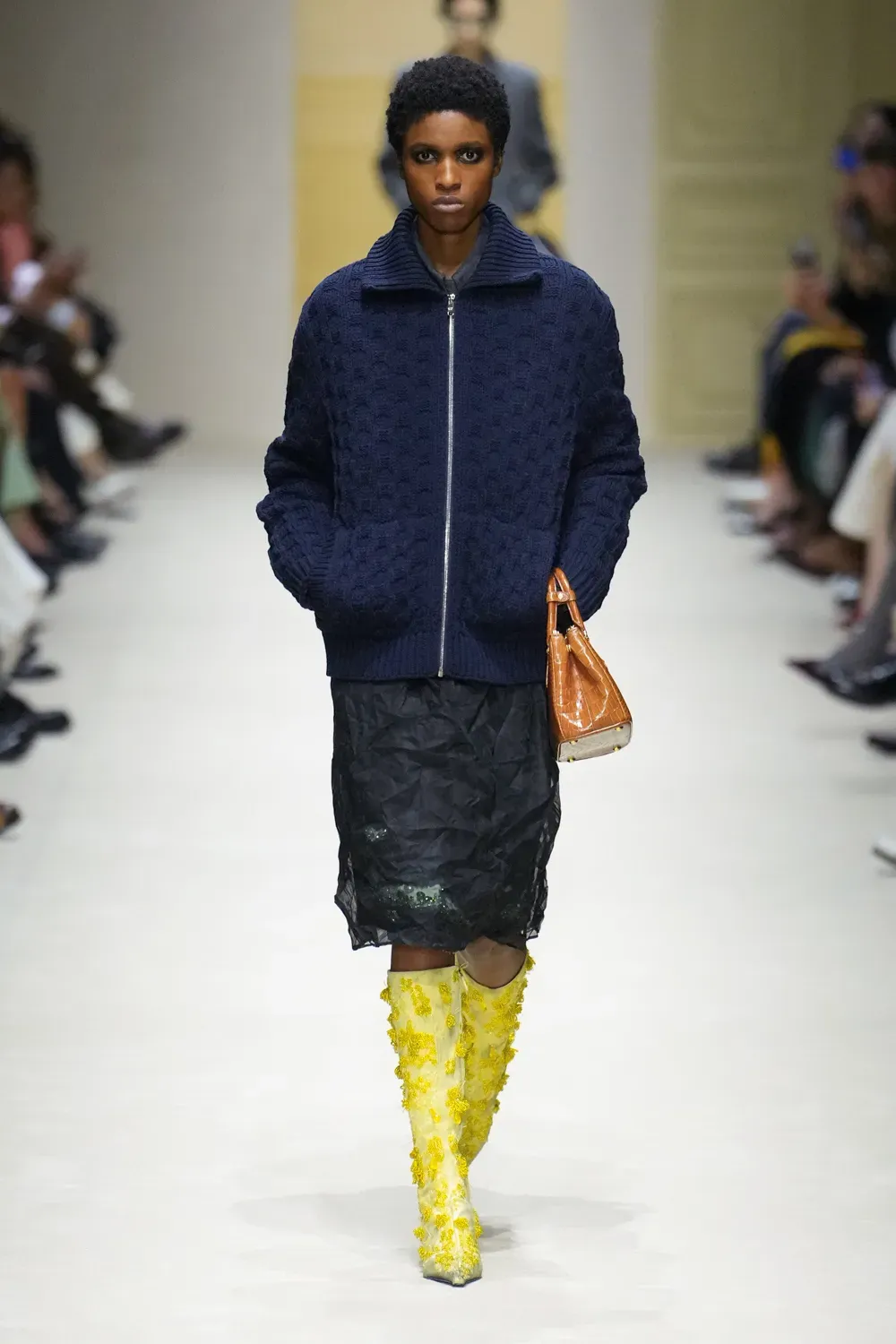
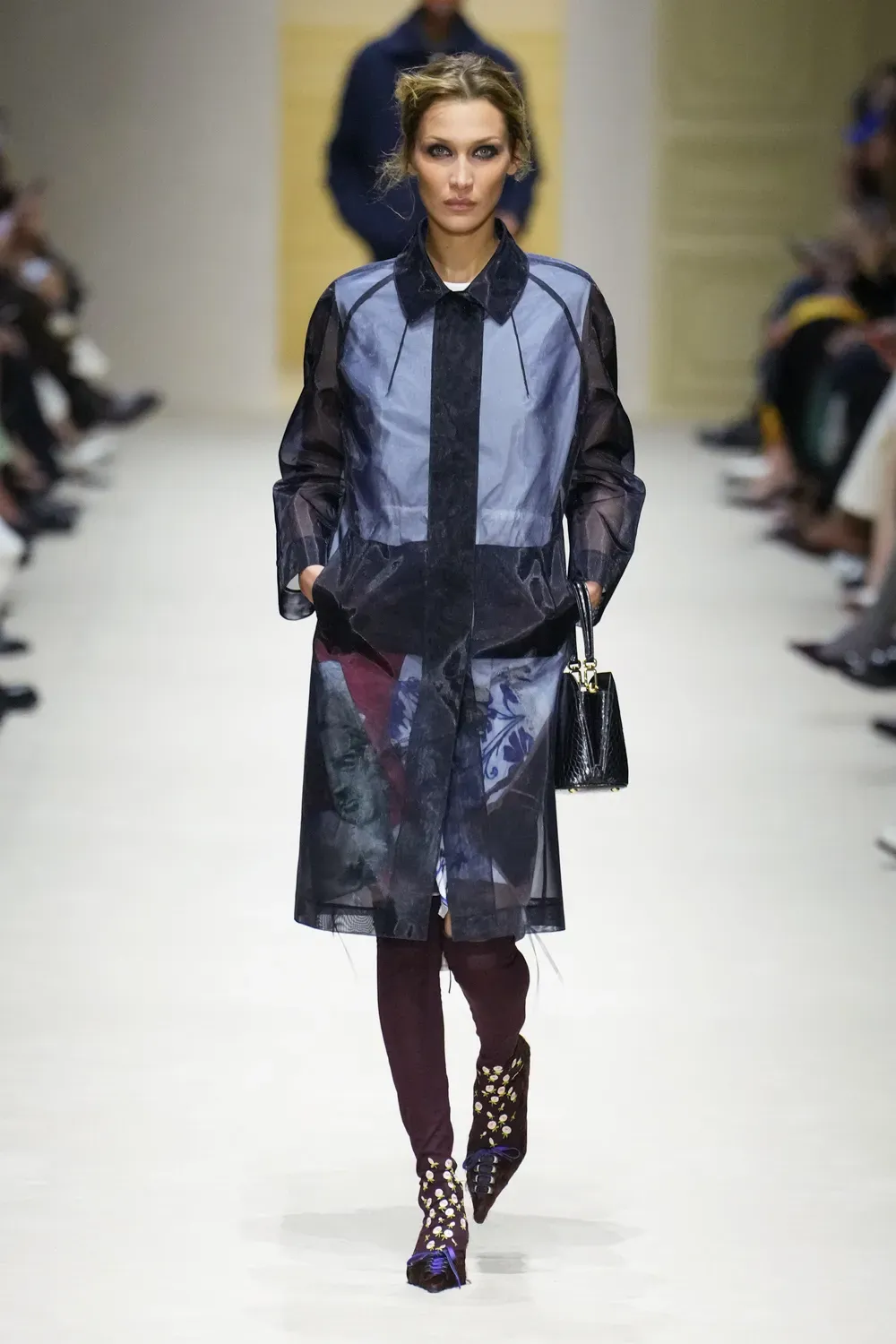
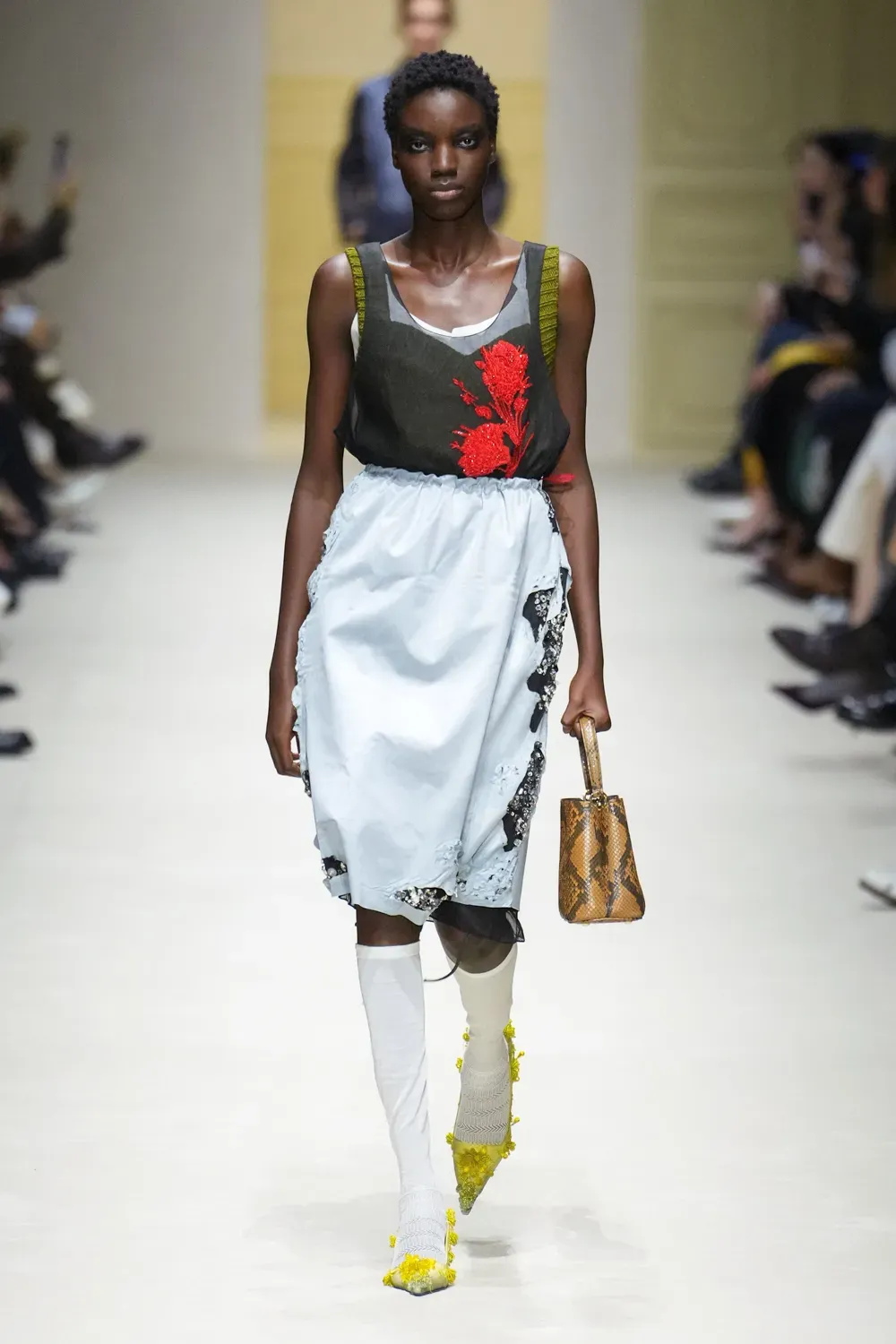
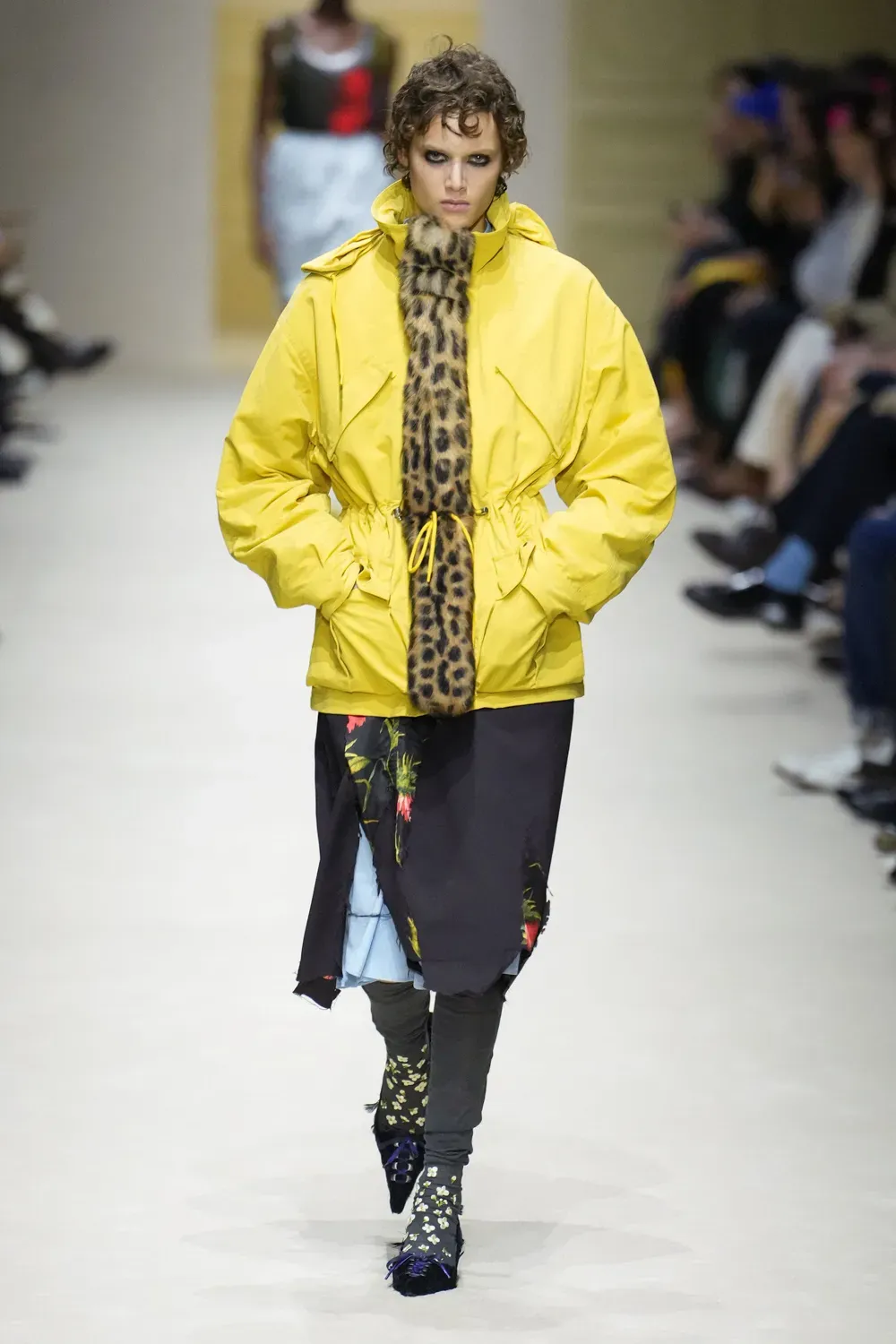
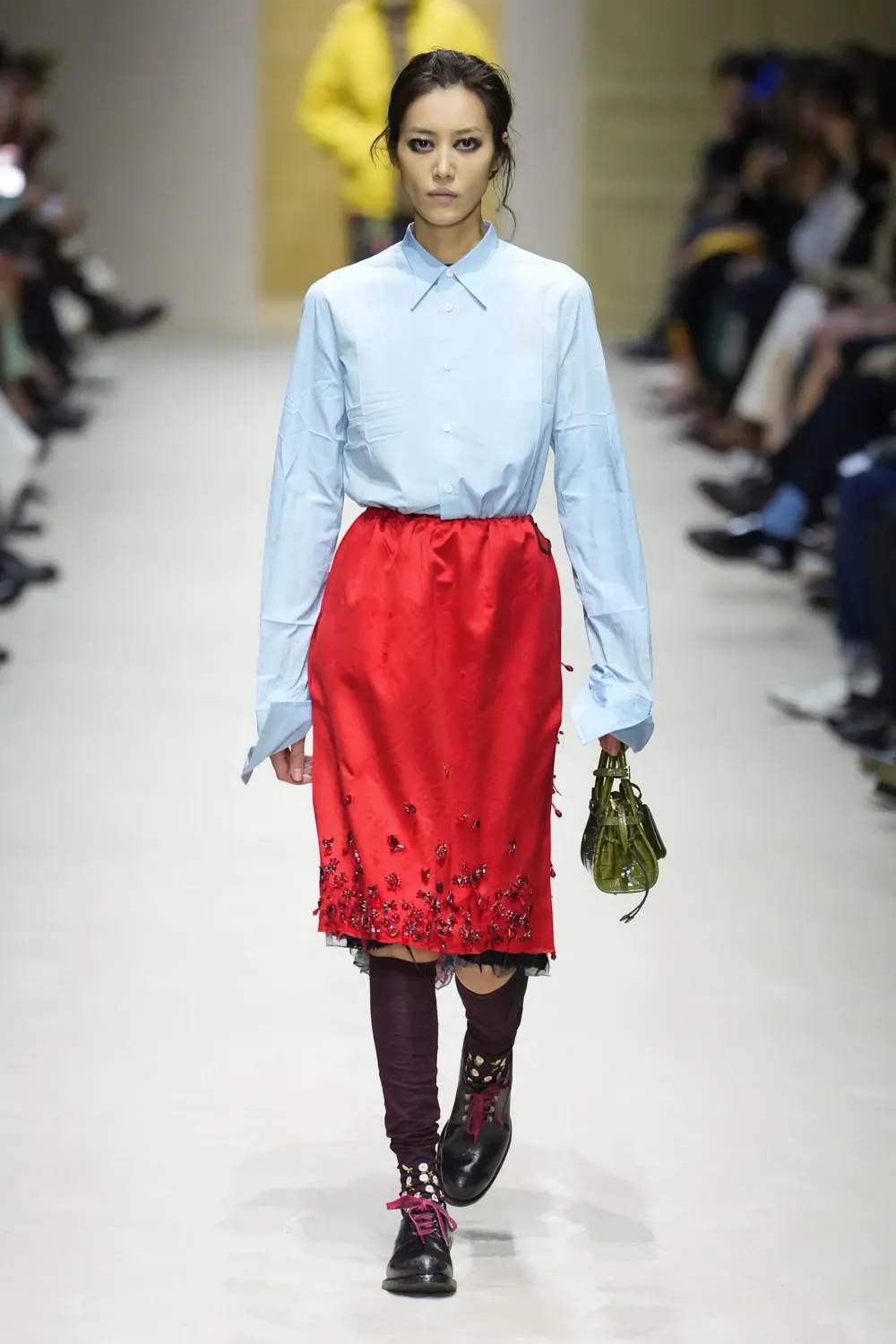
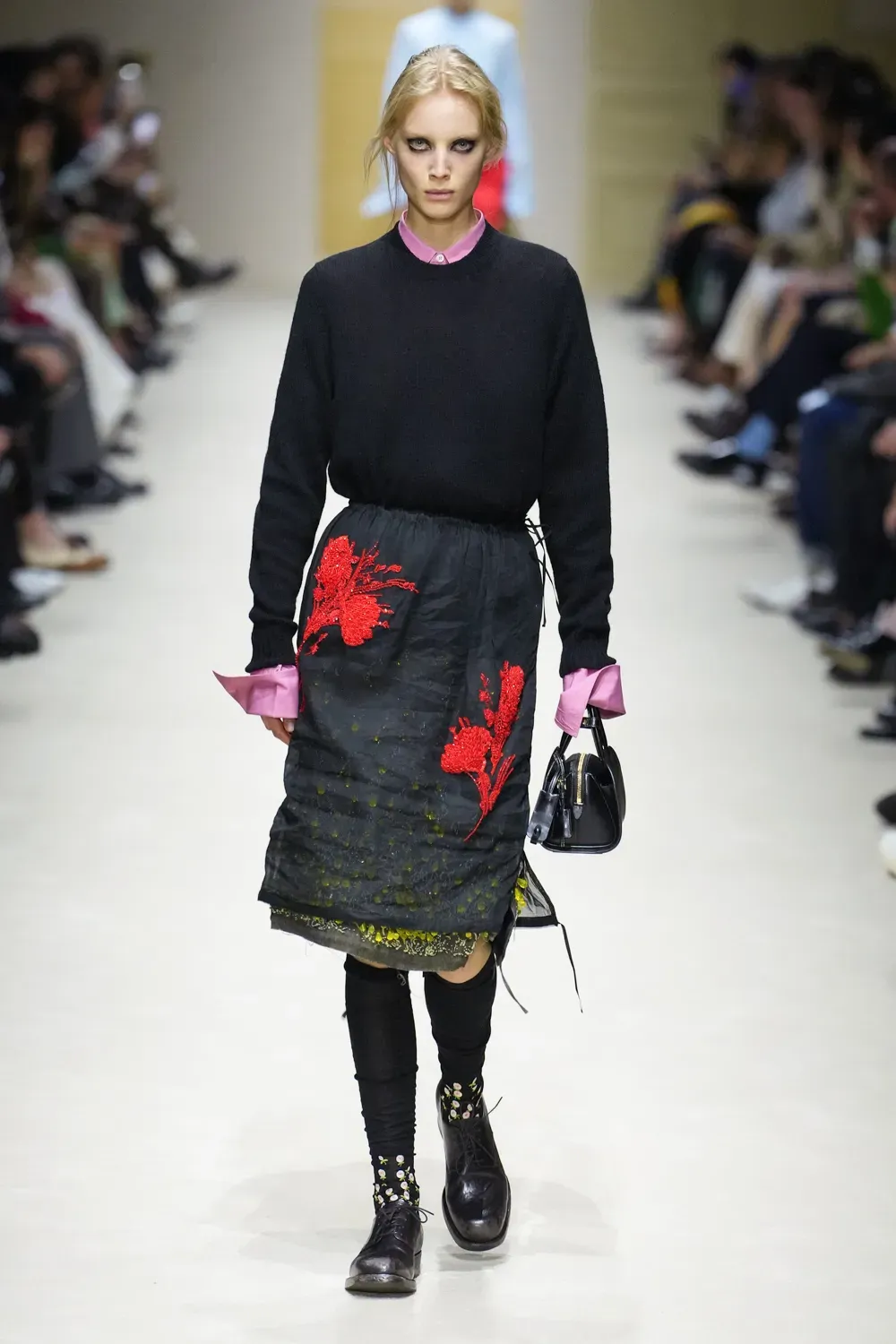
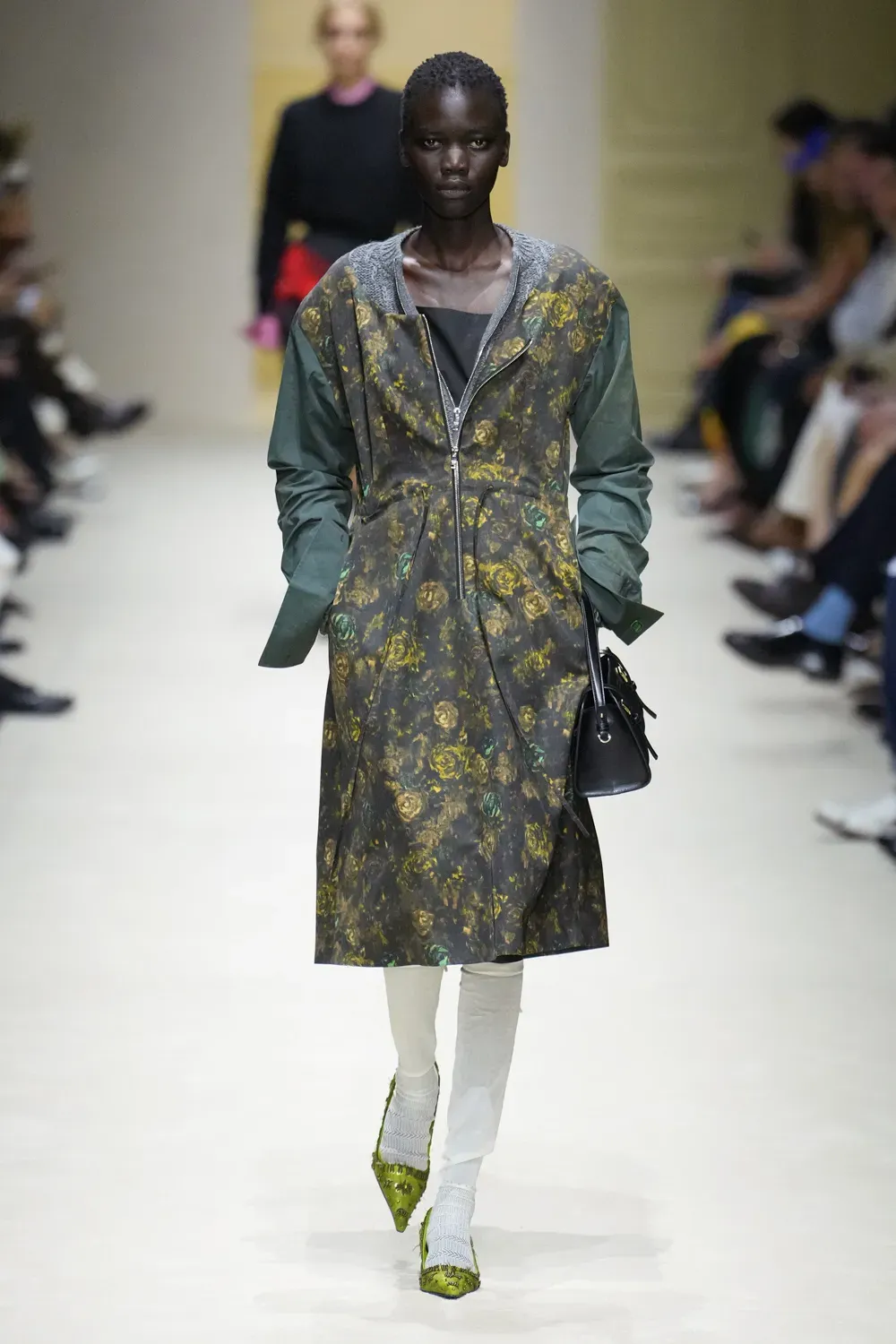
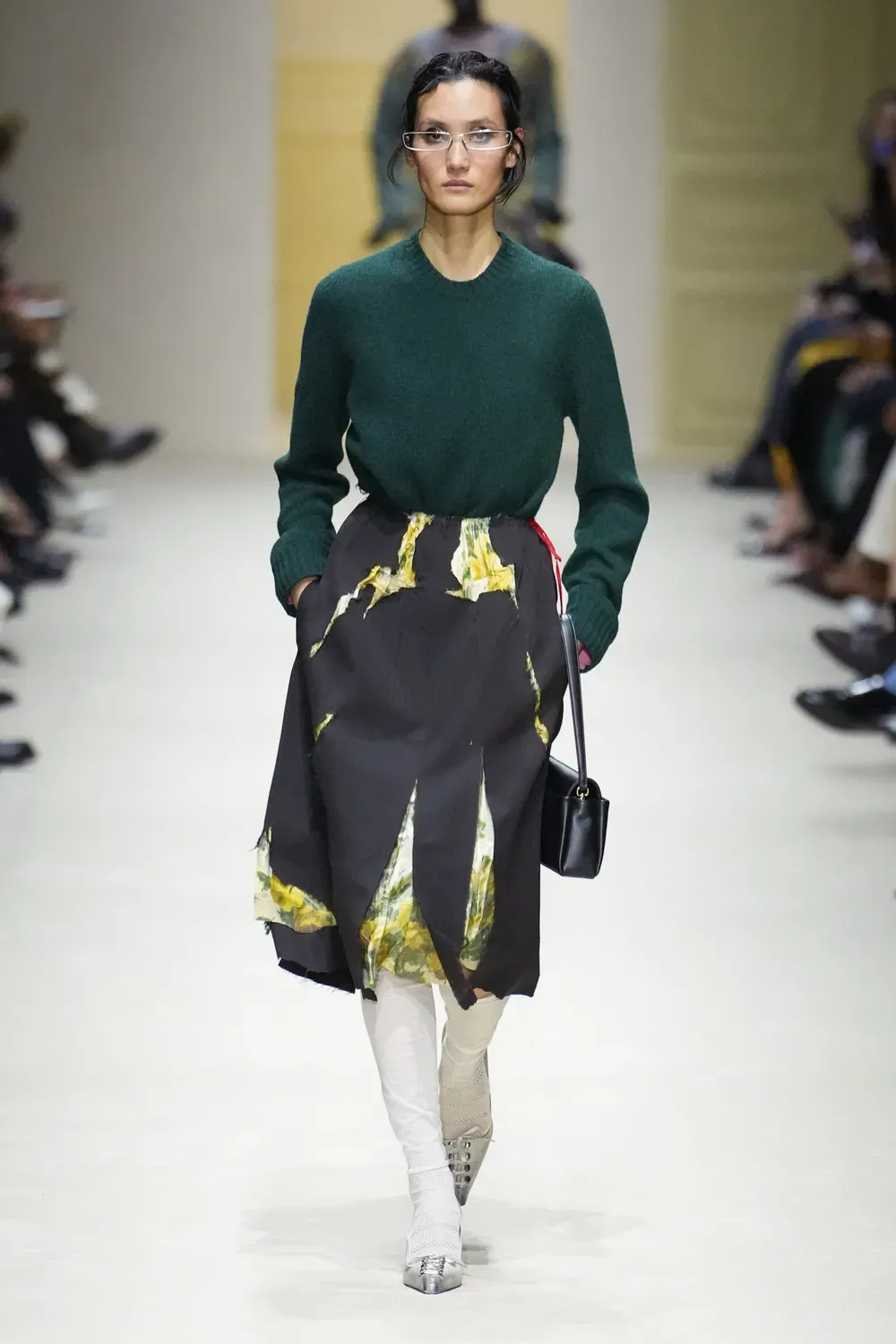
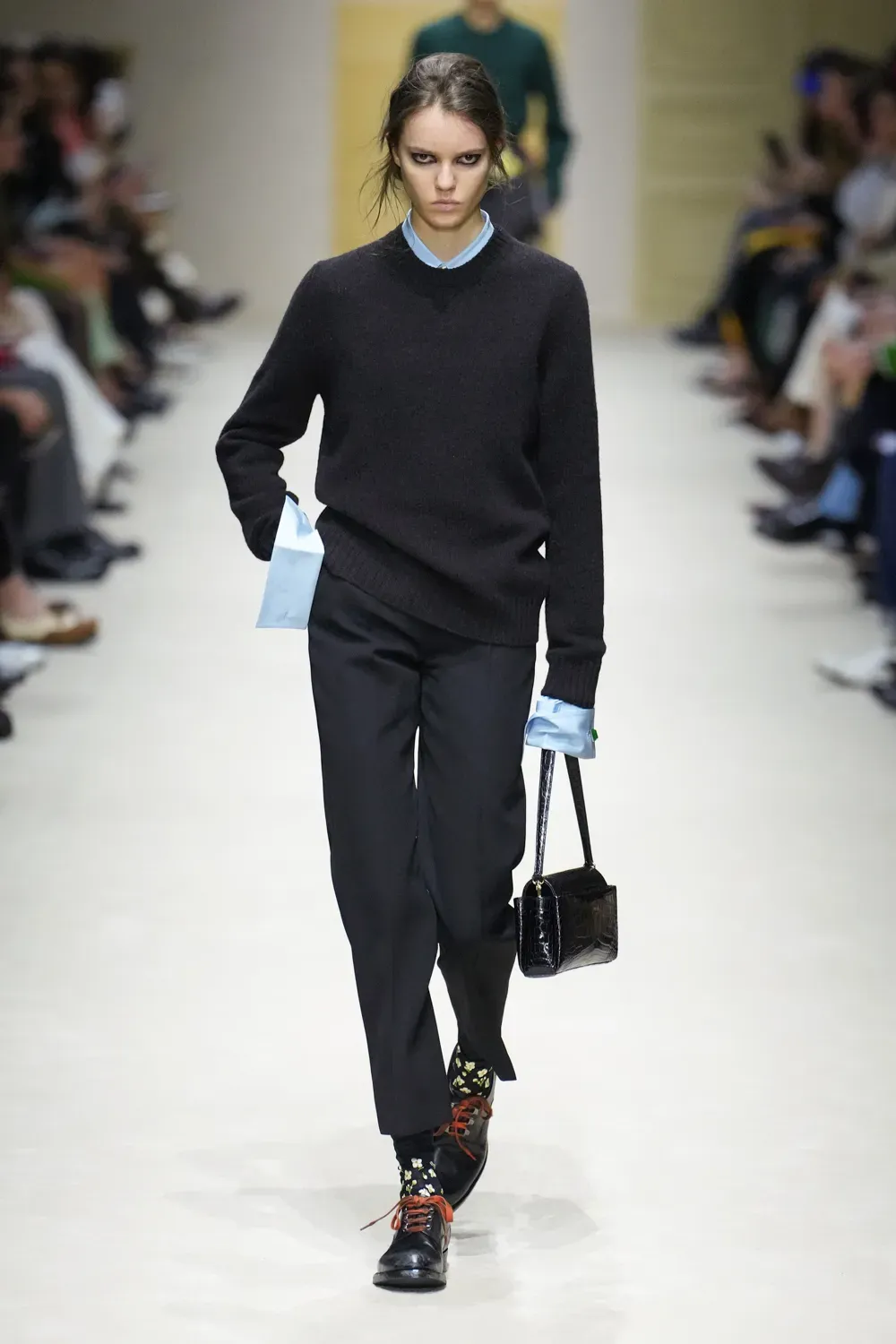
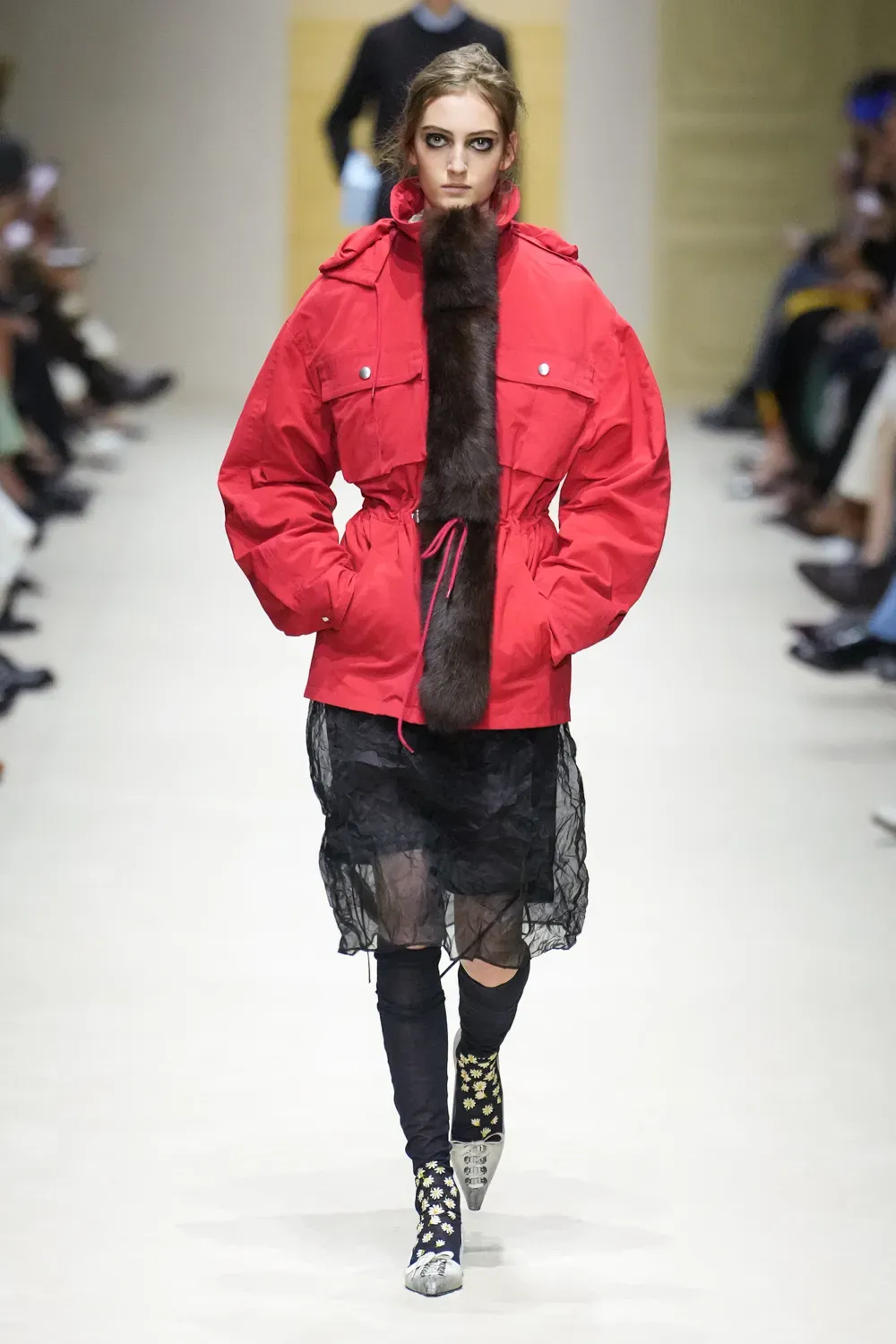
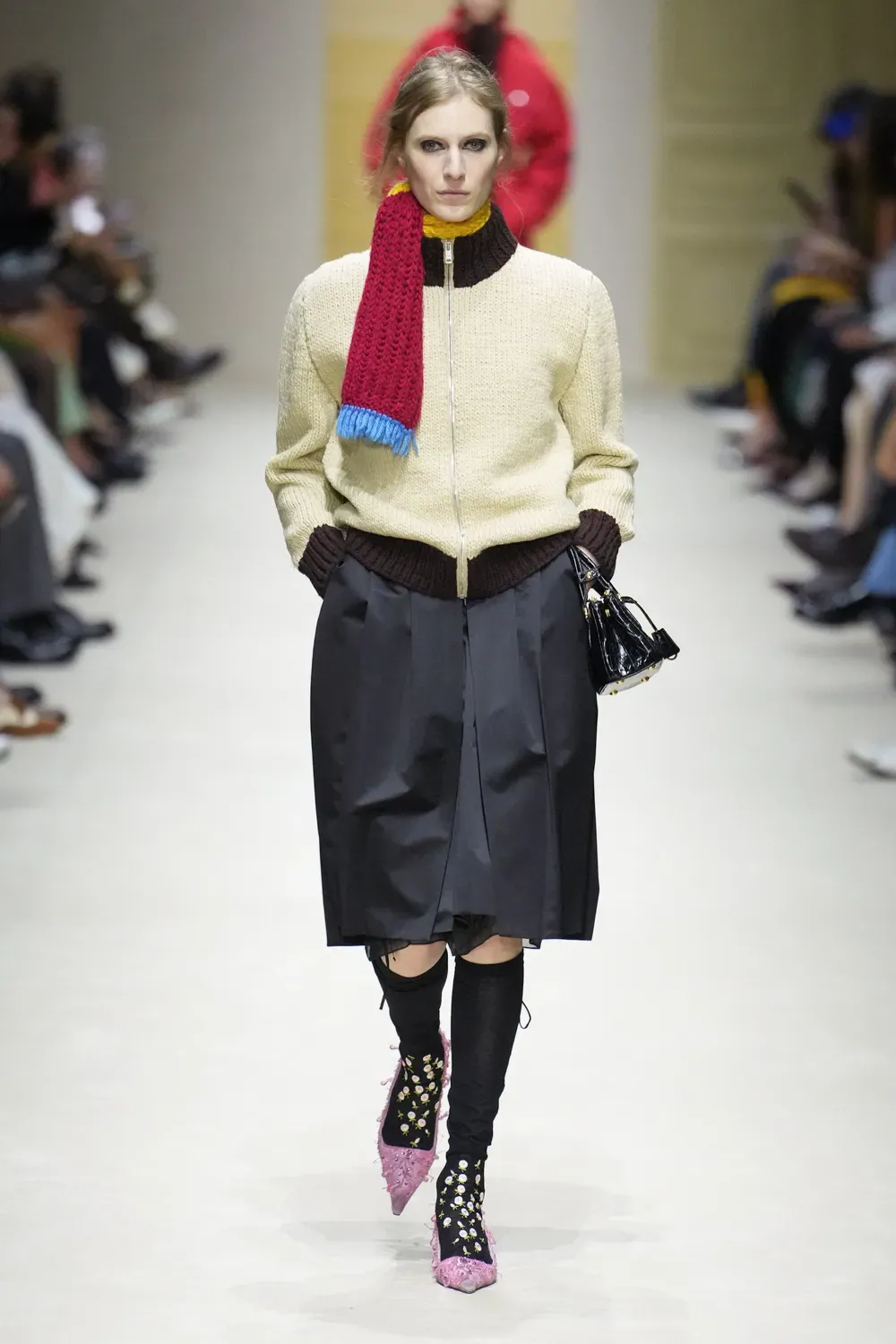
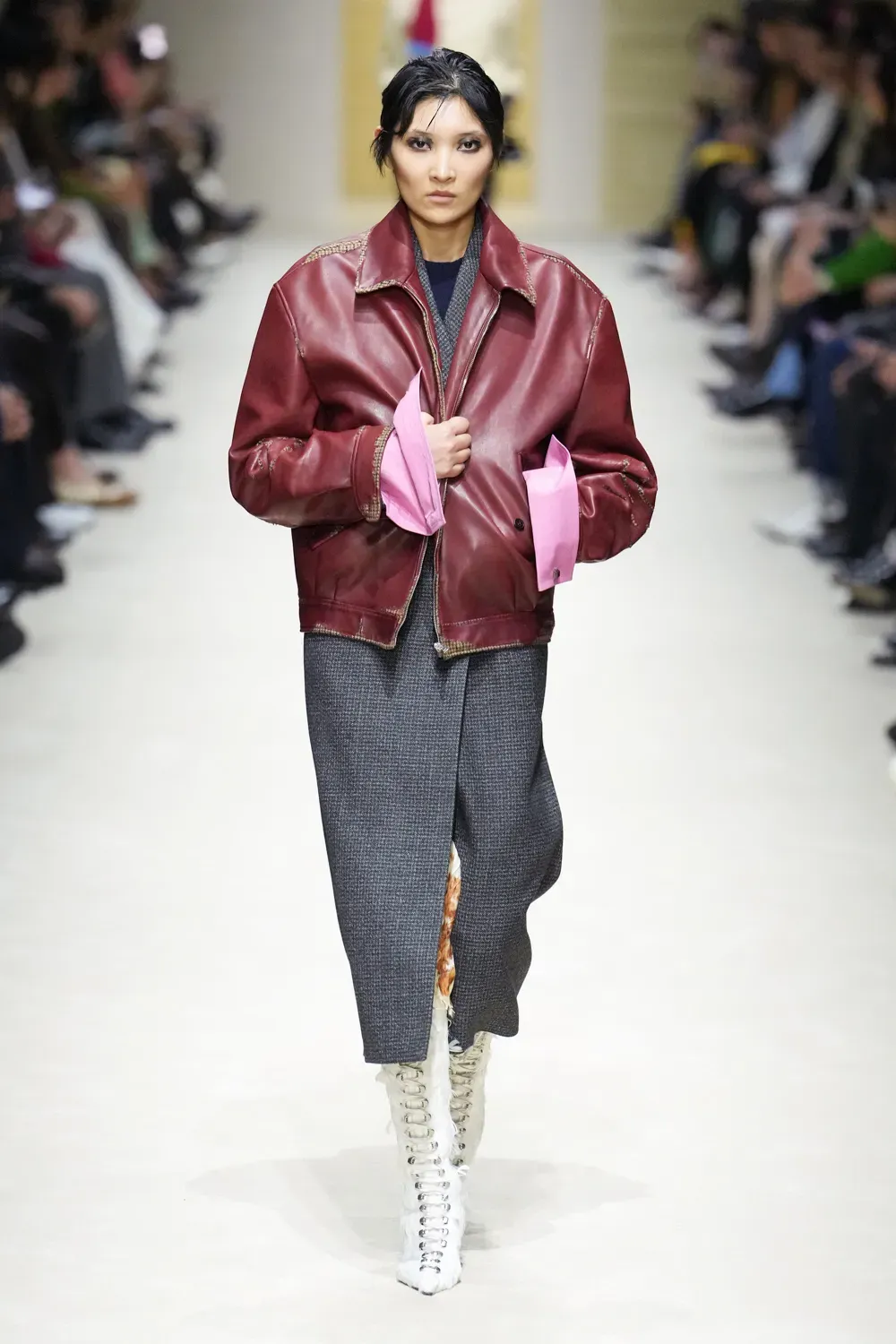
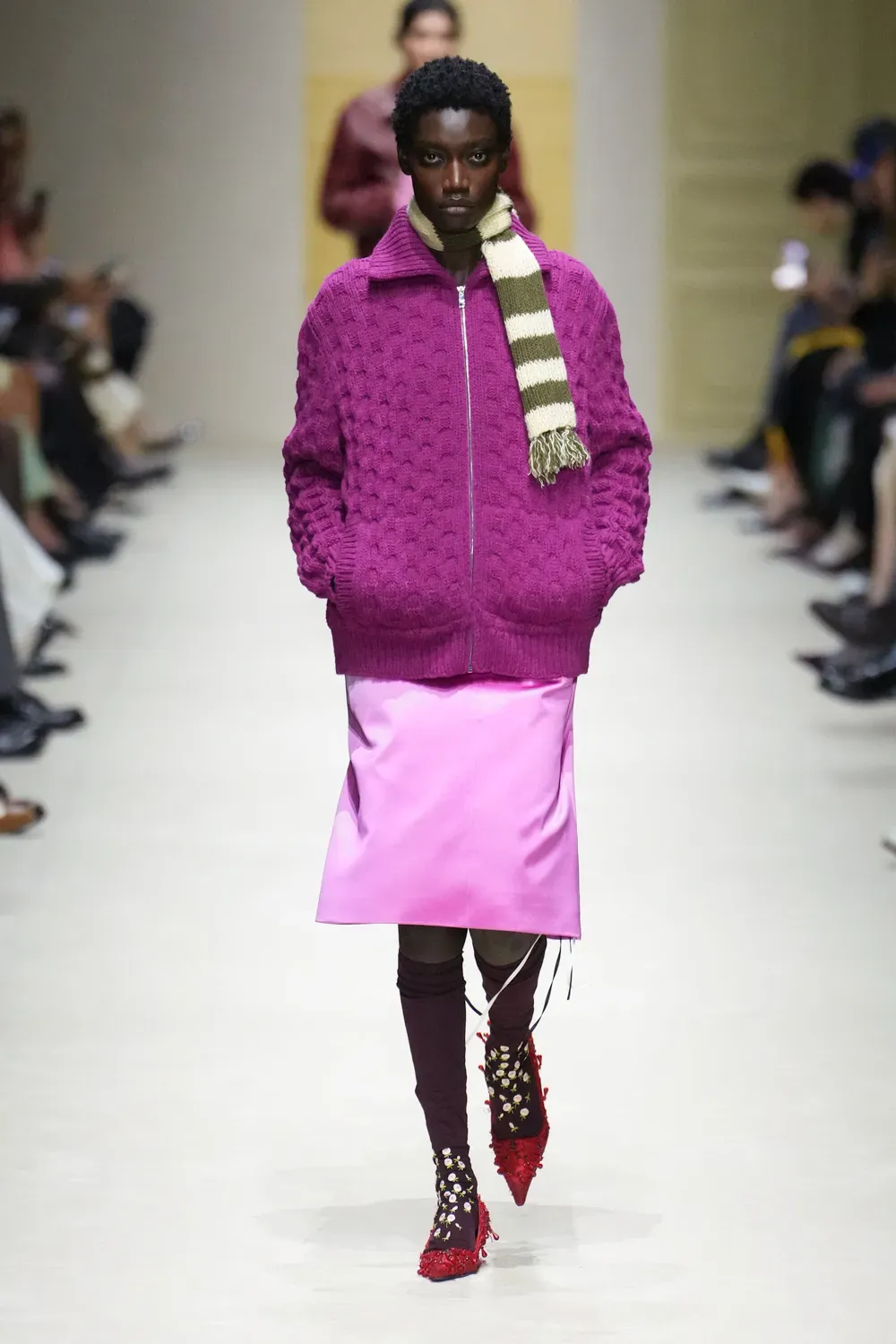
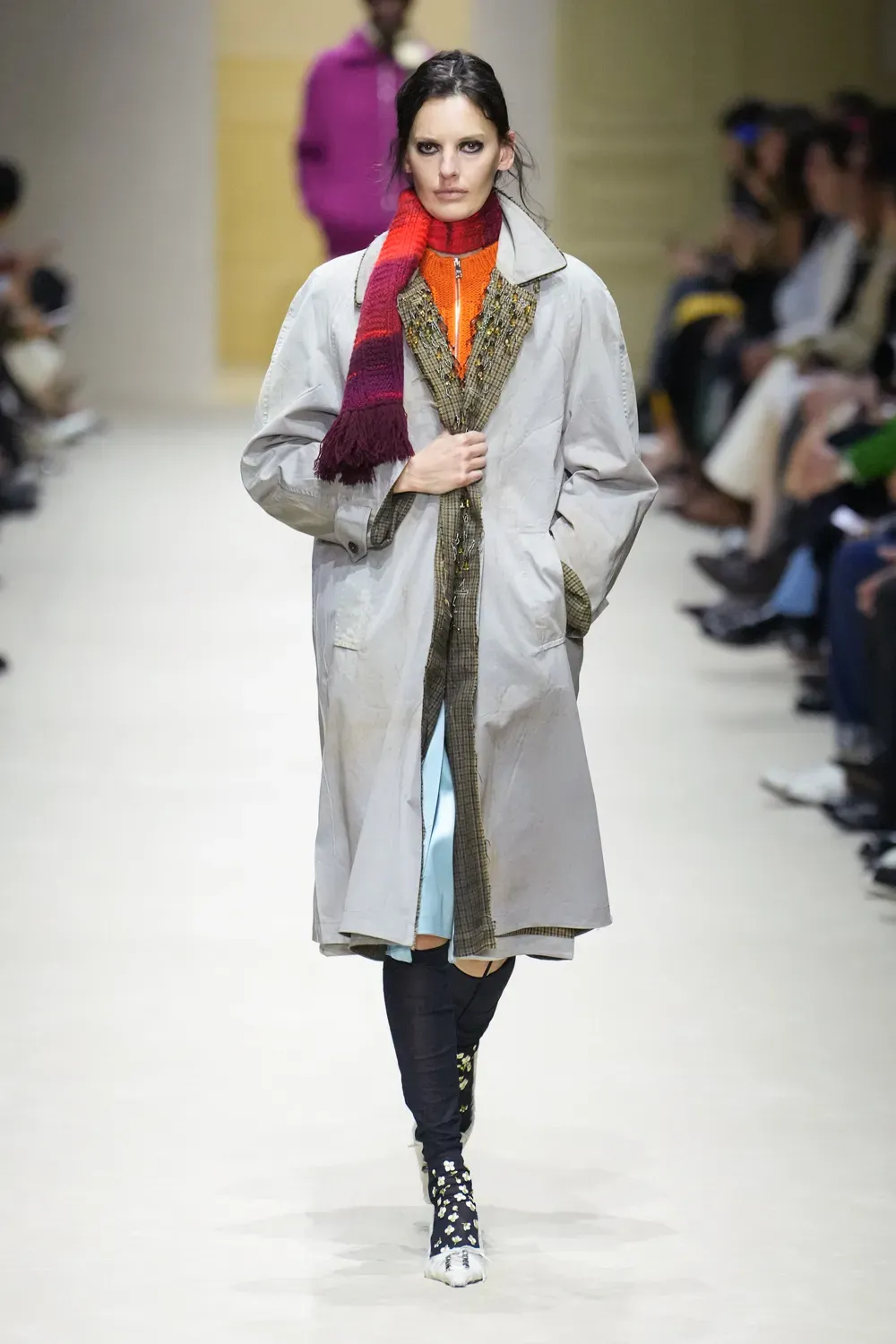
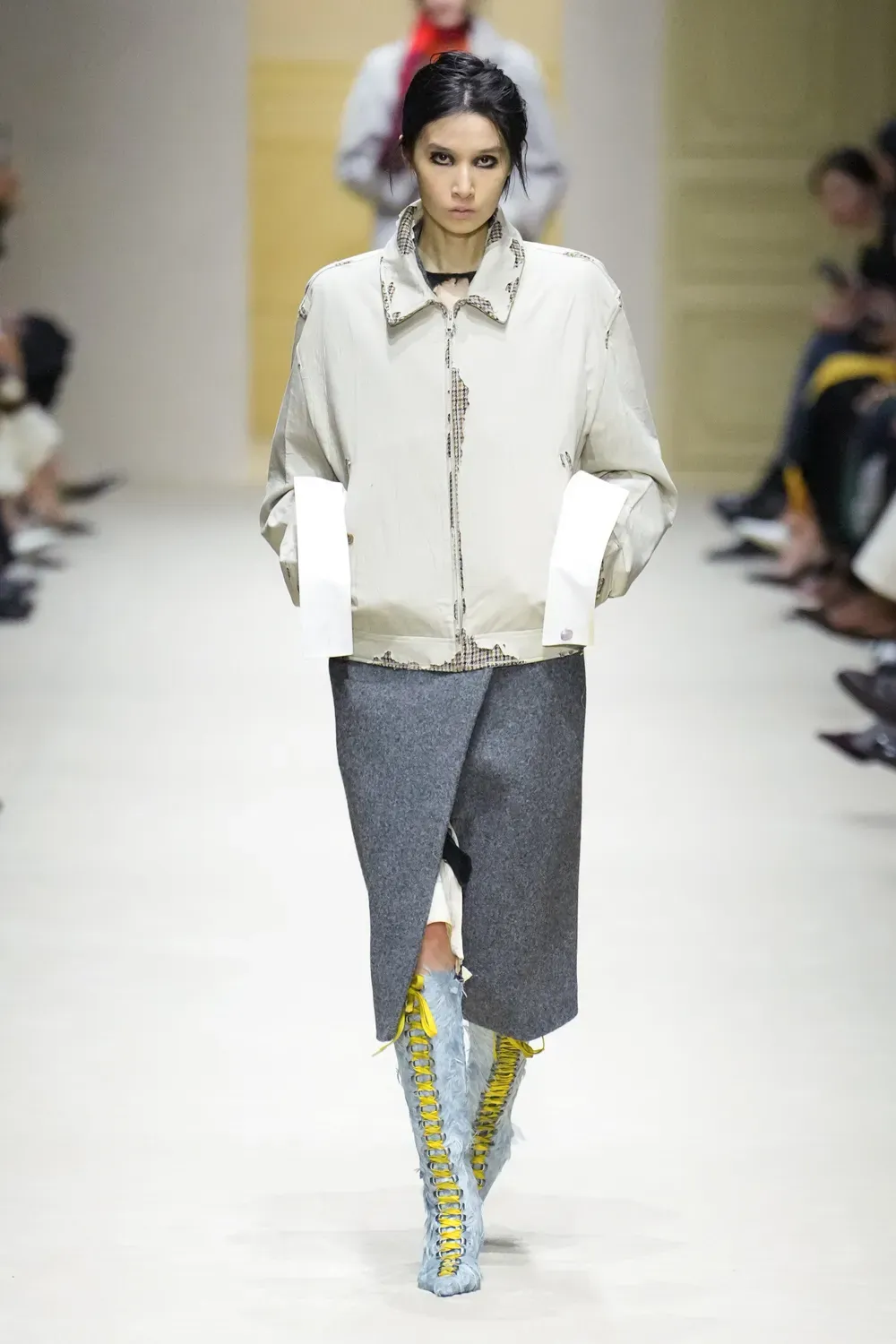
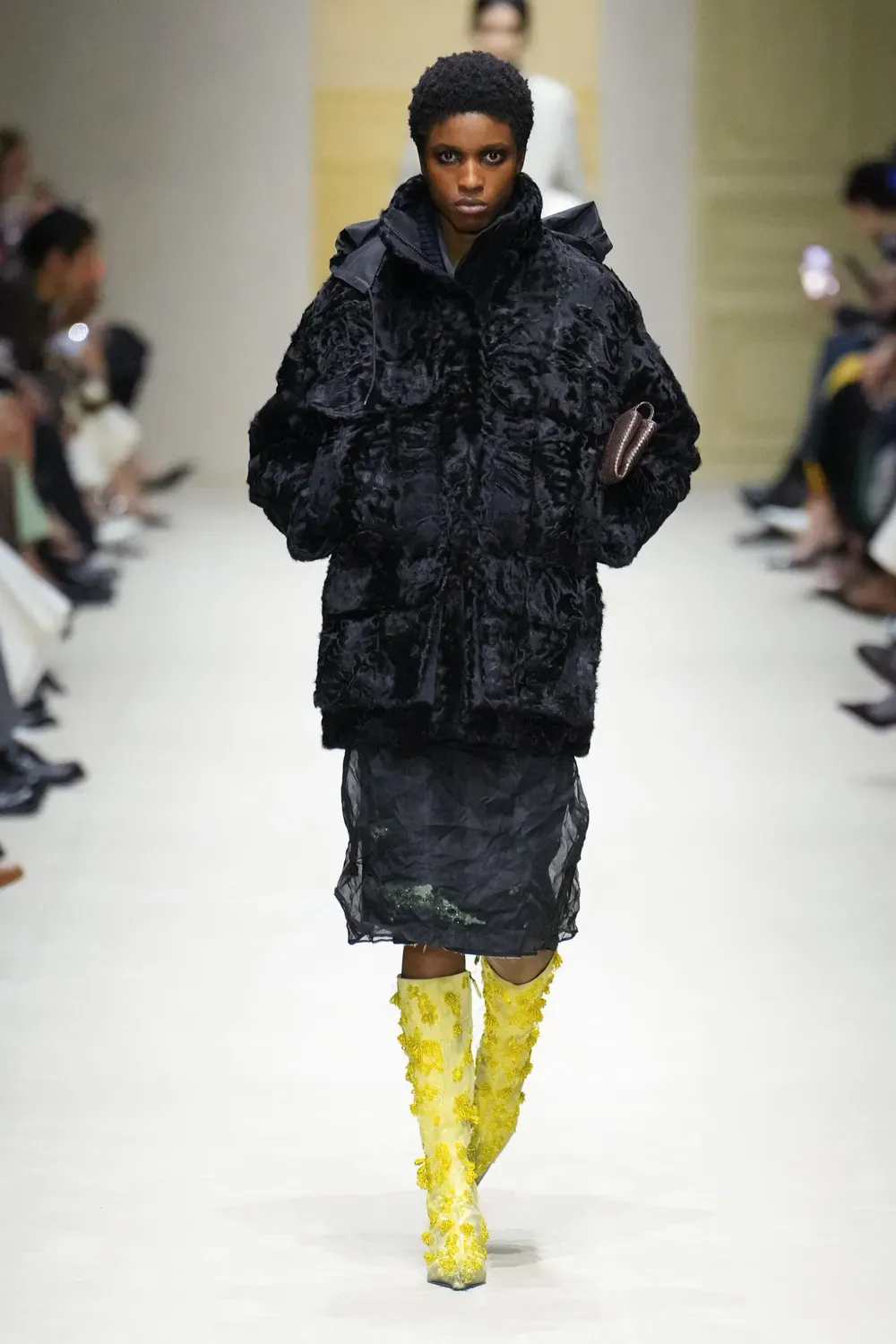
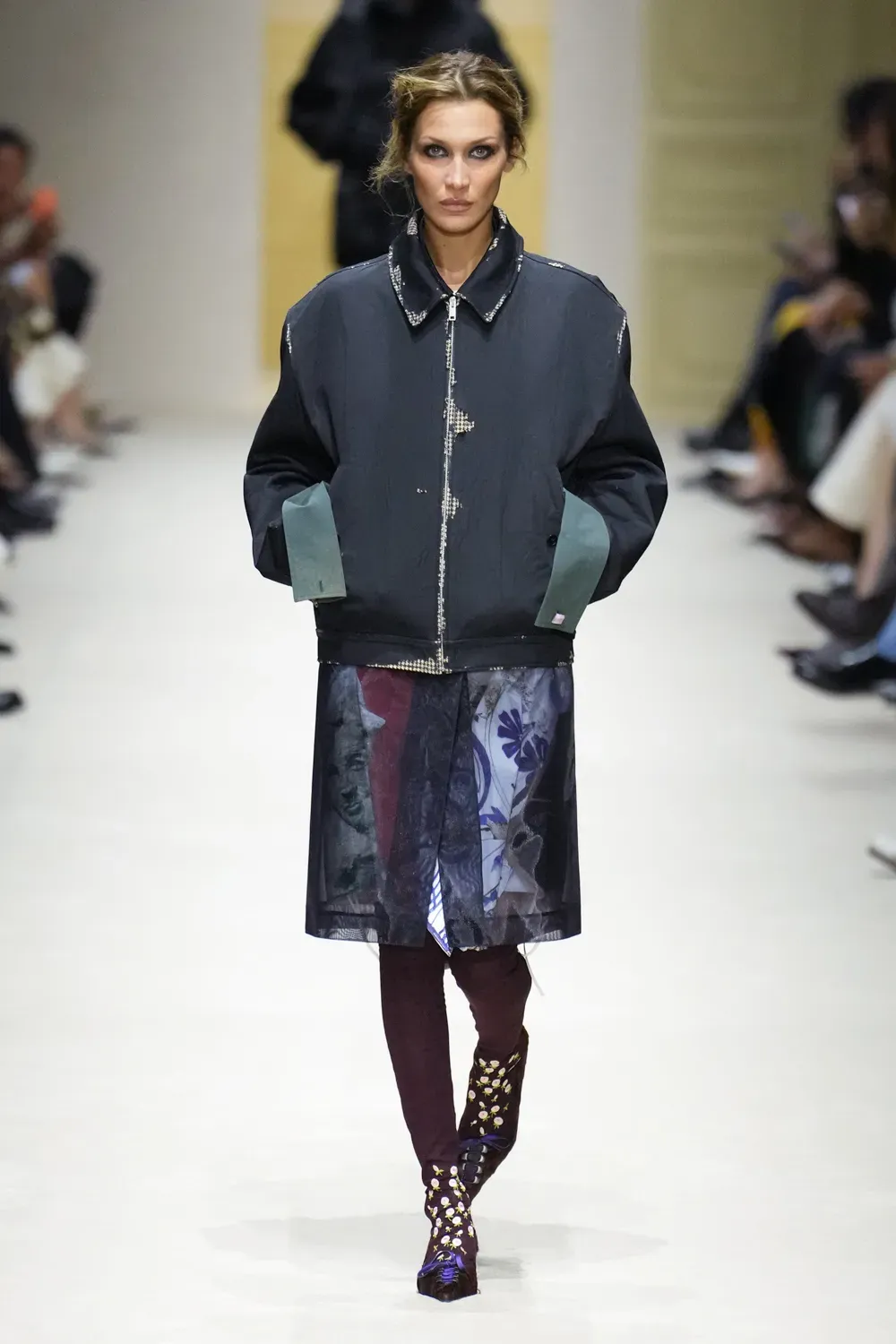
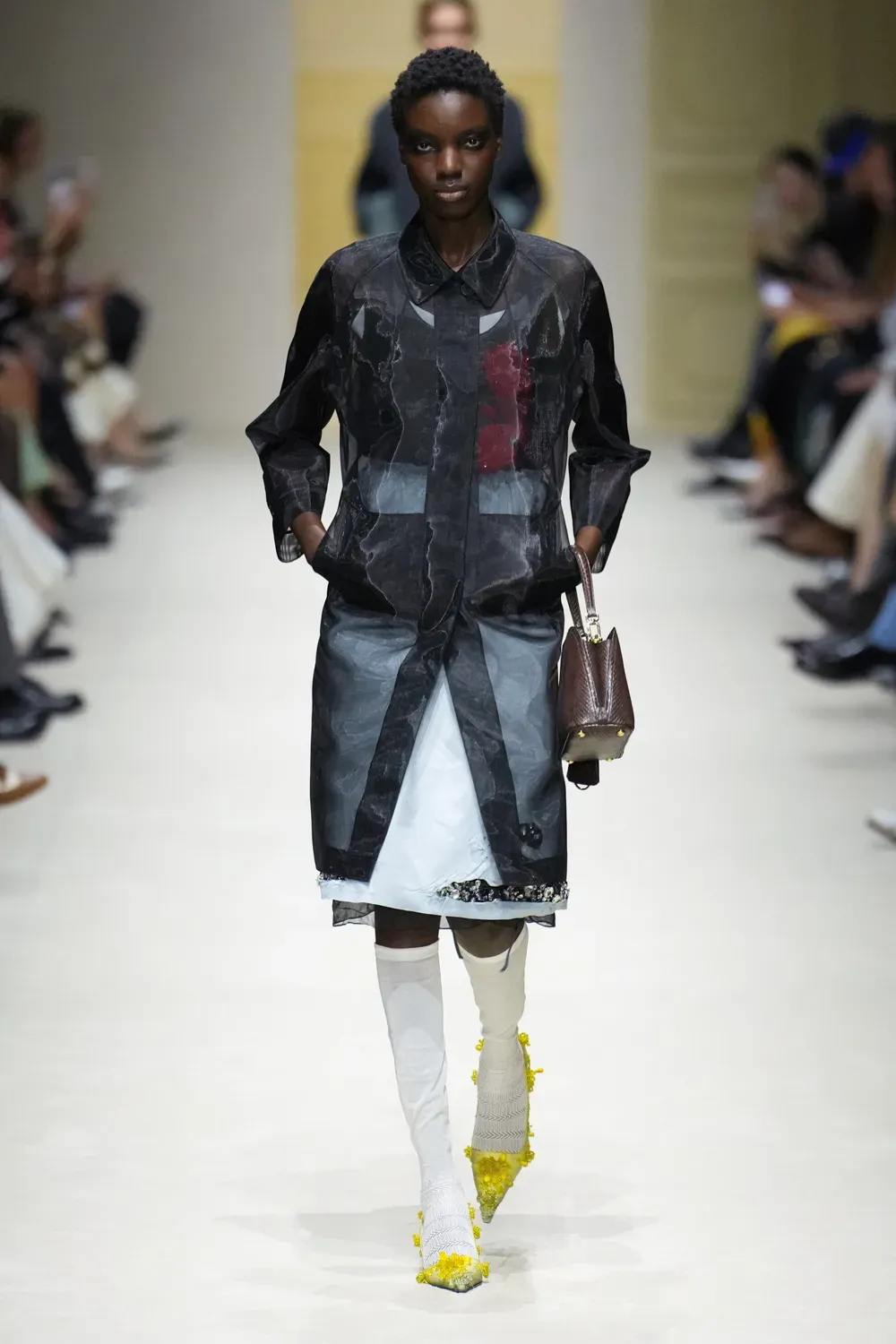
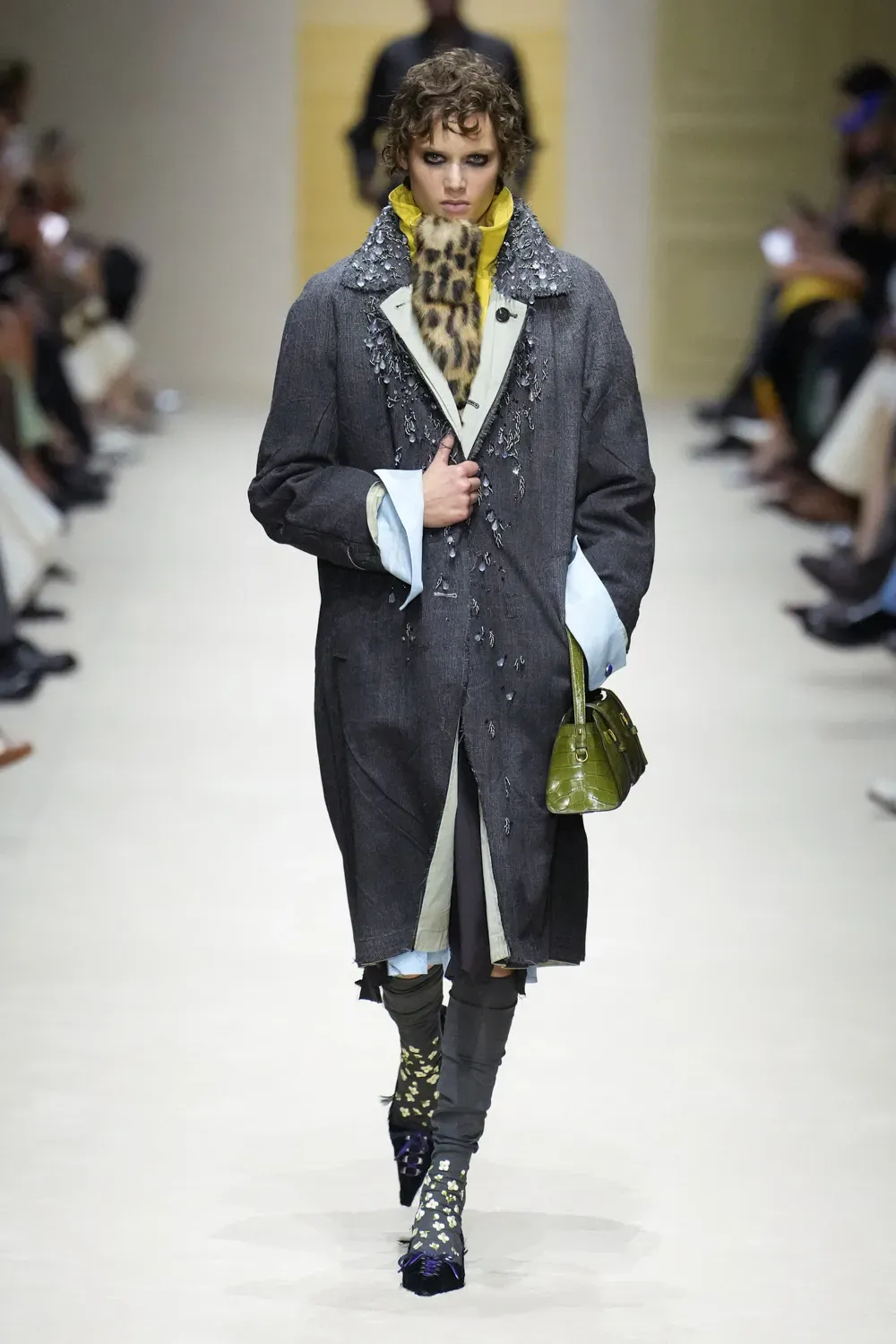
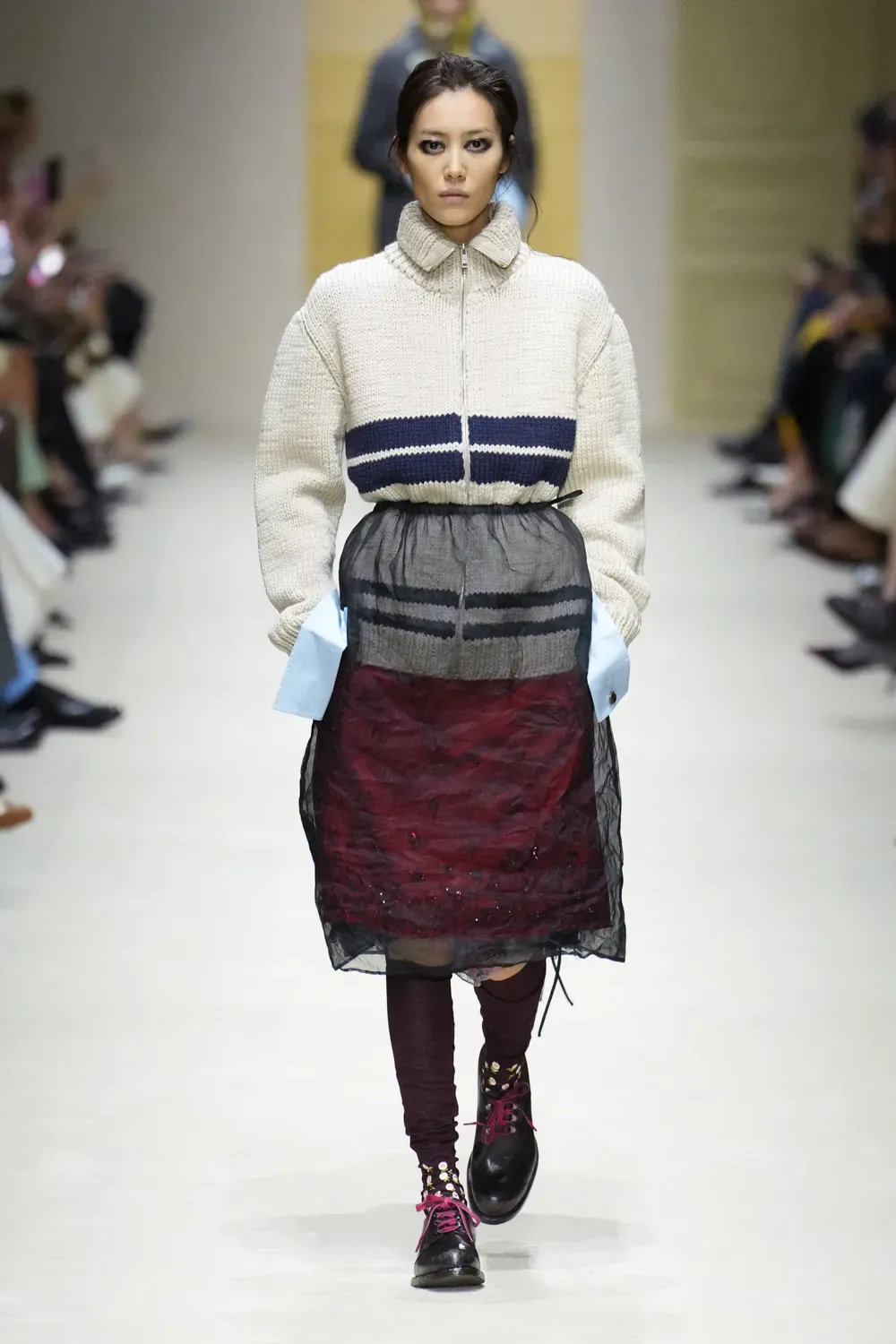
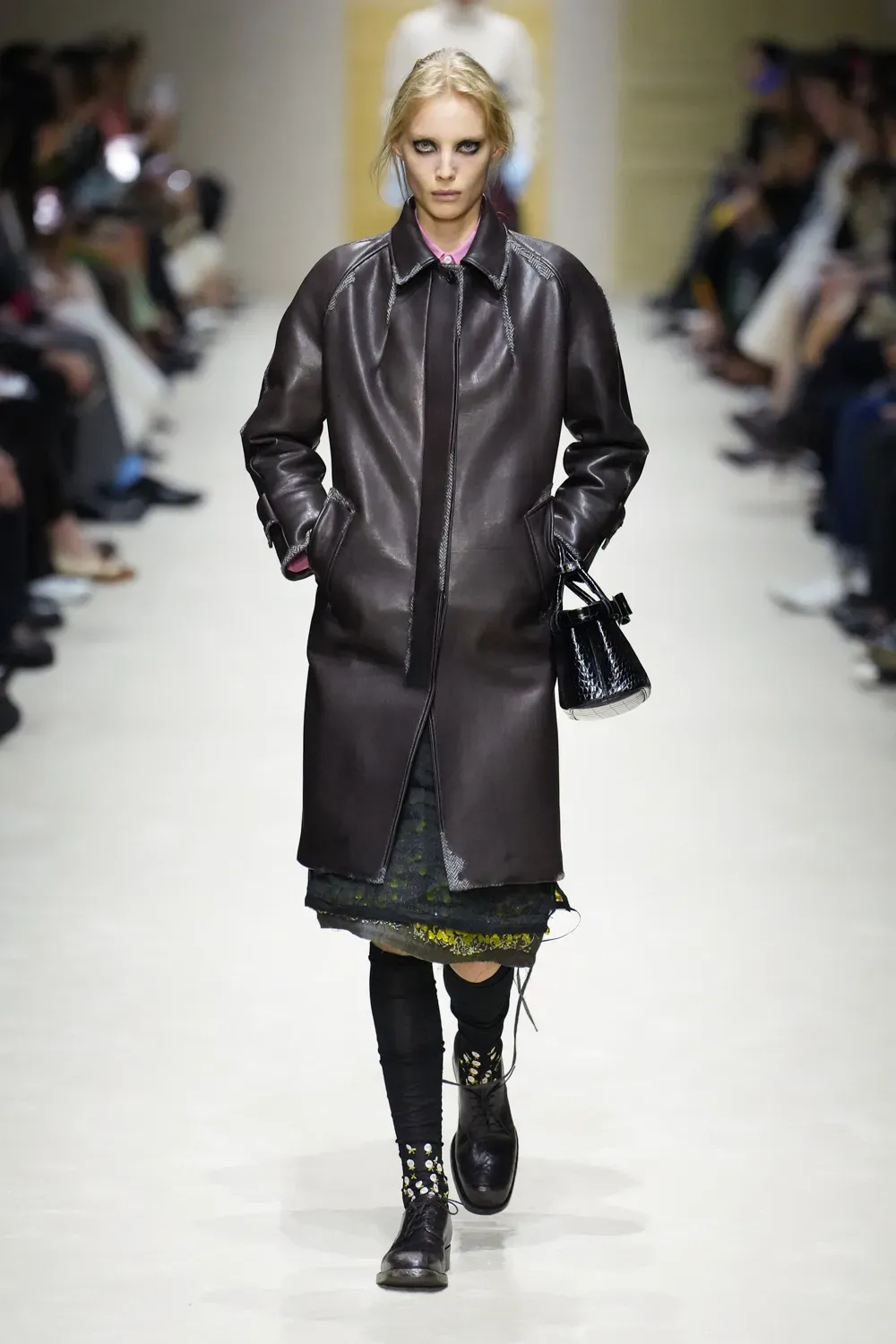
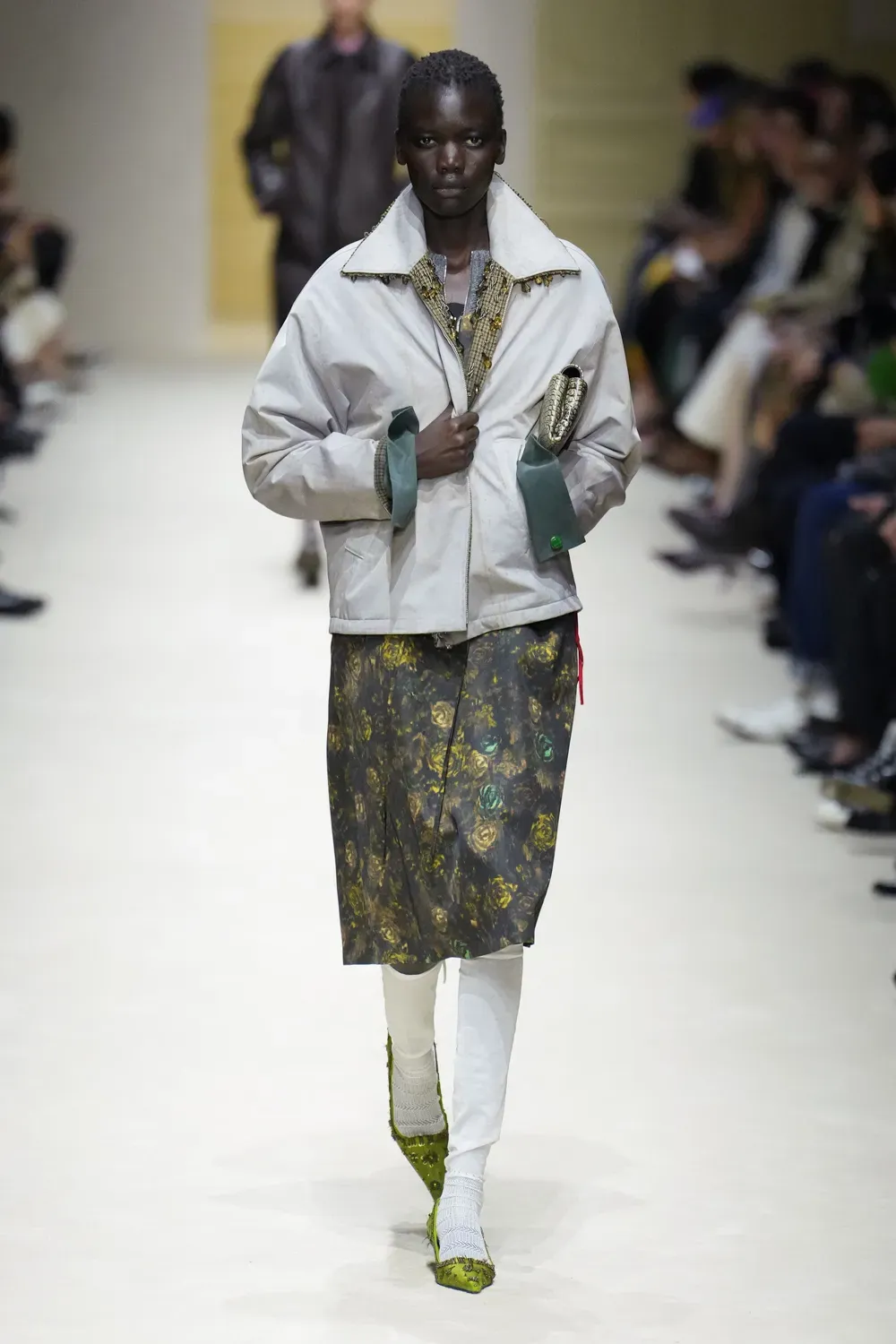
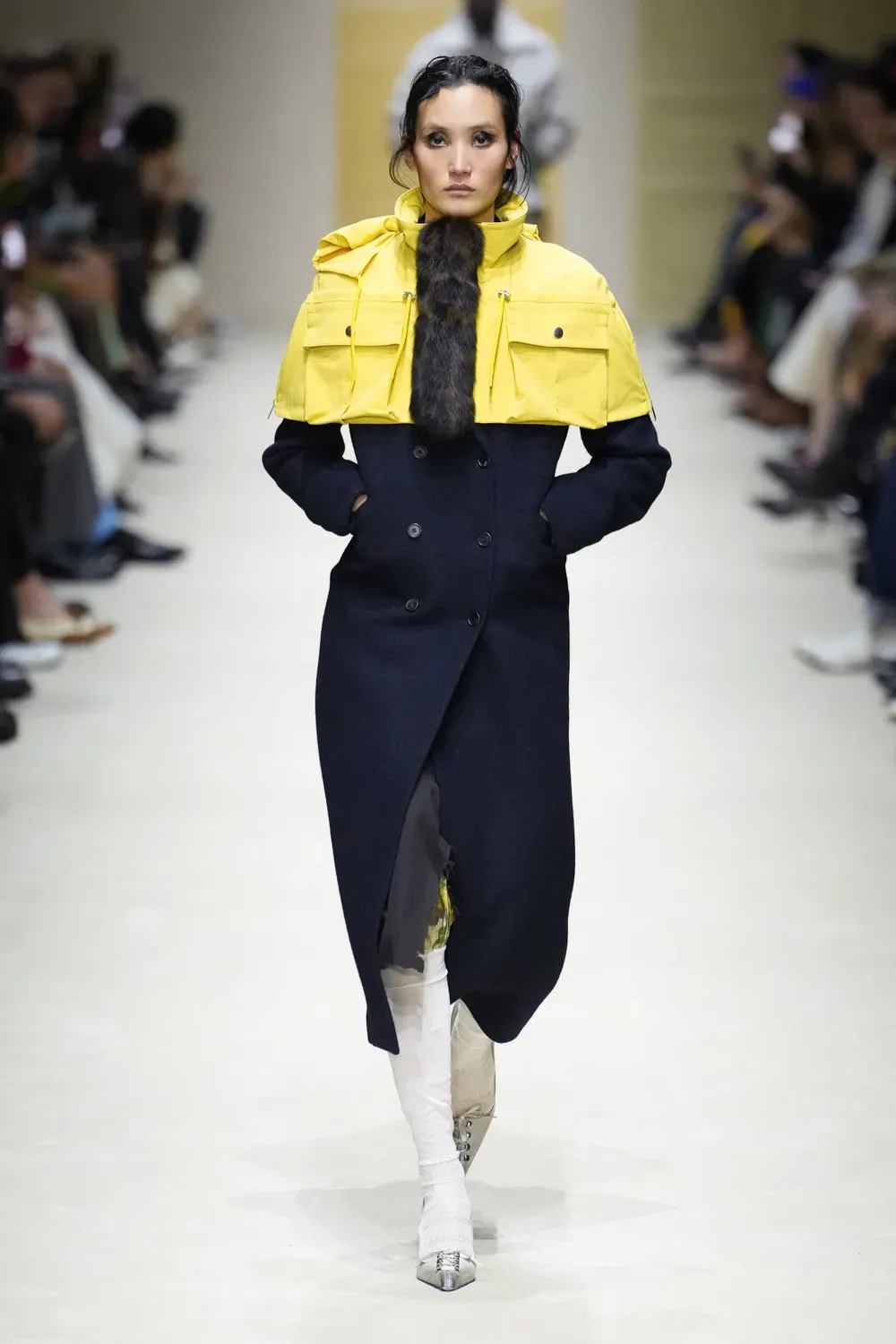
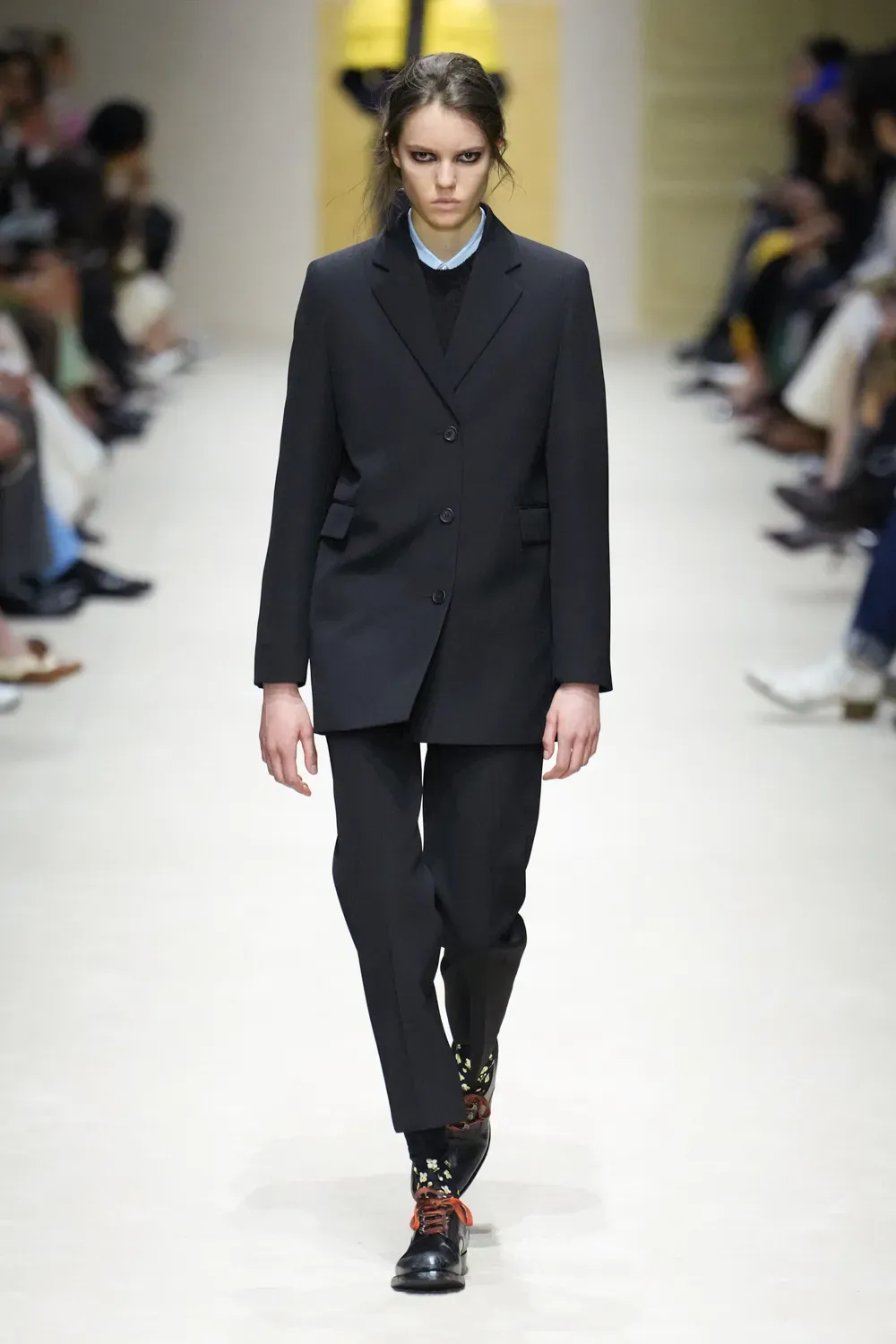
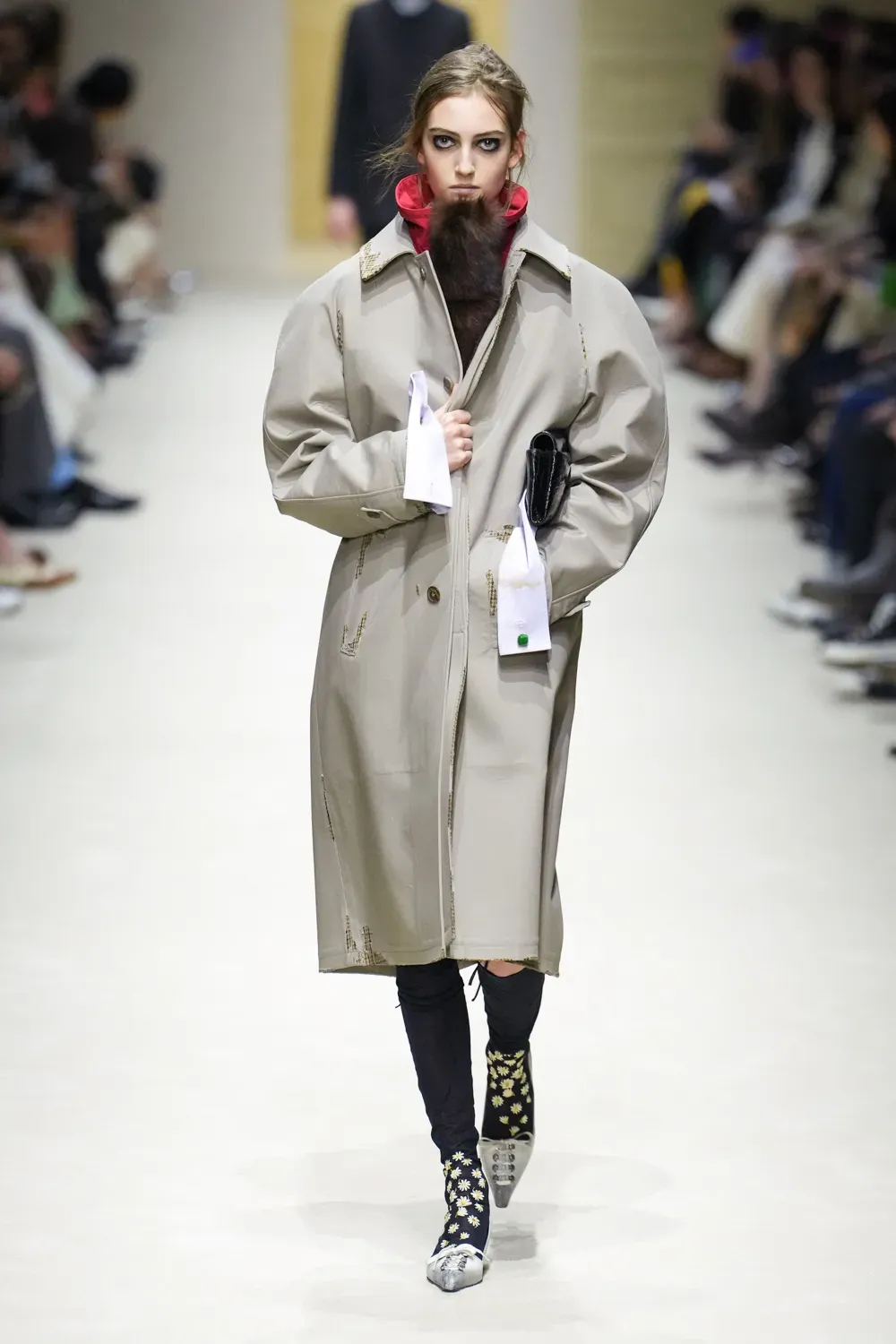
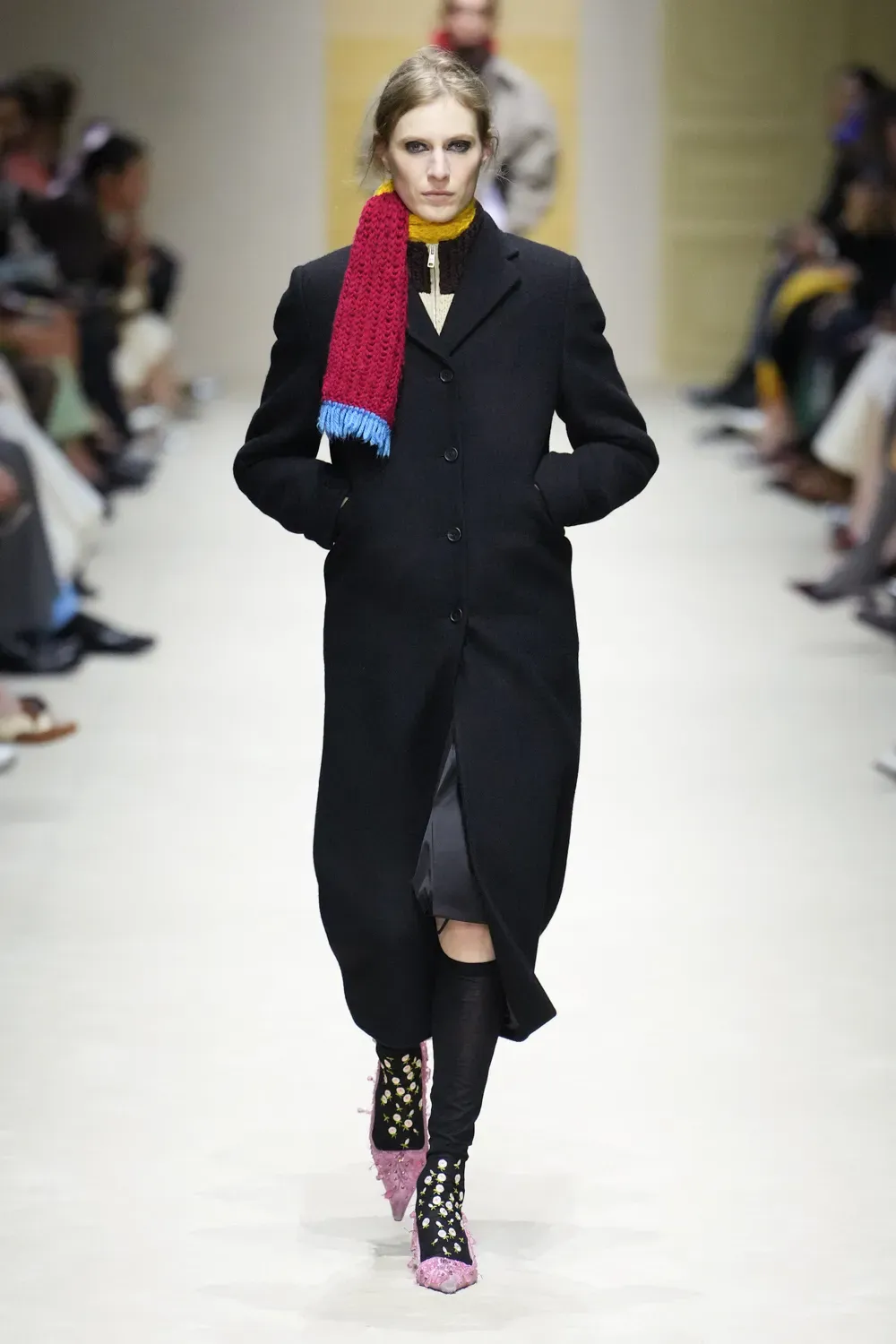
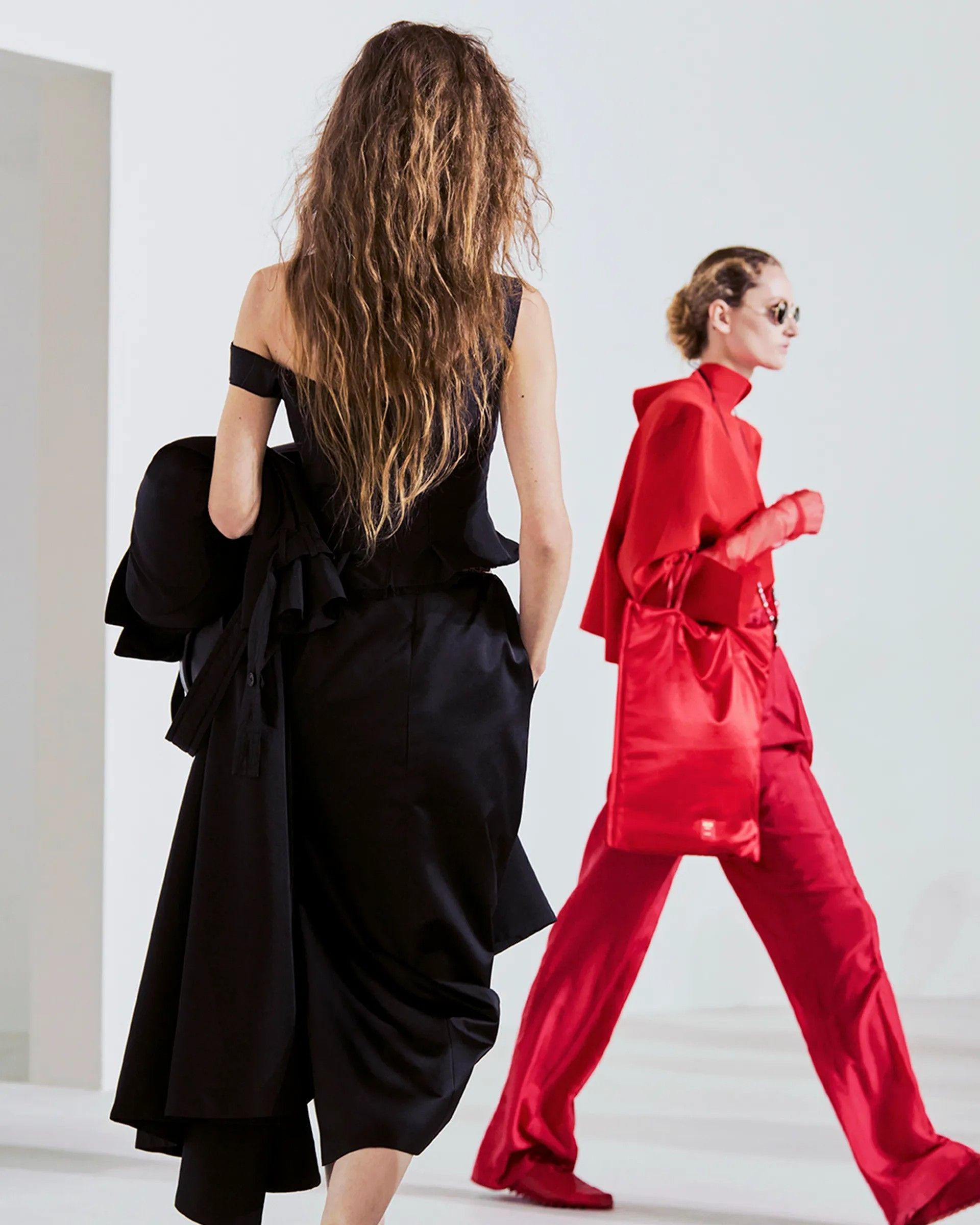
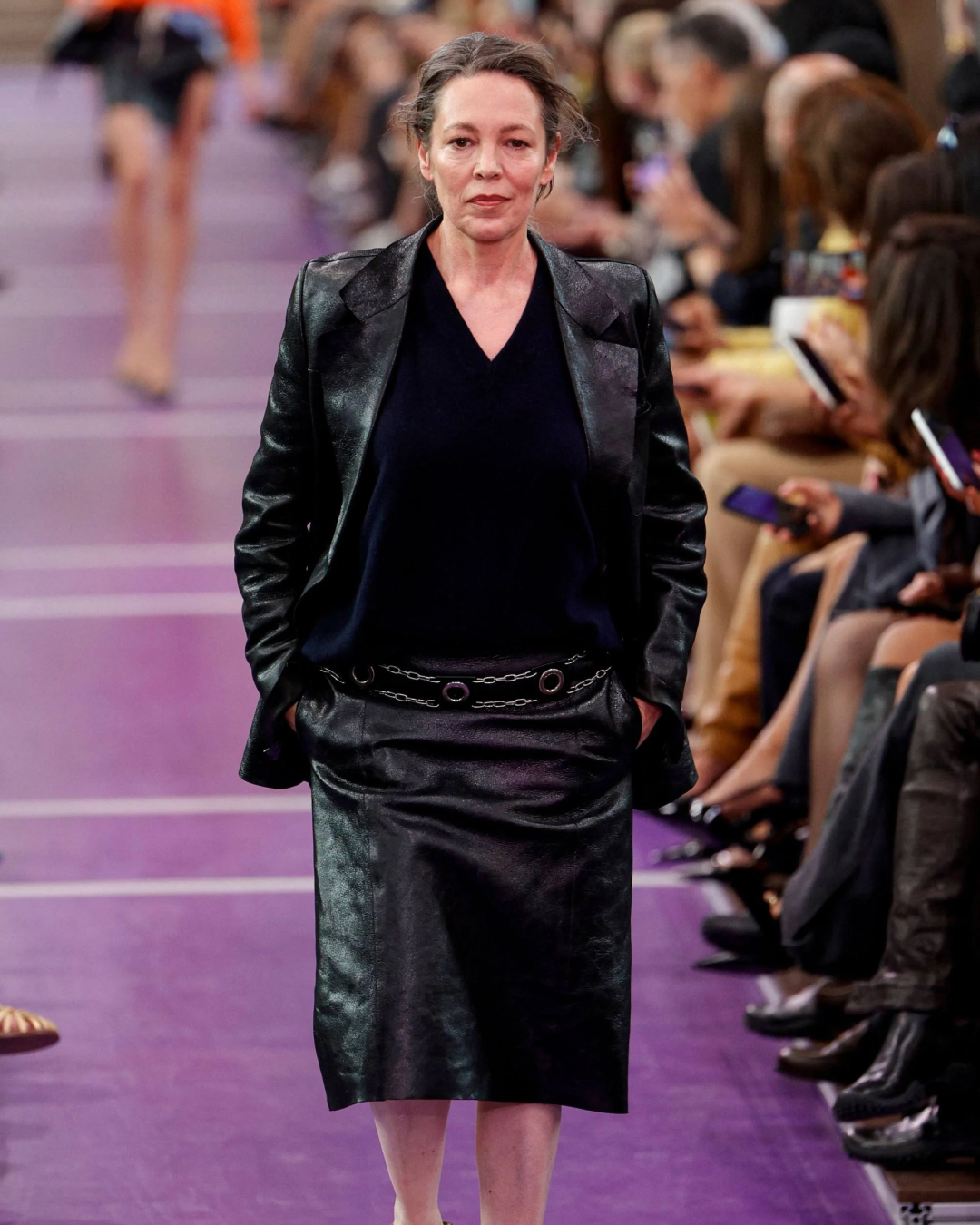
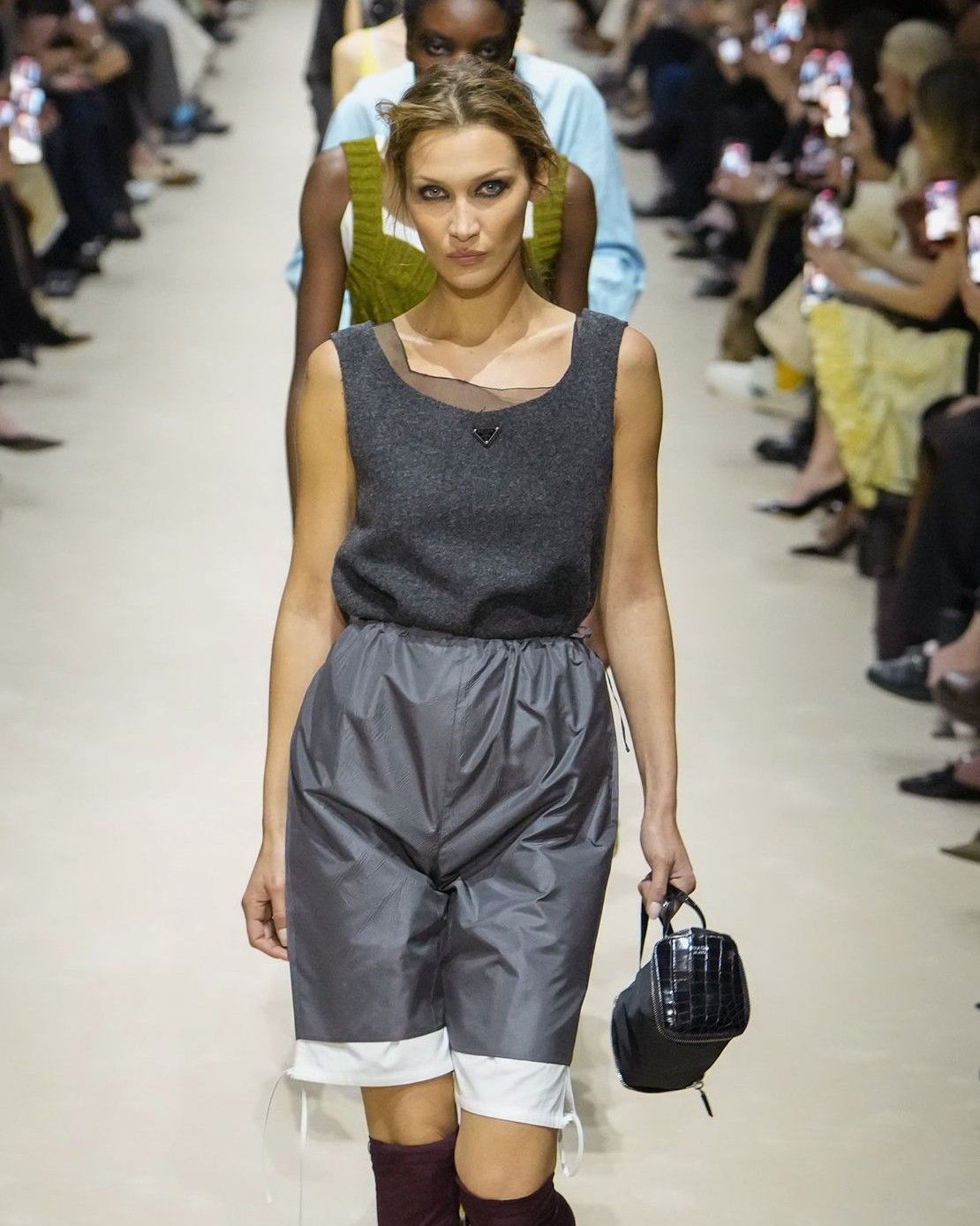
“Instead of showing 60 looks on 60 women, this season we chose to show 15 looks on 15 women: each look appears four times, but presented in a different way,” said Raf Simons in his statement to the press released before the FW26 show for Prada’s women’s collection. The concept of the collection, in fact, seems to echo the mood of a luxury world in a phase of contraction where, over pure design, styling is superimposed—that is, the idea of being able to create many different looks with the same garments. Plus (this is Prada, after all) the idea of making this trend dialogue also with a certain poetic sense of the crepuscular.
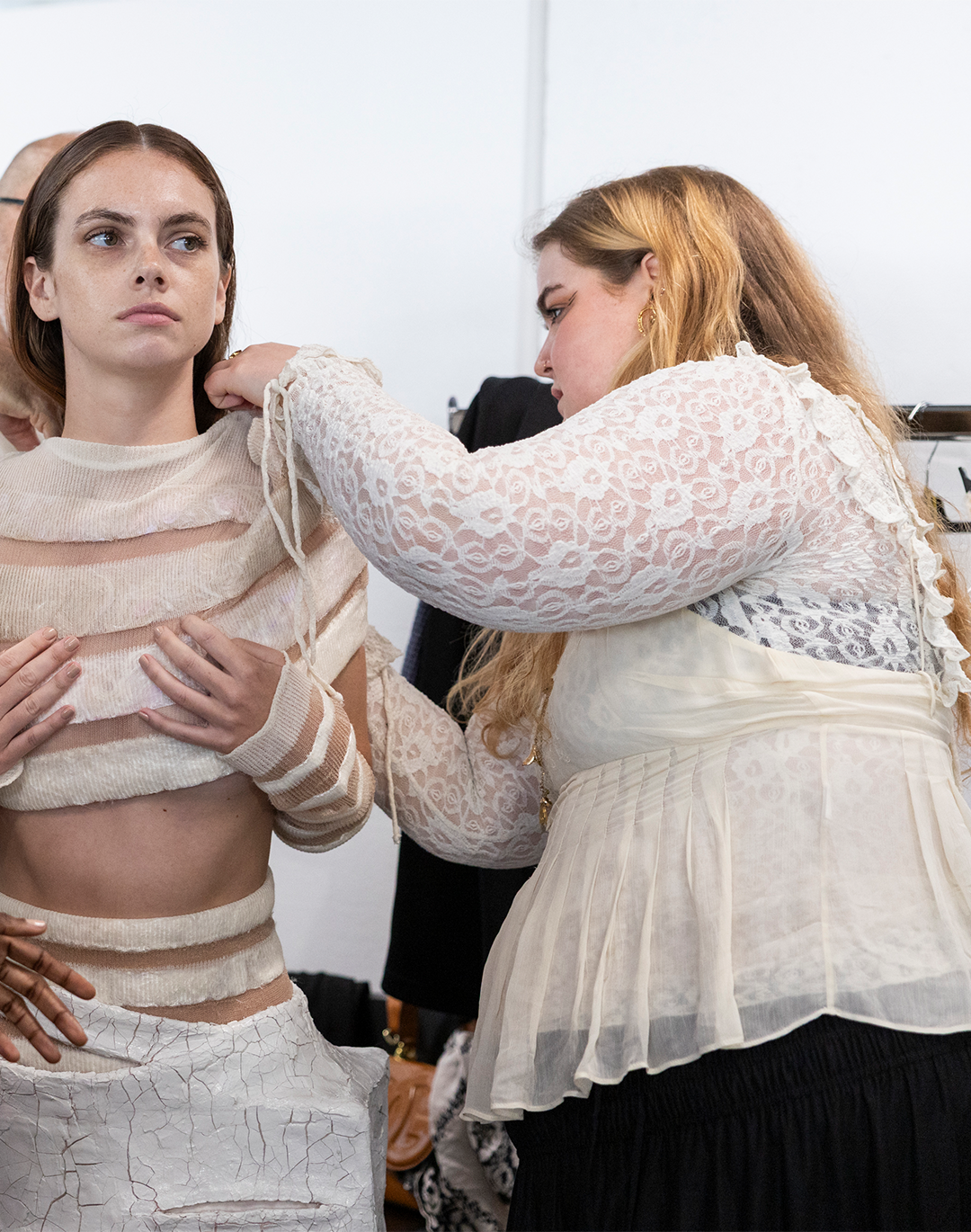
According to the show notes, the idea behind most of the collection’s looks was to make new garments emerge from under the old ones, showing the contradictory coexistence of many identities in the same woman: some were literally layered in a stratification that exalted the beauty of the chaotic; others, instead, were constructed with fabrics from whose tears other fabrics appeared. After each appearance, each of the 15 models removed a layer from her outfit, revealing a new one underneath that was often completely different.
In particular, many looks included skirts and dresses in transparent tulle that, worn over the other garments, created a sort of “filter” that entirely altered the models’ clothing, sometimes making it more ethereal, sometimes making crystals appear on basic tops, other times almost visually dirtying the perfection of the satin of a skirt. In some cases, the transparent skirt overlapped at the waist with a heavy zip-up sweater, creating an interesting imbalance between heaviness and lightness, between fragility and corporeality.
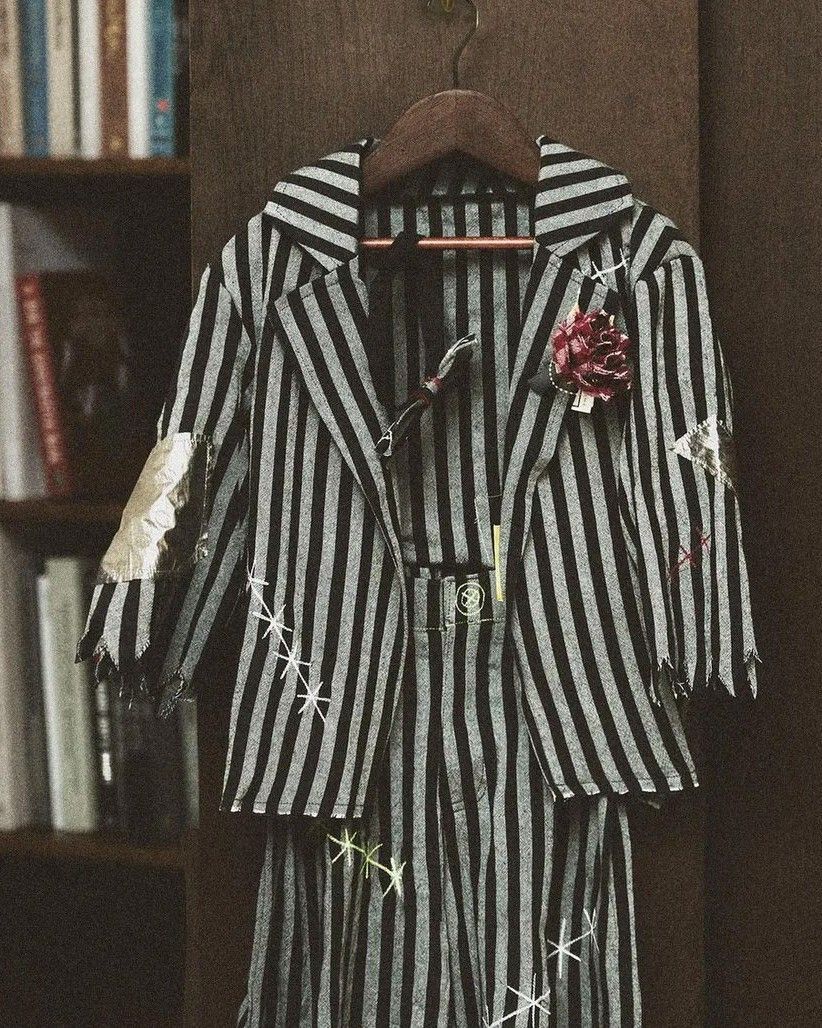
We were talking earlier about a certain sense of the crepuscular because, as already made explicit in the show notes and as confirmed by what we had seen in the previous men’s collection, another thematic element present in the collection was the passing of time, read however in terms of wear, deterioration, physical consumption. Jackets with “eaten” hems that revealed other layers of fabric underneath, sweaters and hems almost frayed, discolorations, tears, crumplings, and even the set and the grim, disheveled look of the fifteen models all seemed to speak of a world in decay, almost of a romantic love of ruin that recalls Simons’ famous Virginia Creeper collection. A feeling that is easy to understand by scrolling through the latest news from the world.
More and more, season after season, Prada seems to return to reflecting not so much on the past but on the relationship we have with it, on the influence that the perception of an increasingly inescapable past—and, in some ways, discordant and fragmentary—has on us. Adjectives we could also use for our culture and collective consciousness as well as for our personal identities, increasingly detached from the connective tissue that once was social and community life.
The clothes are still the same, always modern and functional albeit more essentialized and almost abstract, but the crepuscular details we talked about above, the emphasis on their disintegration also seen in the mold-stained shirts of the men’s collection, seem more to raise existential doubts than to architect dreams in which to escape. Perhaps precisely making fashion, reflecting on the incongruities of our modern identities through the idiosyncrasies of clothing, is exactly the way in which Miuccia Prada and Raf Simons want to indicate a path for resistance amid the disasters of modernity.