























Okay, but how does the Sanremo ranking work? A guide to help make sense of it
In recent years, the Sanremo Festival has regained a certain degree of importance, once again occupying a significant place in television habits and in public debate. This revival, however, does not always or necessarily correspond to an enthusiastic assessment of individual editions: for example, the 2026 edition – at least so far – has been received rather lukewarmly and, barring surprises, is unlikely to be remembered as one of the most incisive. But the relevance of the event, as often happens in Sanremo, should be read more in the overall framework of the festival than in the artistic value of the songs presented.
The structure of the competition remains one of the key elements for understanding how the kermesse unfolds and, above all, how its final ranking is determined. The first night is dedicated to the presentation of the unreleased songs by all the competing artists, judged exclusively by the press jury. On the second and third nights, the competing artists are divided into two groups of fifteen, and they are evaluated through a voting system that combines votes from the public and from the radio jury.
On the fourth night, traditionally reserved for cover performances, each contestant takes the stage accompanied by one or more guests to reinterpret a song from the Italian or international repertoire – released before 2026. On this occasion, all three juries vote – namely the public, the press, and the radio juries; however, the results do not affect the overall festival ranking. This choice has, over the years, turned the cover night into a more spectacular than competitive space – unsurprisingly, it is often among the most watched by viewers.
The fifth and final night of Sanremo brings all the artists back into competition. At the end of the performances, a first overall ranking is drawn up, calculated by averaging the percentages from the final (where both the public and the press and radio juries vote) with those from the previous nights. The positions from thirtieth to sixth are then announced, while the top five are revealed without specifying their exact placement. A new voting system is then opened for these five finalists: they will once again be judged by the three juries, and this final vote will be added to the total votes each of the five finalists received during the previous nights. But there is a catch: in the final ranking, the vote on the five finalists will count for 50%, while all the votes they received in the previous nights will make up the other 50%. By combining these two figures, the winner of the Sanremo Festival will be determined.
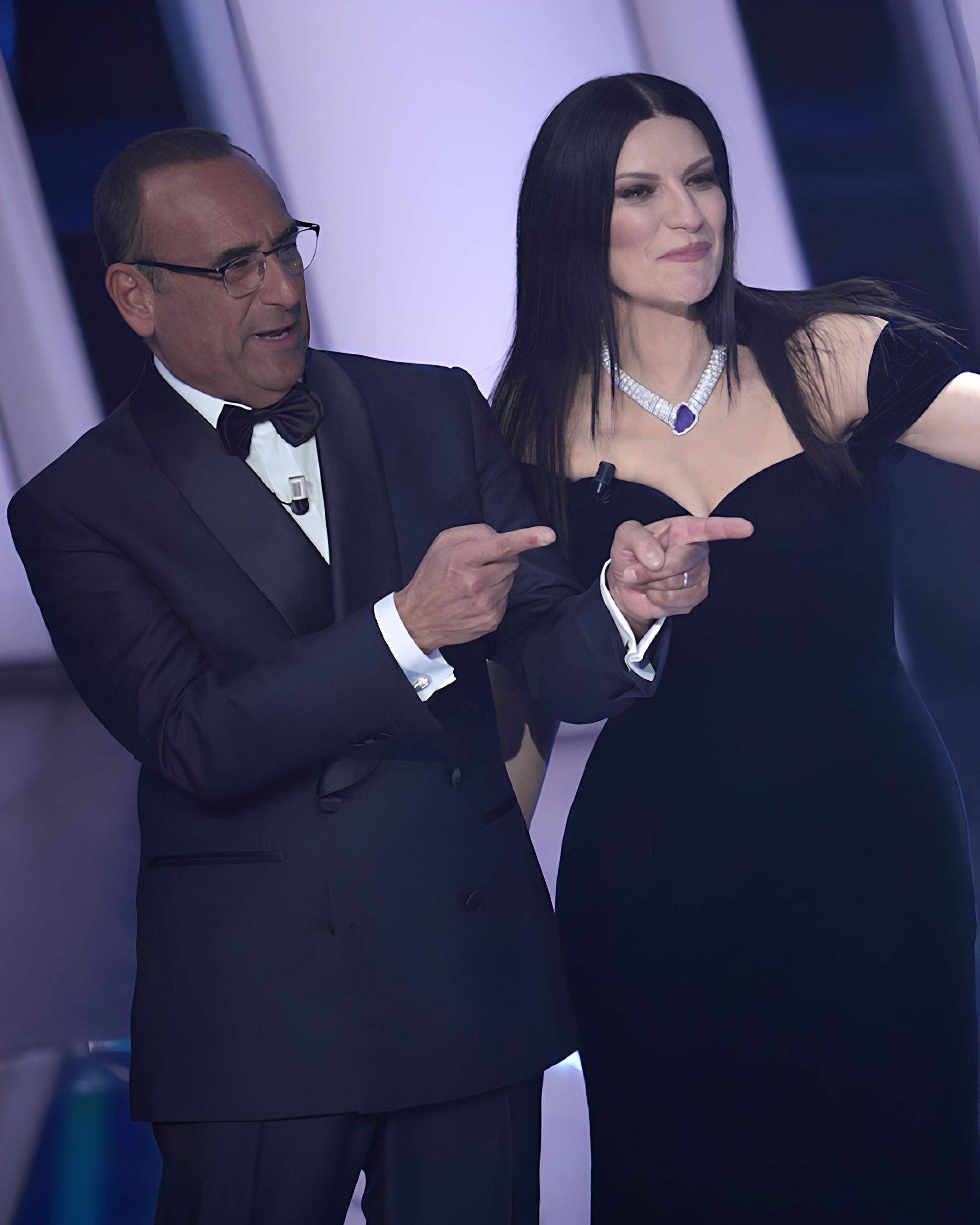
The current voting system is the result of a long series of adjustments. For decades, the final ranking was decided through simpler methods, often based on a single jury or on popular vote. Only in recent years has a layered mechanism been adopted, designed to balance the weight of the press juries (which, in addition to print newspapers, include online outlets and TV), radio, and the public. Alongside the Big Artists competition, the Newcomers section returned in 2025, reintroduced by host Carlo Conti; this is a parallel competition involving four emerging artists: two selected from the Sanremo Giovani festival and two coming from the Area Sanremo contest. Performances are concentrated on the second night, while the third determines the winner, while maintaining a clear distinction from the main competition.
It remains the case that at Sanremo music continues to be, all things considered, marginal—at least for a substantial portion of the audience: the Festival is followed primarily as a cultural phenomenon and as a major collective event typically Italian in nature, capable of catalyzing—for five days—a large part of public debate. Whoever wins the event still has the opportunity to represent Italy at the Eurovision Song Contest, scheduled this year in Vienna. This is not an automatic step, however: last year, for example, Olly declined this opportunity, thereby leaving room for the runner-up Lucio Corsi. The 2026 edition of Eurovision is also marked by numerous controversies, as well as by a strong boycott campaign, linked to the disputed participation of Israel.
What to read next
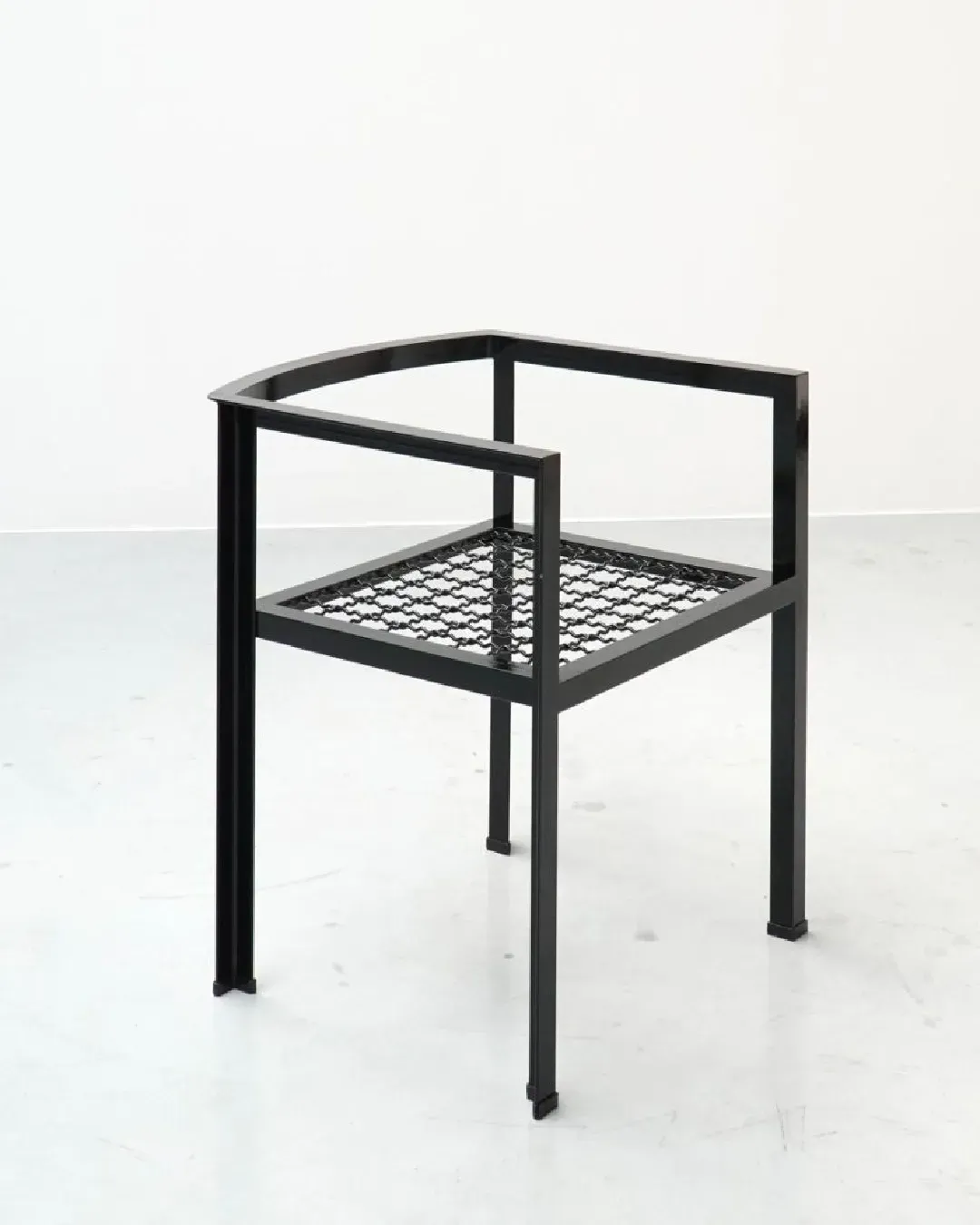
When Rei Kawakubo designed a furniture line
An experimental collection created by the designer in the 1980s for Comme des Garçons
In "The Stranger" the family is fertile ground for horror and fear
Paolo Strippoli's new film puts the mother-daughter relationship back at the center