




















Don't go around calling Uniqlo fast fashion Even though the data says otherwise
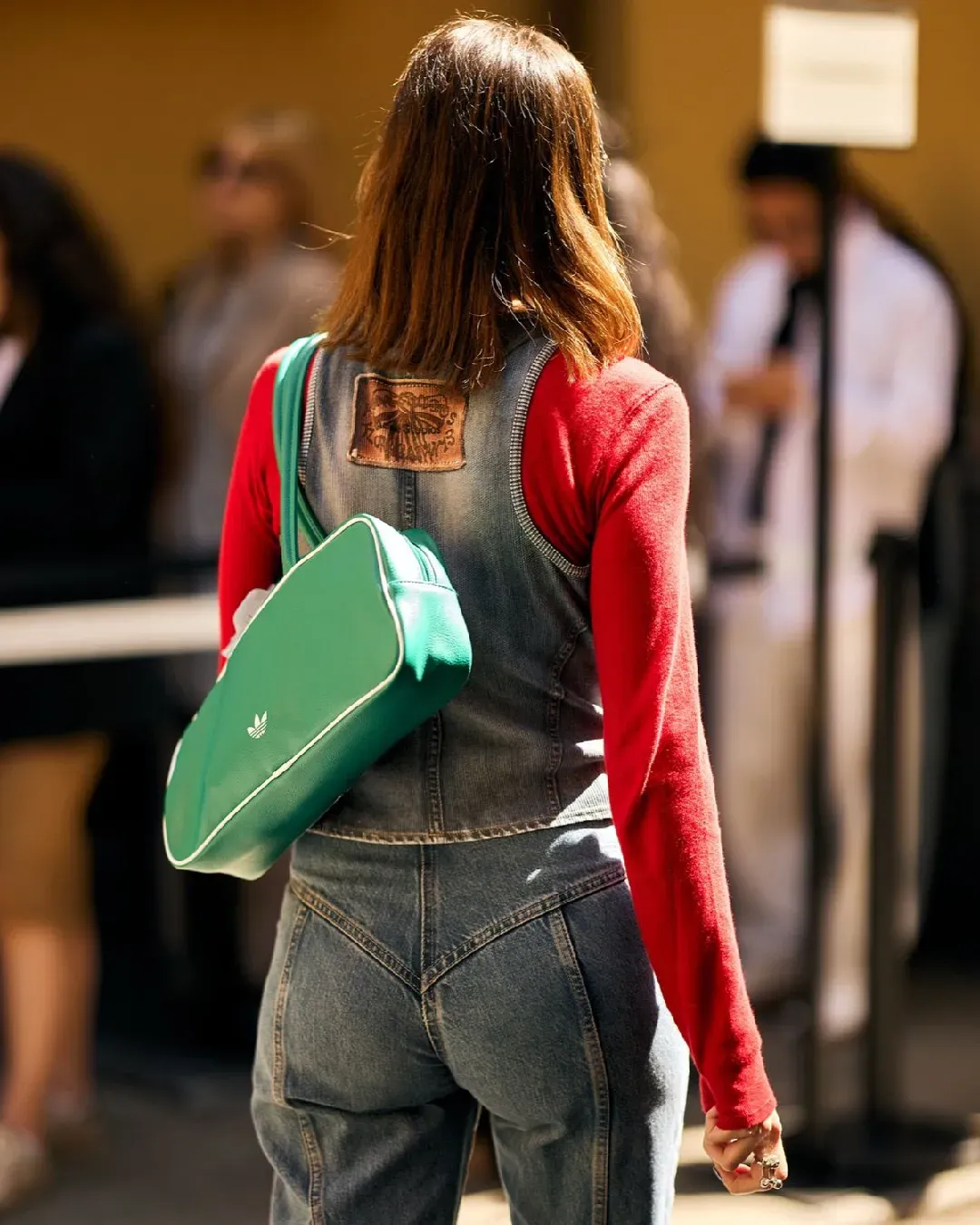
First came the ultra-viral moon bag, which reached the top spot on the Lyst Index in 2023, then the entire Airism line, followed by the annual collections with J.W. Anderson. In just a few years, Uniqlo has gone from being the symbol of Japanese minimalism to a true powerhouse in the fashion system, with the ambition of shaking off the fast fashion label. At the end of 2024, the announcement that Clare Waight Keller, former creative director of Givenchy and Chloé, would take over the creative direction of the brand’s main lines, including the new Uniqlo: C line, marked a radical turning point. A move that may seem surprising, considering the distance between Parisian Maisons and Uniqlo’s mass production, but becomes understandable when framed within two parallel trends: on one hand, the crisis in luxury and the growing pressure on creative directors, and on the other, the rise of the Japanese brand, determined to become the largest clothing manufacturer in the world.
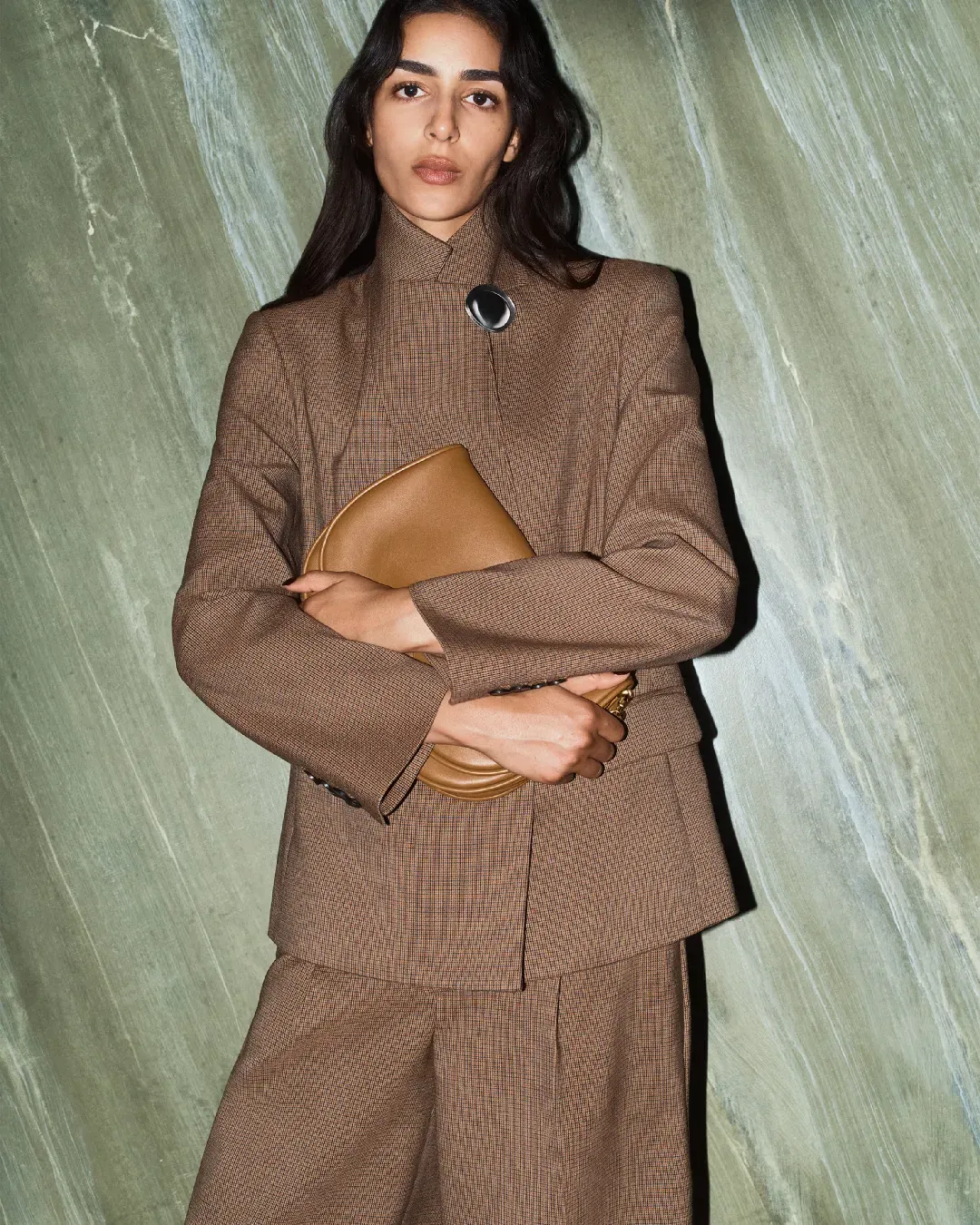
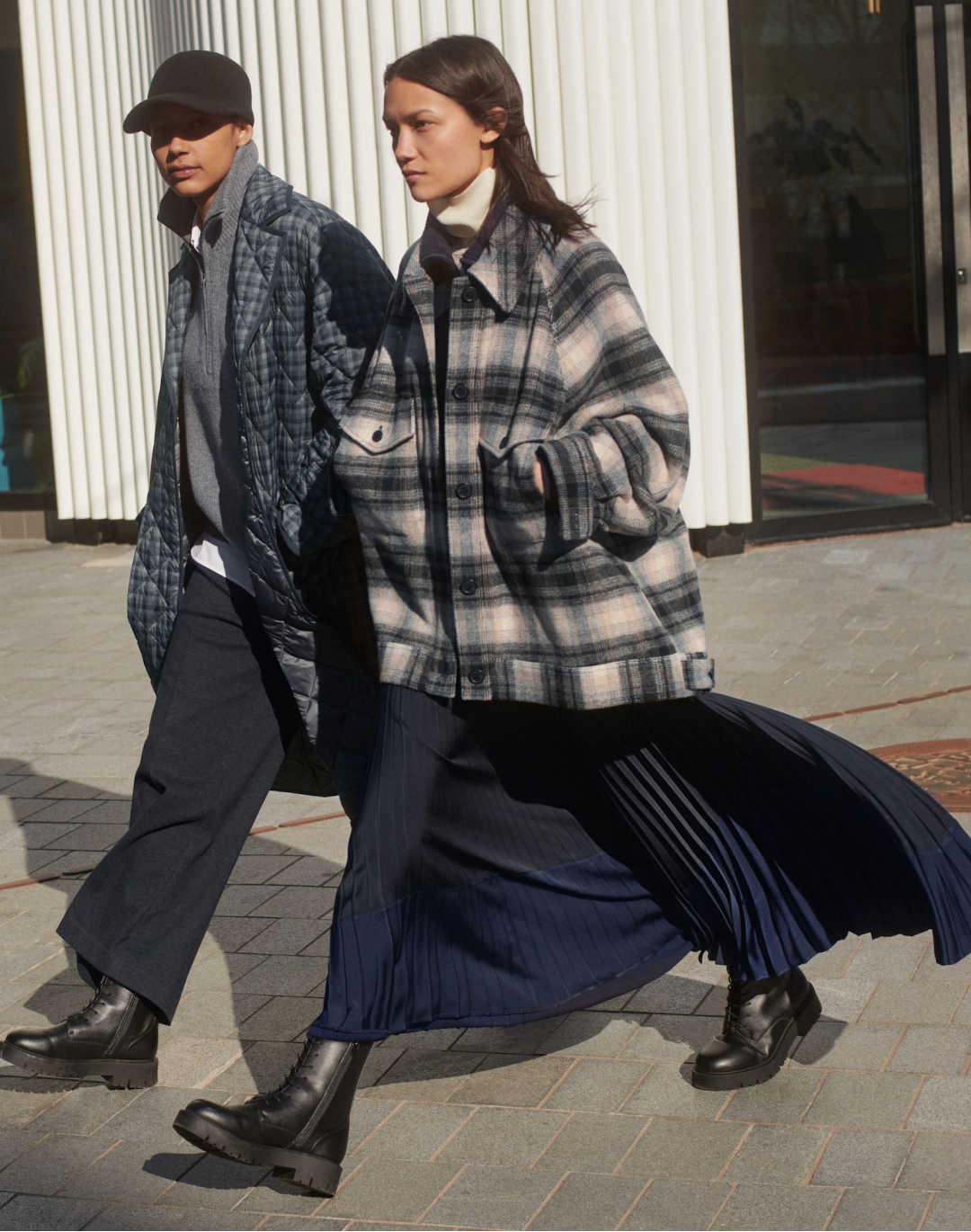
As highlighted in a recent New Yorker analysis, Uniqlo does not follow the fleeting logic of its rival chains. “No logos, no sequins, no ruffles”, explained Waight Keller, “not even an asymmetrical neckline.” While Zara, H&M, and COS aim to resemble seasonal fashion as much as possible, Uniqlo focuses on the idea of “timelessness”, a philosophy that translates into essential garments, designed to adapt to every body and every context, closer to the logic of a cultural infrastructure than that of a seasonal fashion collection. This is what the company calls LifeWear, a deliberately vague concept somewhere between branding and utopia, presenting products as “clothes that improve people’s lives” and reflecting the group’s ambition to become a cultural system as well as a fashion brand.
Uniqlo as the people’s brand
@dillafitya i love uniqlo #uniqlo #fashion #fyp @UNIQLO Indonesia original sound -
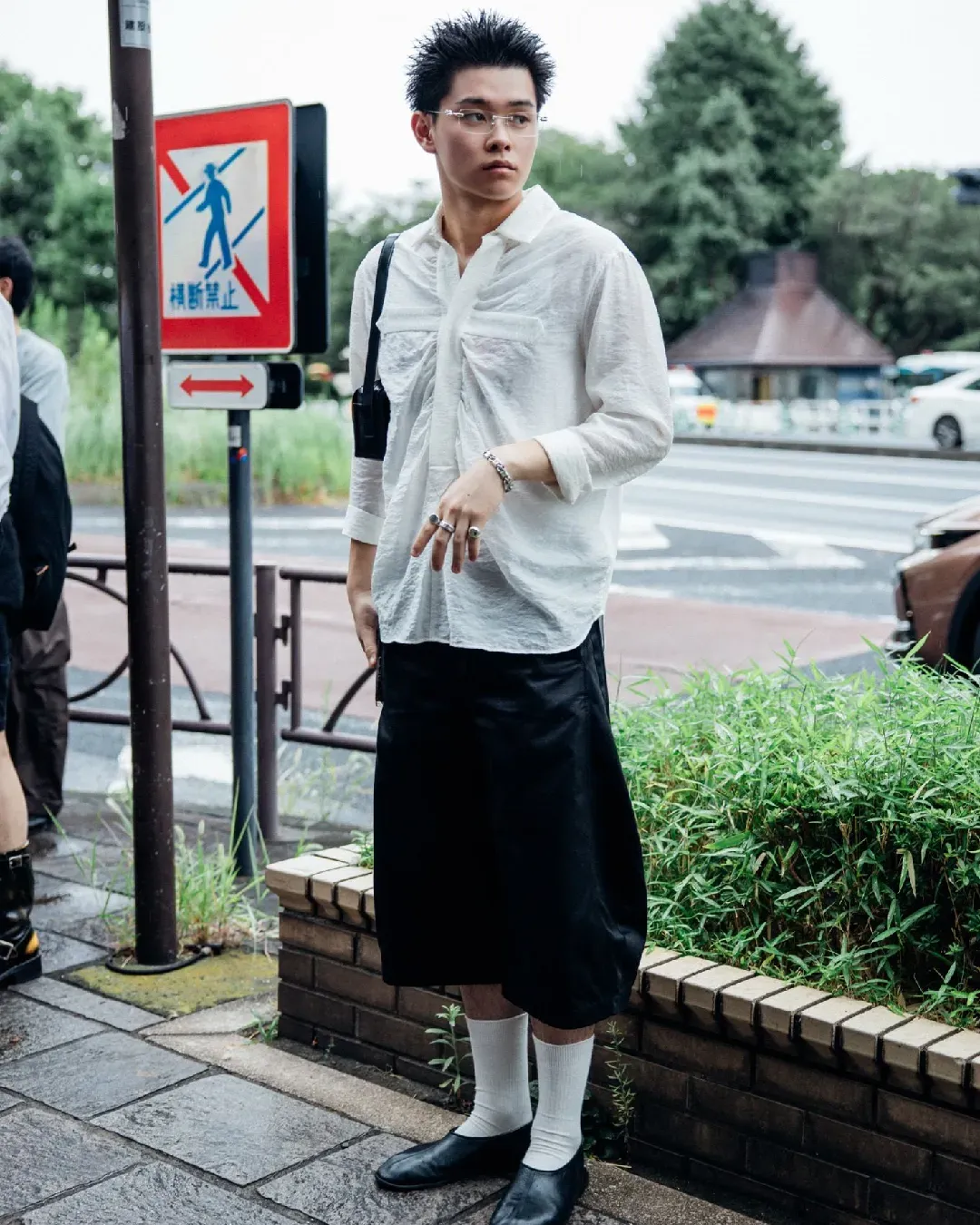
In fact, as can be seen on social media, everyone loves Uniqlo, absolutely everyone. Whether it’s those living in quiet luxury, the fans of Japanese workwear, the gorpcore obsessives, or even those into the opium aesthetic, somewhere between Rick Owens and Chrome Hearts, all of them use the basics of the Japanese brand. Waight Keller described the shift from high fashion to designing for the masses as liberating: “In my career I had never worked on a model larger than a size small. At Uniqlo, I have to think about real bodies, generational, geographical, even climatic needs.” This “democracy” of design is the key to Uniqlo’s global success, but at the same time, its greatest paradox. Annual production exceeds hundreds of millions of garments, and although the company rejects the fast fashion label, citing the durability and “emotional sustainability” of its products, it is undeniable that the environmental problem lies not in the lifespan of the clothes, but in their sheer volume.
Although the brand does not disclose its production volumes, the group’s growth confirms this dynamic. Fashion Network reports that Fast Retailing, the holding company controlling Uniqlo, closed the first half of fiscal 2024 with strong results: consolidated revenue rose 12% to ¥1.79 trillion (around €11 billion), while operating profit increased 18.3% to ¥304.22 billion. Net profit jumped to ¥233.5 billion from ¥195.9 billion the previous year, pushing full-year forecasts to ¥3.4 trillion in revenue (+9.5%) and ¥545 billion in operating profit (+8.8%). Growth was driven by markets in Japan, North America, Europe, and Southeast Asia, while Mainland China remains the major weak point, with a 4% decline in revenue and an 11% drop in profit, largely due to weak demand and difficulties in tailoring products to sharp regional climatic differences.
Between utopia and reality
i keep trying to swear off fast fashion but uniqlo has me by the throat
— rachel (@5i2ish) September 11, 2025
The results confirm that Uniqlo’s strength lies in its ability to position itself as a universal infrastructure of everyday life, a brand that dresses everyone, from $99 cashmere sweaters to thermal down jackets, and that, thanks to massive volumes, manages to offer a value-for-money ratio that is hard to replicate. At the same time, however, the limits of a model emerge that lives in the contradiction between the rhetoric of durability and the reality of unrestrained industrial production. Defining itself as “the opposite of fast fashion” works from a communications standpoint, but risks obscuring the fact that the problem is not the quality of the garments but the scale at which they are put on the market.
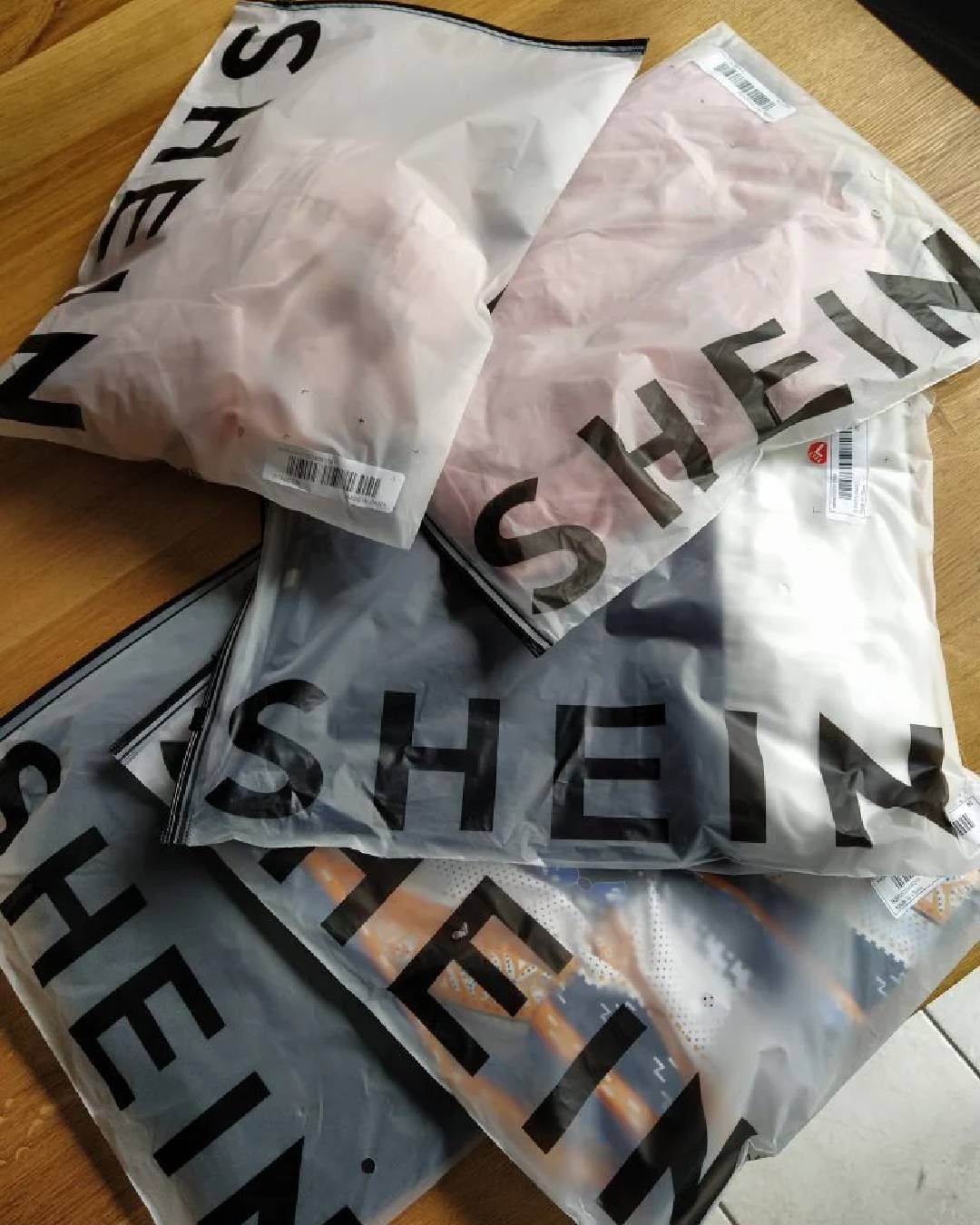
The paradox is that every new billion in revenue, every new market conquered, reinforces the idea that its strength lies in being ubiquitous and interchangeable, but at the same time brings the brand closer to the risk of becoming the symbol of a new type of fast fashion, less flashy but equally invasive. The future of the brand will depend on its ability to turn its industrial power into a form of concrete responsibility, going beyond slogans and addressing the issue that all major clothing companies avoid: how to reconcile exponential growth with real sustainability. After all, becoming the world’s largest manufacturer is not synonymous with ethical success, as Shein clearly demonstrates.