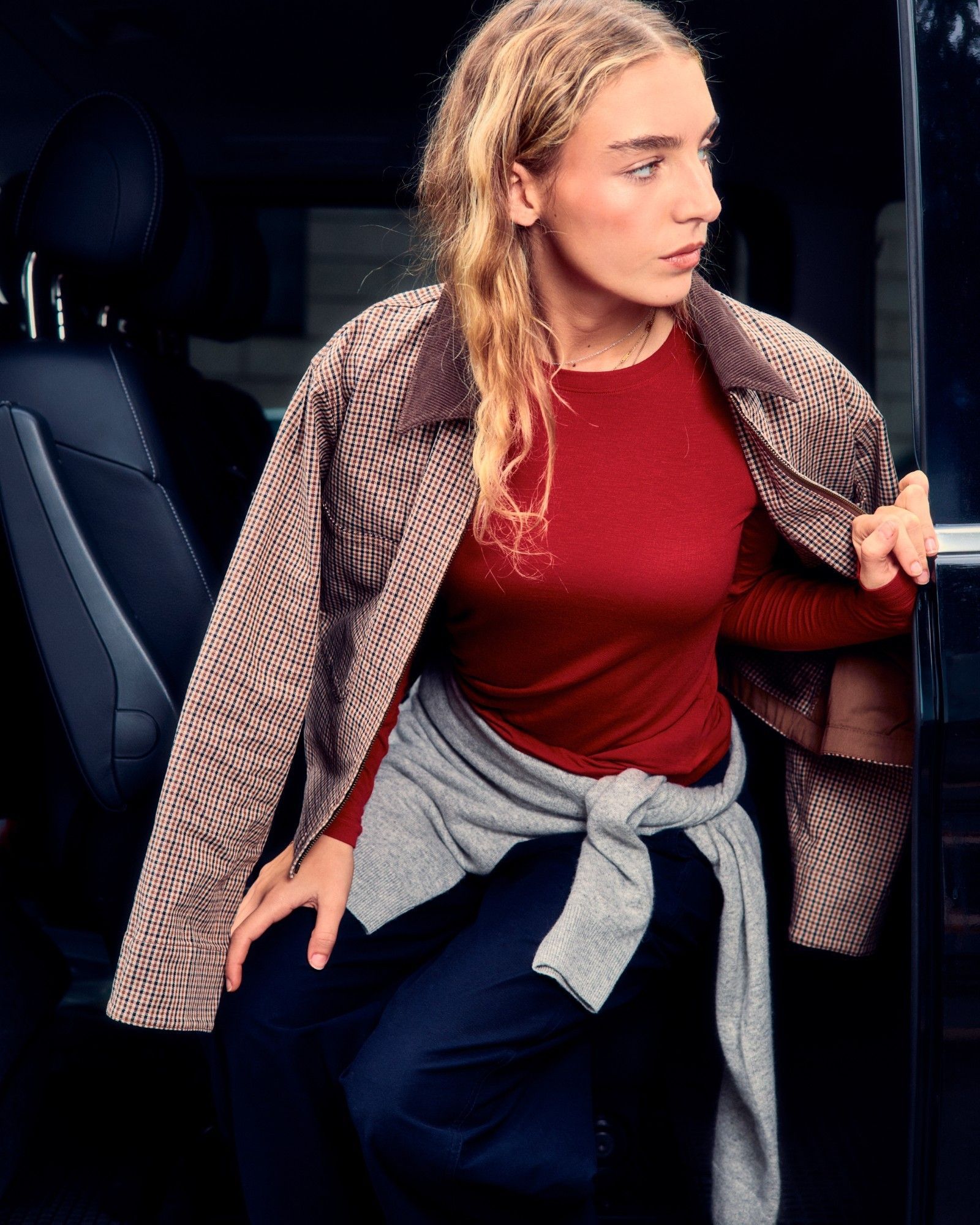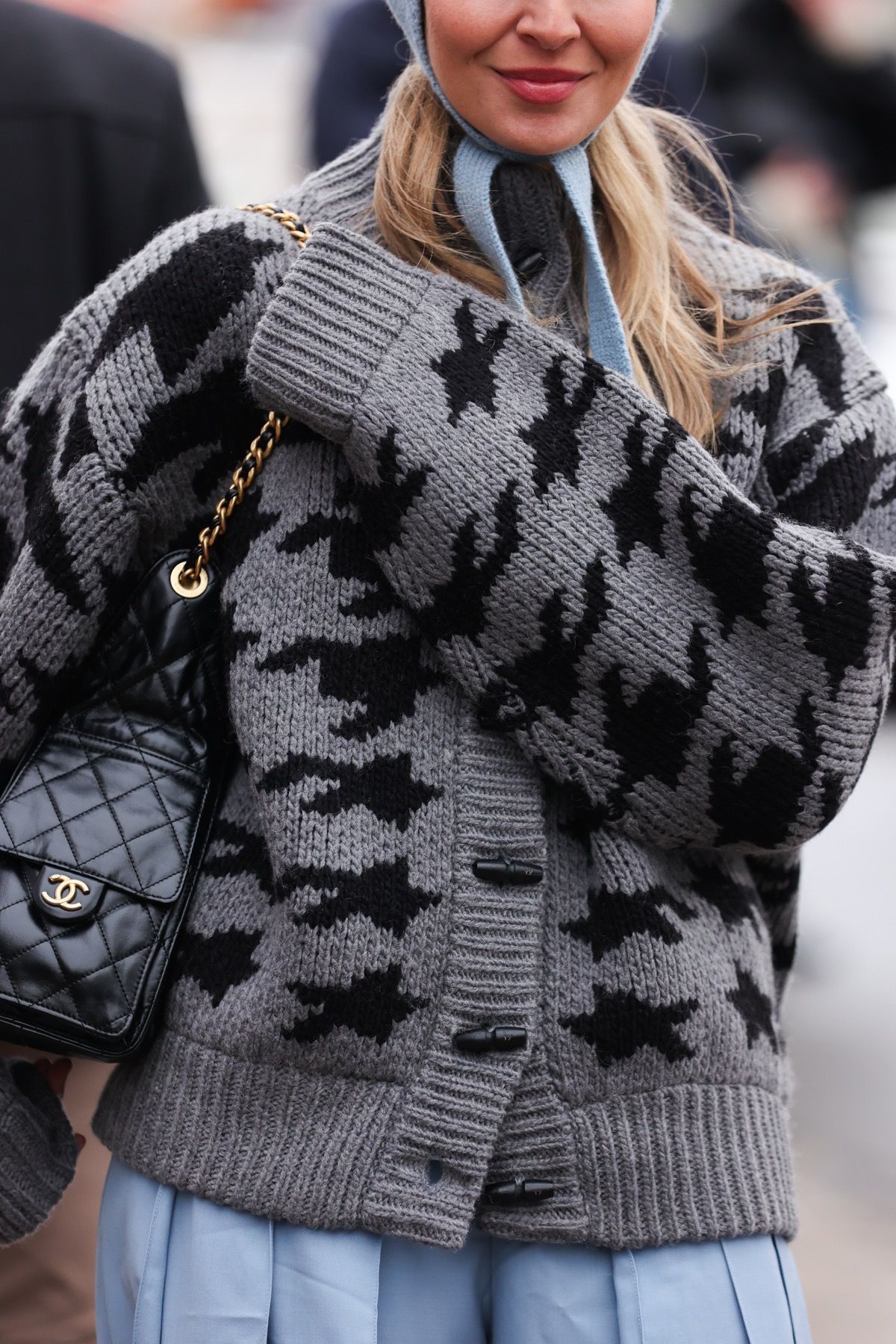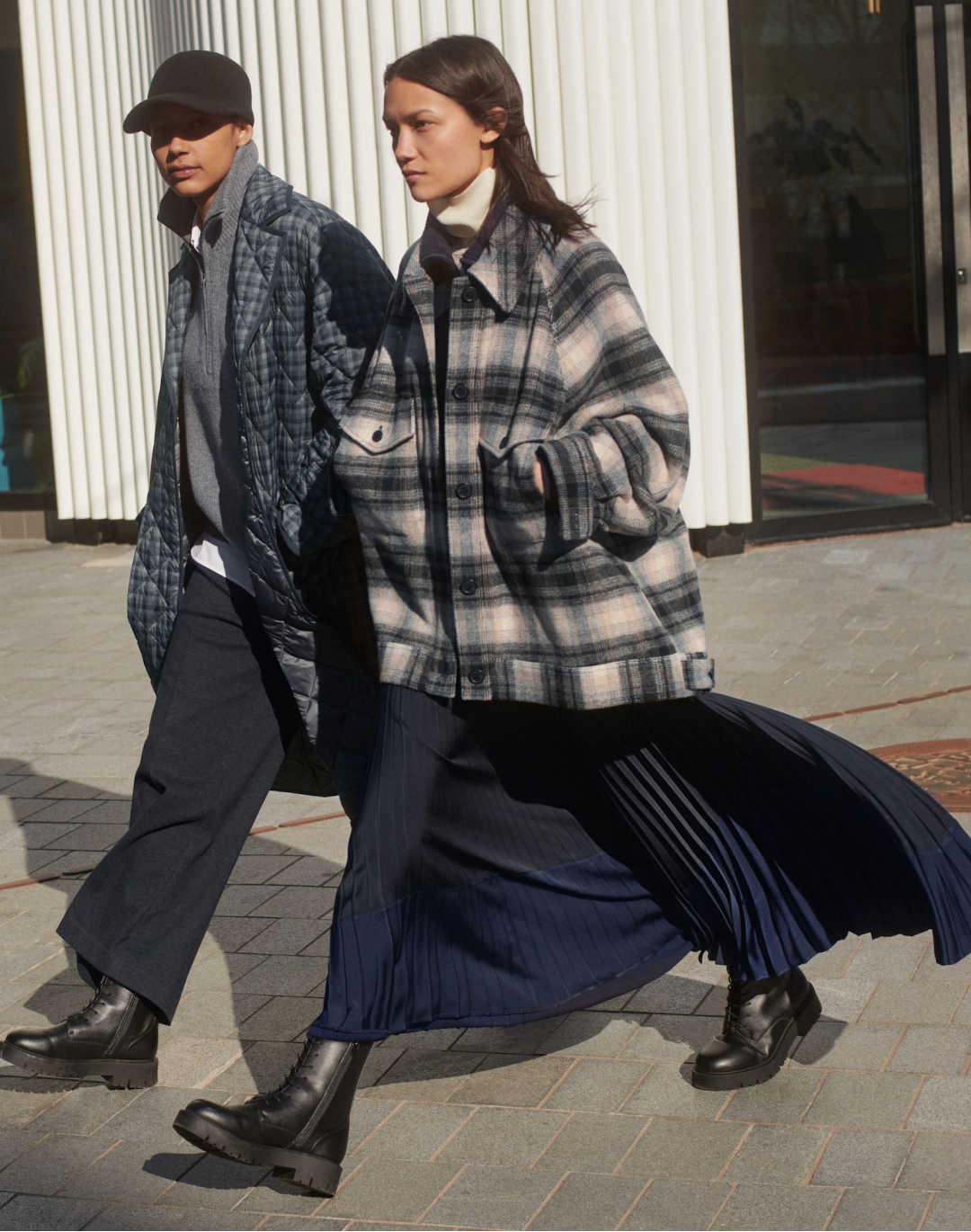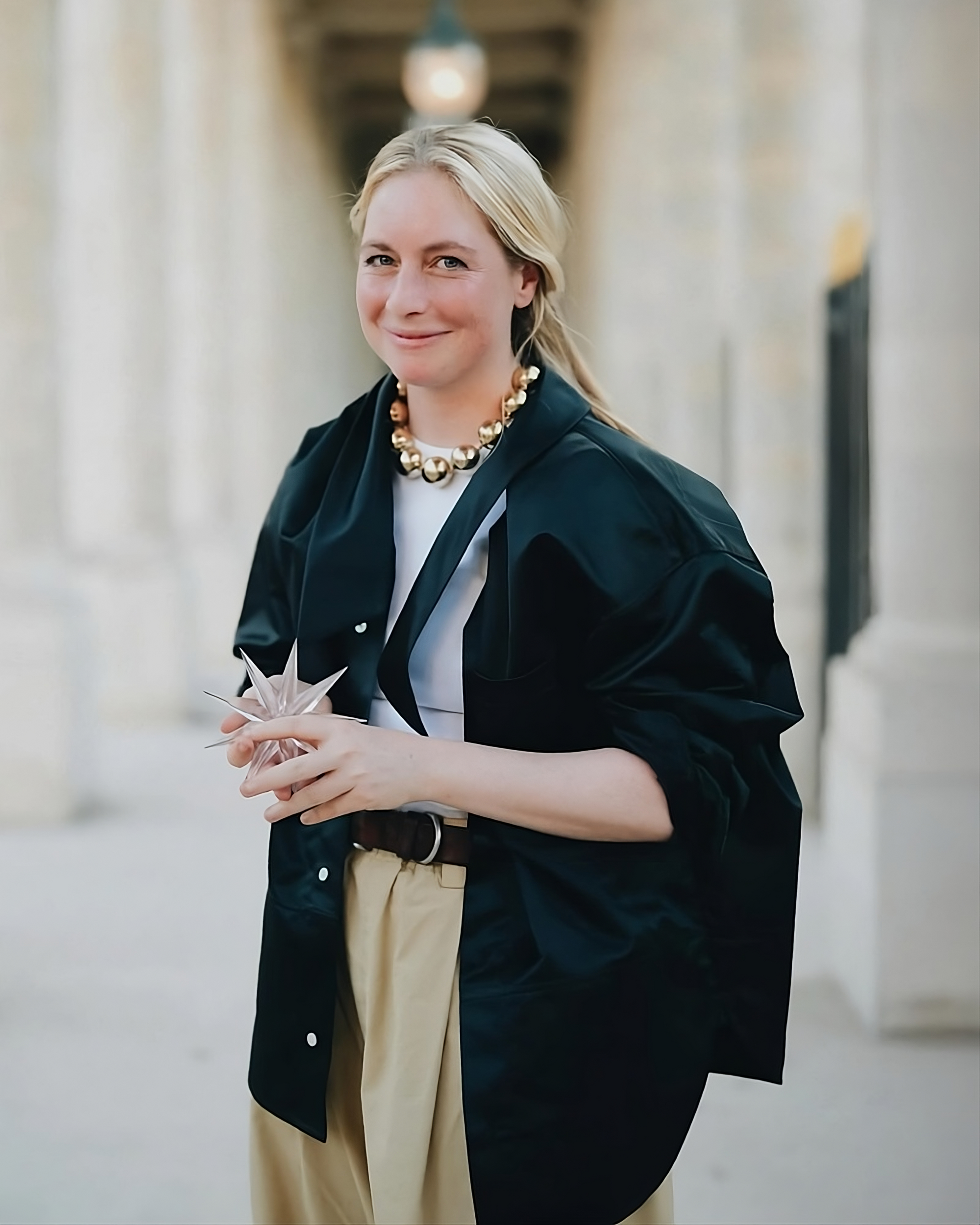
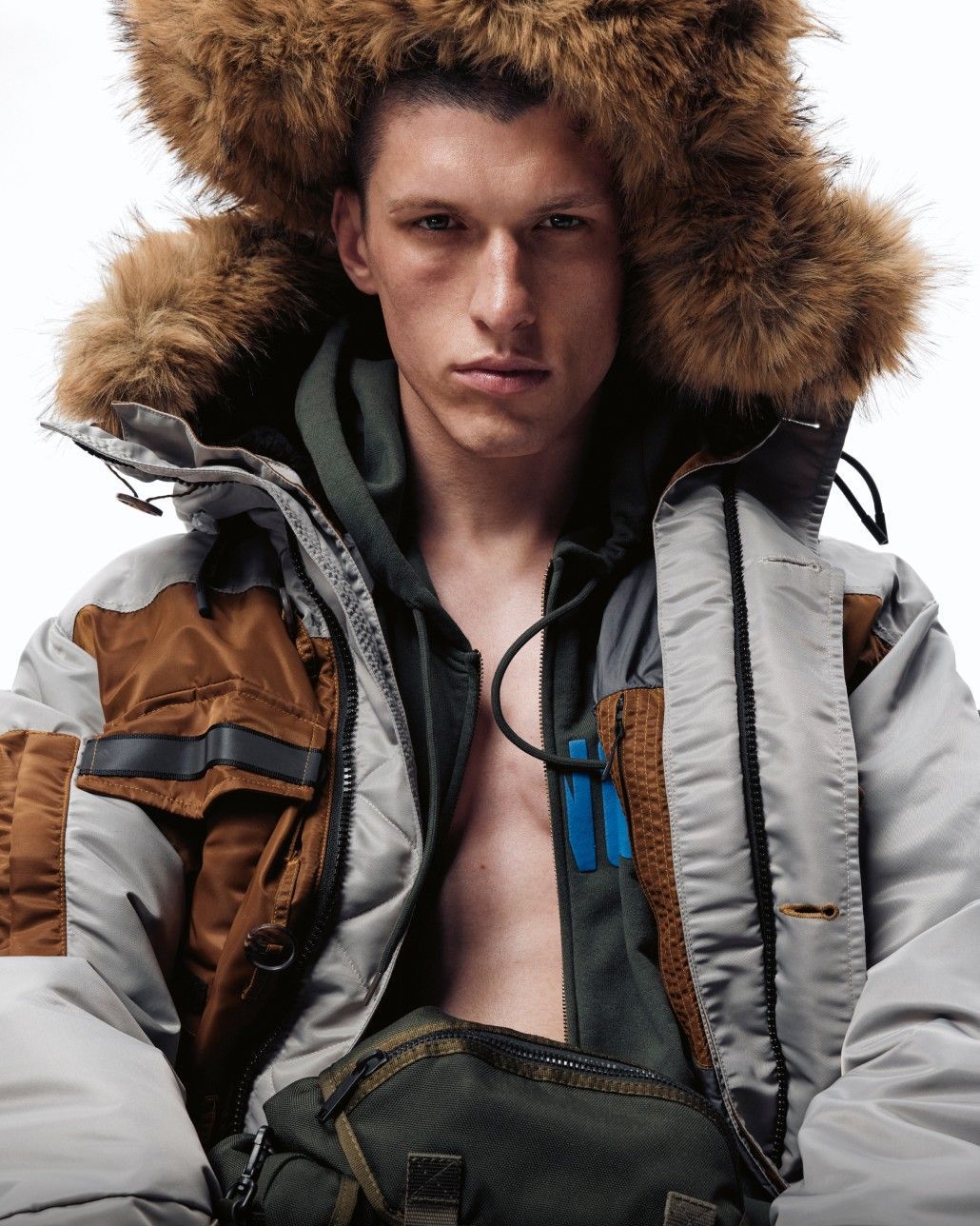




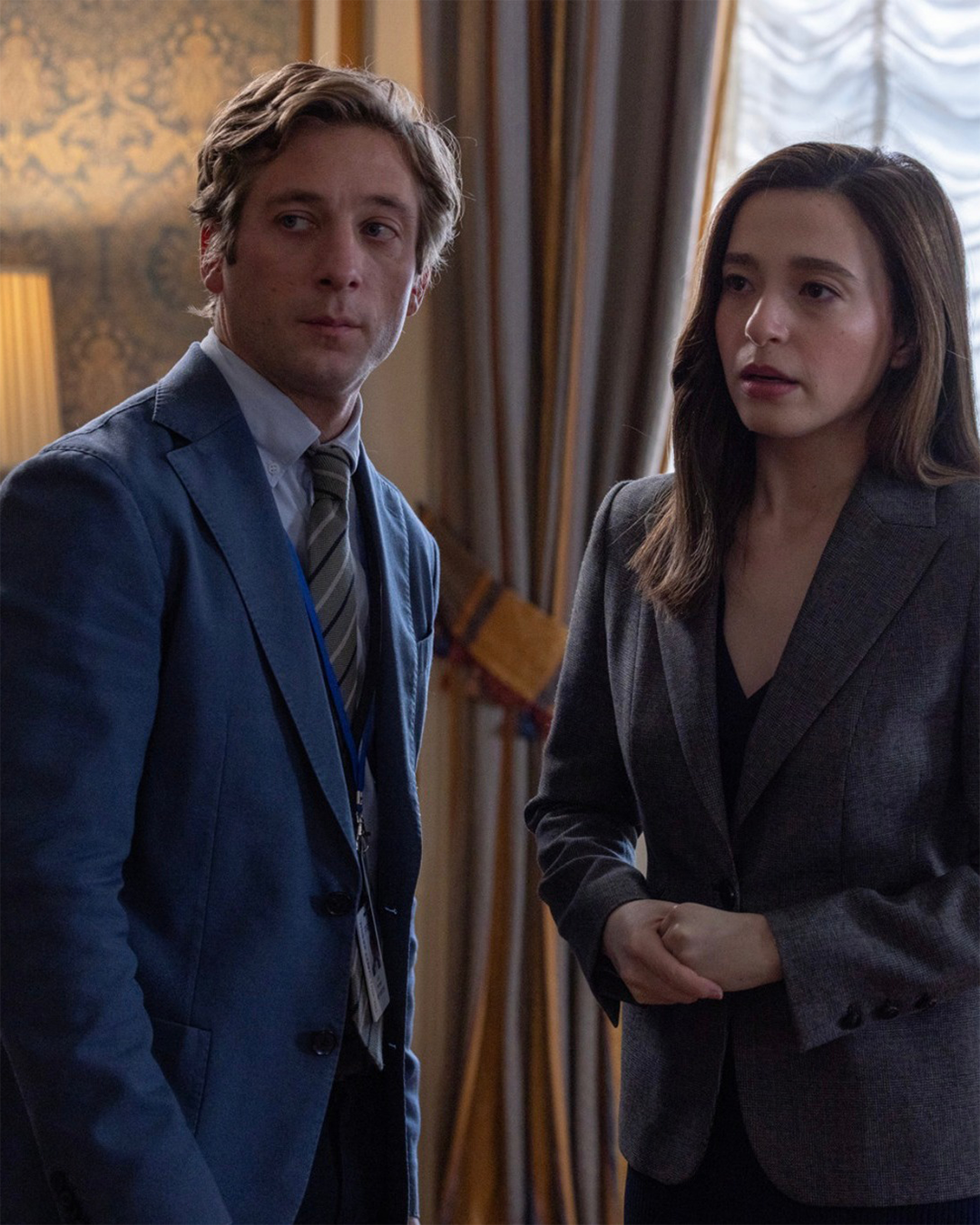










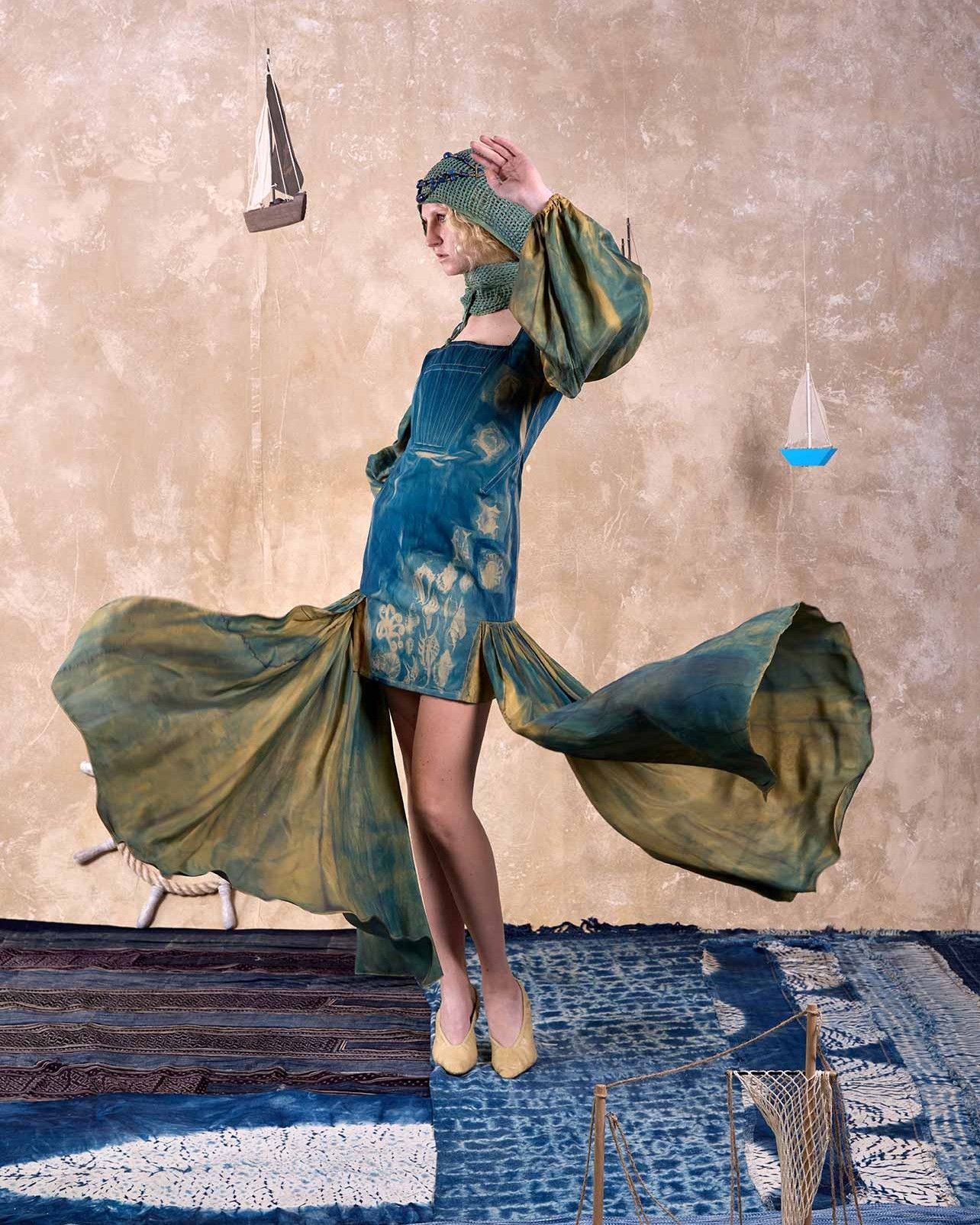










Francesco Risso is the new creative director of GU, Uniqlo's sister brand The world of mass fashion is attracting more and more luxury designers
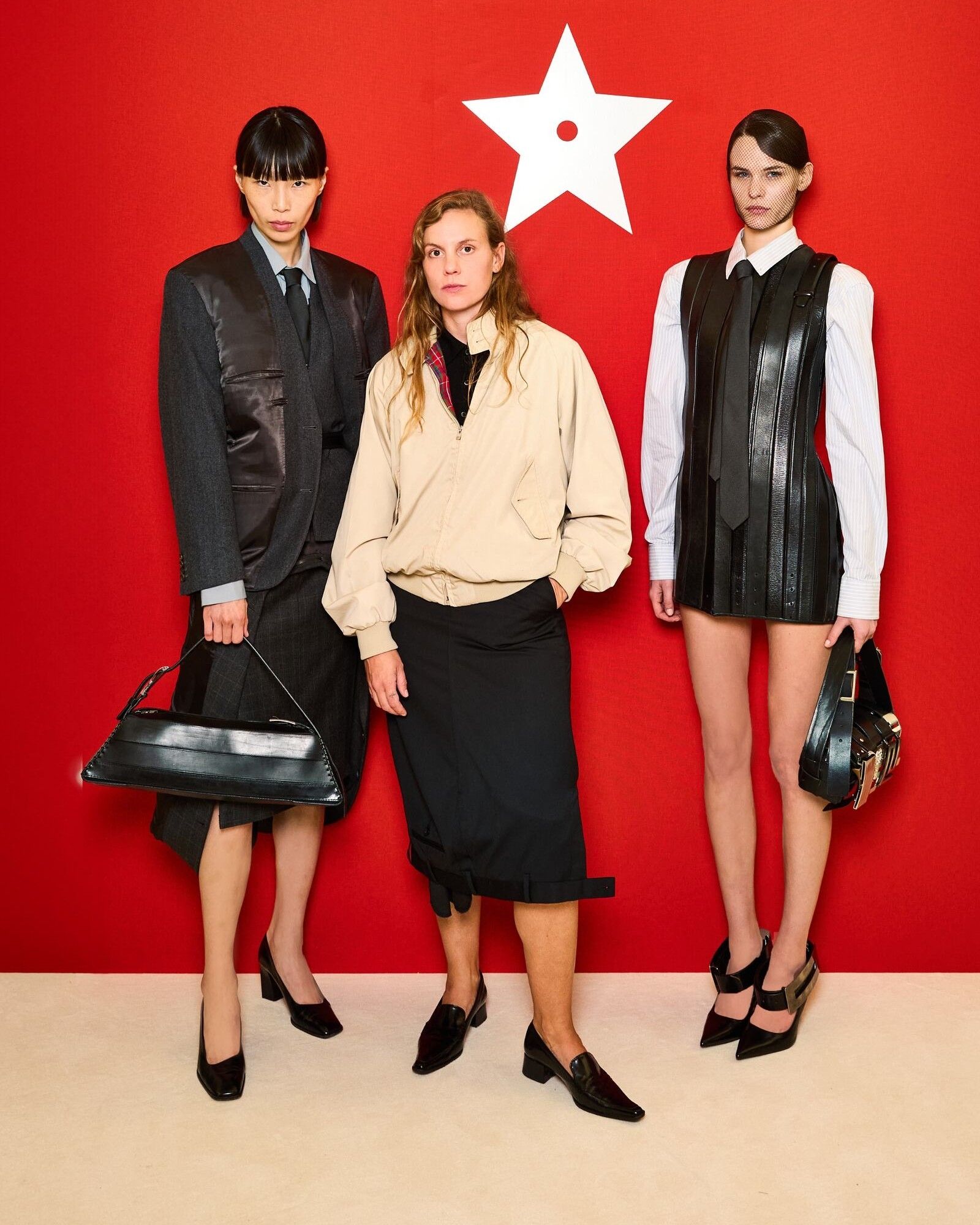
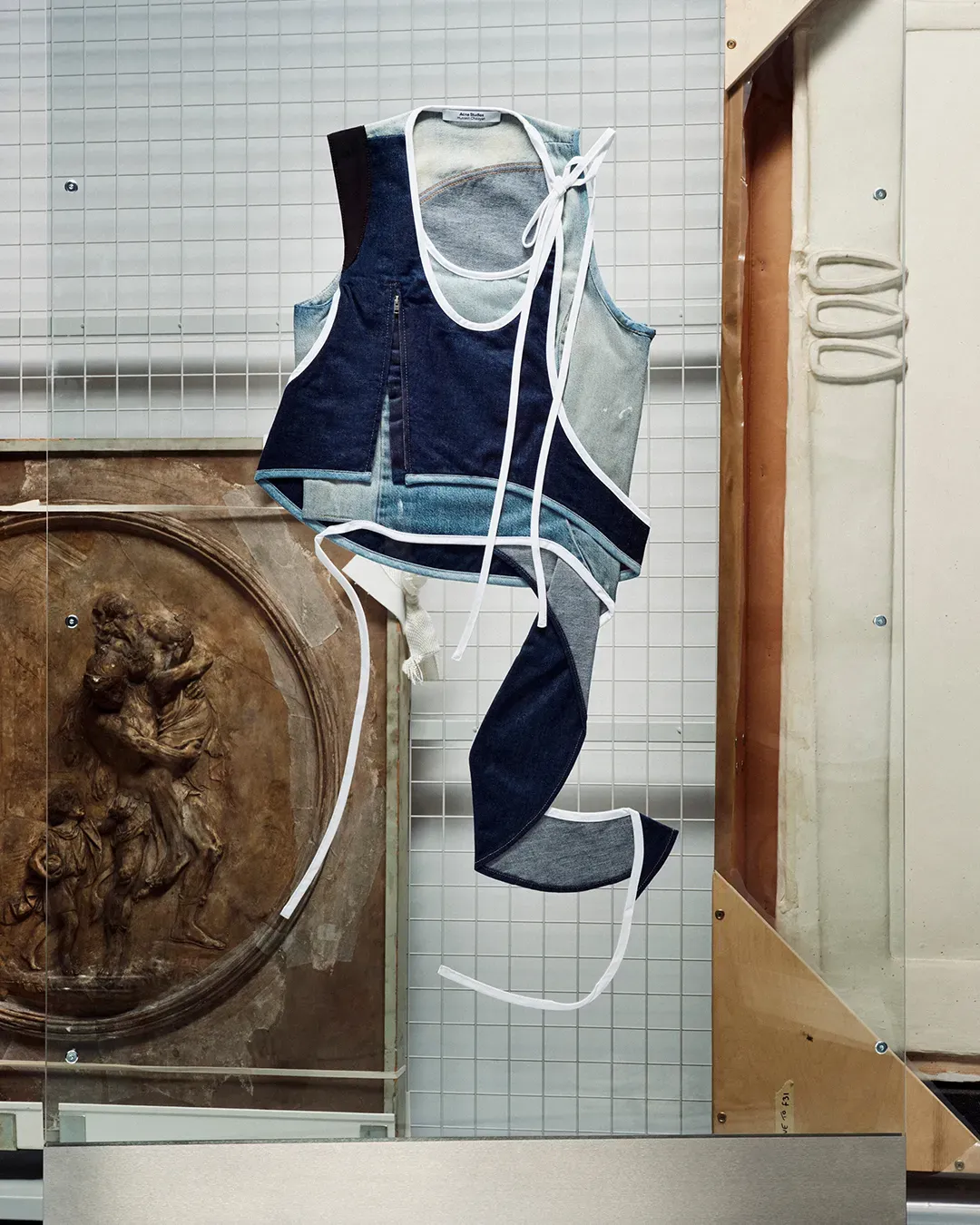
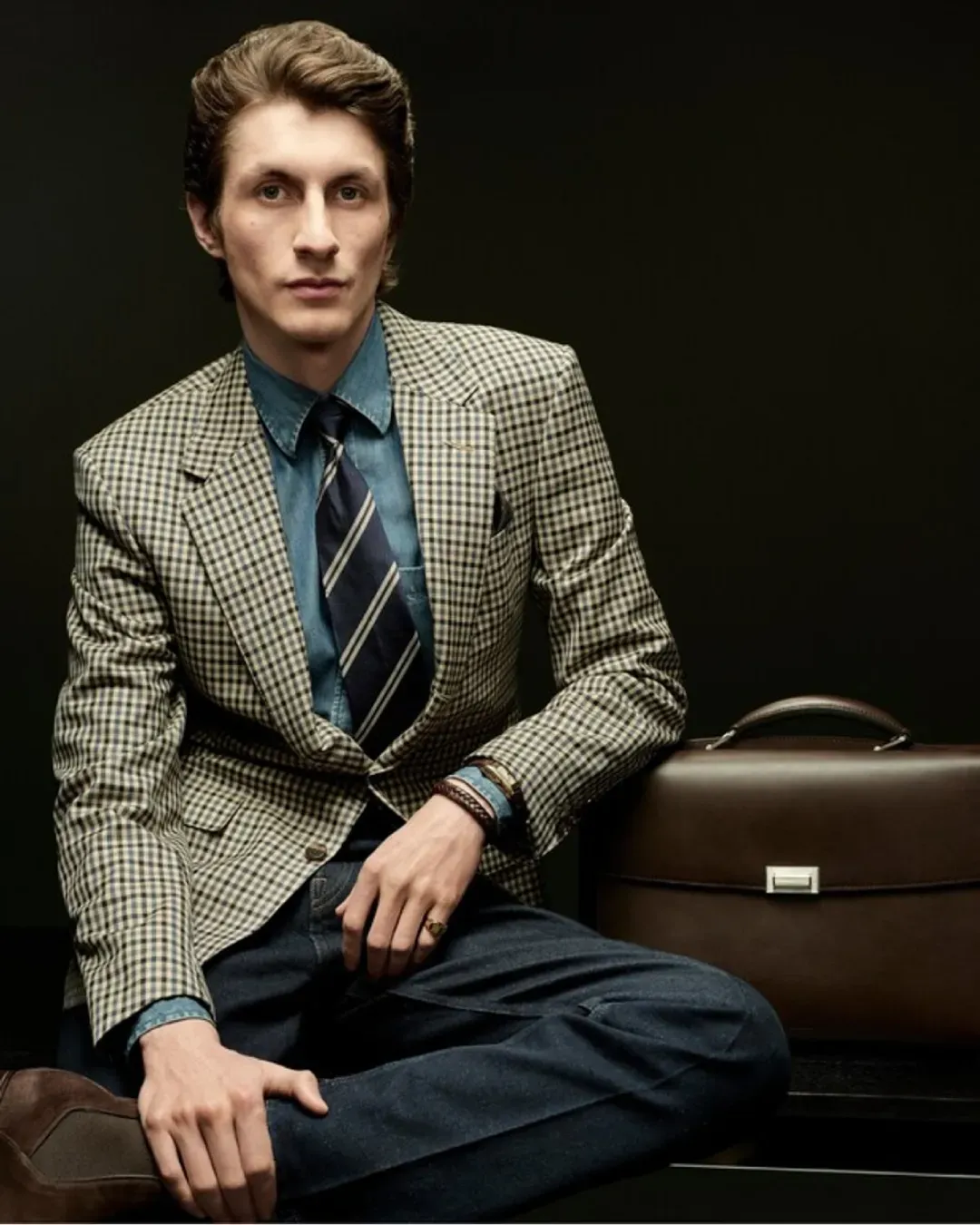
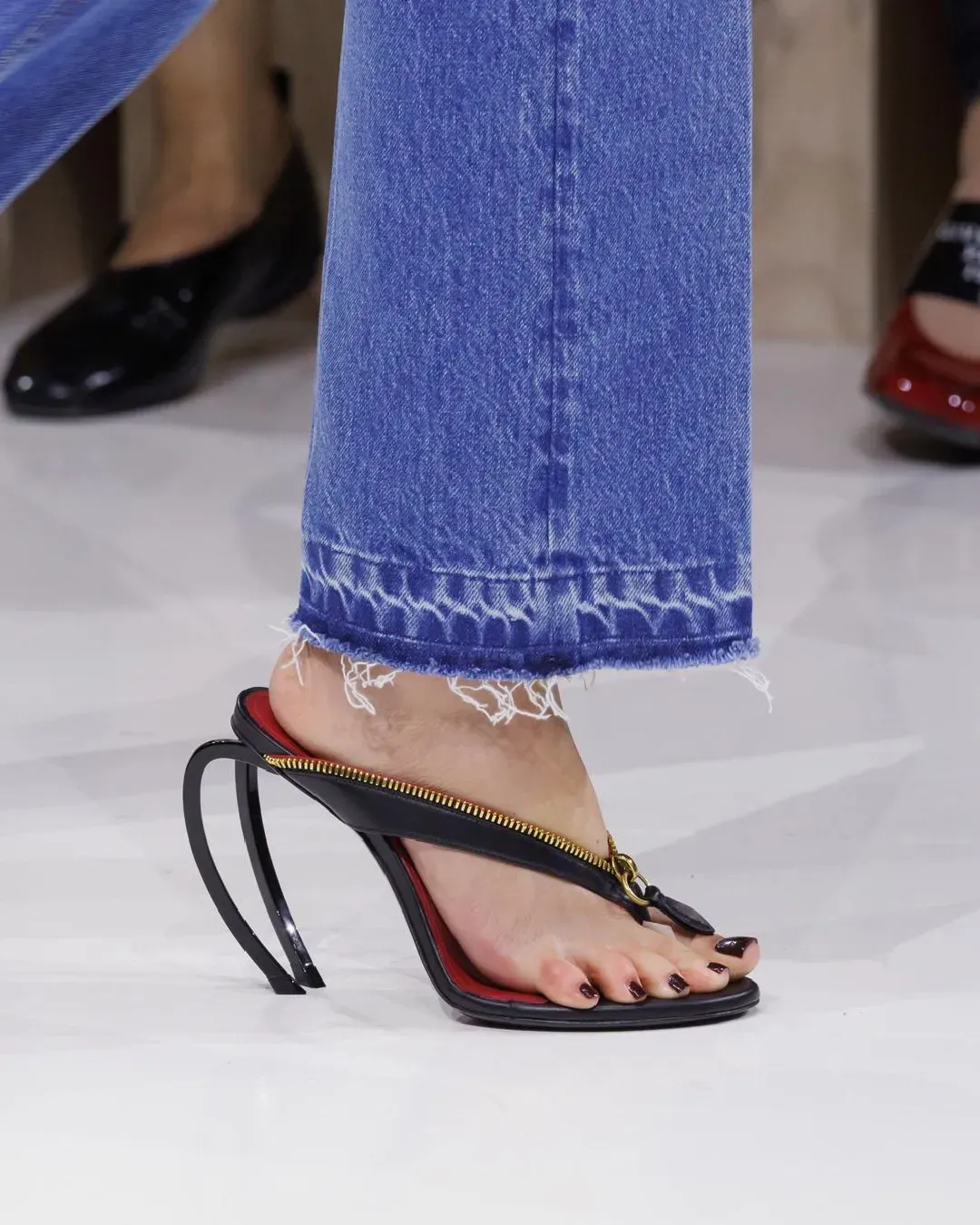
After Clare Waight Keller at Uniqlo, Kim Jones at Bosideng, Samuel Ross at Zara and Heron Preston at H&M (which, however, ended the collaboration in mid-2025), the ranks of luxury fashion designers migrating to the more democratic shores of mass retail have grown with an important name: Francesco Risso. Fast Retailing, the company behind Uniqlo, has in fact announced today that Risso is the new creative director of GU, the sister brand of Uniqlo which, after years of success in Asia, arrived in America last year and is now preparing for future expansion. The designer will also create an ongoing collection with Uniqlo that we will see throughout the year.
In discussing his appointment with Vogue, Risso said he wants to design clothes “for real people” and about the need for creative concepts to have “an infrastructure that reaches people all over the world”. Words that echo those of the many designers who have made the leap in recent years, especially in the dual desire to create a creative concept more realistic than that of fashion and to bring it to a wider audience than that of fashion.
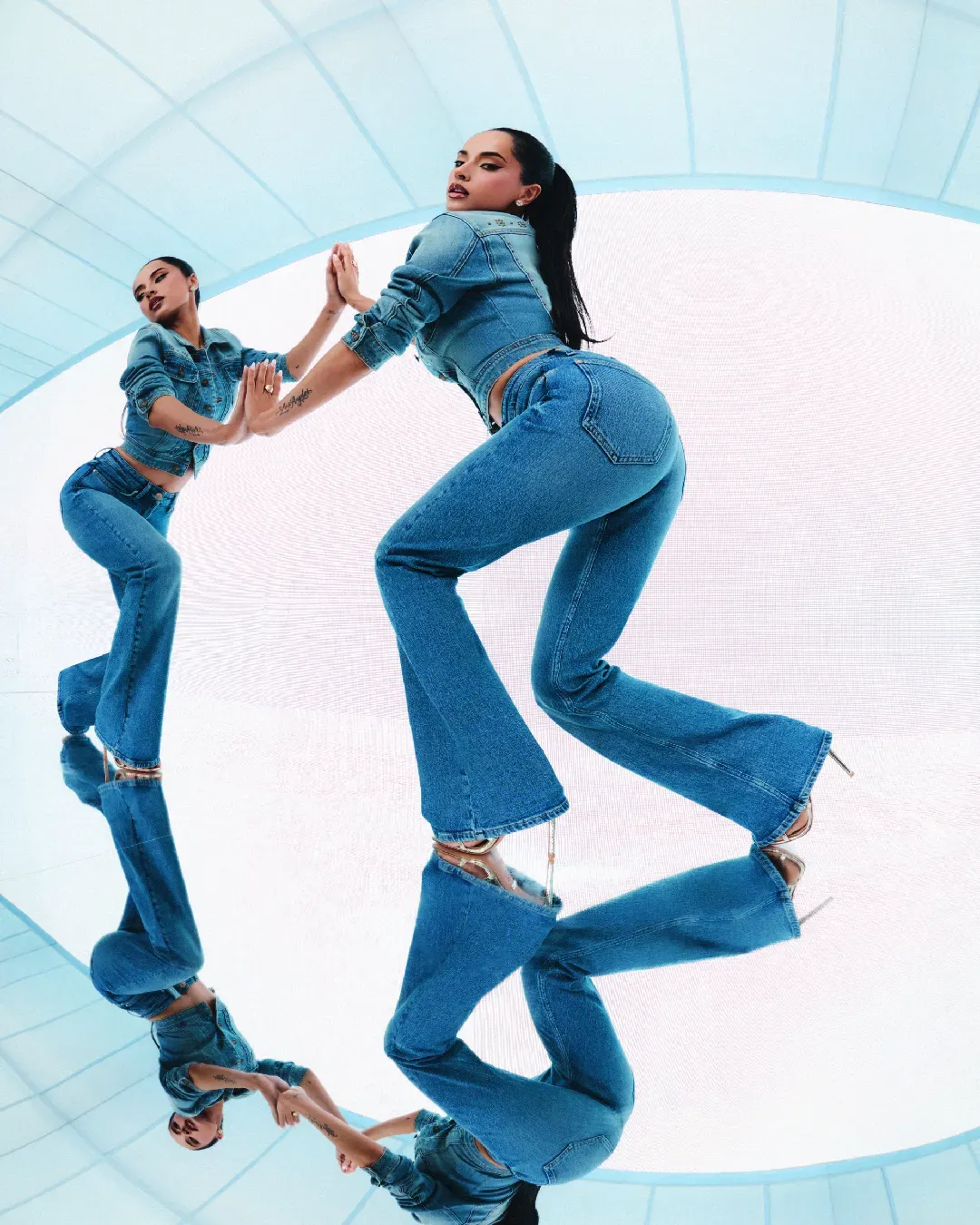
In any case, Risso's first collection for GU is expected to arrive for the FW26 season, and thus soon, and the premises already look promising now given that the Fast Retailing brand has been known to industry insiders for years for its many creative collaborations, the most important of which is the one established with Jun Takahashi of Undercover, who has been collaborating with both Uniqlo and GU for over a decade and recently presented a separate line for the latter brand called UG (it's easy to get confused, honestly), bringing his stylistic hallmarks to a very affordable wardrobe. But the question remains: why Francesco Risso? And why right now?
Yesterday Asia, today America, tomorrow the world?
Originally opened in 2006, GU conquered the entire Pacific coast of Asia in less than a decade. In 2013 it opened in Shanghai, in 2014 in Taiwan, and in 2018 in South Korea. The idea behind the chain of stores was to offer an even more affordable version of Uniqlo's clothing, obviously aimed at a younger audience less attracted to the basic pieces that represent the foundation of the flagship brand's mission at Fast Retailing. GU's most legendary item was indeed the 990-yen jeans, a price equivalent to just over five euros, whose production was discontinued in 2014.
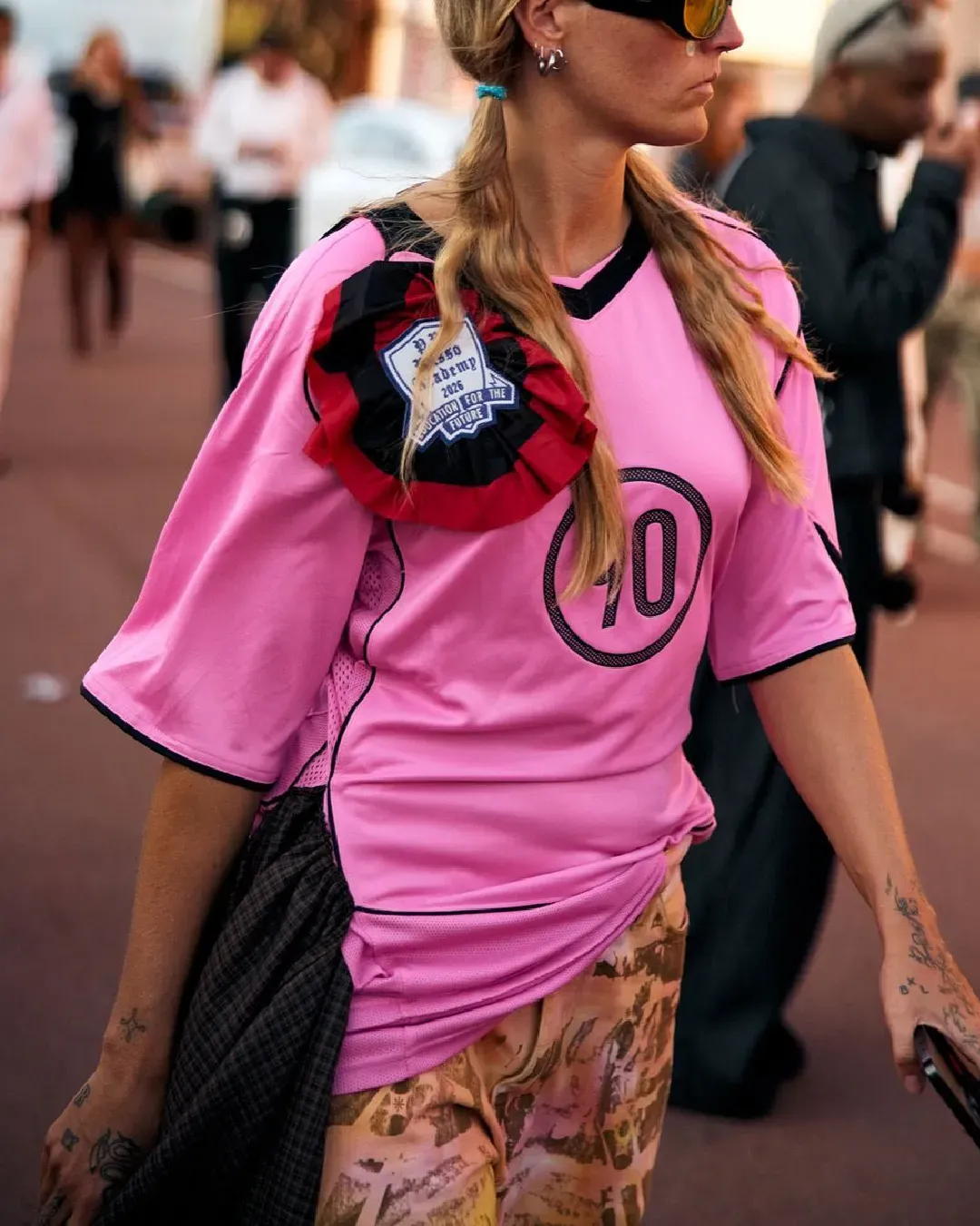
Starting in 2021, with a consolidated international footprint, GU began collaborations. The first was with Undercover, precisely in that year, which has continued to this day. The other two most notable were with Rokh and Engineered Garments. Now the collaboration with Undercover has become a full-fledged line, while the brand arrived in the USA in 2024, first with a pop-up and then with a flagship in New York. And Risso's appointment seems to prelude an even more marked expansion in Europe, where Uniqlo's arrival was a great success.
Conquering the market
@alexthanhn @GU (), the sister brand of @UNIQLO USA, was kind enough to invite me to visit their flagship store in Soho, NY. Thank you so much for taking care of me family. #fyp #fitcheck #lifestyle #summerfashion #mensfashion #ootd Who Told You - J Hus
Unlike Zara and H&M, whose collaborations tend to be single “explosive” moments, Fast Retailing's strategy for designer collaborations has been more “effusive”—that is, less frequent over time, less hyped by the media, but also generally more ongoing. Unlike star designers, the company has always preferred more committed or challenging creatives such as Jonathan Anderson, Jil Sander, the duo of Lemaire, and even Risso himself in 2022. For GU, the concept has always been similar but simply more affordable and thus also with a style, like that of Undercover, more oriented toward modern and youthful graphics and less basic.
The expansion that seems to involve GU as well (we have no official announcements, but the company speaks of a “next phase of growth”) is probably aimed at displacing from their pole position competitors like Temu and Shein, riding the company's excellent reputation. The latter, in terms of reputation, is indeed light years away from Inditex brands and is barely considered fast fashion. And just at a time when Europe and the US want to tax small shipments arriving from China and Shein's attempts to land in Europe are politically and publicly opposed, GU could position itself as an alternative that is just as affordable but with a much more acceptable reputation.
The choice of a European creative director, in fact, after the good success of Clare Waight Keller's work at Uniqlo, could signal the desire to present itself to the Western world and in particular to the European public, more selective, not only with a familiar face but with an appreciated name like that of Risso, a highly regarded designer whose professional choice, given the times, may surprise but certainly does not astonish. With its affordable prices and timeless quality, Uniqlo is already conquering the middle market abandoned by many premium and luxury brands, leaving behind the fast fashion label.
Why do so many famous designers work for mass retail?
Today we announce the appointment of Clare Waight Keller as Creative Director of UNIQLO. Continuing in her capacity as designer of the UNIQLO : C collection, Clare will now lead the UNIQLO main line collections starting with Fall/Winter 2024. #UNIQLO #LifeWear pic.twitter.com/GMYgtvfpnr
— UNIQLO Canada (@Uniqlo_Canada) September 3, 2024
The migration of designers to mass retail and, in several cases, to large Asian chains is mainly due to two factors. The first is the budget issue: mega-brands like Uniqlo, but also Bosideng or Zara, can pay these creative directors the same salary as the French or Italian owners of luxury brands without almost any of the risks associated with poor sales that exist in luxury fashion. In Asia there are technologies, manufacturing, and possibilities very different from those found in Europe and America, as well as a much larger and more engaged audience.
The second factor concerns work pressures. Fashion gives great satisfaction but is undoubtedly a blood sport, and frankly, it's easy to understand why several creatives prefer the relative simplicity and absence of unheard-of pressures that one must experience in mass retail. There are no eight collections a year to be designed one after another at breakneck speed, no tedious issues with merchandisers who have to translate runway concepts into commercial terms, and above all—and this is our supposition—there is no unpleasant feeling of working hard only to see one's designs diluted and worn by such a restricted number of customers.
The truth is that, as has been happening for years, luxury and mass retail imitate and chase each other: major luxury brands produce basic and low-risk items that end up resembling those of mass retail; mass retail wants to elevate its image and offering by presenting itself as a series of real brands and not just clothing producers. And for fashion insiders around half the world, by now, it's no longer so strange to mix signed pieces and items from Zara or Uniqlo. The fast fashion stigma, in short, is fading, and in the future we may see more and more acclaimed designers deserting the luxury world. The question then becomes: when will luxury start asking itself some questions?
Takeaways
- Fast Retailing has announced Francesco Risso as the new creative director of GU, Uniqlo's more affordable and youthful sister brand, marking yet another migration of luxury designers toward democratic mass retail.
- After successes in Asia and its arrival in the USA in 2024, GU is preparing for global expansion, potentially in Europe, leveraging ongoing collaborations such as the one with Jun Takahashi of Undercover and a reputation superior to ultra-fast fashion competitors like Shein and Temu.
- The choice of Risso reflects the desire to reach a wider audience with clothes for "real people," offering high salaries, lower pressures, and a worldwide infrastructure compared to traditional luxury.
- This trend highlights how luxury and mass retail are drawing closer, with designers preferring real impact and stability, prompting the premium sector to question its own future.