































The Trump's tariffs saga is getting messier and messier And now perhaps the US president will ignore a Supreme Court ruling
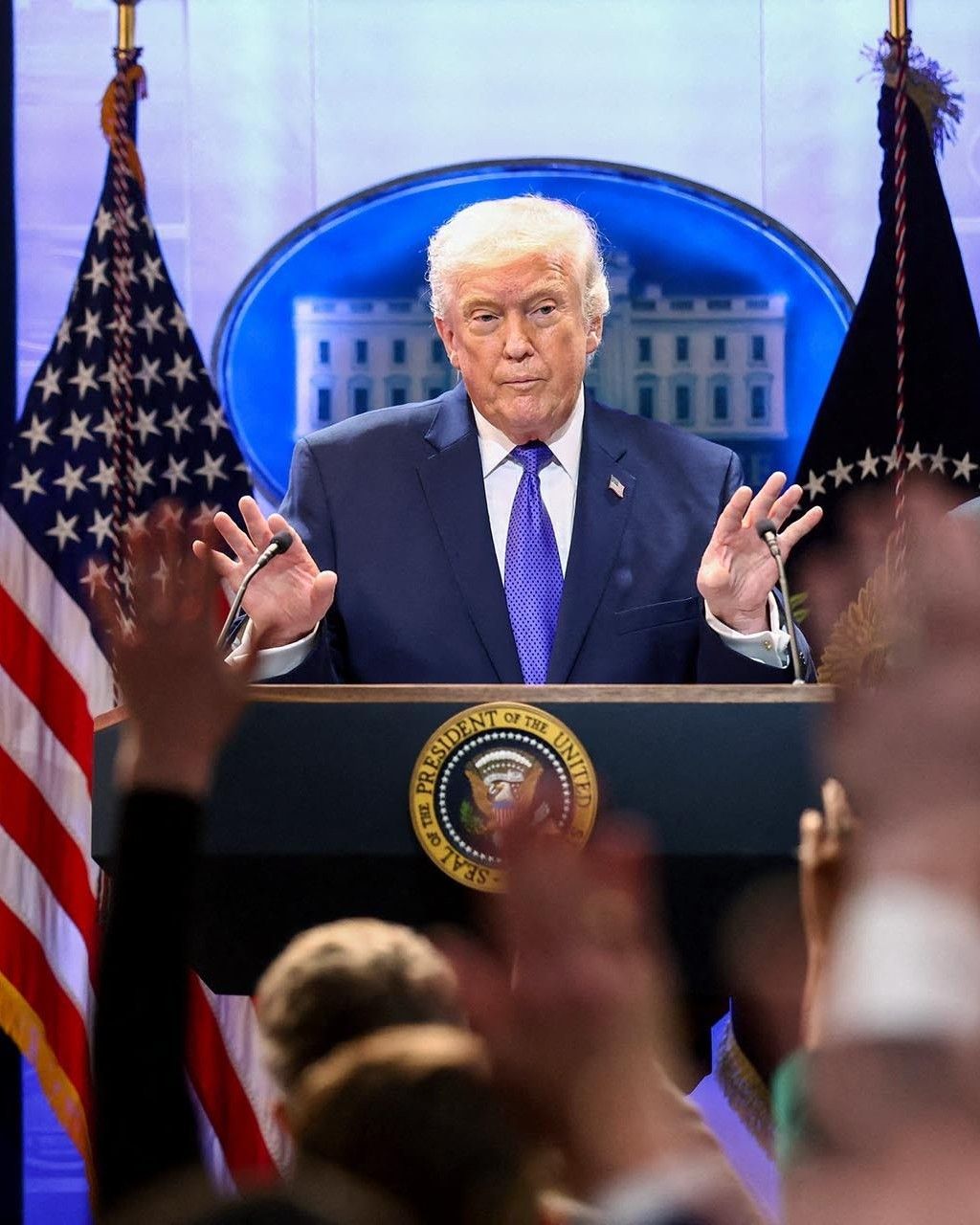
In 2026, the idea of getting through a weekend without some kind of madness happening in the United States is practically pure utopia. But this weekend’s episode managed to give hundreds of economists and ministers around the world a migraine: last Friday the U.S. Supreme Court declared illegal the tariffs imposed by Trump in 2025 that had already sown panic across global trade. In response, Trump immediately announced new ones and now no one understands whether the U.S. government will follow the Supreme Court’s ruling or completely ignore it, establishing a dangerous (to say the least) precedent regarding the rule of law in the country. But what exactly happened?
The back-and-forth on tariffs
As we were saying, last Friday the U.S. Supreme Court invalidated the so-called “Liberation Day” tariffs established by Trump, overturning the new tariff policy that had generated billions in costs for businesses and opening the door to a possible wave of refund requests for taxes already paid. The Court ruled that Trump did not have the authority to impose tariffs using the International Emergency Economic Powers Act (IEEPA), a 1977 law designed for national emergencies related to foreign threats, not for ordinary trade policy.
Even though lower federal and state courts had already found that Trump’s workaround clearly exceeded the limits of the law, the tariffs had nonetheless remained in force during the legal proceedings. It should also be noted that not all tariffs had been imposed under the IEEPA statute, as some very important ones on cars, semiconductors, steel, and aluminum rested on other legal bases. In any case, Chief Justice John Roberts reiterated that only Congress can impose tariffs in peacetime and that in any other case extraordinary circumstances would still be required to justify a unilateral decision on trade policy.
a guy who claimed to be named John Barron and sounded a lot like Trump called into C-SPAN to complain about the Supreme Court's tariff decision and call Hakeem Jeffries "a dope"
— Aaron Rupar (@atrupar) February 22, 2026
(John Barron is a pseudonym Trump has used for himself when talking to journalists) pic.twitter.com/UixNjll7NB
But here things get complicated. Immediately after the ruling, Trump announced and imposed a new universal 10% tariff on virtually all imports from around the world, using a different legal basis that, let’s underline, does not currently require democratic approval from Congress. It is a temporary tariff that will last 150 days and covers practically every good except critical minerals, energy, fertilizers, specific agricultural products, pharmaceuticals, electronics, vehicles, and informational materials. Not satisfied, the following day Trump raised his universal tariff to 15%, again in a completely arbitrary manner.
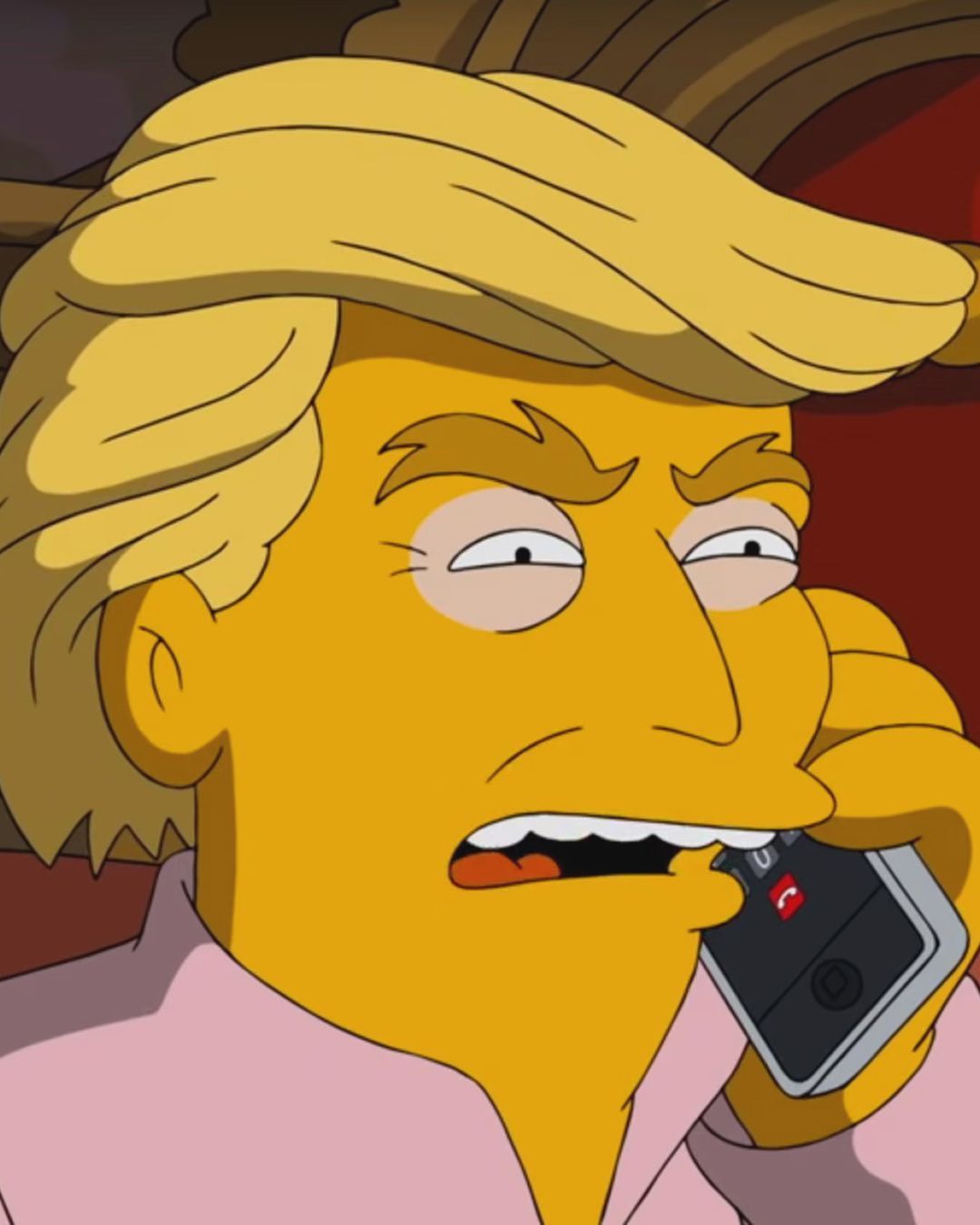
To add farcical shades to an already undignified affair, on Friday during a public television news program a man called in presenting himself as John Barron and began harshly criticizing the ruling, calling it “the worst decision you’d ever have in your life” before insulting several opposition leaders. The voice was practically identical to Trump’s, who in the 1980s and 1990s used the name John Barron to call journalists incognito and leak positive information about himself. The channel denied that it was the president but we invite you to watch the clip yourself and decide whom to believe.
So are the tariffs in place or not?
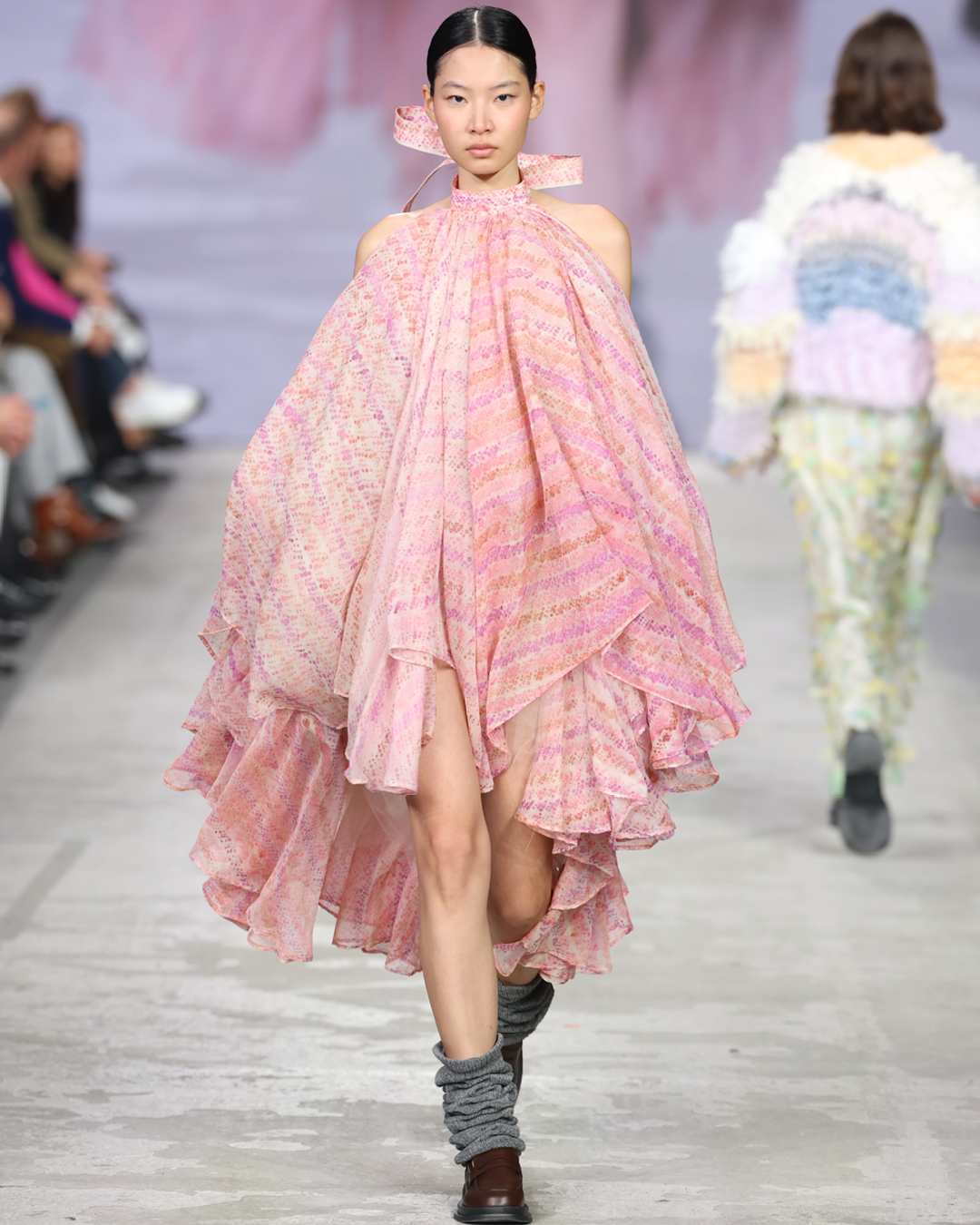
The tariff announcement last April had shocked the fashion industry, which not only imports goods worth billions of dollars but saw its main manufacturing hubs in China and Vietnam hit hard with extremely high duties. Some tariffs were later reduced after new trade deals, but additional levies remained in place on apparel and footwear sourcing countries. In November 2025, the weighted average tariff on apparel and footwear imports into the U.S. had risen to 36% from 13% before the announcement, according to BoF.
But after the ruling was announced, fashion sector stocks recorded modest gains—for example, those of VF Corp and Abercrombie & Fitch, which rose by up to 4%. According to various sources, many in the business world had been expecting Trump’s tariff decrees to end up in court and were anticipating this outcome. That does not mean the matter is over—far from it. The Trump administration has stated that it will seek to reintroduce similar measures through other legal workarounds that would bypass the need for congressional ratification of new trade policies.
What can companies do now?
It is not yet clear to what extent apparel and footwear sectors will be affected by these new renegotiations. And while we wait to understand what will happen and what new humiliating scenario Trump will create for his nation and its citizens, many companies are assessing whether they can recover the taxes paid on the now-invalidated tariffs. Indeed, the ruling that annuls the tariffs does not address how—if at all—to return the more than 130–200 billion dollars already collected.
In fact, under U.S. law there is no automatic refund mechanism for situations like this. This means the refund will not be automatic: importers will likely have to file individual protest claims with U.S. Customs and Border Protection. It is an overall slow, expensive process that requires specialized lawyers and could disadvantage small and medium-sized enterprises.
Even before the ruling, however, more than 1,000 companies had already sued Trump in anticipation of an unfavorable outcome. According to Bloomberg, the majority of these were from the apparel and textile sector. Now almost nothing is clear anymore, although some companies have already sold their rights to potential refunds to outside investors for tiny fractions of the value.
Specifically for fashion, on the one hand immediate costs should decrease, but it remains to be seen what to do with the strategic and logistical adjustments caused by the first tariff announcement. In the U.S., many brands had passed the costs on to consumers with higher prices, increasing inflationary pressures in retail, with prices rising by as much as 20–40% in certain categories. Now prices might improve but it is necessary to understand what will happen. And all of this without even considering the companies that changed producers and international suppliers, spending millions upon millions and causing the destruction of many jobs. When this story finally ends, in short, many people will be presenting the bill to the United States.
Takeaways
- The U.S. Supreme Court declared the “Liberation Day” tariffs imposed by Trump in 2025 via the IEEPA illegal, invalidating them because the president lacked the authority to impose them without clear congressional authorization, opening the door to potential refunds for billions of dollars already paid by businesses.
- In immediate response, Trump announced and imposed a new universal 10% tariff (later raised to 15%) on nearly all global imports, using a different and temporary legal basis (150 days), effectively ignoring the ruling and creating uncertainty about the rule of law.
- The fashion sector experienced initial relief with modest stock gains, but the previous high costs (up to an average 36% on apparel and footwear) had already caused consumer price increases (20-40% in some categories), forced supply chain diversification, and job losses abroad.
- There are no automatic refunds: companies must file formal protests with U.S. Customs (a slow and costly process), many have already preemptively sued, and the future remains uncertain as the administration promises alternative new tariffs, leaving fashion subject to ongoing volatility.
What to read next
Everything you need to know about the Elon Musk documentary
Directed by a highly experienced filmmaker, it has already been criticized by the founder of Tesla and SpaceX
Why was a naked Trump golden statue displayed at the European Parliament?
It's called "The Orange Plague" and is the latest work by Danish sculptor Jens Galschiøt
Why are there so many AI political propaganda videos?
We asked Donatella Della Ratta, communication professor at John Cabot University