


















Shein's ultra-fast fashion is making inroads into major European festivals Trends and accessibility at Firenze Rocks, Creamfields, the Heroes Festival and many others
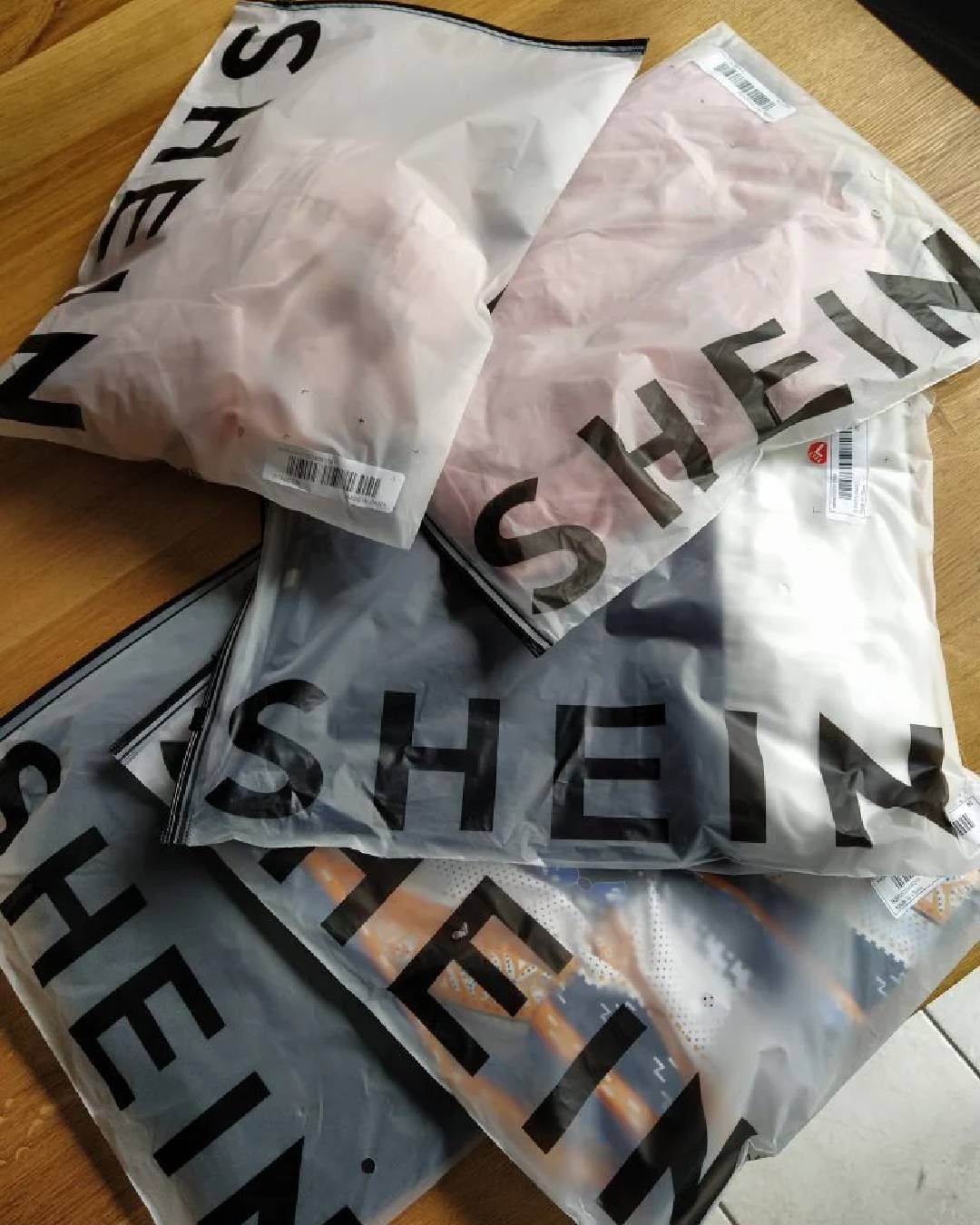
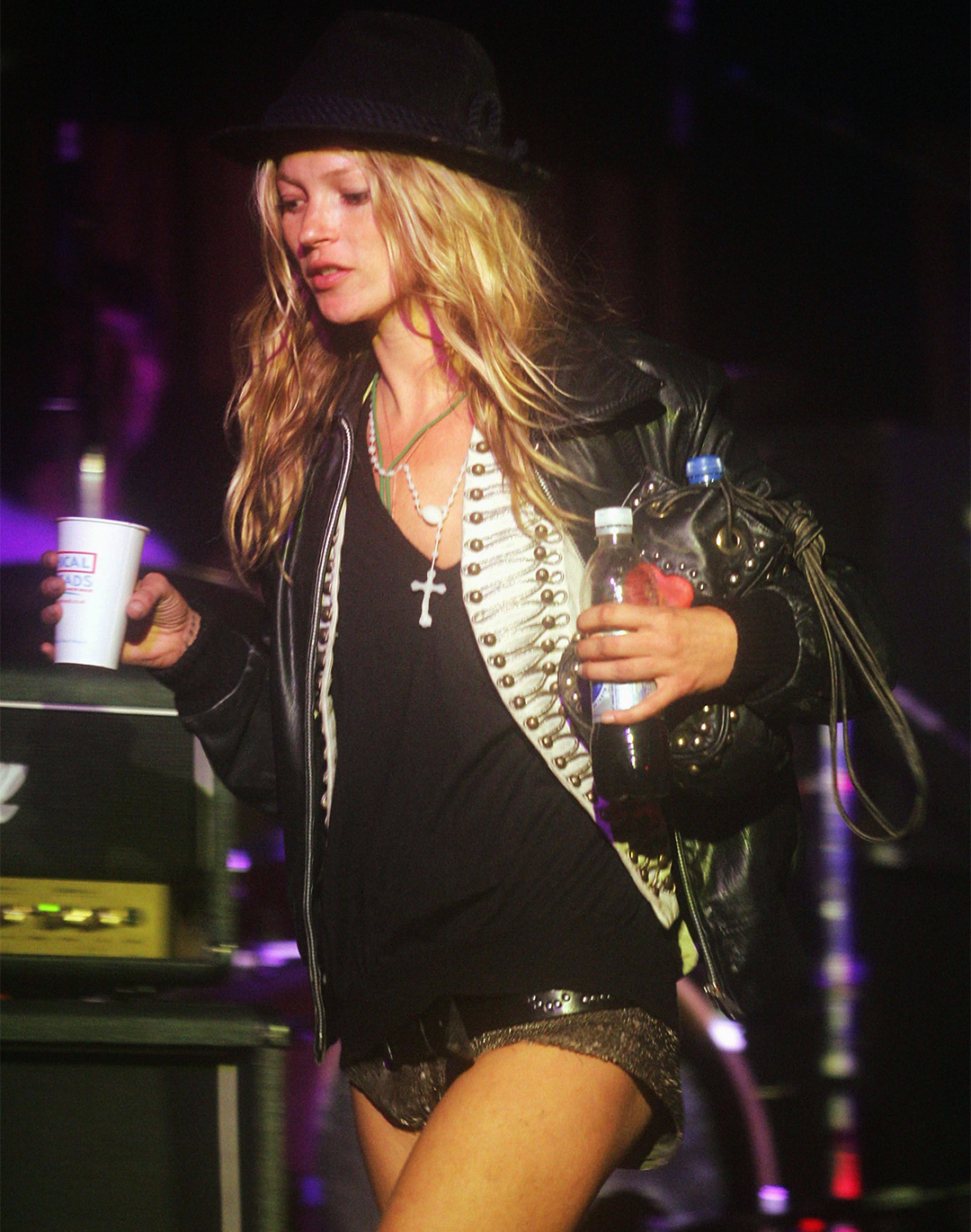
If you thought you could go to a festival and channel Kate Moss and her iconic looks at Glastonbury, you may have to give up that idea, as Shein has just announced its participation as an official partner of Europe’s upcoming 2026 music festivals. That fast fashion has become an unstoppable machine, capable of infiltrating every corner of contemporary culture, is certainly no mystery, but what confirms its expansion is the entry of the giant of ultra-fast fashion into the European music circuit, promising an “unmissable program” and “exciting experiences”, of course, lived in a full Shein look.
From pop-up stores to festivals
@loholiveer JÁ SALVA PRA COMPRAR DEPOIS O tanto que eu teria lacrado nesse lollaaaaa Mas look baphônico assim, a gente sempre tem rolê pra servir né migaaas? Qual vcs usariam?? . IDS 1. Saia dourada: F82F54P 2. Corset marrom: BN4M5UR 3. Bota western: VPH5VSM 4. Regata preta: 6D8UACH 5. Mini shorts preto: 86294H3 6. Saia bege: PWGM2BZ 7. Blusa bege: 223XW2Y 8. Calça preta: 32LN552 9. Head piece: 65F37L2 . Procure por ‘Tendências’ na SHEIN para mais looks de festa! @SHEIN @SHEIN Brasil . #sheinfestivalszn #sheintrends #ad #inspolooks #festival som original - loh
Shein, after all, has long been moving beyond the boundaries of its e-shop through initiatives that translate the shopping experience into physical form, from the Milan pop-up store in 2024, to the acquisition of an entire building in Paris. The Chinese giant is therefore expanding its presence beyond the digital realm, landing at major festivals across the European scene: in the United Kingdom with Parklife Festival, Creamfields and Isle of Wight Festival; in Spain with Festival Internacional de Benicàssim and Arenal Sound; in Italy with Firenze Rocks; and in Germany with Heroes Festival.
While in the past the materialization of the brand mainly occurred through online consumption experiences, today the strategy unfolds on a dual level, deeply interconnected. On one hand, through positioning, Shein inserts itself as an active partner within a system already saturated and partially in crisis, such as that of music festivals, presenting itself as a device capable of reactivating wonder and redefining its imagery.
Get ready to soak up the sun in style at SHEIN Beach Club sun Check out the link below to score your festival must-haves from the #SHEINxHangout edit out NOW!https://t.co/NqF9uQyj62 pic.twitter.com/4asqAm0QVU
— Hangout Music Fest (@Hangoutfest) April 20, 2024
On the other hand, this intervention translates into a circular commercial strategy: the festival becomes a space of visibility and desire, while the outfits that inhabit it are immediately purchasable on the platform. In this sense, experience fuels consumption, and consumption, in turn, enables the experience, building a continuous loop between participation, imagery, and purchase. This creates a continuity of imagery in which Shein positions itself as the most fitting device for contemporaneity, capable of intercepting and accelerating its aesthetic codes.
Moreover, this expansion reflects its philosophy of total accessibility: just as the brand makes a potentially infinite wardrobe available at low cost, festivals similarly become experiential spaces where immersive activations reproduce a logic already consolidated by events such as Coachella, which, by contrast, already possesses a stratified imagery built over time through faces, sociality and above all, looks.
An operation not without risks
@aliciadang21 which one is ur fave??!!!! i cant choose #festivaloutfitinspo #ibizaoutfits #raveoutfit original sound - ALICIA
Within this context, Shein proposes iconic festival styles, from boho chic to "punk-rock" to so-called “desert-ready” looks, making them no longer simple outfits but tools to rapidly adhere to codified and immediately recognizable aesthetics. More than a stylistic proposal, this is a system of access to pre-packaged and rapidly consumable imaginaries. The experience itself is meticulously constructed: VIP parties, curated DJ sets, photobooths, interactive activations and exclusive spaces.
However, rather than expanding the musical experience, these dynamics seem to transform the festival into a purely aesthetic and performative device, in which Shein represents an aggravating factor. The result is a democratized but also simplified version of aspirational imagery. A promise of total access to clothes, experiences and identities that, in its immediacy, risks translating into an aesthetic standardization as effective as it is ephemeral.