






























Latin Music comes to Milan with the Latin Festival 2026 The sound that’s revolutionizing the music industry
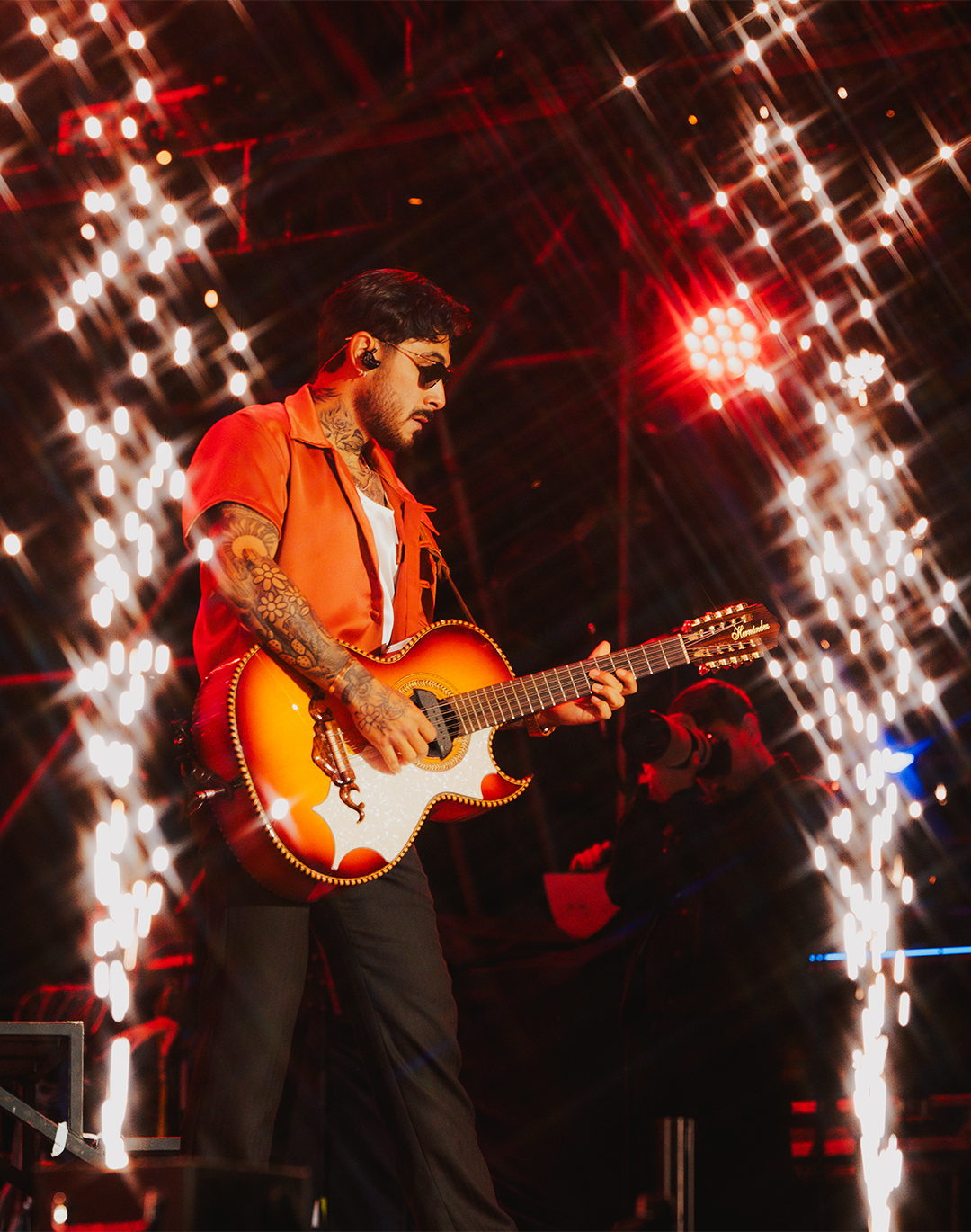
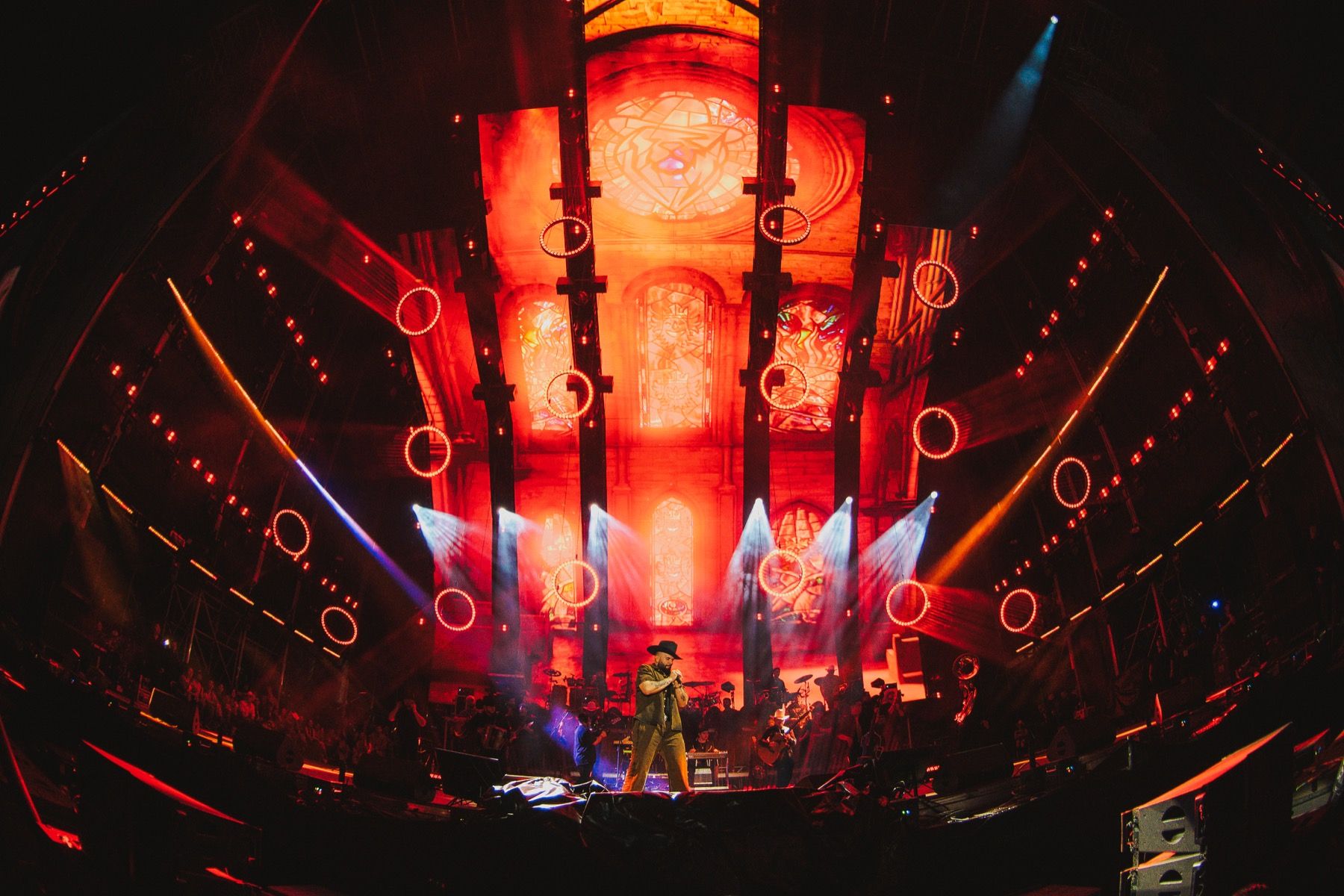
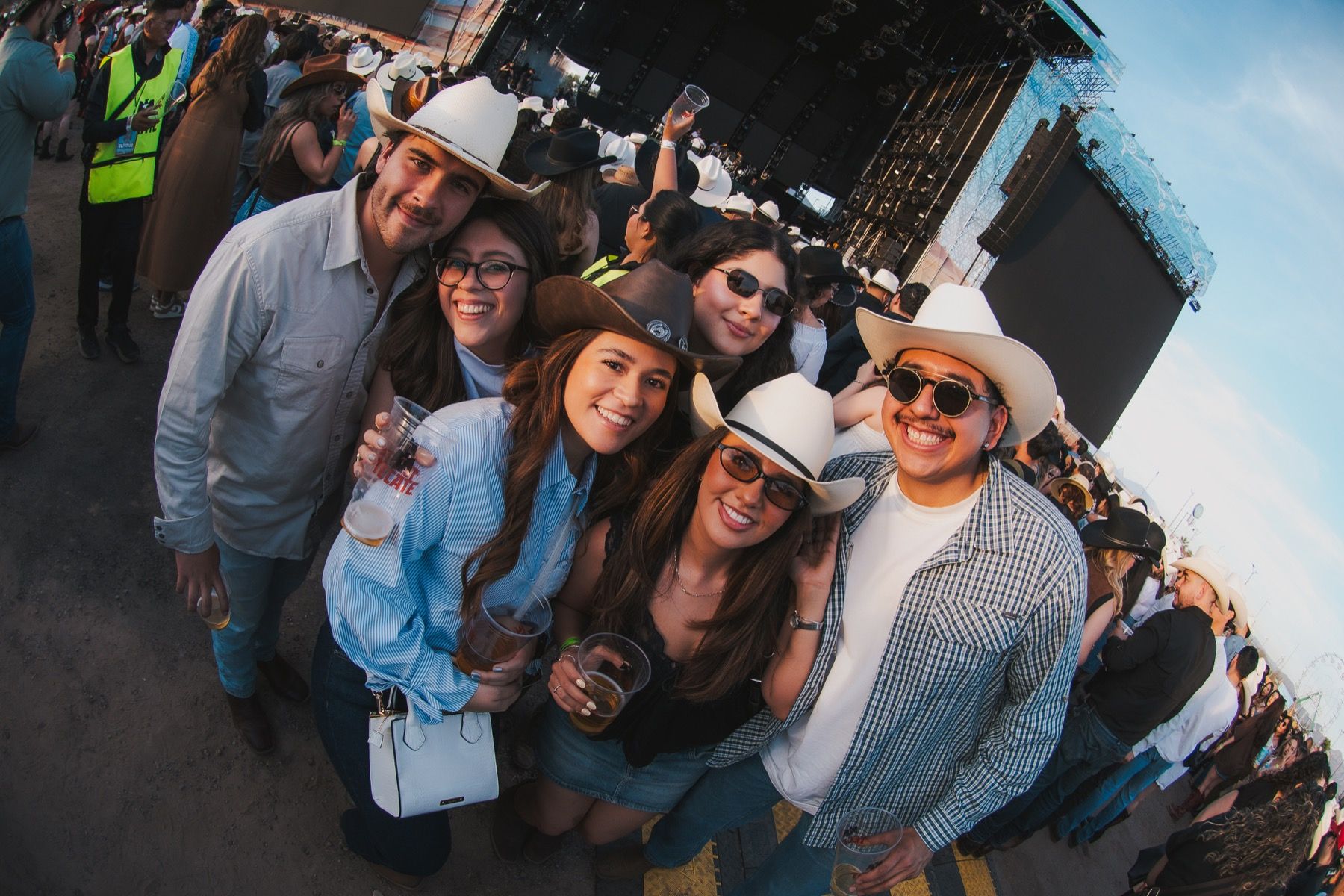
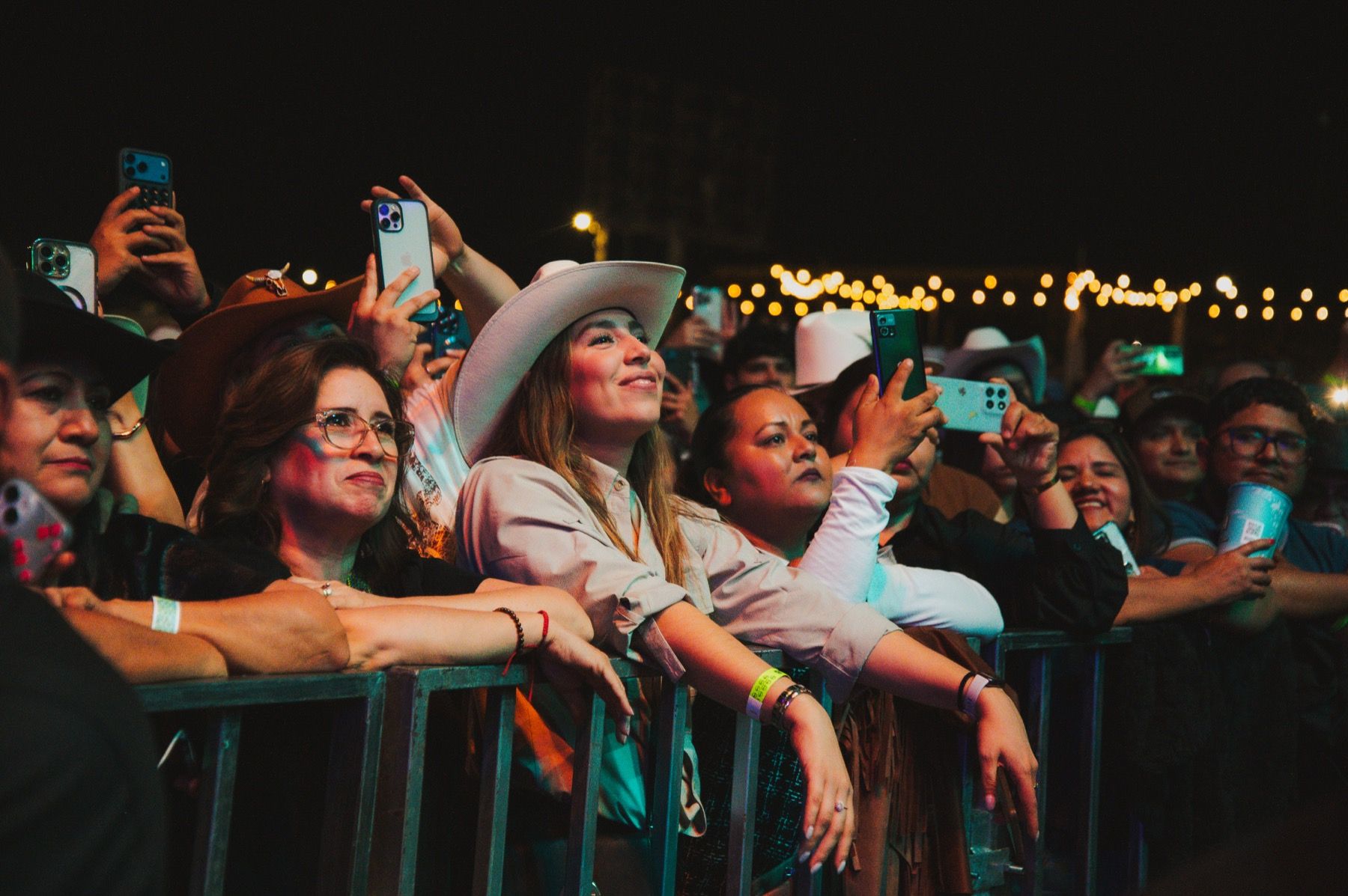
In recent years, Latin music has stopped being just a musical category and has become a true global language. It is no longer an “emerging” genre, but a “cultural movement” capable of redefining the contemporary musical landscape. Within this transformation, regional mexicano is undergoing a profound phase of redefinition. Events like La Cura Fest, held in Hermosillo, are not simply music festivals, but true cultural devices. Spaces where tradition and contemporaneity coexist without friction, generating a new sound capable of crossing geographical and generational boundaries.
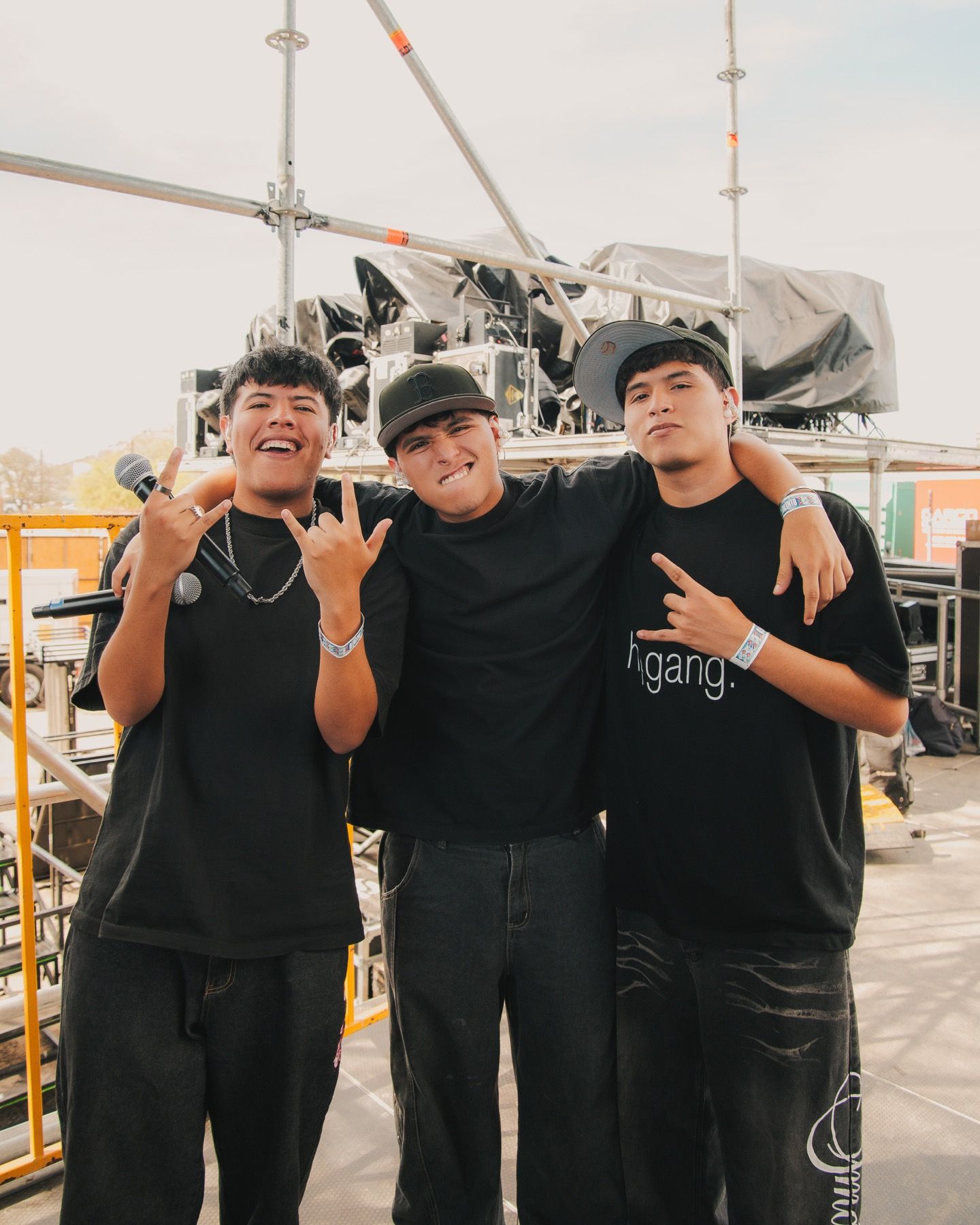

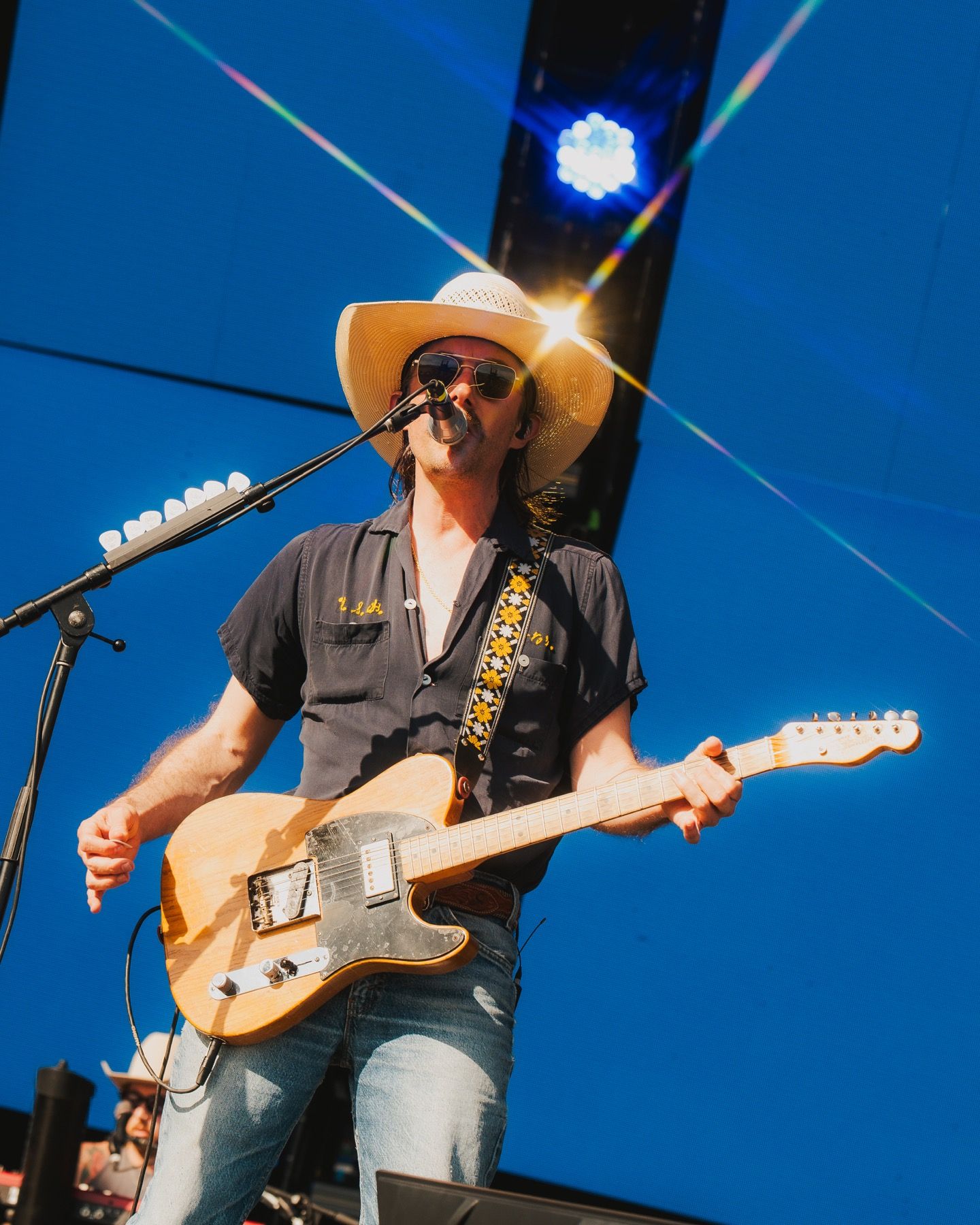

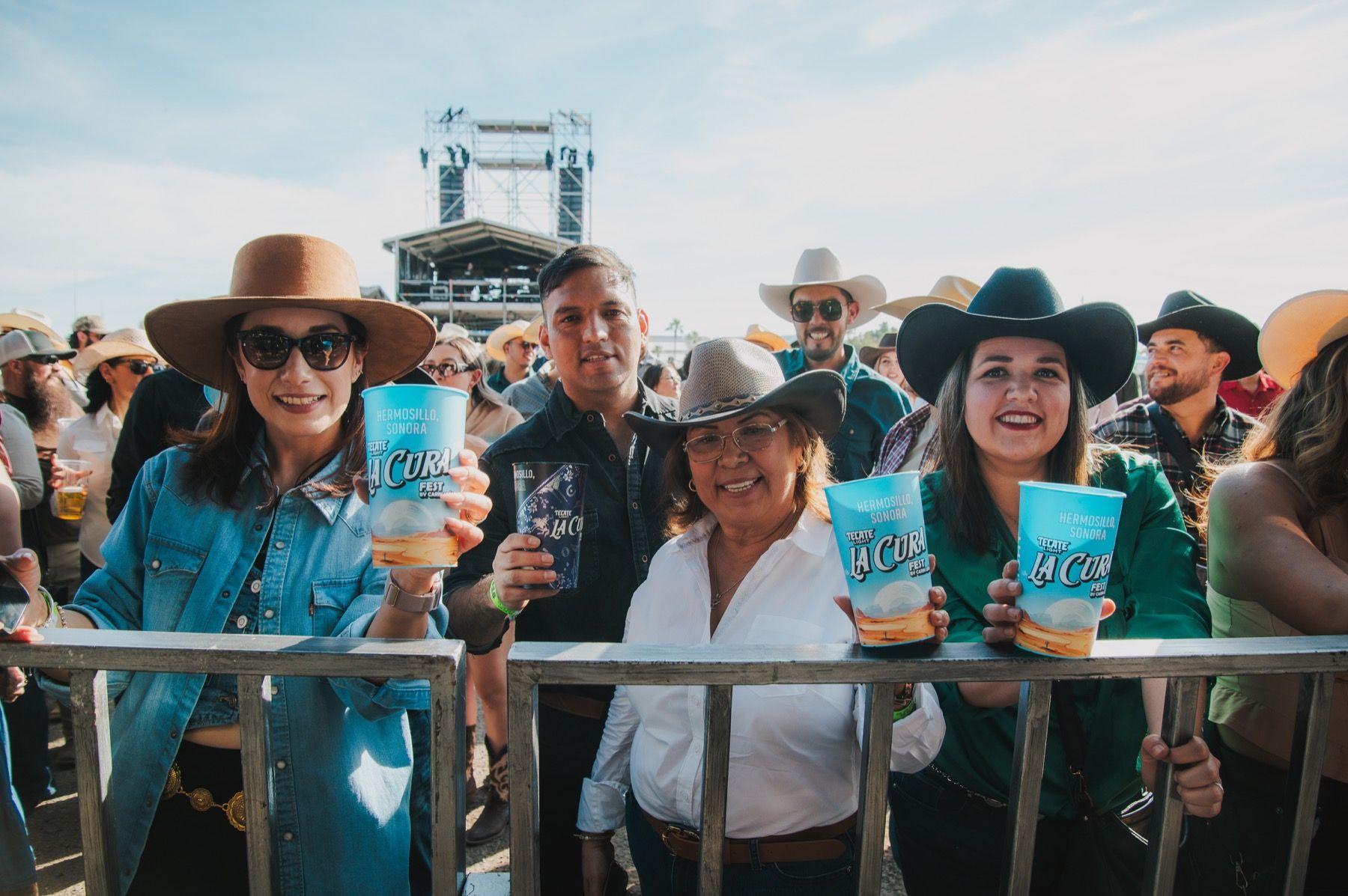
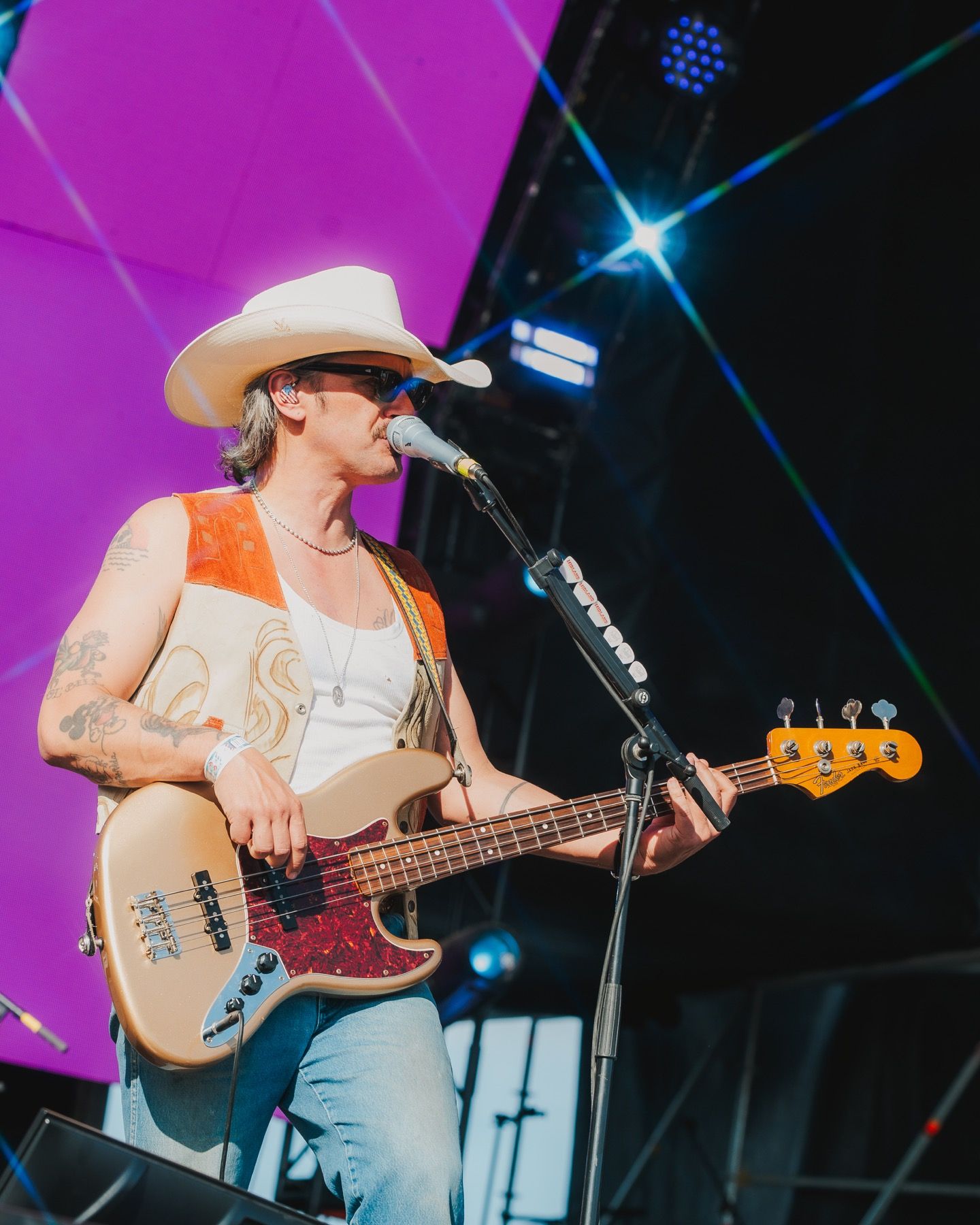
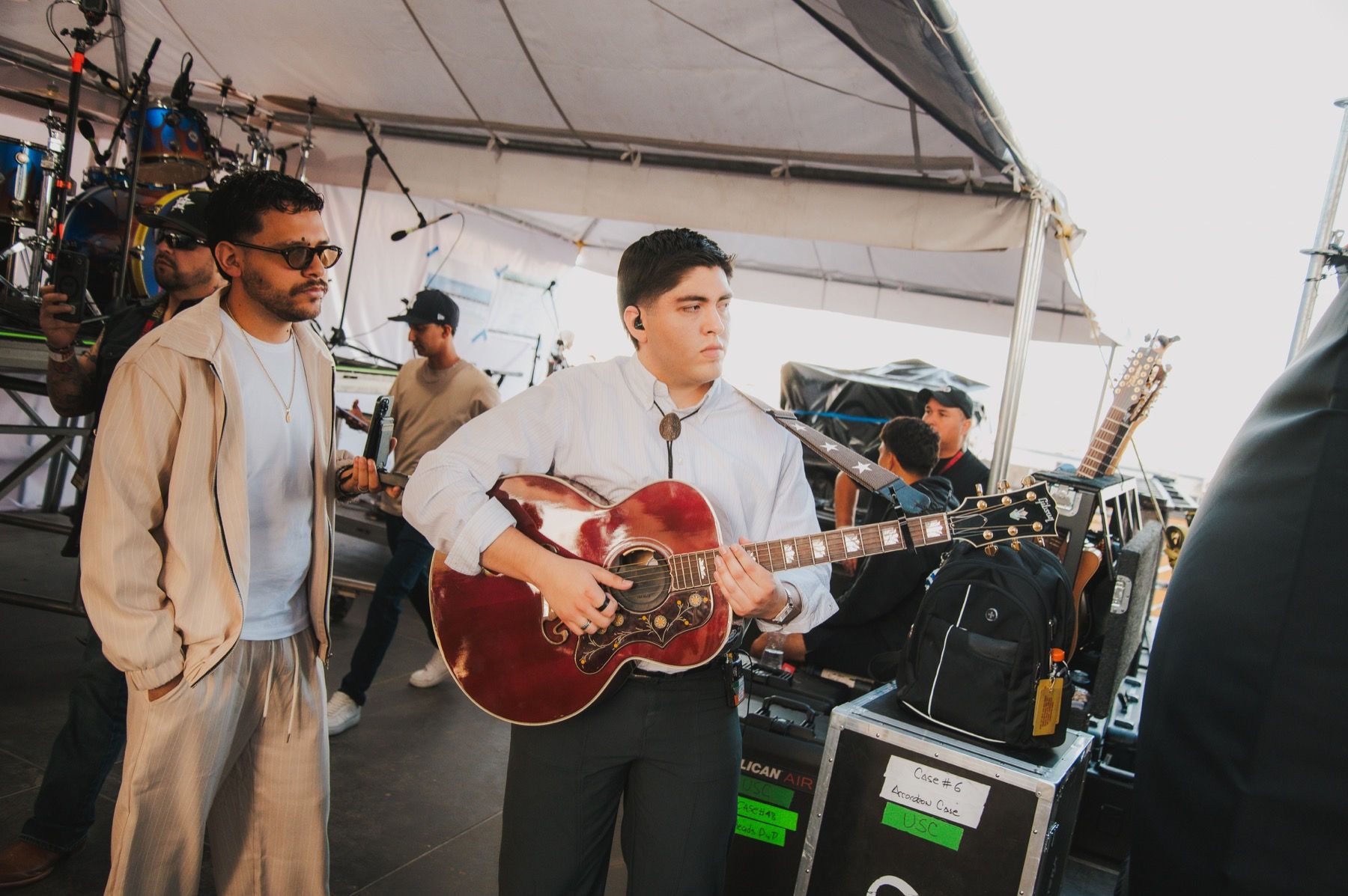
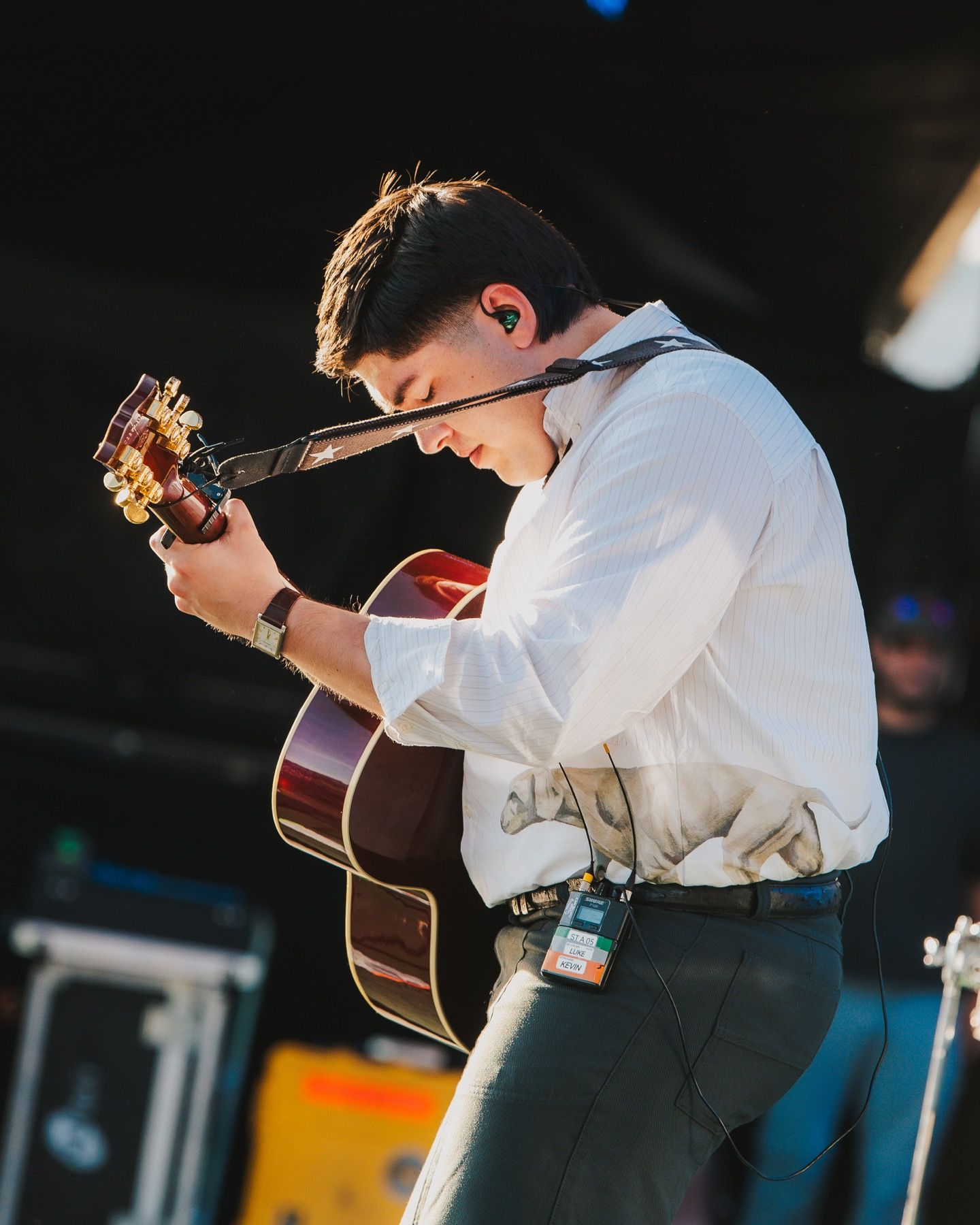
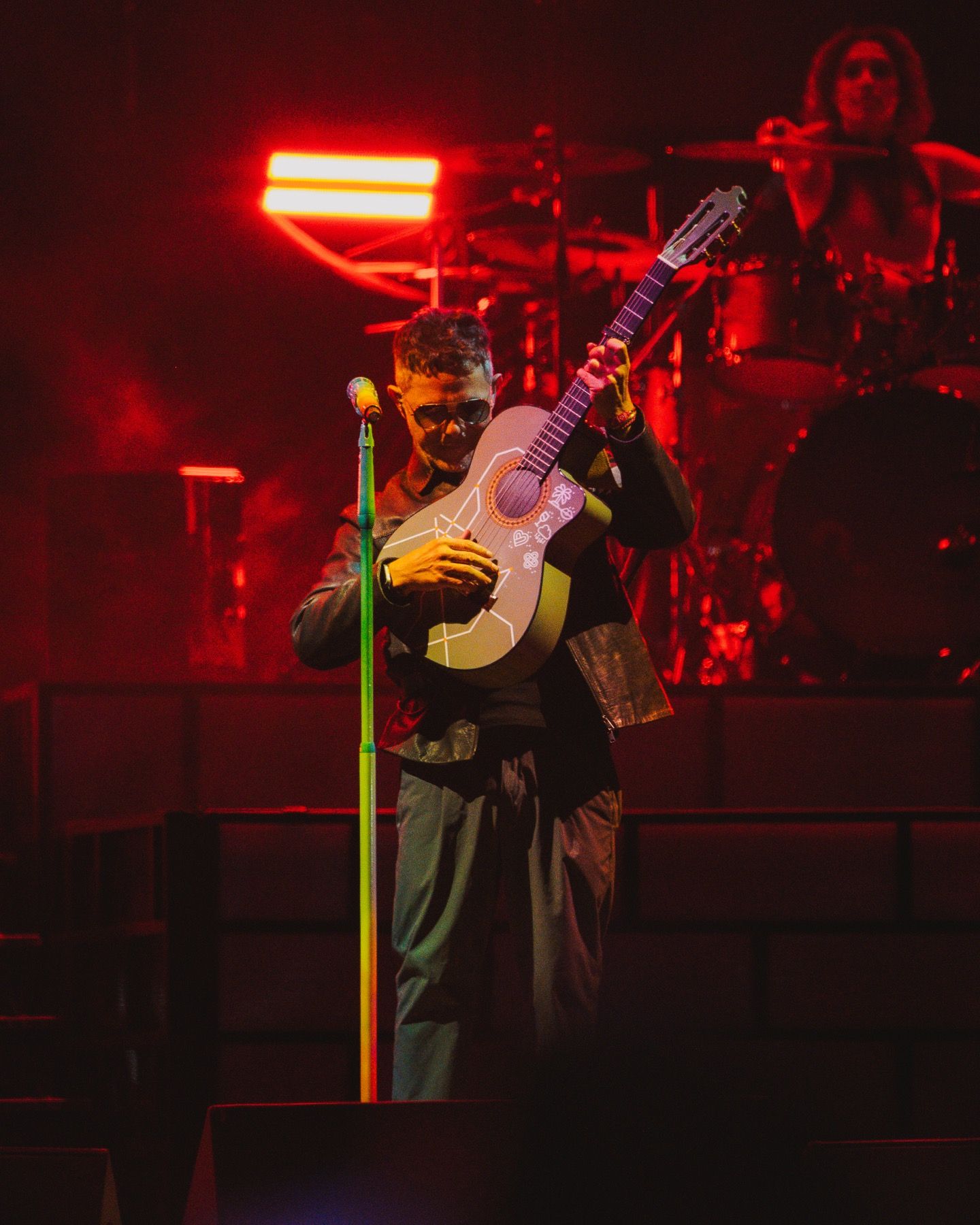
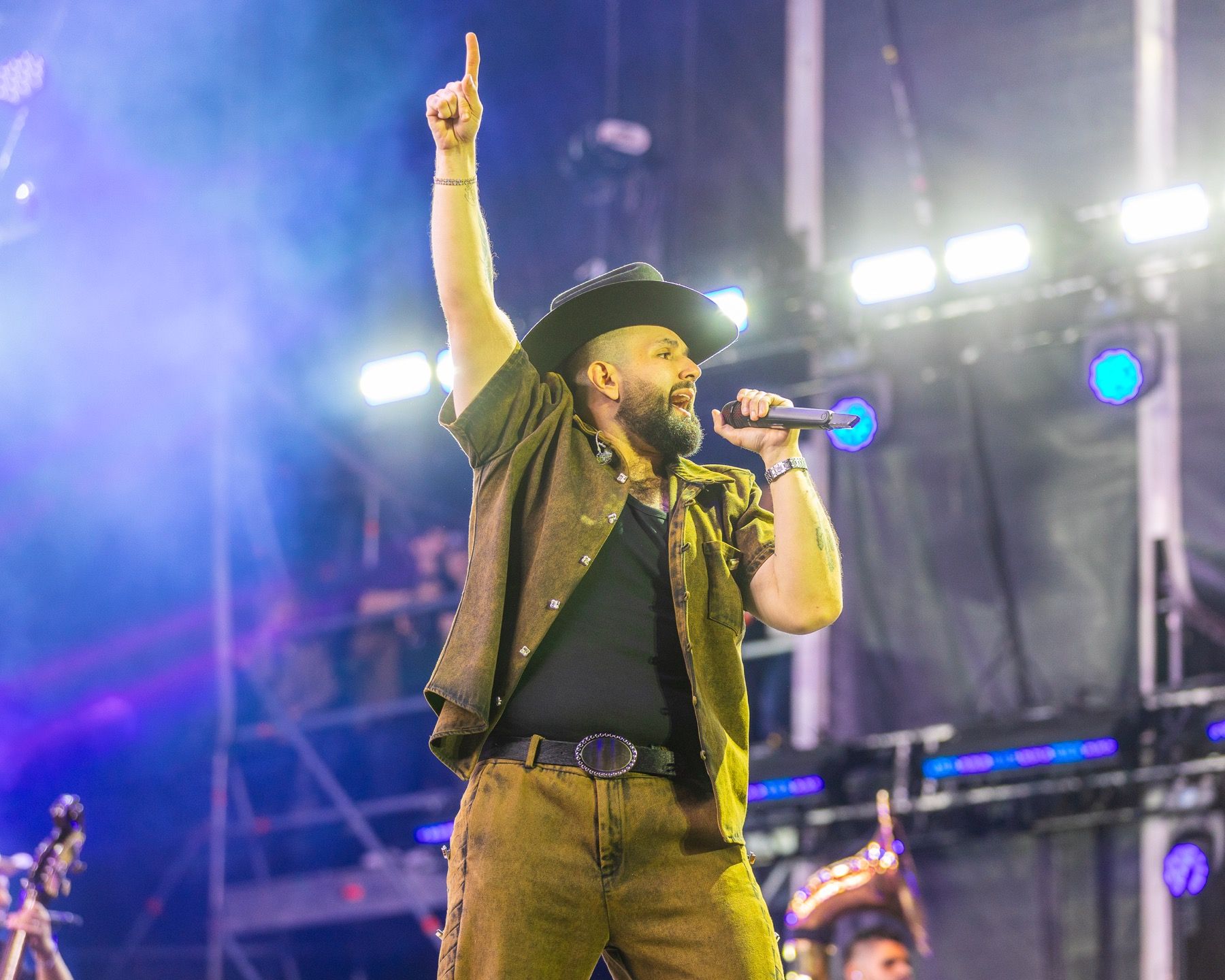
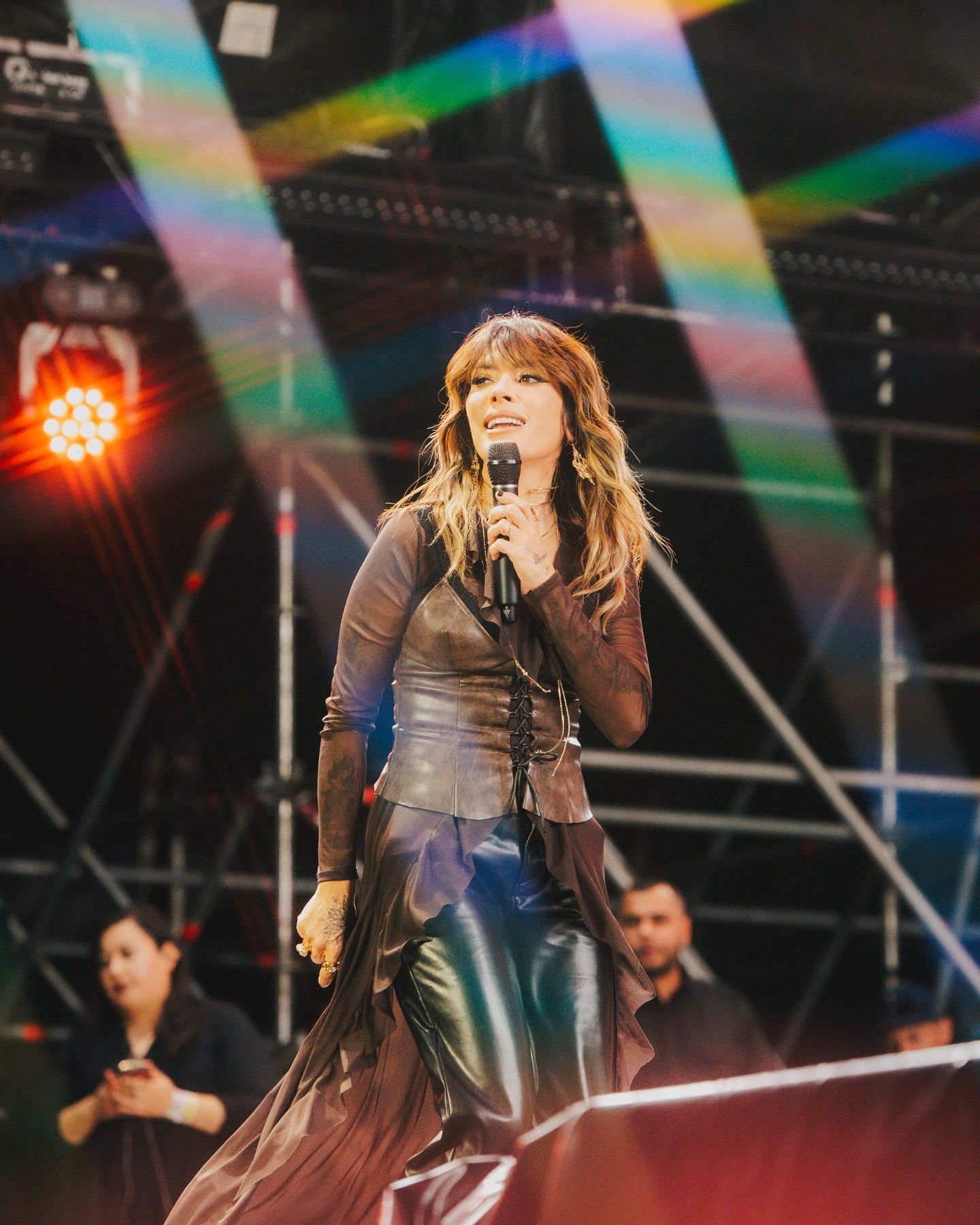
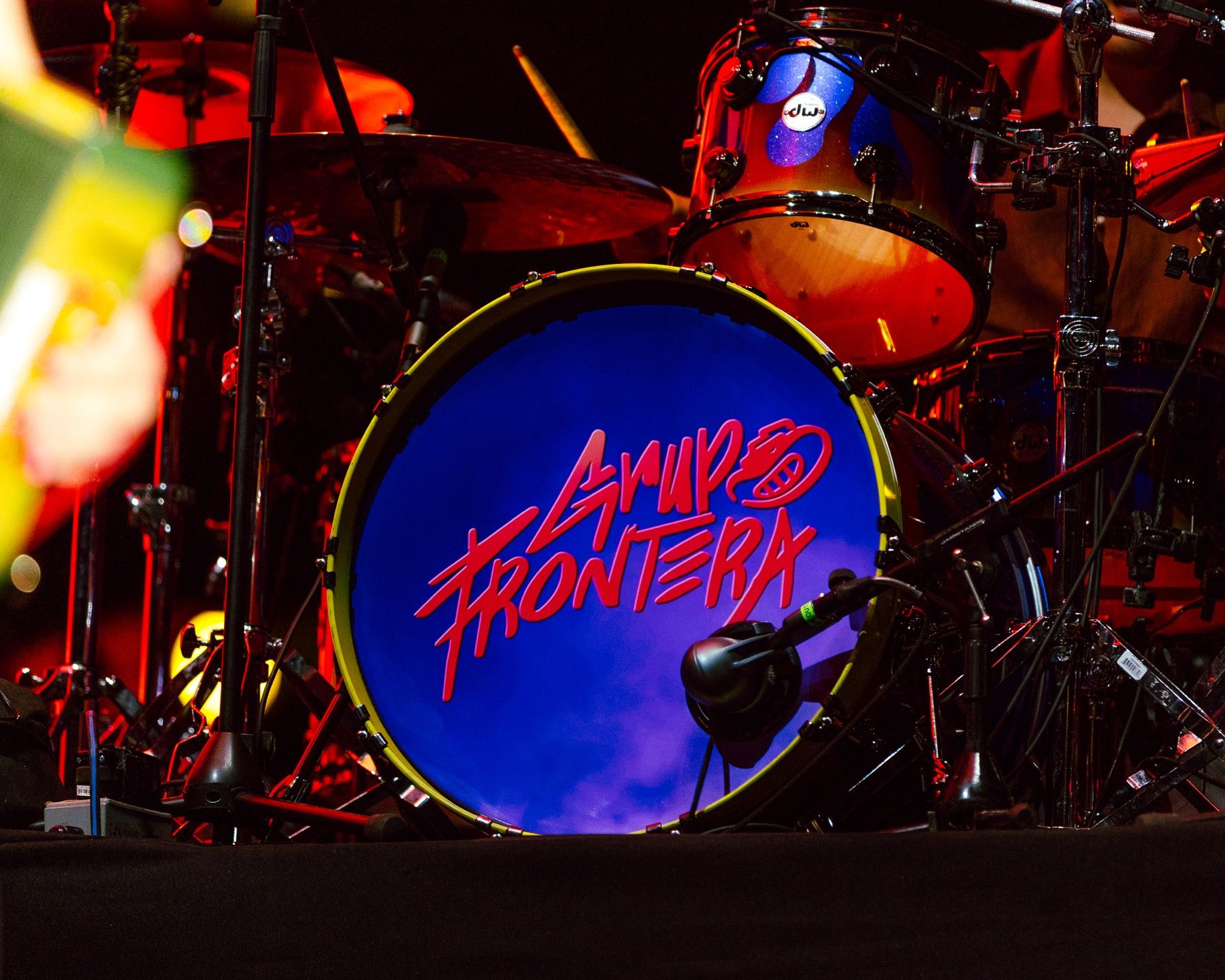
Led by Carin León, the festival brings together artists who embody this evolution. From Grupo Frontera, an expression of a sensibility capable of blending roots and mainstream, to Kany García, and iconic figures like Alejandro Sanz, as well as more hybrid influences such as Midland, La Cura Fest constructs a narrative that exceeds labels and redefines their boundaries.
What happens in Hermosillo, however, cannot be seen as an isolated phenomenon. Consider the global success of Bad Bunny, who has helped redefine the rules of the music industry: the Spanish language is no longer a barrier, but a strategic asset. International charts have gradually adapted to a reality in which Latin music does not ask for space, it occupies it.
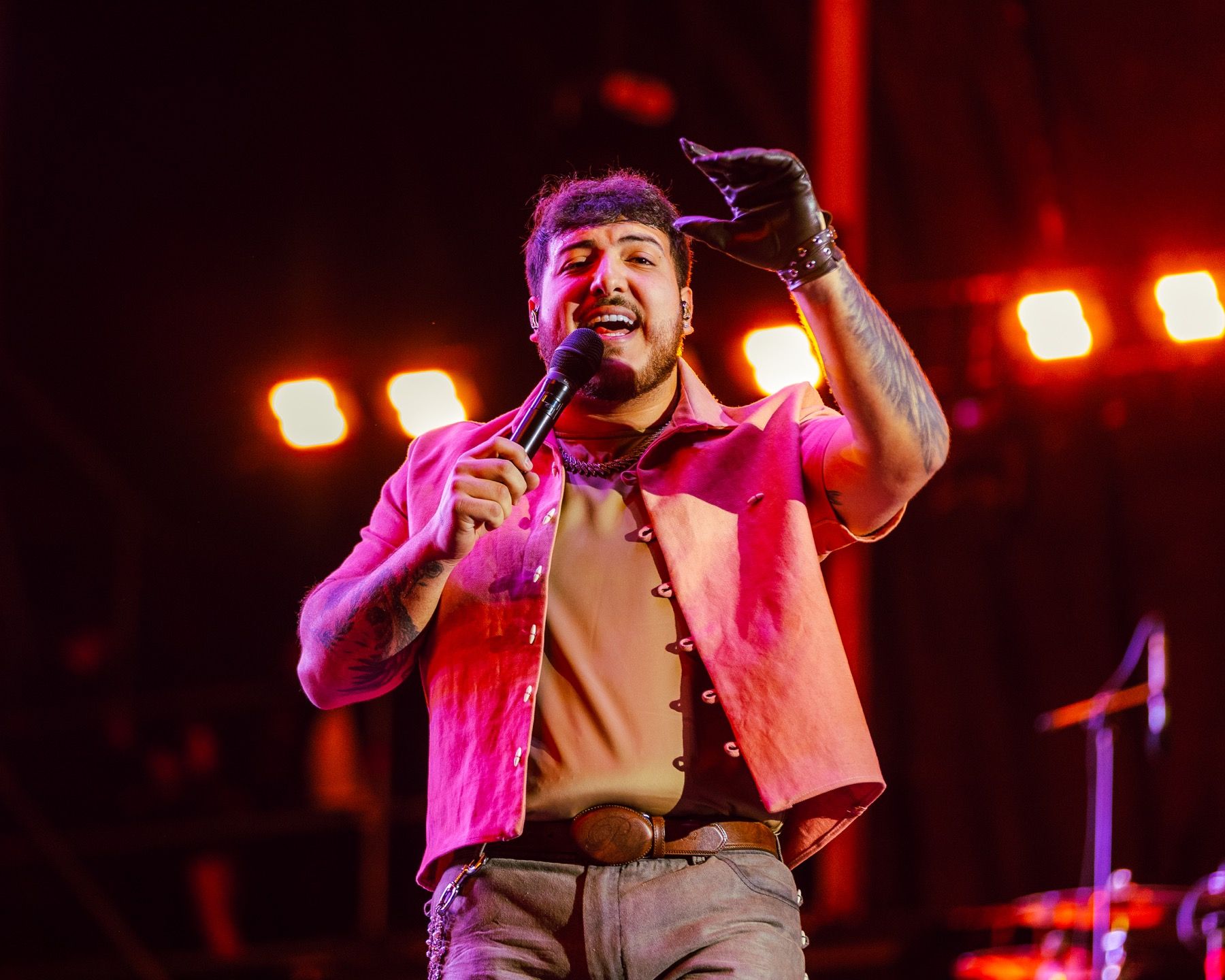
At the same time, from Spain, Rosalía has pushed this transformation beyond traditional boundaries, blending flamenco, pop, and electronic music, introducing a European perspective within an increasingly global dialogue. It is precisely in this intersection that regional mexicano finds a new dimension today.
No longer confined to a local imagination, but an integral part of an international ecosystem where identity and innovation coexist. La Cura Fest embodies this transition with precision: a project rooted in culture, yet oriented toward the future. Its arrival in Europe confirms this trajectory. The announcement of its debut in Spain and the presence of artists like Grupo Frontera and Kany García at the Milano Latin Festival 2026 highlights how this scene is consolidating its presence on the continent.
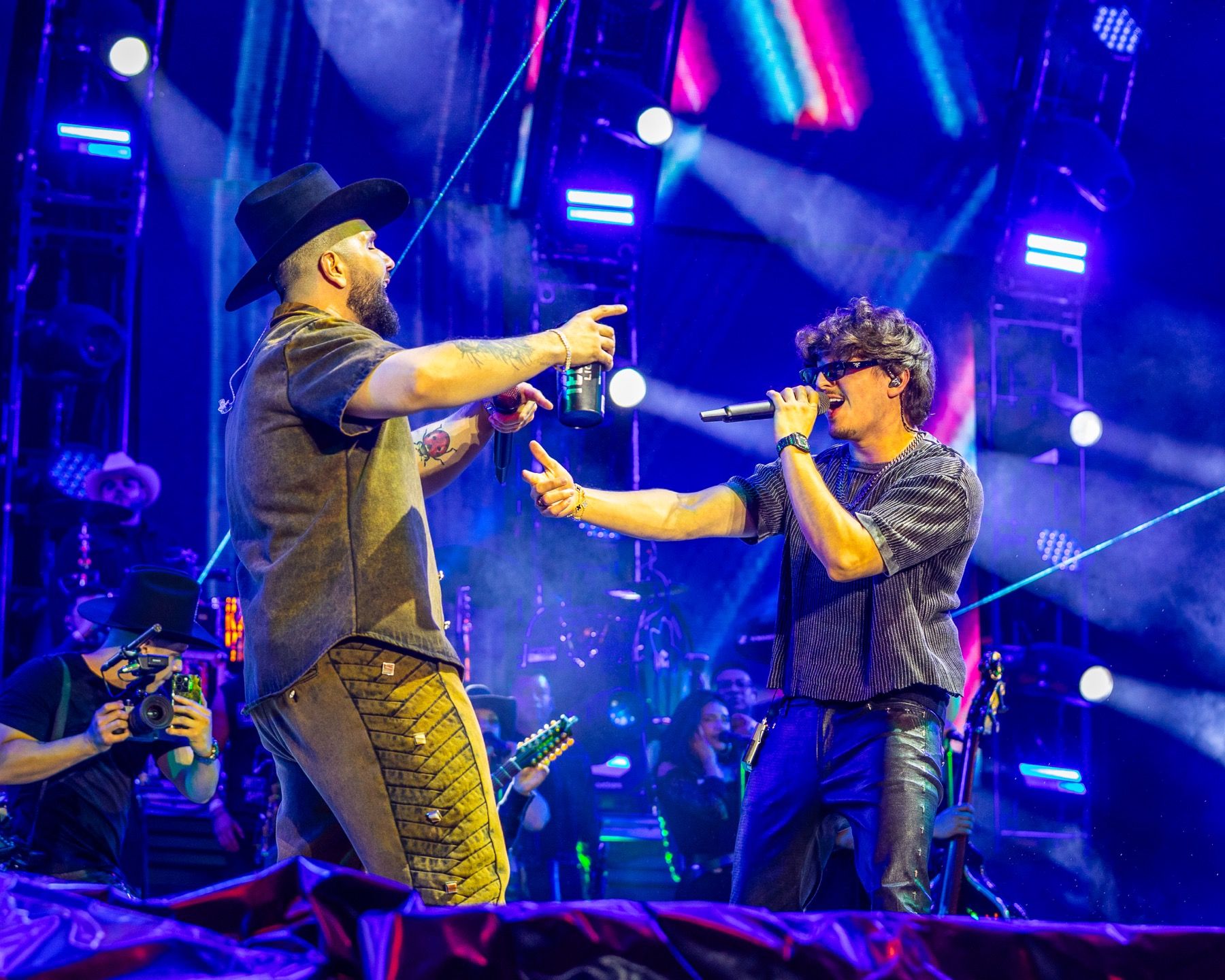
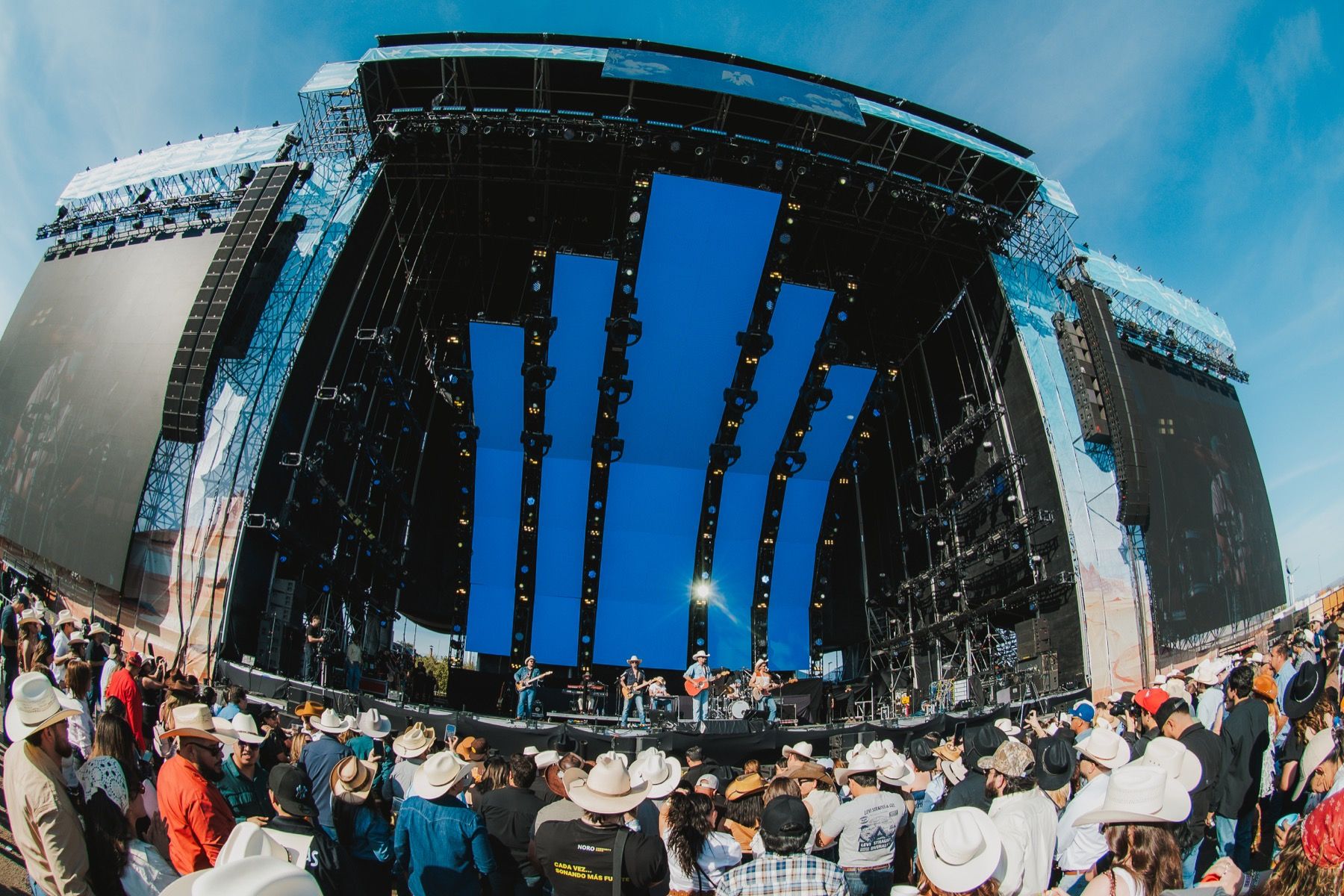
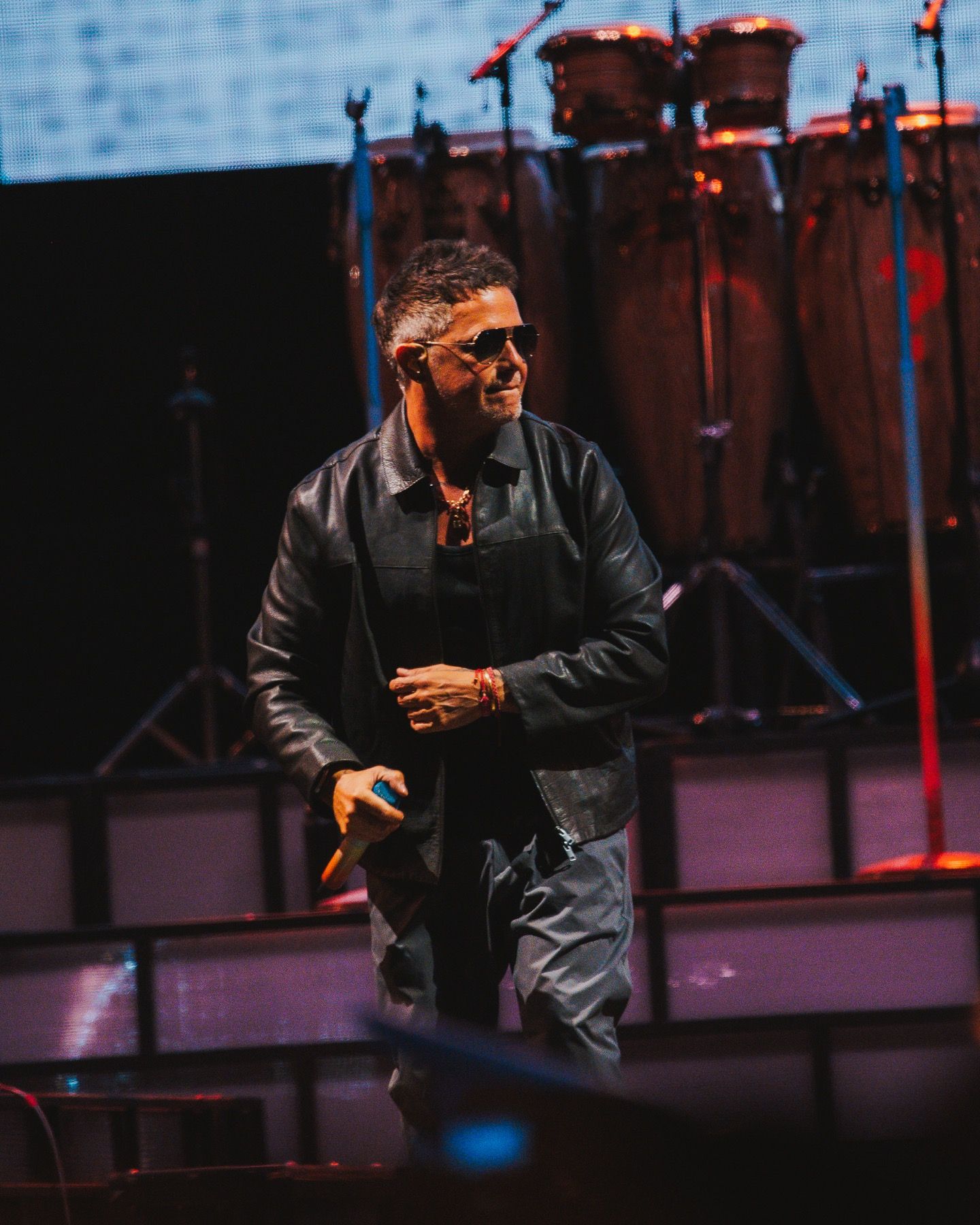
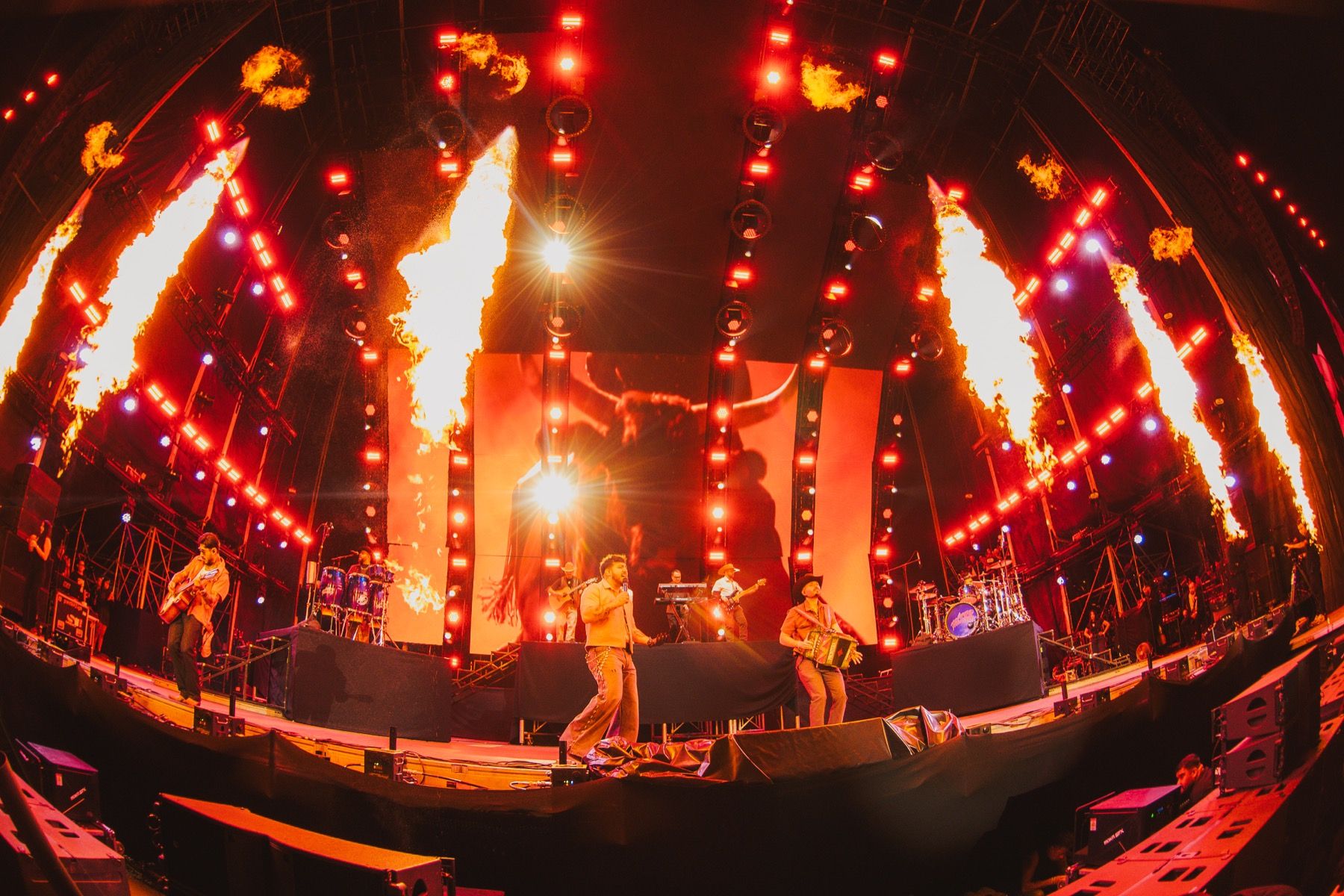
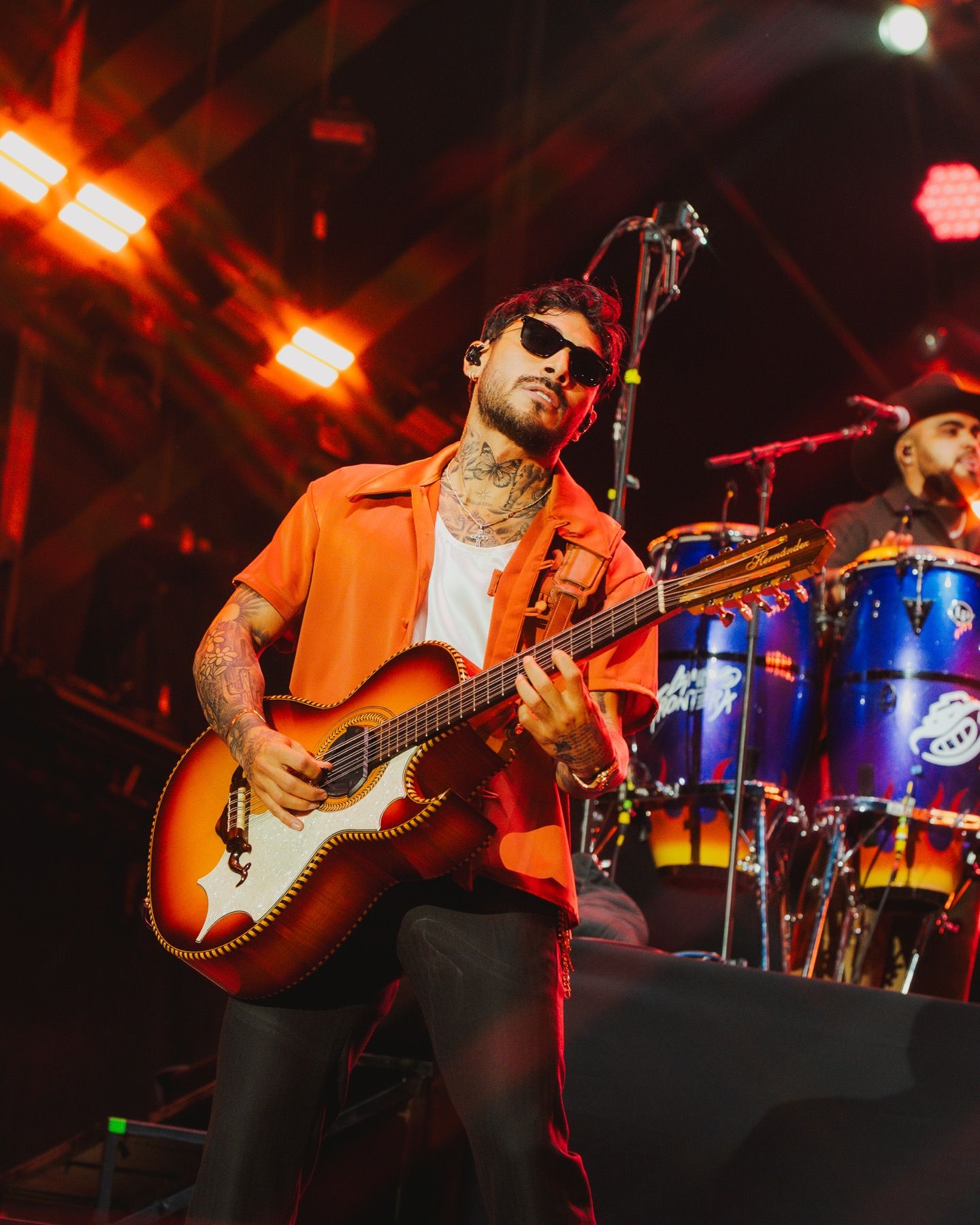
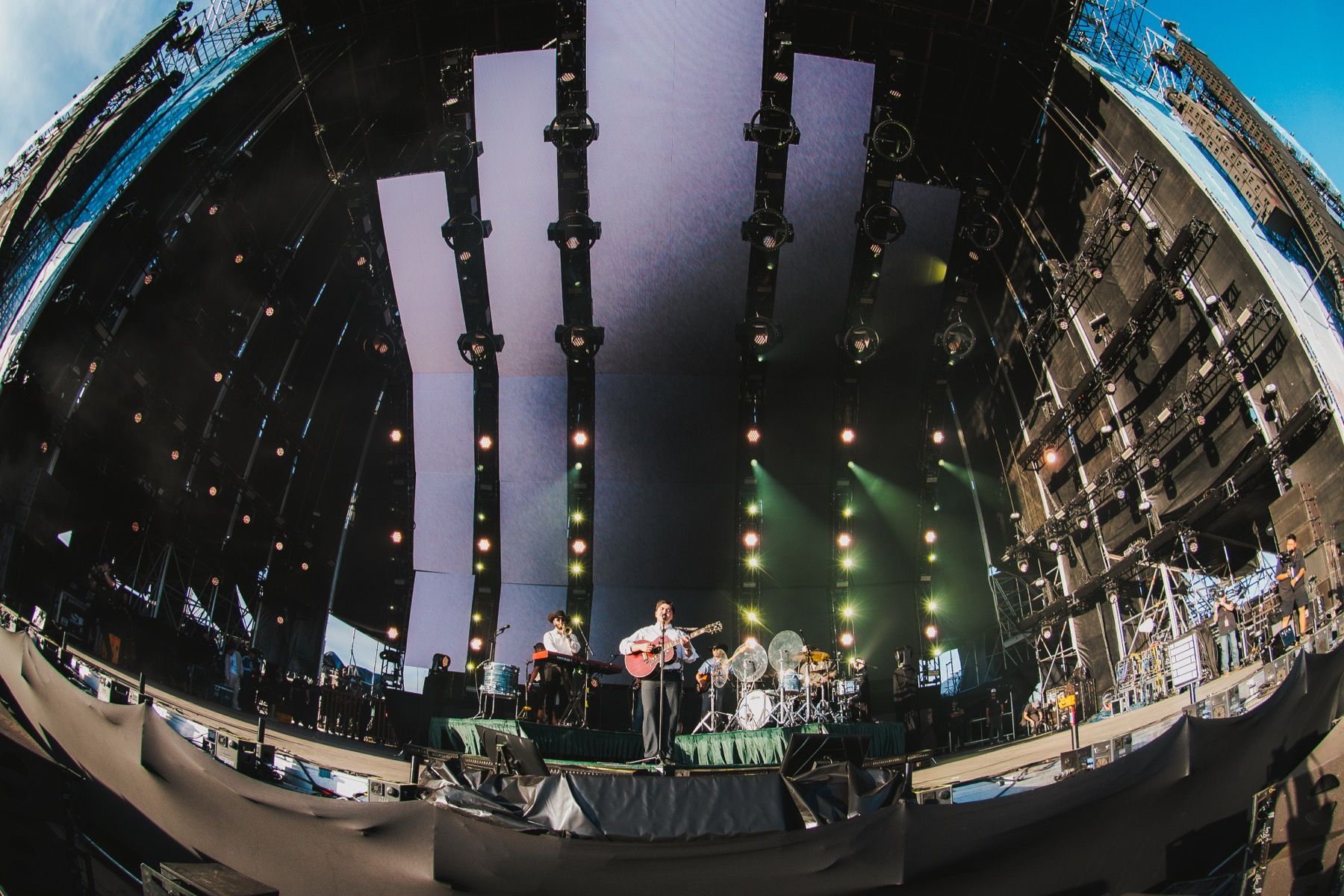

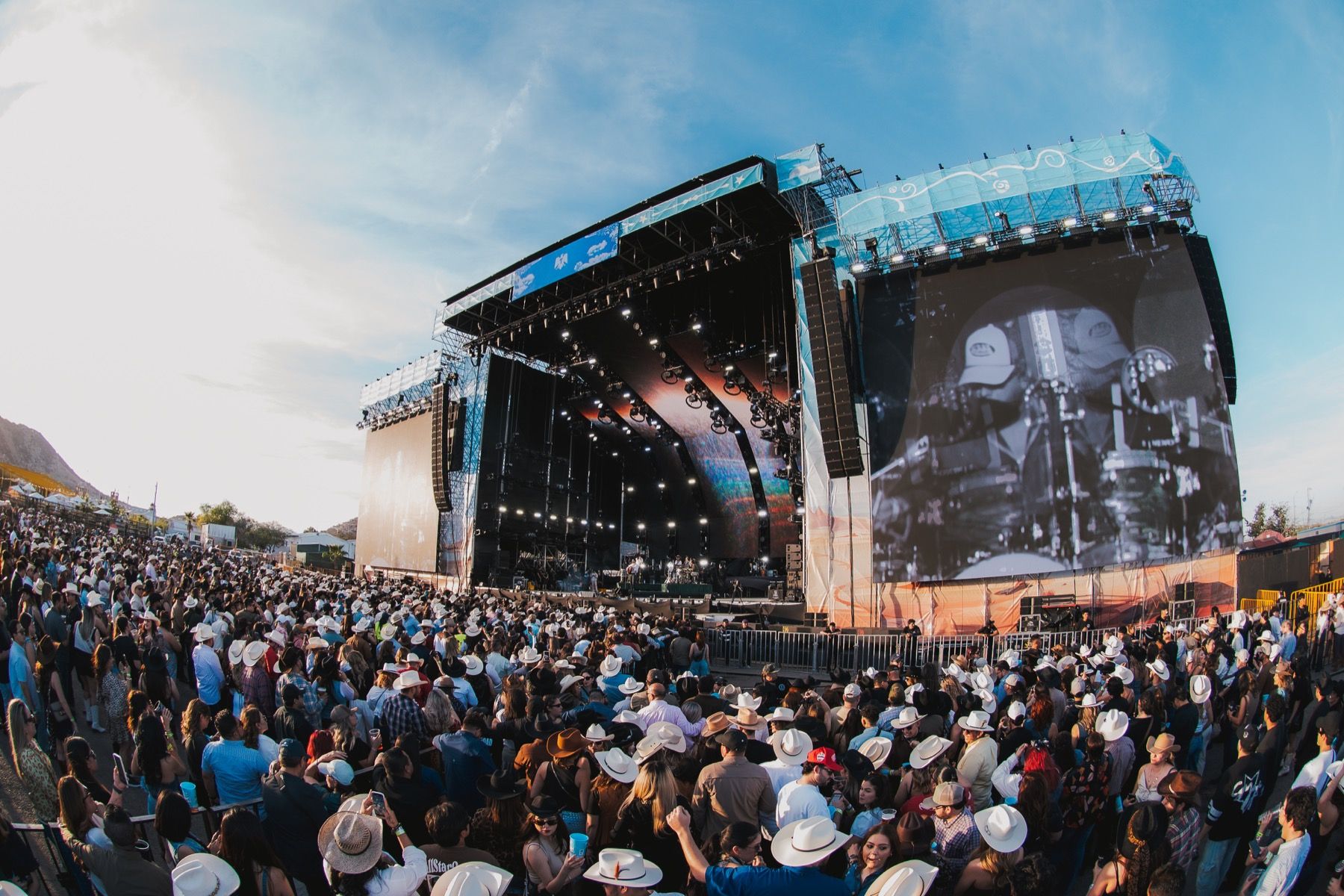
It is no longer about export, but about cultural integration: Latin music, in its multiple forms, is redefining the coordinates of the global mainstream. And regional mexicano, with its ability to evolve without losing authenticity, today stands as one of its most significant vectors. La Cura Fest is not just a festival, but a privileged vantage point on what is happening. And perhaps, on what will happen next.