





























Studio SALES presents "Concetto Pozzati. 50 years later" The exhibition that brings the corsair of painting back into the present
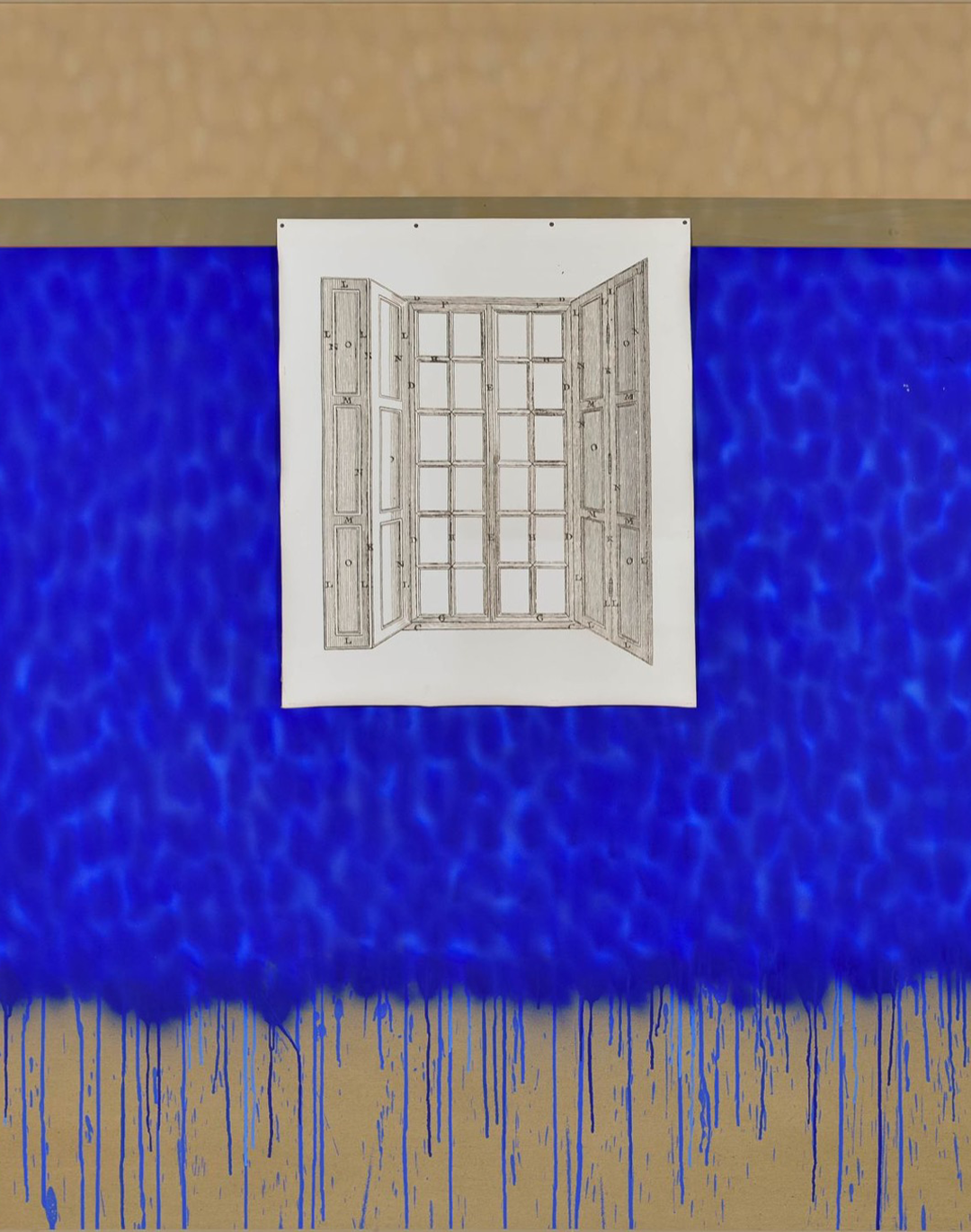
Half a century after the historic 1976 retrospective at the Palazzo delle Esposizioni, Studio SALES by Norberto Ruggeri opens a reflection on Concetto Pozzati with an exhibition that is both a return and a rewriting. Created in collaboration with the Archivio Concetto Pozzati, Concetto Pozzati. 50 years later captures a precise moment in his trajectory: the 1970s, a phase of his production marked by technical and linguistic experimentation, distant from his most recognizable signature, which gave rise to new expressive possibilities.
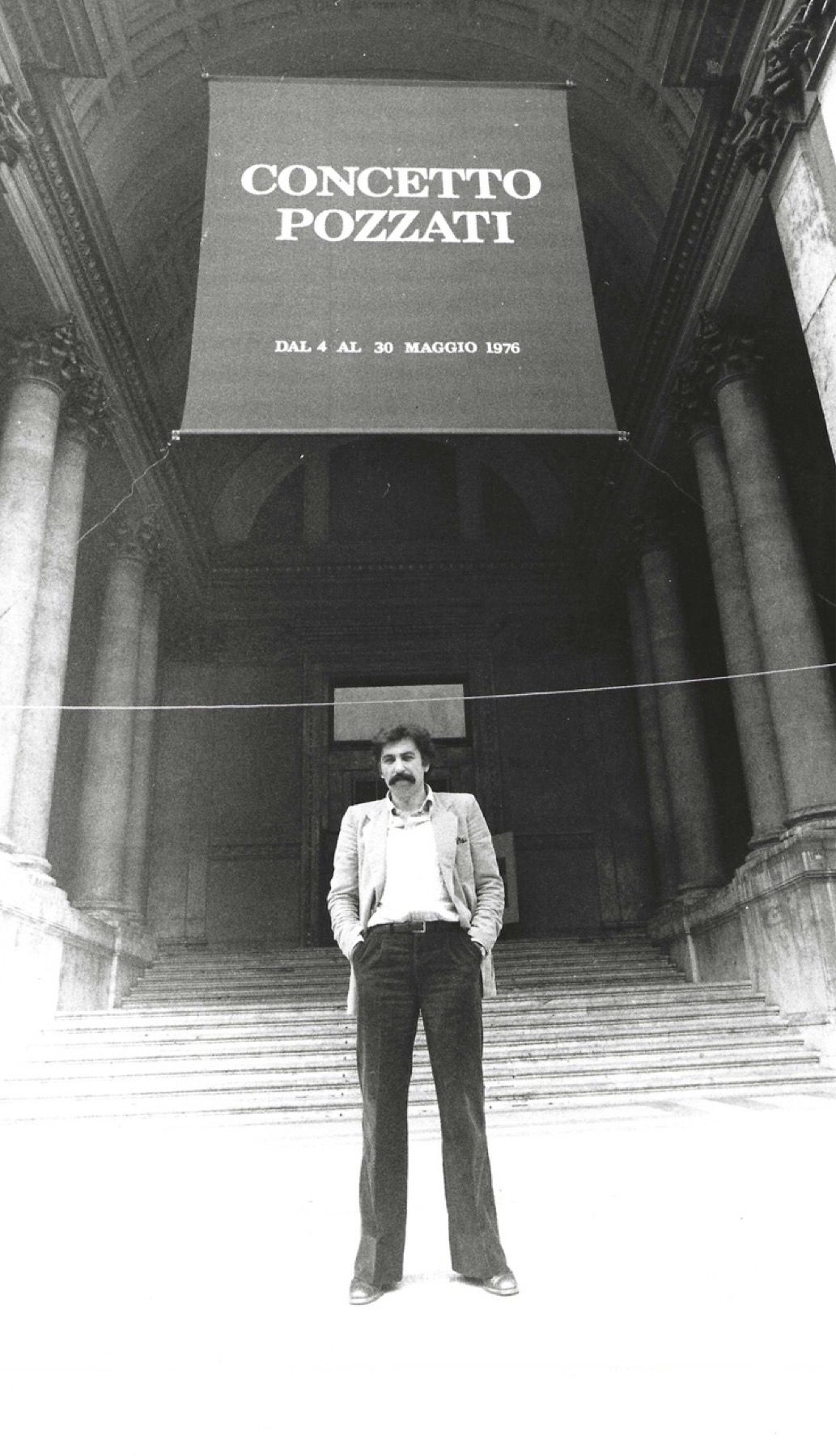
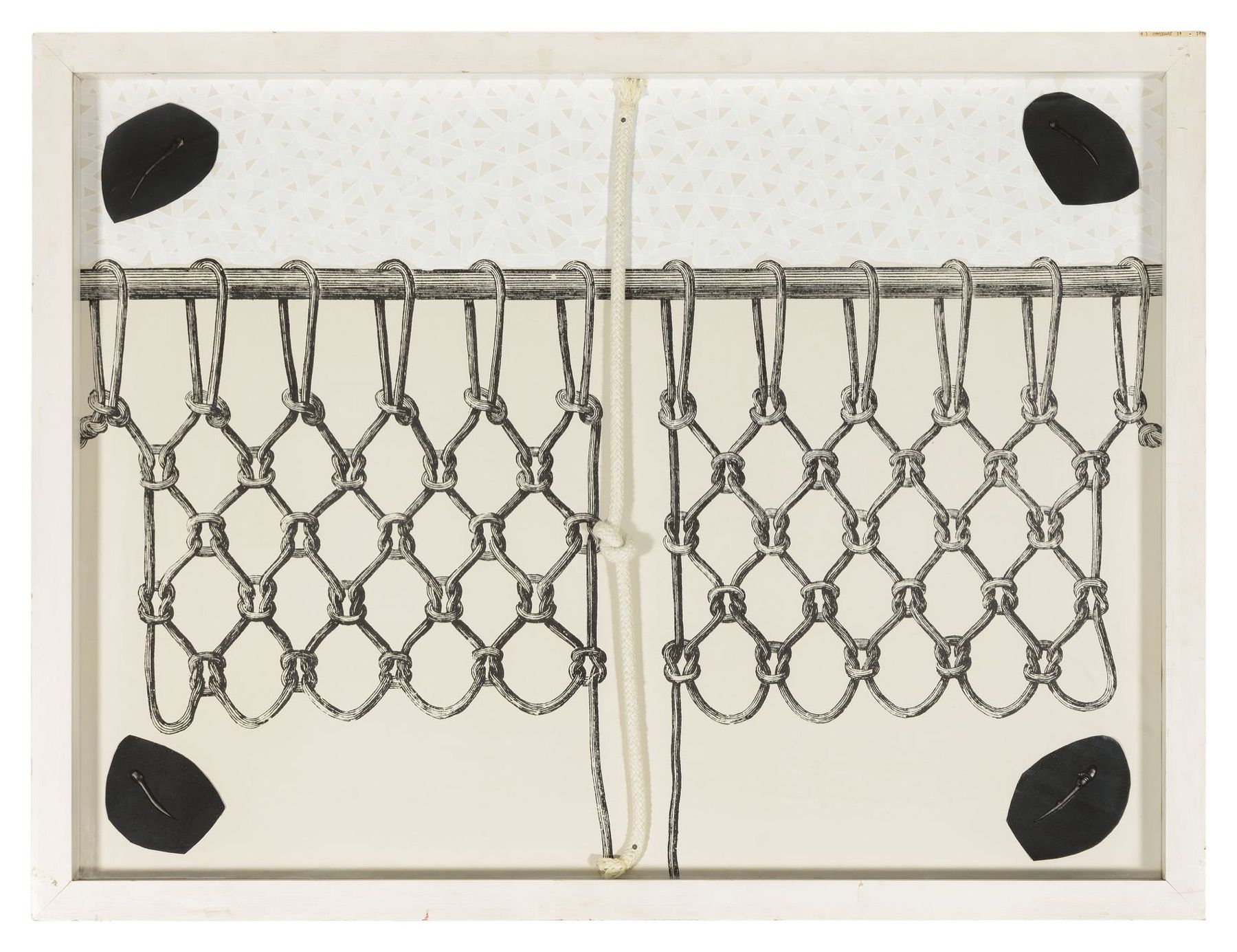
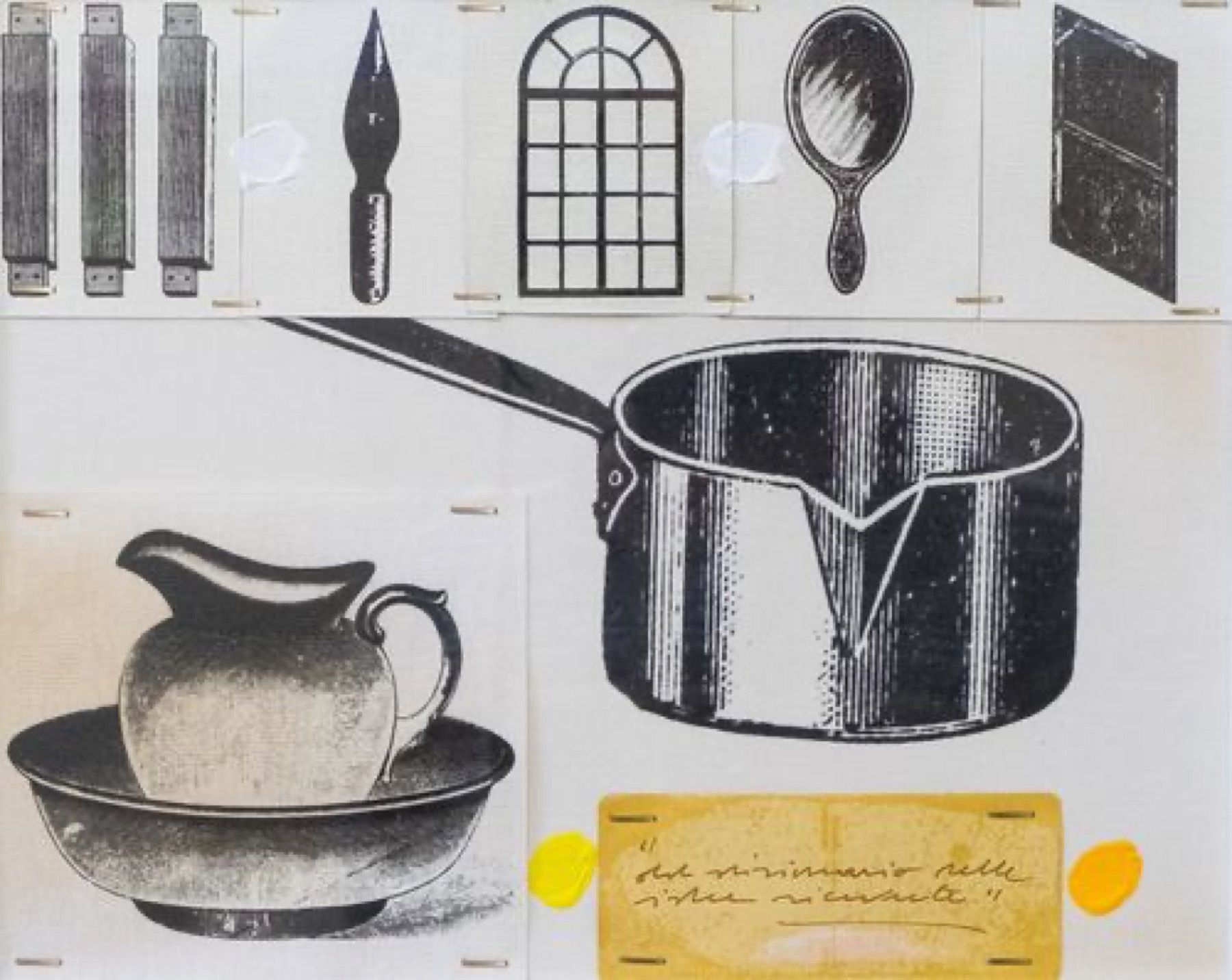
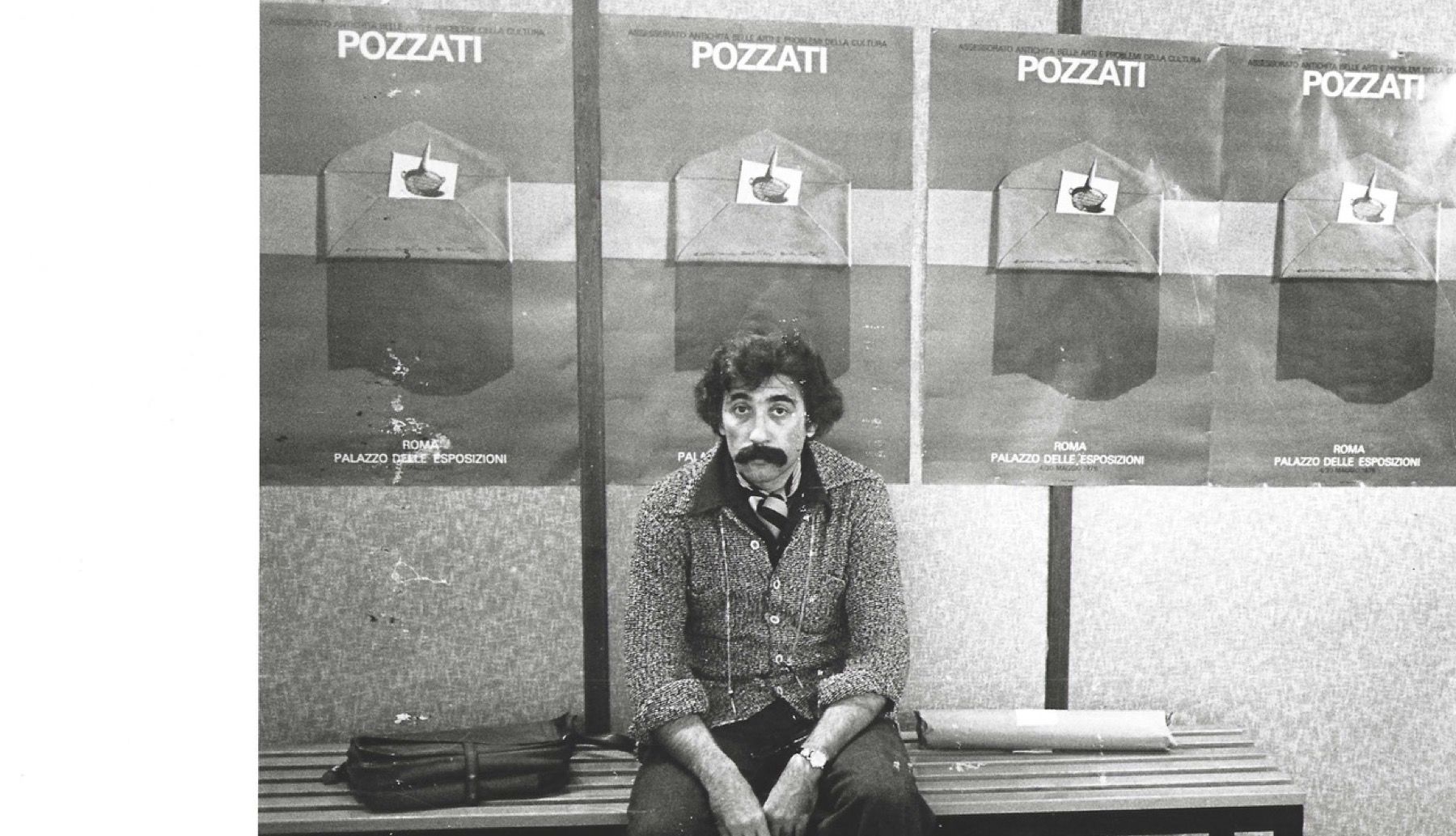
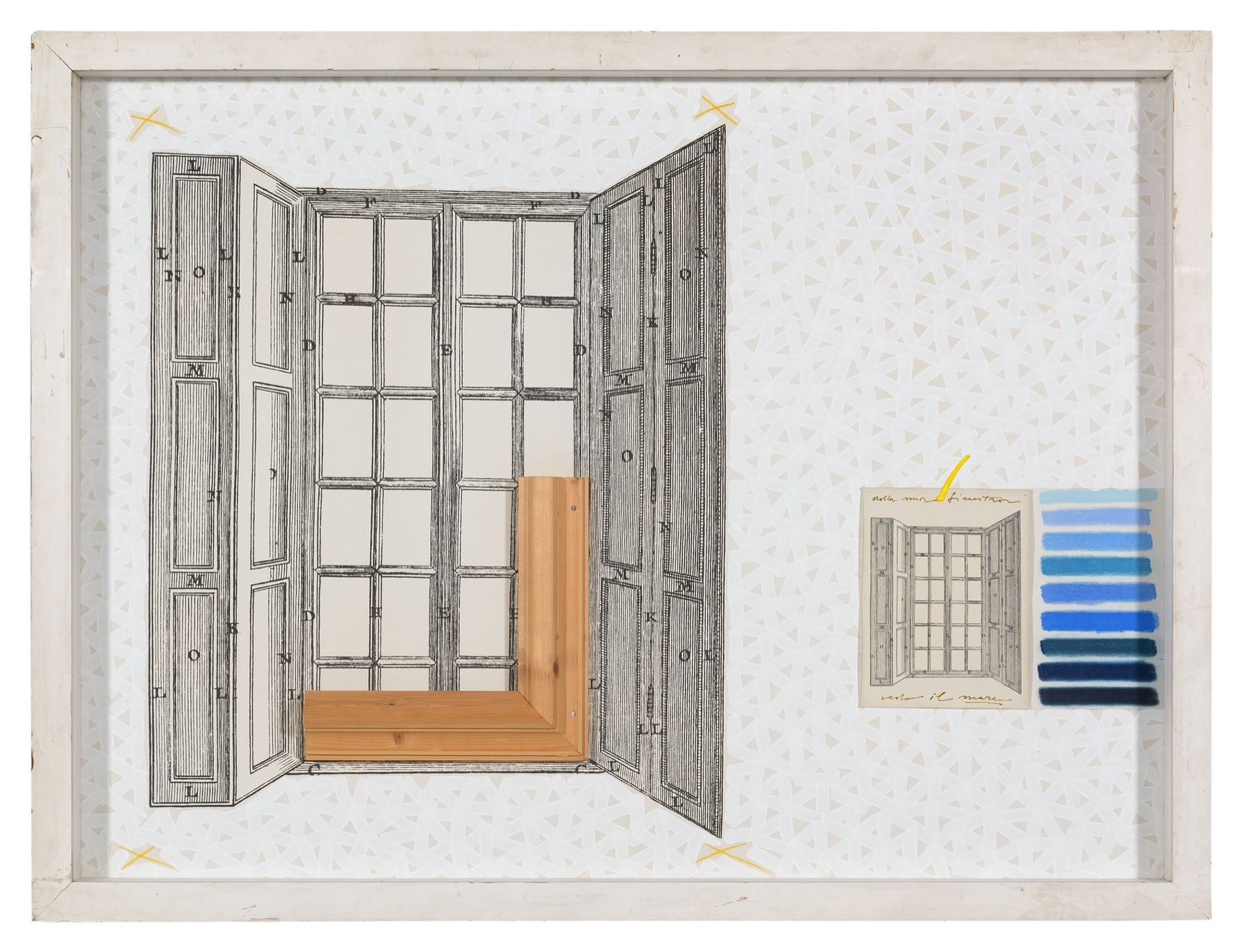
In 1976, the catalogue of the Roman exhibition functioned as a true critical map of the contemporary, with contributions from Giulio Carlo Argan, Renato Barilli, Enrico Crispolti and Lea Vergine establishing Pozzati’s centrality in the artistic debate of the time. Today, that same energy is revisited through a concise yet dense selection of works: four large canvases already featured in the 1976 exhibition, accompanied by works on paper displayed according to a solution devised by the artist himself: plexiglass.
It is here that Pozzati’s painting shifts and hybridizes: objects, writings, and screen-printed inserts appear, while the surface expands through mixed techniques such as spray painting. This is a phase in which the artist questions his own visual grammar, moving away from his most recognizable signature to explore new linguistic possibilities. All the works come from the Archivio Concetto Pozzati, and some had not been exhibited since 1976.
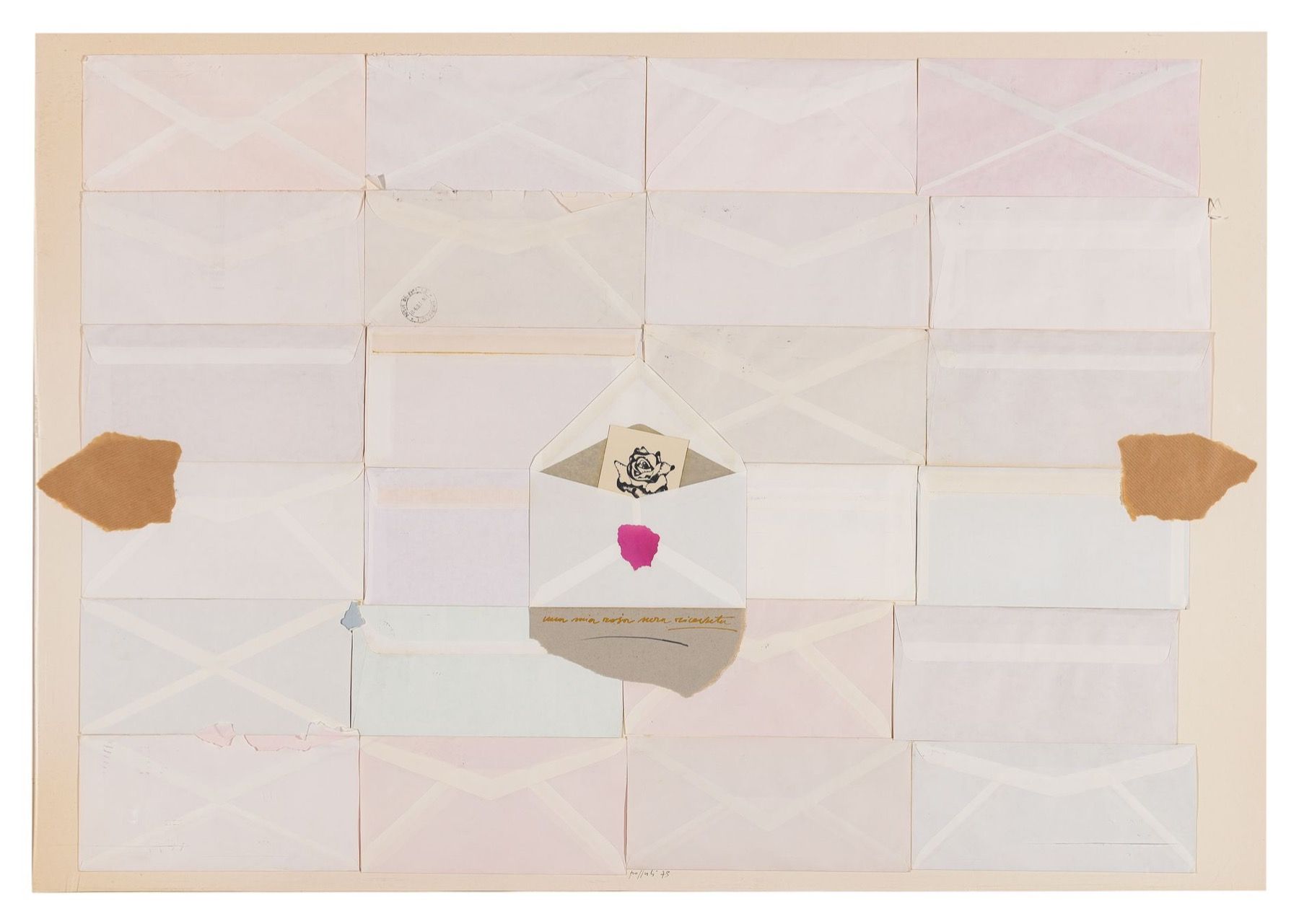
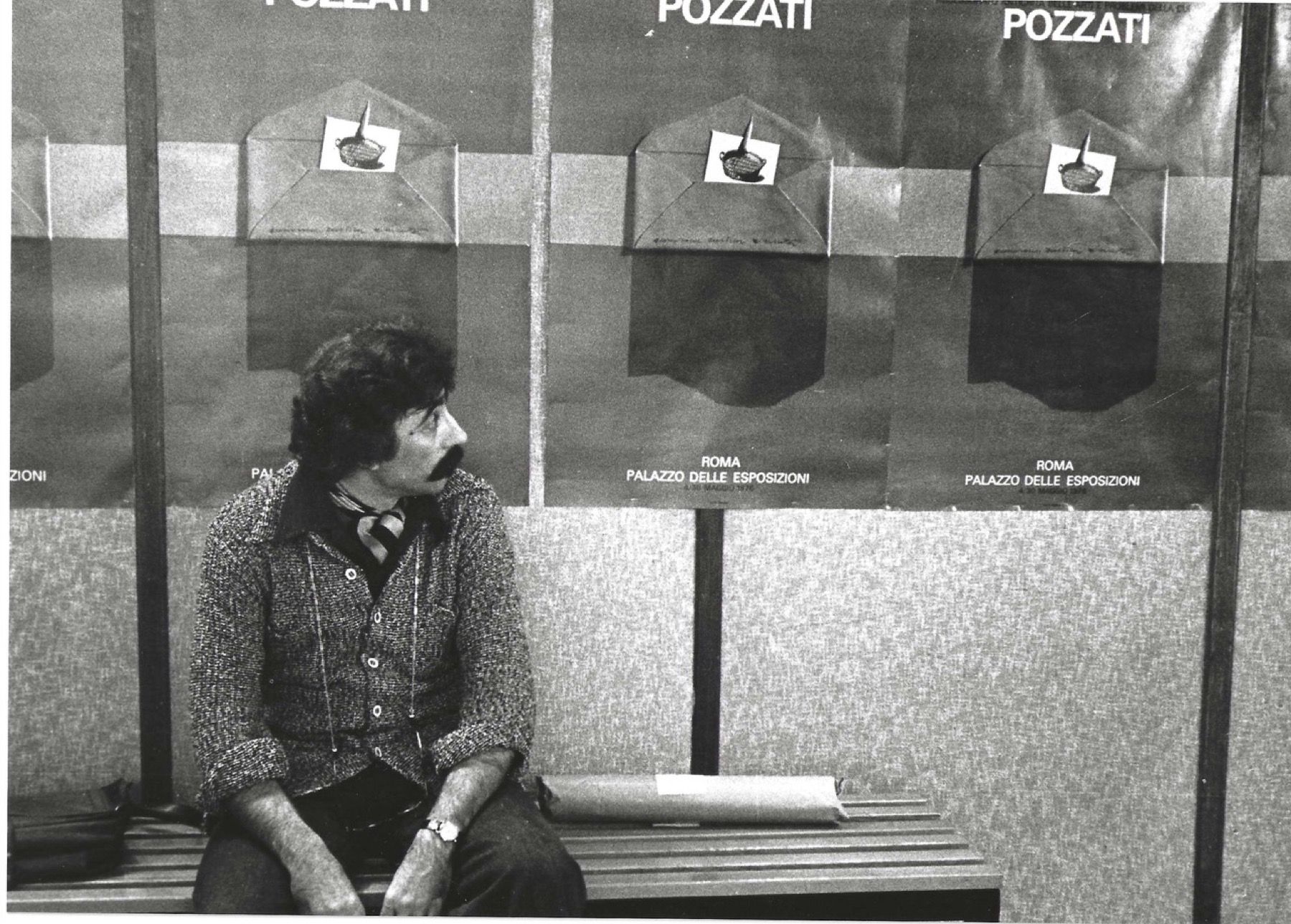
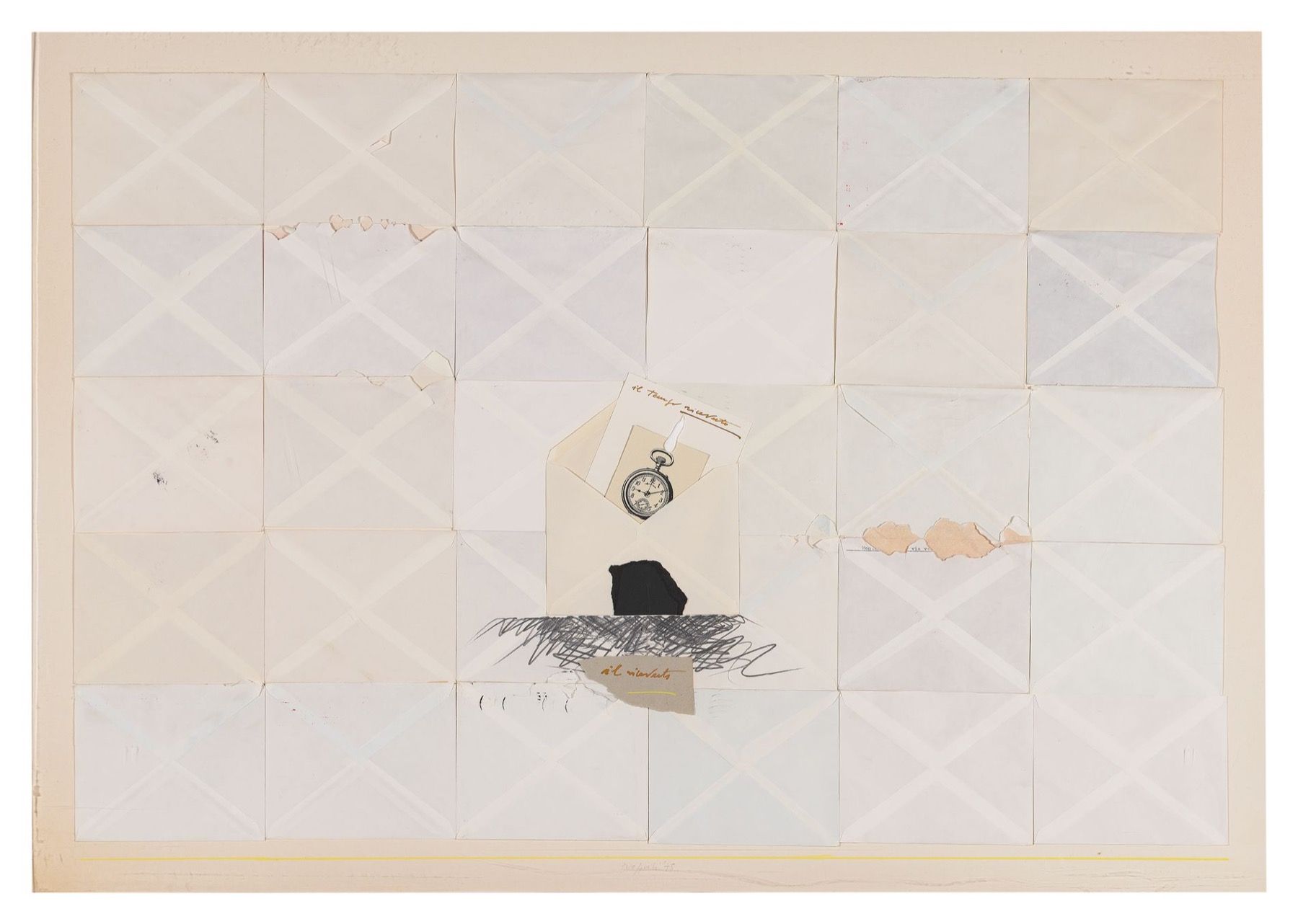
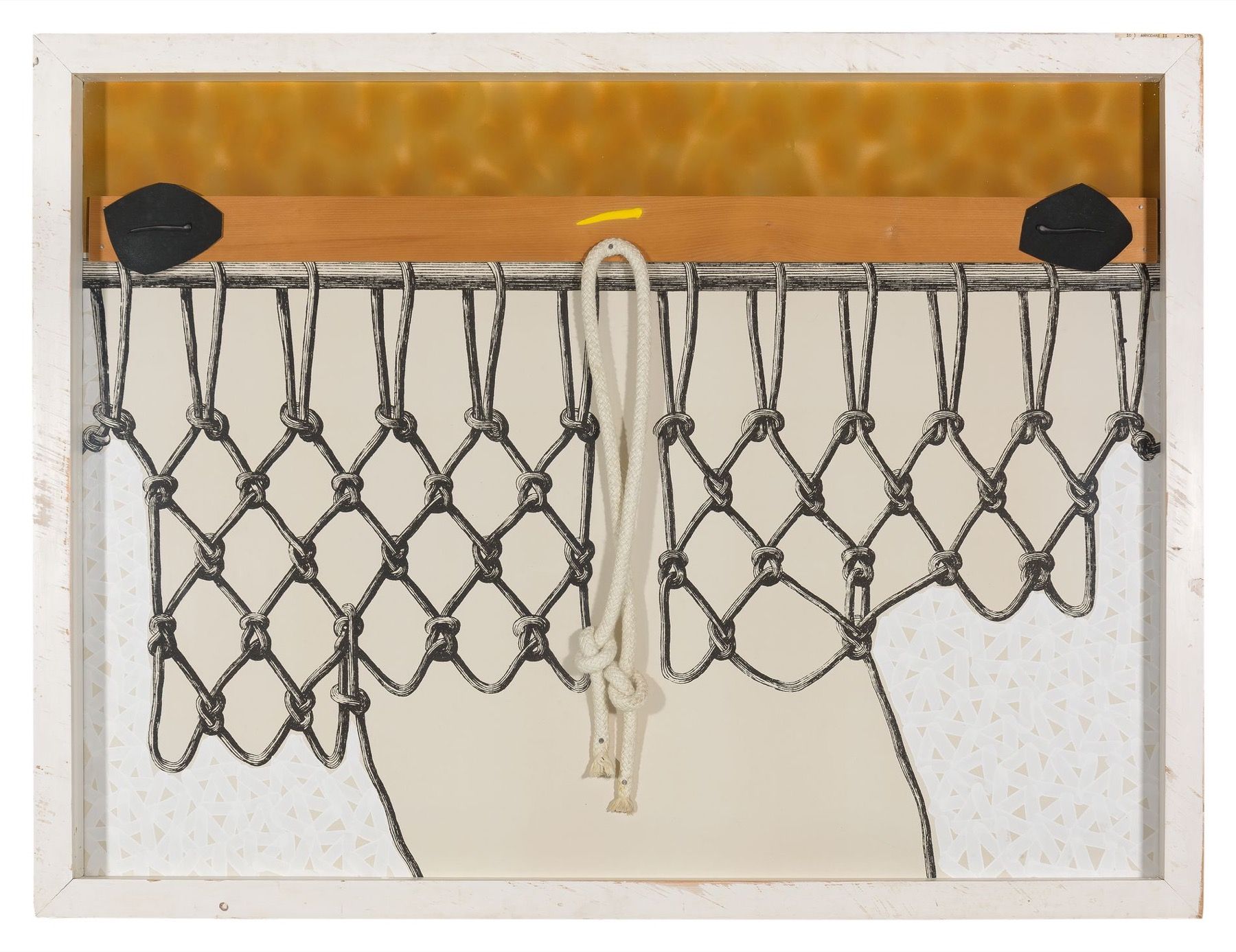
A key figure of the post-war period, Pozzati was among the protagonists of Italian Pop Art, though always in a lateral way. He never limited himself to reflecting reality: he deconstructed it, traversed it, and stratified it. It is no coincidence that he was defined as “the corsair of painting”. Artist, but also theorist, teacher, and curator. From Bologna to Florence, to Venice and Urbino, he built a path that encompasses practice and thought, image and critique, always maintaining an active position within the cultural system.
Closing the project is a text by Danilo Eccher: not an essay, but a memory. An intimate gesture that restores the most personal dimension of an artist who always worked on the boundary between surface and depth.
What to read next
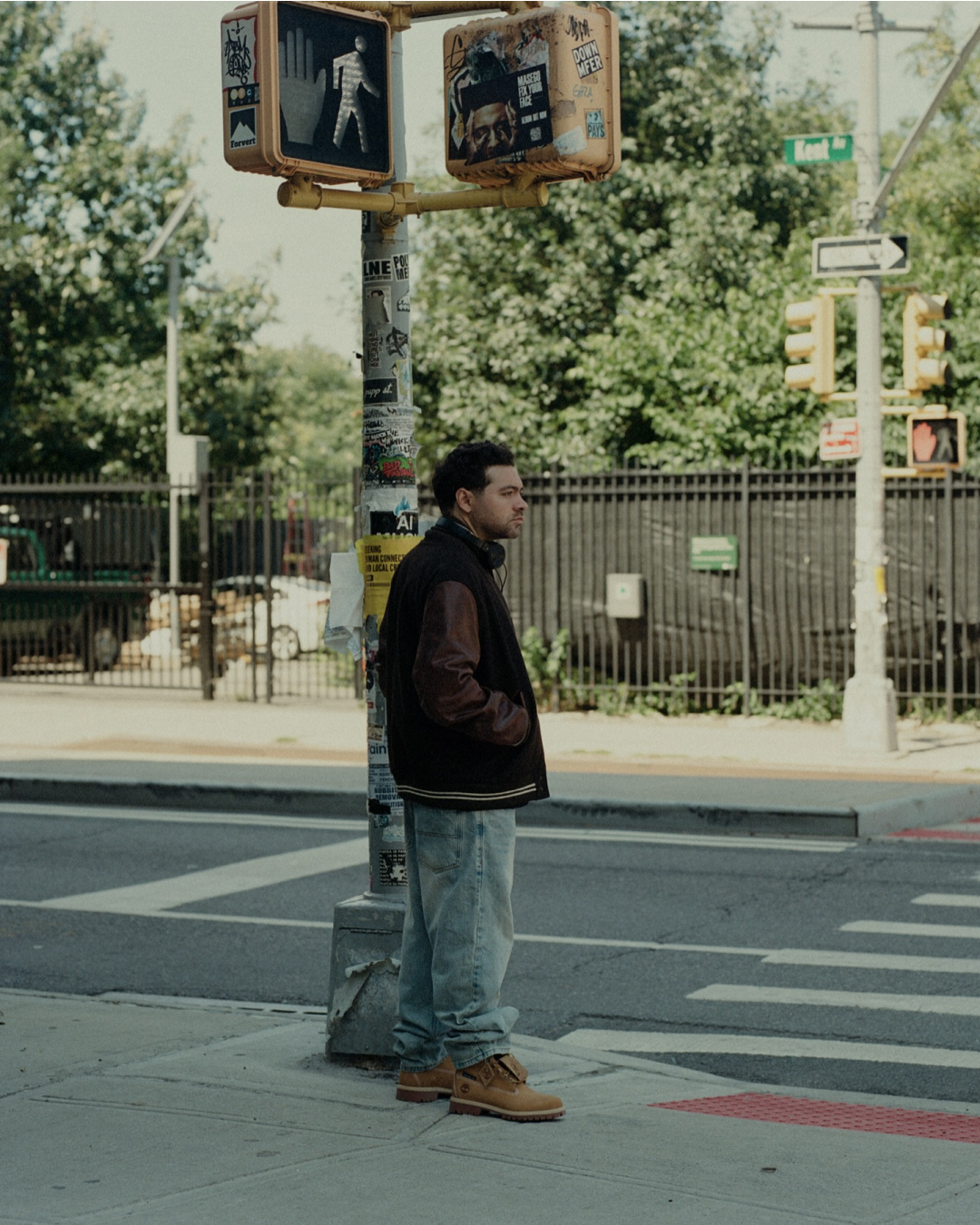
Timberland and Slam Jam Rewrite the History of the World's Most Famous Boot
From the Paninari to New York's hip-hop scene, a collaboration that celebrates the cultural legacy of the iconic Timbs
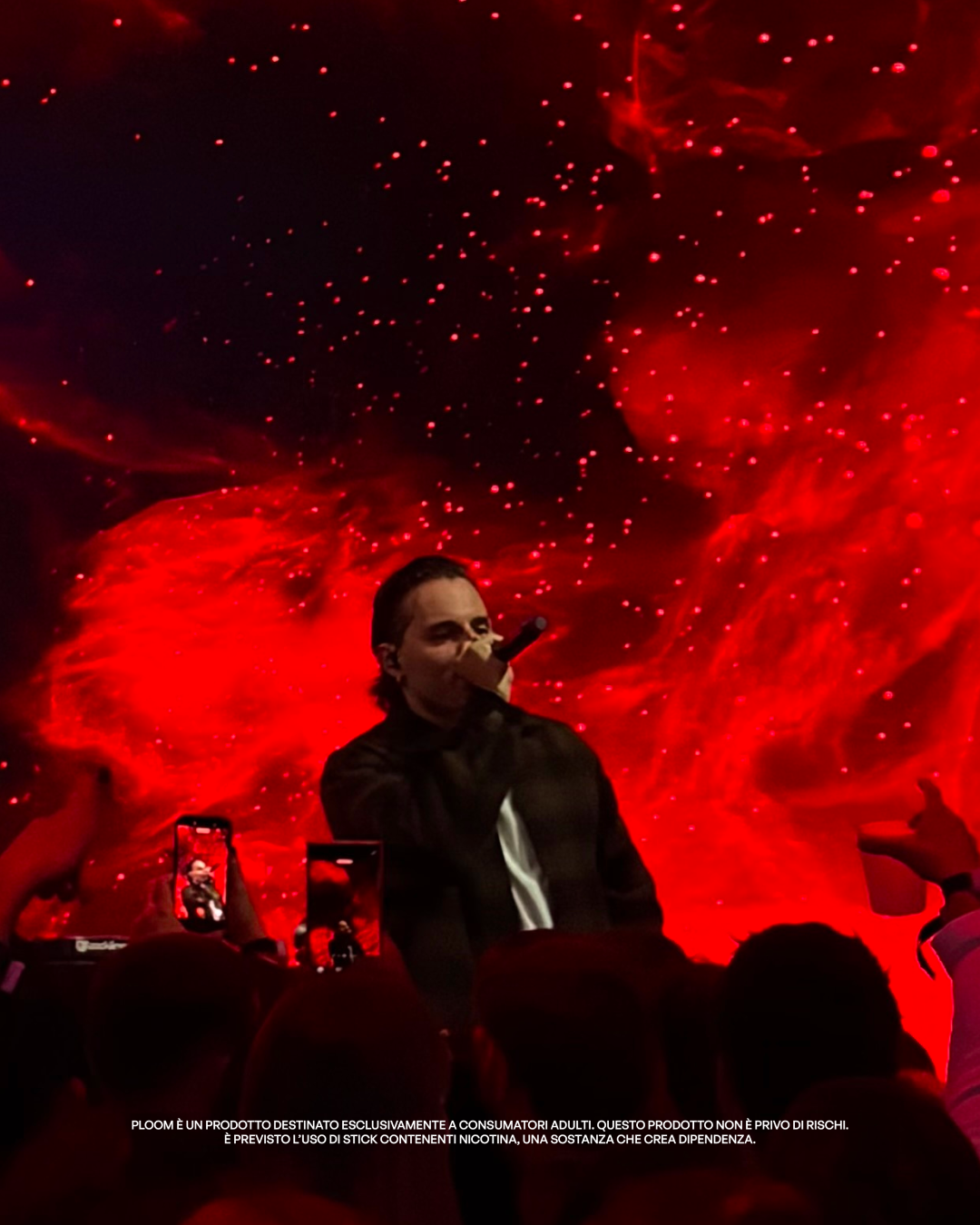
How Ploom* Flavour Garden Went, Between Ernia's Live Set and Four Immersive Worlds
Music, new talent and immersive installations: on October 15th, Superstudio Milano transformed into a great garden of creativity
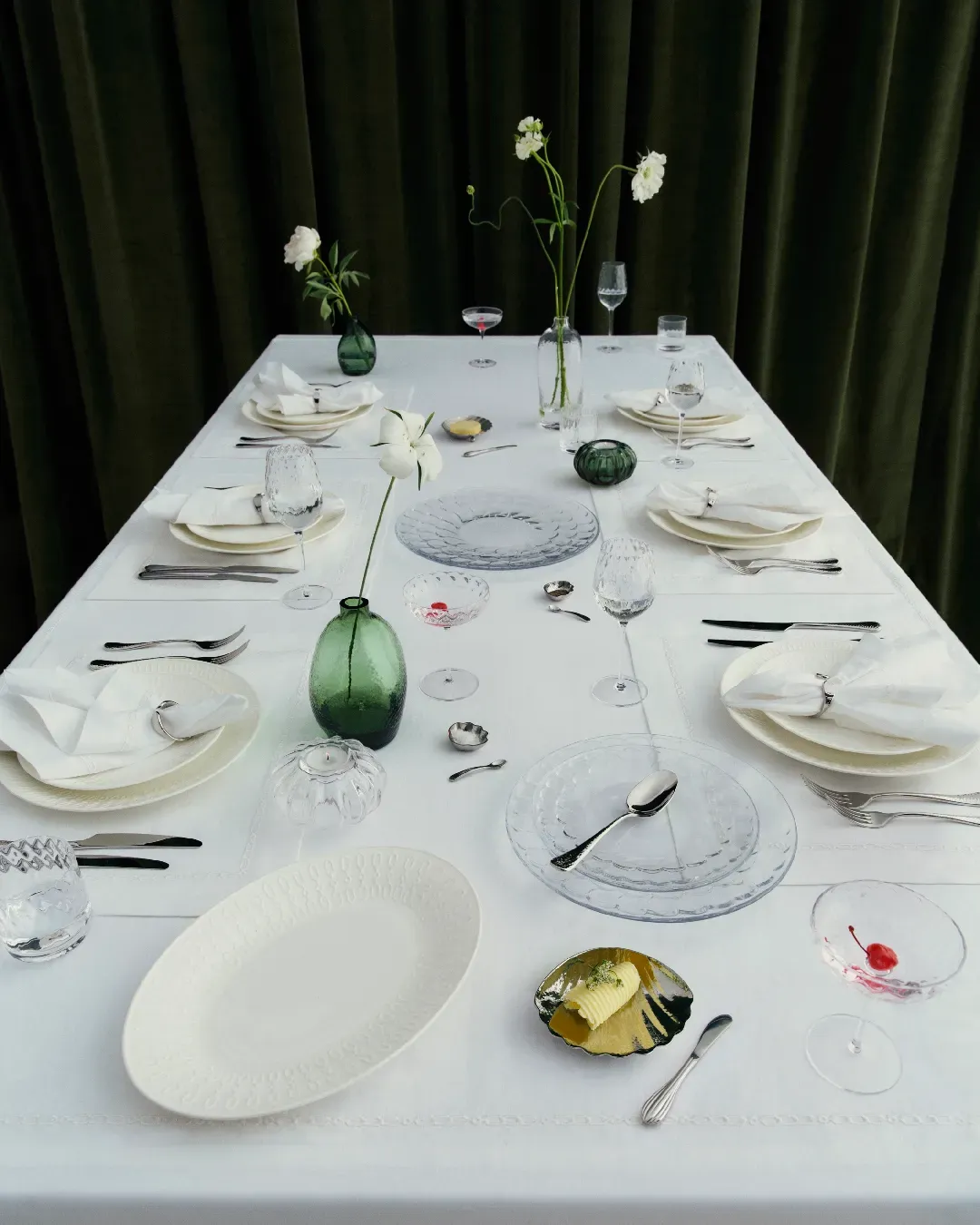
Westwing and Victoria Beckham have collaborated on a tableware line
The English designer explores the world of the table