.gif 2000w)

























This might be the most chaotic Venice Art Biennale ever The political drama surrounding the Venice exhibition keeps on growing
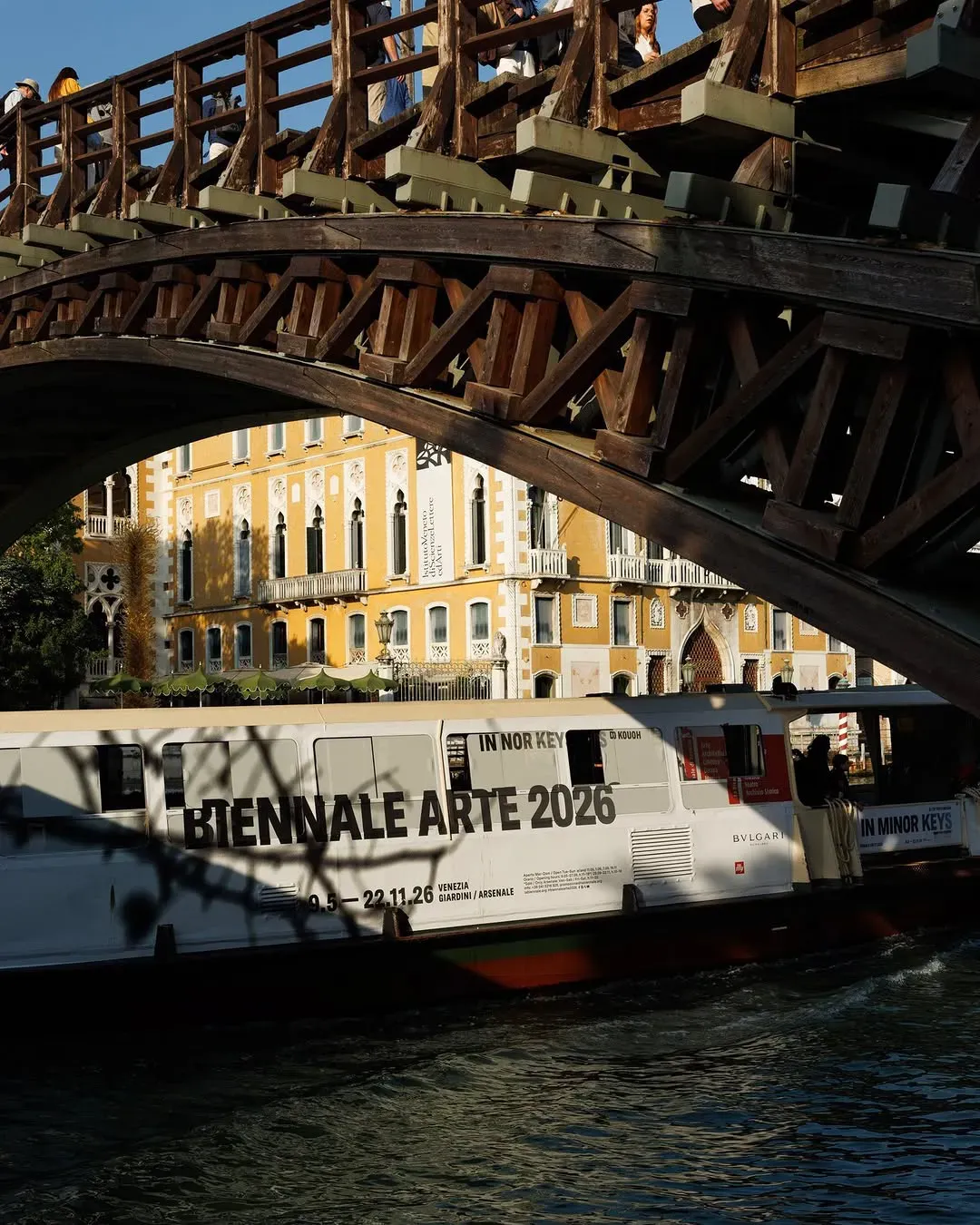
A few days before the start of Biennale Arte 2026, which will officially open in Venice this Saturday, May 9, controversies are intensifying. Just a week ago, the news that Russia and Israel might return to present in their respective pavilions - without, however, being considered by the jury for awards - caused an uproar among the press, the public, artists, and even more than twenty Ministers of Culture from around the world, who signed a letter against Russia’s participation.
But the damage to the Biennale this year has not been limited to its image: also in April, the European Commission condemned the admission of Russia to the exhibition, first announcing a cut in funding of as much as two million euros to the initiative over the next three years, then giving the Biennale Foundation thirty days to defend its decision. The Venice Biennale stated in a press release that «it rejects any form of exclusion or censorship of culture and art. The Biennale, like the city of Venice, continues to be a place of dialogue, openness, and artistic freedom, fostering connections between peoples and cultures, with the constant hope of putting an end to conflicts and suffering.»
The jury’s resignation
On April 30, the Biennale released a statement which, in just a few lines, announced the resignation of the entire jury, made up only of women, composed of Solange Farkas (president), Zoe Butt, Elvira Dyangani Ose, Marta Kuzma, Giovanna Zapperi. The decision was made in response to all the turmoil that has arisen over the past month: alongside criticism directed at the jury by artists, the public, and several Ministers of Culture for the inclusion of Russia and Israel at the Biennale, there were also complaints from representatives of the two countries.
Israel’s Ministry of Foreign Affairs stated that the decision to exclude the country from the awards has «turned the Biennale into a display of false anti-Israeli political indoctrination,» while the artist representing the country this year, Belu-Simion Fainaru, said he feels like a victim of discrimination. Alessandro Giuli, Italy’s Minister of Culture, opposed Russia’s participation in the Biennale, saying that he will not attend the opening ceremony (an intention also supported by the European Commissioner for Culture, Glenn Micallef), but expressed his support for the Israeli sculptor.
The Visitors’ Lions
Shortly before the jury announced its resignation, the Ministry of Culture ordered inspections at the Biennale Foundation headquarters regarding the decision to exclude Israel and Russia from the awards. Now, two new prizes have been established, called the Visitors’ Lions, which will be awarded on November 22, the final day of the exhibition. The Visitors’ Lions will be awarded, as the name suggests, by Biennale visitors, and Israel and Russia are included among the potential winners. Meanwhile, the Biennale will appoint a new jury.