


























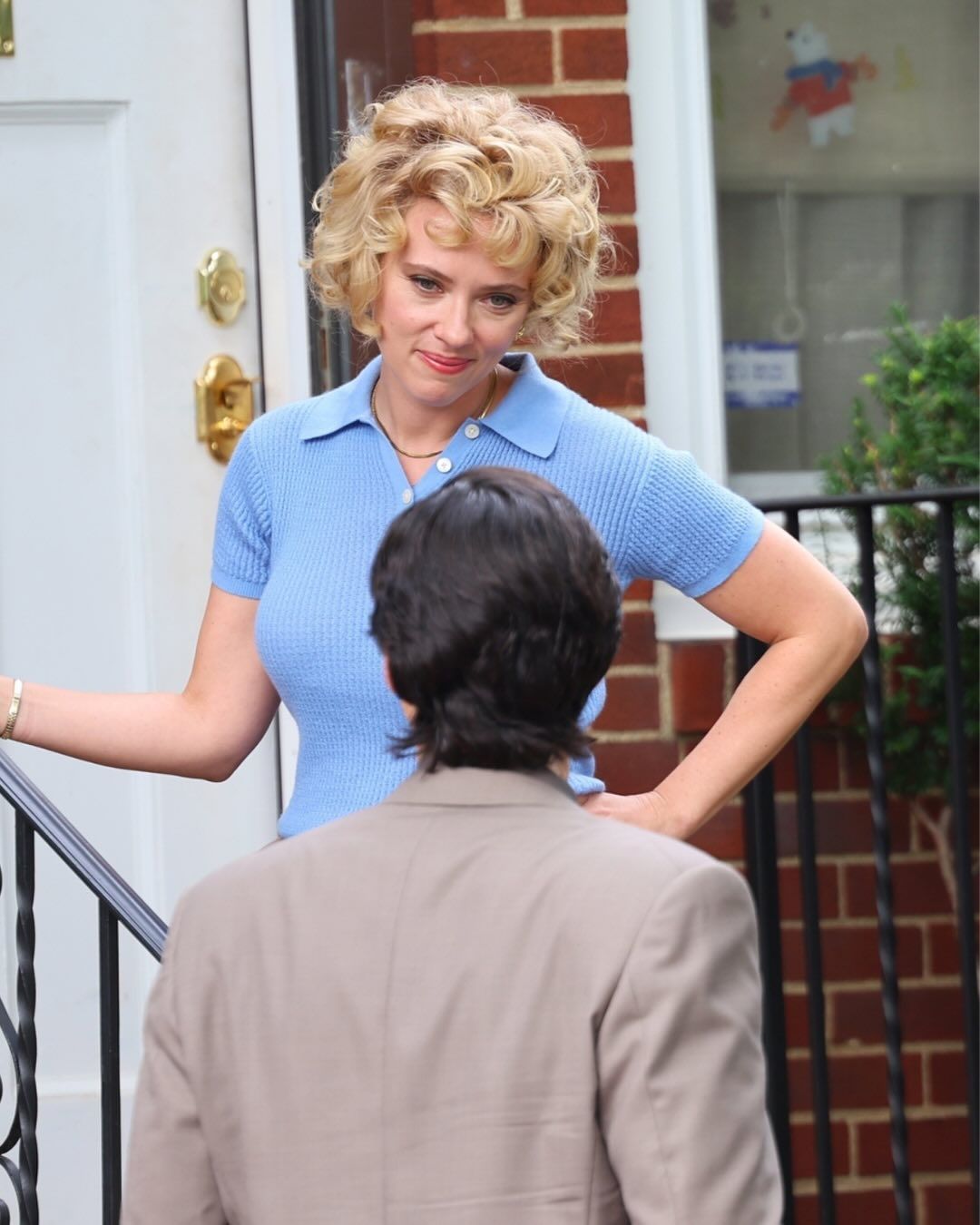
''Paper Tiger'' goes beyond the usual boundary between good and evil With a star-studded cast, the film was presented at the Cannes Film Festival
There is a common thread that unites the titles of the 79th edition of the Cannes Film Festival; A strange direction, appreciable, even when the films are not the best. It happened with Gentle Monster by Marie Kreutzer, it happened again with Garange by Jeanne Herry and it also happens with James Gray’s Paper Tiger. What unites these very different works in competition is that they begin in the most conventional way possible, only to then take unexpected directions.
In Gentle Monster, it is the point of view that is put into play: that of the wife played by Léa Seydoux, who becomes aware of a reprehensible act committed by her husband and wonders what happens to those who live beside monsters. In Garange, it is the telling of the alcoholism problem of the protagonist who gives the work its title, played by Adèle Exarchopoulos, a story that could have turned into drama and instead chooses a note of irony in framing the woman’s conscious addiction. In Paper Tiger , it is the direction that, like the other titles mentioned, at a certain point moves away from the narrative’s center of gravity, taking unexpected turns and tones that, for this reason, make the works of Kreutzer, Herry and Gray himself peculiar in their own way.
@varietymagazine Scarlett Johansson doesn’t pick up a FaceTime call from James Gray during the 7-Minute #Cannes original sound - Variety
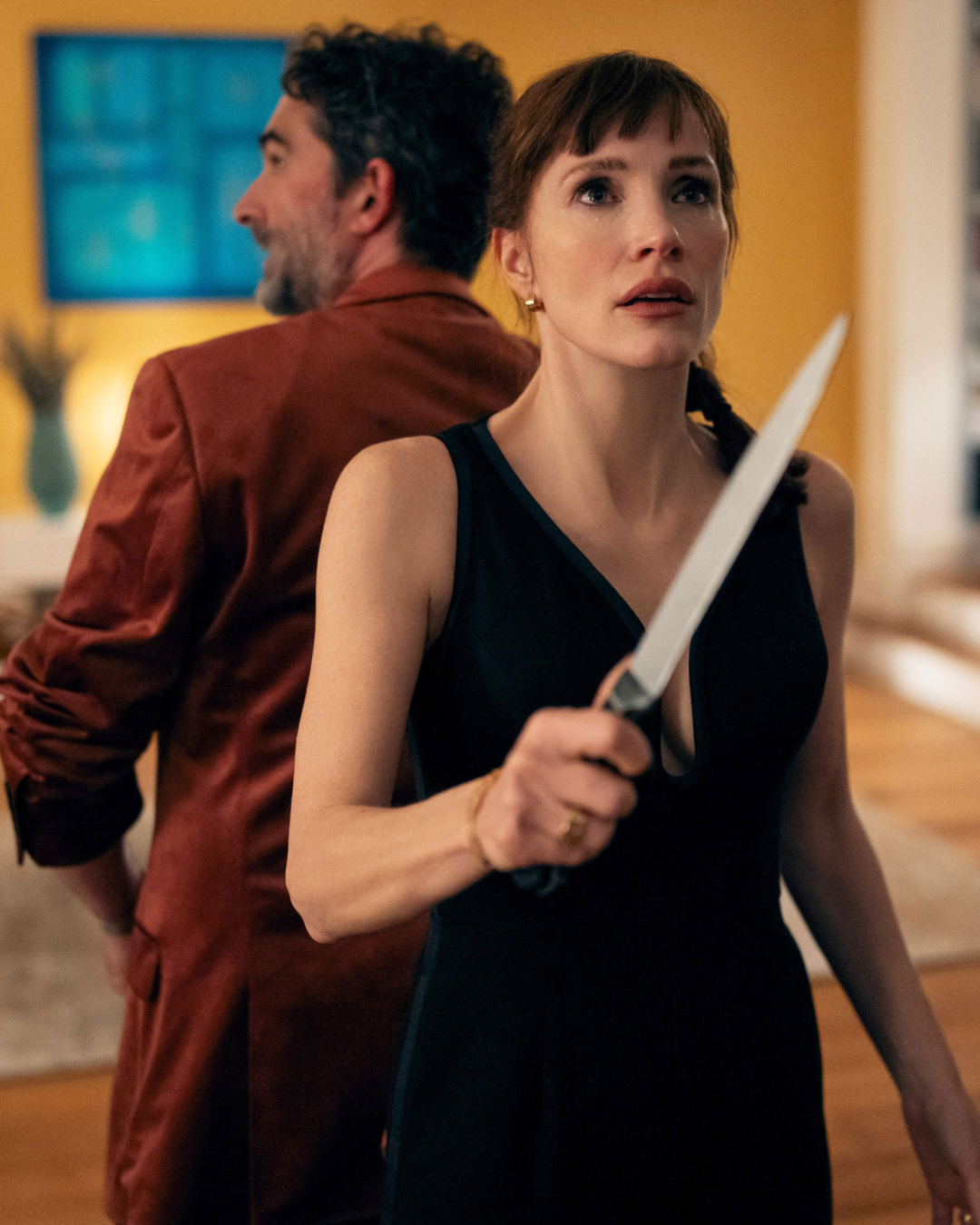
Set in Queens in 1986, shot on 35mm to restore the sense of a past that is thus also told through film stock, the work starring Miles Teller, Adam Driver and Scarlett Johansson might initially seem like a mob movie in which the reckless protagonists become involved, but it instead gradually turns into an investigation of a relationship between brothers and of the integrity that shaped them and led them to that moment.
In a classic story of corruption and mafia circles, of contracts controlled by criminals and vicissitudes that always happen to those who are less clever, one would not expect a shift in focus, which instead occurs in Paper Tiger. The film does not remain fixed on the dichotomy between good and evil that one would expect, in this case potentially embodied by Driver’s and Teller’s characters.
James Gray continue de creuser l’obsession fondatrice de son cinéma, les liens familiaux. Avec Paper Tiger, le cinéaste atteint une forme de plénitude artistique, orchestrant une tension suffocante dans un récit d’une ampleur remarquable.
— Jon (@JonathanPichot) May 17, 2026
1/2 pic.twitter.com/JG5c3nMsoN
From the beginning, the protagonists want to be involved honestly in a real estate investment in which they can come in as consultants, and this remains unchanged as the film progresses. This is the film’s peculiarity, as well as the ambiguity that Gray puts into play and that makes Paper Tiger be seen in a different light.
While it would have been easy to predict the brothers’ descent into the abyss, the American filmmaker instead continues to show the right path they have always taken in their lives, which has made them an honest engineer and an upright police officer, transforming the work no longer into the mob movie one thought it was, but focusing on the sense of responsibility of two figures who try to watch each other’s backs and in whom the protection of the family prevails, always placed first.
Gray’s objective is realized above all in the character played by Adam Driver, whose uncomfortable position makes him easy prey for narrative clichés, from which he instead distances himself through a writing intuition that is not bad at all. This is then reflected in Teller’s relative, with whom the director and screenwriter once again investigates family units and the relationships that male figures have within them, starting from the positions of fathers, which in Ad Astra the director carried all the way into space and which in Armageddon Time he portrayed in the same Queens as Paper Tiger, only set six years earlier.
A coherence in the choice of themes which, however, does not justify the flatness with which they are used, with good chemistry between the performers (especially wife and husband Johansson and Teller), but which wearies the viewer, who follows the development of the characters with curiosity while almost having to detach, out of necessity, from the outline of the story, which weighs down their storylines. A narrative carpet not up to the dynamics it sets in motion and the commitment of its actors, appreciable but not admirable, more distant than one might have hoped.
What to read next
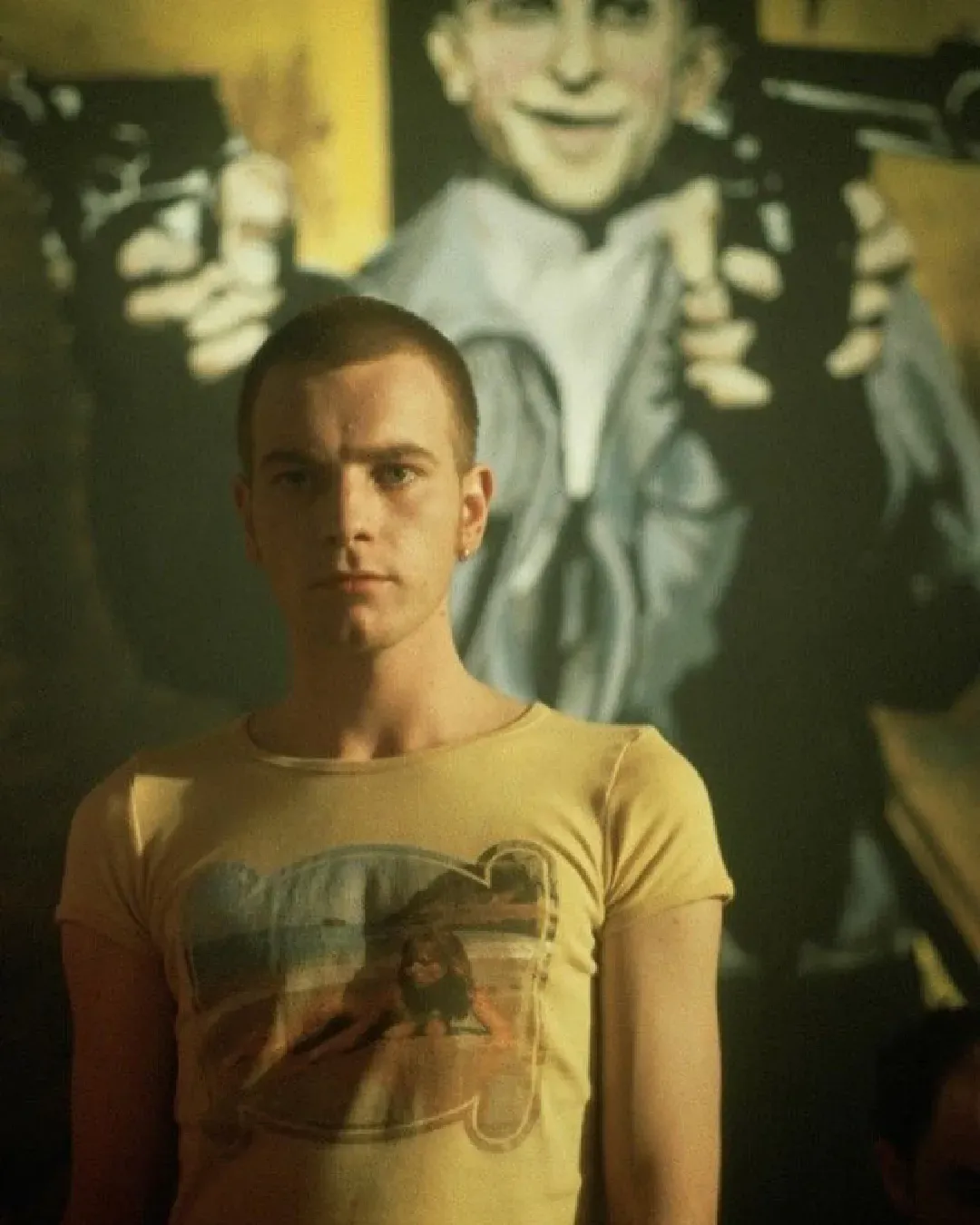
5 trends that Trainspotting anticipated Back in 1996
There is much more to the film than the famous Helmut Lang tank top
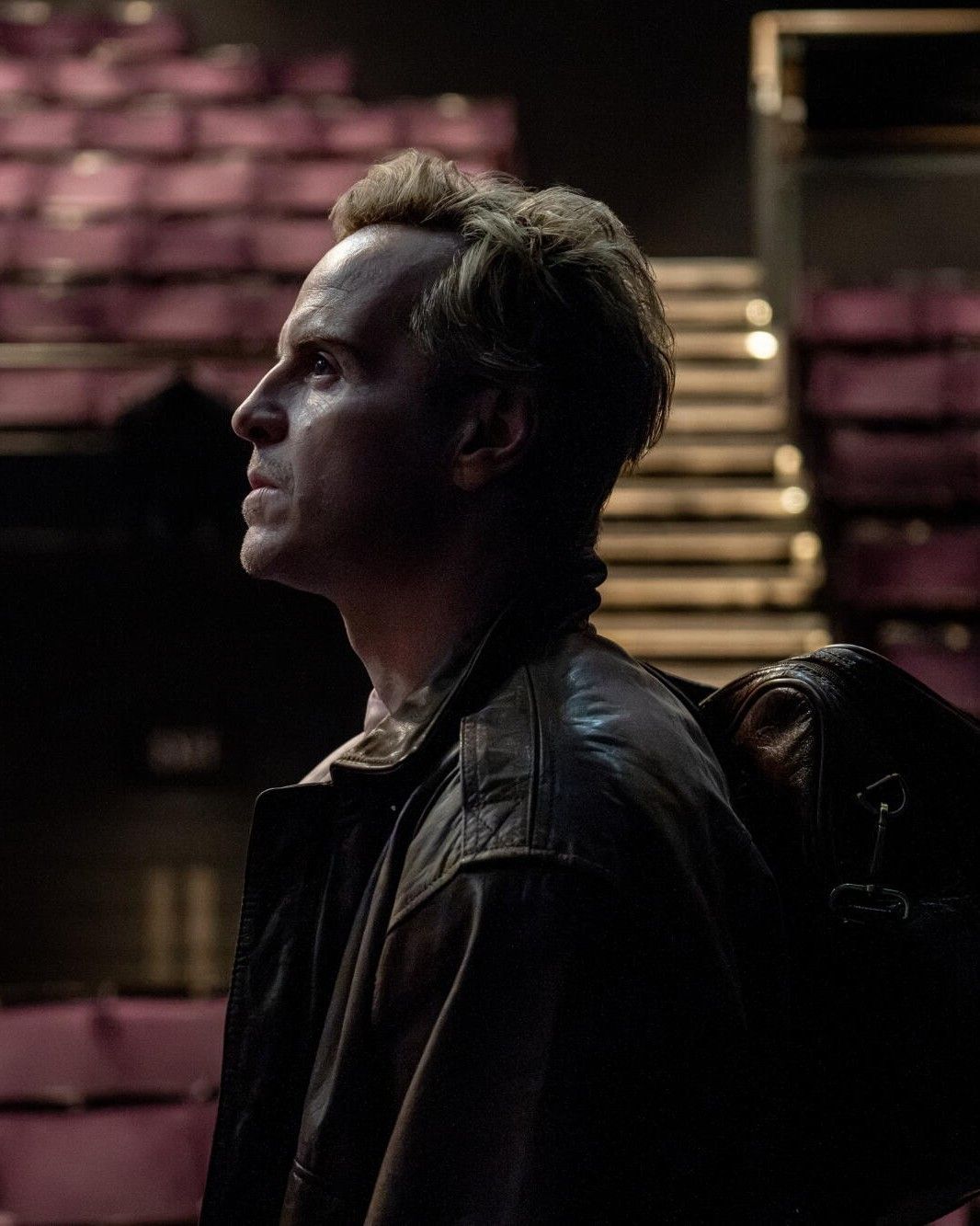
Andrew Scott gives the best performance of his career in "Elsinore"
Simon Stone's film tells the true story of actor Ian Charleson and his production of "Hamlet"
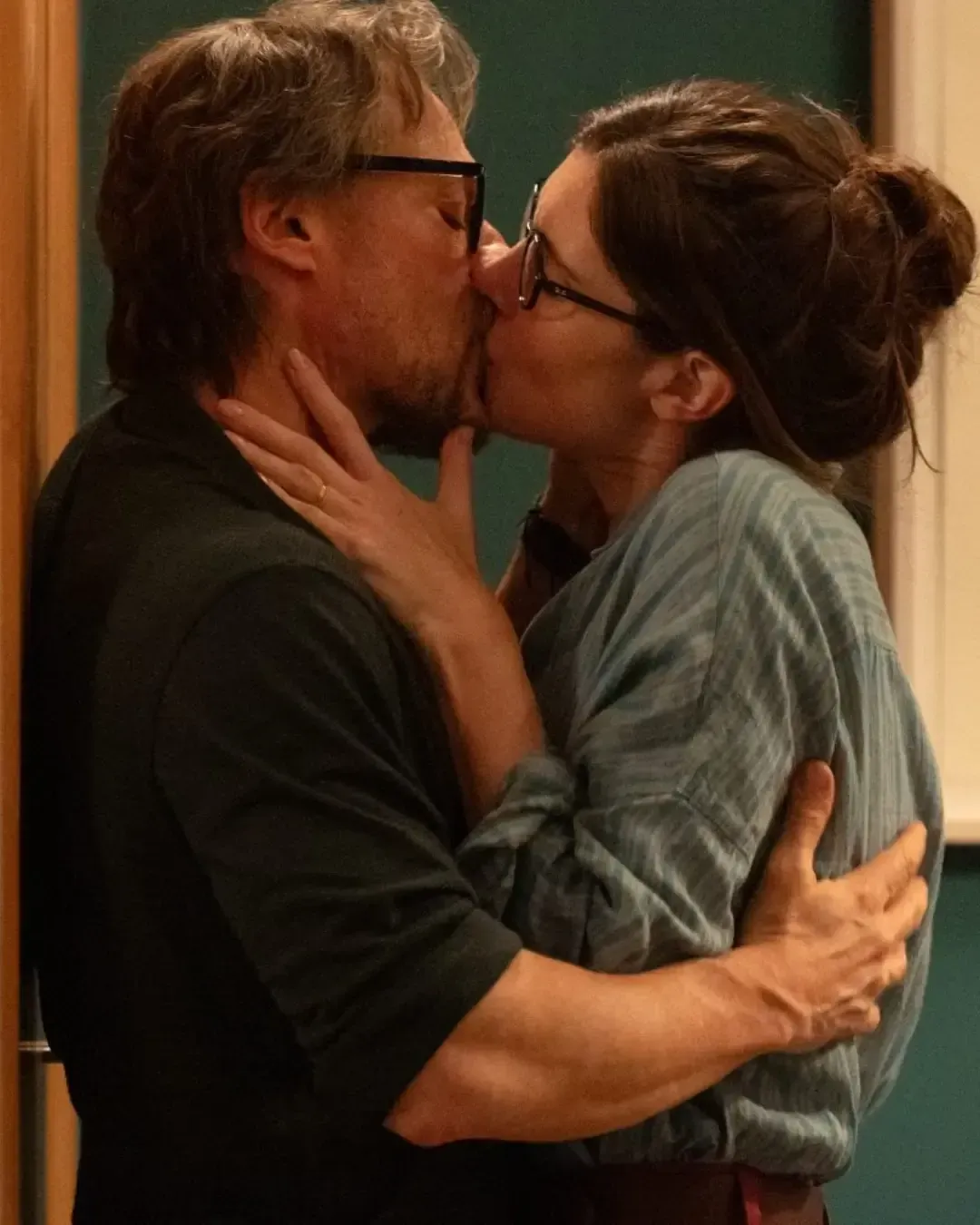
"Il rumore delle cose" by Paolo Genovese opens the 2026 Rome Film Festival
The film, adapted from Genovese's novel of the same name, is nonetheless the usual Italian drama