




















Between Fashion and Art: Marina Yee’s Quiet Revolution The designer's creativity is explored in the exhibition at the Sofie Van De Velde Gallery
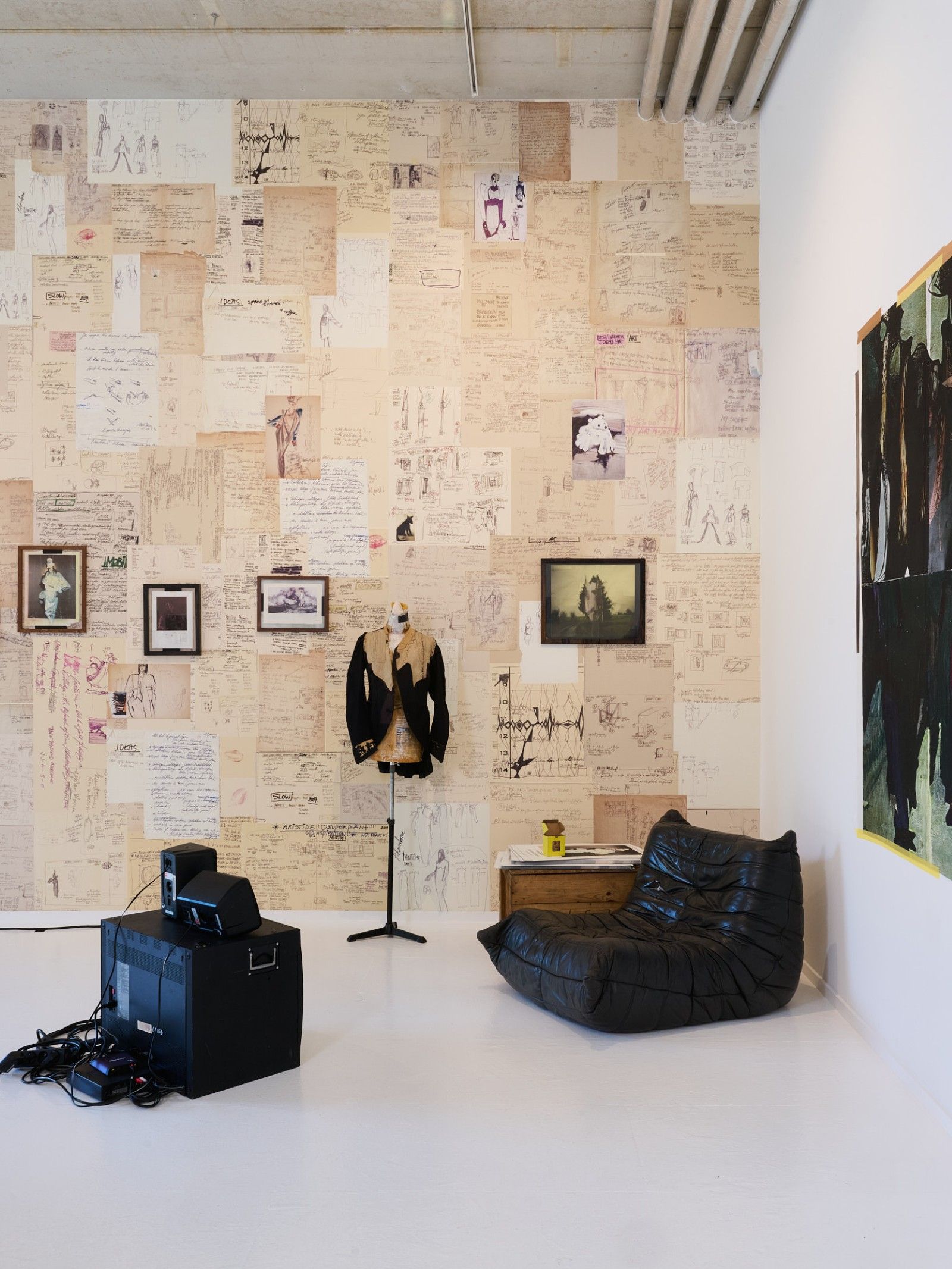
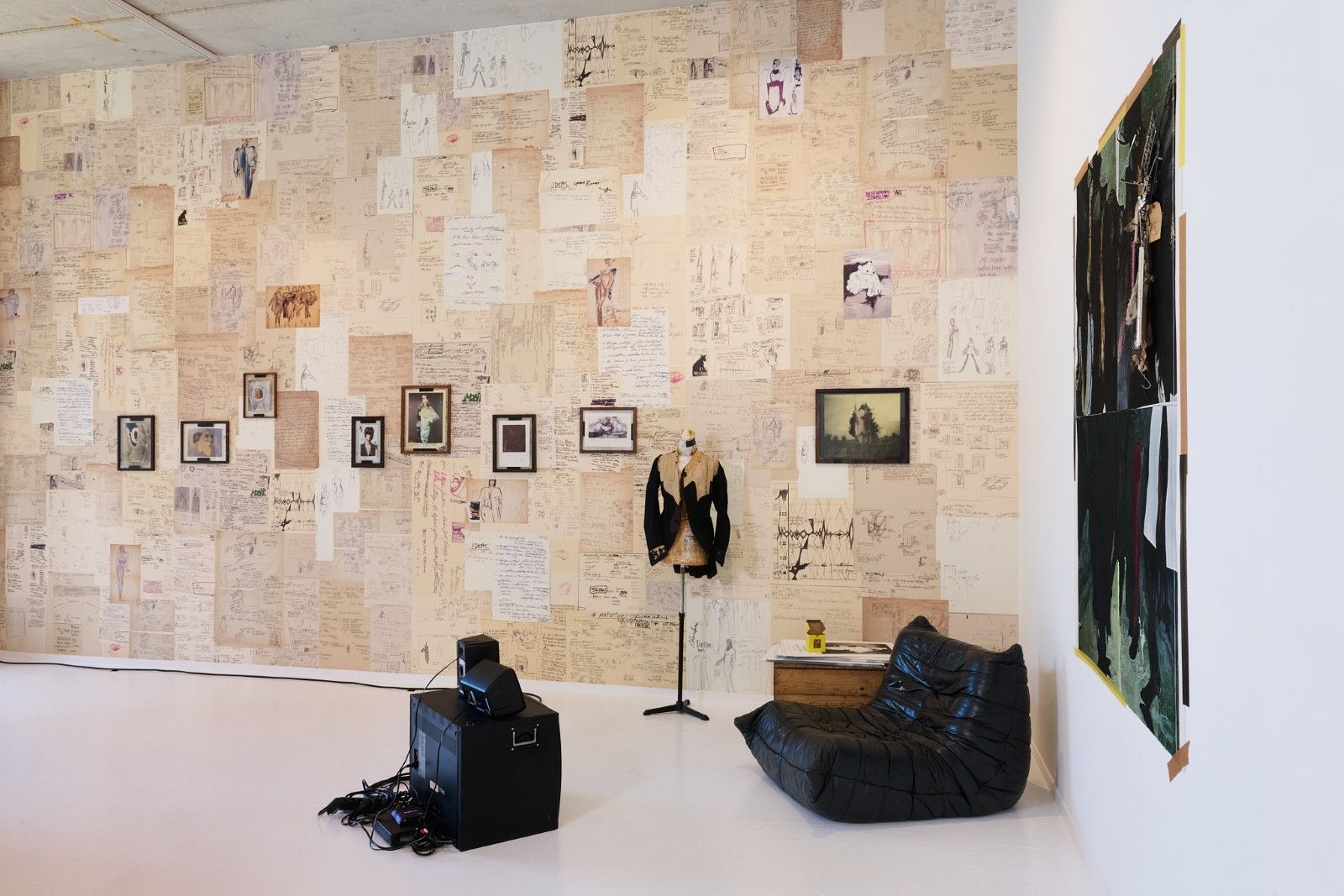
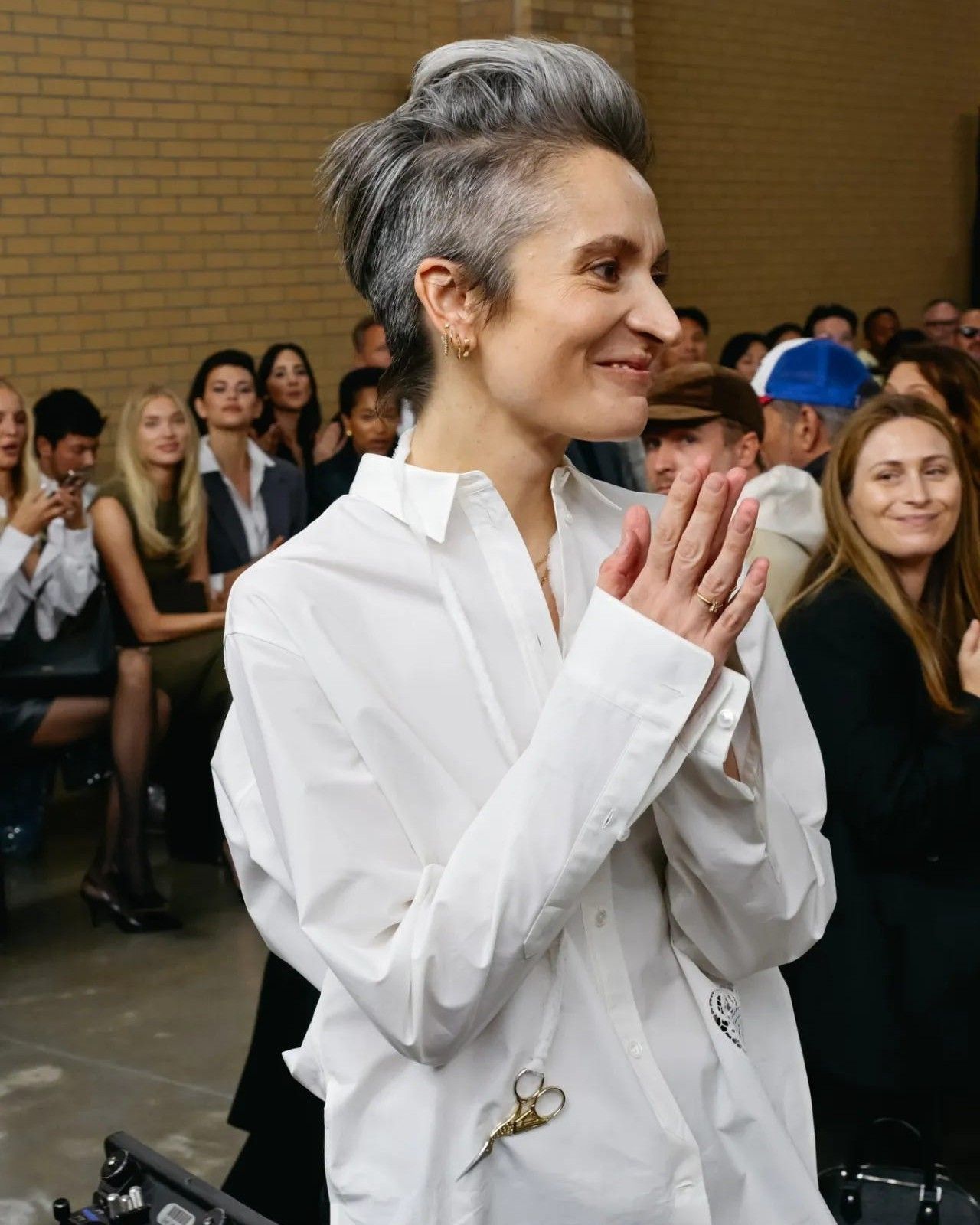
She was the most enigmatic and least known figure among the famous Antwerp Six, who are now the protagonists of the major exhibition organized by MoMu in Antwerp. Marina Yee has always experienced fashion as a language to be traversed, and her path has been one of the most radical and difficult to categorize among the Six.
Since childhood, Yee has let herself be guided by intuition rather than drawing. Despite her talent for illustration, she prefers to work directly on the mannequin: it is the contact with the fabric, the volume of an existing garment that determines the final shape. Her hands “think” before her mind does. Pins, folds, and stratifications become tools to capture an idea that emerges in real time. A method that in recent years appears natural and accomplished, but is the result of decades of research.
Training and early years
After training at the Royal Academy of Fine Arts in Antwerp, her entry into the fashion system was anything but marginal. From 1983 she worked for the Belgian manufacturer Bassetti, first alongside Dirk Bikkembergs and then independently, also collaborating with the leather goods brand Gruno & Chardin. In 1986 she launched the Marie brand with Miyoshi Hobo, presenting the collections in London during the British Designer Show. It was the moment when Antwerp established itself on the international scene, but even then Yee followed her own trajectory.
The move to Paris in 1988, alongside Martin Margiela after his debut, marked another turning point. But it was also the beginning of a distance: in 1990 she returned to Belgium and voluntarily withdrew from the system. She designed theatrical costumes, opened a café in Brussels, and turned interiors into spaces of expression. It was a first, conscious deviation from fashion as an industry. When she returned, she did so on her own terms. From the late 1990s she worked for Lena Lena, a Belgian plus-size womenswear brand, developing elongated and layered silhouettes, narrow shoulders and V-necks, in an essential palette of whites, off-whites and indigo. A femininity suspended between seduction and rigor, always crossed by a material tension. At the same time she also designed the women’s line for Bikkembergs, but later distanced herself, recognizing that she did not align with the rhythms and commercial logic of the sector.
“She didn’t like how fast fashion was,” says Rafael Adriaensens, her partner and friend who organized her archive. “She created, created, created. Both garments and works of art.” A continuous practice but detached from the calendar, which led her once again to step away to explore other languages: painting, collage, objects, graphics. Textiles remained central, but as a material to be saved, recovered, and transformed. In 2005 she also began teaching in Tournai, Ghent and The Hague, maintaining a non-conventional approach: she pushed students out of their comfort zone, privileging play, error and intuition. Her return to fashion came much later, almost timidly.
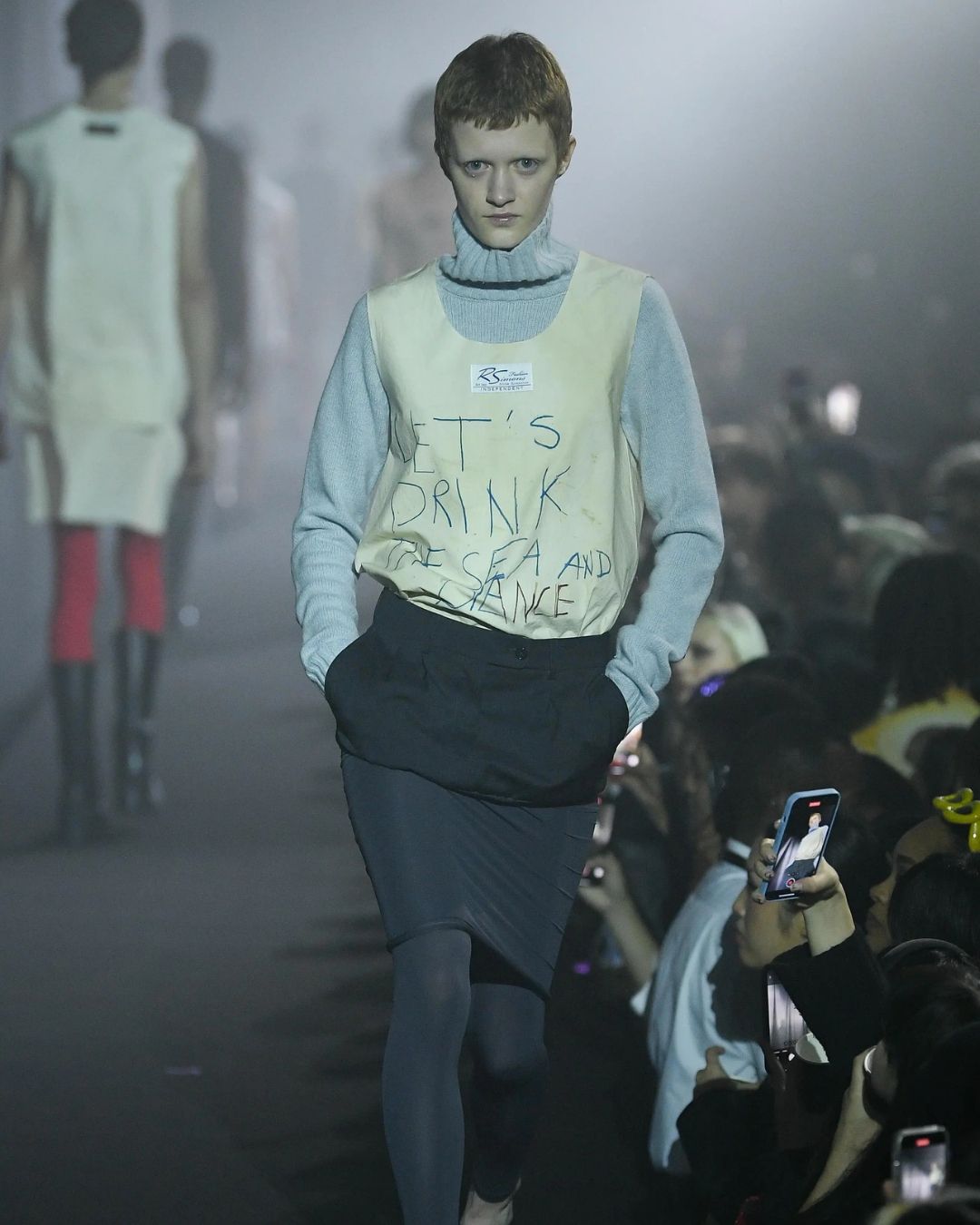
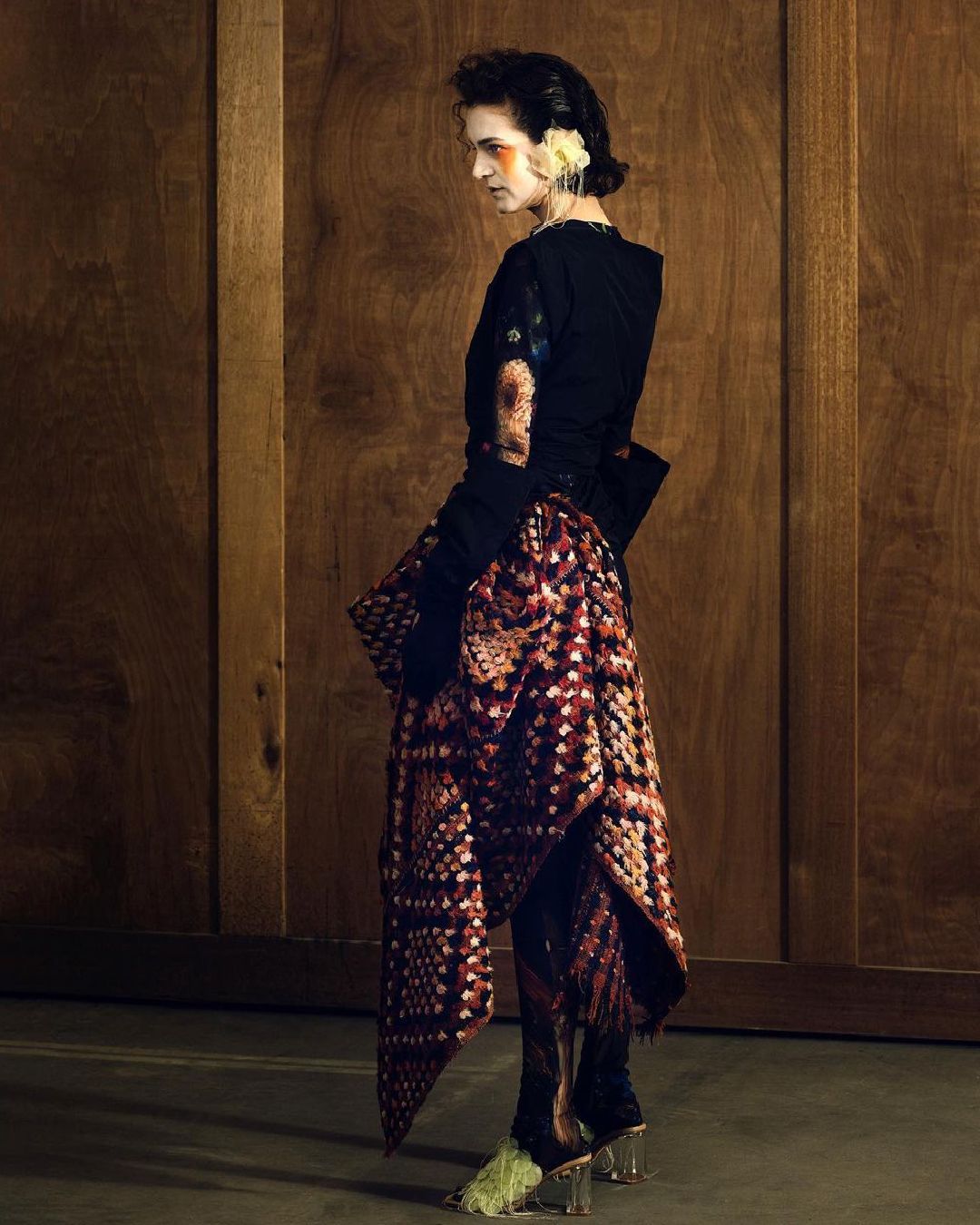
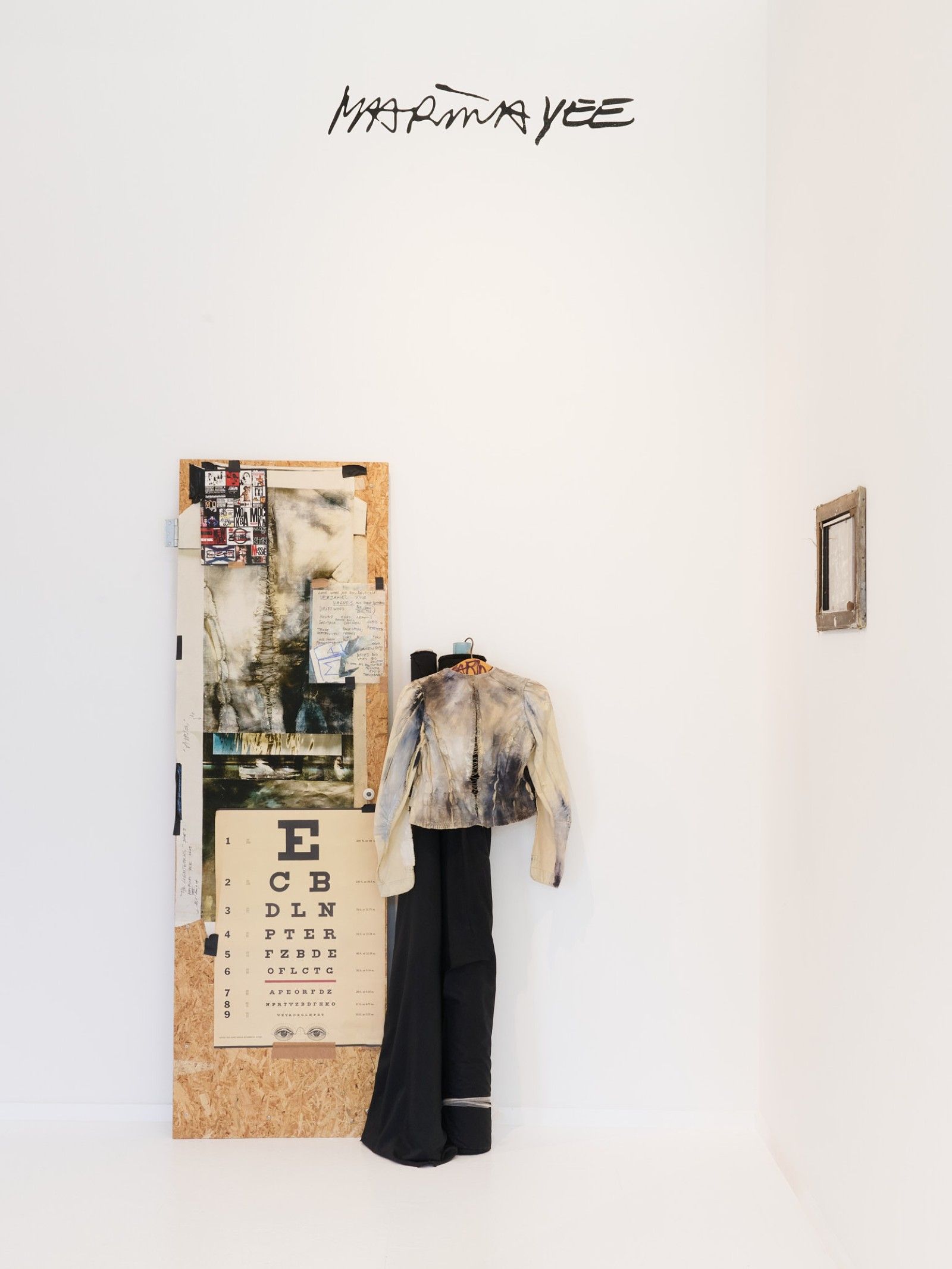
In 2017 she created a capsule collection for the Asian market, and in 2021 she founded M.Y. Collection together with Adriaensens. Here her vision finally found a stable form: radical upcycling, existing garments transformed into unique pieces, conceptual details hidden in the construction of collars, lapels and cuffs. The creative process became a gesture of reduction, a work of subtraction rather than accumulation. Yee anticipated by decades many contemporary reflections on circularity and the value of imperfection. But reducing her work to a sustainable practice would be limiting: it is rather a critical gesture toward the very idea of novelty in fashion. Every garment carries a memory, a past that is not erased but made visible.
The exhibition at Gallery Sofie Van De Velde
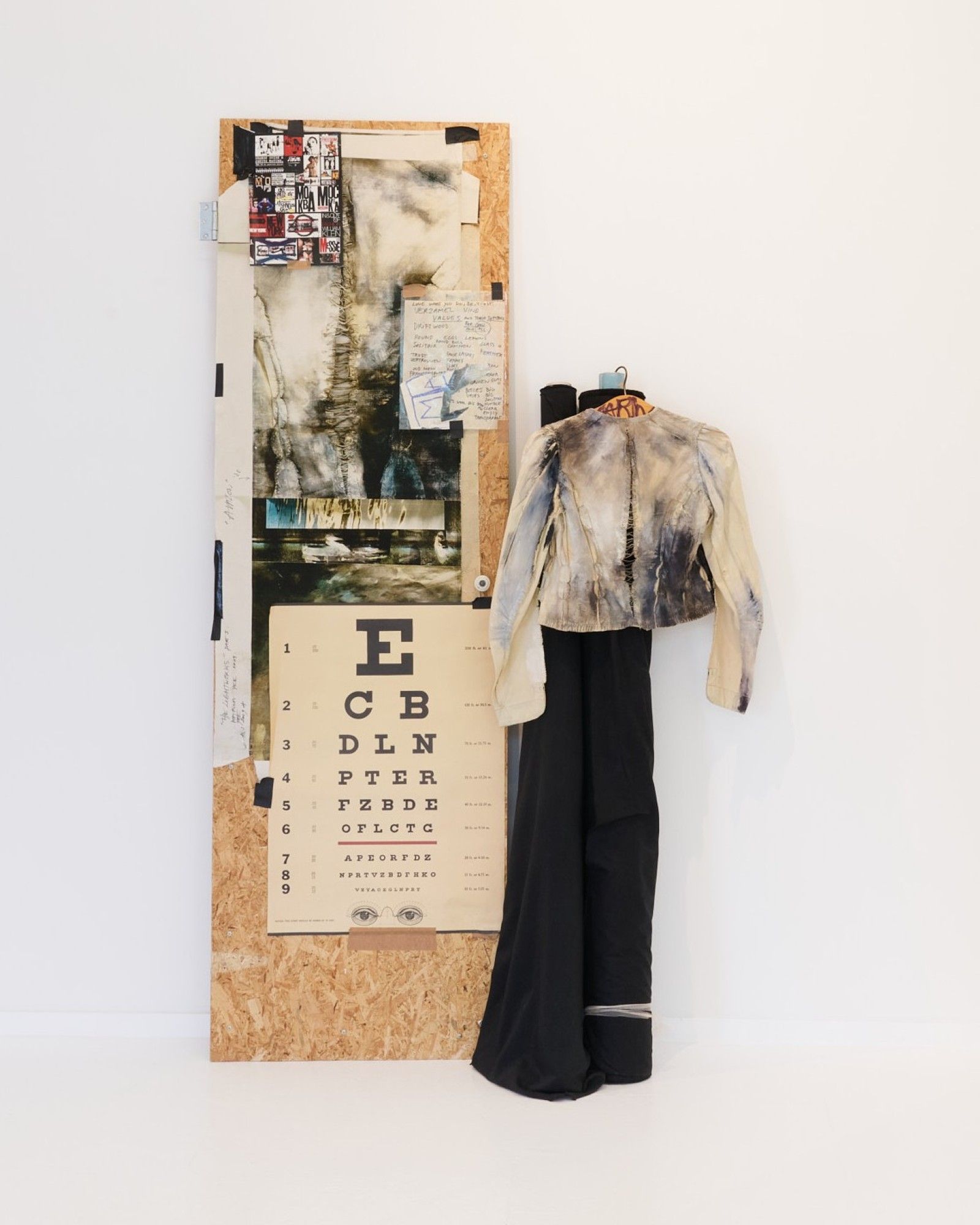
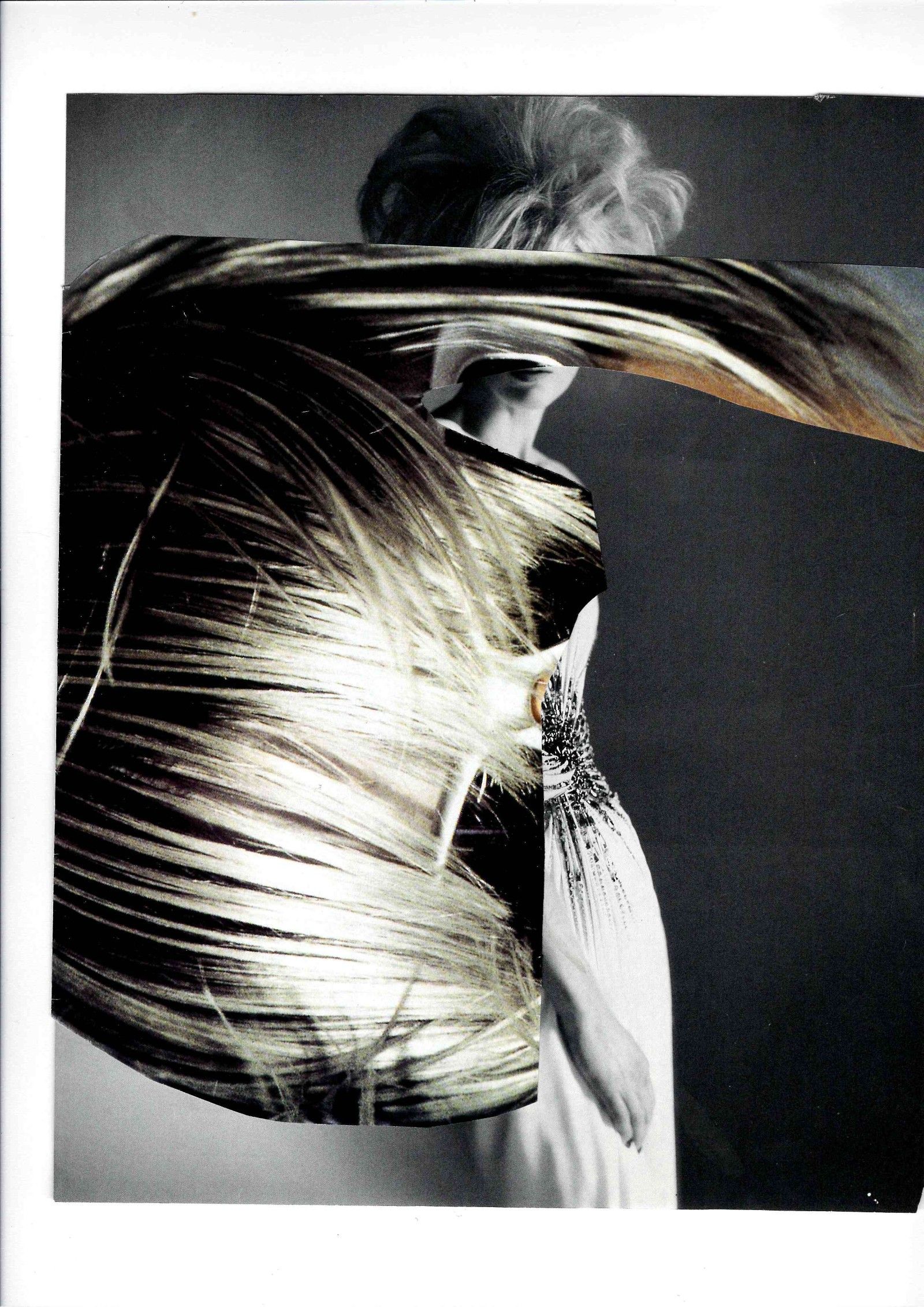
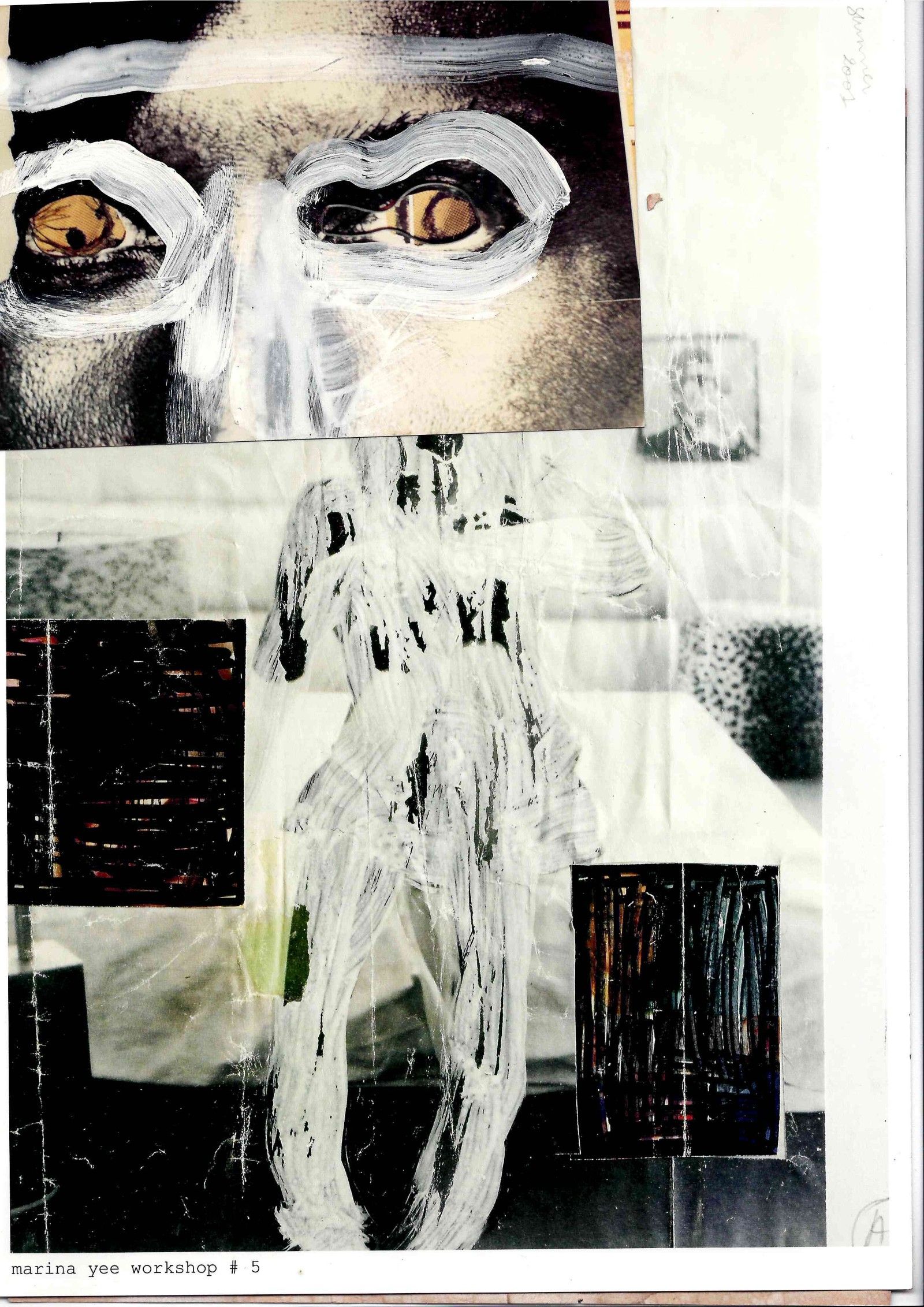
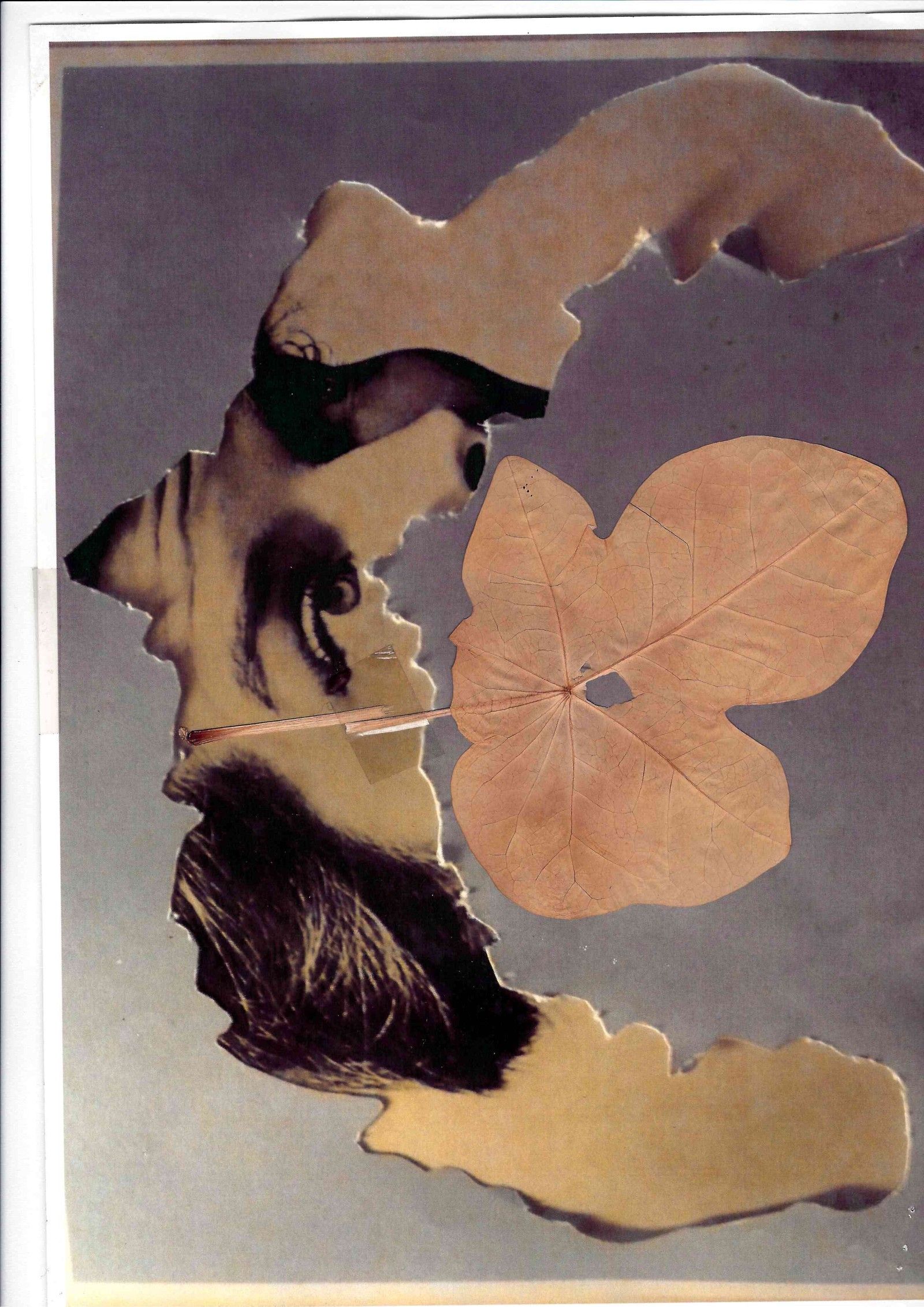
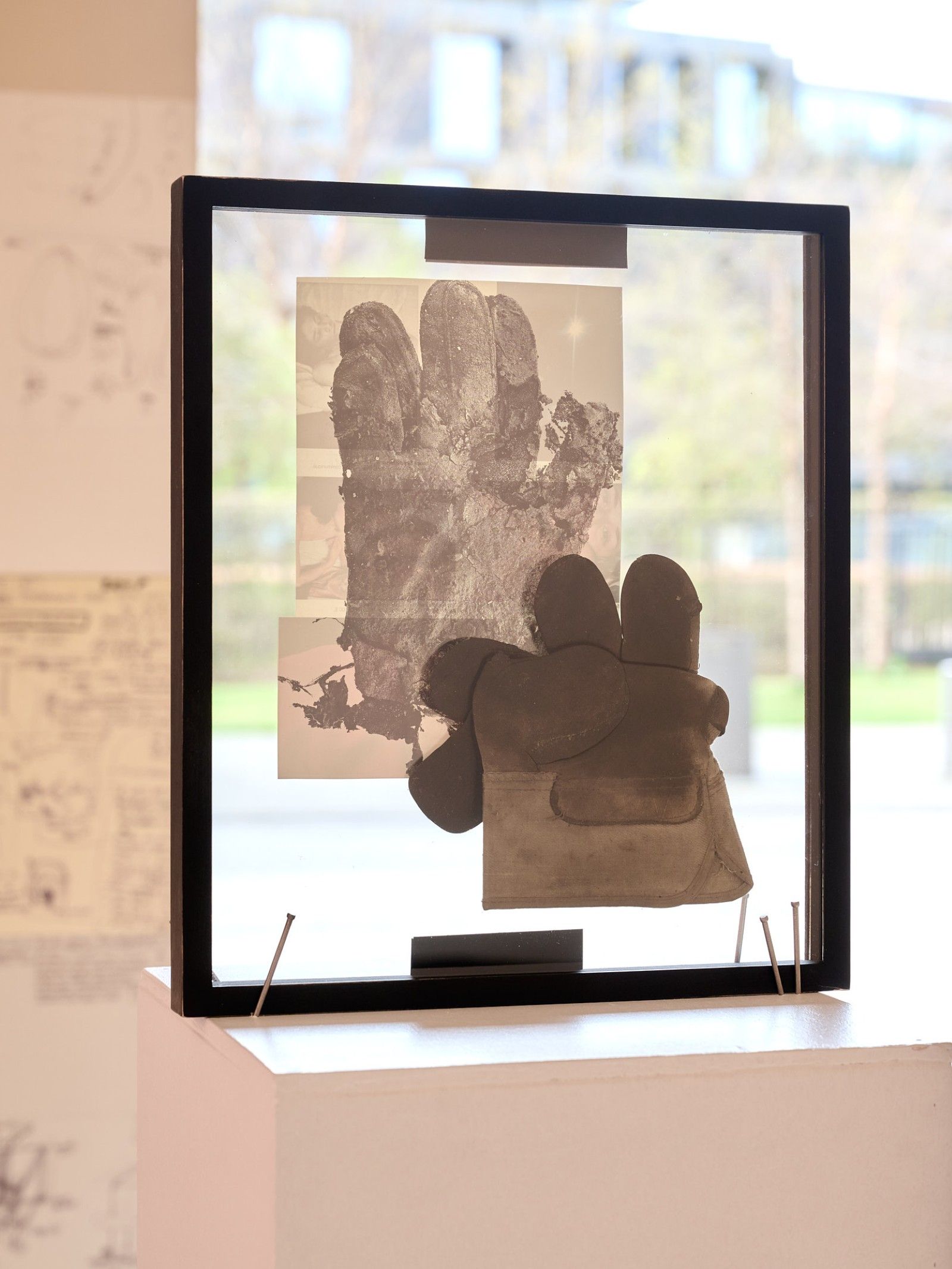
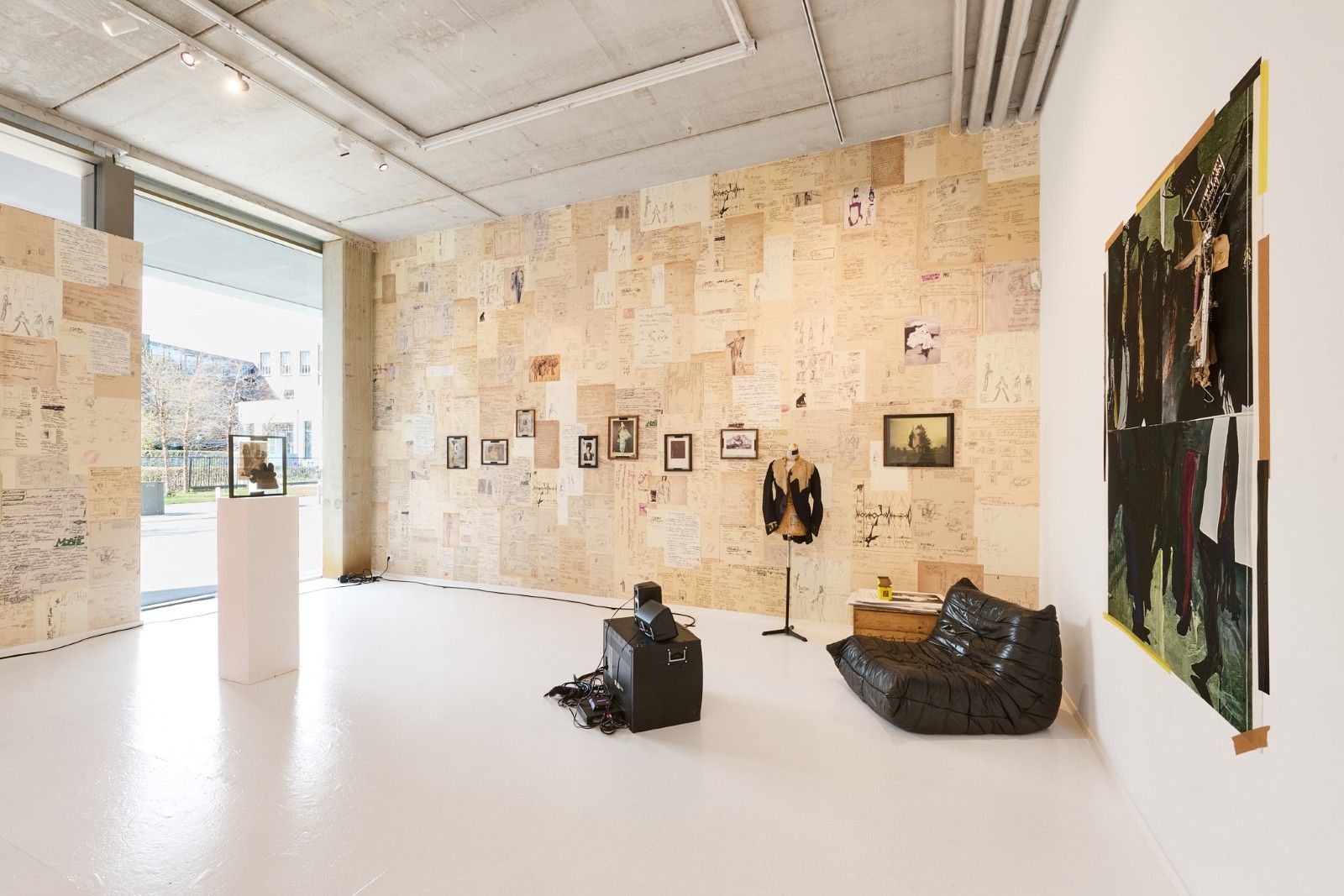
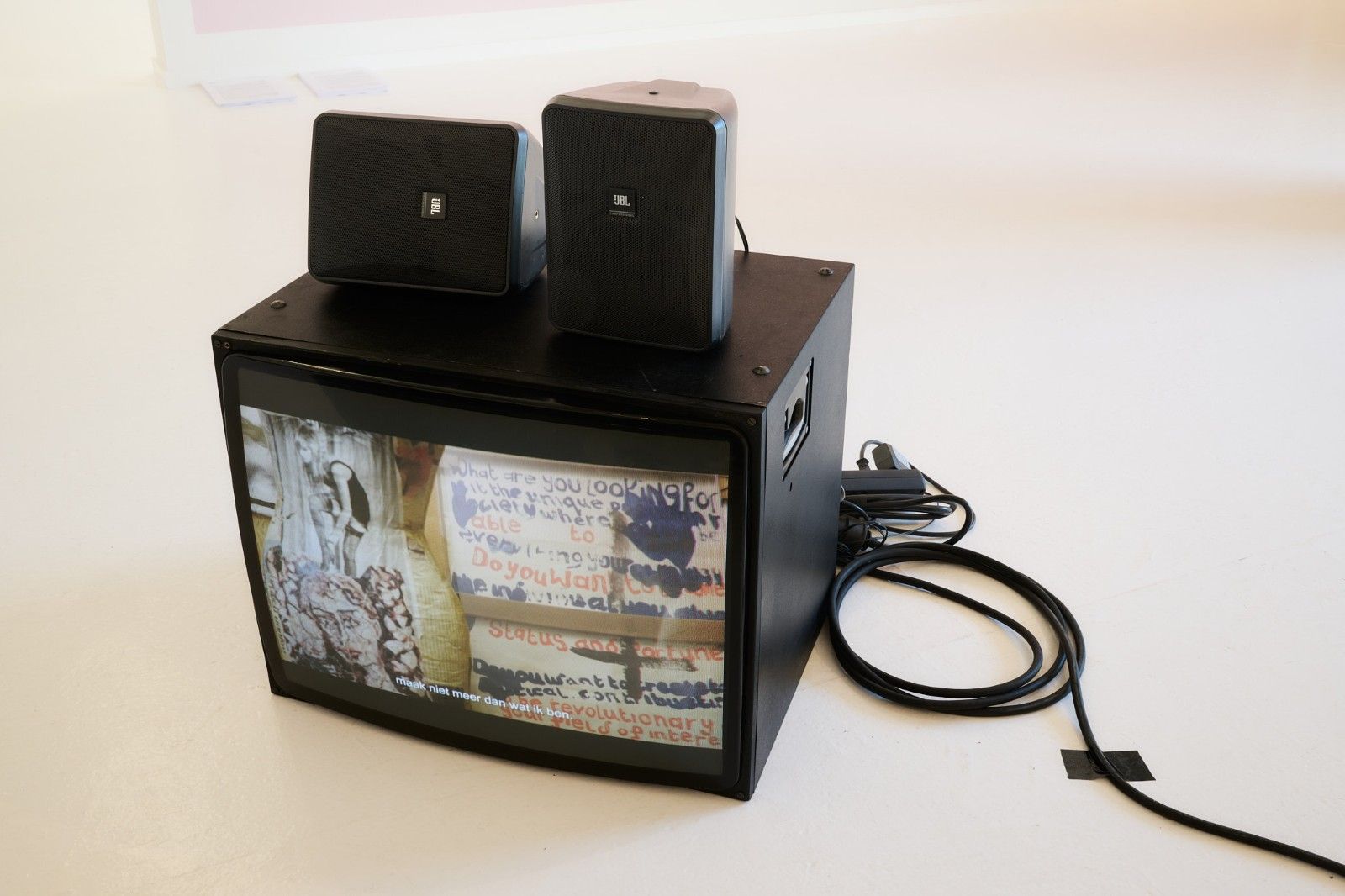
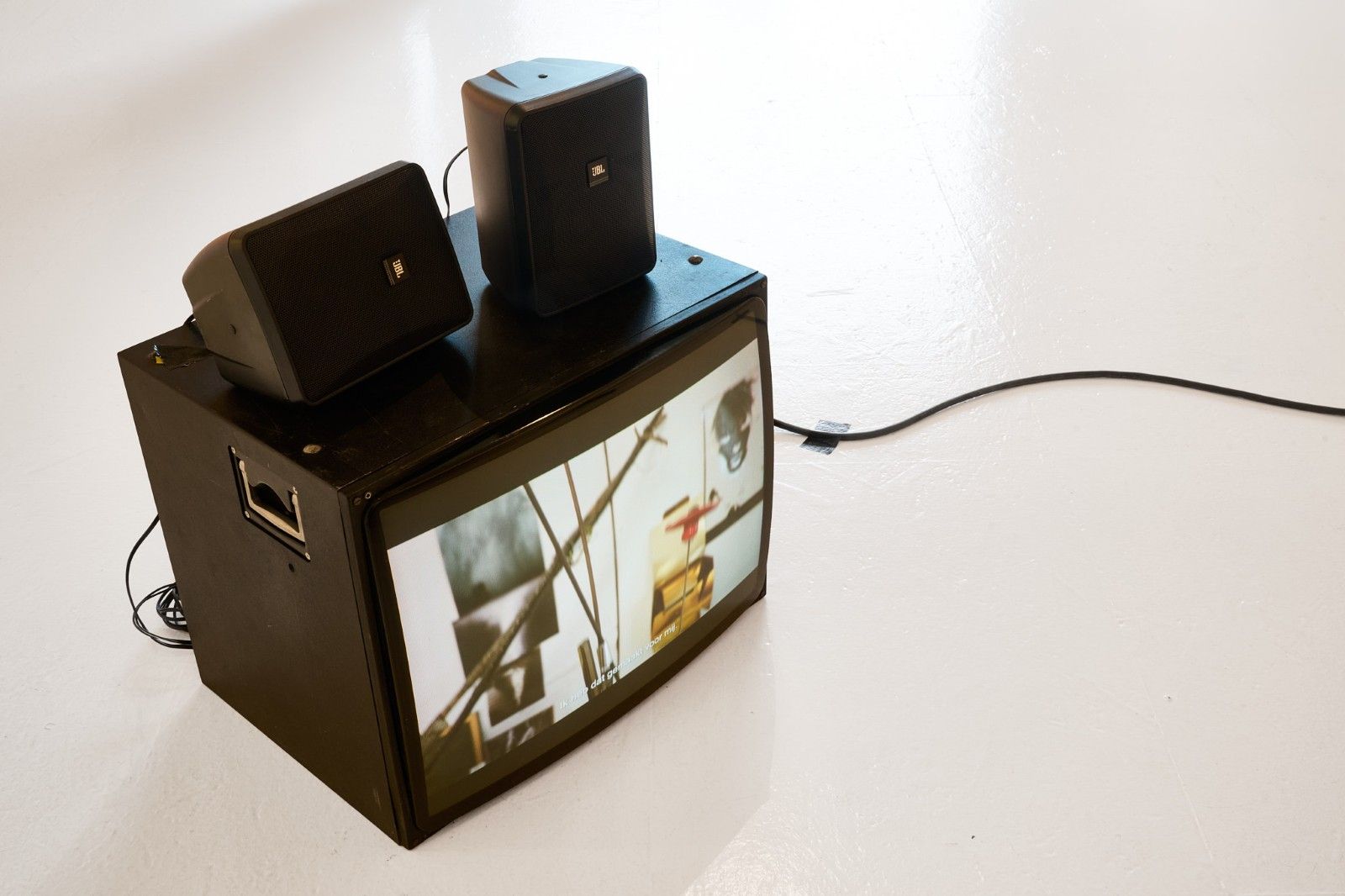
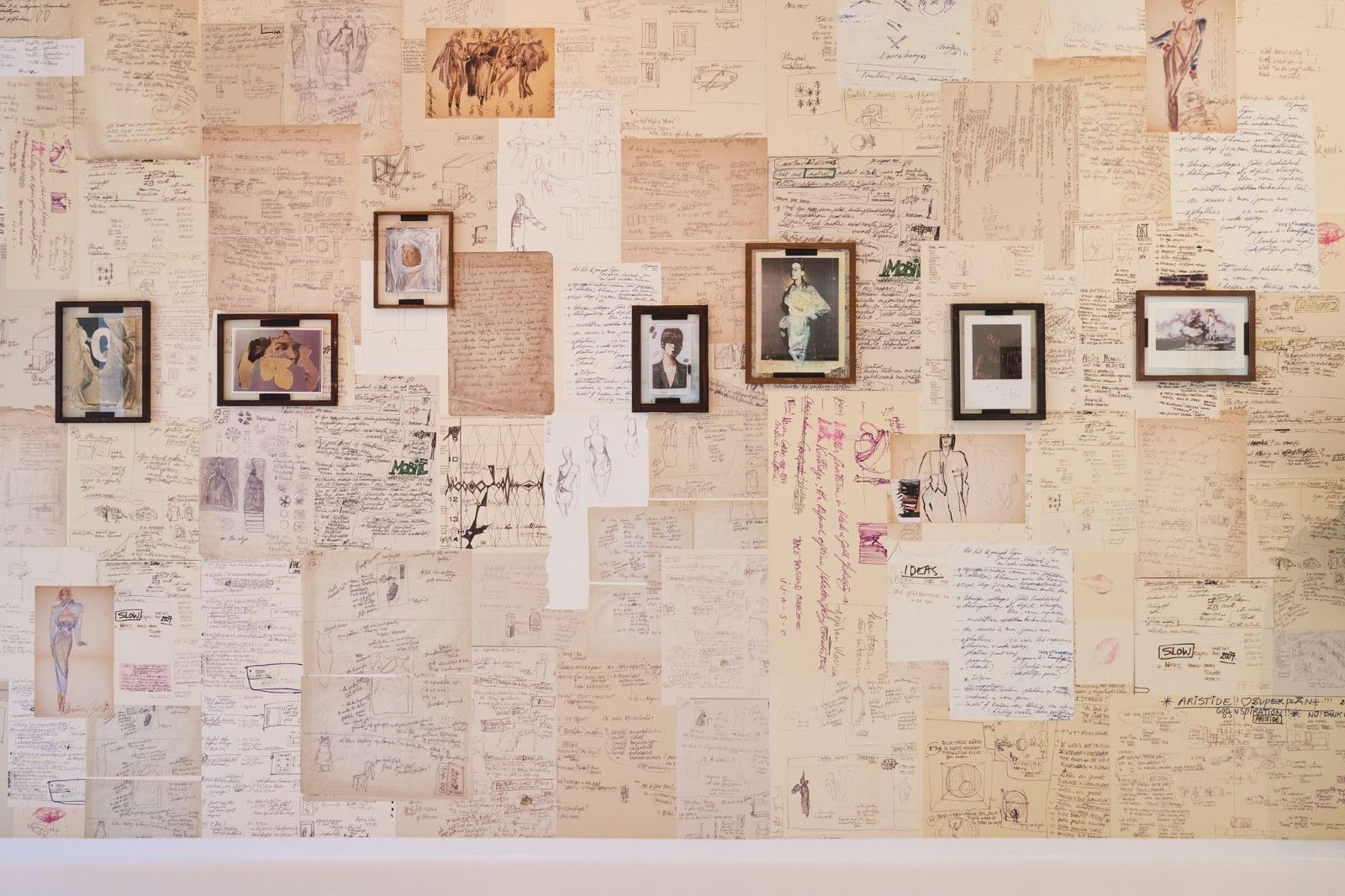
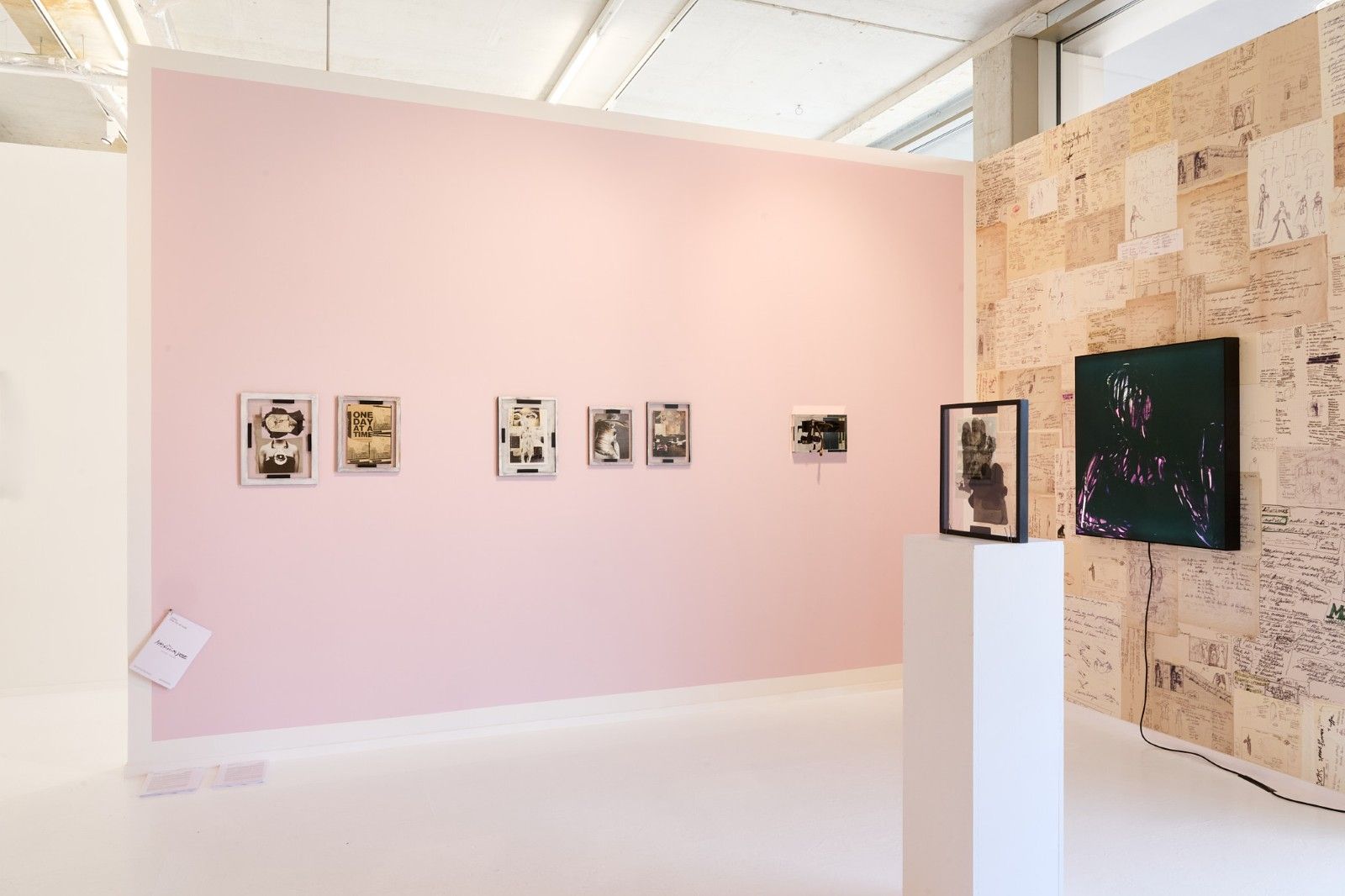
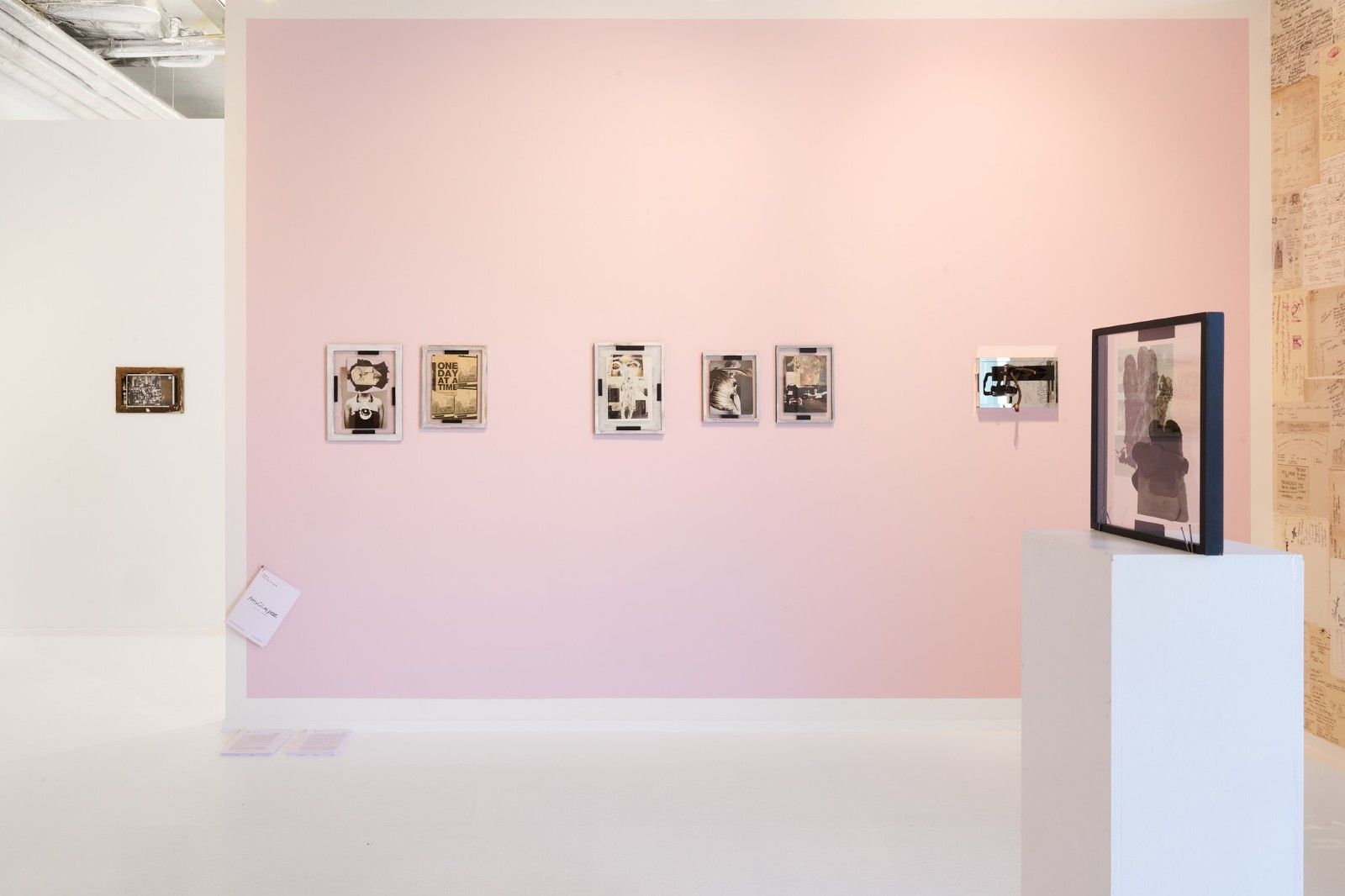
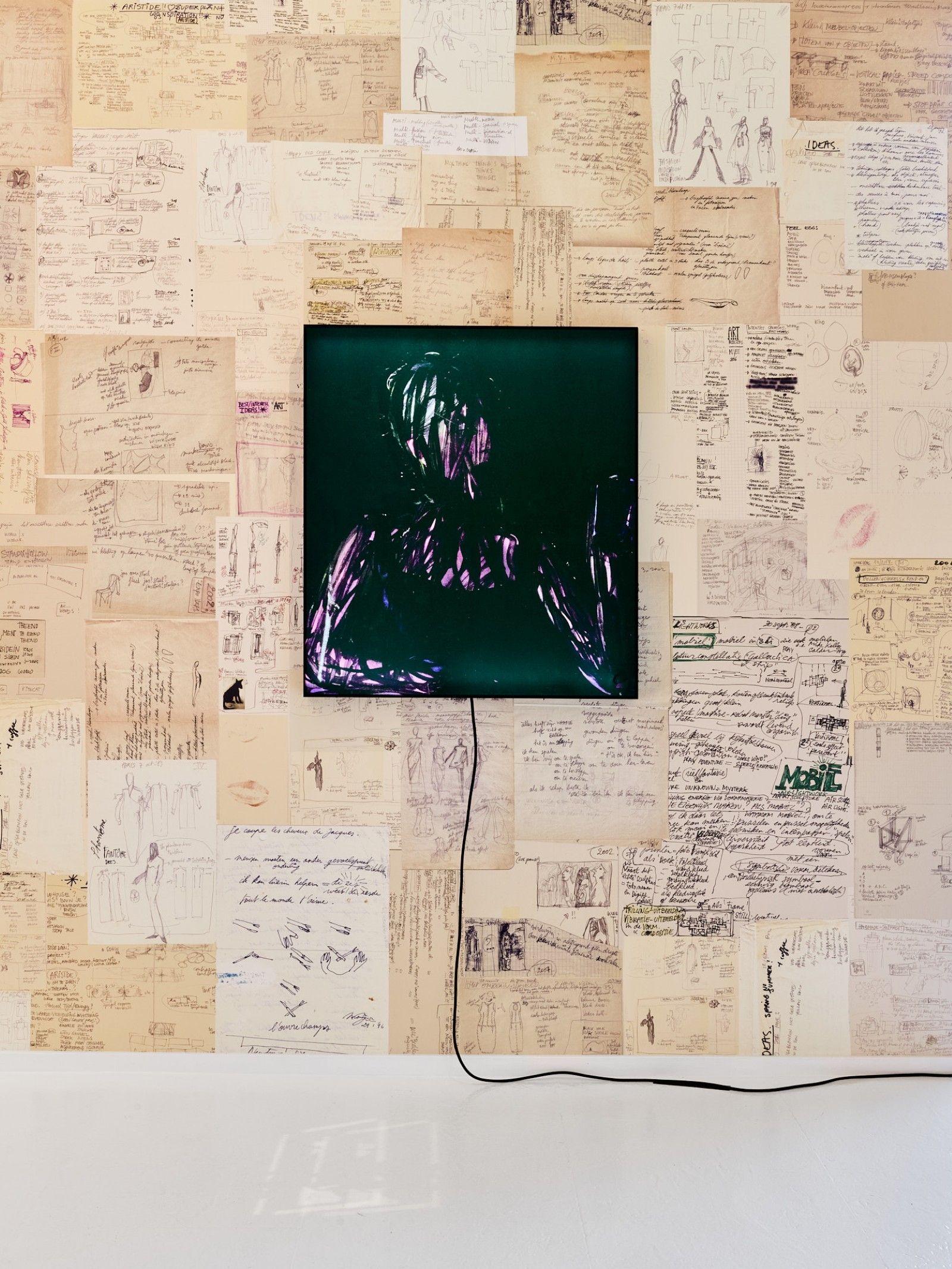
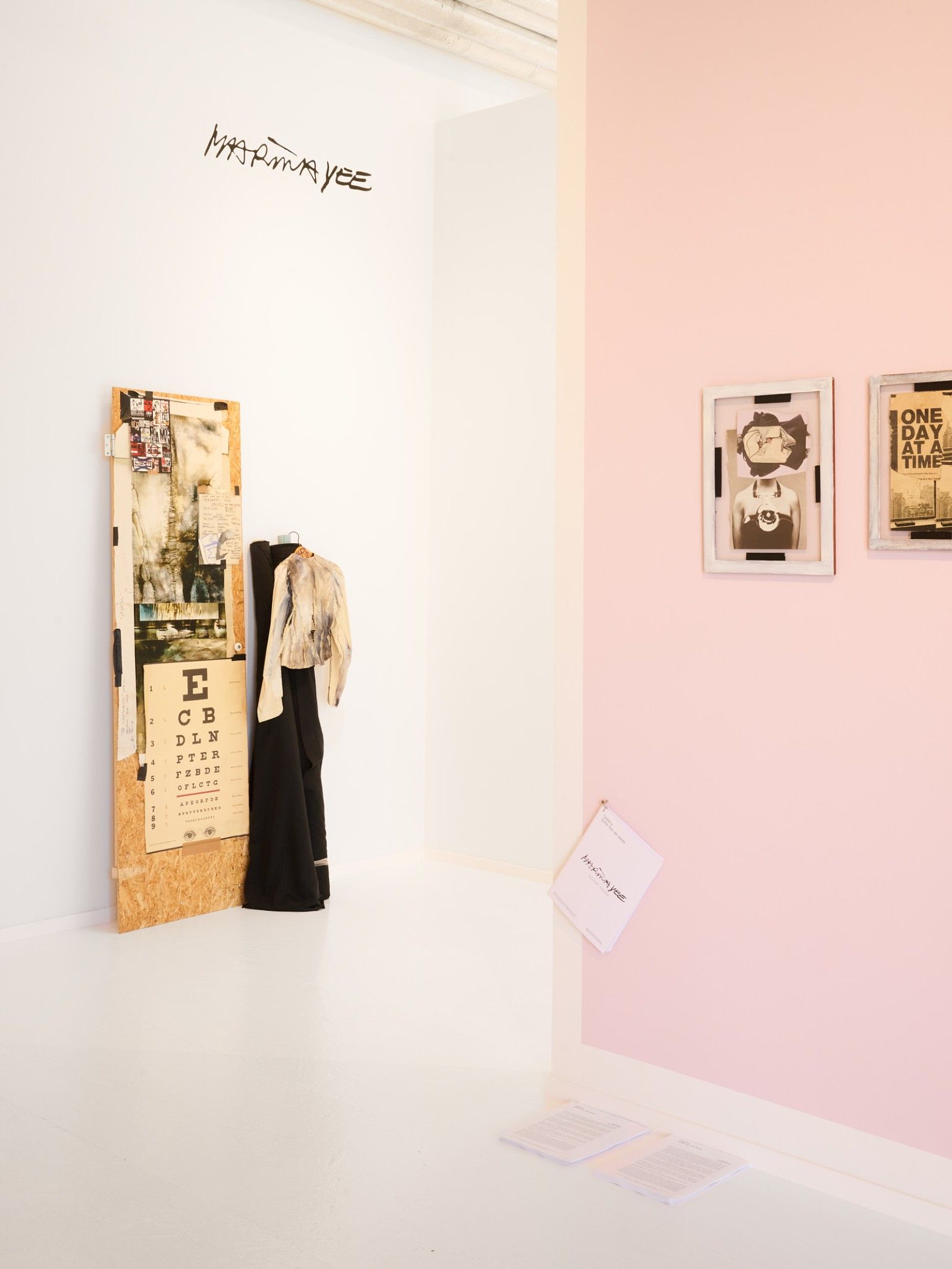
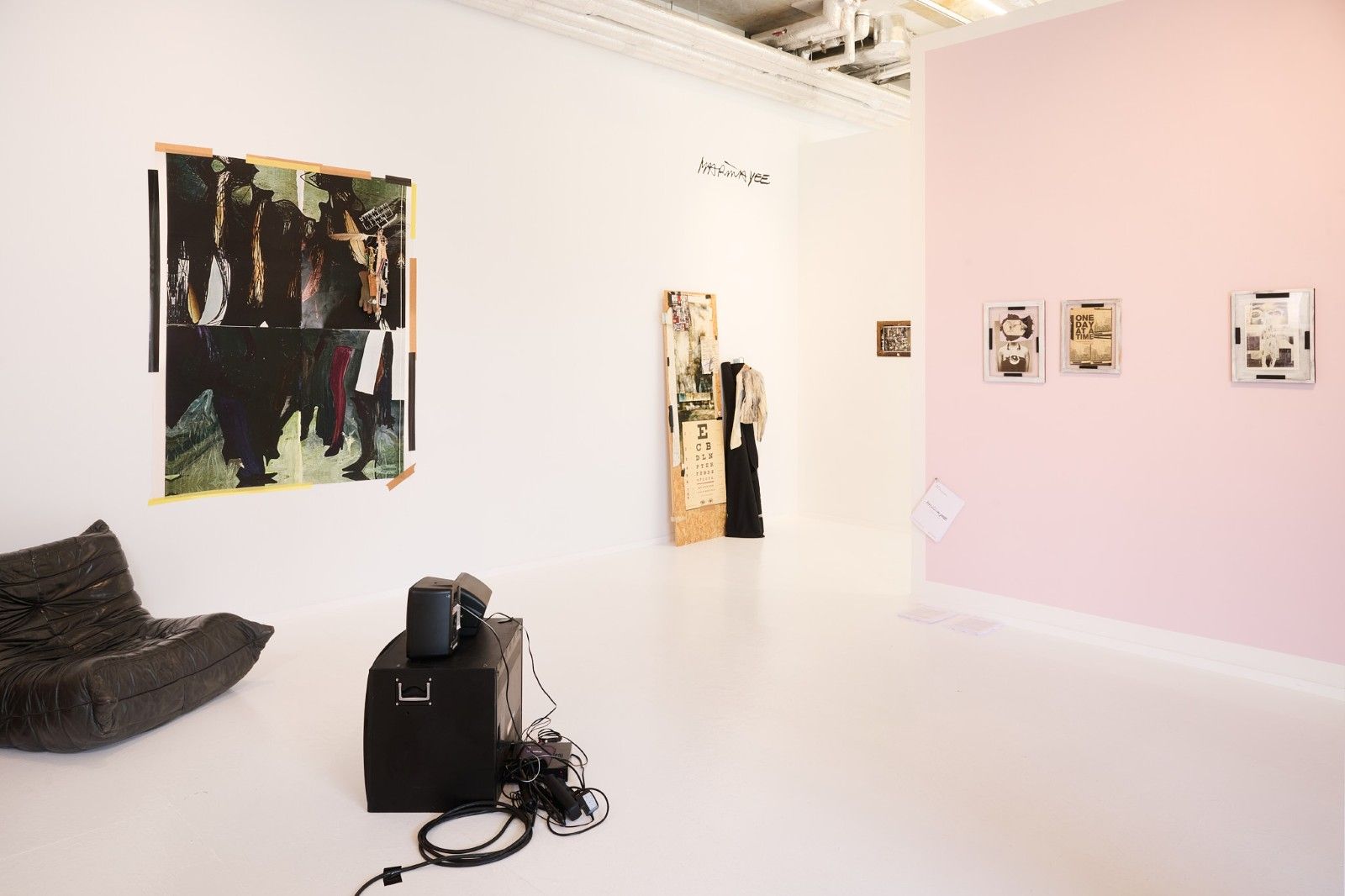
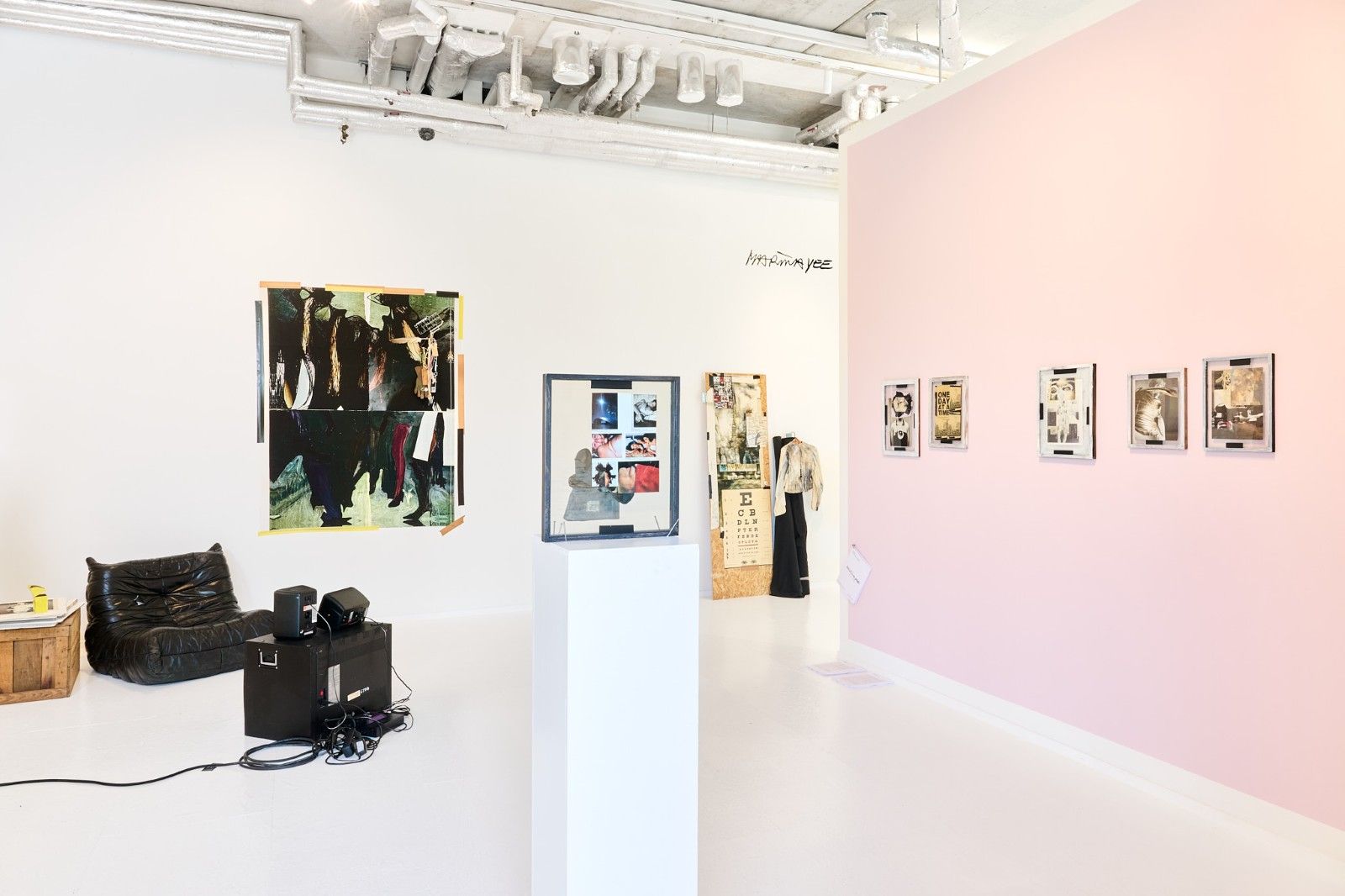
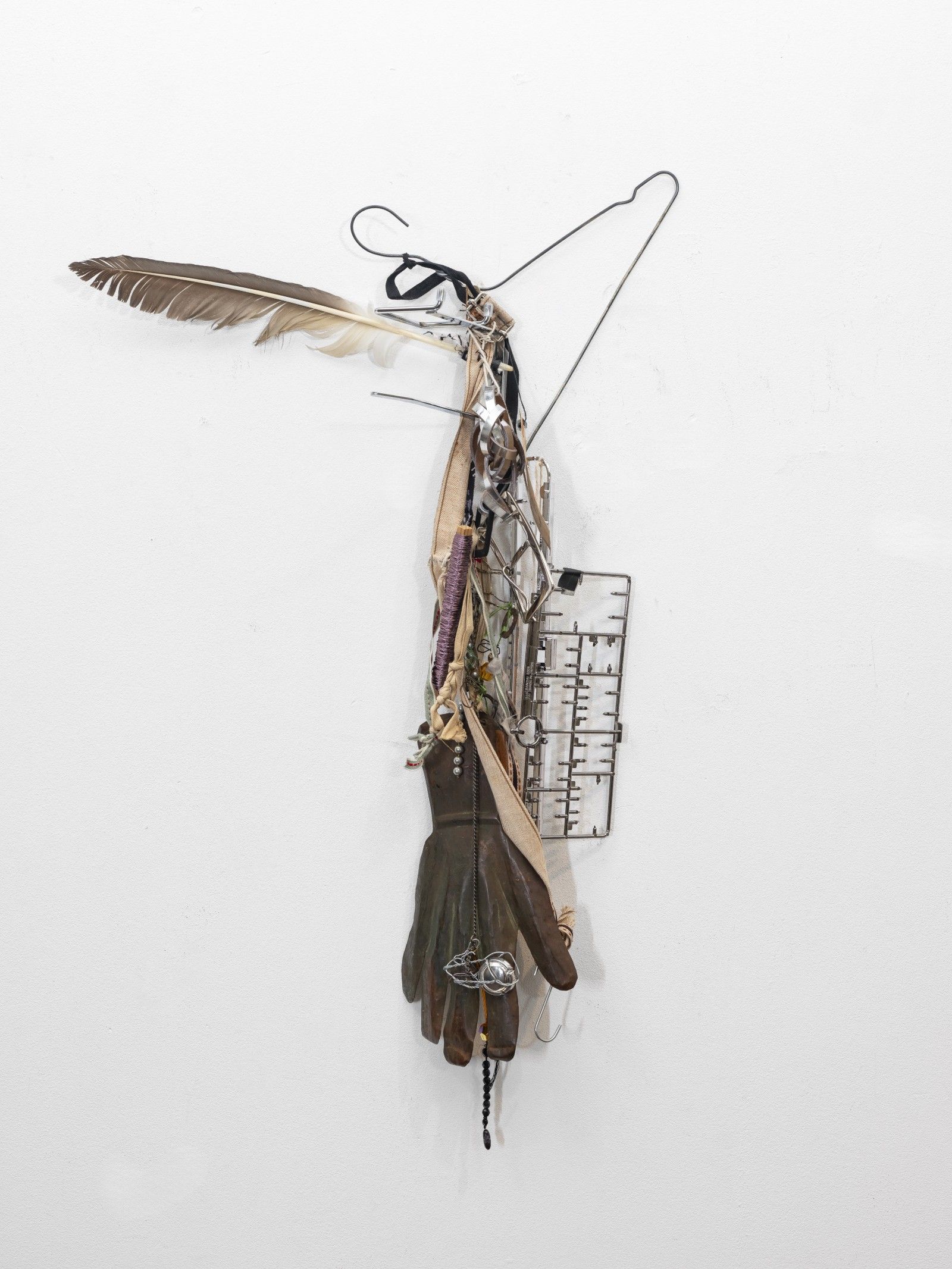
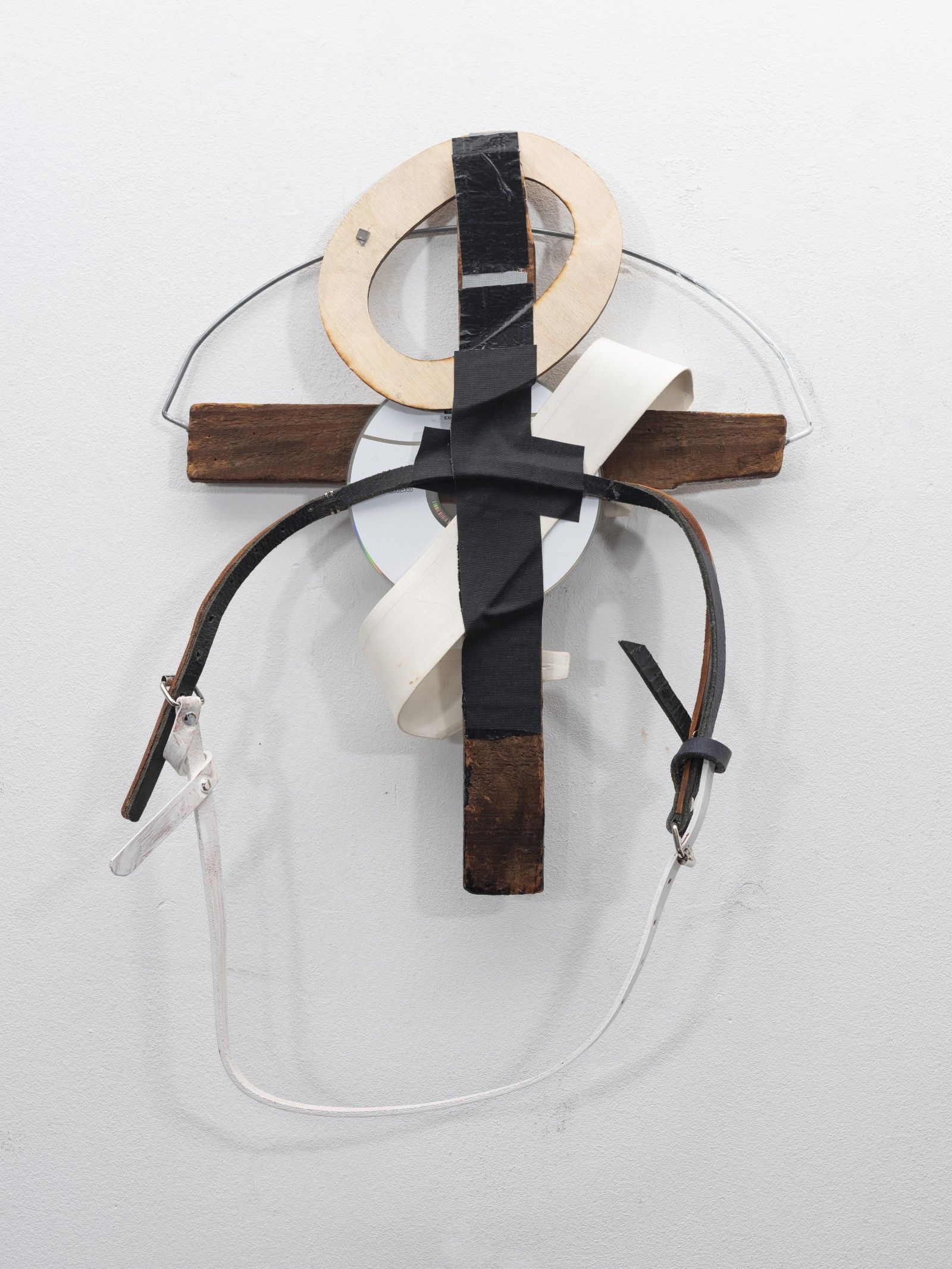
“She was a designer, but also an artist. When I entered the studio I saw extraordinary assemblages and paintings… but she didn’t dare show them,” recalls Adriaensens. A reserve that long kept her visual production in the shadows, now finally revealed in the exhibition at Gallery Sofie Van de Velde (until May 10), which dialogues naturally with the installation at the ModeMuseum. This tension between fashion and art runs through her entire career. Alongside her work on clothing, Yee developed an equally intense visual practice that remained invisible for a long time. It is precisely this dimension that emerges today in the exhibition at Gallery Sofie Van de Velde, where one enters her world of drawings, collages, personal notes, and recovered objects brought back to new life.
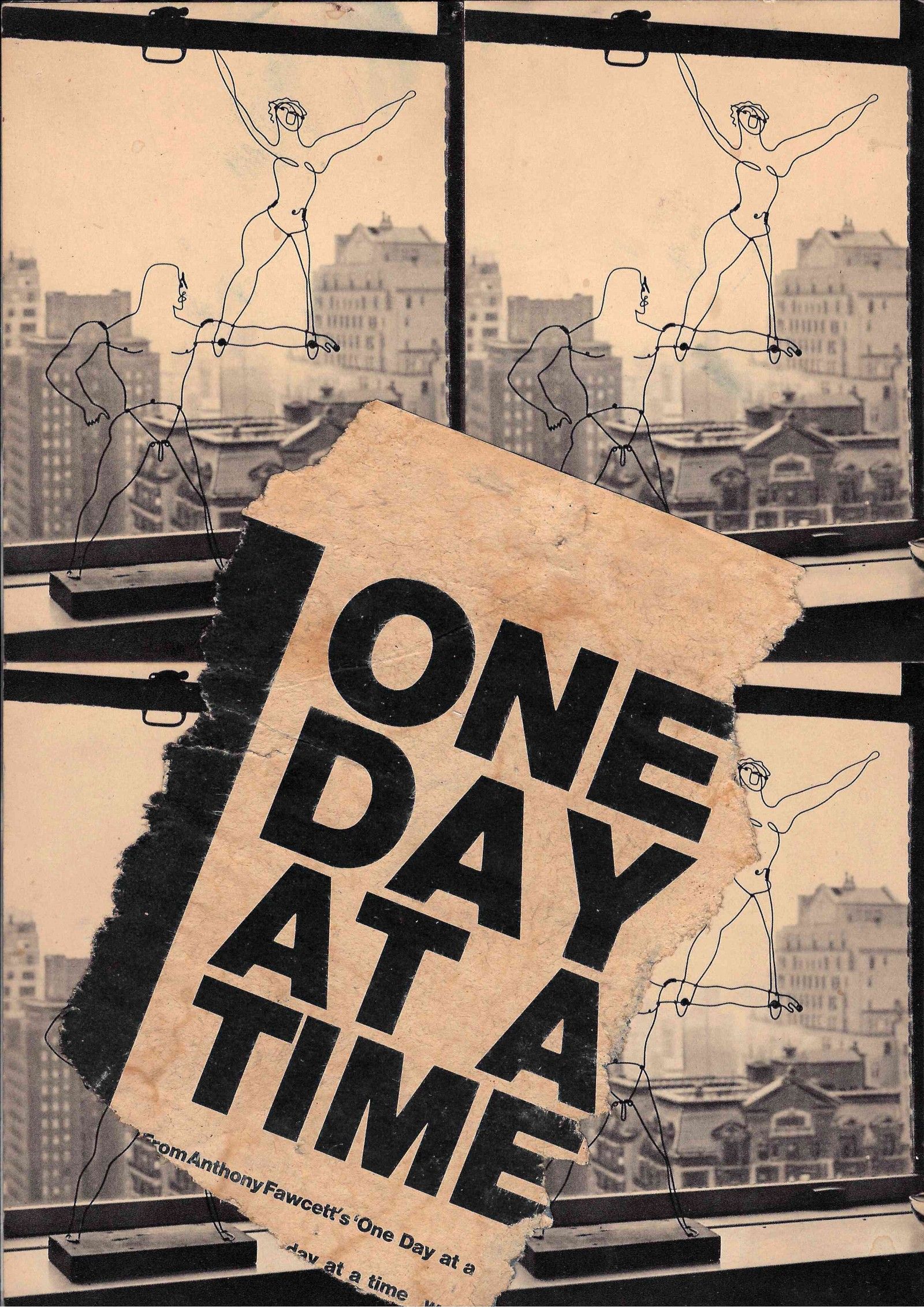
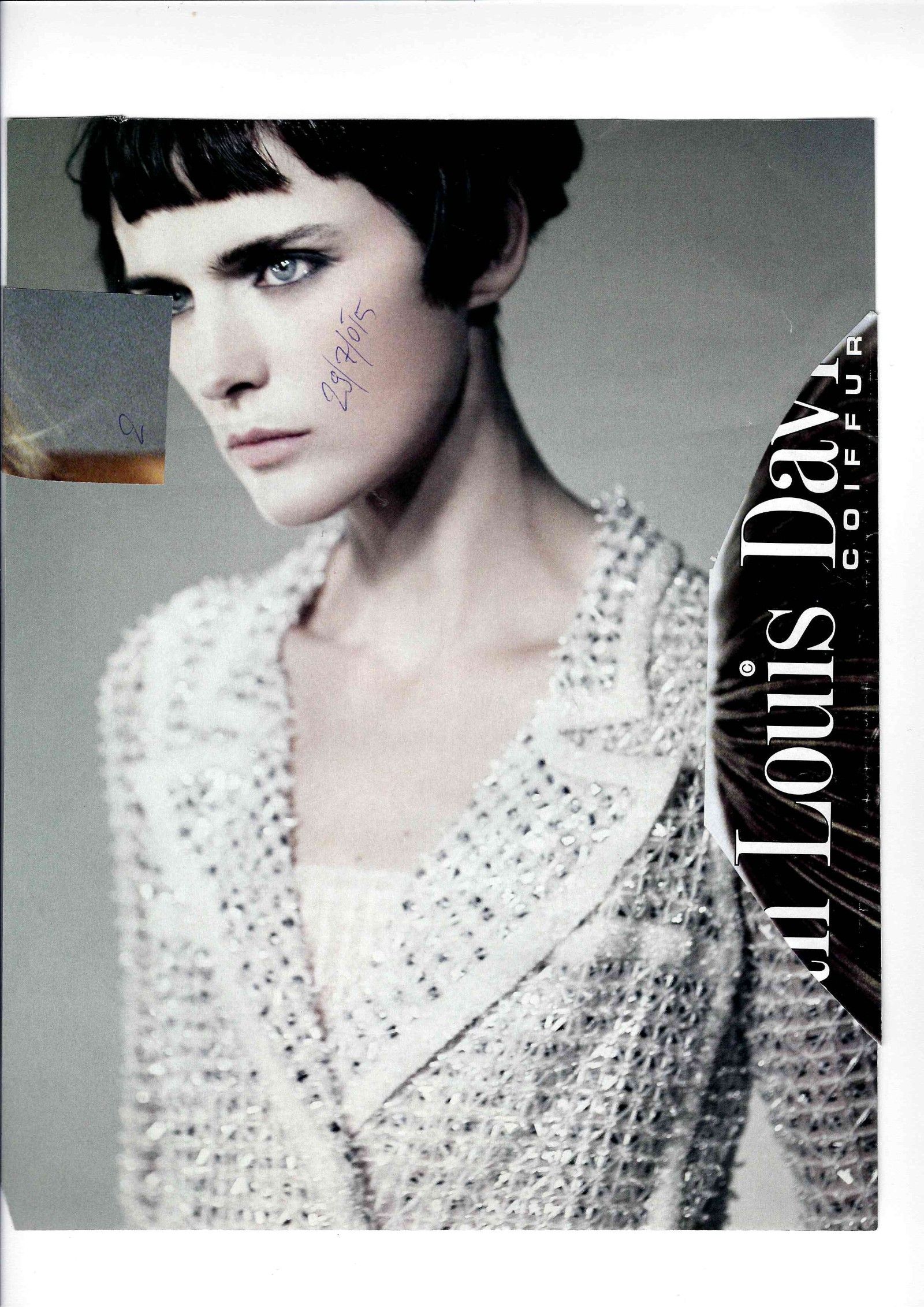
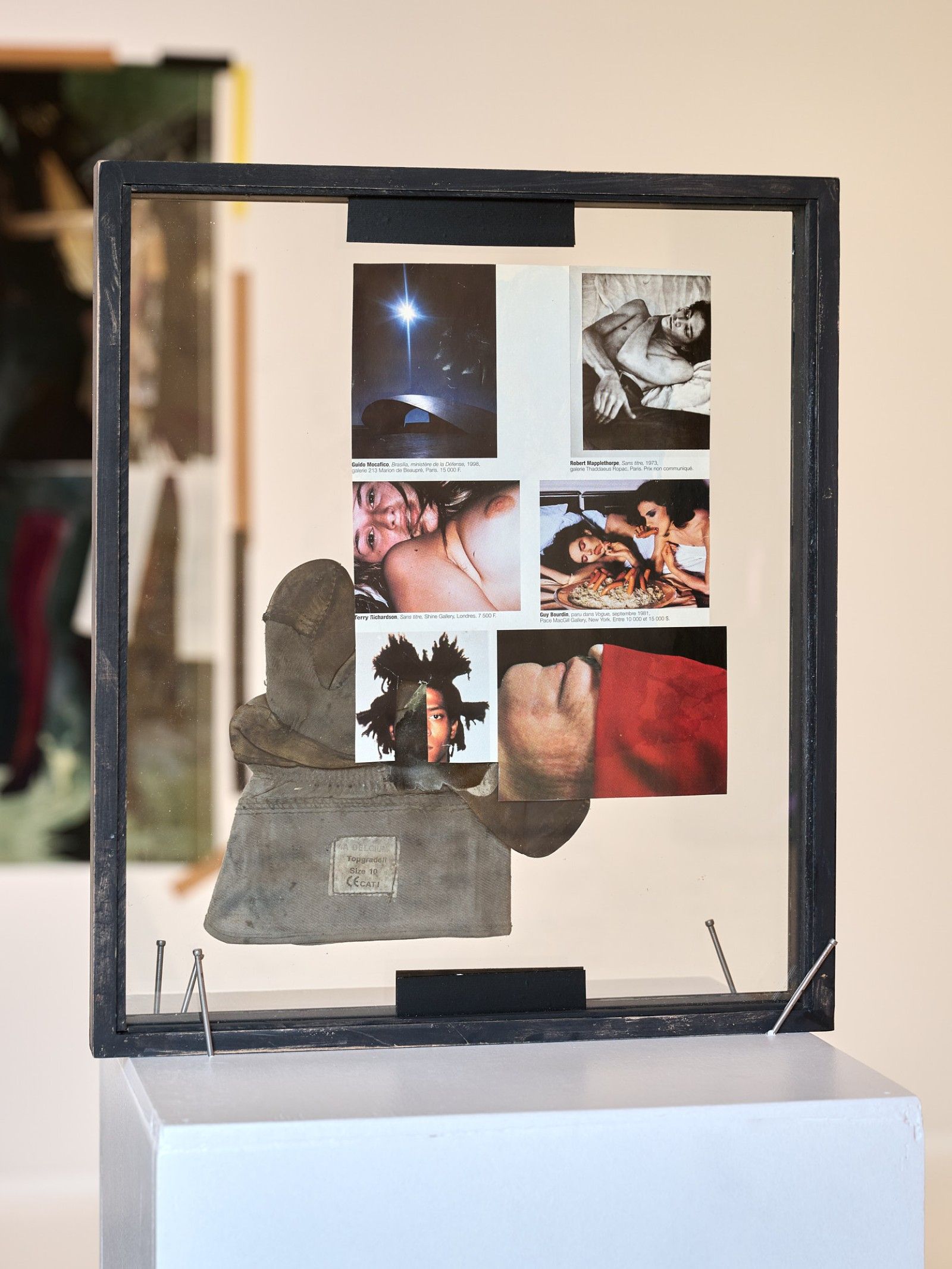
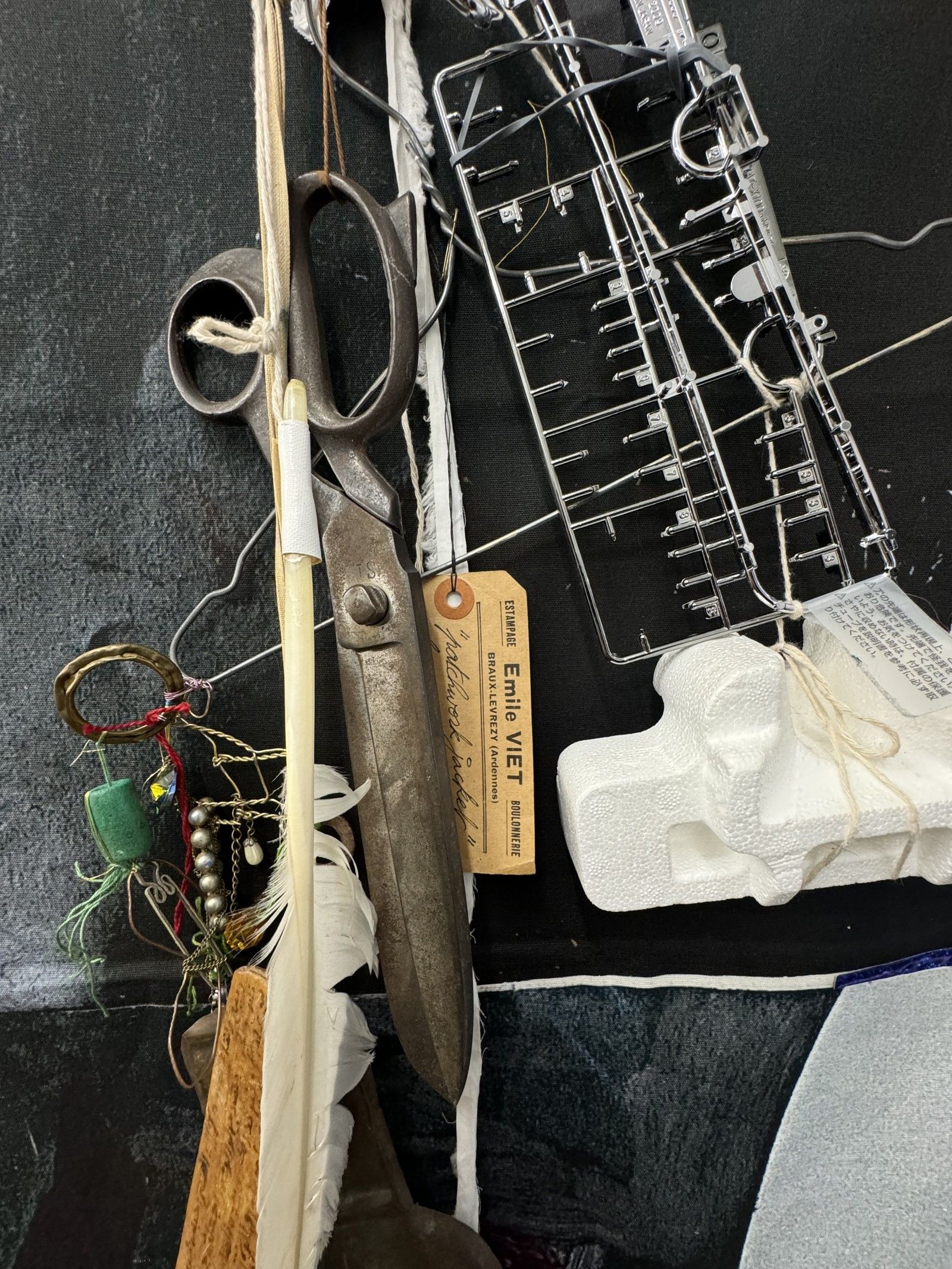
Newspaper fragments, torn photographs, pins, found materials: minimal elements that become visions of fragile beauty, never definitive. In the exhibited works, such as her interpretation of Vermeer’s Girl with a Pearl Earring veiled by white brushstrokes, Yee’s rejection of polished perfection emerges. Her works often appear unfinished, open, almost as if they were still breathing. They are “inspiration pieces” that constantly dialogue with her fashion: furniture made with metal hangers and feathers, or unique garments so dense with pins and post-its that they are considered “wearable art”. The exhibition is not only a tribute to a protagonist of Belgian fashion, but an invitation to enter a world where the process matters more than the result.
A world made of handwritten notes and an aesthetic coherence that challenges every passing trend. “Marina knew how to create something wonderful from absolute chaos,” says Rafael Adriaensens, her partner and custodian of an archive that turned out to be much larger than expected: a treasure of drawings, installations and assemblages found in her Antwerp apartment that will soon be collected in the first book dedicated to this extraordinary artist. This monograph spans over forty years of work between fashion and art, between drawings, collages and silhouettes, to convey the vision of a designer who always resisted categorization. Her death on November 1, 2025, abruptly interrupted her journey. But more than an ending, what emerges today is the continuity of a practice: free, coherent, stubbornly independent. A trajectory that, reread today, appears not only forward-looking, but necessary and full of inspiration.
The book Marina Yee published by Gallery Sofie Van De Velde is available for pre-order at this link.
What to read next
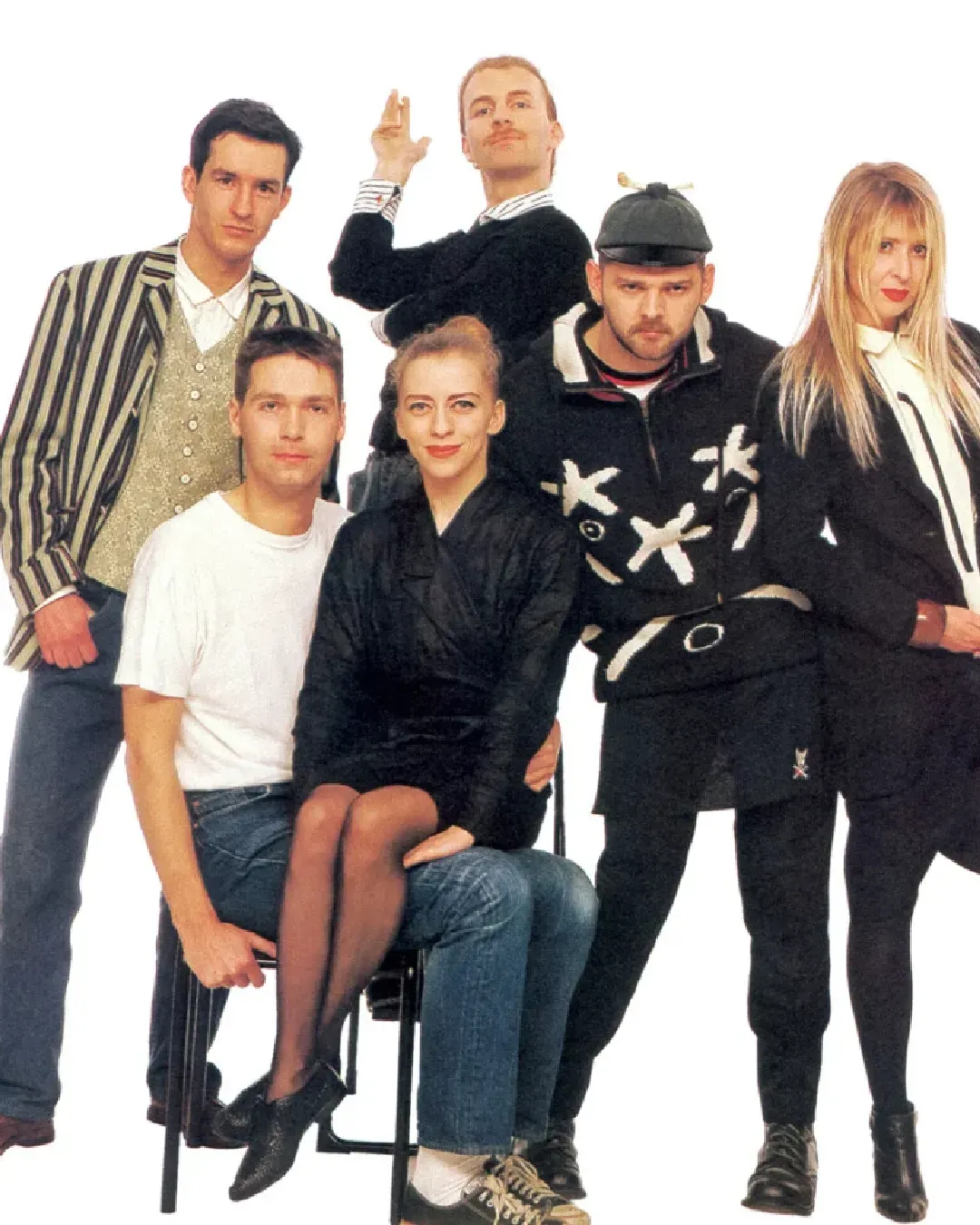
The journey and rebellion of the Antwerp Six on display at the Momu
An exclusive retrospective tells the story of the history-making group
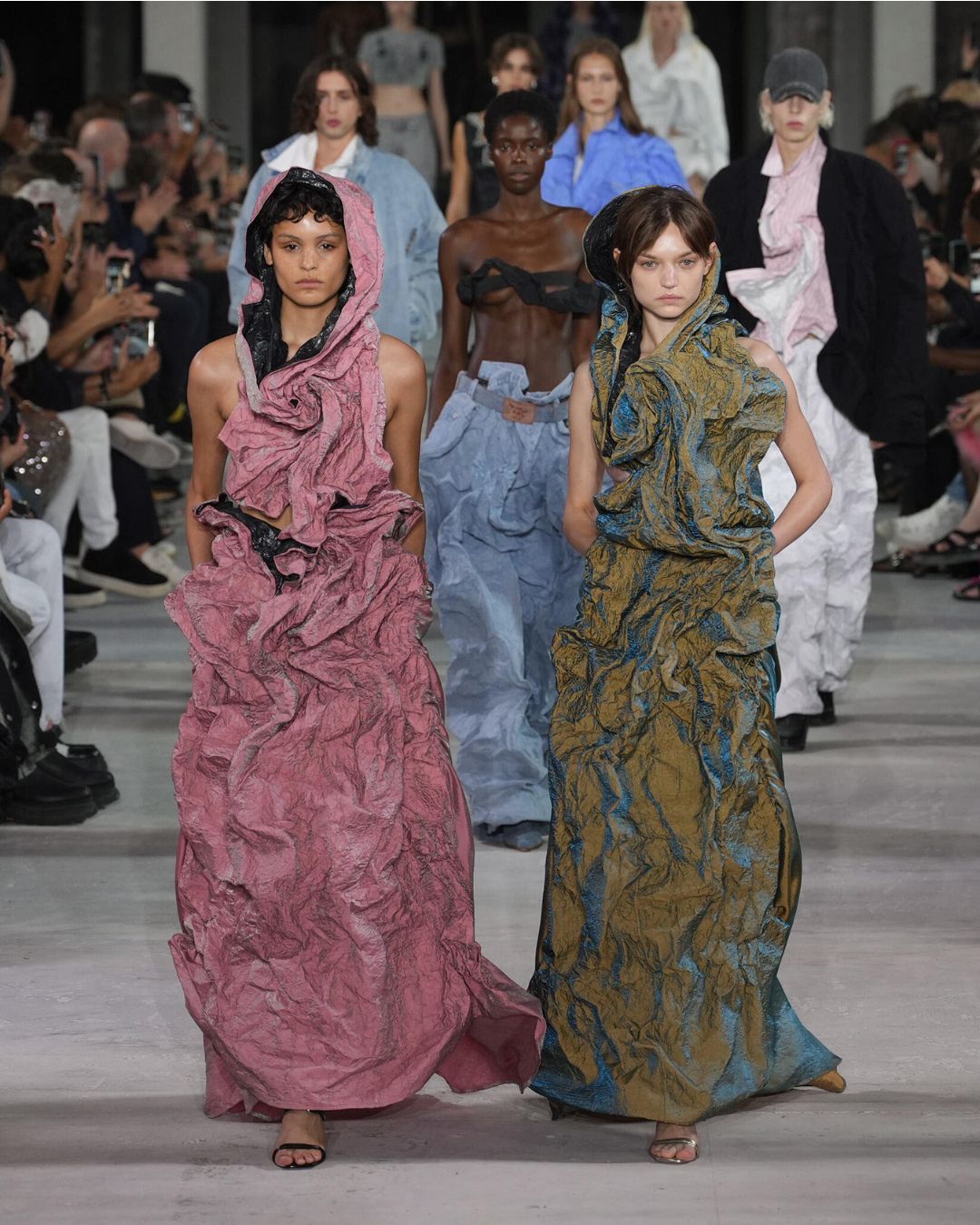
The crème de la crème of Belgian fashion today
List of native or adopted Belgians who are ruling fashion worldwide today