





















The Madre Museum presents ‘Maria Lai: To Be Is to Weave’ In Naples from 25 June to 21 September, a project that blends history and art
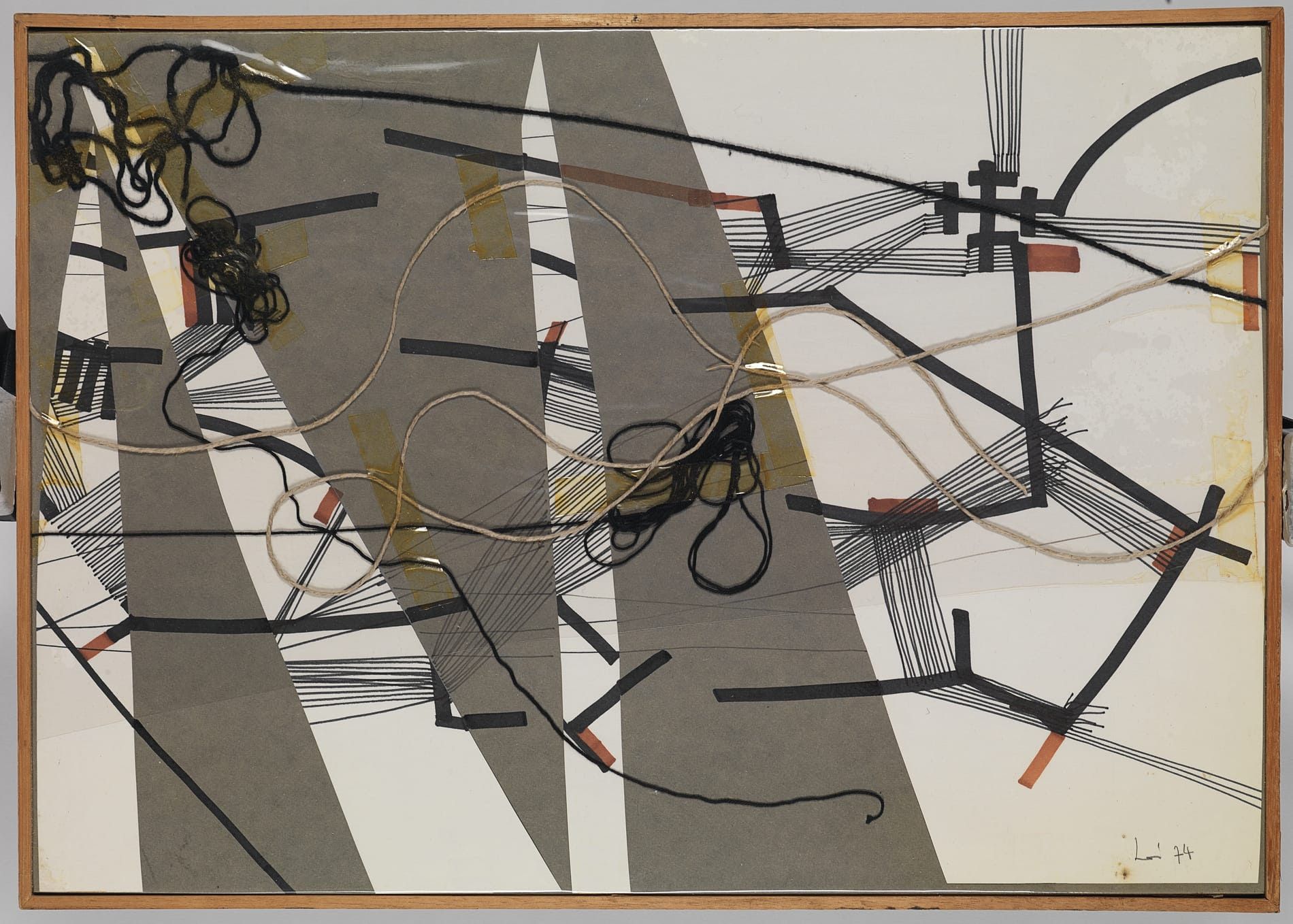
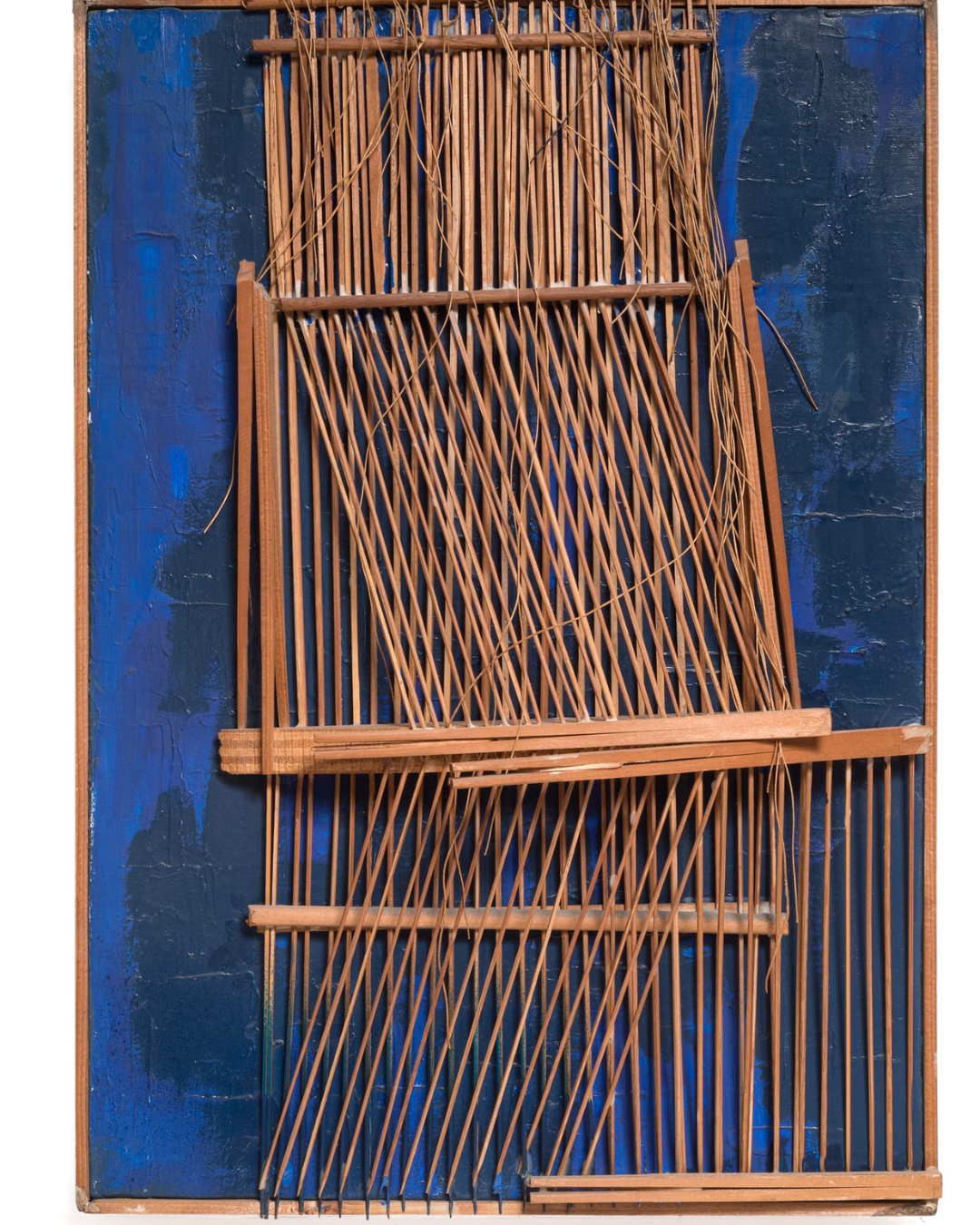
From June 25 to September 21, 2026, the Fondazione Donnaregina per le arti contemporanee will present the exhibition Maria Lai: Being is Weaving at the Madre museum in Naples, curated by Monica Amor and Carlos Basualdo, in collaboration with the Archivio and the Fondazione Maria Lai. The exhibition retraces the artist’s career spanning more than six decades, following the material, formal and conceptual transformations through which Lai built one of the most singular trajectories in post-war Italy and redefined the relationship between art, language, memory and collective experience.
At the heart of the exhibition is Lai’s constant experimentation through sewing, collage, assemblage, textiles and orality. It is both a chronological and thematic journey, aimed at framing her work within broader debates concerning abstraction, materiality, feminism and the crisis of the artistic object in the Italian post-war landscape.
The exhibition, together with the accompanying catalogue, also aims to address some important historical and archival gaps linked to the work of Maria Lai, opening up new research perspectives on her practice. Through recently recovered documentation, revised chronologies and archival materials, the project offers a more in-depth reconstruction of some central bodies of her production, from the Telai to the Tele Cucite, from the Libri Cuciti to the Geographies and the Fairy Tales.
The aim is to restore the complexity of an artistic practice that over time has often been reduced to an exclusively biographical or regional reading: here, the connection with the local context does not appear as a marginal element, but as a fundamental structure through which Lai developed a sophisticated reflection on the limits of the artistic object and on the very functioning of the art system.
Particular attention is devoted to the exhibition held in 1971 at Galleria Schneider in Rome, presented as a decisive moment in the artist’s path, a crucial passage that highlights a fundamental turning point in a practice marked by that material intelligence which, throughout her career, was able to continuously question the boundaries between art and life.
The exhibition is produced with the support of Fondazione Tridama ETS and in collaboration with the Amici del Madre. Alongside several works by Lai, the exhibition route will include a room dedicated to learning and exploring her artistic practice through specific activities.
Accompanying the exhibition is a catalogue published by Mousse Publishing, featuring an introduction by Monica Amor and Carlos Basualdo, a historical essay by Monica Amor, catalogue entries by Carol Armstrong, Giulia Brandinelli, Barbara Casavecchia, Michele D’Aurizio, Francesca Filisetti, Sharon Hecker, as well as two essays by Elisabetta Rattalino and Chandra Livia Candiani.
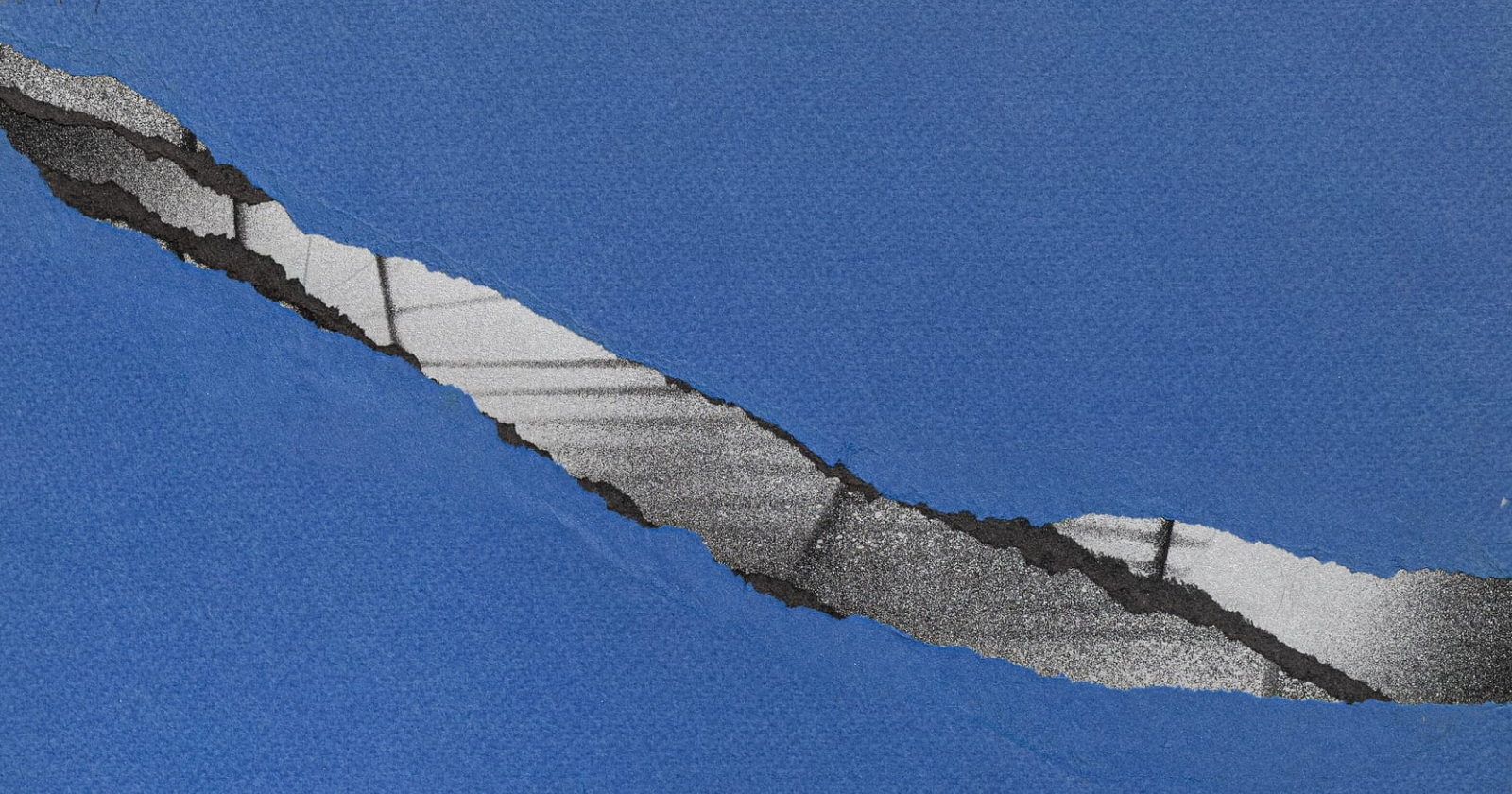
Also hosted at the Madre is the second exhibition of the Premio Meridiana, Living Collapse, curated by Samuele Piazza, featuring artists Andrea Bolognino, Effe Minelli and Raffaela Naldi Rossano. The project offers a rereading of the nativity scene tradition starting from Presepio by Jimmie Durham, a work held in the Madre collection. In this case as well, the exhibition aims to begin from a historical reference in order to observe the present: from this perspective, the Neapolitan nativity scene emerges as a critical device, capable of highlighting the affinities between this art form and certain sensibilities within contemporary research.
From drawing to installation, through sculpture, the artists’ different practices offer a complex and non-linear reading of tradition. The new works created for the exhibition give shape to an unstable landscape, crossed by tensions between construction and ruin, human and non-human, order and proliferation. The result is a journey that, while differing significantly from the previous project curated by Gabriella Rebello Kolandra, confirms the variety of approaches and languages that the Premio Meridiana seeks to activate, while at the same time maintaining certain lines of continuity in terms of research.
The Premio Meridiana, curated by Mario Francesco Simeone and promoted by the Museo Madre and Amici del Madre, with the support of Antony Morato and Fondazione Tridama, aims to enhance curatorial research and the emerging art scene, paying particular attention to Campania and Southern Italy, and promoting encounters between different generations, contexts and languages. The first edition, Ogni cosa è tutte le cose, inspired by Elio Vittorini’s novel Conversation in Sicily, saw the participation of 64 candidates and was won by curators Gabriella Rebello Kolandra and Samuele Piazza.
Also on view until May 25 is the project Santa do pau oco, curated by Gabriella Rebello Kolandra, with artists Clarissa Baldassarri, Maria Luce Cacciaguerra and Anna Maria Maiolino. It explores the connection between surface and depth, memory and body, combining references to Brazilian popular tradition and Mediterranean spirituality through sculptures, videos and installations, including several new and site-specific works.
What to read next
When Rei Kawakubo designed a furniture line
An experimental collection created by the designer in the 1980s for Comme des Garçons
In "The Stranger" the family is fertile ground for horror and fear
Paolo Strippoli's new film puts the mother-daughter relationship back at the center