



















The journey and rebellion of the Antwerp Six on display at the Momu An exclusive retrospective tells the story of the history-making group
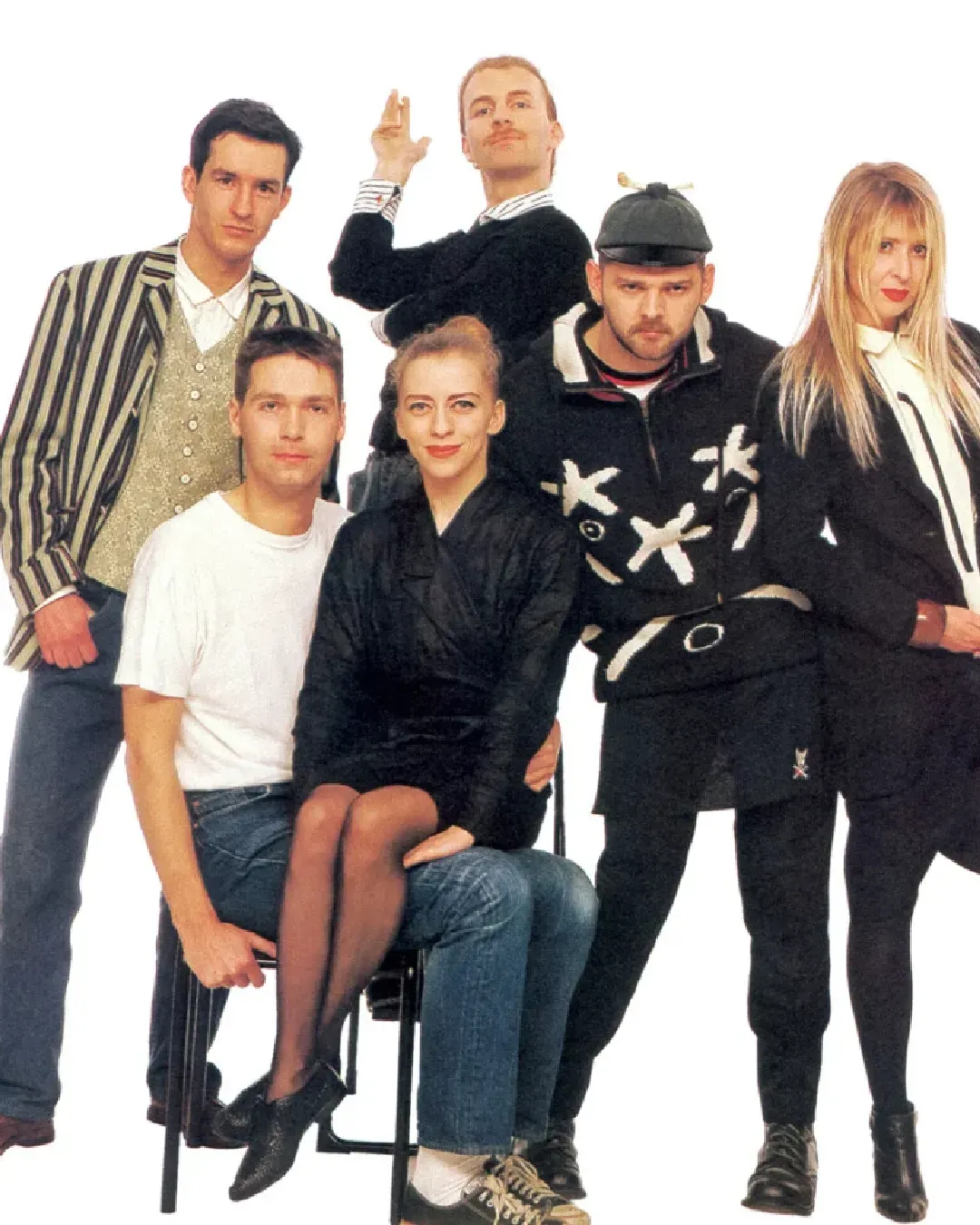
In the narrative of contemporary fashion, few chapters are as impactful as the one written by the Antwerp Six. Forty years after their debut in 1986, the exhibition organized by the MoMu (Mode Museum) in Antwerp and curated by Romi Romy Cockx and Geert Bruloot retraces the trajectory of the six designers now known worldwide: Dirk Bikkembergs, Ann Demeulemeester, Walter Van Beirendonck, Dries Van Noten, Dirk Van Saene and Marina Yee.
The major exhibition, one of the most anticipated events for both fashion lovers and industry insiders, reconstructs not only six individual careers but above all the collective energy that transformed Antwerp into a global fashion epicenter. A story that was, above all, a friendship fueled by shared ambitions, travels, music, and a vision of fashion as a cultural language, far beyond the mere production of garments.
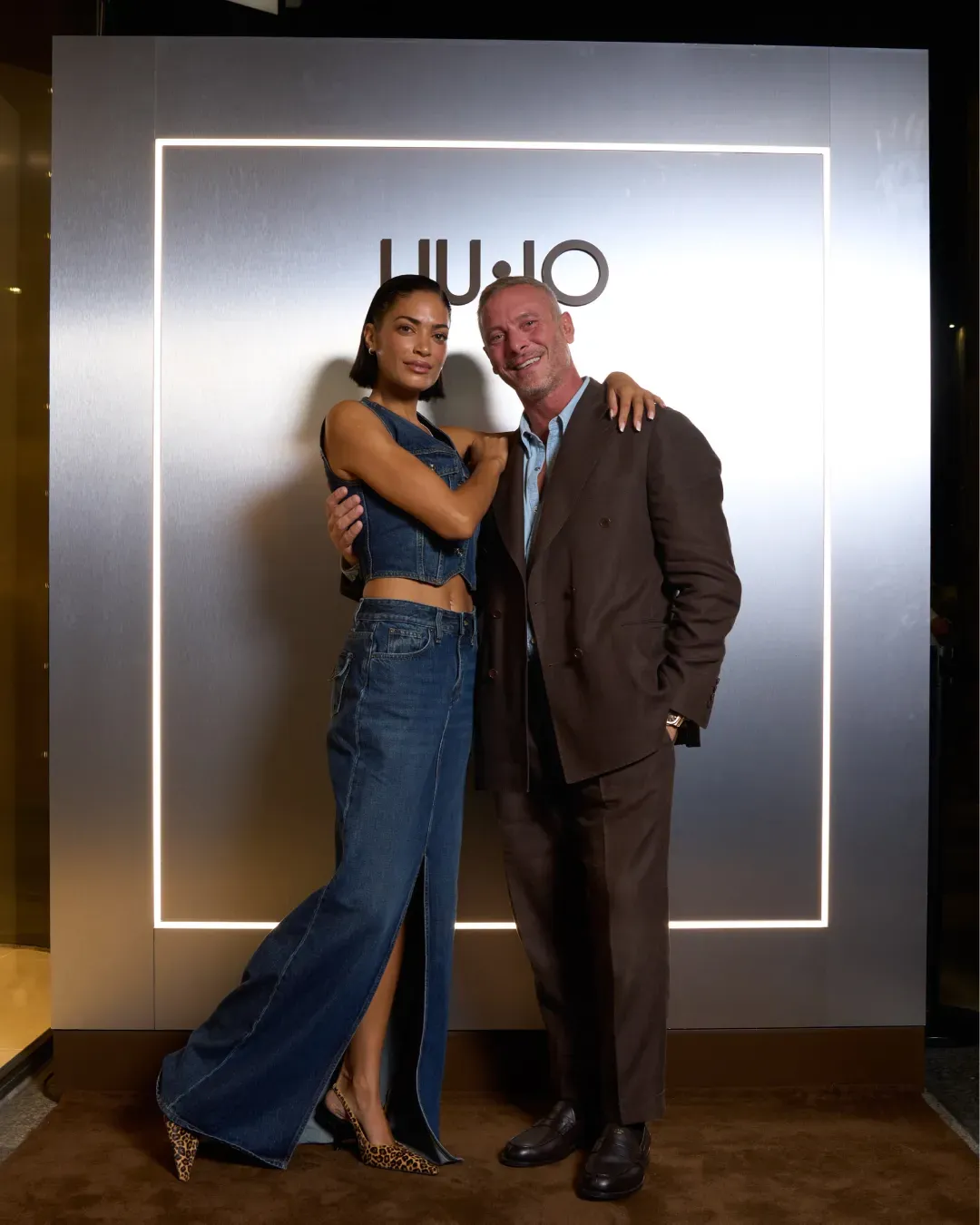
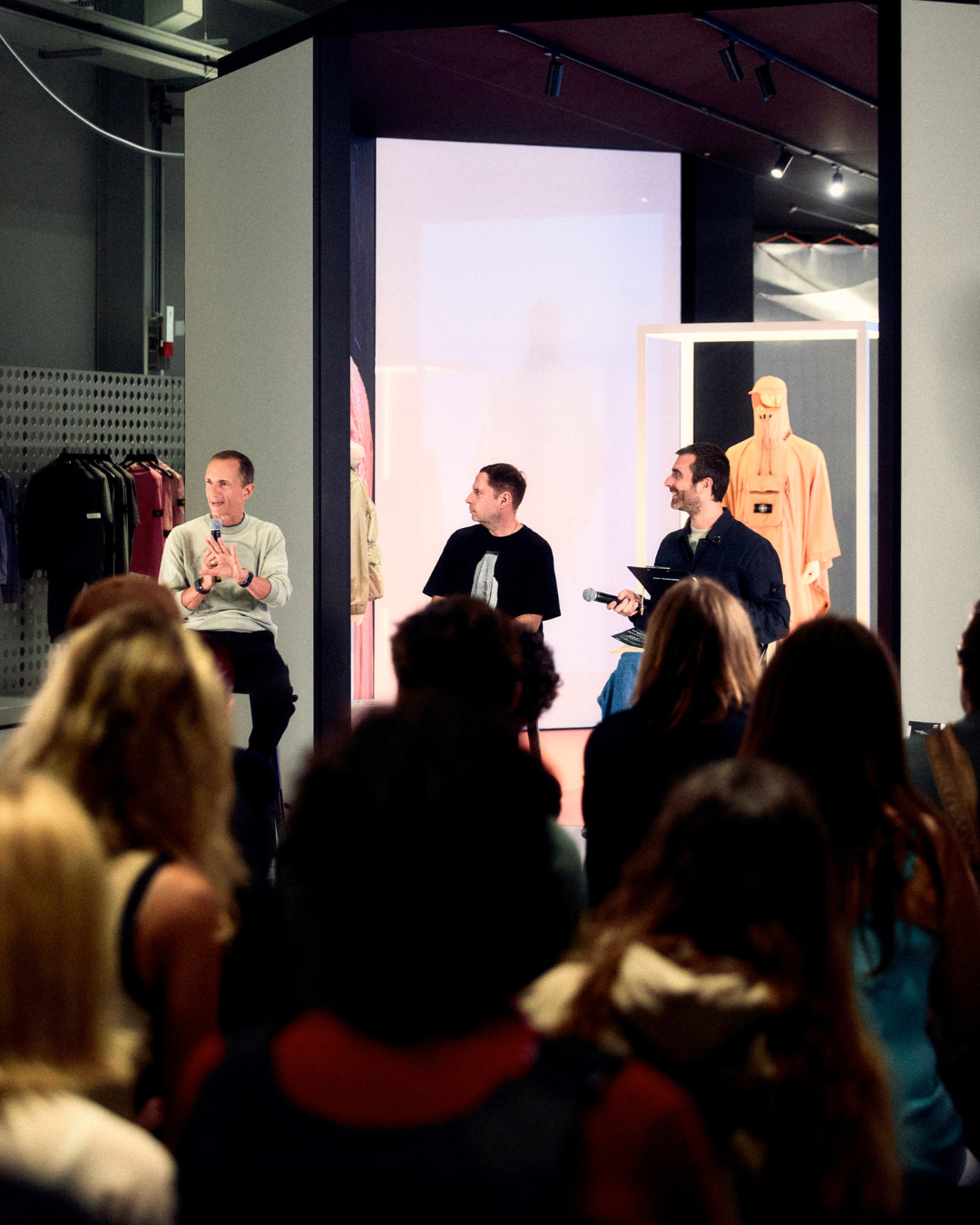
At the opening, not only the designers were present – from Ann Demeulemeester and her husband Patrick Robyn, Walter Van Beirendonck, Dries Van Noten – but also Raf Simons and Pieter Mulier, along with set designer Etienne Russo, photographer Willy Vanderperre, Linda Loppa who played a crucial role in supporting these two generations of creatives, and journalists such as Hamish Bowles, Suzy Menkes, and Diane Pernet.
Beginnings in London
@gerritandthecity In 1986, six graduates of the Royal Academy of Fine Arts in Antwerp decided to go to London to present their collections to buyers and editors. Faced with their names that were impossible to pronounce, the press called them « The Antwerp Six ». Their names were Ann Demeulemeester, Walter Van Beirendonck, Dirk Van Saene, Dirk Bikkembergs, Marina Yee and Dries Van Noten. Together with Martin Margiela, this group of designers put Belgium on the fashion map at the end of eighties. #belgianfashion #antwerpfashion #belgiansdoitbetter #fashiontiktoks #fashionreport #antwerpsix #anndemeulemeester #waltervanbeirendonck #dirkvansaene #dirkbikkembergs #marinayee #driesvannoten #martinmargiela #belgiumfashion #belgianstyle original sound - Gerrit
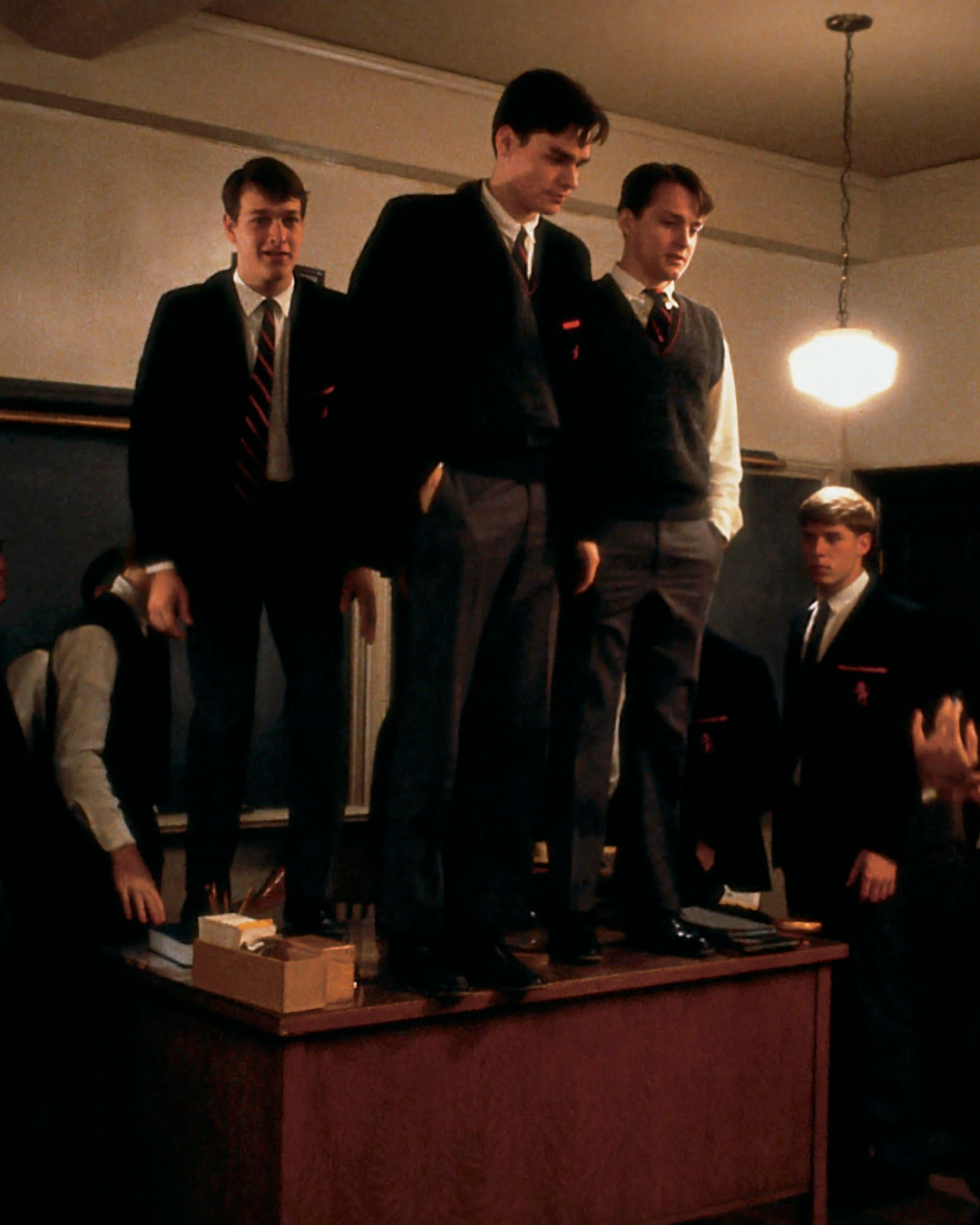
The starting point is the Royal Academy of Fine Arts in Antwerp, where in the 1960s a teaching method still rooted in Parisian elegance took shape, yet immersed in a context of profound cultural transformations. Amid student protests, countercultures, and new expressive freedoms, the ground was set for a generation destined to disrupt conventions.
While at first the distance between fashion and the visual arts seemed marked, it was precisely within this fracture that a fertile tension emerged: one between academic discipline and experimental impulse. Throughout the 1970s and early 1980s, Antwerp became an informal laboratory where punk, performance, and visual arts intertwined. Independent spaces, clubs, and underground initiatives built a creative ecosystem that deeply influenced Academy students.
It is within this context that the bond between the future Antwerp Six solidified, also thanks to their shared friendship with Geert Bruloot, guest curator and co-founder of Coccodrillo, and of Louis, the first clothing store to sell Belgian designers’ work. It was through his intuition that the idea emerged to export the six designers abroad, presenting their collections in London.
In Florence
The economic context was far from favorable. The Belgian textile crisis pushed the government to launch a strategic plan which, through initiatives supporting creatives such as the Golden Spindle, unexpectedly became a springboard for these young designers, connecting them with Belgium’s manufacturing sector. International visibility came quickly, but it was in 1986, with their participation in the British Designer Show in London, that the real breakthrough occurred. With no budget but plenty of creativity, the six transformed an anonymous stand into a statement of intent, attracting buyers and international press.
A passage often less celebrated, yet fundamental, is the Italian one. Also in 1986, the group arrived in Florence, invited by Pitti Immagine to present their collections during Pitti Trend Fair. Arriving in Florence by camper van, the Antwerp Six came into contact with a highly skilled production chain and an already structured fashion system. This stage marked a key moment: the encounter between their creative radicalism and Italian manufacturing tradition helped define a crucial balance in their careers, between experimentation and construction.
The exhibition journey
Within a few years, without ever formally constituting themselves as a collective, the Antwerp Six became a global phenomenon. Their strength lies precisely in this apparent contradiction: radically different identities coexisting under the same attitude. From Dirk Bikkembergs’ sporty aesthetic to Ann Demeulemeester’s dark and layered poetics; from Walter Van Beirendonck’s pop and political universe to Dries Van Noten’s textile and narrative research; to Marina Yee’s artistic and intuitive approach and Dirk Van Saene’s conceptual play.
Kaat Debo, director of MoMu, stated:
«The Antwerp Six are often described as a myth or a label, but rarely analyzed in their full complexity. [...] They were not only six extraordinary talents, they were also the product of an environment. It is a dimension we risk forgetting today, as contemporary fashion tends to personalize everything, turning every story into an individual biography. [...] And this is also relevant to the present, because new generations still need fertile contexts in which to grow and develop their potential».
The exhibition insists on a crucial point: the Antwerp Six did not simply redefine a style, but a method. They anticipated themes that are now central in the fashion debate – from creative autonomy to the construction of cultural ecosystems, to the relationship between industry, research, and craftsmanship – interpreting fashion as a critical medium capable of narrating its own time.
The exhibition begins with a first room dedicated to their education at the Academy up to their debut in London as a collective, continuing with six rooms, each with a strong identity, dedicated to the individual designers. It starts with Dirk Bikkembergs’ sporty universe, where, surprisingly, there are no garments or footwear, but a field dominated by large photographs, since his clothes were conceived and designed on real people, athletes with a defined identity.
This is followed by Walter Van Beirendonck’s hyper-pop and colorful room, where a large robot built with video interacts with the designer himself, who narrates his aesthetic and fashion as a form of social activism. The exhibition continues with the dynamic installation of Dirk Van Saene’s AI 1997-98 show, animated by a surreal front row of characters, and that of a collective show by Dries Van Noten, which focuses on the finale as a key moment in communicating his vision.
Then comes Marina Yee’s intimate room, where her archive has been reconstructed, beginning the narrative directly from her workspace. Finally, with Ann Demeulemeester, visitors are immersed in an essential, black environment consistent with her universe. The journey concludes with a room dedicated to all six designers, featuring the most artistic invitations to their shows and a documentary with interviews with industry professionals, explaining why the Antwerp Six had such a strong and lasting impact.
Through installations, archives, and ephemeral materials, an early awareness of fashion as storytelling emerges, as an integral part of the creative process. In this sense, their legacy appears more relevant than ever: in a system dominated by speed and consumption, their work continues to point toward an alternative path, where fashion returns to being a conscious and focused act. More than a retrospective, this exhibition works as a lens on the present: even four decades later, the lesson of the Antwerp Six remains radically contemporary.