
























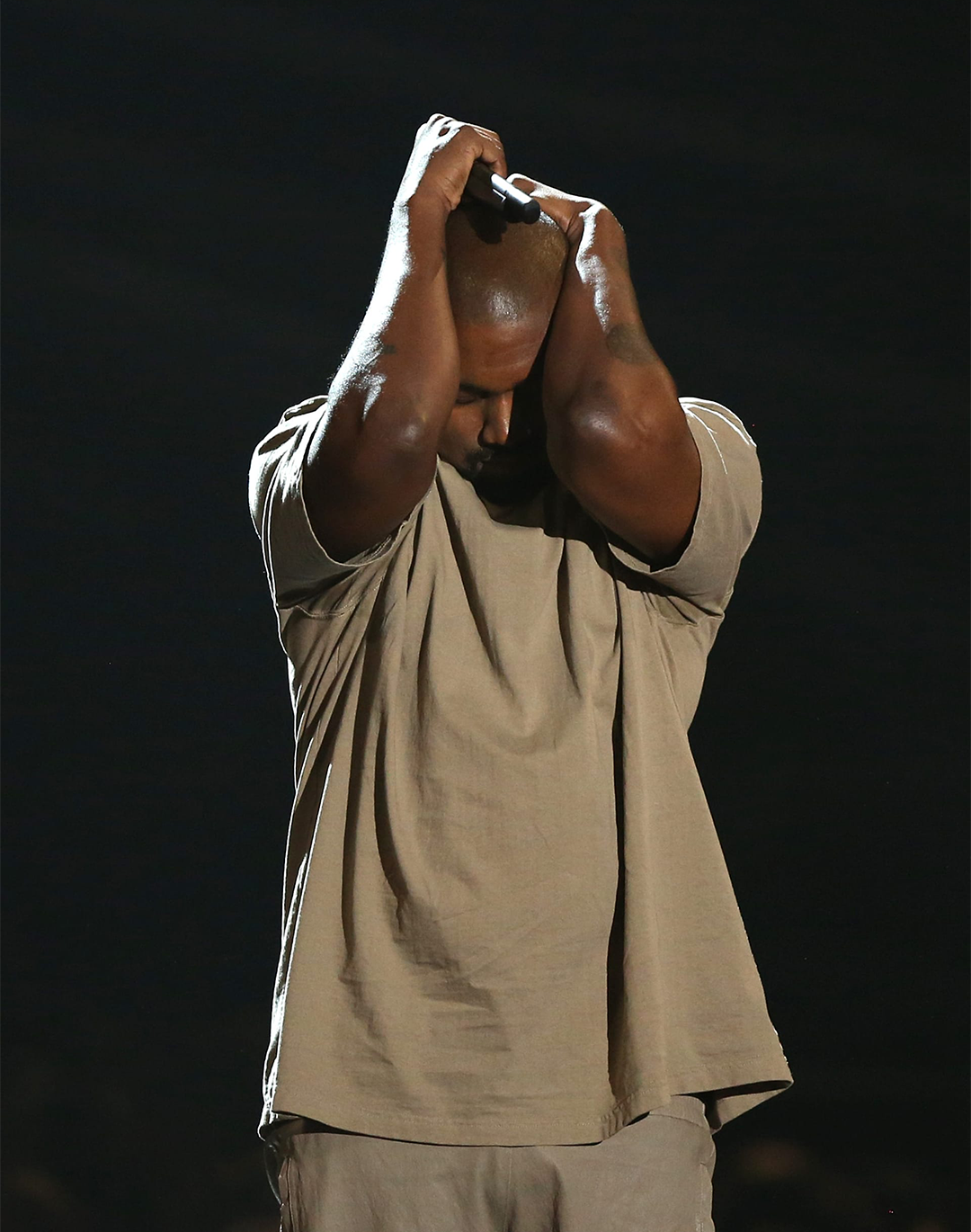
Wireless Festival has been cancelled because of Ye All the details on the media drama between sponsors, the festival, and the UK government
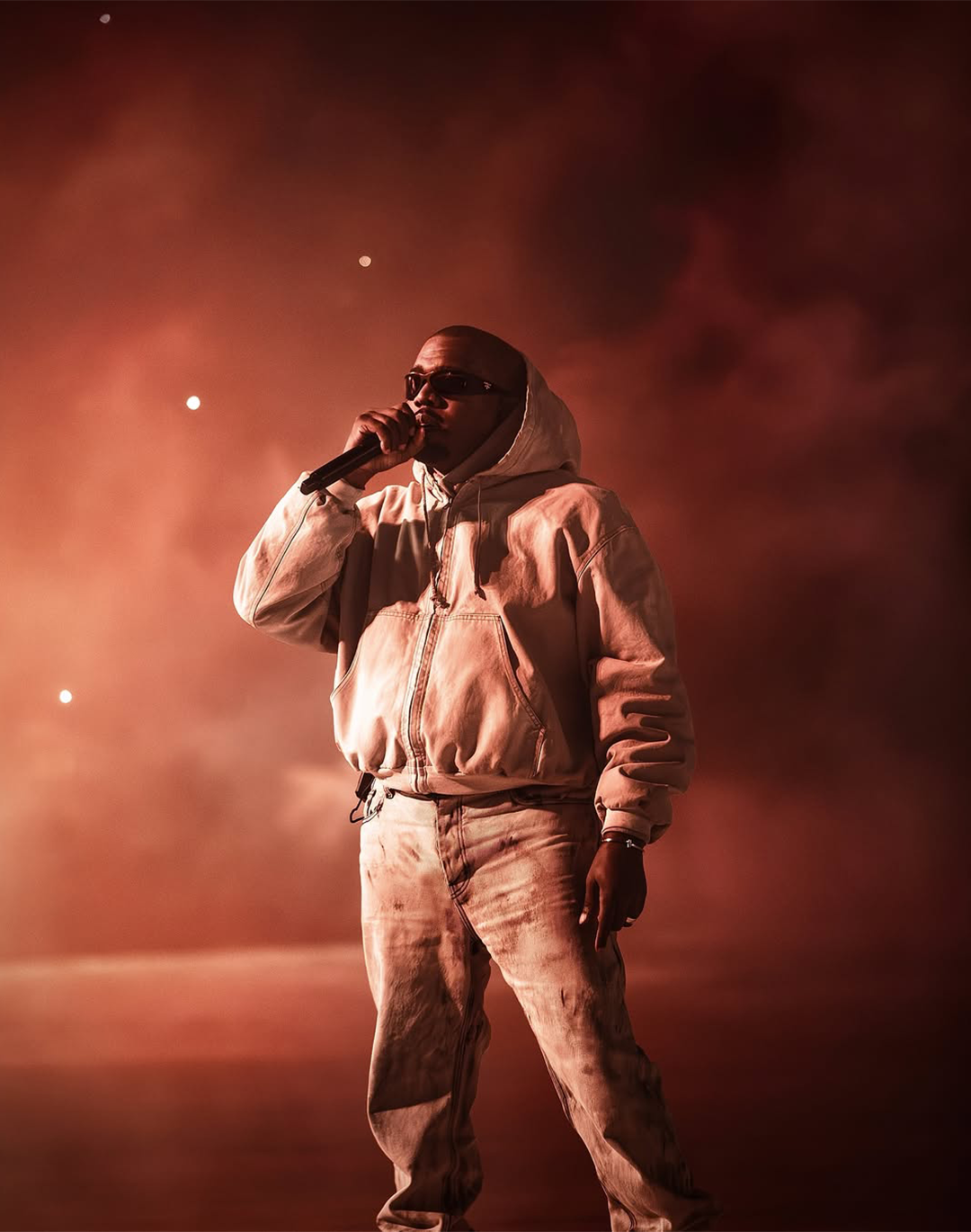
The Wireless Festival has been cancelled and it all seems to be Kanye West’s fault, or rather the fault of his reputation. Following numerous pressures coming more from within than from the general public, the British government confirmed to the BBC the ban on the rapper entering England: «The Home Office has withdrawn Ye’s Electronic Travel Authorisation (ETA), denying him entry into the United Kingdom. As a result, the Wireless Festival is cancelled and all ticket holders will be refunded». More than an unfortunate event, it seemed like a real trial of intent against Ye who, although a controversial figure, was scheduled as headliner for all three days of the festival.
But what really happened?
The visa denial
It is important to bring some order to what appears to be a series of unfortunate events. Ye is not the first artist to be denied access to the United Kingdom and will probably not be the last. In the past it happened to Snoop Dogg, who in 2007 had to cancel a tour with P Diddy, to Martha Stewart, who was banned from entering after her 2004 conviction for financial crimes, and to Tyler, the Creator, banned for four years in 2015 by then Home Secretary Theresa May due to his lyrics. In this sense, it was almost predictable that the latest victim would be Ye, especially in light of the controversies that arose immediately after the announcement of his participation.
A real trial of intent took shape, starting from Prime Minister Keir Starmer, who had already described his presence as «deeply concerning», reflecting a widespread unease across the political spectrum. This was compounded by the position of the Campaign Against Antisemitism (CAA), which emphasized that someone who had profited from controversial symbols and content would not contribute to the public good in the United Kingdom. Everything was formalized when the Home Office confirmed the ban to the BBC, reiterating that the government can deny entry to foreign nationals when their presence is not considered in the public interest.
Does nobody want Ye anymore?
A convicted murderer was a part of the wireless festival lineup last year, btw.
— chrxs (@chrxsafc) April 5, 2026
Ye’s participation in the Wireless Festival had already generated a strong media and political reaction that, despite initial attempts to recover the situation, turned into a definitive decision. The idea of building an entire festival around a single headliner for three consecutive days made the situation even more complex, drastically limiting the alternatives.
Finding a replacement in such a short time proved almost impossible. Melvin Benn, CEO of Festival Republic (the company that organizes the Wireless Festival), had stated that Ye intended to perform. Benn said that the goal was not to offer him a platform to express opinions, but simply to bring to the stage his music, which continues to be listened to and appreciated by millions of people. Previously, Benn himself had described Ye’s past comments as «repugnant», but had also called for forgiveness and the possibility of giving him a second chance.
The ban on Ye entering the United Kingdom left the organizers with three main slots to fill just a few months before the event, in a summer already packed with festivals and with artists already committed elsewhere. Following the news of the denied entry, the Campaign Against Antisemitism (CAA) urged sponsors to continue boycotting the event, following the example of Pepsi, Diageo, PayPal and Rockstar Energy, which had all pulled out.
No forgiveness
Why didn’t Wireless just replace the headlining act instead of canceling the whole festival?
— #JAŸZ30 (@hovita05) April 7, 2026
Ye had tried to intervene: «My only goal is to come to London and put on a show of change, bringing unity, peace and love through my music», he stated, offering to meet in person with members of the Jewish community «to listen». He added: «I know words are not enough: I will have to prove change through my actions. If you are open to dialogue, I am here». An invitation that, together with the apology statements published on the front page of the Wall Street Journal and the new album BULLY, a well-executed artistic redemption, proved completely futile. In this case, separating the artist from his art turned out to be more complex than expected, if not impossible.
And yet, one fact remains difficult to ignore: Kanye West, Ye, or whoever he chooses to be, continues to have an extremely loyal fandom - bordering on obsession - willing to follow him even through the most intense media storms. Not so much for his political positions, but for his music. If, despite everything, his presence remains so central, it may be because we are dealing with one of those figures destined to endure, even when the entire context seems to falter.