
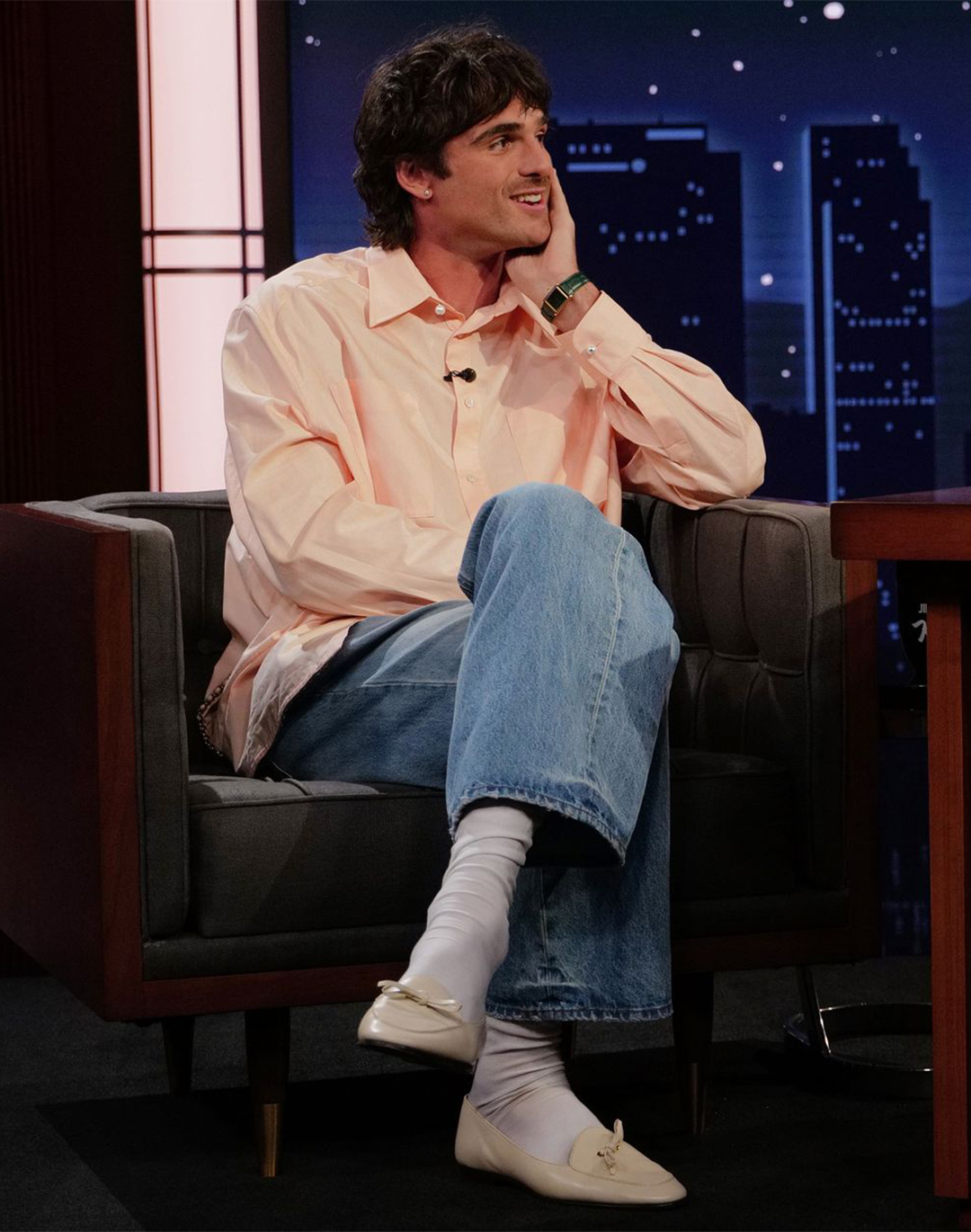
What’s the current state of men’s footwear? And no, we’re not just talking about men’s ballet flats
The saturation of the footwear market, one of the most profitable after eyewear and perfumes, is today almost tangibly perceptible. In many cases, it seems to have reached its expressive limits, yet, following one of the most innovation-rich years for fashion, this stylistic déjà-vu seems to have partially stopped, making room for shoes that take classic and traditional aesthetics only as a starting point for their evolution.
If the trend of men's ballerinas continues to make its way in the footwear segment, with Harry Styles as the most loyal ambassador followed by Bad Bunny and Jacob Elordi, other equally relevant proposals emerge that borrow from a traditionally feminine imagination to reinterpret it through new inspirations. And if it is true that the men's wardrobe remains one of the most complex to make interesting, then shifting the focus to shoes becomes the simplest solution.
Ballerinas
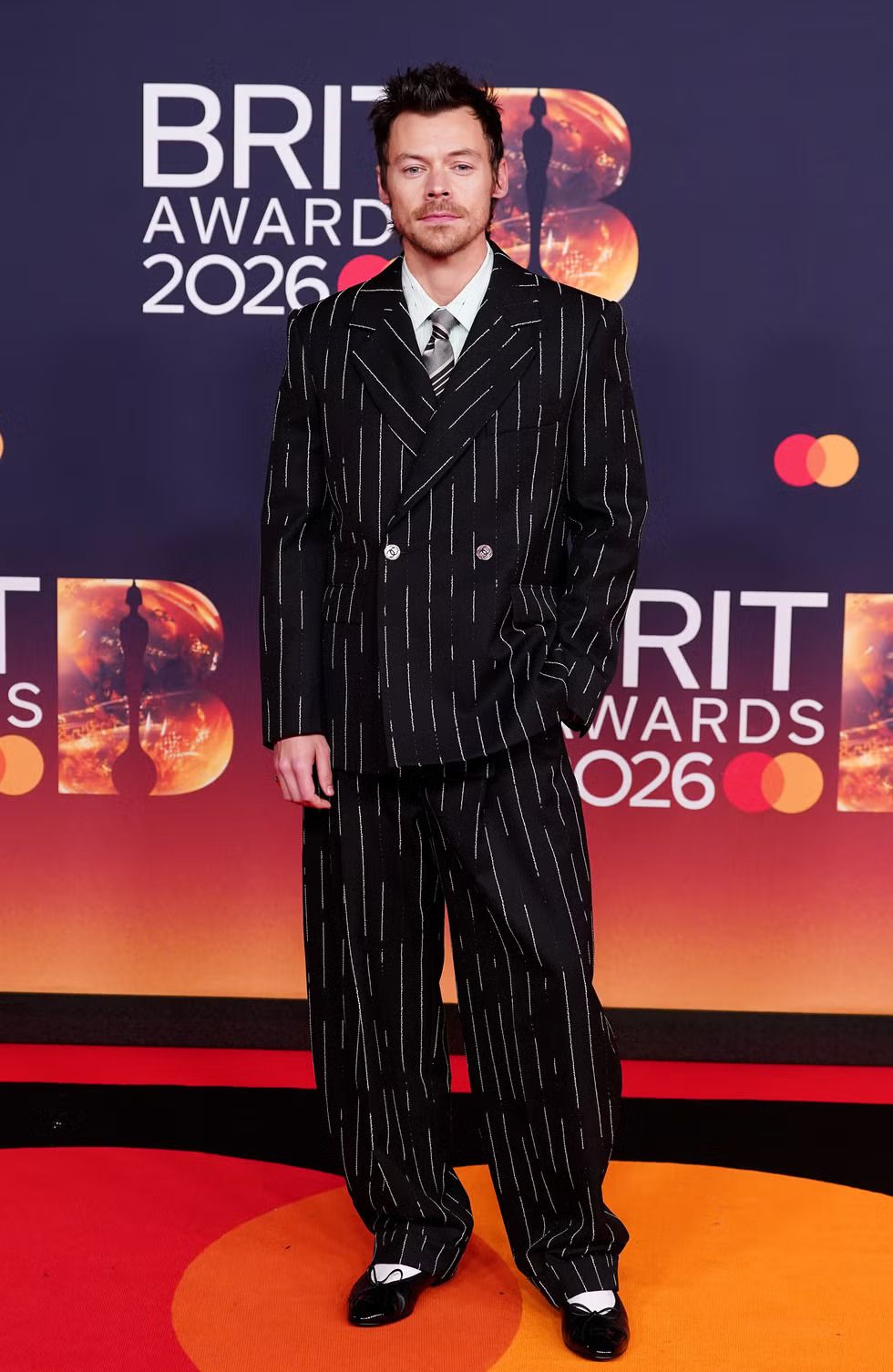
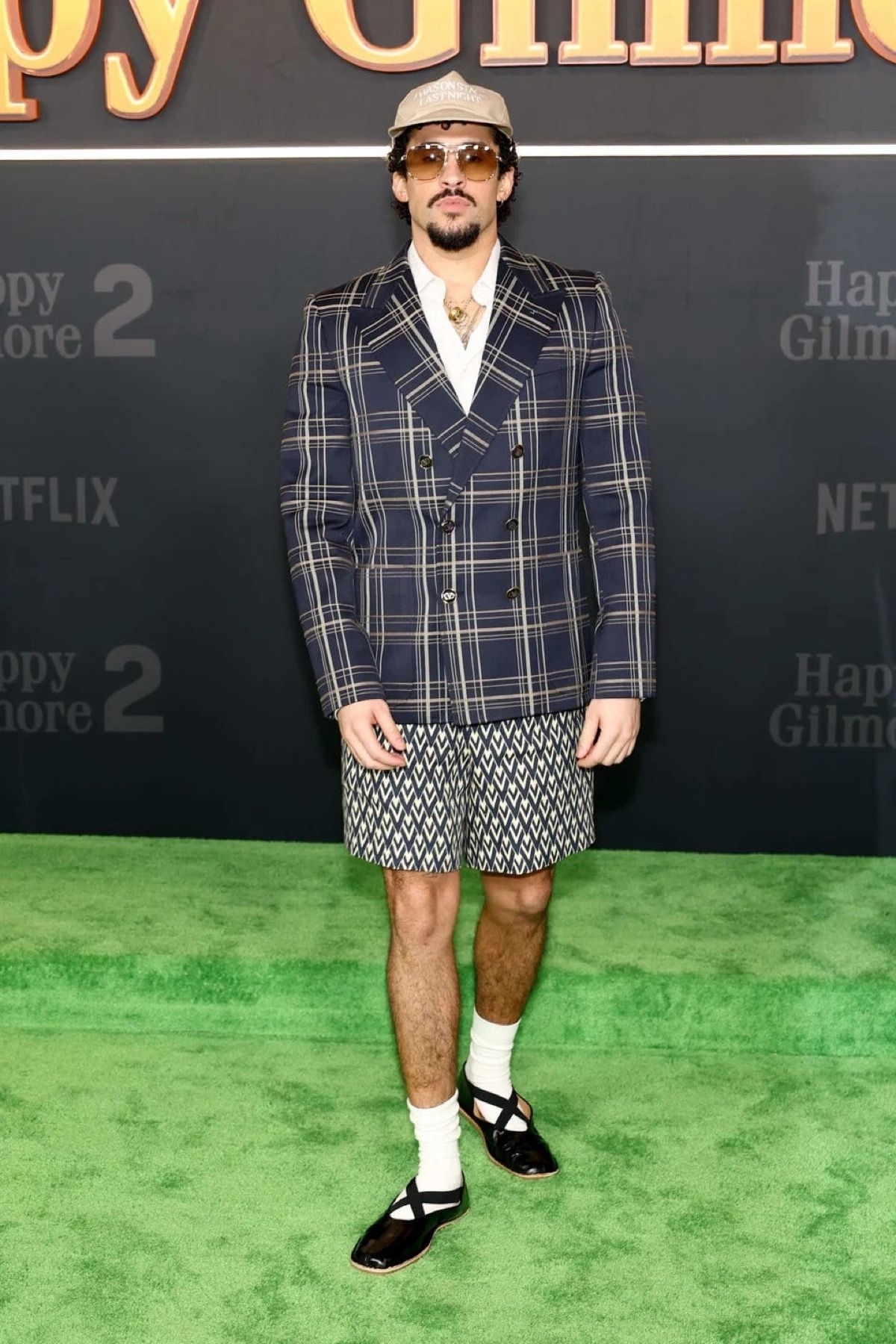
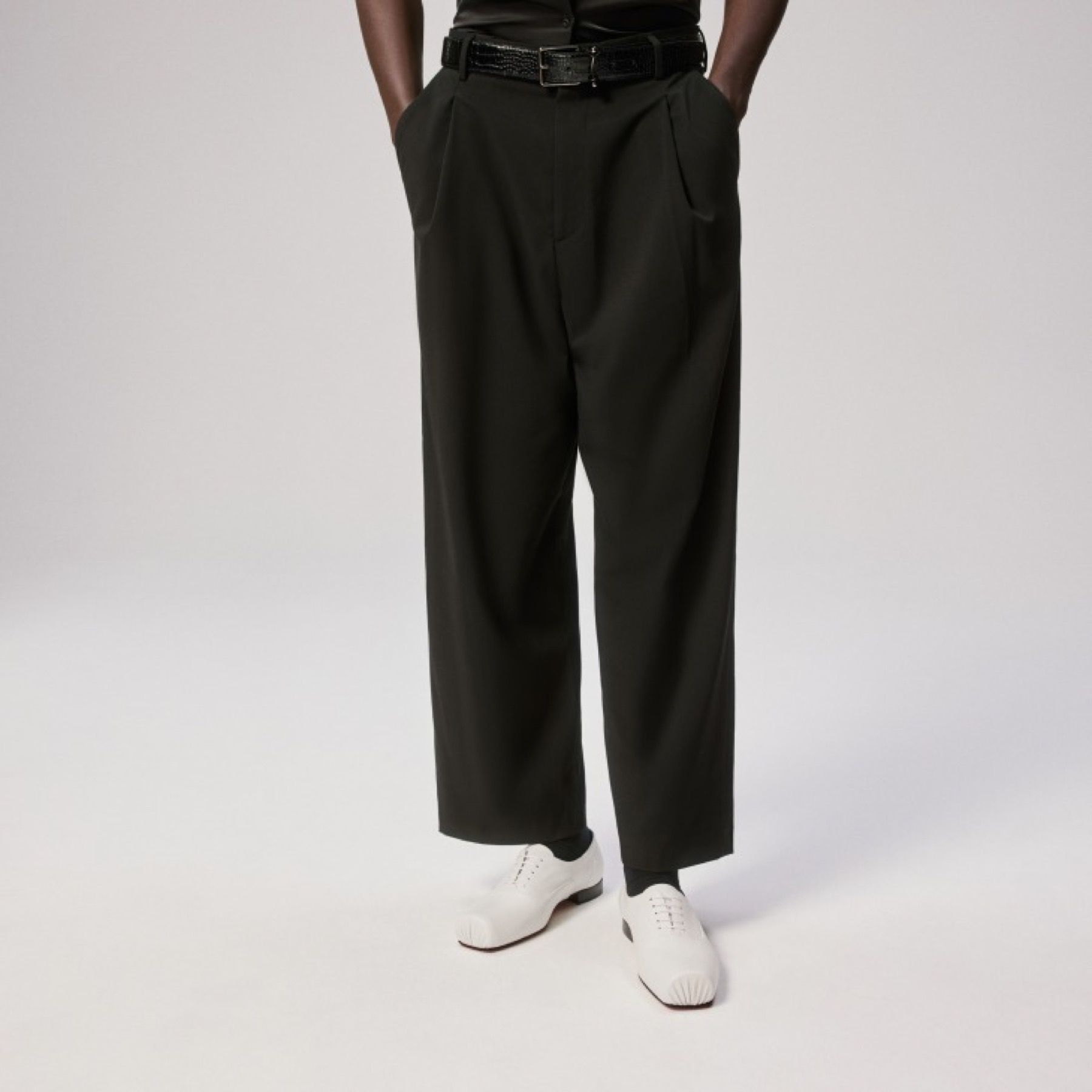
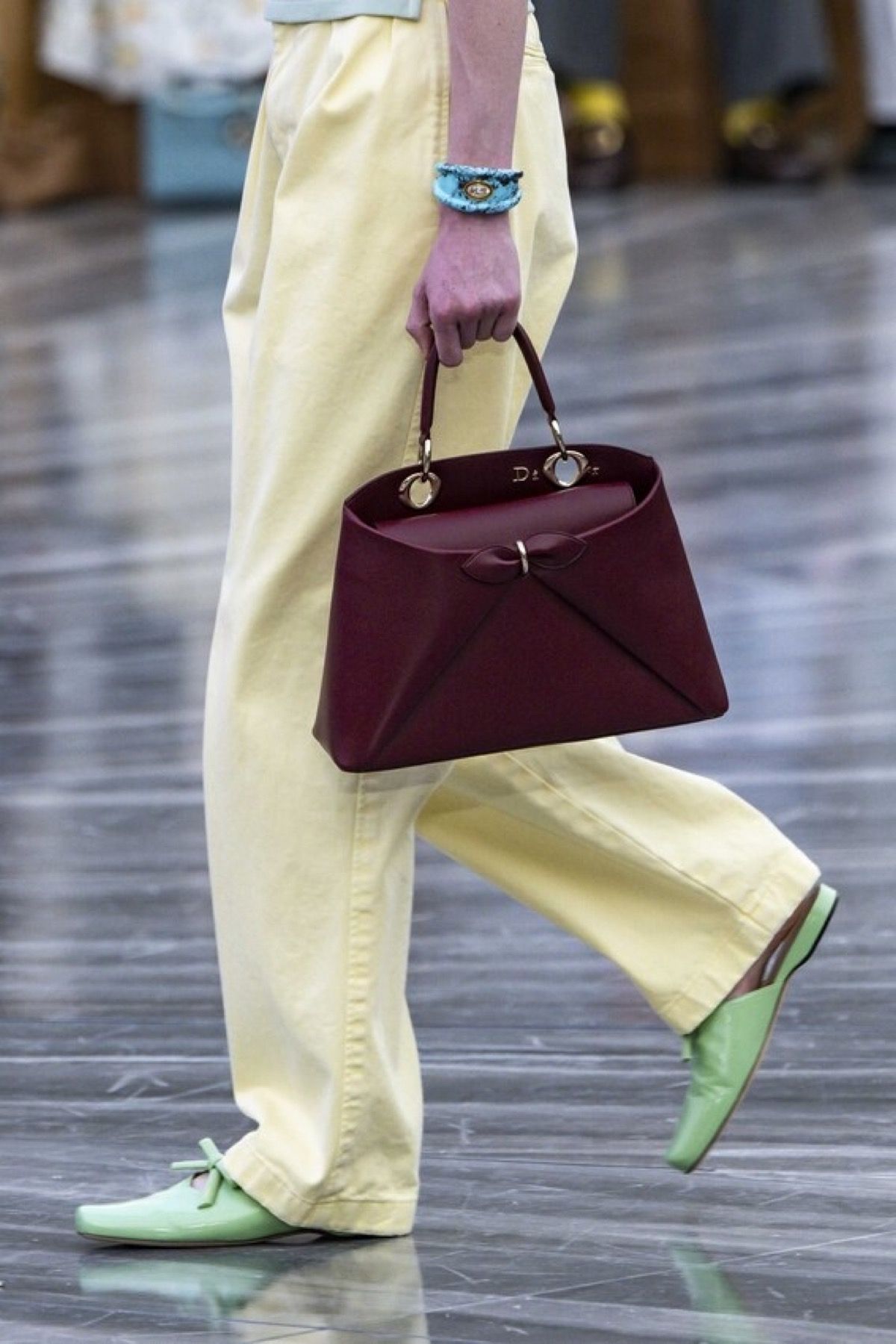
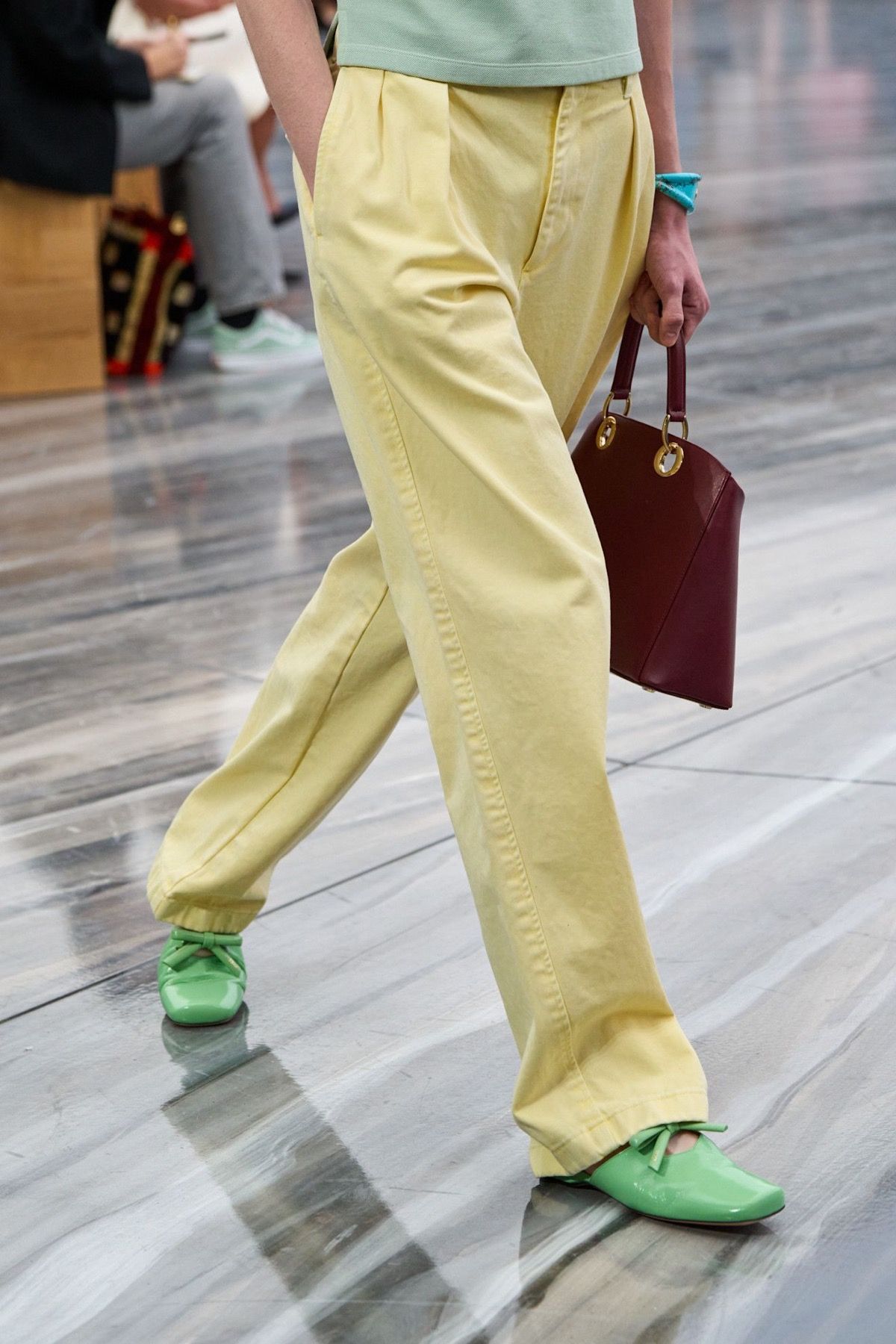
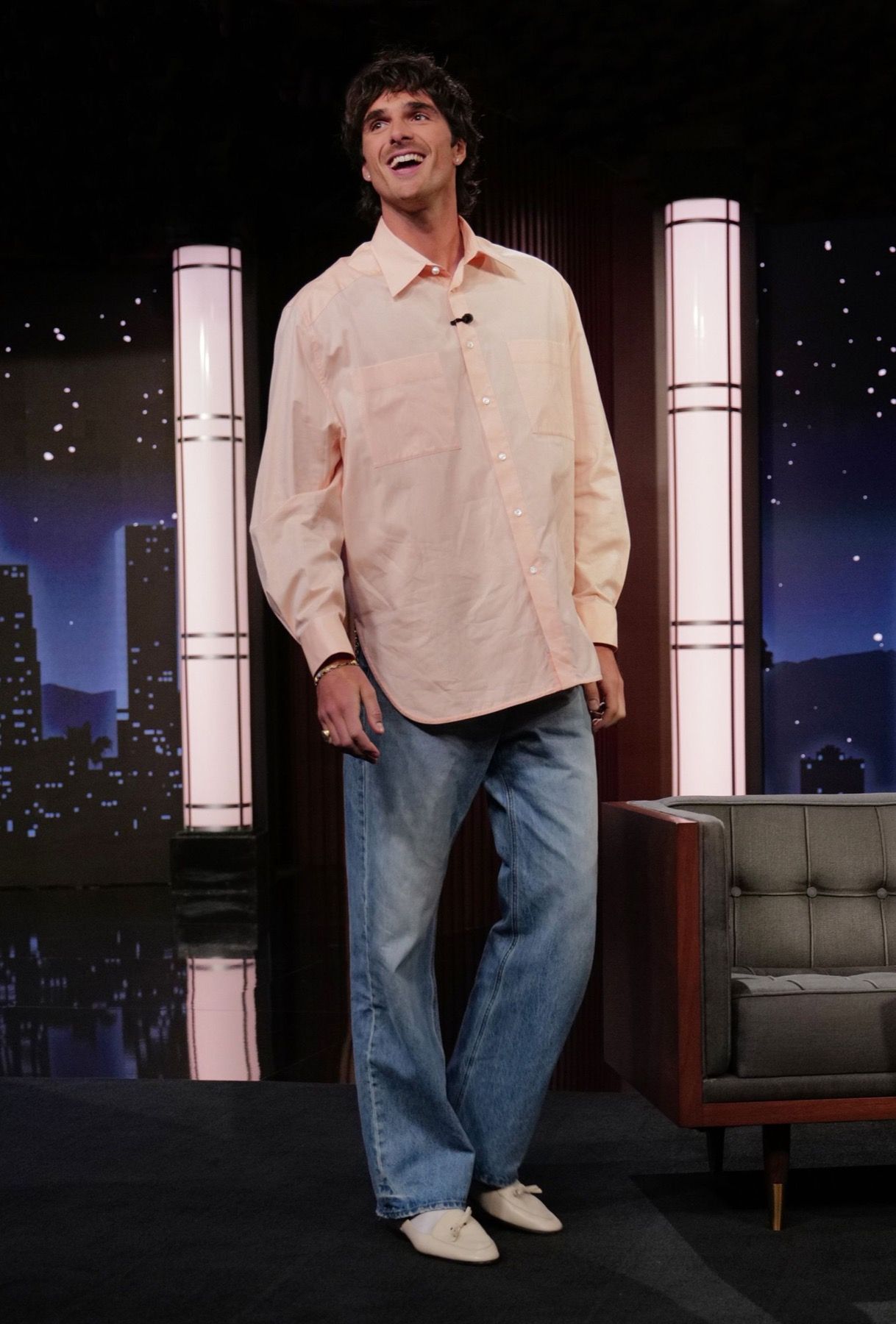
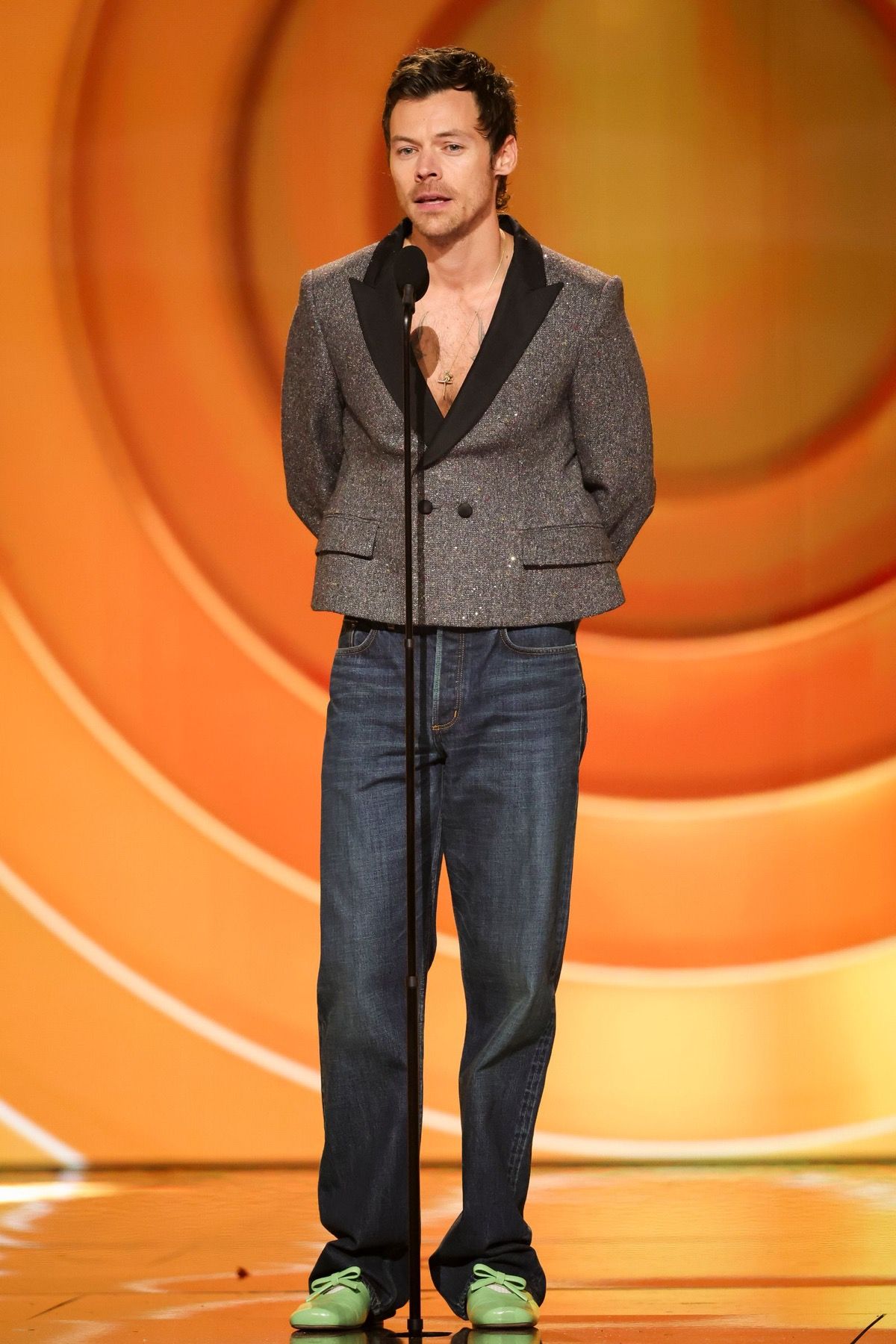
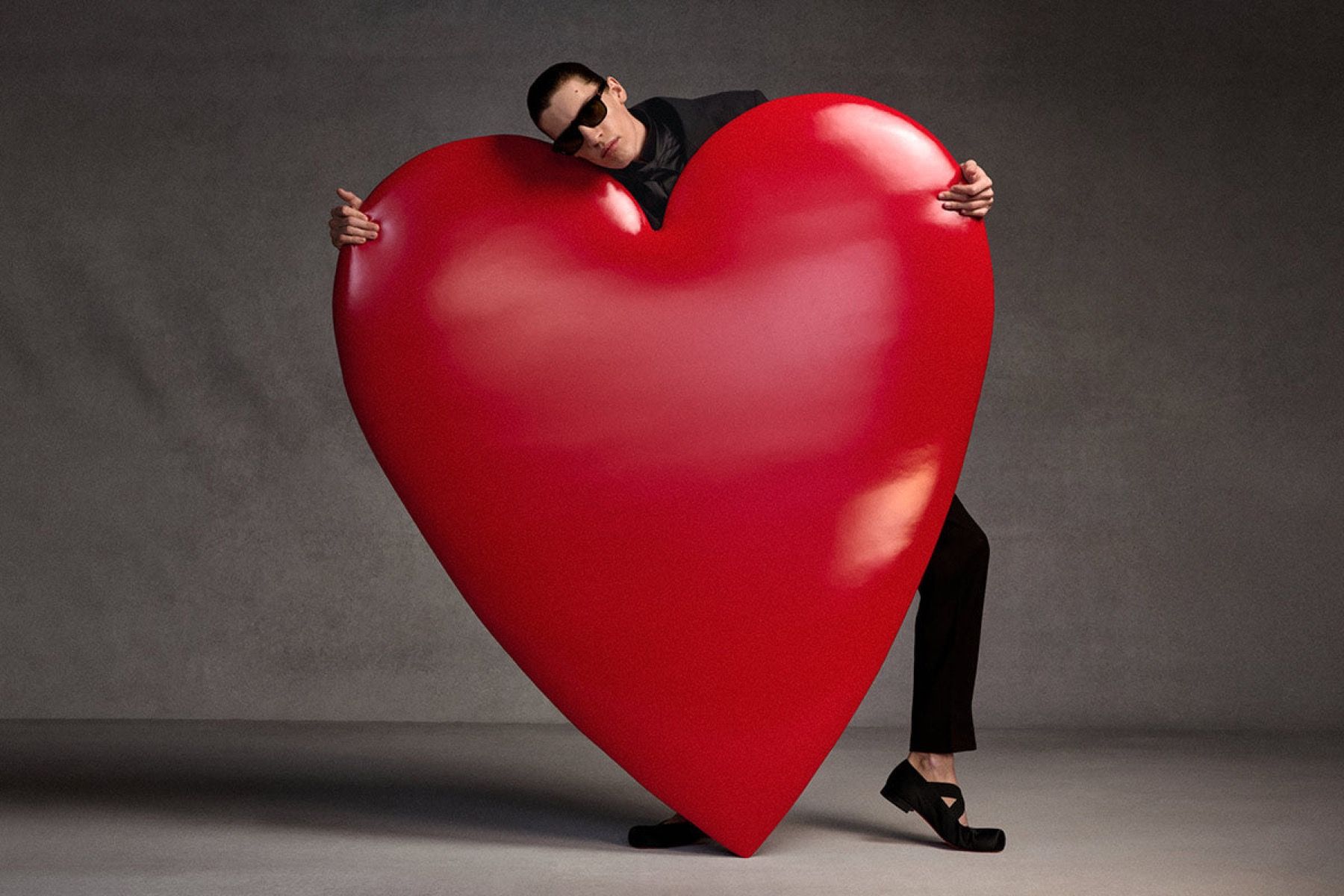
Flat shoes fit perfectly into this trajectory, from the Dior ballerinas by Jonathan Anderson, worn by Harry Styles at the Grammy Awards, to those by Valentino designed by Alessandro Michele – who, to be honest, started the trend – up to Christian Louboutin, which has just announced two new men's ballerinas, Diopic and Ruben, inspired by the female Cassia model. Rather than drawing from the daily wear imagination, these proposals insist on borrowing specific details from the women's line.
In the case of Louboutin, both models feature a distinctive square toe that recalls the world of classical dance and fit into a very specific context, namely the wedding season. Therefore, the brand known for its red-soled women's heels, Christian Louboutin, today offers an alternative to the classic men's loafer. Whether this is an attempt to ride the men's ballerina trend is quite evident, as is the effort by maisons with an equally solid and iconic heritage to rewrite their aesthetic codes.
The non-sneakers
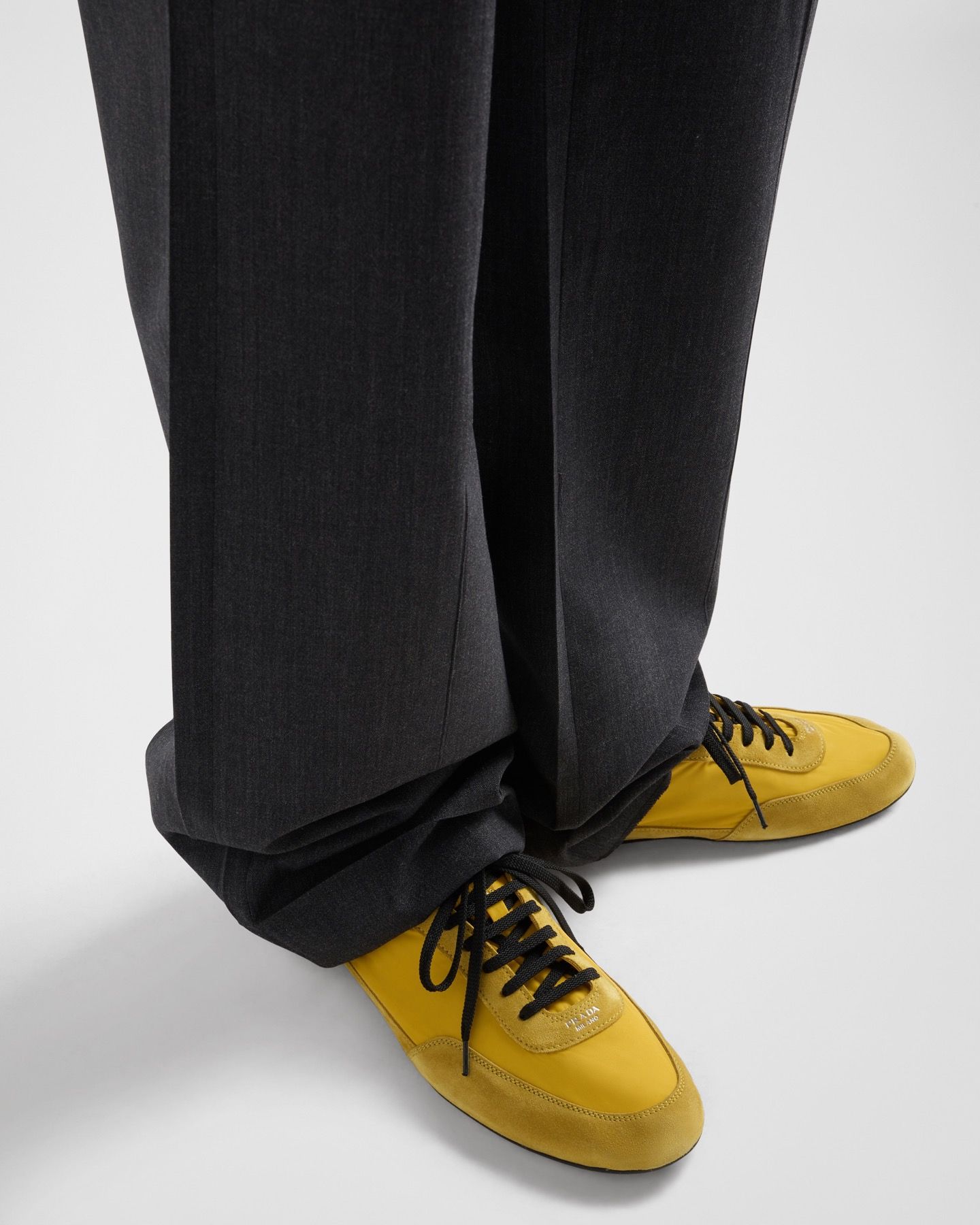
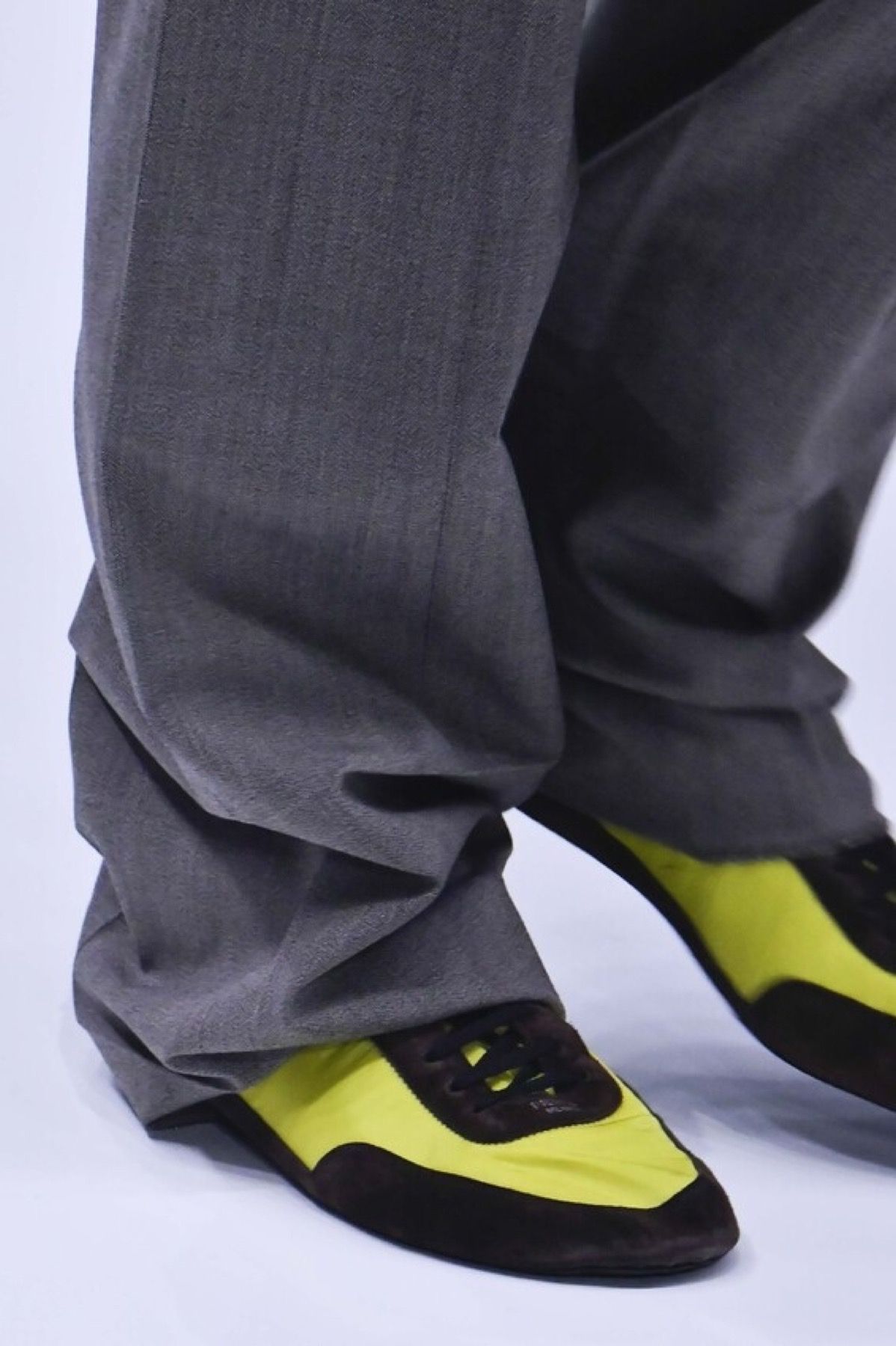
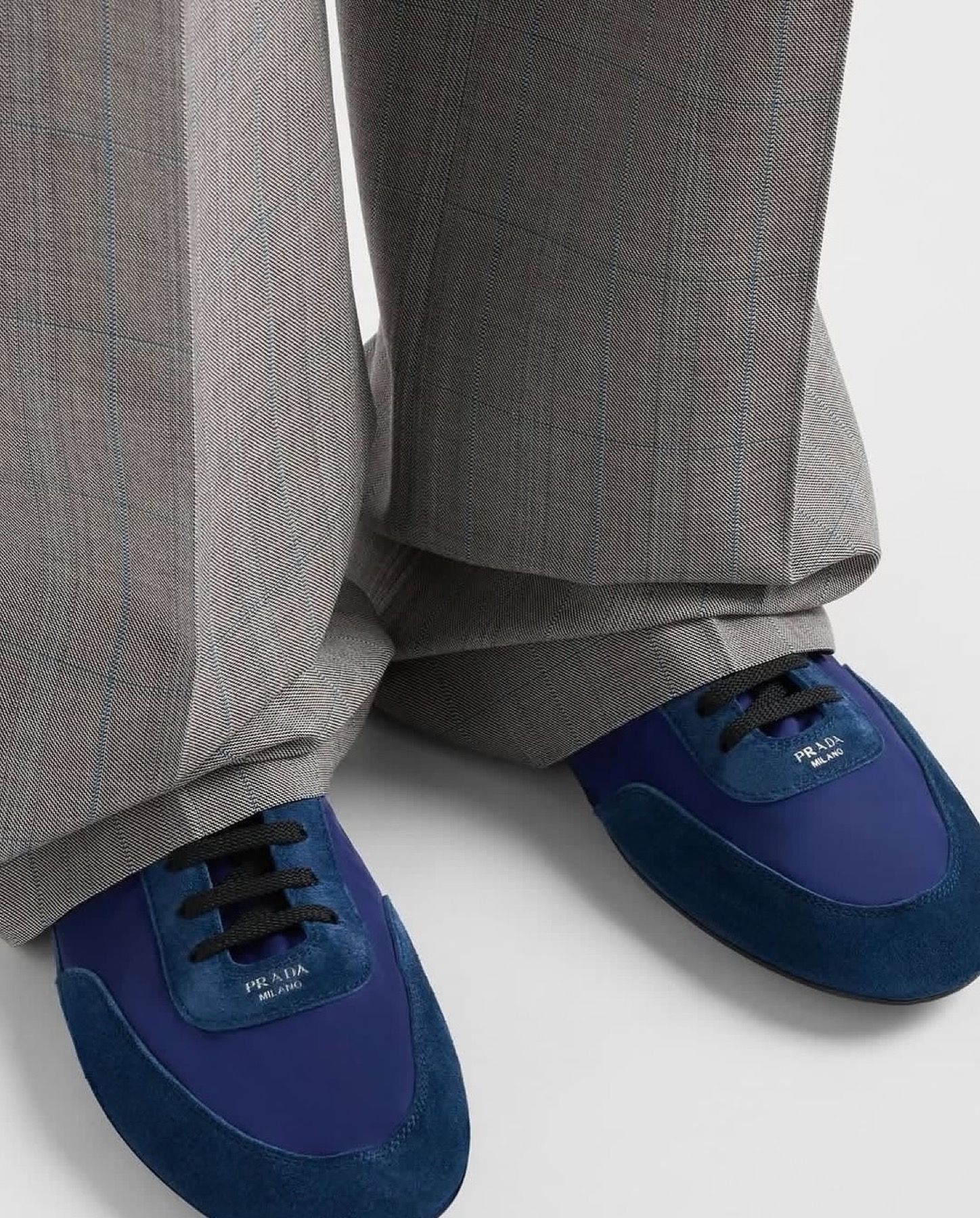
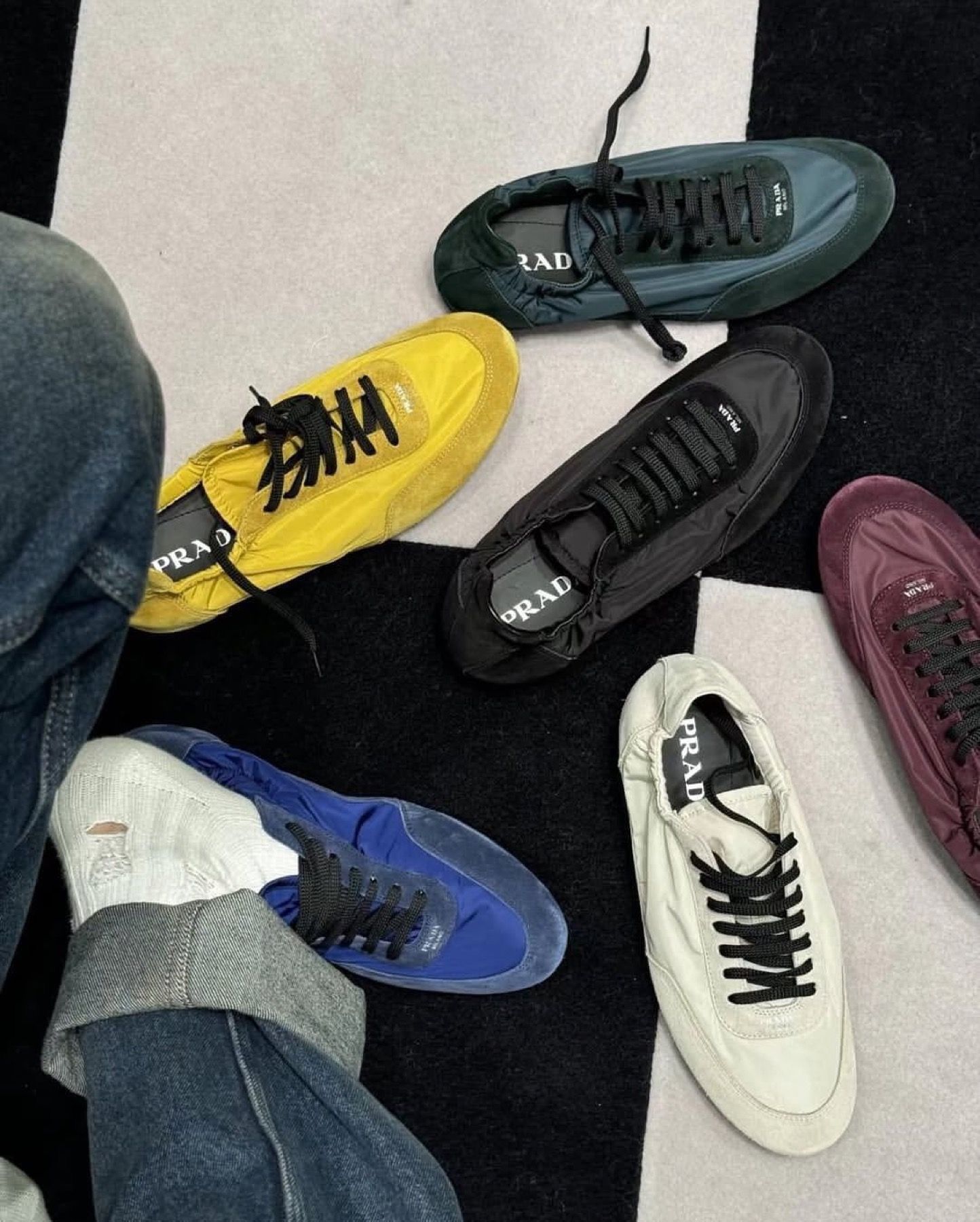
In terms of novelty, but not too much, we also see all those ultra-flat sneaker models that, by failing to provide the support expected of an everyday shoe, end up losing their structure. Perhaps the most iconic model is the one offered by Prada, the Collapse sneakers in Re-Nylon. Even in FW26 by Miu Miu, sneakers lacking structure but studded with Swarovski crystals were proposed, theoretically designed for a genderless wardrobe.
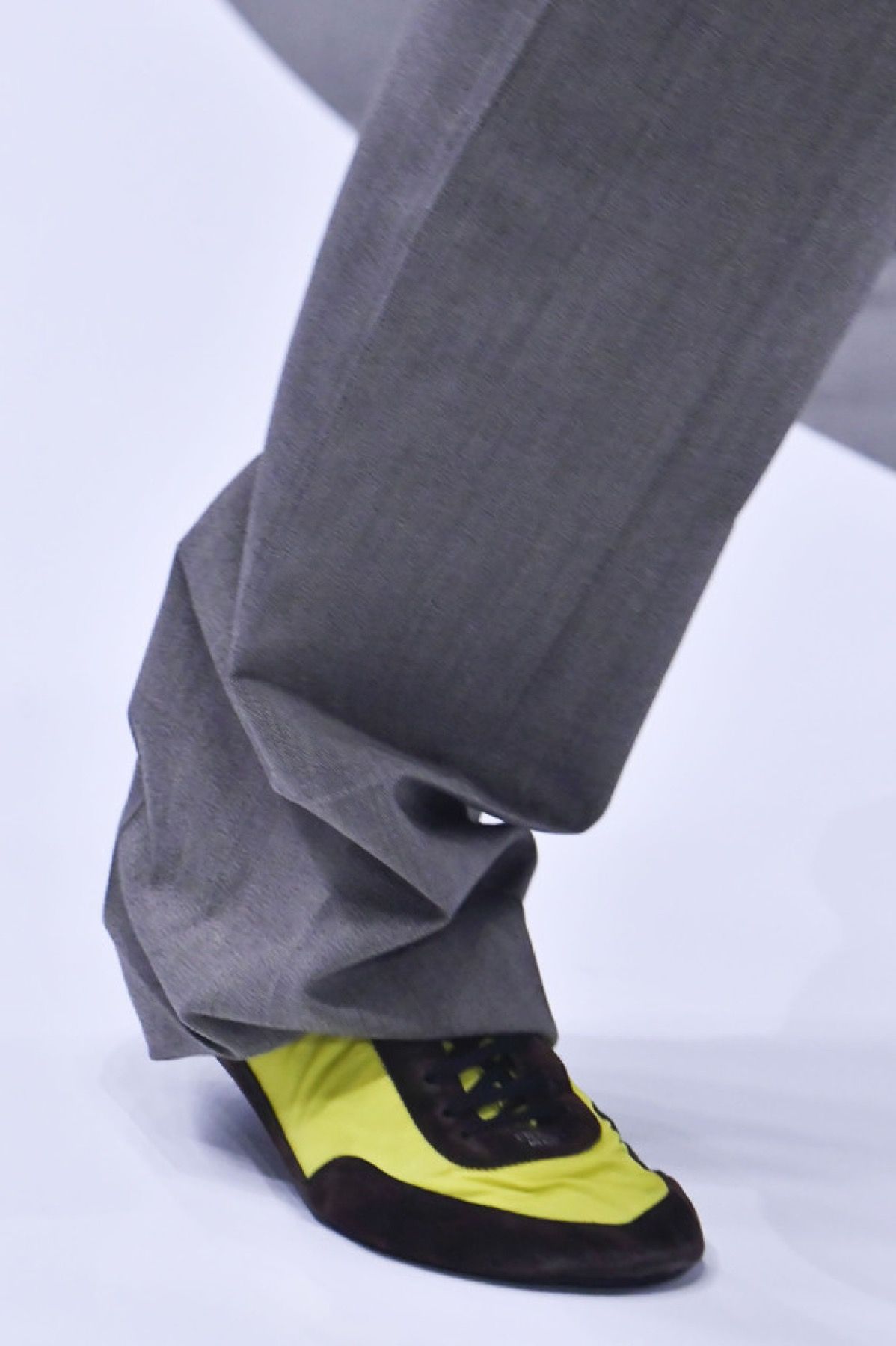
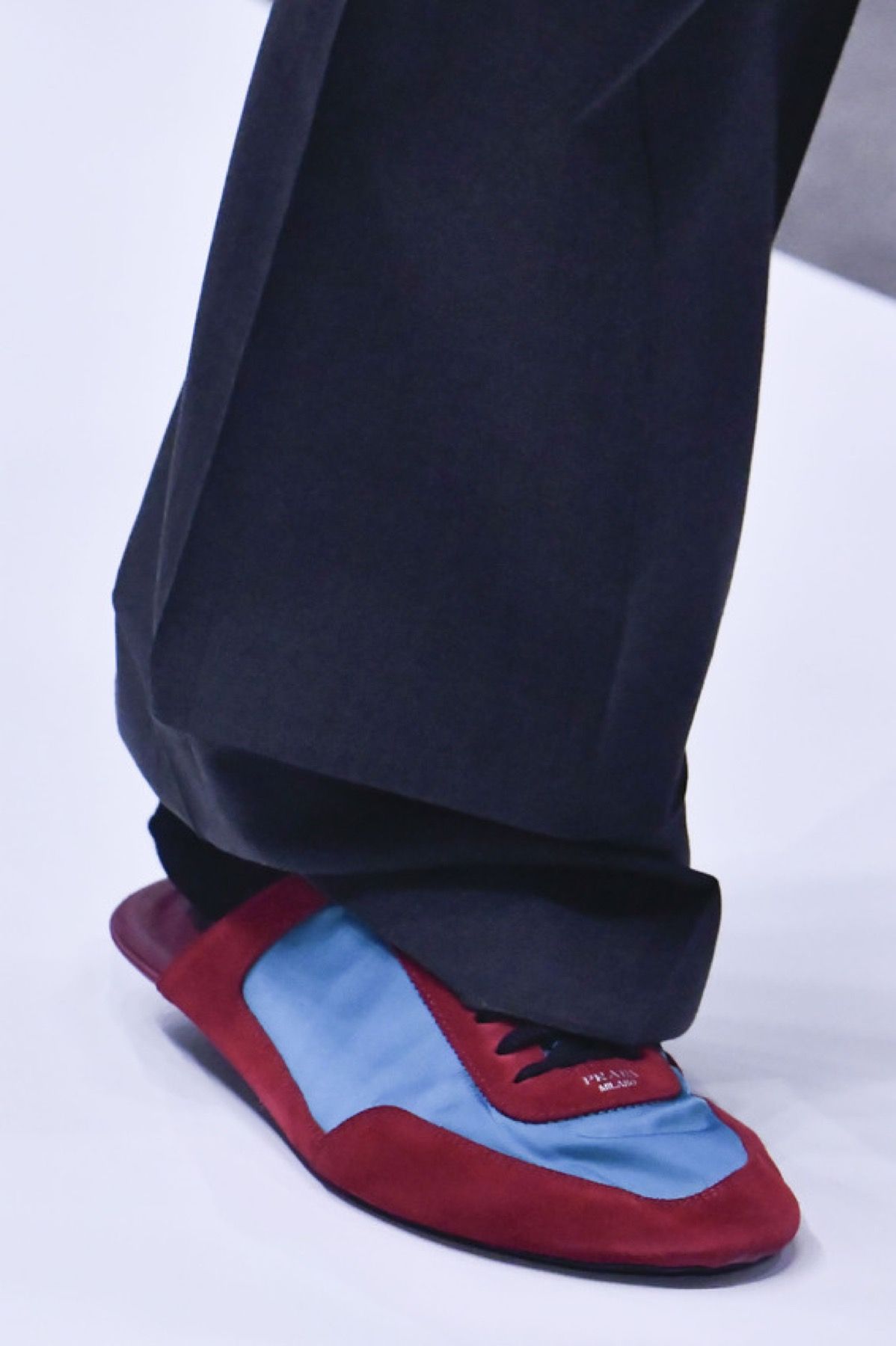
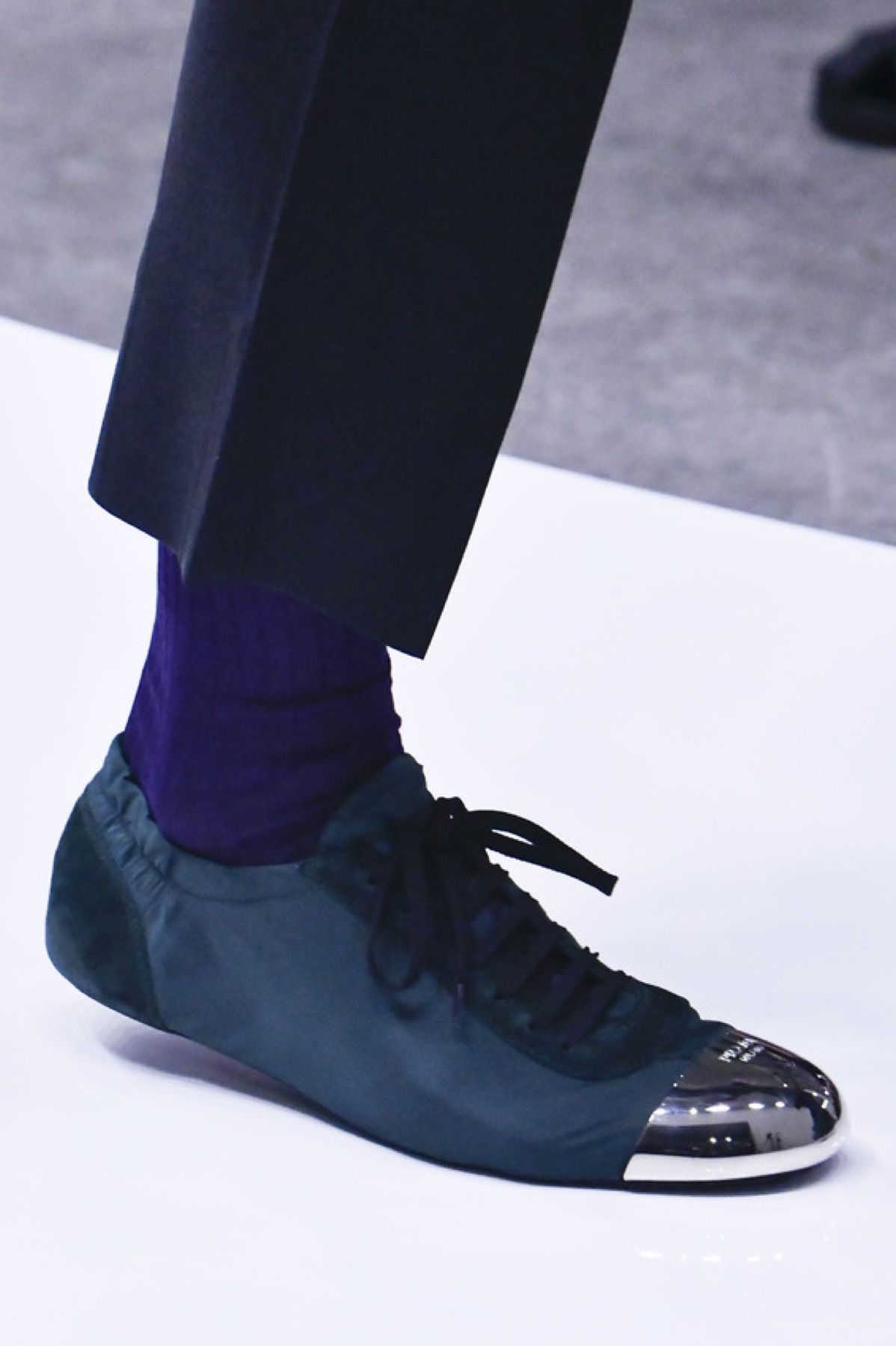
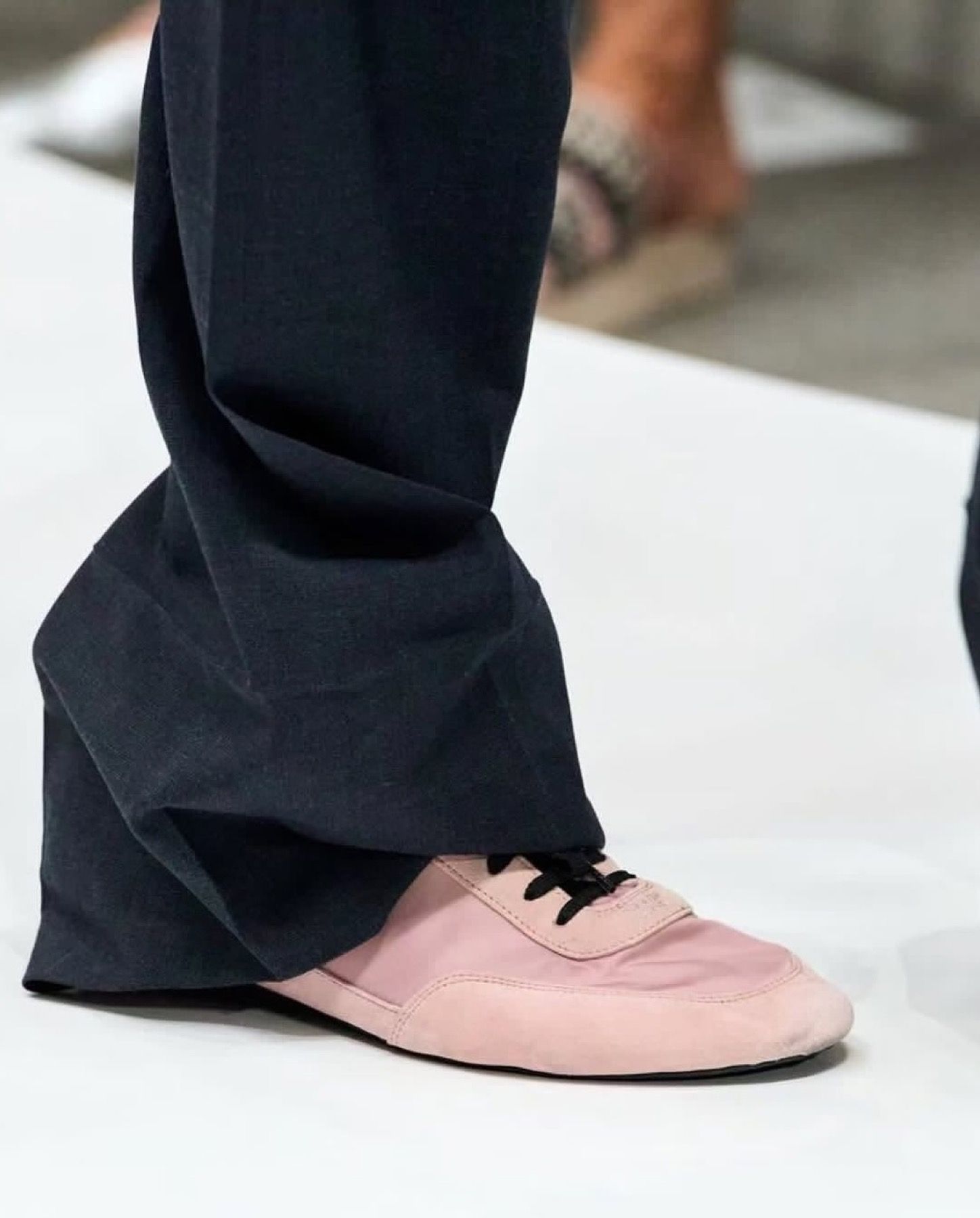
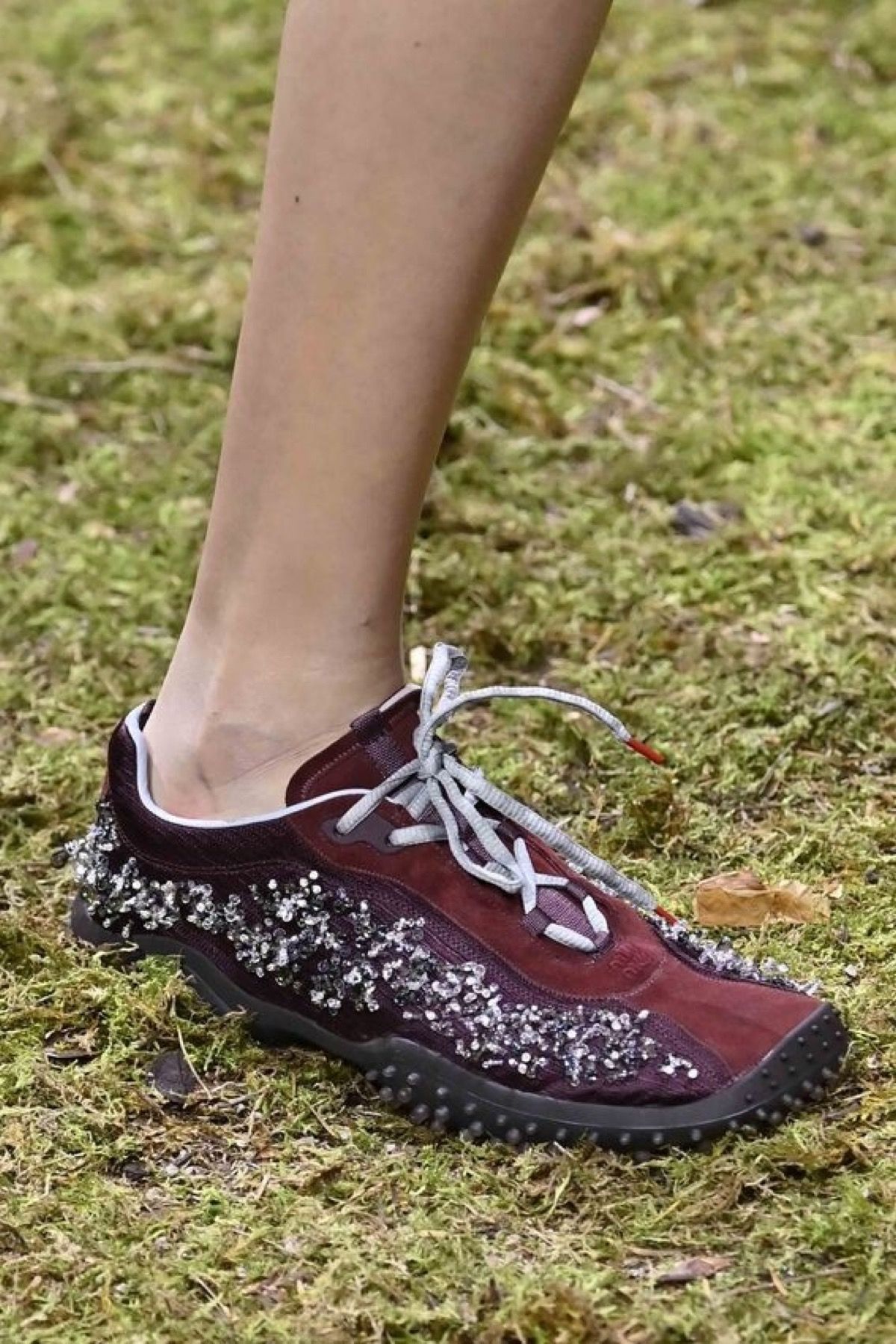
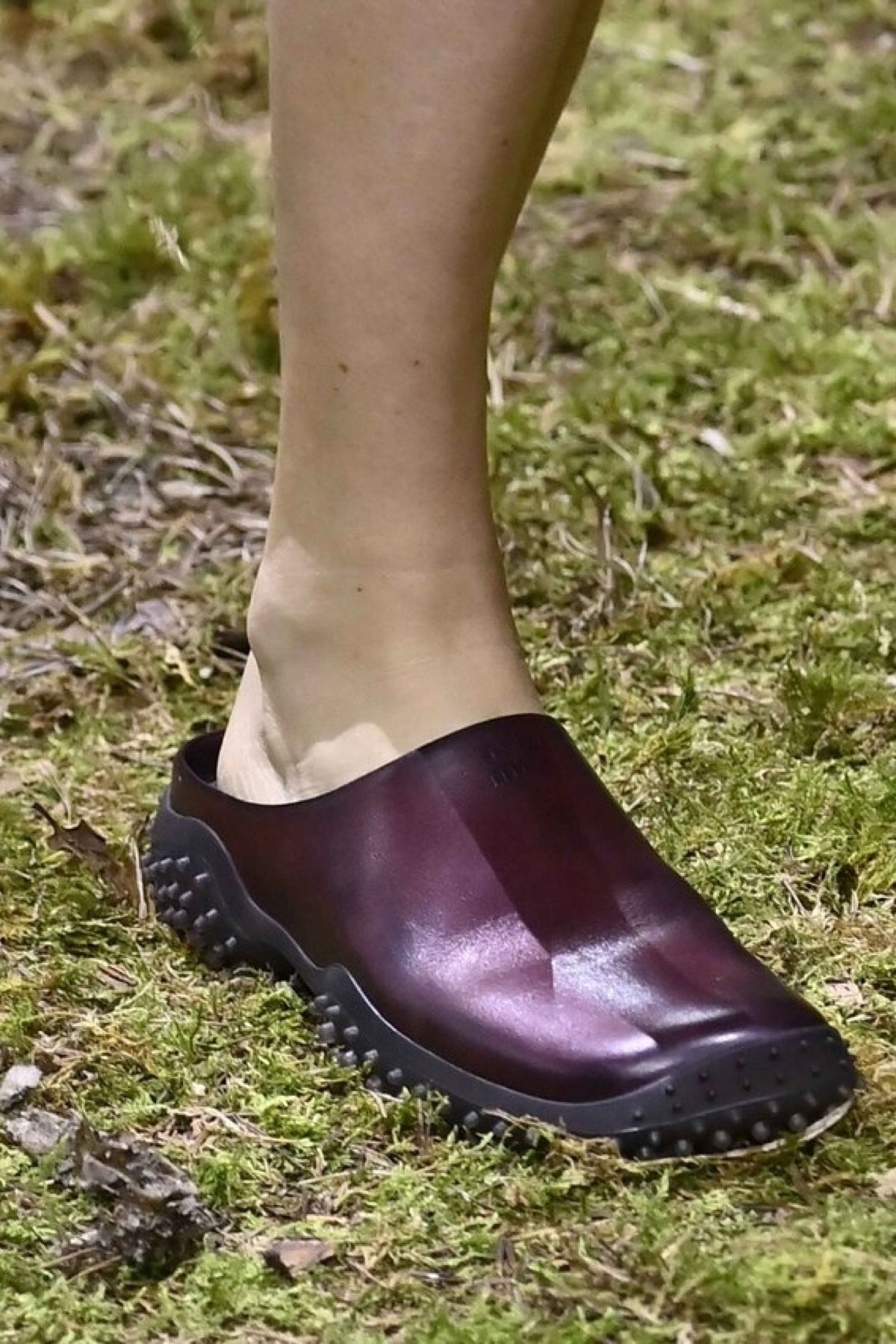
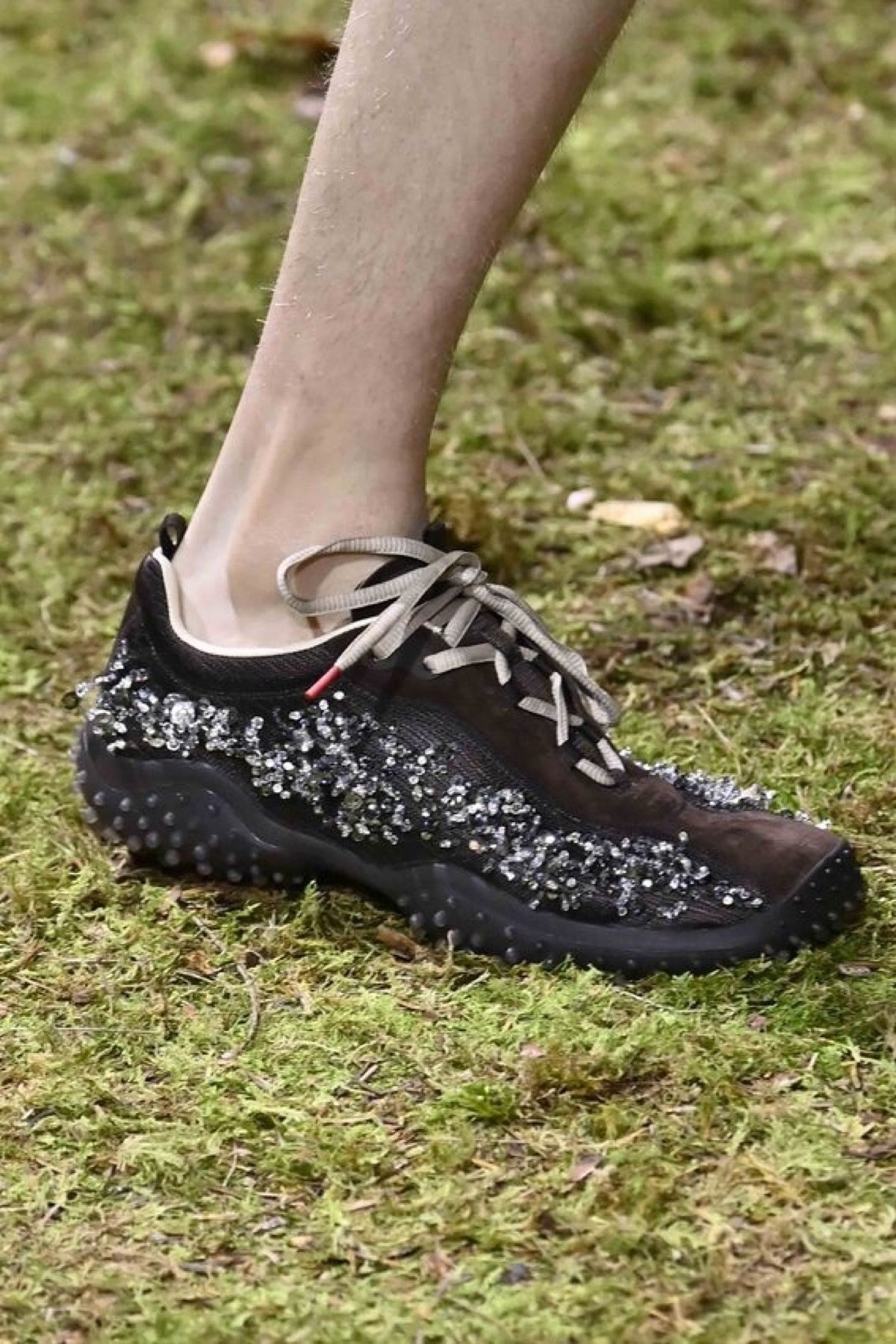
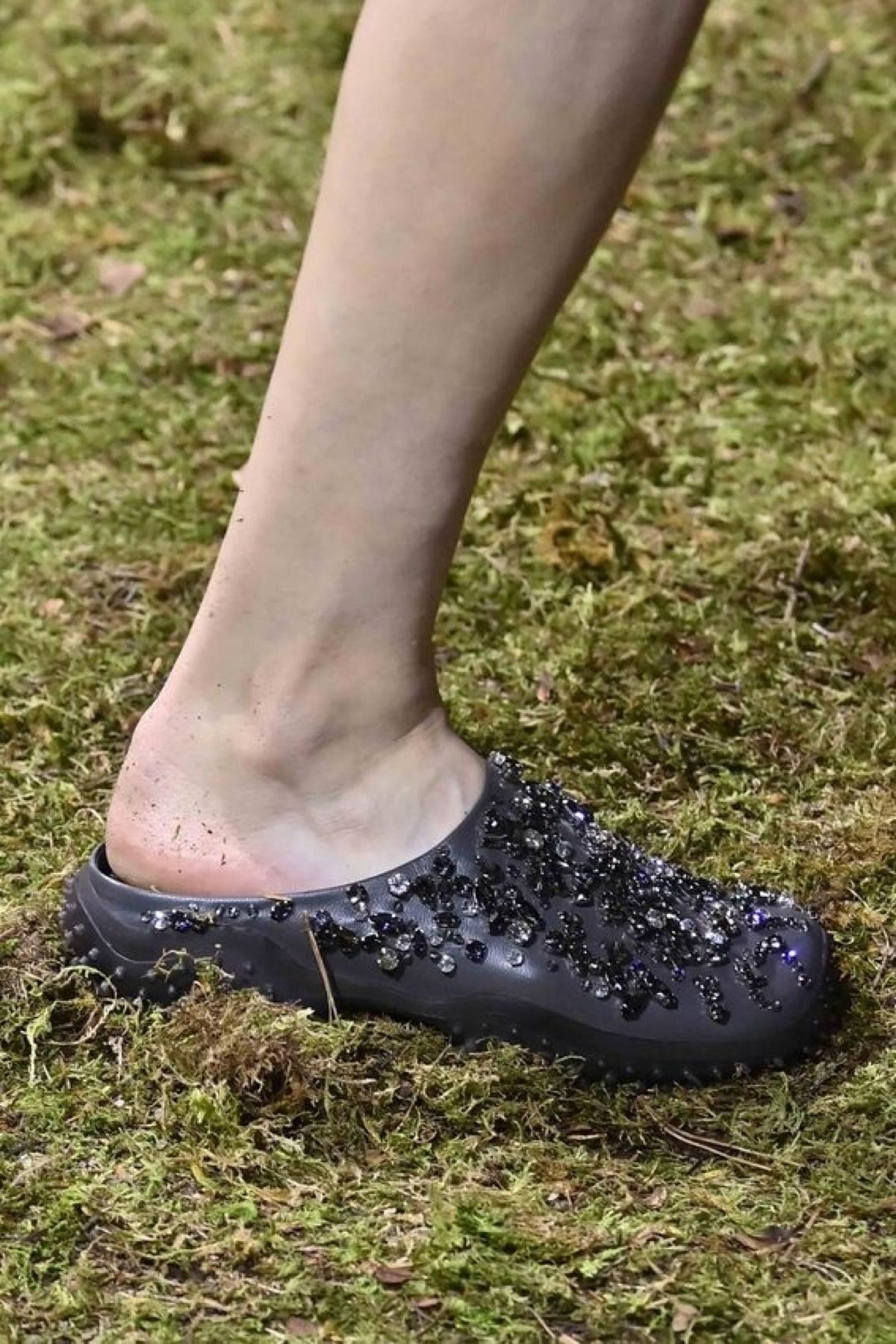
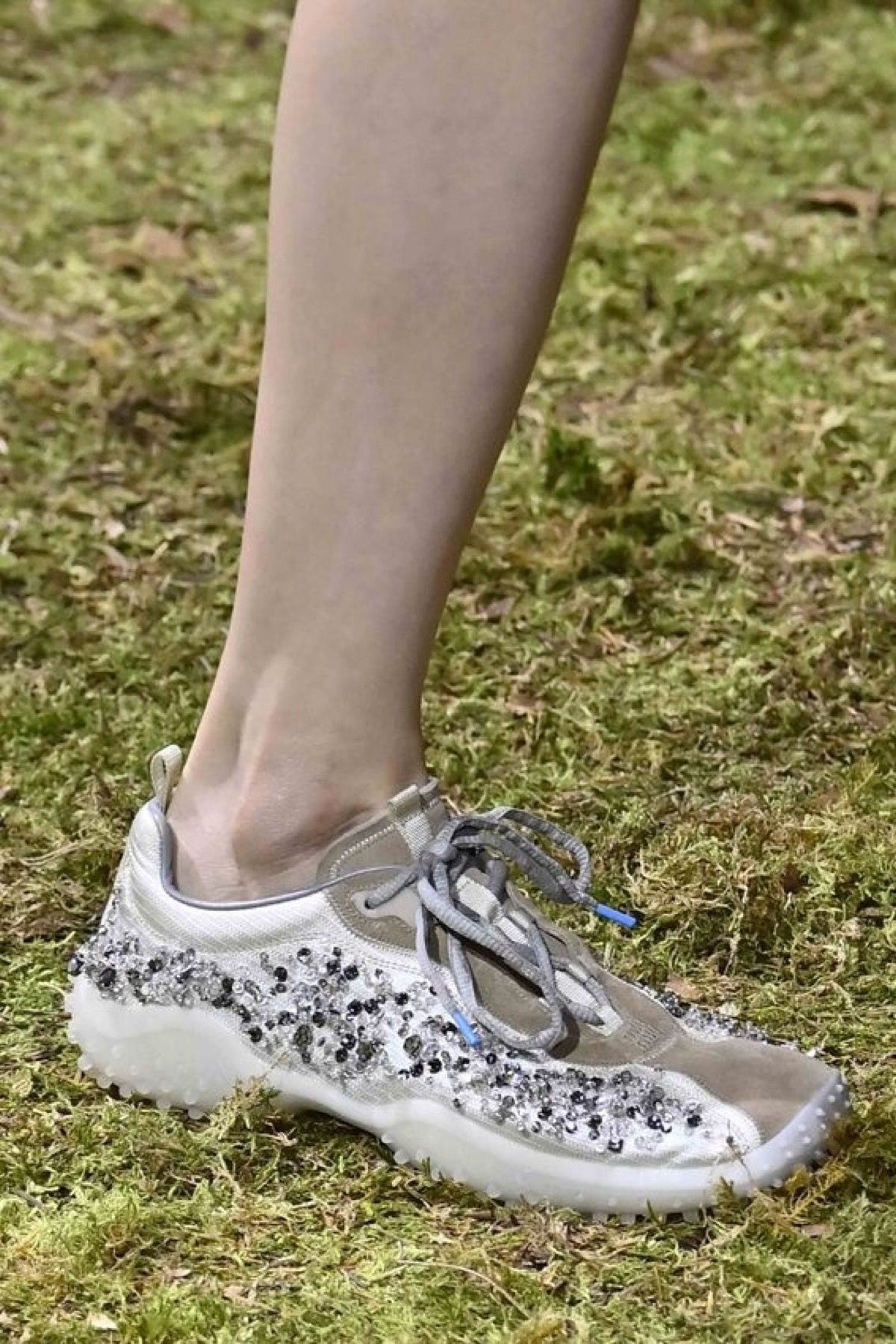
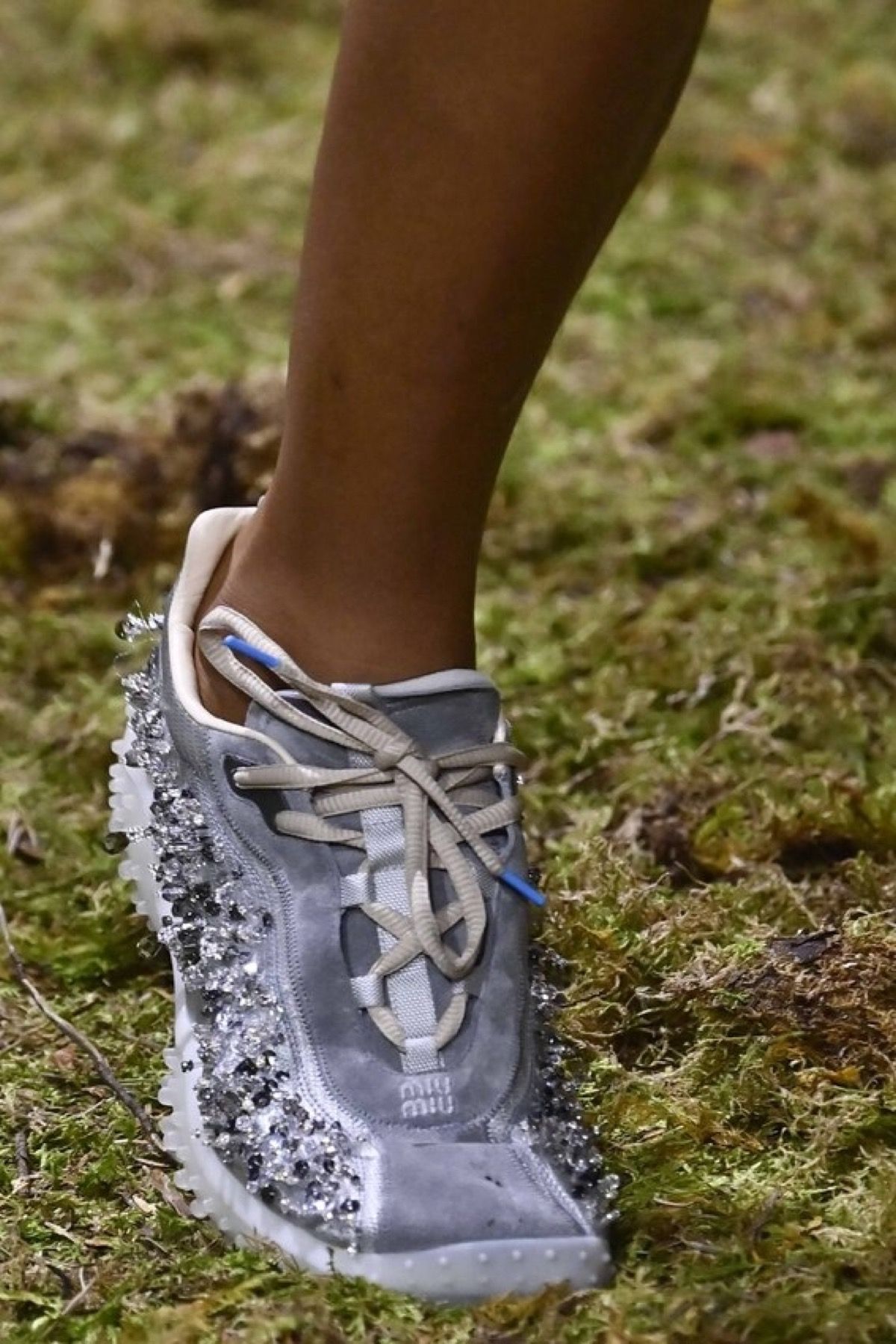
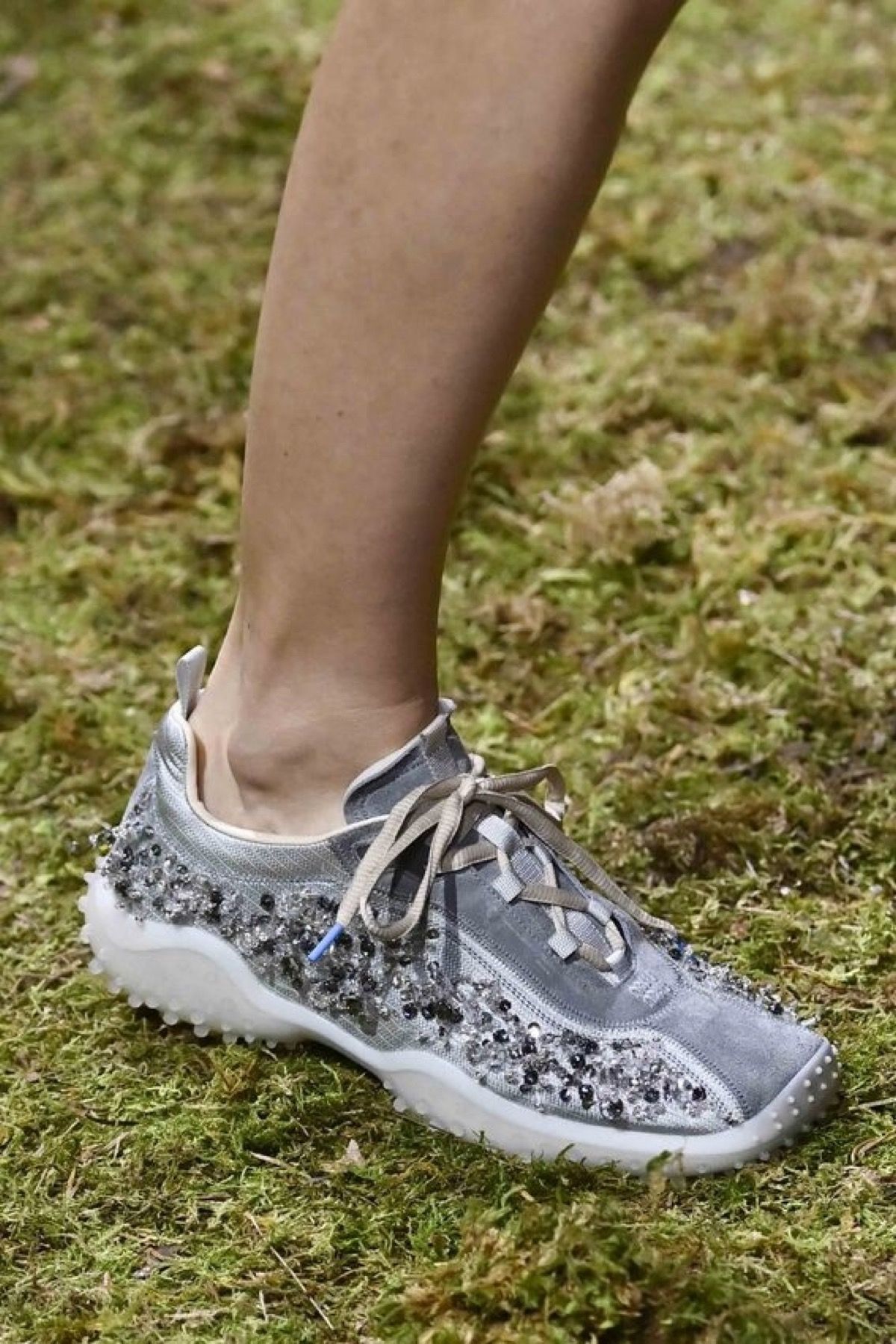
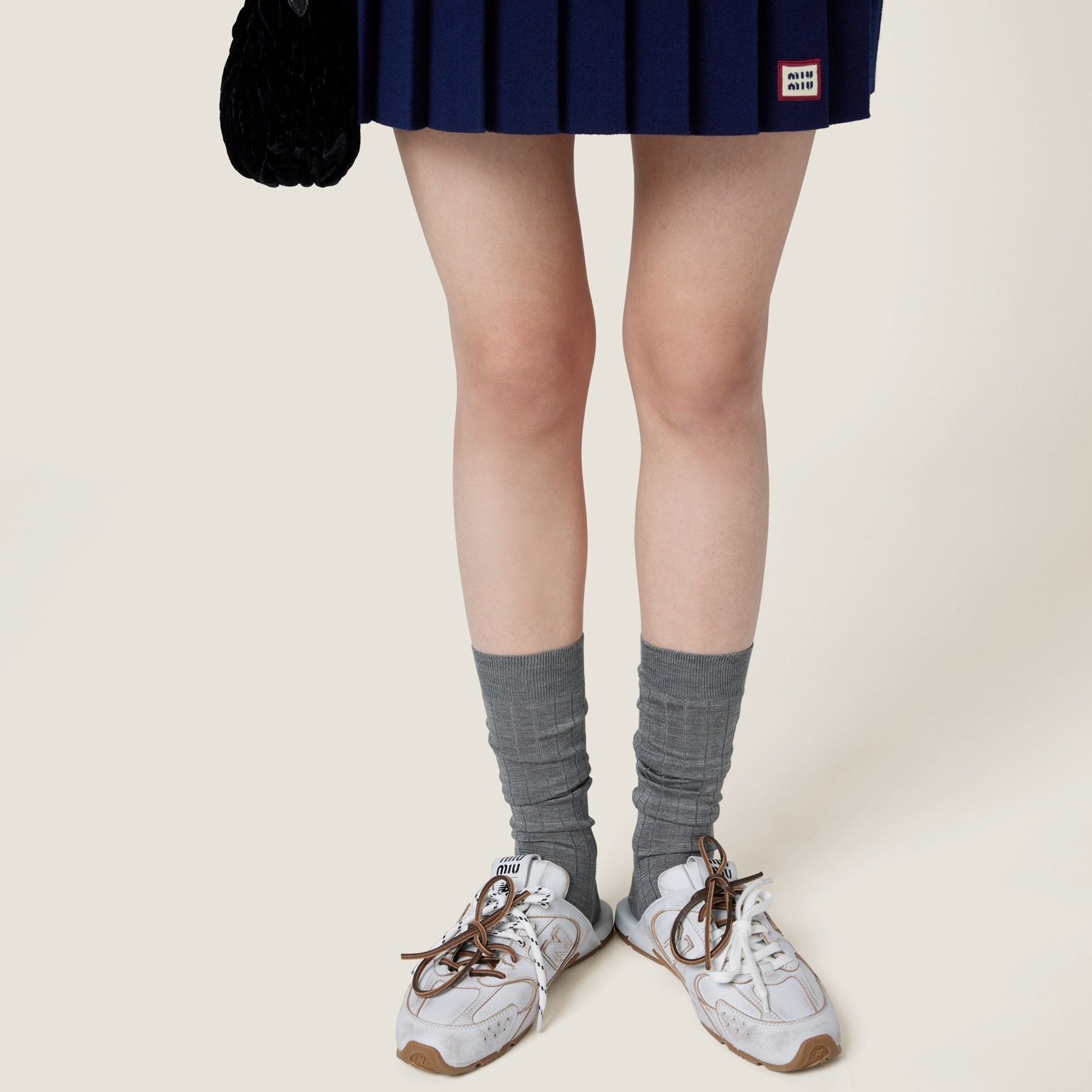
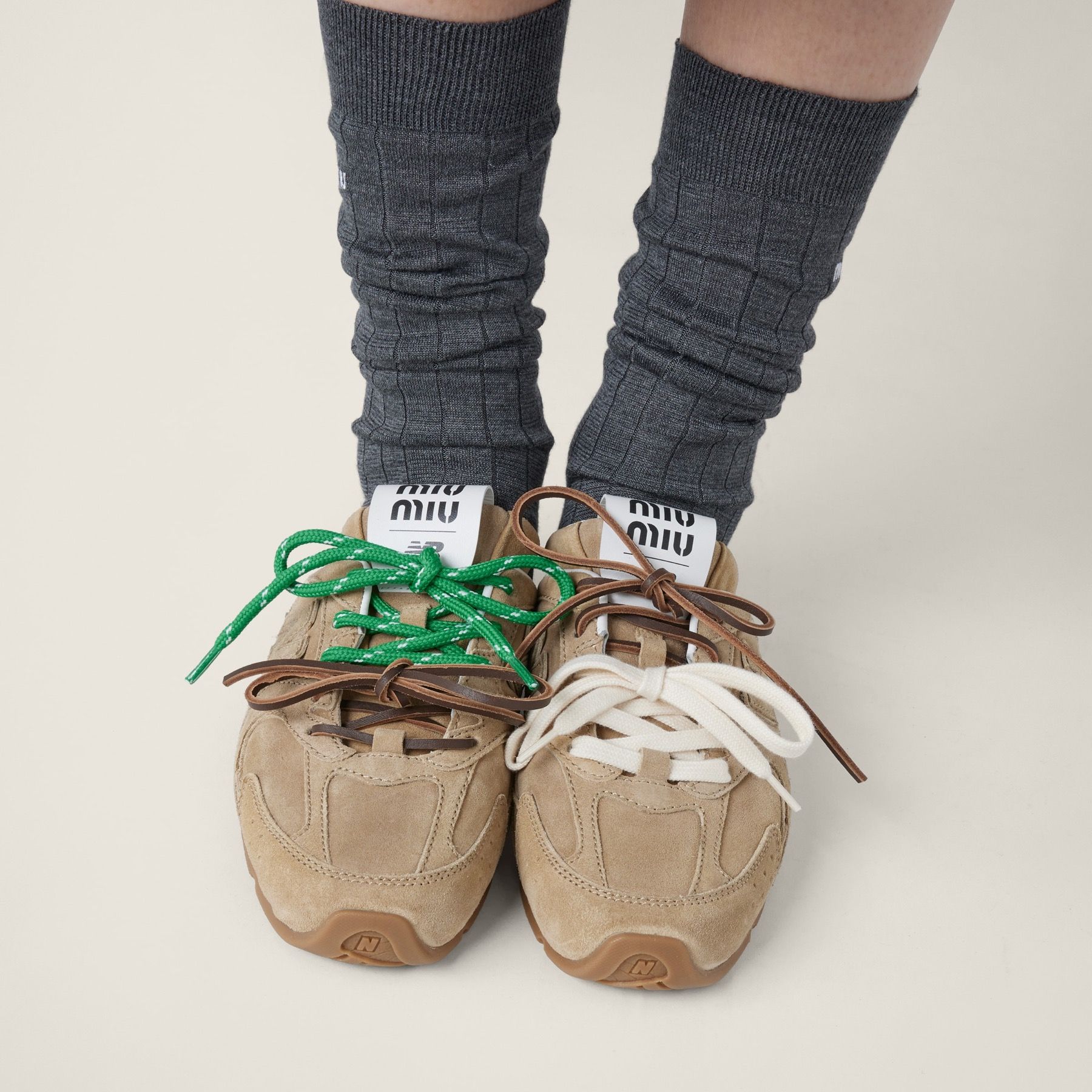
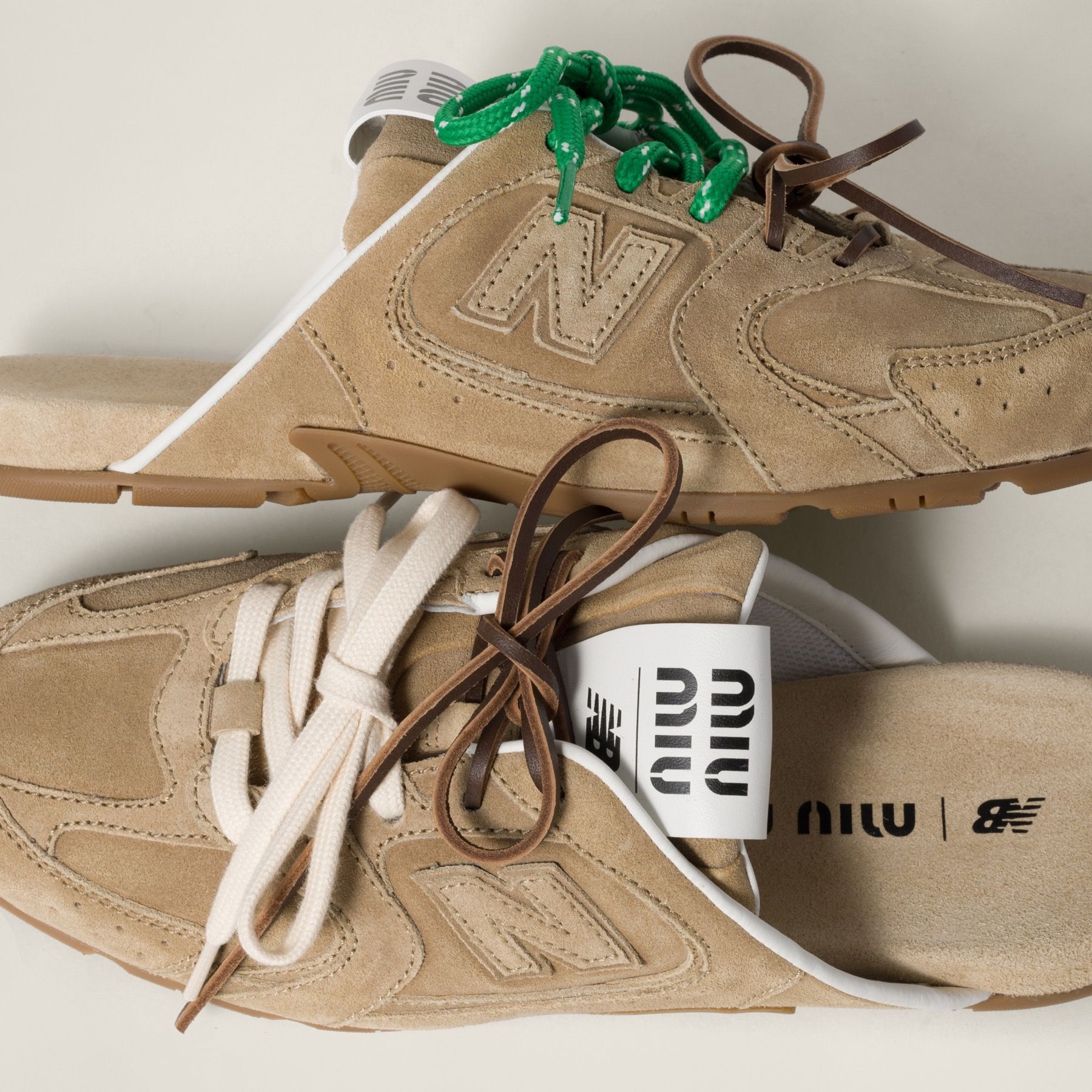
Not to mention sneakers that seem to be cut in half, like in the commercial lines of Miu Miu in collaboration with New Balance, which quickly went viral. In a sense, what unites this new category of shoes is precisely that they are non-sneakers: shoes where aesthetics precede functionality. This also opens a broader reflection, considering how in the past functionality and practicality were traditionally associated with masculinity, while delicacy and grace were linked to femininity. Today, instead, the very concept of footwear becomes lighter, thinner, closer to the body and, above all, to personality.
Geography of the trend
Geographical differences further amplify this evolution. In Milan, a countercurrent shoe like the men's ballerina has struggled to establish itself over the past two years, while elsewhere, Paris and London have pushed more on hybridization, making sightings of this type of footwear more frequent on the streets of the two cities.
Seoul, Shanghai and Tokyo confirm themselves as the true epicenters of an aesthetic sensibility that has been working for years on fluidity and redefining gender codes, as shown by the street styles of their respective Fashion Weeks. And if we dare to make a further observation, it is precisely the influence of the Asian market that has made this transition possible: one of the most impactful in terms of sales, as well as a key target of investment and strategy by major luxury groups. Not by chance, in the latest FW26 show by Maison Margiela in Shanghai, models wore the famous Tabi style, but in its ballerina version.
Farewell to practicality?
Ultimately, what emerges is not simply a change of trend, but something more concrete: sneakers, after years of uncontested dominance, are no longer the only possible answer; loafers, however elegant, often end up being predictable. It is precisely in this void that new alternatives insert themselves: ballerinas and non-sneakers that blend craftsmanship and sportswear, function and aesthetics, construction and lightness.
From a functional object, these shoes do not completely lose their function, but shift it from the purely practical to the symbolic. The aesthetics of what could be the most desired shoes of the year manage to encompass identity, gender, and imagination, making the men's wardrobe not necessarily revolutionary, but certainly more interesting.
What to read next

Ploom* reinvents soft clubbing with T-Club
DJ sets, non-alcoholic drinks inspired by the new LYO* range, and exclusive gadgets
Burro Studio has turned eleven but still hates rules
For the anniversary, it created a special pizza together with Fradiavolo Milano
Kris Jenner Steps Behind the Camera for Ferragamo's New Holiday 2026 Campaign
With The Joy of Loving, the Maison celebrates love and family bonds through an exceptional cast