





















“A Year in School” makes us feel like teenagers again Laura Samani adapts Giani Stuparich's book, making it universally accessible
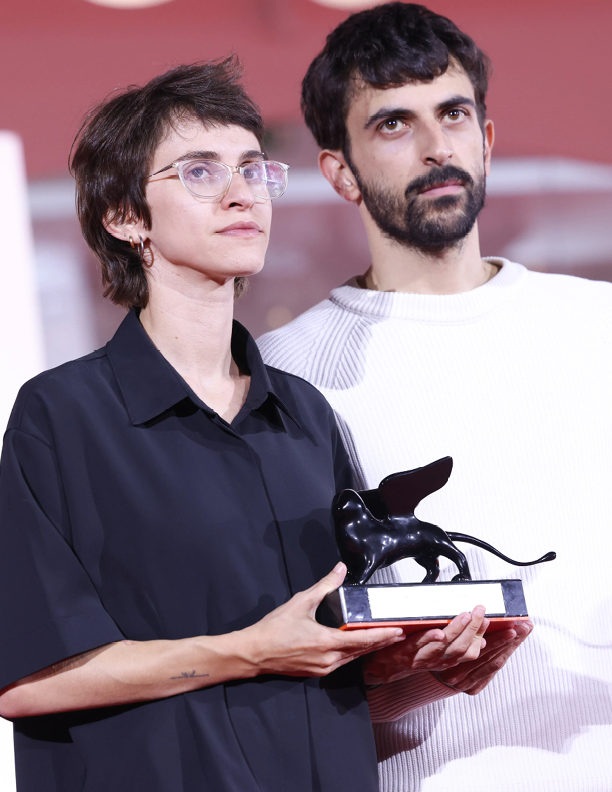
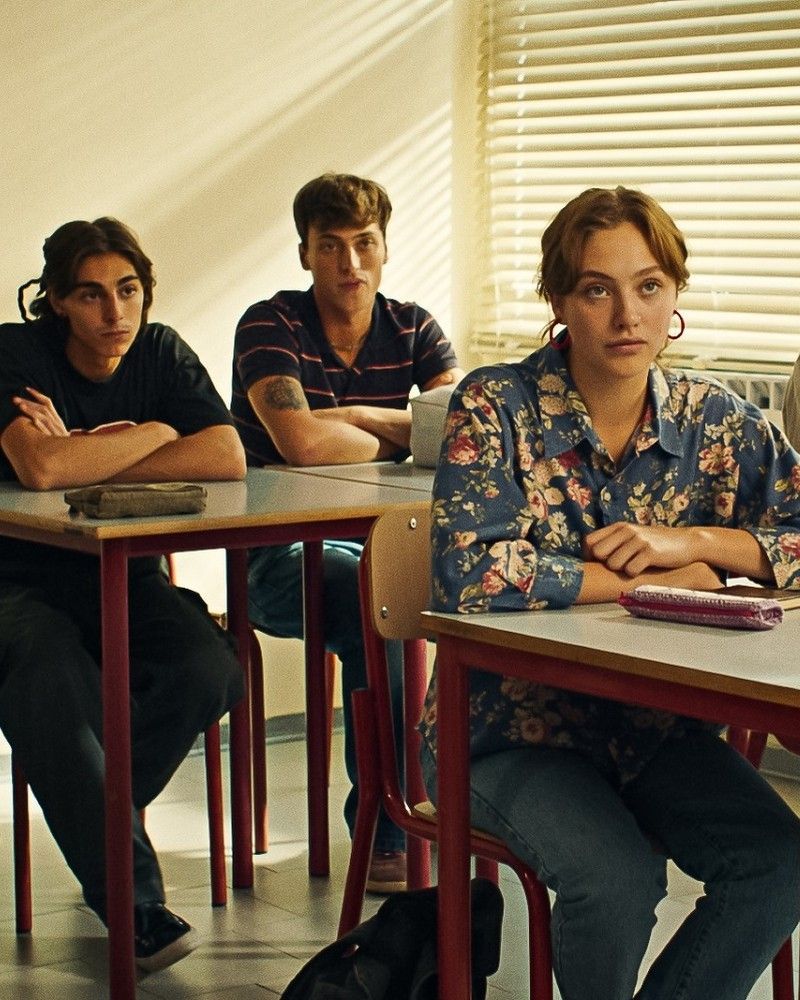
Laura Samani was keen to adapt Un anno di scuola. The film is freely inspired by the novel of the same name by Giani Stuparich, published in 1929, which shows the director and screenwriter’s desire — writing together with Elisa Dondi — to bring the text into the contemporary world. A choice that nevertheless sets the characters some time back from 2025, the year of the film’s first big-screen appearance at the Venice Film Festival in the Orizzonti section. A 2007 in which social life was still (only) in person, and which Samani unfolds through the streets of Trieste, the new home of young Fredrika (Stella Wendick), who has just moved from Sweden to Italy because of her father’s job.
Whether it had been set in 1929, 2007, or any other year chosen for the adaptation, little would have changed in the atmosphere of Un anno di scuola. Of course, placing it at the turn of the first decade of the new century brings with it its own cultural baggage and therefore a specific mood — see the presence in the playlist of songs by Tre Allegri Ragazzi Morti or Prozac+ that define the protagonists’ belonging, as well as the fashion of the costumes by Loredana Buscemi. But it is the emotional weight that, in any case, would have remained the same, because Samani and her collaborator Dondi manage to describe in detail, without ever making it more analytical than moving, what it means to be that age.
The high school years, of lessons skipped in secret and nights spent out telling your parents you’re sleeping at a friend’s house. Of evenings drinking when you’re not yet old enough, but it’s exactly at that moment when you drink anything you can get. Of the discovery of affective, romantic or brotherly bonds, sometimes even both. The years of the strongest sensations ever felt in life that, no matter how wonderful life may become later, you will never feel with the same intensity again.
In the specific story of Fred, the protagonist’s nickname, inserted into a trio of boys only, there is the possibility of rediscovering an inner world that is what every spectator has experienced in their own way and that, for a moment, they relive by watching it on screen. Samani and Dondi’s ability is to condense into that final year all the paradigms of adolescence. Adding a specific and focused touch in the story of a protagonist who begins to know and understand the world through the narrow lens of her own class, which becomes even smaller and limited to the quartet she joins.
A female point of view that opens up to spectator identification. In telling the universality of the adolescent period, it also shows what it means to be born and then grow up and become a woman in a context often dominated by male logics, feelings, and impositions. A theme that is central in Un anno di scuola and that passes as it does in real life: under the surface, not visible but present, something you become aware of as you live it, day after day.
Sweet and delicate, simple and affectionate, Laura Samani’s second film moves away from the magical realism of her debut Piccolo corpo to adopt a more classical narrative that never abandons a veil of lyricism. More subtle than her surprising debut, which remains a far more astonishing experiment, but which shows the author’s mimetic adaptation to the stories she wants to tell, finding a specific tone for each one. This time it is less complex and layered than the first film, yet no less valid. Because we have all lived Un anno di scuola, and with Samani’s film it feels like we are reliving it once again.
What to read next
«Club Kid is a once-in-a-lifetime opportunity», interview with Jordan Firstman
Everything about the directorial debut of the American actor and screenwriter
"Cambogia" teaches actors that you have to care about your own characters
Valerio Lundini's directorial debut premiered at the Rome Film Festival
In "The Debut" Julianne Moore gives a masterclass in acting
The film, premiering at the Rome Film Fest, hits theaters on January 1, 2027