


































What people are saying about Sora 2 Its features have impressed industry experts, but there’s a catch
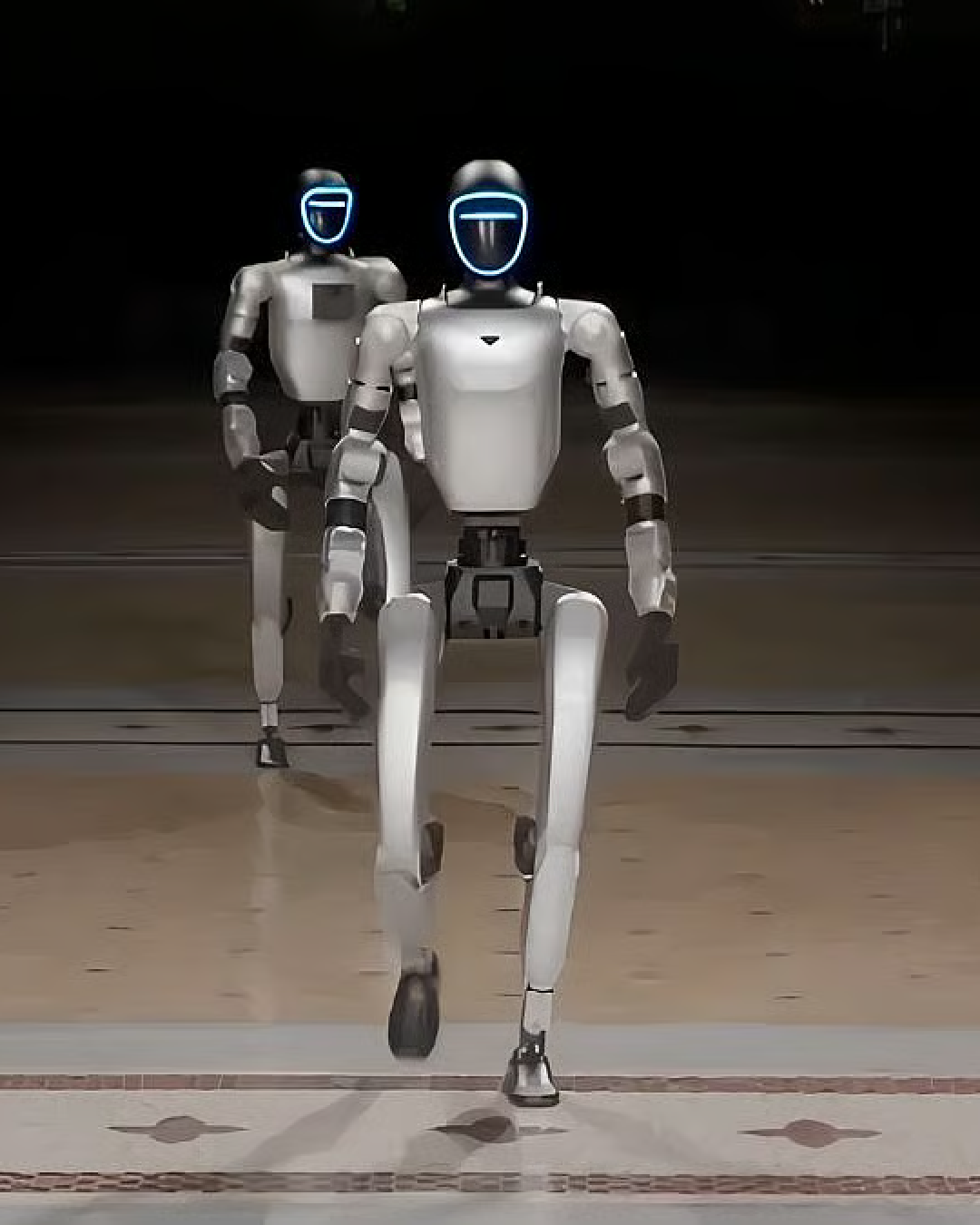
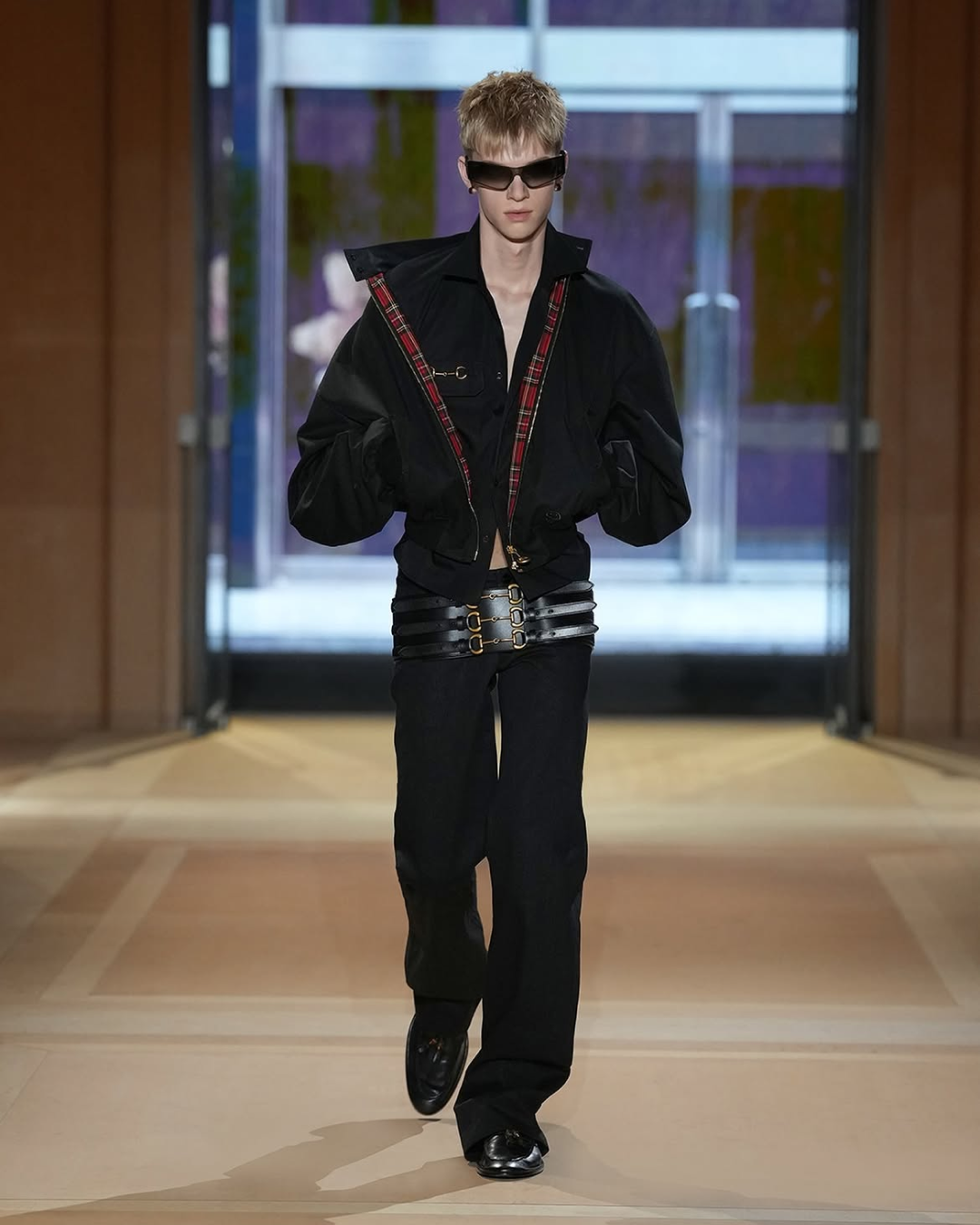
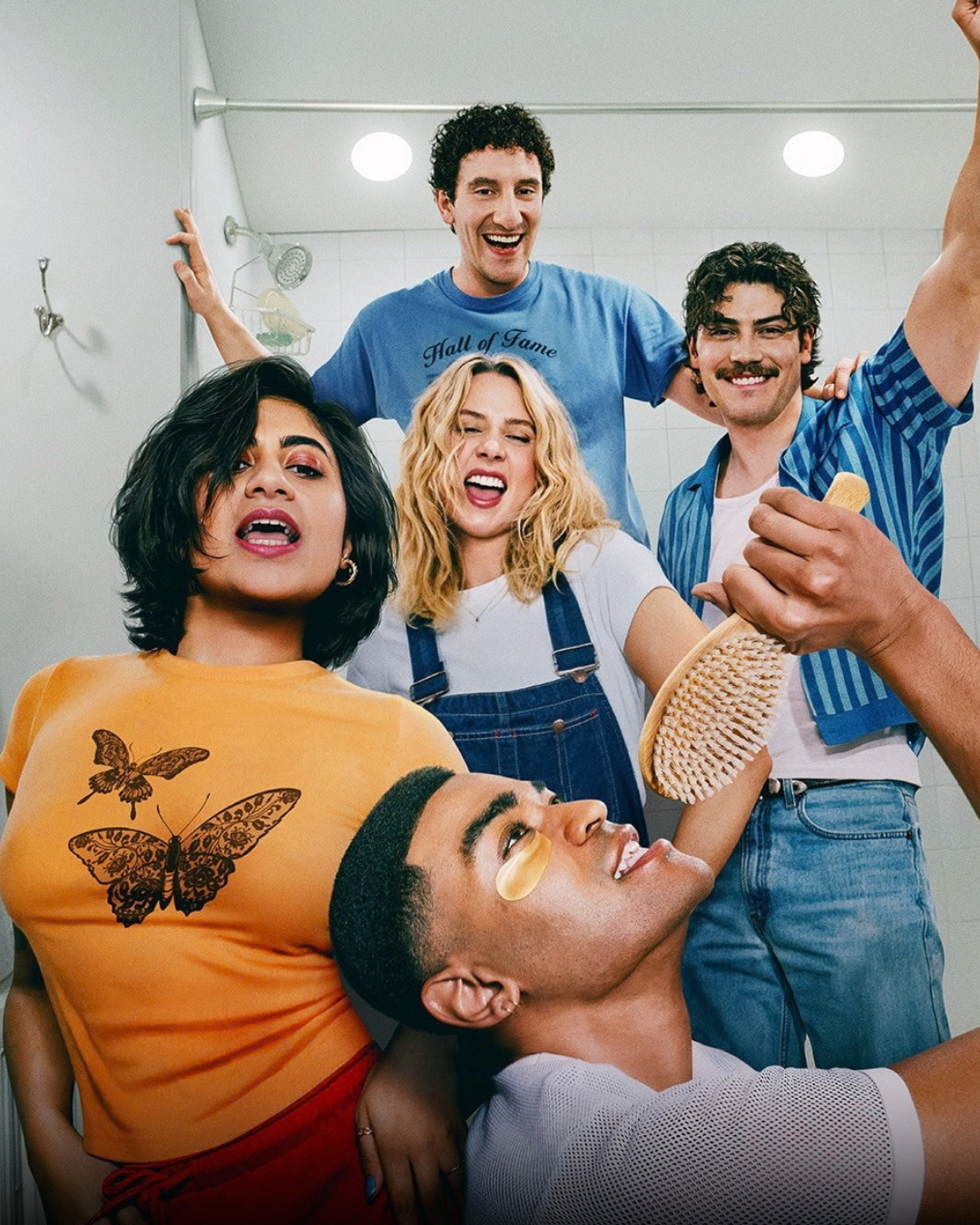
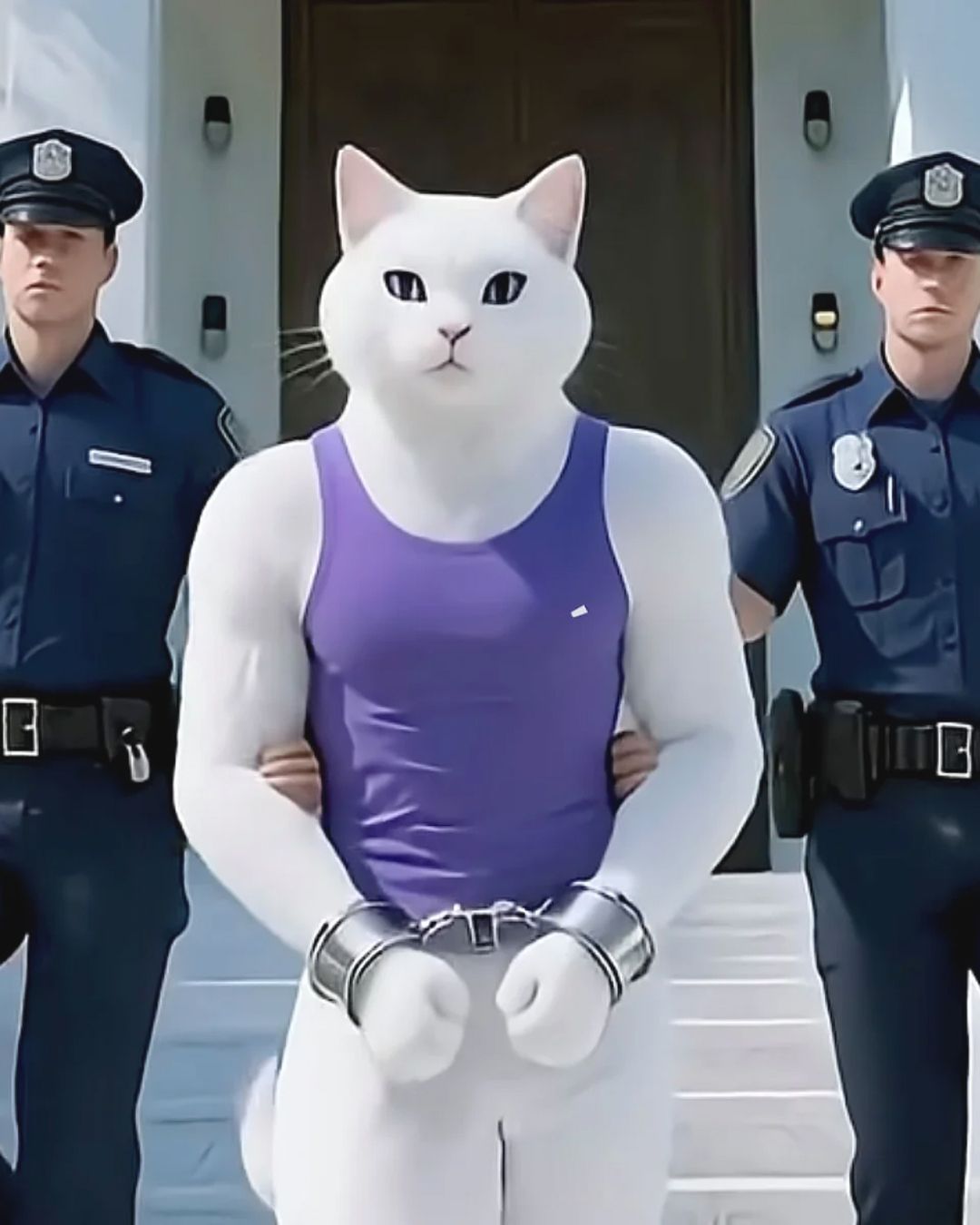
Recently, the second version of Sora was launched, the artificial intelligence system by OpenAI that makes it possible to create videos starting from simple text prompts. One of the new features of the software on which the company of Sam Altman has focused heavily, also from a promotional perspective, is the ability to reproduce real people in virtual contexts. Sora 2, in fact, can generate a fictional clip using a real video as a starting model. In addition, it is now possible to insert sound effects into the clips, fully customizable through text prompts.
The first version of Sora was launched about a year and a half ago and was widely appreciated for its ability to quickly generate fairly realistic short videos; however, the software had limitations, especially when depicting the movement of objects, which at times compromised the credibility of the output. The improved handling of object physics in Sora 2 has allowed the software to generate even more sophisticated clips, but OpenAI itself has admitted that the system still makes mistakes and does not always manage to produce entirely accurate content. The paid version of Sora 2 nonetheless offers a wider range of features – ChatGPT Pro users will be able to access it directly; however, the software will still be available for free in the initial launch phase.
On the occasion of the release of Sora 2, OpenAI also launched a kind of social network – similar to Instagram and TikTok, but for now available only in North America and on iPhone – where users can share videos created with the software and watch those made by others. The platform, Sam Altman explained, is designed as a digital environment where users can mainly interact with their own “bubble” of reference: for this reason, during the initial testing phase, access to the portal will only be possible by invitation.
This is also a way to limit the number of active users simultaneously on the social network, since video generation requires significant resources from OpenAI’s data centers, already heavily strained by the high number of requests from ChatGPT. At least in theory, the platform should also avoid encouraging doomscrolling – the passive consumption of one post after another – and will include restrictions for minors. Furthermore, OpenAI believes that the ability offered by Sora 2 to create videos with real people in virtual settings could significantly boost the use of its new social network.
I've always wondered what this would look like #SORA2 pic.twitter.com/OrNSdhPsCQ
— MattVidPro AI (@MattVidPro) September 30, 2025
The new features announced by OpenAI have sparked – as expected – a great deal of enthusiasm, but also some concerns regarding privacy and the risk of generating fake videos with real people. The company clarified that “cameos” – as the audiovisual contents that integrate clips of real individuals into fantastic scenarios are called – can only be created with the explicit consent of those involved. Nevertheless, one of the most popular pieces of content shared on OpenAI’s new social network is a satirical video showing CEO Sam Altman caught on a surveillance camera trying to steal a graphics card from a store, only to be stopped by a security guard.
OpenAI reiterated that cameos cannot be used to depict public figures without their consent, but several users reported having created clips with Altman using Sora 2. This has led many to interpret the official announcement as a tacit admission that the control systems are still not functioning properly. Beyond the concerns about video manipulation, there are also issues related to copyright. As reported by the Wall Street Journal, in fact, the new OpenAI software could allow the generation of videos inspired by protected works, such as TV series or movies. The use of copyrighted material to train artificial intelligence has been a debated issue for years, already leading to legal action, and highlighting how the sector is still largely without clear and consolidated rules.