


















Imperfection is the only antidote to the AI epidemic When having flaws becomes the only way to appear original
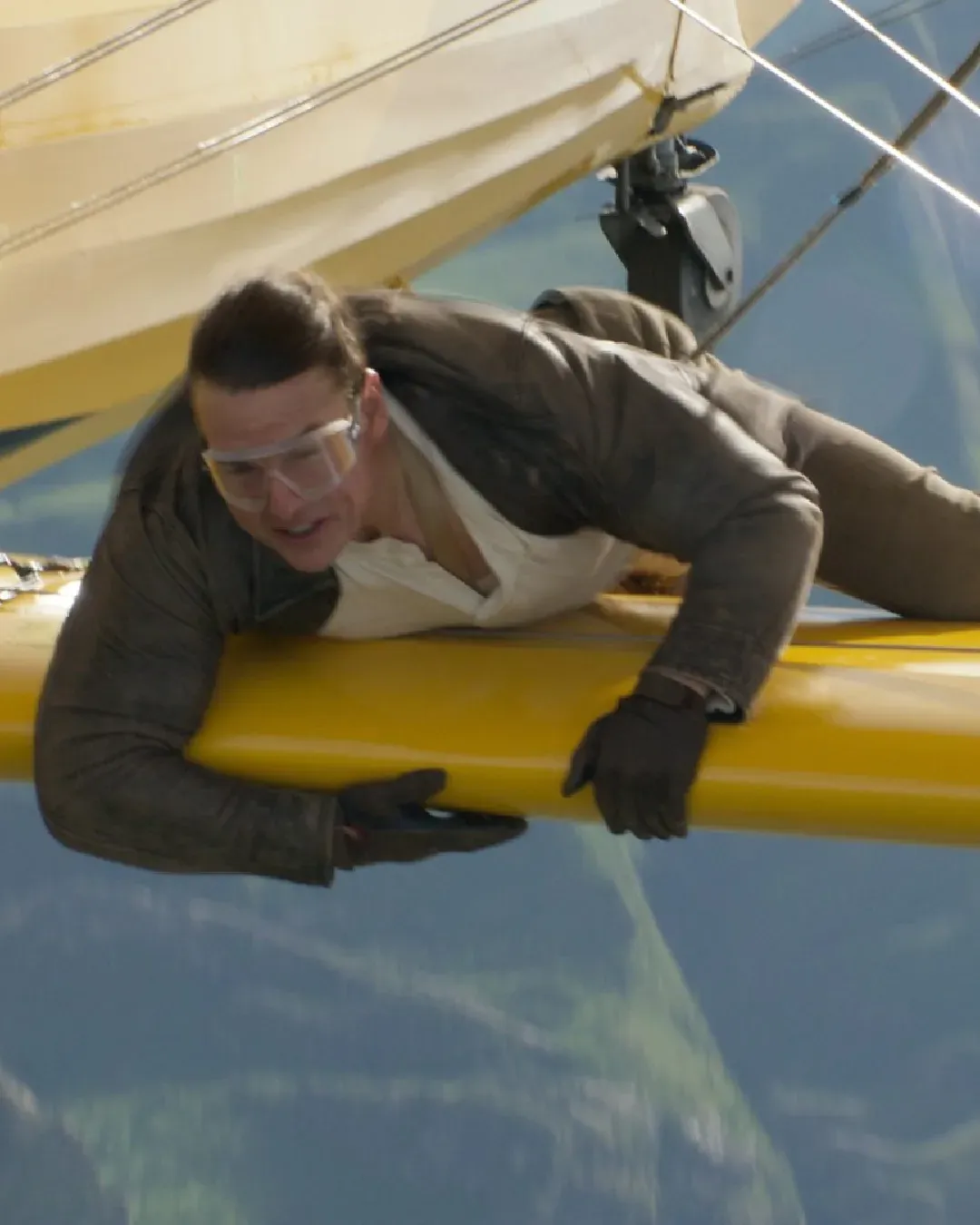
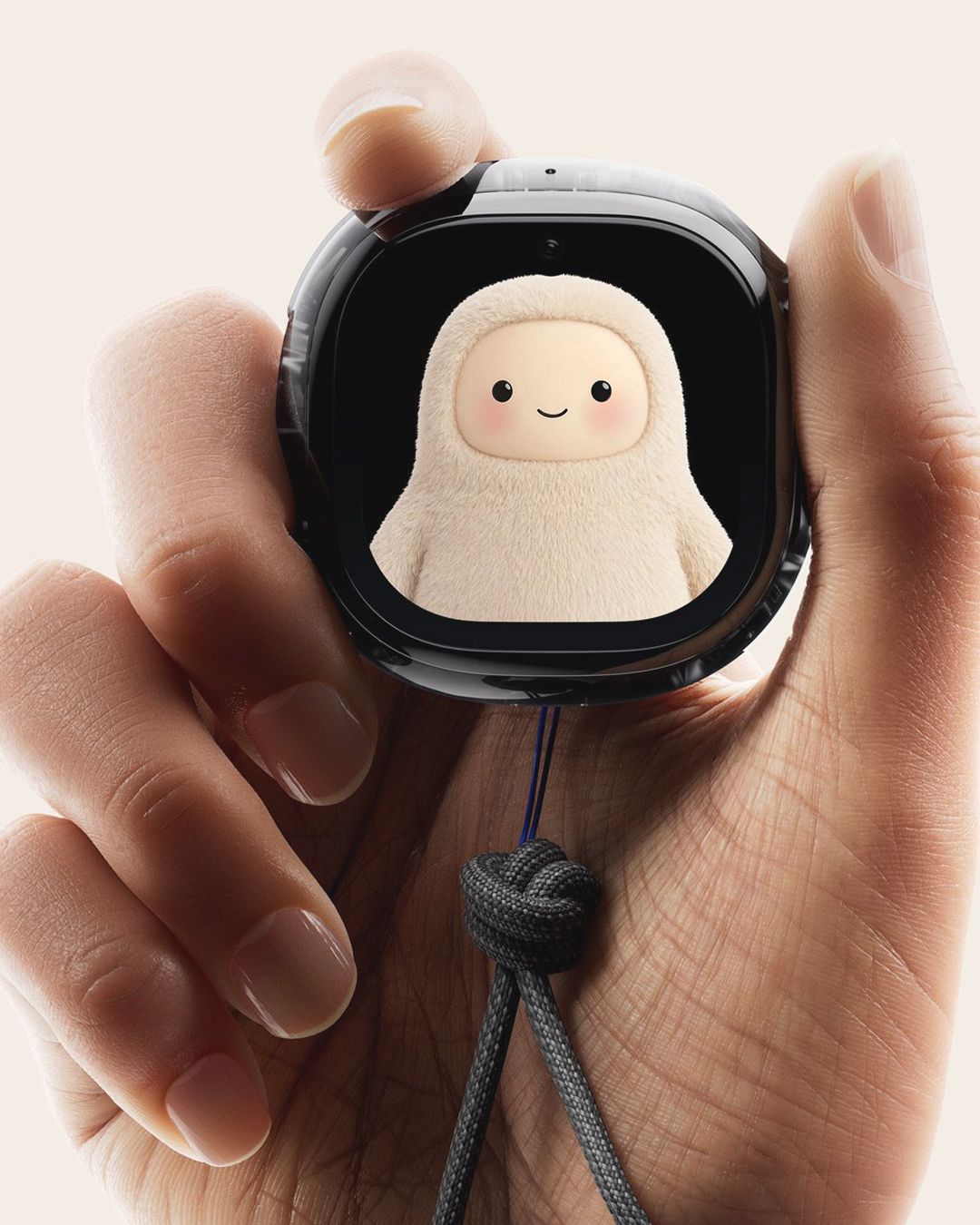
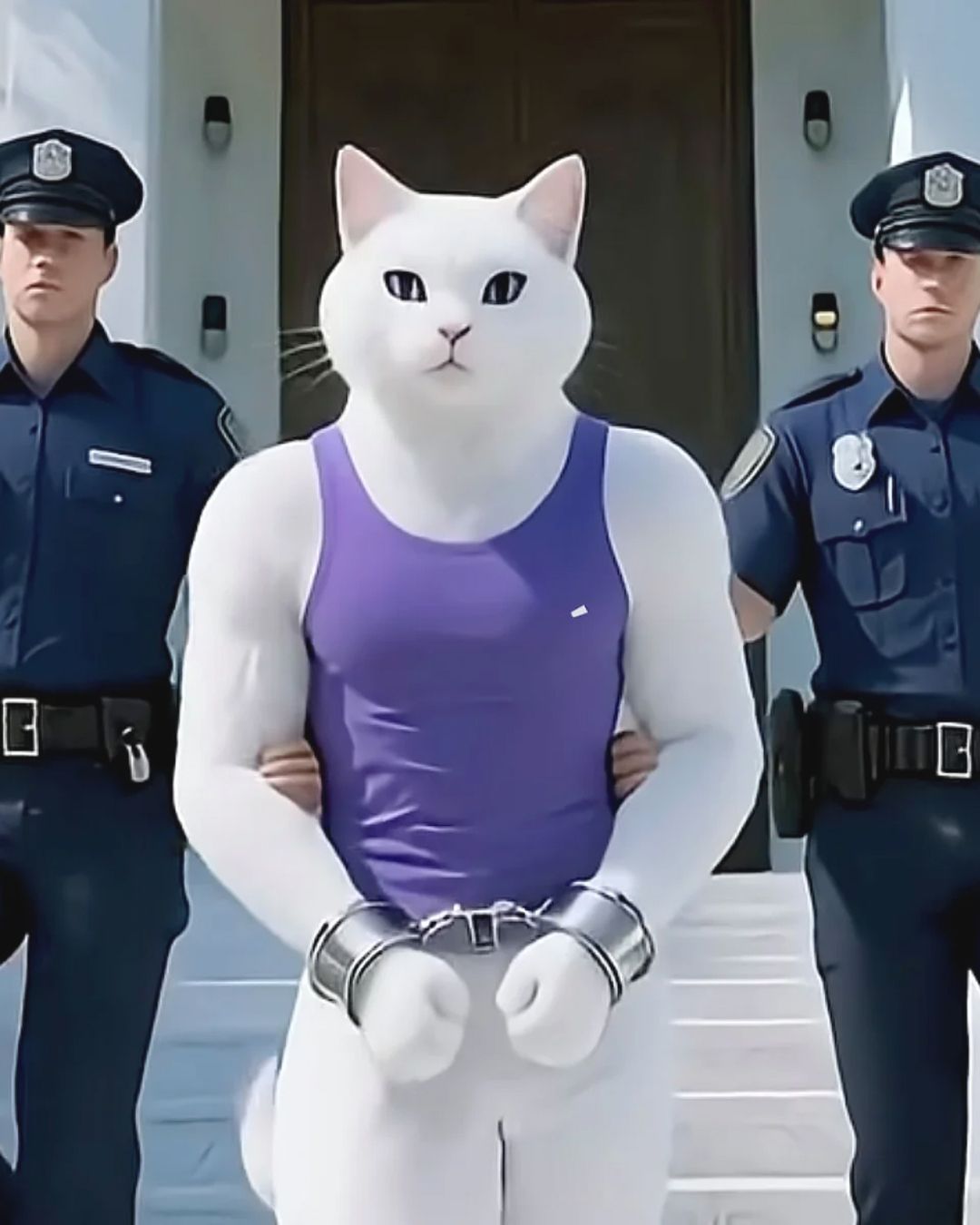
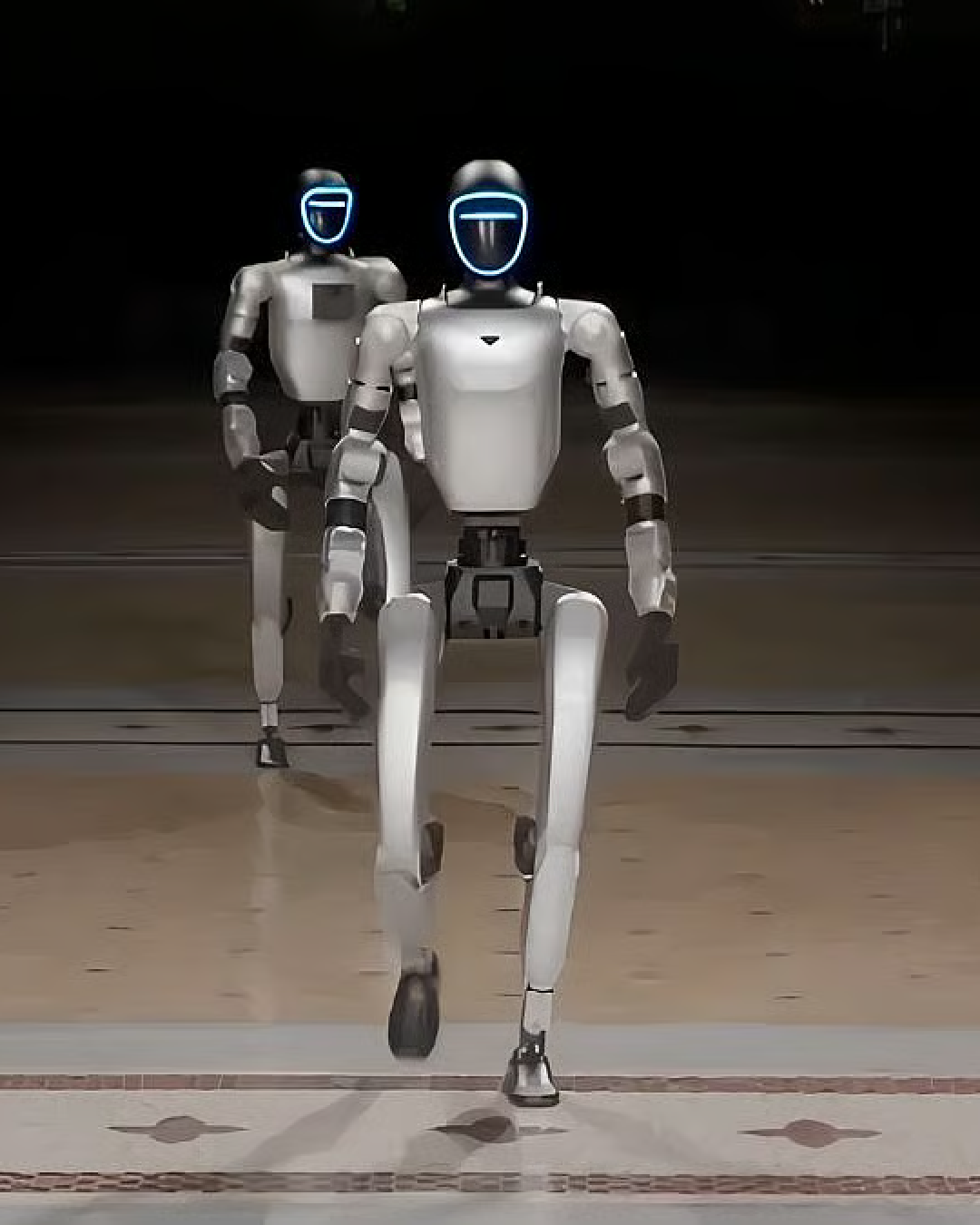
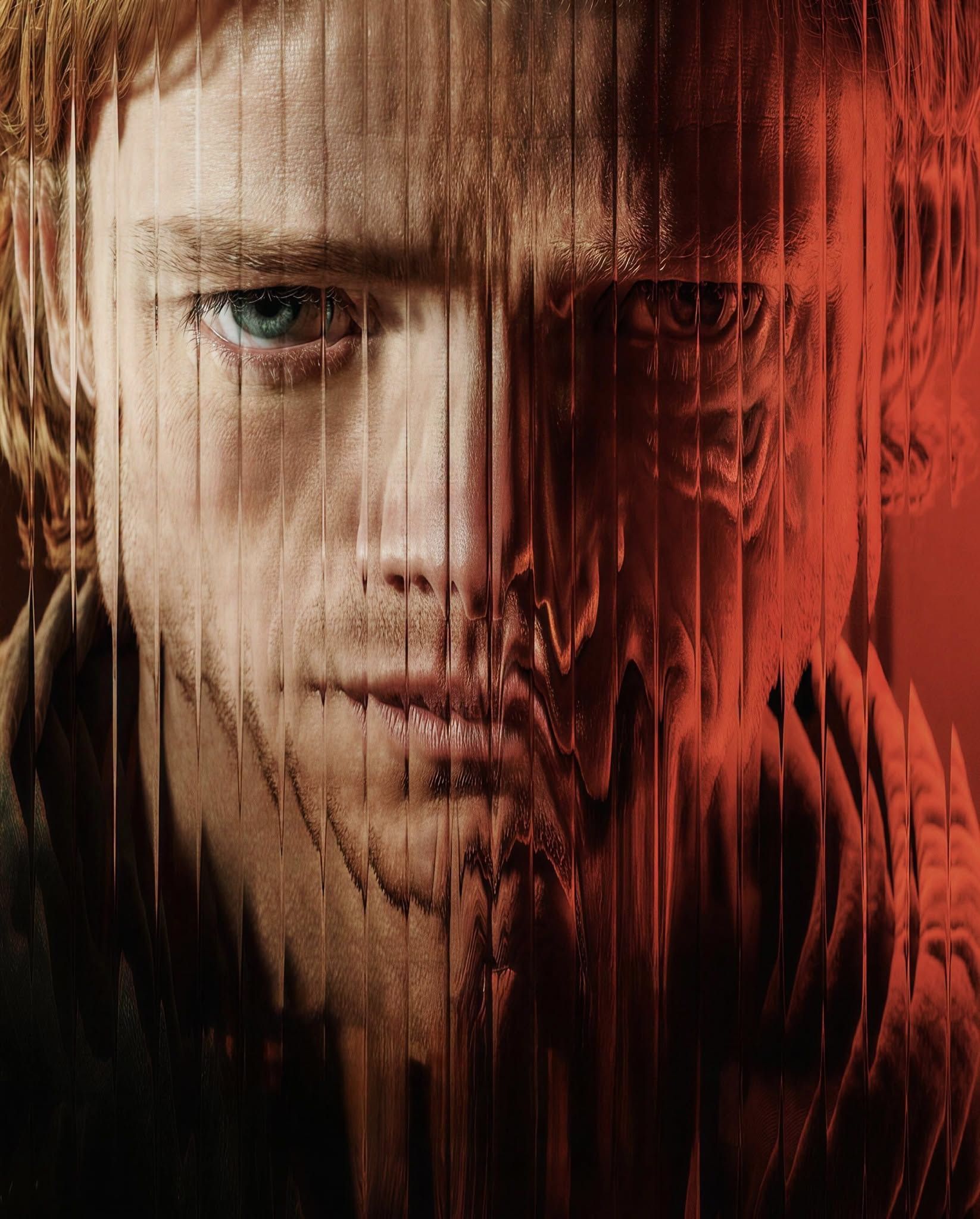
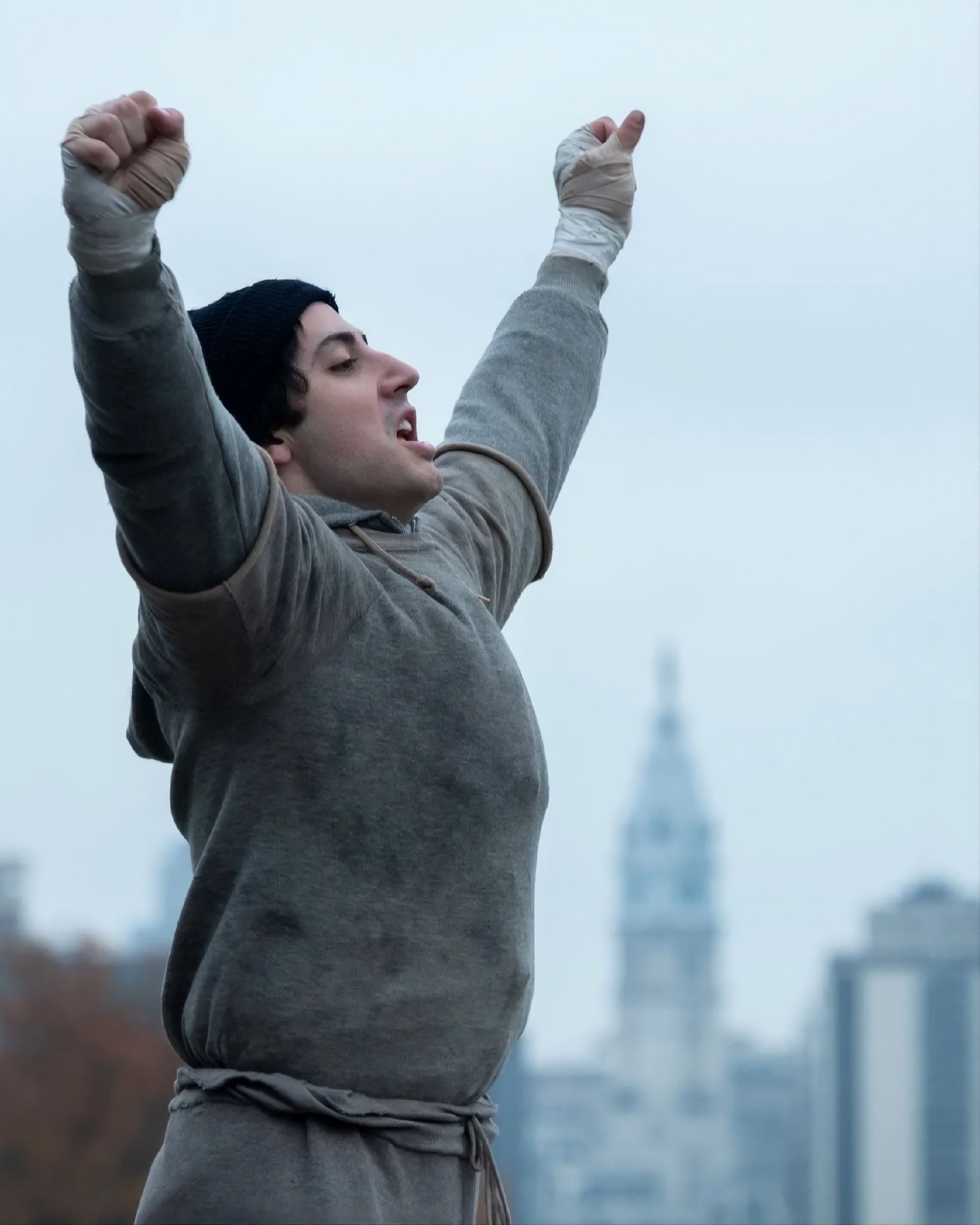
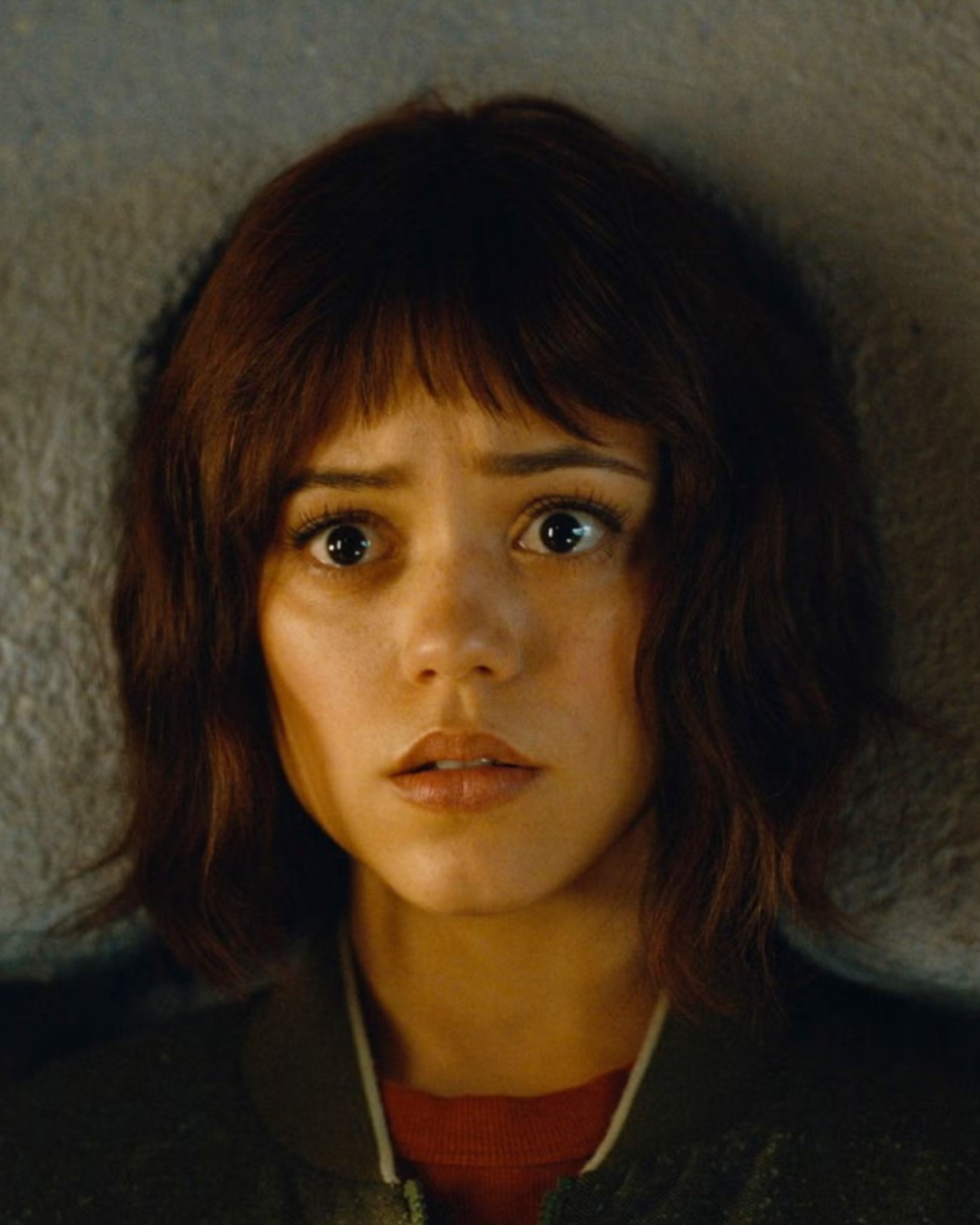
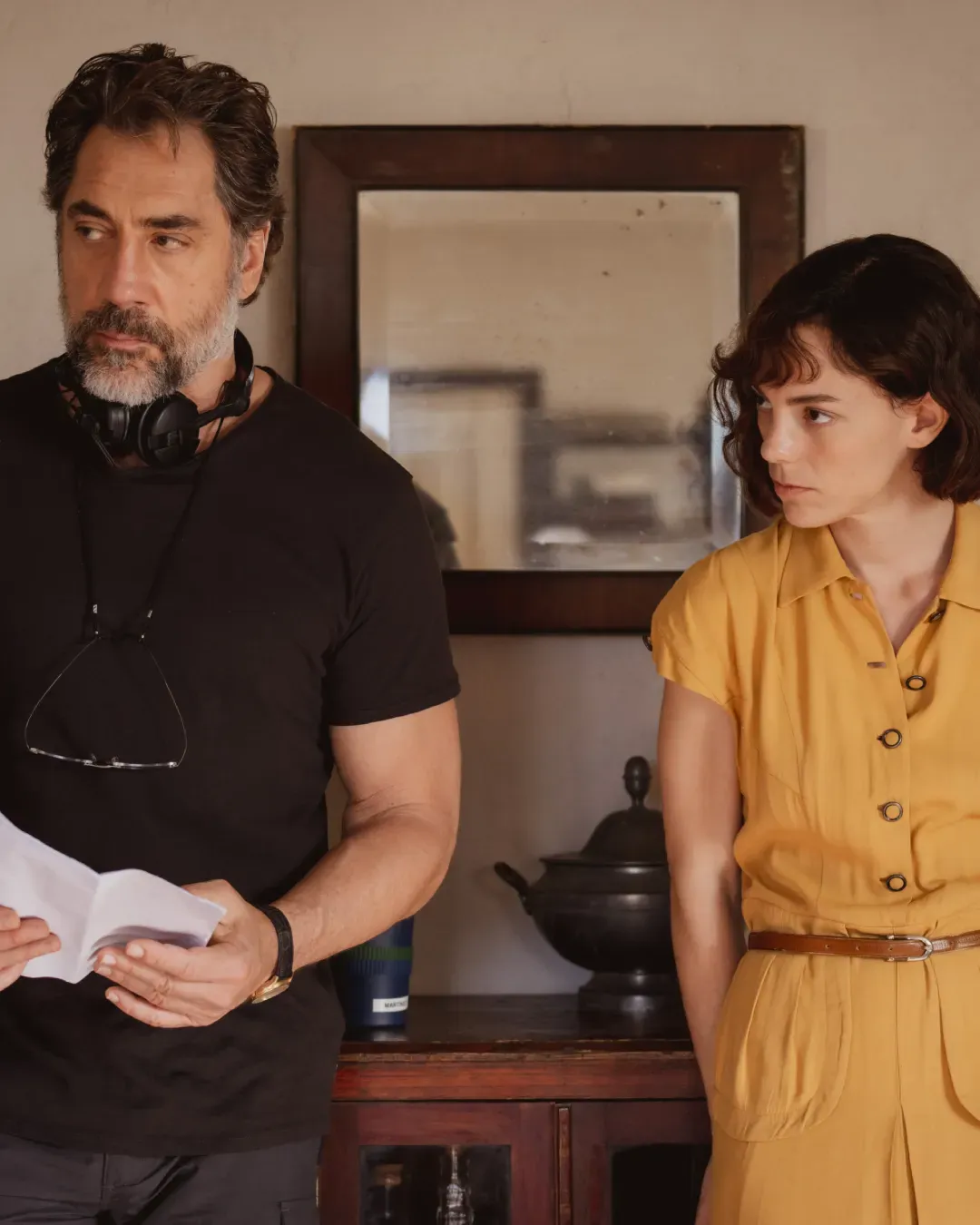
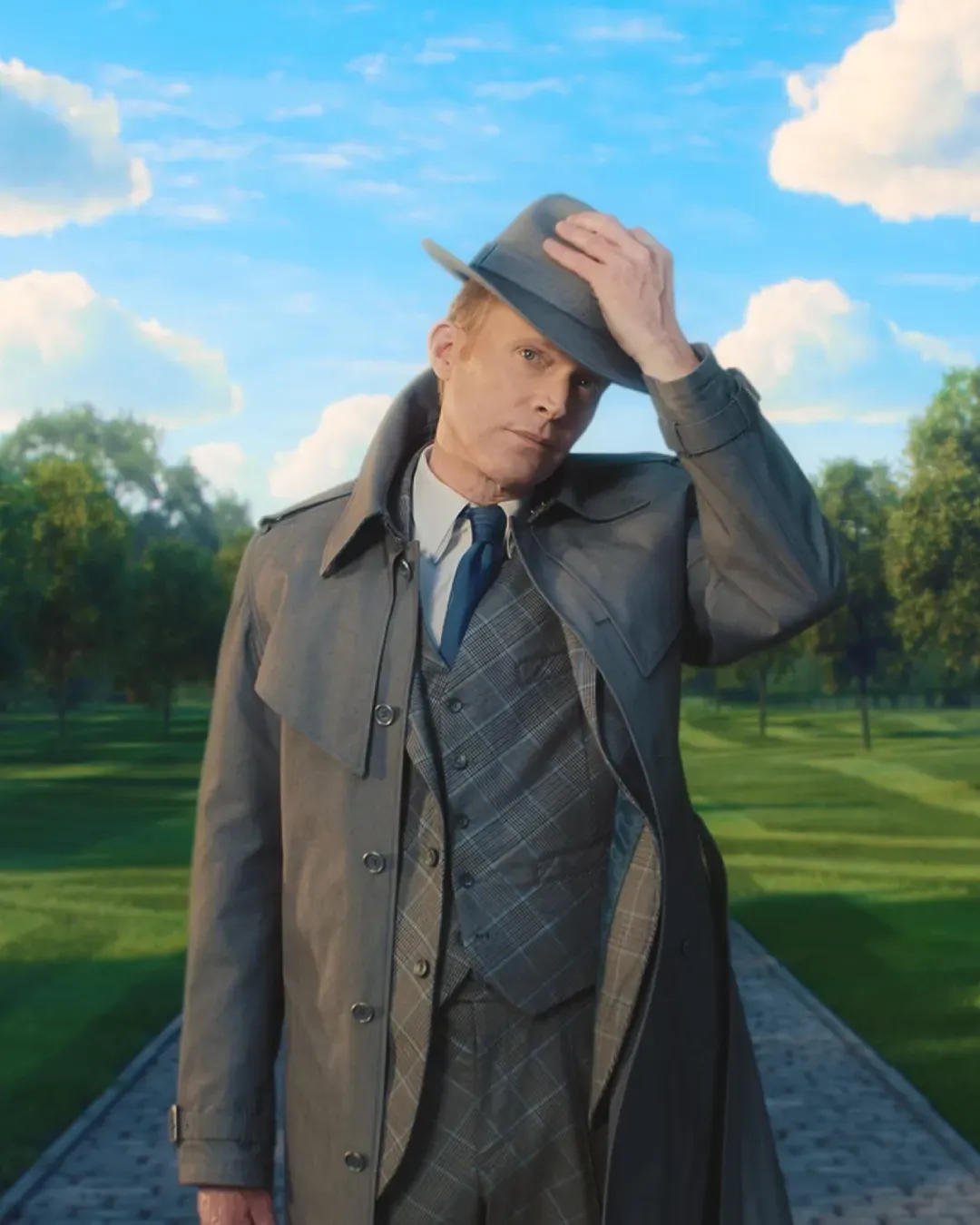
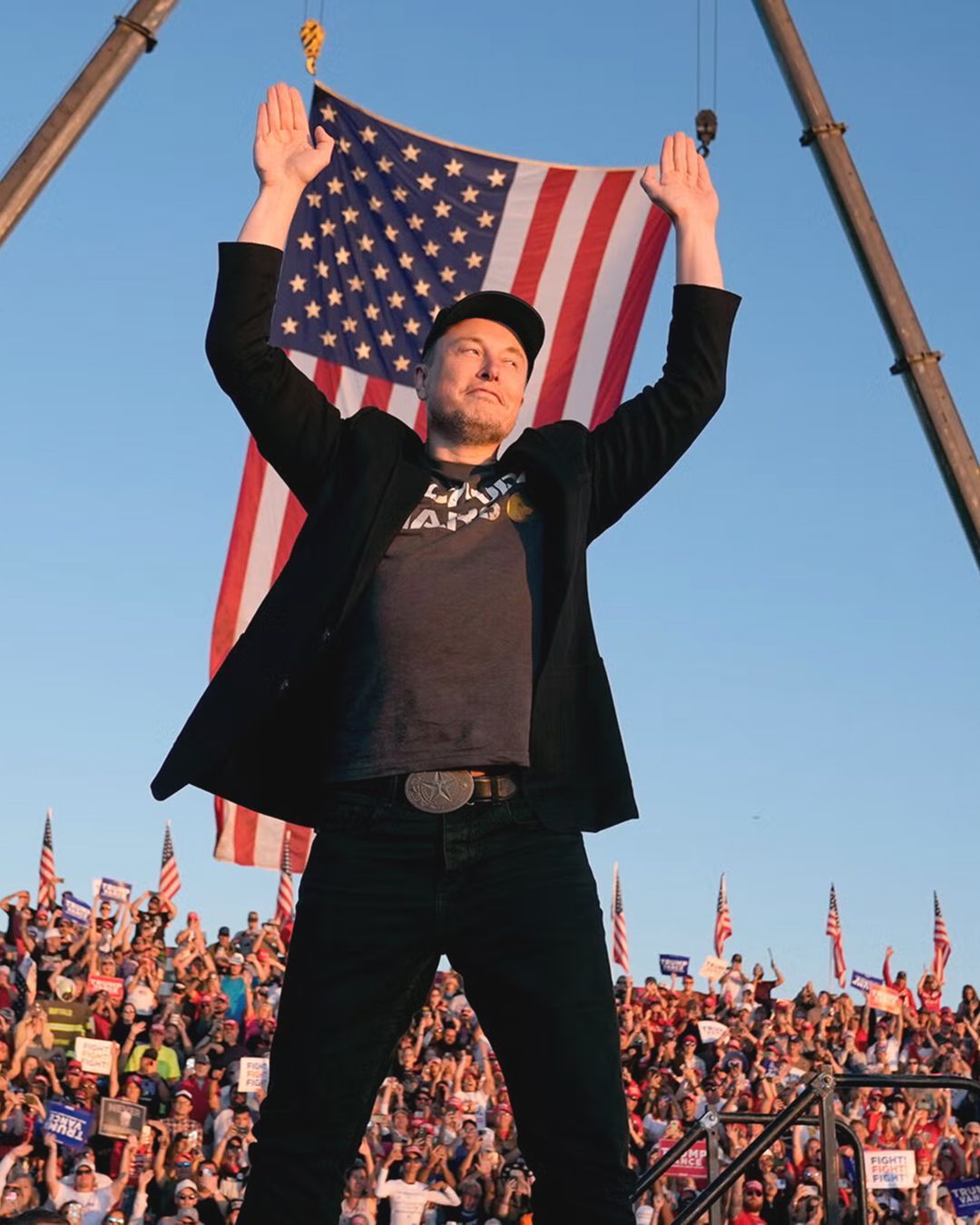
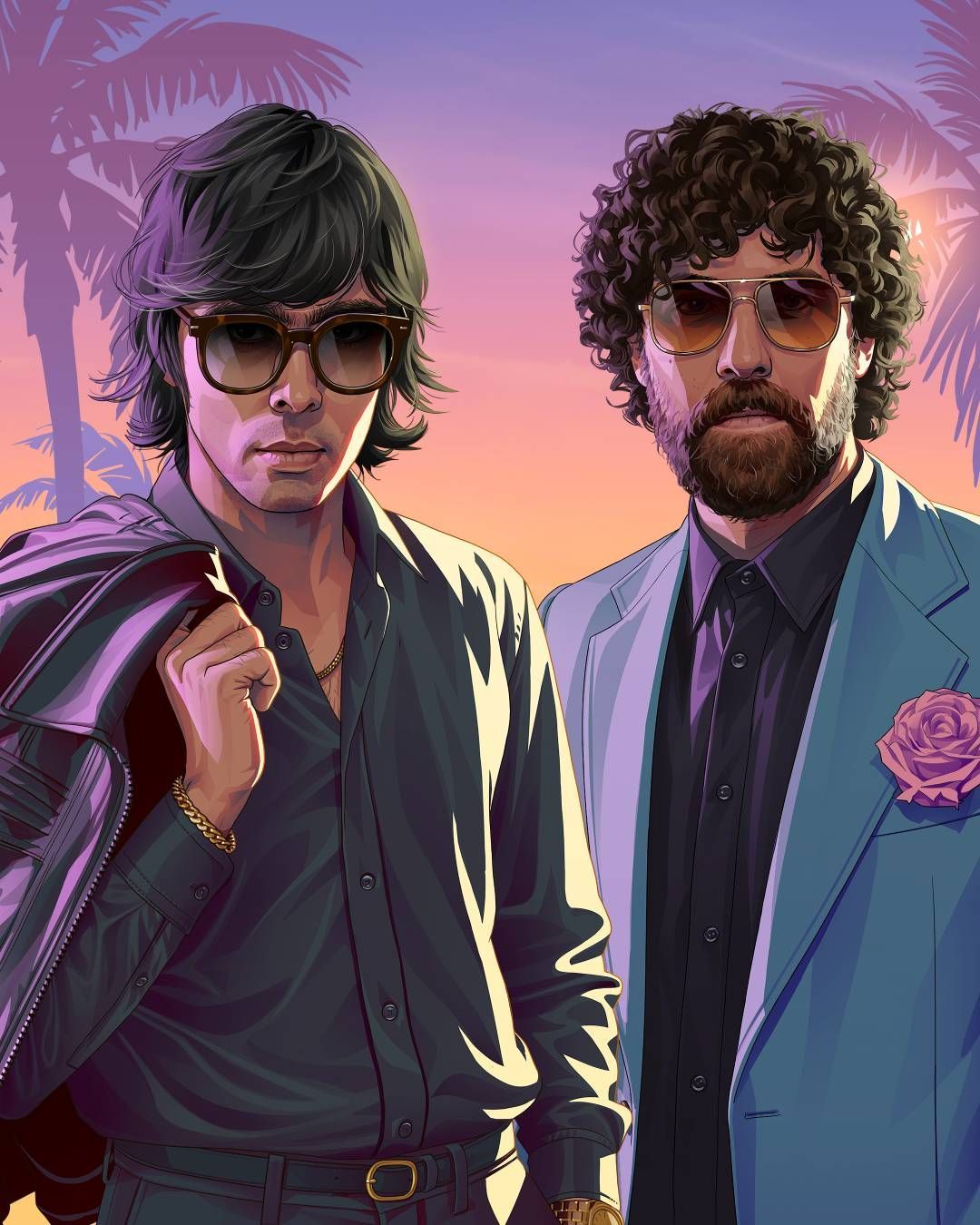
The dawn of the new year appears plasticized. Faces too shiny, hair perfectly still, empty expressions: this is the triptych that characterizes images generated by Artificial Intelligence, so perfect that they end up feeling as fake as they actually are. But while technology refines its ability to imitate the human, humans (with young people leading the way) seem to be taking a step sideways, reclaiming the error as a form of authenticity. And so today the value of an image no longer lies in its perfection, but in the possibility of proving that behind it there was human thought and hand.
The trend of naïve graphics
On the role of humans in an AI-dominated marketing sector, Shelly Palmer, CEO of the technology consulting firm Palmer Group, put it this way: «The debate over AI and its role in creative industries often centers on one question: Can AI ever be as creative as humans?». As tempting as it may be to philosophize, he says, in the end it all boils down to one simple question: will the user be able to tell whether the result comes from technology or from human work? «If the audience can’t tell the difference between AI-generated and human-generated content - or if they don’t care - then, for all practical purposes, there is no difference». In other words, if you can’t distinguish the virtual from the human, it becomes irrelevant to make a distinction: the two final products will have the same value.
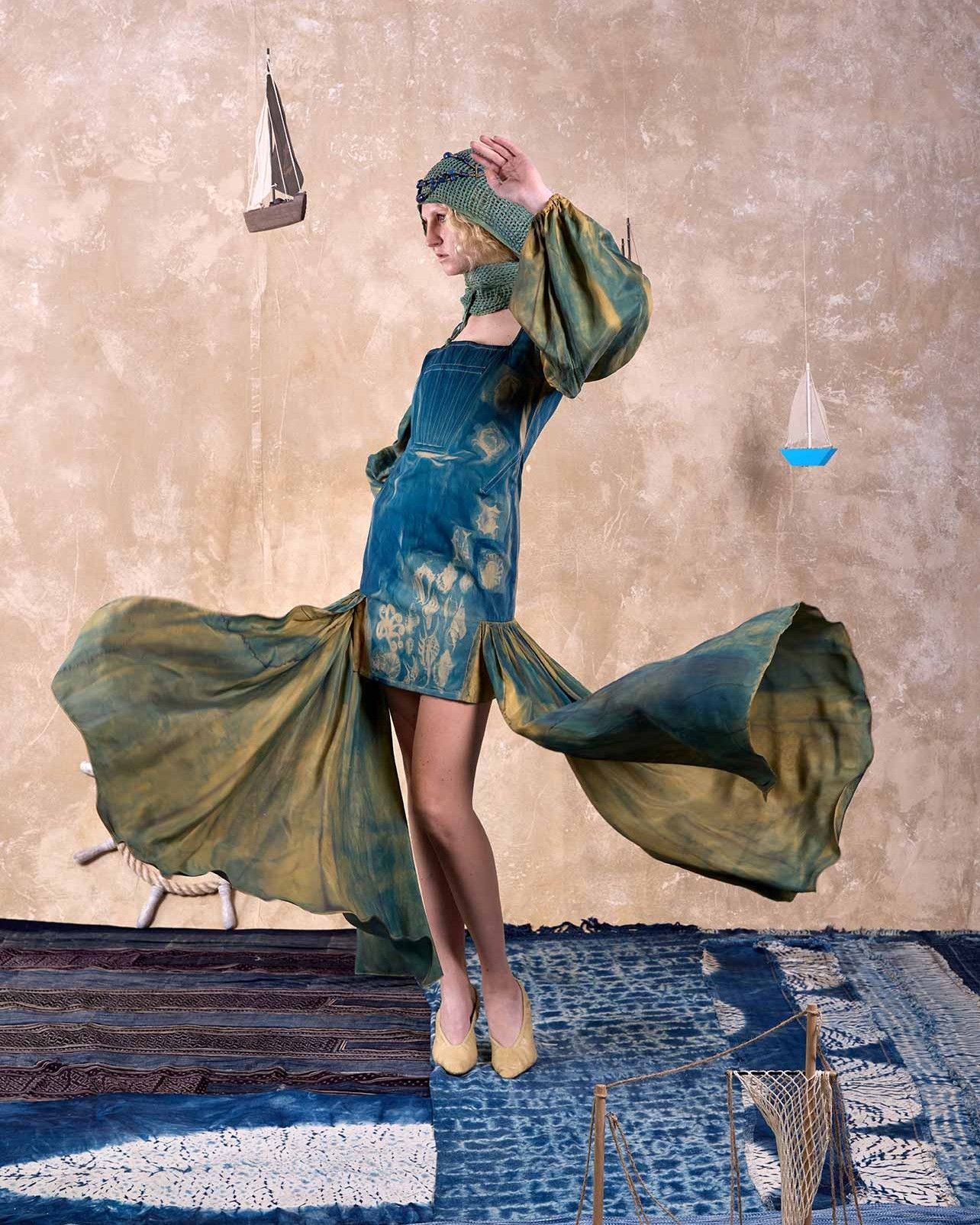
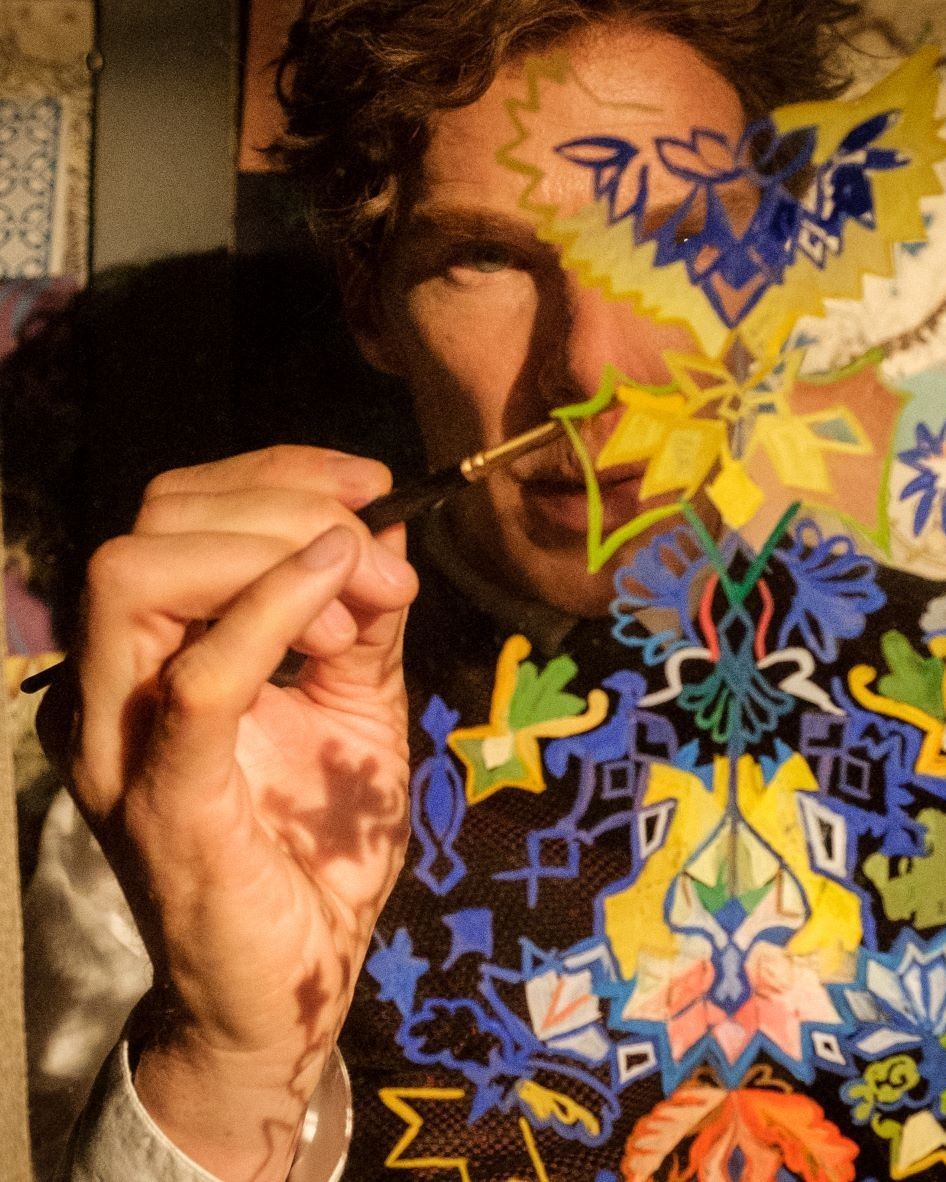
While this theory may hold some validity in marketing, it seems to stand in stark contrast with emerging aesthetic trends. Fashion, for example, appears to favor naïve graphics, almost childlike drawings: stylized or roughly sketched bows, doodles similar to those made while on the phone. An entire repertoire of naive and childish images is also making a comeback in fashion: Chanel incorporated stylized floral embroidery in its latest Métiers d’Art collection, and the most recent Acne Studios advertising campaign, created together with illustrator Michael McGregor, is a triumph of colored pastels and bows. Perhaps nostalgic, but this trend has a clear direction: rebelling against unnatural perfection.
Imperfection as the last human gesture
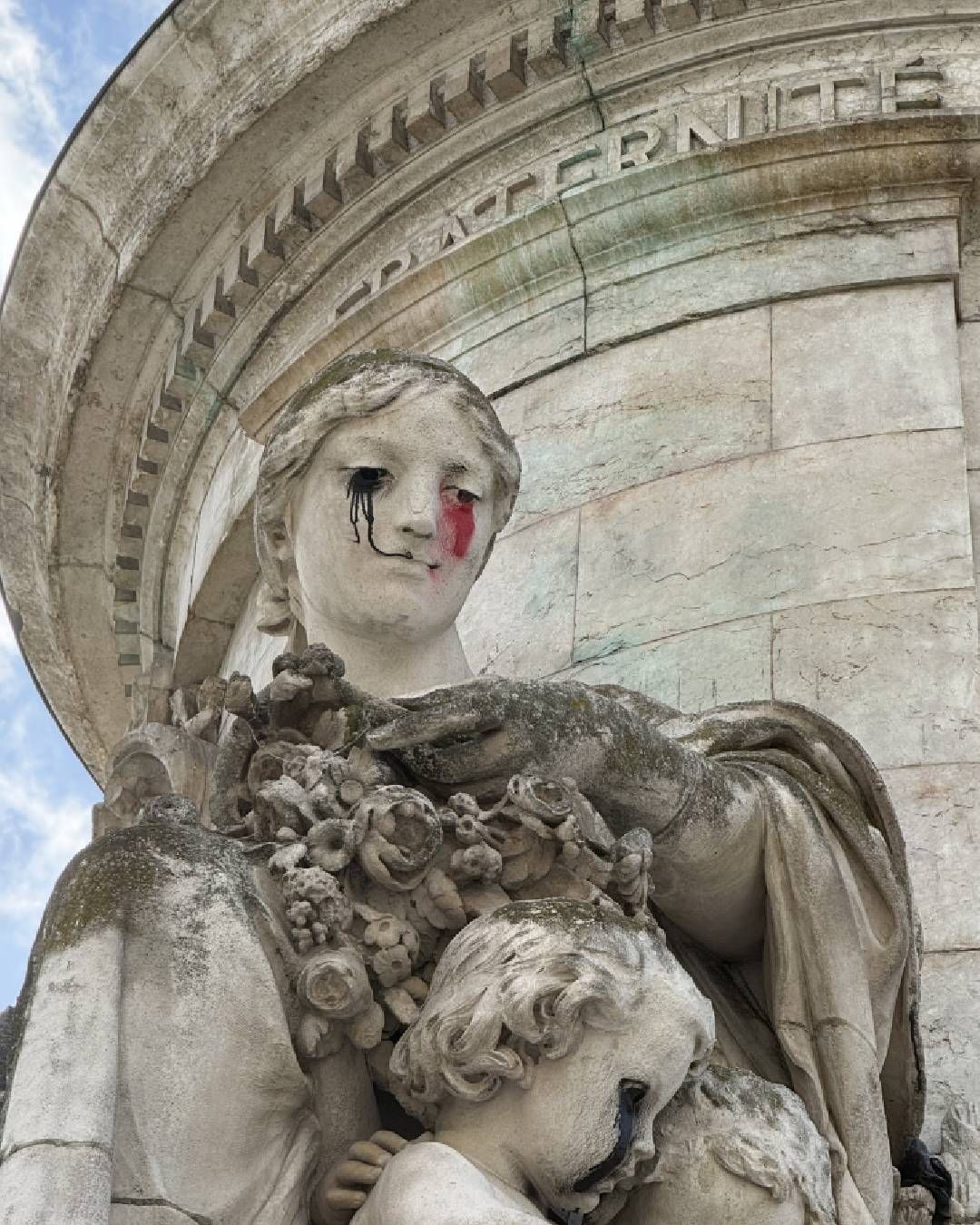
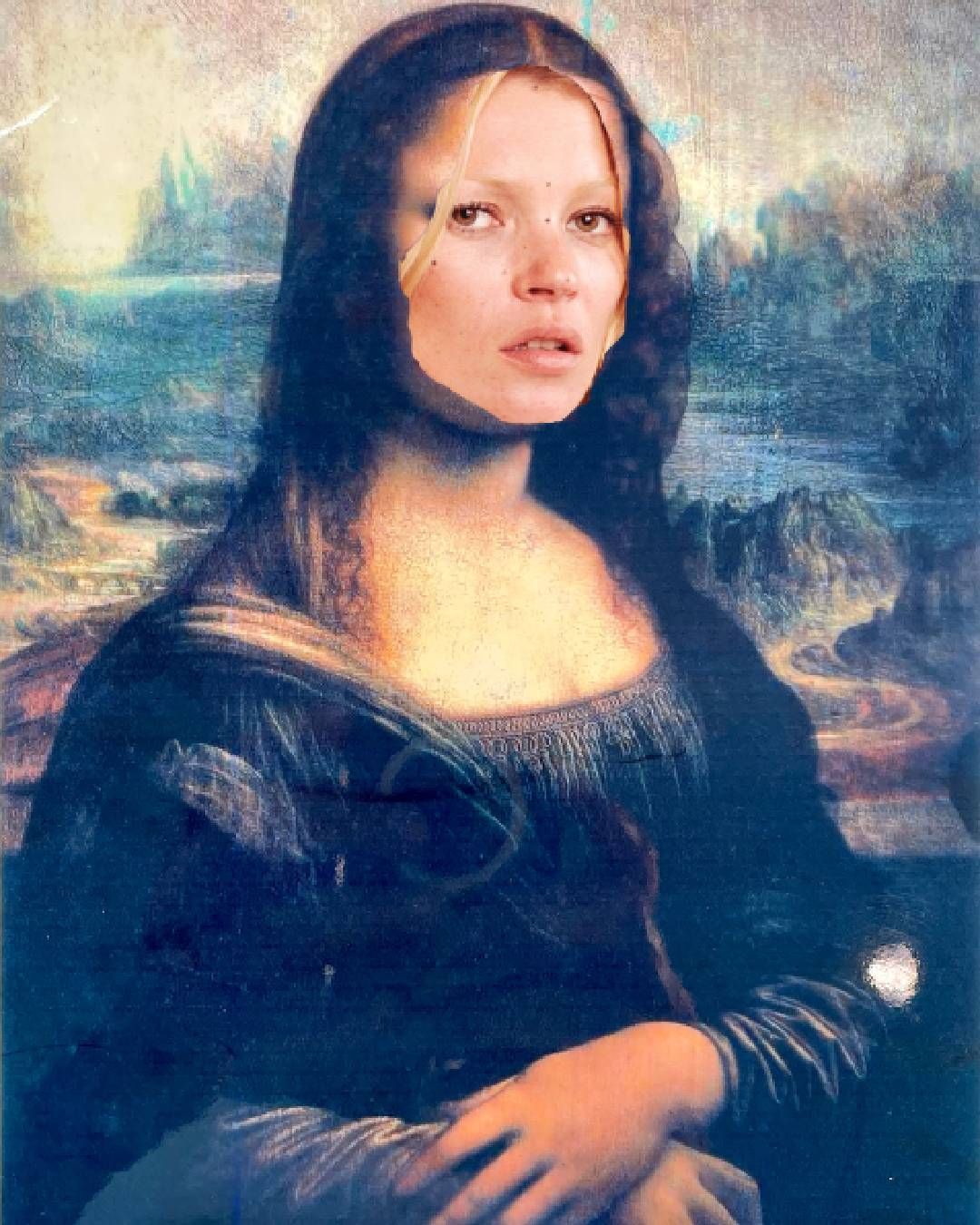
What allows us to distinguish human work from virtual work is, without a doubt, imperfection. There is nothing more human than something that makes us wrinkle our nose, a detail that makes us smile, that makes us feel closer to its creator because, ultimately, it represents the same smudge anyone could make. Among the many manifestations of this declared form of rebellion is beauty, a sector that has always revolved around perfection. «The more AI I see, the more I crave imperfection», quotes the TikTok posted by Lara Violetta, a beauty creator famous for her alternative make-up, just a few days ago. An almost hypnotic video where everything seems to be in the wrong place. «We gotta be messier» replies a user among the comments.
AI and the nostalgia for 2016
At this point, it’s no coincidence either that we’re seeing the return of 2016 aesthetics. Since the start of the new year, it seems all online communities have had one single fixed thought: ten years ago things were better than today. For those who weren’t there, here’s a quick recap: chokers, pink-toned filters, Starbucks cups photographed everywhere, full-glam makeup, the mannequin challenge, military green parkas, Snapchat’s dog ears and snout filter.
In those years, the general emotional climate was more positive: wars and pandemics felt very distant and the future seemed slightly brighter. The approach to the Internet and social media was more human: they were seen as a game and used without strategies, there were no sponsorships or monetization. Social media were free from malice or desires for profit; anyone could post a bad selfie or dress according to the questionable trends of the moment without being ridiculed.
Ai is beautiful, but the lack of imperfection is what makes it ugly. Nobody loves perfection… Shakespeare, Shelly, Austen, Salinger, Hemingway, etc. Contrast and imperfection makes humanity interesting. Go outside, scrape an elbow.
— Andrew Hoffman (@andrewhoffman) January 4, 2026
The various youth communities, from nerds to hypebeasts, all shared a strong sense of belonging to their own group, freely expressed through makeup, clothing, and music tastes. 2016 was the last truly carefree year, authentic and genuine, and looking back to that period means retreating into an idea of normalcy that today feels distant. We don’t miss 2016 for what it was, but for what it didn’t demand: performance, perfection, optimization.
Between naïve graphics that look carelessly drawn, deliberately smudged makeup, and the return of an aesthetic like that of 2016 - imperfect, playful, low-strategy - a single need emerges: reclaiming an image that doesn’t have to prove anything. In a visual present dominated by smooth surfaces and optimized results, looking human again means accepting error, excess, even bad taste. Not as nostalgia for its own sake, but as a cultural response to an artificial aesthetic that, precisely because of its perfection, stopped being believable before it even began.
What to read next
Why are there so many AI political propaganda videos?
We asked Donatella Della Ratta, communication professor at John Cabot University