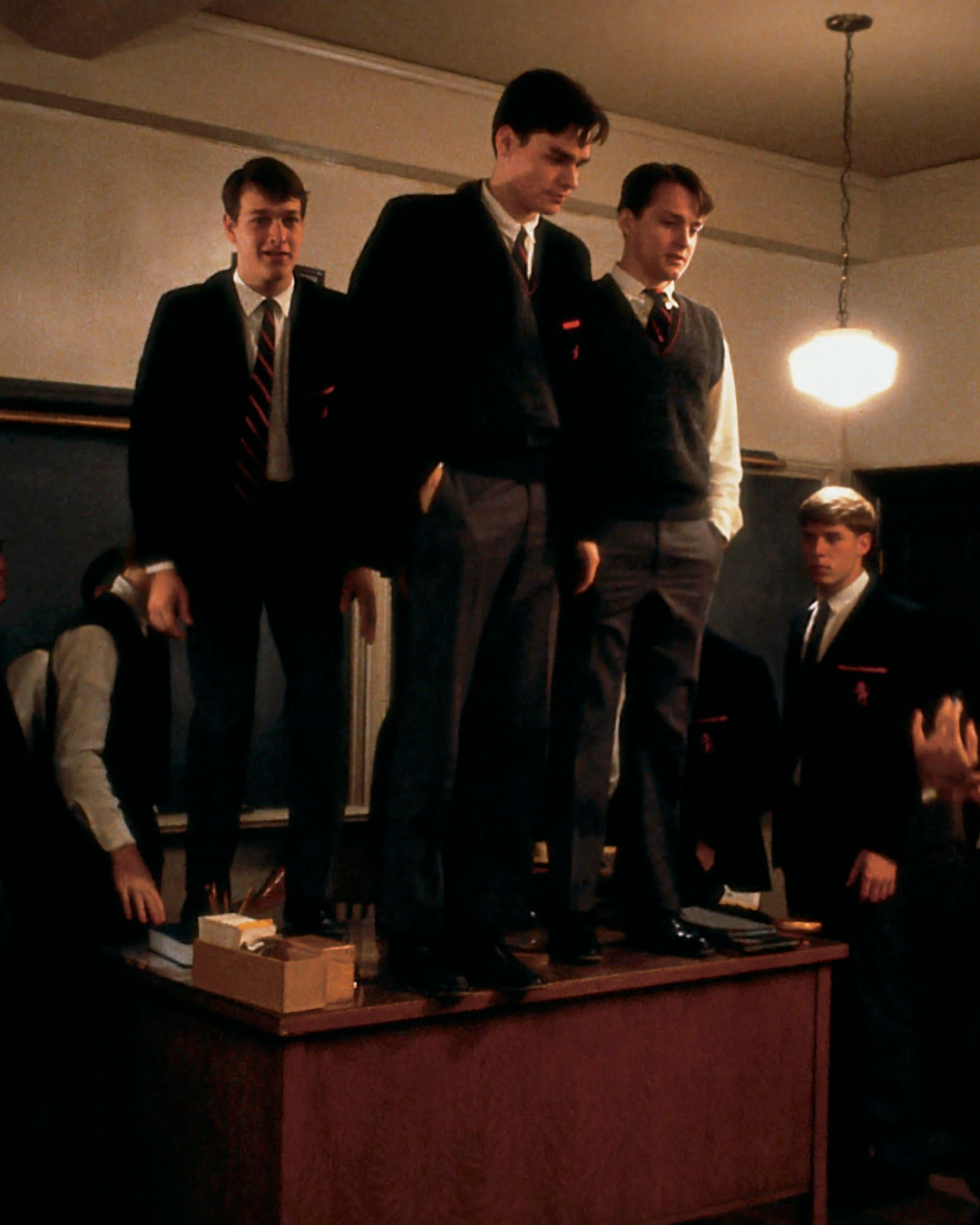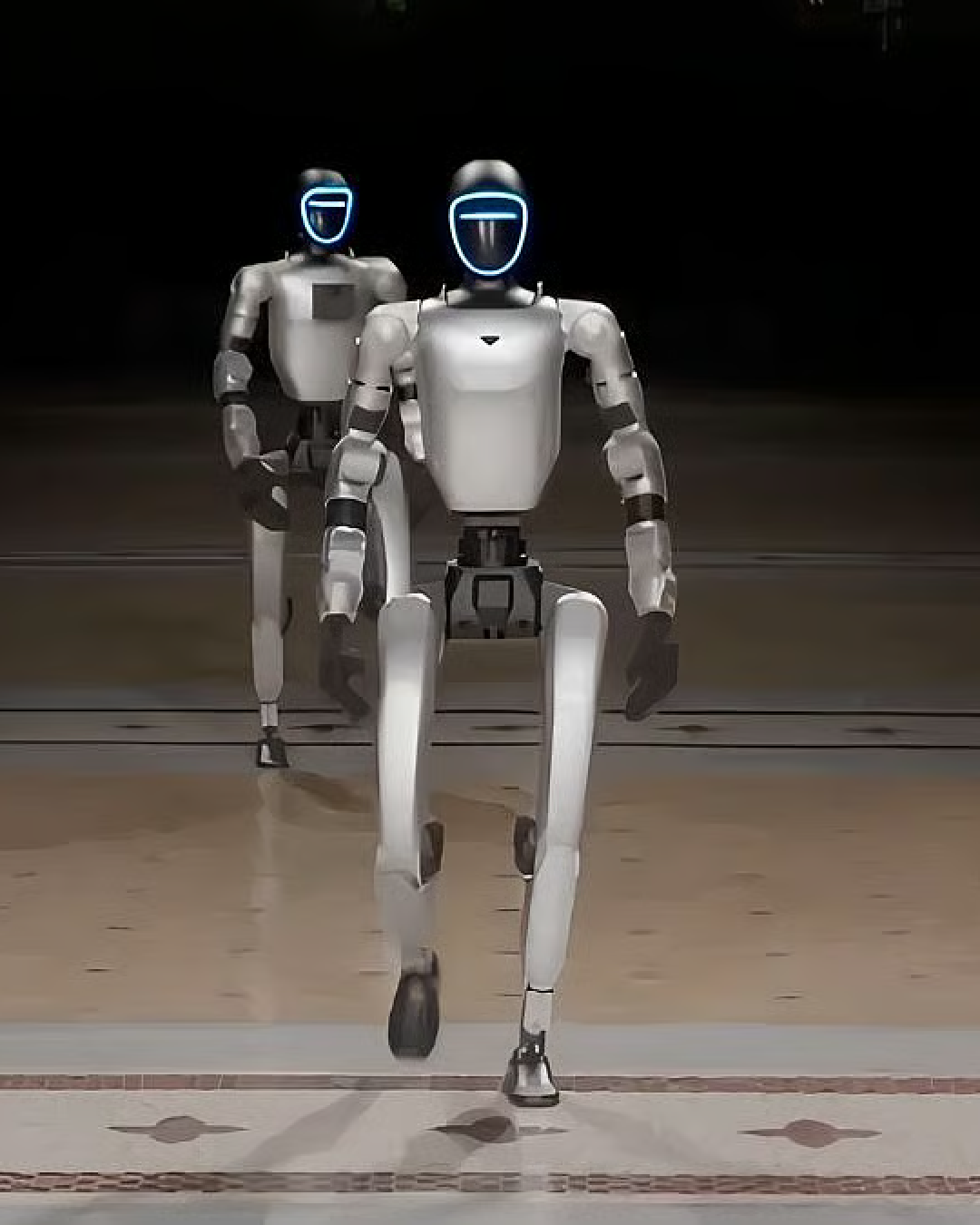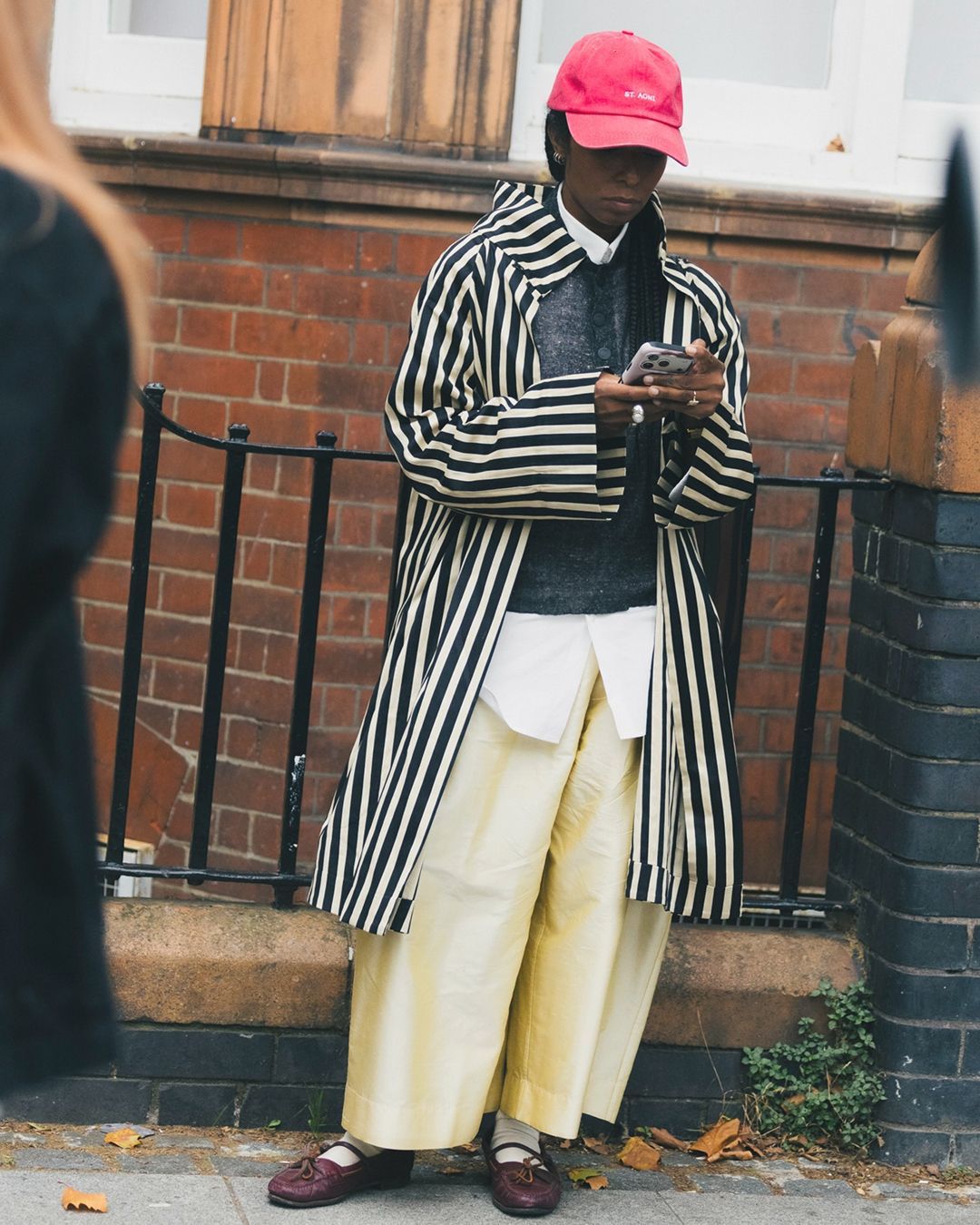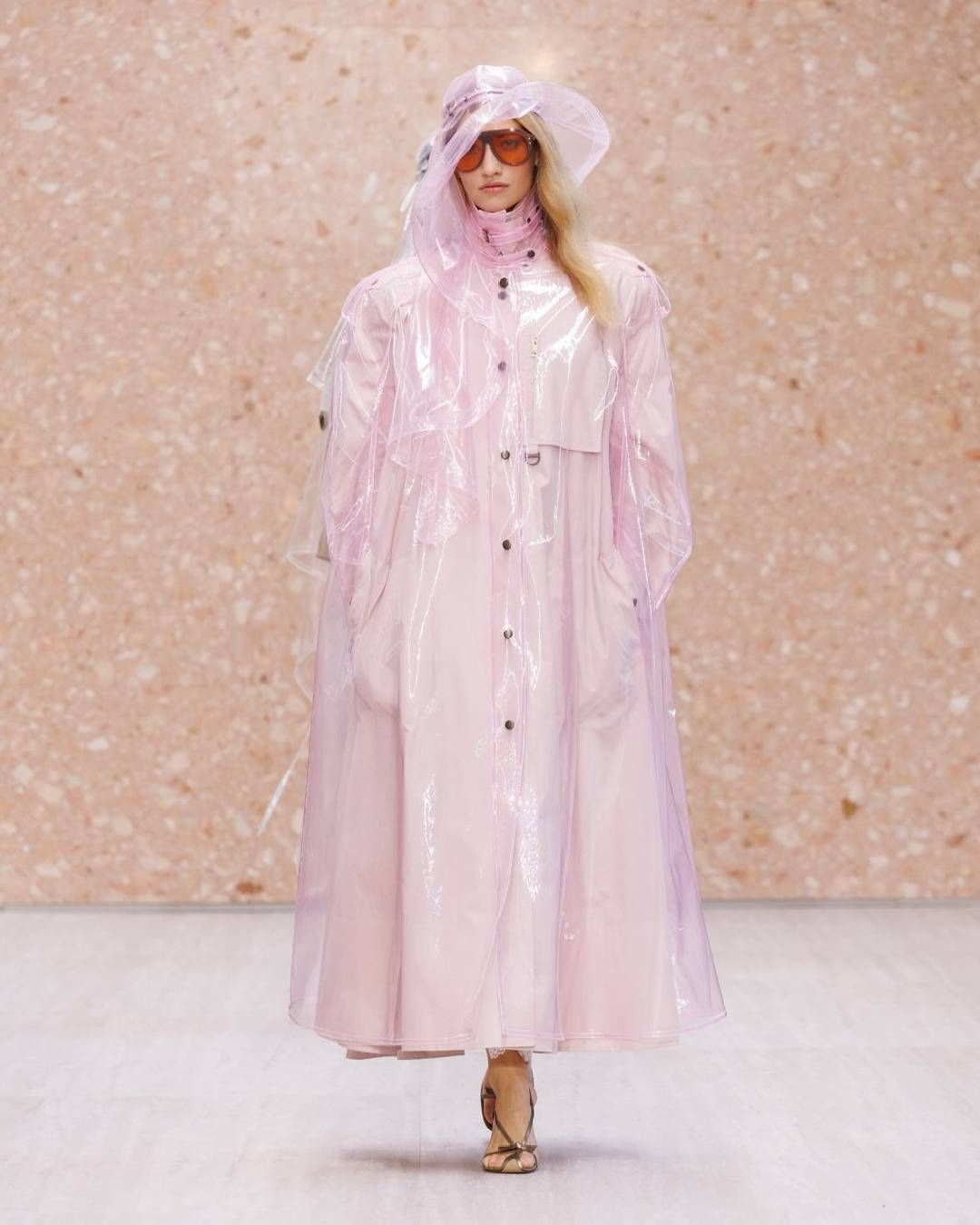

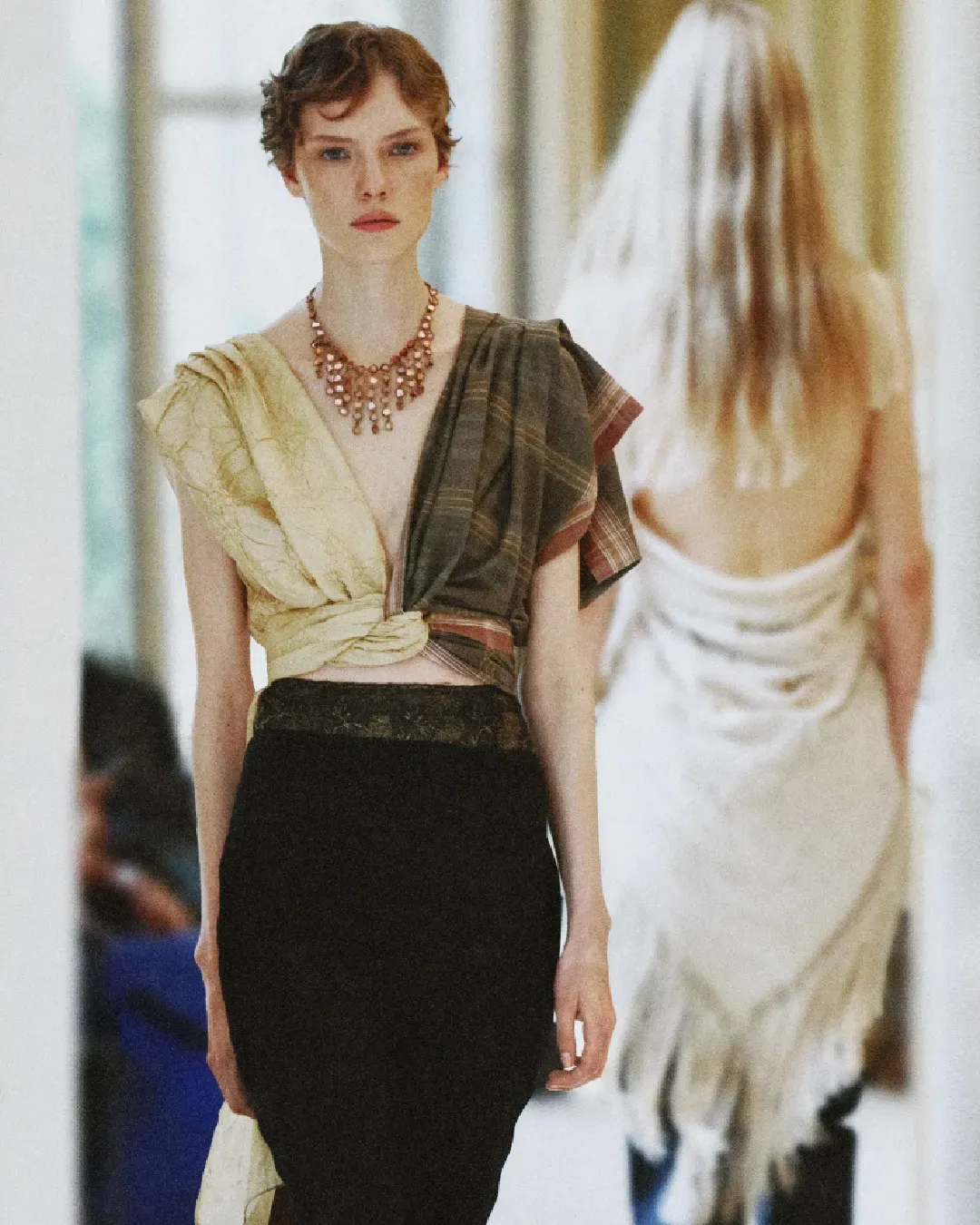
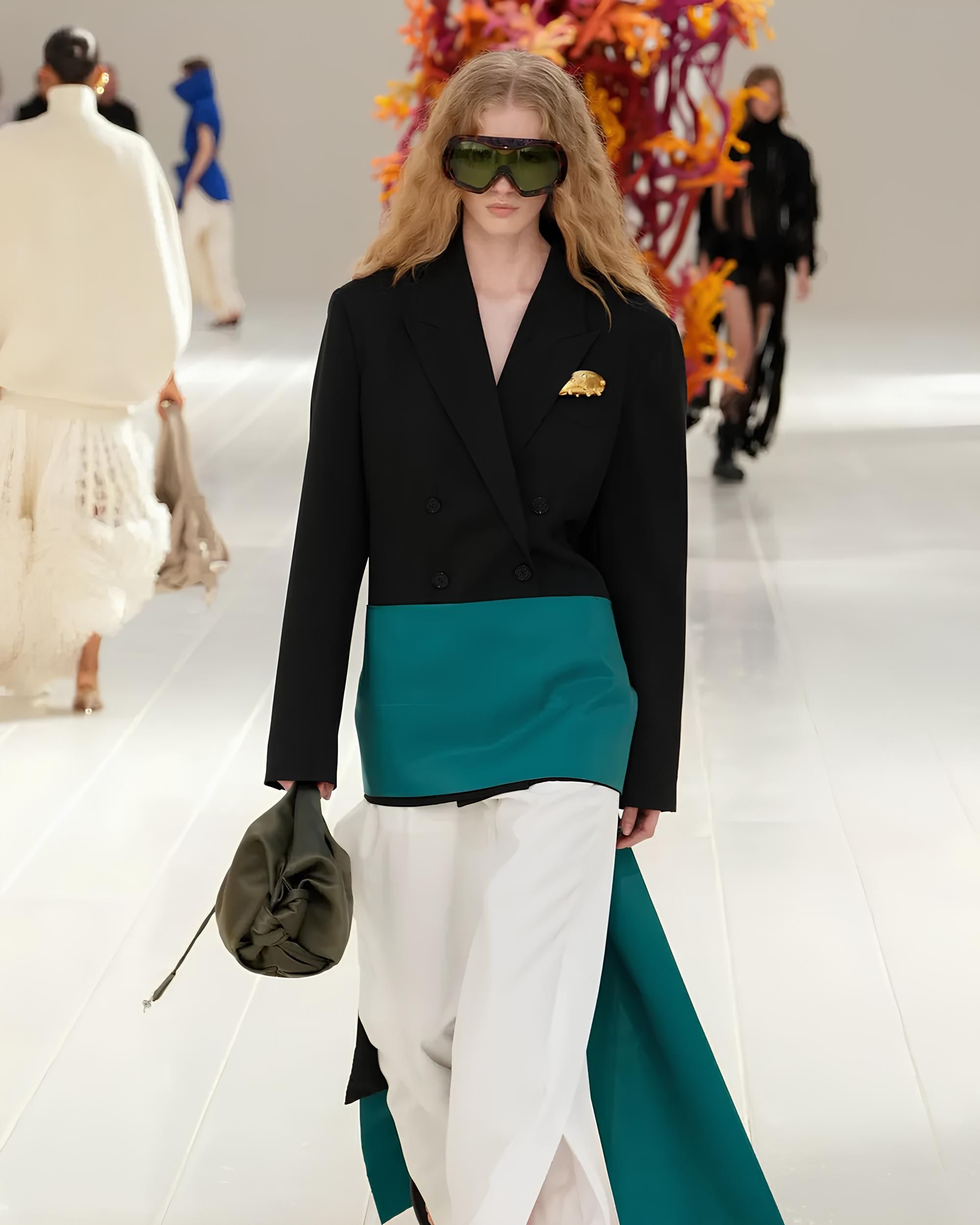
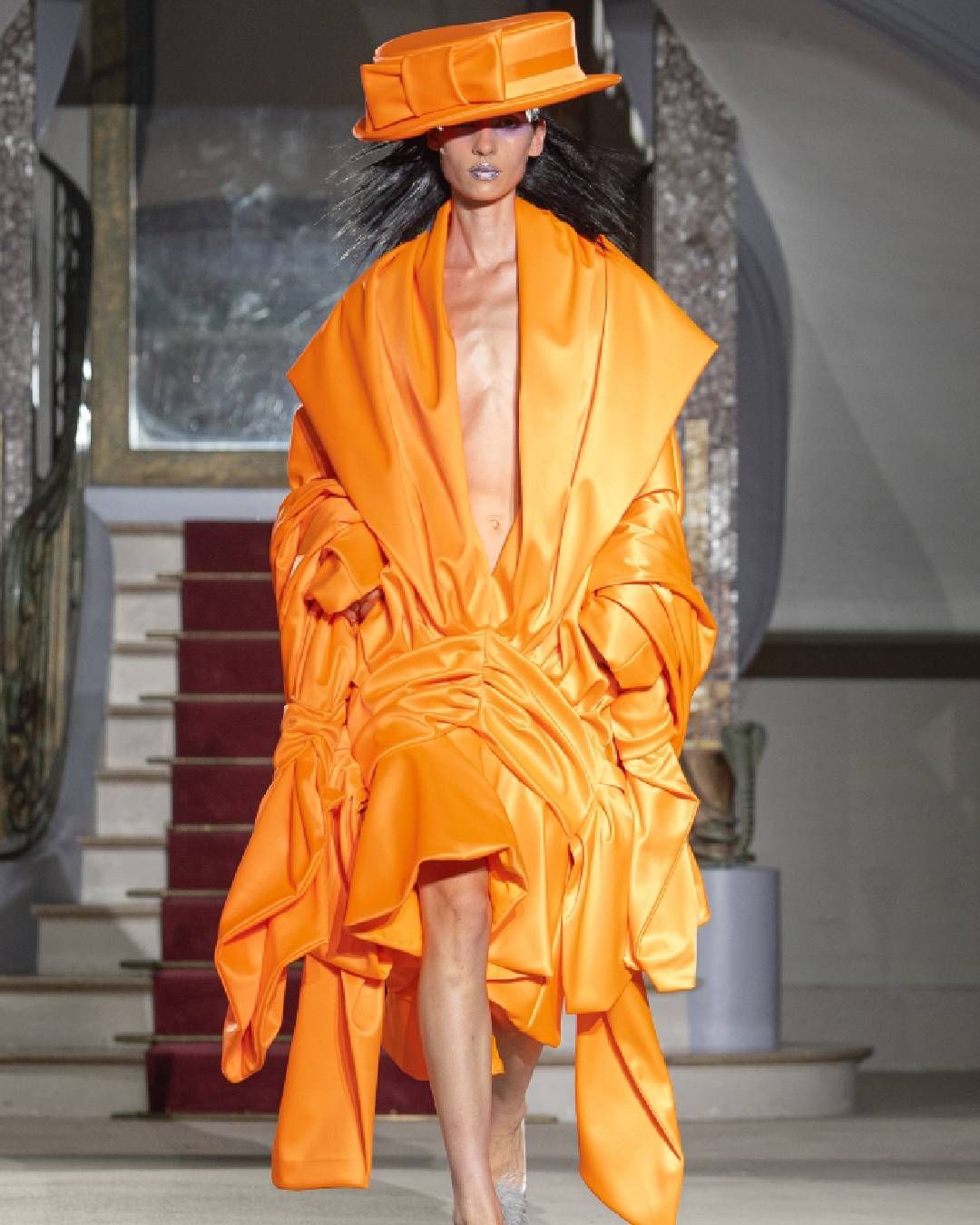























What is synthetic photography? Why design brands have stopped photographing reality
A monumental set, lights warming the air, trucks loaded with prototypes crossing Europe, and a team of twenty people waiting for the “perfect moment”: the ritual of large-scale photographic productions has remained the same for decades. Then sunset arrives, the light shifts, and production comes to a halt. Expensive, slow, analog. But in 2026, this process suddenly looks like a relic of the past. We are entering the era of Synthetic Photography. The big names in design are no longer chasing reality, but an enhanced version of it, created in the vacuum of servers. Welcome to a world where the set does not exist, and light is written in code.
The question arises naturally: will we lose the soul of design? The market’s answer seems to be a blunt “no.” Synthetic photography does not aim to simulate reality; it aims to hyper-realize it. The texture of wood, the grain of leather, the way light filters through a virtual curtain: everything is pushed to a level of sharpness that the human eye perceives as “aspirational”.
AI is changing photography
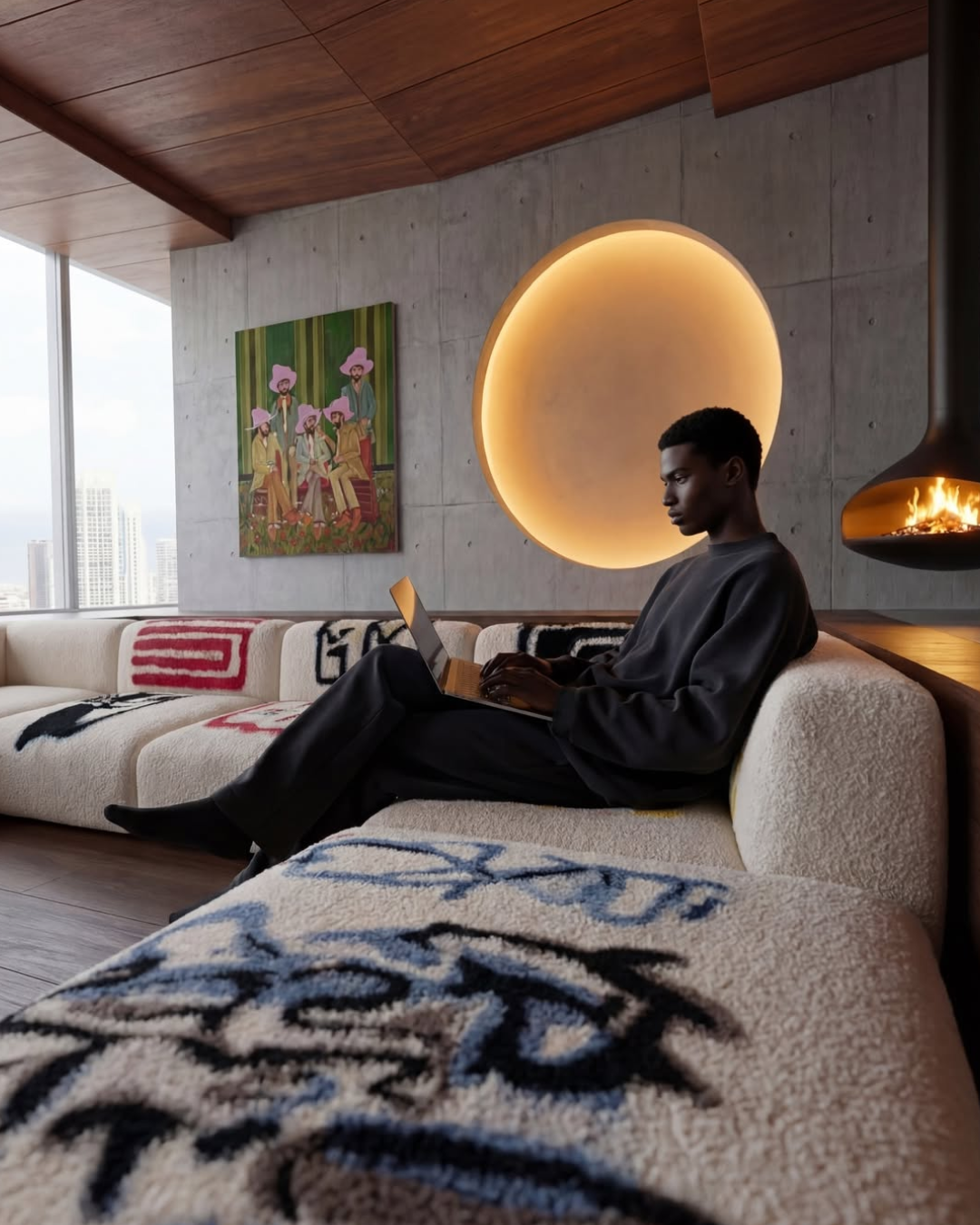
@ohneis652 Most AI architecture looks like cheap 3D renders. Flat. Overpolished. Soulless. This? This feels like you could walk into it. Here’s how it works: It doesn’t start with “make a modern house.” It starts with a sketch. A rough frame. A vibe. Then you build the prompt like an architect builds the experience. You design the light first: Golden hour on oxidized steel. Soft shadowplay across textured walls. Moody overcast reflecting on deep glass panels. You choose the surfaces with intent: Raw concrete. Sanded oak. Scratched tile. Rough textiles. Because surface > shape when it comes to emotional architecture. You control perspective: Low shots for dominance. Wide shots for breathing space. Tight frames for intimacy. You add imperfections: Dust catching the light under a table. Smudges on glass. Light leaks breaking the symmetry. You make the scene feel lived in before it’s even built. And you never—never—let it look sterile. Sterile design doesn’t sell memories. It doesn’t sell homes. It doesn’t sell dreams. This isn’t just about realism. It’s about emotional architecture. It’s about making someone want to step inside the frame and stay there. If you want the exact prompt structure I use — the system that turns sketches into memory-ready interiors — you know where to find it. #PromptEngineering #ArchitecturalVisualization #InteriorDesignAI #AIGeneratedArchitecture #EmotionalDesign #AIInteriorPhotography #SyntheticNostalgia #GenerativeDesign #CreativeDirection #AIContentDesign #ArchitecturalStorytelling #DesignWithEmotion #ArchitectureIsEmotion #VisualBranding Feel It - Cupidon & Milaa
The transition toward synthetic catalogues did not stem from an aesthetic whim, but from a brutal necessity: sustainability, both economic and environmental. Moving a sofa into a villa on Lake Como for a single shot is a logistical contradiction. Synthetic photography, powered by rendering engines like Unreal Engine 5 and refined by Generative AI, makes it possible to bypass matter altogether.
Today, a brand can test a hundred fabric variations on an armchair within a virtual environment that changes time zones with a click. There is no dust, no shipping delays, no waste. It is luxury shedding its weight to become pure data.
Who are the “Prompt Architechts”?
This shift has created a void that was quickly filled by a new creative elite. Where once the protagonist was the photographer with an eye trained on film, today we are witnessing the rise of Prompt Architects –figures who merge architecture, lighting direction, and language engineering.
Avant-garde studios are the laboratories where this mutation takes place. Here, the work no longer consists in “capturing” reality, but in building it from scratch (what we refer to as latent space). The “synthetic photographer” must understand glass refraction within software just as deeply as they once did through a Leica lens. It is a different kind of mastery: less tactile, more cerebral. It is the ability to instruct artificial intelligence to generate that “human imperfection” that makes an image believable, and, above all, desirable.
The paradox of hyper-real aesthetics
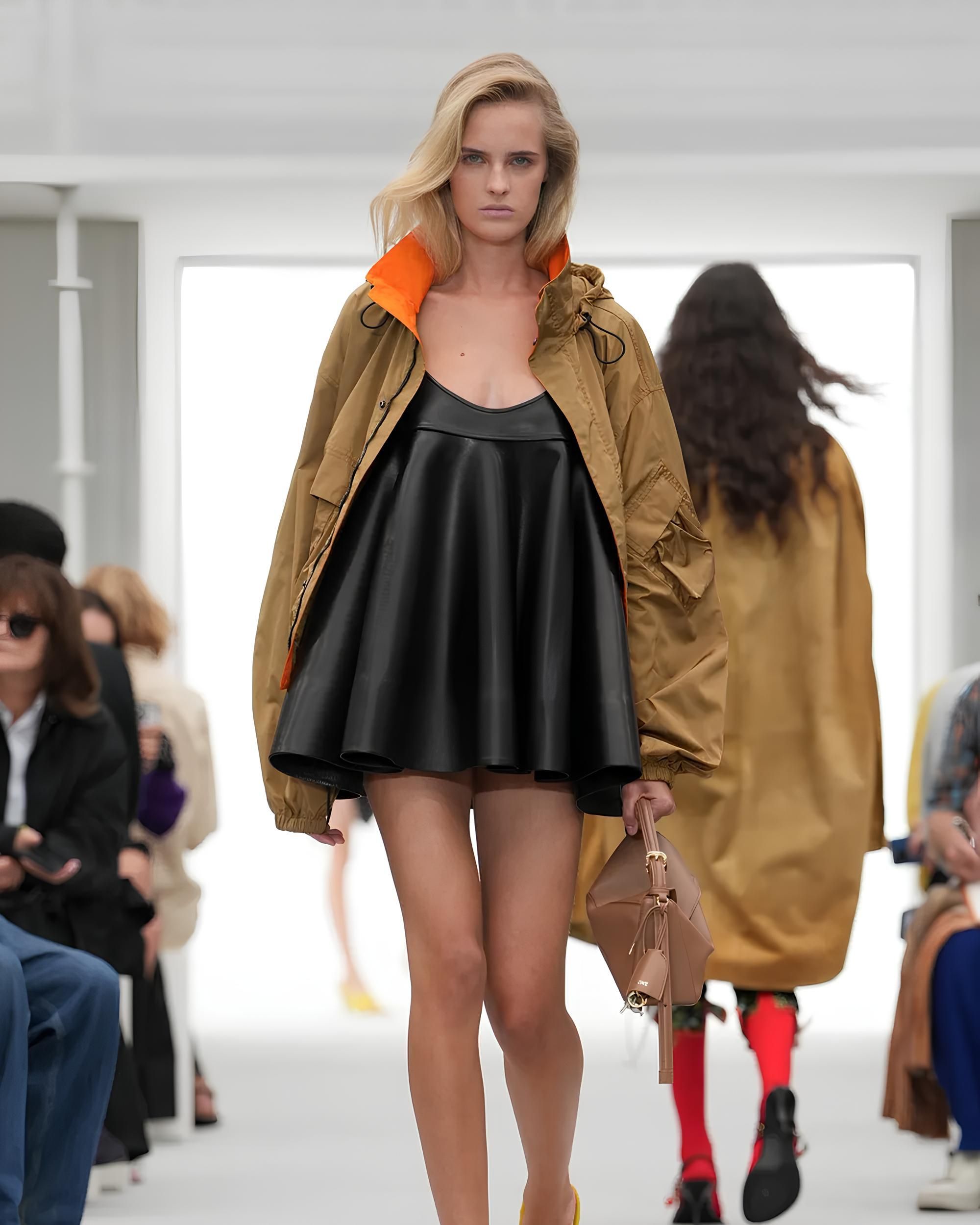
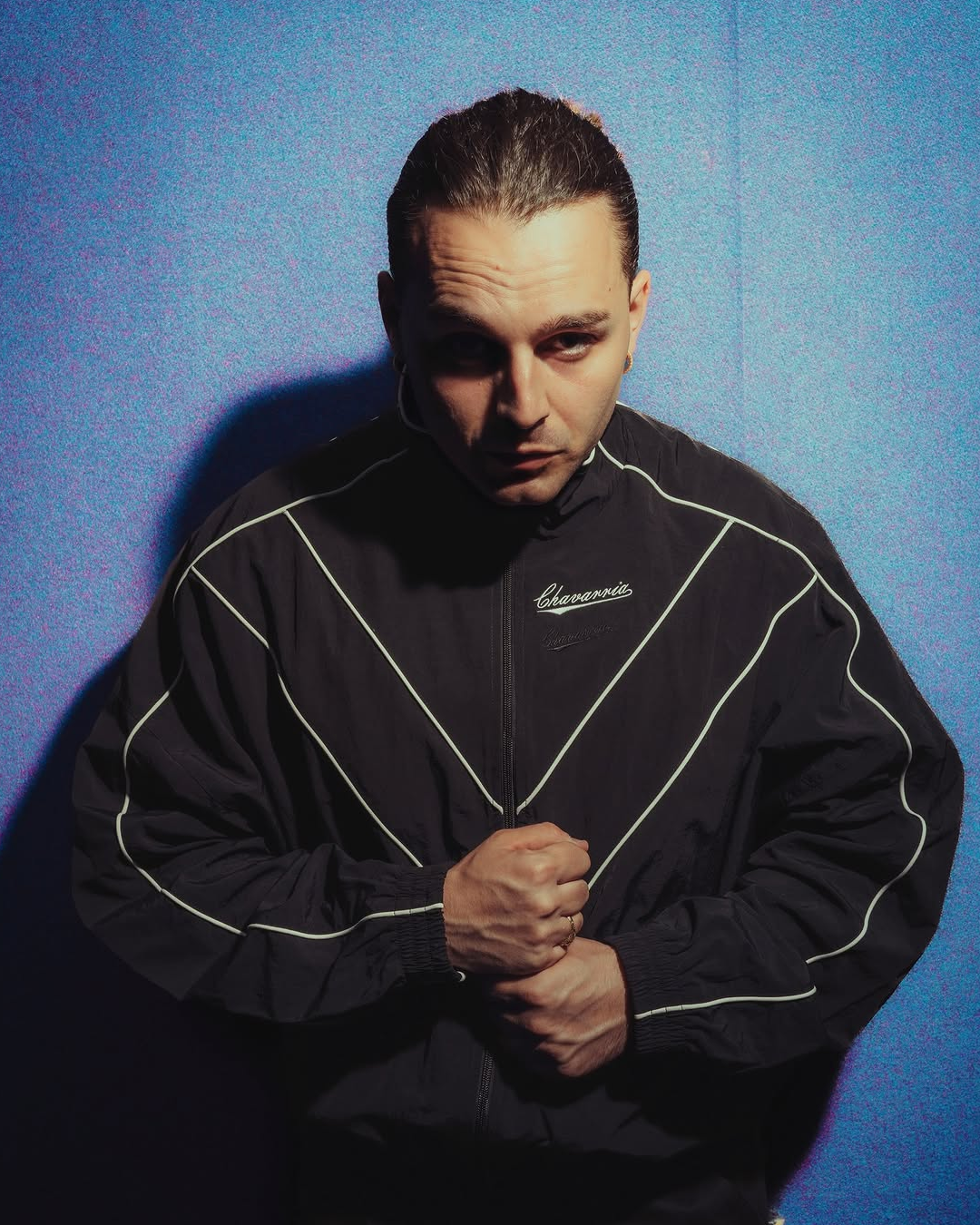
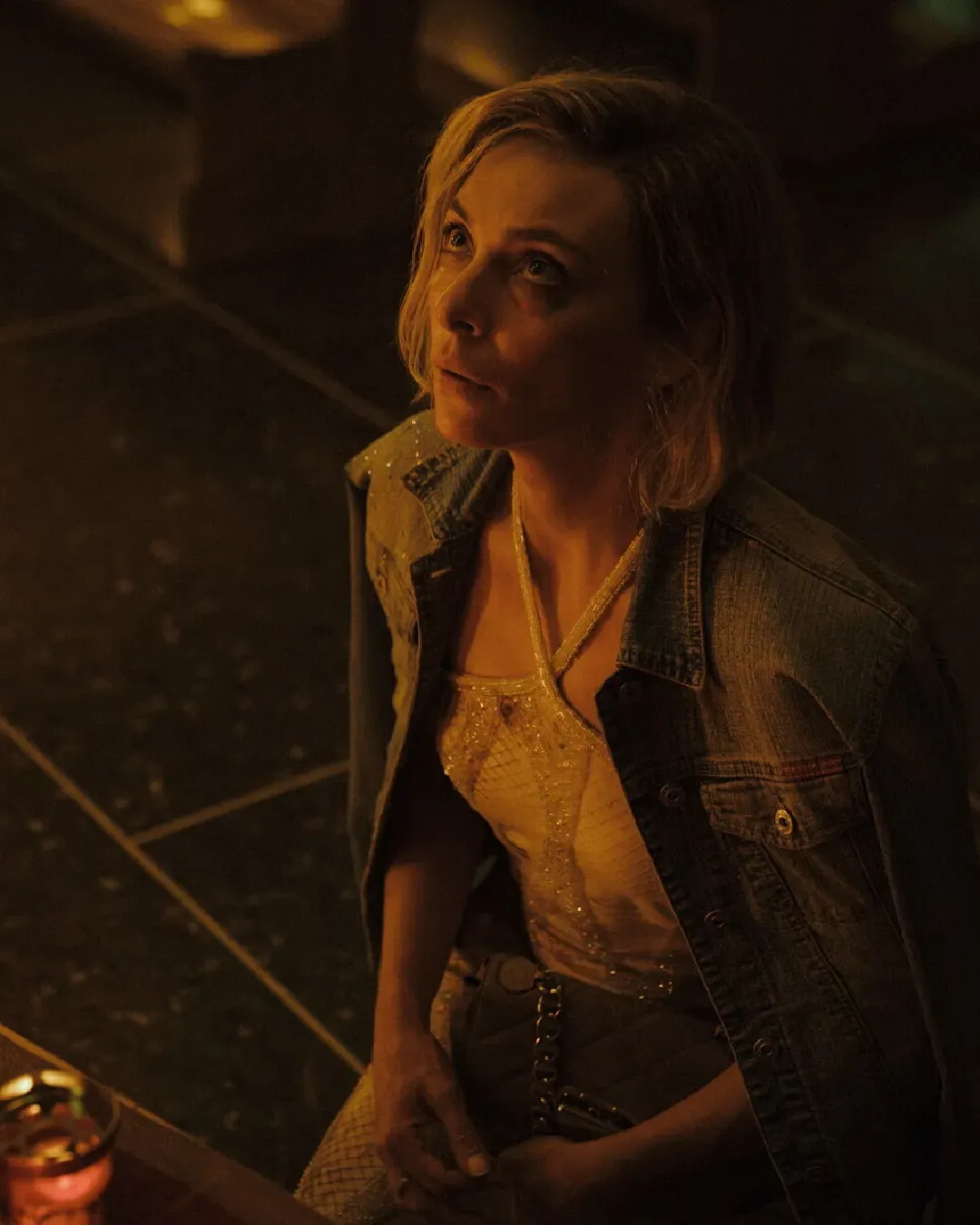
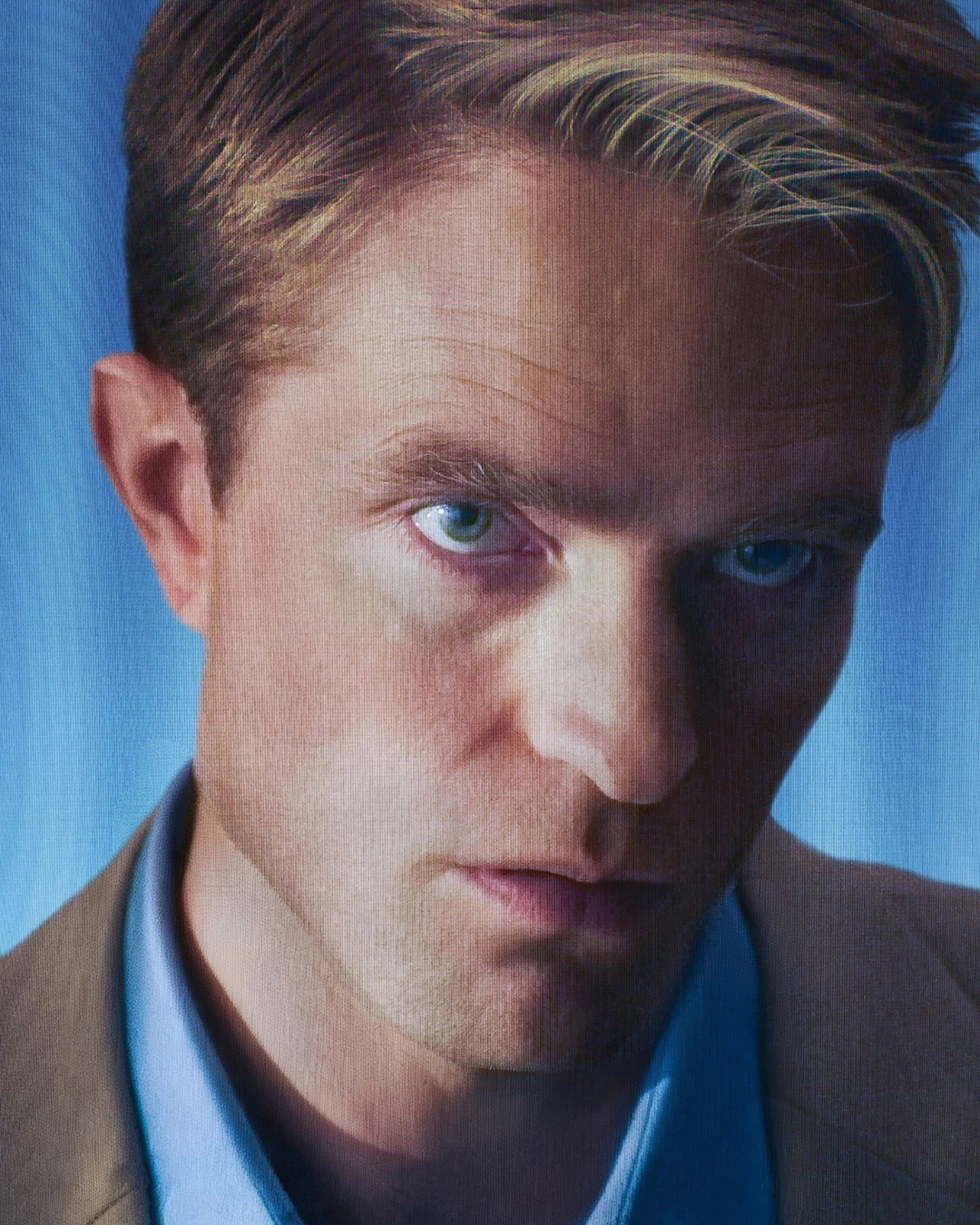
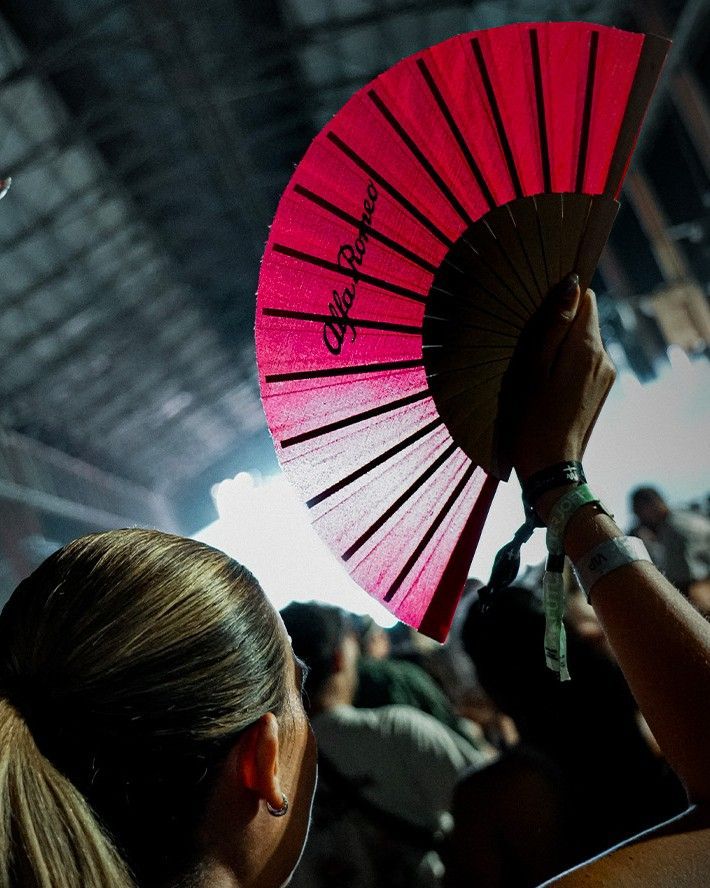
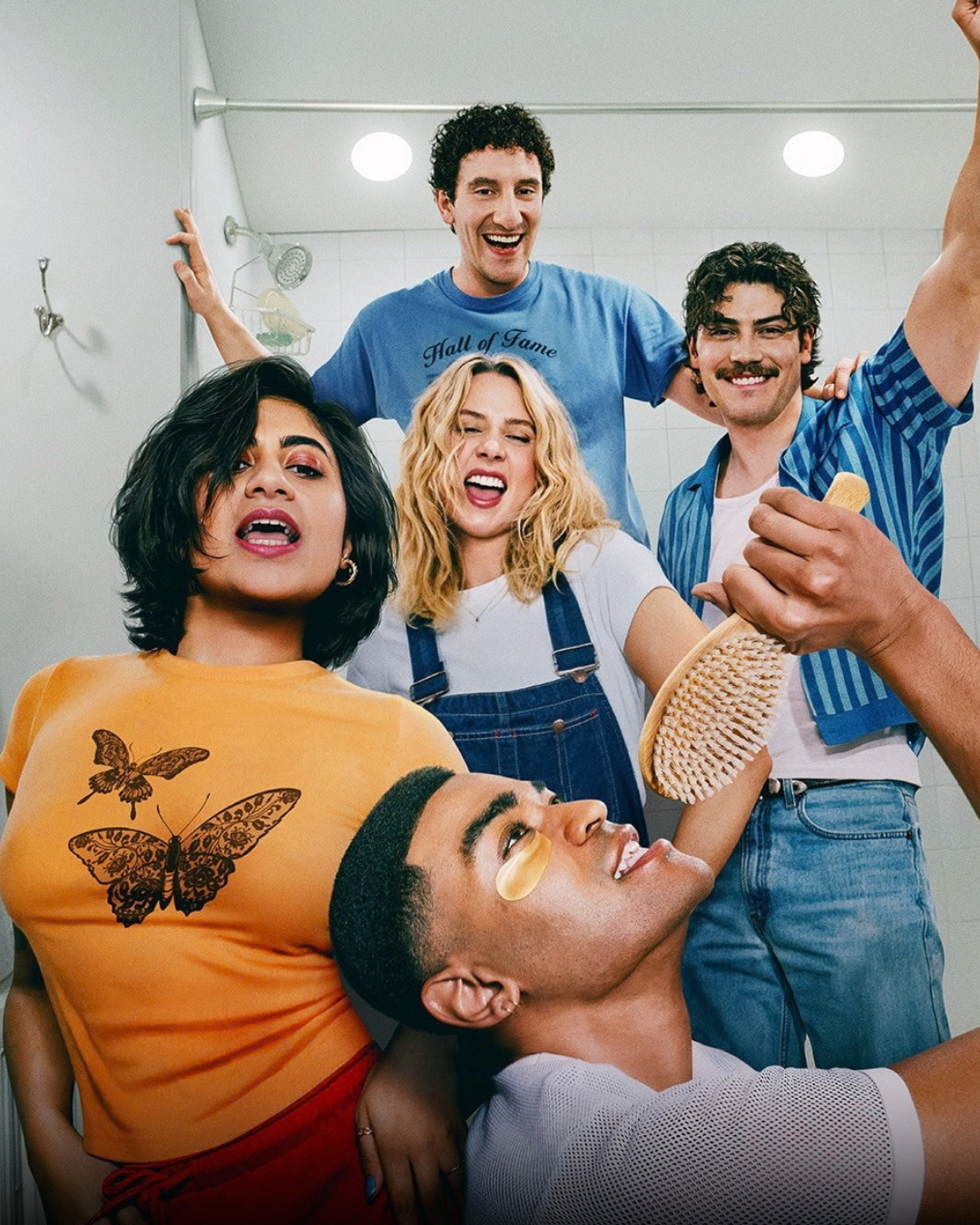
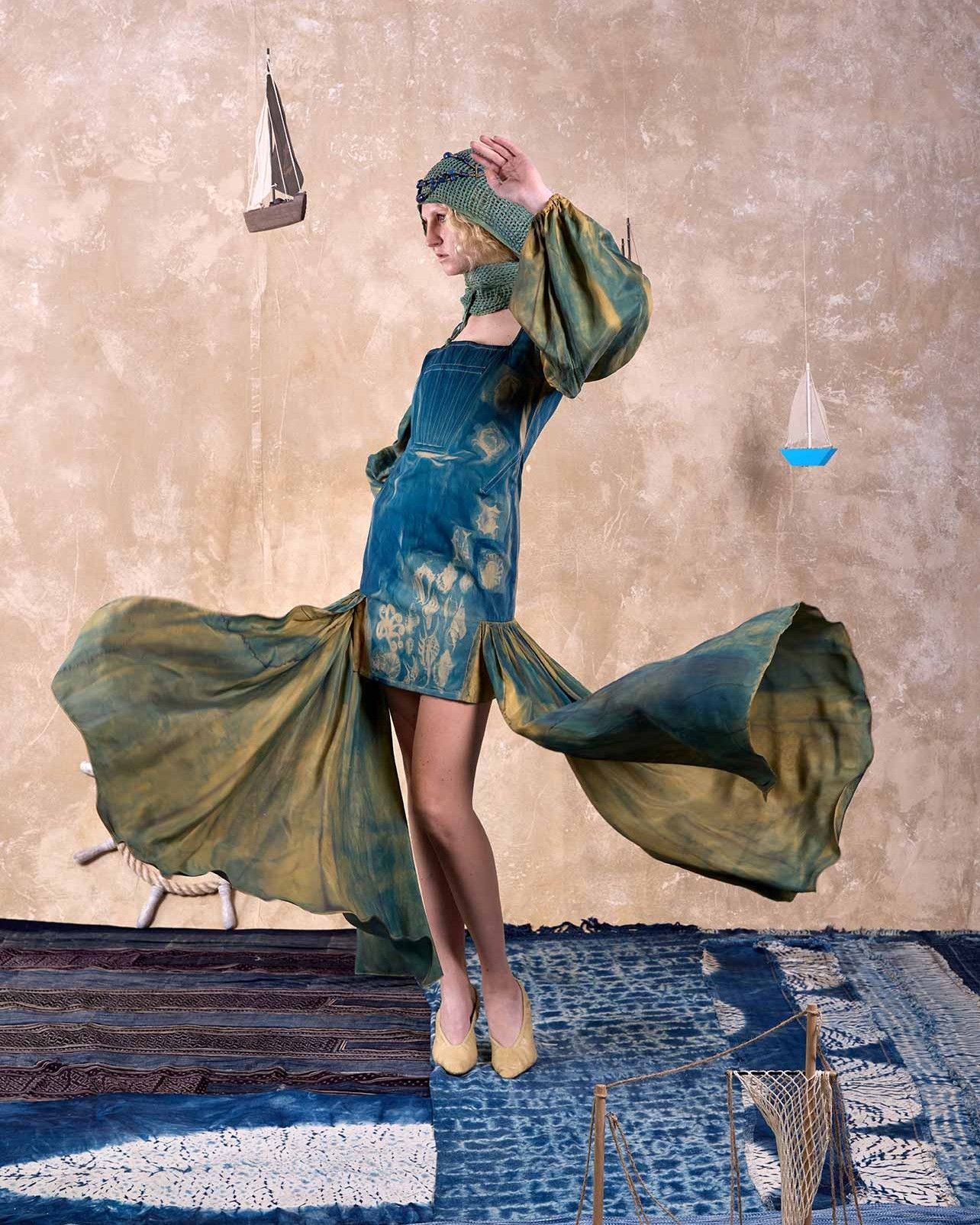
She is not a real person. All of these photos are AI generated.
— Vishakh Ranotra (@VishakhRanotra) January 31, 2026
We are cooked. pic.twitter.com/f2OvIq7Flz
We are facing a new form of hyper-real aesthetics. For Gen Z, raised on videogame engines and social filters, authenticity no longer lies in the physical proof of the shot, but in the coherence of the vision. A synthetic catalogue is not a lie; it is the perfect representation of the designer’s original idea, free from the constraints of the physical world.
The fate of the traditional photographic set appears sealed. It may survive within high craftsmanship or the niche of pure analog practice, but the luxury mainstream has already chosen its path. The ability to create bespoke worlds, in real time and with zero impact, is a power too great to ignore. As pixels become indistinguishable from atoms, the only thing that truly matters remains vision. Whether captured by a sensor or generated by a prompt, beauty is still a matter of knowing how to look where others see only empty space.