























The OTB Group is weathering well the luxury crisis And the company's top management seems very optimistic
Examining the annual or quarterly results of fashion groups has been a bit like counting the wounded on a battlefield. The reality of the luxury crisis is undeniable: consumers are spending less, costs are higher, and the breakdown of global geopolitical balances weighs heavily on both the accounts and people's consciences. Yet some major players in fashion are holding up better than others. This is the case of the OTB Group, whose 2025 performed relatively well in terms of sales compared to LVMH and Kering, though not as strongly as groups like Prada or Hermès.
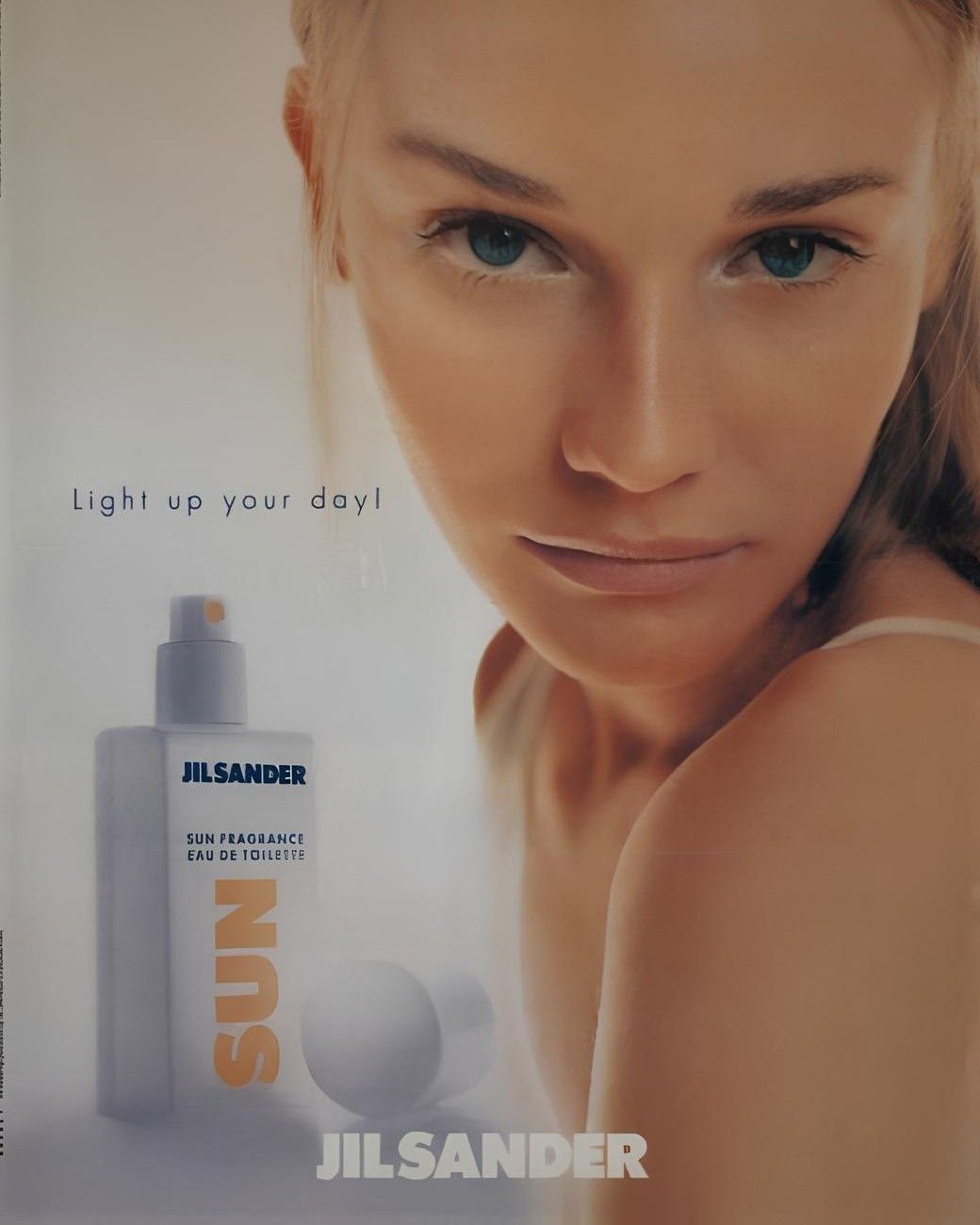
On the fashion side, the group that owns Diesel, Jil Sander, Maison Margiela, Marni and Viktor & Rolf—along with the production divisions Staff International and Brave Kid, plus a stake in Amiri—suffered the same sales decline as LVMH and Kering, but unlike the others, it managed to improve its financial position by eliminating net debt, grew in key markets, has strong and healthy brands, and invested 64 million euros in renewing all its assets.
We should recall that the group changed the creative directors of three of its main brands during the year, and as we will see, this had an impact on overall performance. But aside from these natural slowdowns, the group’s foundations proved solid, and this is also reflected in the confidence shown by founder Renzo Rosso and CEO Ubaldo Minelli. So what worked and what didn’t?
The strengths
@nssmagazine pov: you’re the creative director of both Diesel and Maison Margiela #glennmartens #diesel #maisonmargiela #MFW #fashiontiktok original sound - spotlightkiddo
Despite a drop in sales, OTB managed to close the fiscal year debt-free and with positive cash generation. Overall revenue is around 1.7 billion euros, down 4.8% compared to 2024. Net sales reached 1.6 billion euros, also declining by 5% at constant exchange rates or -5.9% including actual currency fluctuations.
On the liquidity side—that is, the company’s “reserve” of funds—the situation has improved significantly: the amount of cash and liquid investments relative to short-term debt increased by 29%, reaching 40 million euros compared to 31 million in 2024. This improvement came from two main factors: investments in new stores, innovation, new creatives, and expansion into new markets; and a rationalization of the wholesale channel, cost control, and strong profits from Diesel, which brought 44 million euros into the group’s accounts.
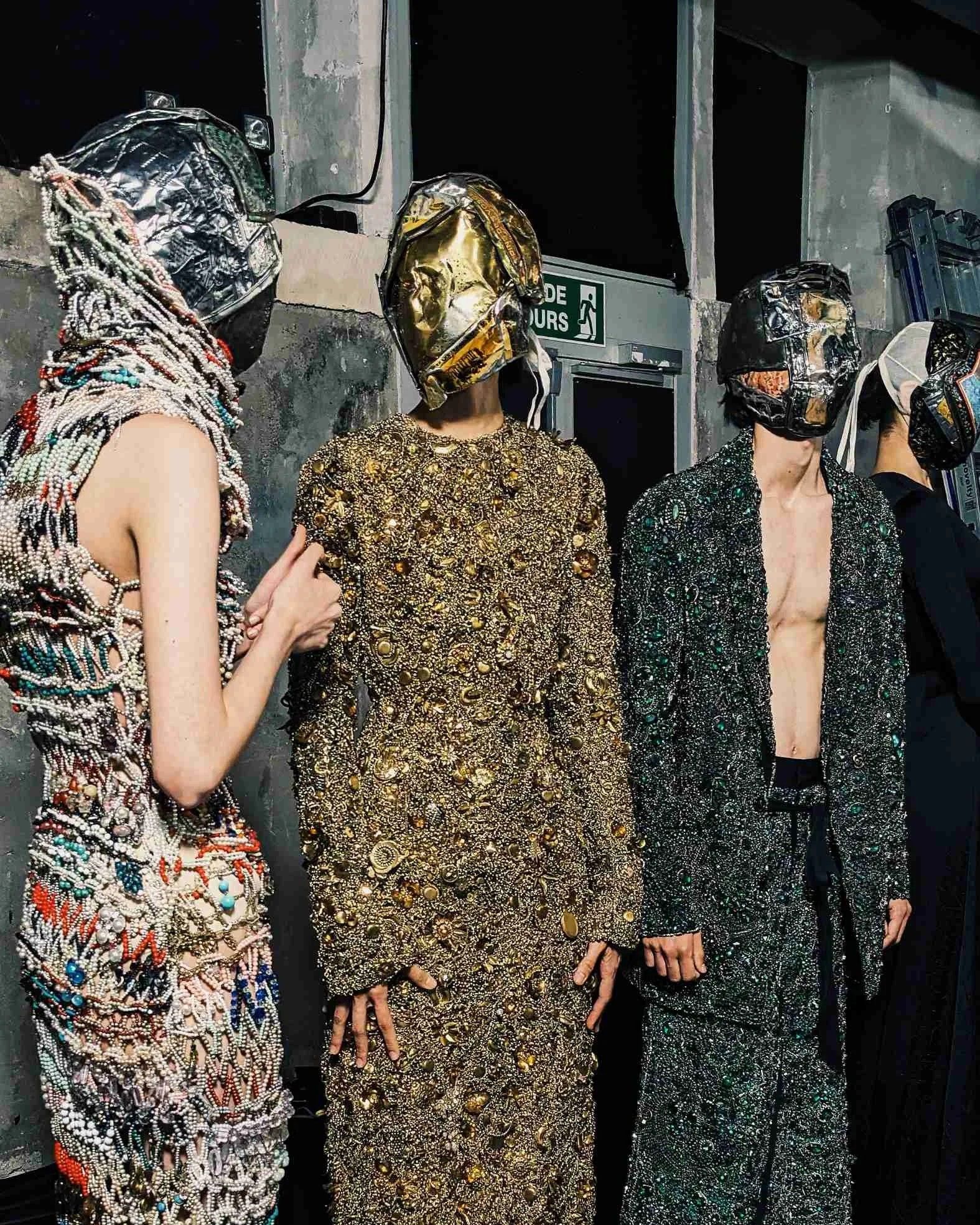
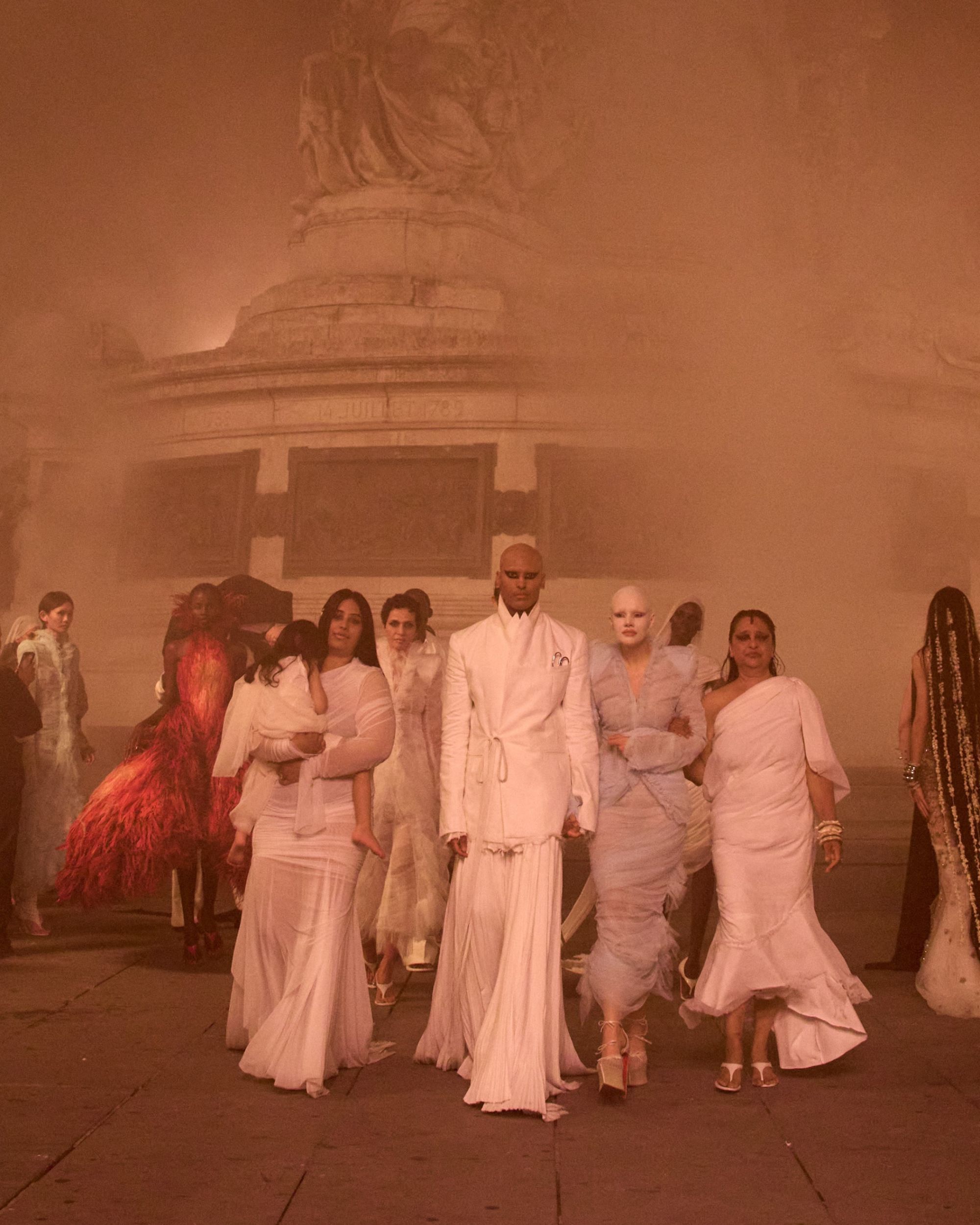
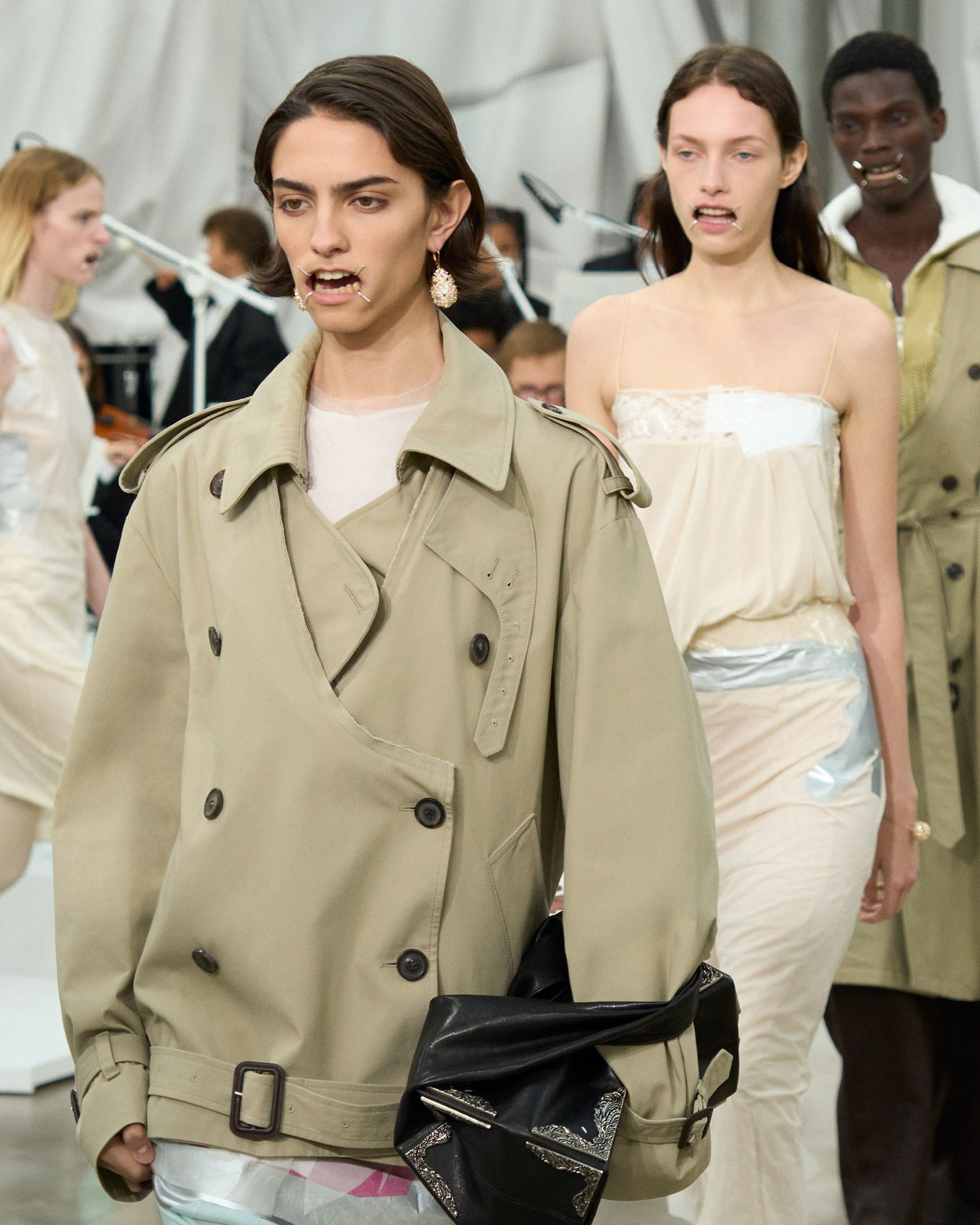
At the brand level (the group does not always publish data for each company), Maison Margiela grew by 8.4% and is officially in excellent health. This positive period is due both to the success of Glenn Martens’ new creative direction and to targeted strategic expansion in Canada and Mexico, a strengthened business in the Middle East, and new openings in Shenzhen, Chongqing, and Singapore. Diesel also closed its best financial year in the last 10 years thanks to a successful repositioning, wholesale channel cleanup, and the opening of major new stores in Berlin and Seoul.
In general, on a global market level, North America grew by 5.9%, the Middle East by 9%. Japan remains the main market and accounts for 27.4% of total sales for the year. Other positive elements include the five-year renewal of the agreement with Dsquared² for production and distribution of collections, and the agreement with Amiri for distribution in Japan. Brave Kid also internalized research, development, production, and distribution of the footwear line for Diesel and the Max&Co license, optimizing processes.
What didn’t work?
Obviously, as mentioned earlier, the group performed better than many competitors but worse than others. The weakest points in the annual performance were those influenced by all the geopolitical and currency turbulence that caused sales to fall by 5%, as already noted, and revenue to decline by 4.8%. In 2025, earnings from core operations before taxes, interest, depreciation, and amortization fell by 14% to 237.3 million euros, equal to 15.1% of net sales (in 2024 it was 275.8 million and 16.3%). After also deducting depreciation and amortization, the operating result remained at just 10.1 million euros, compared to 44 million the previous year.
This operating result was affected both by spending on investments and by the multiple creative director changes at Margiela, Jil Sander, and Marni. Although these occurred at the natural expiration of the previous contracts—therefore without shocks or drama—they still required a complete overhaul of the product offering. The changes lead to write-downs of previous collections that often translate into losses and they erode margins.
There are also negative factors such as slowdowns in European and Chinese markets. In general in Asia, the group has recently entered South Korea and is very strong in Japan, but the remaining countries still appear weak. Another not-positive but prudently managed factor was the damage caused by the Saks Global bankruptcy, which impacted the business without causing major losses.
And now?
Glenn Martens’ #Diesel show is going to be an enormous Easter Egg hunt through the streets of Milan and everyone can play, the first 5 people to find all the eggs win a custom-made show look. pic.twitter.com/wb2bxzVVU7
— Vanessa Friedman (@VVFriedman) September 23, 2025
In general, over the past year OTB spent heavily on the operational side, rationalizing wholesale sales, opening new stores, forging new commercial alliances, and investing in AI as well. There were also acquisitions on the industrial and manufacturing side. All these investments make the structure stronger but leave the pockets slightly emptier. But attention is already turning to the current year.
A top priority is to continue growing Maison Margiela. That’s why there will be a show in Shanghai in March, followed by a series of exhibitions in Beijing, Shenzhen, and Chengdu. Diesel will continue its repositioning and will likely expand further while continuing to rationalize its offerings, as the other brands await the full realization of the new creative debuts and changes. There is certainly no shortage of work ahead, with new markets in Mexico and Korea to develop and the ever-present option of an IPO—for which, let’s say, there is no rush and which can happen if circumstances are favorable.
Takeaways
- In 2025, the OTB Group held up better than many competitors in the luxury sector, such as LVMH and Kering, which suffered sharper declines, although it did not perform as strongly as Prada or Hermès.
- Sales fell by 5% (reaching 1.6 billion euros in net sales) due to the general luxury crisis, with consumers spending less and facing geopolitical and currency issues, but the company closed the year debt-free and with its financial position improved by 29% (40 million euros in positive net liquidity).
- It generated 44 million euros in cash thanks to careful cost management, rationalization of the wholesale channel, and strong results from Diesel, while investing 64 million euros in new stores, innovation, and expansion.
- Maison Margiela grew by 8.4% and Diesel had its best profitability year in the last 10 years, while the changes in creative directors at three brands (Margiela, Jil Sander, and Marni) created extra costs and write-downs of old inventory, reducing margins and bringing operating profit down to just 10.1 million euros.
- Looking ahead, OTB aims to further grow Maison Margiela (with events in China), develop markets such as Mexico and Korea, and keeps the stock market listing option open without rushing, relying on the group’s solid foundations.