

























Running is so popular that it often becomes a meme on social networks Hence the videos of people running several kilometers in their own living room
Around the age of thirty, as often seen on social networks and in the many memes dedicated to the topic, many people end up – more or less indirectly – developing new hobbies, in several cases quite identity-defining. Among the various activities, however, one in particular seems to have become a true generational trend: running.
In recent years, several experts have described this activity as a sort of “natural” response to the sense of dissatisfaction that affects many young adults around the age of thirty: during this phase, in some cases, a sort of early midlife crisis emerges, during which it is not uncommon to feel the need to adopt a healthier and more mindful lifestyle – hence the urge to start practicing at least running, considered one of the most potentially accessible sports activities.
How running became so cool
@joshhublitz Turning 30 comes with a mandatory marathon celebration #30 #adulting #adultlife #30s #relatable #relatablememes #relatablepost #marathon New Flame (but I promise you) (feat. Usher & Rick Ross) - Chris Brown
Compared to the previous generation, people who are around thirty today mostly work at a computer: for this reason, running – thanks to its simplicity – is seen as one of the cheapest and easiest outlets to put into practice. Moreover, it is an activity that is relatively less affected by aging and natural physical decline compared to other sports.
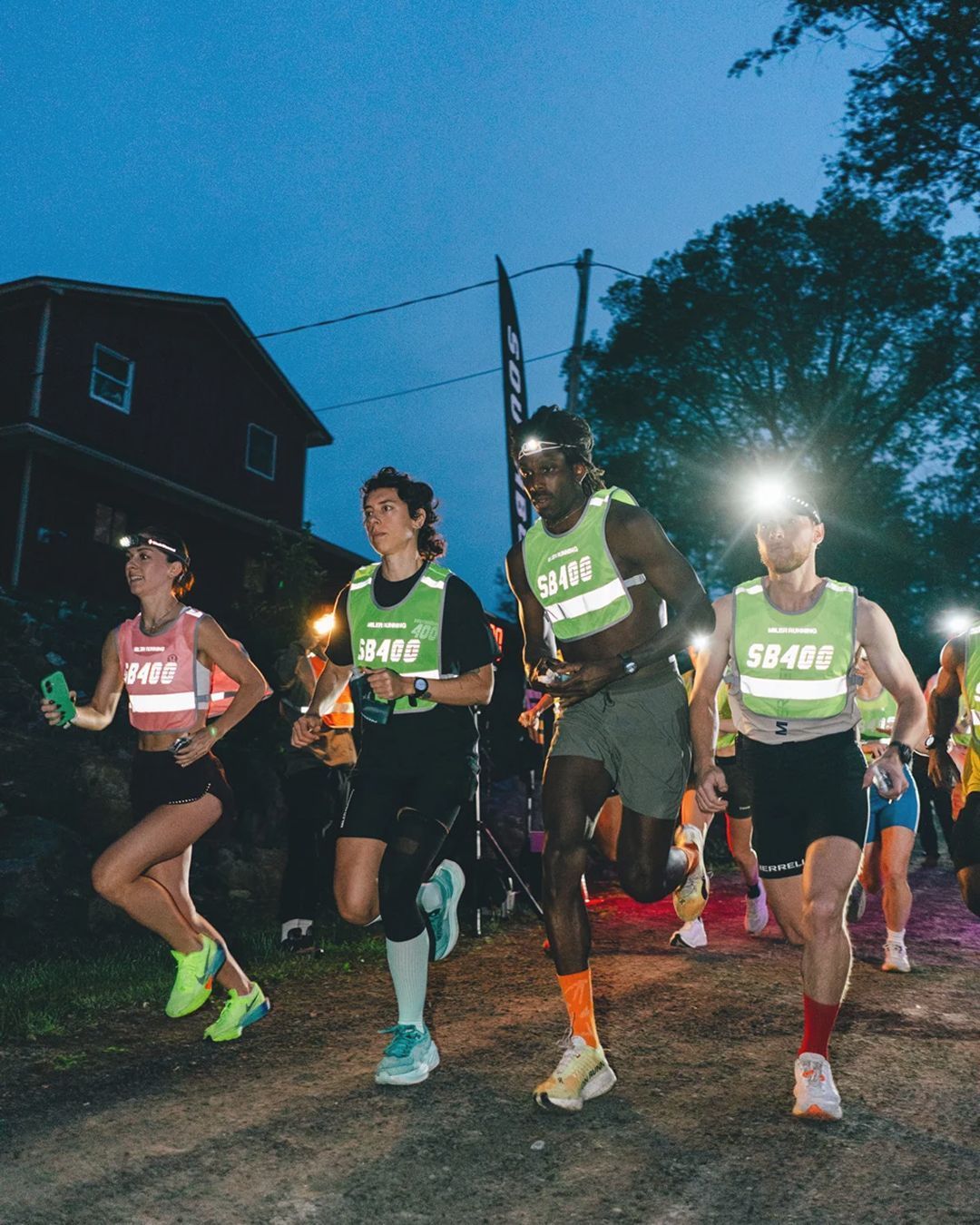
Many young adults also nurture this hobby by posting their progress on social networks, sharing photos or short videos about it – especially on Instagram. Those who dedicate themselves to the activity more intensely, moreover, often end up taking part in a half marathon or in non-competitive events organized in various Italian cities, such as the famous races by Radio Deejay – the most well-known being the one held every year in Milan.
More and more urban centers, both large and small, provide the backdrop for sports events aimed at young amateur athletes and beyond – in Italy, for example, between 2025 and 2026 they increased by more than 20%. But the growing popularity of running can also be seen in the rising number of young participants in marathons: last year, at the half marathon in Rome, more than half of the registered runners were between 18 and 34 years old.
Running and “performative culture”
One of the most recurring subjects of irony about young adults who start running is Strava – the well-known app used to record physical activity, track routes, and share workouts. People who create these memes – which are quite widespread on social networks – usually film themselves while running, often for at least 5 km, in very small spaces, such as their living room or the bathroom of a train.
The phenomenon is also linked to the very functioning of the increasingly popular tracking tools. In the absence of a GPS signal, many of these apps interpret the movement of arms and legs as actual running, attributing kilometers to the user that were not actually covered. All this contributes to poking fun at the growing “performative culture”, which includes a range of activities and behaviors that somehow end up shaping, in the people who practice them, a very recognizable kind of status.
The term "performative" – mainly associated with the male context – has been used on social networks for years to indicate behaviors deliberately constructed to be shown online or to one’s circle of friends, such as precisely showing off the results of a run, hence the memes of people practicing the same activity in completely unsuitable spaces.
In this context, the popularity of running among young adults has also been supported by the so-called “Athleisure” or"Activewear", meaning the trend of wearing sportswear in contexts and moments where no physical activity is expected. The growing interest in running, also and especially in its "performative" dimension, is partly fueled by the presence of running clubs, that is, groups of people who meet regularly to train together: in recent years several have emerged, especially in large cities, and they often present a strong visual identity, with Instagram pages characterized by curated communication and sophisticated photography.