





















Does the role of creative director still make sense? Marco De Vincenzo's arrival at Givenchy reignites the debate
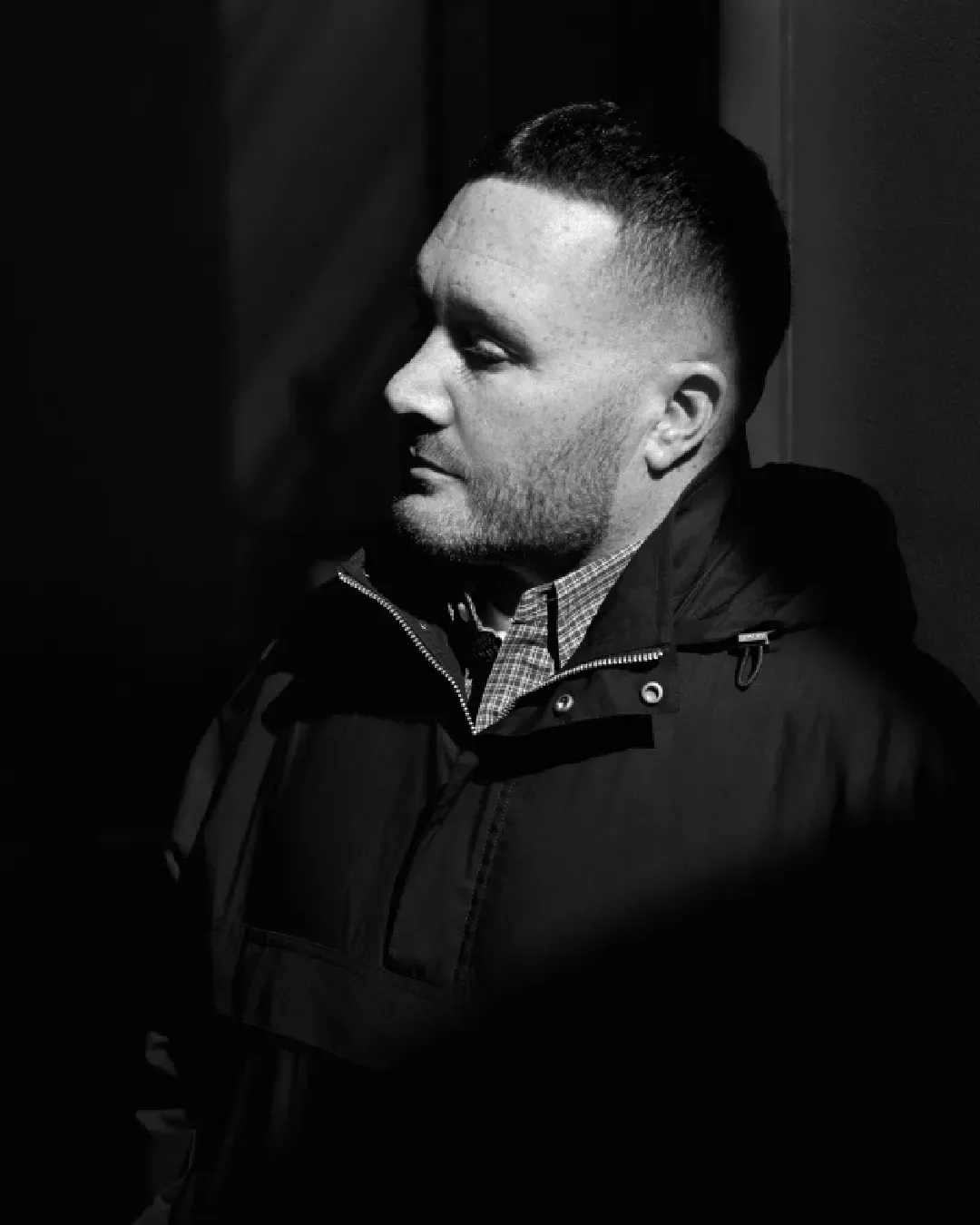
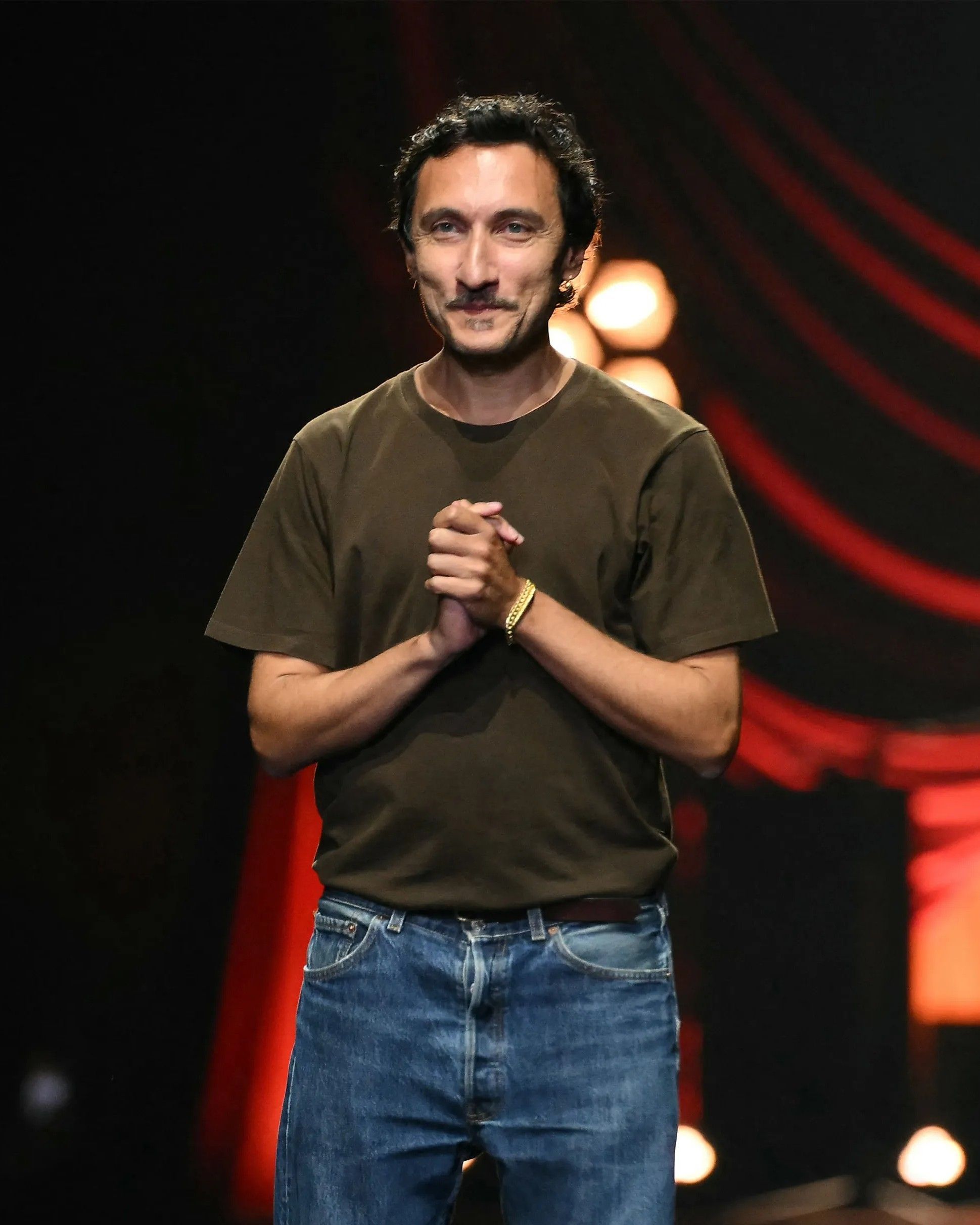
Yesterday came the news that Marco De Vincenzo has been appointed the new Head of Leather Goods at Givenchy. The news was partly predictable given that bags and leather goods have always been the designer’s area of expertise — he was Head of Bag and Leather Goods Design at Fendi from 2008 to 2022 — but it was perhaps slightly surprising as it represents a much less public role than that of Creative Director which De Vincenzo held at Etro for four years. It is impossible not to try to interpret this new turn in the designer’s career, as one can read between the lines how the perception of the Creative Director role has changed in recent years.
Upgrade or downgrade?
@nssmagazine Marco De Vincenzo has left the creative direction of Etro. Beginning in June 2022, De Vincenzo’s tenure marked the brand’s first creative chapter without the direction of a member of the founding family. Who will be the next creative director? #tiktokfashion #etro #marcodevincenzo #creativedirector original sound - lush
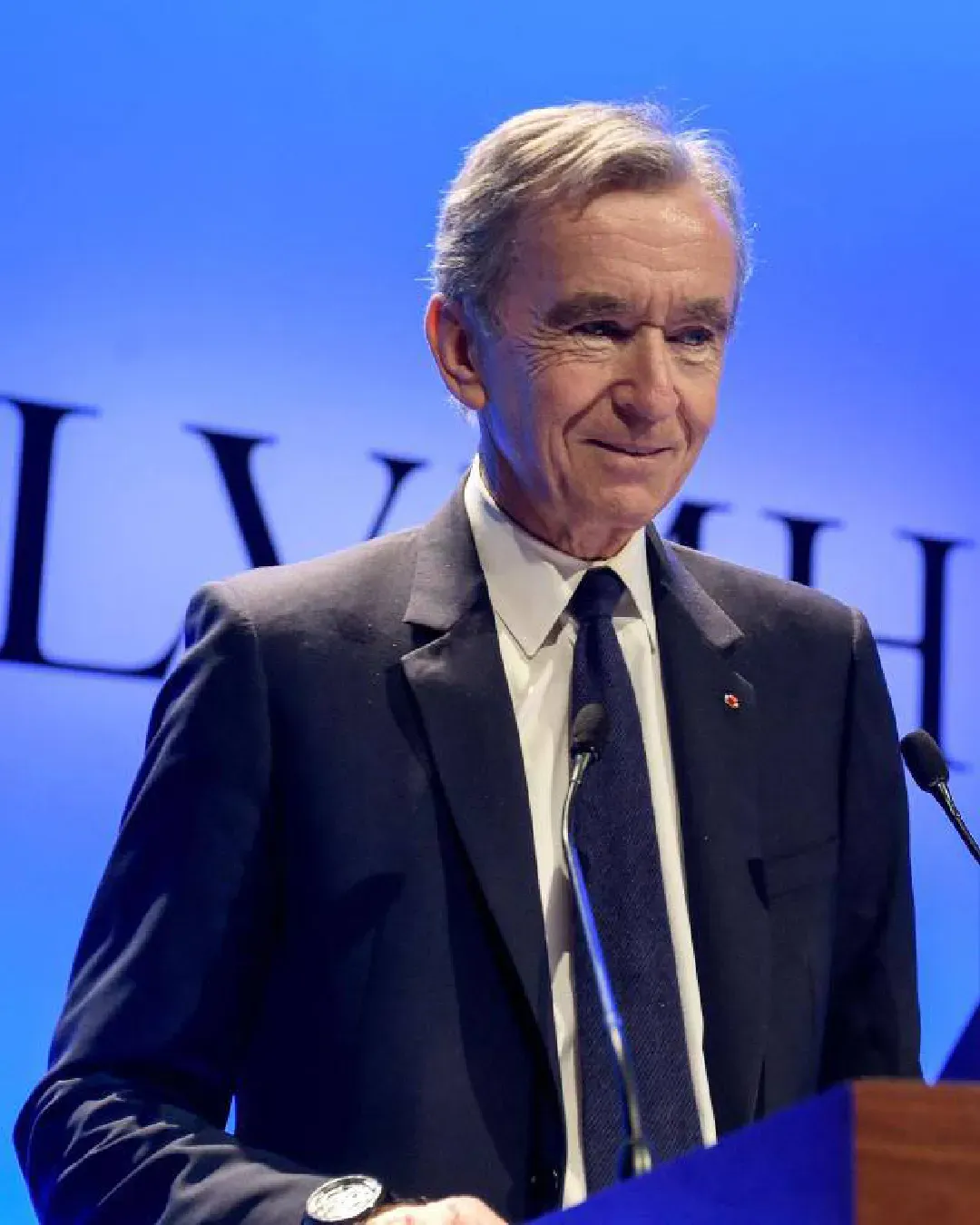
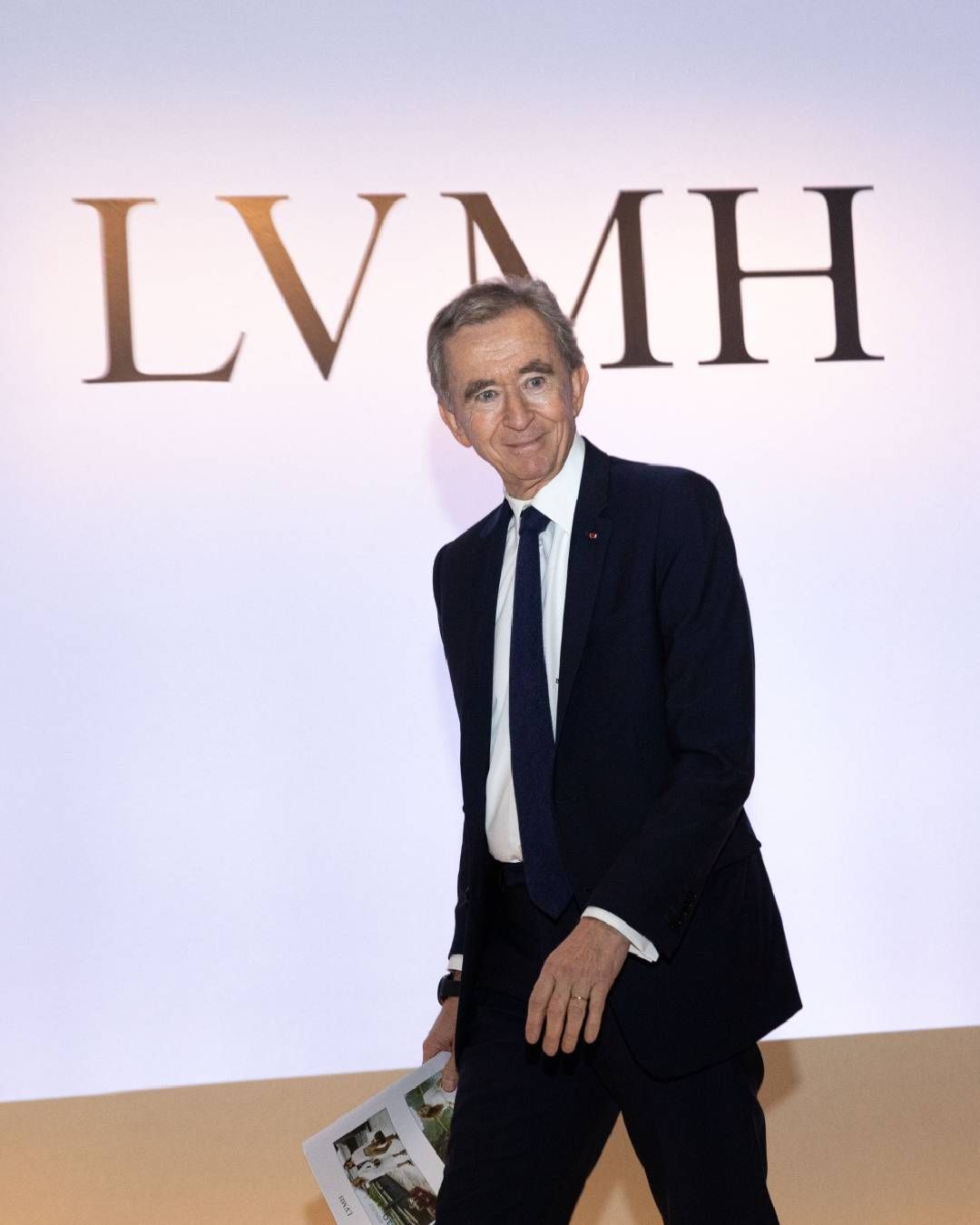
On paper, De Vincenzo has moved from a position of prominence to one that is hierarchically more subordinate, albeit extremely important. This change of position, if you will, is a new chapter in the relationship between De Vincenzo and LVMH, which in 2014 had acquired 45% of his brand and supported its development for several years. In 2021 the designer had become the sole owner of his brand again, but remained Head Designer of Leather Goods at Fendi. A few months later, in the summer of 2021, L Catterton, the private equity fund of the Arnault family, acquired control of 60% of Etro. In May 2022, to relaunch it and at the indication of L Catterton, De Vincenzo became the Creative Director of the brand.
Now, we do not know the exact reasons behind De Vincenzo’s exit from Etro, but the fact that the designer has returned to his original role as a leather goods designer for the next brand that LVMH wants to relaunch indicates, on one hand, a strong relationship of trust and, on the other, the French mega-group’s desire to make its “troops” deployment more efficient. In short, it can certainly be deduced that having De Vincenzo in Givenchy’s management team is a better investment for LVMH than having him as Creative Director of a brand (pardon the term) that is smaller in size, turnover, and global recognition like Etro.
Without wanting to presume too much, however, we could very well think that returning to the role of Head of Leather Goods represents a sort of homecoming for De Vincenzo, as well as a more specialized and perhaps even less challenging position than that of Creative Director. And taking the reasoning to a more abstract level, it is difficult not to consider the Creative Director role one that in recent years has become increasingly uncomfortable to hold: those who were once considered creative geniuses and rockstars have vaguely turned (pardon the term again) into metaphorical piñatas that are at the center of the party but that everyone enjoys beating.
Is Creative Direction the ultimate ambition?
Today my sister asked me what it takes to be a creative director.
— Aryna Livadari (@arynadesigns) January 12, 2026
My answer: it’s method acting, but for a brand.
Once you take the job, you don’t work on it. You BECOME it.
You sound, breathe, look like it would.
Skip that, and you get no trust, no empathy, no interaction.
From 2020 to 2023, fashion witnessed a mini creative reset (not as devastating as the one in 2025) that led us to talk about a comeback of fashion’s “seconds”: a series of internal design directors who came out of the shadows and became Creative Directors of major brands. De Vincenzo was among them. Now, some of these experiments worked well (Blazy at Bottega Veneta, Chemena Kamali at Chloé, and more recently Michael Ryder at Celine), while others had less brilliant or even outright disastrous outcomes. Suffice it to say that for the subsequent creative reset, brands have invested in very well-known and recognizable names.
And now that several former Creative Directors have reinvented themselves as pure creatives, abandoning a role that the public itself has begun to perceive as too stressful (Jonathan Anderson’s stakhanovism has basically become a meme) or even increasingly disconnected from fashion itself, one wonders whether the industry insiders have realigned their ambitions toward less exposed and stressful positions. In short, what once seemed the ideal culmination of any creative’s career has turned out to be a role that requires, more than a clothing creator, almost a one-man-band who must be a creator, a celebrity, and also a scapegoat when things go wrong.
Perhaps, then, from Marco De Vincenzo’s new career phase we can draw a double lesson. On one hand, the rhetoric of success in the industry should be rewritten, along with the perception that the highest point for a designer is mega-celebrity status. On the other, that the new and multifaceted nature of the Creative Director role today, with its predominance, can no longer correspond to or be the natural and obvious continuation of the designer’s role alone, but only one of several different options. Proof of this is the insider fame achieved by Thibo Denis, now Design Director at Louis Vuitton, and Edouard de Weissenbruch, the incredibly chic director of Celine’s studio.