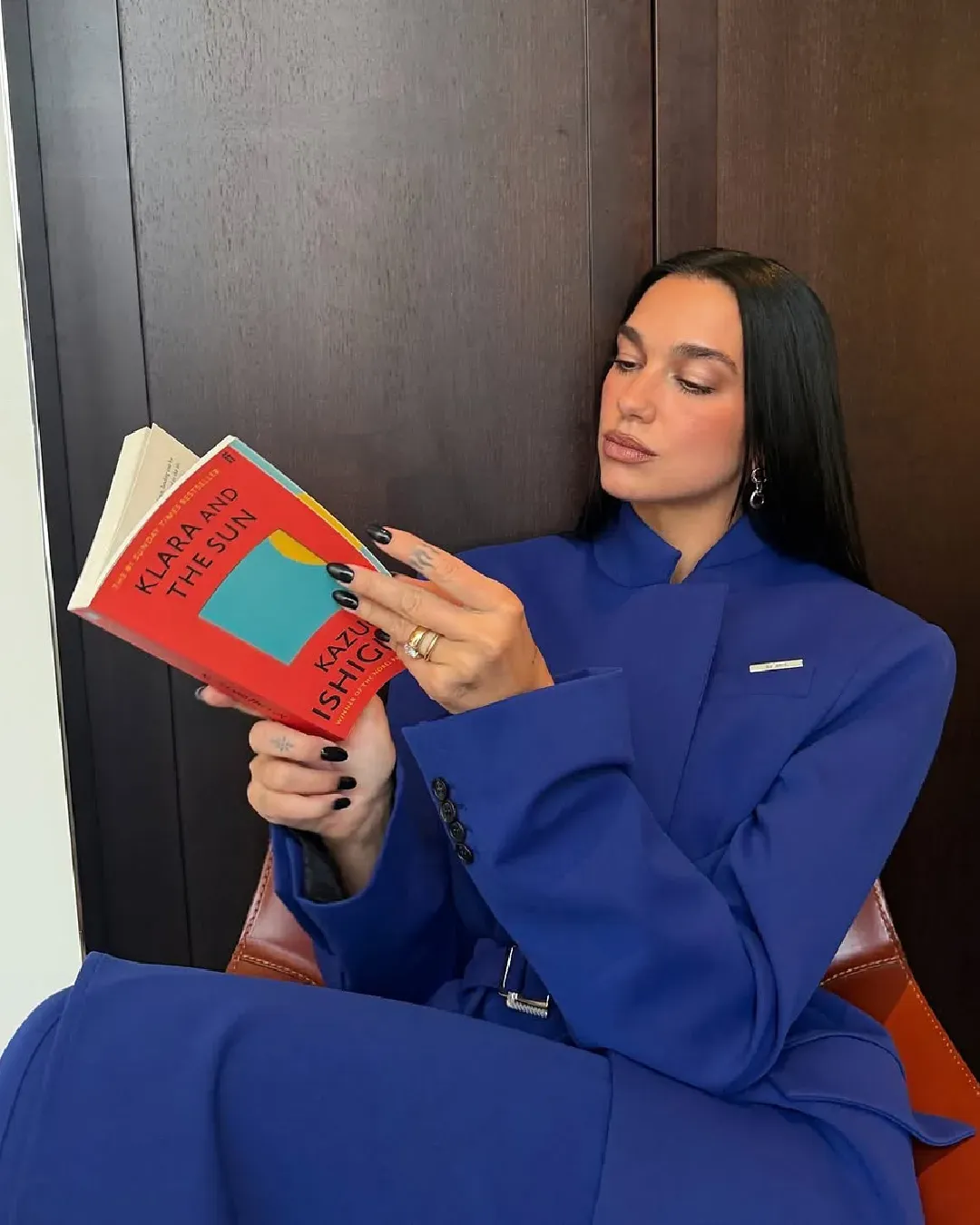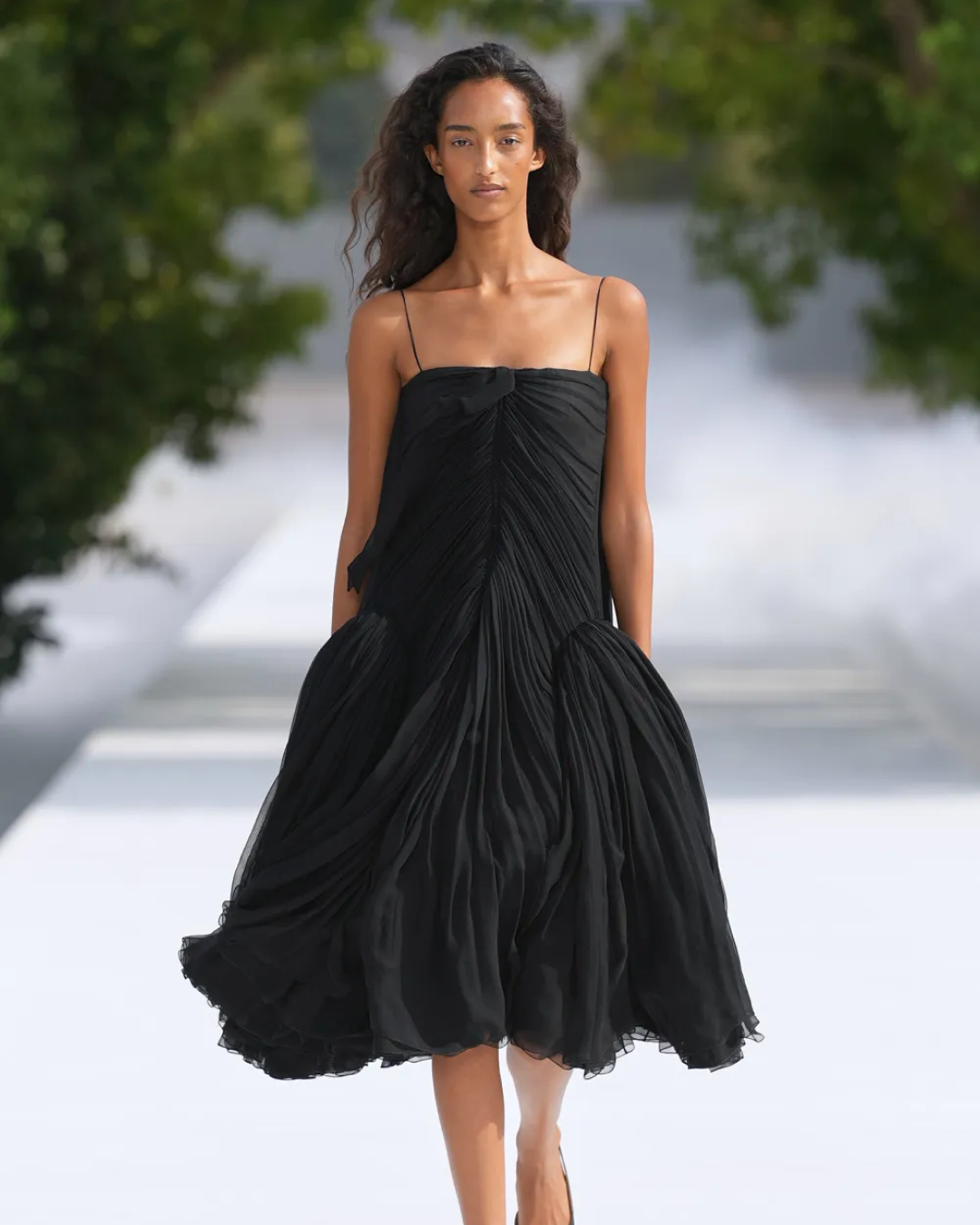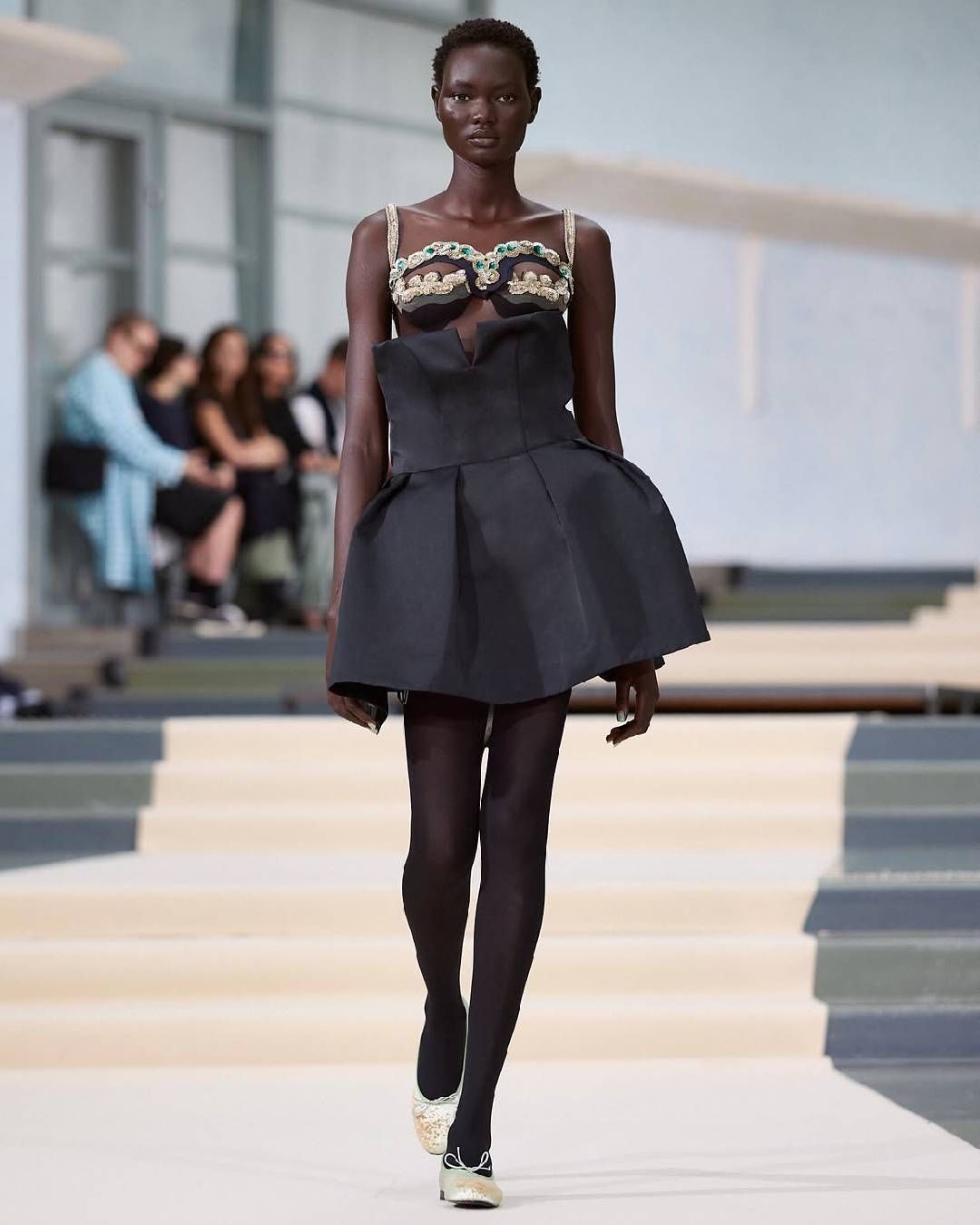
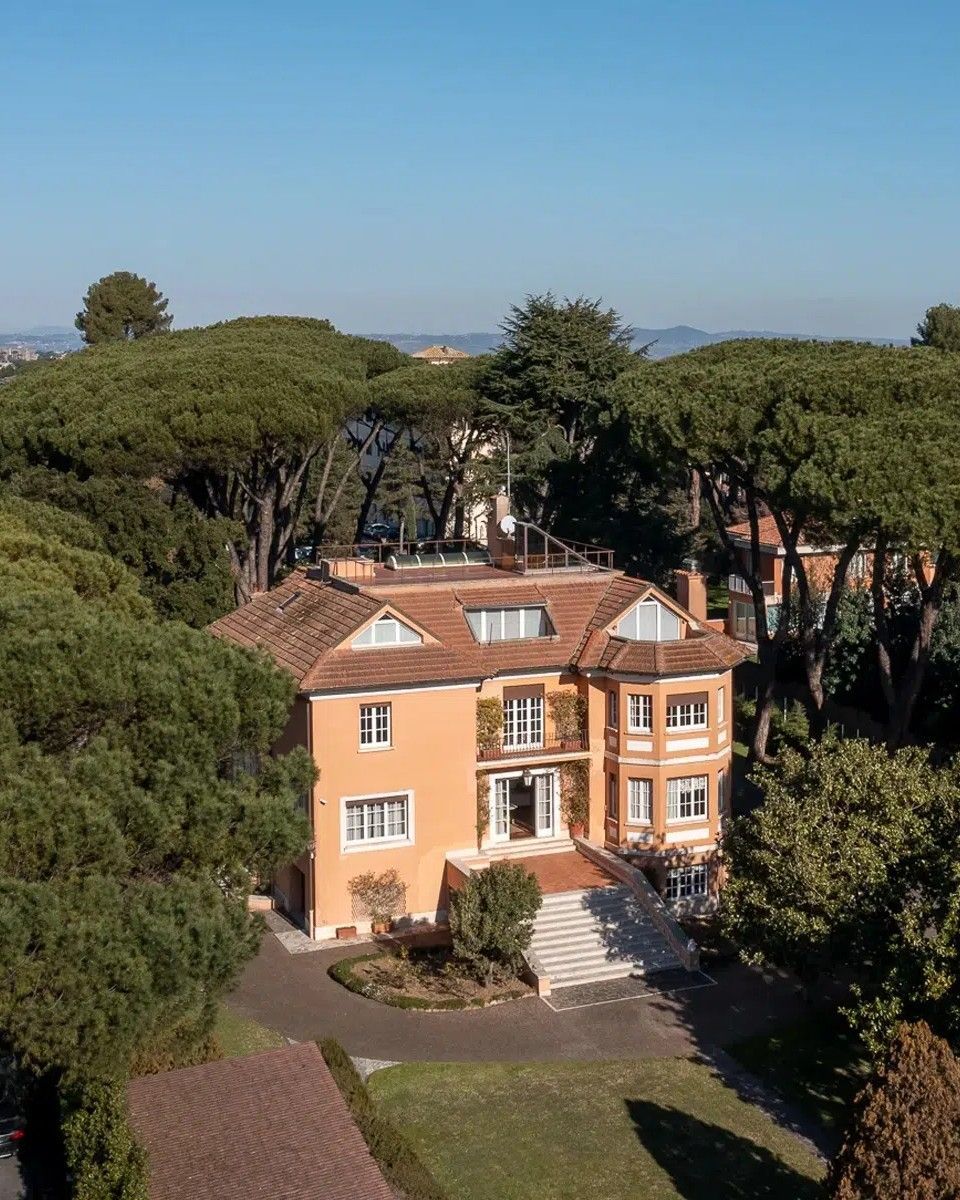
























Has Dior openend a travel agency now? A new division of the brand was quietly launched in recent months
As recently reported by Glitz Paris and as confirmed by public documents, Dior is expanding its horizons into the tourism sector, a move that represents the culmination of a strategy that started from its Beauty division, evolving through the business of branded spas and now possessing its own dedicated corporate structure. The new division is called Dior Experiences and its corporate purpose states that it will, to all intents and purposes, be a full-service travel agency.
According to the French Trade and Companies Register, available online, an act dated last February 27 shows the birth of a simplified joint-stock company with a single shareholder, whose president is Christian Dior Parfums and which will pursue «the organization and sale of travel in all its forms and to all destinations, as well as all direct or indirect operations relating to tourism, holidays, vehicle rental, the organization of tourist, hotel, sports, recreational, entertainment and wellness events, including the management of hotel and/or restaurant establishments». So is Dior now a travel agency?
How did we get here?
For several years now, the brand’s ever-larger retail locations have welcomed cafés and restaurants, something LVMH has also done through Louis Vuitton. Today one can dine at the Monsieur Dior restaurants in Paris, Saint-Tropez, Beverly Hills and Osaka, while the Dior Cafés are located, in addition to these cities, also in Dallas, Miami, Tokyo, Seoul and Chengdu. Dior Spas number around nine, between permanent and seasonal ones, with two in Paris, plus locations in Antibes, Portofino, Taormina, New York, Dubai and even on two luxury tourist trains in Scotland and Malaysia, often hosted in LVMH’s Belmond and Cheval Blanc hotels or in other iconic properties. In short, the brand already had a firm foothold in the hospitality business.
For some time now, Dior’s beauty division has been experimenting with exclusive trips reserved for clients willing to invest significant sums. These exclusive journeys are often linked to Belmond properties. As Glitz explains, in June 2025, for example, a four-day itinerary aboard the Royal Scotsman, the luxury train that crosses the Scottish Highlands, was offered at a cost of around twenty-three thousand euros per person. A few months earlier, in April, the Hôtel du Cap-Eden-Roc in Antibes, part of the Oetker group, hosted a four-day retreat focused on yoga and spa treatments at a rate of around twenty-six thousand euros.
Decisive steps
But the birth of a company dedicated to this type of experiences is important because it comes at a complex time for the LVMH group, which is seeing fashion sales decline and customer spending shifting towards travel and experiences. Led by Véronique Courtois, Dior’s beauty division decided to further professionalize these initiatives by creating Dior Expériences. The new entity was established at the beginning of March 2026 and is managed directly by Parfums Christian Dior. As Glitz reports, the birth of this division took concrete form during a press trip held at the end of May at the Grand Hotel Timeo in Taormina, where the brand inaugurated a new spa.
The creation of a dedicated company effectively opens the door to Dior managing entire hotels and restaurants, in addition to branded travel experiences. This closer approach to the tourism industry was further confirmed on April 23 during the annual shareholders’ meeting, where the group appointed Ariane Gorin, CEO of Expedia, to its board. For Bernard Arnault, the manager’s experience in the technology and travel sectors represents a valuable asset for the years to come.
This makes perfect sense considering the portfolio diversification movement that has animated the entire fashion industry in recent years, even beyond internal synergies within luxury groups like LVMH. As part of marketing, many brands already organize fully branded trips and experiences abroad. But beyond luxury brand restaurants and cafés, there have been major investments both in hospitality and in luxury condominiums and residences by brands such as Dolce&Gabbana or Maison Margiela. Kering, on the other hand, is heavily investing in luxury cruises. All initiatives aimed at the ultra-wealthy that seem to give new meaning to the famous saying «Tell me where you go and I’ll tell you who you are».
What to read next
LVMH's fashion division keeps getting worse
Third-quarter results showed a -5% decline driven by the Chinese market
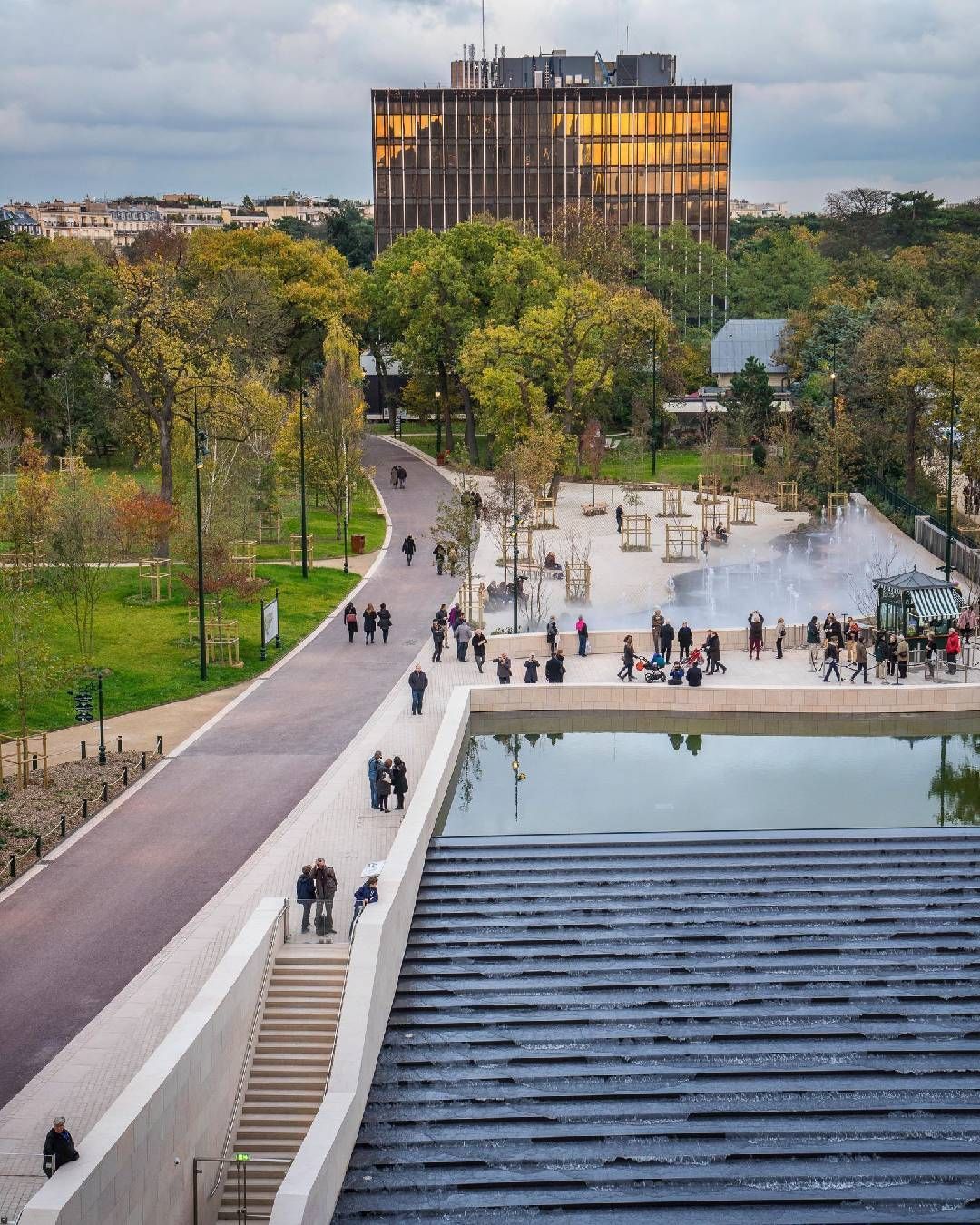
LVMH expands its Parisian empire from the Bois de Boulogne to the street redevelopments of Paris
Culture and urban development become the ultimate showcases for the luxury empire
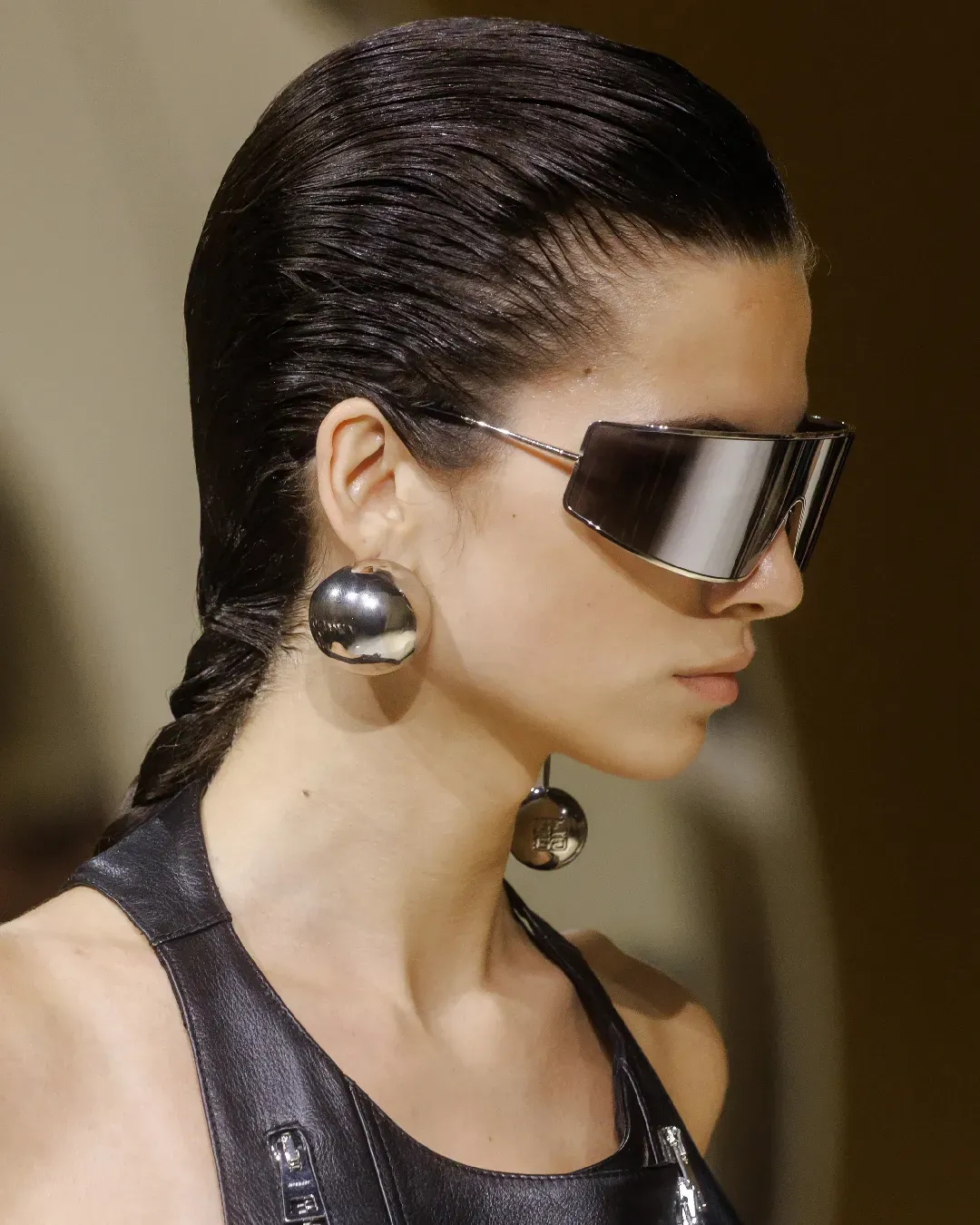
5 key trends from Paris Fashion Week SS27 Women's
What we'll be wearing next summer, according to the fashion of the Ville Lumière