





















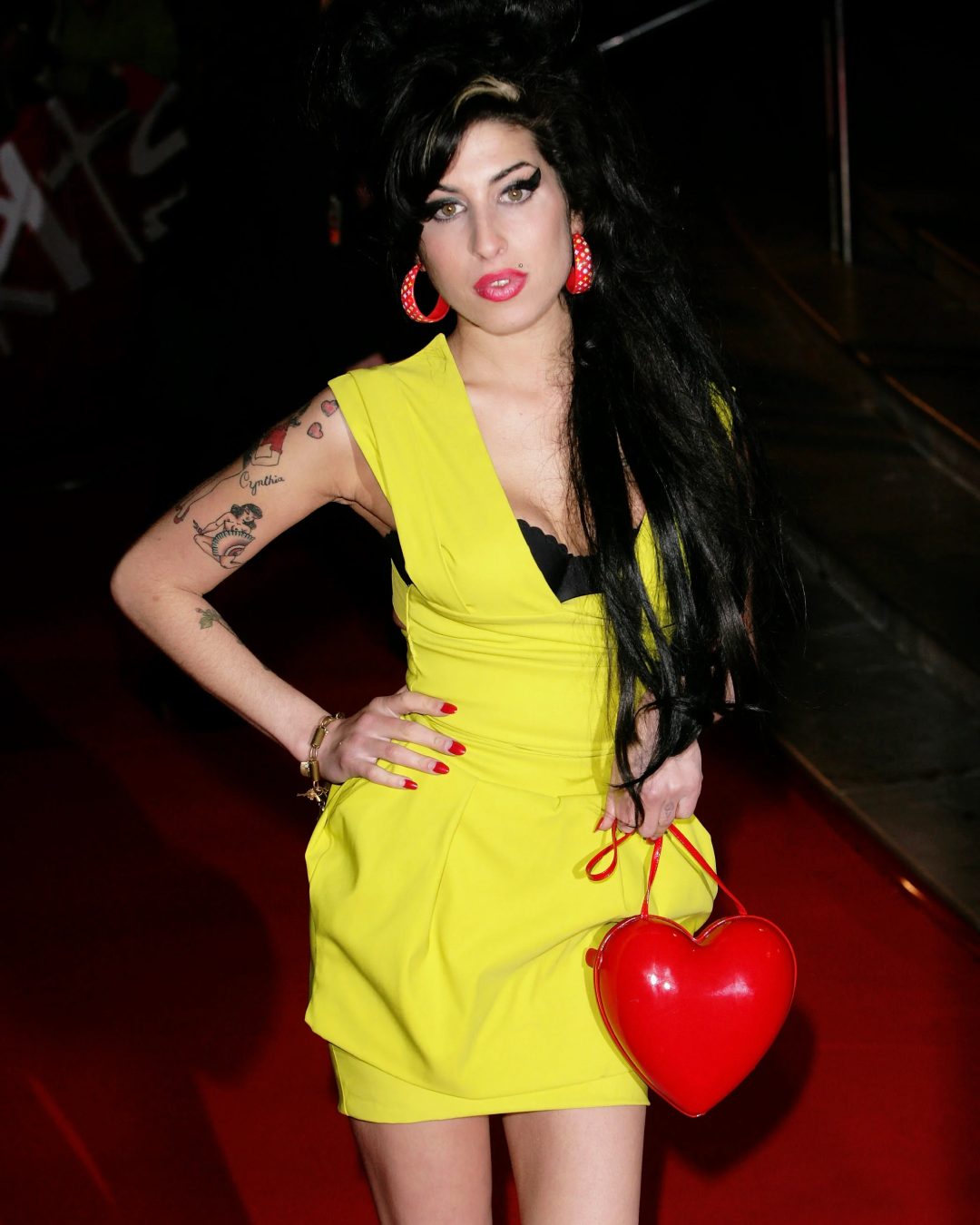
Amy Winehouse's style lives on The aesthetic evolution of the last jazz diva
There is a precise moment when the world understood that Amy Winehouse would never be a pop star like any other. It is 2004, on the sofa of Friday Night with Jonathan Ross, the well-known British talk show, and the young singer-songwriter from Camden is introducing herself to the wider public for the first time, on the occasion of the launch of her debut album.
When the host asks her whether 19 Management, Simon Fuller's agency that had shaped the Spice Girls phenomenon, had tried in some way to change her too, Amy replies with disarming confidence: «They tried to put me in a triangle, but when there's already so much there, there's no need to add anything else.» A sharp and brazen statement that perfectly captures her relationship with music and with fashion: instinctive, untameable, and entirely at odds with the glossy aesthetic of the pop stars of the era.
Today, fifteen years after her passing, we celebrate the aesthetic evolution and cultural impact of the last great jazz singer the world has ever known.
A geek singer-songwriter
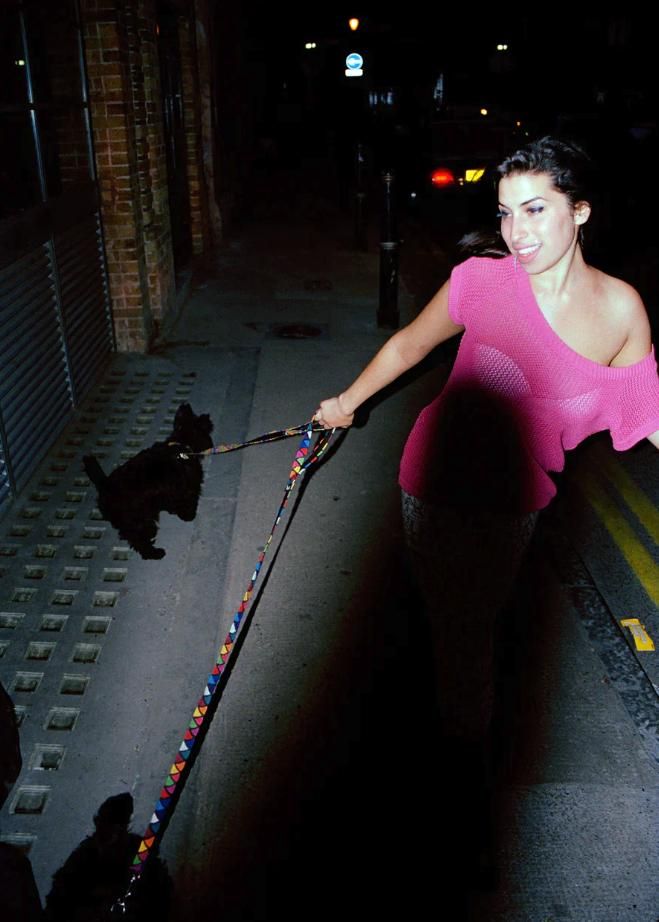
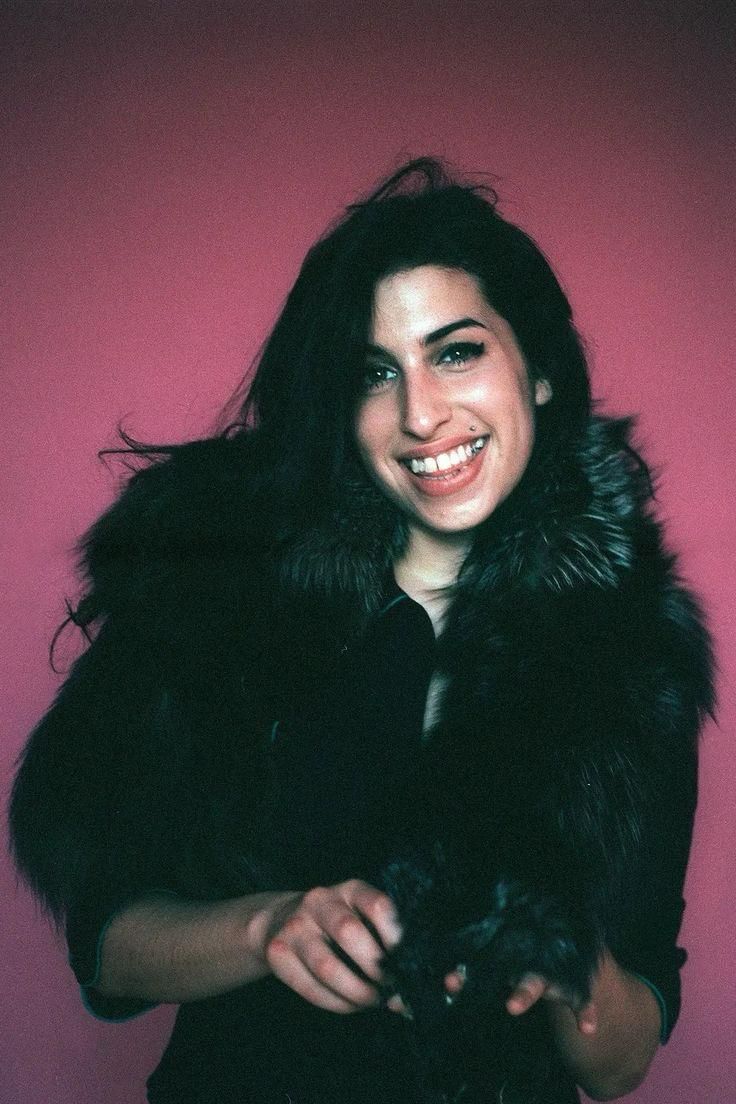
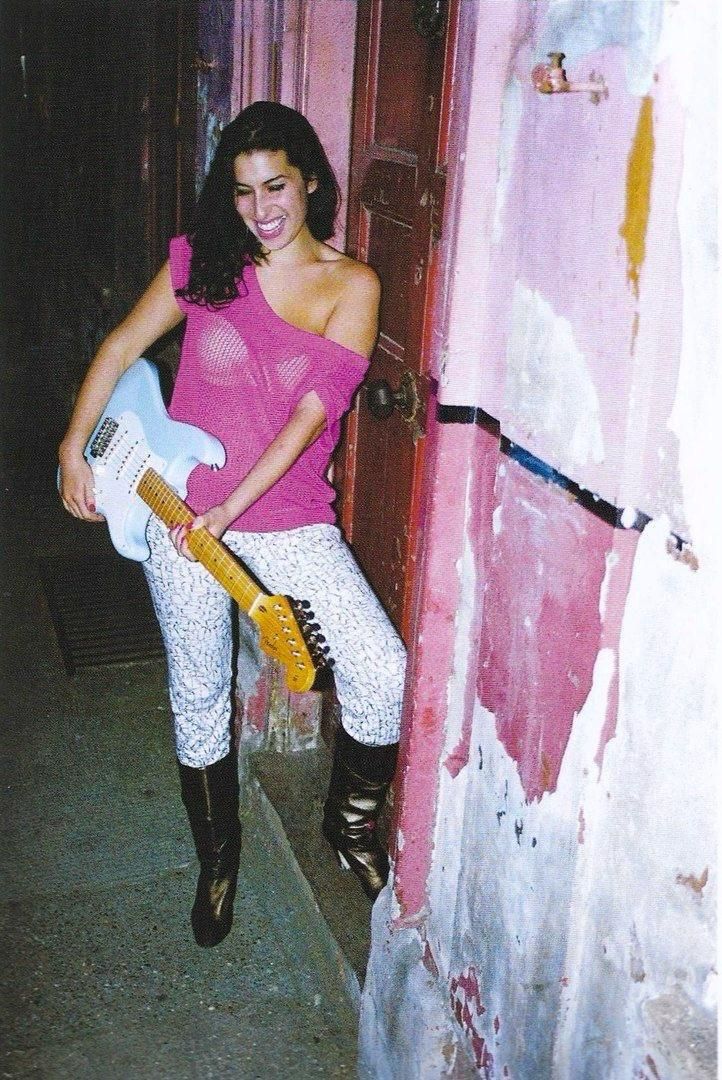
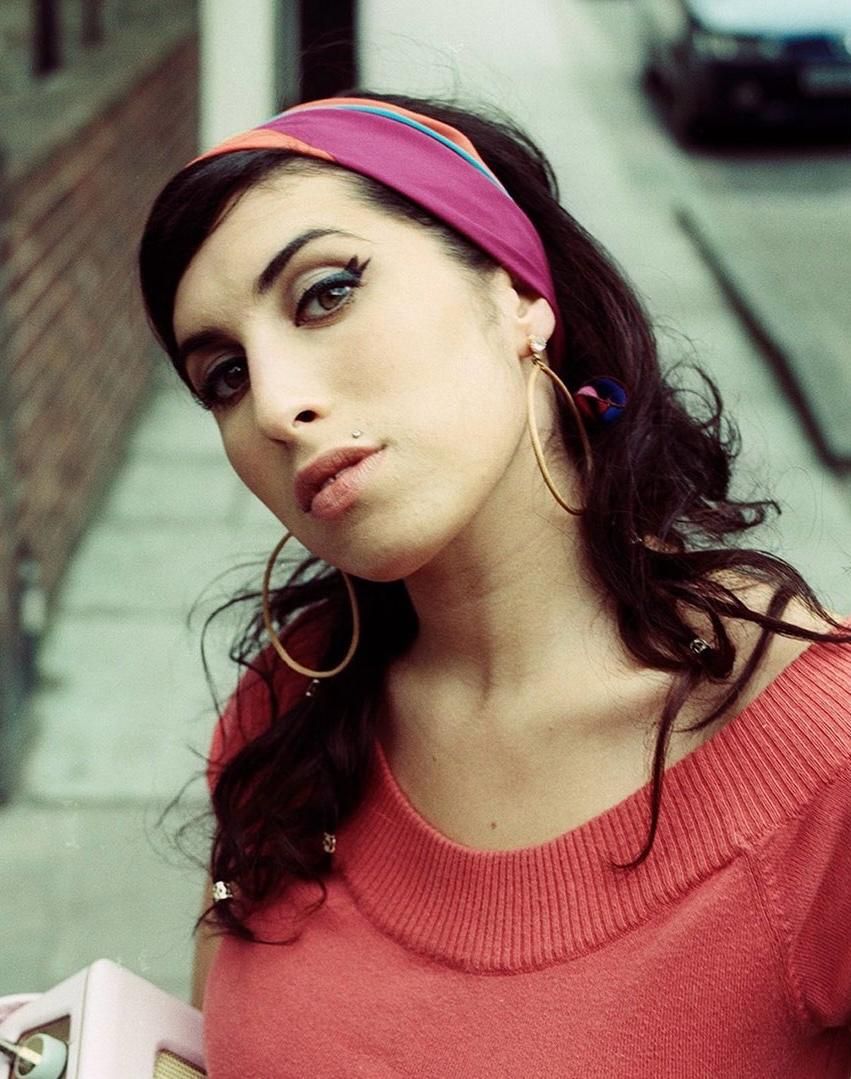
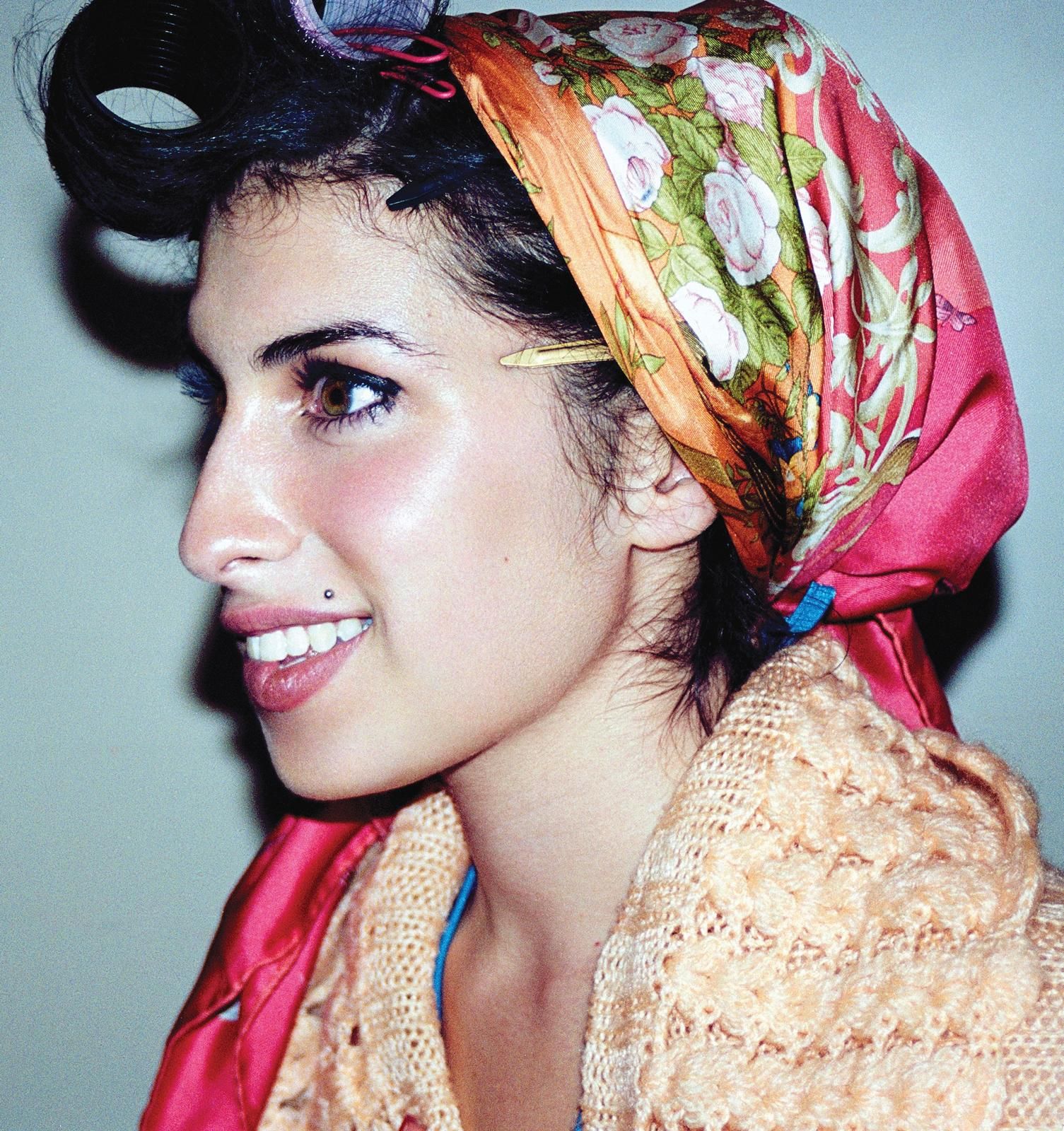
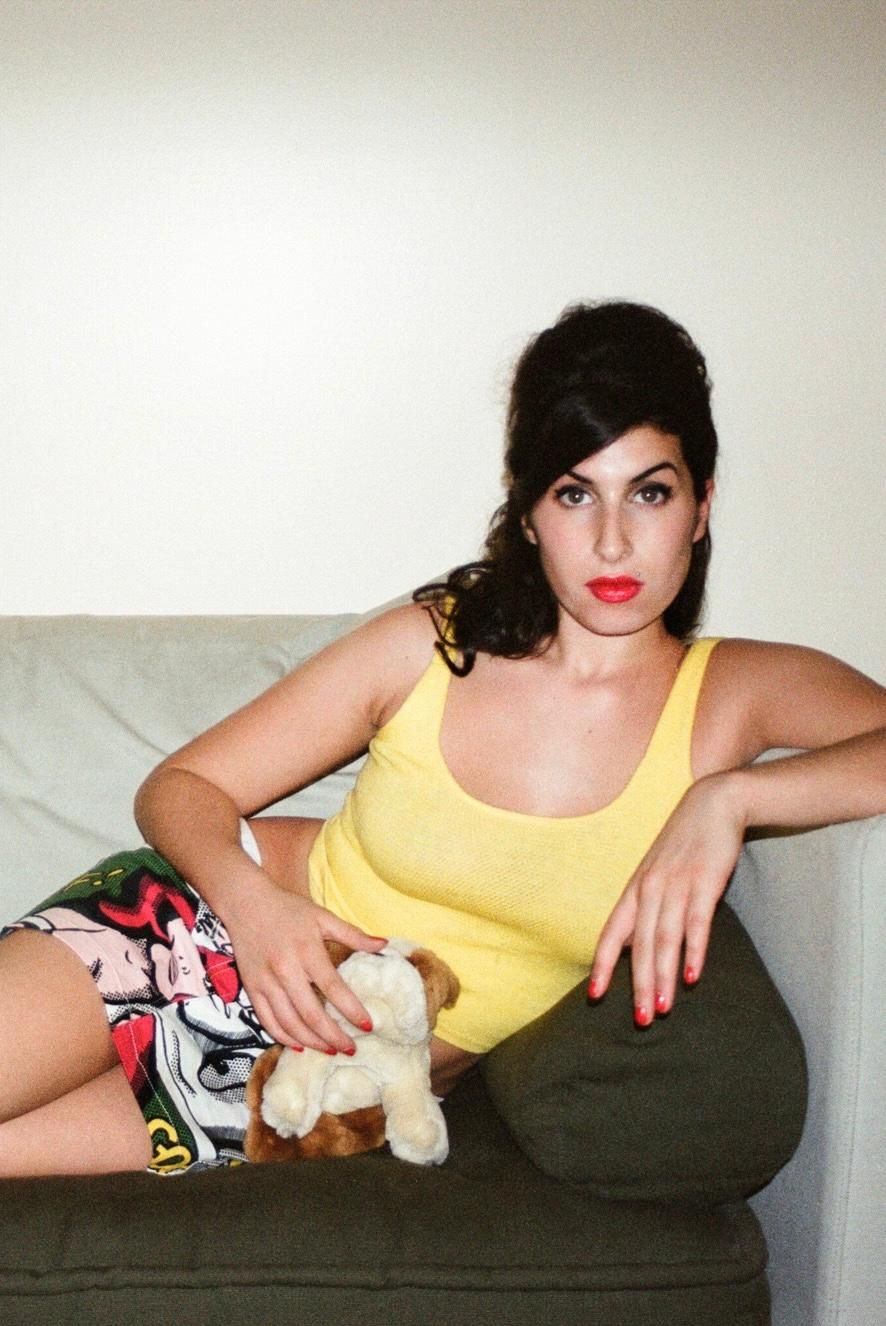
The spontaneous brilliance of Amy Winehouse's style is evident from the very start: behind the capri pants, the worn woollen jumpers and that lip piercing, lay a soul voice and an ancient spirit. Yet, unlike her musical idols such as Dinah Washington or Sarah Vaughan, Amy refused to perform in long evening gowns and strings of pearls. Of course, at the time she couldn't afford them, but above all she was a twenty-year-old girl whose only desire was to play in small jazz venues with her guitar, showing herself exactly as she was, without filters. The very cover of her debut album, Frank, is a manifesto of her disarming authenticity: who else would choose to be photographed on Princelet Street in pyjamas next to rubbish bins while walking her dogs?
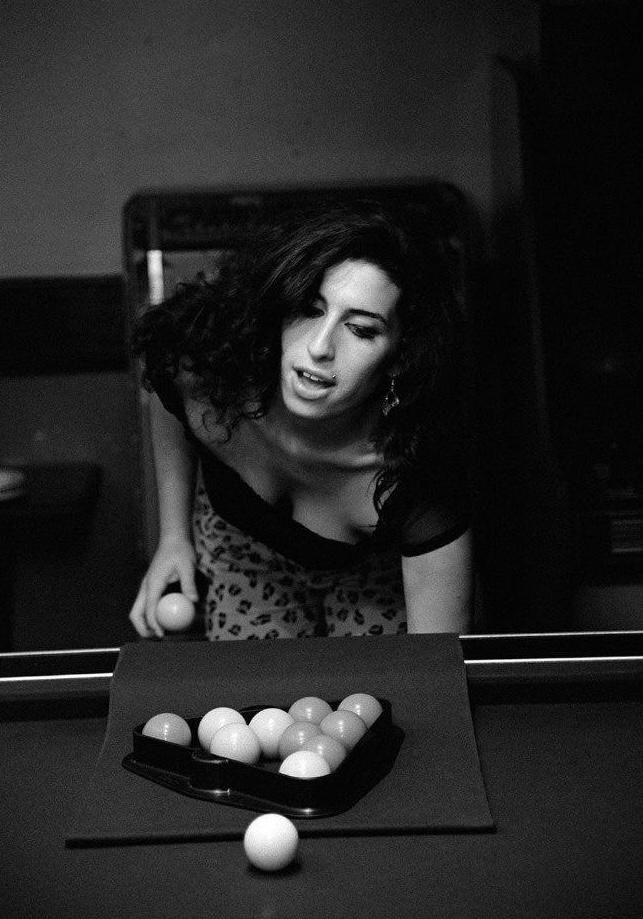
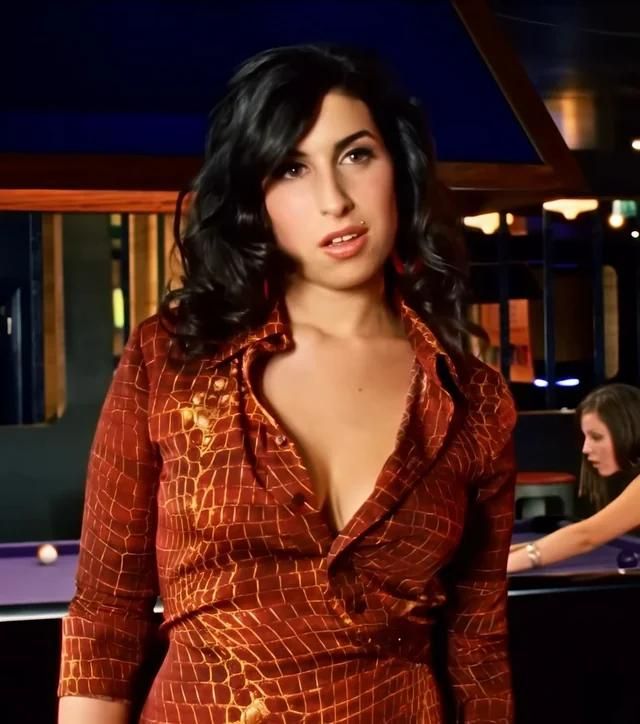
From the very beginning, Amy does the exact opposite of what one would expect from a young newcomer: her geek style, suspended between grunge and a deliberately kitsch sensibility, speaks to her ironic wit and her passion for the brand of stylist Patricia Field. It is during this phase that Winehouse begins to explore a femininity entirely her own, never alluring in the conventional sense of the word, yet profoundly self-aware. This comes through clearly in the music videos for Stronger Than Me and Fuck Me Pumps, where she challenges the camera sporting skimpy blouses and oversized fluo plastic earrings while playing pool. In these clips Amy is no submissive seductress; on the contrary, she uses her sensuality to mock the male world, stripping it of its predatory arrogance and transforming it, with brazen irony, into the true object of desire.
The Back to Black era
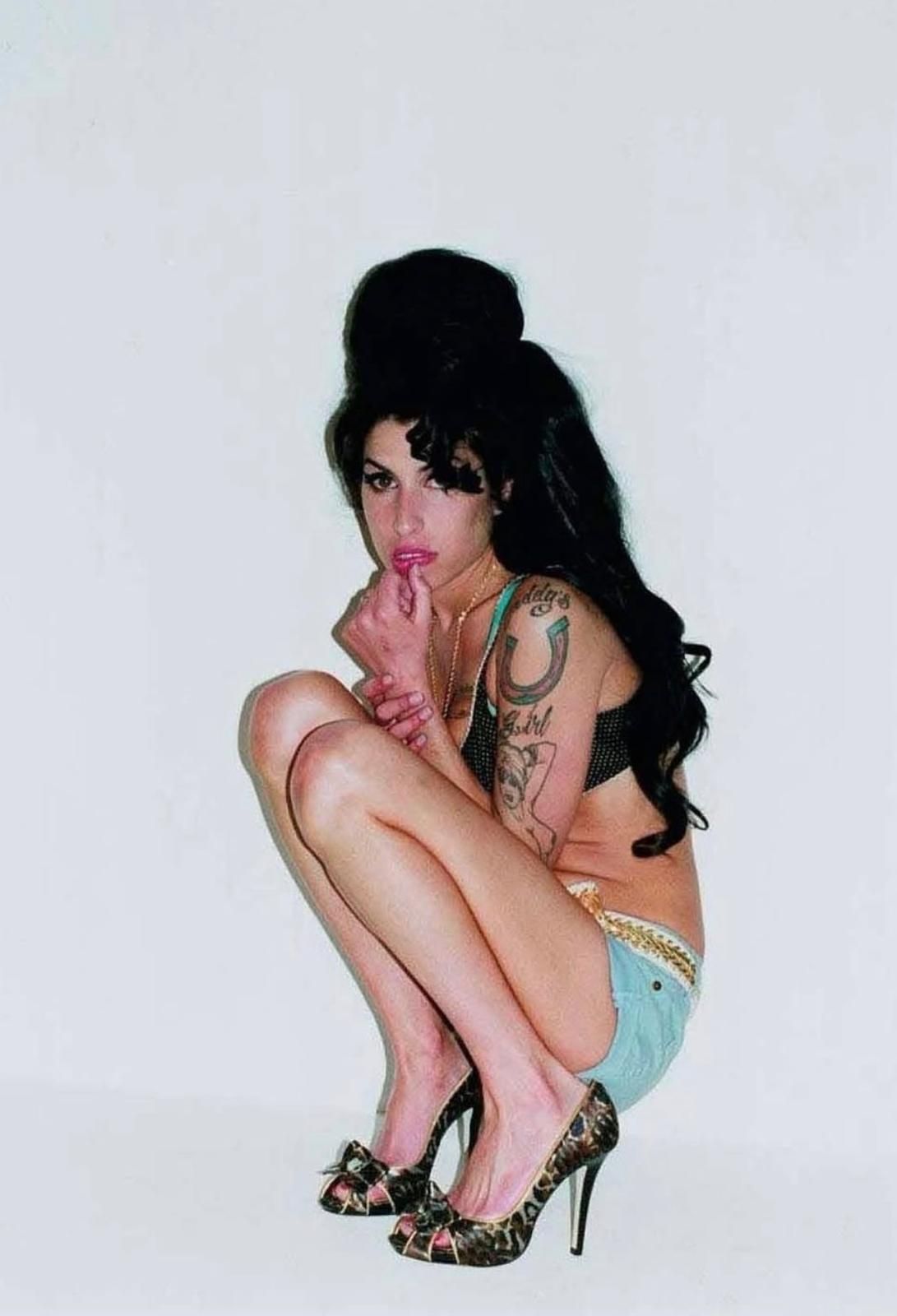
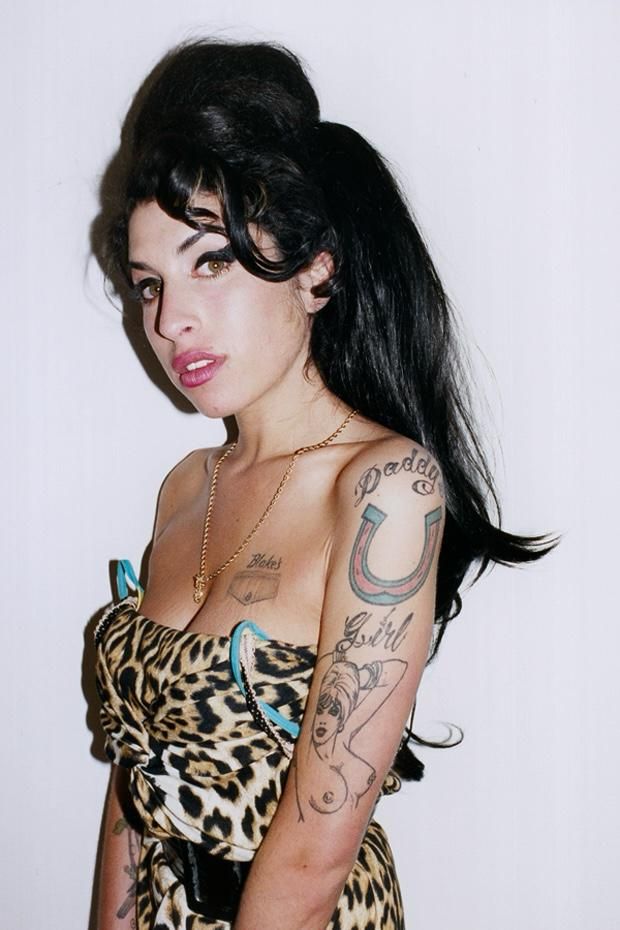
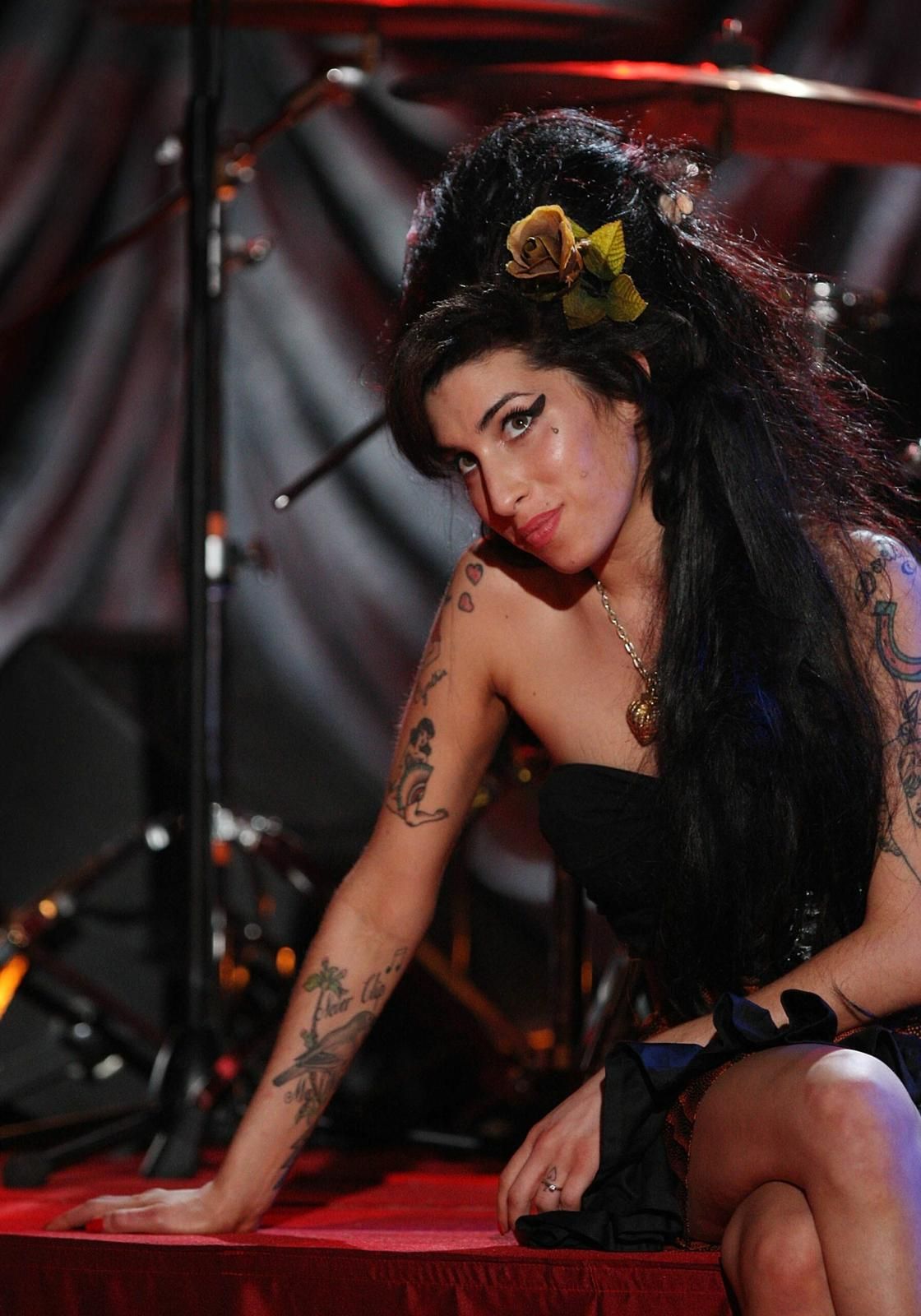
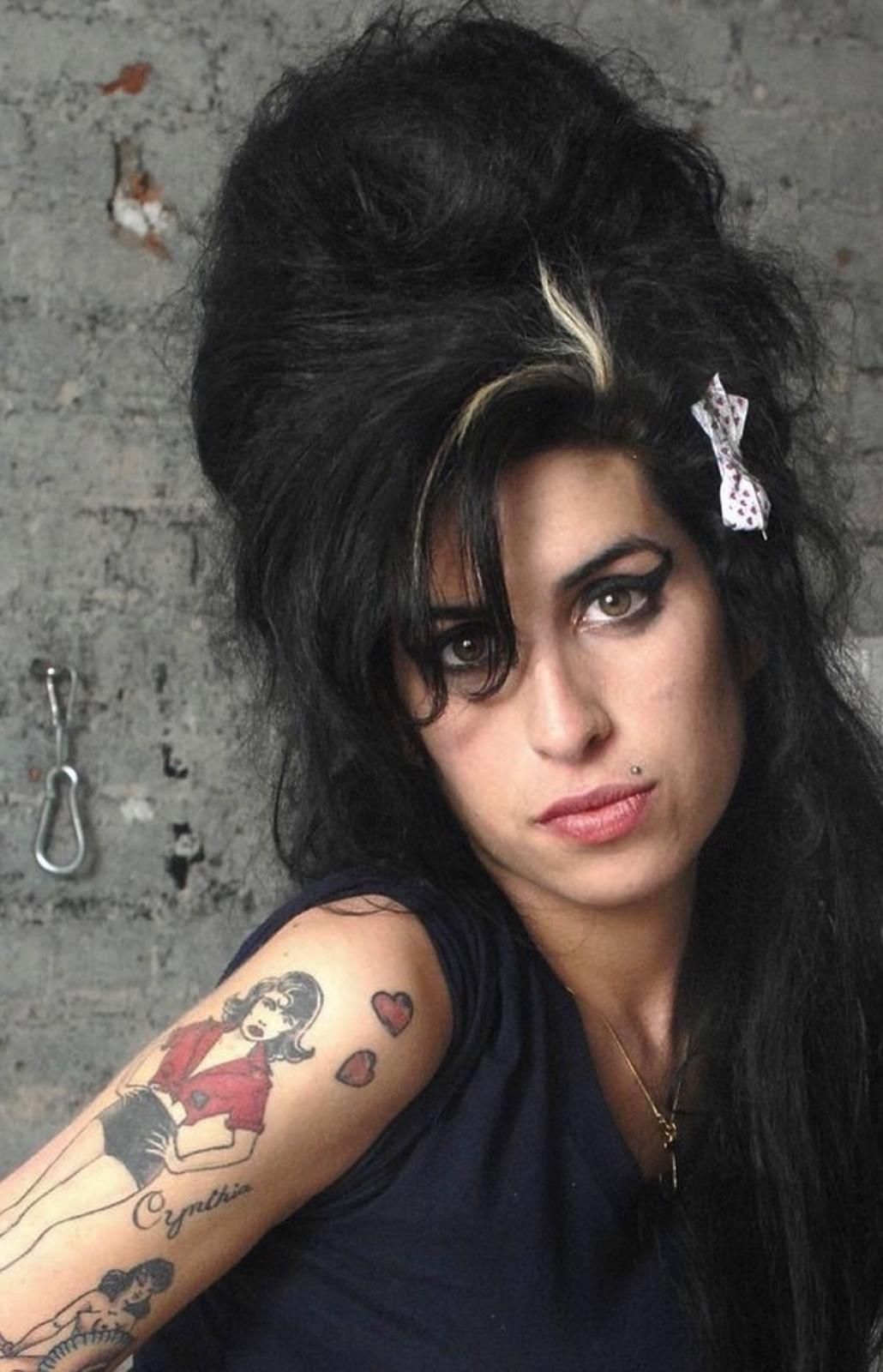
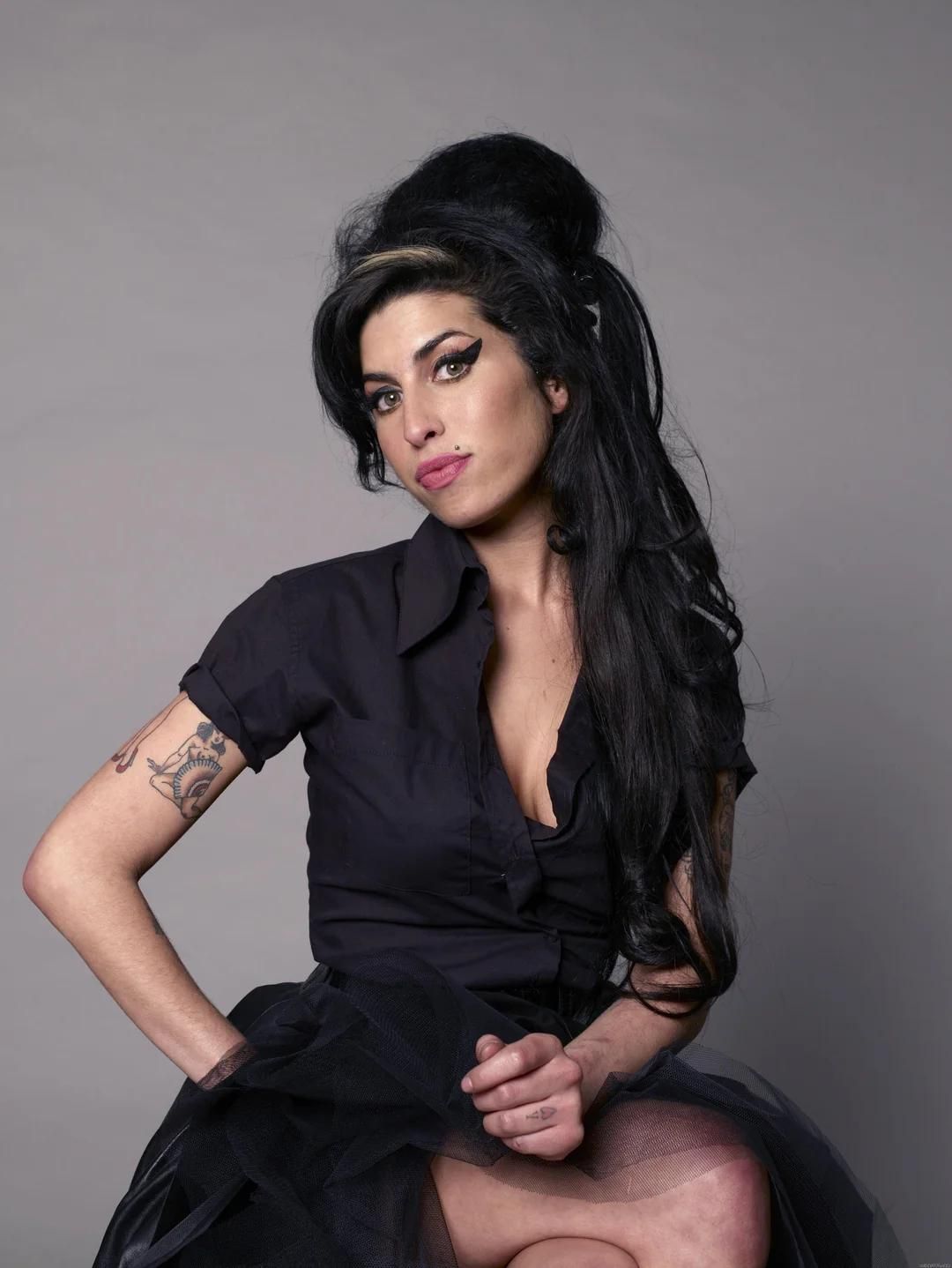
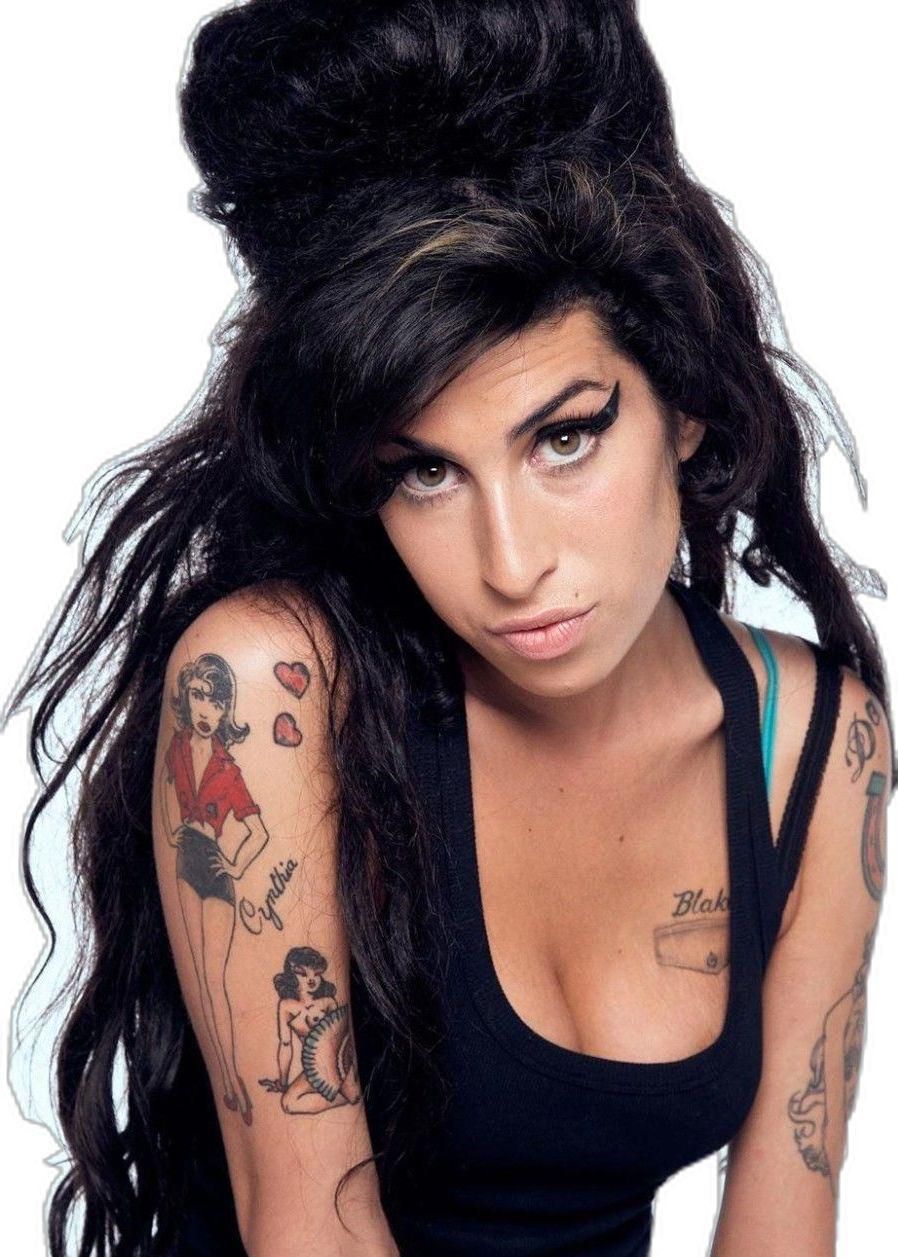
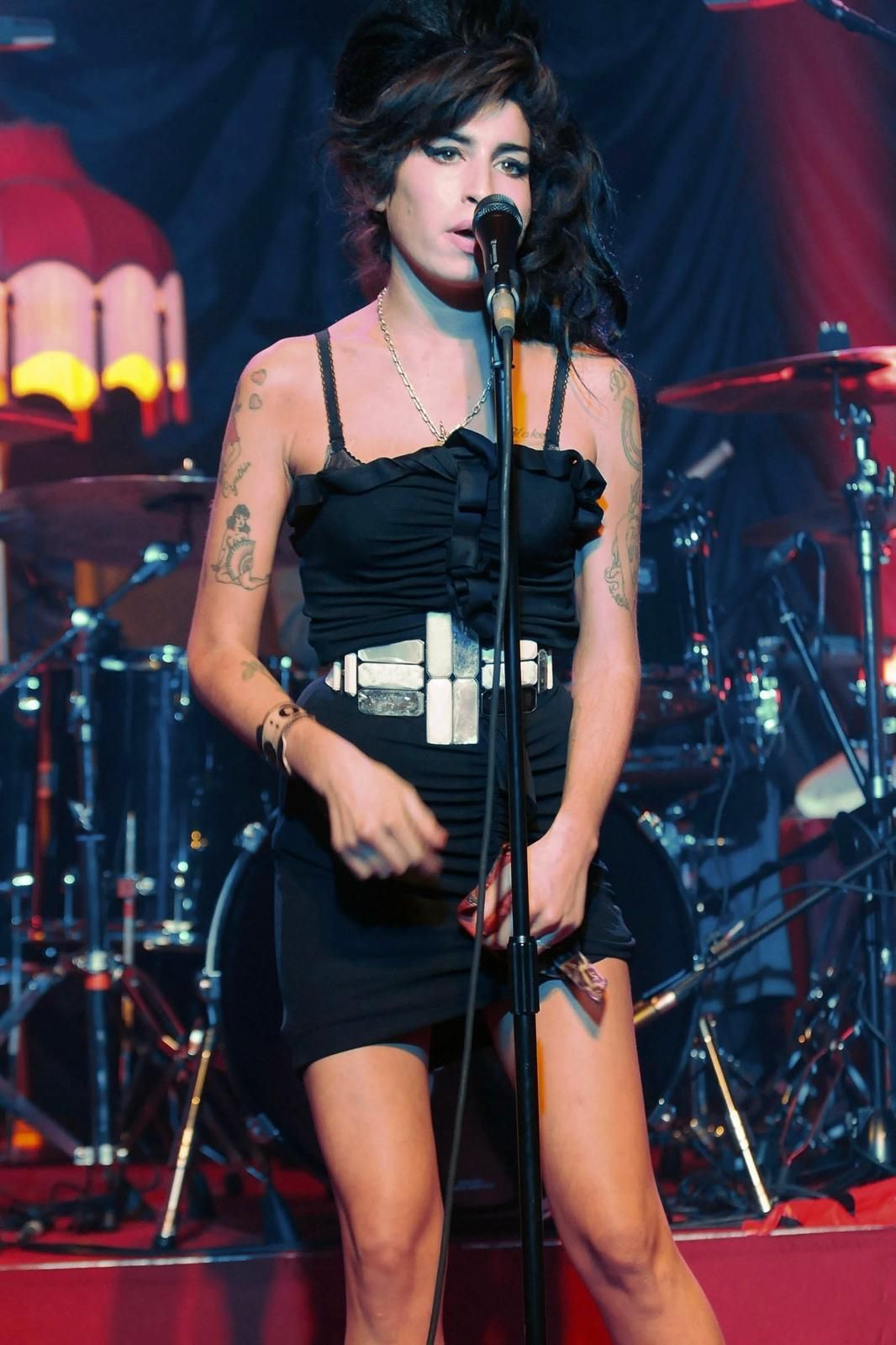
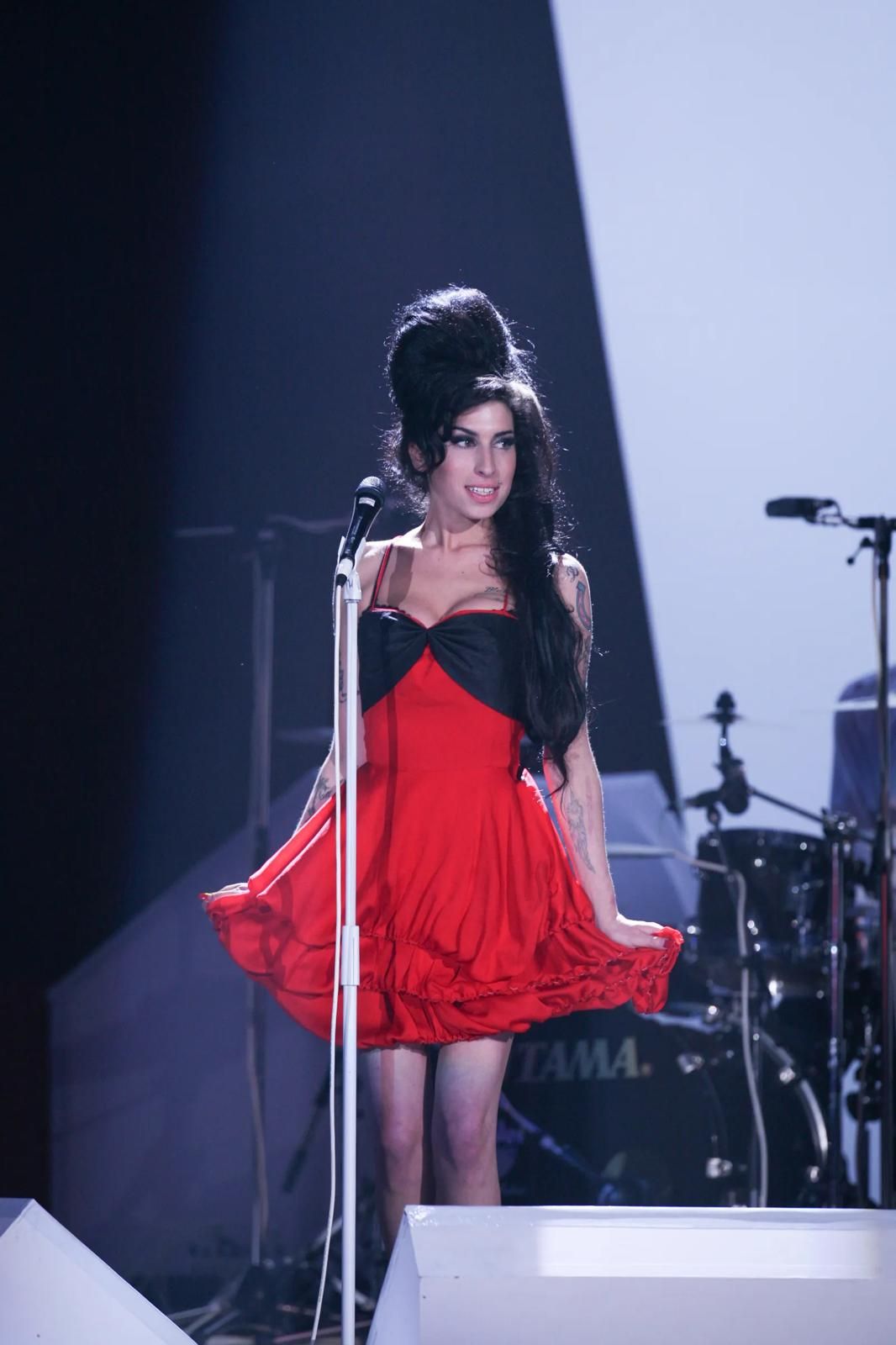
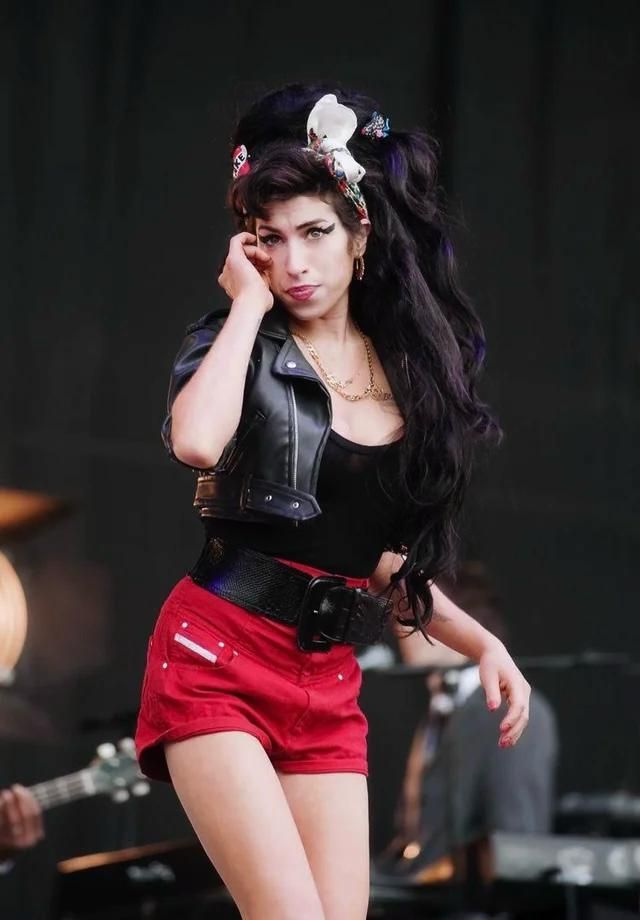
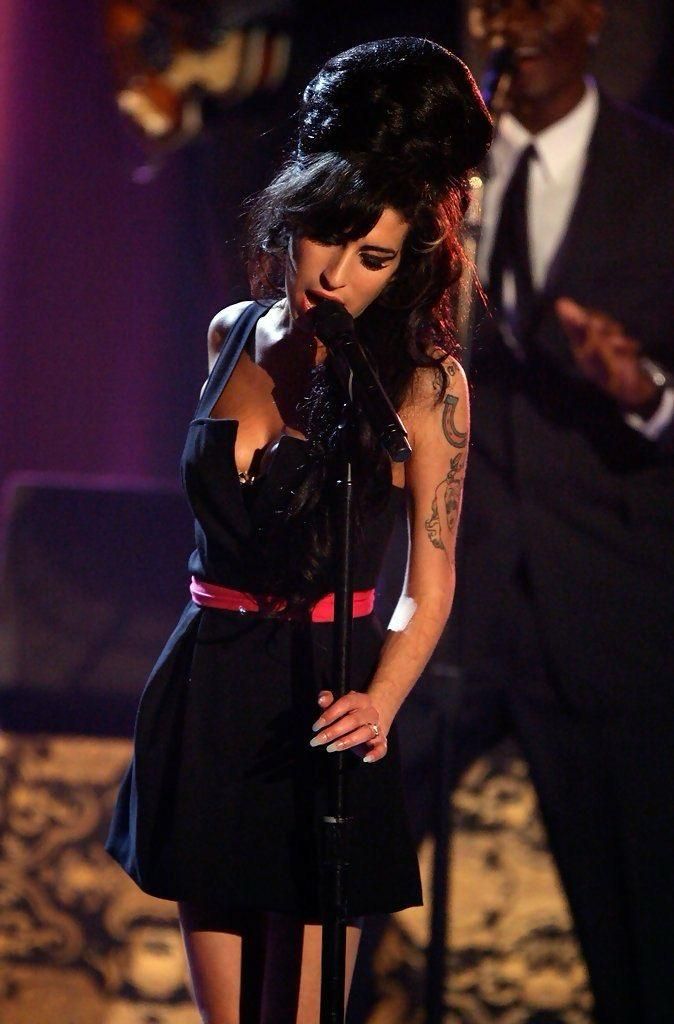
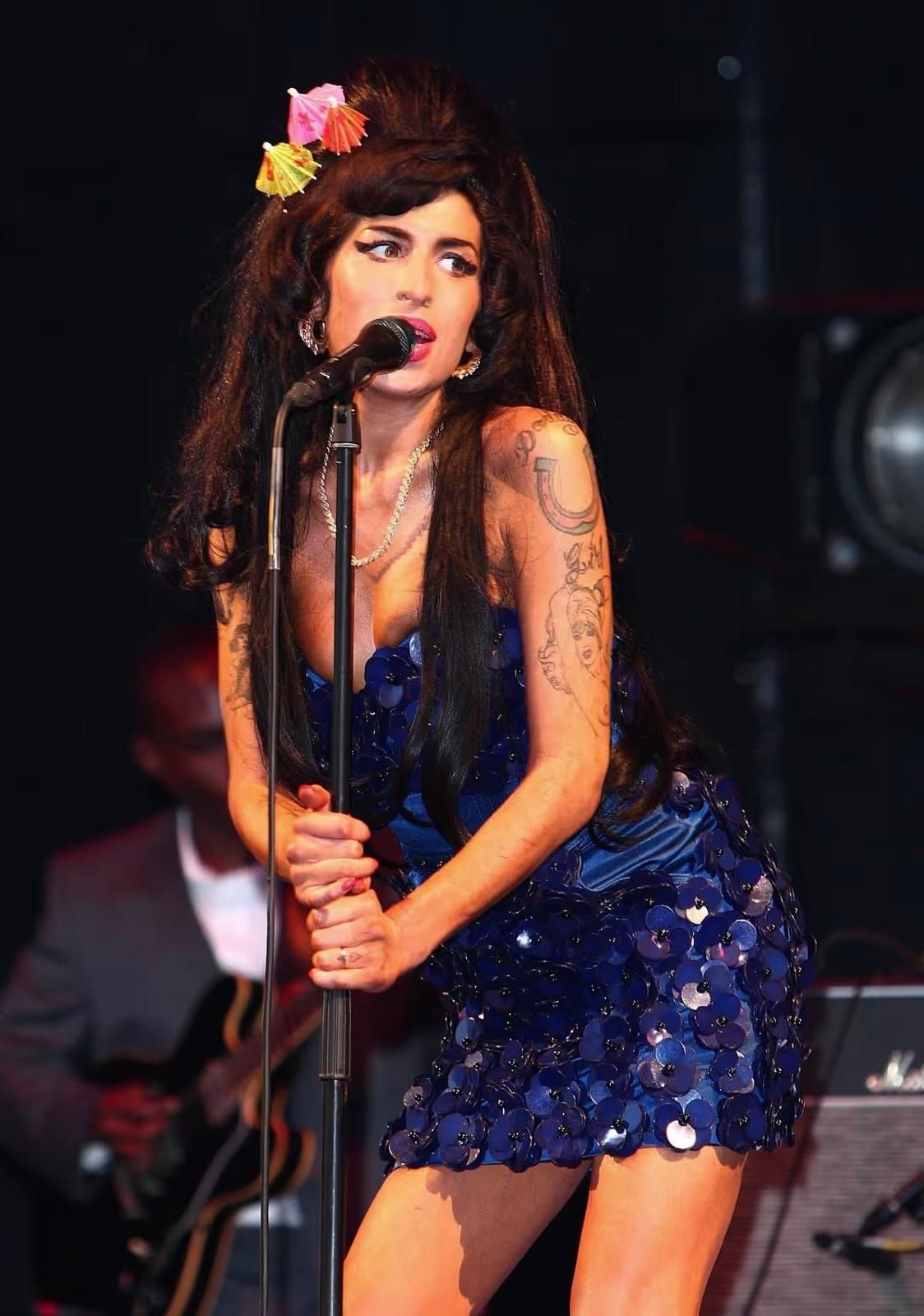
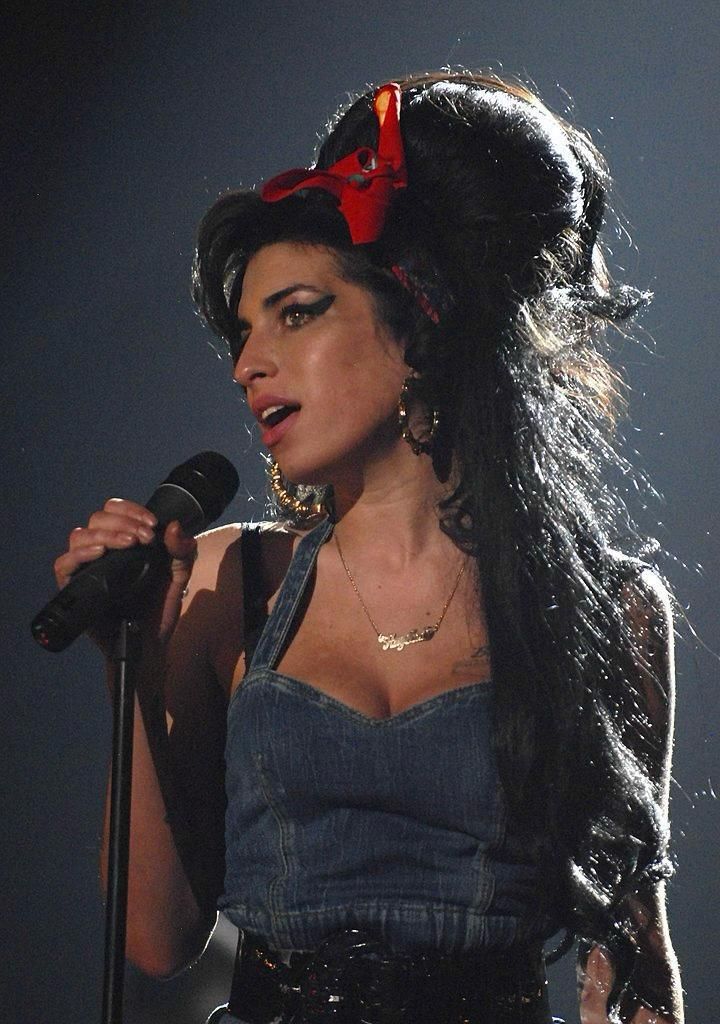
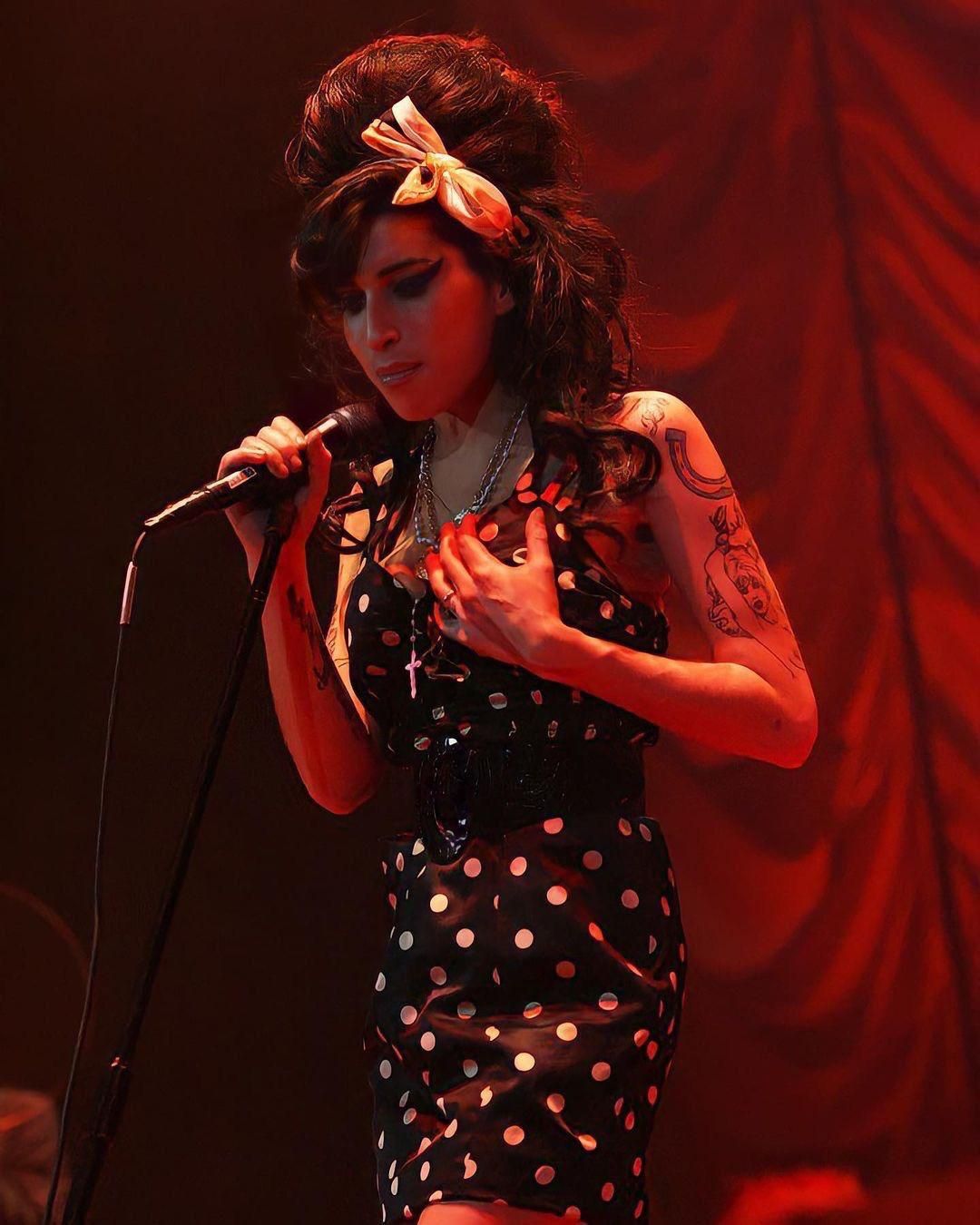
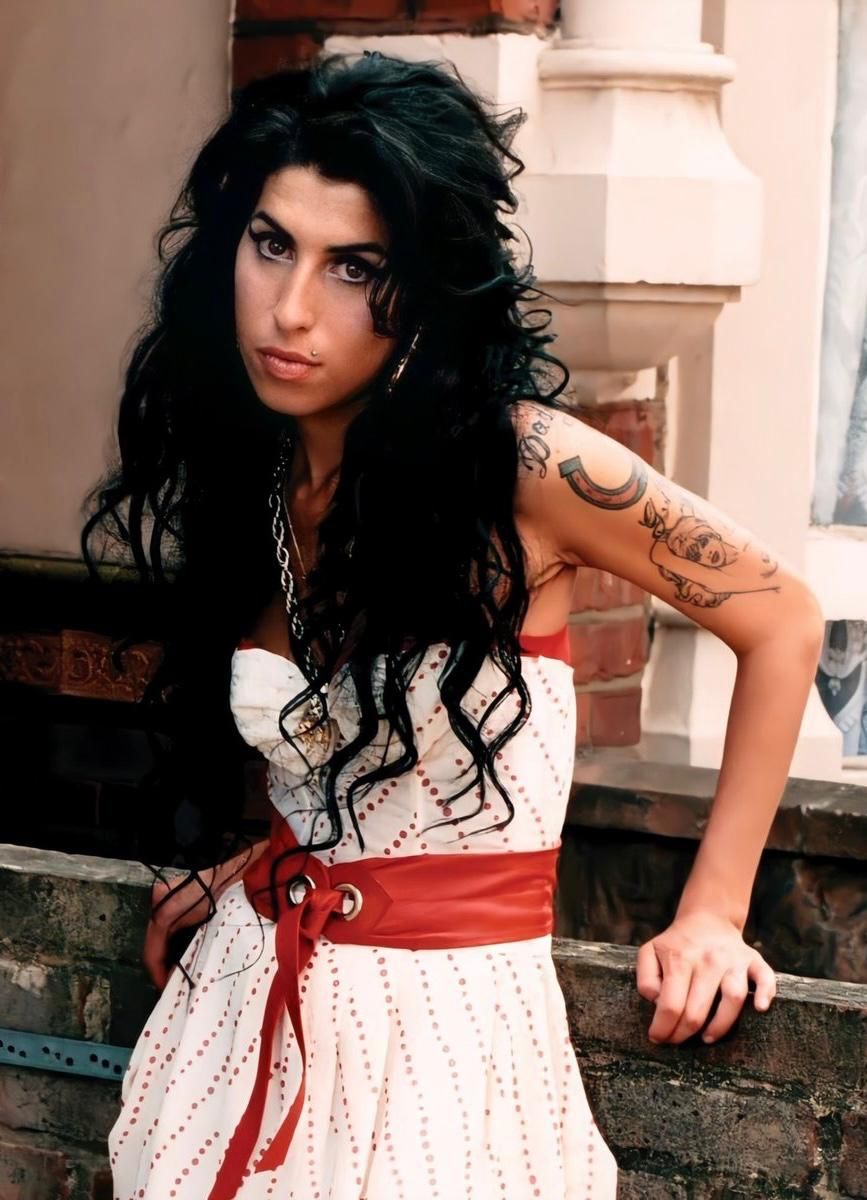
As time goes on, Amy begins to bring the connection between sound and image into ever sharper focus. In this transition towards the Back to Black era, the singer-songwriter falls under the spell of the sound and style of Sixties girl groups such as The Ronettes and The Shangri-Las. It is from this fascination that her iconic beehive is born — the towering updo that, starting out as a modest retro bouffant, would grow to extraordinary heights over time. In this stylistic evolution, Winehouse begins to flirt with the pin-up imagery of the Fifties: old-school tattoos spread ever further across her skin, the eyeliner grows thicker, while her unmistakable beehive is framed by flowers and knotted headscarves. On stage she performs wrapped in her beloved tube dresses with animal prints or polka dots and gleaming satin. In some performances, lace lingerie peeks out fearlessly from corsets and miniskirts, punctuated by contrasting belts worn with pride alongside towering peep-toe heels.
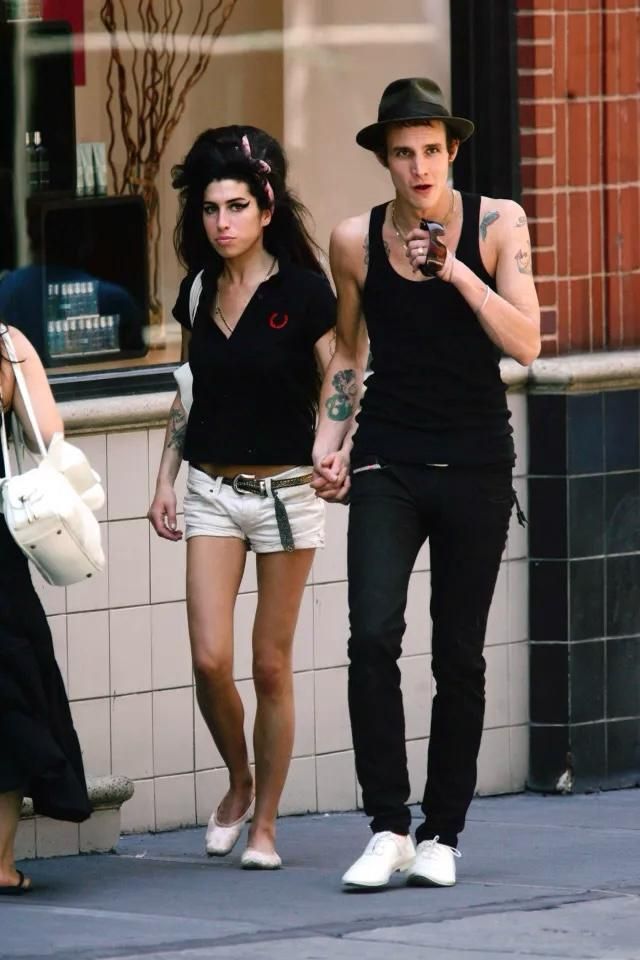
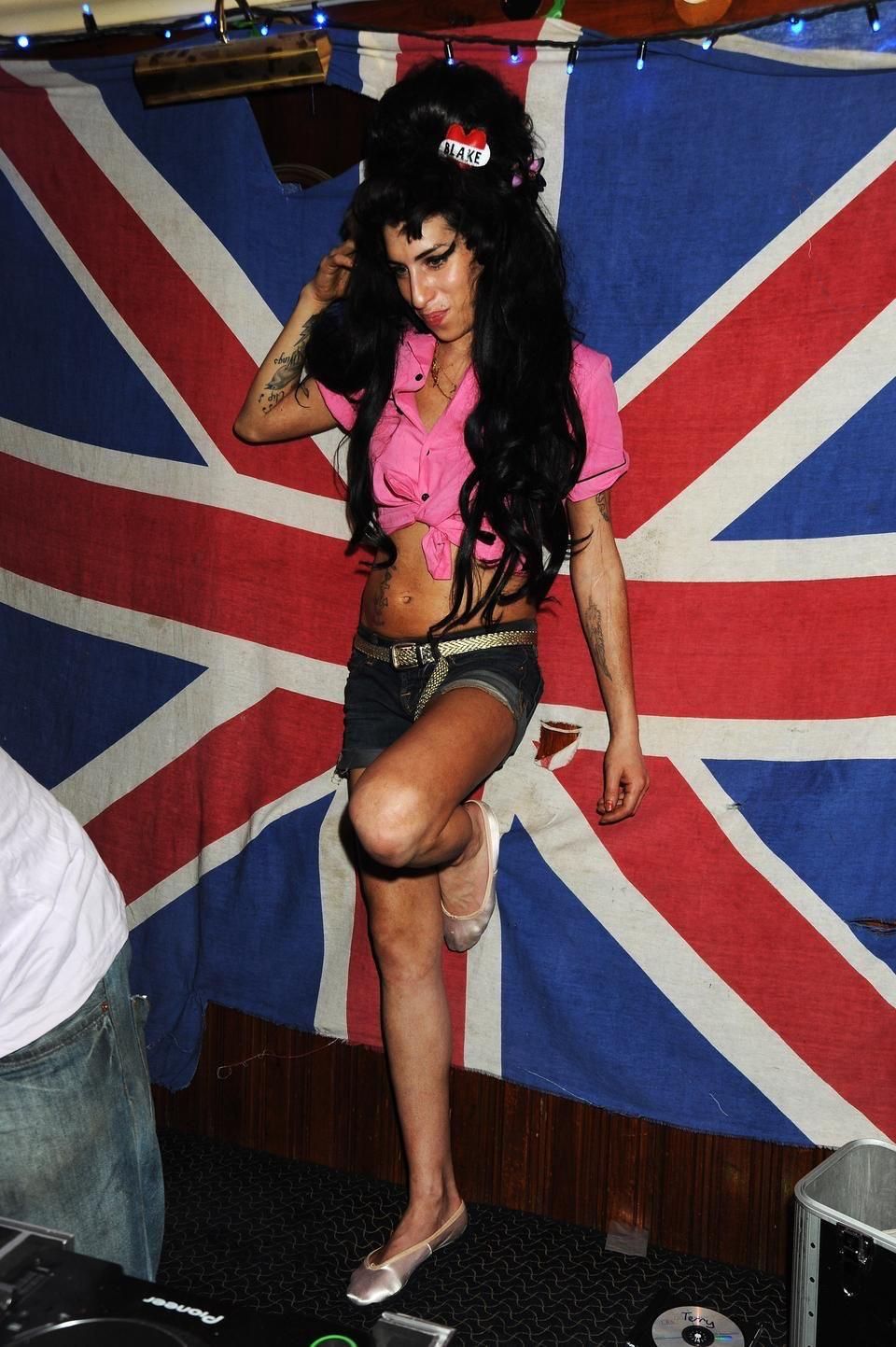
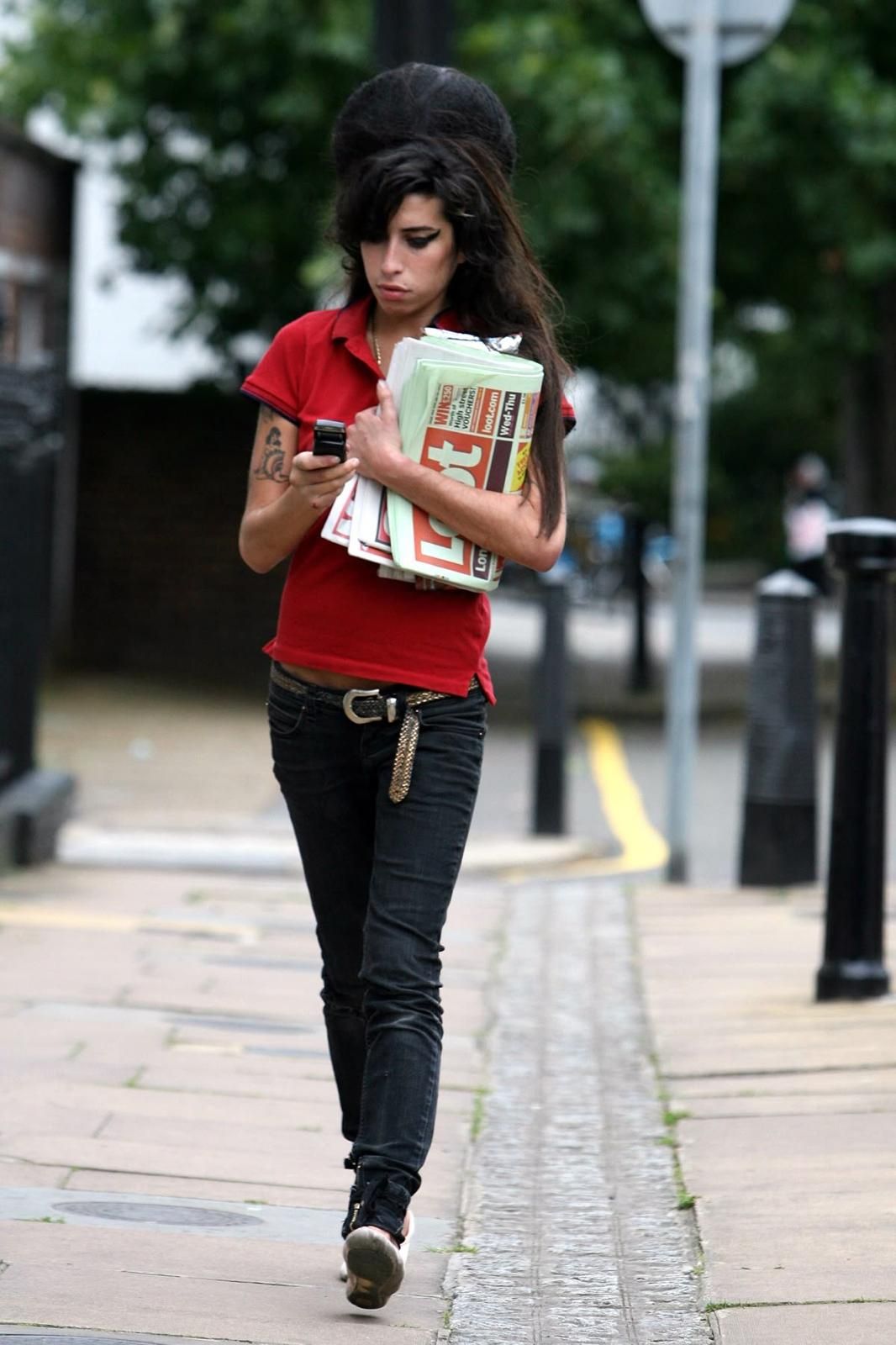
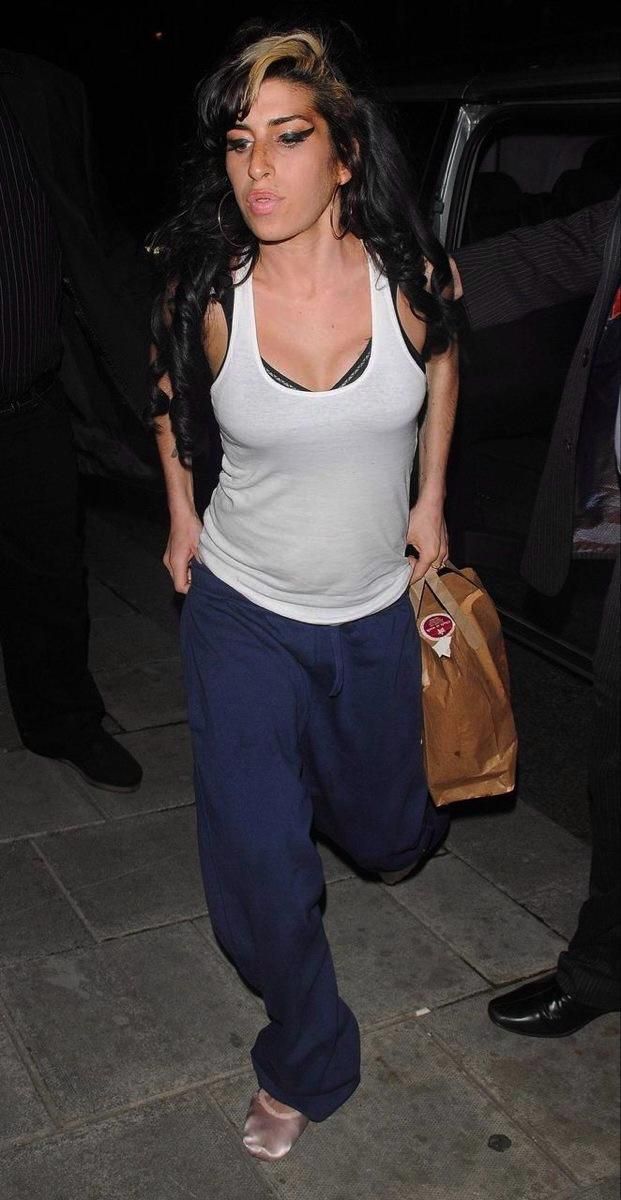
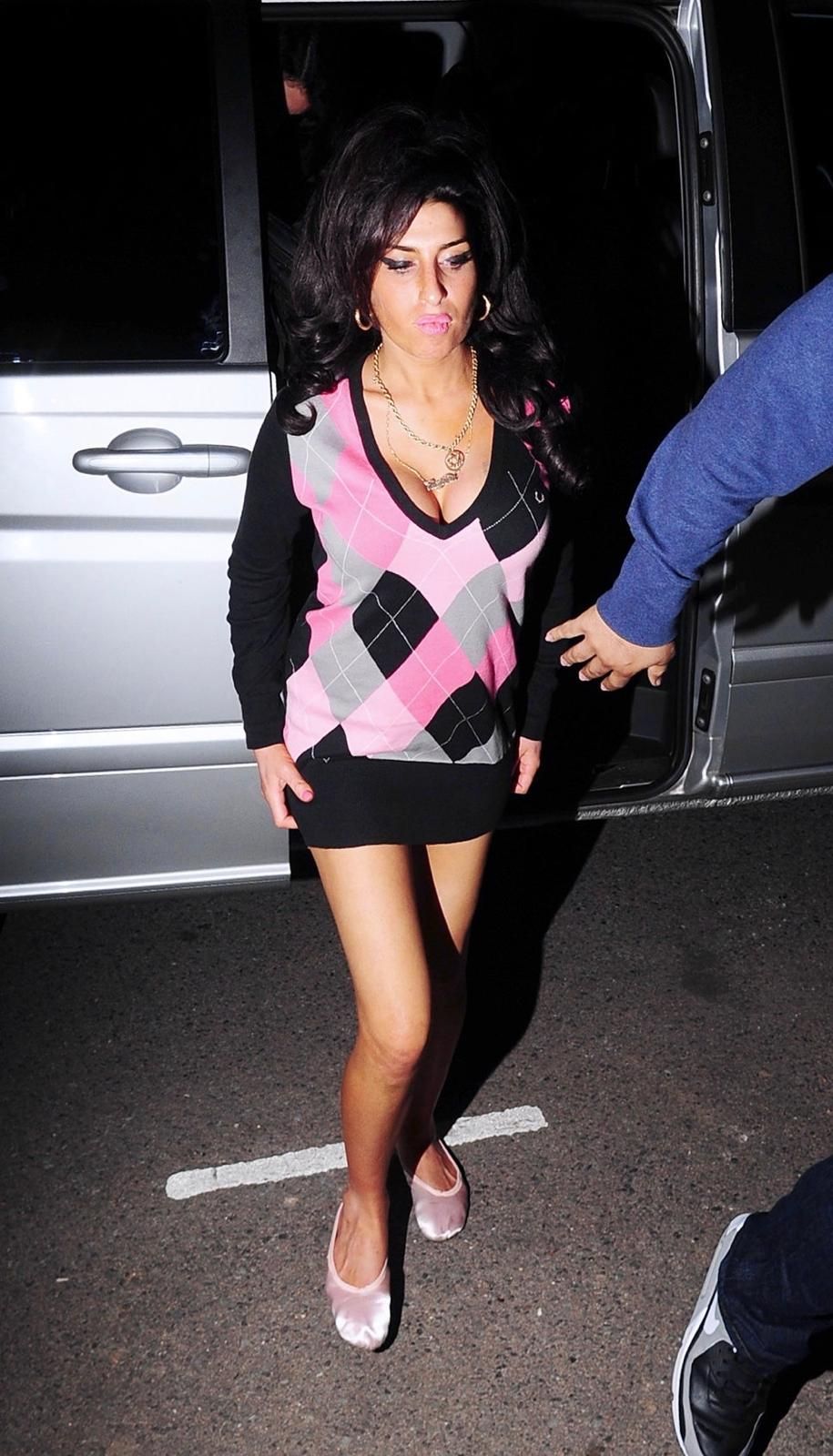
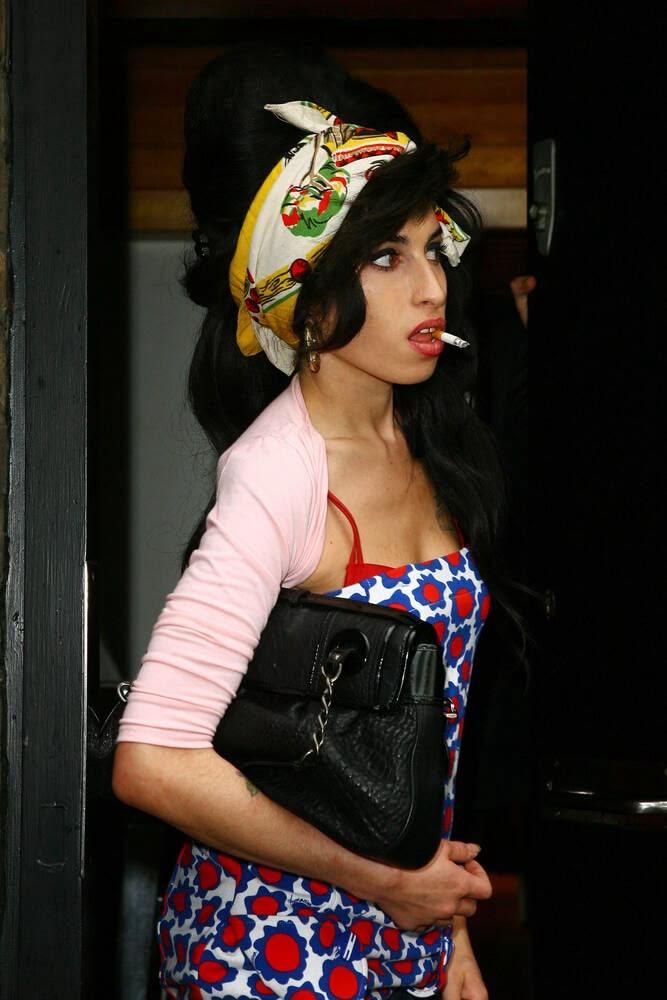
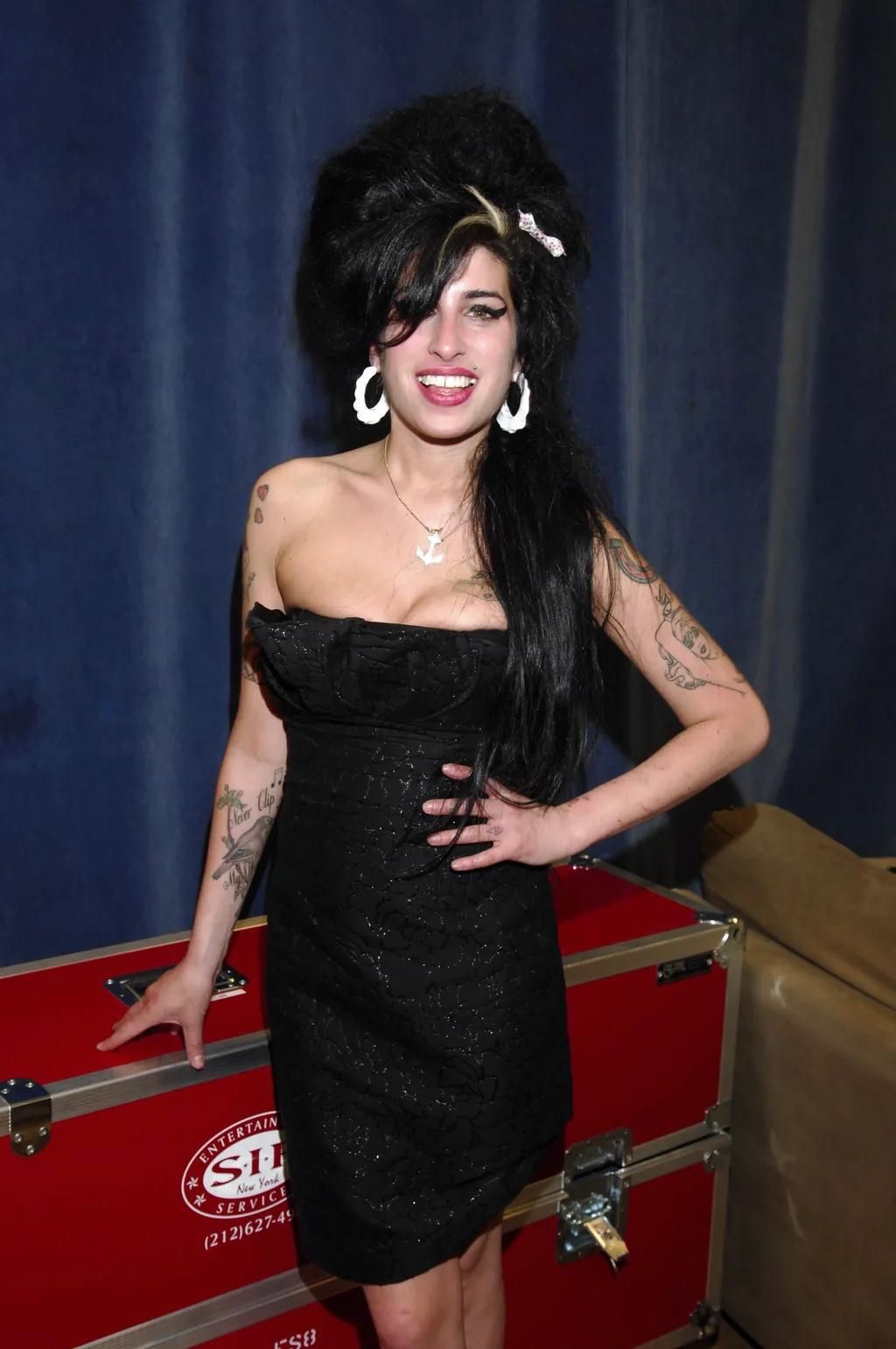
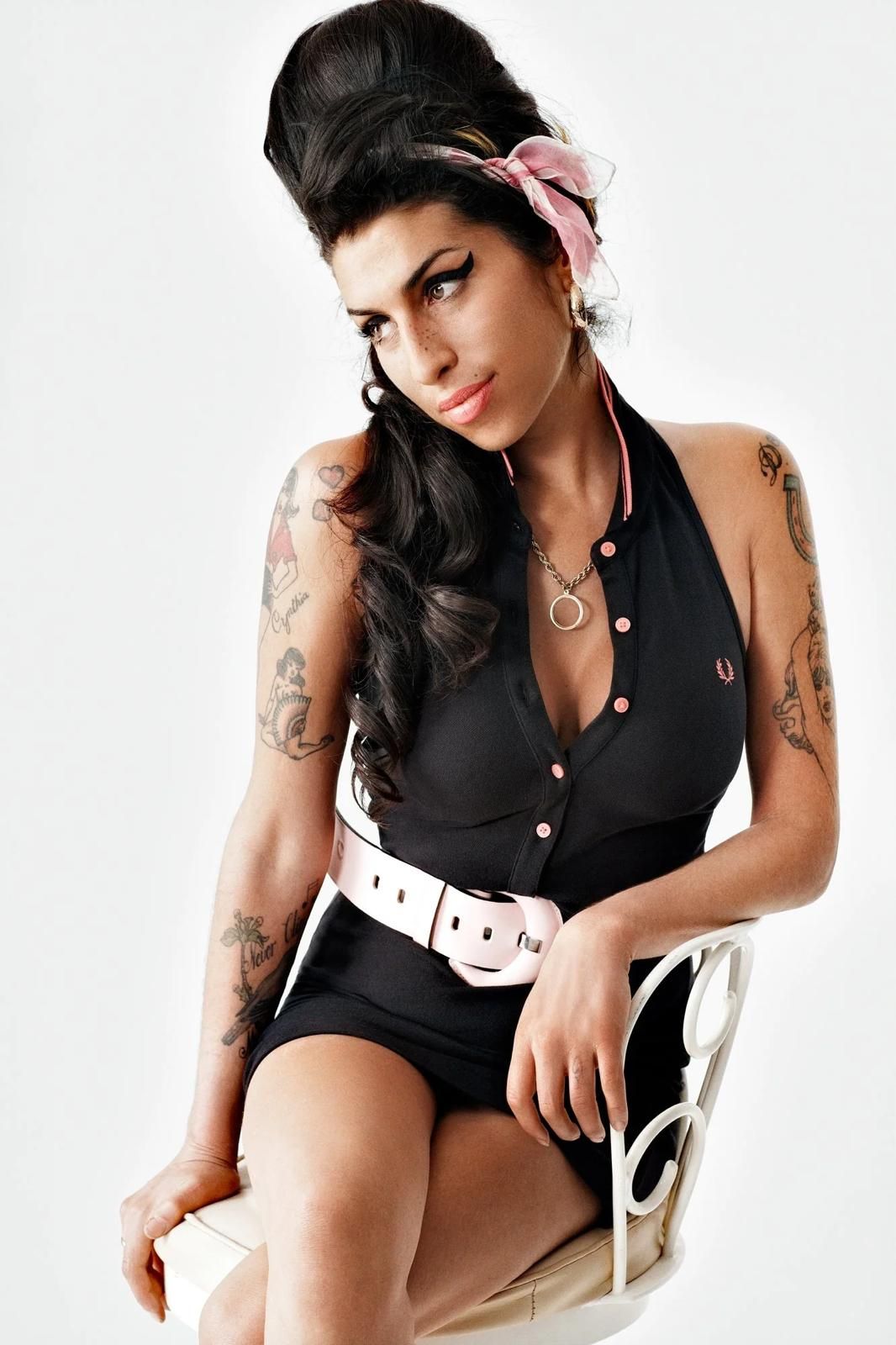
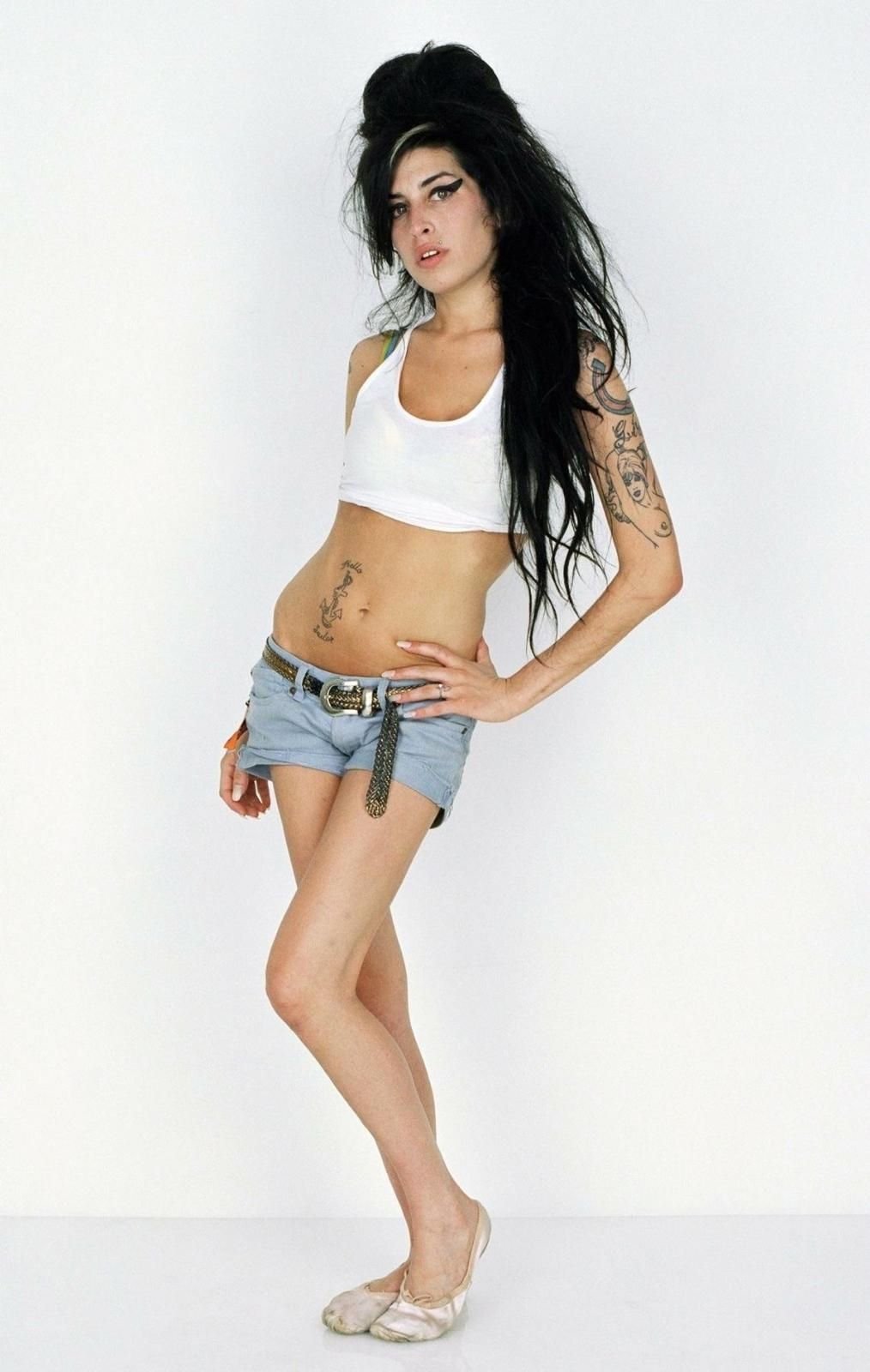
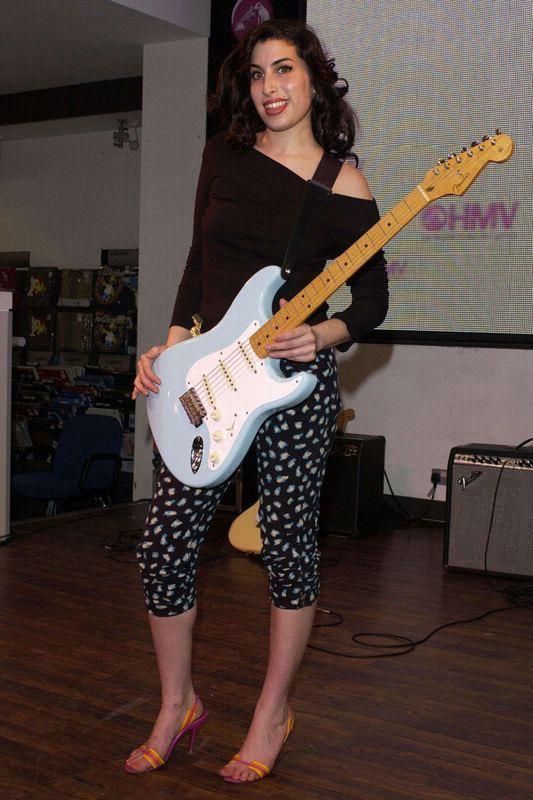
Away from the stage, Amy rejects polished glamour and uses fashion as a mirror of her truth. Her destructive and tormented love affair with Blake Fielder-Civil is reflected in a dishevelled style that blends slim-fit Fred Perry polo shirts and thin-strapped white vests spattered with mascara stains. Her beloved skinny jeans alternate with micro hot pants paired with her ever-present pink satin ballet flats, perpetually dirty and worn down by the asphalt of Camden Town. In everyday life, as in front of the camera, Amy Winehouse plays no character: her clothes tell exactly how she feels, revealing a total and painful alignment between herself and her artistic project.
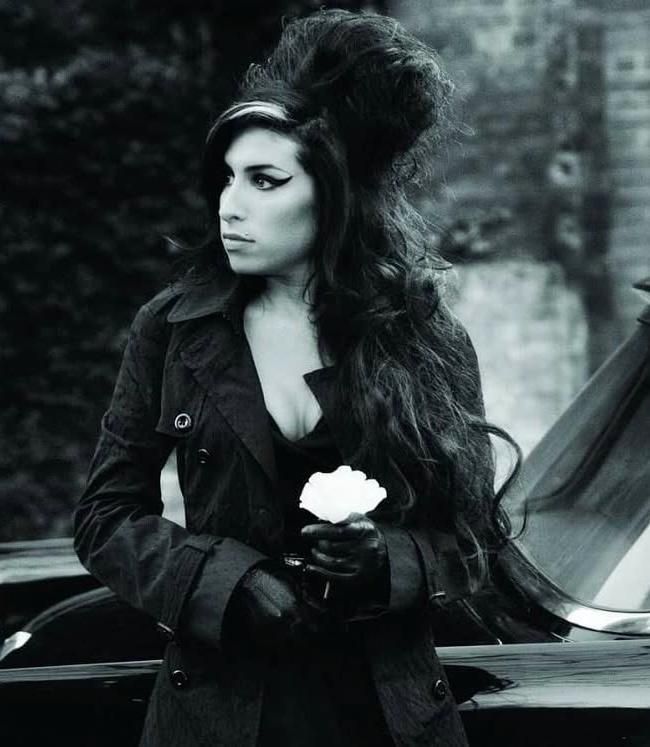
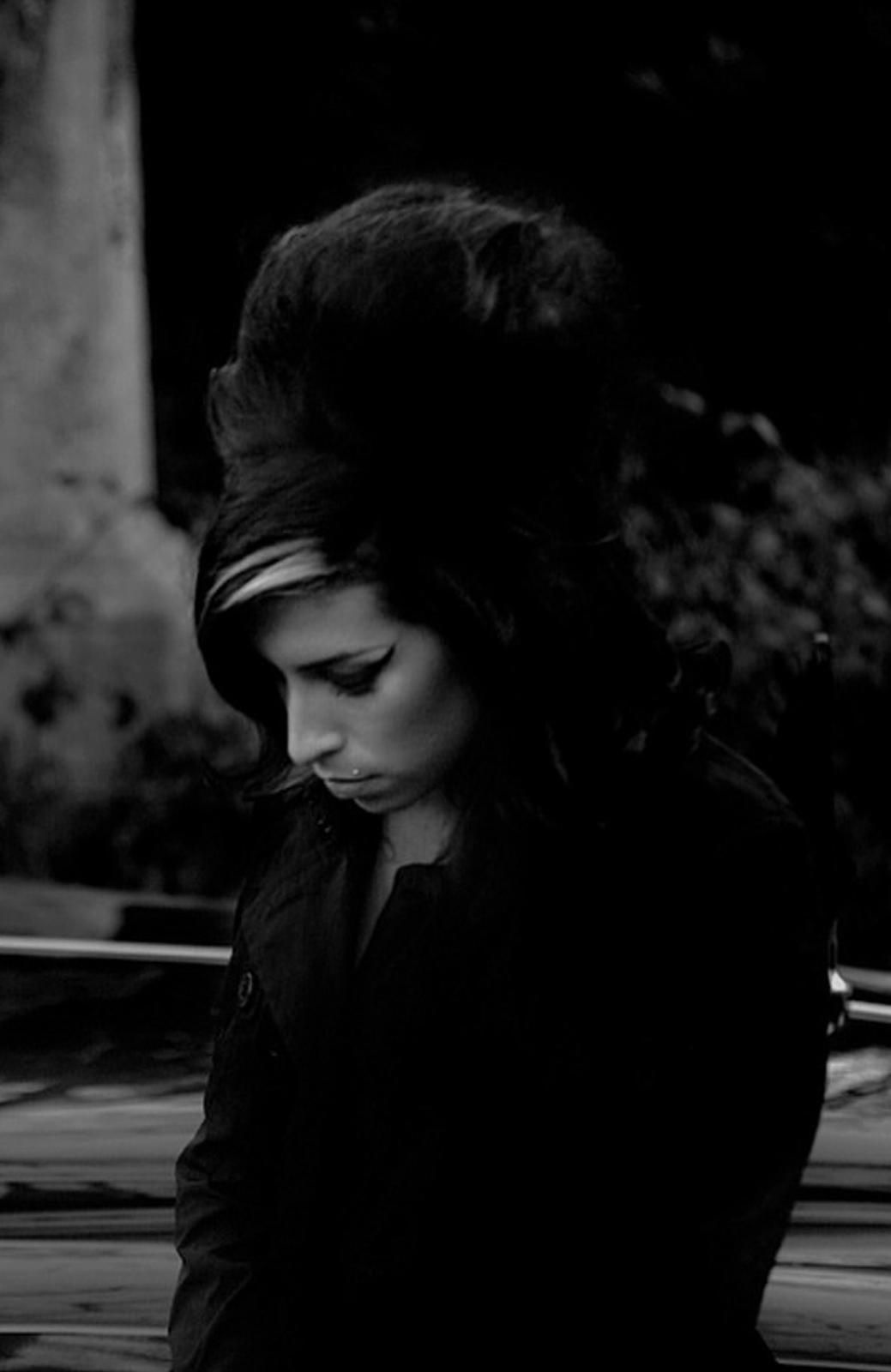
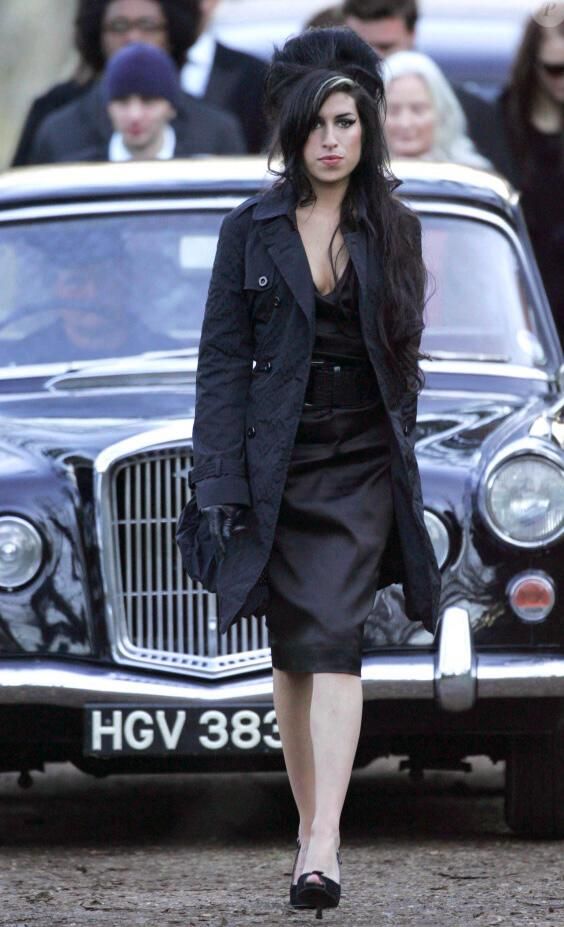
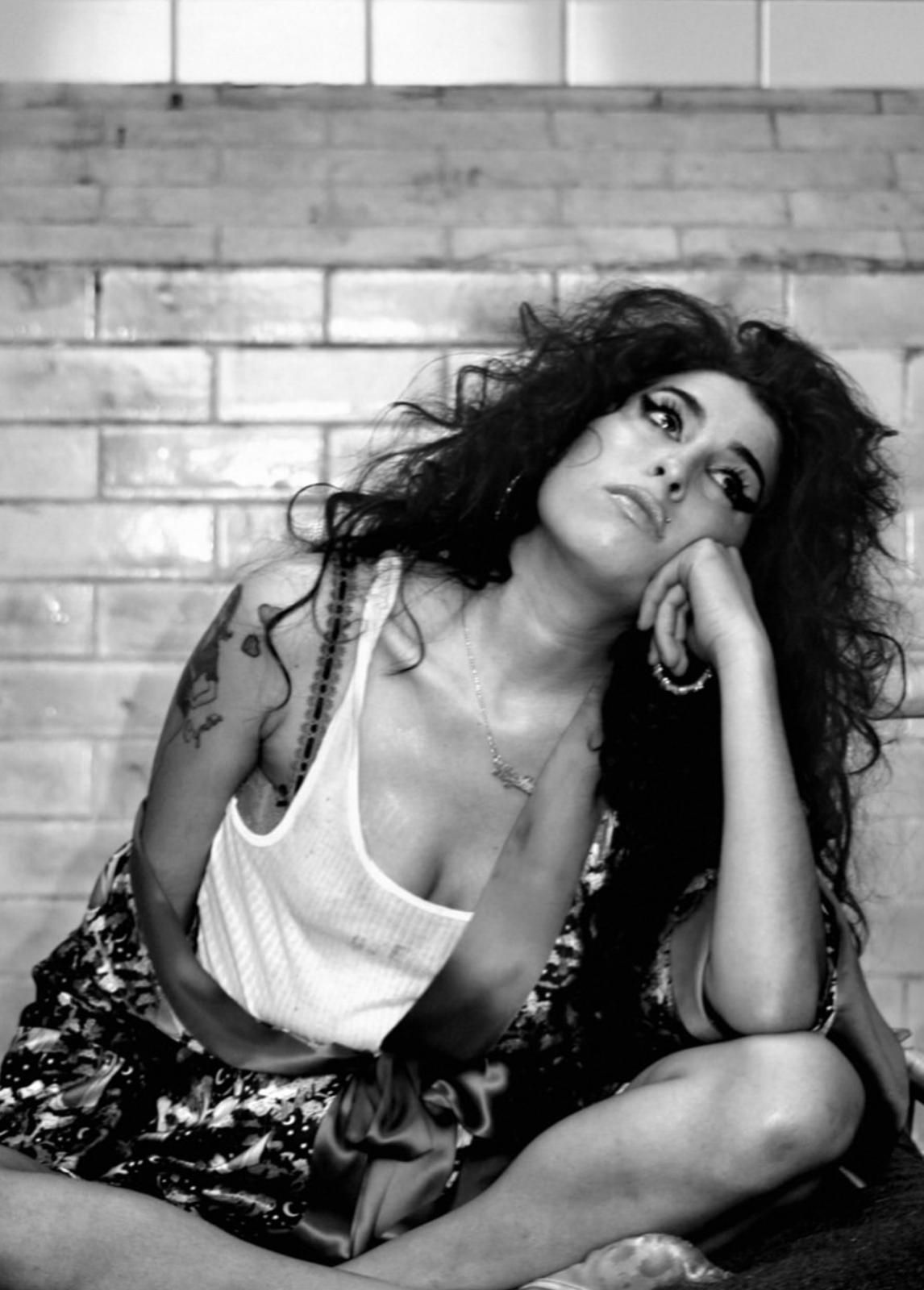
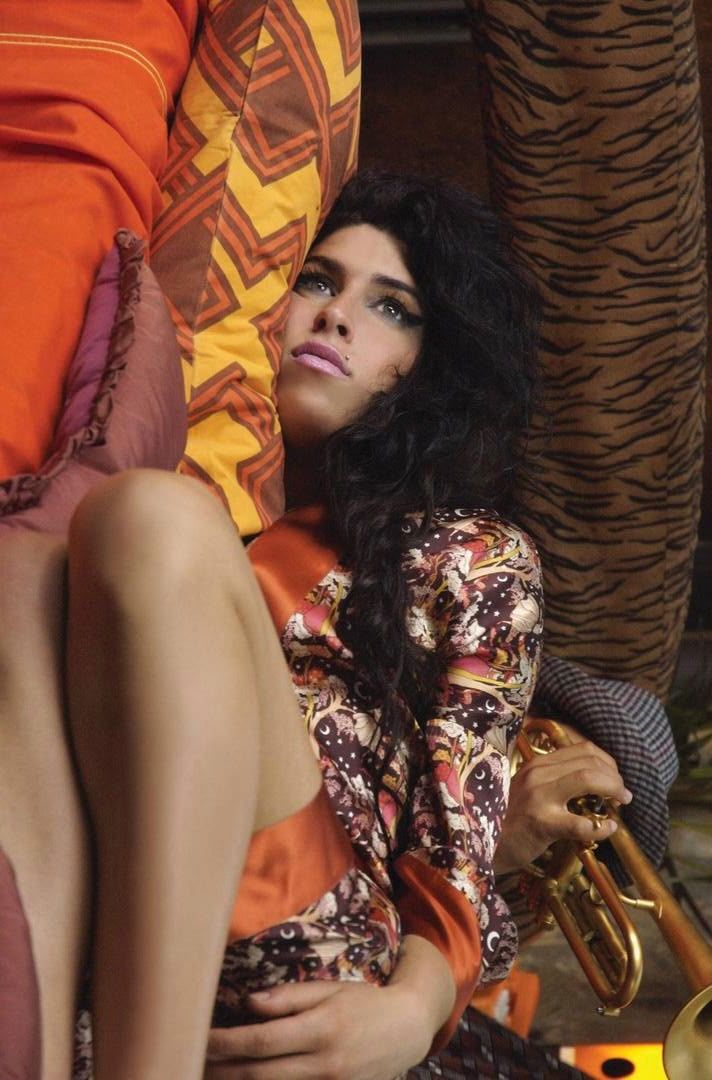
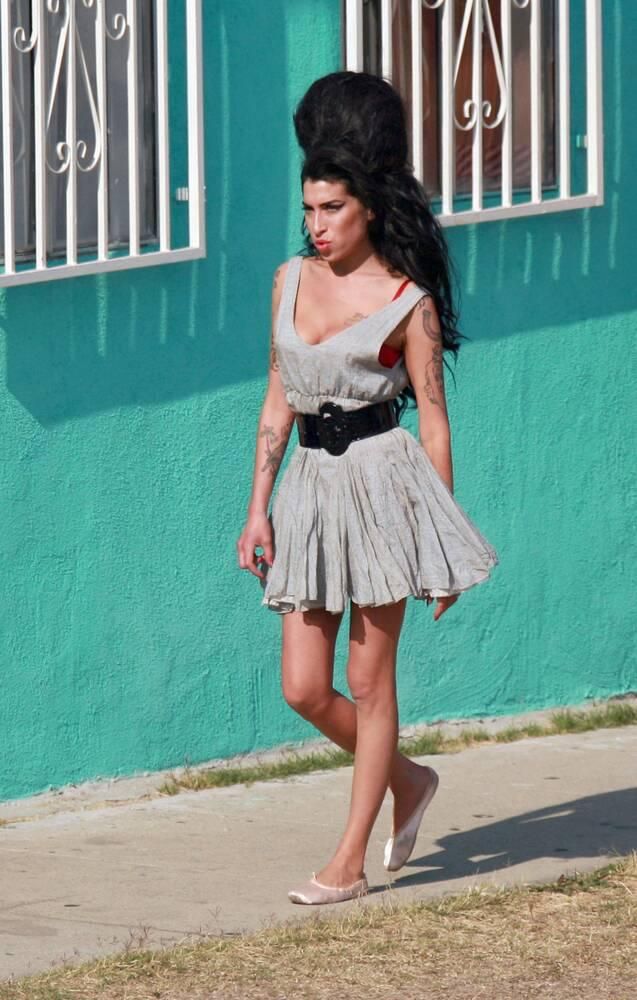
This unflinching truth emerges clearly in her music videos, which become dark and unsettling short films of her life. In Rehab, the singer is shown lying on the floor in a crumpled dressing gown, suspended between sleep and overdose with a bottle of liquor in the background, while in the visual for Back to Black, personal drama becomes cinematic: dressed in a dark trench coat, leather gloves and a white rose in her hands, Amy adopts funerary symbols to tell the story of Blake's abandonment. An aesthetic of mourning that, while at the time symbolised a romantic break-up, in hindsight sounds like an unwitting and prophetic foreshadowing of her sad fate.
The timelessness of Amy Winehouse's style
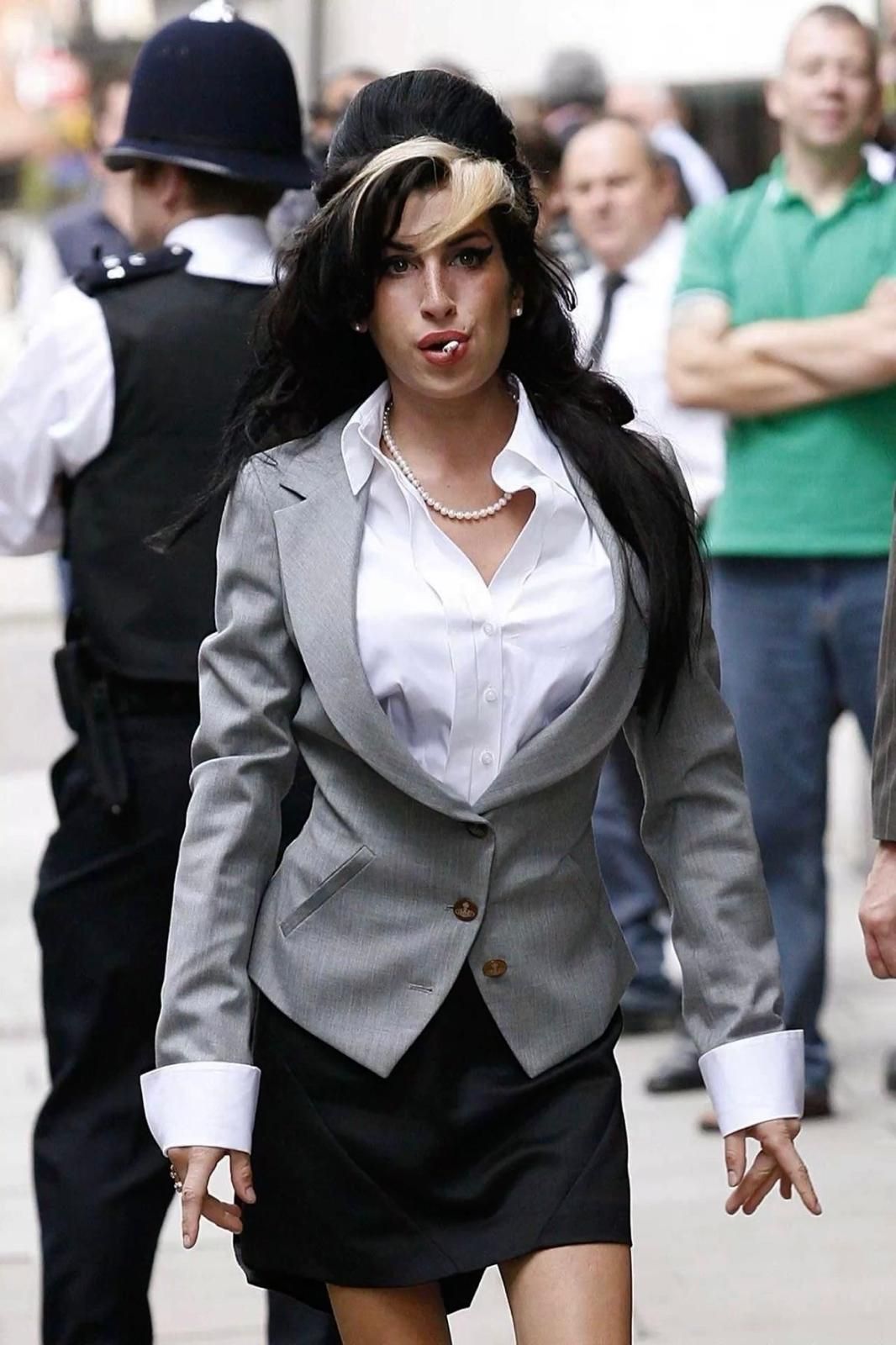
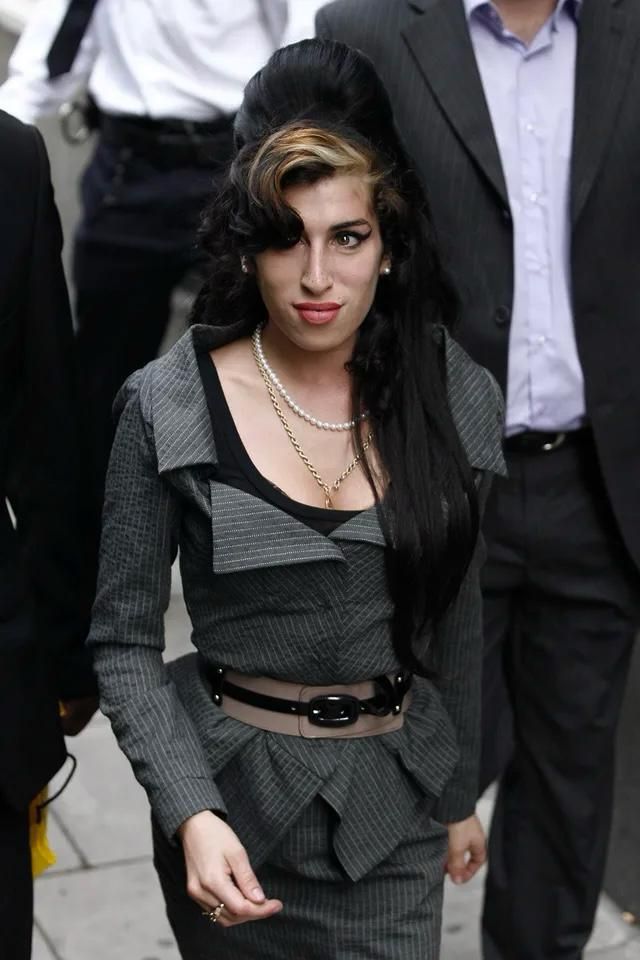
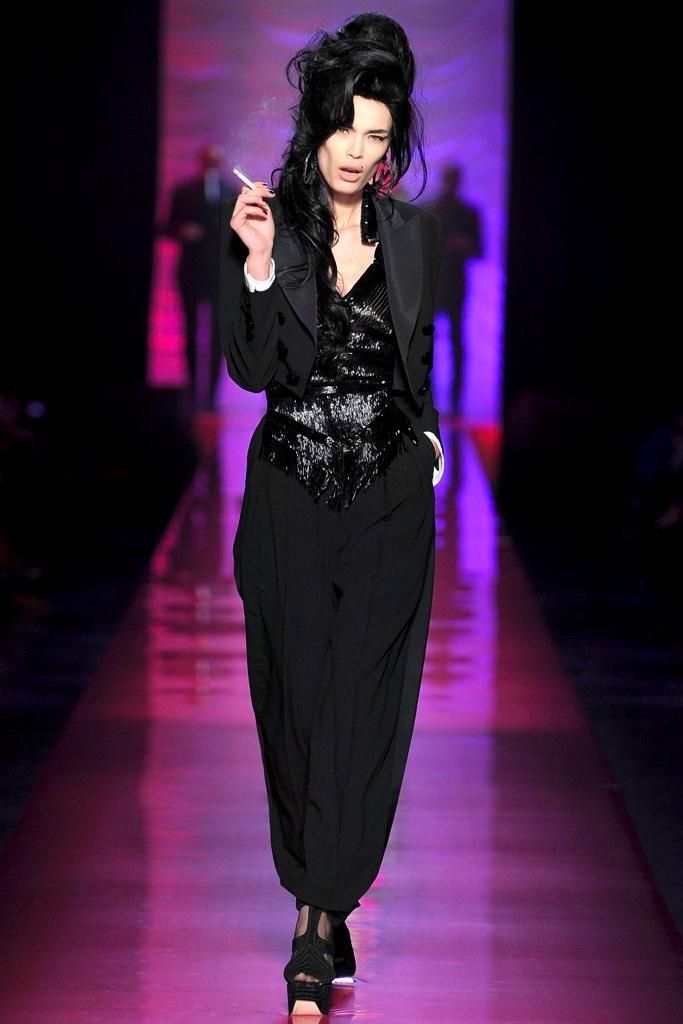
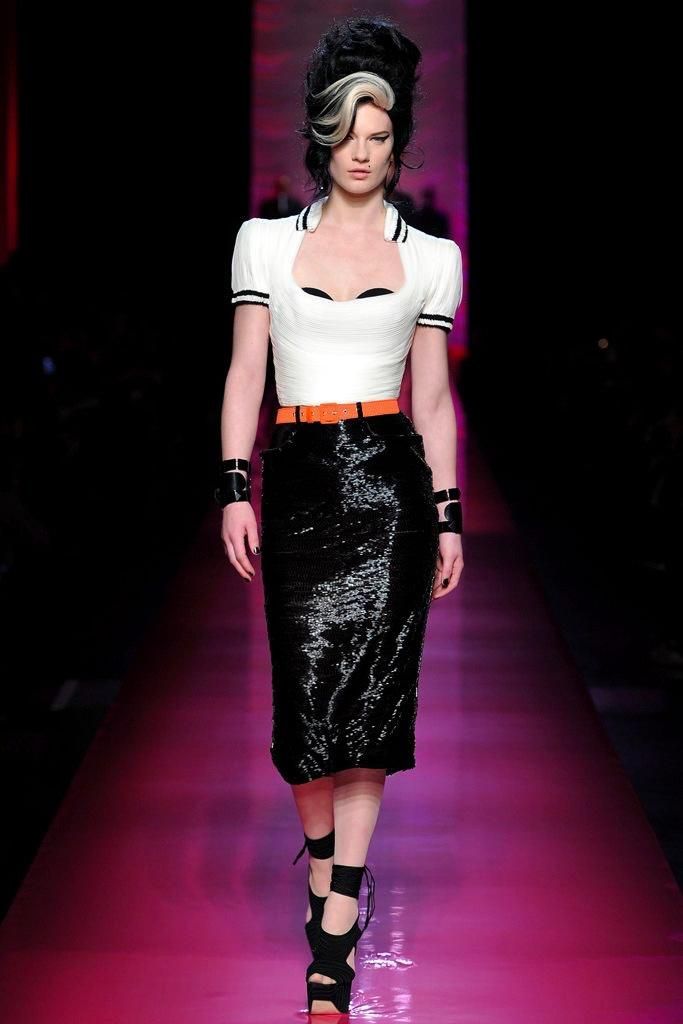
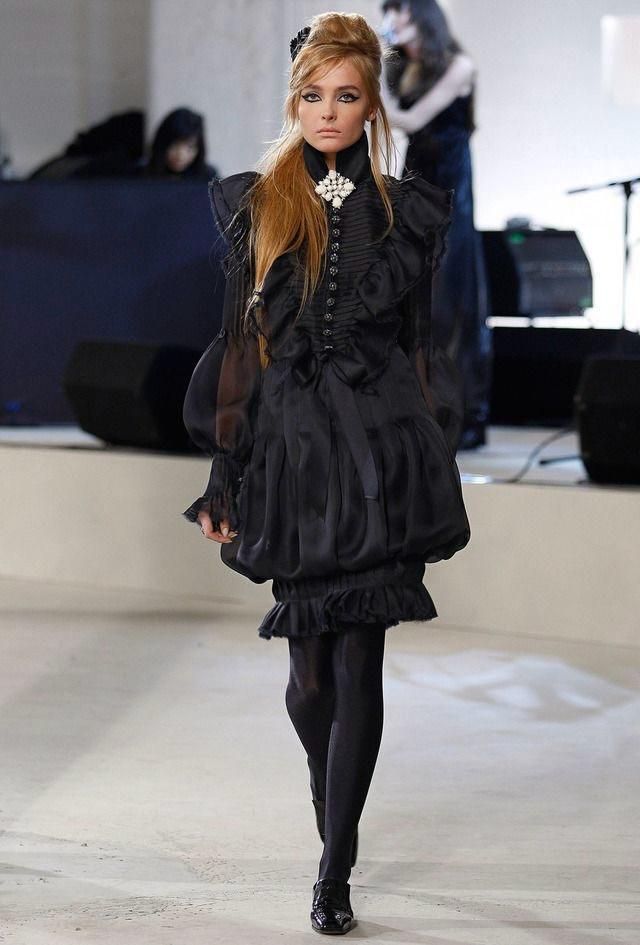
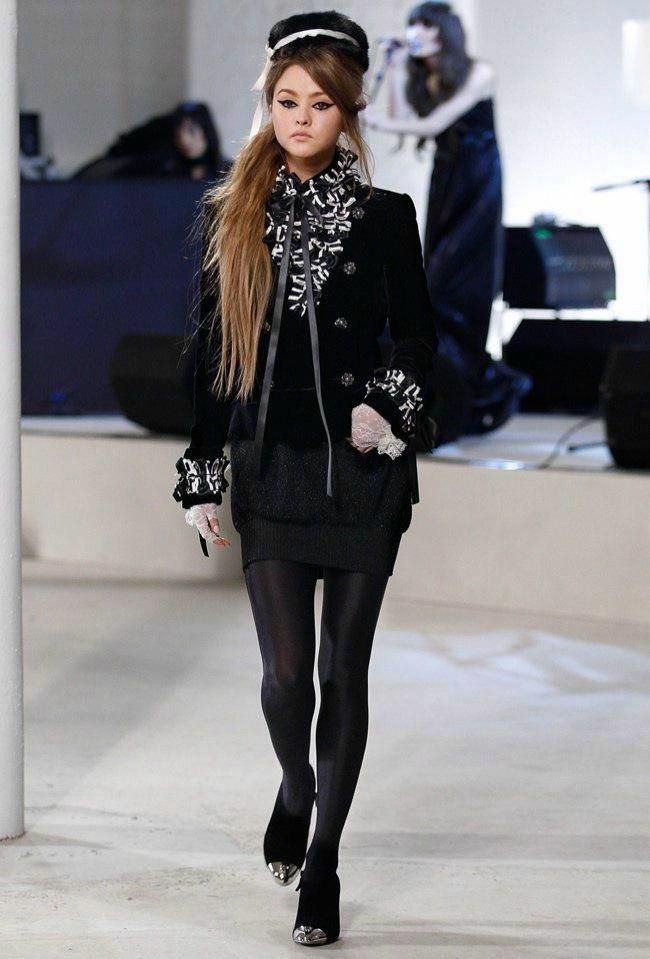
Amy Winehouse's aesthetic legacy goes far beyond nostalgia, taking deep root in fashion and pop culture. Her style, however, was also born out of a form of isolation: as recounted by her long-standing stylist Naomi Parry, most major brands refused to associate themselves with the singer because of her excesses. Shut out, Amy chose to snub many fashion houses in return, preferring vintage and independent brands. Among the exceptions to this beef with the fashion system was Vivienne Westwood, whose sartorial punk embraced her rebellious aesthetic without reservation. Her court looks remain memorable: skimpy and extremely sexy suits worn with brazen defiance for her court appearances.
This dramatic and irreverent attitude bewitched the heavyweights of fashion: Karl Lagerfeld appointed her as a muse on a par with Brigitte Bardot for a Chanel show (Pre-Fall 2008), while Jean Paul Gaultier (SS12) dedicated an entire Haute Couture collection to her, bringing the artist's rockabilly, angular femininity to the runway — loved and loathed by audiences in equal measure. In an era saturated with the clean girl aesthetic, built on perfect bodies, performative emotions and algorithmic flawlessness, new generations seem to be seeking refuge in the style and words of the last, great jazz diva — perhaps because today, more than ever, there is a desperate need for vulnerable artistic identities that are radically honest and devastatingly real, just as hers was: this is the deepest lesson in style and in life that Amy Winehouse has left us.
What to read next
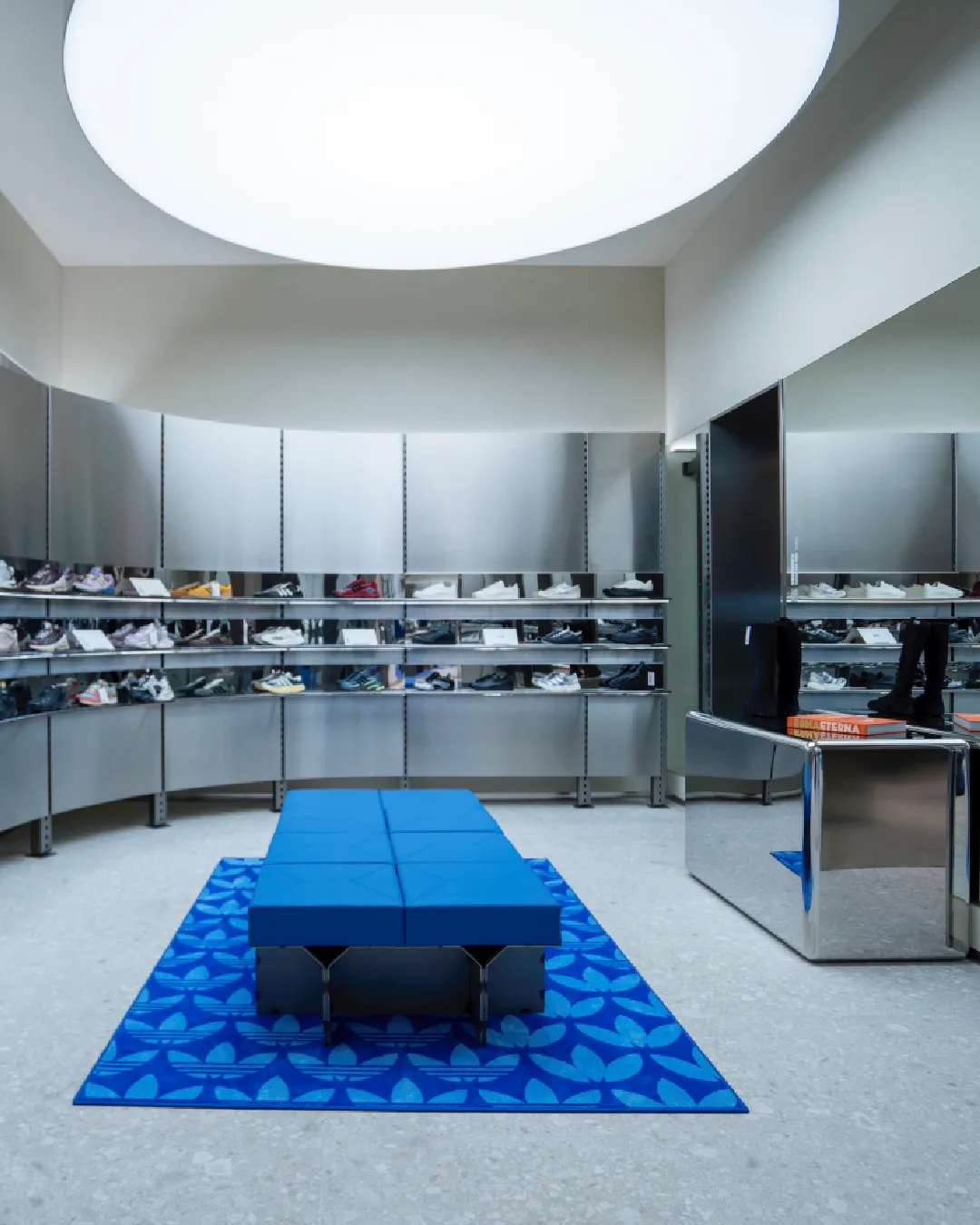
adidas Originals opens a new store in Rome on Via del Babuino
Here's what went down at the opening event
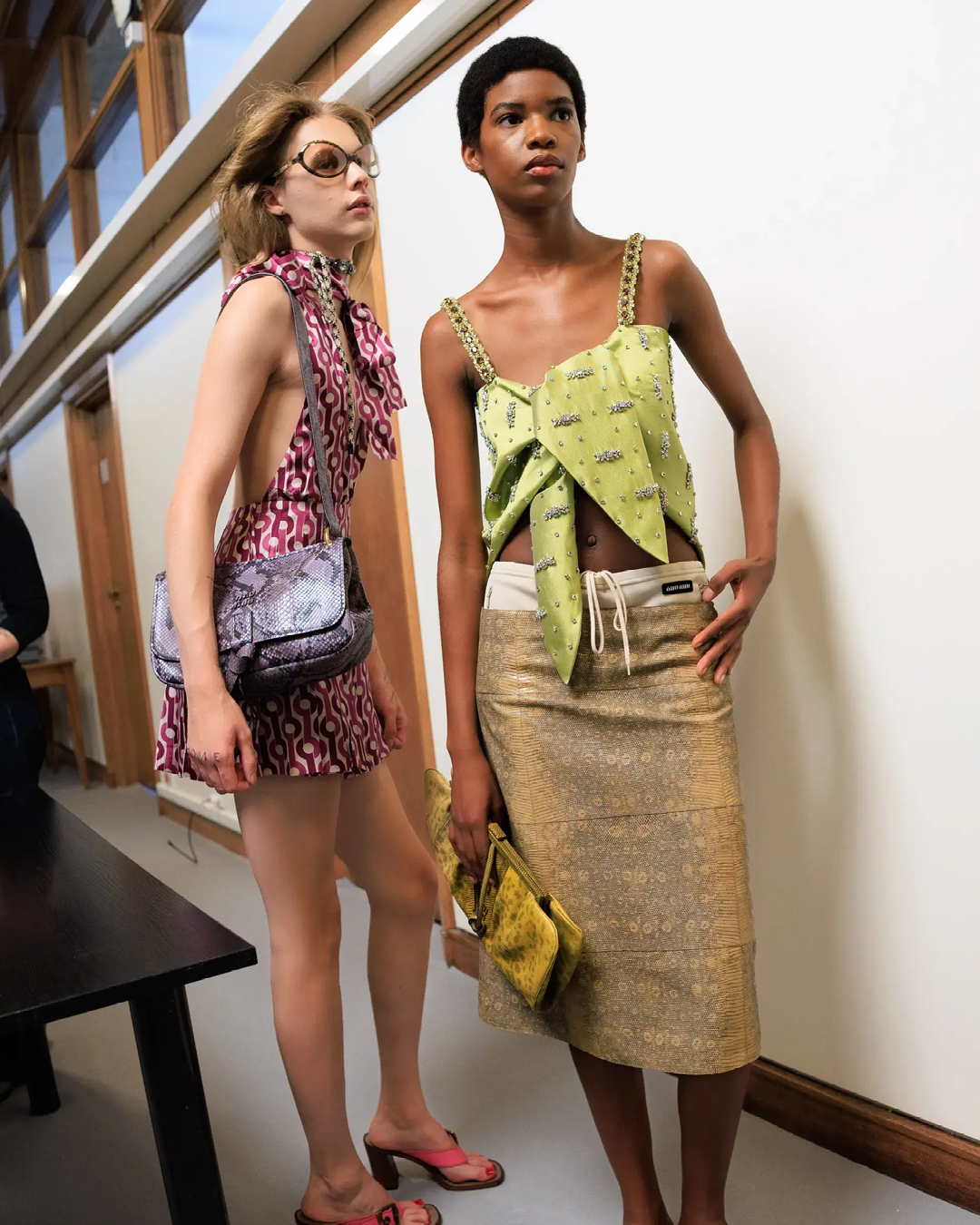
Miu Miu's commercial boom is coming to a halt
The rest of the Prada Group, however, is holding up well
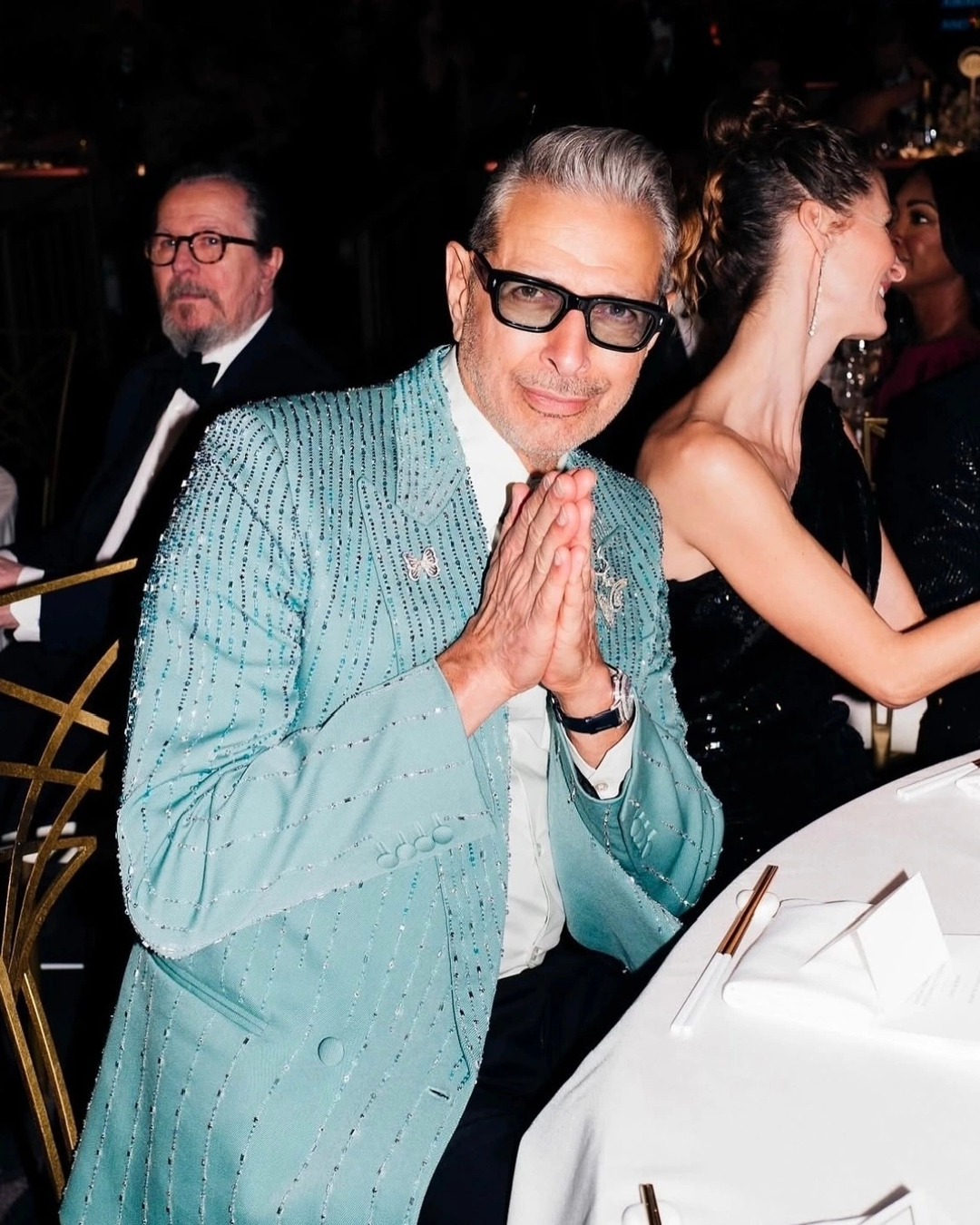
5 Style Lessons We Can Learn from Jeff Goldblum
How to put together a look inspired by the iconic actor