







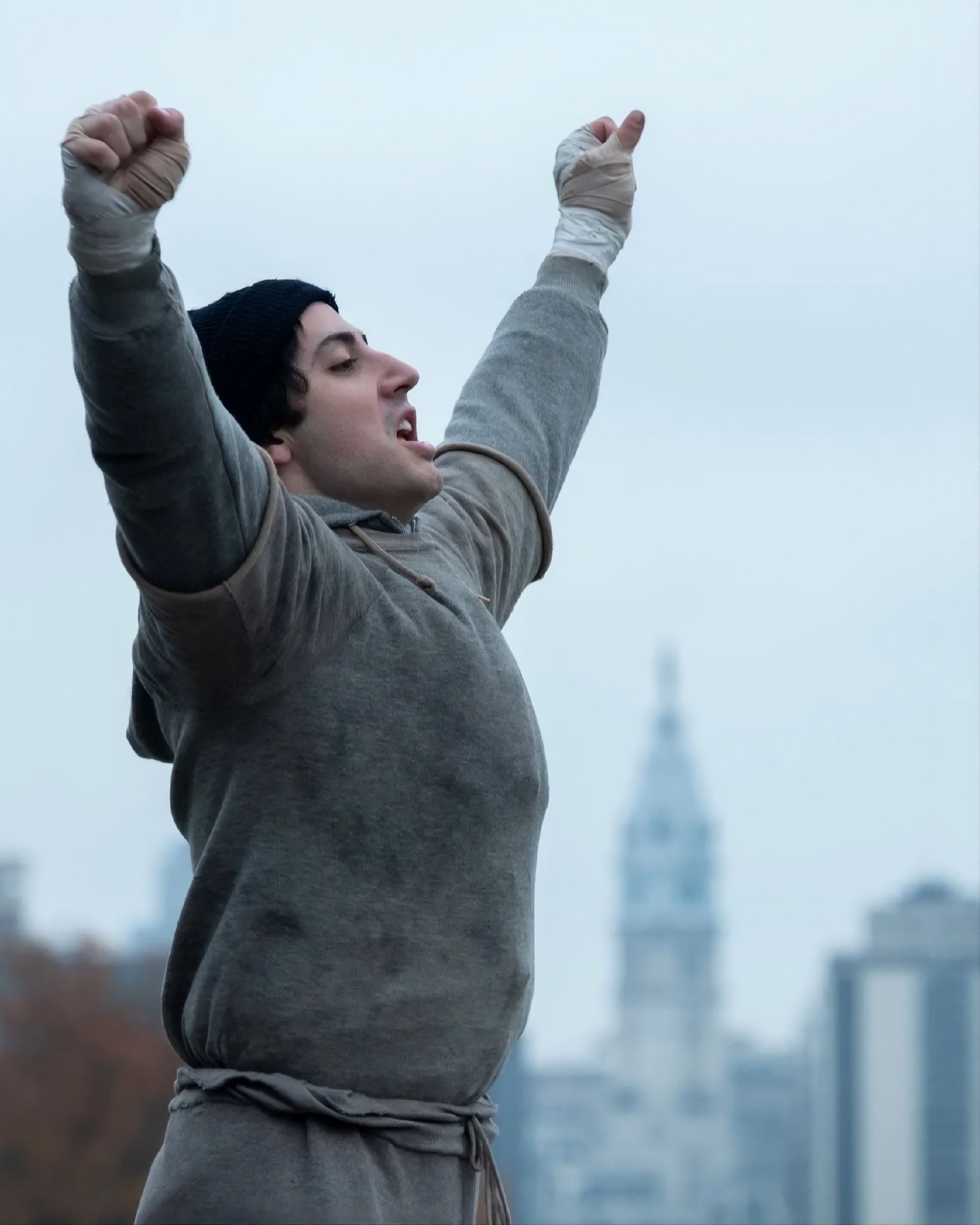






















Is Gen Z afraid of love? Red flags, confrontation bonfires and shame: why love has lost its religion
If there is one thing that currently unites both sides of the Atlantic, it is the obsession with getting love right. On TikTok, as every summer, videos circulate in which users analyze the ways contestants on Love Island USA look at their current partner; the same happens in Italy, where Temptation Island showcases every Italian variation of toxic love.
Different time zones, identical behavior: viewers want to catalogue and classify feelings before they have even experienced them. An attitude that mirrors the dominant narrative of a Gen Z frightened by the idea of commitment, resistant to romance. It is a convenient reading, very adult in tone but wrong in substance: the problem is not love itself it is performing love while someone else watches.
Sin is back in fashion
everybody so full of lust..bring back real lovers.
— SLIM (@_slimarella_) June 10, 2024
In the United Kingdom and the United States, borrowing from the vocabulary of religious morality, "lust" and "sin" words straight out of the catechism have gone viral again as a way to pass judgment on relationships. Dazed has written about this, noting how Love Island USA in particular sparked a public debate about which contestants had been the first to fall into temptation and this from a generation that data consistently identifies as the least religious in history. Rather than a spiritual revival, it looks more like an emergency lexical loan, as though new moral categories were needed to process behaviors that social media exposes in real time. The seven deadly sins are right there, ready to use, conveniently stripped of their original context.
Some time ago, Vogue captured yet another dimension of this situation: whereas until recently having a boyfriend was considered genuine social capital to be flaunted in an Instagram carousel, today the coolest move is to claim your single status. Not that the desire for a relationship has disappeared it is just that the way it is lived and talked about online has become a permanent arena of judgment.
Red flags everywhere
Social media already has a vocabulary for everything, and dating was never going to be left out: the trend of green flags and red flags has turned courtship into an endless behavioral checklist. Everything becomes a signal to decode, because the point, more often than not, is not to figure out whether you like someone, but to prove to whoever is watching that you know how to read them correctly.
The success of a romance series like Off Campus shows just how attached we have become to these terms, which immediately became the most commonly associated with the series' male leads. Even imagined love ends up on trial, and the implicit message barely veiled is that there is no longer any way to love without being evaluated.
"Temptation Island" as a social experiment
In Italy, entire summers without a hit song have been rescued by a track from the past: Love The Way You Lie by Eminem and Rihanna, released in 2010 and now the official theme of Temptation Island. A song about a toxic relationship built on love and violence, played on loop every week it says everything the show truly thinks of itself.
Temptation Island 2026 has a surprisingly young audience: nearly one in two Italian teenagers has watched at least one episode. Speaking to LaPresse, psychologist Antonella Elena Rossi describes it as «an open-air emotional laboratory,» capable of staging betrayal, abandonment, and the constant need to be chosen. Watching it, she explains, allows viewers to partly exorcise their fear of being in a relationship.
But it can also produce the opposite effect, feeding that very fear in younger viewers who are less equipped to process it. It is the exact same mechanism observed with Love Island, simply translated into bonfire confrontations rather than biblical quotations: staging other people's relationships publicly and judging them in real time from the sofa serves to reassure yourself about your own. Watching someone else's romantic shipwreck becomes a relatively cheap way to understand how to avoid or recognize your own.
Whoever makes the first move loses
And yet, according to Hinge's Gen Z D.A.T.E. Report 2025, this generation seems to want anything but superficial relationships: 84% of young respondents say they want a deep connection, built on genuine emotional openness. But when the first date arrives, something jams: no one wants to be the one who puts themselves out there first, the one who seems "too much" (too interested, too intense, too needy).
The result is a mutual standoff in which two people who want the same thing remain frozen, each convinced it is the other's turn to make the first move. It is perhaps the symptom of a generation that learned, earlier than any other, what it means to be watched at every moment, and developed irony as armor and detachment as a survival strategy.
Loving without an audience
Being single is pretty cool I think every girl should be alone for a while you learn so much about yourself
— Champagne Mami (@keepnupwitju) April 3, 2024
Lined up together, these signals all tell the same story from different angles: the religious lexicon returning to pass judgment on desire, being single as a status symbol, relationships rationalized through red and green flags, bonfire confrontations turned into a collective emotional laboratory, the paradox of those who crave intimacy but dare not be the first to ask for it. Gen Z is not afraid of love: it is afraid or perhaps already thoroughly tired of loving while someone watches, judges, and labels: on social media, in recycled moral language, in reality shows that turn every vulnerability into prime-time content.
Every relationship requires a margin of risk and imperfection all the things that cannot be planned or controlled. Today, that margin has become content to post, before it has even become an experience to live through. The final paradox is that the more you guard yourself against other people's judgment, the more you end up never feeling anything real worth judging.
What to read next
Gen Z is spending more on art than any other generation
A new Arts Economics report on global collecting reveals the trend

How Gen Z is changing the rules of physical retail
From clubhouses to test labs, new brands are transforming stores into something that goes far beyond shopping
There Is a Streaming Service Dedicated to John Galliano's Fashion Shows
It's called GallianoFlix and it was created by an Indian fashion writer