.gif 2000w)



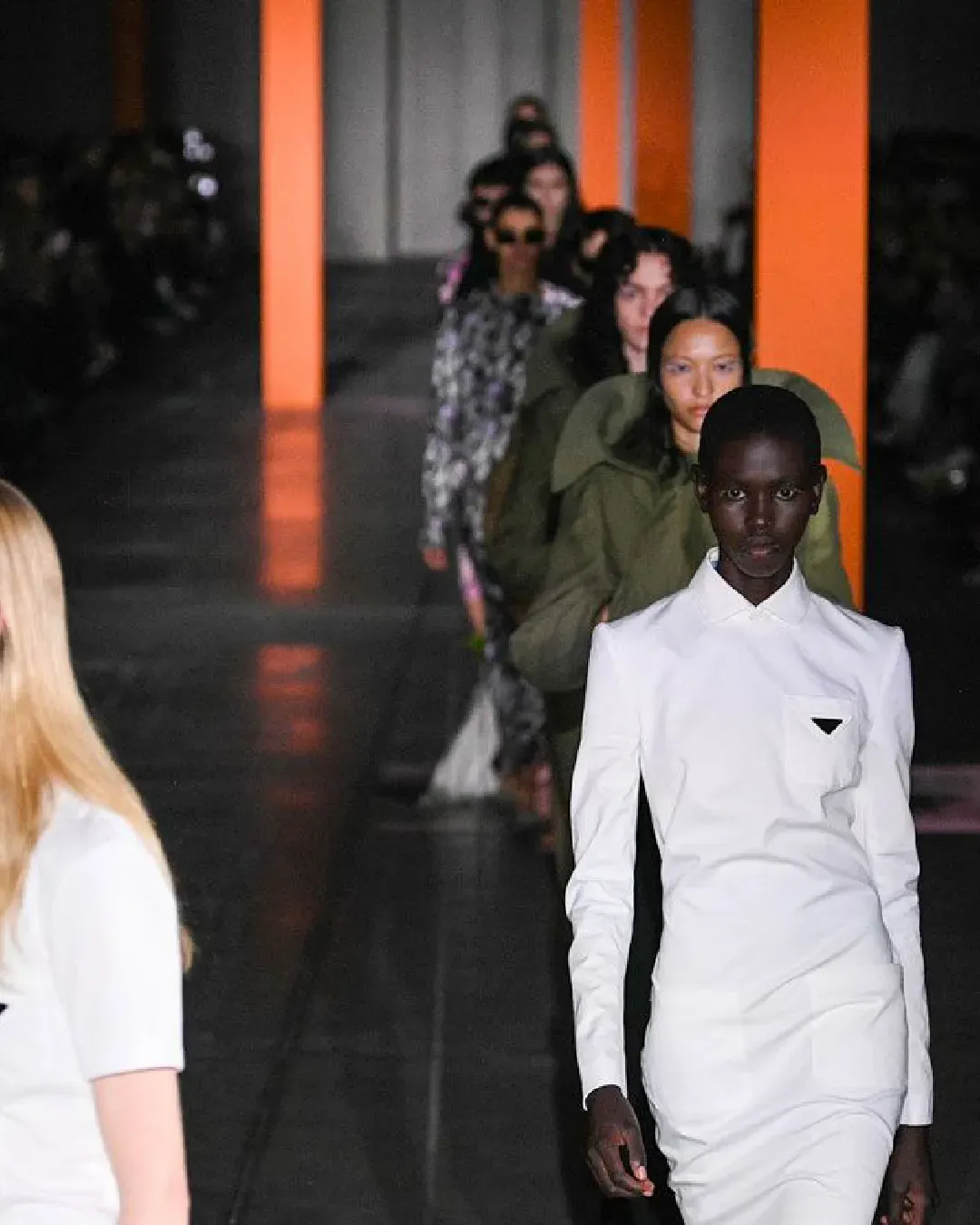
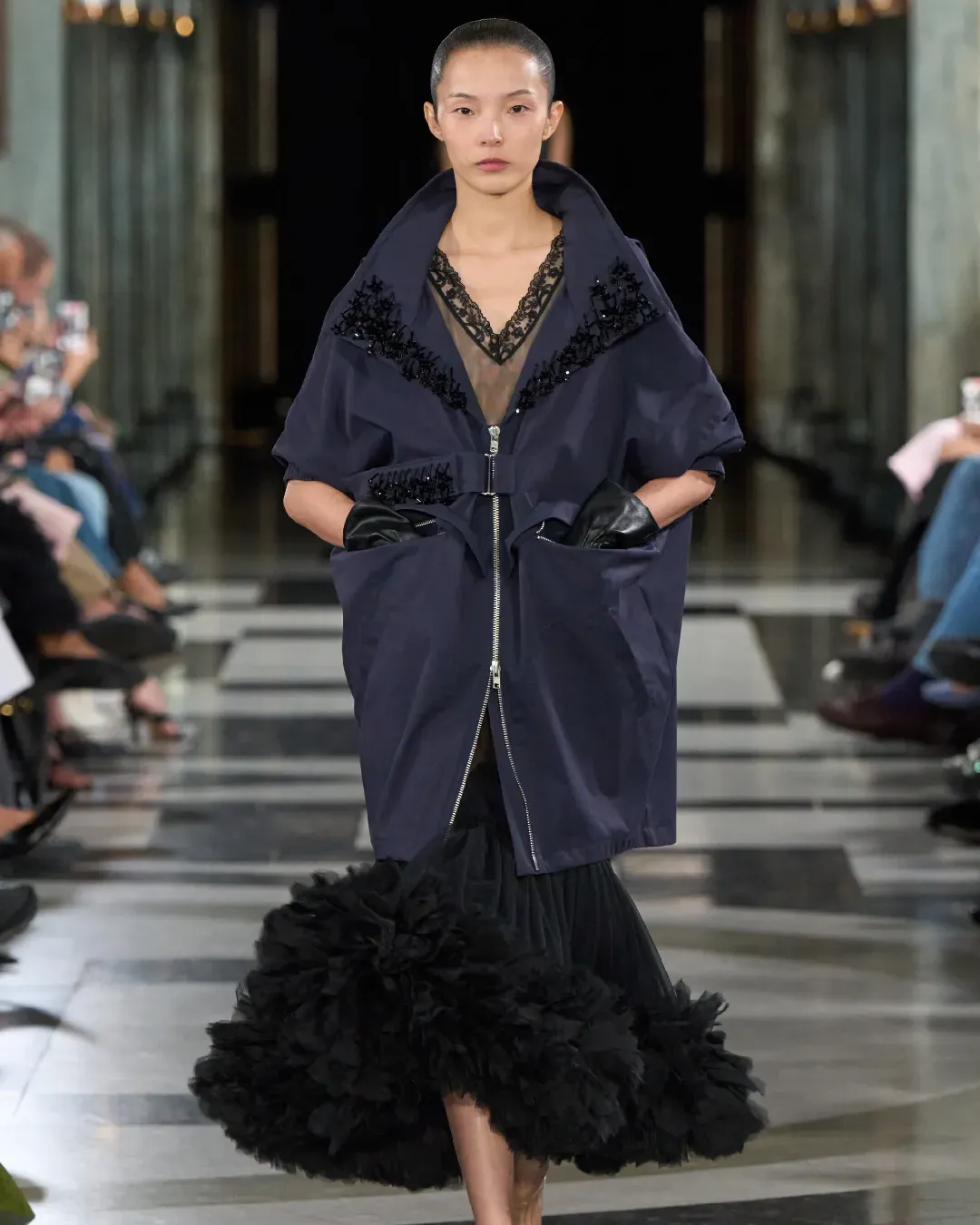
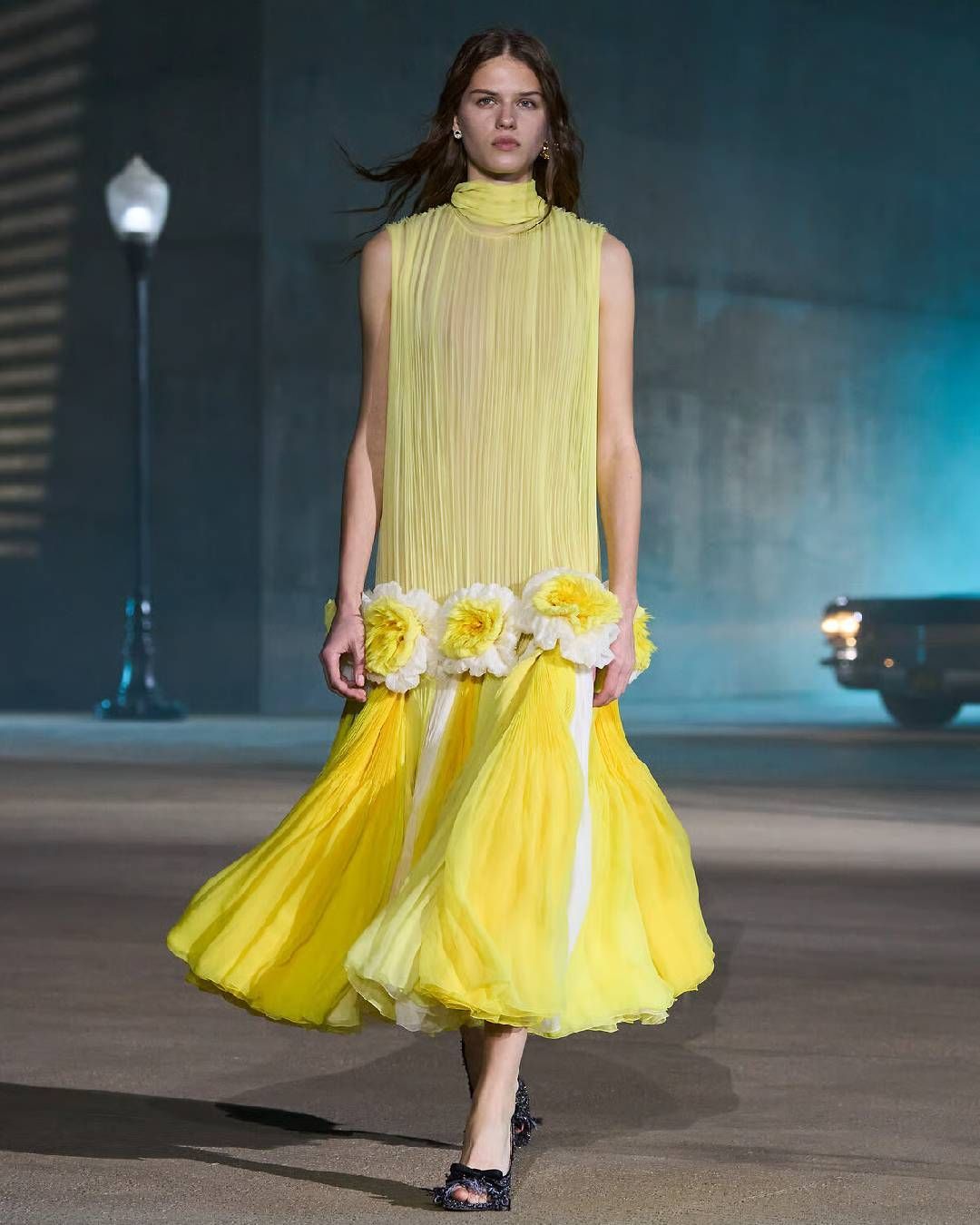
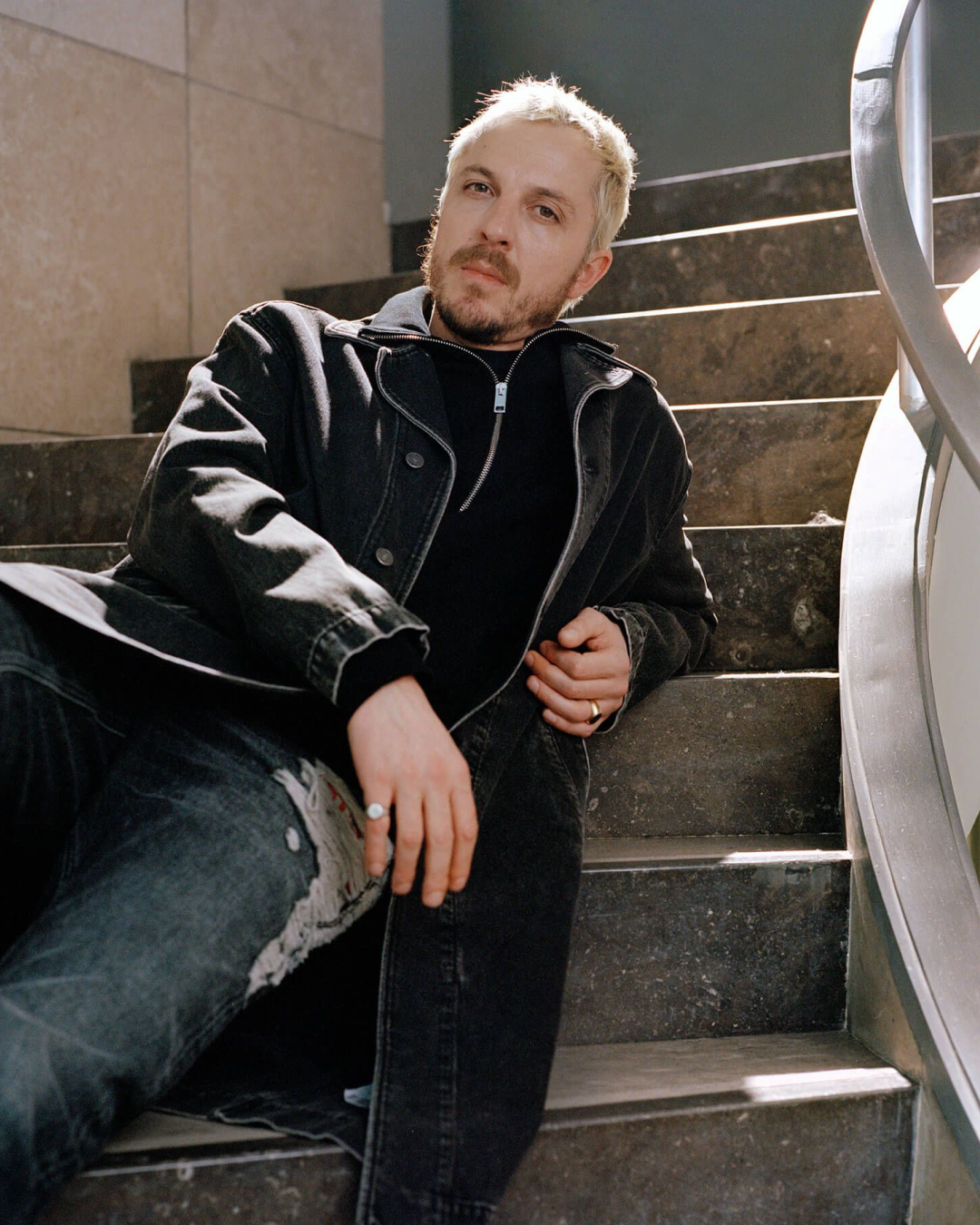























Versace has never been so Vital(e) Was it short because it was extraordinary, or was it extraordinary because it was short?
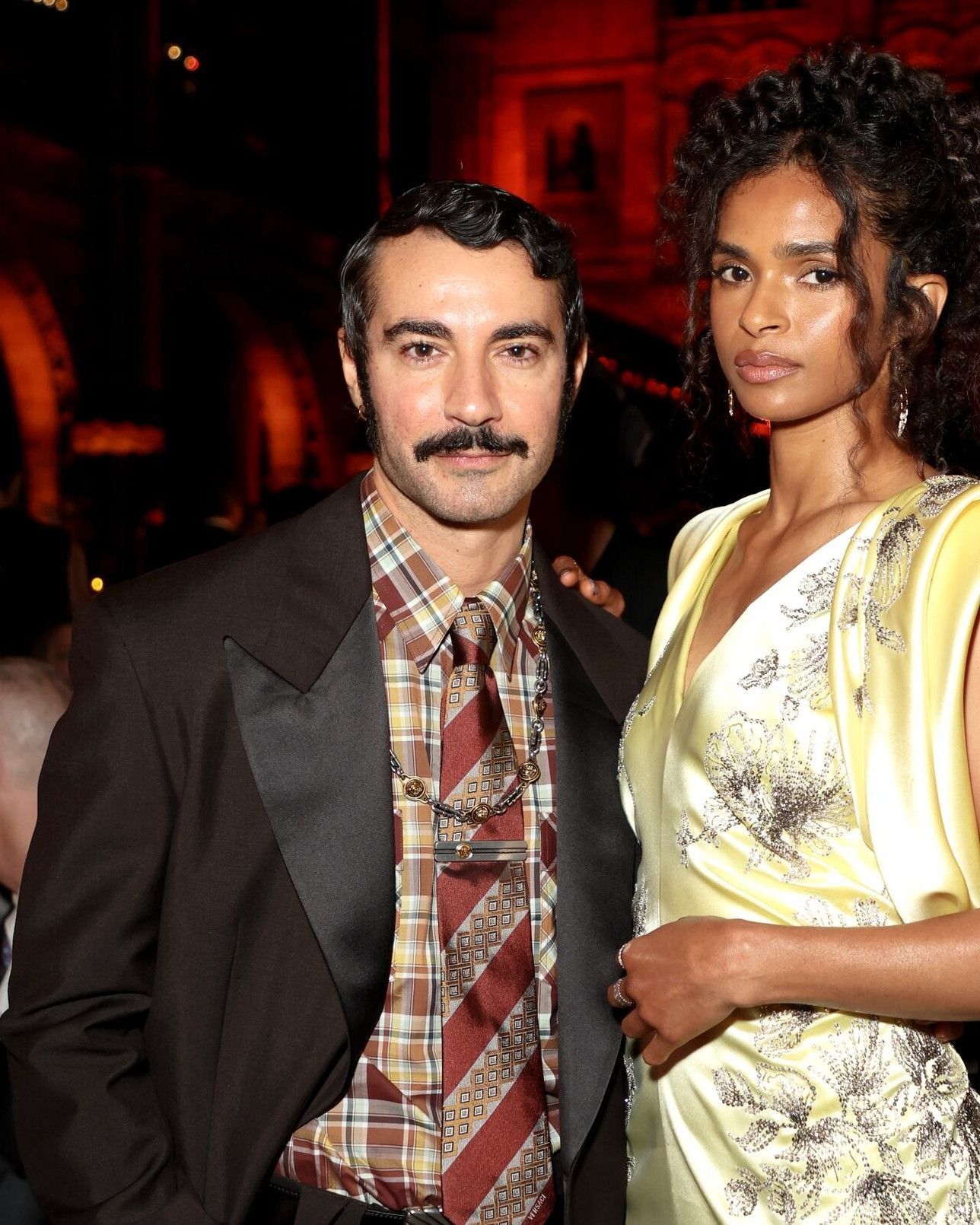
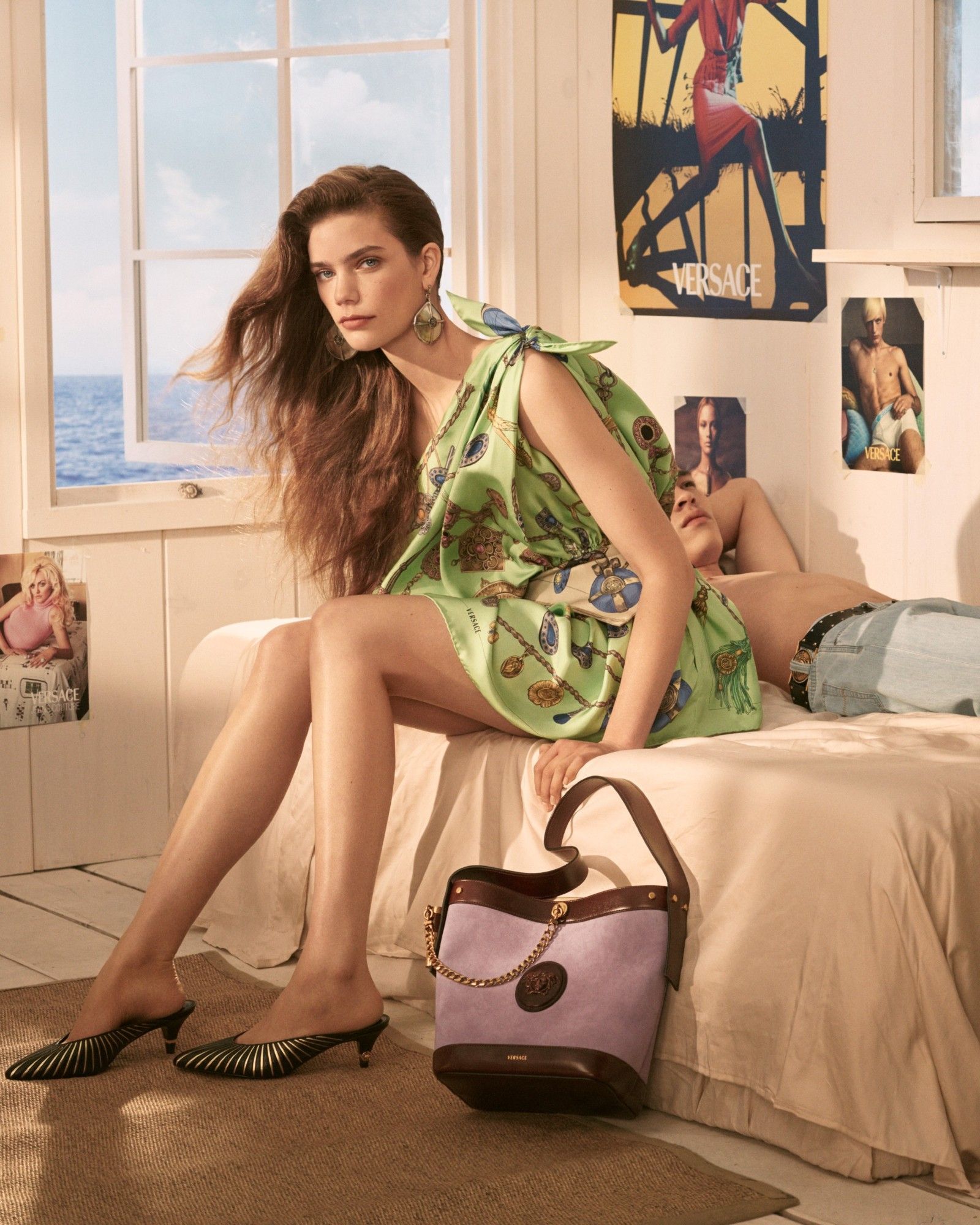
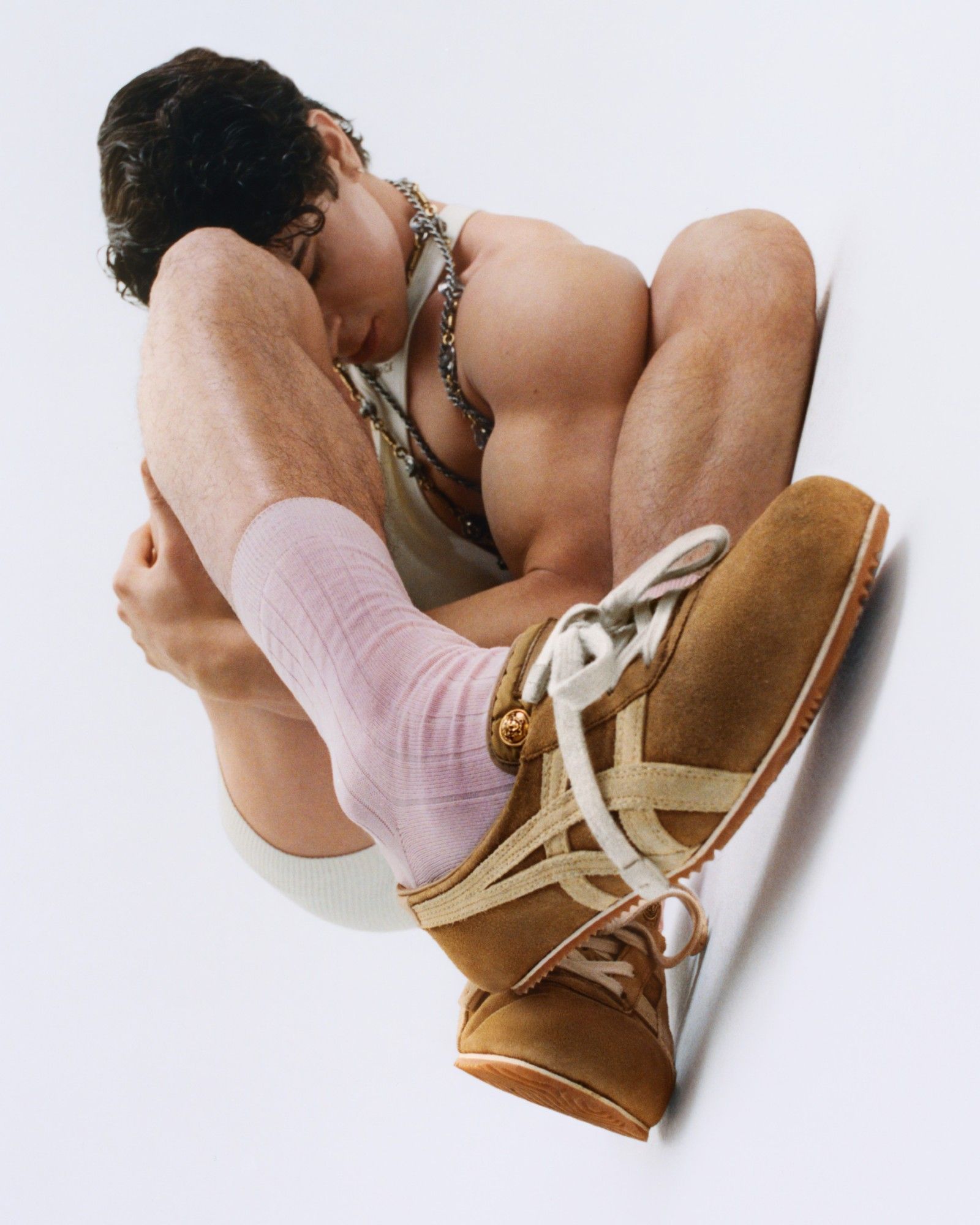
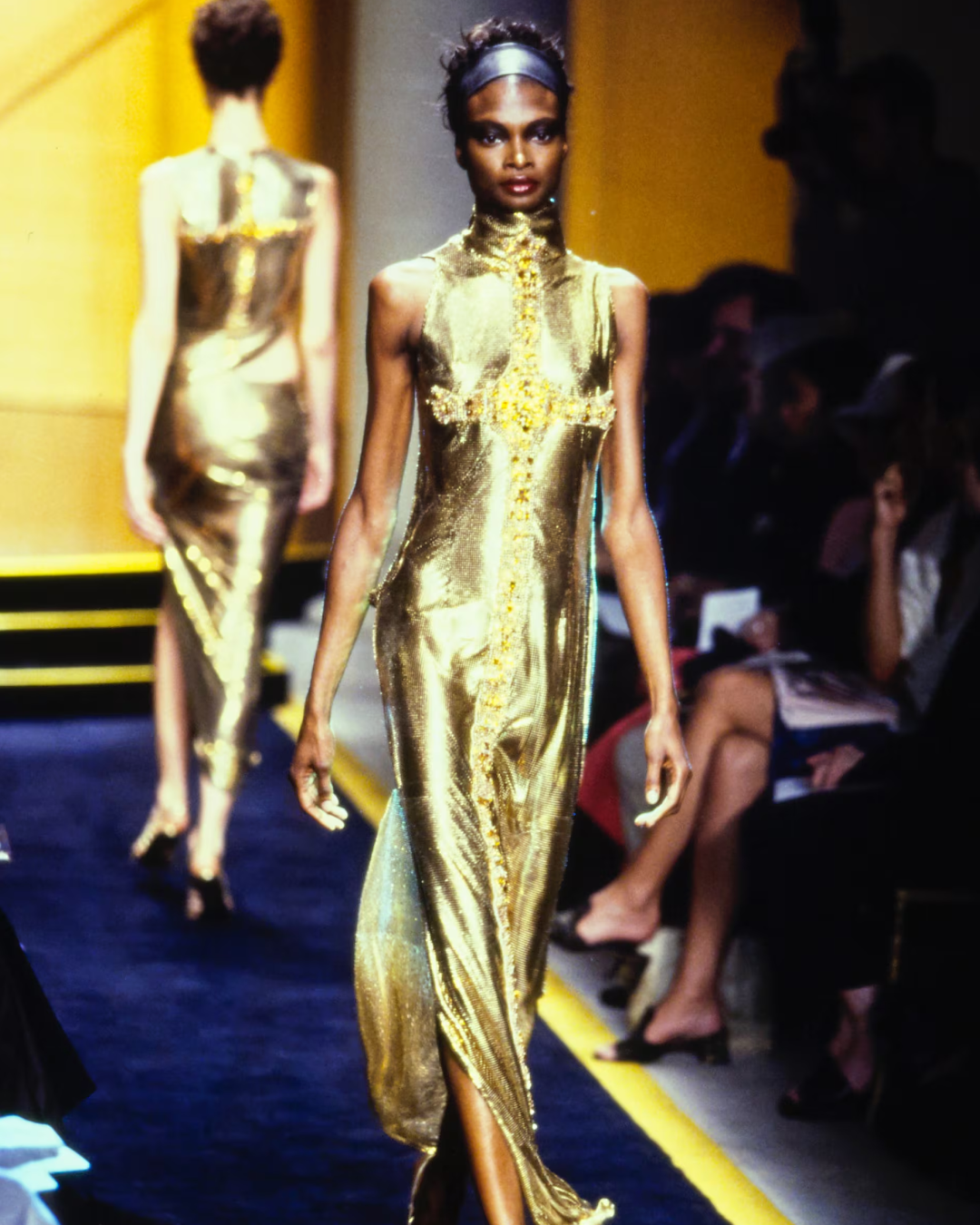
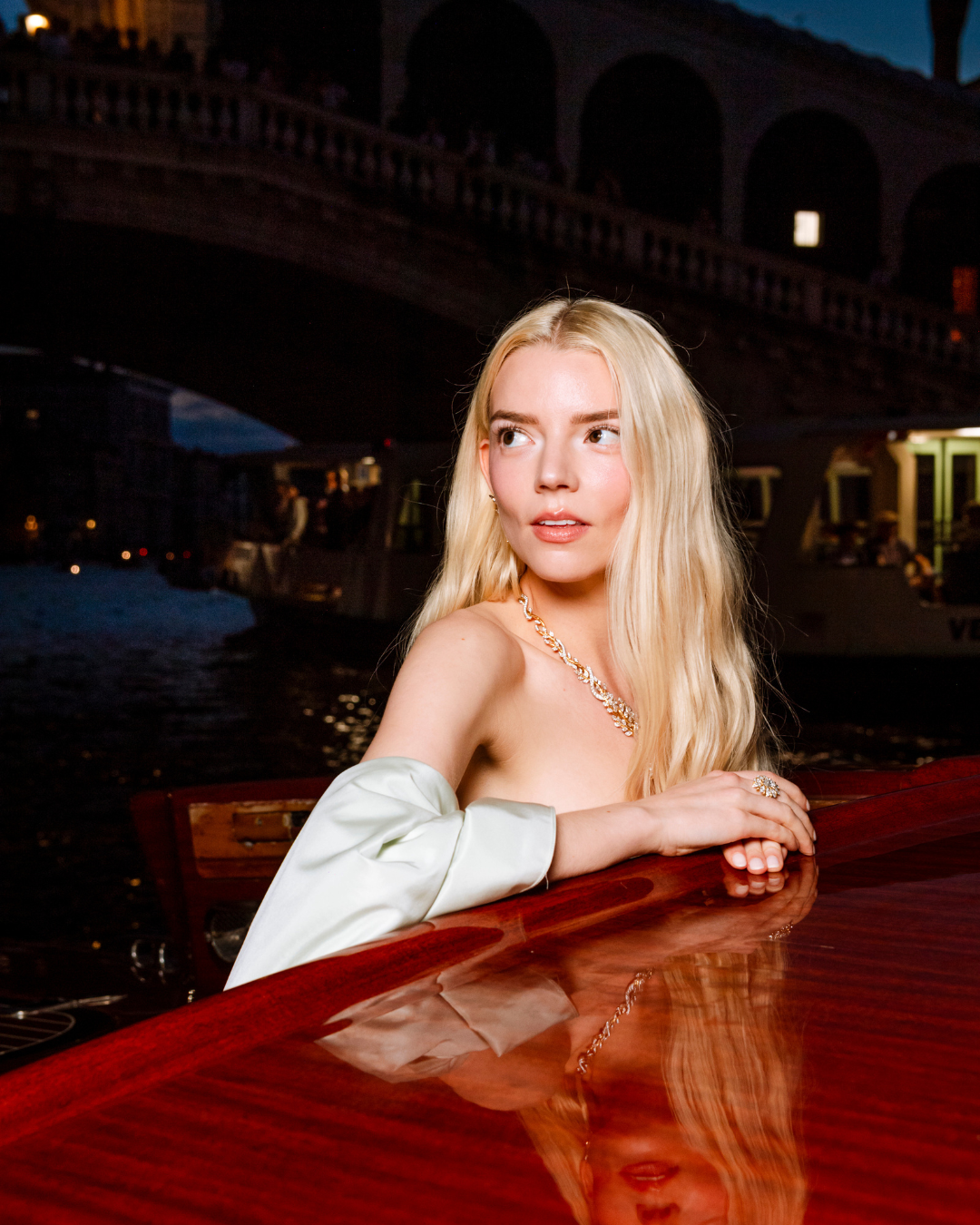
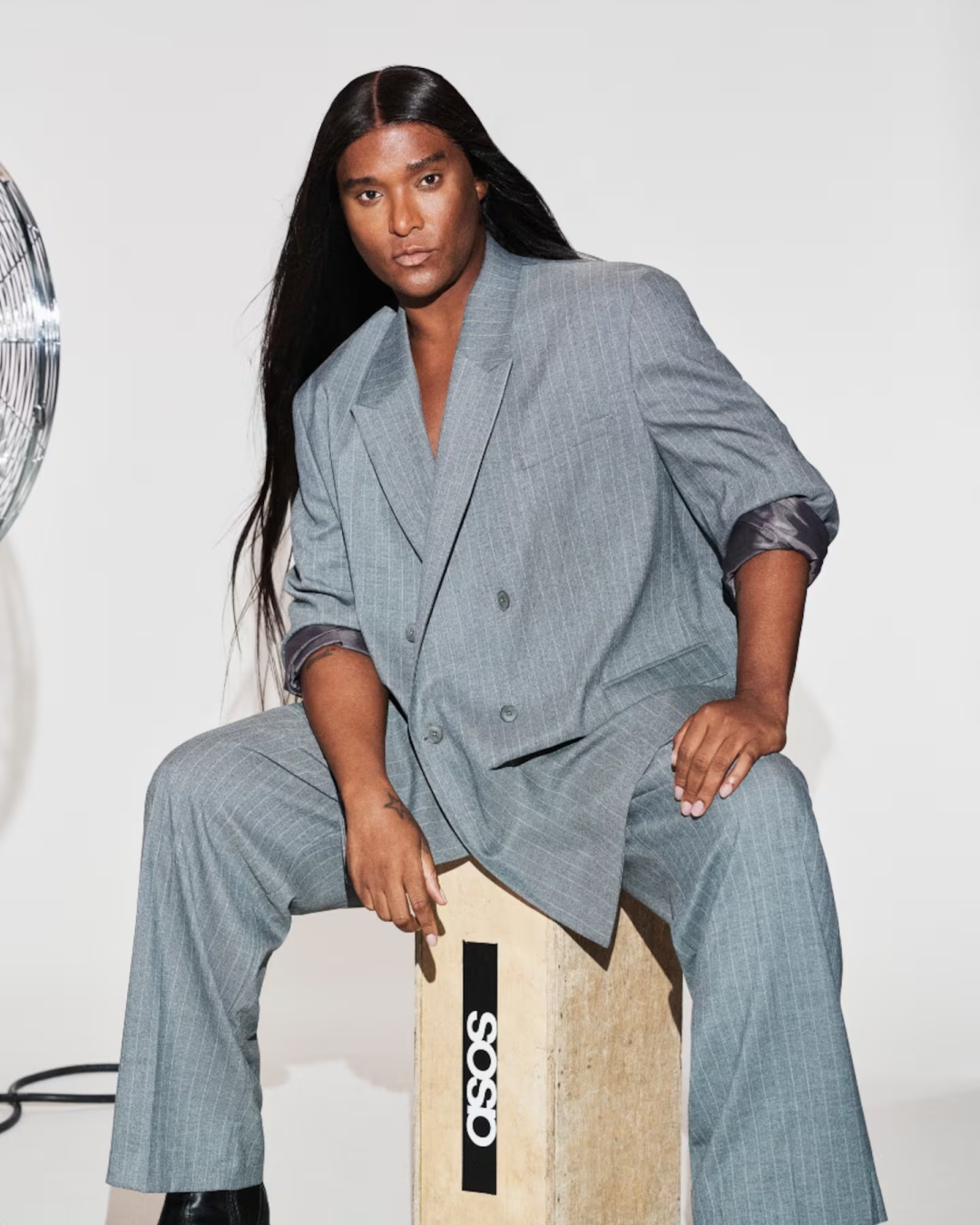
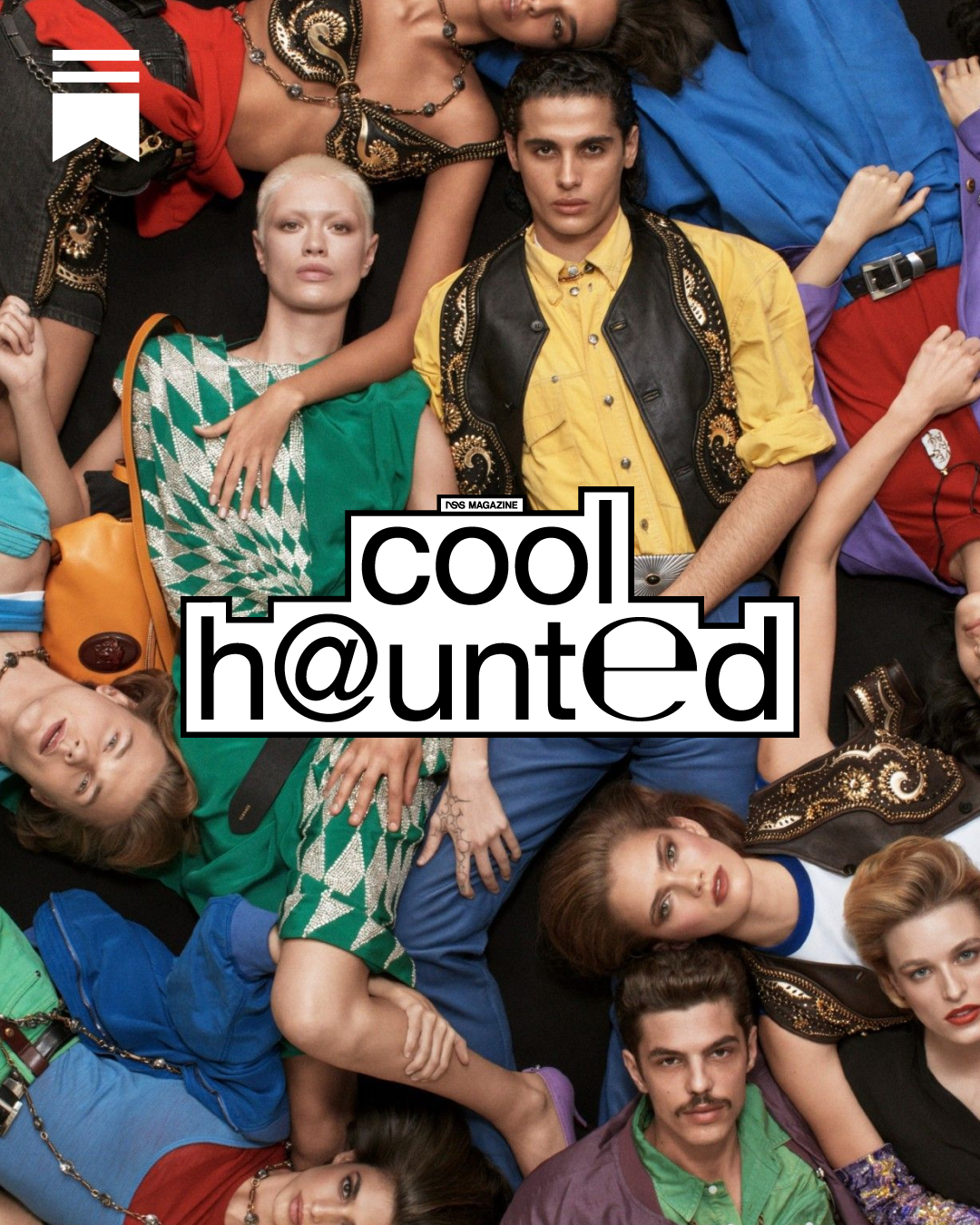
In life, the best tastes are the ones acquired. And the same can be said of the Versace SS26 collection, today remembered with the more practical nickname of “Versace by Dario Vitale”. When it was presented, with a more intimate show than many expected, it initially divided public opinion. A grand reinterpretation of Gianni Versace’s imagery or a simple exhumation of the 1980s in its most shocking colors? It was a strong impression, which however suddenly changed the perception of Versace, wiping out the platinum glamazons and the mega-logoed sneakers that had become synonymous with the brand in recent years. But after the first shock, a second one arrived.
After being at the brand for just nine months, producing a single collection, a sneaker collaboration and an interesting 3-in-1 campaign, Dario Vitale was fired by the new/old owners of the Prada Group who in the meantime had acquired Versace, putting an end to his short season in the sun. Now, the brand awaits the arrival of another no less masterful designer, Pieter Mulier, responsible for Alaïa’s renaissance. In the meantime, the recognizability and fame gained by Vitale, as well as the hundreds of editorials and covers in which the collection appeared, have led industry insiders to talk about a “revenge” for the designer who was a victim of market logic.
The collection is therefore in a very particular position: not only appreciated by insiders and highly recognizable, but also, given the creative director’s rapid exit, almost a limited edition worthy of being collected. There’s more: The fashion community loves an underdog and Dario Vitale is the perfect underdog: young, a respected professional but also a highly appreciated creative who was denied an opportunity by a major industry group right on the verge of a change that will be epochal for Versace.
Yet, we could argue, it was precisely his rapid exit that partly created an almost anomalous appreciation for the collection. Anomalous not for lack of merit, but for the unusual intensity and emotionality it carried. From this story, can we therefore draw some broader lessons about creative directors and the psychology of the fashion public?