
































Birdwatching is Gen Z's new favorite hobby A new way to cope with precarity, hyperconnectivity, and eco-anxiety
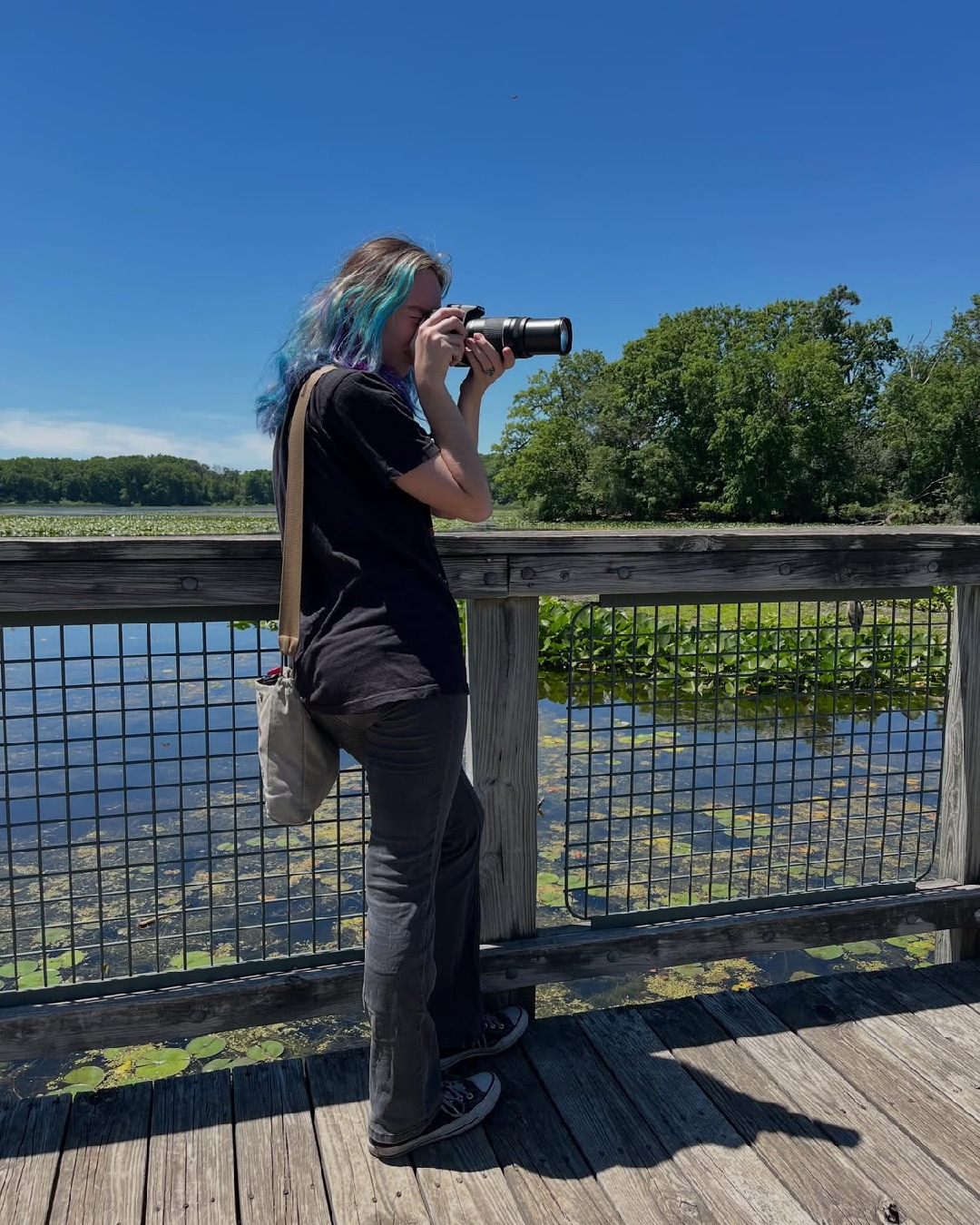
Gen Z may have a new favorite hobby. One that, plot twist, involves no screens — just a simple pair of binoculars, silence, and a whole lot of patience: it's birdwatching, the practice of observing, identifying, and documenting wild birds. In the popular imagination, the activity is associated with a very different age group, yet, according to data released in May by the RSPB and reported by CNN, nearly 750,000 young people between the ages of 16 and 29 regularly watch birds — a growth of 1,088% compared to 2018. This makes birdwatching the second fastest-growing hobby among the generation, after jewelry making. A generation that grew up amid dopamine-driven notifications is discovering for the first time the appeal of standing still and staring at a tree.
The Birdwatching App
@sarah.birds I love this app #birdwatching ##app##genz##birds##chirp original sound - sonsalyrics
One of the reasons behind the trend's rise among younger people can be traced back to one of the apps that Gen Z once loved and consumed. In 2016, Pokémon Go had driven half the world out of their homes to catch creatures scattered virtually across the globe's streets, effectively replicating the logic of birdwatching — which has existed long before smartphones. Today, the process is reversed: the recent launch of apps like Birdex and Merlin has digitized the hobby, making it immediately familiar to a generation that, until a few years ago, was hunting Pokémon.
Birdex, launched in January, turns every spotted species into a virtual collectible card, upgradable through new sightings and completed missions. Merlin, a free app, makes it possible to identify a bird simply by letting it listen to its song or showing it a photo, drawing from the 11,000 species available on eBird, the global user-based sightings archive. The mechanism is clear and extremely clever: it translates nature into a language this generation already speaks, making an hobby that once seemed to require a degree in ornithology simple and accessible.
A Need to Disconnect and Precarity
The apps, however, explain the how, not the why. Gen Z appears to have discovered birdwatching for at least three reasons: the first is generational — having been born at a historical moment already shaped by hyperconnectivity and media noise. For them, an afternoon of disconnection is not an act of nostalgia; it is rather an unprecedented discovery, as well as a genuine need. It ties into the increasingly common tendency among younger generations to prefer physical tools — digital or otherwise — over apps, favoring outdoor activities and contact with nature.
It is also important to consider the anxiety tied to the sense of precarity that Gen Z lives with. They have fewer certainties than previous generations, and above all less financial liquidity. Birdwatching is an accessible luxury, a low-cost hobby requiring nothing more than a pair of binoculars and a notebook, along with free time — and observing nature demands stillness and attentiveness. For the generation with record levels of anxiety, weighed down above all by economic and geopolitical concerns, this kind of focus — which environmental psychology associates with mental well-being — offers, in practice, a meditative exercise in disguise.
Eco-Anxiety and Unconscious Acts
r/birdwatching is a beautiful place pic.twitter.com/mXFrXn9EME
— horse dentist (@equine__dentist) April 10, 2025
And finally, there is perhaps the most important layer of all. According to the IUCN (International Union for Conservation of Nature), 61% of the world's bird species are in decline: six out of ten species have fewer individuals, due primarily to intensive agriculture and deforestation. The climate crisis appears to be advancing relentlessly, and Gen Z, bombarded by these realities, cannot help but feel its weight.
As a result, eco-anxiety typically looms and paralyzes, since the problem seems too vast and every individual action too small. But birdwatching is different, because it is first and foremost an active gesture: every sighting logged on eBird could become a useful data point for conservation, and every observer could become an unwitting census-taker. An apparently self-contained act that feeds into a public archive used by scientists to monitor species and map migrations. eBird is built on the principle of citizen science — scientific research powered by ordinary people.
Birdwatching may be nothing more than a passing trend; it is likely a way for Gen Z to cope with the chaos of the contemporary world, taking advantage of the calm this hobby provides. Observing, waiting patiently, and documenting — while in the meantime offering concrete help, without even realizing it.