


































Dubai is trying everything to revive tourism The city is incentivizing vacations by offering free dinners and hotel stays
To boost tourism, Dubai has launched an initiative aimed at its own residents: anyone who convinces friends or family members to spend a holiday in the city will receive a reward. The programme, however, will not offer cash prizes, but rather experiences such as hotel stays, dinners and other activities, worth up to 3,000 dirhams (approximately €700). Between 20 July and 31 October, each resident will be able to invite up to five visitors at a time, with a maximum of three invitations over the course of the promotion.
The initiative comes at a sensitive moment for Dubai's tourism sector, which is still grappling with the fallout from Iran's bombardment of the United Arab Emirates. The strikes were part of the escalation that followed attacks by Israel and the United States against numerous Iranian targets and had also involved other Gulf states. More than in other locations, the bombardments damaged Dubai's reputation: over recent decades, the city had invested enormously in establishing itself internationally as one of the safest and most desirable destinations in the world.
The consequences of the Iranian bombardments on Dubai
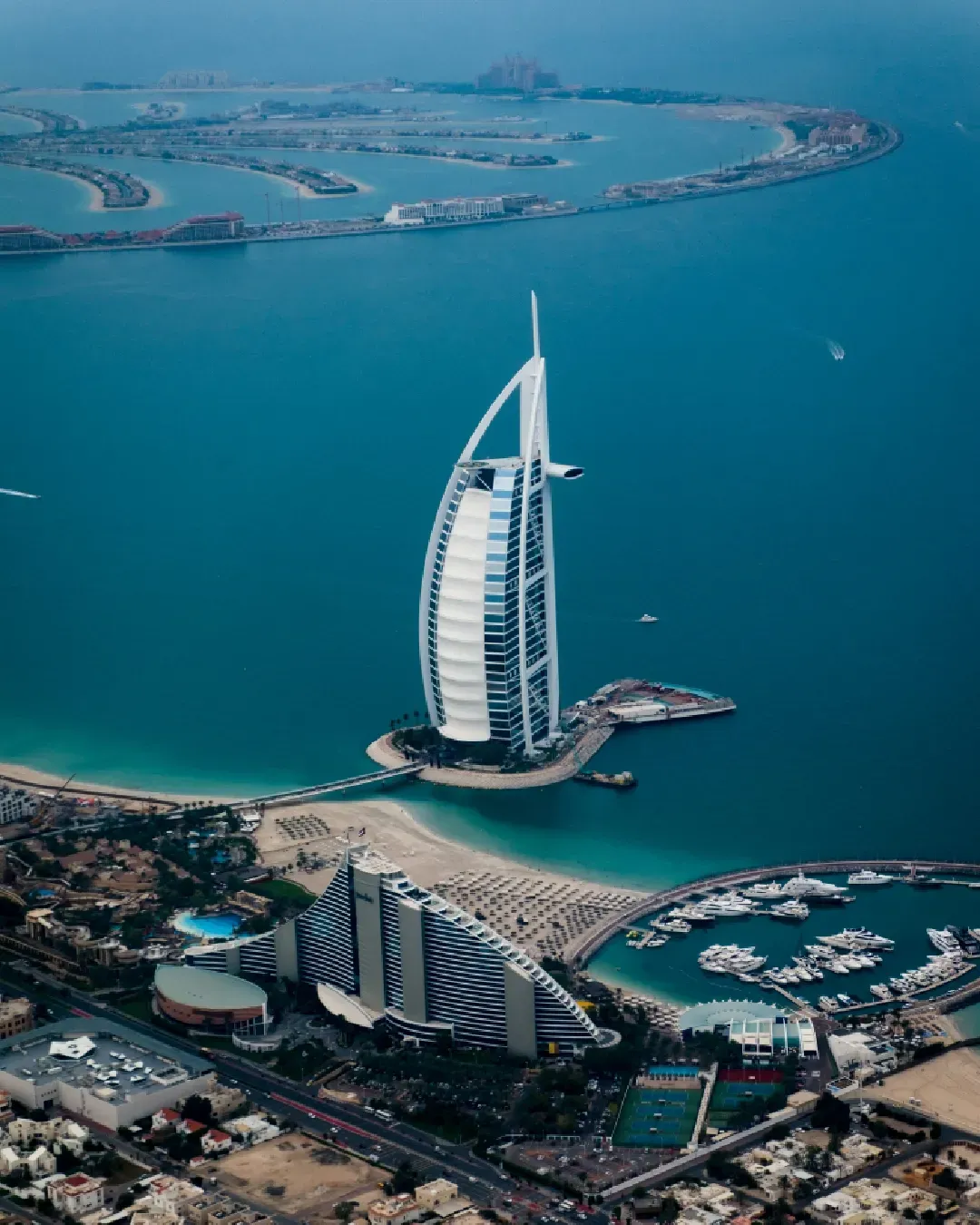
In the days following the attacks, several influencers living in Dubai had carried out an extensive campaign to reassure their followers, downplaying the severity of the situation and reiterating that the city remained one of the safest destinations in the region — in many cases because they themselves had interests in the local real estate market. Despite these efforts, after images of the effects the Iranian bombardments had on the city began circulating on social media, many foreign residents chose to leave the United Arab Emirates. Among the targets struck by Iran were several of the city's iconic landmarks, including the Fairmont Hotel, the Burj Al Arab — the sail-shaped hotel famous the world over — and Dubai Airport, one of the busiest aviation hubs on the planet.
Following the Iranian bombardments of Dubai, there was indeed a significant drop in bookings across the city and a general slowdown in economic activity, as reported to various international outlets by hoteliers, retailers and operators in the tourism sector. Furthermore, several countries, including the United States and Canada, continue to advise against non-essential travel to the United Arab Emirates, while a number of airlines have modified their routes to avoid a stopover at Dubai International Airport.
How Dubai became Dubai
Over the past twenty years, Dubai has built its reputation on the exclusivity of its tourism offering and on the promise of a lifestyle that is difficult to replicate in any other city in the world. But the city has also attracted investment and new residents thanks to its economic opportunities, a particularly favourable tax regime, and a greater openness towards certain Western habits, such as alcohol consumption and nightlife — all elements that are far from common in many other countries in the region.
This development model has not been sustained solely by revenues from oil, but also by the massive use of low-cost labour drawn primarily from South Asian countries — labour that lives in the city's outlying areas. And while until not so long ago these contradictions had remained in the background, the Iranian attacks have helped bring them back to the fore, laying bare the deep ambivalences of Dubai: a city that over the years has built its global image around luxury, safety and modernity, yet one that continues to be marked by profound social inequality.
What to read next

Even the snack industry is being affected by the Iran war
How the energy crisis is impacting many everyday goods and consumer products
The war in Iran is a problem for tech companies too
Especially those that have invested in building large data centers in the Middle East, now increasingly at risk
What is this ‘destruction of demand’ principle that we hear so much about?
Now that the energy crisis is starting to seriously impact Europe