
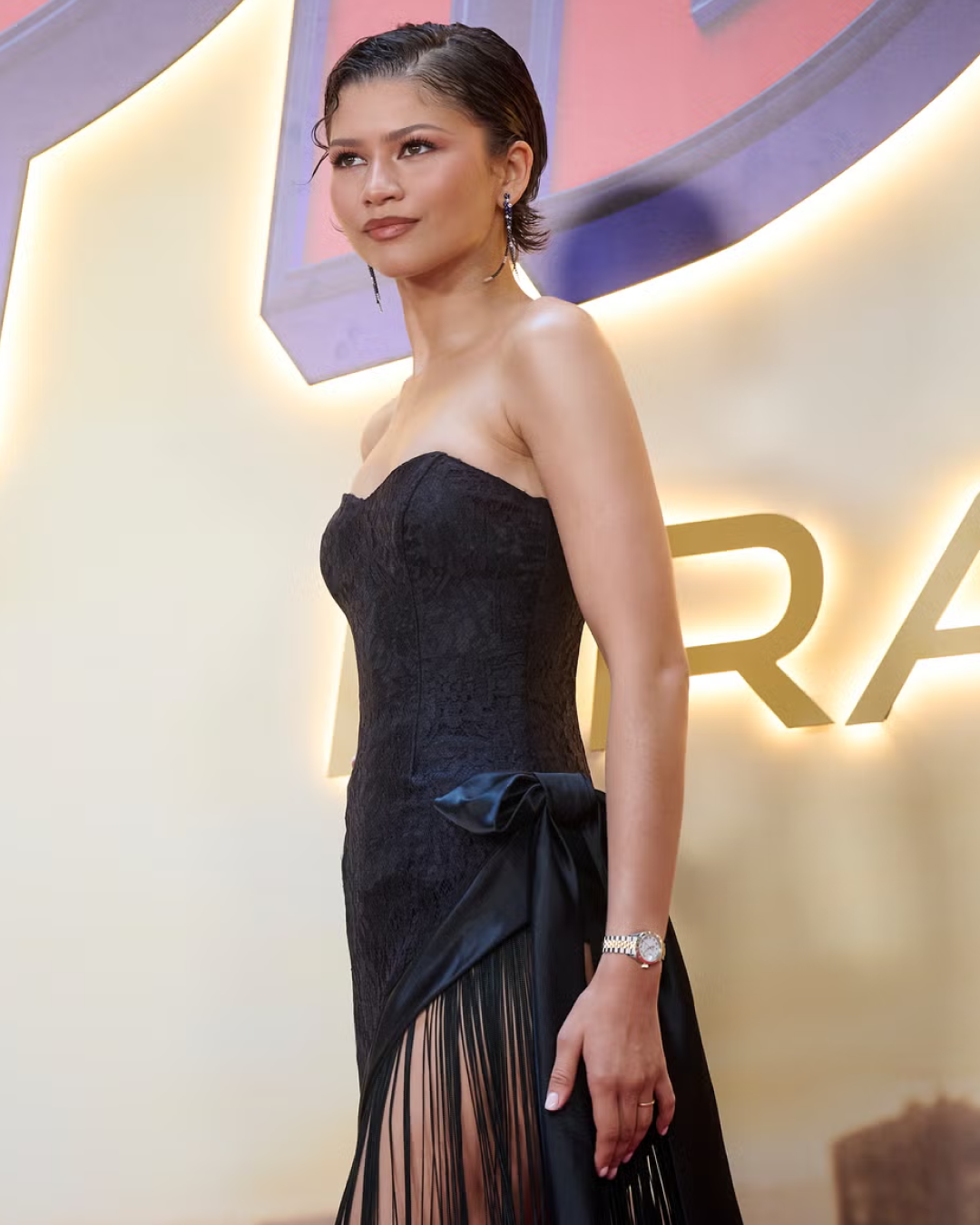
Are a Rolex and a Birkin the new safe-haven assets? A new report shows how ultra-luxury accessories have become better investments than gold
For a very long time, the advice has always been the same: gold and property are the only safe investments if you want something tangible to leave to your children or grandchildren. The precious metal par excellence has represented, for generations, the symbol of prudent investment — capable of weathering economic crises, inflation, and geopolitical instability without losing its role as a safe-haven asset.
In recent years, however, watches, bags, and iconic accessories are being bought to be worn, passed down, and, increasingly, appreciated in value over time. A new report published by FashioNica, a platform specialising in vintage luxury, has compared the performance of some of the most coveted accessories of the past decade against that of gold — and the results paint a very different picture from what one might expect.
A Rolex as an Investment
At the top of the ranking sits the Rolex GMT-Master II, which over the past ten years has recorded an average annual growth of 17.8% — a performance well above the 10.4% recorded by gold over the same period. The figure carries even more weight when viewed alongside the brand's overall trajectory: taking the average across all Rolex models, the report calculates an annual growth of 18.6%, a figure that speaks to how firmly the Swiss brand has established itself as a stable benchmark in the international collectibles market.
The ranking confirms this trend further down the list as well, with the Rolex Submariner, the Datejust, and the Patek Philippe Nautilus 5711/1A all featuring — models that for years have ranked among the most sought-after pieces on the vintage market, thanks to consistent demand, limited availability, and a reputation built over time.
Among bags, the picture is far more selective. The only model capable of outperforming gold is the Hermès Mini Kelly II, which has grown at an average of 13.5% per year, while iconic models such as the Louis Vuitton Neverfull MM and the Chanel Medium Classic Flap demonstrate a strong ability to hold their value but without matching the same performance as watches.
Luxury Collecting in 2026
The report becomes particularly compelling when read alongside what is currently happening across the broader luxury sector. 2025 and 2026 have been challenging years for the major international groups, which have had to contend with a slowdown in Chinese demand, increasingly price-conscious consumers, and a prolonged period of price increases that has progressively narrowed the pool of aspirational buyers. The results from many conglomerates point to much slower growth, alongside a contraction in sales.
At the same time, the secondary market has continued to develop according to its own logic, built around scarcity, international demand, and collecting, once again speaking to the elitism of classical luxury. The objects driving this growth belong to a very specific category: pieces that have existed for decades, are produced in limited quantities, and retain strong liquidity even many years after their initial purchase. It is precisely for this reason that a Rolex or a Patek Philippe ends up behaving far more like a work of art, a vintage Ferrari, or a design classic than like a simple luxury accessory. Meanwhile, far more trend-driven jewellery pieces — such as the Cartier Love Bracelet or the Van Cleef & Arpels Vintage Alhambra — record very modest growth, and even a prestigious model like the Audemars Piguet Royal Oak 15400ST closes the period under analysis with a negative performance.
Gen Z Is Also Rewriting the Rules of Collecting
found a vintage bulova watch that has a secret compartment for a photo and someone put a photo of hedy lamarr pic.twitter.com/kmnXc2xpyH
— ana (@pelicinema) January 7, 2026
Another element that helps contextualise this data is the generational shift currently reshaping the watch market. In recent years, Gen Z has discovered the appeal of vintage and pre-owned luxury watches, helping to expand the collector base well beyond traditional enthusiasts. Resale platforms, social networks, and online communities have transformed references such as the Rolex GMT-Master II, the Daytona, and the Patek Philippe Nautilus into objects of desire for a much younger audience, fuelling demand that continues to underpin the secondary market.
Research by Watchfinder shows a growing interest in luxury watches among under-30s, while a survey conducted by YouGov and Chrono24 reveals that consumers aged 18 to 24 are almost twice as likely as the average person to purchase one. This is also one of the reasons why, even as traditional luxury goes through a period of slowdown, certain watchmaking icons continue to behave like collectible assets, sustained by demand that keeps renewing itself from one generation to the next.
What to read next

Can Gen Z Really Get Rich with Vinted?
A new business model is emerging, tax-free and learnable through an online course
5 trends that Trainspotting anticipated Back in 1996
There is much more to the film than the famous Helmut Lang tank top
The Row is now selling vintage Yohji Yamamoto and High Fashion Twitter is outraged
A long-running debate has flared up again on X
These are the secondhand handbags that are worth the most in 2026
Searches for the Chloé Paddington have risen by 610%, but the real star of the secondhand market is Chanel