





































Which European destinations do the wealthy love most? Spoiler: big cities aren't as appealing as they used to be
Luxury tourism is no longer just about Europe's major capitals: this is the suggestion of a new report by Private Italy Tour, a company specializing in private trips and personalized itineraries in Italy. To identify the European destinations most favored by high-end tourists, the research analyzed 34 cities and locations across eight parameters, comparing not only the availability of exclusive services but also other variables that make a destination popular among the wealthiest travelers.
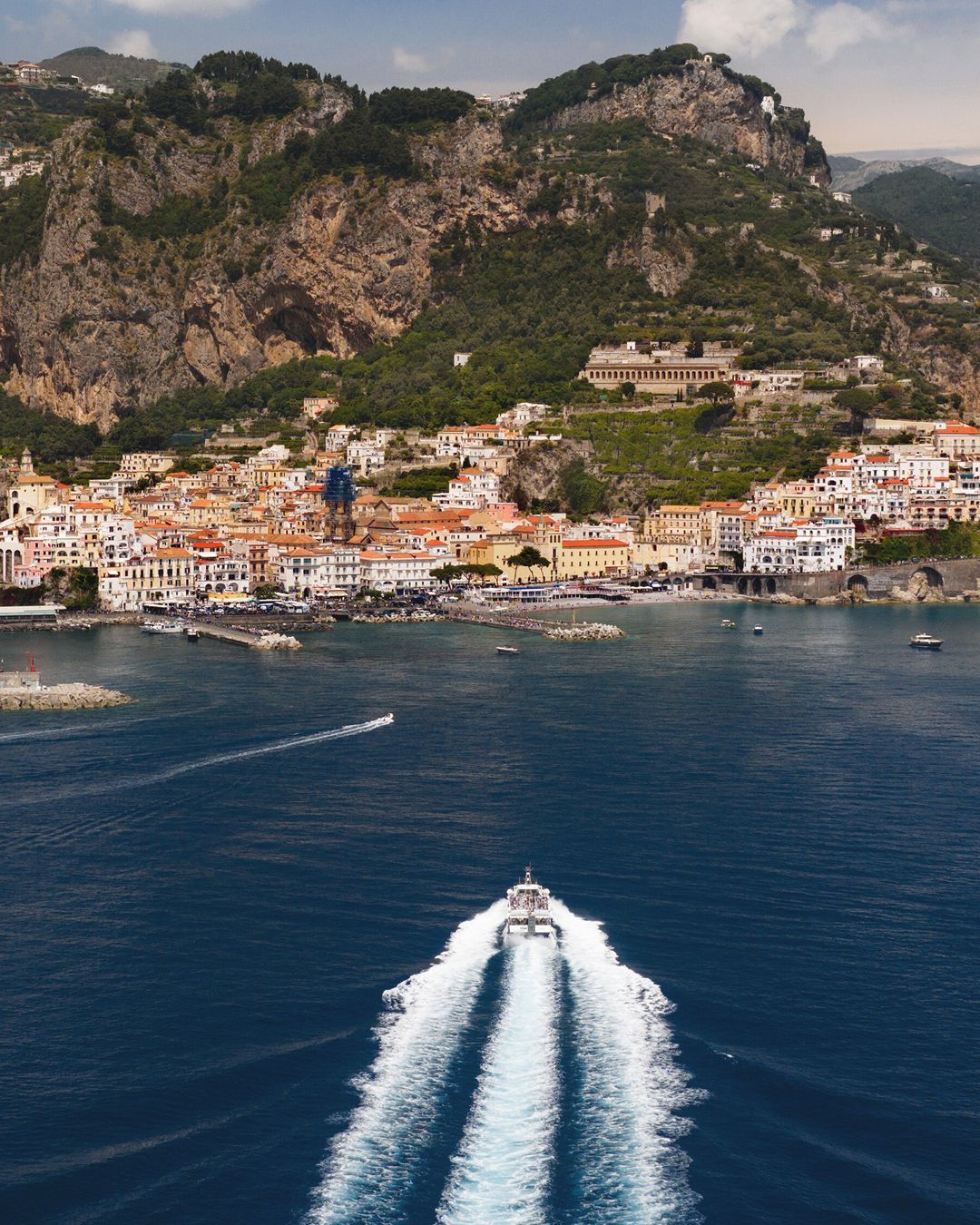
Specifically, the ranking highlights the destinations able to concentrate exclusive attractions, high-level hospitality and luxury services within a relatively limited area. From this perspective, topping the ranking is Santorini, followed by Monaco and Dubrovnik, the Croatian city on the Adriatic Sea. Paris, which along with London or Milan is traditionally associated with luxury tourism in Europe, comes in only tenth place.
The most interesting European locations for the high-end hospitality market
@amaandaolivia hotel room of my dreams in Santorini #santorini #greecetravel #cyclades #luxuryhotel #dreamy original sound - iconsade
The most striking figure in Private Italy Tour's ranking is precisely the wide gap between Santorini and the runner-up, Monaco, with the former scoring nearly 18 points higher. The result mainly reflects the strong concentration of luxury services and facilities on the island, but also the destination's popularity on social media and platforms like TripAdvisor. Adding to this is the high density of five-star hotels, which further contributes to the Greek destination's top position.
Monaco ranks second mainly thanks to the concentration of its luxury offerings: with 25 high-end shops and 8 top-tier spas per 10,000 inhabitants, it records the highest values in the sample for both categories. Cannes, fourth in Private Italy Tour's ranking, follows a similar logic, standing out especially for fine dining: it counts 12 Michelin Guide-listed restaurants per 10,000 residents, the highest figure among all the destinations analyzed.
Understanding the success of luxury boutique hotels
An increasingly evident trend in the luxury travel sector also concerns the choice of accommodation: many wealthy travelers prefer properties that offer a less standardized experience, one more closely tied to the local territory, compared to large international hotel chains. It is in this context that so-called boutique hotels have gained popularity — generally small, with a very strong identity, personalized service, and a closer connection to the local dimension.
For those seeking an exclusive experience, staying in an independent property can mean connecting more deeply with the chosen destination through its culture, cuisine, and various experiences on offer. It is precisely this combination of authenticity and connection to place that sets boutique hotels apart from the more standardized model typical of large chains.
The growing popularity of this type of hospitality has, however, already caught the attention of major hotel groups. Companies such as Marriott, Hilton, and Hyatt have in recent years acquired a number of independent hotels: these have retained much of their own identity — a defining and winning trait — while benefiting from the commercial network, booking systems, and loyalty programs of their respective chains. For smaller hotels, these acquisitions are a way to reach new customers and markets without fully giving up their independence; for large groups, on the other hand, it's an opportunity to tap into the growing demand for exclusive stays that convey a sense of authenticity, responsible tourism, and sustainability.