























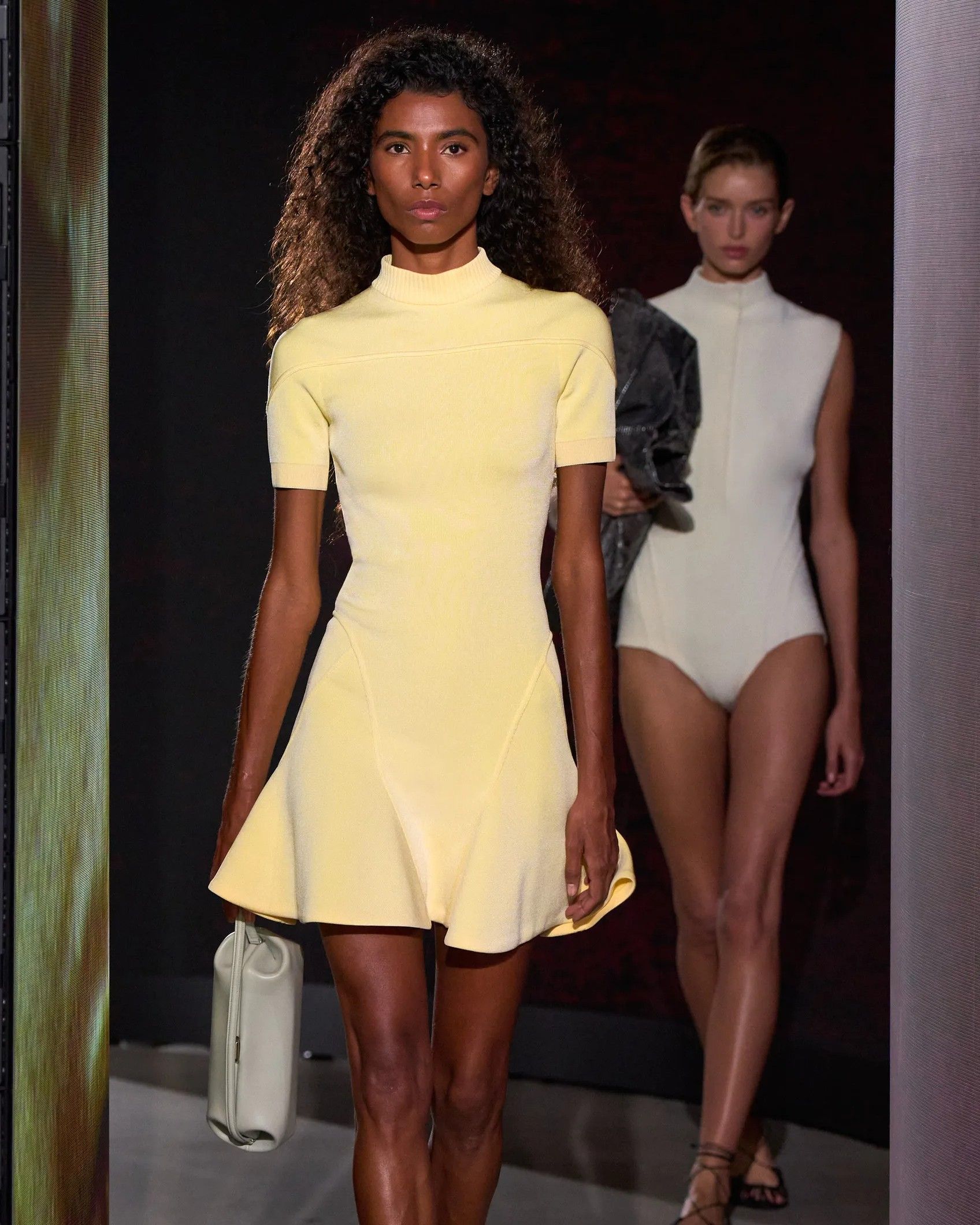
What if fashion brands gave up having a creative director? The Alaïa case at Paris Fashion Week has reignited the debate
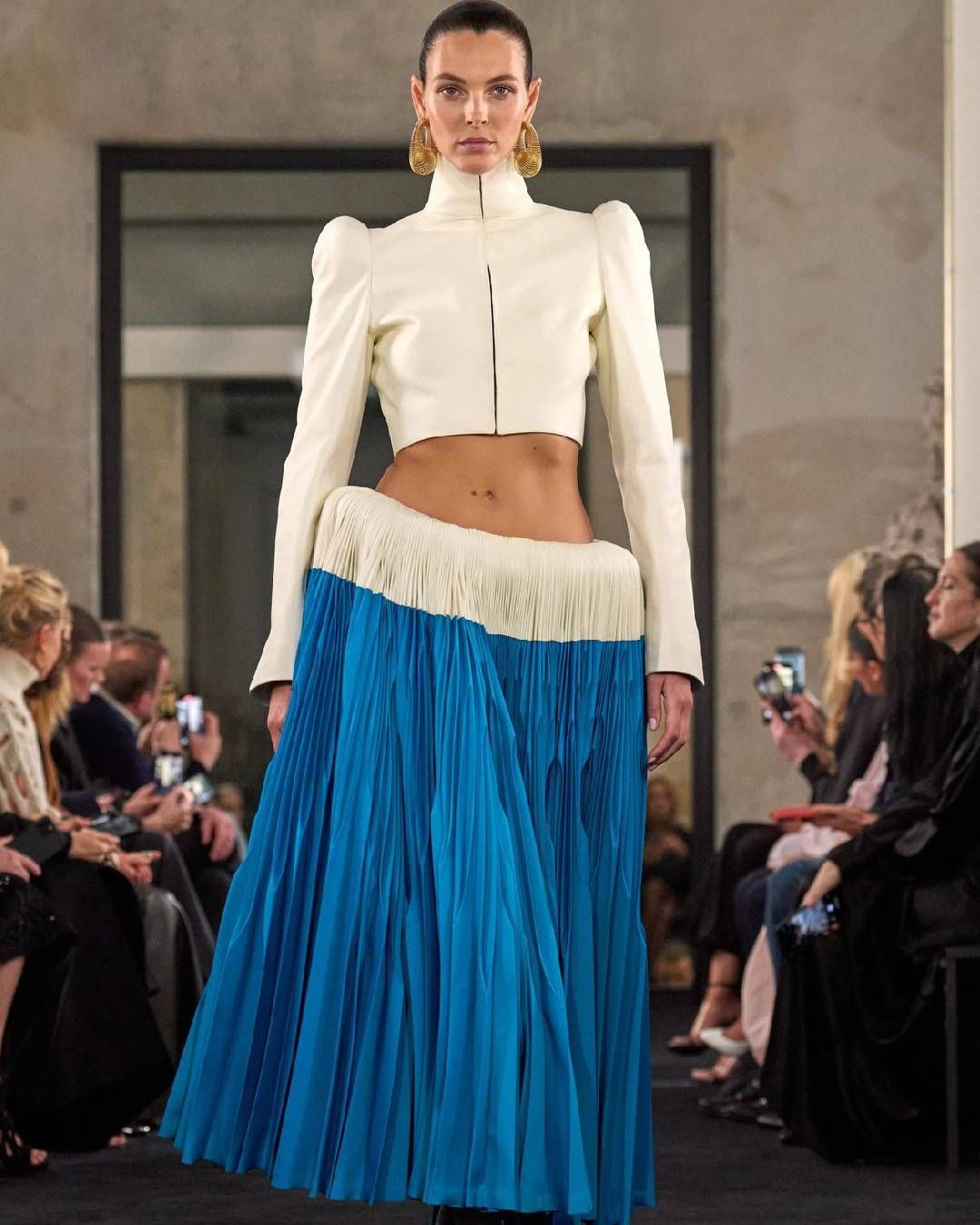
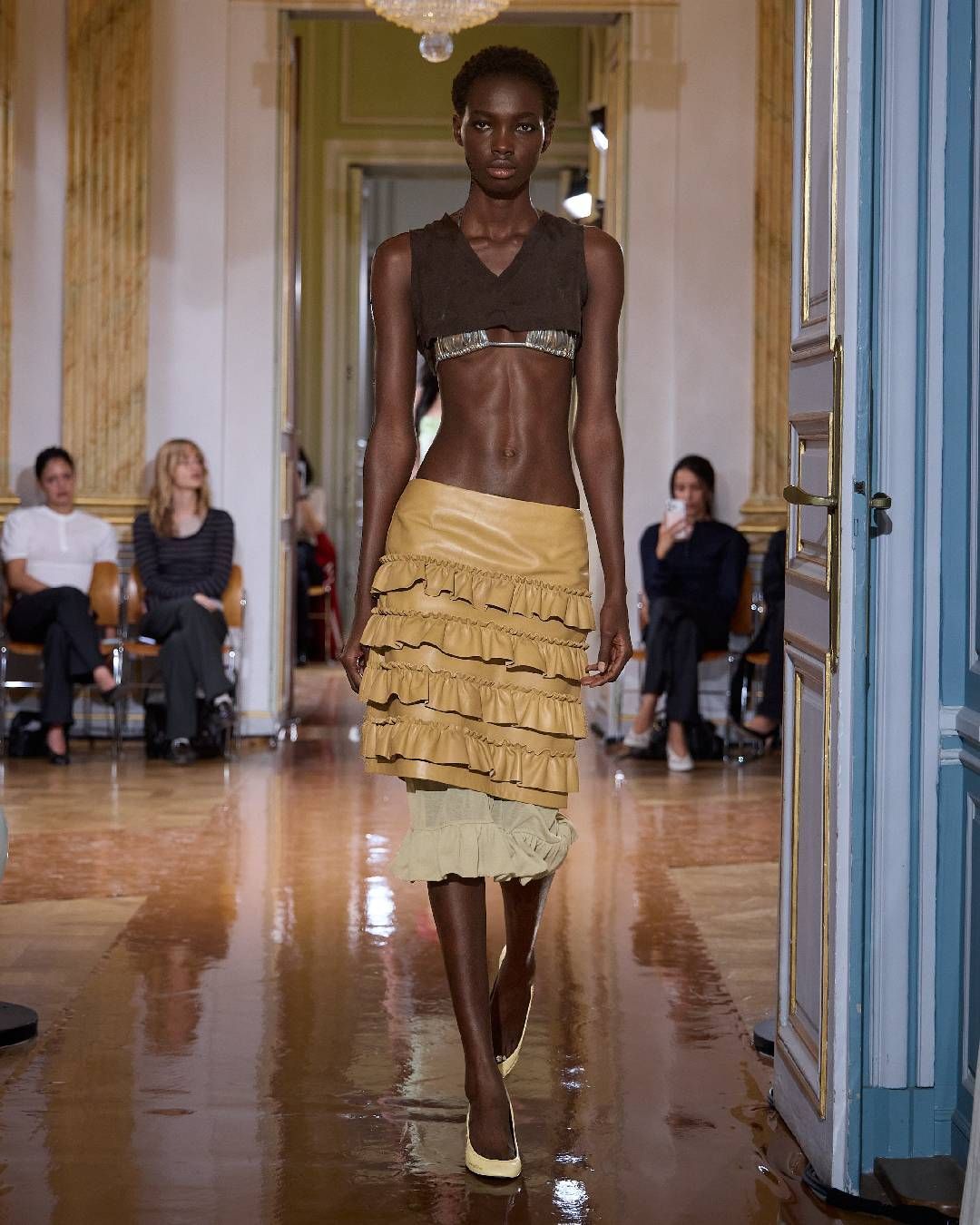
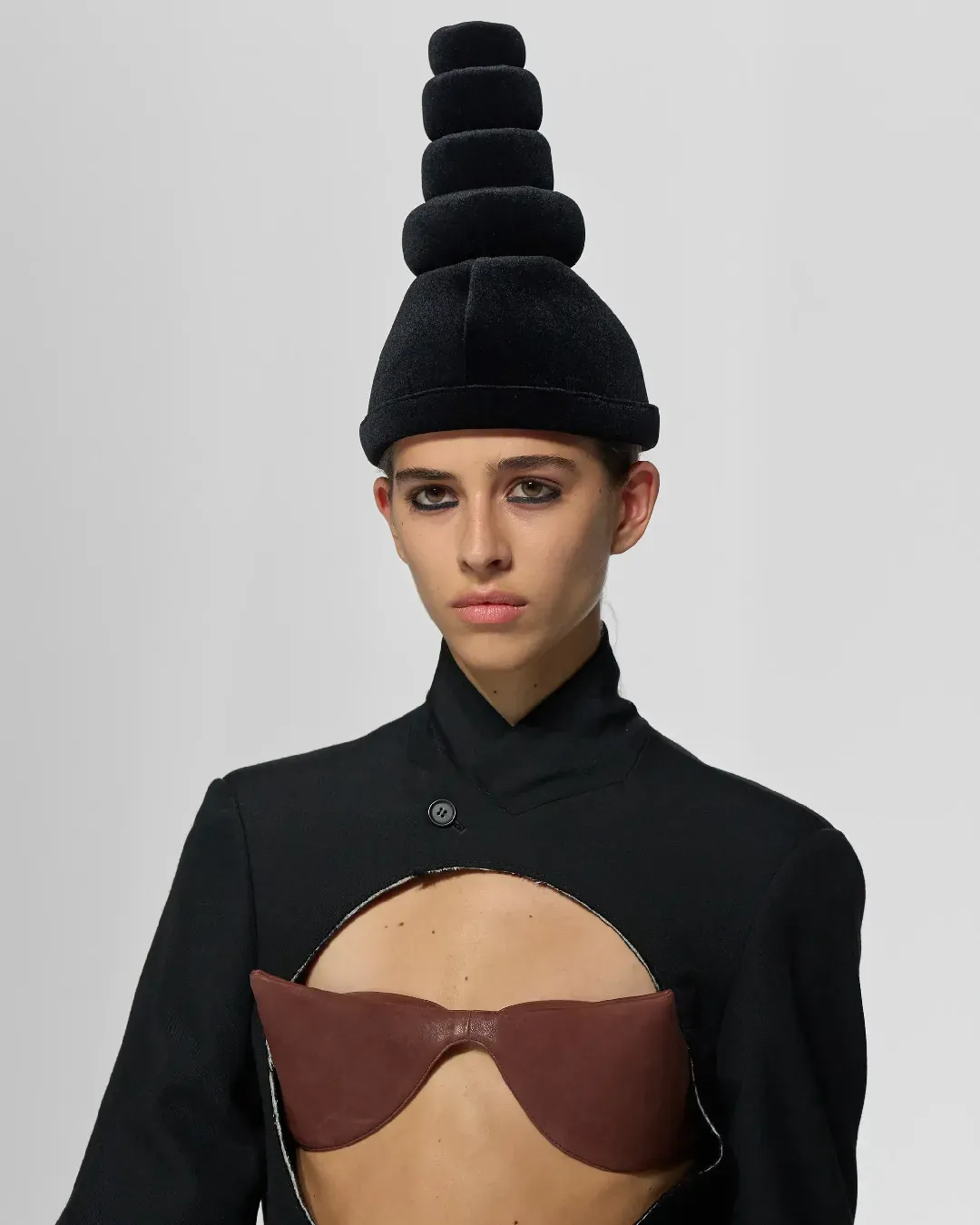
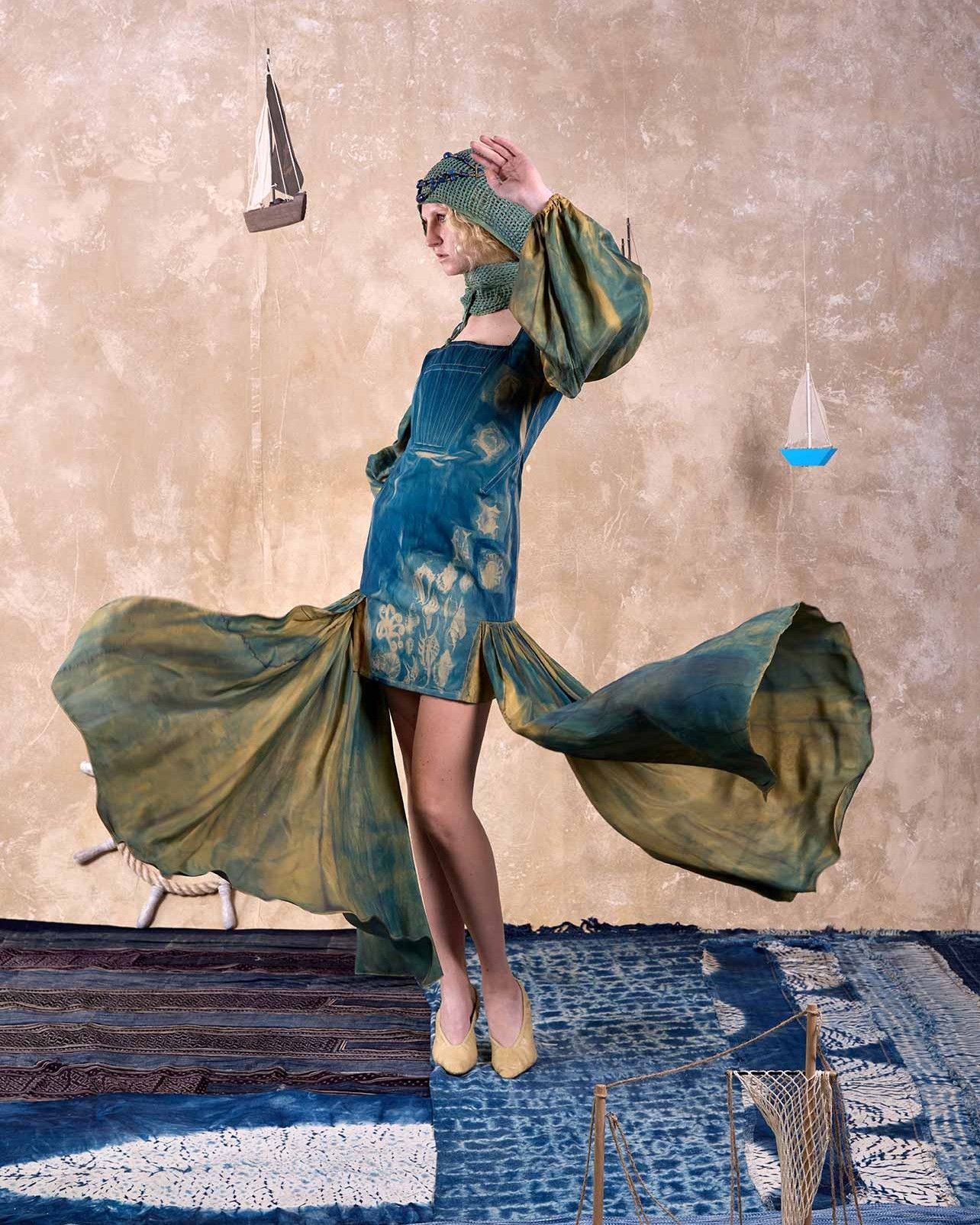
Perhaps it hasn't been discussed all that much, but Alaïa's latest collection in Paris was a very solid offering. Strange to say, though, there was no creative director behind it. Not yet, at least. Word on the street is that Daniel Roseberry could be recruited by the brand, but are we really in such a hurry? For a brand like Alaïa, or for what it has become in recent years under Mulier, leaving collection development to the more or less anonymous creative team might not be such a crazy idea. And alongside it, there are several other brands that might perhaps benefit from a "collective" direction.
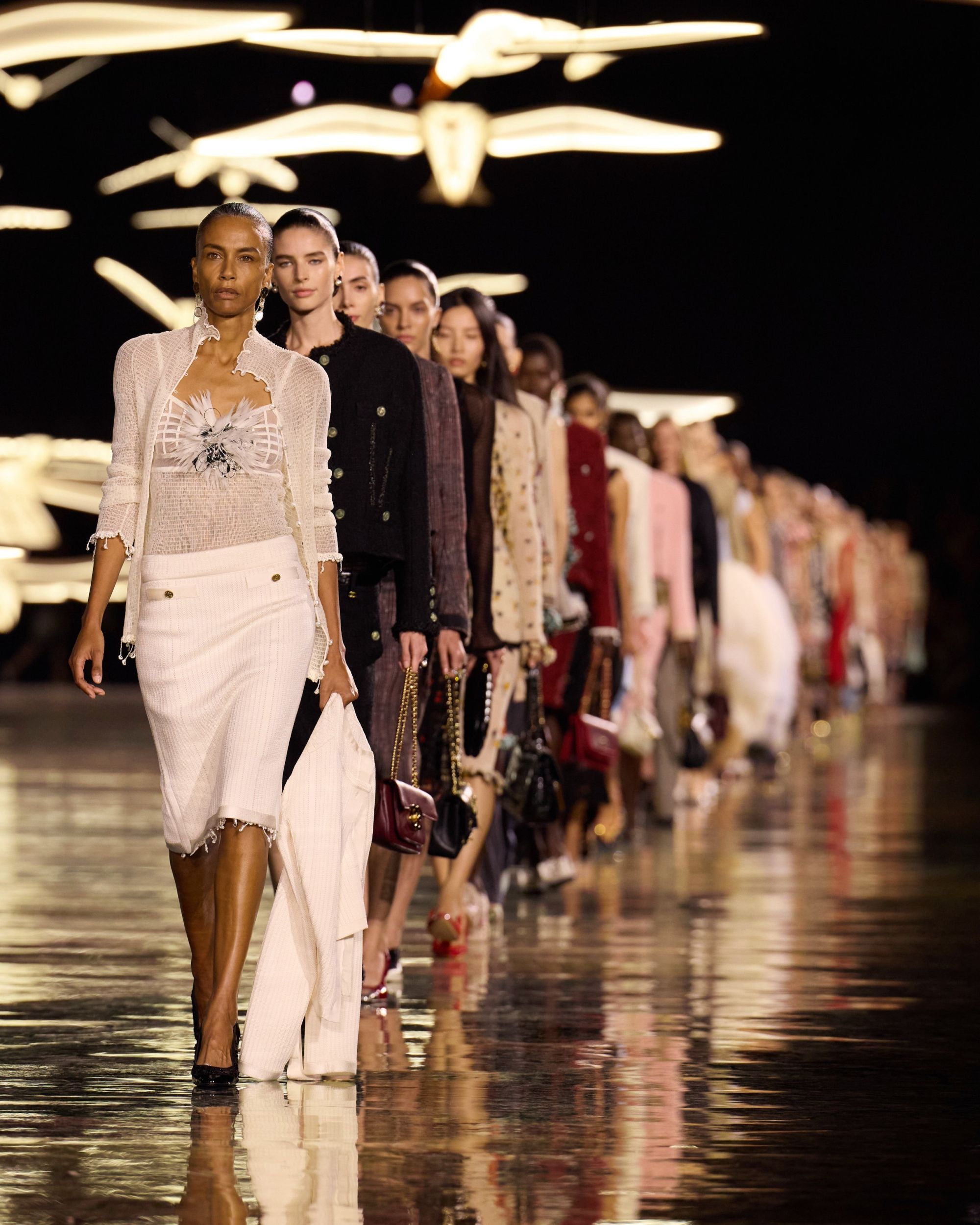
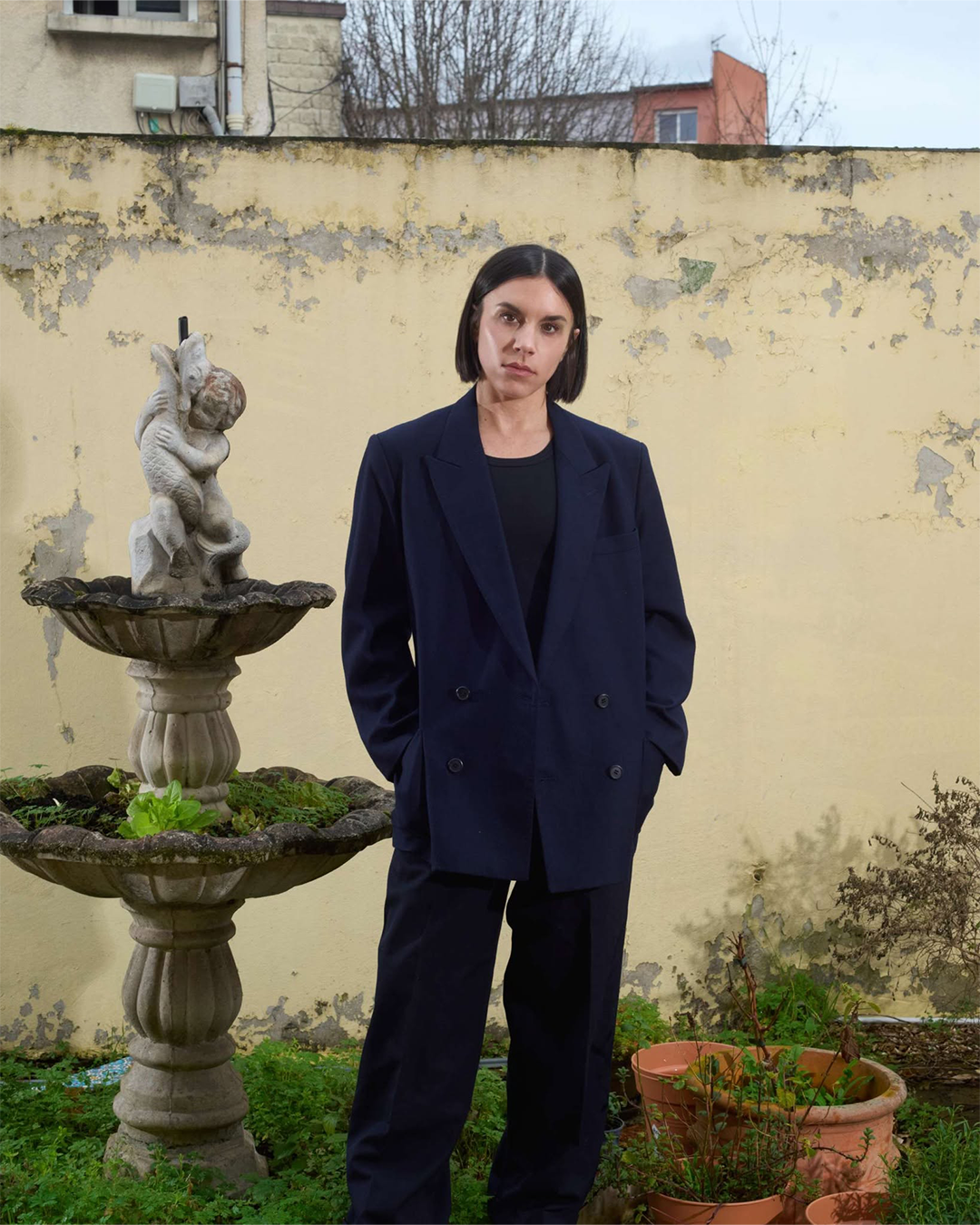
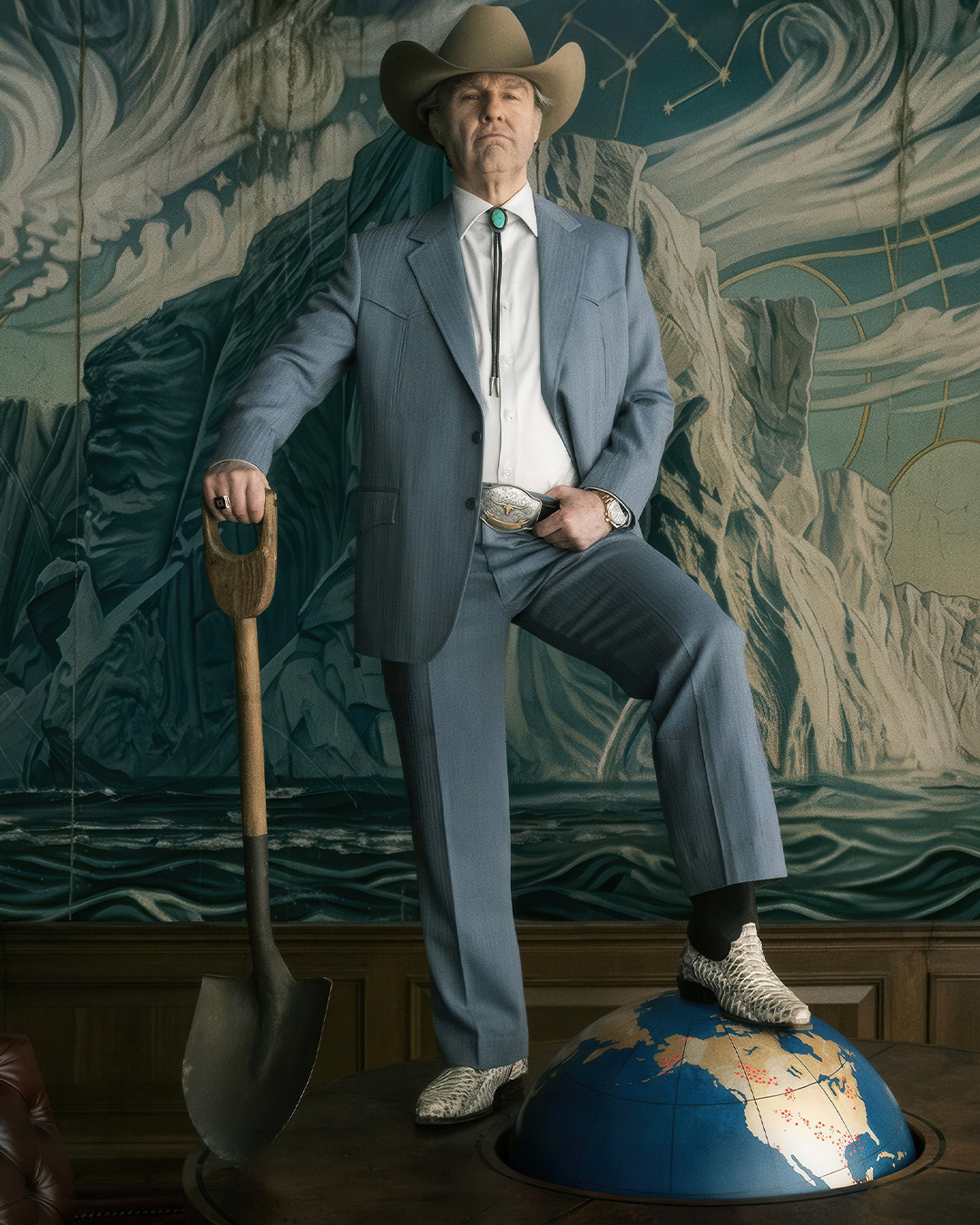
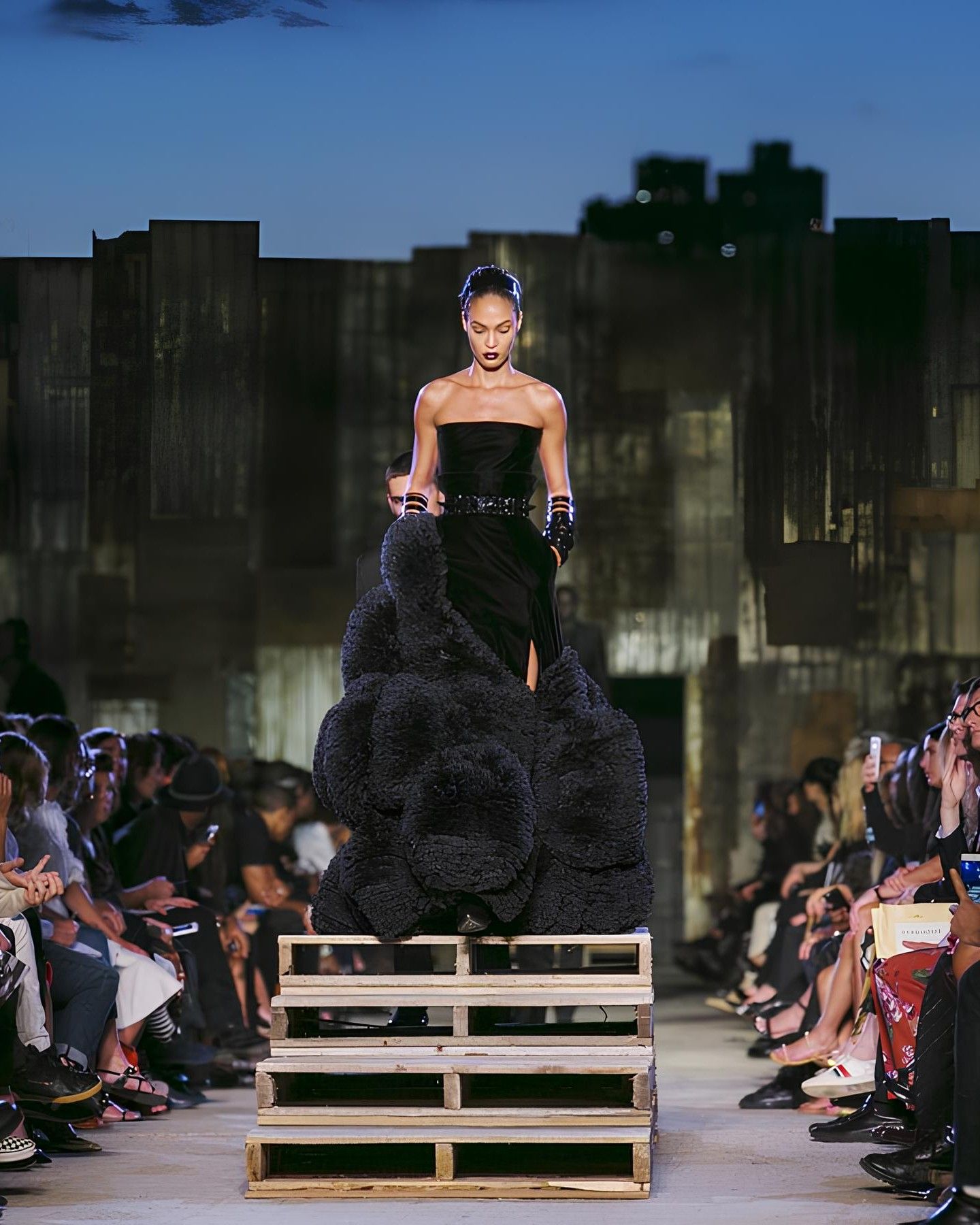
In recent years we've had the chance to see several interregnum collections, released under the sole signature of the creative team, with mixed results: some of Gucci's were successful but with fairly random moments; the Givenchy ones before Sarah Burton are best forgotten; the six Chanel collections before Blazy's arrival maintained the brand's codes without introducing any innovation; this month, meanwhile, both Etro, at its third collection since Marco De Vincenzo's departure, and Hermès, awaiting Grace Wales Bonner on menswear, produced routine collections, while MM6 Maison Margiela has never even had a creative director.
The point, in any case, seems to be that the absence of a creative director tends to reveal a brand's true nature, for better or worse. On one hand, it strips collections of unnecessary fanfare, hype, and noise, making the clothes the actual protagonists. On the other, it's true that the results are often releases lacking conviction, empty in certain respects. It goes without saying that such interregnum collections are, by their very nature, more commercial, which cynically also makes them more honest in their conception. The point is that there are brands in need of a creative director, but in today's fashion landscape, there are many others that don't really need an "author" at all. The hard part is figuring out which is which.
Culture and nothing more?
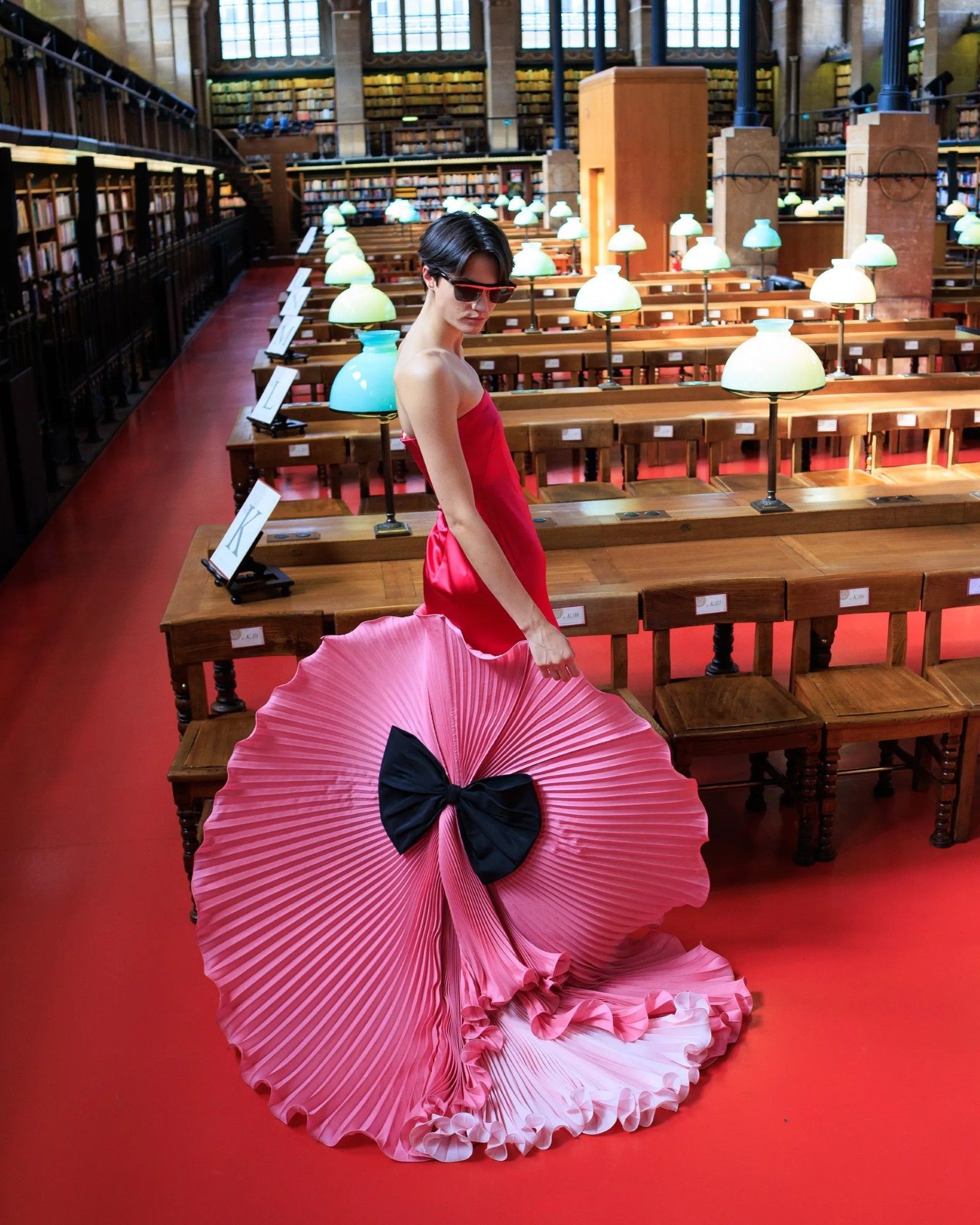
@alaia ALAÏA WINTER SPRING 27 COLLECTION #ALAIA son original - Maison Alaïa
It is said that fashion (or luxury) brands without a creative director are those focused on pure product: Loro Piana, Kiton, Valextra, and Brioni are examples, and at bottom so is Brunello Cucinelli. Watchmaking and jewelry often do without one, as does perfumery. There are clearly exceptions, but we're generalizing. Other categories of product-focused brands without a creative director include streetwear, as in the case of Supreme and Stüssy, and gorpcore, as in the case of Stone Island and Arc'teryx, but also niche Japanese names such as Kapital, Visvim, and Needles. But when it comes to fashion, the conversation changes.
The notion of creativity on which the industry is built cannot be separated from the notion of a creative individual. It is a partly illusory notion: the creative director provides a public face and a point of view, but clearly their work cannot be carried out without armies of other designers divided by category, including the teams that "translate" the runway collection into a commercial offering often far removed from what was seen during fashion week.
What the creative director offers is first and foremost unified coordination and, secondly, the authorship of a language as well as an "author" with whom the public can build a kind of parasocial relationship. Zara and Uniqlo have fully exploited this mechanism, reaping great profits and visibility from collaborations with established designers of the caliber of Jonathan Anderson, Clare Waight Keller, and John Galliano.
But the advantage that an in-house design team can offer (and, let's remember, Julian Klausner came from one, as did Matthieu Blazy) is an already well-tested vision of the brand, a more assured awareness of its internal mechanisms, as well as a sense of initiative different from that urgency for innovation that distinguishes external creative directors grafted onto a brand's trunk. But the one condition for the success of such a collection is certainly restraint: looking at the collections signed by Givenchy's team, one notices choices that are to say the least bizarre, while those of Gucci and Hermès were the product of a more coherent vision.
Continuity as an antidote to crisis
Setting aside the improvements that a successful creative direction is capable of bringing to a brand (many, when there is chemistry), the most positive aspect of a steady-handed in-house team is that of continuity. We have seen too many brands suffer precisely because of interrupted continuity or the dominance of an author who tends to upend it. But the point is that in a saturated market like fashion, certain historic but smaller-than-the-giants brands need less a creative director and more a team capable of building a solid product offering that works, without any scene-stealing.
An absence of noise that would let the product speak for itself, allowing the brand to grow organically, without chasing media clout. Entrusting creativity to a stable in-house team would certainly require a rethinking of the business model, provided that the team in question knows how to work toward a cohesive collection endowed with some precise point of view. There are many historic brands, especially Italian ones, that could step away from the fashion "circus" and its visibility in order to adopt more commercial and profitable models: not competing on a media level with unbeatable giants, but strengthening their retail presence and their foothold on home territory.
Perhaps, then, the question we started with should be reframed. Not "what if brands did away with a creative director?", but "what do they really need, and what are they willing to pay to have it?" Alaïa, as mentioned at the outset, showed a solid collection precisely because no one had any interest in making people talk about anything else. There was no transplant to assimilate, no codes to reinterpret, no new ideas about identity — just a team that knows the brand well enough to know what to keep and what to let go.
Which doesn't mean the figure of the author is destined to disappear: for the great powerhouses that live on imagery, it will remain an irreplaceable figure, but for everyone else an unsustainable burden that no longer reflects the expectations of the market.