



















Is Chemena Kamali about to leave Chloé? Richemont faces a creative director exodus
No official announcement has been made yet. Investigative outlet Glitz broke the news: the (still potential) departure of Chemena Kamali, Creative Director at Chloé since October 2023. Her predecessor, Gabriela Hearst, spent just three years at the helm of the house founded in the 1950s by Gaby Aghion. Chloé thus confirms its reputation for instability, playing a leading role in the game of musical chairs that has shaken the industry for years.
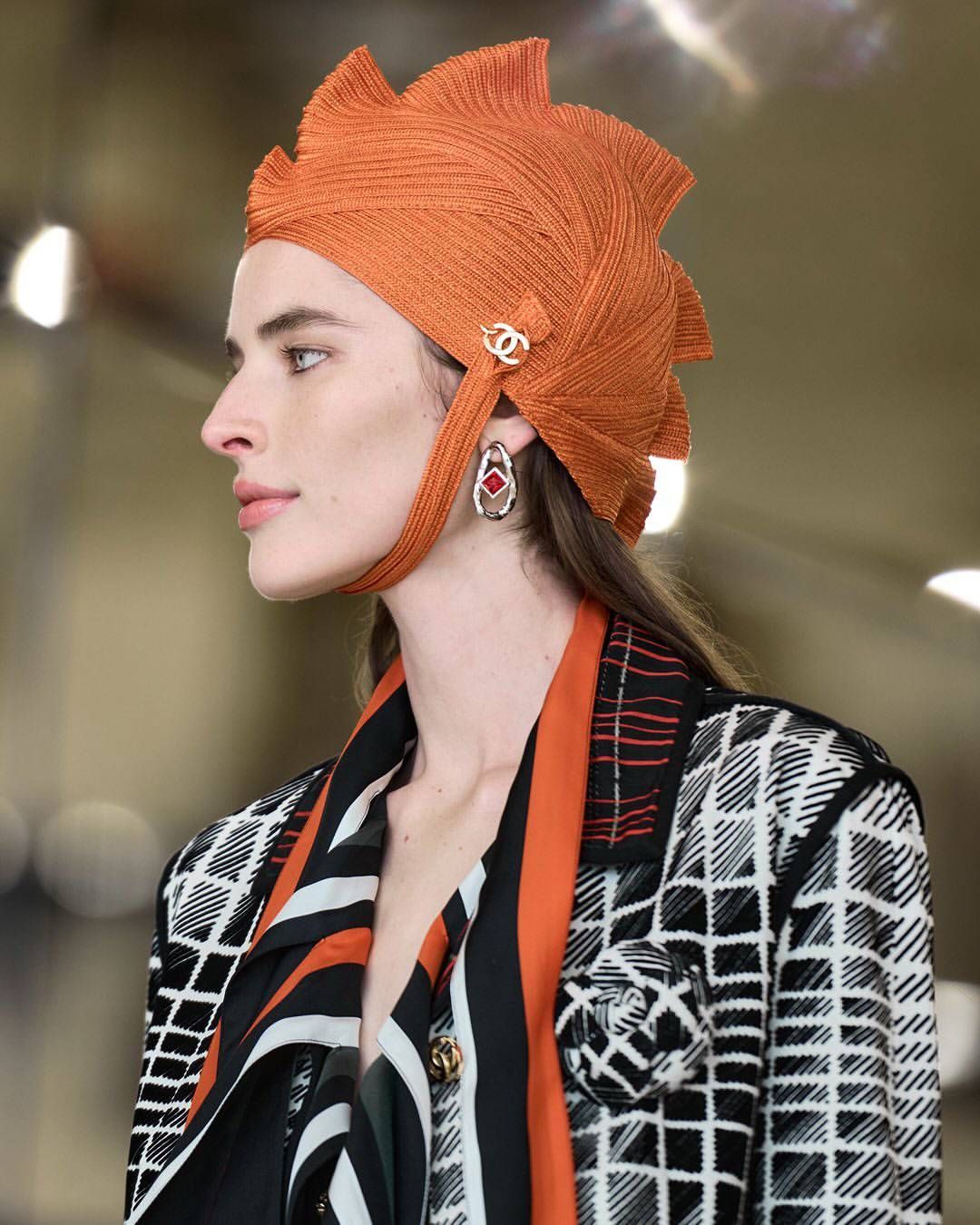
This potential exit comes as a surprise, given how universally praised the German designer’s vision seemed to be. Under her tenure, the iconic Paddington bag was successfully reissued, and the brand’s signature bohemian spirit regained its fresh edge.
Behind the scenes, however, the financial picture remains alarming. According to Glitz, "In 2025, the balance sheet was €54 million in the red, compared to €60 million in 2024, on revenues of €220 million and €212 million, respectively." Faced with shaky profitability, Swiss luxury giant Richemont - which also owns Alaïa and leather goods maker Delvaux - is left pumping in tens of millions of euros to plug the leaks.
A Heavy Climate and a Swiss Giant Under Pressure
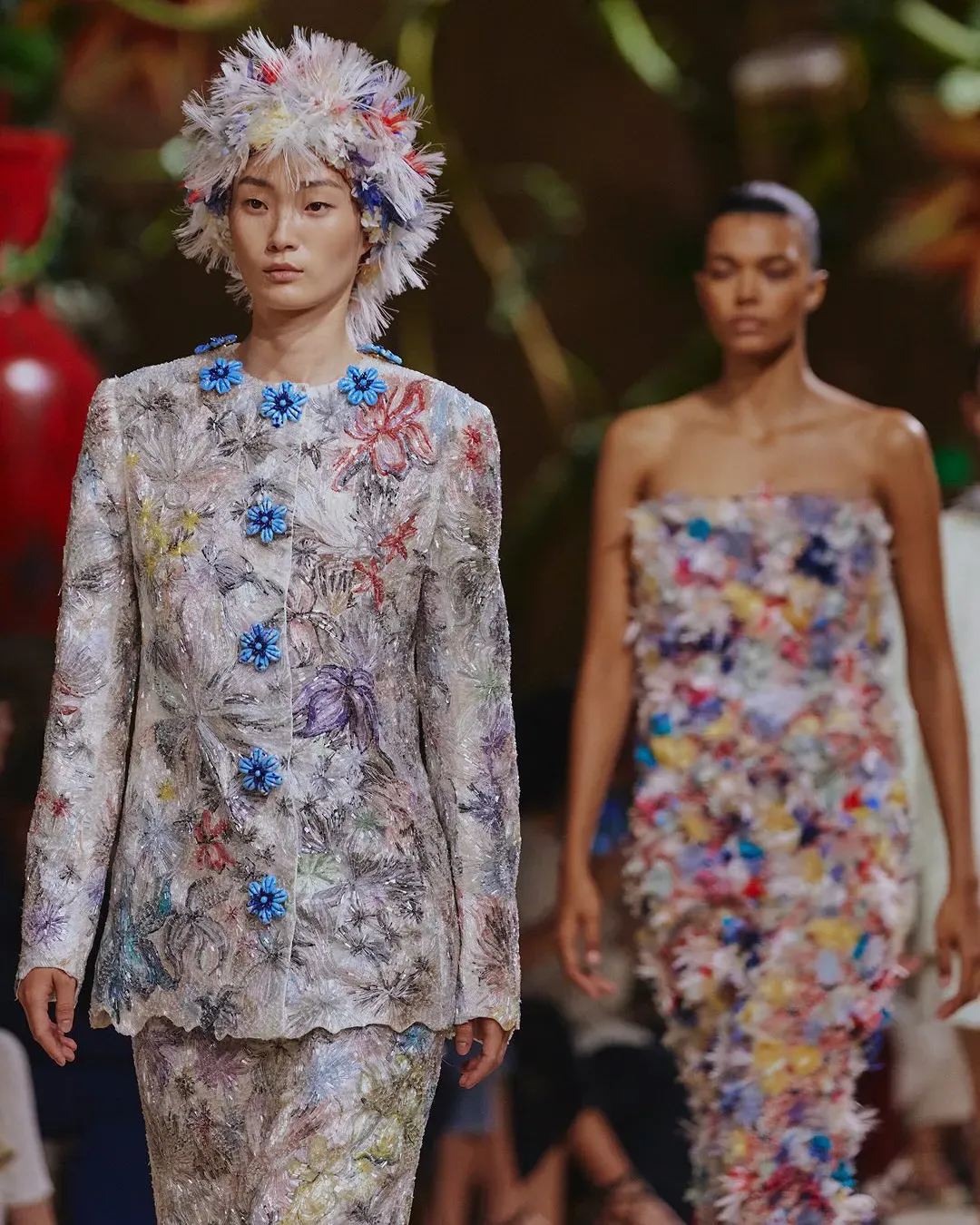
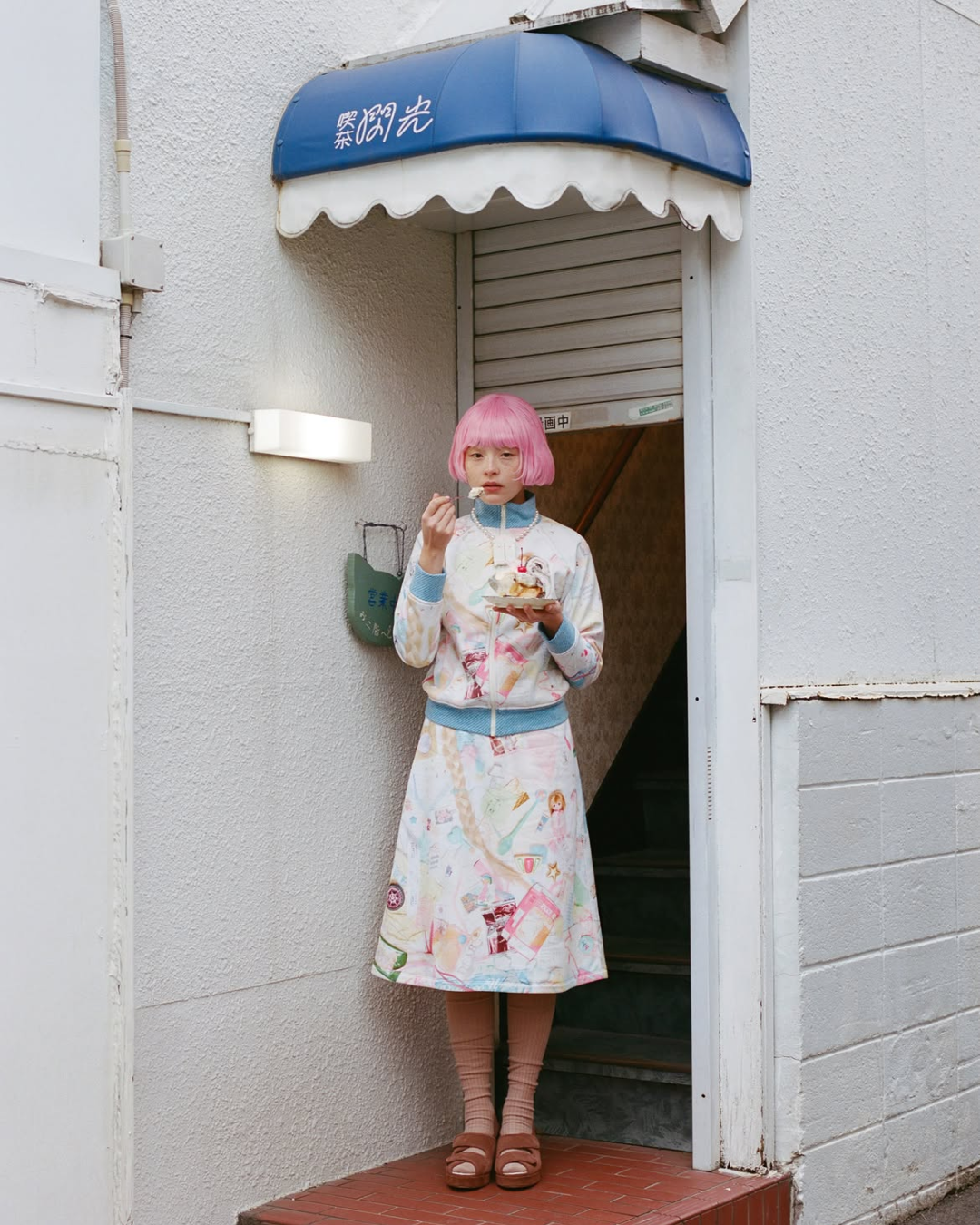
@chloe Chloé Fall 26 by Chemena Kamali ‘Female Trouble’ Photographed by Mark Kean Video by Romain Wygas #Chloe #ChloeFall26 #ChemenaKamali son original - Chloe
Enough to spark a desire to move on? This latest turn of events further weakens Richemont's fashion division, already reeling from Pieter Mulier's recent departure from Alaïa to join Versace. In a game of transfers reshaping the luxury landscape, will Chemena Kamali succumb to the siren song of the Prada Group?
Beyond the usual creative shuffle, this double blow raises a crucial question for the Swiss group: its ability to retain top talent while turning around the finances of its fashion houses. Should Kamali’s departure be confirmed, Chloé would once again find itself searching for a fresh start - at the risk of diluting its identity through endless quick resets.