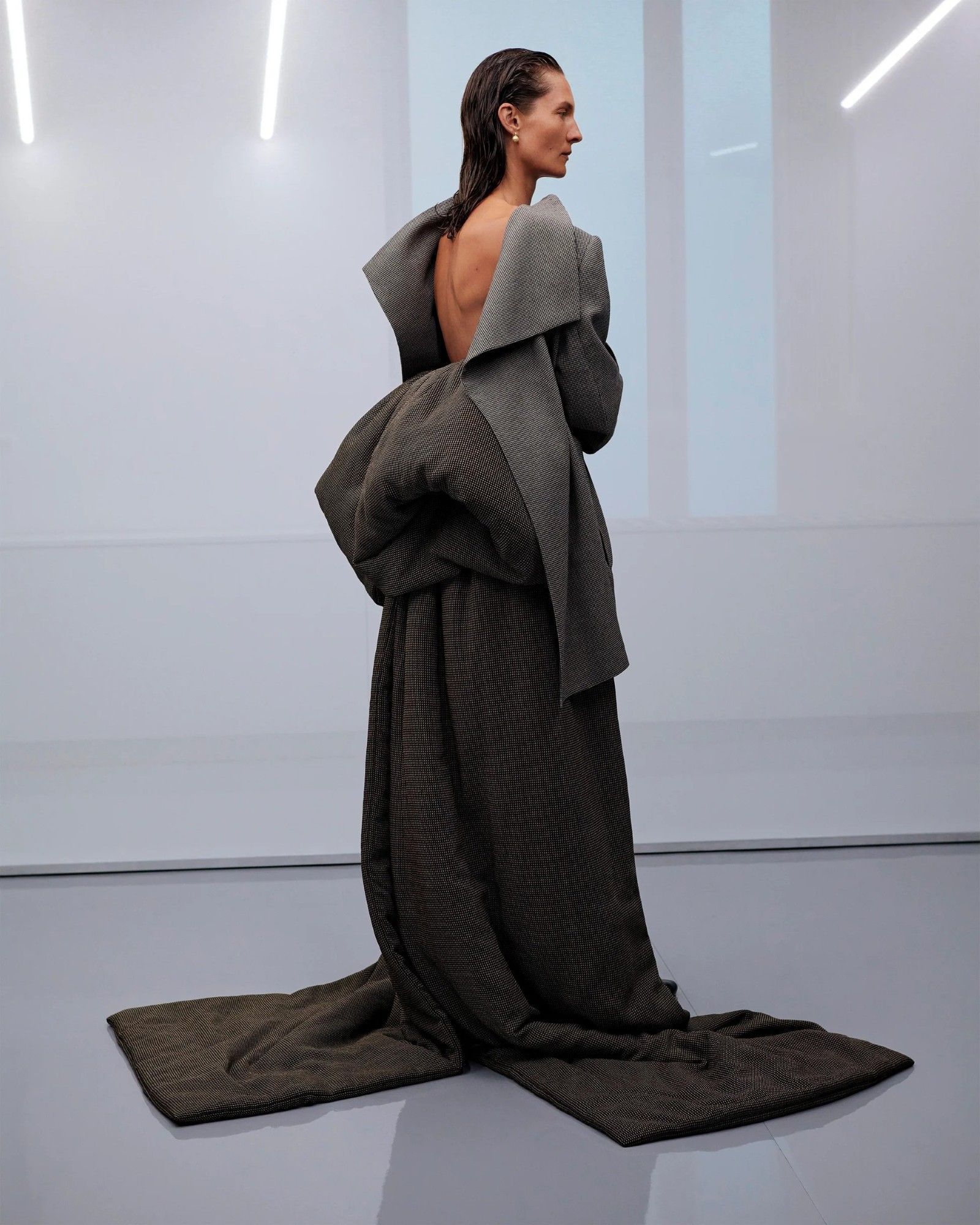






We never talk about Alessandra Facchinetti's era at Gucci The creative director who succeeded Tom Ford's tenure
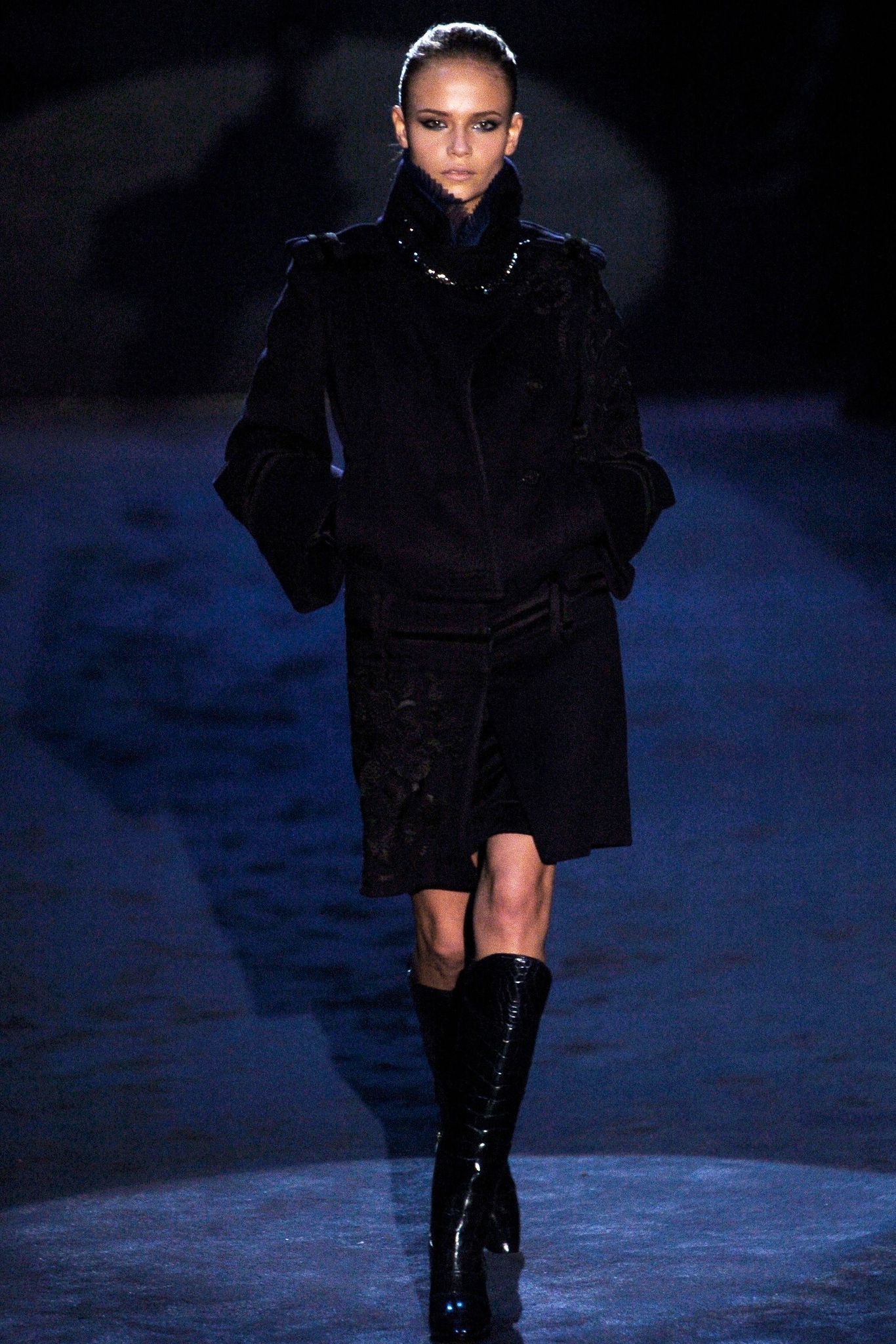
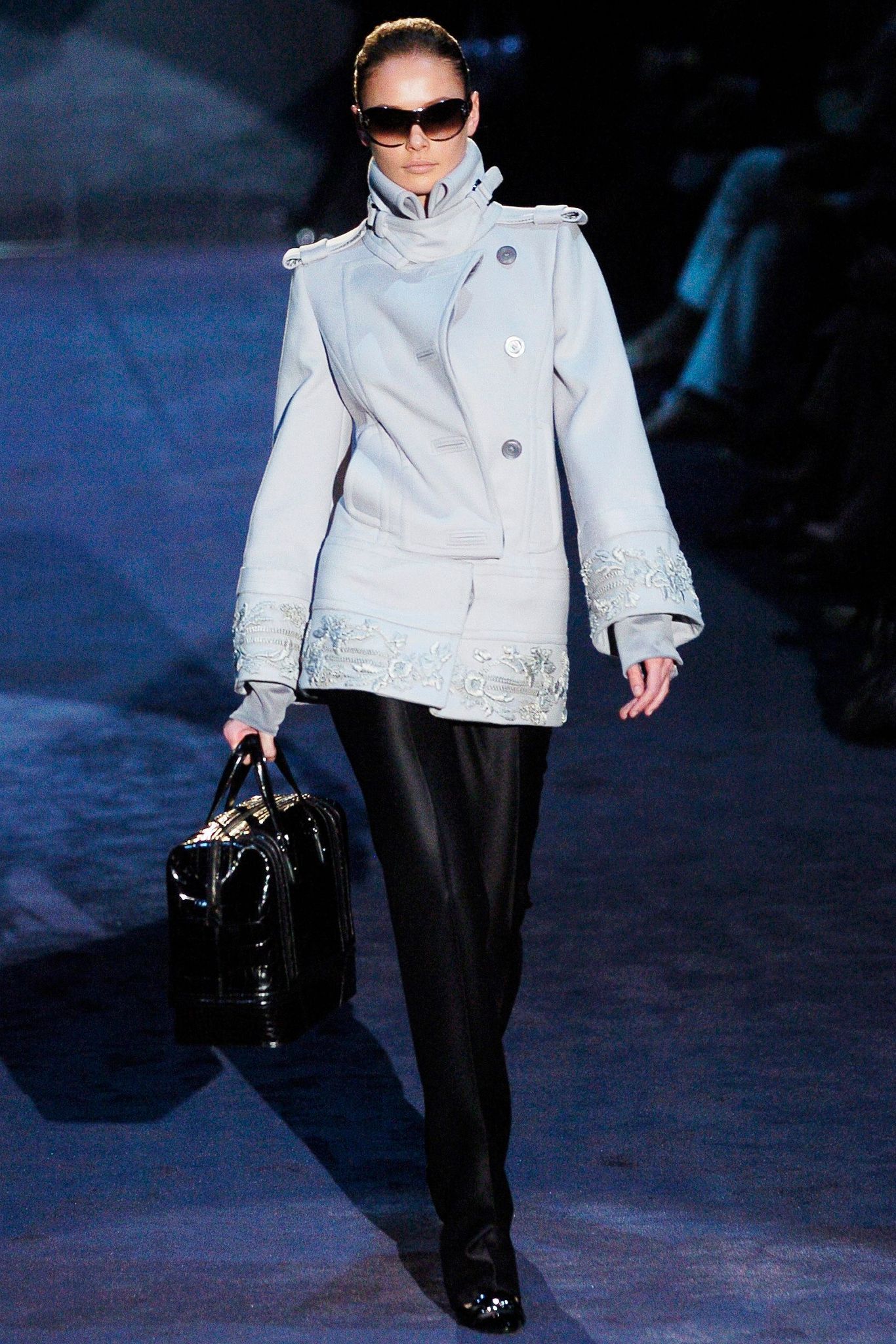
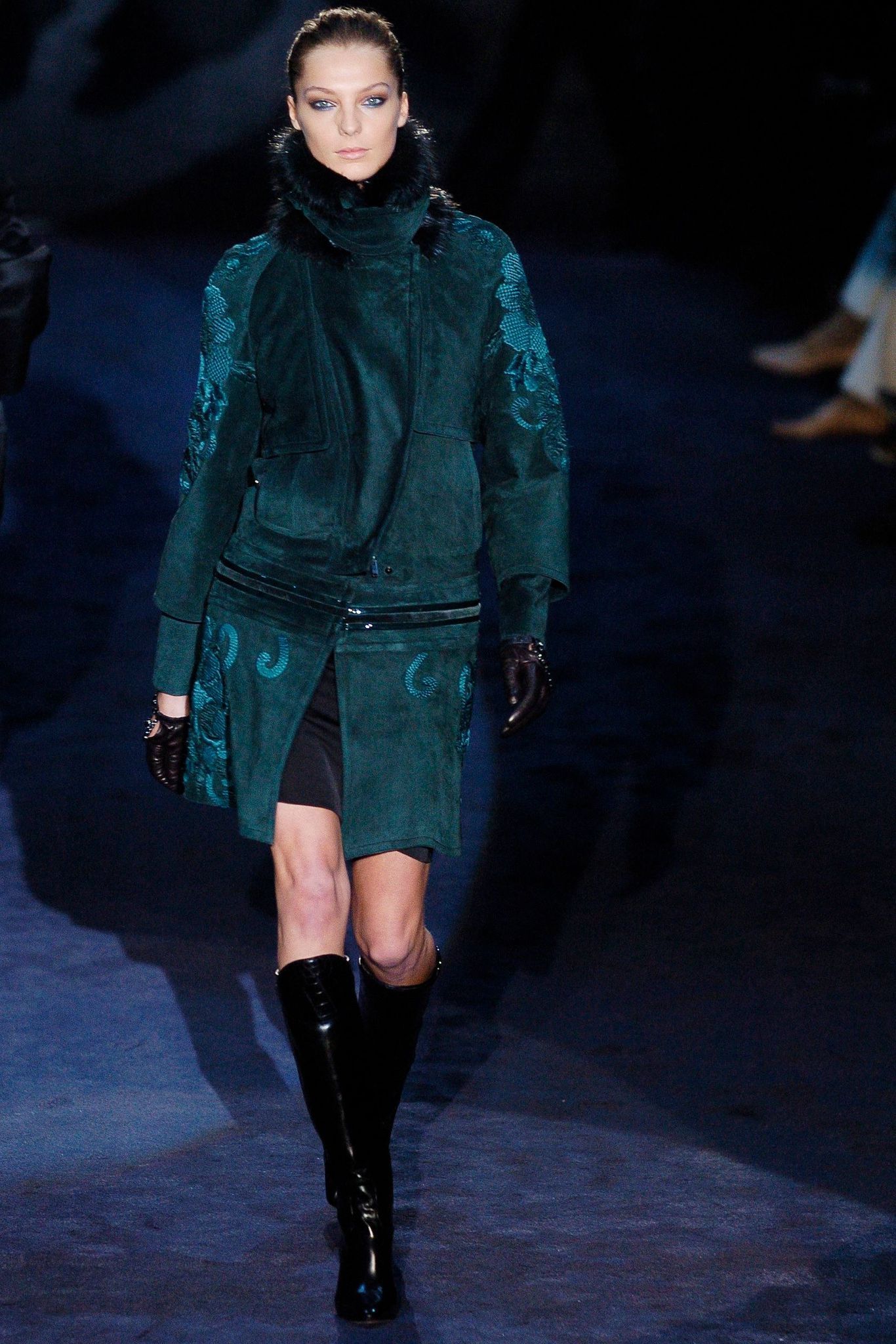
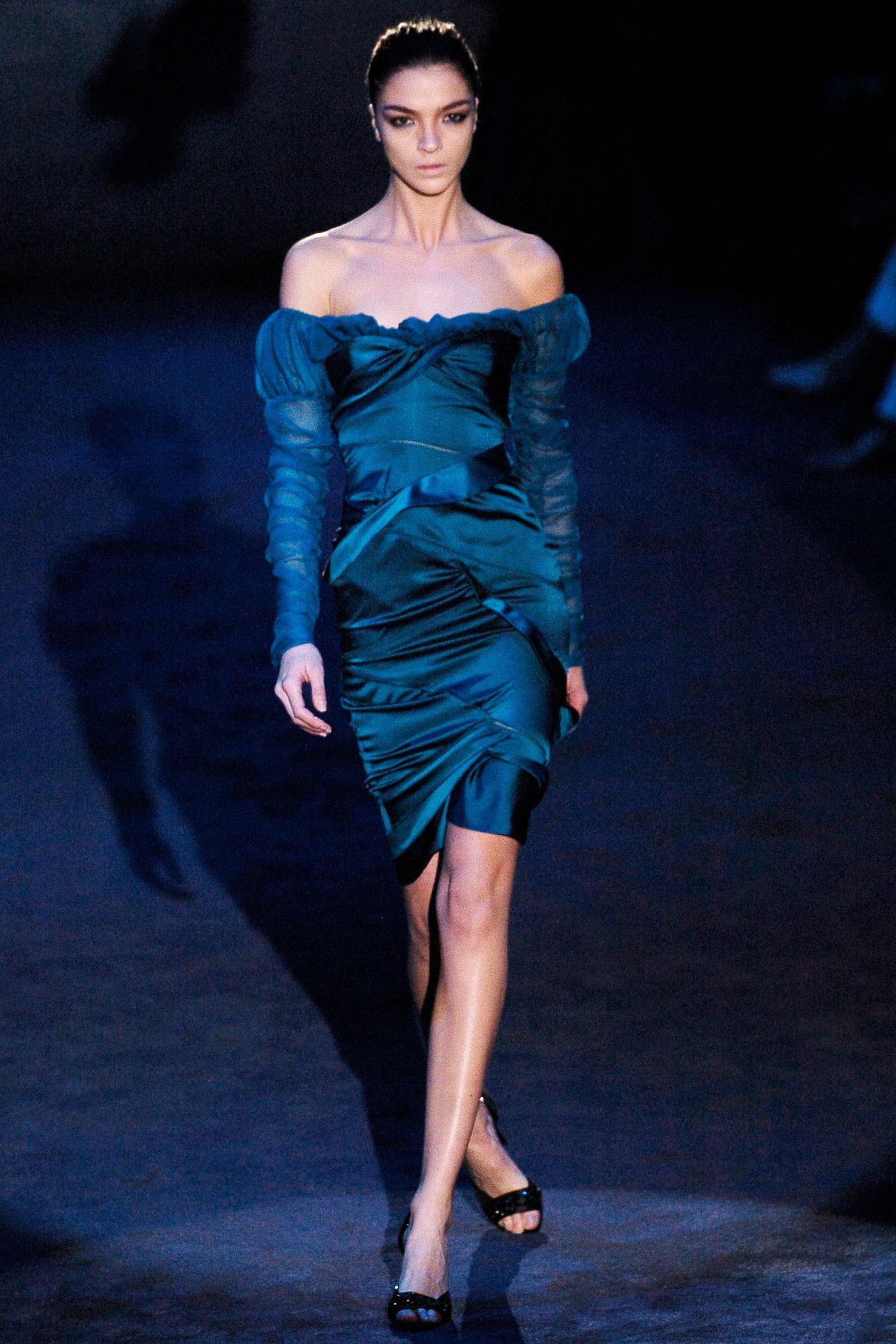
The rapid creative directorships that some maisons have been stacking up in recent years (see Dario Vitale) are certainly nothing new to the fashion system, and the career of Alessandra Facchinetti proves it. The daughter of the Pooh frontman, after graduating from Istituto Marangoni, worked for seven years alongside Miuccia Prada at Miu Miu before being hired by Gucci in October 2000, where she spent four years as head of womenswear under the wing of Tom Ford. At the end of an exhausting “tug of war” over the brand’s creative and financial control, the split between the PPR group (now Kering) and the winning Ford–De Sole duo was formalized in November 2003.
No one imagined a post–Tom Ford Gucci
Market analysts’ and press forecasts were almost apocalyptic: the prevailing opinion was that the brand had become inseparable from Tom Ford’s aesthetics and charisma, making his succession a near-impossible task. To avert a foregone failure, PPR’s management opted for a fragmentation of the creative direction, both to dilute the weight of such a burdensome legacy through shared responsibility and to highlight the talents within the design office, who for years had worked in Ford’s shadow.
The baton was handed to a triumvirate of designers who had grown within the maison: John Ray for menswear, Frida Giannini in charge of accessories, and Alessandra Facchinetti for women’s ready-to-wear. Facchinetti’s delicate task was to soften and lighten the Gucci woman. If Ford had shaped the “porno-chic” aesthetic during those years, his successor chose to explore a more ethereal and romantic femininity, not necessarily explicit or provocative in displaying its sensuality.
Alessandra Facchinetti’s first collection for Gucci
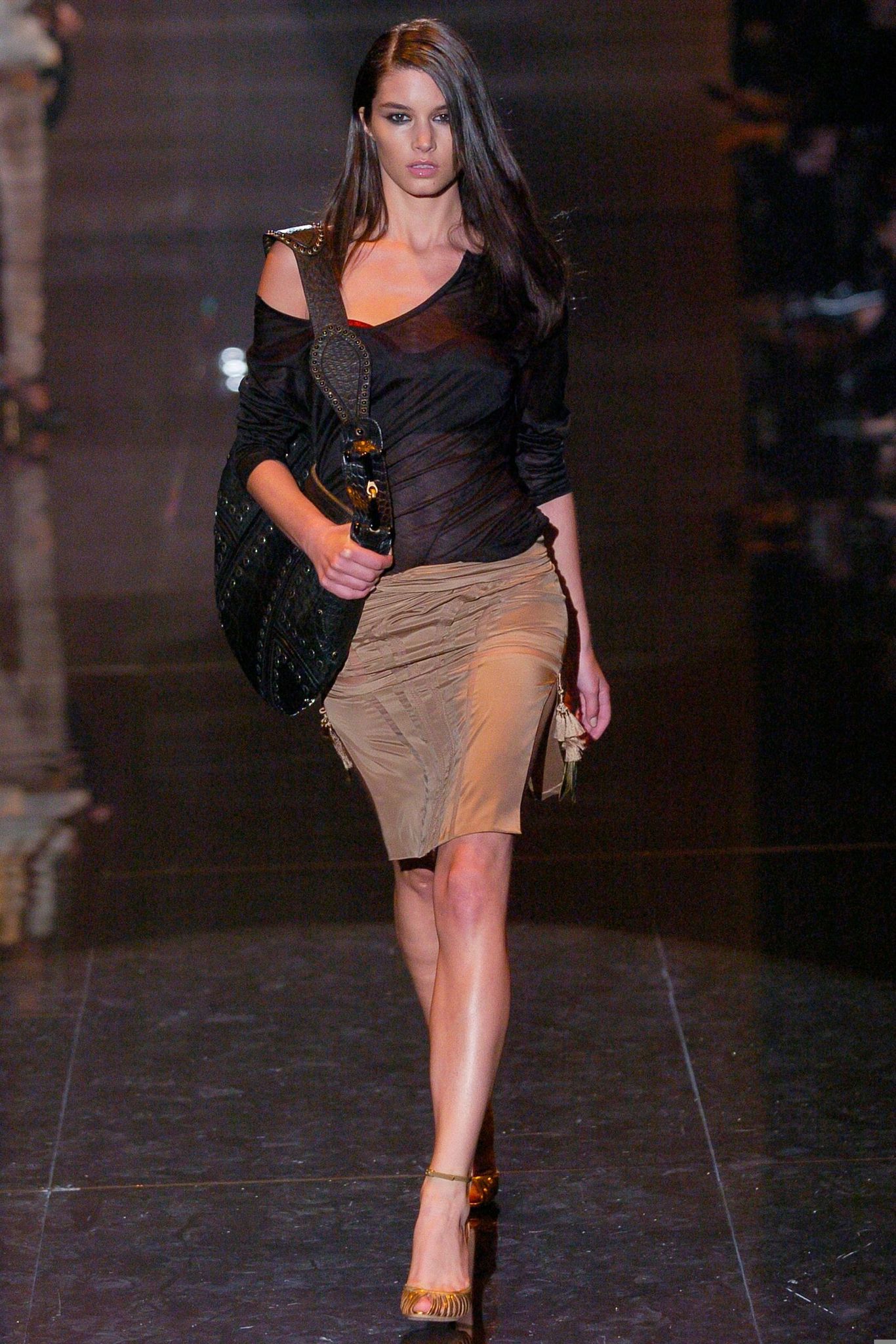
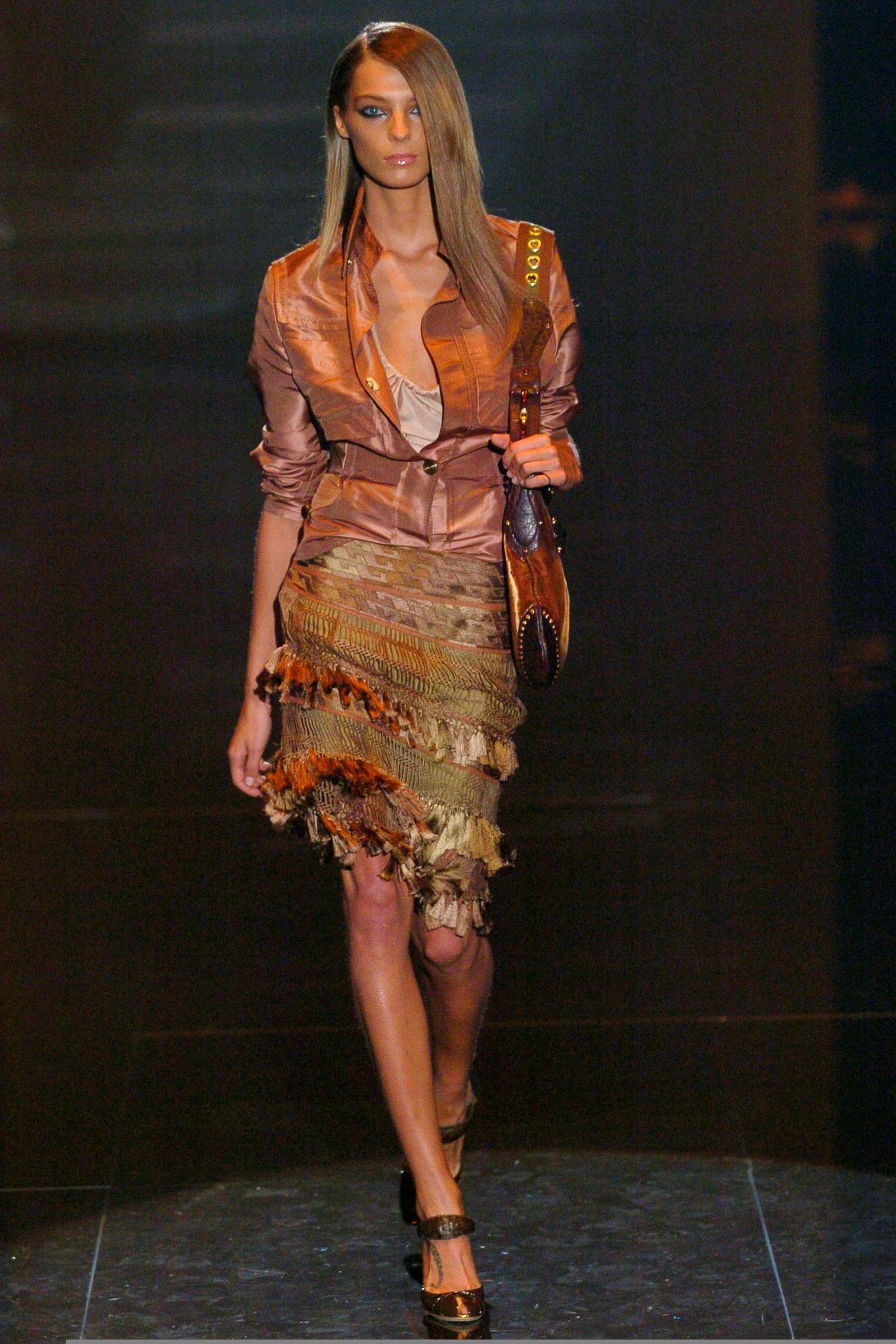
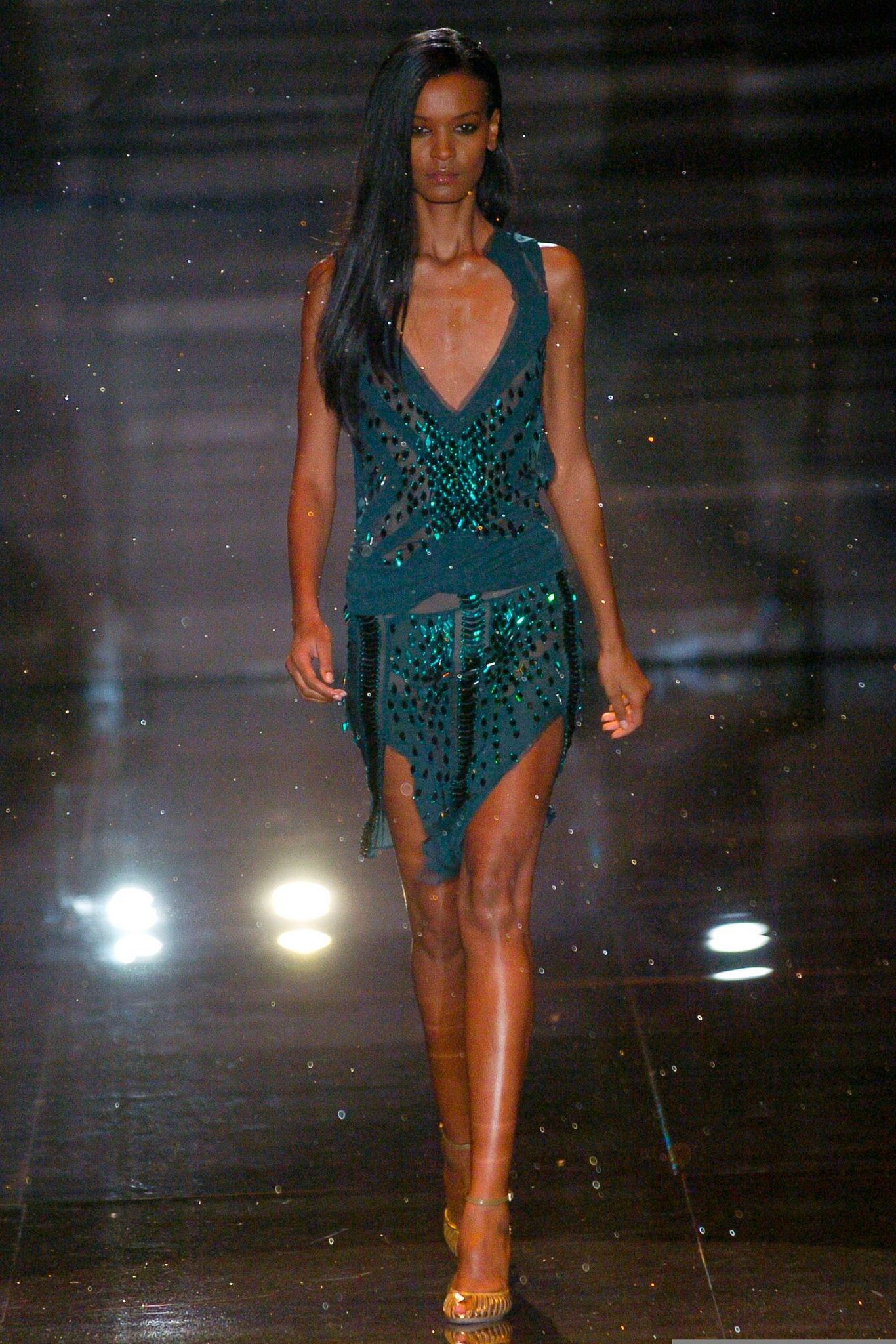
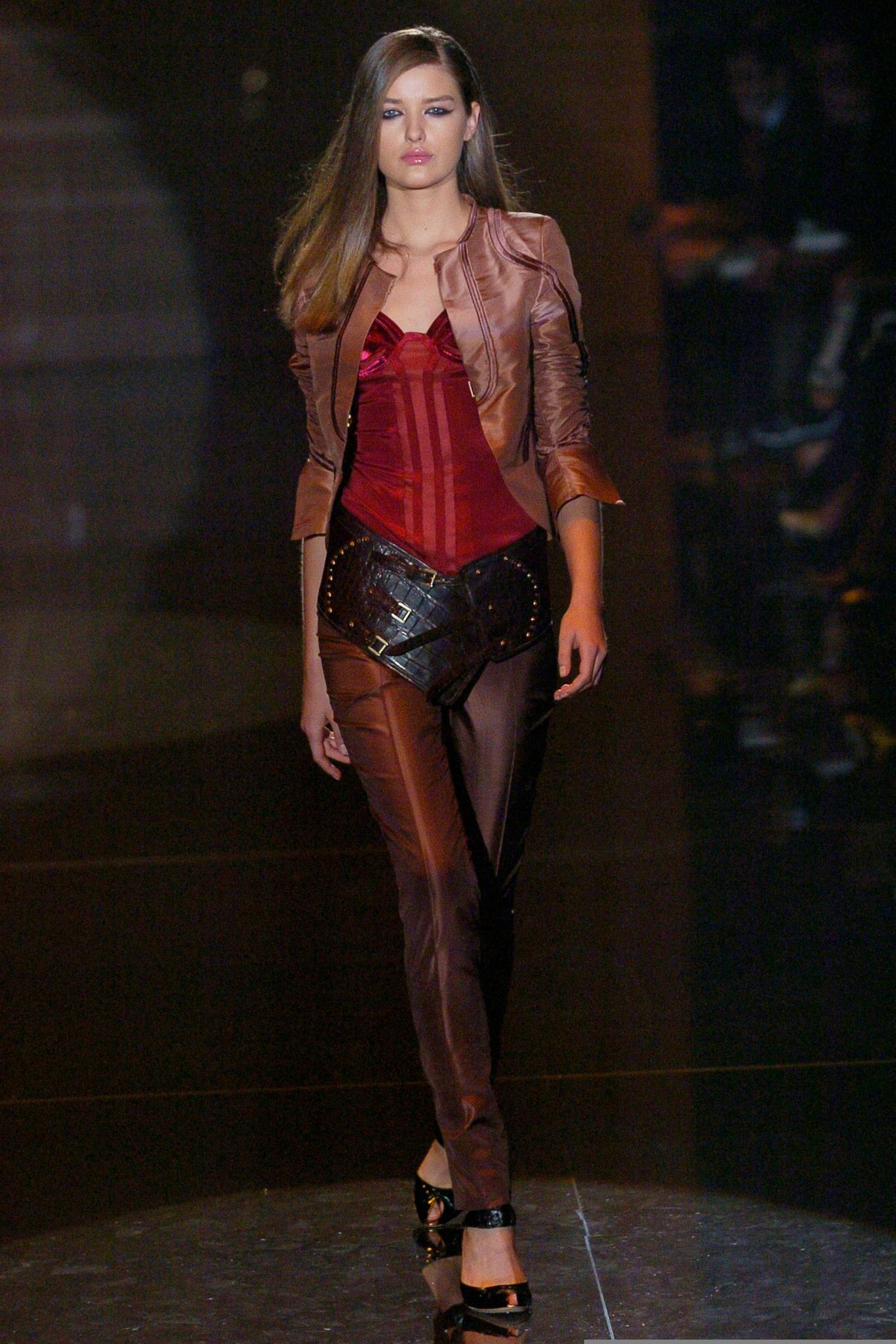
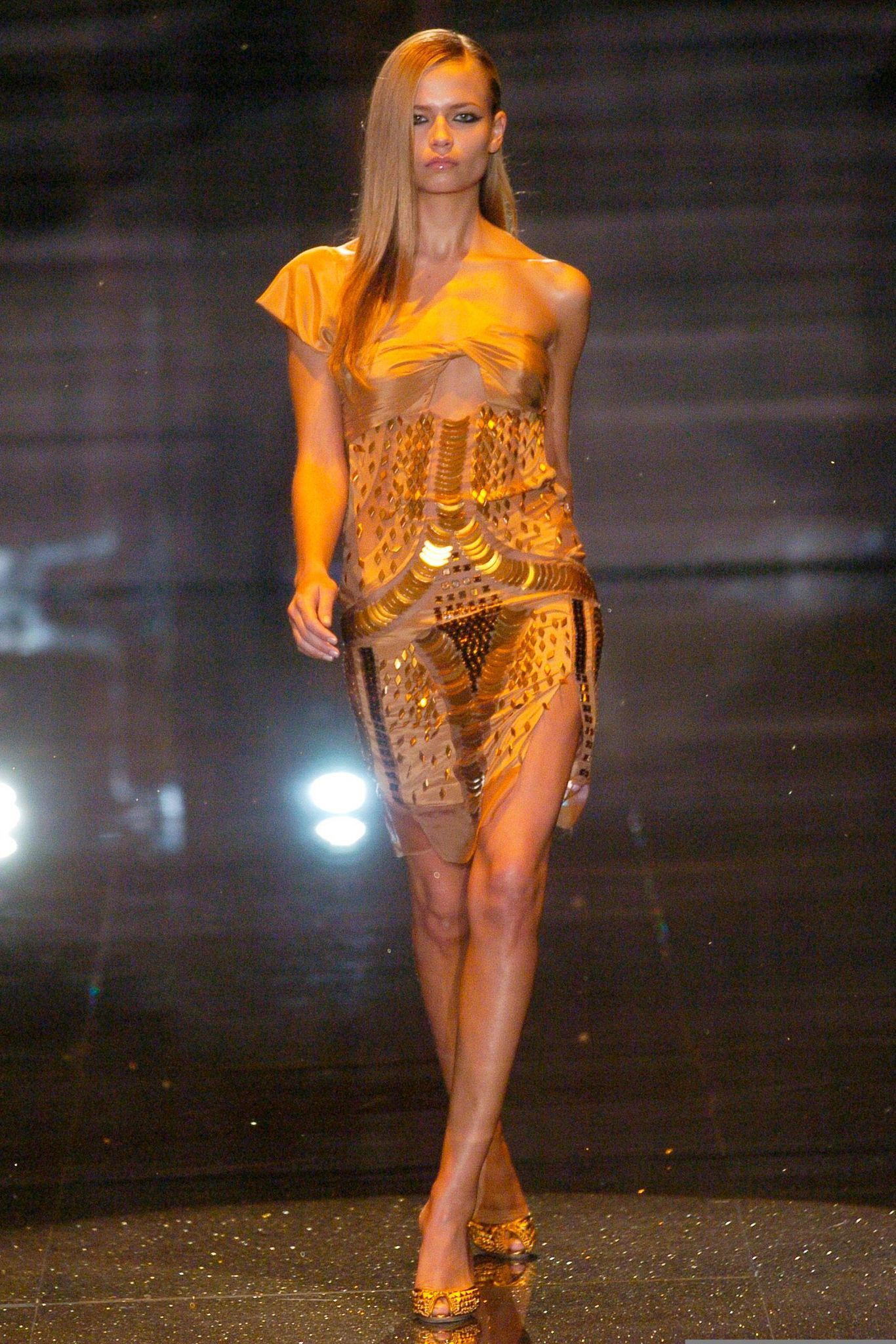
The trial by fire came in September 2004, when Facchinetti presented her first collection (SS05) at Milan Fashion Week. As expected for such a highly anticipated and widely discussed debut, the show sparked mixed reactions. Part of the press noted that the designer had not strayed all that far from Tom Ford’s established formula. The collection did in fact reprise the brand’s cornerstones—crocodile belts, corsets, plunging necklines—but Facchinetti had completely reconfigured the imaginary they belonged to. If Ford’s runways were repeatedly transformed into exclusive jet-set clubs, the designer chose to infuse the Gucci woman’s eroticism with Asian-inspired references.
For her debut, Facchinetti created fringed skirts and trimmings reminiscent of Persian Kashan patterns, along with jewel-like jersey tops that nodded to belly dancers’ costumes. It was a change of direction that journalist Cathy Horyn, who at the time was writing for The New York Times, described as too cautious and lacking character. The main criticism concerned the absence of a truly new and autonomous vision: Facchinetti appeared more like a highly skilled executor than a genuine creative leader capable of writing a new chapter for the maison.
Gucci FW05: the second and final collection as creative director
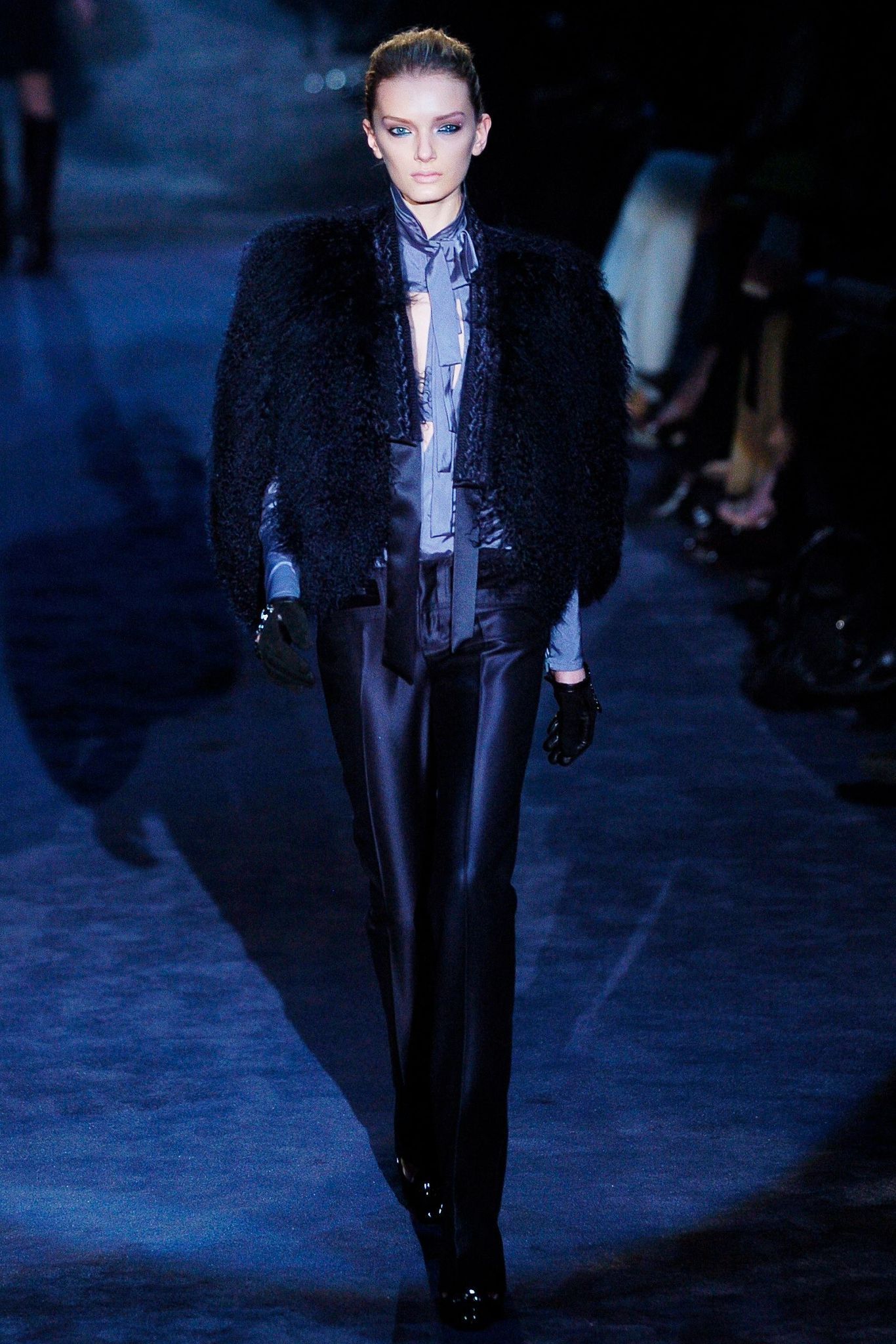
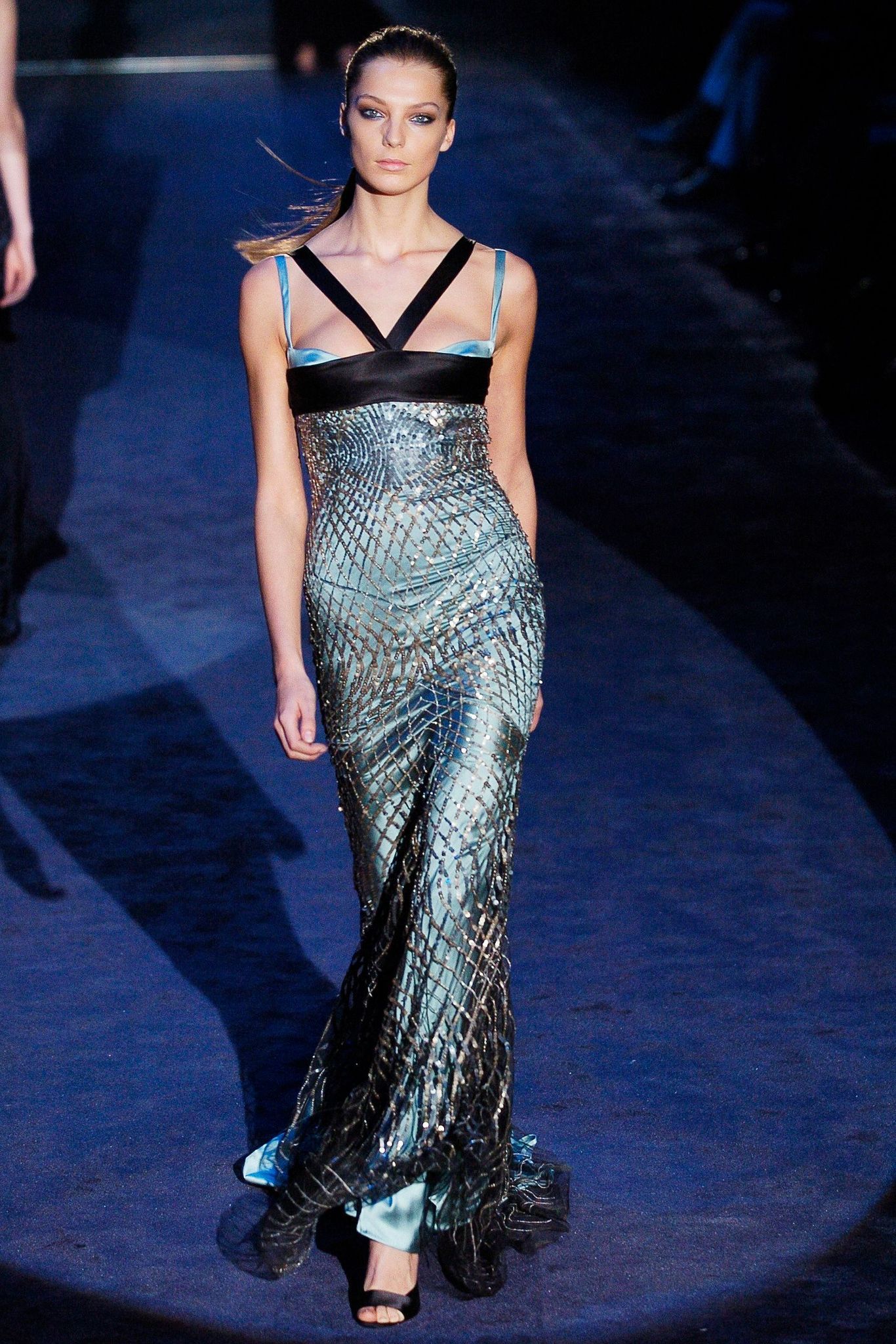
Not even the second and final act signed by Alessandra Facchinetti managed to win over the press and the market. For the FW05 season, the comparison with the past was both evident and unavoidable. The collection, which paired the romanticism of Victorian blouses with the severity of military-inspired coats, only partially convinced. While critics on one hand praised the tailoring techniques and the attention to detail in some eveningwear pieces—some of which were described as worthy of a Couture runway—on the other hand the collection was marked by a sense of stagnation. As Sarah Mower noted in her review for Vogue, “Gucci behaves as if nothing has changed.”
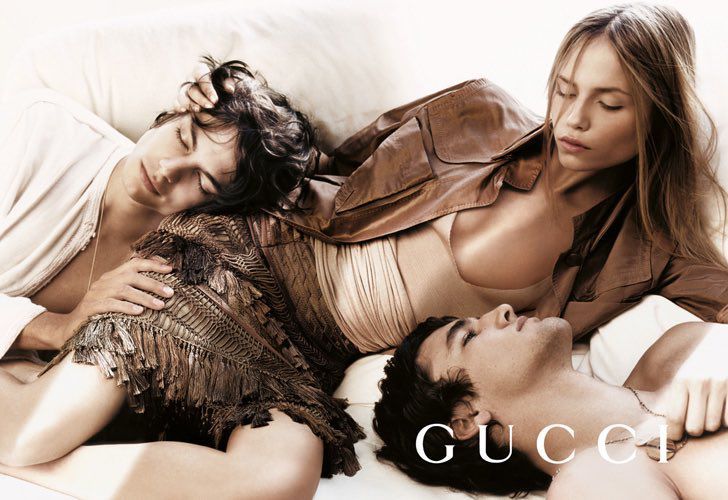
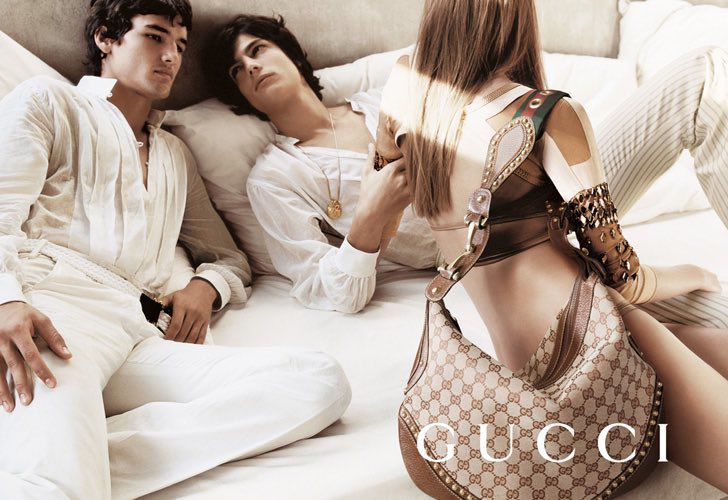
The long-pile carpet and the spotlight trained on the runway seemed like an attempt to replicate Ford’s aesthetic—a certainly glorious era, but one that was now lost and impossible to recreate. This uncertainty and lack of creative incisiveness during Facchinetti’s time at Gucci was also evident in the advertising campaigns shot by Mert Alas & Marcus Piggott, with Natasha Poly and Daria Werbowy front and center. They were described as lacking the cinematic gaze and the erotic, provocative charge that Tom Ford had previously created together with Mario Testino.
Passing the torch to Frida Giannini
@fashionoverd0se Ultraglam rock #gucci #runway #fridagiannini #art #model Doll - Lxlita
In contrast to Facchinetti’s ready-to-wear, the accessories designed by Frida Giannini, and above all the Flora line of bags and scarves, took off in the market, partially offsetting the losses. It was precisely this imbalance that sealed the fate of the brand and its creative team. Just two years after her debut, Alessandra Facchinetti stepped down as creative director. While the official statement cited the classic disagreement with management over the brand’s development strategies, industry rumors suggested that there had been bad blood between the designer and CEO Robert Polet from the very start.
Determined to replicate the record revenues of the Ford era, the executive considered the designer’s approach too anchored to a traditional vision of fashion. Aware that it had bet on a talented designer who was perhaps still too green and fragile to exorcise the looming ghost of Ford, Gucci’s management chose to shift strategy once again, unifying the creative direction under Frida Giannini, a figure far more oriented toward product sellability.
What to read next
When Rei Kawakubo designed a furniture line
An experimental collection created by the designer in the 1980s for Comme des Garçons
In "The Stranger" the family is fertile ground for horror and fear
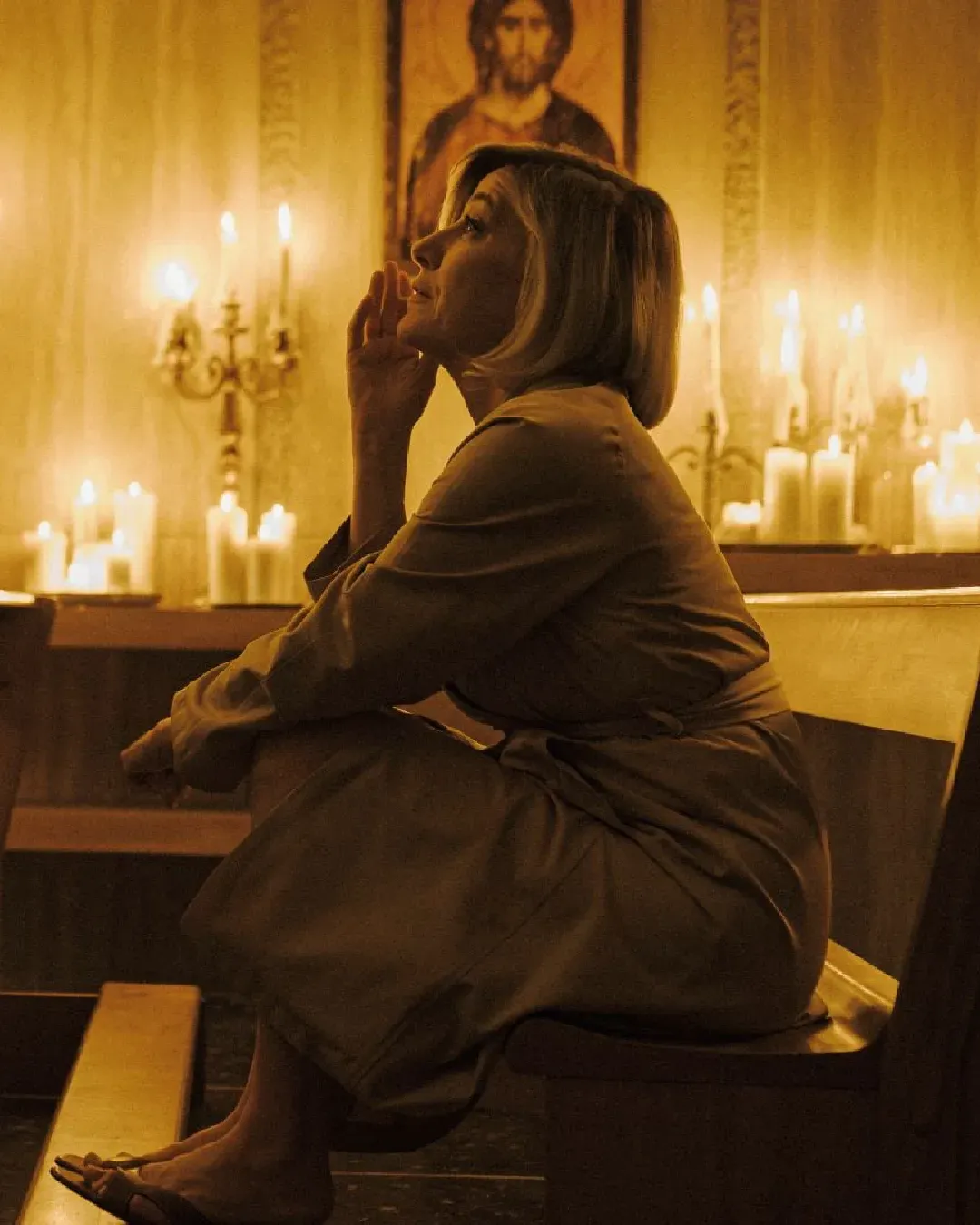
Paolo Strippoli's new film puts the mother-daughter relationship back at the center
What if fashion brands gave up having a creative director?
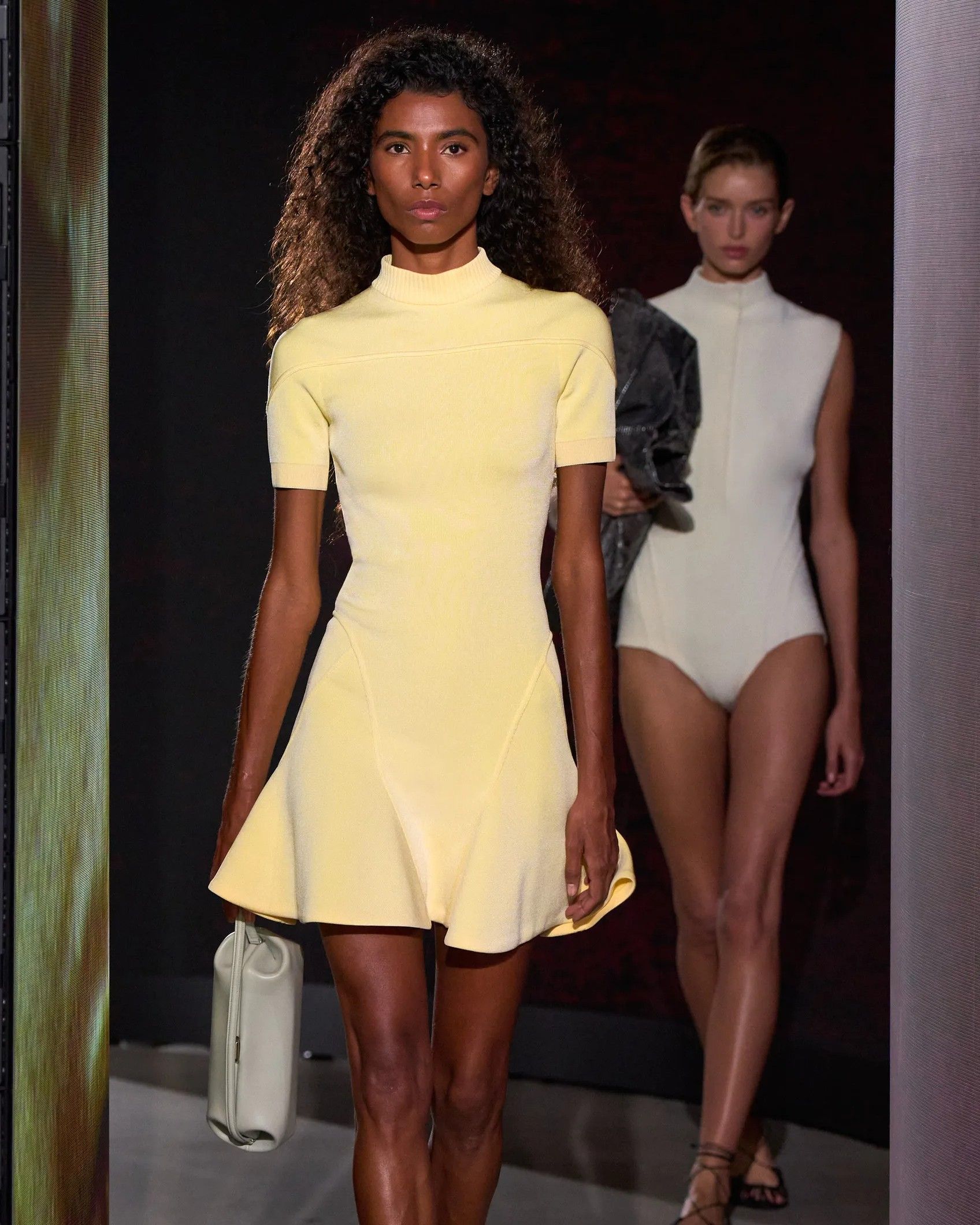
The Alaïa case at Paris Fashion Week has reignited the debate