





































Are Chinese AIs here to stay? The new Kimi K3 and Qwen3.8 models are causing considerable concern among American industry insiders
About four years since the launch of ChatGPT, the artificial intelligence sector continues to be dominated by American companies, including OpenAI, of course, but also Google, Meta and Anthropic. Europe, on the other hand, plays a marginal role: the only company on the continent to hold a significant position in the field is Mistral AI.
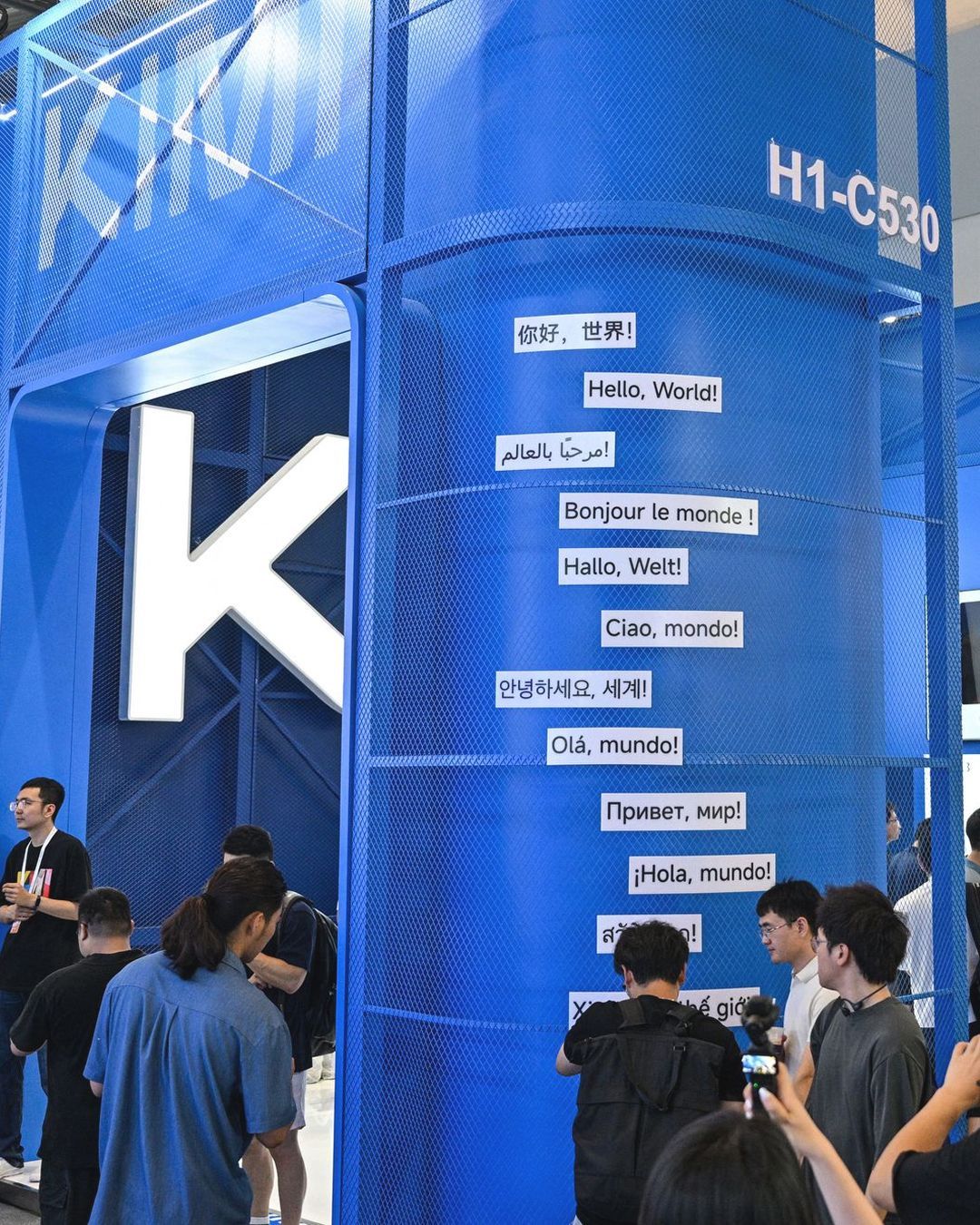
And China? In January 2025, DeepSeek, a Chinese company that was virtually unknown until that point, released an artificial intelligence model online that proved capable of rivaling the most advanced systems on the market. Despite initial concerns, the American sector still managed to maintain its dominance in the AI field. More recently, however, two other models developed by Chinese companies have emerged and proven to be highly competitive. These are Kimi K3 and Qwen3.8, developed respectively by Moonshot AI and Alibaba Cloud.
Perhaps the time for Chinese AI has come
The potential of individual artificial intelligence systems is analyzed through standardized tests, and the results achieved by Kimi K3 and Qwen3.8 have caused considerable concern among American industry insiders. This has already had direct consequences on the Western market, with several companies recording rather significant losses on the stock market.
More broadly, while American companies had managed to regain ground after last year's DeepSeek case, several analysts now believe that the technological gap between China and the United States has essentially closed. Furthermore, the Chinese tech sector is redefining the balance of the artificial intelligence market by offering much cheaper models than those developed in the West.
Why Chinese AI is increasingly being used
The CEOs of OpenAI and Anthropic watching someone else announce GPT-5.6 Sol and Opus are now 50% cheaper https://t.co/Wl9cUZo0lI pic.twitter.com/qbEt4tZTXC
— CG (@cgtwts) July 21, 2026
Chinese AI differs from American AI in several respects. In most cases, for example, these are open-weight models: the parameters that determine their behavior can be freely used to customize the model according to specific needs. This greater openness, combined with lower costs, has made Chinese models particularly popular even among American companies.
The belief is that the spread of Chinese AI does not depend so much on it necessarily being better, but on its ability to offer decent results at significantly lower costs than American models. However, the fact that a growing number of users and companies are adopting these solutions could make the billions in investments made so far in American companies even riskier. Indeed, more and more analysts fear the bursting of a financial bubble, with very significant economic consequences, especially considering the increasingly intense — and for many already unsustainable — race to build new data centers.
What to read next

LVMH's fashion division keeps getting worse
Third-quarter results showed a -5% decline driven by the Chinese market
Why are there so many AI political propaganda videos?
We asked Donatella Della Ratta, communication professor at John Cabot University