






























Christophe Decarnin is back The designer has signed a capsule collection for the luxury platform BOND



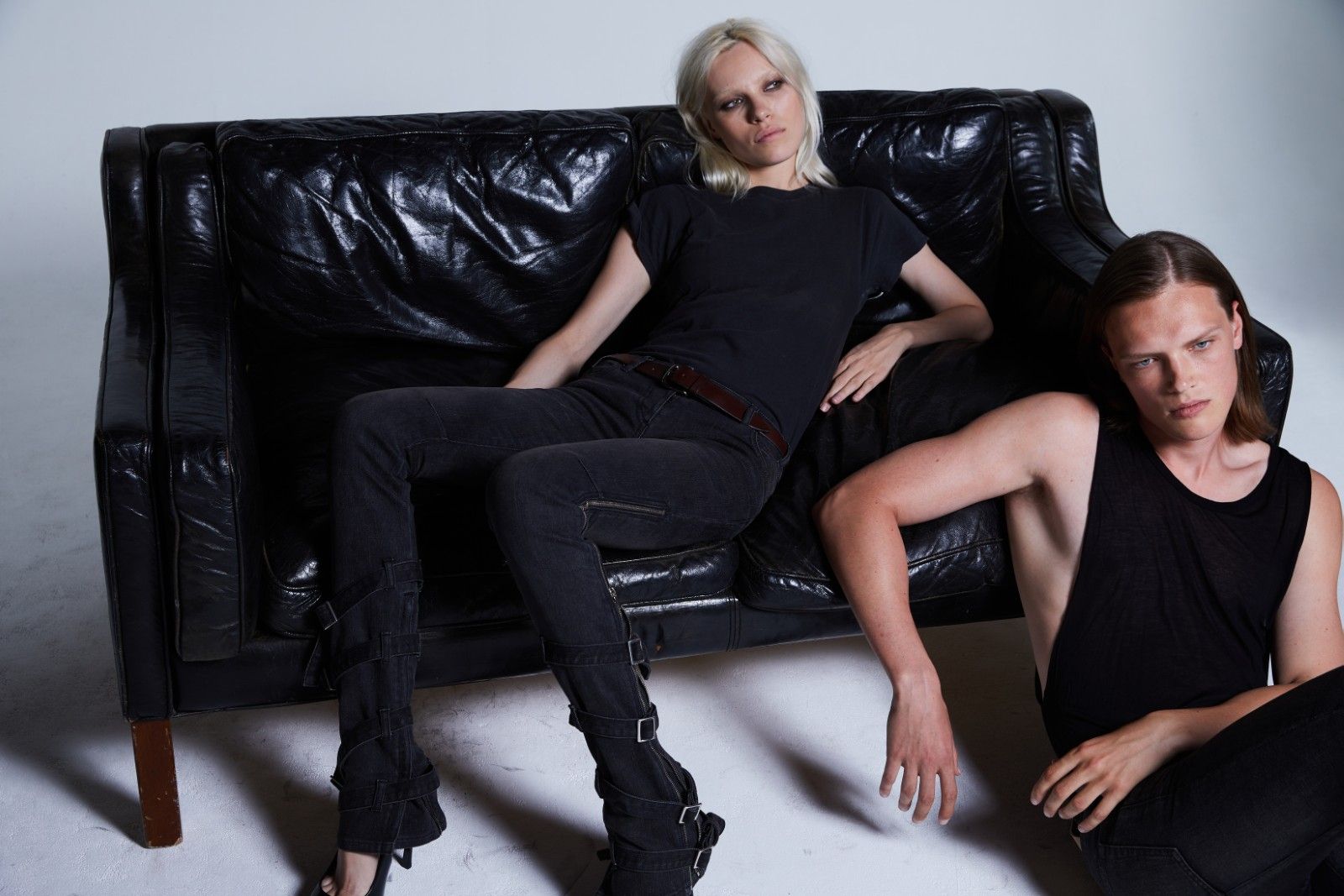









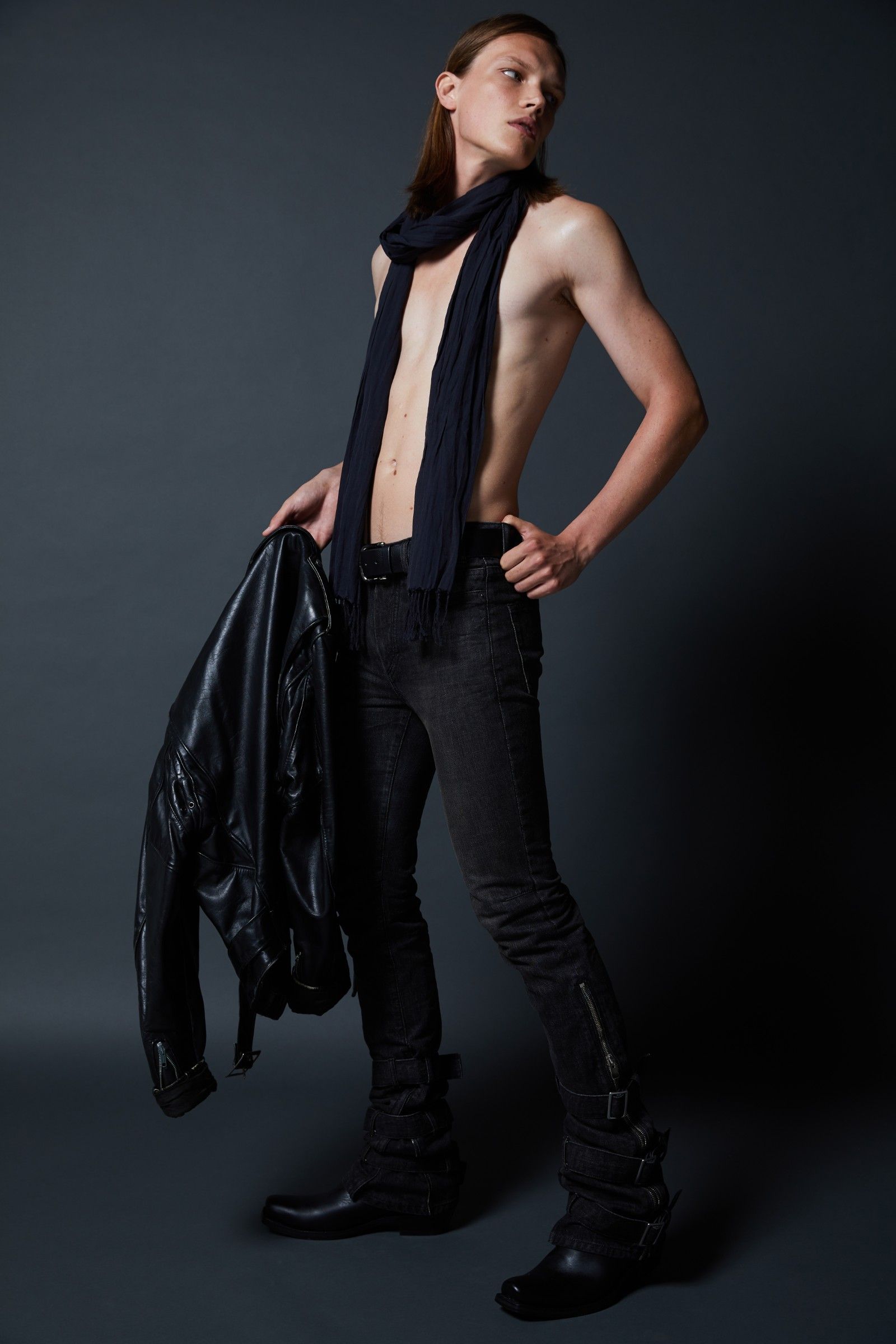
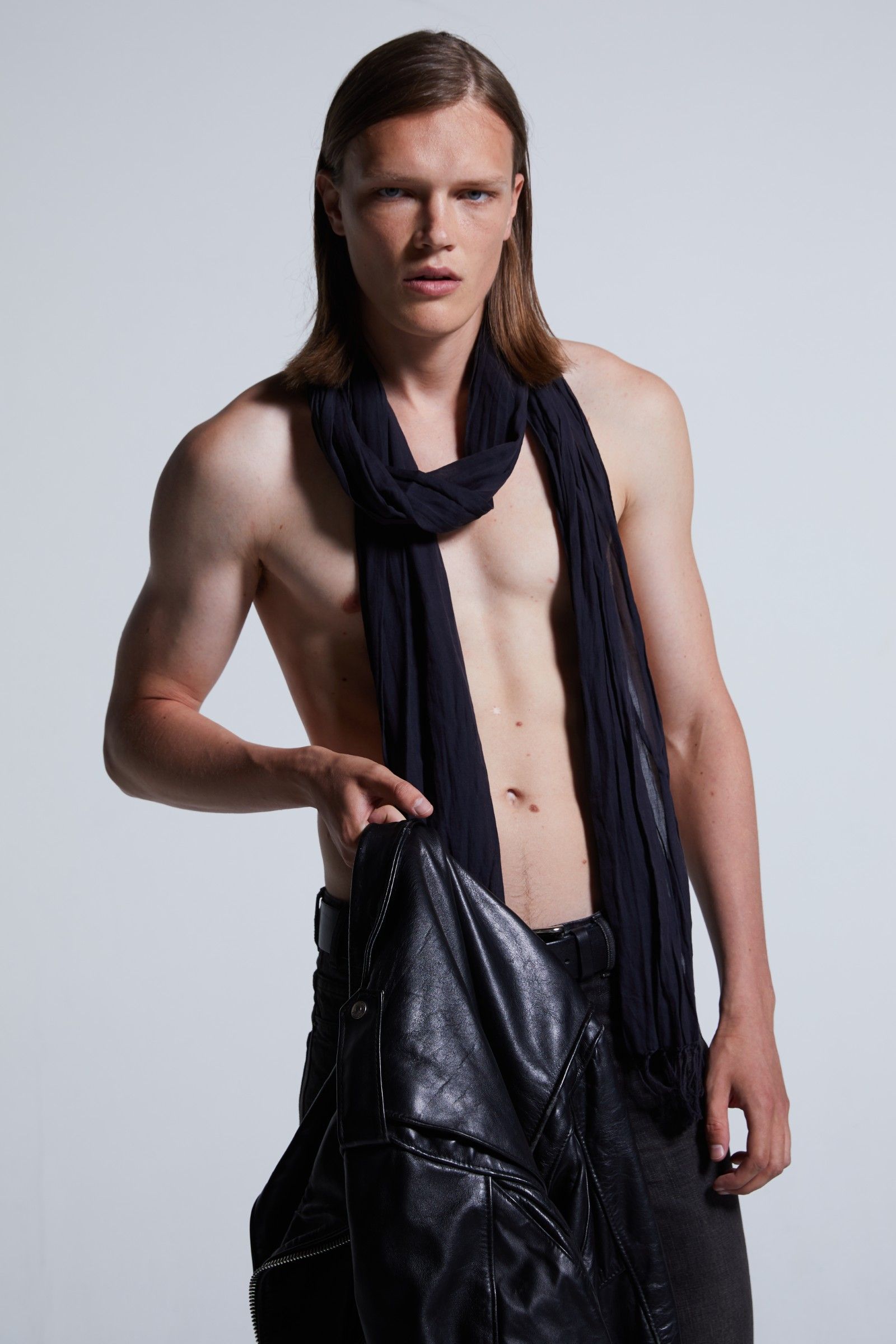

We are in a season of great comebacks, especially from those designers who defined the edgy aesthetic at the turn of the late '90s and early 2000s. One day before Couture Week, we witnessed that of Olivier Theyskens with his Boloria, and now, closing out that same week, the return of Christophe Decarnin has been announced with the first project of his career to bear his own name. Unfortunately, it is not a new brand but merely a capsule. So what exactly is it?
A capsule collection with BOND
After years and years of working behind the scenes, Decarnin has presented this new capsule as part of an exclusive collaboration with BOND, a collaborative commerce platform that serves as a trusted network for luxury sales professionals. The capsule is clearly a project designed to promote the platform by demonstrating both its credibility and its ability to connect fashion retail professionals so effectively that it can independently orchestrate the launch of its own capsule collection.
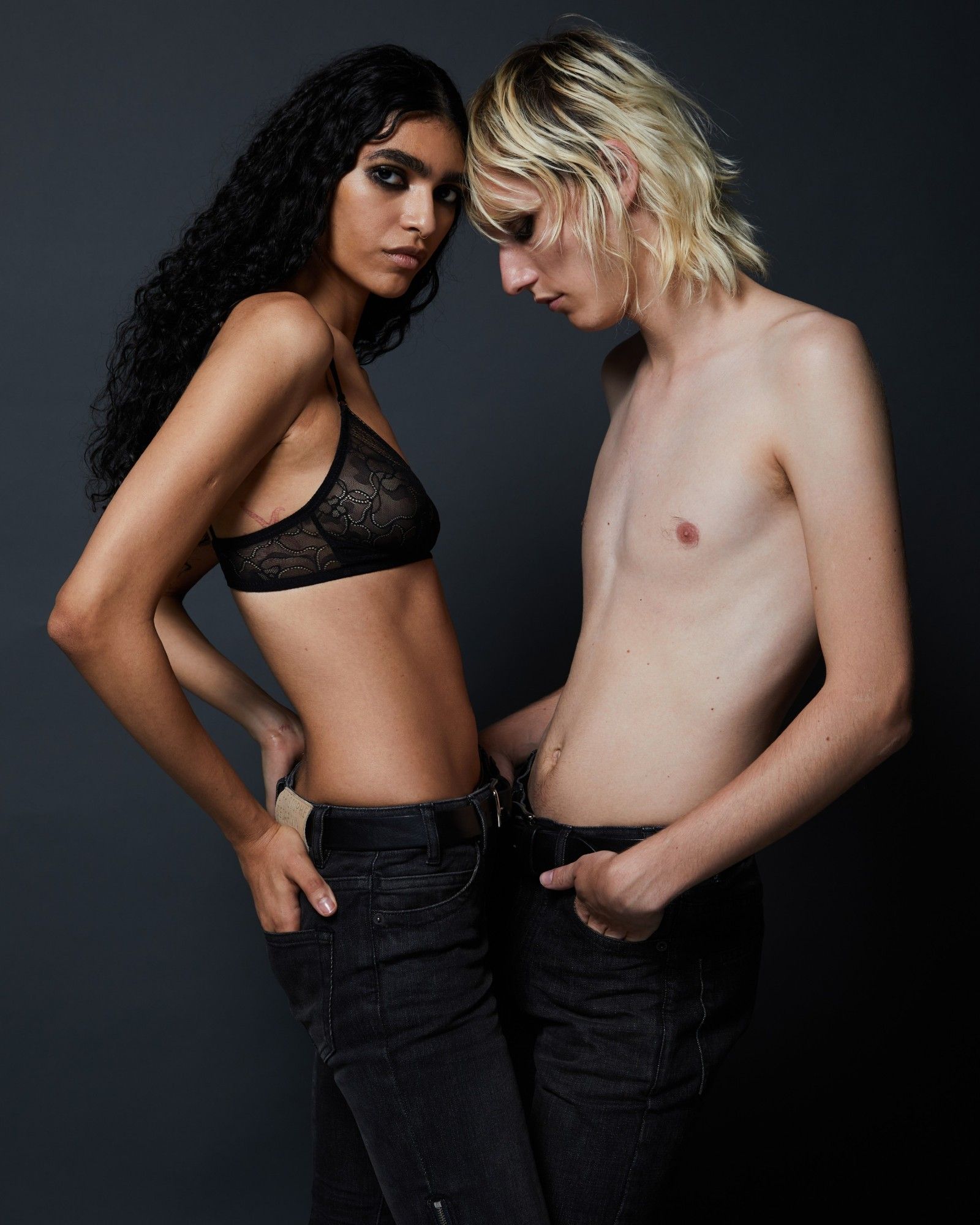
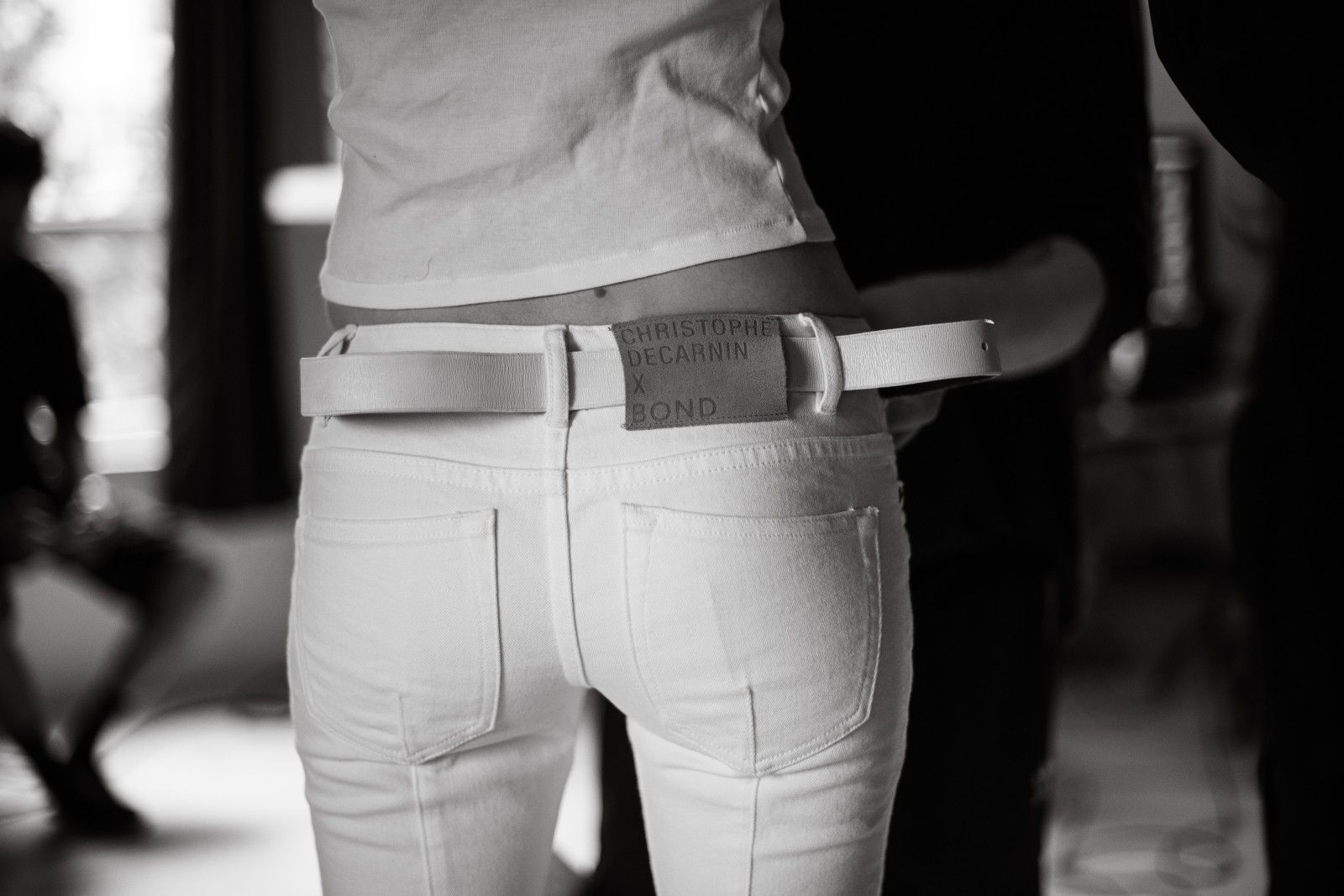
For his return, Decarnin has created a limited edition in Japanese denim, consisting of individually numbered pieces produced in extremely small quantities, accessible only through the BOND community. Available in two colorways for the launch, the pieces reflect Decarnin's stylistic signature: a particular attention to embellishments, structured construction, and that rebellious yet sophisticated attitude that has always defined his work.
But why is Christophe Decarnin so important?
From the early 2000s through the end of the decade, a cohort of young, rebellious designers created a type of menswear aesthetic poised between the sartorial, punk, and glam. It was built on skinny silhouettes, modernized historical designs, and a certain angular geometric rigor, and it exerted a strong influence well beyond the fashion bubble. One of its originators was Alexandre Plokhov with his cult brand Cloak, founded in 1999, but today we remember that wave almost exclusively through Hedi Slimane's Dior. One of the movement's most prominent figures was none other than Christophe Decarnin.
Decarnin had spent roughly seven years working more or less behind the scenes, having been hired by Paco Rabanne straight out of school, where he remained for seven years as artistic director. In 2006, however, he became creative director at Balmain, where he would stay until 2011. There, the transformation he brought about was similar to what was seen at Slimane's Dior Homme: from an antiquated Maison de Couture (until 2002, the creative director had been Oscar de la Renta), Decarnin turned Balmain into a brand for rock stars. It was there that Balmain became a commercial giant: Decarnin pulled it back from the brink.
Accentuated, structured shoulders, a tight low waist, metallic and gold details, animal prints, and a glam-rock aesthetic of body-hugging dresses, reimagined military jackets, luxury jeans, and statement accessories. From its very first launch, the brand became a fixture on red carpets, thanks in part to its more provocative aesthetic, which forged many of the Y2K womenswear trends, including various low-rise skinny looks, the provocative micro cocktail dress, the cropped jacket, glittering details, the Napoleon jacket, and ankle boots. As a commercial strategy, Decarnin raised product prices dramatically to generate scandal and conversation: skinny biker jeans at $1,400 a pair, distressed T-shirts at $1,000, $6,000 for a dress.
Despite the commercial boom (Grailed reports that under his tenure Balmain's revenue doubled every year, surpassing €28 million annually in 2010), in March 2011 the designer did not attend the brand's FW11 show, and in April his departure was announced. At the time, Eric Wilson of the New York Times said that the farewell marked the end of the star designer era and the transition toward fashion brands as publicly traded companies with investors to reassure. Such was the case with Galliano's exit from Dior, the final turbulent years of Lee McQueen's life, and the sudden dismissals of the designers at Azzaro and Cacharel. The star designer phenomenon imploded, quite literally, when Ungaro appointed Lindsay Lohan as its creative director in what has since become a legendary faux pas in fashion history.
After a few years spent away from the spotlight or working behind the scenes, Decarnin returned in 2014 as the unofficial creative director of Faith Connexion, the brand founded in the early 2000s by Ilan Delouis and subsequently taken over by Maria Buccellati for roughly a decade. Decarnin collaborated with the brand until 2018, when a formal creative director was appointed in the form of Nikola Vasari. Since then, Decarnin has kept out of the limelight — until the collaboration with BOND. But what is BOND?
What is BOND?
BOND is a social/collaborative commerce platform designed for the luxury world. It is an app and a private network that connects sales associates, stylists, and boutique and maison staff with their VIP clients. The app functions as a secure network for the luxury sector: unlike an open marketplace such as Farfetch or Net-a-Porter, it is a B2B tool for sales professionals, with thousands of verified agents from major groups and mega-brands as well as independent boutiques and large department stores such as Saks and Neiman Marcus.
The app allows sellers to chat privately with their clients within the app, sending photos, videos, and descriptions of new arrivals, without having to rely on WhatsApp, Instagram, or fragmented email threads. A sales associate can call on the network to source a specific product for a client (even if it is not available in their own store or brand) by searching the archives or catalogs of other professionals in the network, without sharing the client's sensitive data. When a sale is closed, revenues are shared among the professionals involved through a secure payments system. While the platform is designed for VIP clients and stylists, the appeal of Decarnin's capsule also underscores the value of an ecosystem where creativity meets a specialized network.
What to read next
Fashion Graduate Italia presents “Speak Up”
A new edition dedicated to young future professionals in the fashion world
This Halloween, dress up as a creative director
5 designers to dress up as for the scariest night of the year