























Fendi's Haute Couture by Maria Grazia Chiuri is very Art and little Deco An elegant, controlled debut, though perhaps a little bloodless
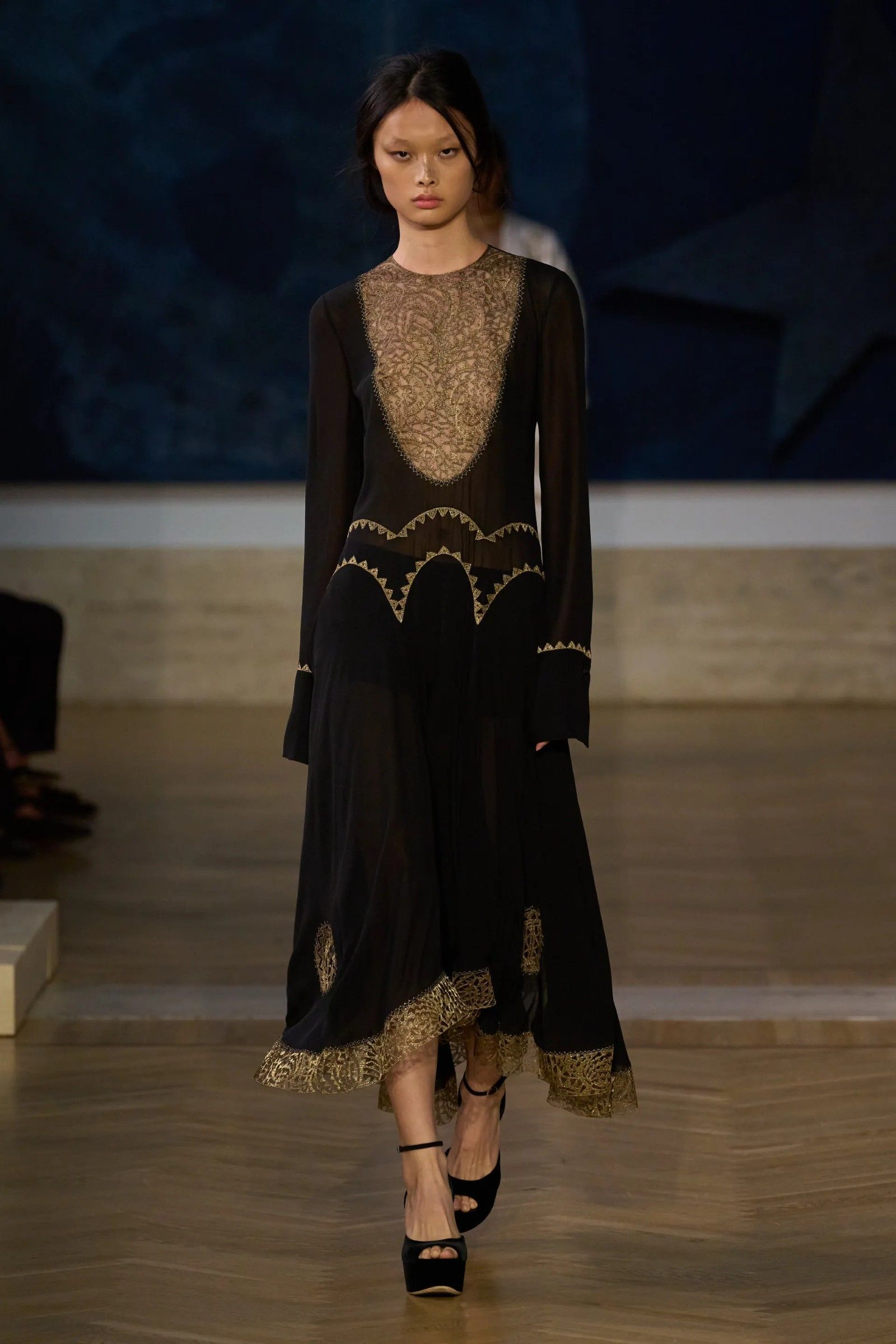
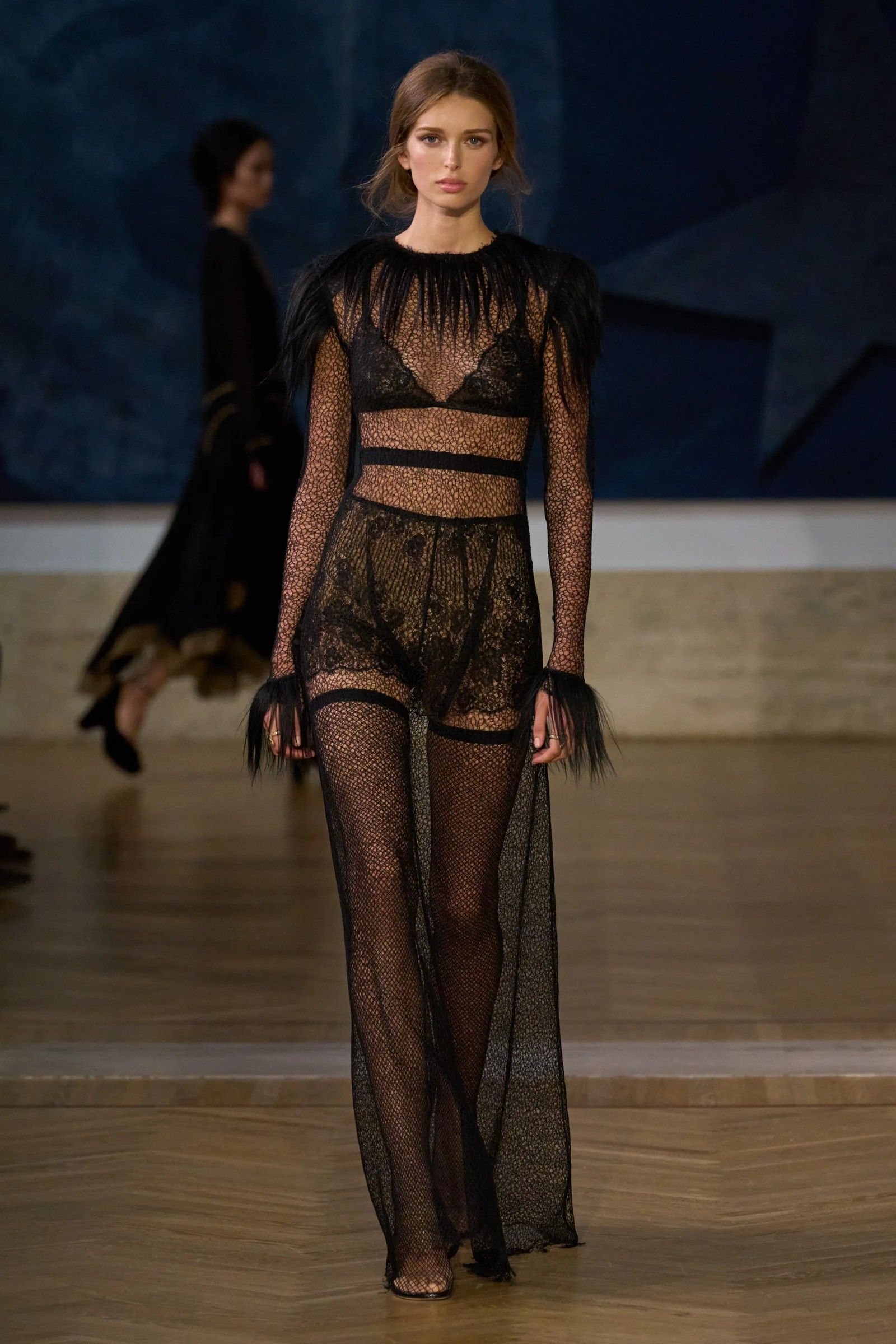
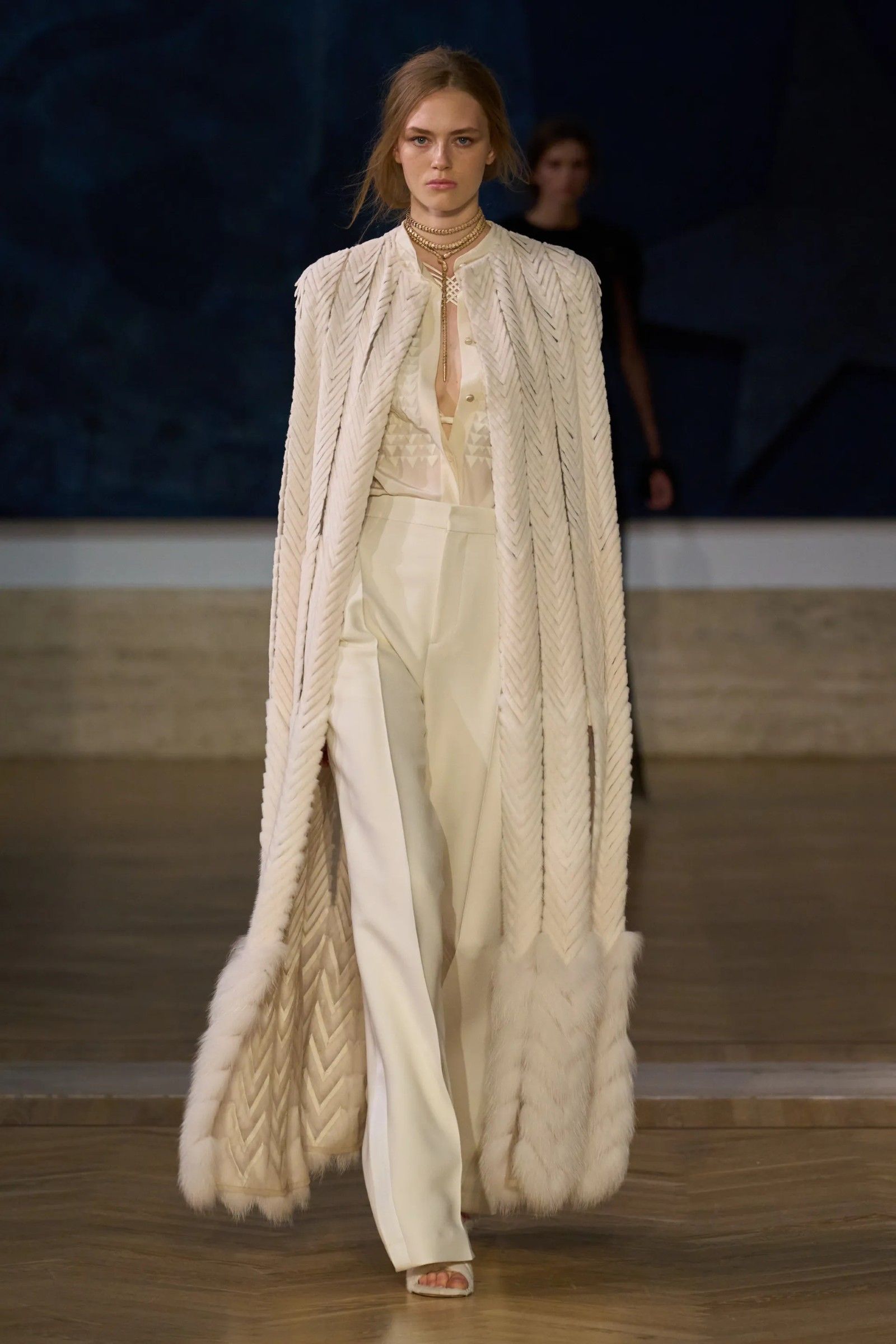
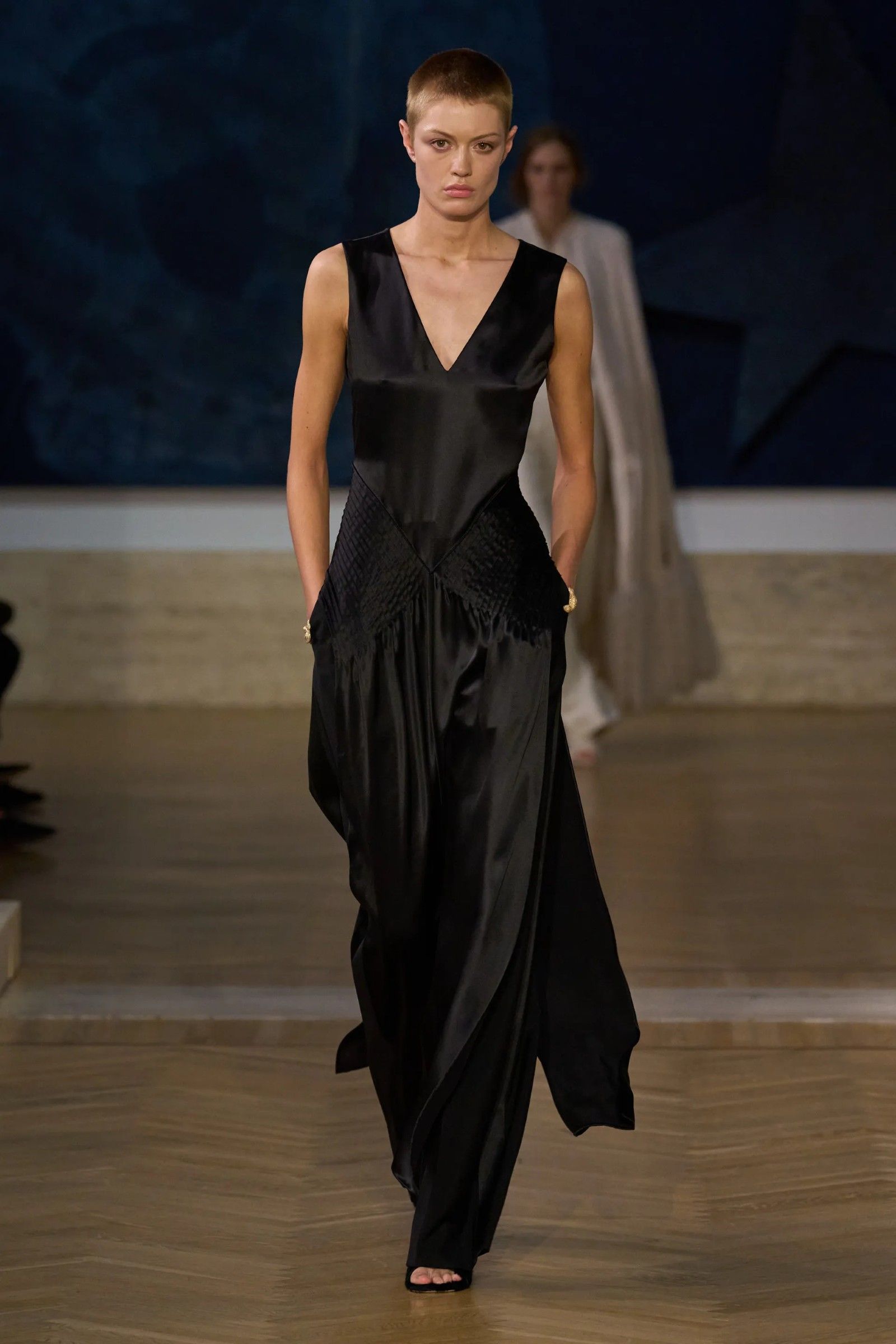
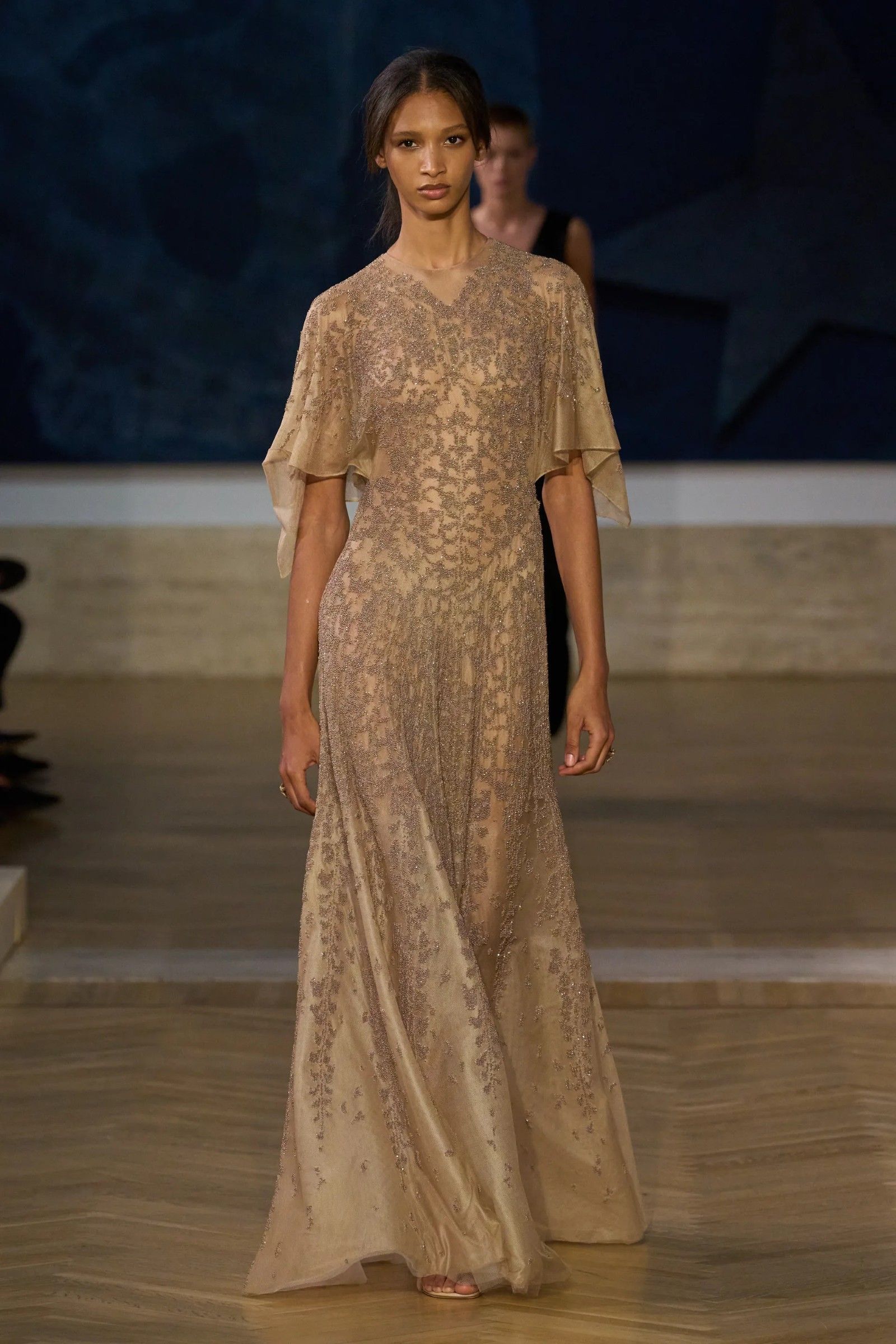
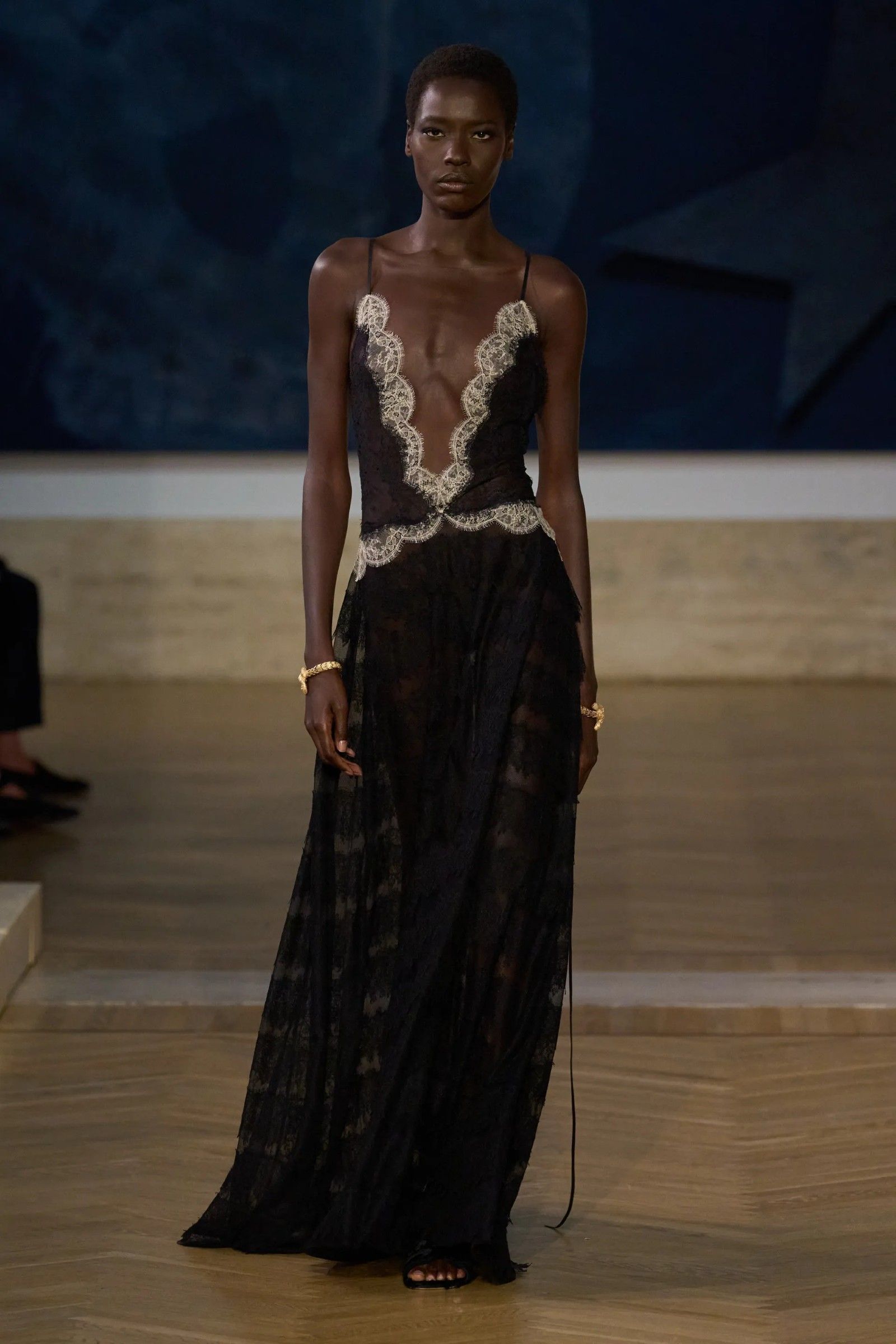
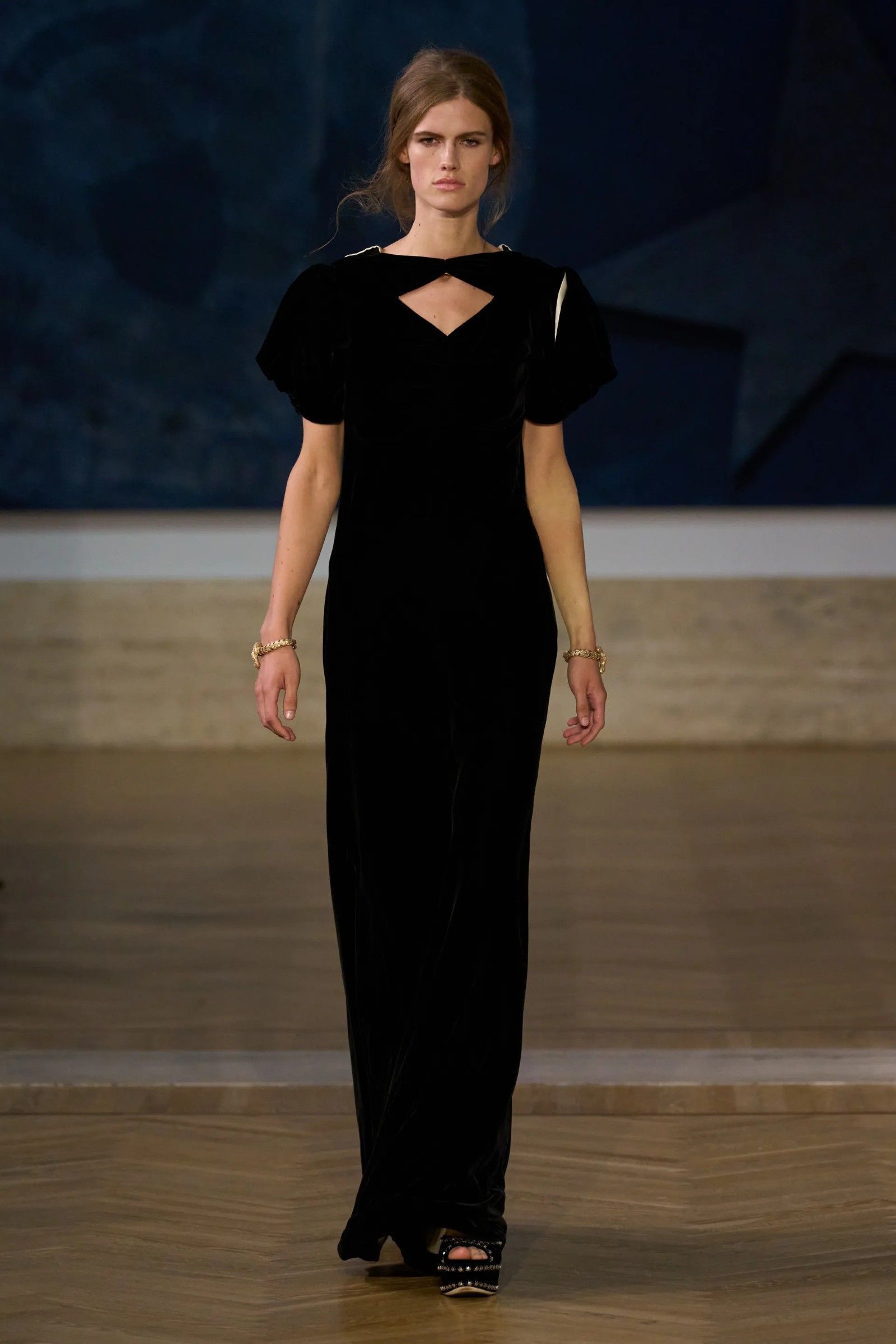
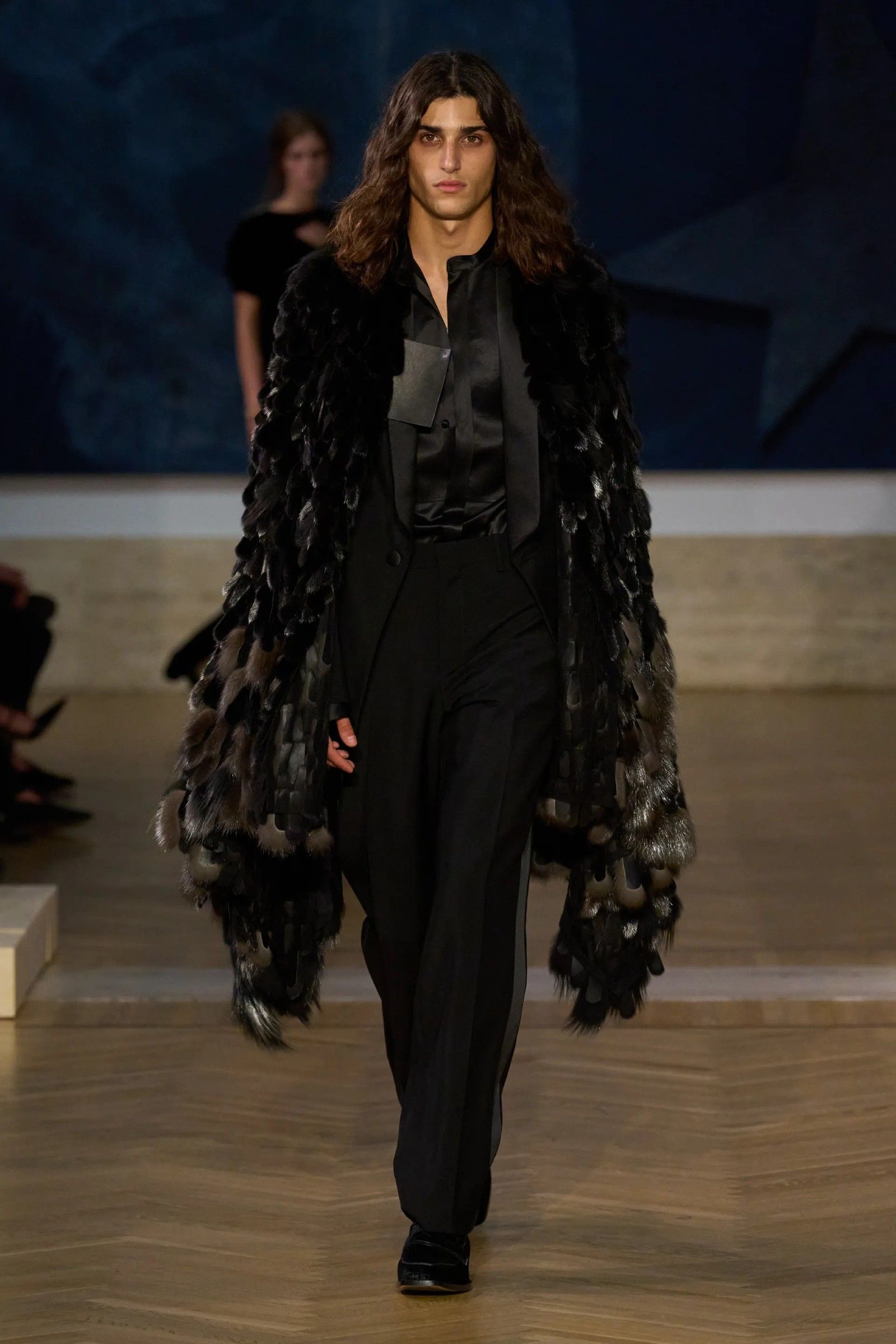
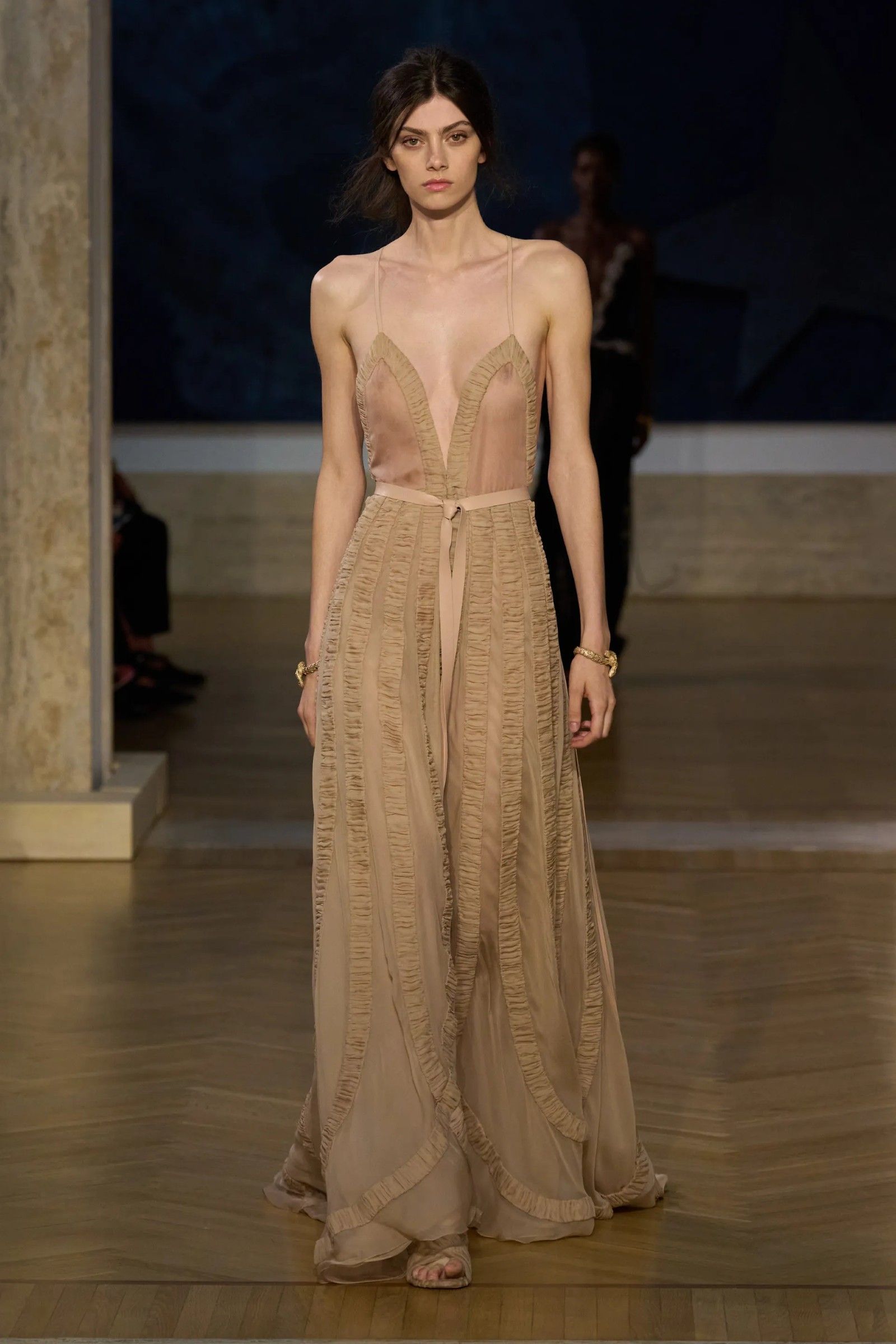
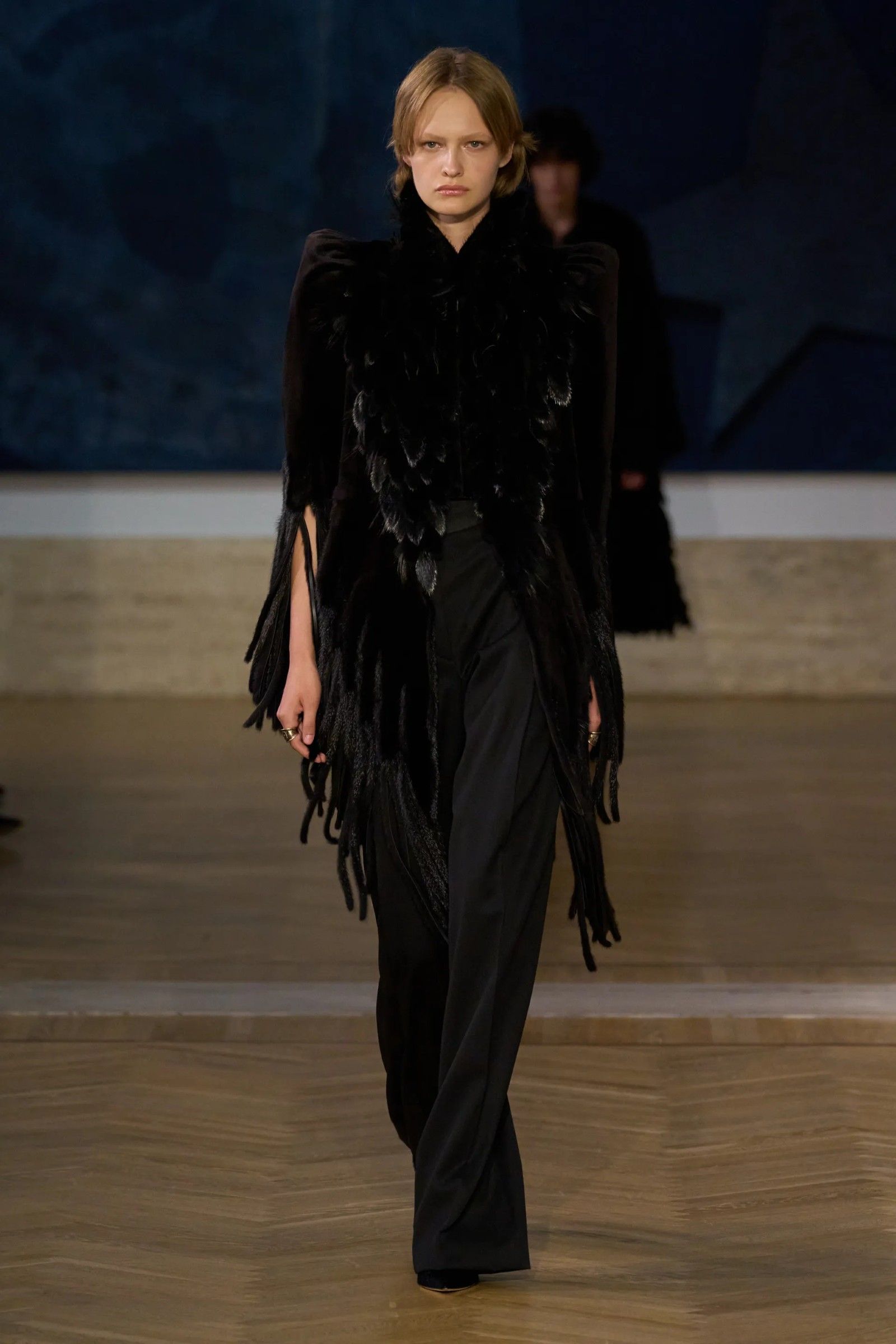
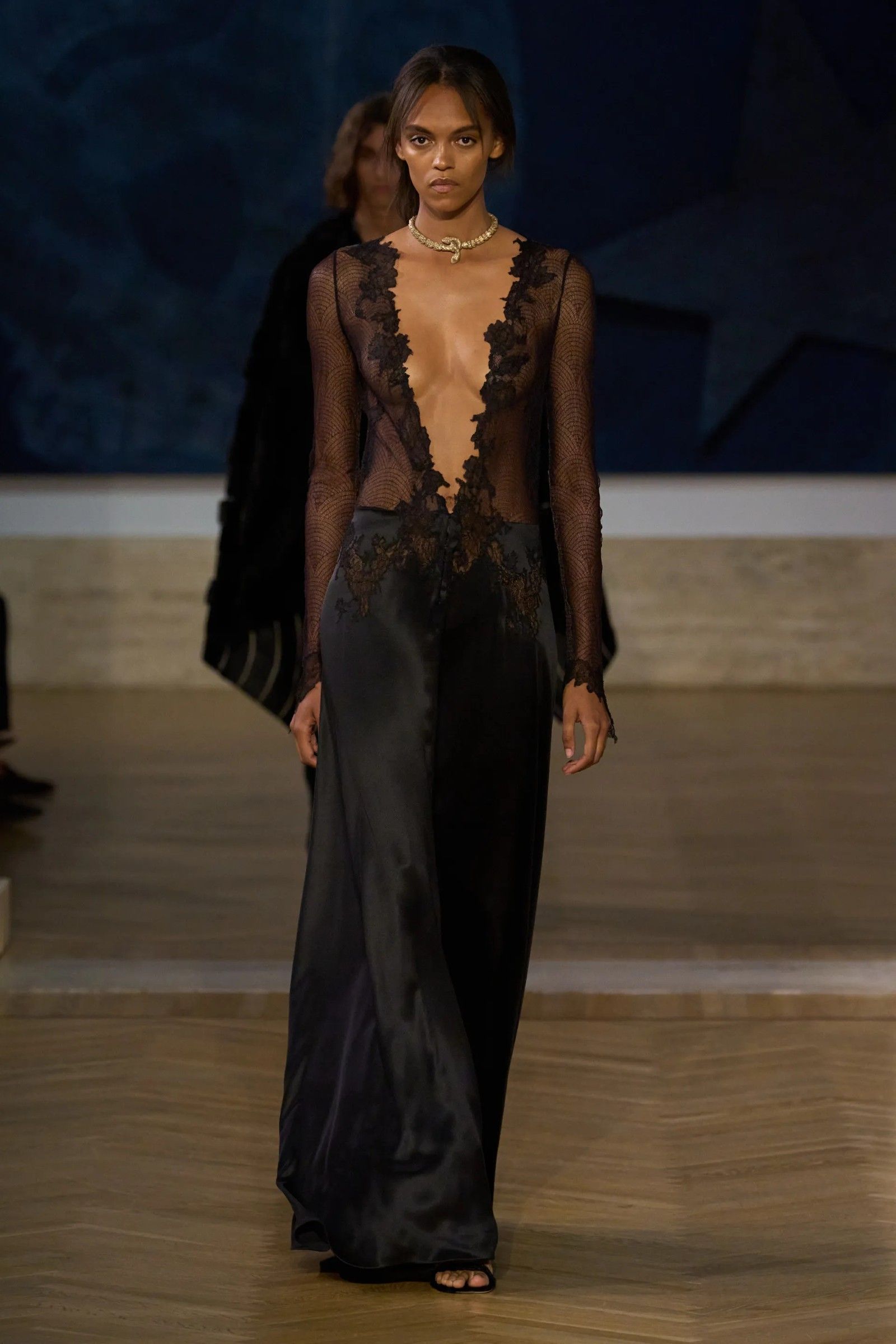
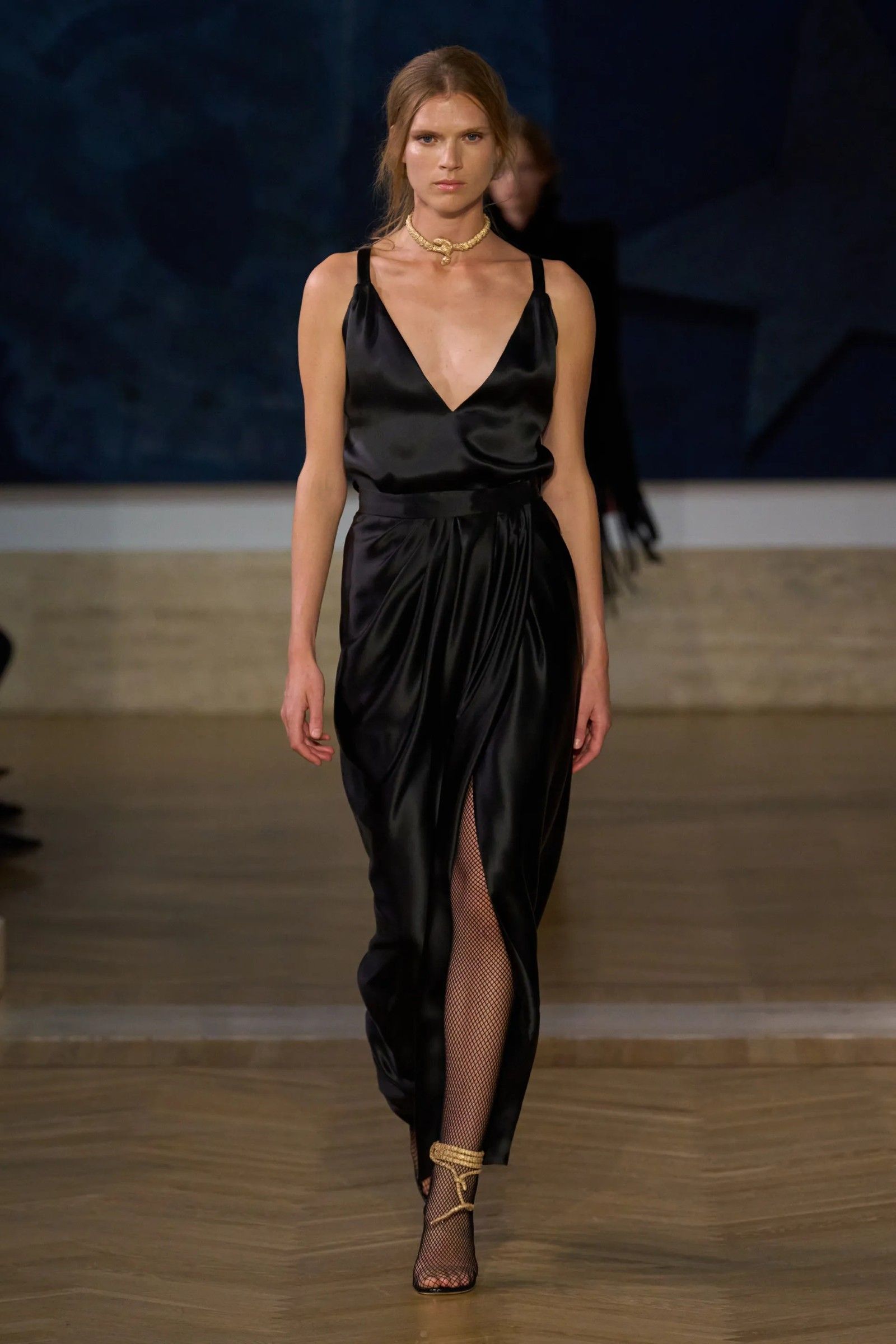
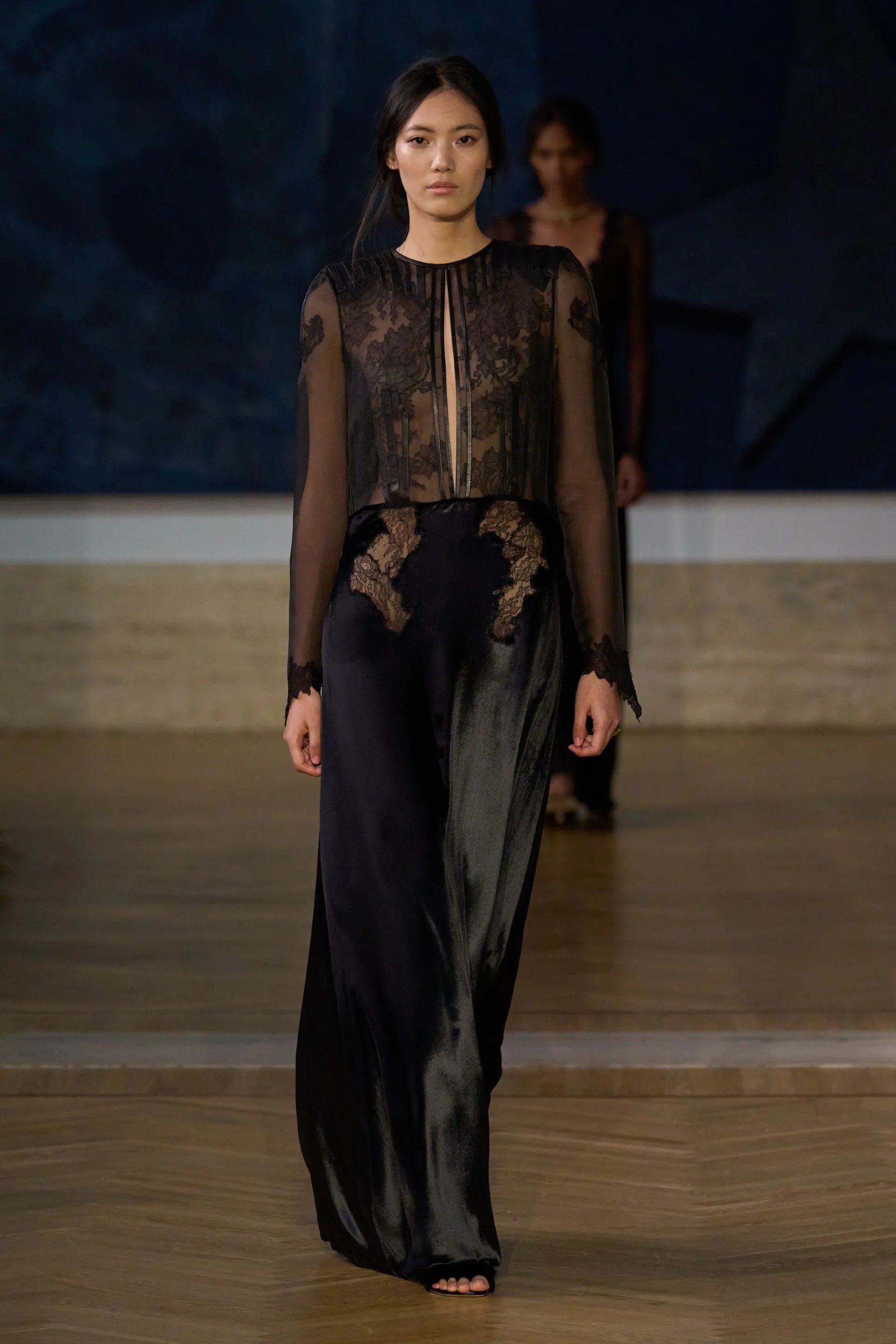
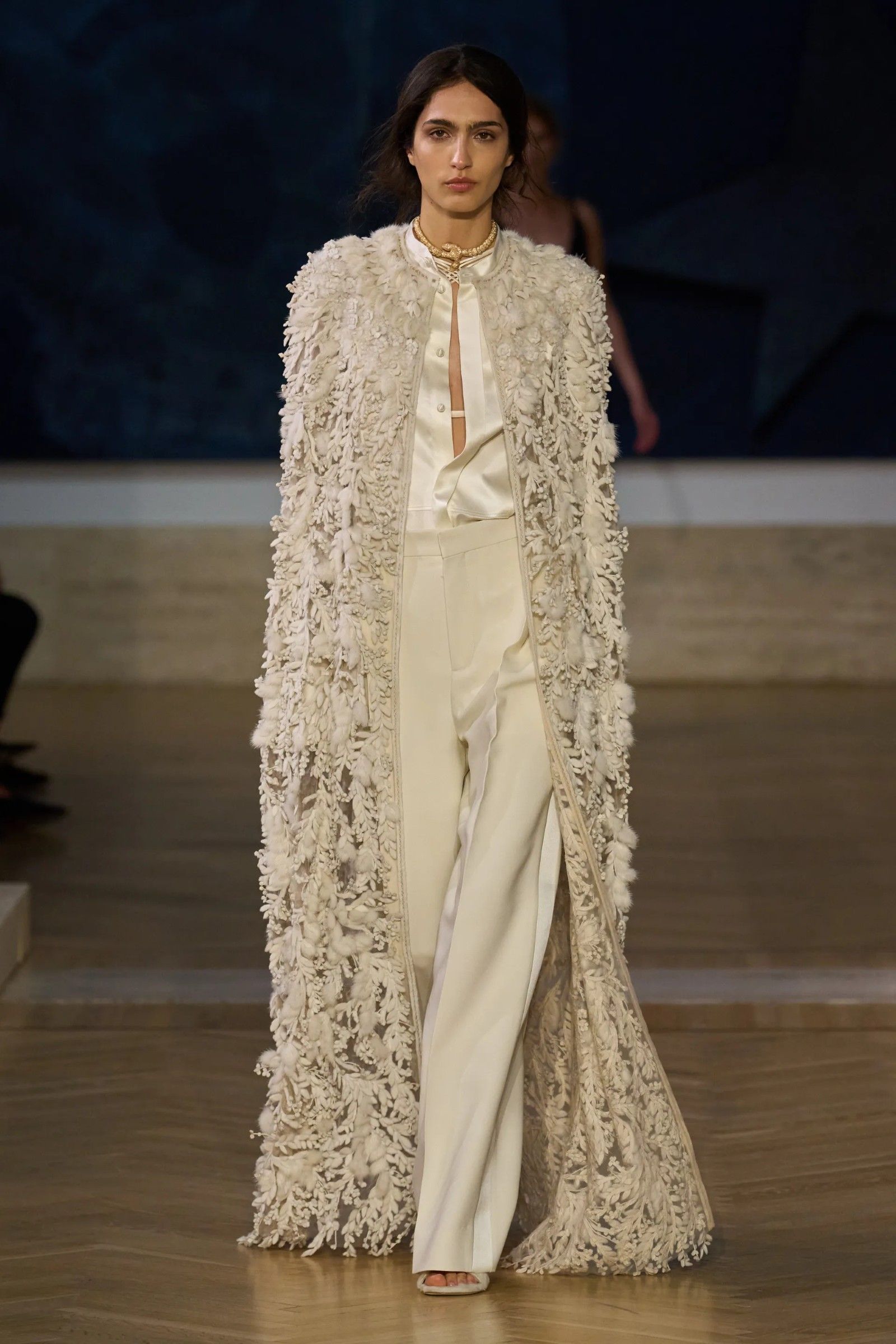
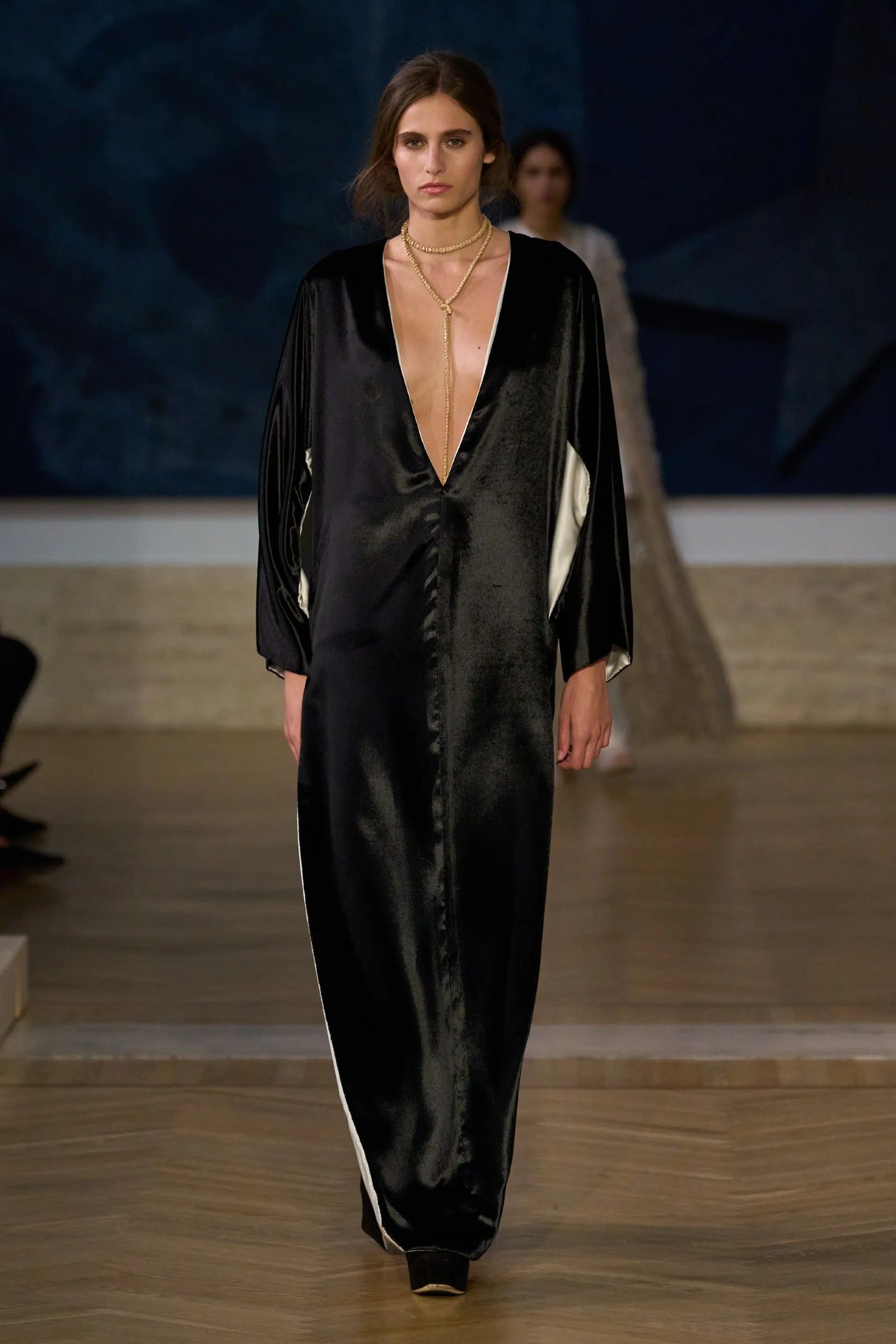
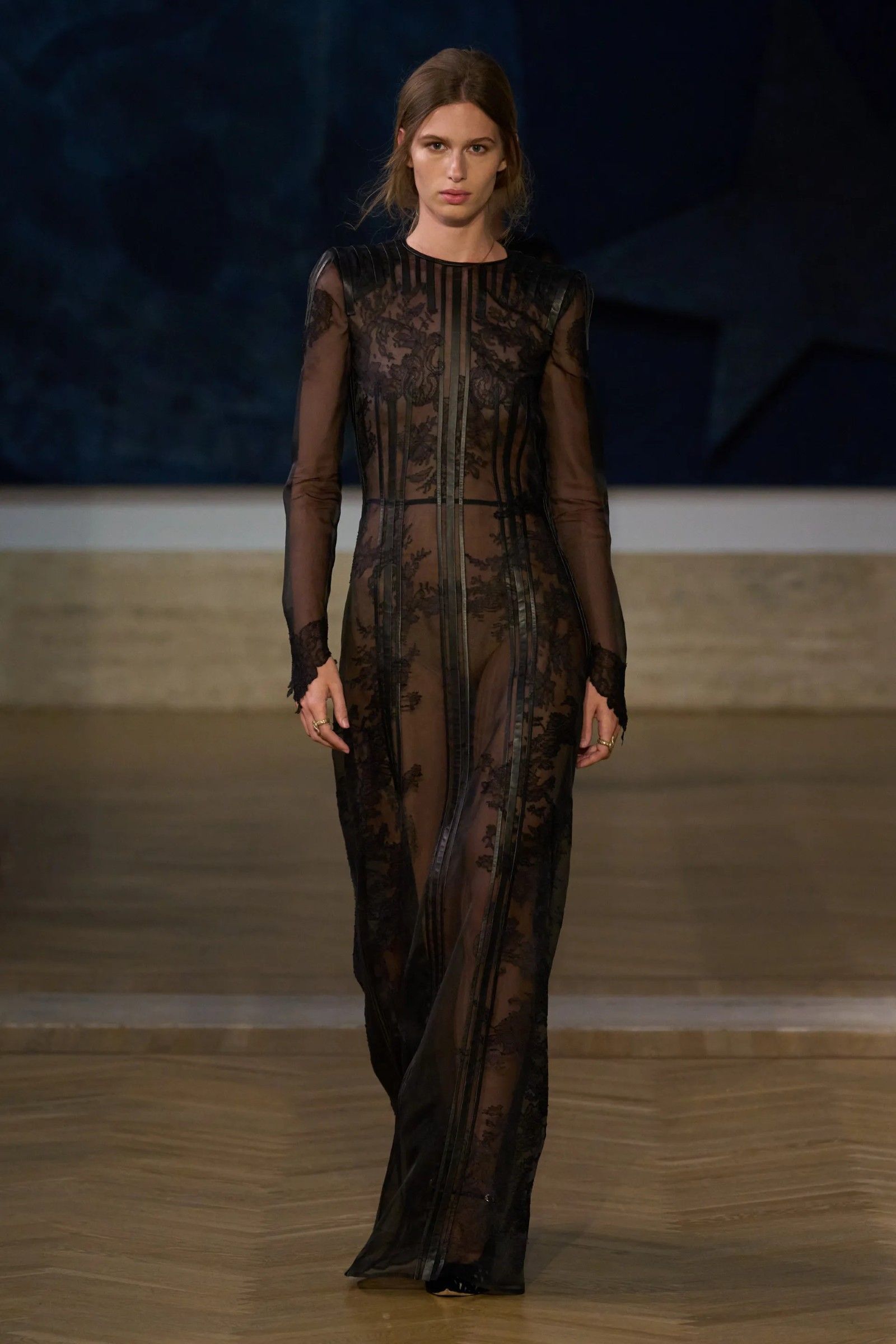
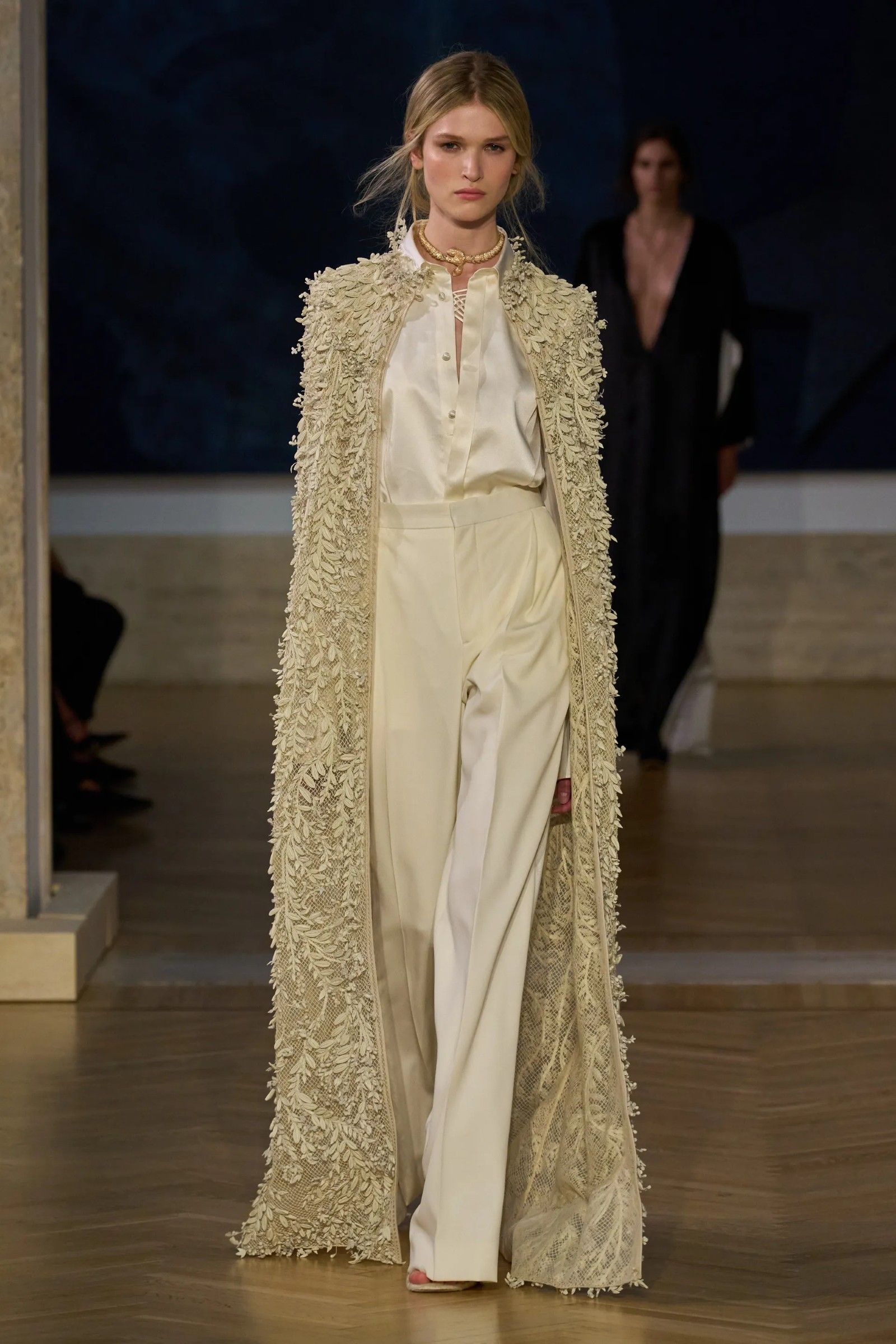
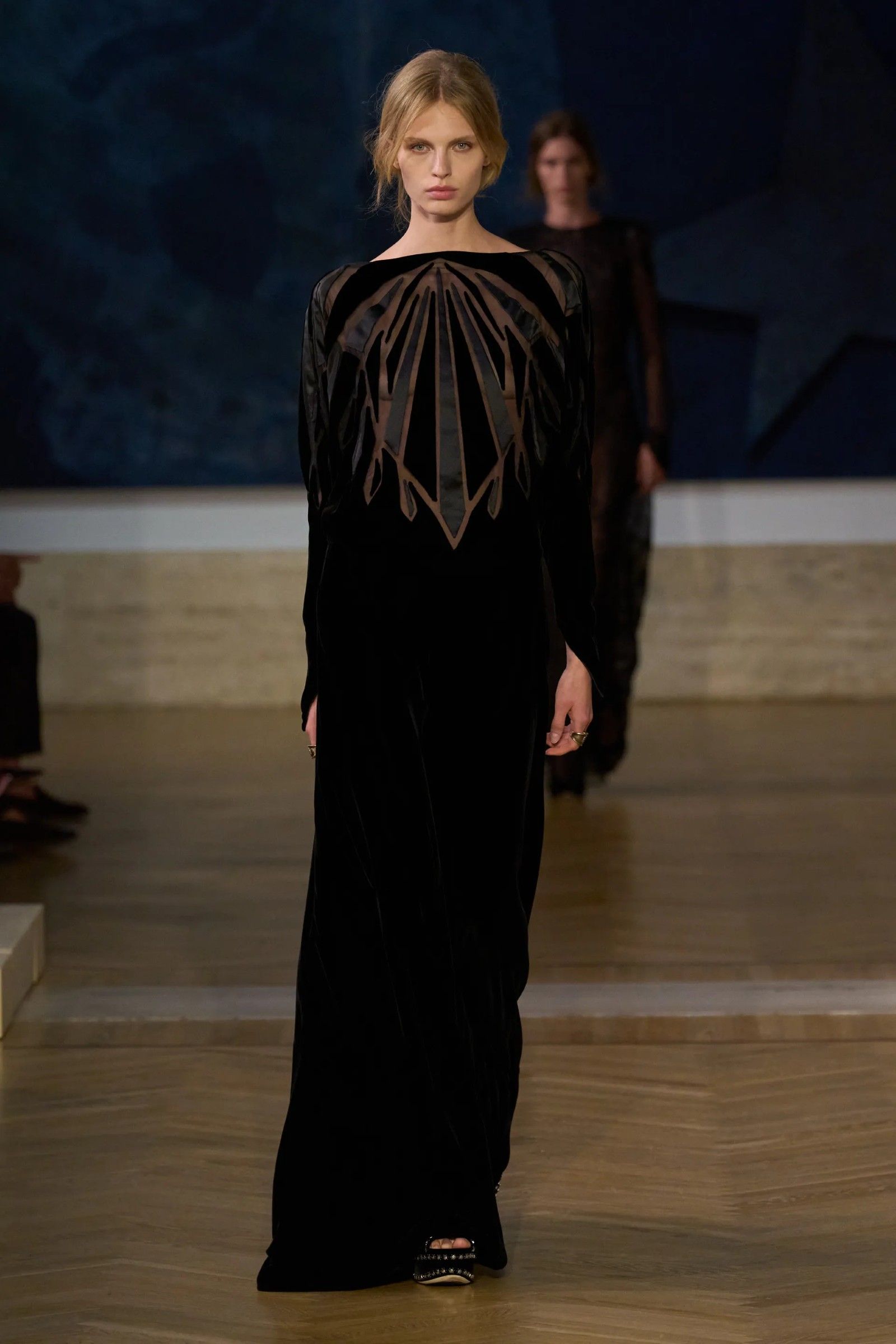
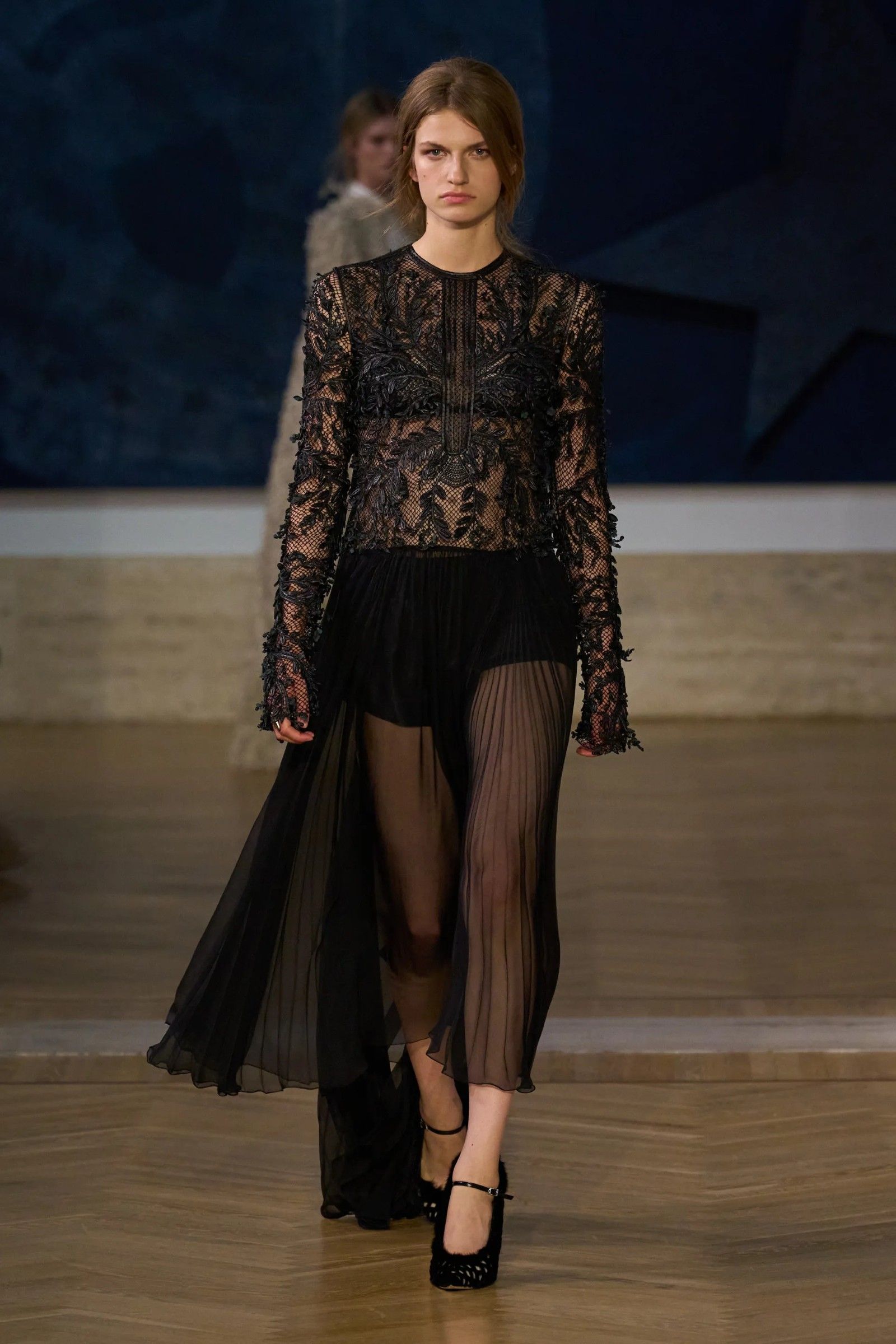
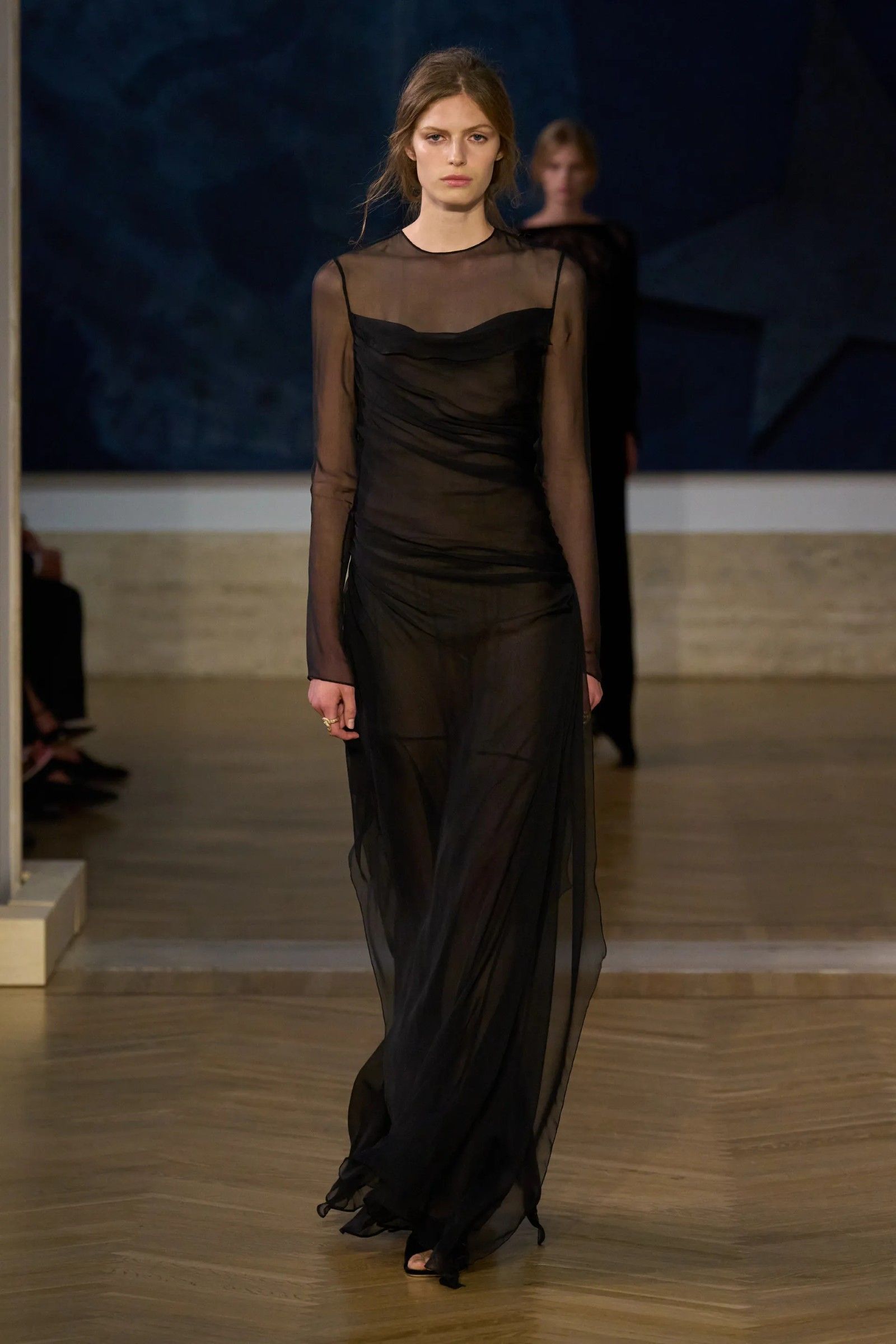
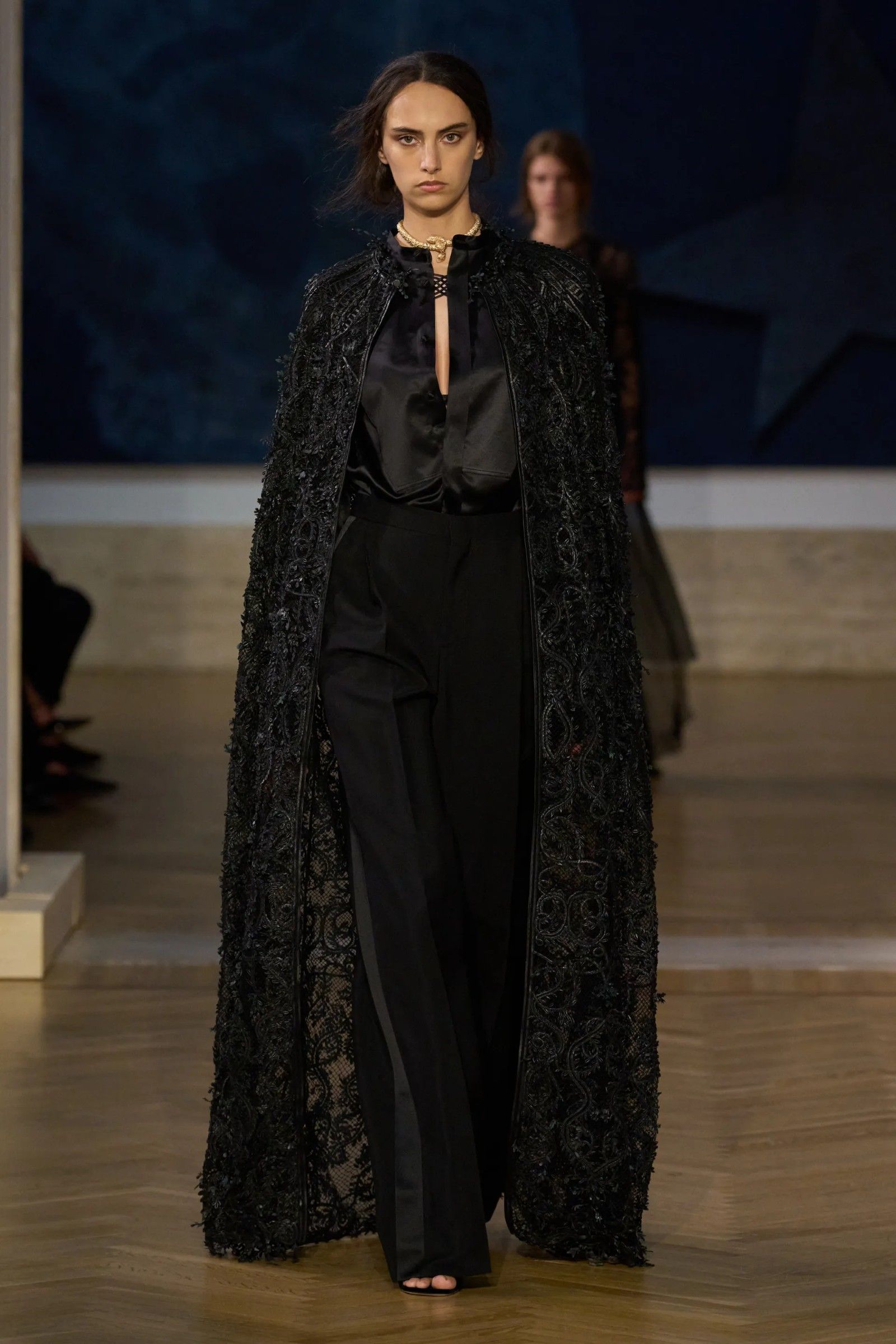
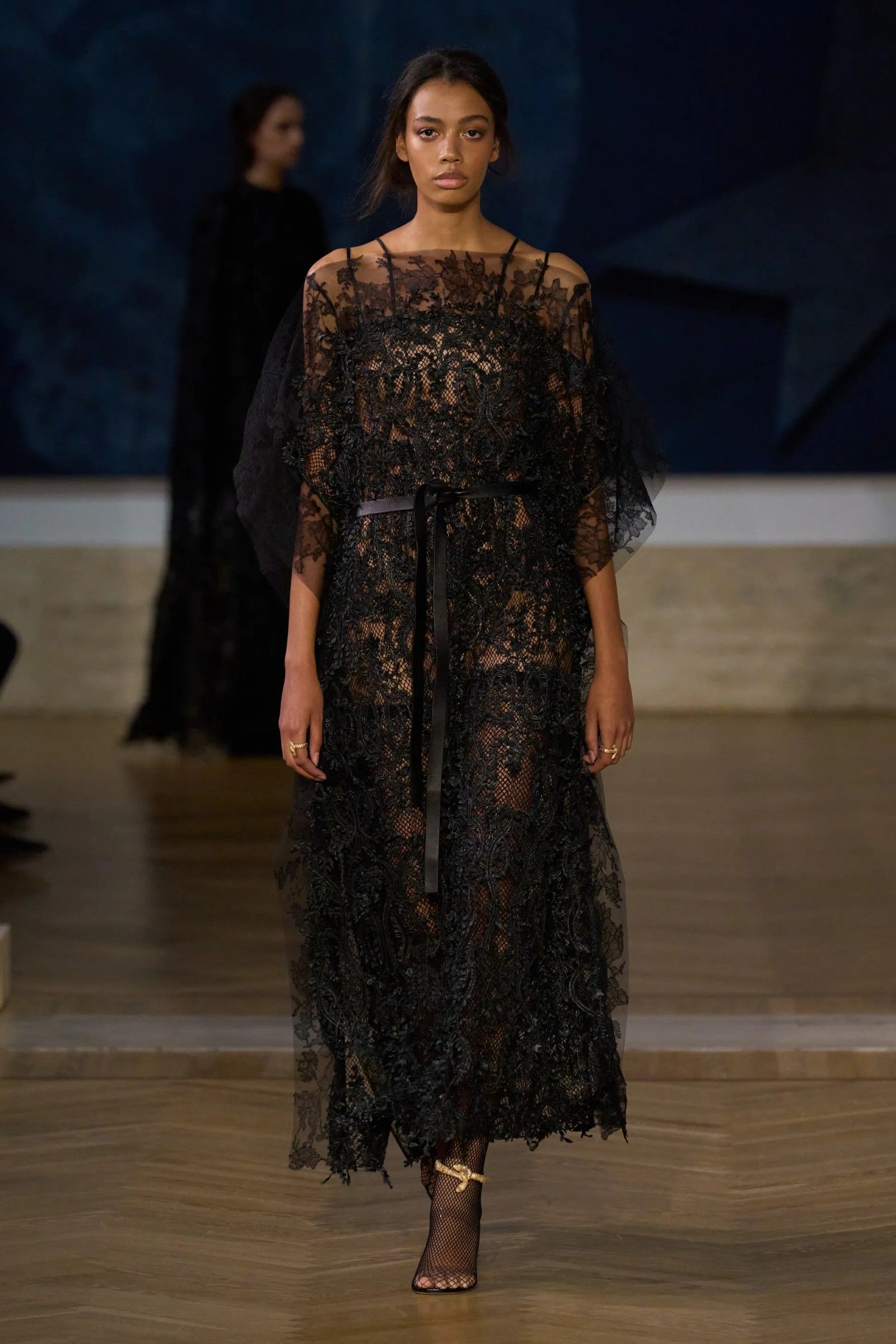
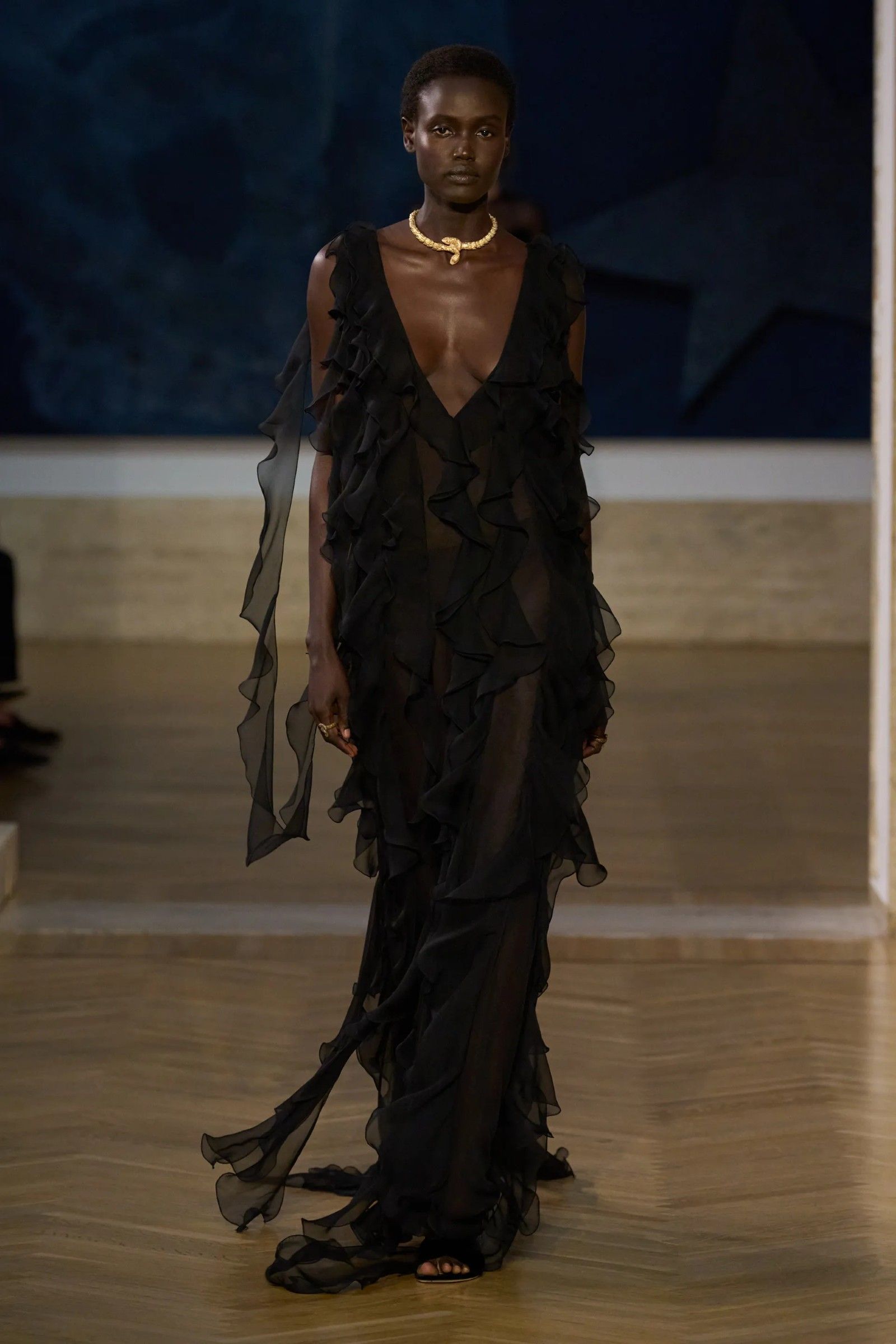
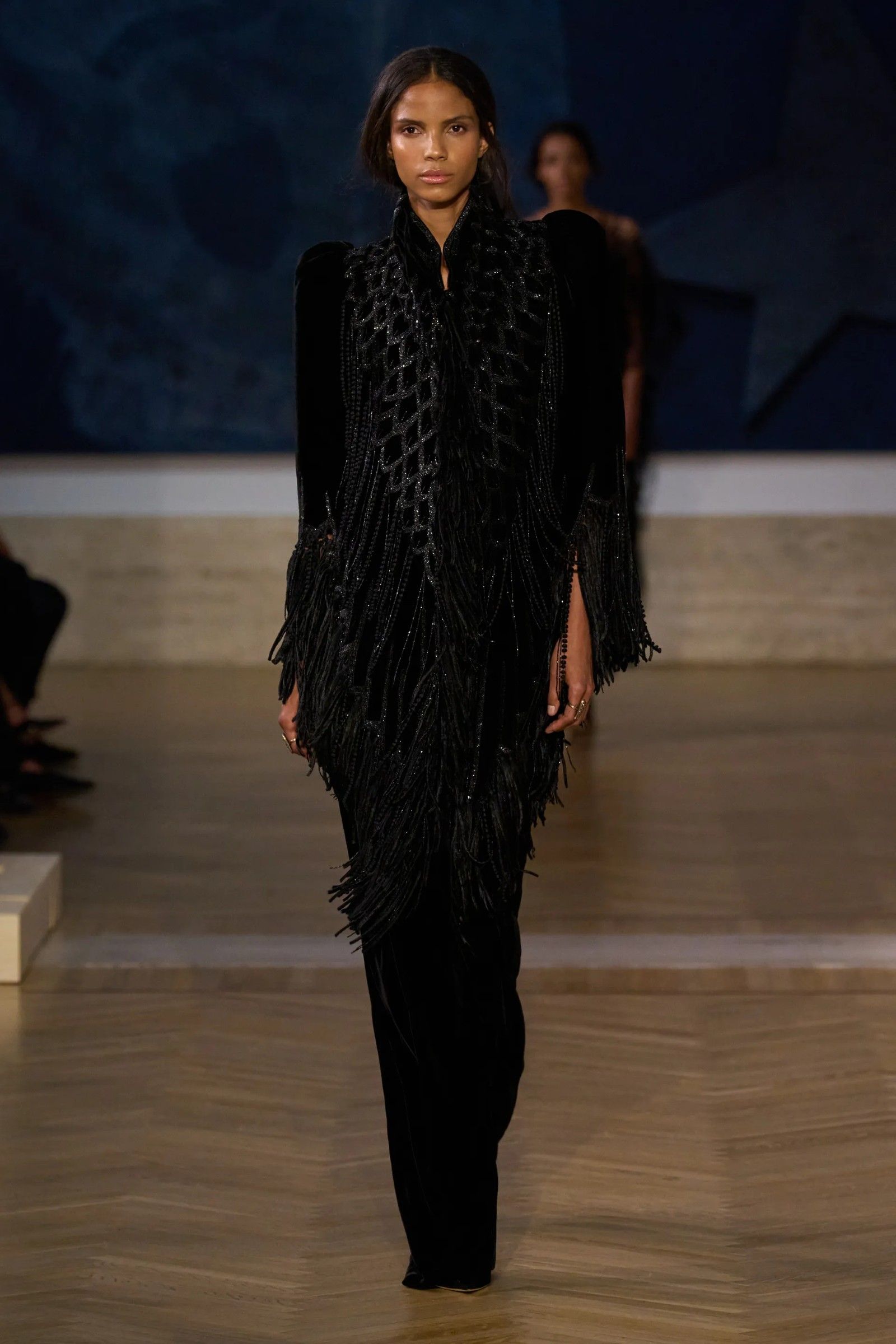
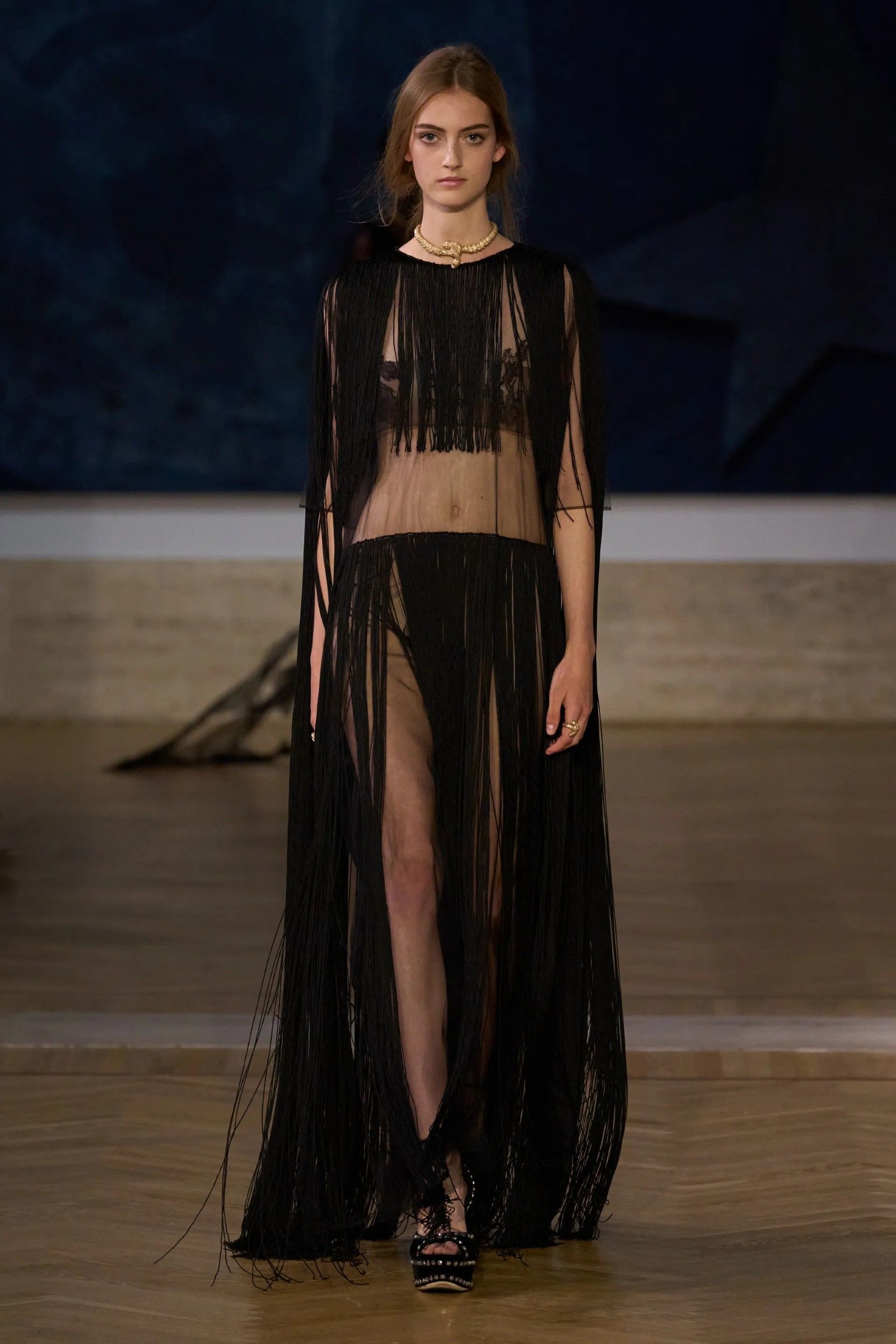
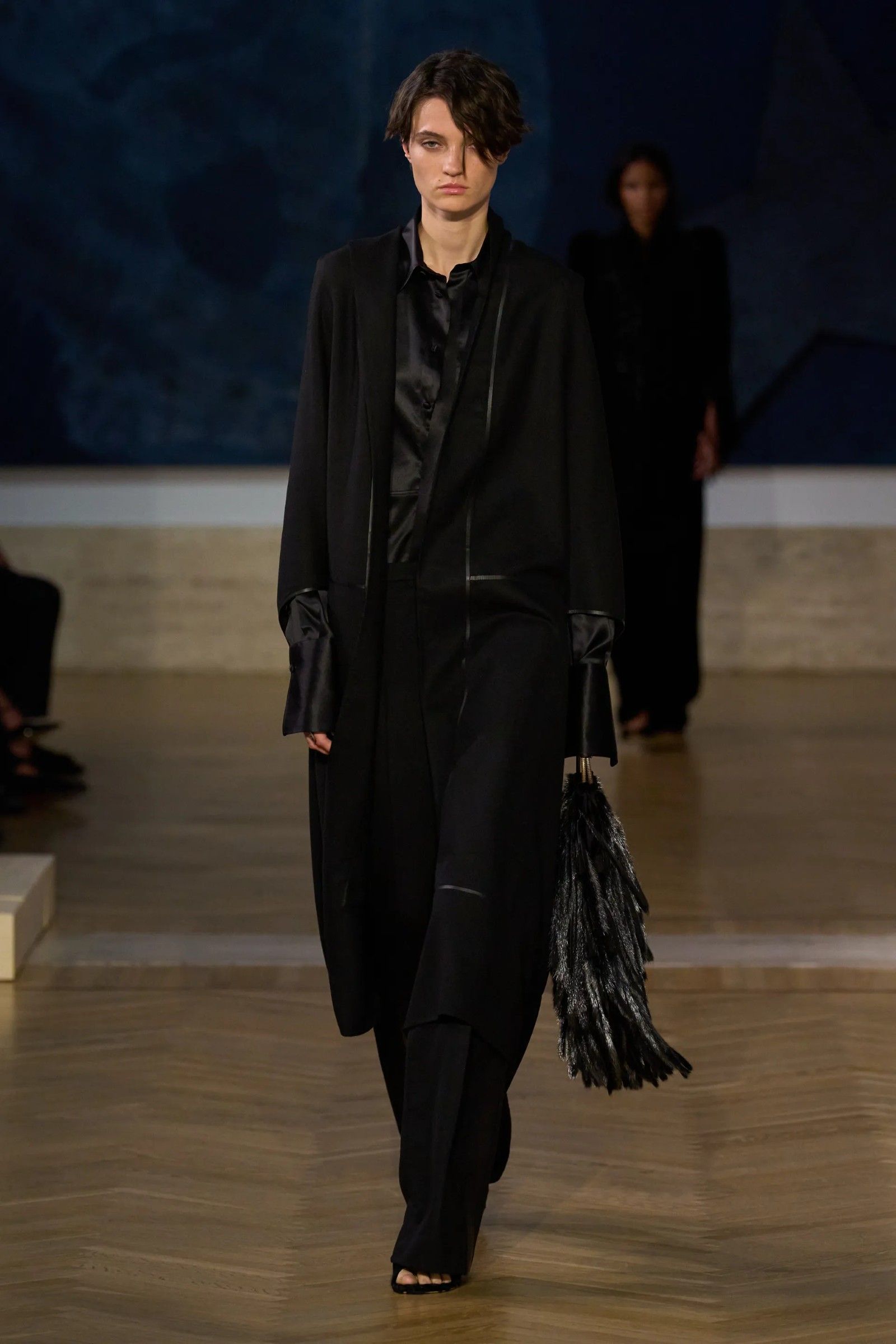
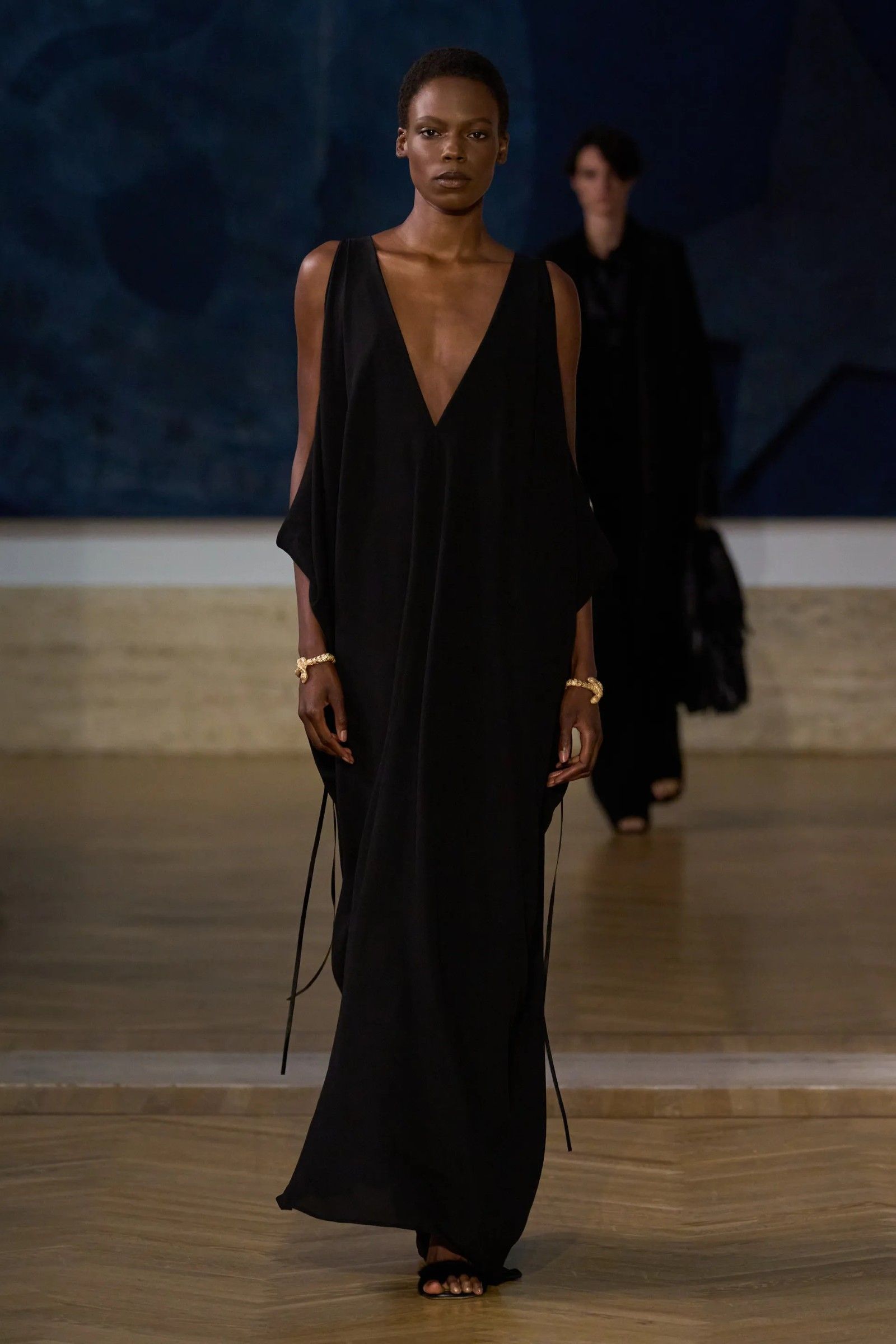
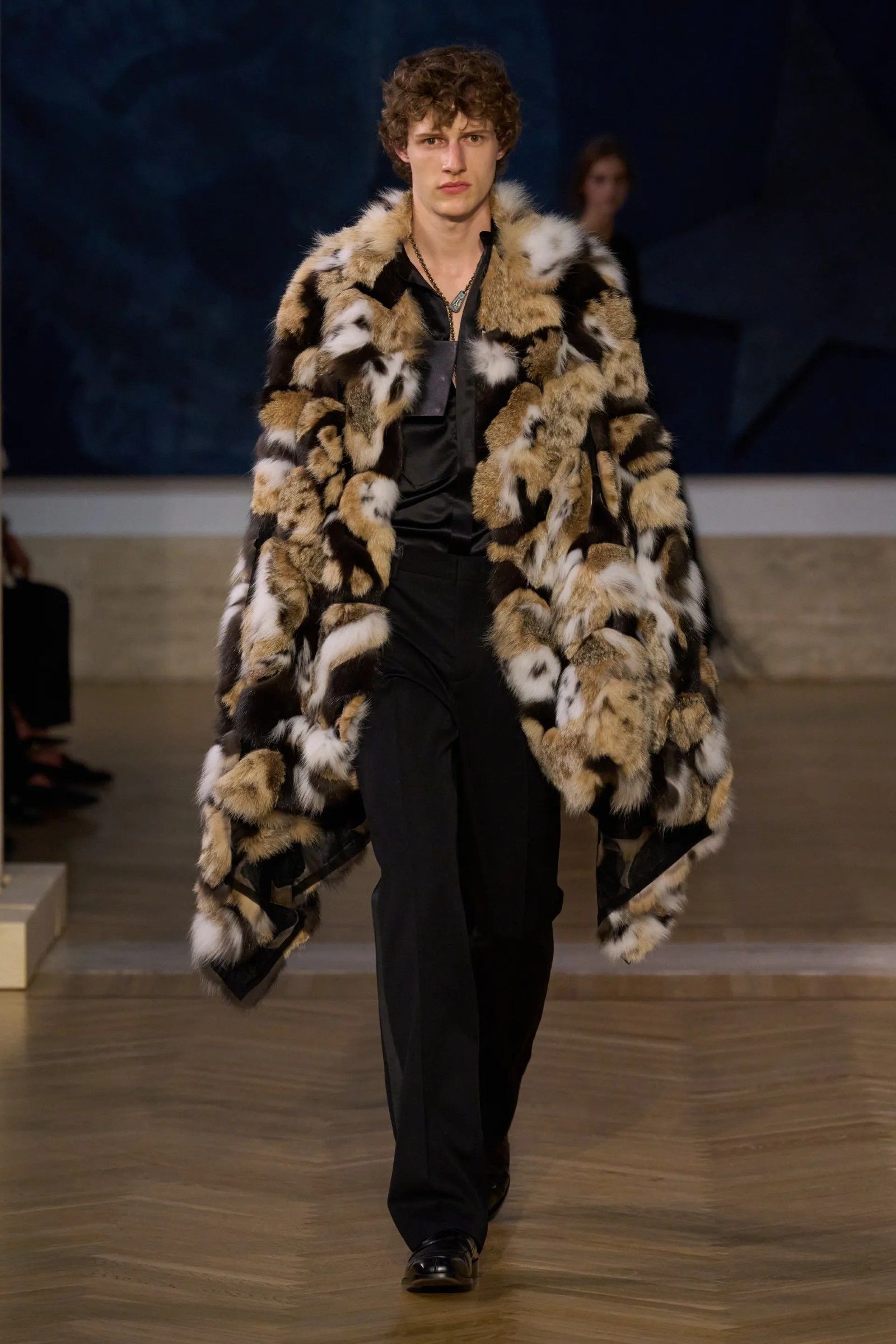
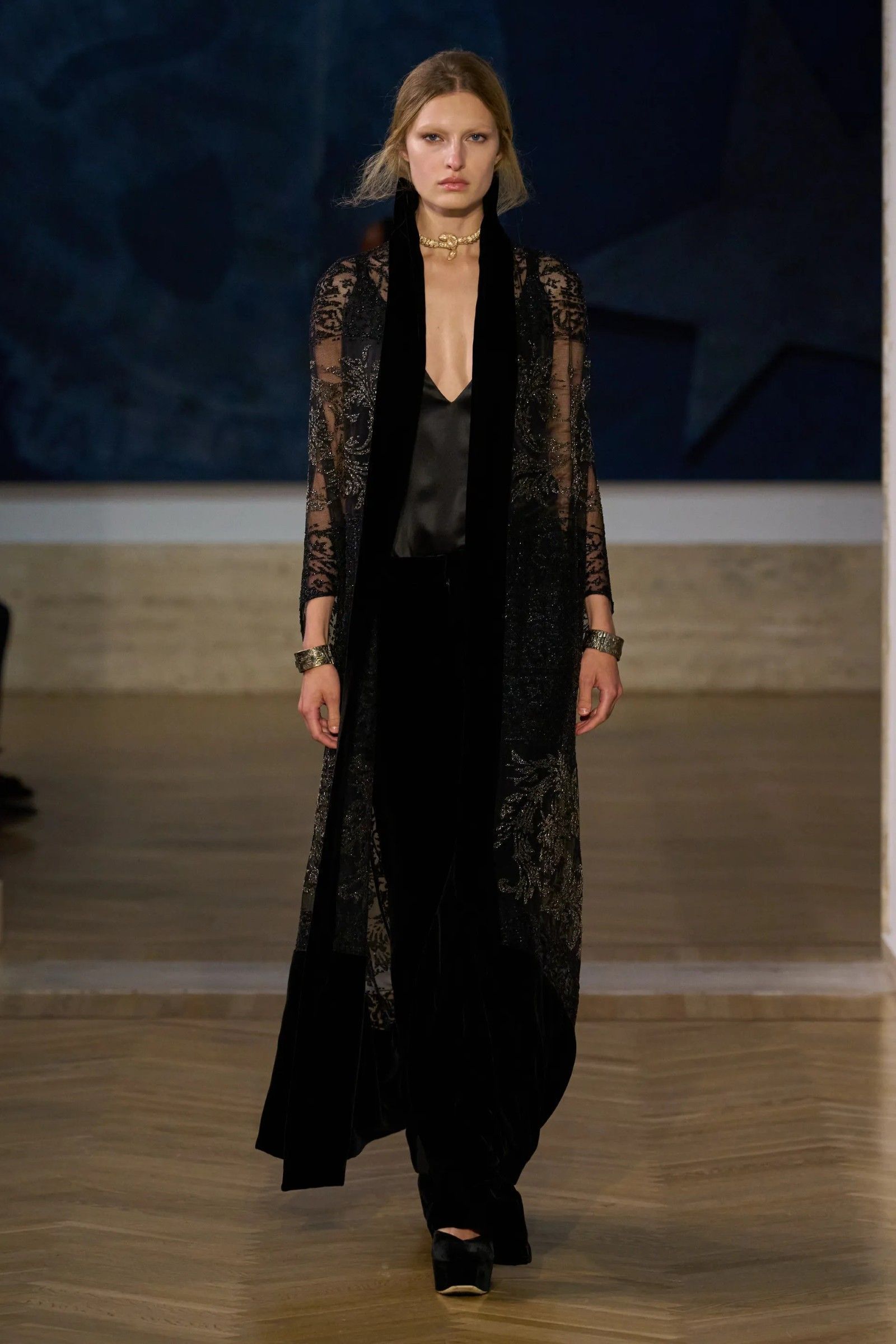
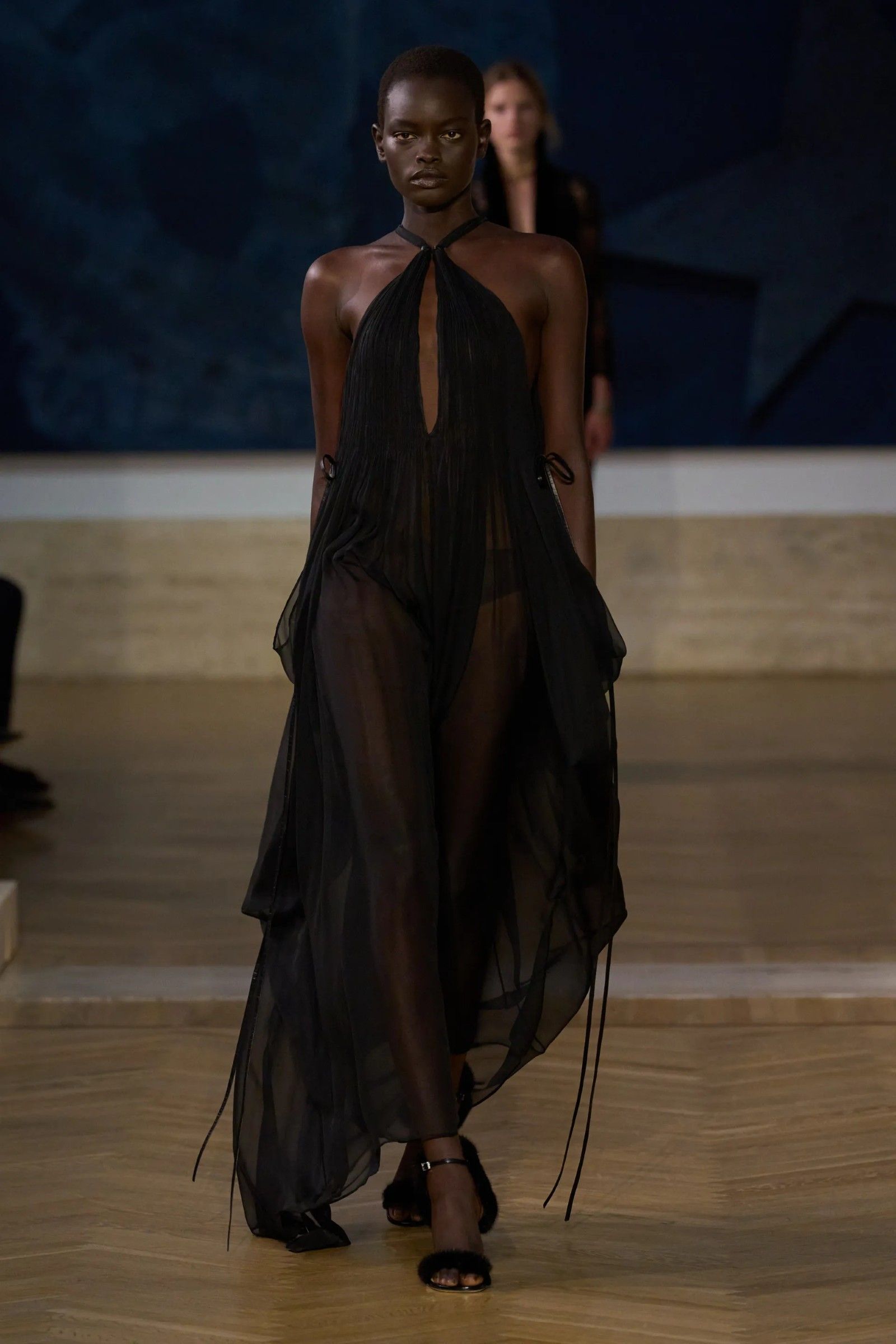
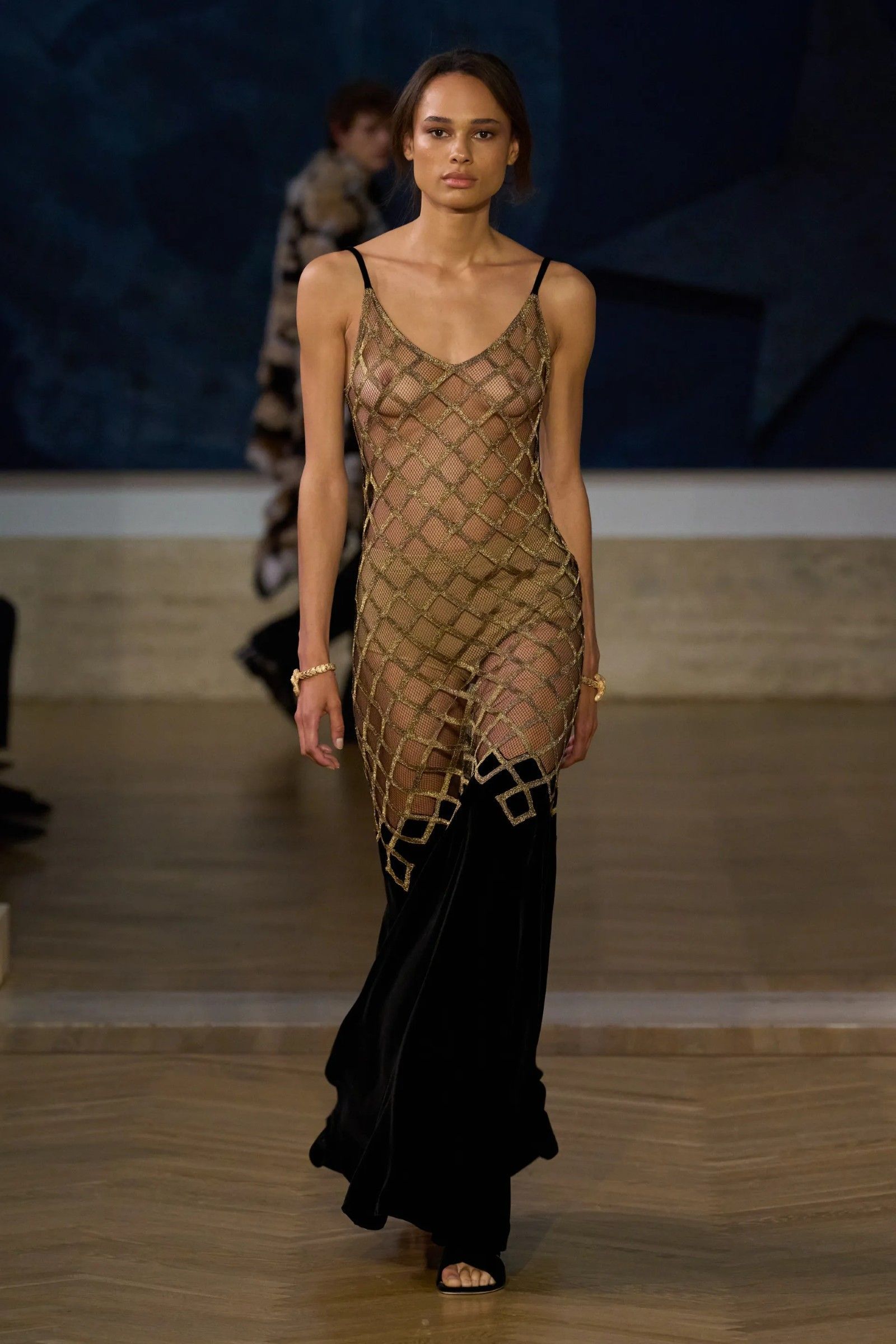
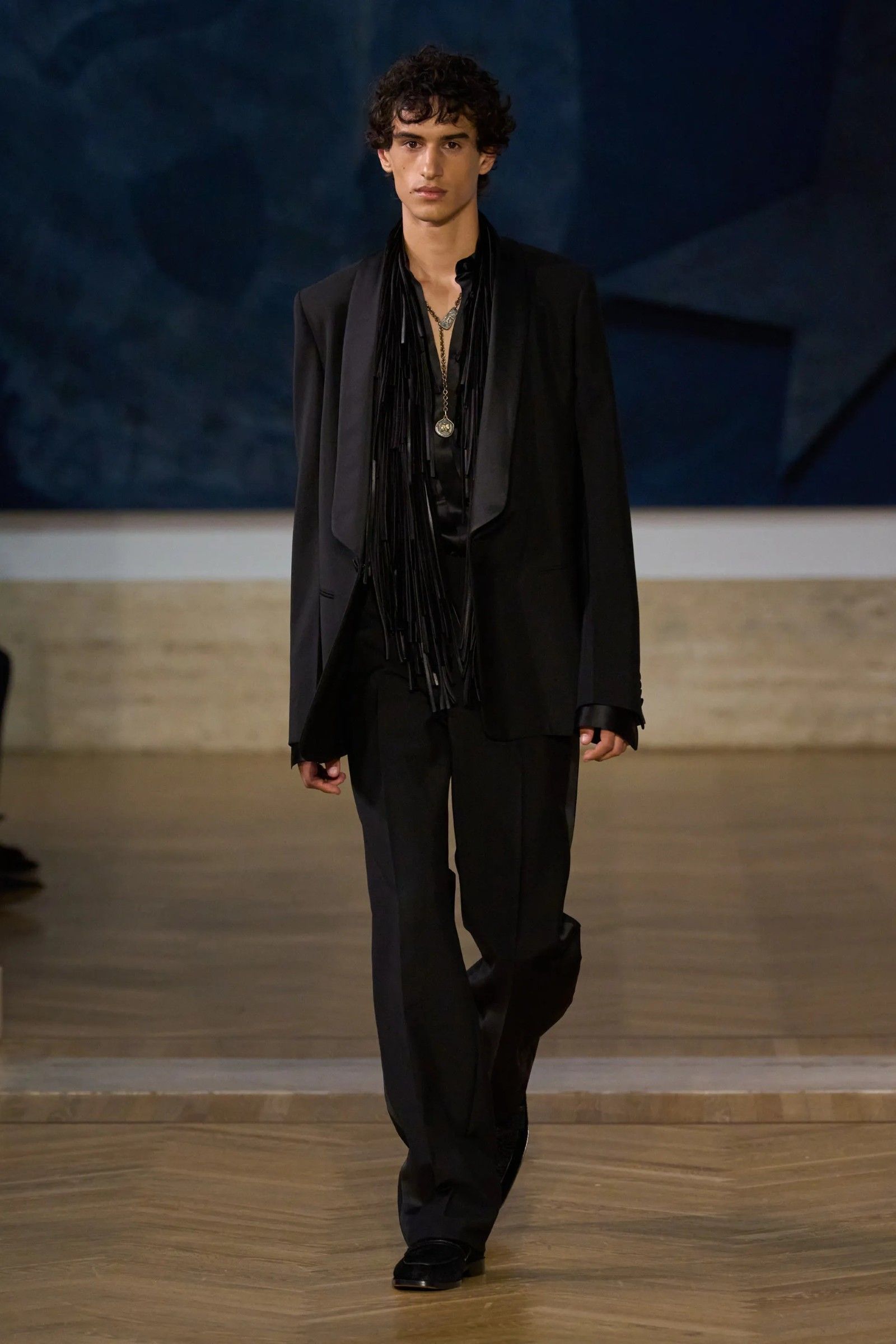
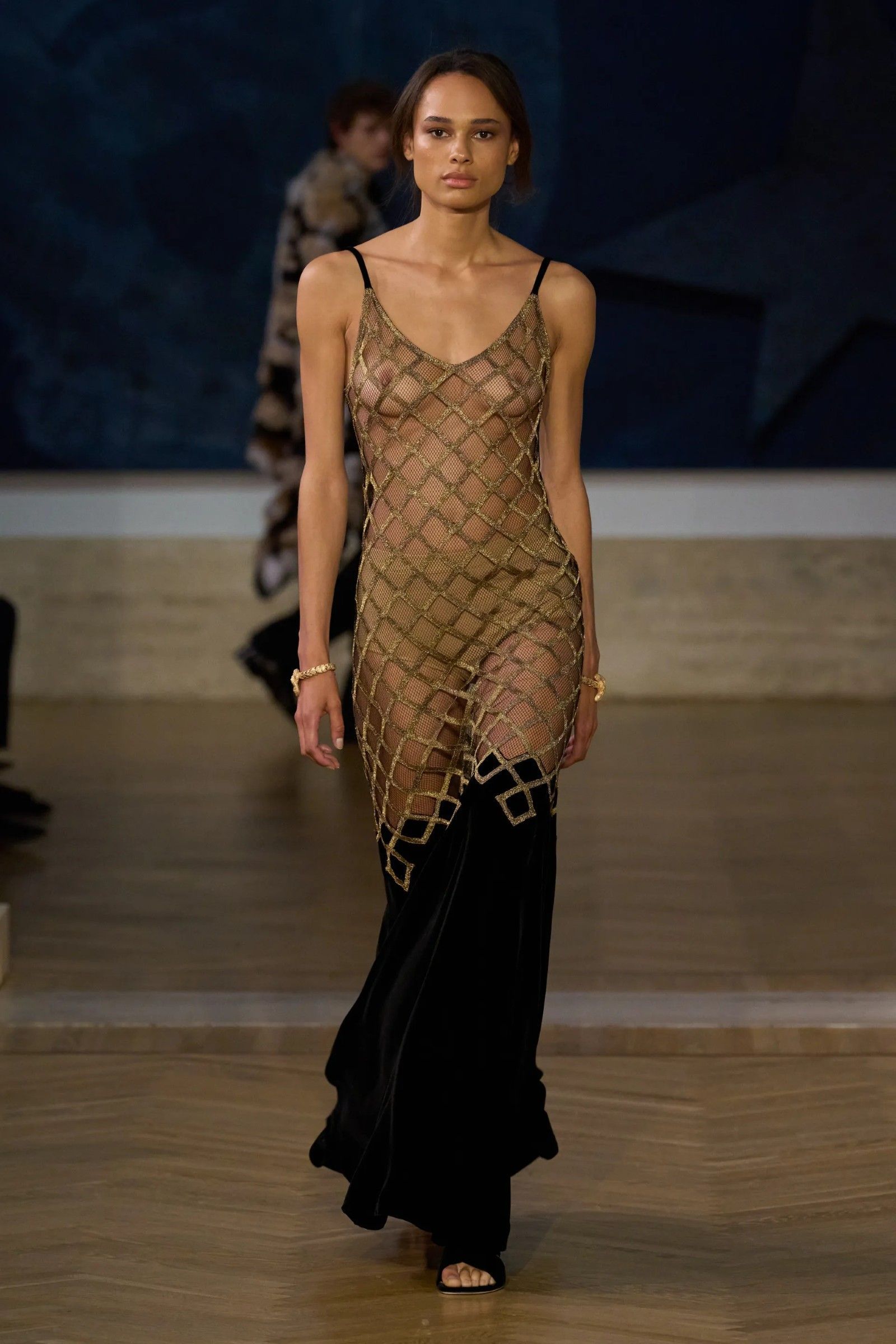
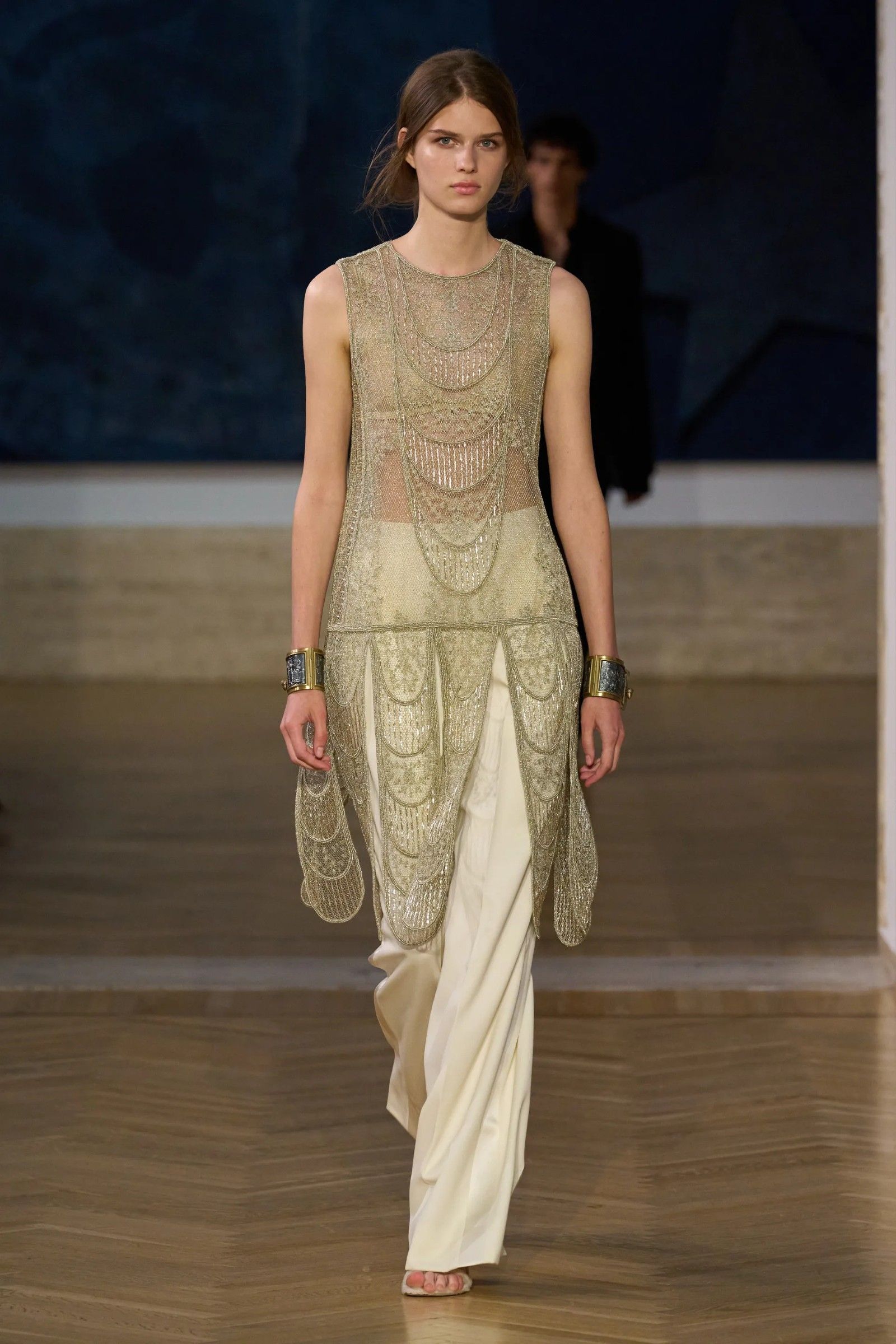
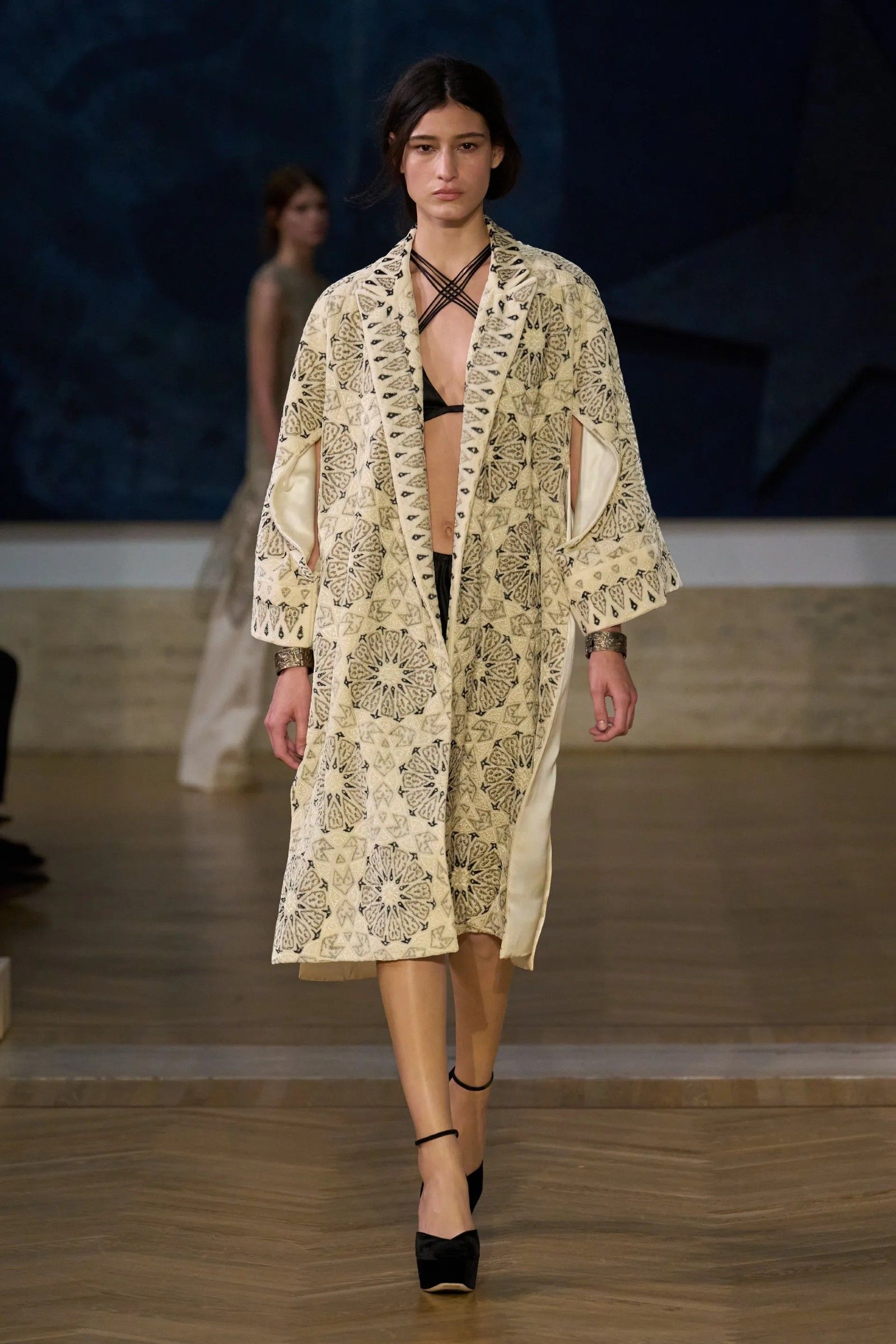
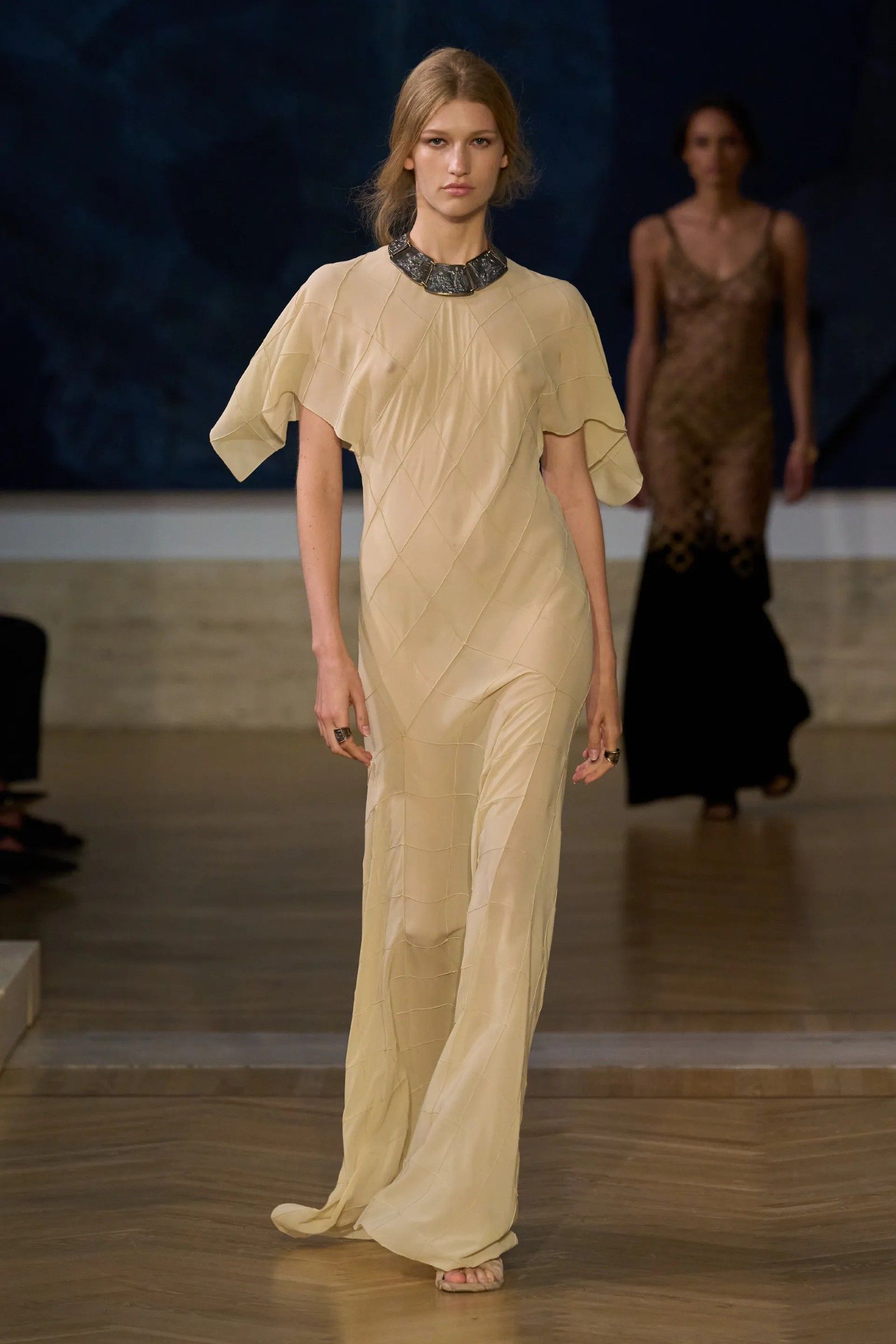
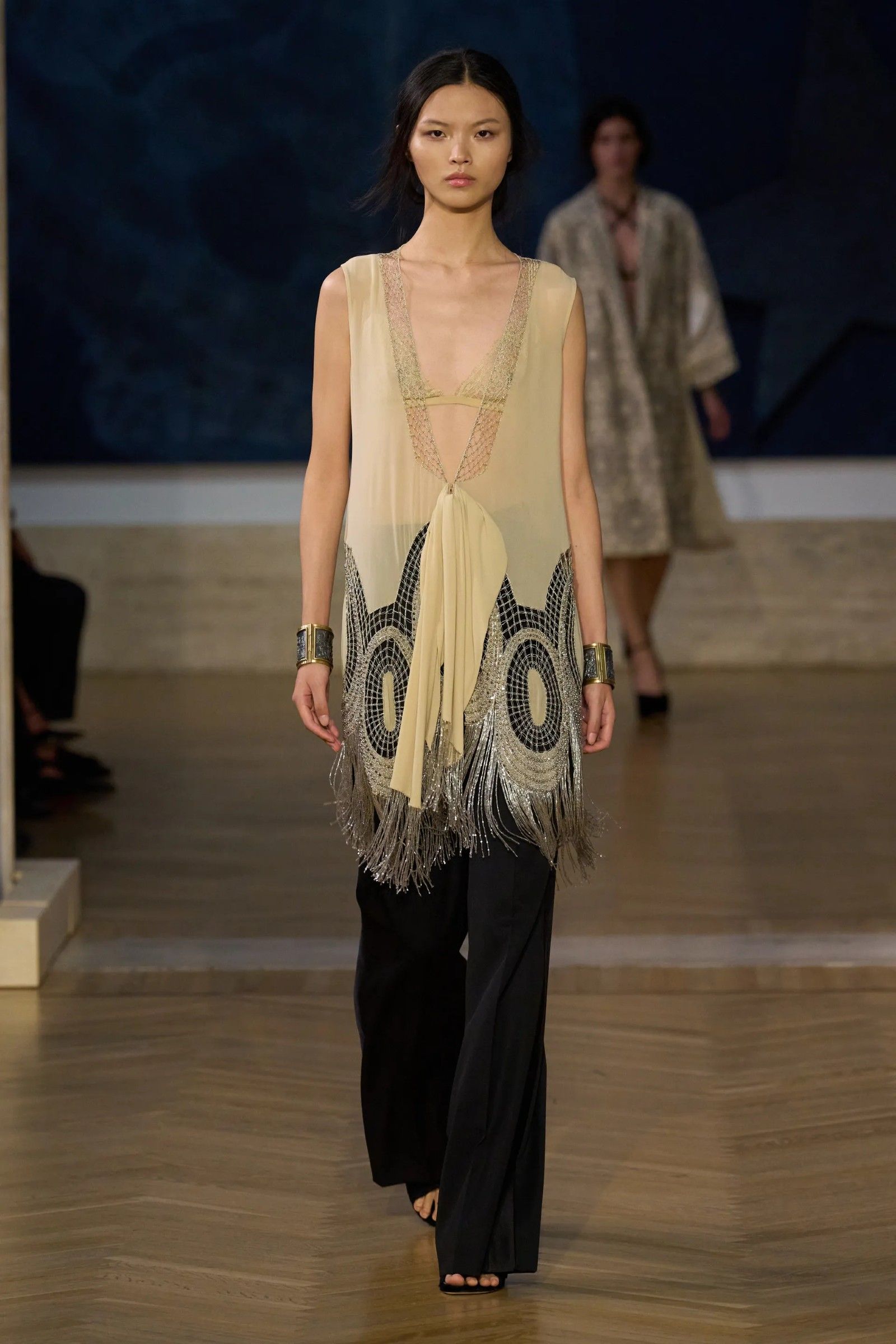
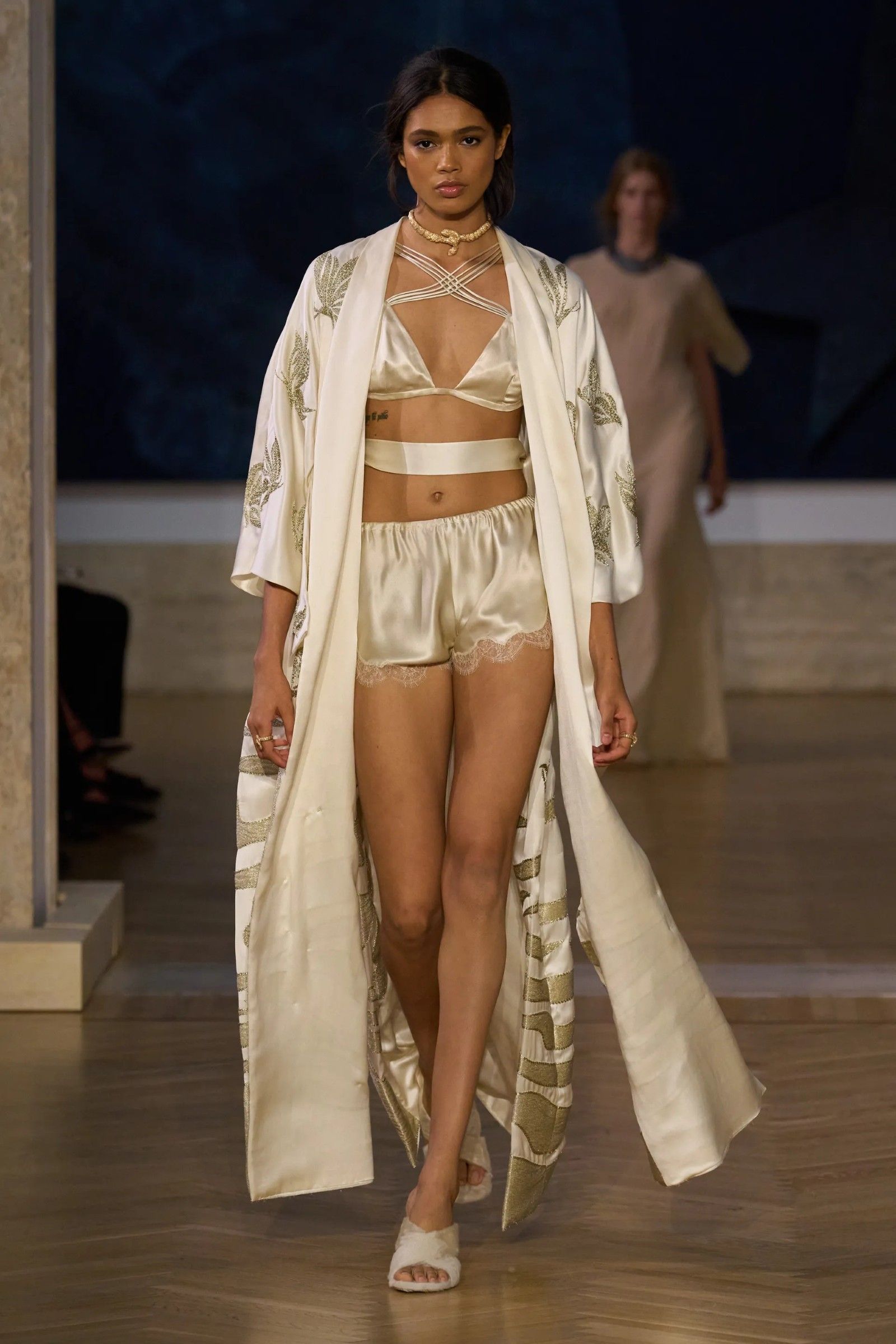
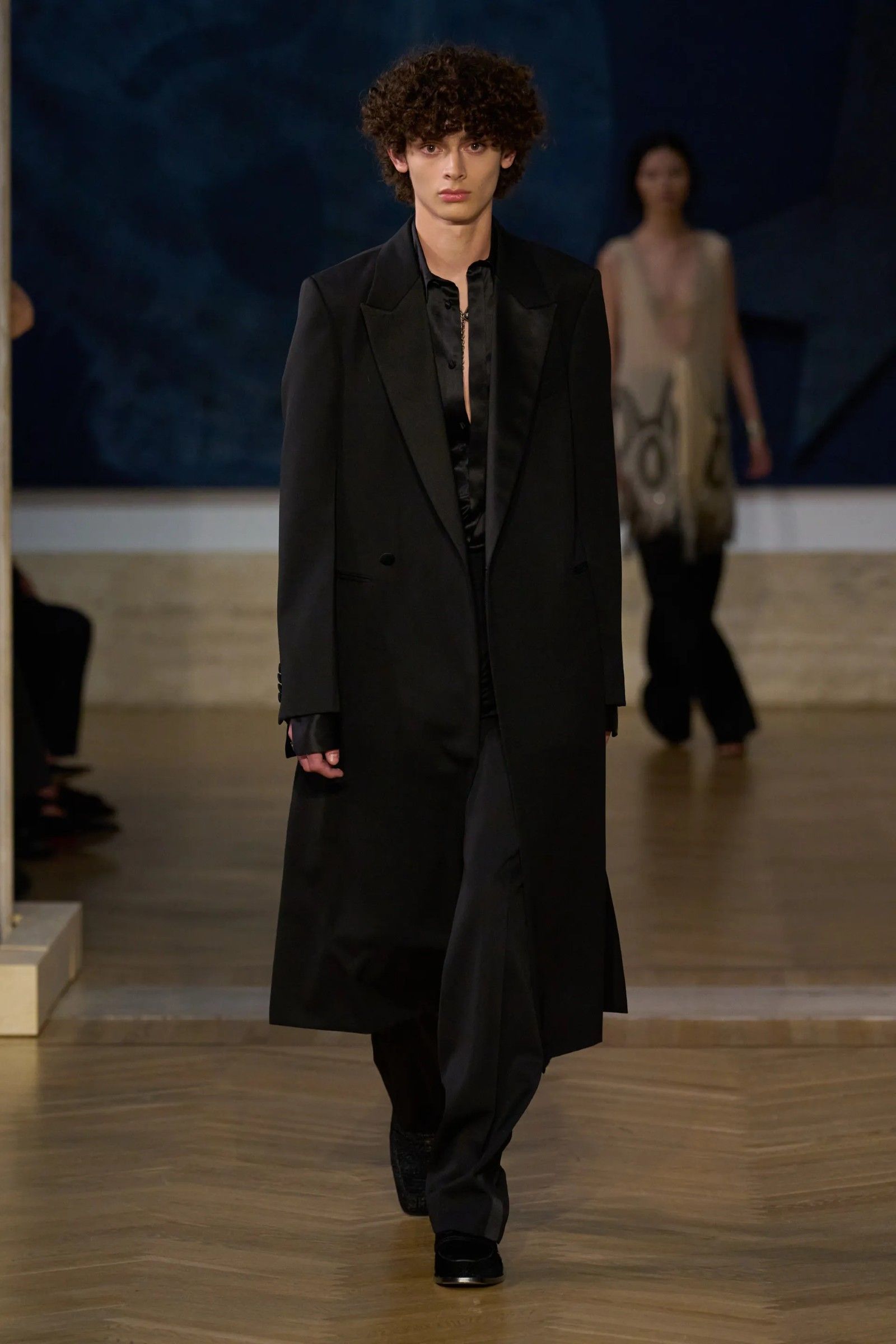
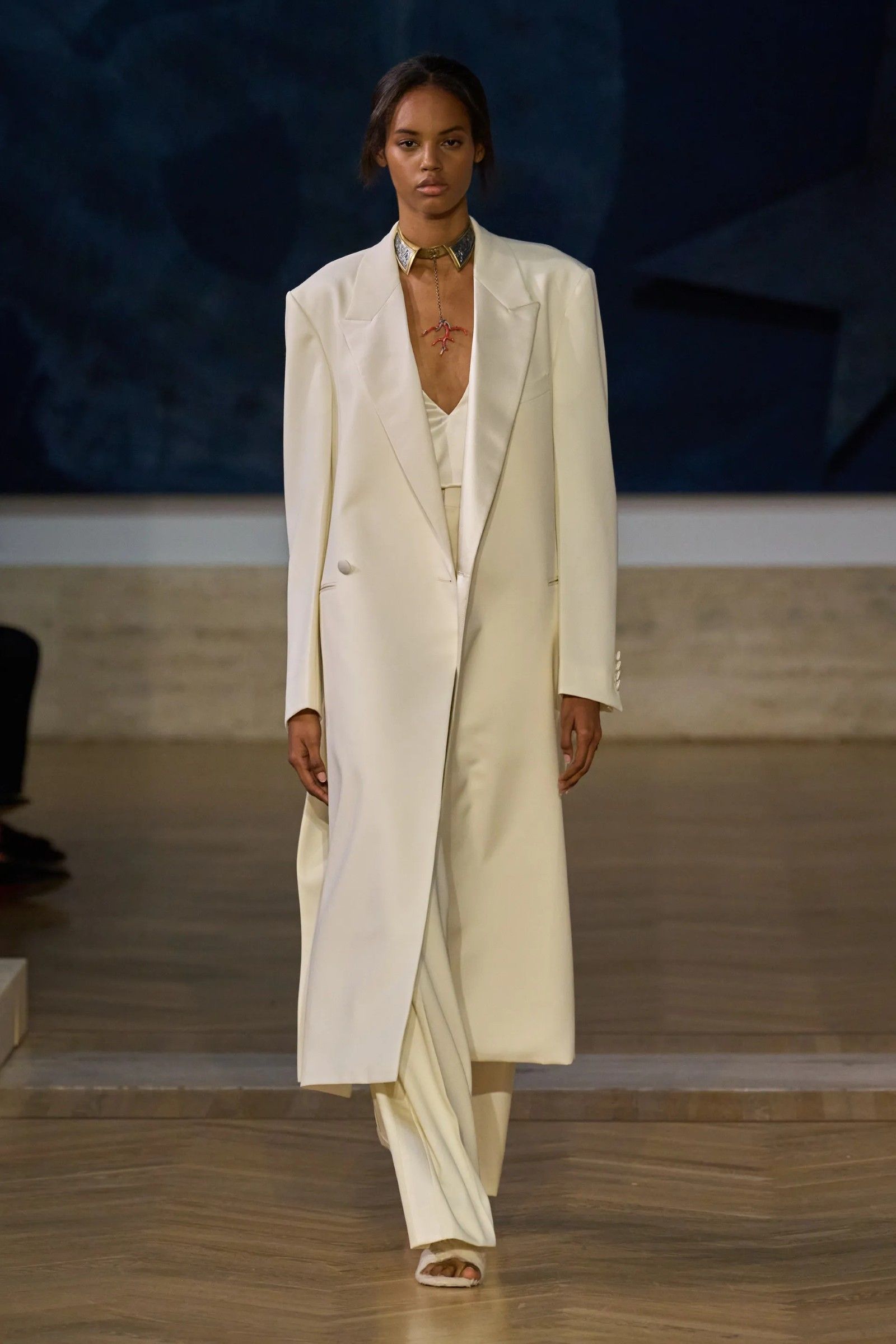
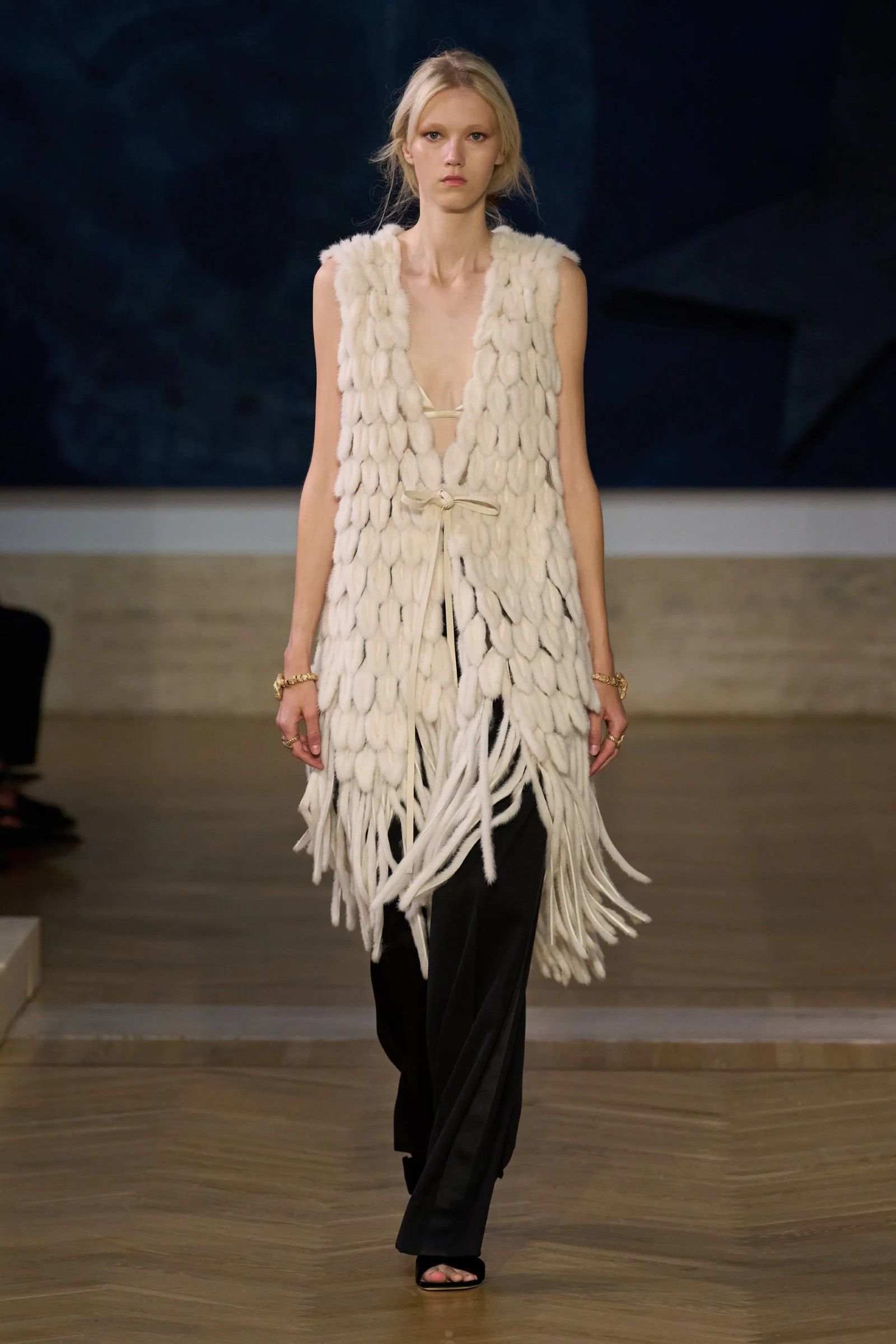
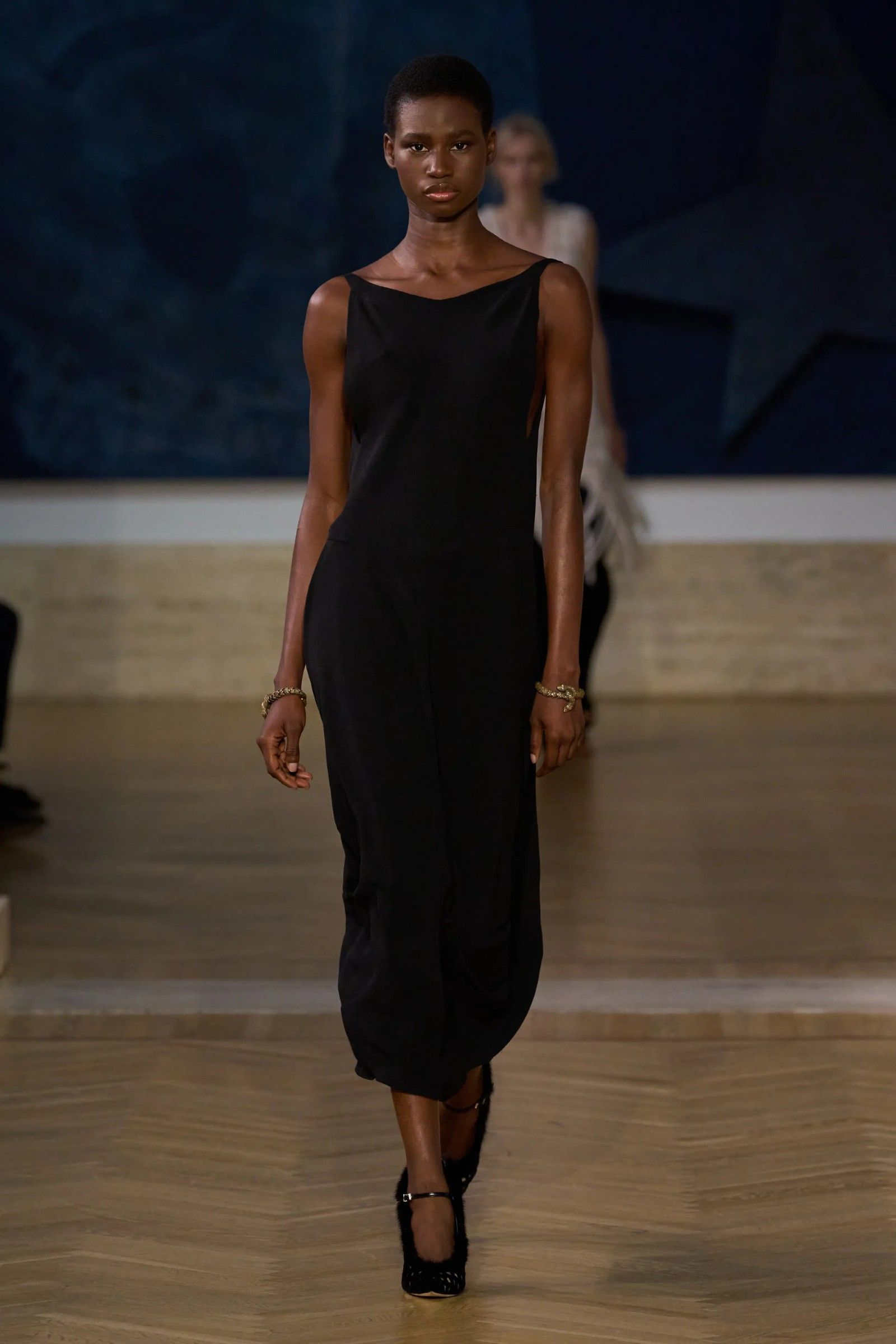
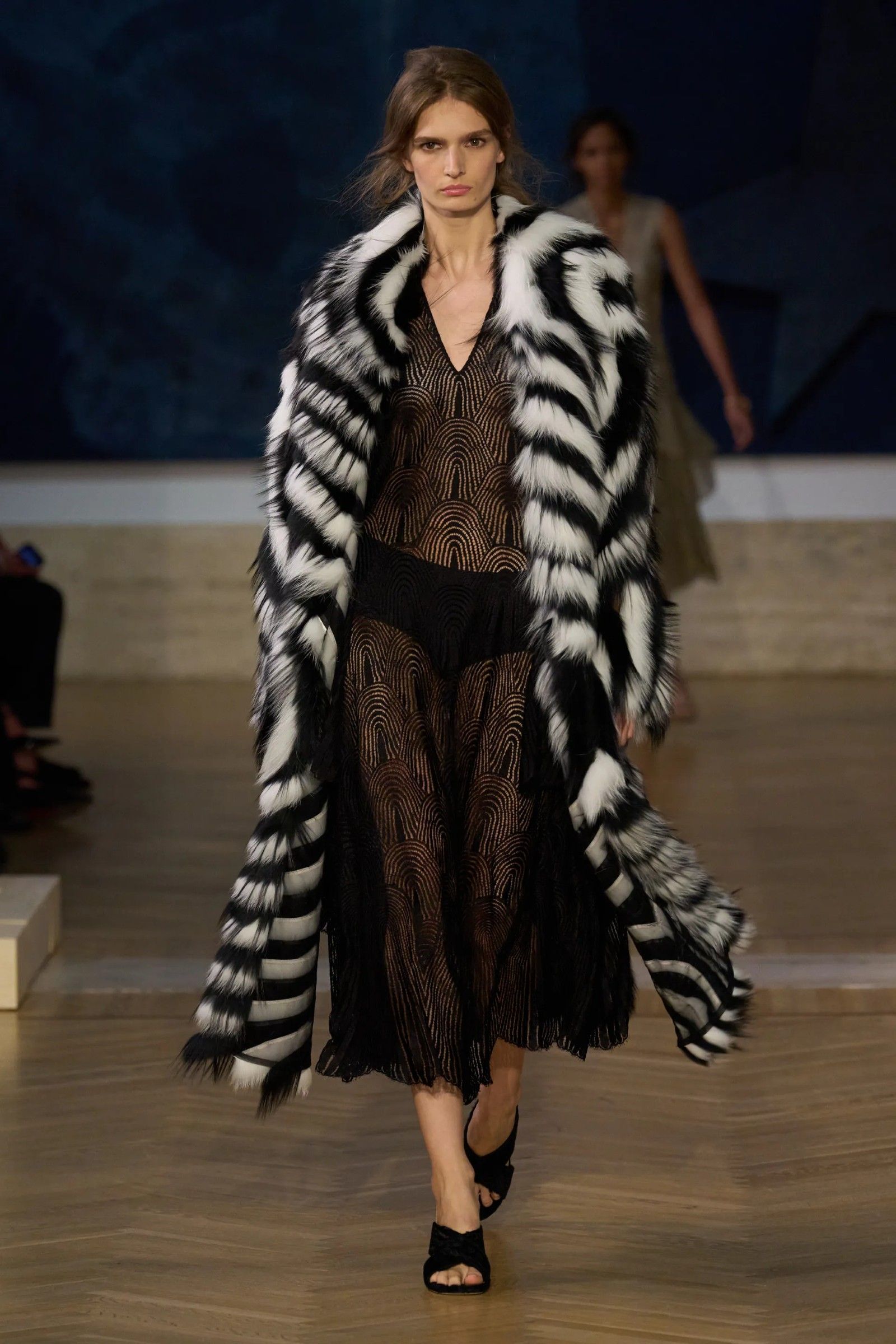
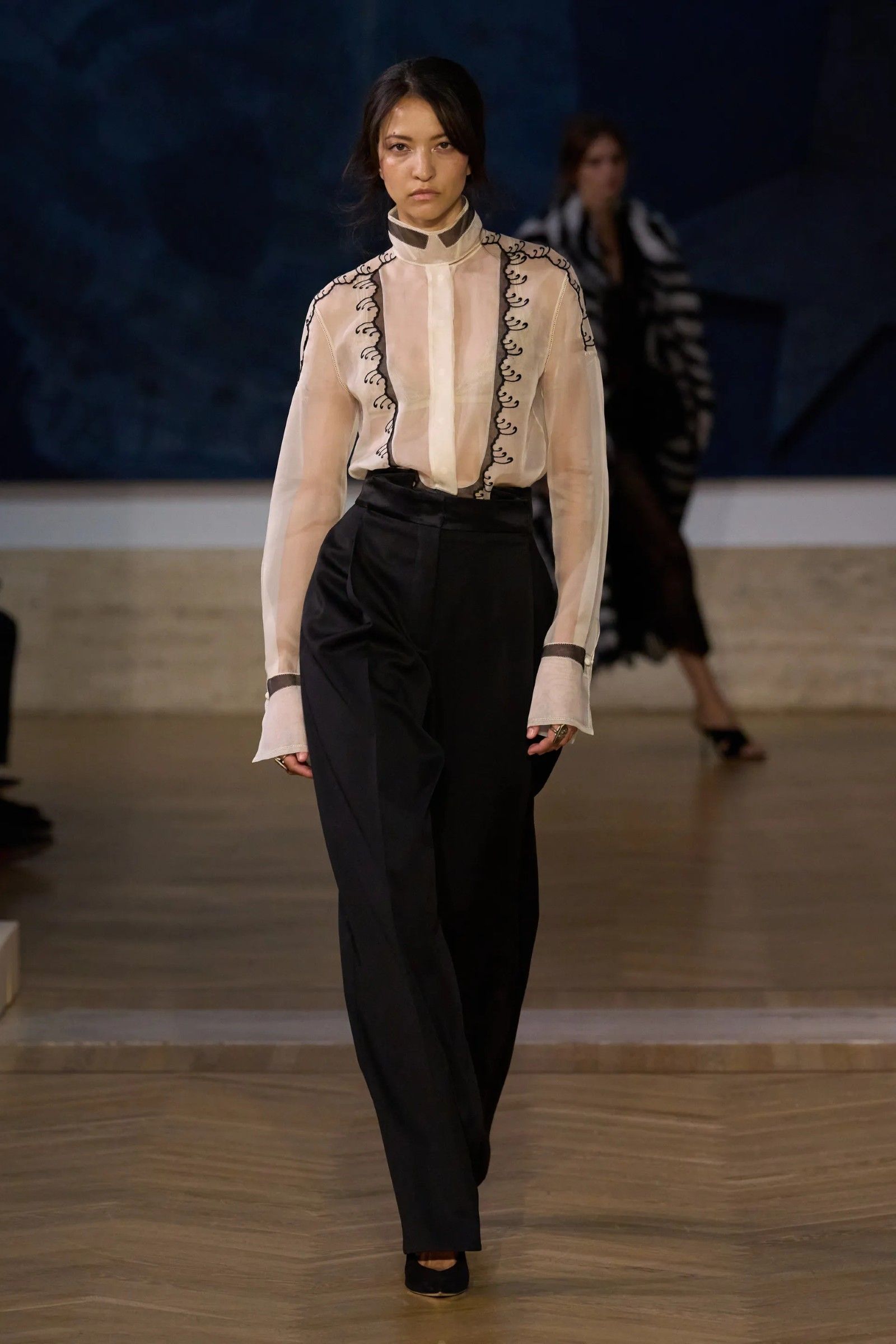
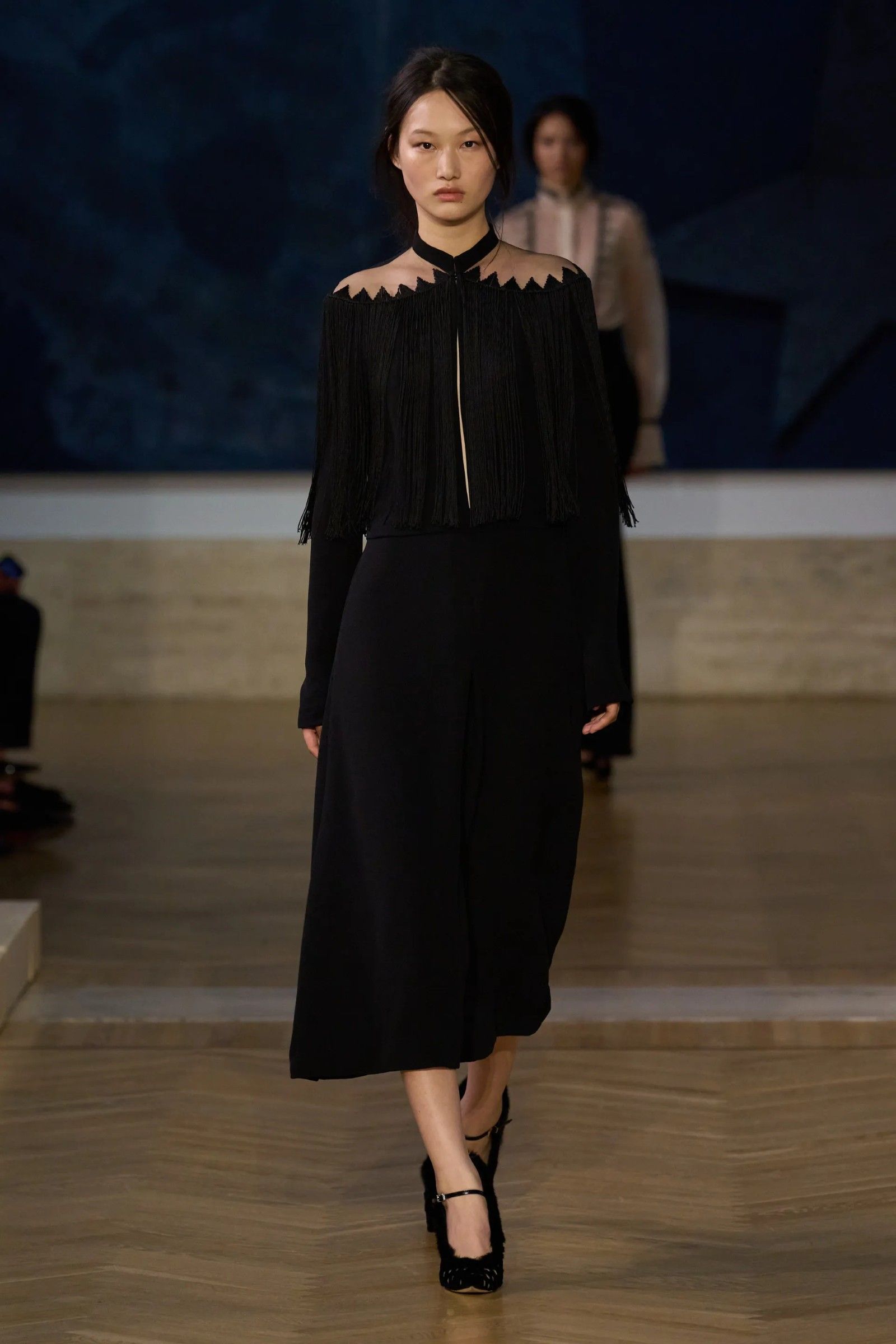
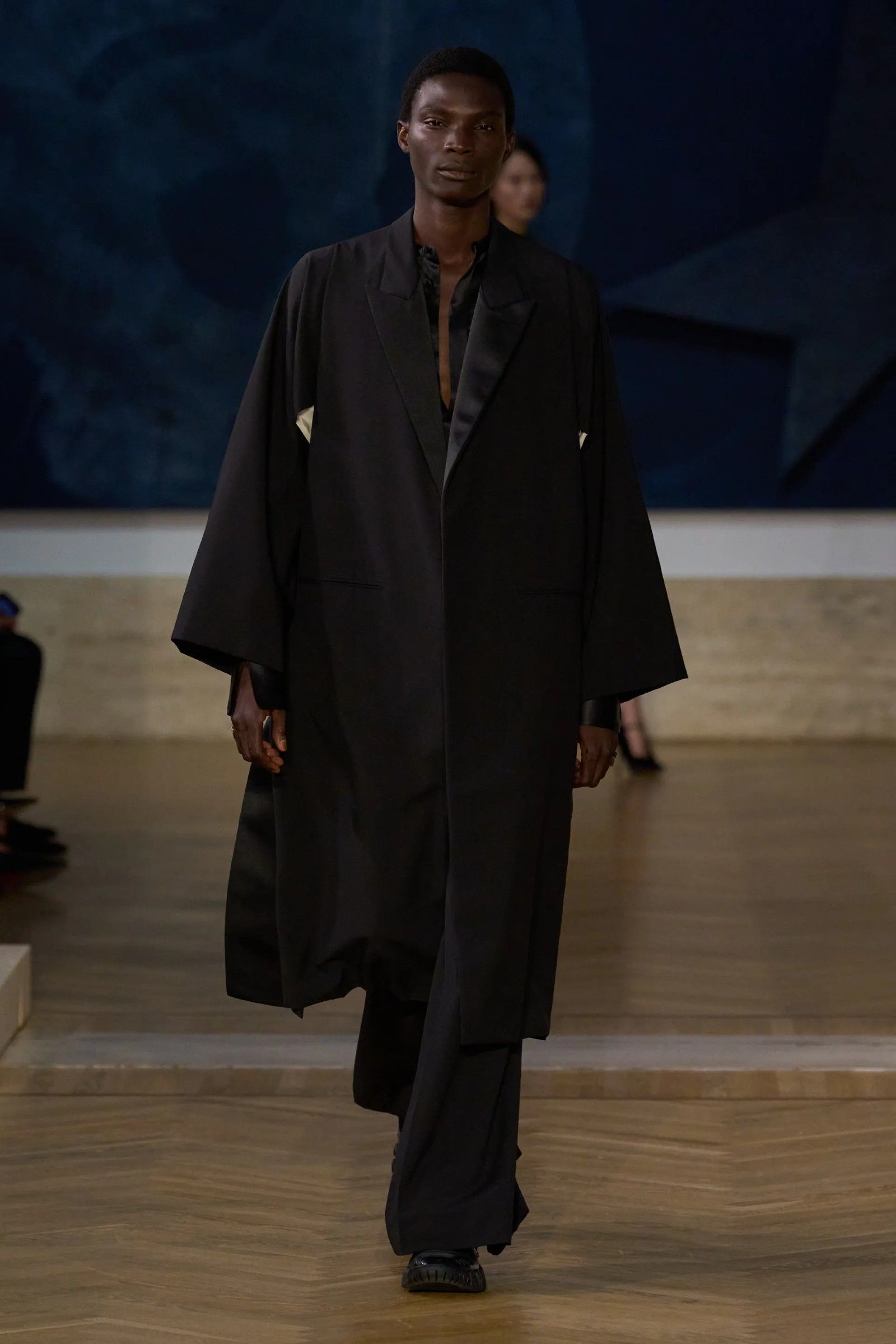
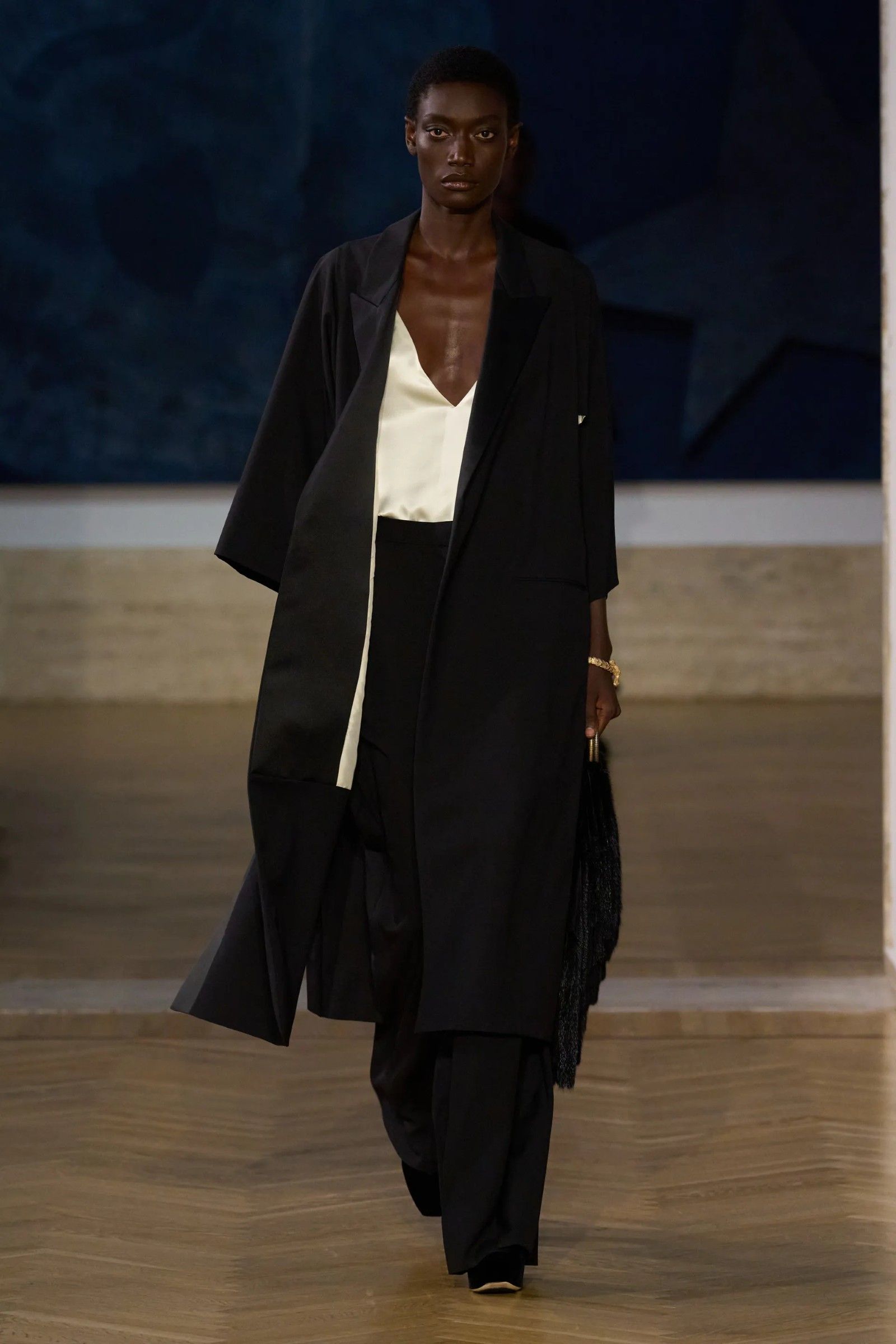
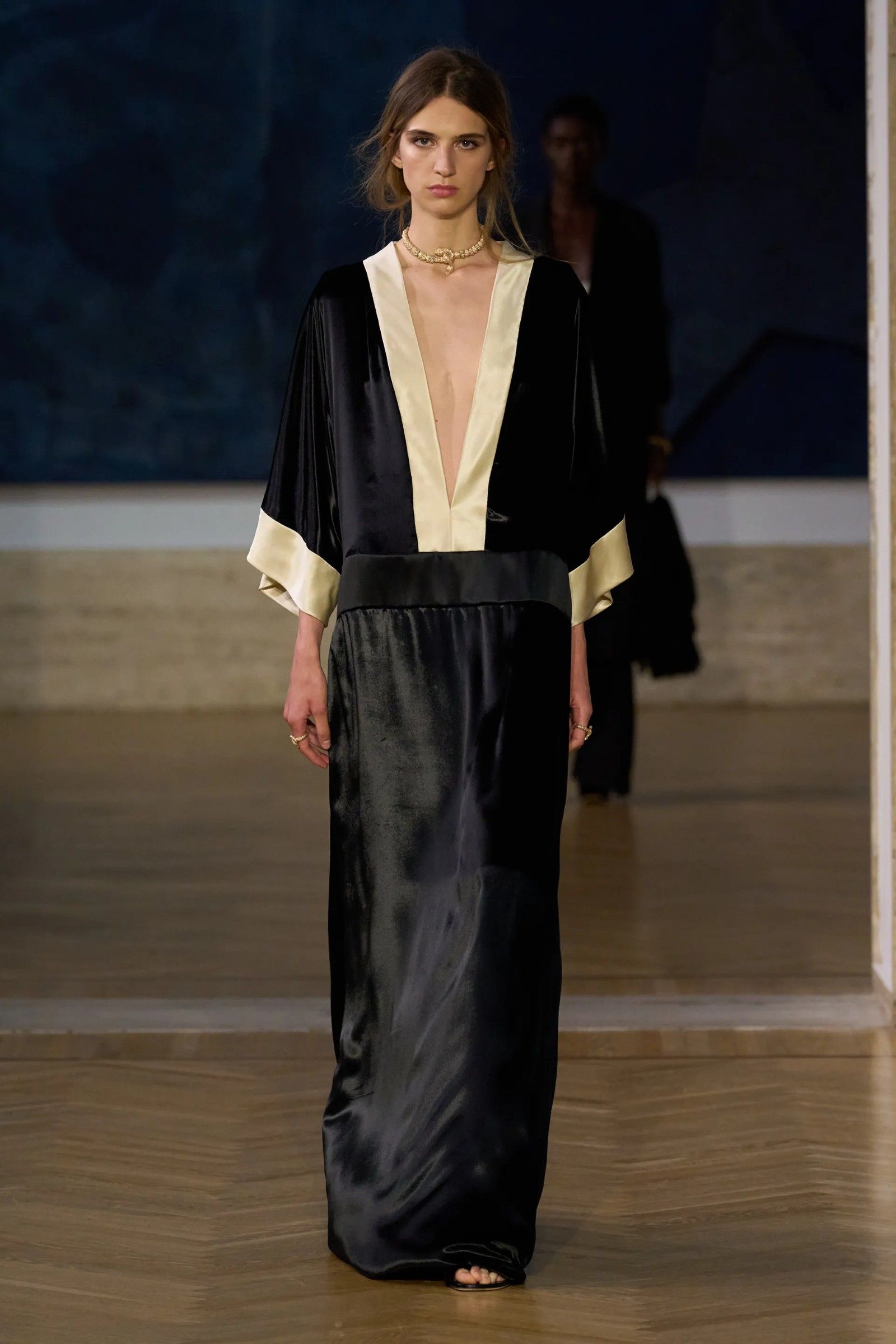
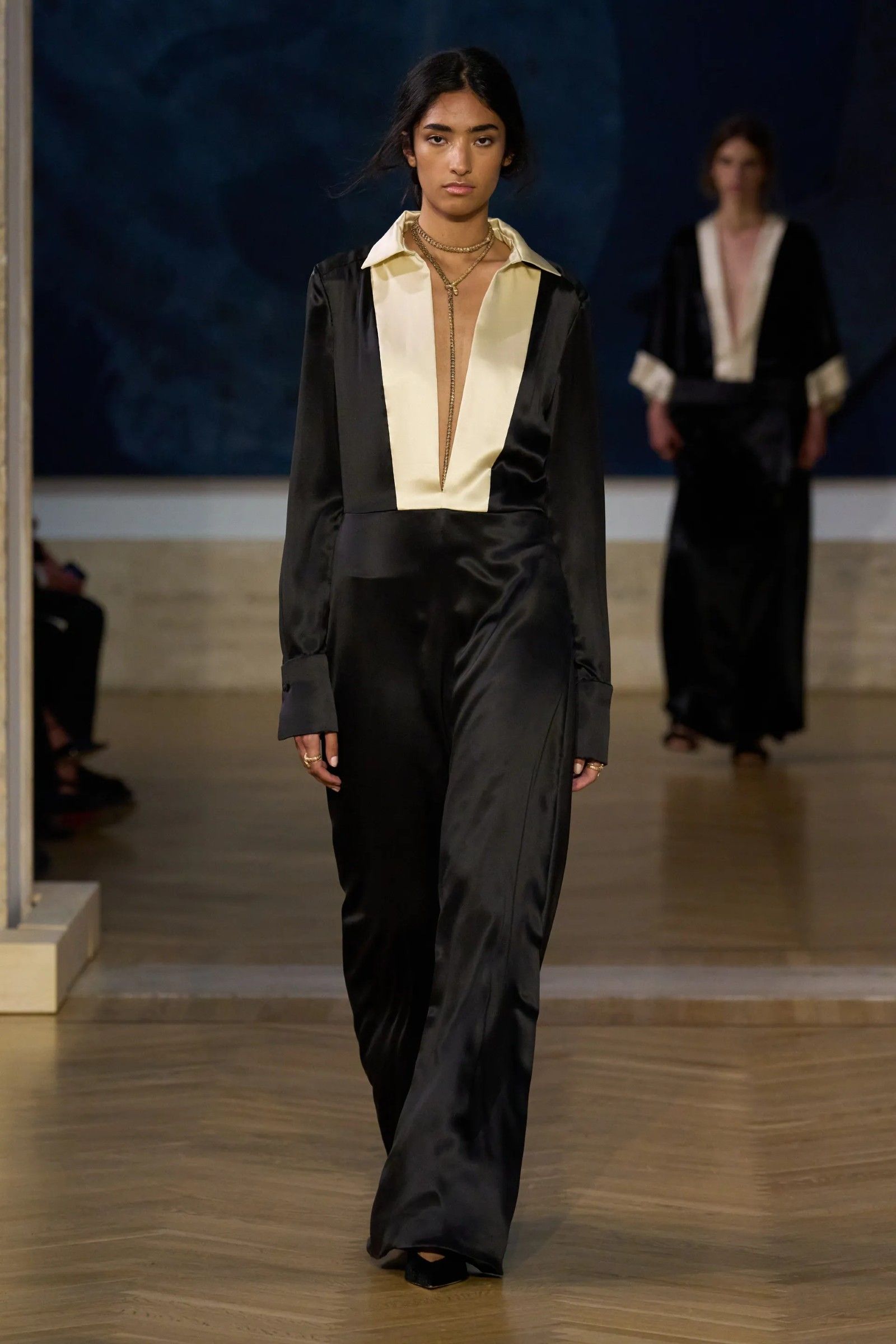
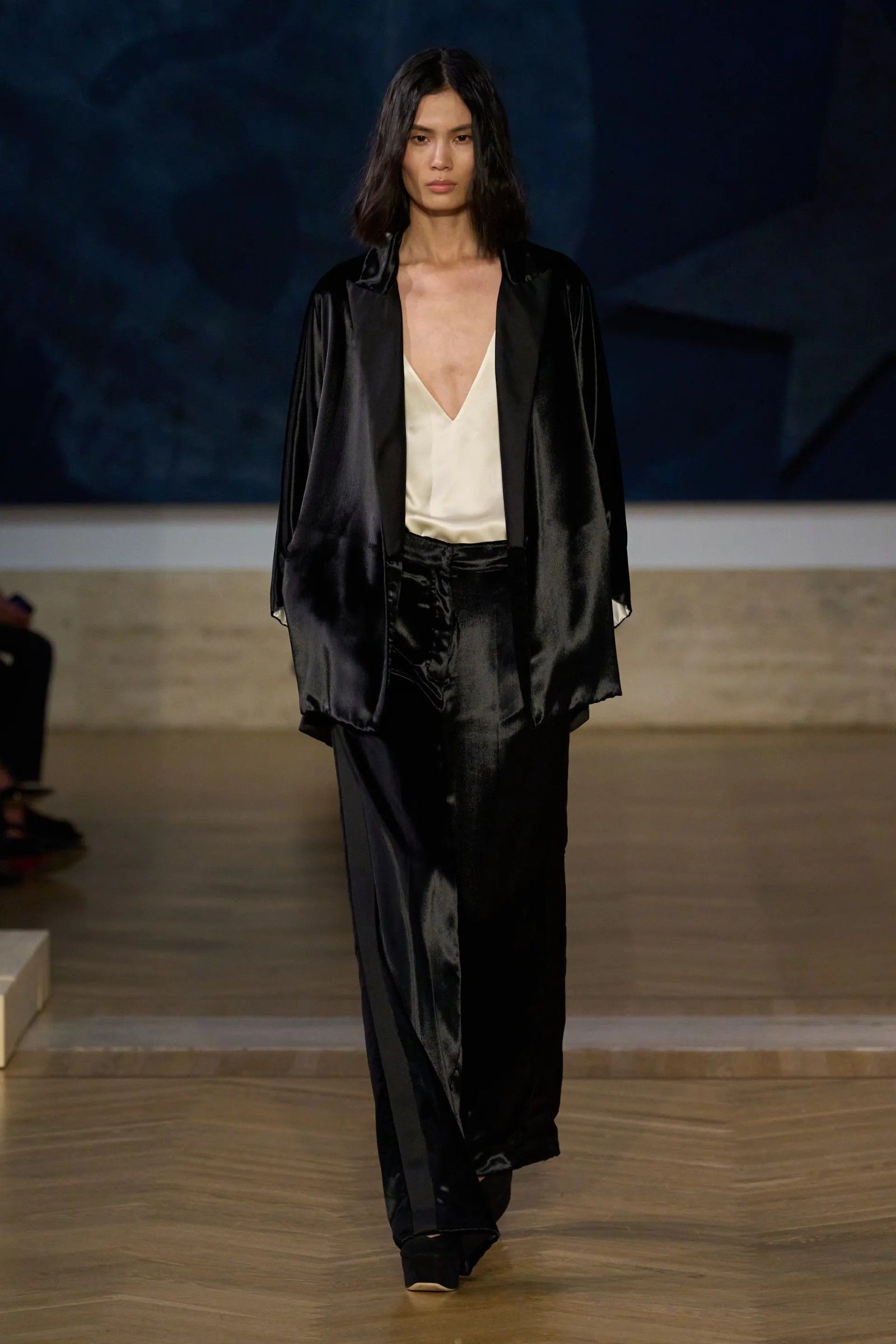
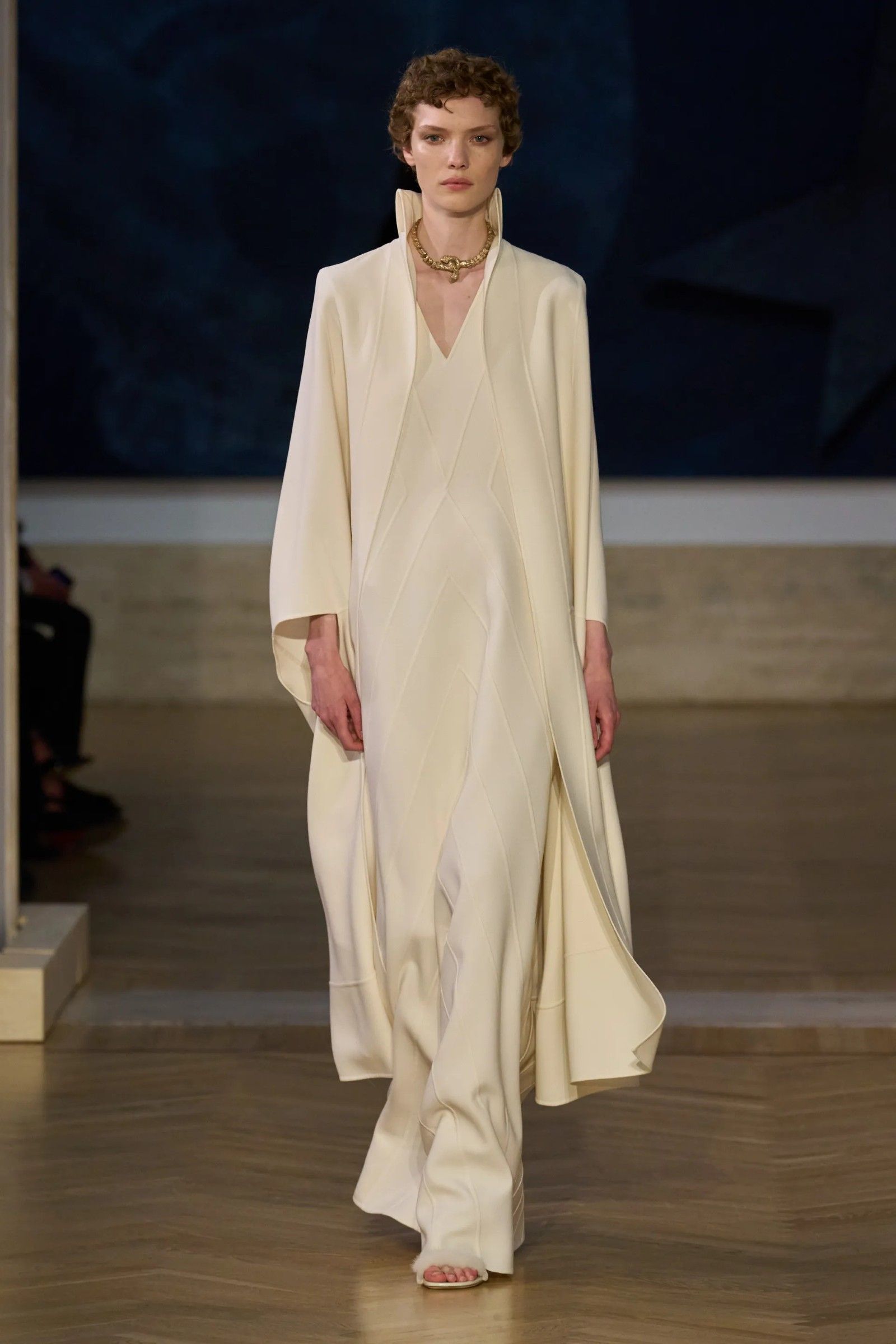
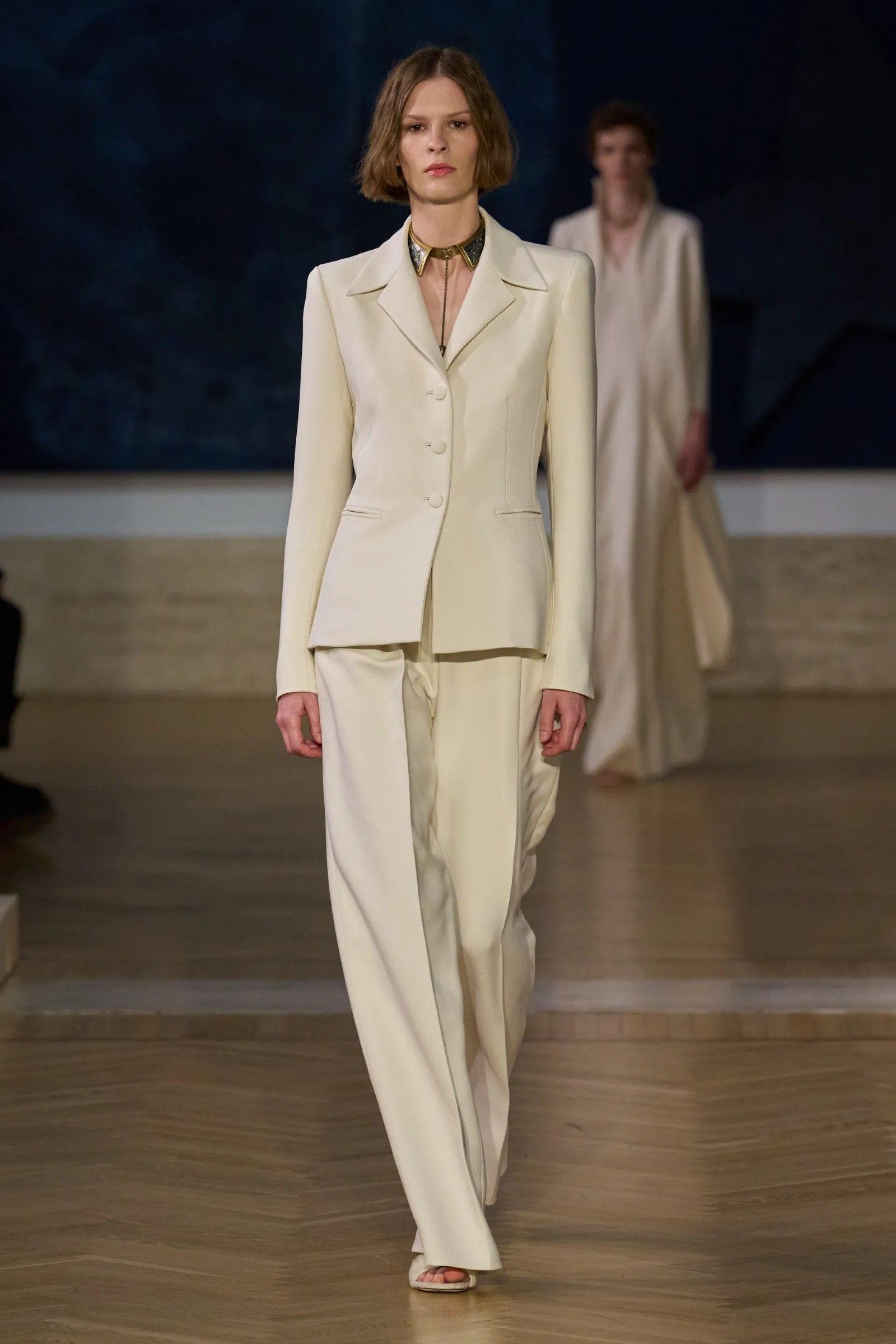
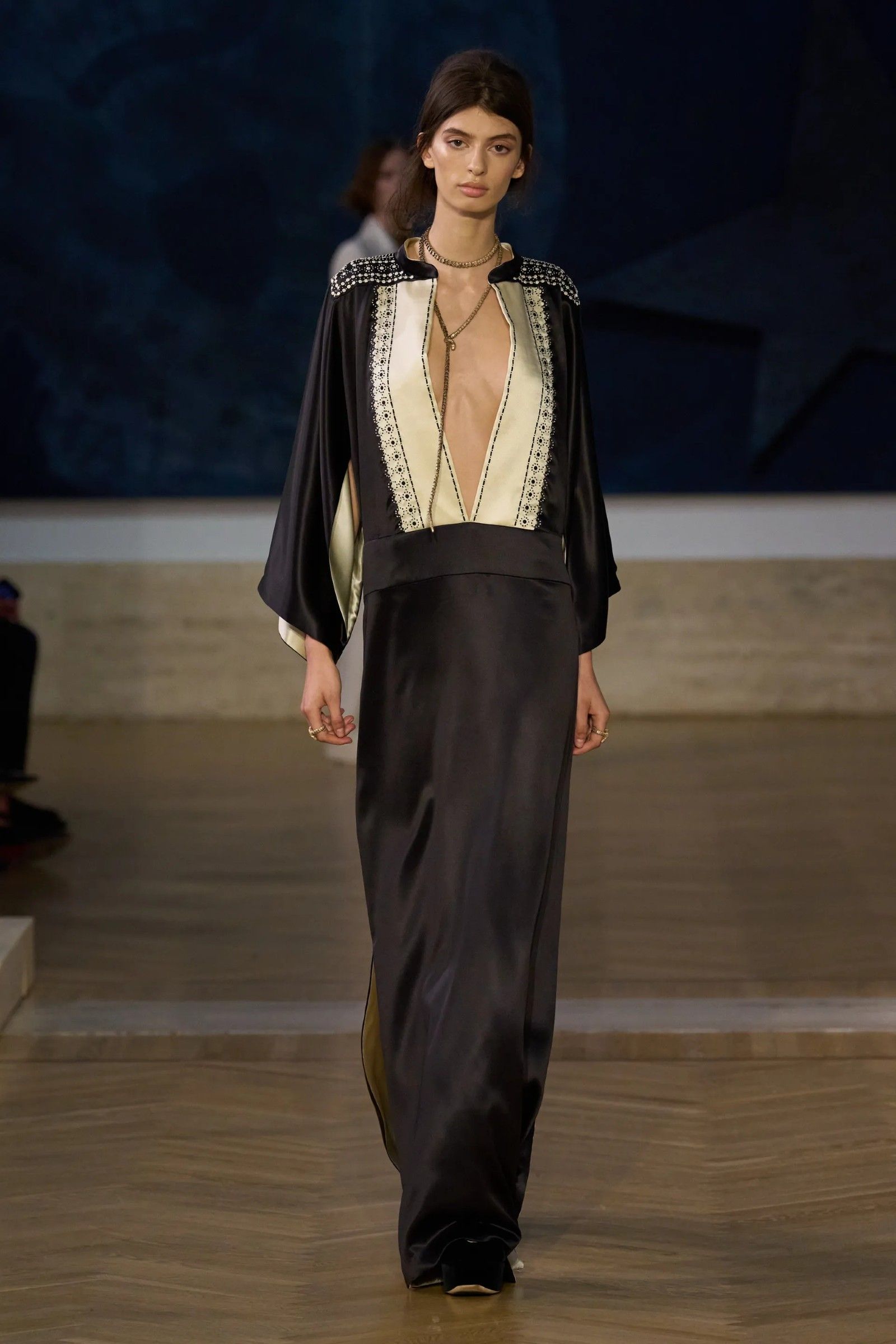
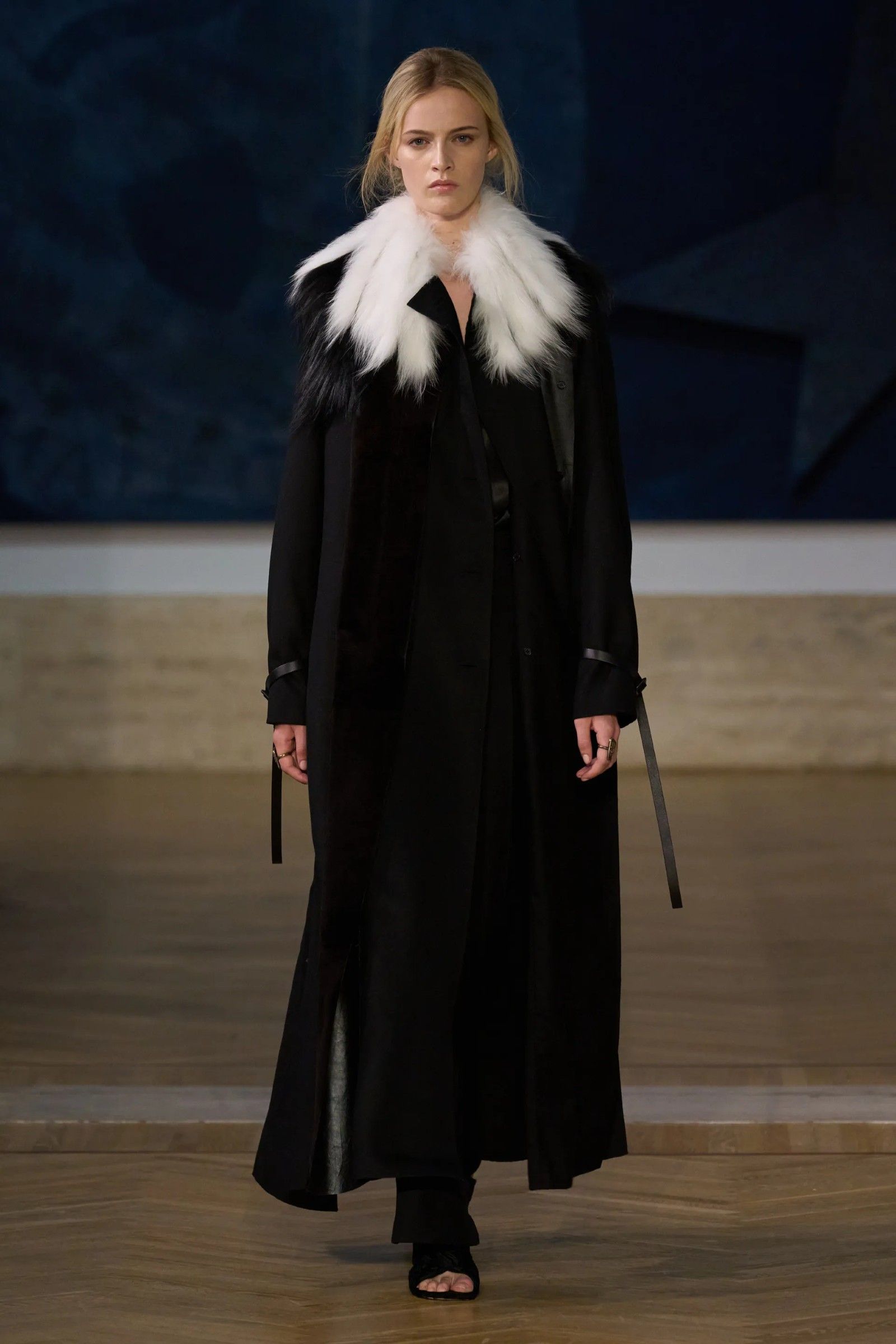
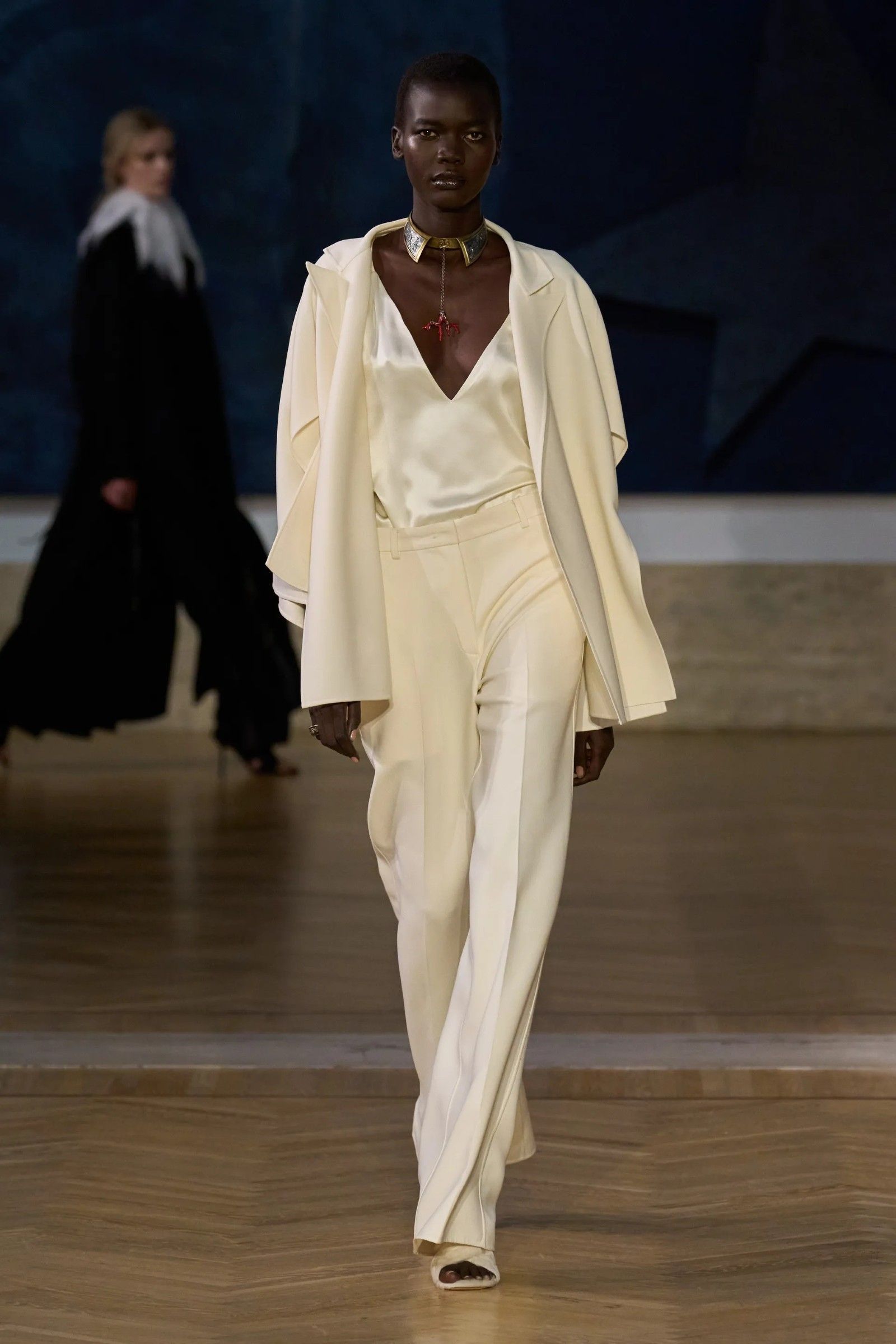
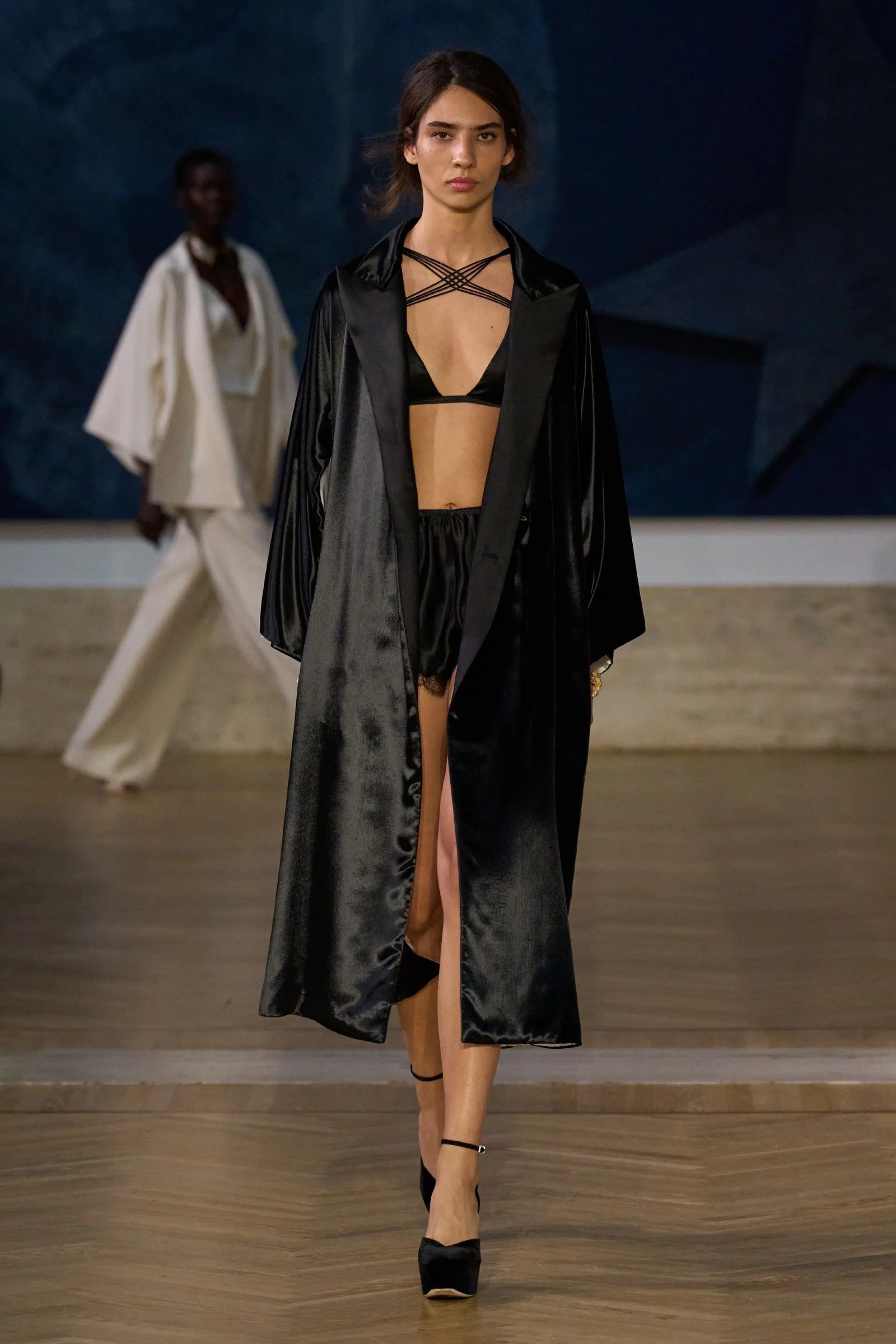
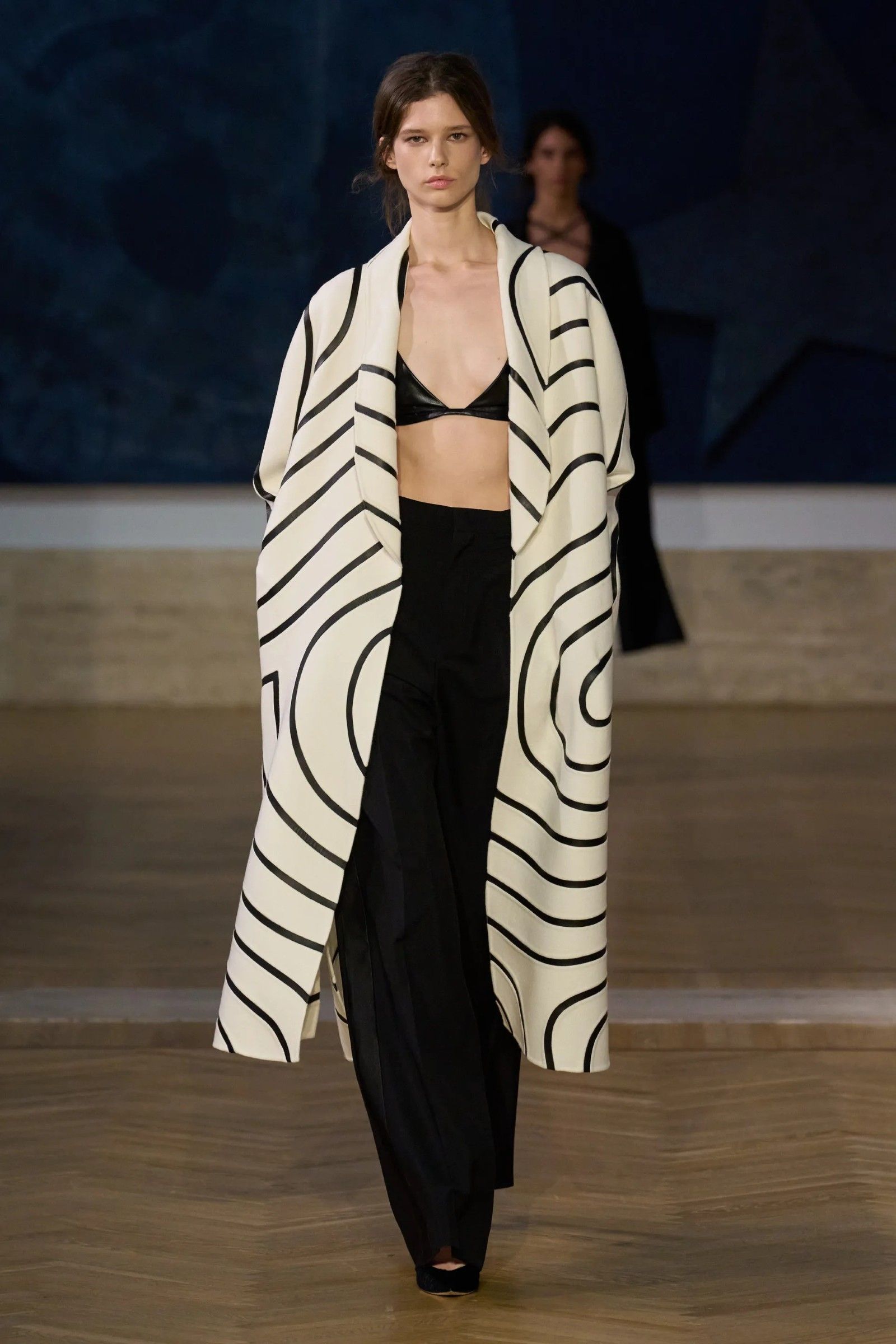
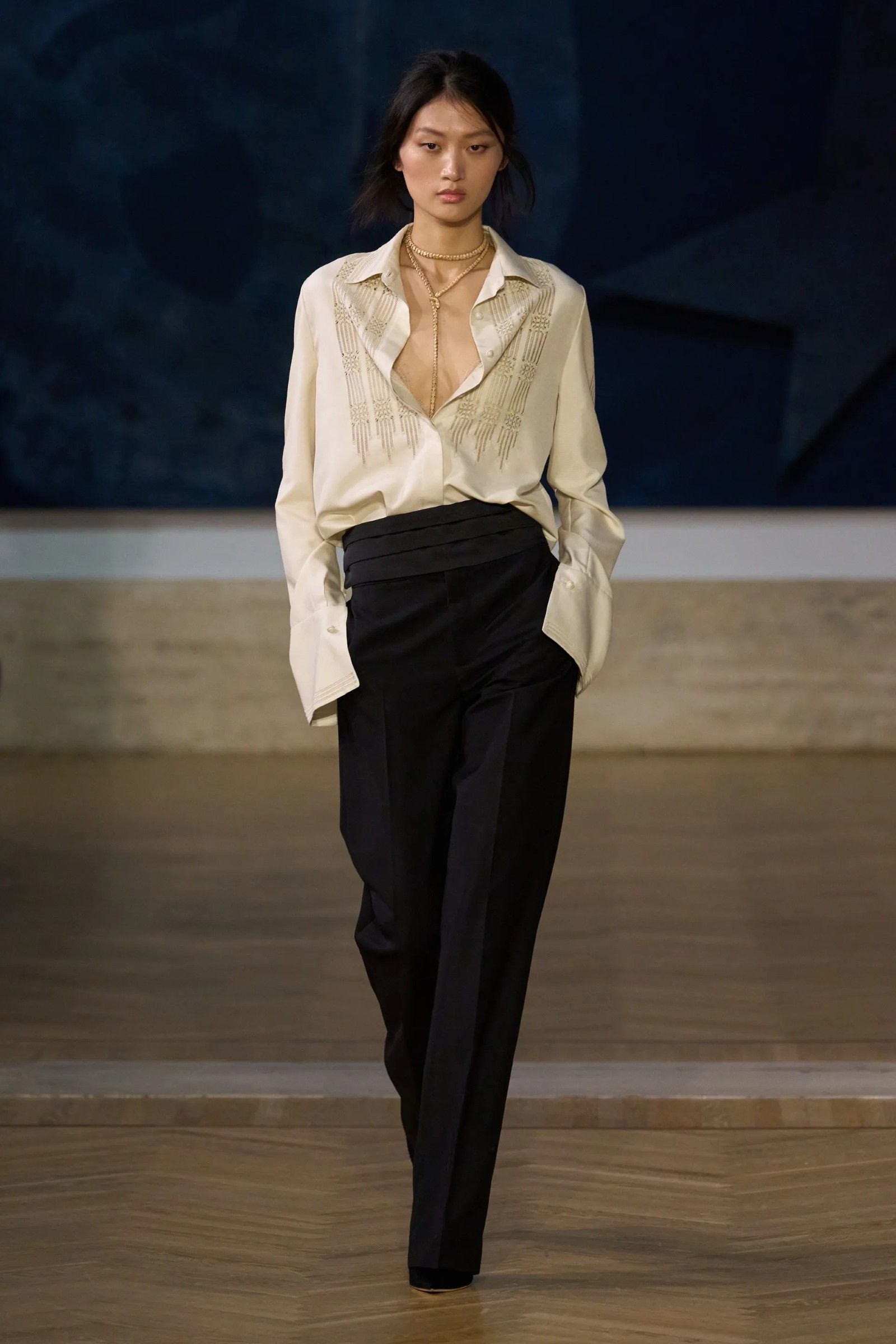
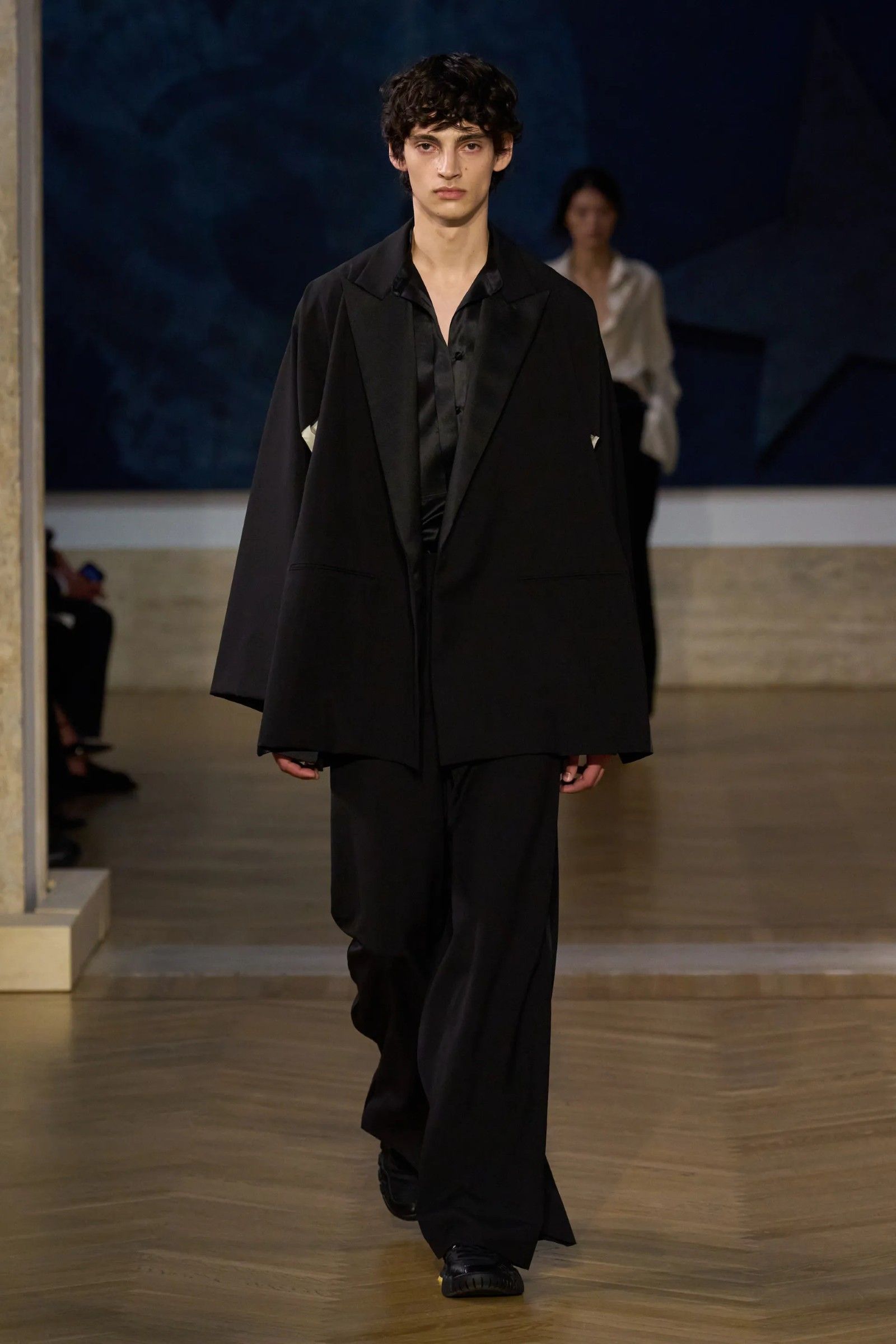
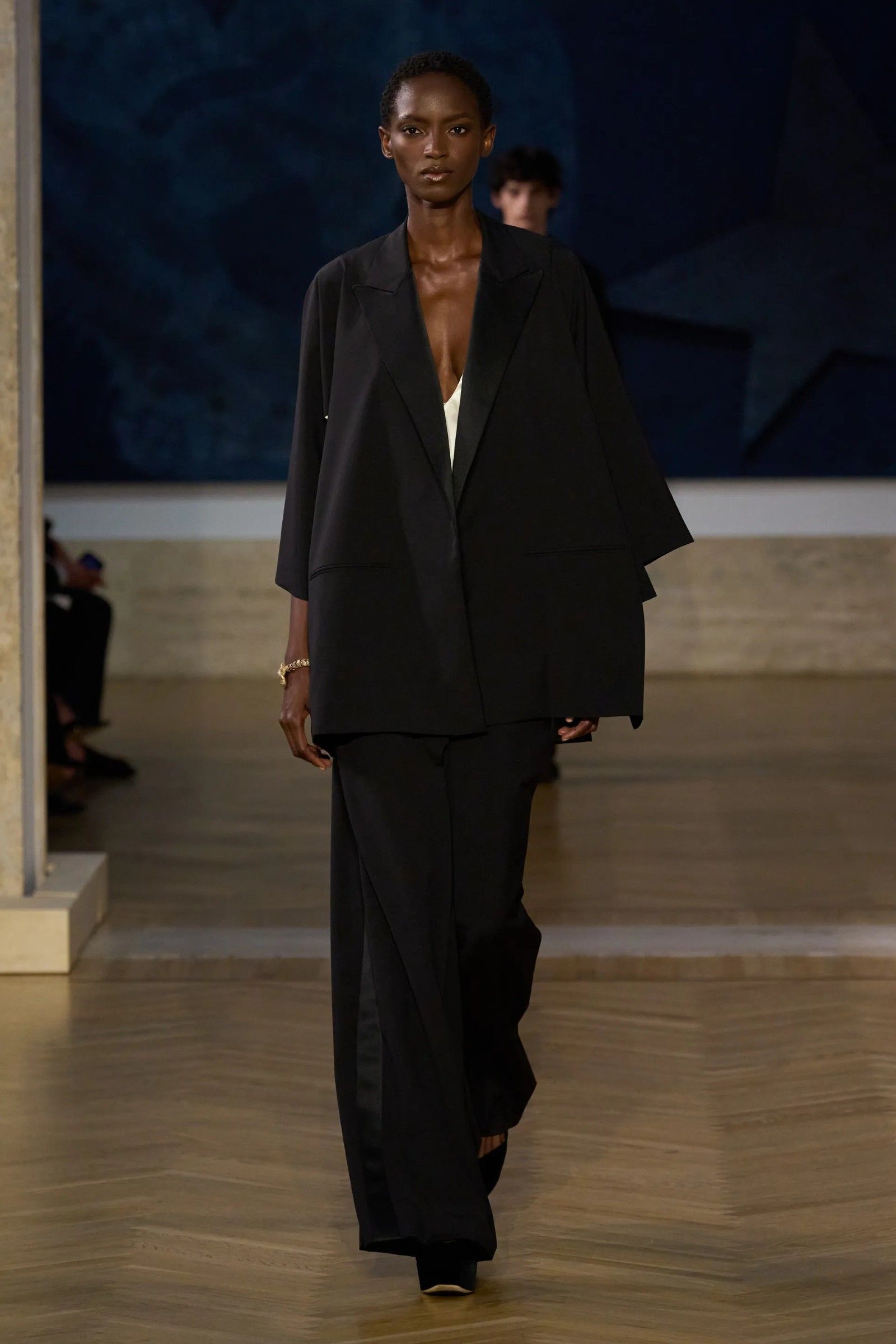
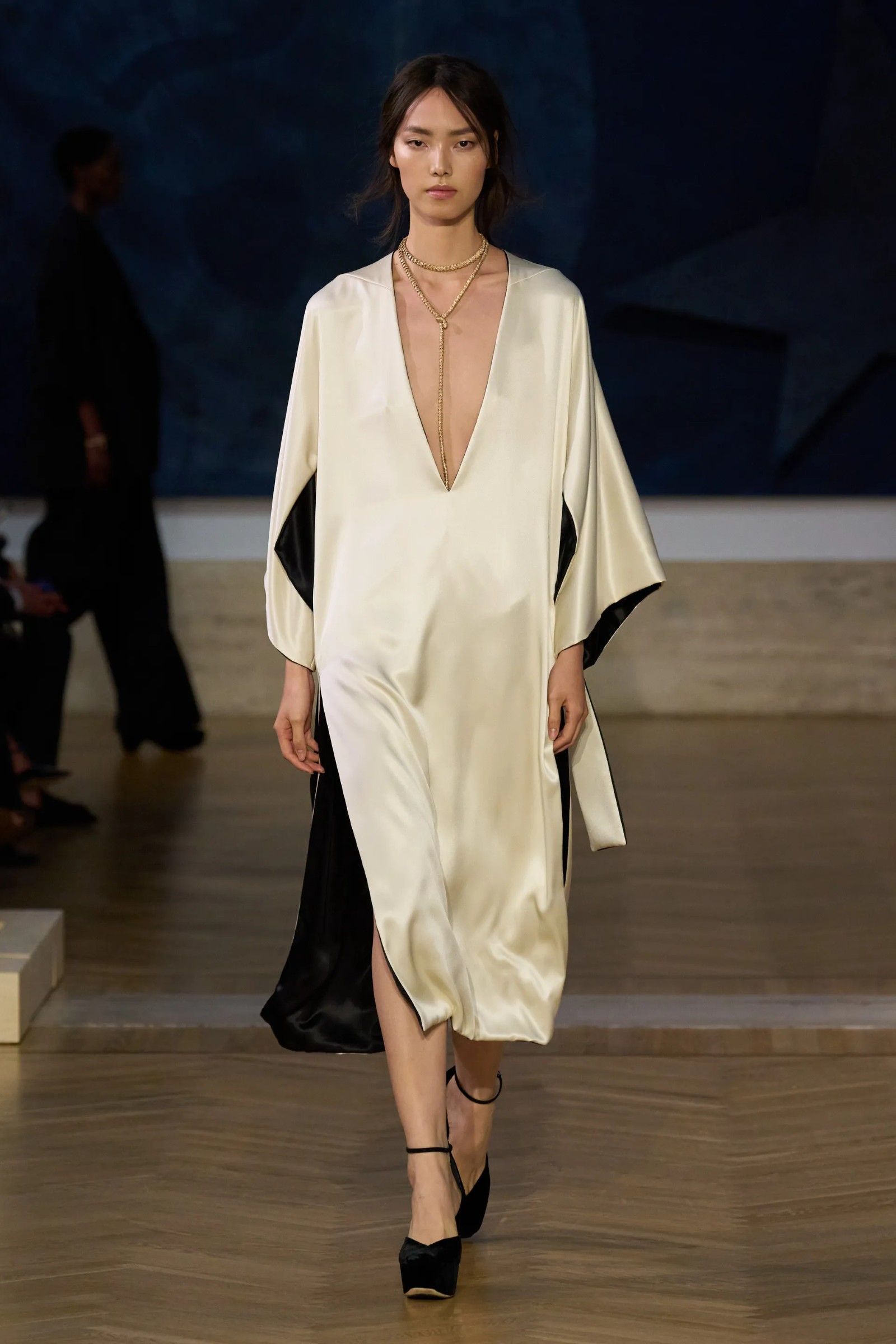
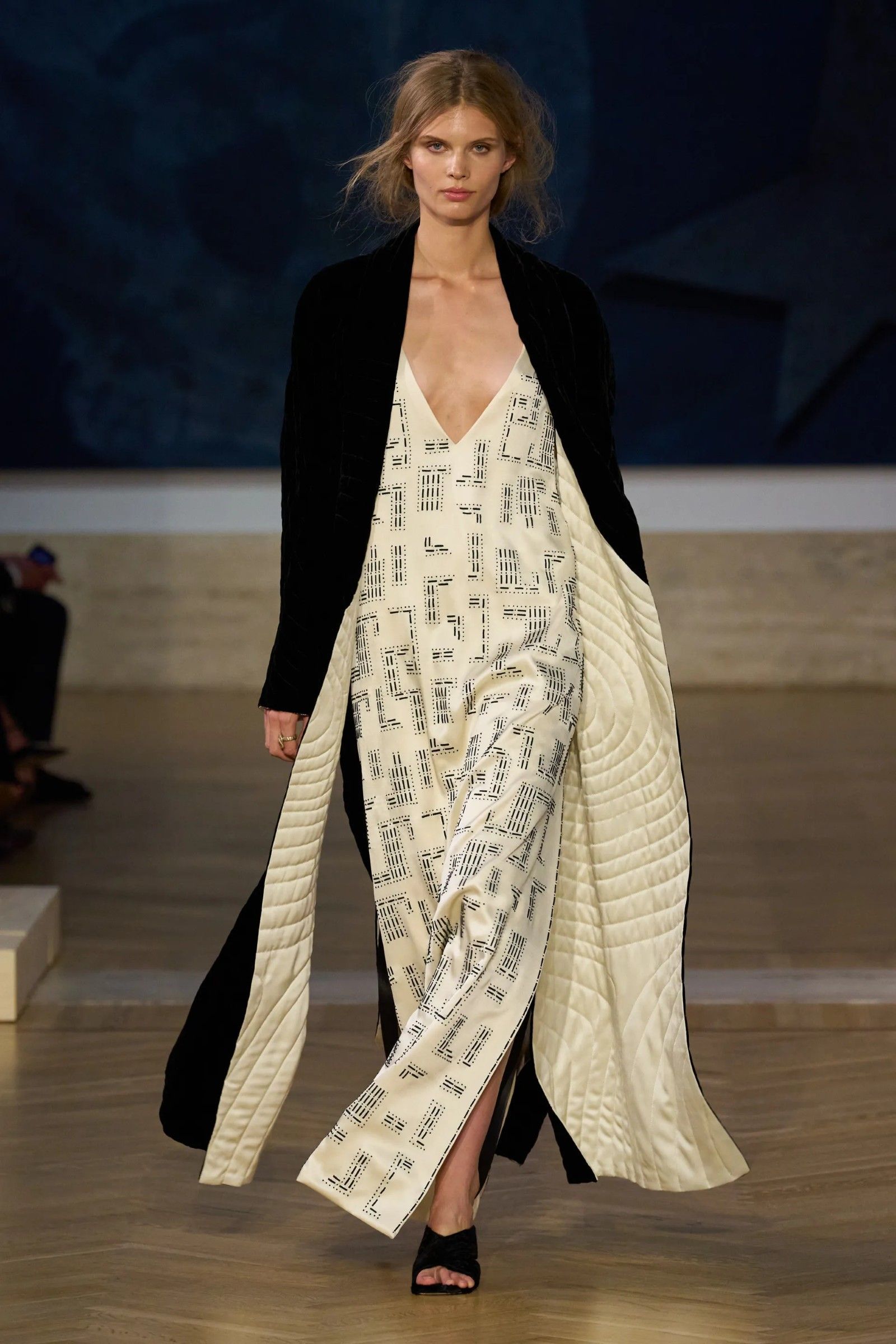
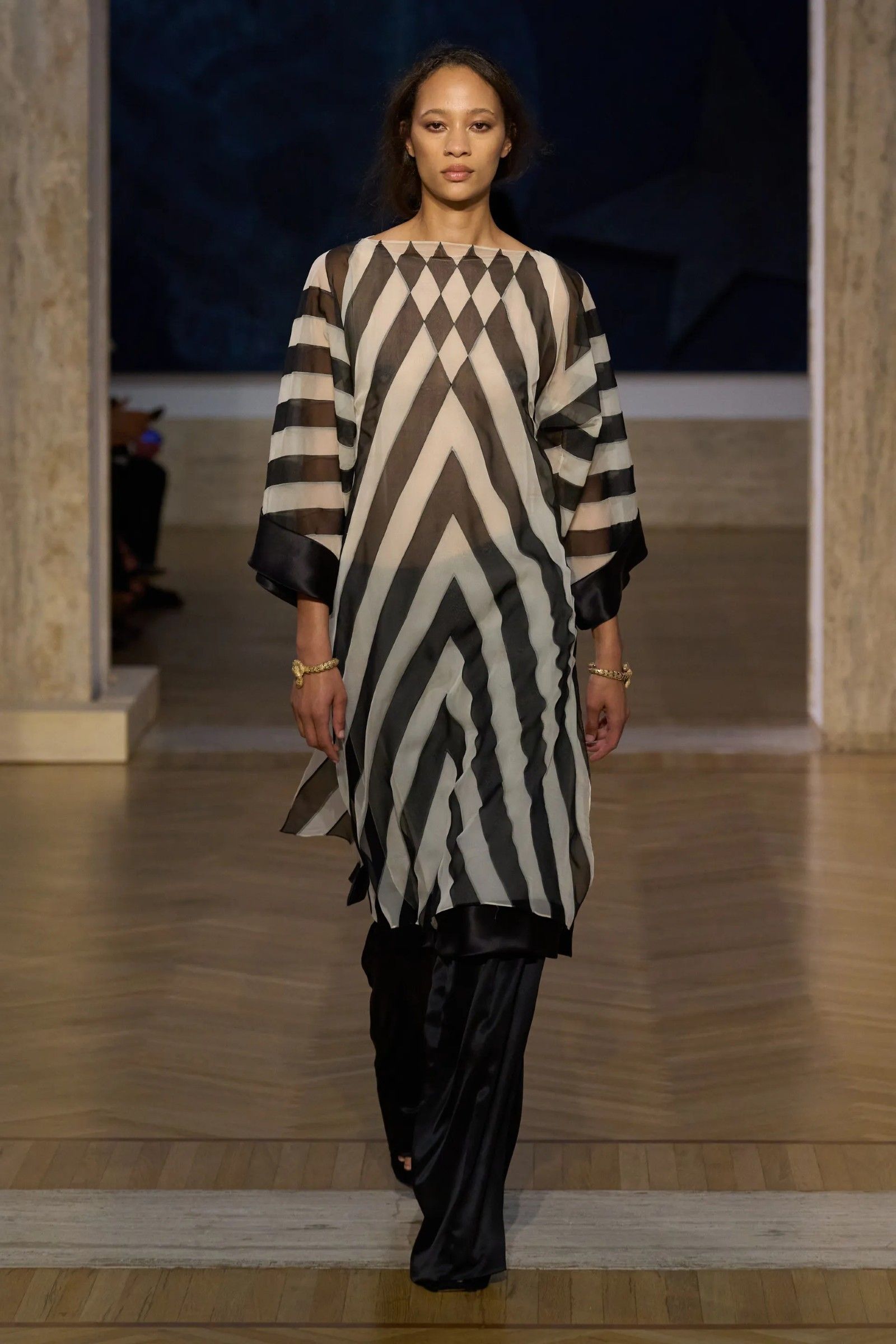
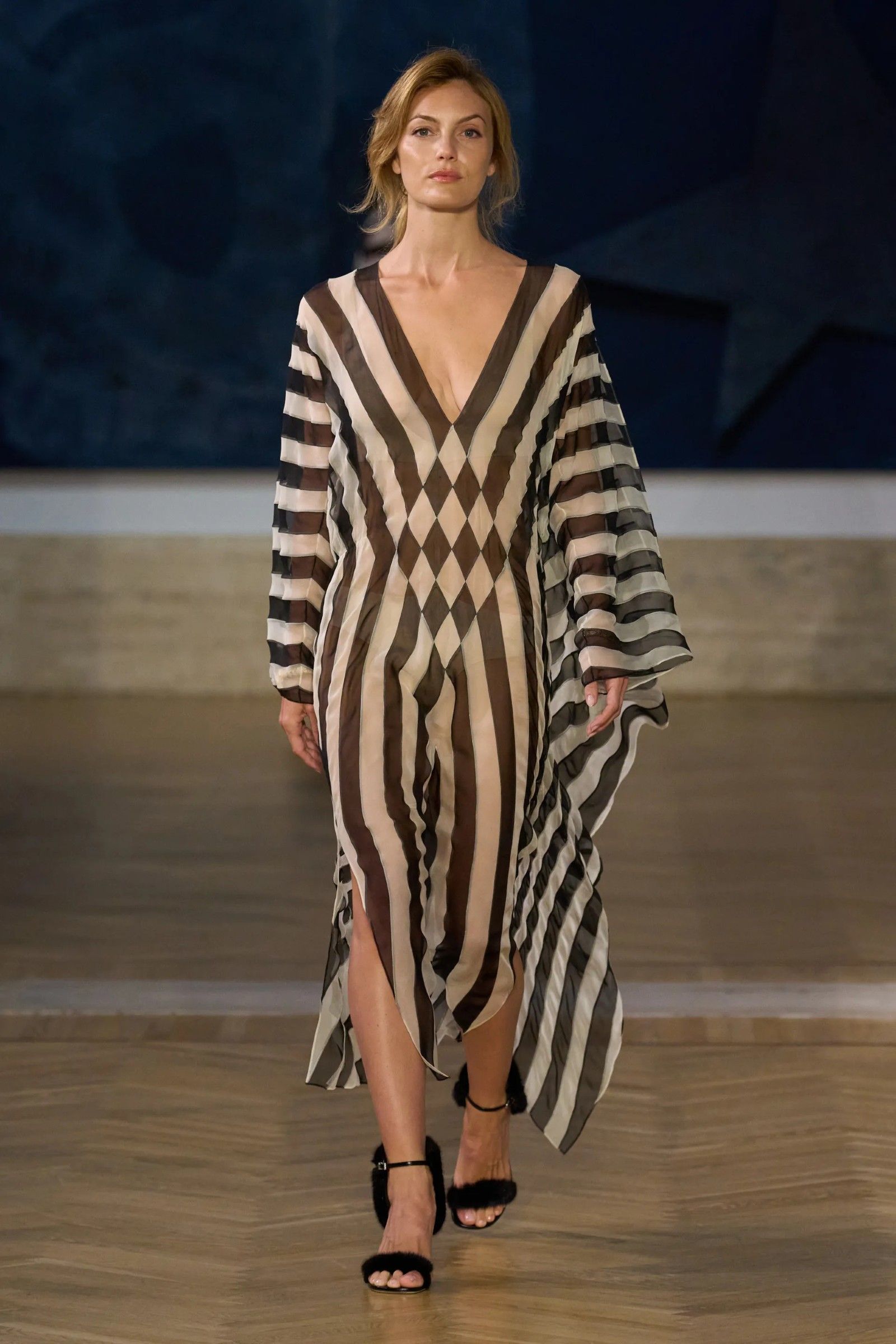
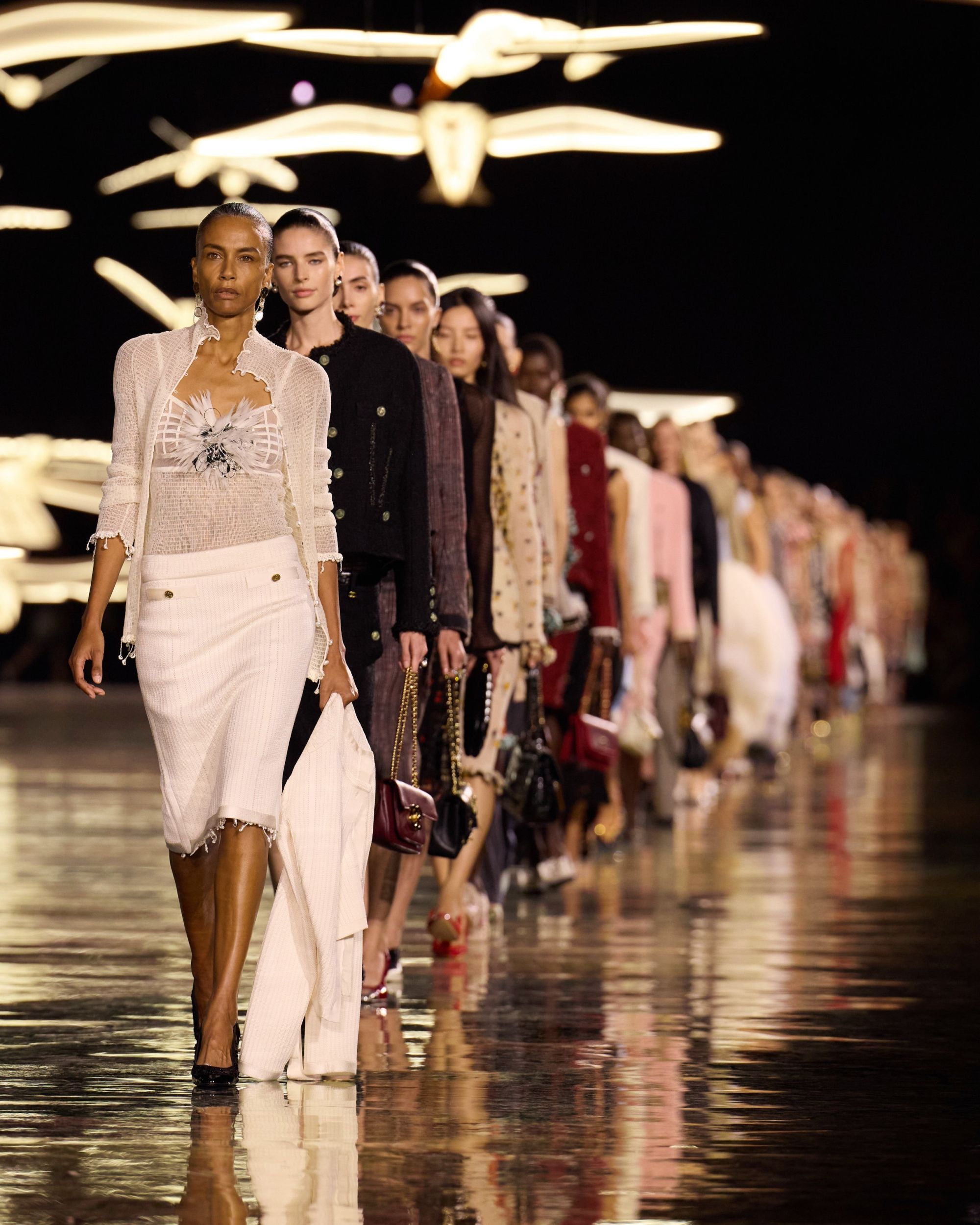
Yesterday, at the National Gallery of Modern and Contemporary Art in Rome, before the eyes of a resplendent Sarah Jessica Parker, Maria Grazia Chiuri's first Fendi Haute Couture collection made its runway debut. Like her ready-to-wear debut, this collection was built on very few colors (practically only black and white) and was steeped in reminiscences of early twentieth-century silhouettes, with the opening look referencing a celebrated tunic dress by couturière Emilie Louise Flöge, Gustav Klimt's companion and renowned Viennese haute couture designer whose work was almost entirely destroyed in a fire during the Second World War.
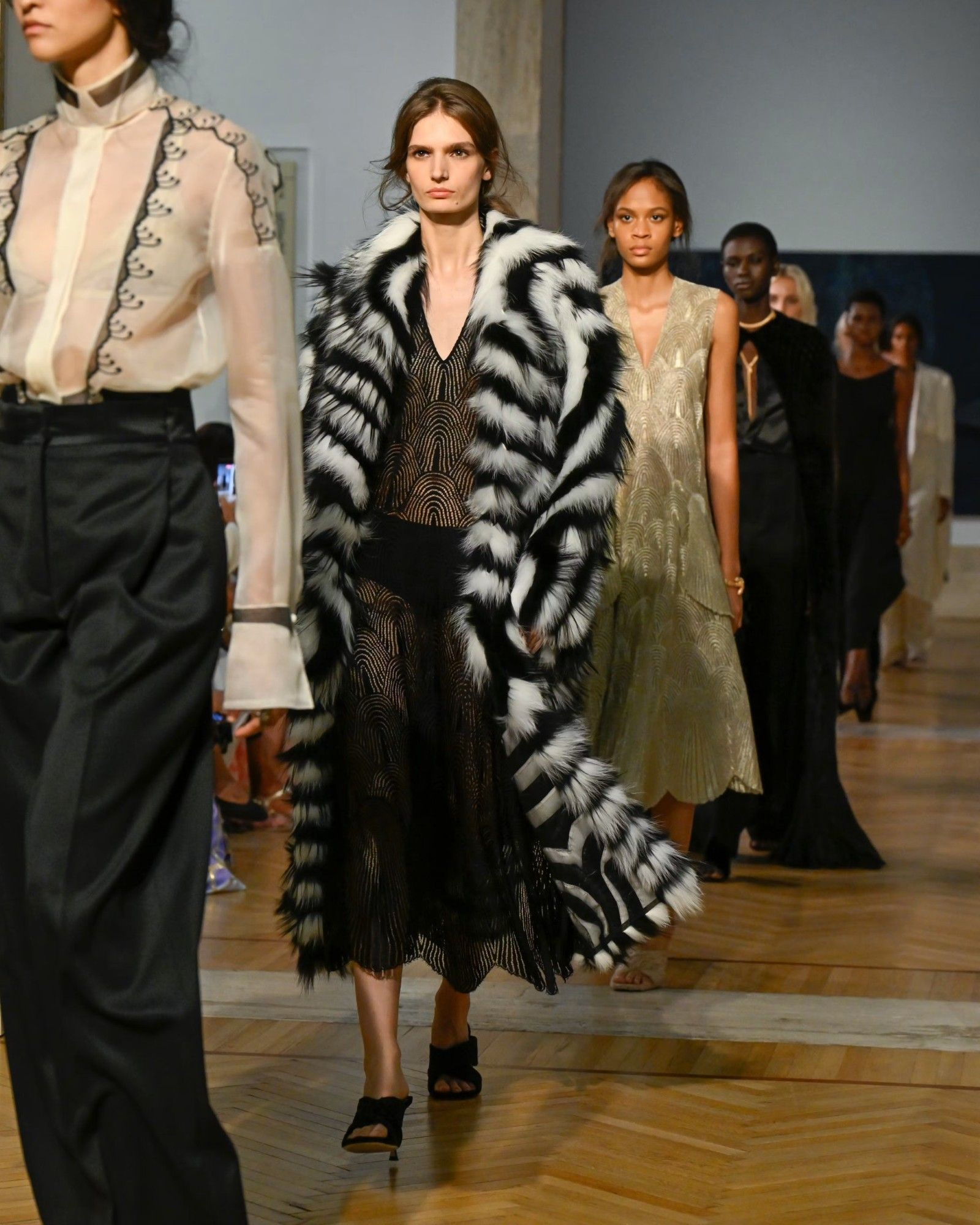
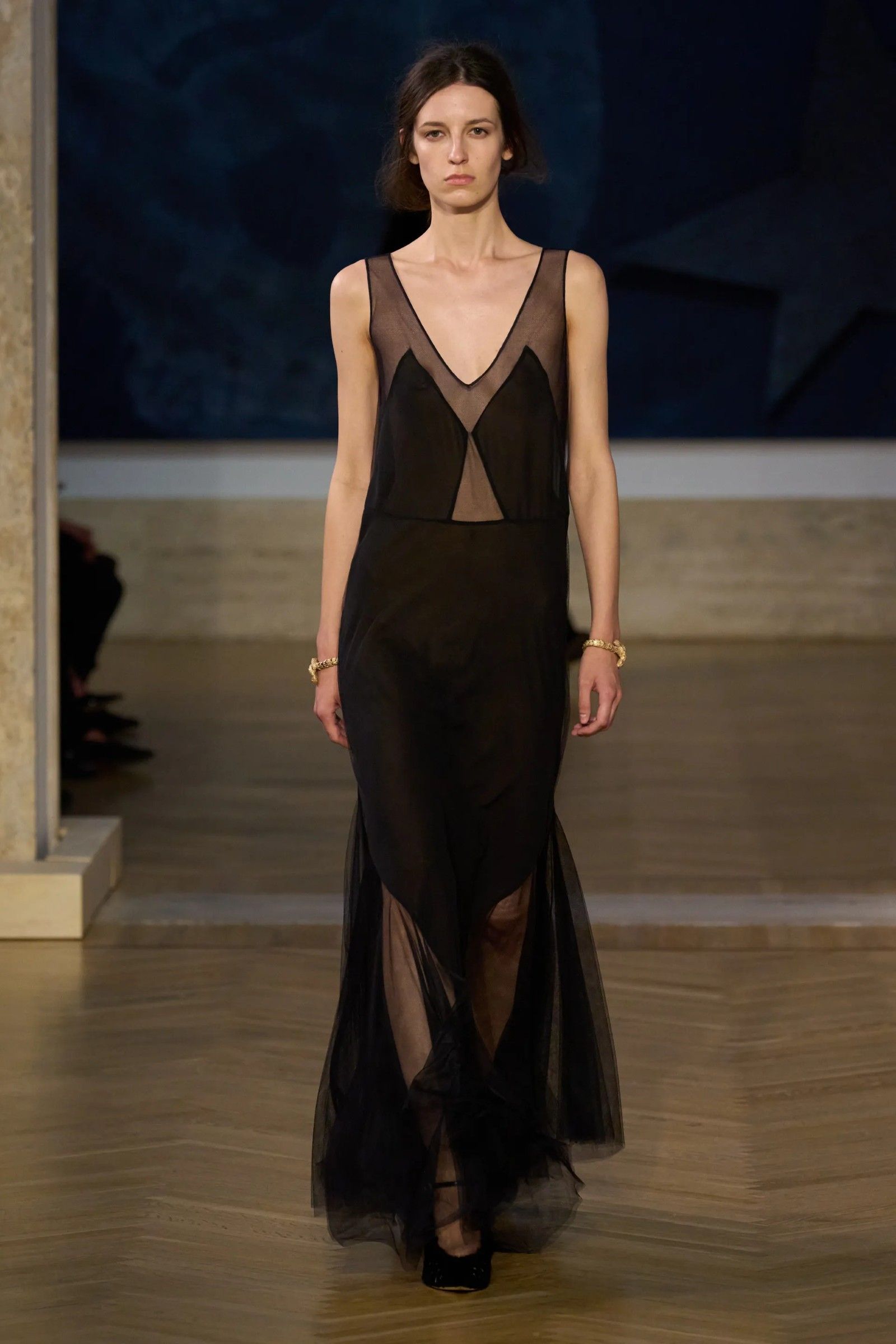
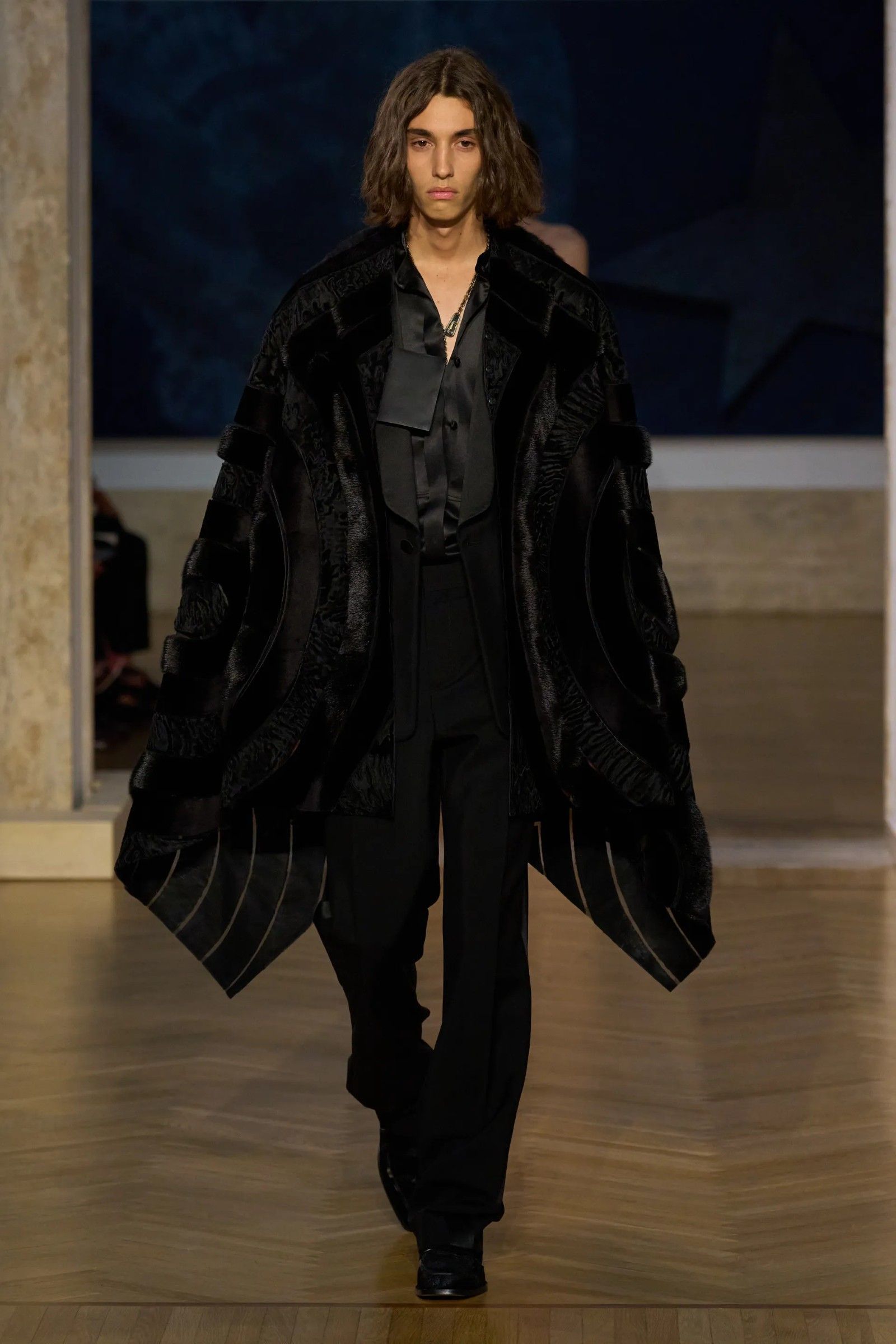
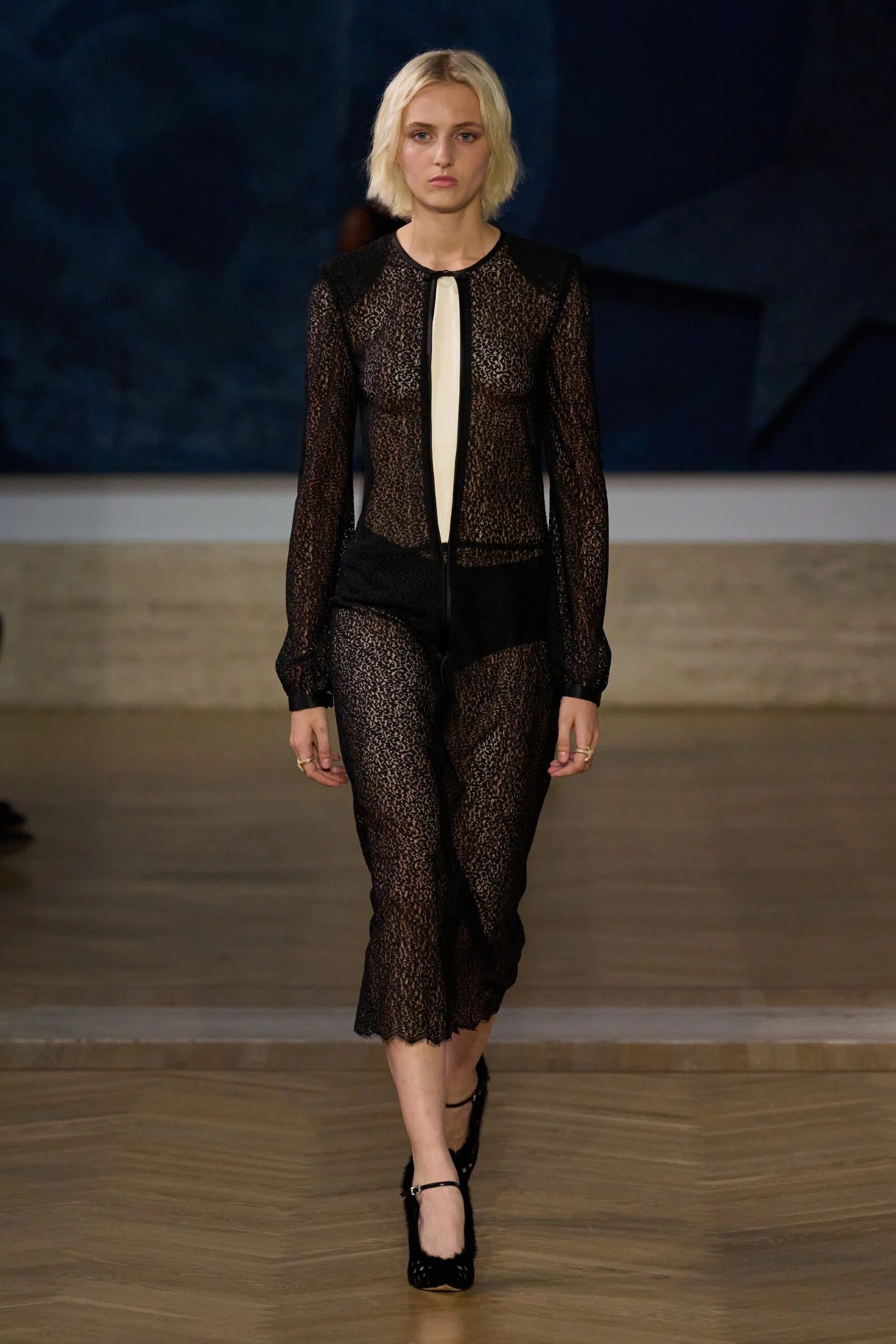
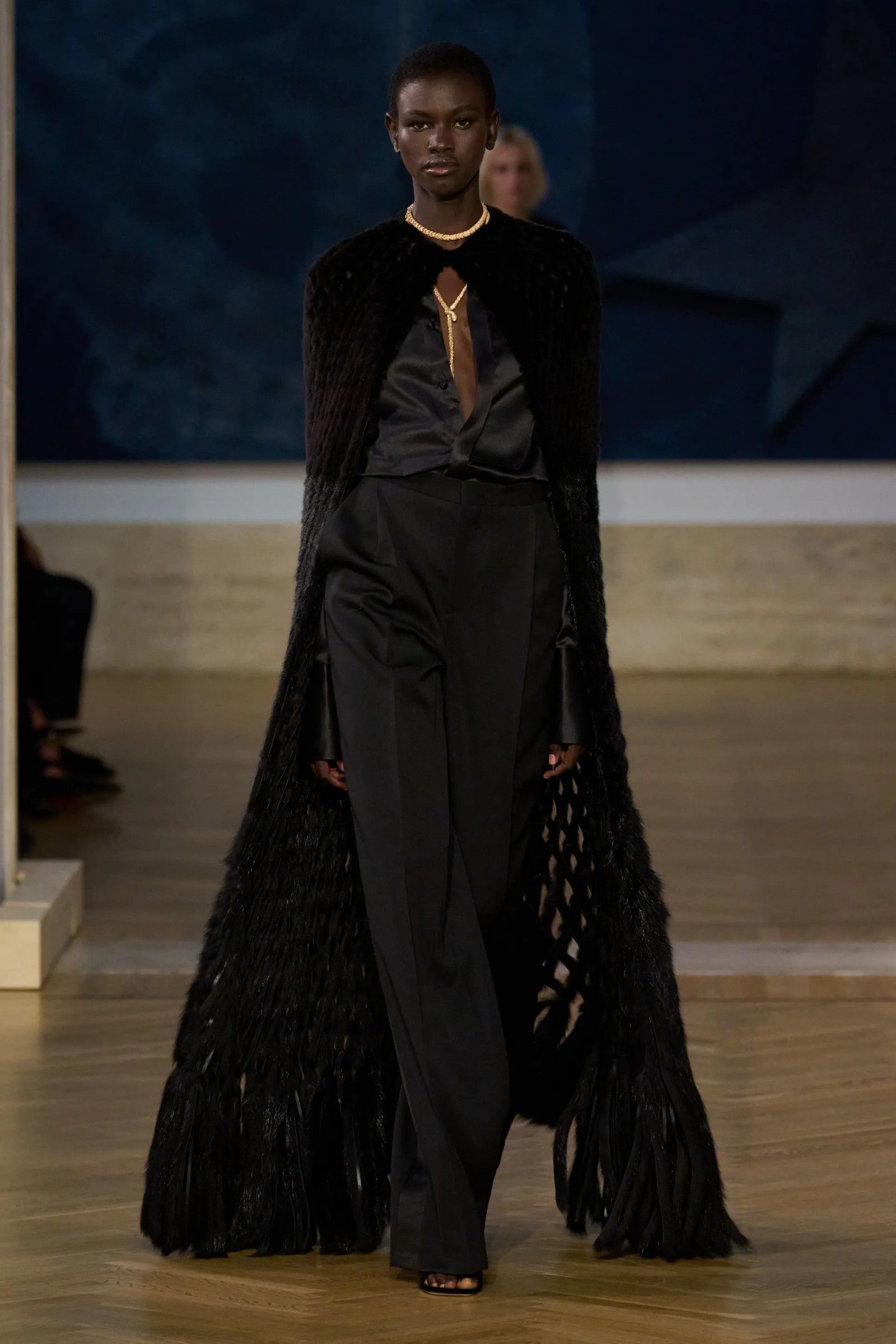
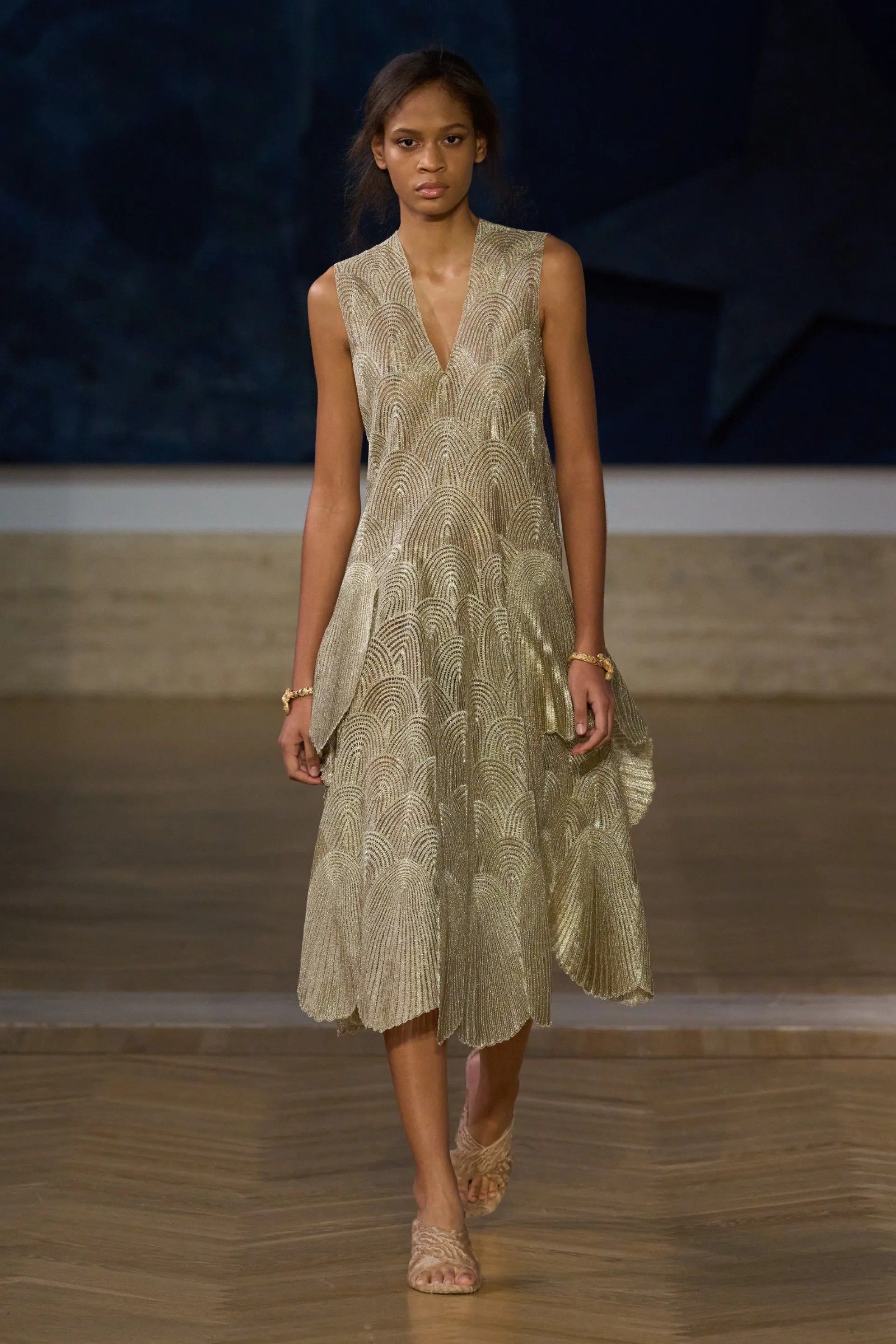
And indeed, even within entirely pared-down silhouettes, a certain Art Deco sensibility could be detected in the geometric embellishments of certain sheer tops, in a little black dress that seemed to offer a modern take on Jeanne Lanvin's classic robe de style, in certain floral motifs with a perhaps slightly Klimtian flavor, in the zigzagging seams of a cape's fur lining, and in the tunics and caftans drawn from the silk versions that Vitaldi and Maurice Babani created for Parisian ladies of the 1910s and '20s. These were references evoked rather than taken literally, stretched across a series of very classic, almost timeless looks and designs, unified — with a sober sense of elegance — by a highly restrained color palette.
In many respects, this show was reminiscent of Dior's last Haute Couture collection — a farewell show but also a homecoming to beloved Rome, where the creative director seemed visibly more at ease than in performative, high-pressure Paris. Chiuri has spent decades at the helm not only of commercial fashion titans but of true Maisons de Couture, and we already know that she is not a showwoman (ironic, given that she owns a theater) nor a conceptual artist (again ironic, given her love of collaborating with contemporary artists), but rather a creator of garments with assured appeal — opulent without being ostentatious, elaborate without being experimental. On this front there can be no surprises, nor, perhaps, should any be expected.
One thing worth noting, however, is that freed from the constraints that working at Dior perhaps imposed, both in her final show for that Maison and in her first for Fendi, Chiuri has shed any pretense of entertaining and seems frankly more in touch with the kind of aesthetic that genuinely interests her: in both shows there was no trace of those quirks and styling contrivances that occasionally felt jarring in her Dior work — except perhaps, in the twenty-fifth look, an optical-white insert at the neckline of a sheer dress that looked rather like one of those plaster fig leaves used to cover the nudity of ancient statues in more prudish times.
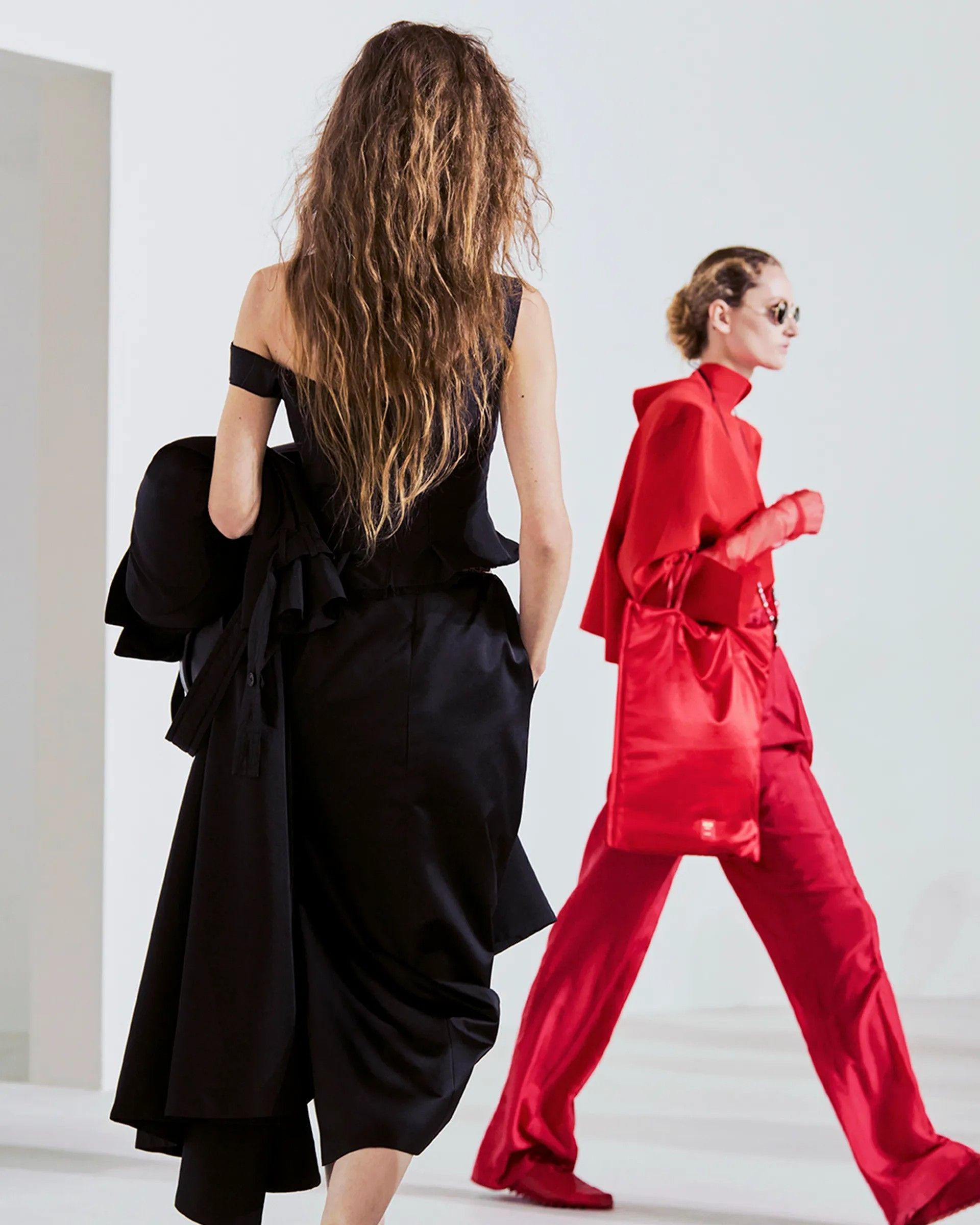
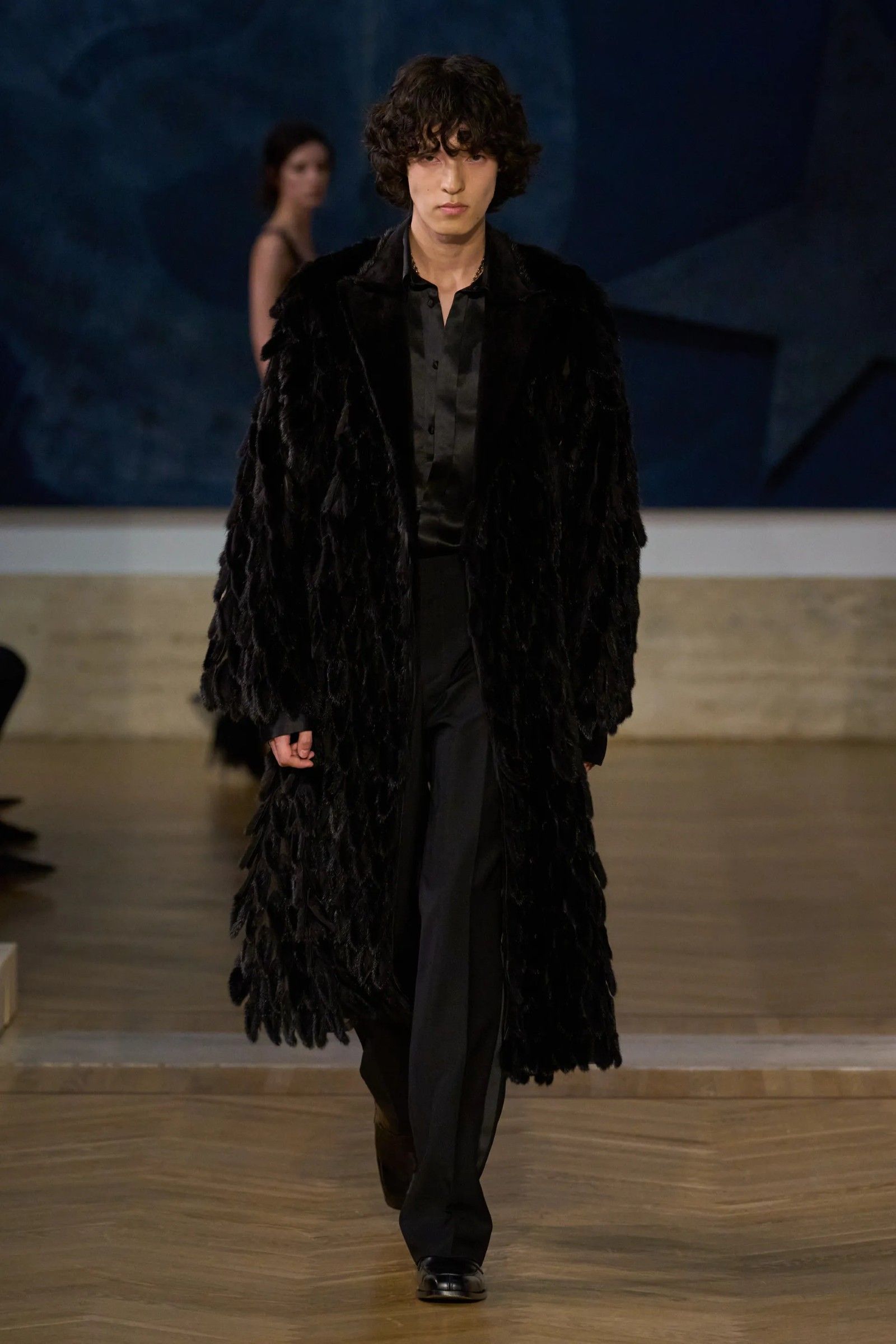
On the whole, this show was filled with garments that were darker, more restrained, almost gently mournful. A fully sheer mermaid gown with an applied, flared black skirt and a man's fur coat were the only concessions to the imaginative. Everything else was highly fluid and coherent. Everything was very Chiuri, very considered. And that is fine. We make no claim to being surprised — but does Maria Grazia Chiuri at least surprise herself?
An Haute Couture collection can afford anything, rigor included, though the genuine hope is that the creative director, even while staying the course she has set for herself, might at least attempt to inject a sense of vivacity into Fendi's ready-to-wear — whose one true, central, iconic product, the Baguette, is celebrated precisely because it exists in a thousand gloriously colorful variations.