








Would you ever have breakfast at dawn with Maurizio Cattelan? On April 20 you actually can
The Milan Design Week 2026 is just around the corner and, now established as the most anticipated week of the year—almost rivaling the Fashion Weeks—it continues to assert itself as a culturally expanding and more immersive event than ever. Leading the wave and opening the doors of the Fuorisalone is Maurizio Cattelan, the enfant terrible of contemporary art, who has announced a breakfast at seven in the morning in Piazza Duomo.
What defines the event, beyond its bizarre nature, is the device of barter: all participants are invited to show up with «a strange, ugly, beautiful, original, or ordinary object—anything you like, as long as it can be held in your hands», reads the invitation. The idea is to try to exchange it, perhaps with objects belonging to established designers attending the event. Indeed, the artist will be joined by art critic Nicolas Ballario, and among the guests will be names such as Stefano Seletti, Fabio Novembre, Marcantonio, Charley Vezza, Giulio Iacchetti, Matteo Ragni, Matteo Cibic, Elena Salmistraro, Rudi Won Vedel, Rota Jorfida and Massimo Rosati.
Breakfast with barter
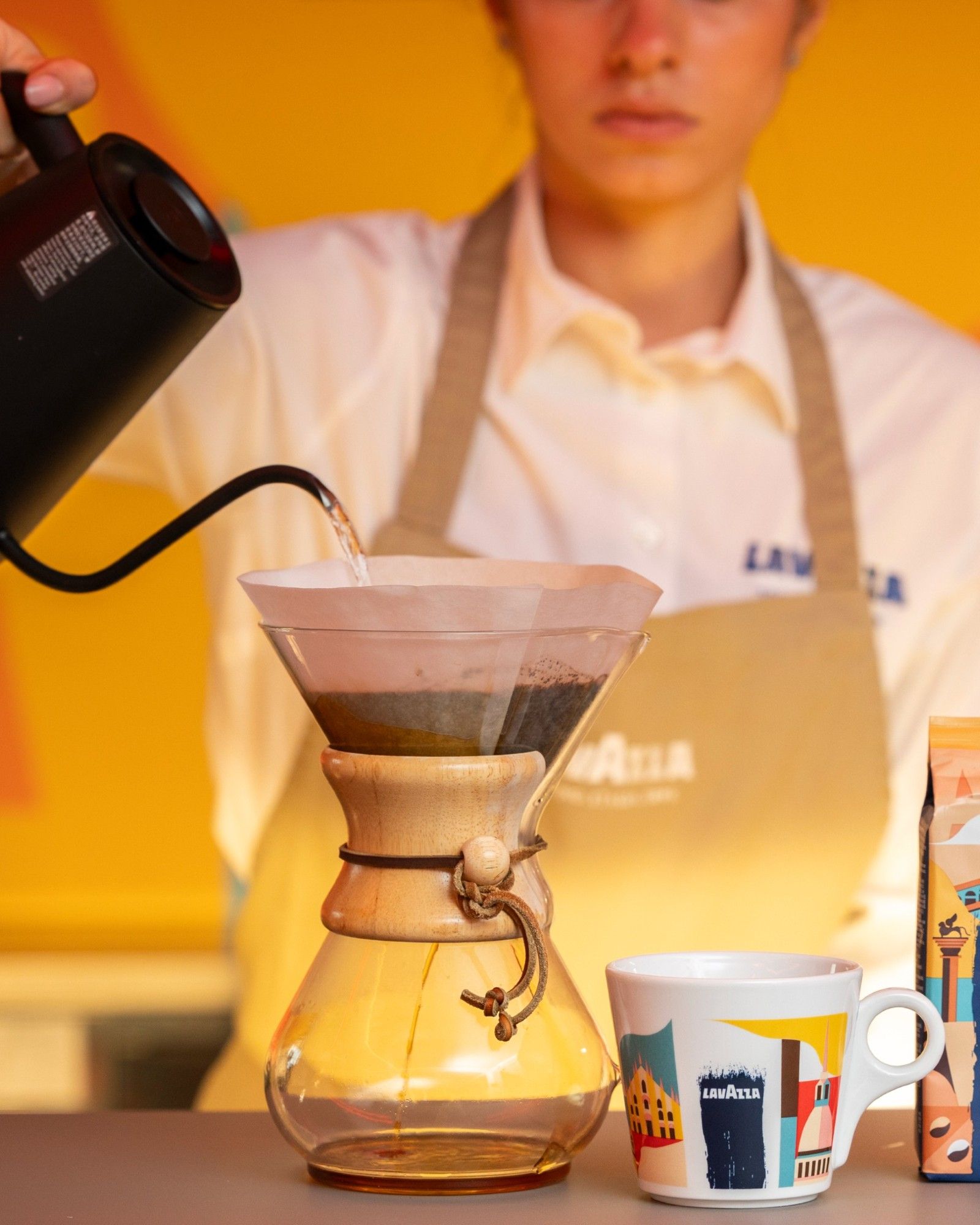
The event, organized by Cucù and promoted by Living Corriere and Museo del Novecento, with the support of Lavazza, in some ways reflects the spirit of Design Week. As Cattelan himself stated, it is about reflecting on the nature of objects: “choosing among curious, iconic, emotional, eccentric, or unexpected pieces, and thus entering into a dynamic of relationship and exchange built around the value—real, symbolic, or surprising—that objects can generate.” After all, Design, both for its project-based nature and its everyday utility, revolves precisely around objects and their ability to evoke different imaginaries and suggestions, while accompanying us in our daily lives.
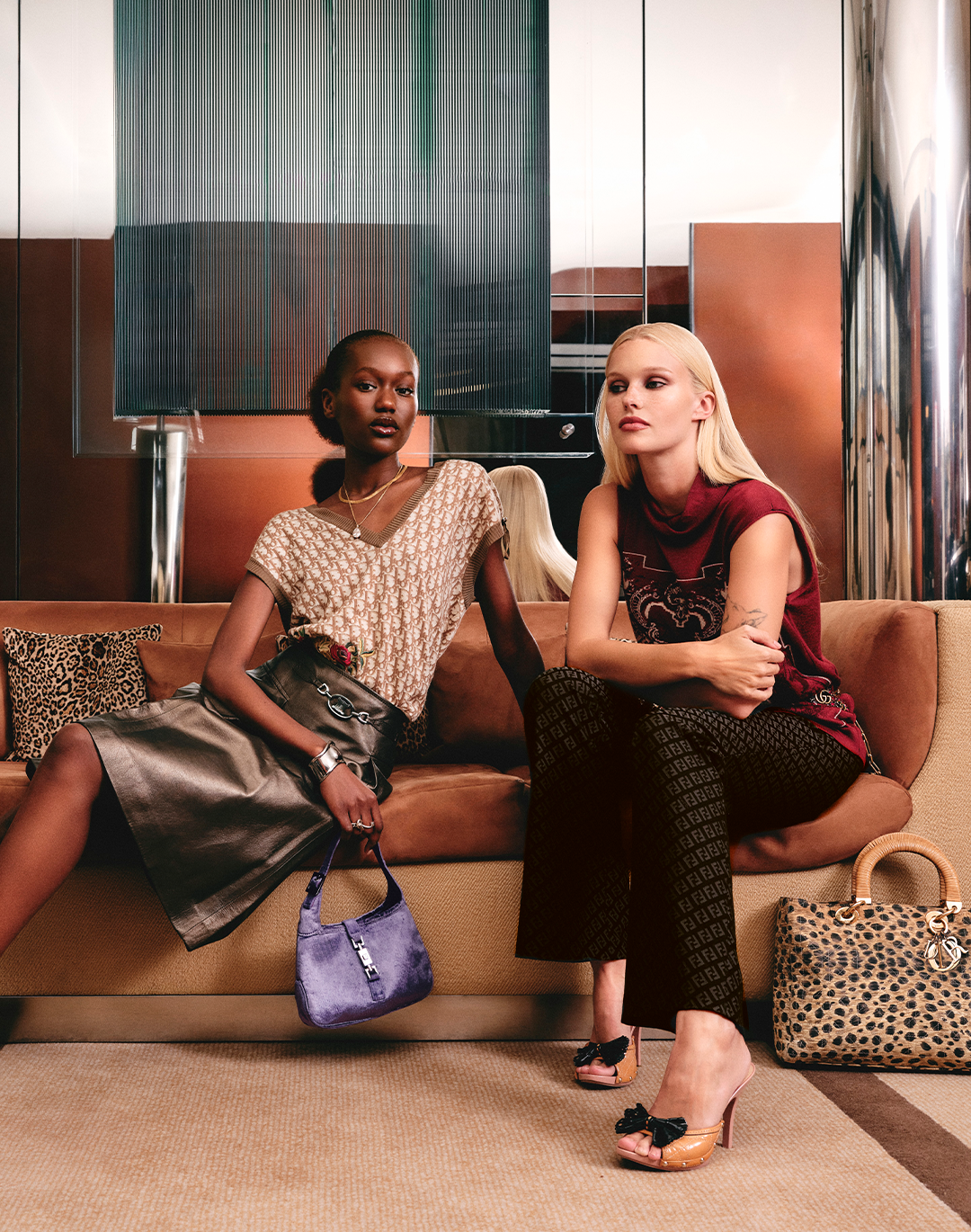
If we momentarily set aside the possibility of exchanging an object of inestimable value with Cattelan himself—or with anyone else (the mere fact that it belongs to major figures in the art world already makes it a kind of relic)—its contemplative dimension should not be underestimated. Indeed, the Fuorisalone is attracting more and more people, both those interested in design and those simply drawn to new immersive installations. This is also demonstrated by the presence of several fashion brands, which are carving out space within the Salone del Mobile, such as Gucci with the project Gucci Memoria by Demna.
Cattelan got it right
While there is a risk of trivializing Design as a discipline, a positive aspect lies in making it more accessible and understandable, unlike Fashion Weeks, which continue to present themselves as exclusive and often inaccessible moments. If more voices are added to the contemporary discourse on Design, it means that the “mass” is still capable of enriching and contaminating this field, albeit with some risk. After all, complex disciplines, as the result of others’ reflections, deserve to be told to the public, even to those less experienced, and it is legitimate for the narrative to adapt without losing its authenticity and cultural value.
Creativity is the result of the reflections of those who have access to an exclusive and at times magnificent world, while also managing to be a reflection of contemporaneity. For this reason, the plurality of voices, also in terms of the growing popularity of the Salone del Mobile, represents an unmissable opportunity, just like having breakfast with a figure of contemporary art such as Maurizio Cattelan. If controversies around the popularization of Design Week continue to arise, it might be more useful to question the ways in which it is communicated and the quality of its content. And perhaps Cattelan, even by “forcing” his guests to wake up at dawn to take part in his creative symposium, is doing exactly that.