



































Tourists will have to pay to see the Trevi Fountain now The Italian Capital takes Venice as an example to solve the problem of mass tourism
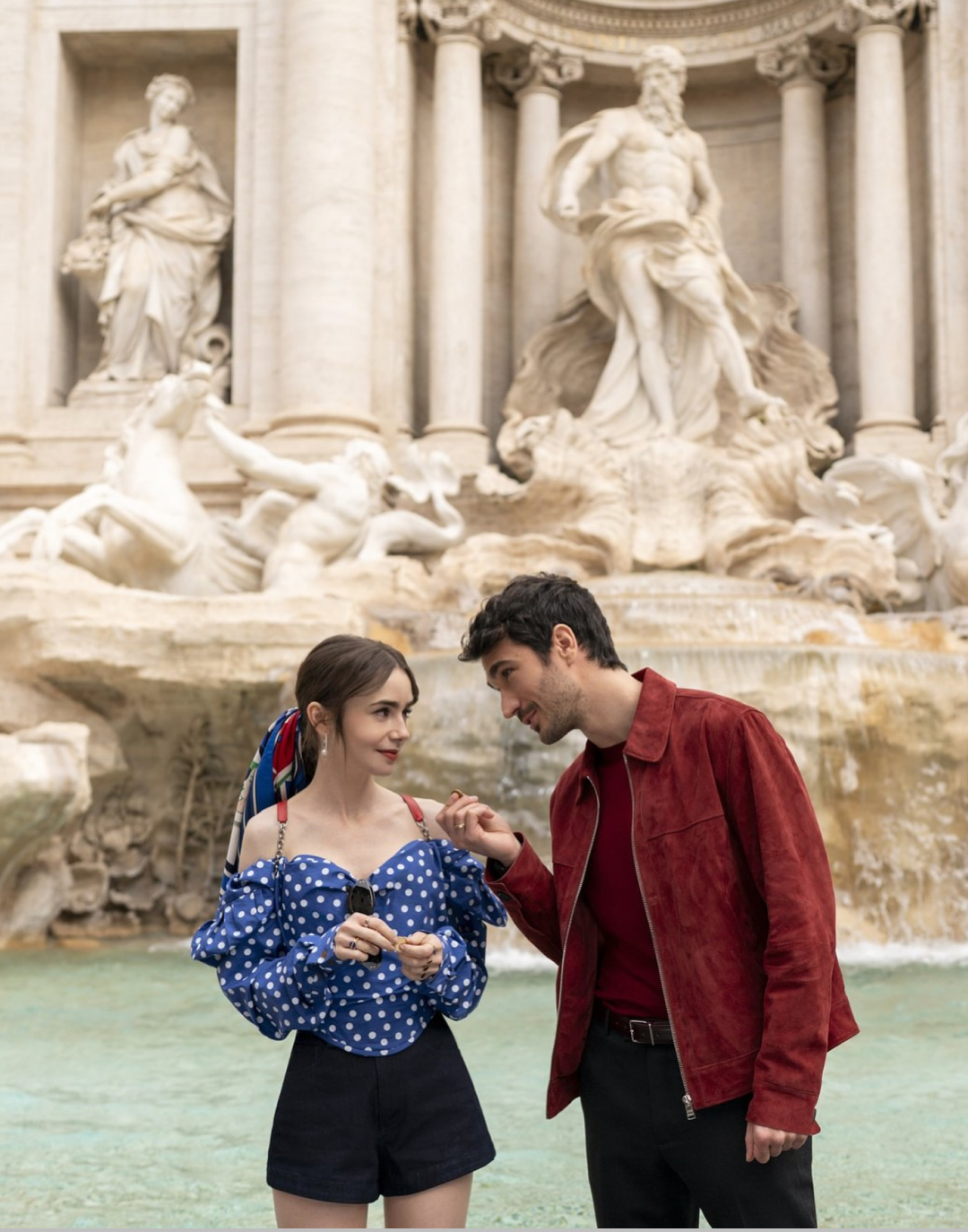
Following the launch of the much-discussed "paid entry system in Venice, Rome is officially the next Italian city set to introduce access restrictions to one of the Capital’s most iconic landmarks. In order to preserve the site and make visits to the Trevi Fountain more enjoyable, the City Council has confirmed the introduction of a ticket, which will be paid for tourists but free for residents. The date to mark is January 7, 2026, when the second most visited monument in Rome after the Colosseum will officially become accessible via a ticketing system.
Discussions within the City Council about how to curb the daily chaos around the fountain had already begun last year, following a series of incidents symbolising the deterioration of the area, including a tourist jumping into the fountain’s waters. The proposal for limited access was put forward by Alessandro Onorato, Councillor for Tourism and Major Events, who in recent weeks has once again publicly supported the project on social media. According to the new guidelines, the area will be organised into two separate lanes, one for tourists and one for Roman residents, marked by brass bollards that will replace the current barriers. Ticket payments will also be possible via credit card.
How much does a ticket to the Trevi Fountain cost?
According to the proposal promoted by Onorato, the ticket to access the Trevi Fountain is primarily intended to limit the number of people visiting the square each day. Access will be free for Roman residents, while tourists will be charged €2. The revenue generated will be reinvested in the management of the area, particularly for hiring staff to monitor access points and visitor flows.
While the stated goal remains the protection of the monument, the measure could also have a significant economic impact. As reported by the Corriere della Sera, the new system could generate estimated revenues of around €20 million. In the first six months of 2025 alone, the Trevi Fountain was visited by over 5.3 million tourists, a figure higher than the total number of visitors to the Pantheon throughout 2024.
The year of overtourism
As also highlighted in nss magazine’s Alphabet of Fashion, 2025 has very much been the year of overtourism, and the Roman case fits into a broader European context increasingly shaped by mass tourism. This summer, for example, in Barcelona, thousands of residents took to the streets to protest against the large tourist flows that are making everyday life in the city centre increasingly difficult. Beyond overcrowding, overtourism brings with it structural consequences such as rising prices, soaring rents, deteriorating public services and an overall decline in quality of life. In Rome too, where tourism has reached record levels, the introduction of a ticket for the Trevi Fountain represents a first attempt to turn a chronic emergency into a more controlled and sustainable form of management.