

























What makes a bag an it-bag? And why some, infallibly, return
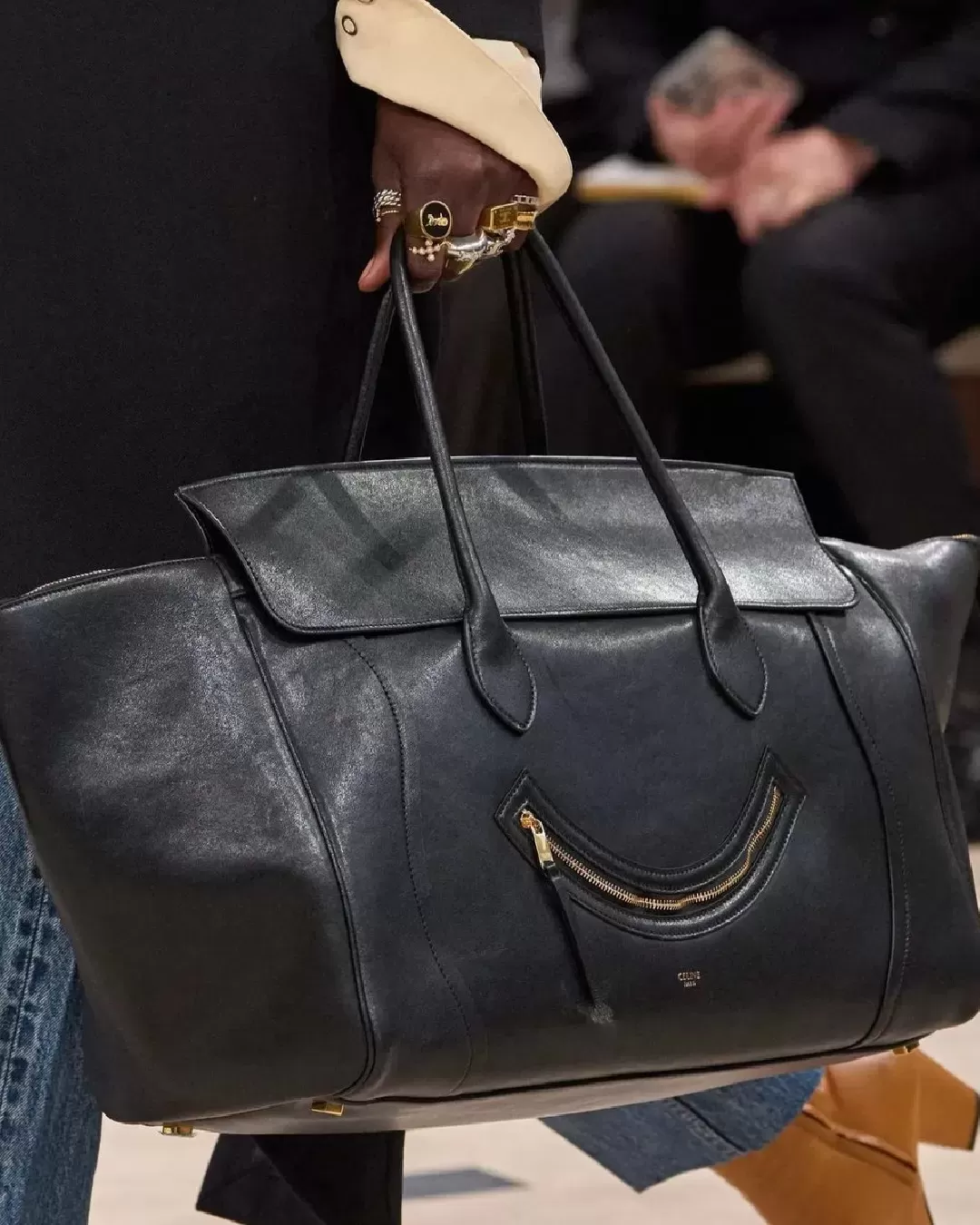
Fashion is cyclical, and we know that. But when, on Sunday, during Michael Rider’s debut as creative director of Celine (after nearly a year of waiting since his appointment and Hedi Slimane’s departure), a Phantom Bag appeared on the runway, it felt like an oasis in the desert. Some objects have the power to instantly trigger visual memory, and in that moment, it was like being thrown back to 2014, when jeans were still skinny and paired with cropped leather jackets and towering heels. The Phantom was the bag of the early social media era, with grainy Instagram filters and duck-face selfies. It defined a very specific time and became a coveted object for every fashion insider.
@samiamdean Fashion icons of the past; the Celine phantom luggage tote. Man i thought these were the pinnacle of fashion and now i havent seen one in years #fashion #fashiontrends #pursecollection #celine #designerbags #fashiontok original sound - Samiamdean
Phoebe Philo’s leather creations often have the same effect. Before arriving at Celine, the British designer spent around five years as creative director of Chloé, where she designed what is still considered one of fashion’s “real it-bags”, the Paddington. Beautiful, uncomfortable, and raw, the Paddington perfectly embodied the indie sleaze era — that chic-without-trying energy. It was the bag of celebrities photographed while grocery shopping or dining out, messy yet effortlessly cool. Its cultural impact was far too strong to be buried in the archives. Unsurprisingly, last year Chemena Kamali decided to bring it back, updating the design for 2024 with longer handles and a more rectangular silhouette (finally something wearable over the shoulder). Still, while Philo’s résumé includes at least two it-bags that defined separate decades, since launching her namesake label in 2023, none of her new models have achieved the same cultural traction. Which raises the question: what truly makes an it-bag?
Is it all about aesthetics?
Some would say it’s about the design — eccentric, intricate, or one-of-a-kind. Yet the ultimate it-bag, the Hermès Birkin, is nothing more than a simple leather trapezoid with a flap and a padlock (which hardly anyone actually locks anymore). More than a fashion accessory, the Birkin was originally conceived as a kind of handheld suitcase, meeting Jane Birkin’s practical needs when she pitched the idea to Louis Dumas, then CEO of Hermès — the original recently sold at Sotheby’s for €7 million. Although Hermès owns both the Birkin and the Kelly, not all of its models have reached iconic status. No one talks about the hundreds of other bags the French house has released over the years, like the Bolide or the Geta.
Then there are designers who may have flown too close to the sun, fading like stars in the handbag galaxy — like Tom Ford. His tenure at Yves Saint Laurent is often overshadowed by the weight of his creative legacy at Gucci, considered by many as the height of fashion’s cultural power. Yet at YSL, Ford created one of the brand’s most iconic bags, still resold at outrageous prices on second-hand platforms: the Mombasa. A bag that is anything but simple, with a handle shaped like an elephant tusk — sometimes made of plastic, sometimes intricately carved metal. Sexy, dark, and commanding, the Mombasa embodies Tom Ford’s creative DNA. Ironically, at Gucci, Ford didn’t experience the same handbag success: his most famous design, the Horsebit clutch, though reissued multiple times, never quite became an it-bag — not by his standards, nor by Gucci’s.
Or does the it-girl make the it-bag?
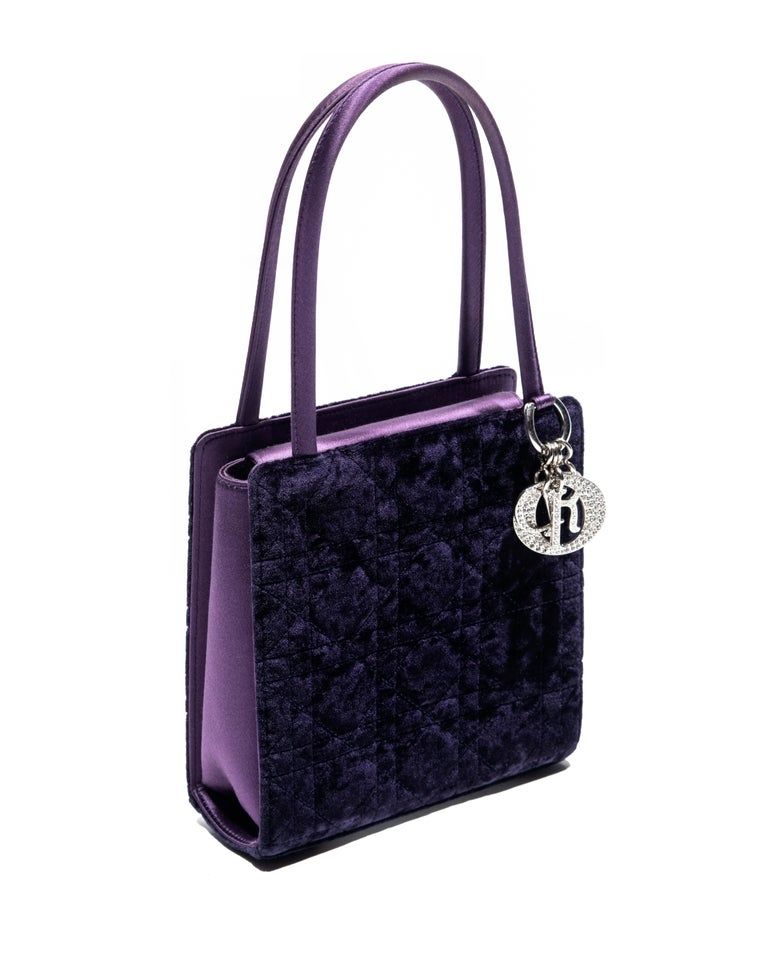
Lady Dior by John Galliano
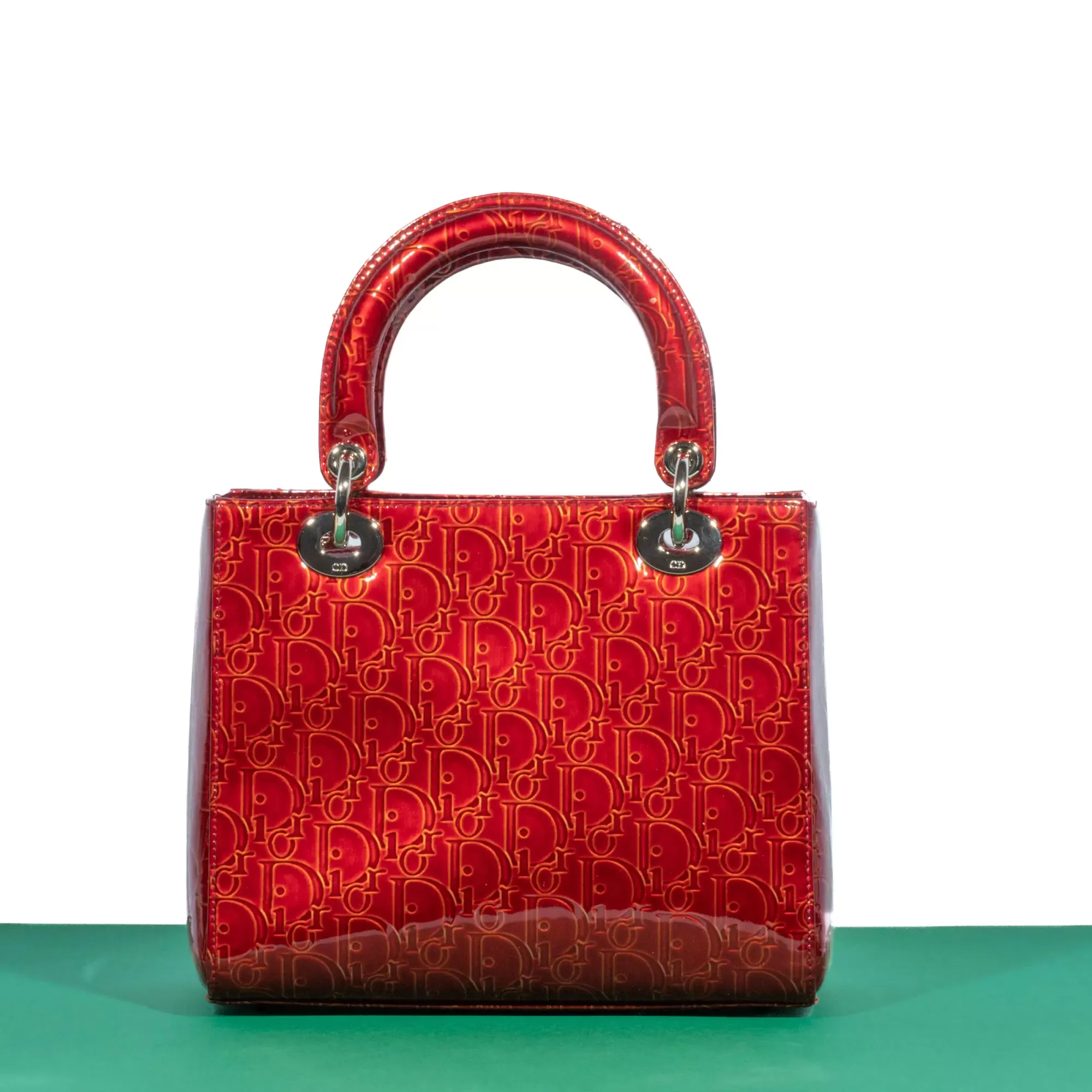
Lady Dior by John Galliano
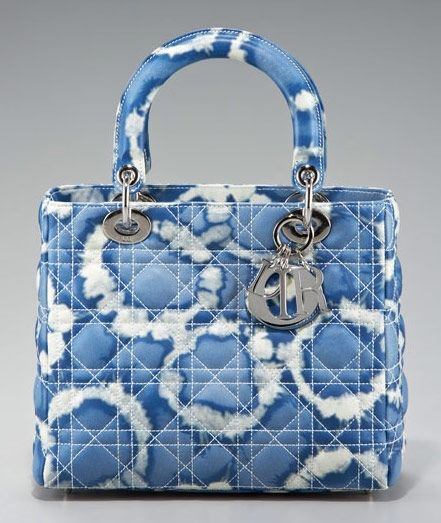
Lady Dior by John Galliano
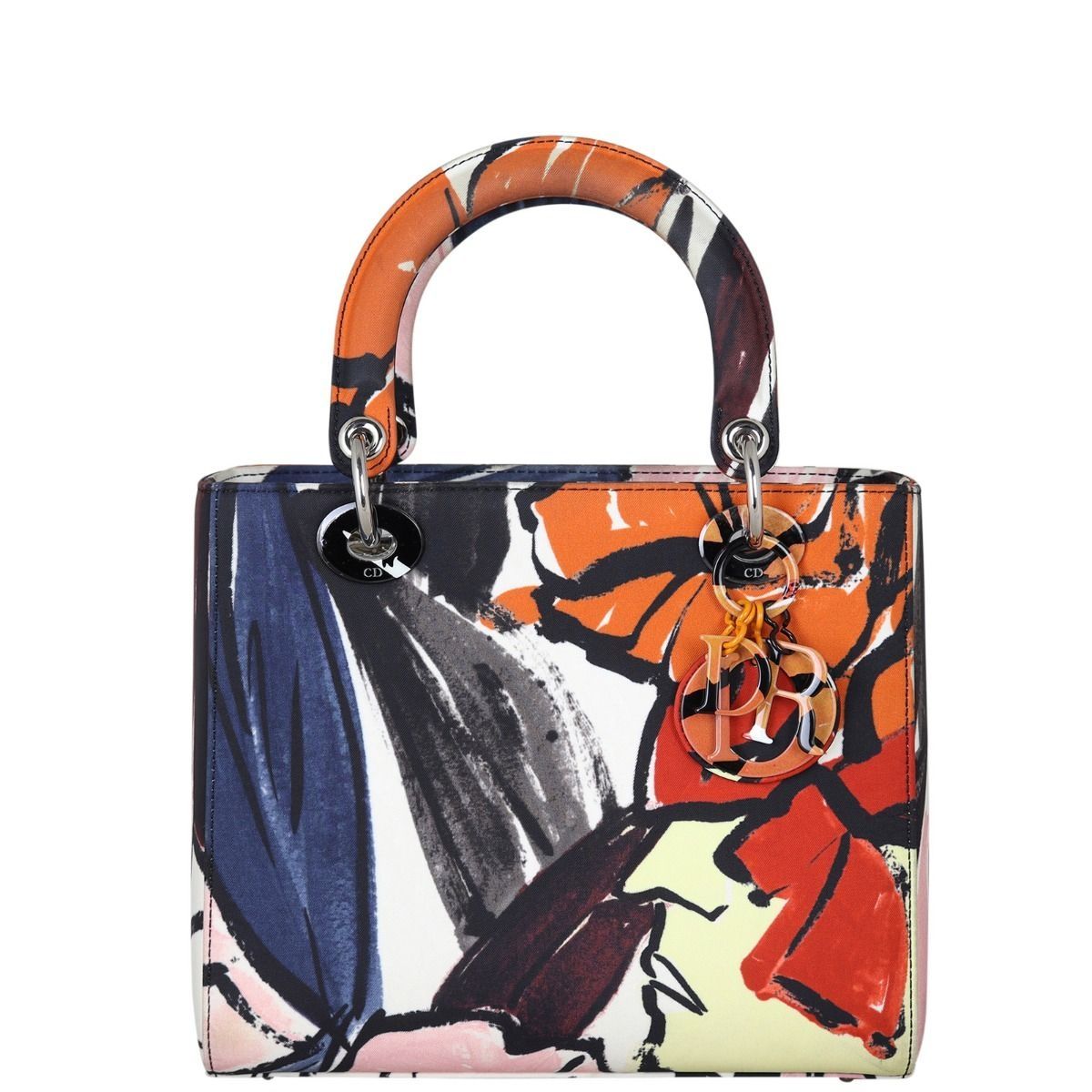
Lady Dior by Raf Simons
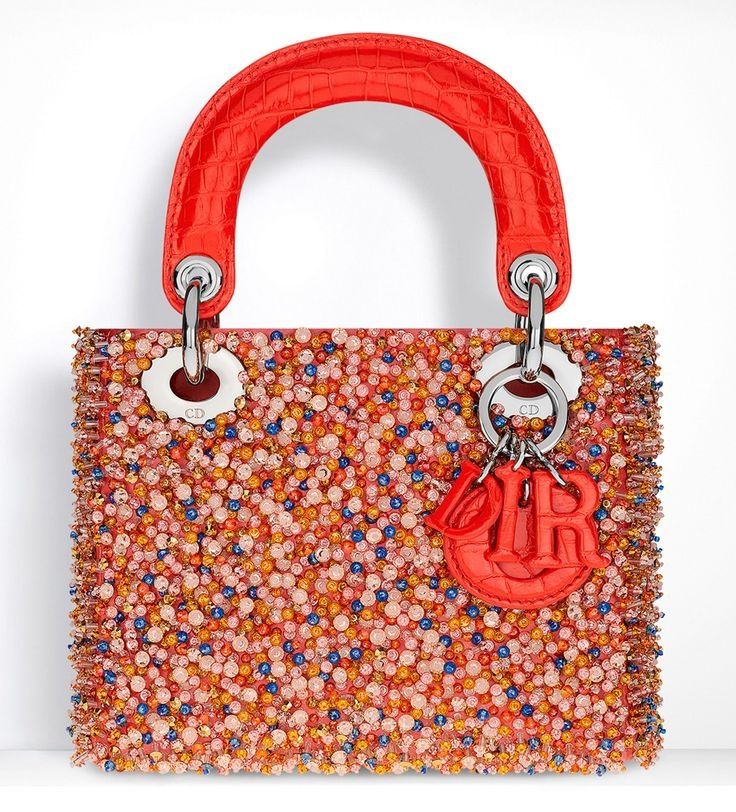
Lady Dior by Raf Simons
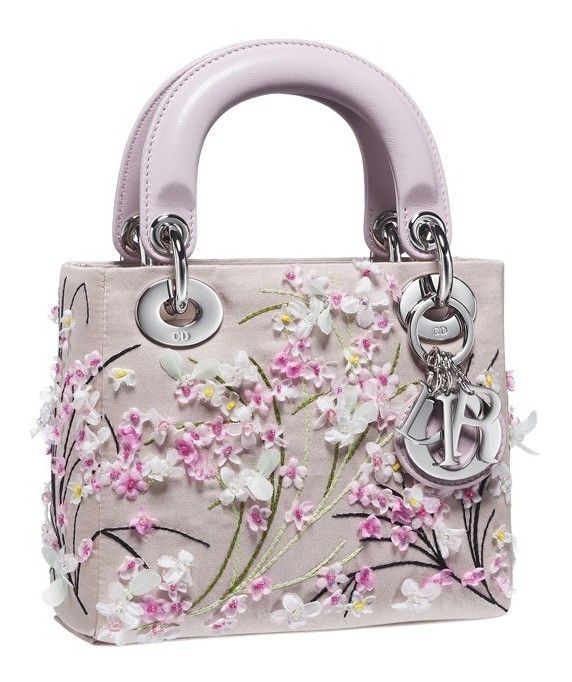
Lady Dior by Raf Simons
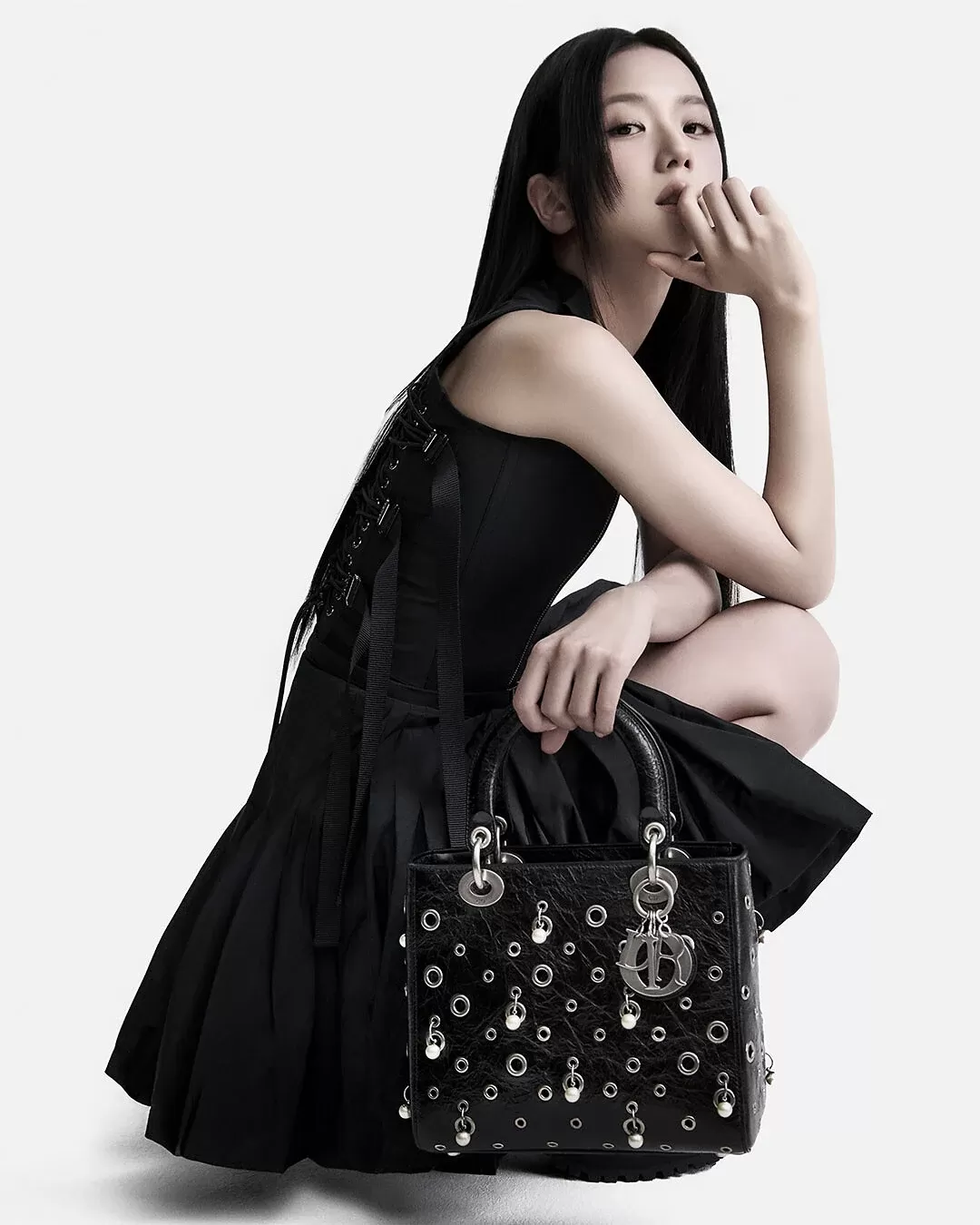
Lady Dior by Maria Grazia Chiuri
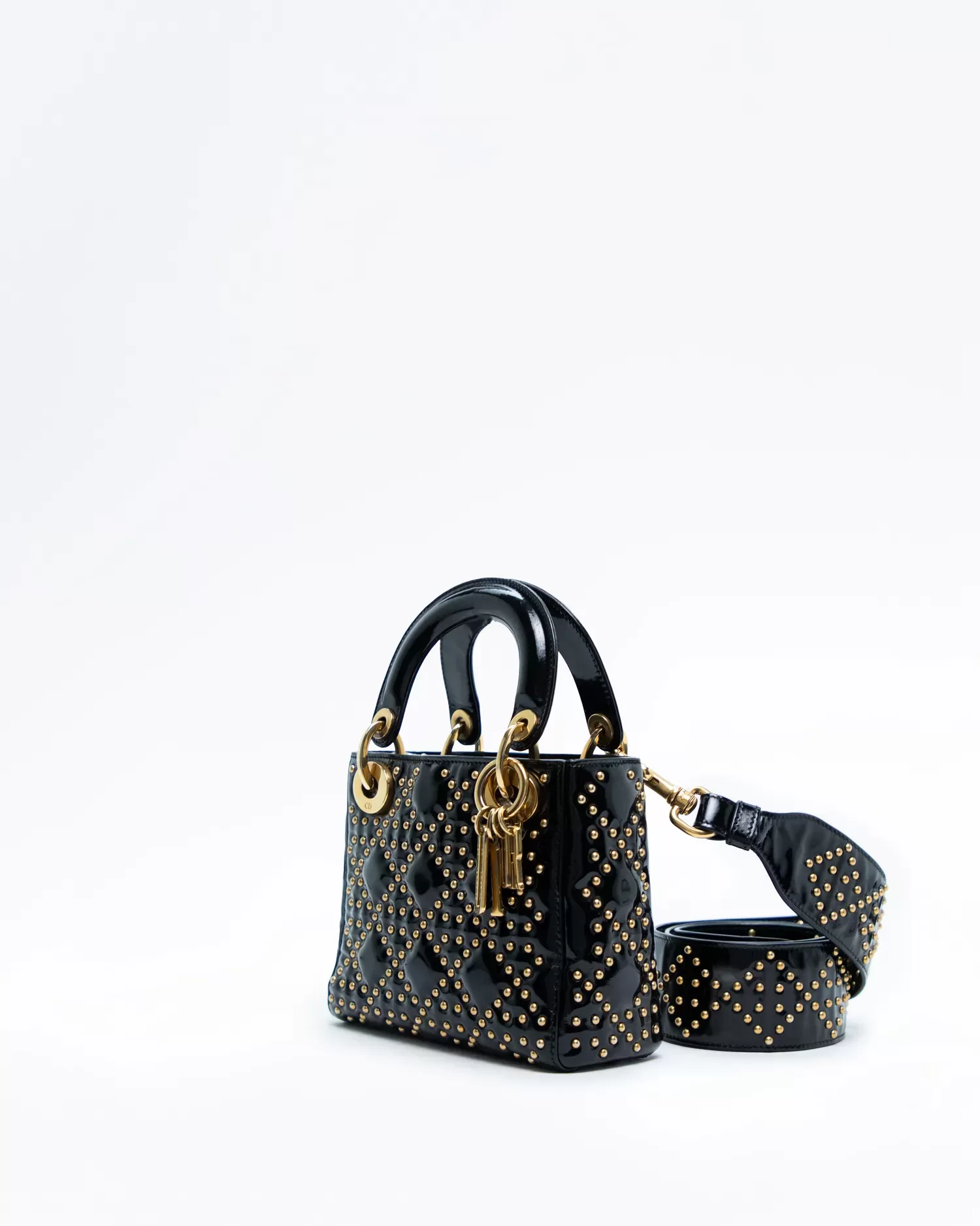
Lady Dior by Maria Grazia Chiuri
Lady Dior by Maria Grazia Chiuri
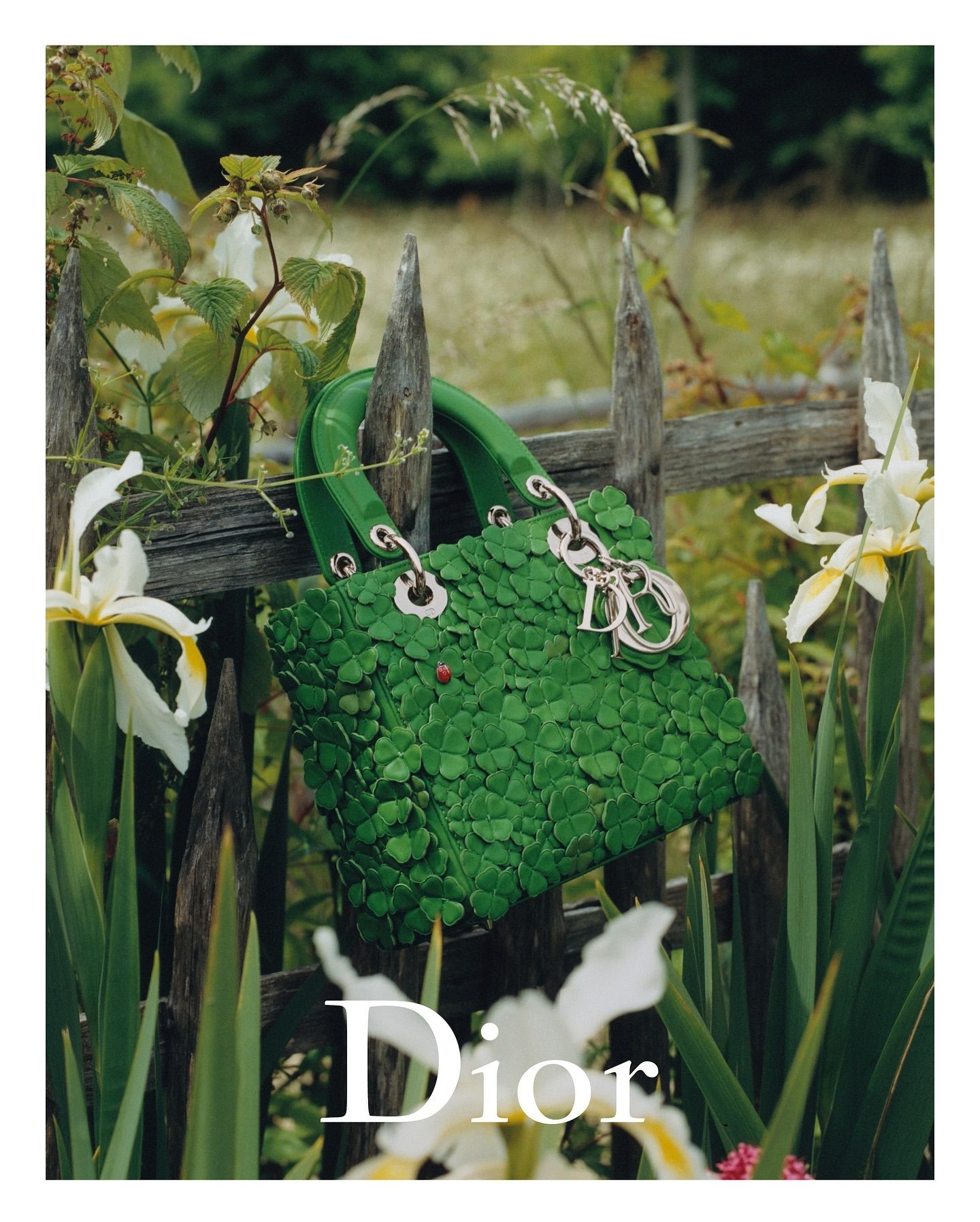
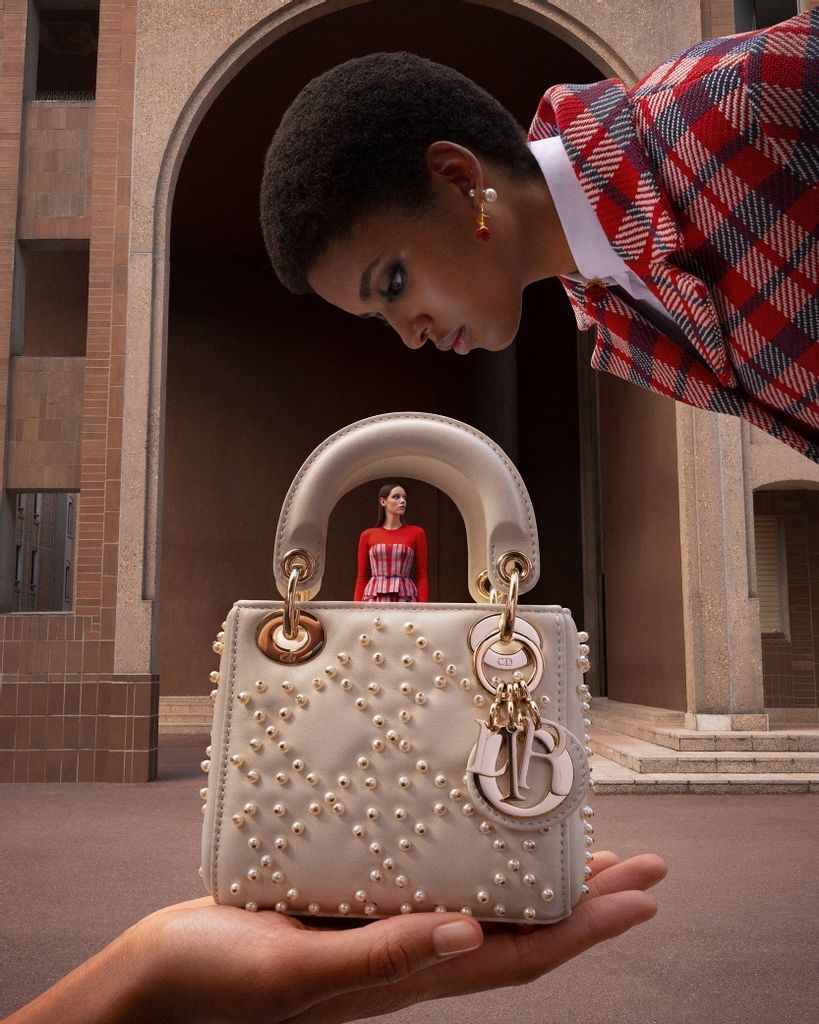
Lady Dior by Jonathan Anderson
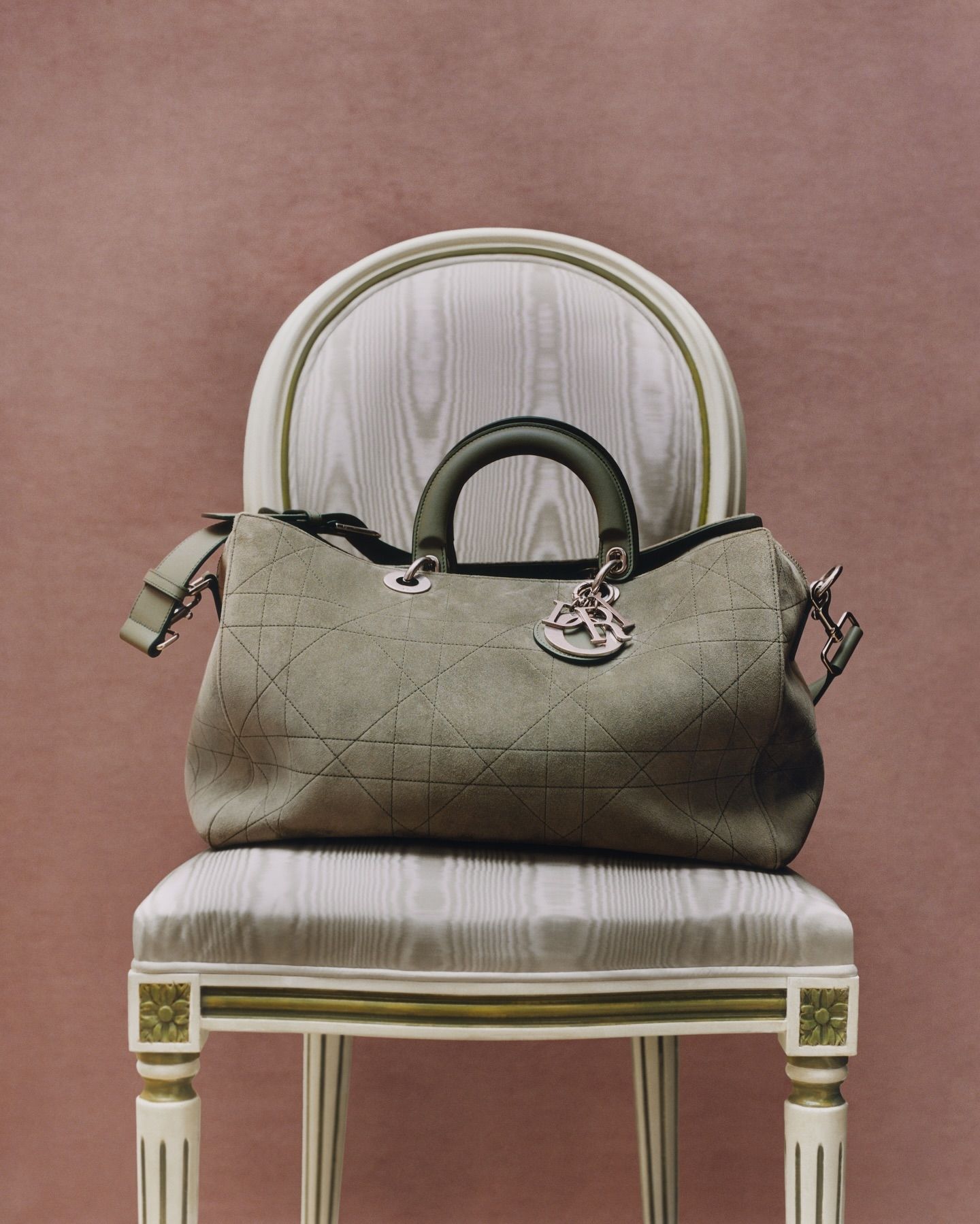
Lady Dior by Jonathan Anderson
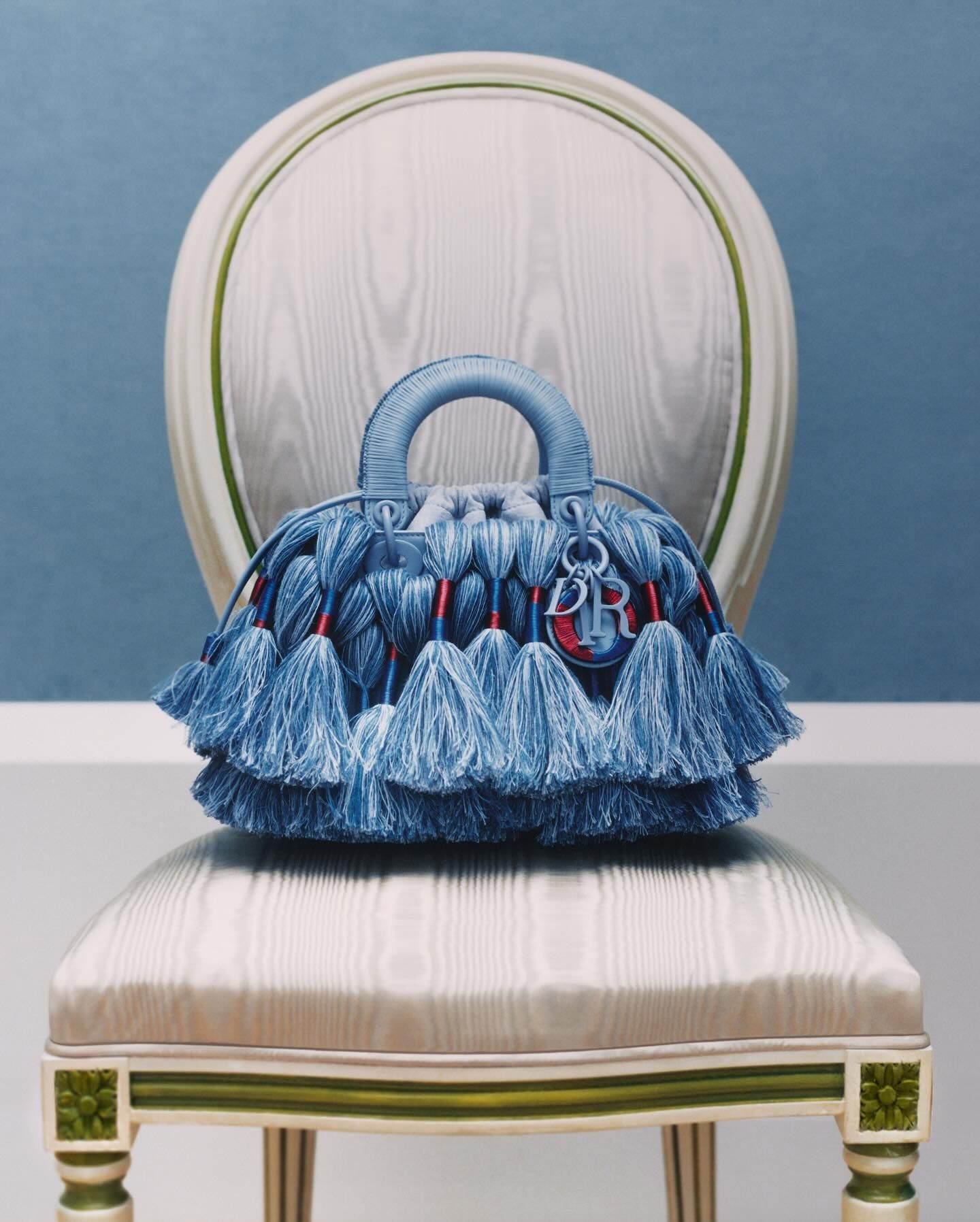
Lady Dior by Jonathan Anderson
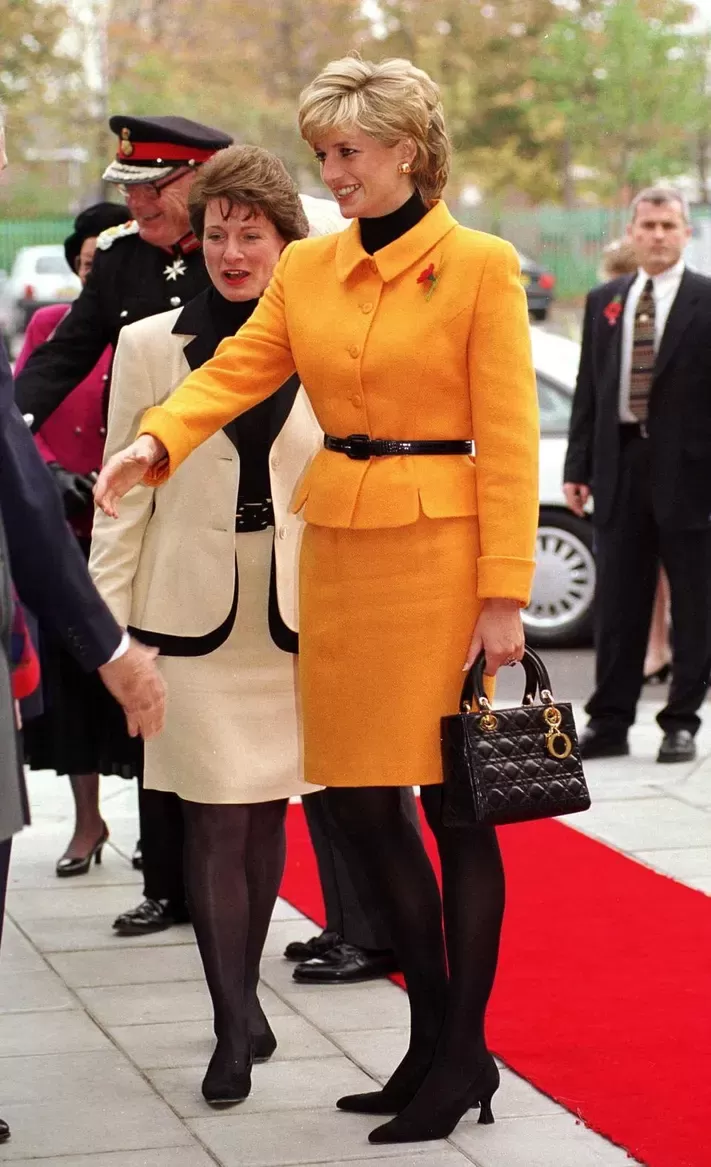
Continuing from the Birkin example, many argue that a bag becomes an it-bag because it’s linked to an it-girl. The Jackie by Gucci is a case in point, redesigned in 1961 — it was previously called Constance and had a much more squared shape — after Jackie O. publicly expressed her obsession with the bag. Among the models that have always existed but were long seen as “outdated,” the Lady Dior stands out. There’s no reason the Lady Dior shouldn’t be considered an it-bag. Not only has it retained its iconic status across decades, but no Dior creative director has ever shelved the design. Instead, it has evolved through vastly different reinterpretations.
Under Galliano, the bag became more playful and colorful, experimenting with materials and finishes. During Raf Simons’ brief stint at Dior from 2012 to 2015, the Lady Dior turned into an art piece — think of the Graffiti version. Under Maria Grazia Chiuri, the Lady Dior returned to the house’s classical codes, though with occasional eccentricities, like in her latest collection, where the bag appeared covered in studs and charms, a little punk. Now we wait to see what form the Lady Dior will take under Jonathan Anderson. The Northern Irish designer has already teased a version decorated with clovers and a tiny ladybug on Instagram. At his Paris Fashion Week debut for Dior Homme, he reimagined the bag’s iconic quilting with softer shapes — a stark contrast to its usual boxy silhouette. And while we’re on the topic of classicism, the next question is what Chanel’s leather goods will look like in the near future. Will Matthieu Blazy update the maison’s most iconic it-bags, from the Classic 11.12 to the Boy Bag?
When fashion and culture move together
Perhaps the true value of an it-bag doesn’t lie in its elaborate design, the rarity of its materials, or the first celebrity who wears it, but in its ability to be perfectly in tune with the time it was born into. An it-bag is a product of its moment — it captures a generation’s aspirations, aesthetics, and values, all within an object that is both functional and expressive. Many bags became iconic not for technical reasons, but because they encapsulated a specific cultural climate. The Birkin evokes bourgeois jet-set life, the Paddington reflects paparazzi-fueled chaos, and the Lady Dior embodies a regal, untouchable femininity typical of the '90s.
So what comes first — the brand of the season or its it-bag? In many cases, it’s the bag that defines the brand, becoming a portable manifesto of its identity and influence, like Balenciaga’s City Bag. When a handbag becomes a cultural symbol, when it enters the collective vocabulary not just as an accessory but as a visual archive of a moment in time, that’s when it earns its place as a true it-bag. That’s why in 2025, it’s so hard to talk about real it-bags. Luxury no longer seems to look outward. Between price points inaccessible to the vast majority and creative directors who are increasingly self-referential. We’ve lost both the face and the idea of the generational handbag, or maybe we’re just waiting for the right re-edition.