

























Are we ready to have fun again? Funmaxxing is the new direction in digital communication
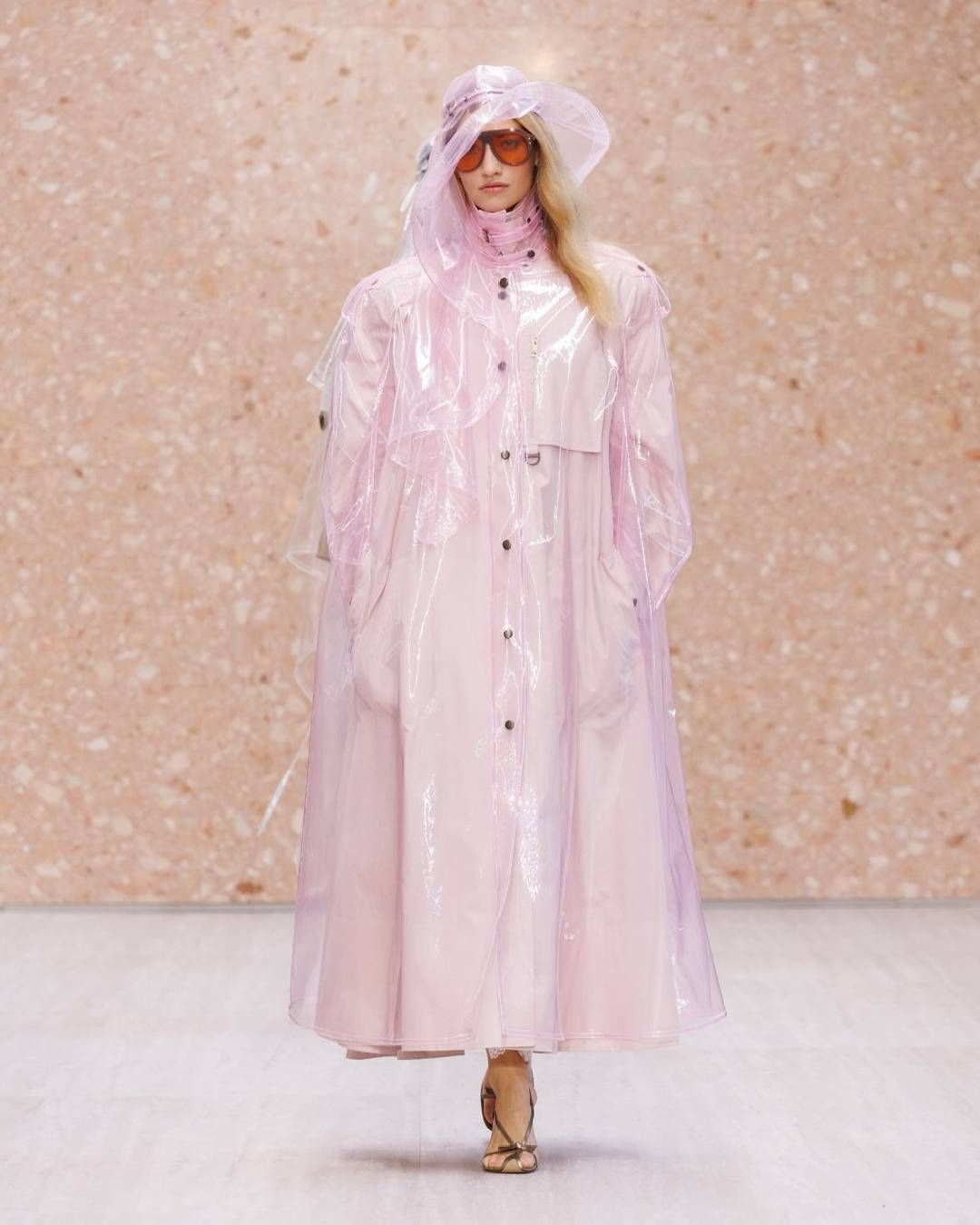
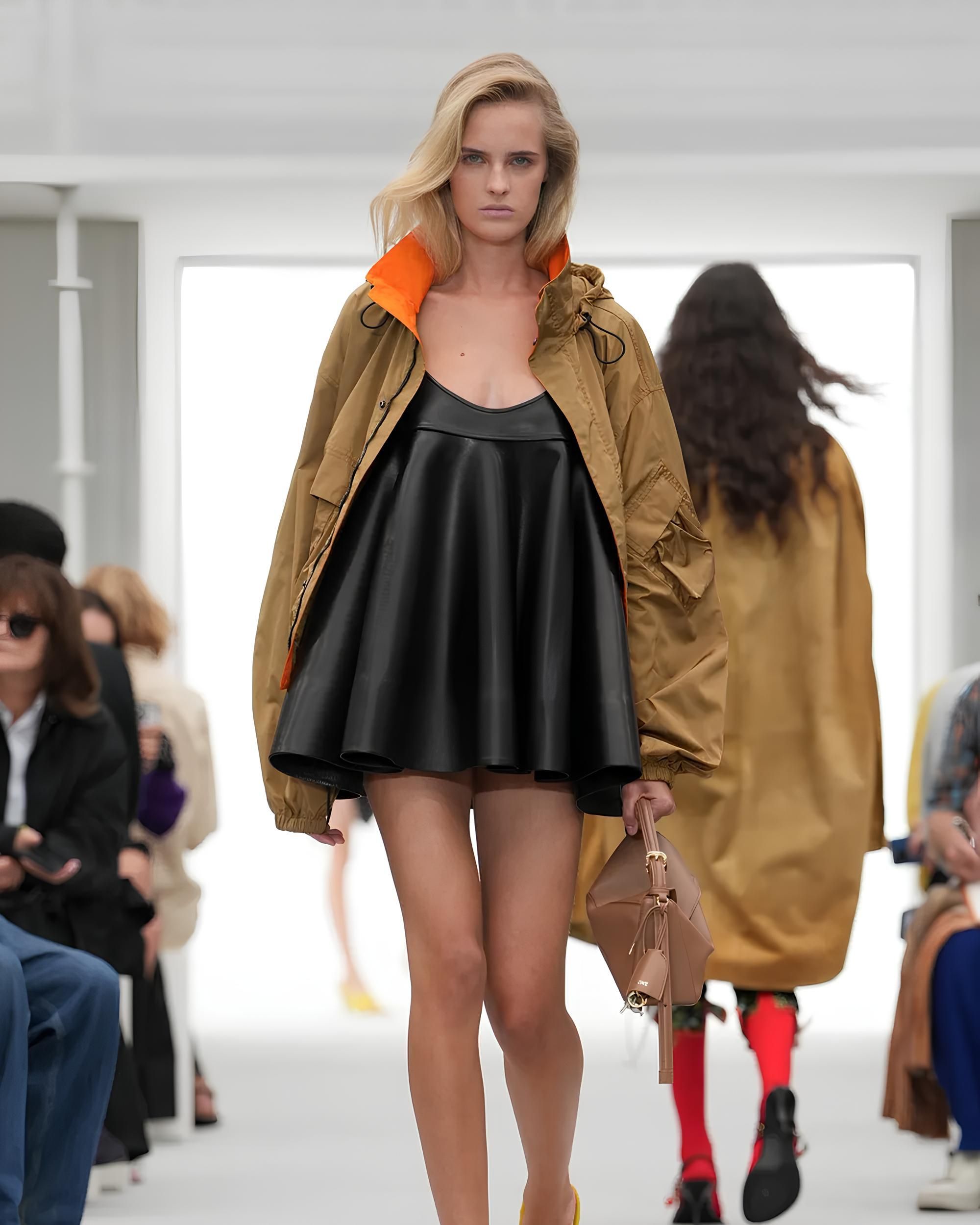
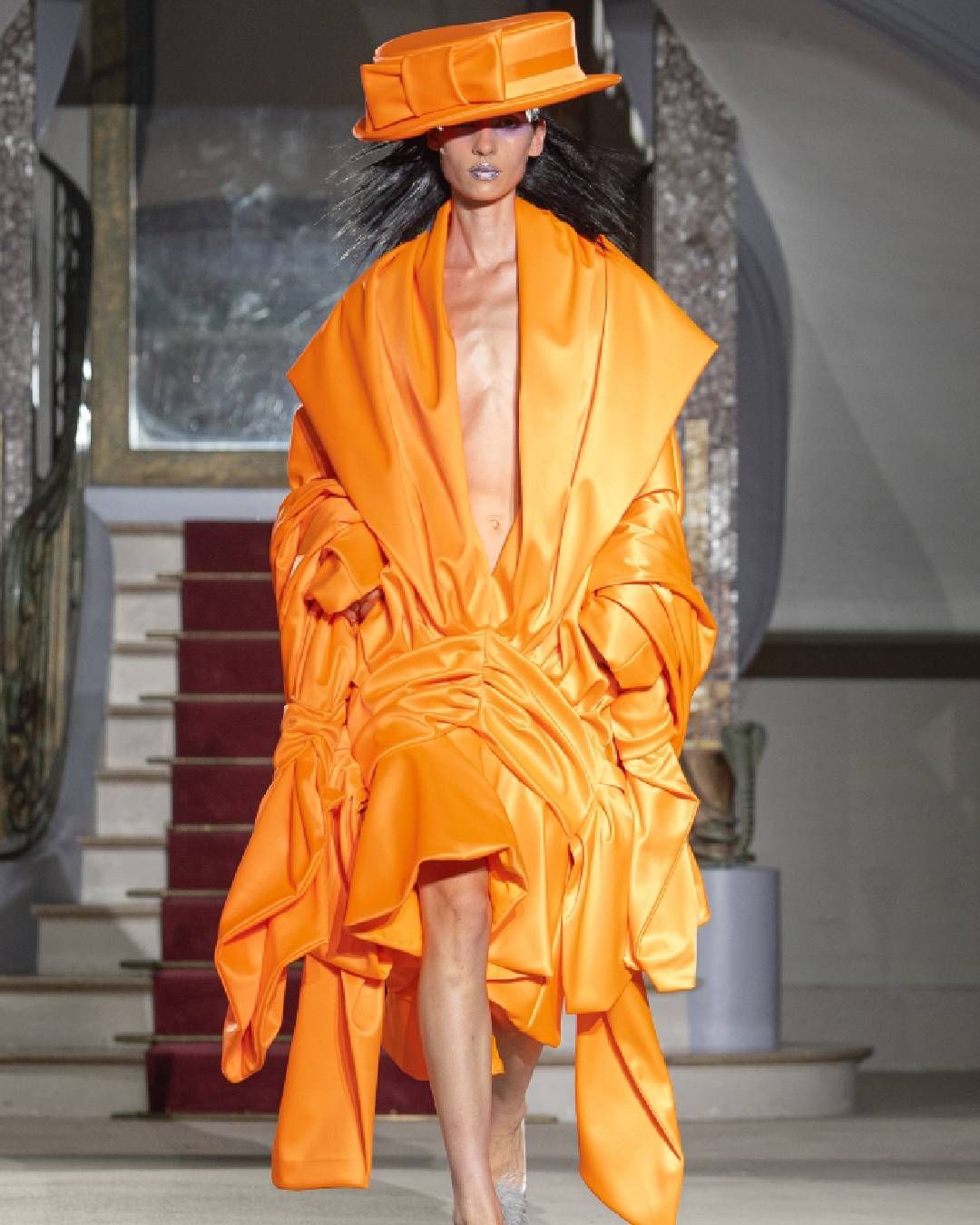
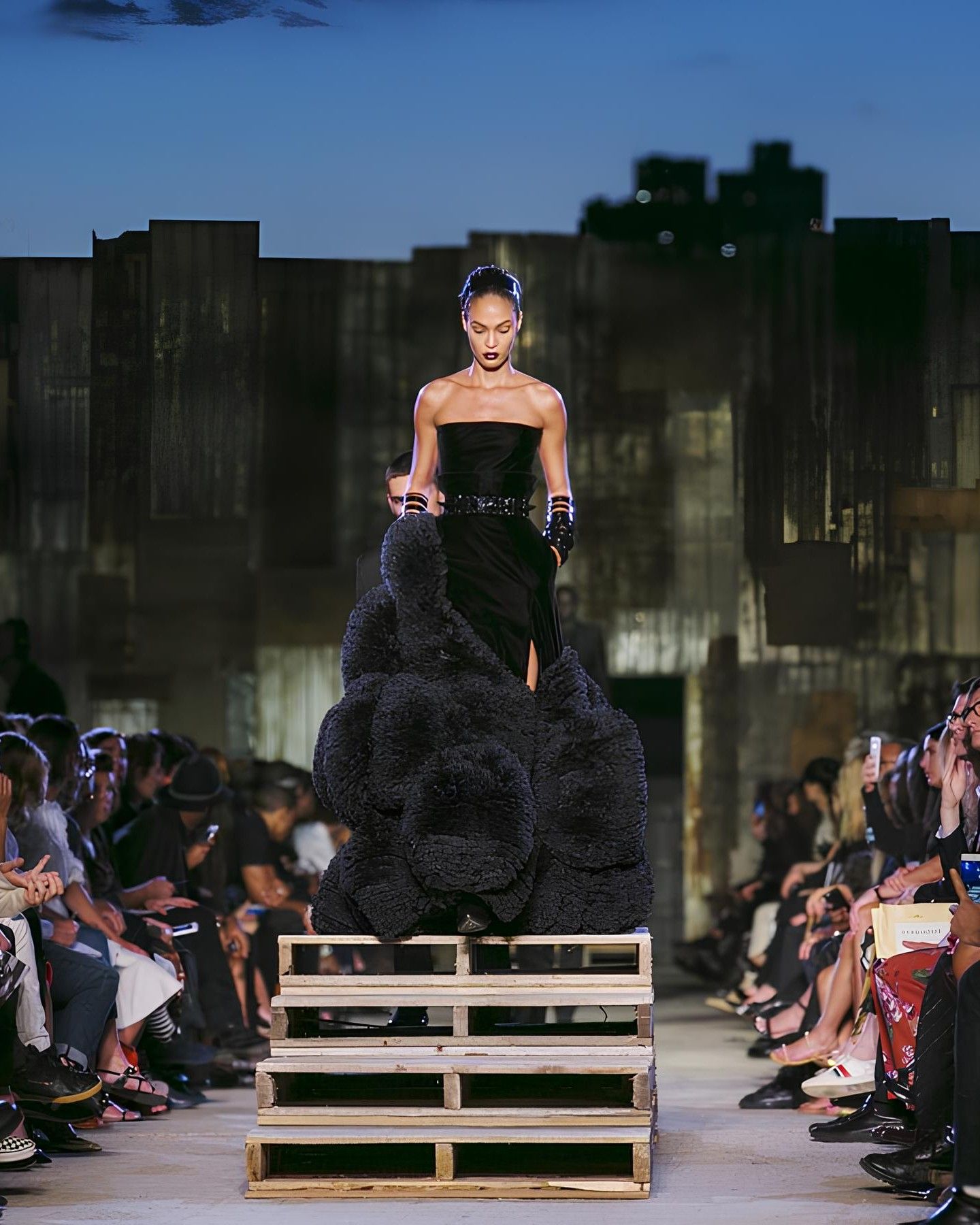
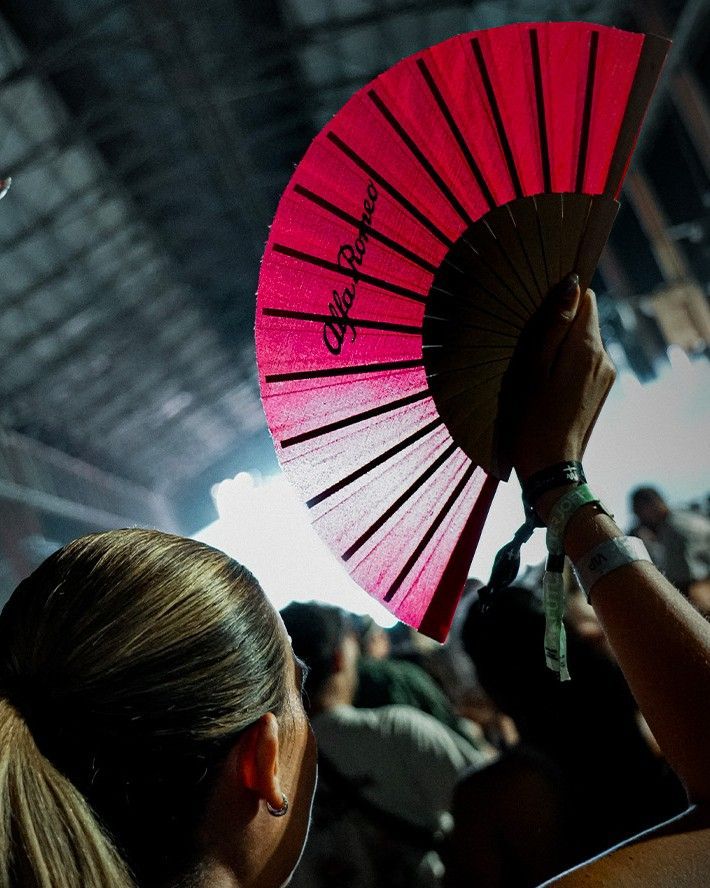
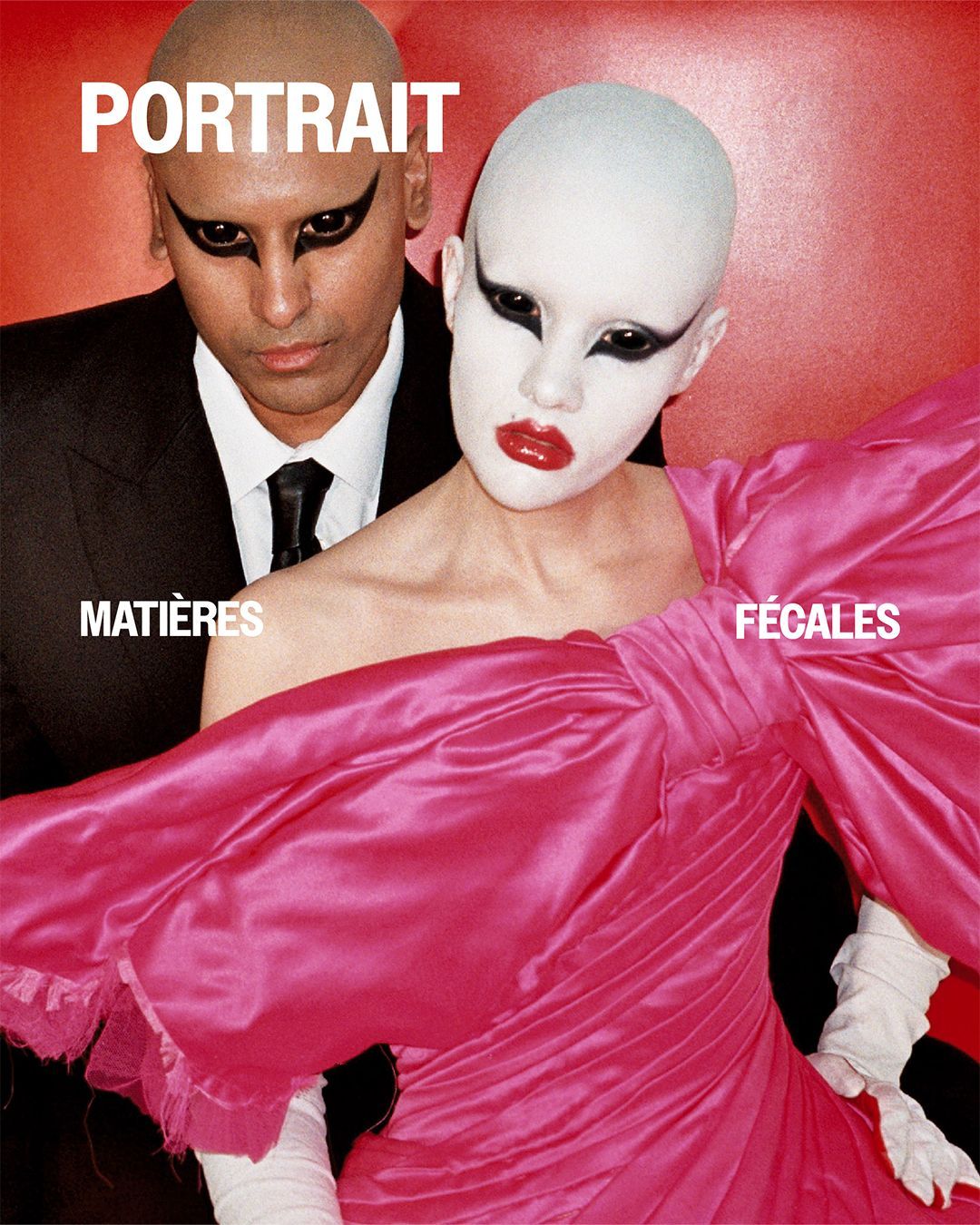
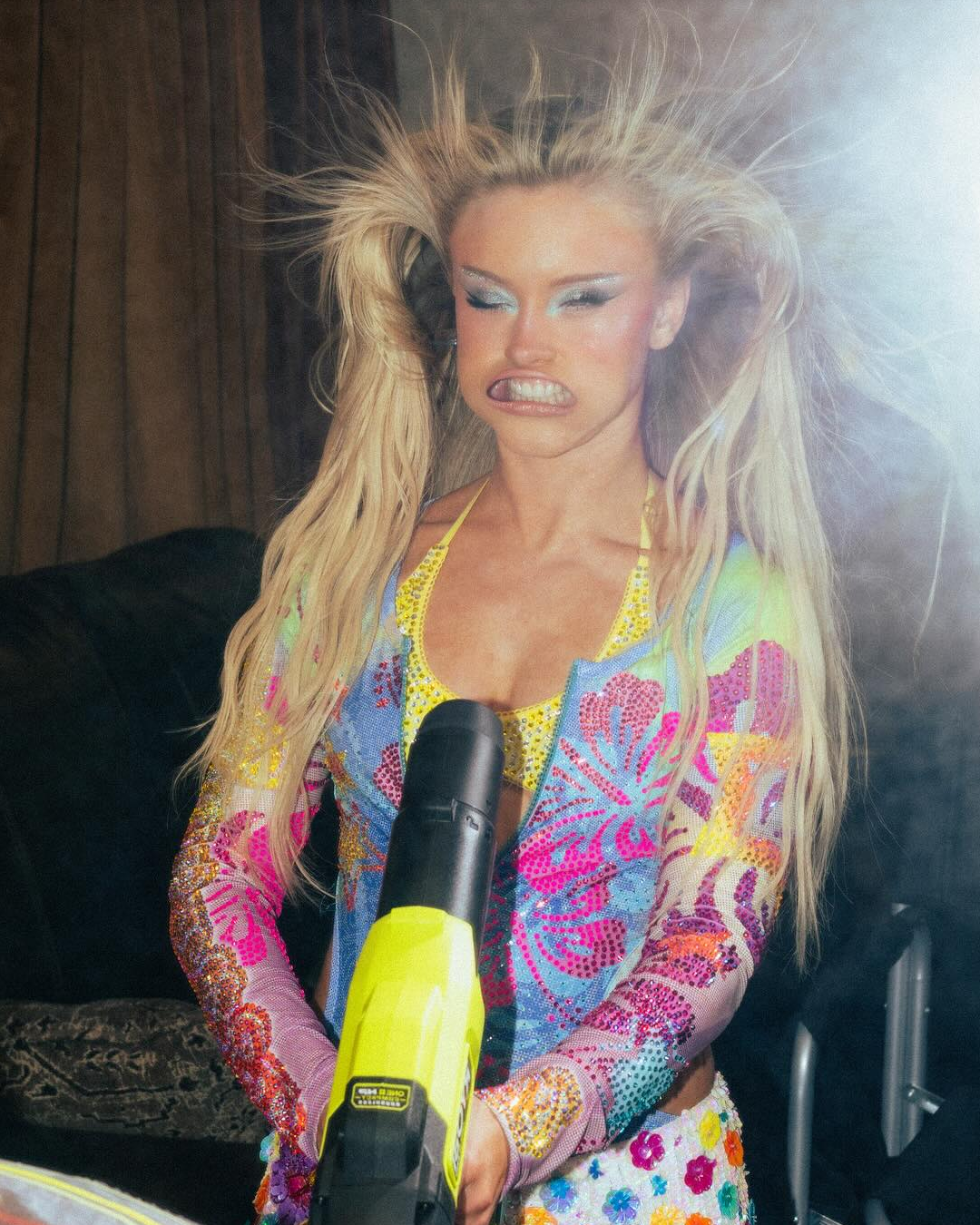
Winter has always enjoyed a certain popularity among fashion people, thanks to the possibility of layering one’s personal style. And yet, never like this year has there been such a widespread longing for summer. In the greyness and boredom that accompany the colder months, often marked by a daily routine mediated by remote work and physical interactions with the outside world reduced to a minimum, we crave color, sociability, and the frenzy of the summer season, even without layering. On TikTok, an aesthetic made of maximalist makeup, palettes revolving around icy blue and candy pink, dynamic details such as tassels and fringes, and technical ’80s sportswear is exploding. It is in this context, far from the minimalism of previous decades, that awareness culminates in a final acceptance: we are all children of funmaxxing.
We should all be having more fun
A term borrowed from the language of video games (where the suffix “-maxxing” is added to highly optimized character traits), funmaxxing is based on prioritizing fun and extravagance over an obsession with results. You may have heard this word associated with Alysa Liu, the Olympic ice skater who became a global phenomenon for the lightness she brought to the rink and her stated desire to have fun without overthinking the outcome. If this race toward laughter sounds ridiculous to you, the bleak results of The Happiness Report conducted by Oracle and author Gretchen Rubin in 2022 show that out of 12,000 people interviewed, 45% reported not having felt truly happy for more than two years, while 25% did not know the true meaning of happiness. Seen this way, funmaxxing emerges as the natural consequence of the escapism that has long been debated, that desire to escape from a climate that has only worsened, between uncertain futures, wars, burnout, economic crisis, and environmental collapse.
The main benefit of actively seeking a form of escape through play lies in breaking the cycle of compulsive scrolling. «We talk about escapism a lot, and it’s funny that interacting in real life has now become a way to escape from social media», argues Yusuf Ntahilaja, founder of a London-based music and chess community, summarizing the contemporary paradox. But how are we communicating this need to the outside world?
From everyday life to marketing: how to react to atrophy
In digital communication, funmaxxing takes shape as a variation of what social media has defined as friction-maxing marketing. The latter draws on the theory of Kathryn Jerez-Moron, a journalist at The Cut, according to whom deliberately choosing what is more inconvenient and slower in a world that constantly offers shortcuts means reclaiming a deeper and more active engagement with life. Showing up at a friend’s house unannounced, writing a message without asking ChatGPT for help, cooking a meal instead of ordering takeout: it is about learning again to tolerate the presence of friction that may slow down the achievement of a goal, and ultimately finding some form of enjoyment in it. As things stand, spoiled by technology and convenience, it is far more likely that any minor inconvenience is experienced as an insurmountable obstacle.
In 2026, friction is the tool through which brands build desire. The standardization that has characterized communication in previous decades, minimalist packaging, barely-there storytelling, conceptual imagery, has made brands essentially interchangeable: in the endless loop of the web, where any image lasts just the time of a scroll, we are now hungry for unpredictability. On the cover of the new issue of Paper, actress Ayo Edebiri is she photographed or painted? A sudden novelty in fashion photography and the web goes wild. Capturing attention today means breaking expectations, slowing down the viewer, creating barriers in the form of not immediately accessible information, because the harder something is to obtain, the more desirable it becomes. A mechanism as old as the world.
Fashion as a geopolitical mirror
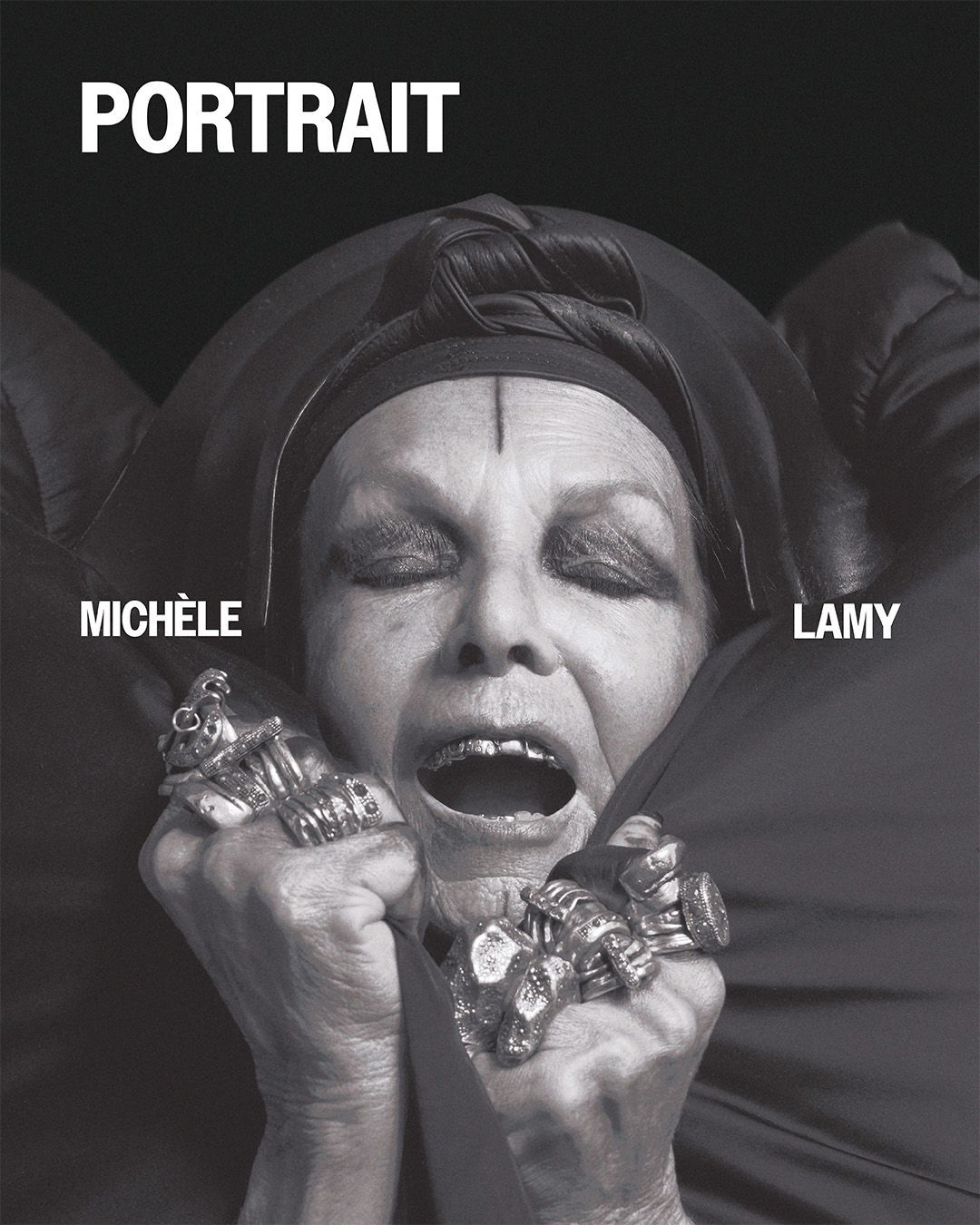
Returning to The Happiness Report, as early as 2022, 91% of respondents stated they preferred entertaining communication from brands. «We’ve all been through some very tough years, and around the world, we’re short on happiness. We’re starved for experiences that make us smile and laugh, and brands can help», said author Gretchen Rubin at the time. The people call, marketing responds. The most forward-thinking brands have integrated comic language into their campaigns, as highlighted by JingDaily. Loewe has enhanced Jonathan Anderson’s irreverent design through playful communication. Simon Porte Jacquemus appointed his own grandmother as a brand ambassador, defying traditional marketing logic based on celebrity association: the result is warm and engaging, while still conveying confidence. In this way, humor manages to build a community not necessarily of consumers, but of people who understand that language and sympathize with the brand, even without buying from it.
What are the benefits of funmaxxing?
@nssmagazine Us for karaoke night? I would loveeee @ChanelOfficial #asaprocky #dualipa #penelopecruz #margaretqualley #chanel suono originale - nss magazine
Funmaxxing is therefore a far more philosophical approach than it might seem, going well beyond fleeting TikTok trends and the whims of fashion, and instead painting a fairly comprehensive picture of the historical moment we are living through as humanity, beyond generational specificities. It would be wrong to attribute it only to younger generations, those infamous ones who supposedly don’t know how to have fun and dance in pastry shops waving cream-filled maritozzi. We all possess an attention span close to the floor, also the result of years of minimalist advertising that has flattened creative stimuli and ingenuity (even just the kind needed to understand a pun), hyper-accessible information, and commands bordering on children’s games. If real-life experiences have become the escape route from social media, adopting a more playful communication style can make our relationship with the digital world exciting again, while also lifting the mood of a resigned humanity.
It could also represent a solution to the so-called engagement recession: we are not just distracted users, but individuals who are progressively disconnected. Time spent online increases, but attention drops dramatically. In the workplace as online, people remain, but show a decline in energy, initiative, and involvement. They don’t comment, don’t share, don’t interact, a behavior that dangerously reflects the condition of a humanity that has learned to function without truly being present in the moment. This is where funmaxxing comes into play not as an aesthetic trend, but as a behavioral response: intentionally reintroducing elements of pleasure, surprise, and play becomes a way to reactivate engagement that can no longer be taken for granted. It also becomes a way to put oneself out there without the guarantee of a result, with the possibility of rediscovering fun and escaping atrophy. Even online.