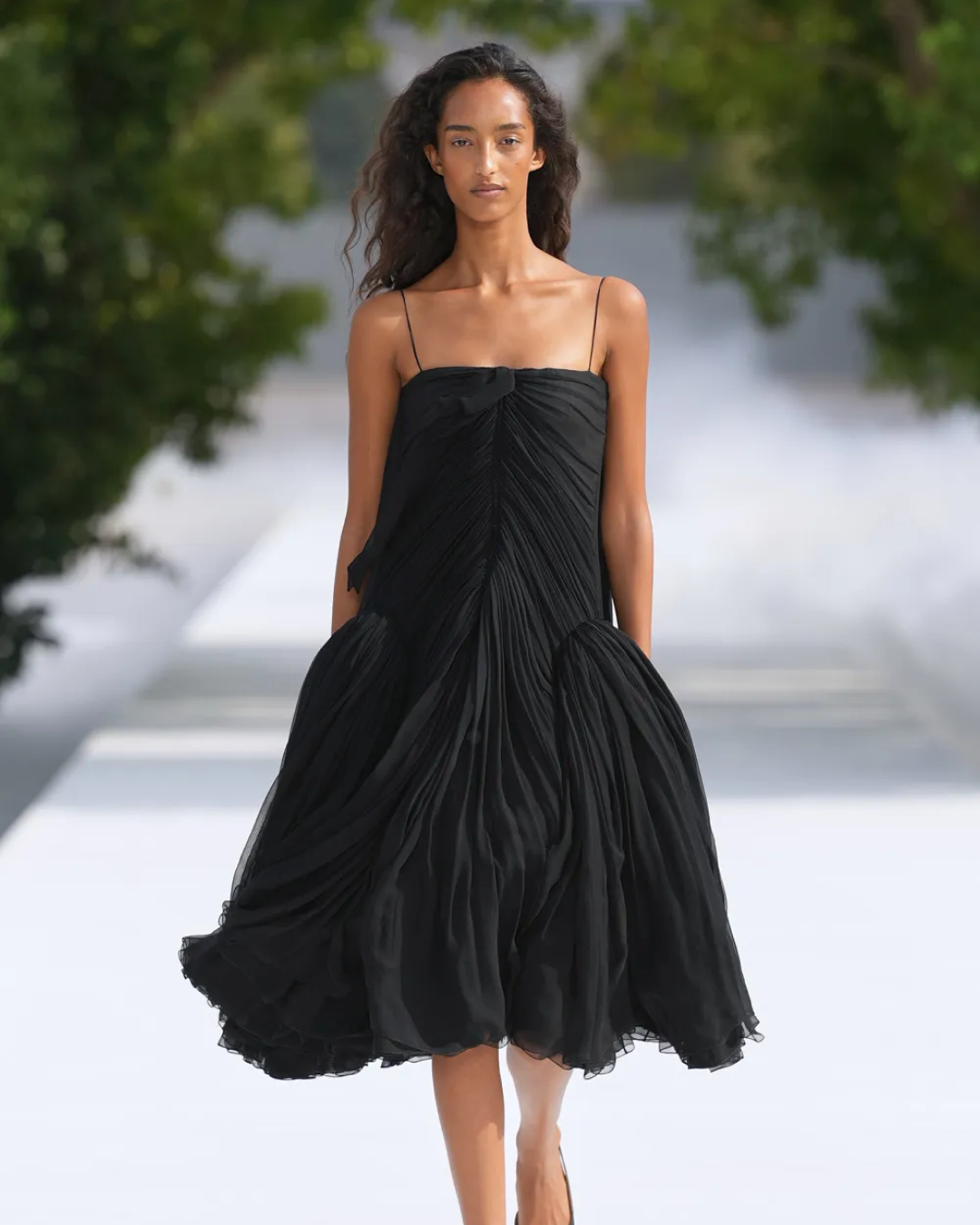
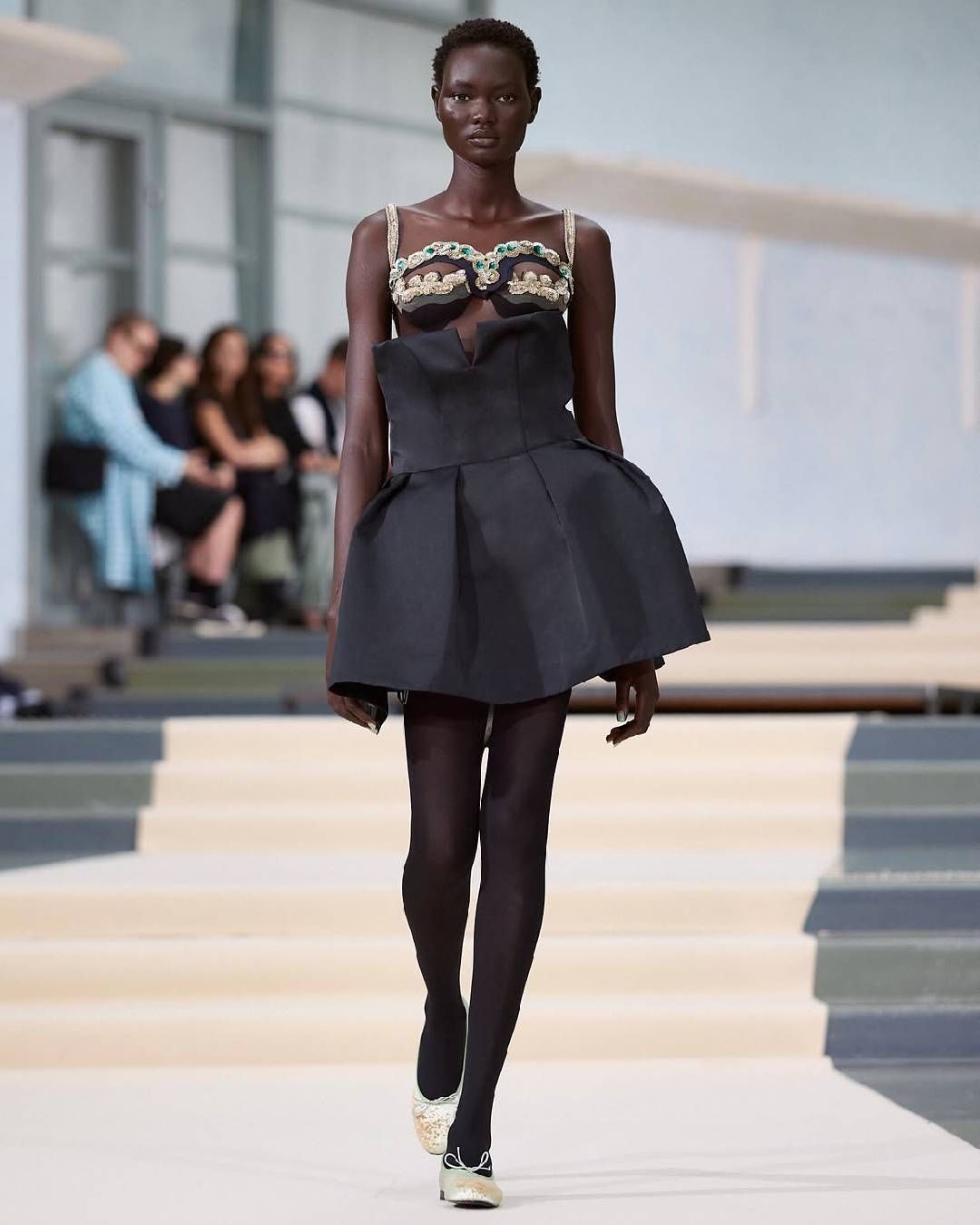
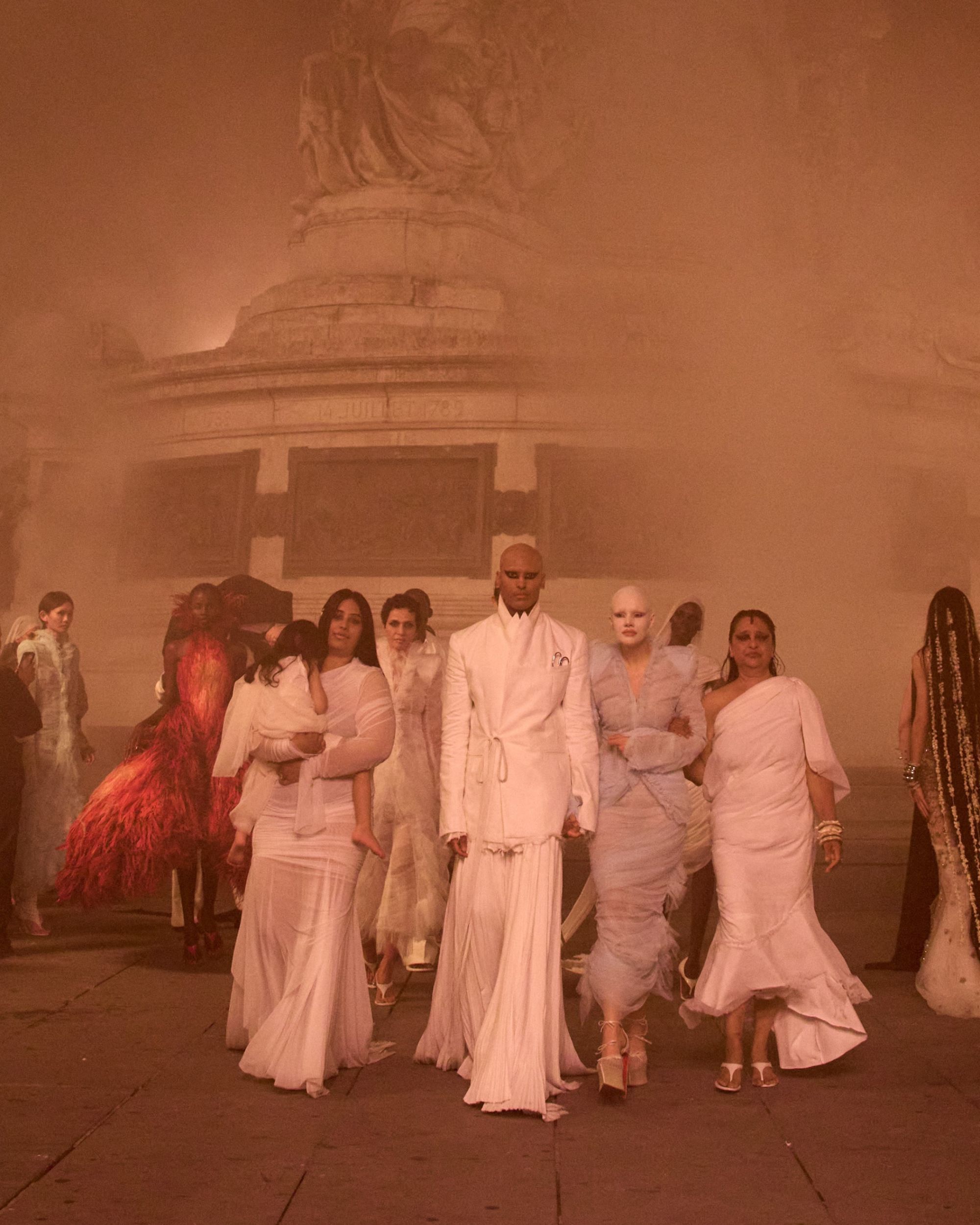
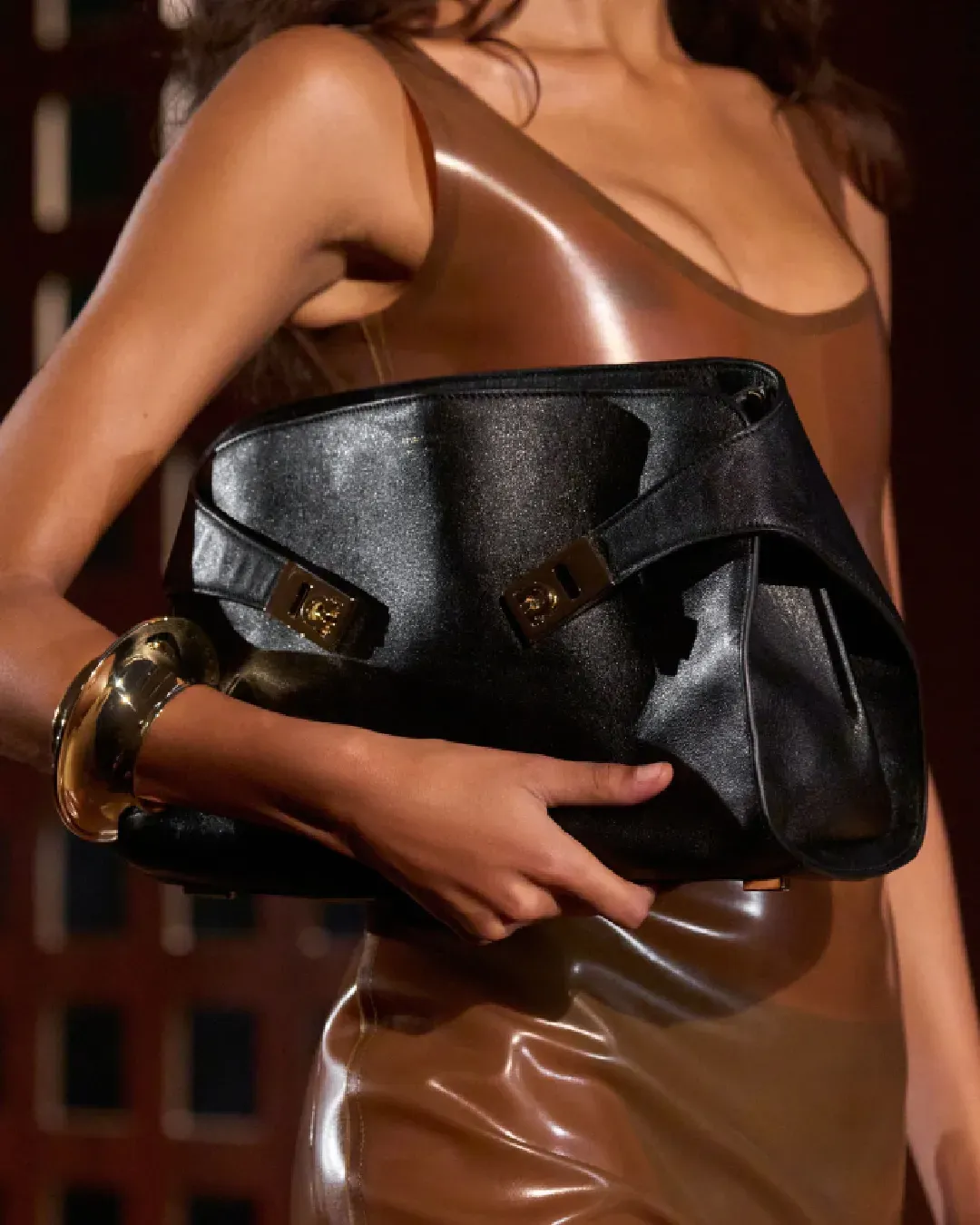
























The rumors behind Nicolas Di Felice's departure from Courrèges One of the most acclaimed rebrandings in recent fashion history comes to an end after five years
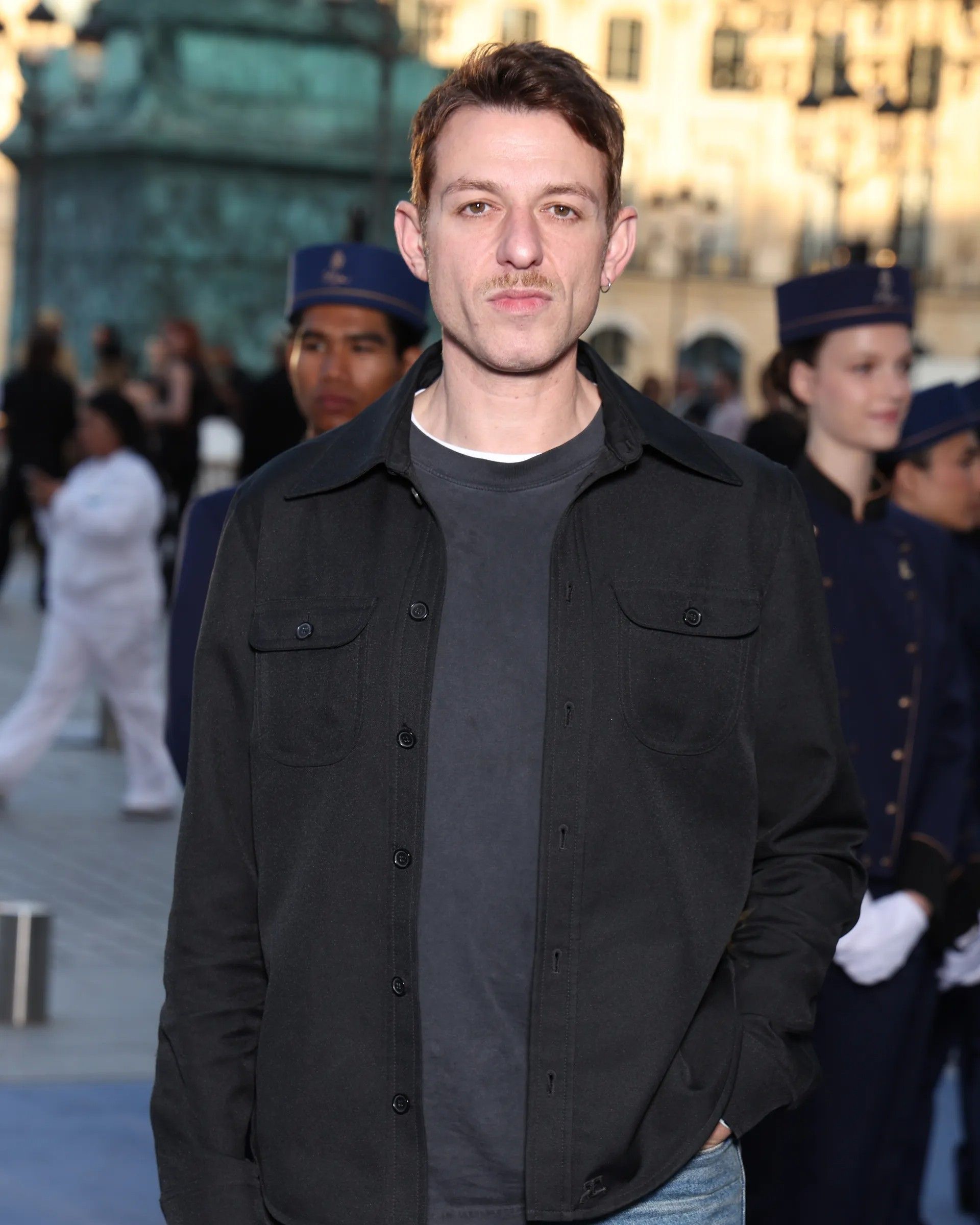
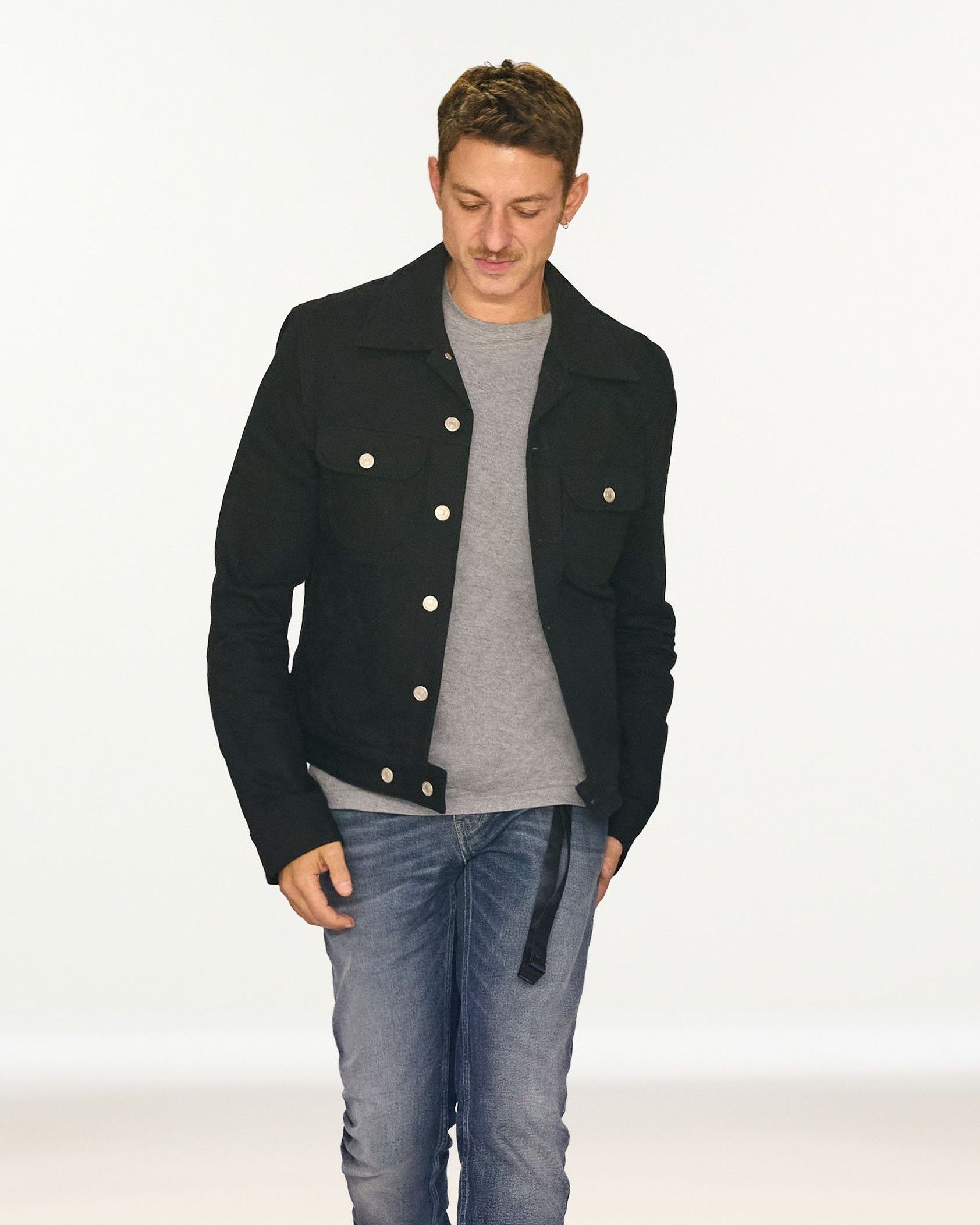
After five years and a highly successful turnaround, Nicolas Di Felice has announced his departure from the role of creative director at Courrèges. Following Harris Reed leaving Nina Ricci and Marco De Vincenzo exiting Etro, this is the third announcement of a creative director's departure since the end of fashion month. In an official statement, Di Felice expressed his deep gratitude: «I would like to express my deepest gratitude to the Artemis group and especially to François Pinault and François-Henri Pinault for the trust they have placed in me».
The farewell is motivated by the desire to «focus on personal projects», with no further details provided. However, it has been announced that Courrèges will name the new artistic director next week. Yet this exit has not gone as smoothly as it might seem: despite the enthusiasm from the press, over the past few months some very curious rumors had emerged about what was happening behind the scenes at the brand. Unconfirmed rumors, of course, but from reliable sources.
Problems behind the scenes?
you read it here first https://t.co/ZGFemdFHBs pic.twitter.com/JiW5oq9kGW
— Louis Pisano (@LouisPisano) July 31, 2025
While the relaunch of Courrèges under Di Felice was a highly successful rebranding operation, it is not clear how long that success actually lasted. The brand belongs to the Pinault family not through Kering, which publishes its accounts, but through the Artemis group, the family holding company that is not required to disclose financial data. In February 2024, WWD enthusiastically reported a doubling of revenues the previous year (the brand was still very small by industry standards), which had prompted an aggressive retail expansion the following year.
For the past two years, however, no further details had been released. We might presume that, with the luxury crisis, Courrèges experienced a drop in sales which, after the investments in a global retail expansion, could have caused significant debts. A pattern that also emerged at Kering, where heavy real estate investments in Paris and Italy created the debt problems that Luca De Meo is now resolving by offloading burdens such as the group's beauty division or half of McQueen's stores. Courrèges could have been a victim of the rationalization taking place within the Pinault family, even though De Meo is CEO of Kering and has nothing to do with Artemis. But in the absence of official confirmation, the modus operandi of aggressive expansion that creates debt is not new for Pinault-owned companies.
Still in 2024, some cryptic tweets by Louis Pisano, which according to some referred precisely to Di Felice, pointed to certain potentially problematic aspects: they spoke of a “party boy creative director” who would have driven the brand into the red after a series of extravagant expenses on villas in the South of France. Pisano indirectly confirmed that it was about Di Felice by reposting that tweet several times under an article from Glitz Paris on how the brand’s debts had become so high that the Pinaults had to step in and pay them all out of their own pockets.
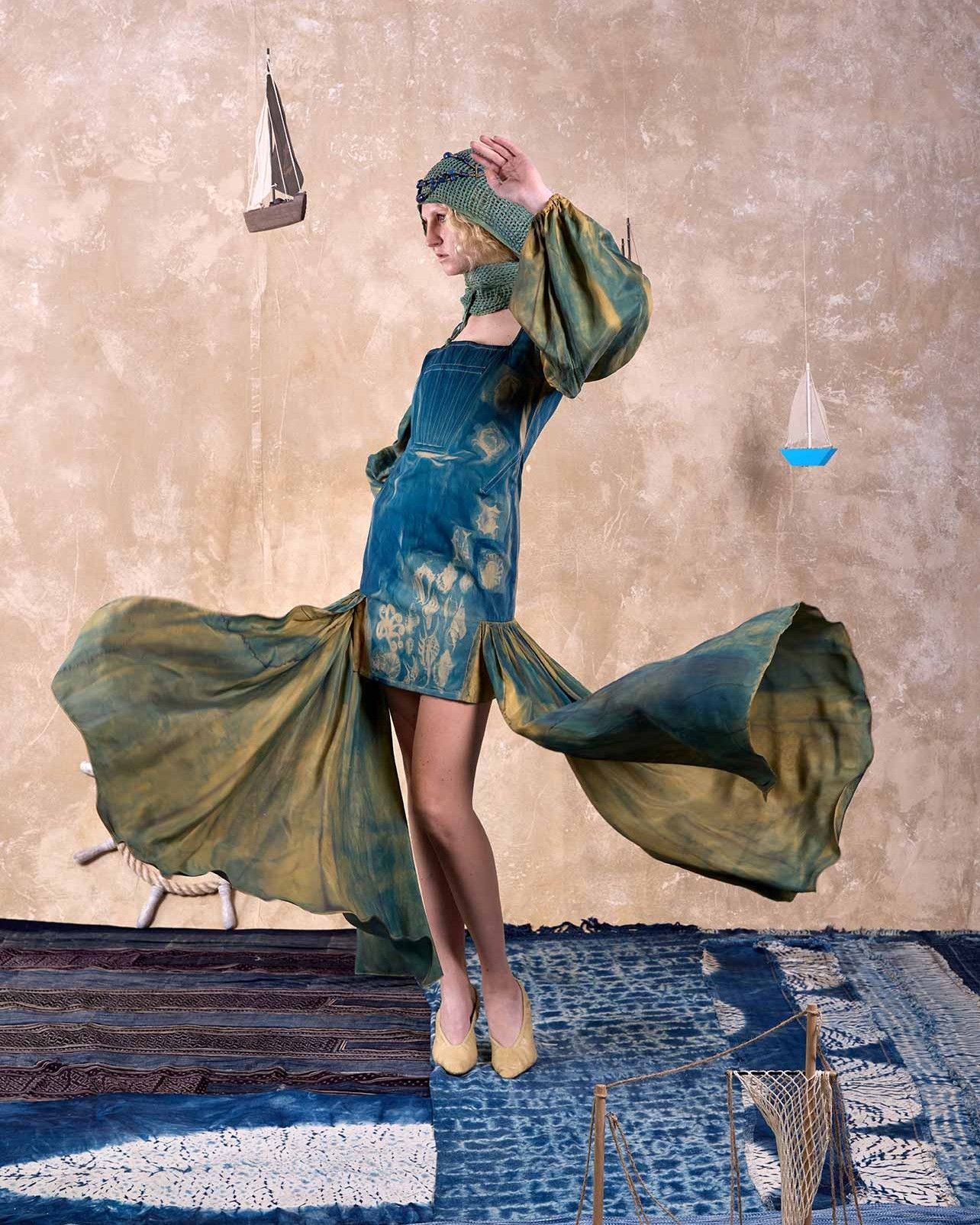
In general, reviews of his latest shows had also become increasingly cooler. We might suppose that, after the initial momentum and the success of certain products like the vinyl jacket and some bags, the brand’s very tight and revealing garments could only be worn by a relatively limited audience. Another point that Louis Pisano had highlighted. In any case, the brand did not find itself at the center of major media moments or worn by celebrities. The enthusiasm was starting to wane.
And now?
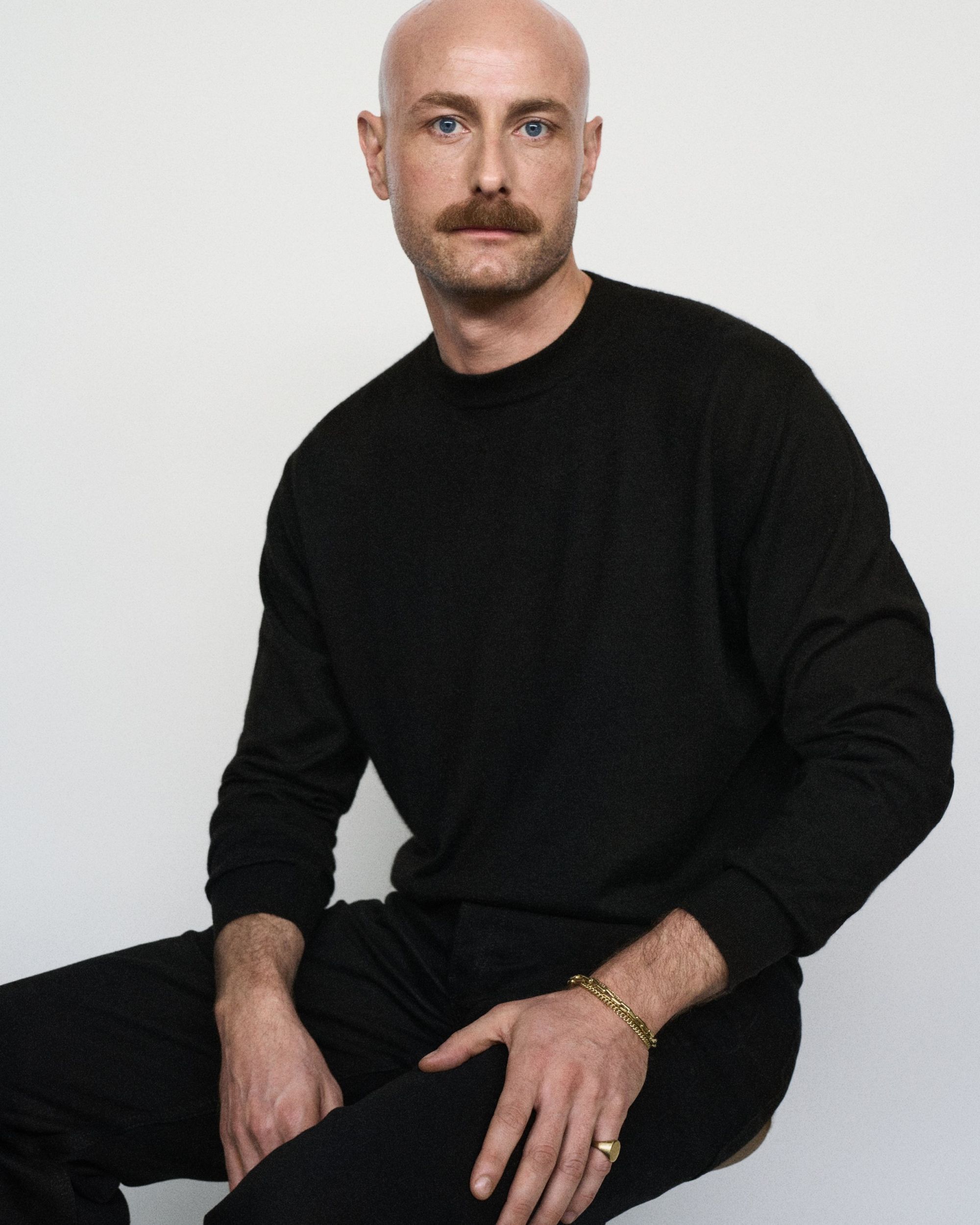
While the brand equity of Courrèges remains relatively intact, even if the latest collections had not been entirely satisfying, the Pinaults still believe in the brand, as they have announced that a new creative director will be named next week. Consequently, the replacement was already planned and underway; it remains to be seen who will actually be chosen.
But Di Felice’s train has not reached the end of the line either. In Parisian circles, there is already talk of his imminent arrival at Rabanne or even at Alaïa, which after Pieter Mulier’s departure could find in Di Felice a worthy successor, provided that the Belgian designer manages to adapt his language to the level of aesthetics that, after five years of Mulier, many expect from the brand.